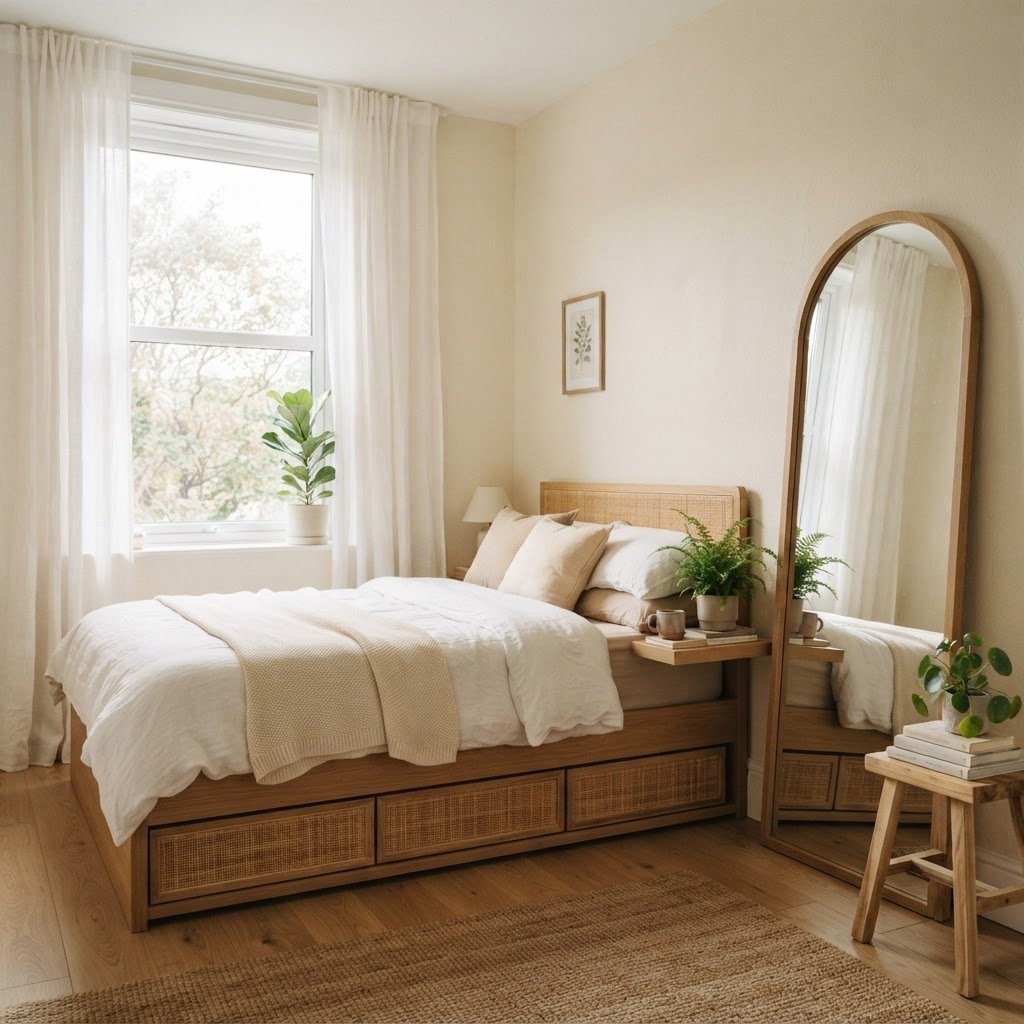
Living in a compact home doesn’t mean you have to sacrifice style or comfort. Implementing the right small cozy bedroom ideas can turn a cramped, dark corner into a serene sanctuary that feels both airy and incredibly inviting. By leveraging light, multi-functional furniture, and smart organizational habits, you can easily trick the eye into perceiving a more expansive space while maintaining that coveted intimate vibe.
The Power of Color and Lighting
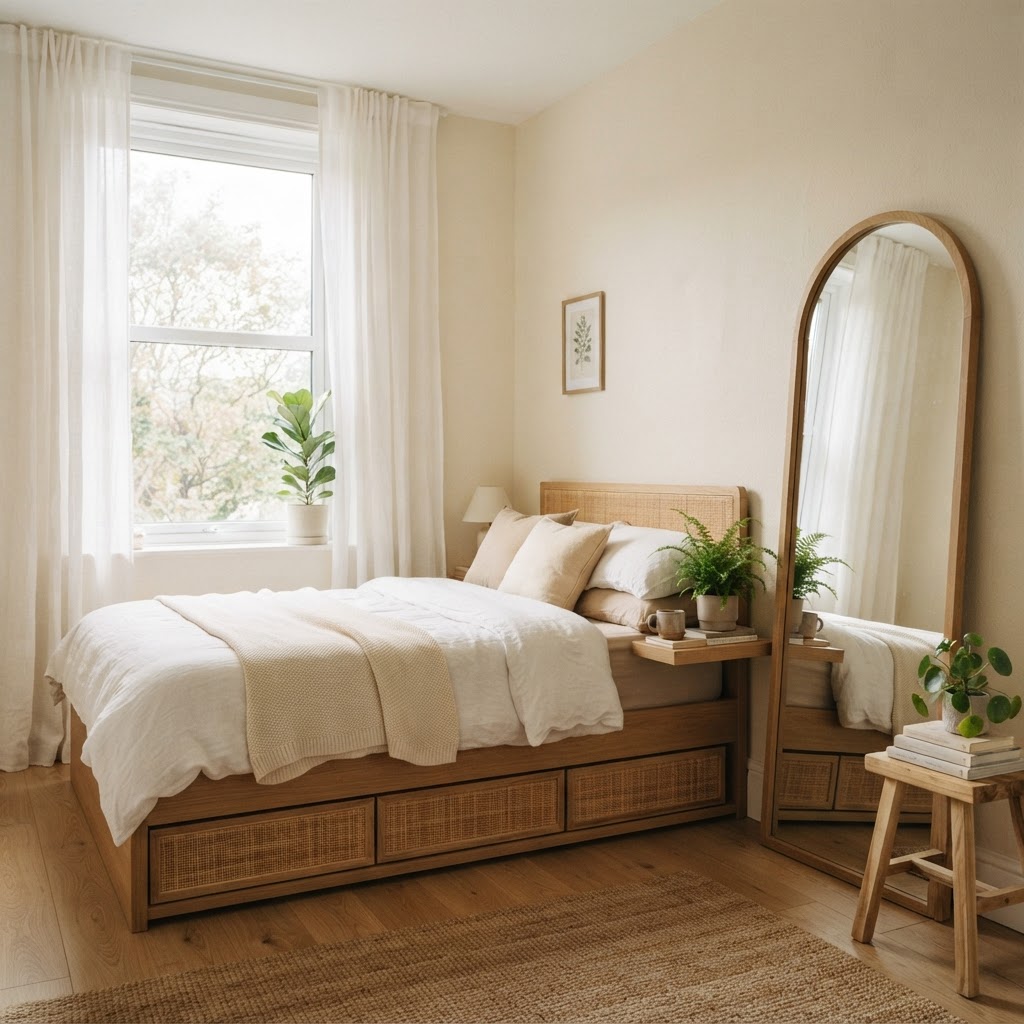
One of the most effective strategies for opening up a room is a thoughtful approach to color. Light, neutral colors are essential for reflecting natural light, making the walls appear as if they are receding. Think beyond stark white; soft creams, pale grays, and warm pastels can add character without darkening the room.
Lighting is equally critical. In a small bedroom, a single central overhead light often creates harsh shadows that shrink the room. Instead, layer your lighting. Combine a bedside lamp, an adjustable wall sconce, and perhaps a small floor lamp to eliminate dark corners and create a warm, layered glow.
Maximize Natural Light
If you have a window, don’t hide it behind heavy, dark drapery. Opt for sheer curtains that offer privacy while allowing sunlight to stream inside. If you need room-darkening shades for sleeping, consider sleek roller blinds that disappear entirely when rolled up, keeping the window frame clean and unobstructed.
Multi-Functional Furniture Solutions
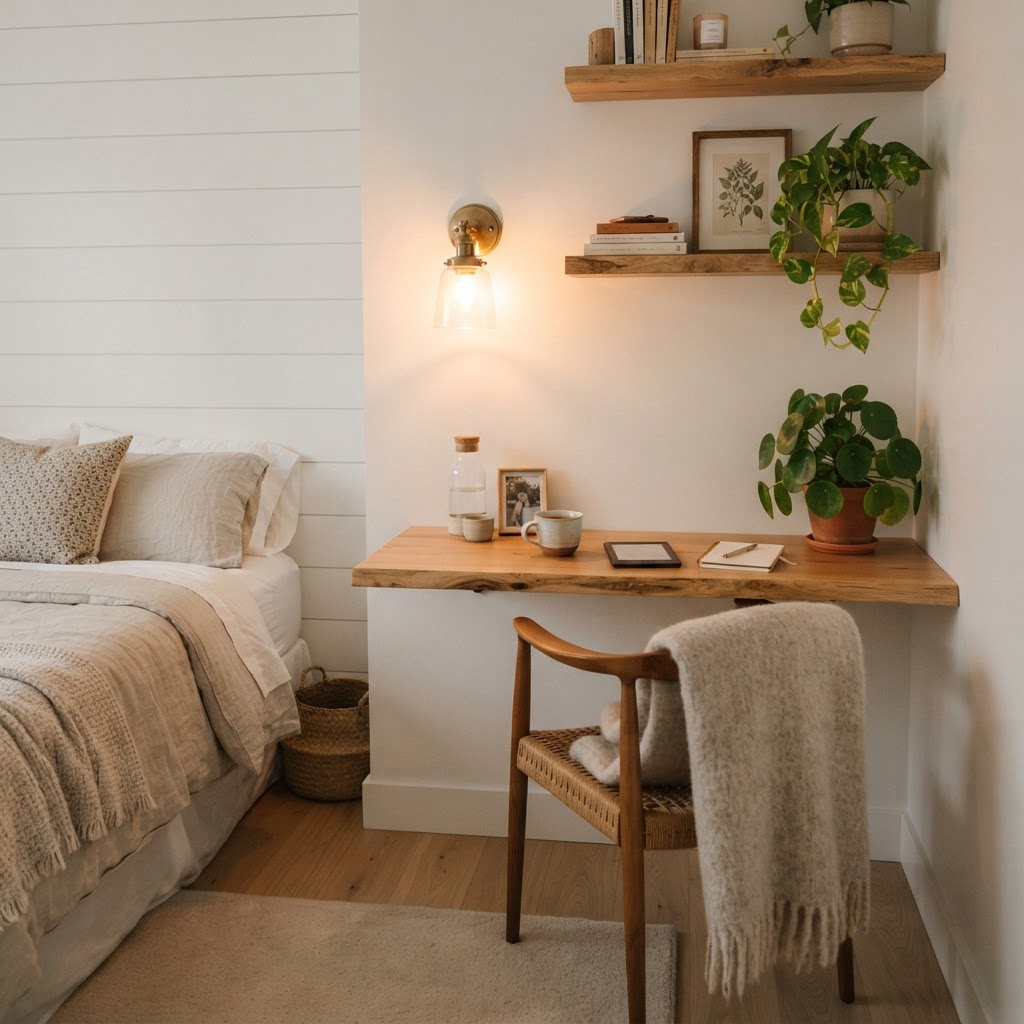
In a restricted footprint, every piece of furniture must earn its keep. Investing in items that serve double duty is a hallmark of intelligent small space interior design. A bed frame with built-in drawers underneath is a game-changer for storing seasonal clothing or extra linens.
Consider replacing a bulky vanity with a wall-mounted floating desk. It provides a dedicated surface for work or makeup without occupying precious floor space. When selecting nightstands, look for pieces with open shelving or a single slim drawer to keep the floor visible, which helps the eye perceive more square footage.
Strategic Use of Mirrors
Mirrors are the oldest trick in the designer’s handbook, but they remain the most effective for a reason. By placing a large mirror opposite a window, you instantly double the amount of natural light flooding the room. A floor-length leaning mirror or a custom mirrored closet door can add significant depth to the walls.
Choosing the Right Frame
When choosing mirrors, consider the frame style carefully. A thin, metallic frame adds a touch of modern luxury, while a frameless mirror keeps the look seamless and minimalist. For a more traditional “cozy” feel, a wooden frame can add warmth. Always ensure the mirror reflects an attractive area of the room to avoid cluttering the visual space.
Vertical Storage and Organization
When you run out of floor space, the only way to go is up. Vertical storage is vital for keeping surfaces clear and preventing that claustrophobic feeling that comes from clutter. Install floating shelves above the bed or along an empty wall to store books, plants, and decor items.
Consider tall, narrow bookshelves that draw the eye upward, making the ceilings feel higher than they actually are. By keeping the floor clear of stray items, you ensure that the room feels intentional rather than crowded. Remember, the goal is to keep as much “negative space” as possible.
Decluttering for Maximum Impact
Physical clutter is the enemy of a peaceful, small bedroom. Perform an honest audit of your belongings. If an item doesn’t serve a clear purpose or spark genuine joy, it is likely taking up space that could be used for something you truly value. Use decorative boxes that match your decor to hide small items on shelves.
Textiles and Textures for Comfort
Just because a space is small doesn’t mean it shouldn’t feel luxurious. In fact, compact spaces are the perfect environment for tactile, cozy textures. Use high-quality bedding, chunky knit blankets, and plush rugs to create a sense of deep comfort.
However, avoid overdoing it with bold, chaotic patterns that can make the room feel busy. Stick to a monochromatic palette and introduce interest through varied textures—such as a linen duvet paired with a velvet throw pillow or a shaggy faux-fur rug. This adds depth without the visual noise that makes a room feel smaller.
The Minimalism Approach
Adopting a minimalist mindset is perhaps the most liberating choice you can make for a compact bedroom. Minimalism isn’t just about white walls; it is about intentionality. By choosing fewer, better-quality pieces, you allow the room to breathe.
Focus on one “hero” piece of furniture, like a beautiful bed frame, and keep everything else secondary. When every object in the room has a reason for being there, you transform a cramped space into a curated, boutique-style retreat.
Creating Visual Flow
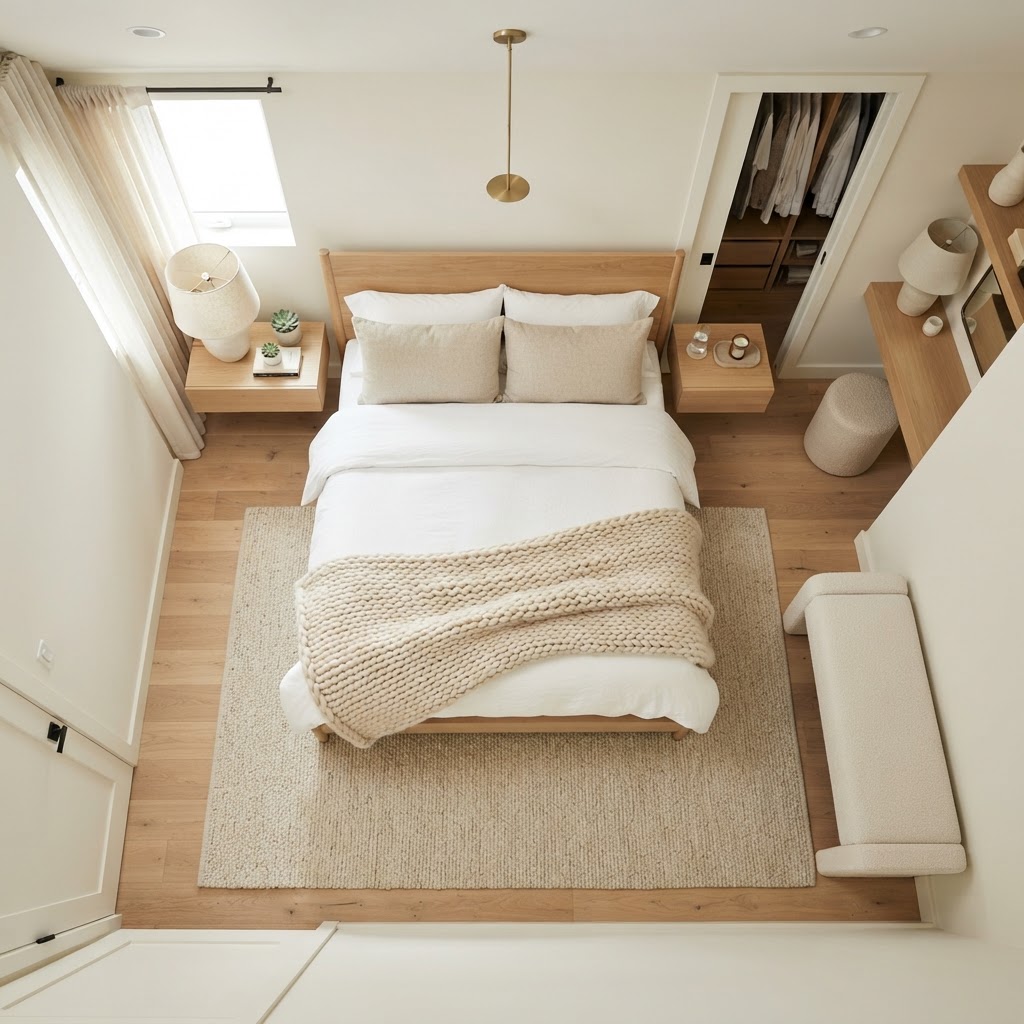
Finally, ensure that there is a clear path of movement through the room. If you have to navigate around obstacles to get to your bed, the room will immediately feel smaller. Keep walkways clear and use furniture with rounded edges to make the room feel softer and more accessible. By creating a smooth transition from the door to the bed, you enhance the overall feeling of spaciousness.
Conclusion
Creating a sanctuary in a limited area is entirely possible when you prioritize light, verticality, and organization. Whether you choose to add a statement mirror, invest in multifunctional storage, or simply declutter your bedside table, these small cozy bedroom ideas provide the blueprint for a home that feels open, airy, and uniquely yours. Start by making one or two of these changes today—you will be surprised at how quickly your room transforms into the peaceful escape you deserve. What project will you tackle first? Share your progress or questions in the comments below!

Leave a Reply