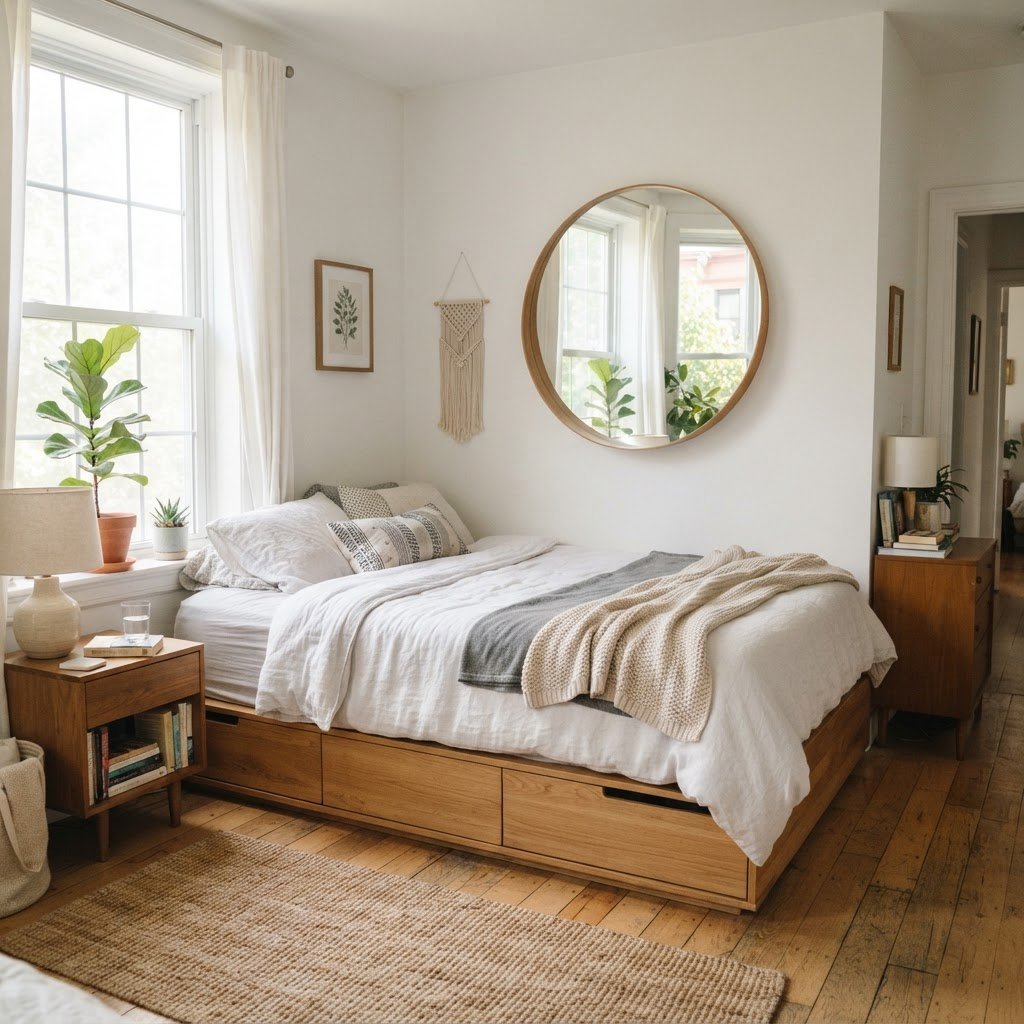
15 Small Cozy Bedroom Ideas Perfect for Tiny Spaces
To make a small bedroom feel cozy and spacious, prioritize vertical storage, use multifunctional furniture like storage beds, and implement a light, monochromatic color palette to reflect light. These targeted design strategies transform cramped quarters into functional, stylish sanctuaries by maximizing every square inch of your limited floor plan.
Maximizing Vertical Space for Storage
In a tiny bedroom, your greatest asset is the wall space that often goes overlooked, allowing you to reclaim floor area for better flow. Installing floating shelves exactly 12 to 18 inches above your headboard or desk creates essential storage for books and bedside necessities without encroaching on your walking path. Floor-to-ceiling wardrobes, which typically offer 30% more storage than standard units, draw the eye upward, giving the illusion of a taller room while providing ample space to hide clutter. Consider custom cabinetry that utilizes the full height of your walls, often up to 9 or 10 feet, to effectively store seasonal items that would otherwise occupy precious closet floor space.
The Power of Wall-Mounted Furniture
Wall-mounted bedside tables are a game changer because they open up floor sightlines, which psychologically makes a room feel larger. By removing the bulky legs of traditional nightstands, you reclaim roughly 2 to 4 square feet of floor space, which creates a cleaner, more spacious look. Integrate multi-functional pieces like a drop-leaf desk that folds flush against the wall when not in use; this flexibility is vital for multi-purpose rooms where your sleeping area must also serve as a professional home office. Studies suggest that reducing furniture “ground contact” increases the perception of space by up to 15% in compact environments.
Selecting the Perfect Color Palette
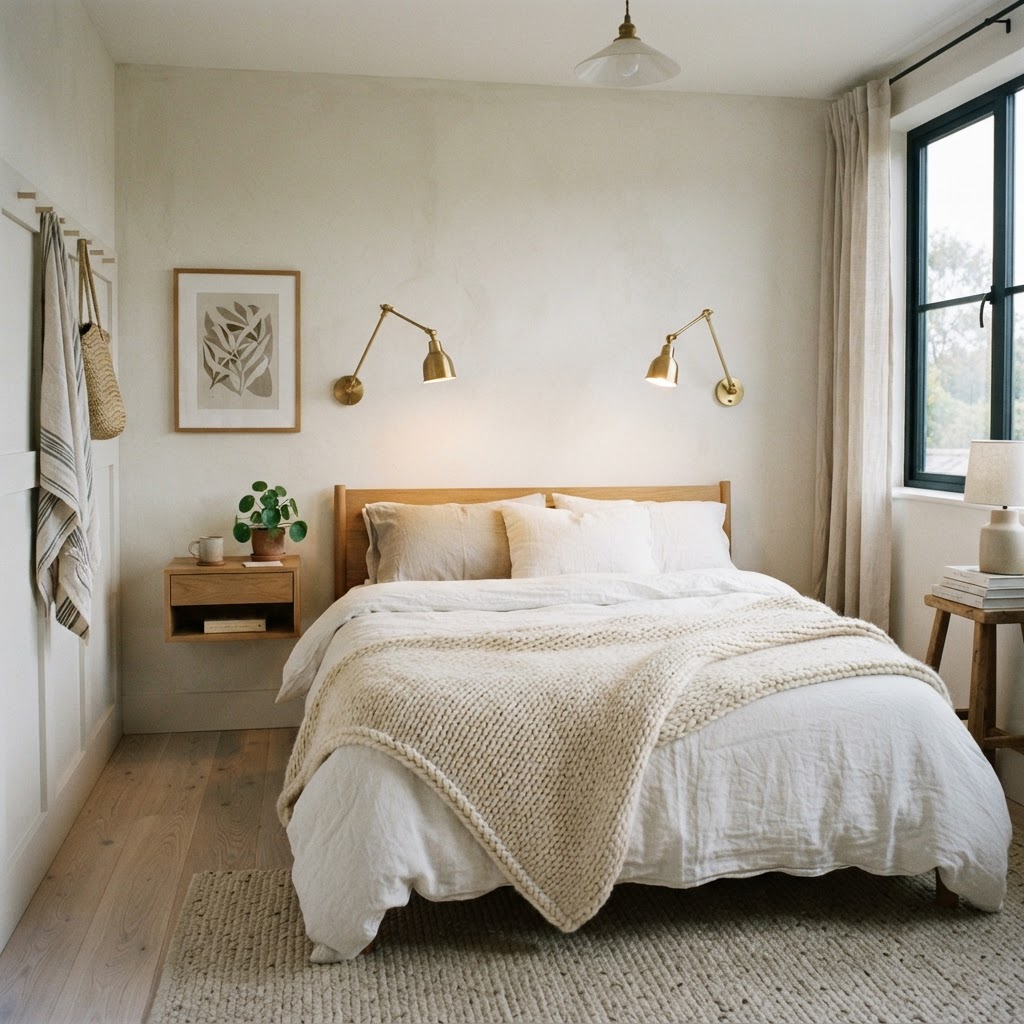
Light colors serve as the primary tool in interior design for reflecting natural light and expanding the perceived dimensions of a room. White, cream, soft greys, and light pastels provide a high Light Reflectance Value (LRV), which helps bounce sunlight into darker corners, making your room feel significantly more open. However, small cozy bedroom ideas are not limited to stark whites. You can introduce sophistication by using a monochromatic color scheme or by painting a single accent wall in a warmer, darker hue; this creates a sense of cocoon-like intimacy that feels intentional rather than cramped. Research shows that keeping a 60-30-10 color ratio (dominant, secondary, and accent colors) prevents visual clutter in rooms under 100 square feet.
Creating Illusion with Mirrors
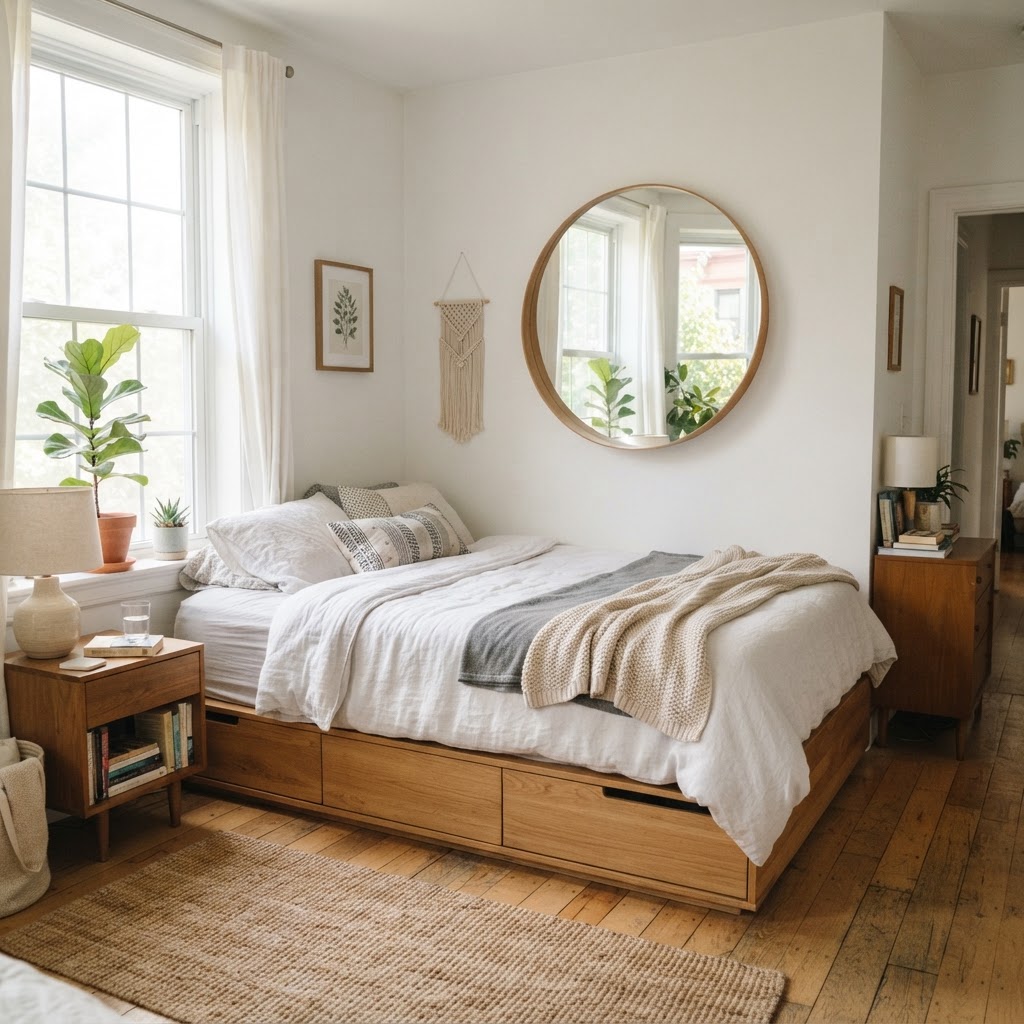
Strategic mirror placement is essential for tricking the eye into seeing more depth. A floor-length mirror leaning against a wall or a large mirror mounted above a dresser can bounce ambient light around the room, effectively doubling the perceived illumination. When a mirror reflects an outside window or an open doorway, it provides an illusion of a “second room,” making the space feel less like a box. For the best impact, position mirrors perpendicular to windows rather than directly across to prevent harsh glares while maximizing natural light dispersion throughout the day.
Clever Bedding and Furniture Choices
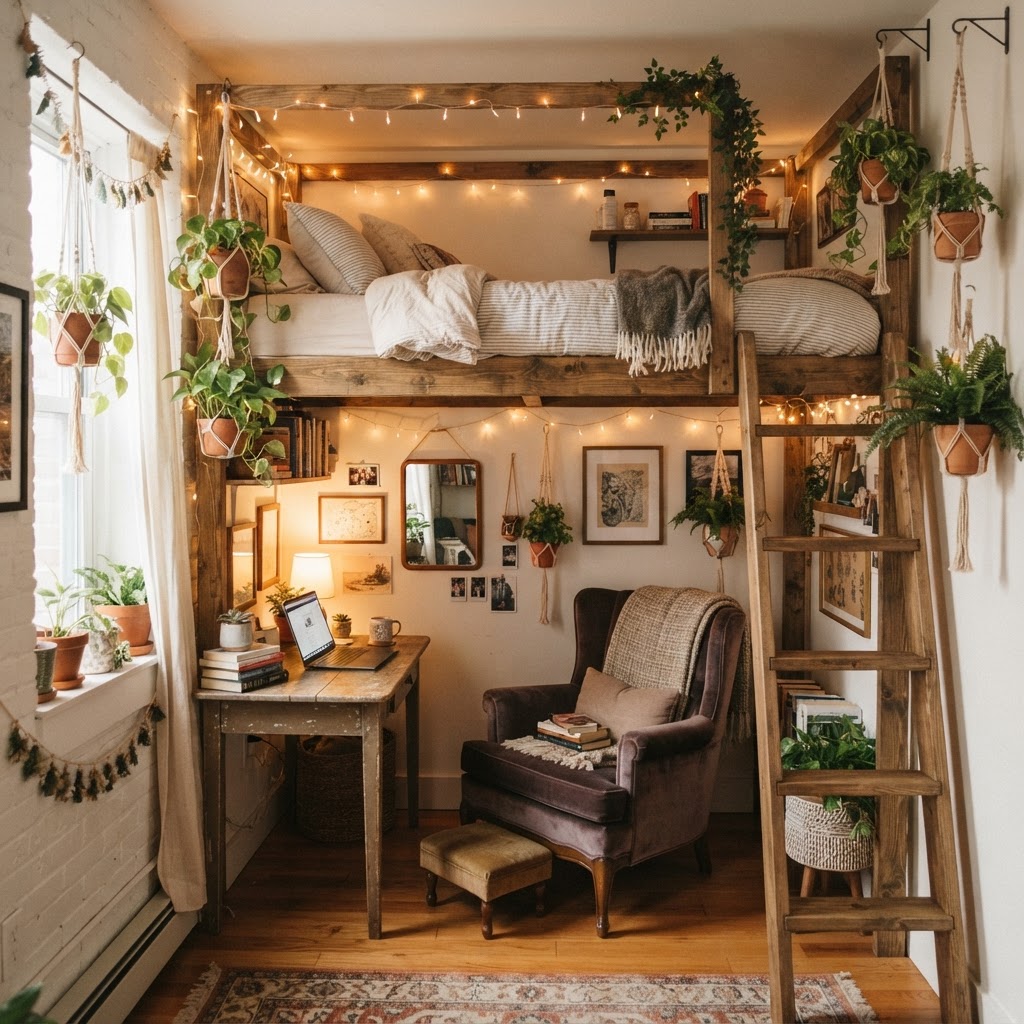
Your bed is typically the largest object in your room, so it must be selected with extreme intention to preserve your square footage. A platform bed with built-in storage drawers beneath the mattress eliminates the need for bulky dressers, often saving an entire footprint of 6 to 8 square feet. If you are starting from scratch, consider a daybed or a loft bed—provided your ceiling height exceeds 8 feet—which opens up the entire floor underneath for a dedicated reading nook or a productive workstation. Keeping your bedframe streamlined ensures that the room maintains a sense of flow rather than feeling packed with heavy, oversized headboards or ornate frames.
Incorporating Smart Lighting Solutions
Lighting plays a pivotal role in setting the atmosphere and masking the limitations of small rooms. In a compact bedroom, avoid relying solely on a single overhead light, which can create harsh shadows in corners and make the space feel significantly smaller. Instead, layer your lighting: use wall sconces on either side of the bed to save surface space, or utilize clip-on lamps for a modern, functional approach. Warm bulbs, typically rated between 2700K and 3000K, enhance the cozy factor, making the environment feel more like an upscale hotel suite. Properly layered lighting can trick the brain into ignoring room boundaries, focusing instead on the highlighted zones of the bedroom.
The Importance of Dimmable Switches
Installing dimmers allows you to adjust the room’s mood instantly and serves as a low-cost, high-impact upgrade. Whether you are reading, getting ready for the day, or winding down for sleep, being able to lower the light intensity helps signal your body that it is time to rest. This small upgrade costs under $30 for a standard switch and significantly increases the utility and luxury feel of your bedroom without requiring major structural renovations.
Texture and Layers for Coziness
Even when you lack space for excess furniture, you can make a bedroom feel rich and layered by focusing on tactile textures. A small cozy bedroom relies on these layers to provide character, such as chunky knit throw blankets, velvet pillows, and high-pile rugs. When the room lacks space for decorative figurines or large art, the materials you use for your bedding and window treatments become the primary focal point of the design. Stick to a cohesive, monochromatic color palette to ensure these layered elements provide depth and comfort without creating visual chaos, which is essential for maintaining a restful environment in tight quarters.
Essential Organization Strategies
Clutter is the primary enemy of a small bedroom, and maintaining clear surfaces is the fastest way to make a room appear twice its size. Use under-bed storage containers to organize seasonal clothing, shoes, or extra bedding, which keeps the floor surface visible and uncluttered. Inside your closet, maximize space with double-hanging rods and vertical organizers; this can increase your hanging capacity by up to 50% compared to a single rod. If you lack a traditional closet, consider a stylish garment rack that displays your curated wardrobe, turning your everyday clothes into a functional decor element that adds personality to the room.
5 Pro Tips for Tiny Bedroom Layouts
- Keep your walkway clear to maintain an easy flow throughout the room, ideally leaving at least 24 inches of clearance.
- Use oversized art pieces rather than a cluster of small pictures to avoid a cluttered look and anchor the room.
- Choose furniture with exposed legs to show more floor and increase the perception of space by revealing the ground beneath.
- Utilize the back of your bedroom door for hanging robes, bags, or jewelry using over-the-door storage hooks.
- Maintain a strictly curated collection of items; use the “one-in, one-out” rule for every new item you bring into your space.
FAQ
How can I make a tiny bedroom look bigger?
To make a tiny bedroom look bigger, use light-reflecting colors like white or soft pastels and position large mirrors to bounce natural light. Additionally, keeping the floor clear by using wall-mounted furniture and vertical storage creates an airy, open atmosphere that expands the visual footprint of the room.
What is the best bed for a small bedroom?
A platform bed with built-in storage drawers or a loft bed is the best choice for small bedrooms. These options eliminate the need for bulky dressers and utilize the space beneath the mattress, providing maximum storage without adding physical clutter to your limited floor space.
How do you organize a bedroom with no closet?
If you have no closet, use a stylish garment rack to display clothes as decor and install wall-mounted hooks for bags or accessories. Incorporating under-bed storage bins and vertical shelving units allows you to hide essentials out of sight while keeping your room looking organized and intentional.
How many light sources should a small bedroom have?
A small bedroom should have at least three light sources to create a layered, cozy environment. Use a combination of ambient overhead lighting, wall sconces for reading, and subtle accent lighting to eliminate harsh shadows and create the illusion of a larger, more sophisticated space.
Is it okay to use dark colors in a small bedroom?
Yes, it is perfectly fine to use dark colors in a small bedroom, especially on a single accent wall. While light colors expand space, a rich, dark hue can create a sense of cocoon-like depth and intimacy that makes a tiny bedroom feel intentional and purposeful rather than just small.

Leave a Reply