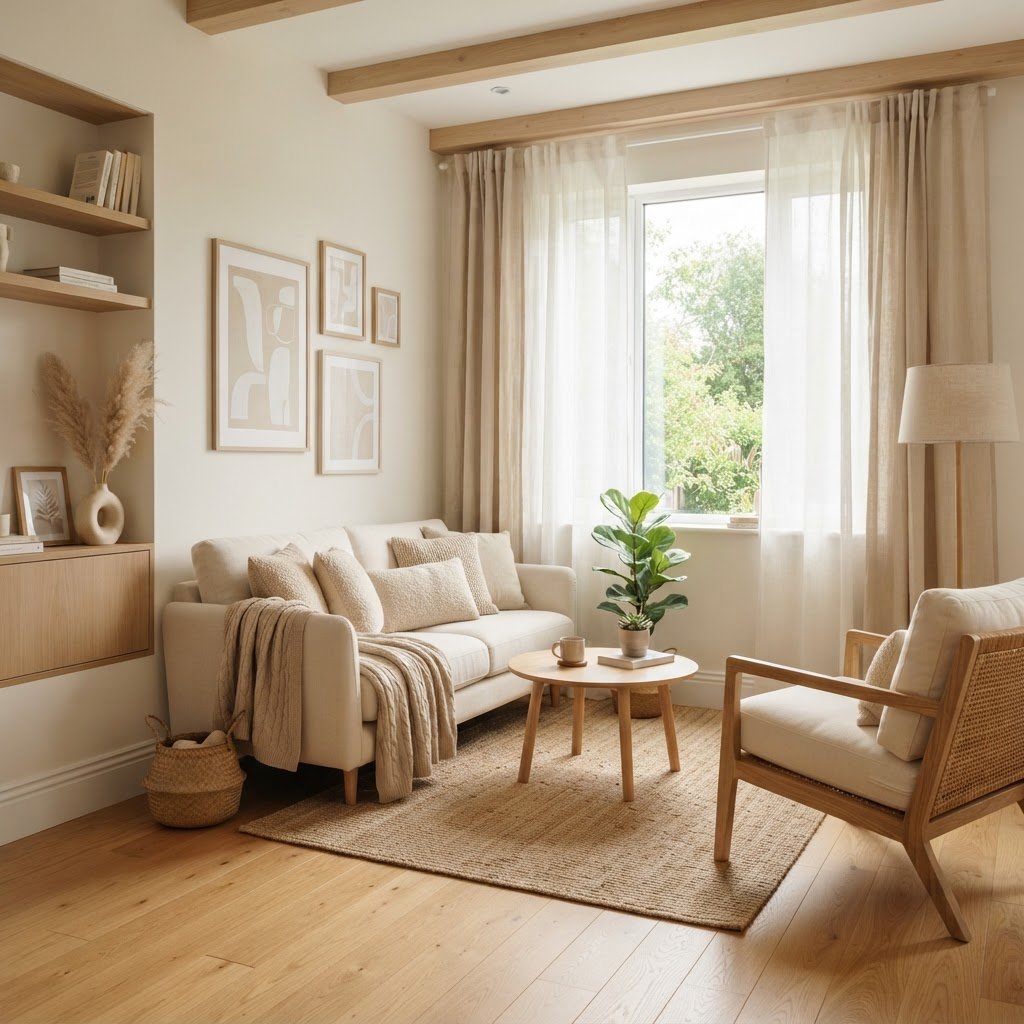
Living in a compact apartment or a cozy cottage often presents a unique design challenge: how to make a small living room feel bright, open, and calm without compromising on style or functionality. While the square footage may be limited, your creative possibilities are vast. By leveraging clever lighting, color psychology, and strategic furniture arrangements, you can turn even the tightest corners into a serene retreat that feels significantly larger than it actually is.
The Power of a Light and Neutral Color Palette
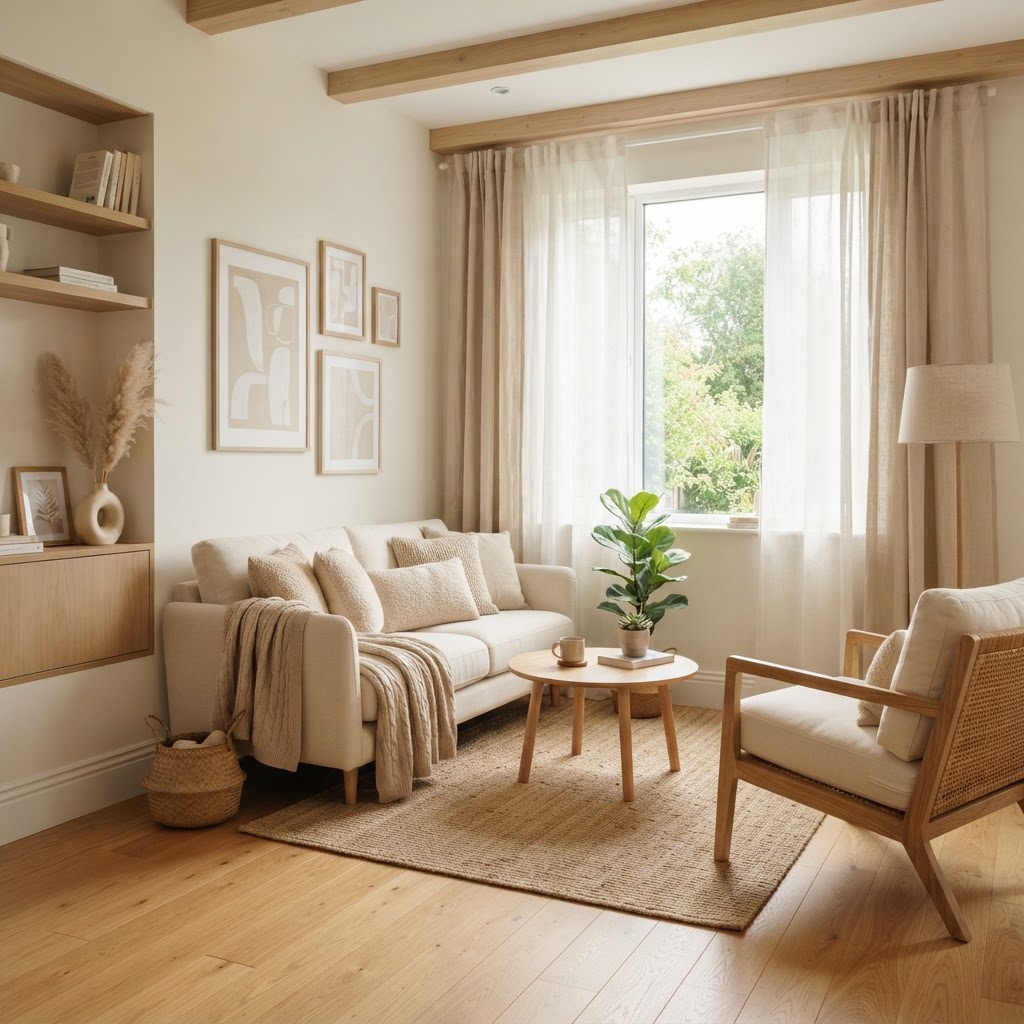
The foundation of any space that aims for an airy, expansive feeling is its color scheme. Light colors are highly reflective, which helps bounce natural light around the room and visually pushes the walls outward. Choosing soft whites, warm beiges, or light greys for your walls creates a seamless backdrop that minimizes visual clutter.
Choosing the Right Shades
When aiming to make a small living room feel bright, open, and calm, consider the undertones of your paint. Cool blues and greens can provide a tranquil, spa-like atmosphere, while creamy whites add a touch of warmth. Avoid dark, heavy colors that can make the walls feel like they are closing in on you, especially if the room lacks abundant natural light.
The Rule of Monochromatic Layers
To keep the room from feeling too sterile, incorporate different shades of the same color palette. Layering a cream sofa with off-white throws and light beige rugs creates depth and interest without creating harsh lines. This technique helps the eye move continuously through the room, which is the secret to making a small living room feel bright, open, and calm.
Maximizing Natural Light and Artificial Illumination
Lighting is perhaps the most critical element in making a small room feel larger. Natural light is your best asset, so you should do everything possible to maximize its entry. Keep window treatments minimal; consider using sheer curtains that provide privacy while still allowing sunlight to filter through softly.
Strategic Use of Mirrors
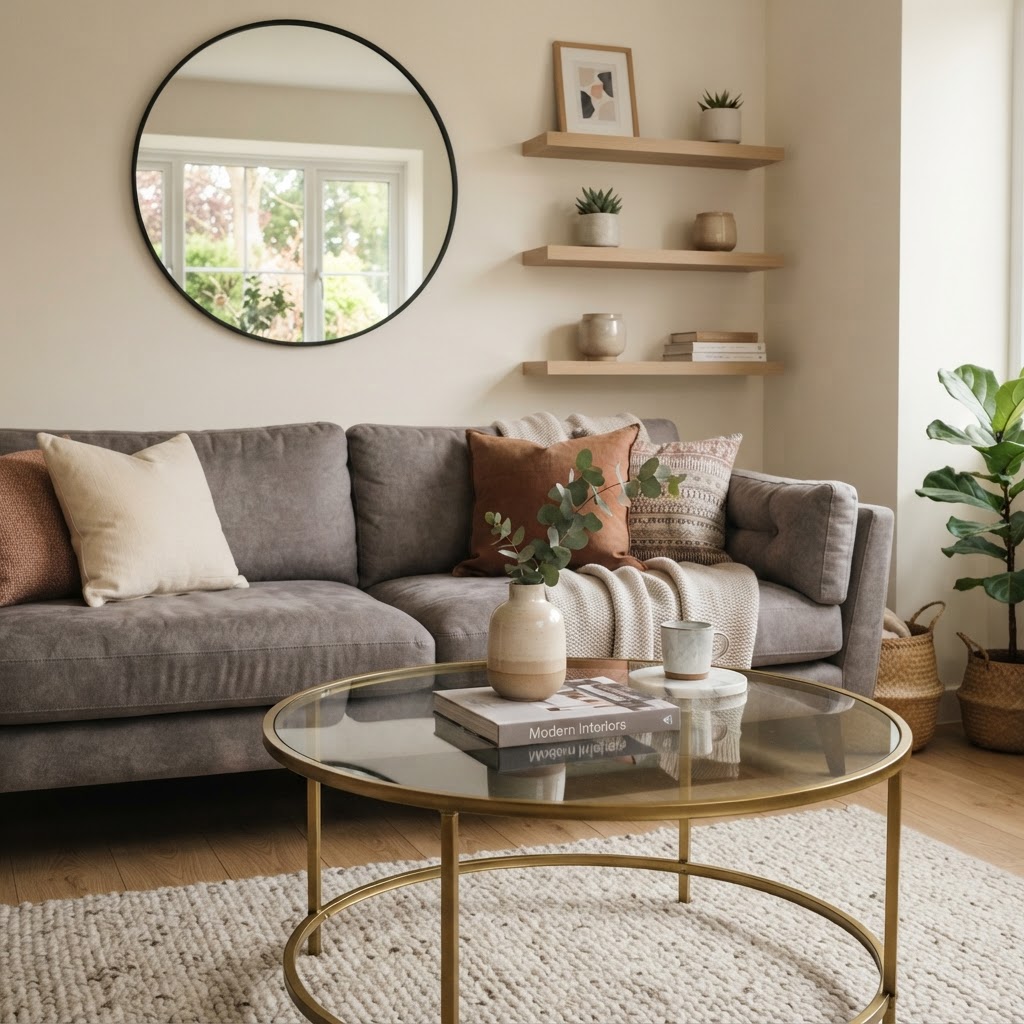
Mirrors are the oldest trick in the designer’s handbook for a reason. By placing a large mirror directly opposite a window, you effectively double the amount of natural light entering the room. Furthermore, mirrors create an illusion of depth, tricking the brain into thinking there is another room beyond the surface of the glass.
Layering Artificial Lighting
Never rely on a single overhead light, which can create harsh shadows and flatten a room. Instead, use a combination of floor lamps, table lamps, and wall sconces. By placing lights at various heights, you create a “glow” throughout the room that eliminates dark corners and creates a sense of openness.
Choosing Furniture That Scales to Your Space
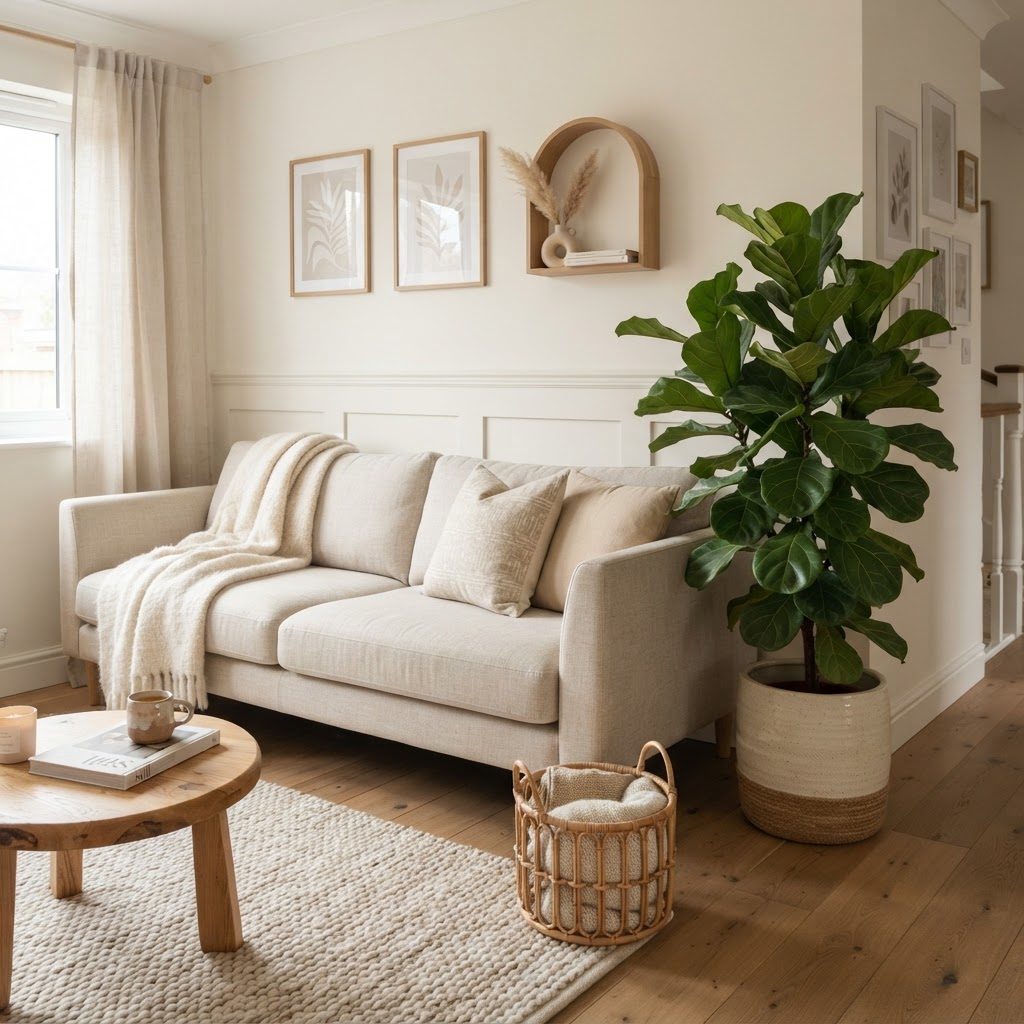
Furniture choice is often the culprit behind a cramped-looking living room. The goal is to select pieces that are functional but don’t overwhelm the visual field. Opt for furniture with “leggy” profiles—sofas and chairs that are elevated on thin legs show the floor underneath, which creates a subconscious feeling of extra space. Before you commit to a furniture arrangement, it is helpful to explore optimized small living room layouts that ensure your space feels intentional rather than cramped.
The Benefits of Multifunctional Pieces
In a small living room, every square inch must earn its keep. Look for ottomans with hidden storage, nesting tables that tuck away when not in use, or wall-mounted media consoles that free up floor space. When the floor is visible, the room naturally feels less cluttered and more inviting.
Creating Visual Flow and Decluttering
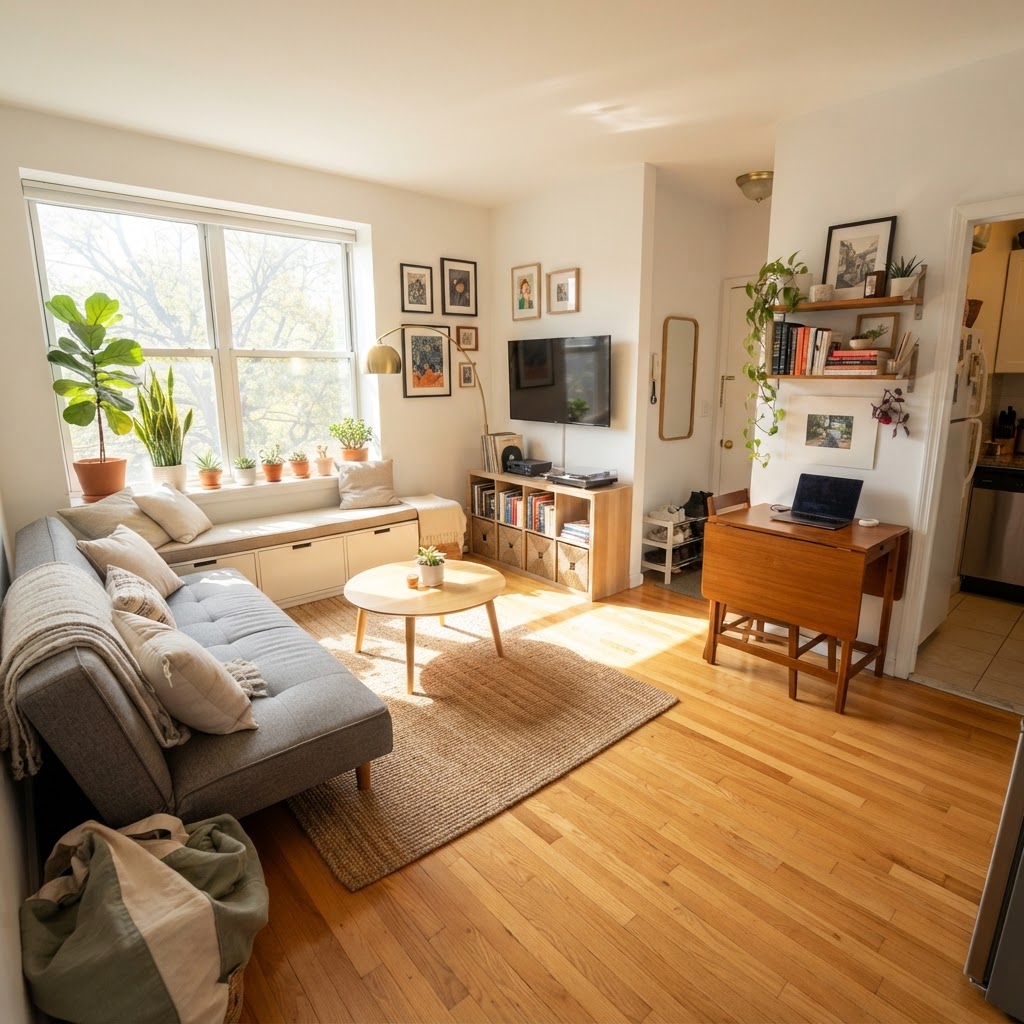
Clutter is the enemy of a calm environment. When every surface is covered with trinkets, magazines, and remotes, the room feels busy and chaotic. To keep your living space feeling organized, adopt a “one in, one out” policy for new items and utilize vertical storage solutions like floating shelves.
Keeping Walkways Clear
Clear paths are essential for the feeling of openness. Even if you love a particular coffee table, if you have to shimmy around it to reach the sofa, it is too big for your space. Keep the center of the room as open as possible to encourage movement and flow.
Vertical Interest
Draw the eye upward to make the ceiling feel higher. Use tall bookcases or hang artwork closer to the ceiling rather than at eye level. When you emphasize the height of the room, you distract from the narrowness of the floor plan.
Textures and Fabrics for a Calm Atmosphere
While we want to keep colors neutral, adding texture is vital to prevent the room from looking one-dimensional. Incorporate natural materials like linen, jute, wool, and light-toned wood. These materials bring a sense of organic calm to the room, making it feel grounded and comfortable.
How to Layer Textures Successfully
- Start with a neutral base color for your large items like sofas and walls.
- Add a natural fiber rug to create a warm, textured foundation.
- Incorporate throw pillows in various fabrics like velvet or chunky knits for tactile comfort.
- Introduce wooden accent pieces to add warmth and contrast to the light palette.
Maintaining the Balance of Form and Function
Finding the balance between “bright and open” and “cozy and calm” is a journey. Sometimes, you may find that the room feels too open and lacks character. This is where personal touches like greenery or a singular piece of bold art can add personality without overwhelming the space.
Bringing Nature Inside
Plants are a fantastic way to add life to a room. Choose plants with varying leaf shapes to add interest, but avoid massive, floor-filling trees. A few well-placed succulents or a hanging plant can bridge the gap between the indoors and the beauty of nature, enhancing the overall calm feeling of your home.
Conclusion
Creating a living room that feels bright, open, and calm is well within your reach, regardless of your home’s current footprint. By focusing on light-reflective surfaces, choosing scaled-down furniture, minimizing clutter, and layering in natural textures, you can design a space that feels like a breath of fresh air. Remember that the goal is not to fill every corner, but to curate a home that serves your needs and provides a peaceful escape from the outside world. Start by tackling one section of your living room today—perhaps clearing off a surface or swapping out heavy drapes for sheers—and notice how much more space you find in your everyday life.

Leave a Reply