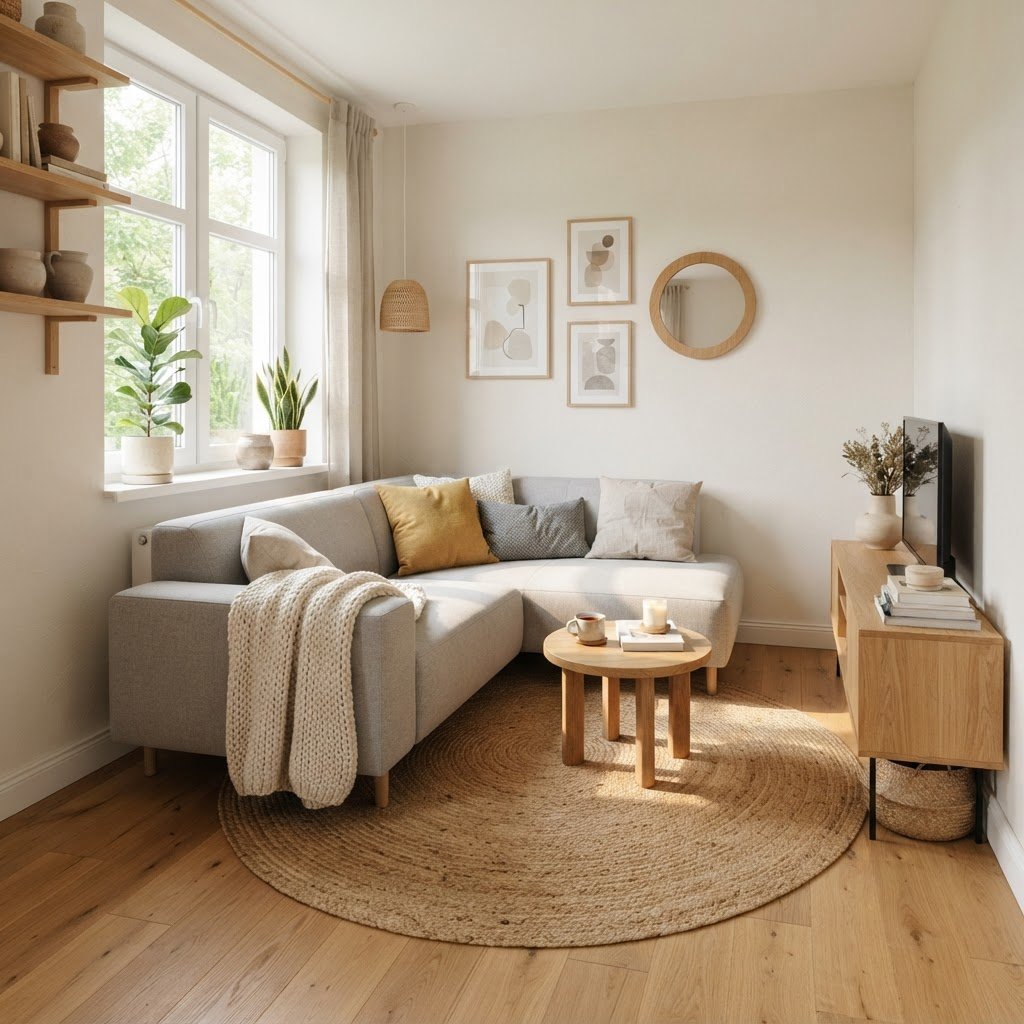
Living in a compact apartment often leads people to believe they must sacrifice comfort for floor space. Many assume that a grand seating piece like a couch is reserved for suburban homes, but this is a common design myth. By choosing the right small living room with sectional options, you can actually improve the flow and function of your area. Designing a cozy, inviting home is entirely possible when you understand scale, proportion, and smart placement.
The Psychology of Sectionals in Tight Spaces
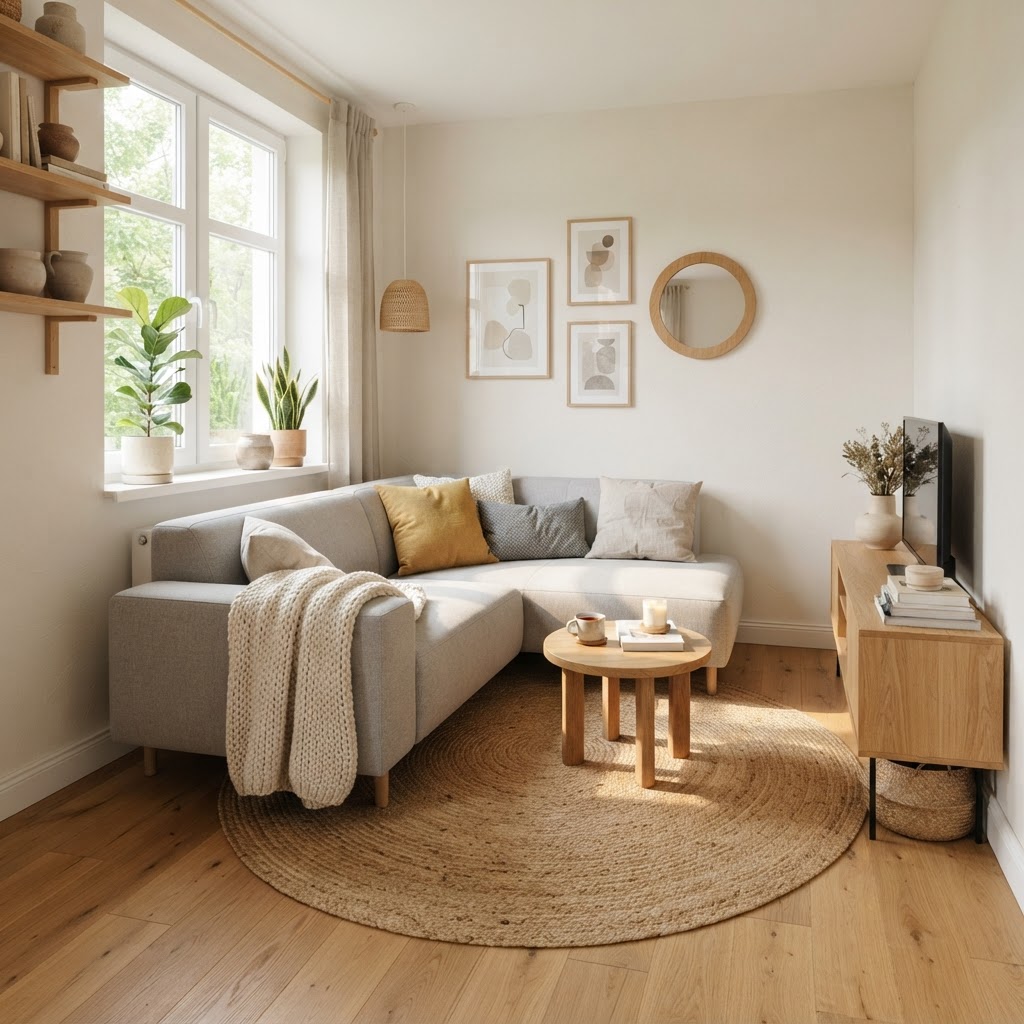
Many homeowners avoid large furniture because they fear it will make a room feel cramped. However, a sectional sofa for a small apartment can act as a singular anchoring point. Instead of cluttering the room with a sofa and two separate armchairs, a sectional creates a unified footprint. This reduces visual noise and makes the living area feel more intentional.
When choosing a piece for your home, consider the “float” technique. Rather than pushing the sofa against the wall, pulling it slightly away can create a sense of breathability. This approach prevents the furniture from looking like a barricade. It also allows you to utilize the space behind the piece for a slim console table or floor lamp.
Choosing the Right Configuration for Your Floor Plan
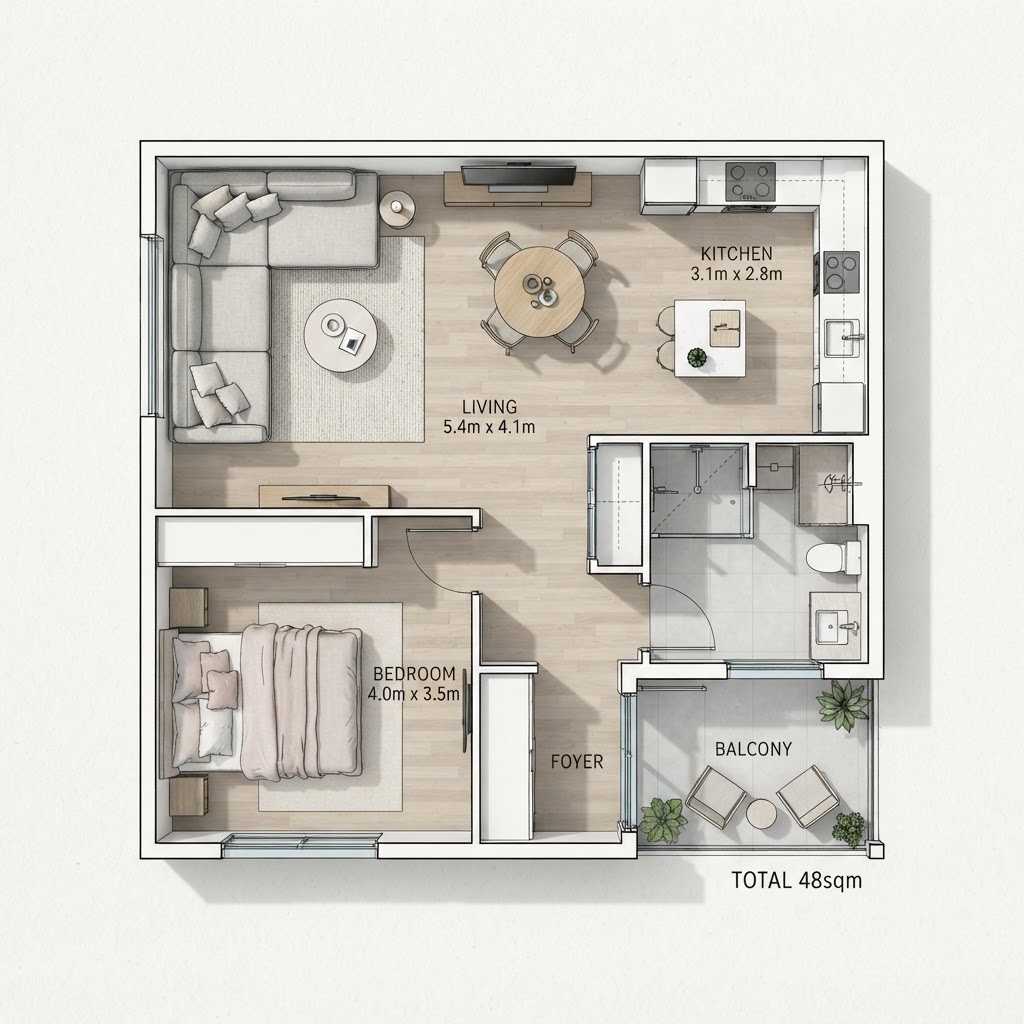
Not all sectionals are created equal. For a small living room with sectional placement, the L-shape is usually the gold standard. These pieces tuck perfectly into corners, freeing up the center of the room for movement. Avoid U-shaped or massive wrap-around styles that might dominate your square footage.
Measuring Your Available Space
Before you buy, measure your walls and floor space twice. Remember to account for pathways. You need at least 18 to 24 inches between your sofa and the coffee table. If your room is particularly narrow, consider a chaise-style sectional instead of a full corner unit to keep one side open.
The Importance of Legs
Always opt for sectionals with exposed legs. Seeing the floor underneath the sofa creates an illusion of extra space. It prevents the piece from looking like a heavy block sitting directly on the carpet. Metal or wooden tapered legs offer a mid-century modern aesthetic that feels light and airy.
Strategic Furniture Placement Tips
How you orient your furniture determines the success of your layout. In a small apartment, your sectional should face the natural focal point, such as a window, a fireplace, or a wall-mounted television. By directing the eyes toward these elements, you draw attention away from the size of the room itself.
Consider multi-functional pieces to complement your seating. Use a storage ottoman instead of a traditional coffee table to provide hidden storage for blankets and books. A C-table that slides under the sofa edge is also an excellent substitute for bulky end tables that take up valuable floor area.
Selecting Fabrics and Colors for Impact
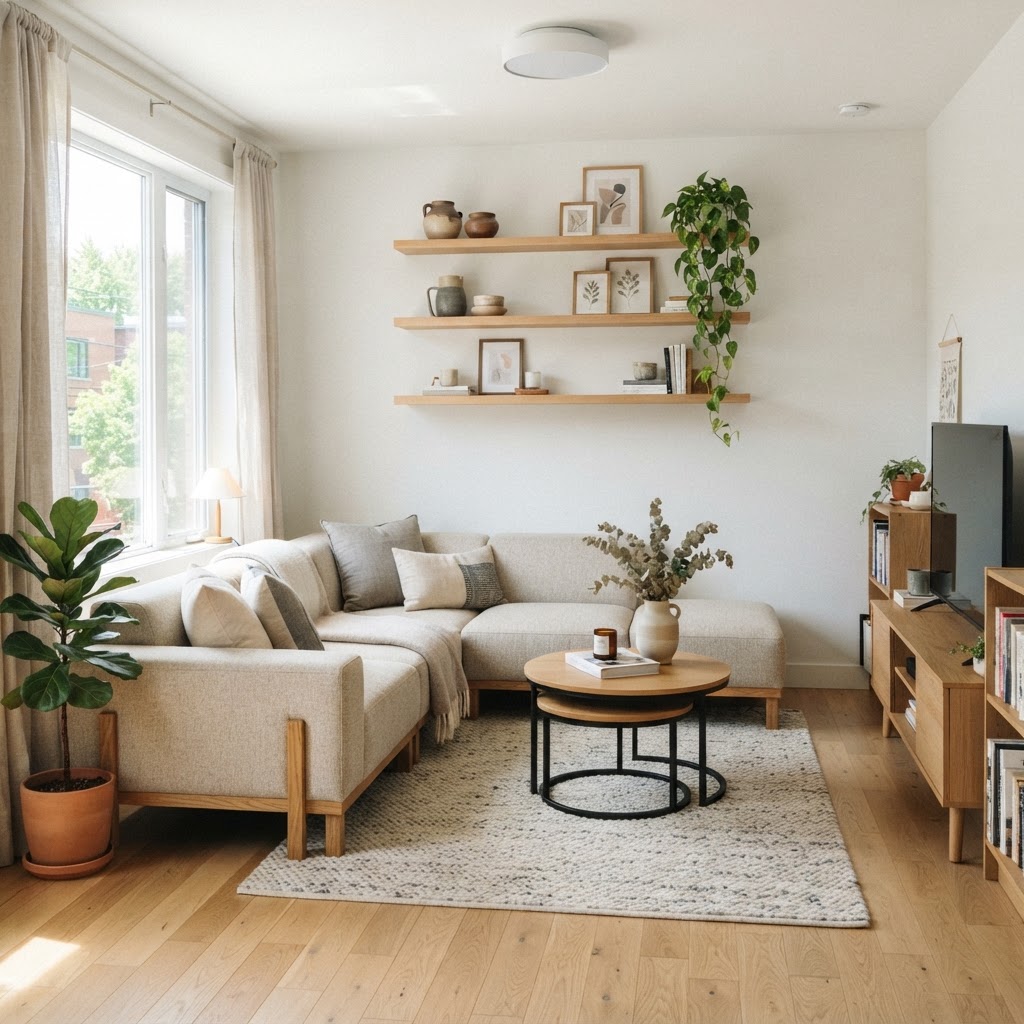
Color plays a massive role in how we perceive scale. If you are worried about the sectional overwhelming your room, choose a fabric color that matches or is close to the wall color. This monochromatic look makes the furniture feel like it is built into the architecture of the space.
Light vs. Dark Tones
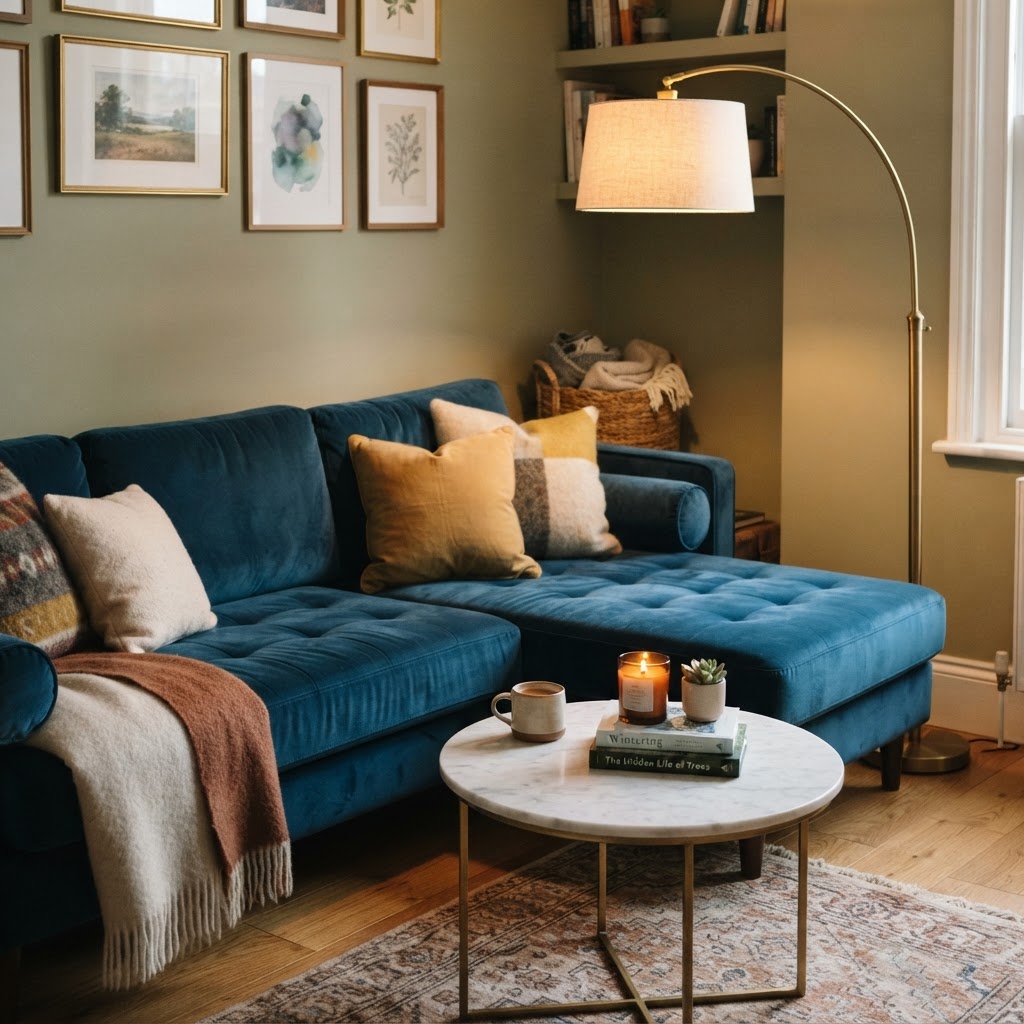
While light colors like cream or soft gray expand a room, they can be impractical for high-traffic areas. If you live in a busy household, look for performance fabrics that are easy to clean. You can achieve a light, airy feel with a textured light blue or soft sage green, which adds character without being heavy.
Texture as a Design Tool
Don’t be afraid of velvet or linen. While texture creates a cozy atmosphere, keep the patterns minimal. Large, busy prints can make a small living room feel cluttered. Opt for solid colors and use patterned throw pillows to introduce visual interest that can be easily swapped out with the seasons.
Maximizing Vertical Space
When your floor is covered by a sectional, turn your attention to the walls. Wall-mounted shelves, floating media consoles, and tall floor lamps draw the eye upward. This technique makes the ceilings appear higher and gives the entire room a more balanced feeling.
Adding floor-to-ceiling curtains is another professional hack. When you hang your curtain rods higher than the window frame, you elongate the wall space. This creates an elegant backdrop that makes a small living room with sectional decor feel far more luxurious.
15 Quick Tips for Your Small Space Layout
- Use a large area rug to define the seating zone.
- Choose armless sections to save on width.
- Utilize corner spaces to avoid dead spots.
- Opt for low-back sofas for a sleeker profile.
- Keep the color palette tight to reduce visual clutter.
- Incorporate a mirror to reflect light and space.
- Keep pathways clear of small decorative objects.
- Use wall-mounted lighting to save table space.
- Choose pieces with narrow armrests to save inches.
- Add a modular sectional that can be rearranged.
- Avoid heavy, dark wooden furniture nearby.
- Keep your floor mostly clear to ensure the room flows well.
- Use transparent acrylic chairs as extra seating.
- Position your sectional facing the entrance to welcome guests.
- Prioritize comfort with plush, high-quality seat cushions.
Avoiding Common Decorating Mistakes
One common error is purchasing furniture that doesn’t fit the lifestyle of the inhabitants. If you spend your weekends hosting movie nights, a small living room with sectional seating is your best friend. However, don’t sacrifice your need for a walkway. Ensure that your front door can open fully and that you have a clear path to your kitchen or bedroom.
Another mistake is forgetting about lighting. A dark corner behind a large sofa can make the room look smaller. Layered lighting—a mix of ambient overhead lights, a floor lamp near the corner, and a small table lamp—will add depth to the room. Proper lighting makes even the smallest apartments feel like custom-designed studios.
Conclusion
Designing a small home is not about limitation; it is about choosing the right pieces that serve a purpose. By selecting the perfect sectional, focusing on light colors, and using vertical space effectively, you can transform your apartment into a spacious-feeling retreat. Remember that the goal is comfort and functionality above all else.
Are you ready to redesign your space? Start by measuring your floor plan today and consider these tips for your next big furniture purchase. We would love to see how you style your cozy space; share your photos with us and join our community of apartment dwellers creating beautiful, functional homes.

Leave a Reply