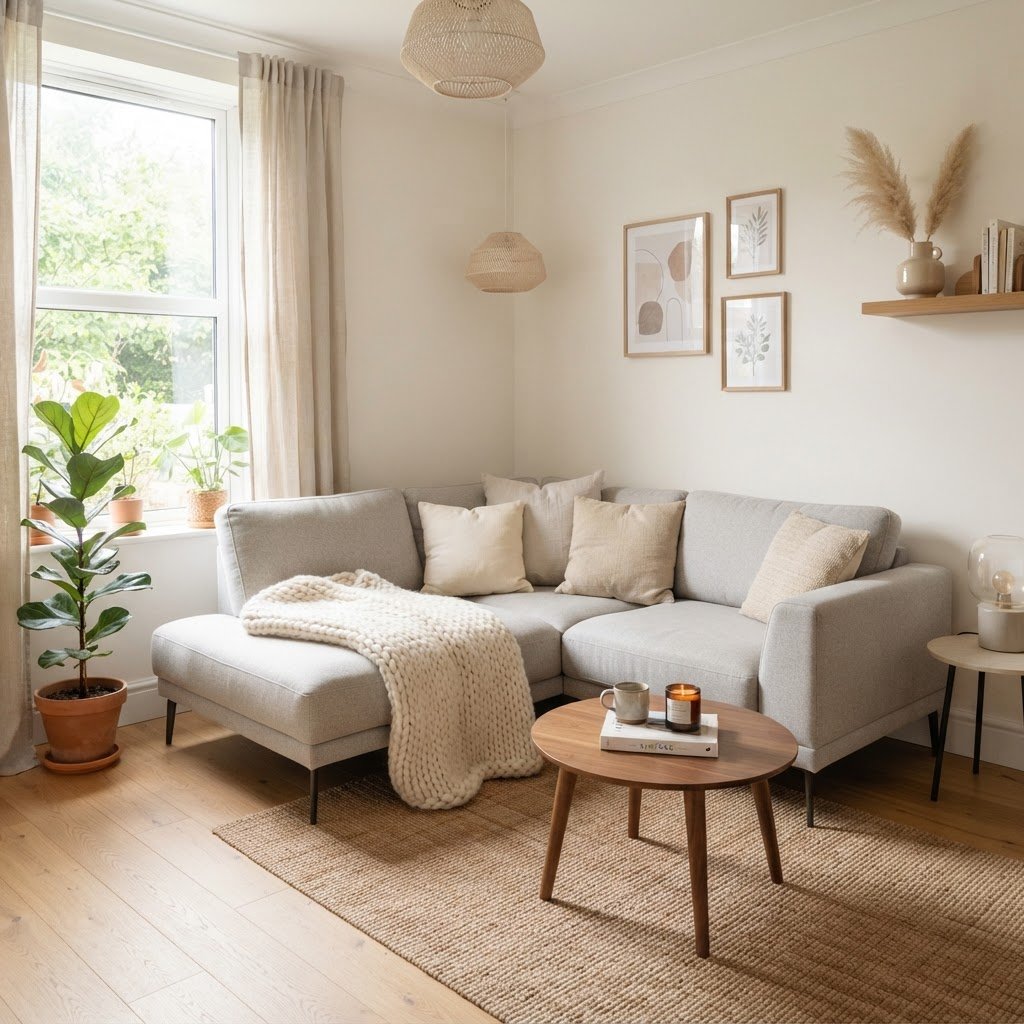
How to Style a Sectional in a Tiny Living Room: Expert Guide
To style a sectional in a tiny living room, choose a low-profile, light-colored model with exposed legs to maximize floor visibility and place it away from walls to create an open-concept flow. By anchoring the piece with a properly sized rug and utilizing multi-functional storage, you can achieve a spacious, curated look in under 200 square feet.
The Strategic Approach to Sectional Selection
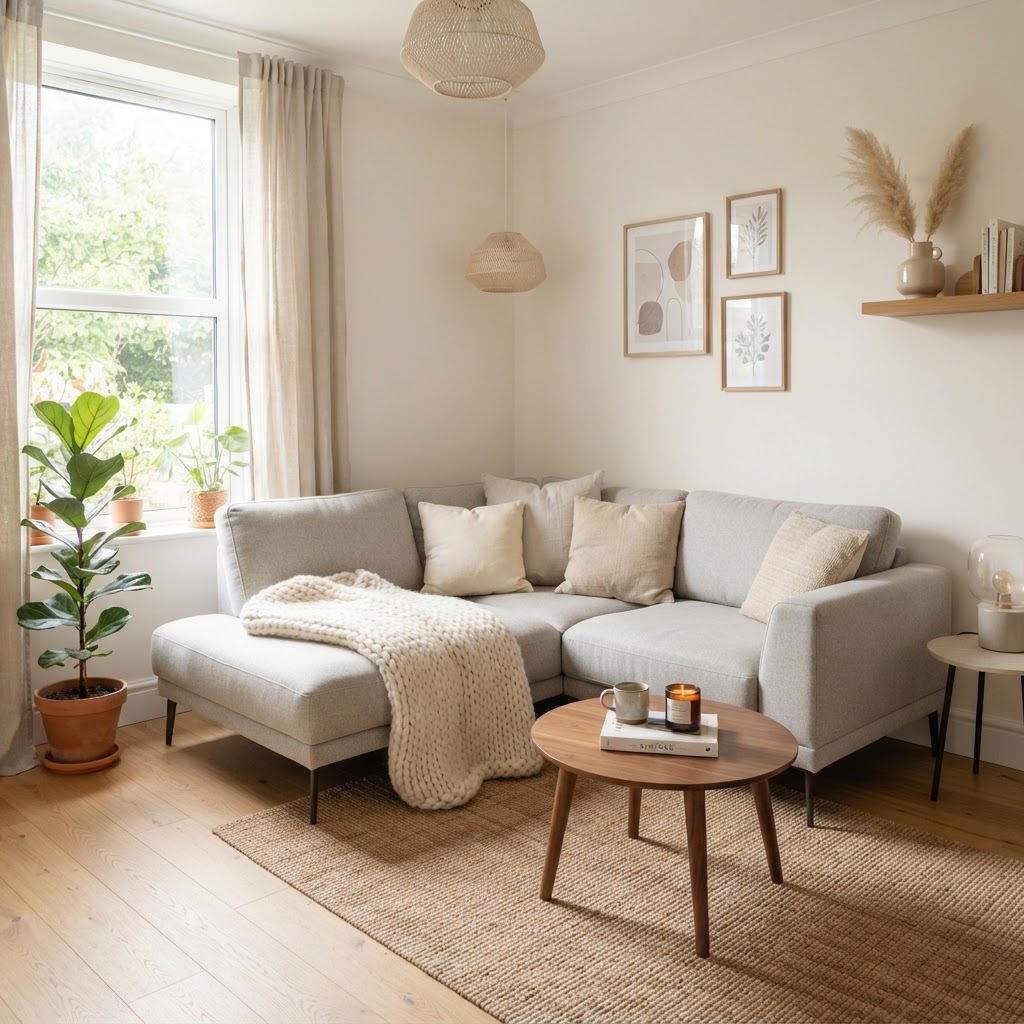
Selecting the right furniture starts with prioritizing scale and legibility, as a bulky sofa can immediately shrink a small room by 30% or more in perceived volume. Look for “apartment-sized” sectionals, which typically measure between 70 and 85 inches in total length, and prioritize models with slim track arms rather than rolled arms to save 4-6 inches of valuable seating width. Before you even begin to think about throw pillows or rug placement, you must ensure the piece itself fits the scale of your room. Look for low-profile sectionals with slim arms and exposed legs. Before committing to a specific style, it is helpful to research the best sectional sofa ideas for small apartment living rooms to ensure you are choosing a design that balances aesthetics with your square footage. These design features create an air of openness by allowing the eye to see the floor underneath, which prevents the piece from feeling like it is swallowing the room.
Furthermore, consider the orientation of your chaise or corner unit. A modular sectional is often the best choice for smaller homes because it allows you to swap sides if you move or rearrange your furniture layout. Before buying, use painter’s tape to map out the exact dimensions on your floor. This allows you to walk around the piece and ensure you maintain natural traffic flow patterns, which is critical for making a small room feel functional rather than restrictive.
Prioritizing Functionality in Small Spaces
When space is at a premium, every piece of furniture should ideally serve more than one purpose to reduce clutter. Think about your sectional as a multi-functional anchor for the entire living area. Does it have hidden storage under the chaise? Can you add a console table behind the back of the sofa to act as a workspace or entry surface? By treating the sectional as a hub of utility rather than just a place to sit, you significantly improve the efficiency of your tiny floor plan. Most storage-integrated chaises can house up to 4 cubic feet of items, including extra bedding or seasonal decor. Utilizing the “dead space” behind a floating sectional for a 12-inch deep console table can serve as an ideal home office setup without requiring a dedicated room. Beyond furniture choices, you can also learn how to decorate a small apartment on a budget using clever DIY updates that complement your new sectional.
Perfecting Your Small Space Layout
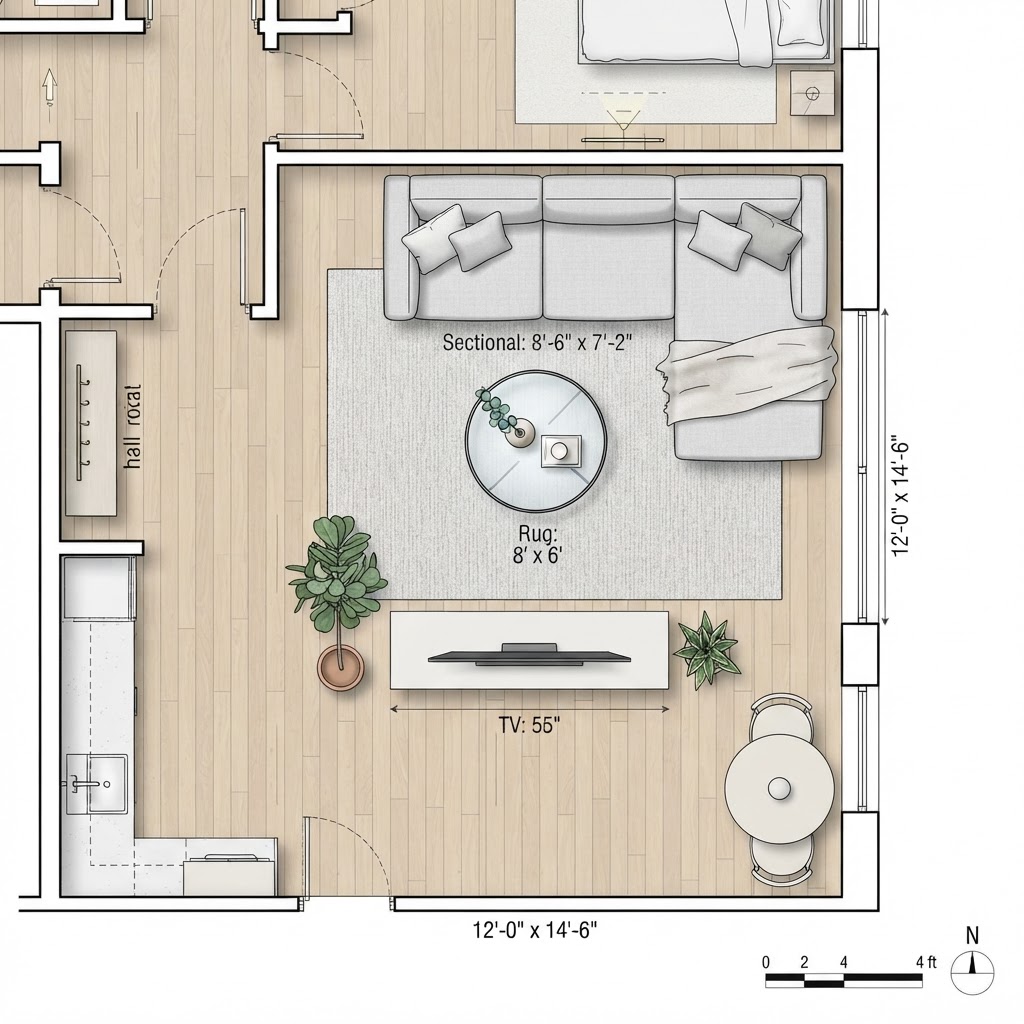
Arranging furniture in a compact home requires a delicate balance between maximizing seating and maintaining at least 30 inches of walking clearance for primary traffic paths. One of the most effective layouts for a small room is pulling the sectional away from the walls slightly. While it feels counterintuitive to take up more floor space, floating your sectional allows for a small “pathway” behind it or creates a clear distinction between the living area and an adjacent dining or kitchen space. Research indicates that floating furniture creates a sense of luxury in small spaces by breaking the “box” effect of wall-to-wall arrangements.
Another important aspect of the layout is the relationship between the sectional and the television or focal point. If your sectional is L-shaped, aim to have the longer side face the primary focal point of the room. This helps draw the eye toward the center of the space rather than the outer limits, which can help a small room feel grander. Avoid blocking doorways or windows with the higher back sections of your sofa, as this will immediately make the room feel claustrophobic. By maintaining a sightline that allows a person to see the floor reaching the walls, you trick the brain into perceiving a larger total square footage.
The Art of Balancing Texture and Color
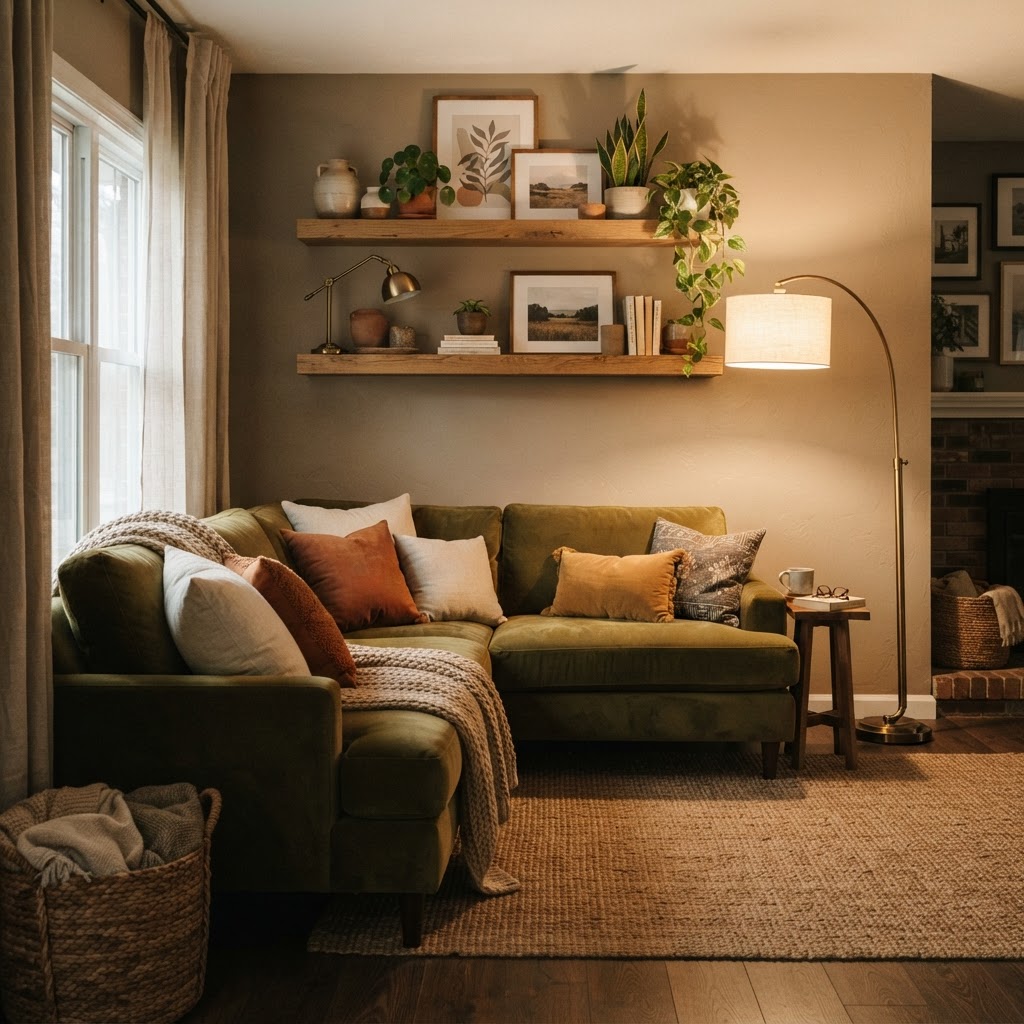
How you decorate the sectional itself is just as important as where you place it, and light-reflecting palettes are the standard for maximizing small-room brightness. In a tiny room, heavy, dark fabrics can easily overpower the area and create a visual ‘weight’ that makes the room feel small. Instead, opt for lighter-colored upholstery in neutral tones like soft greys, creams, or warm beiges. If you prefer a darker sofa, try to balance it with lighter accessories, such as a crisp white throw blanket or light-colored pillows. Using high-LRV (Light Reflectance Value) colors for your upholstery can make a room feel approximately 10-15% more spacious due to improved natural light reflection.
Texture is your best friend when you cannot rely on bold, large-scale prints. Using a mix of materials like linen, velvet, or chunky knit fabrics creates depth and interest without adding visual clutter. Remember to keep the patterns subtle. If you want to use a patterned pillow, keep it to one or two accent pieces rather than covering the entire sectional in varied prints, which can quickly make a small space look chaotic. Aim for a 60-30-10 color ratio: 60% neutral base, 30% secondary texture, and 10% accent color to maintain a professional, balanced aesthetic.
Essential Tips for Cozy Layering
- Use a monochrome palette to create a seamless, expanded look.
- Add a chunky throw blanket to one corner to soften the lines of the sectional.
- Keep throw pillows to a minimum—usually, three to five are sufficient for a small sectional.
- Incorporate a reflective surface, like a metallic coffee table, near the sectional to bounce light around the room.
Lighting and Rugs: Creating Boundaries
In an open-concept tiny home, the sectional usually acts as the divider between spaces, and the rug is the most important tool you have for defining this ‘room within a room.’ Choose a rug that is large enough for the front legs of the sectional to rest on; this pulls the furniture together and anchors the conversation area. A standard 5×8 or 6×9 rug is typically sufficient for most small-space sectionals. If the rug is too small, it will make the room look fragmented and undersized. Using a rug with a low pile height also ensures that the sectional remains stable and prevents tripping hazards in high-traffic zones.
Lighting also plays a massive role in how we perceive the size of a room. Avoid relying solely on a single overhead light, which can create harsh shadows in the corners of your small living area. Instead, layer your lighting. Place a floor lamp next to the sectional for task lighting and consider wall sconces if you are short on end-table space. Soft, ambient lighting creates a cozy atmosphere that makes a small room feel intentionally intimate rather than just tiny. Use bulbs with a color temperature of 2700K to 3000K to maintain a warm, welcoming glow that isn’t too clinical.
Integrating Storage Solutions
One of the biggest struggles in a tiny living room is finding places for your books, electronics, and daily essentials. Since the sectional is likely taking up a significant portion of your floor, you need to be creative with the surrounding area. Utilize the wall space directly above or adjacent to the sectional for floating shelves. This keeps the floor clear while providing plenty of space for decor and functional items. Install shelves at least 18 inches above the back of the sofa to ensure there is plenty of head clearance for anyone sitting down.
If your sectional does not have built-in storage, look for a coffee table or ottoman that does. A storage ottoman can serve as a footrest, extra seating when guests come over, and a place to tuck away blankets or board games. Keeping surfaces clear of clutter is essential for maintaining a sense of calm in a limited living environment. The less “stuff” you have visible, the larger your room will naturally appear. Aim to keep at least 50% of your tabletop surface area empty to prevent a “crowded” look.
Maintaining Flow and Scale
Ultimately, the goal of learning how to style a sectional in a tiny living room is to create a space that feels comfortable, not cramped. Pay attention to the scale of the other furniture pieces in the room. If your sectional is a substantial piece, keep the coffee table light and airy—perhaps one with thin metal legs or a glass top. If the rest of your furniture is also bulky, the room will lose its sense of proportion and feel heavy. For smaller rooms, choose a coffee table that is 2/3 the length of the sofa for perfect visual balance.
Consider the sightlines. From the moment you enter the room, what is the first thing you see? Ensure that the back of your sectional isn’t an eyesore. If the back of the sofa is exposed to the entry or a kitchen, consider adding a sofa table or a narrow bookshelf behind it to create a polished, finished look. These small details are what separate a “thrown together” room from a professionally styled space. Keep the total height of any console or bookshelf behind the sofa equal to or lower than the sofa back to maintain an open, unobstructed view of the room.
FAQ
How do I know if a sectional will fit in my small living room?
To determine if a sectional fits, use painter’s tape to outline its dimensions on the floor and ensure you maintain at least 30 inches of clearance around the perimeter. This walk-through test confirms you have enough space for natural traffic flow without the room feeling cramped or blocked.
Should I place my sectional against the wall in a small room?
No, floating your sectional a few inches away from the wall can actually create a sense of depth and openness. By allowing a small gap behind the sofa, you break up the visual weight of the furniture and make the room feel less like a box.
What color sectional makes a small room look bigger?
Light-colored sectionals in neutral shades like cream, light grey, or beige help a small room look bigger by reflecting natural light. These colors create a sense of airy lightness compared to dark tones, which can absorb light and visually anchor a room too heavily.
How can I add extra storage with a sectional?
Incorporate a storage ottoman or a sectional model that includes a built-in storage chaise to maximize your hidden capacity. Additionally, you can install floating wall shelves above the back of the sofa to store books and decor without consuming any floor space.
What size rug should I use with a small sectional?
Use a rug that is large enough to allow the front legs of the sectional to rest at least 6 to 12 inches onto the surface. This technique physically and visually anchors the furniture to the area, effectively defining the living space within an open-concept home.

Leave a Reply