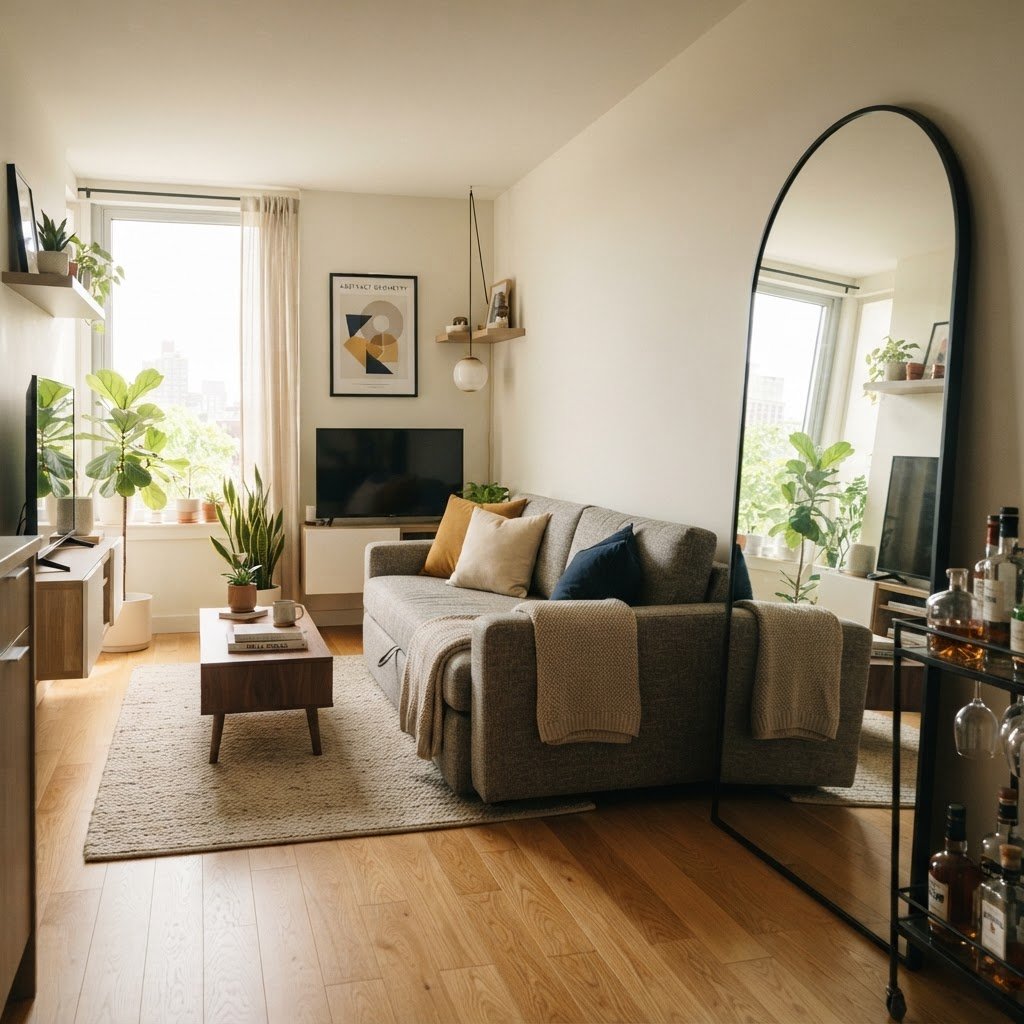
Living in an apartment often means compromising on square footage, but it should never mean compromising on style or comfort. Implementing clever small space living room ideas for apartments can transform a cramped corner into a chic, airy sanctuary that feels much larger than it actually is. Whether you are dealing with a studio layout or a tiny urban living room, these design strategies will help you optimize every square inch. By choosing the right furniture, lighting, and layout, you can create a space that feels intentional, organized, and inviting. Mastering the art of small-scale design requires a shift in perspective. Instead of seeing limitations, view your apartment as a puzzle waiting to be solved. With the right approach, you can curate an environment that balances aesthetic appeal with high functionality, ensuring your home serves all your needs without feeling cluttered or confined.
The Power of Multifunctional Furniture
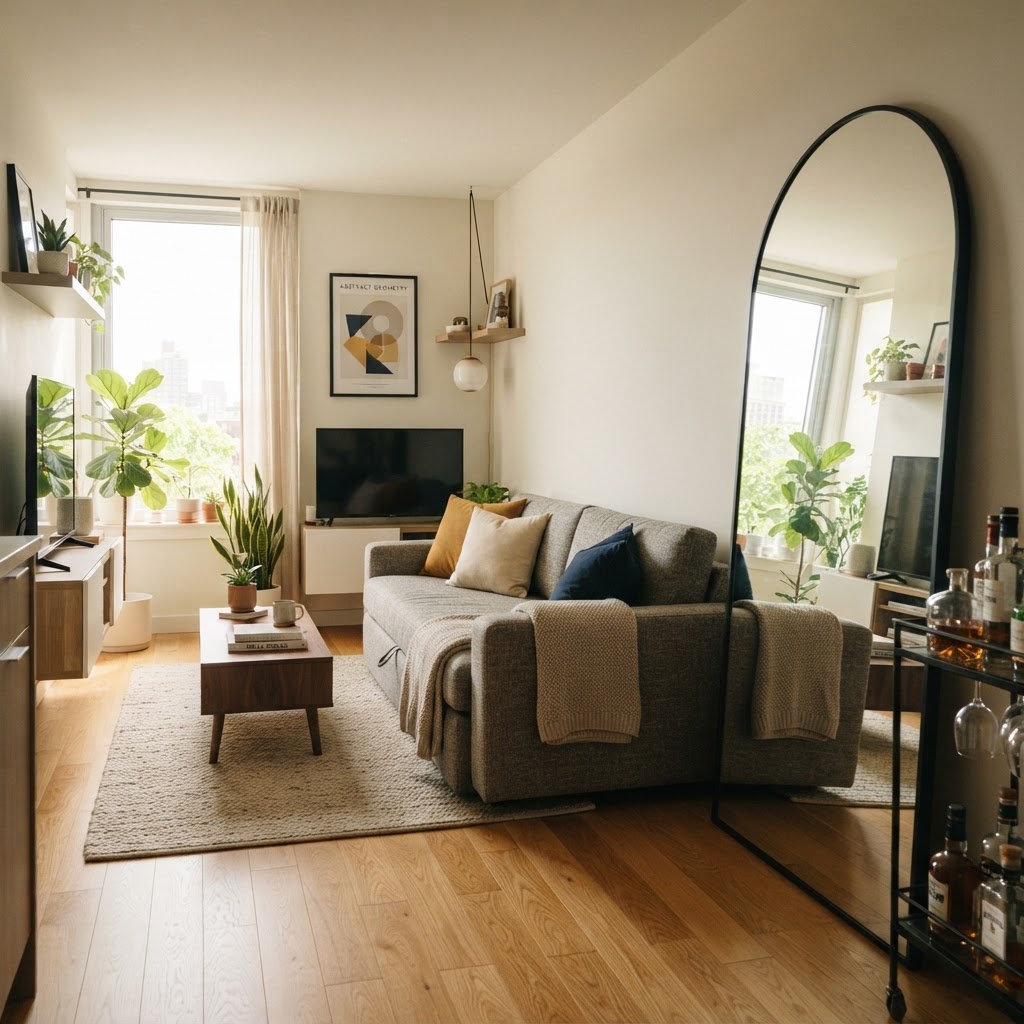
When every square foot counts, your furniture needs to pull double duty. Investing in pieces that serve multiple purposes is the cornerstone of effective small apartment design. Think beyond the standard sofa and coffee table; look for ottomans with internal storage or sofa beds that provide a seamless transition from living area to guest bedroom.
Why Dual-Purpose Pieces Matter
Dual-purpose furniture reduces the need for extra items, keeping your floor space clear and your room feeling breathable. For instance, a coffee table with drawers can hide blankets and magazines, while a slim-profile console table can double as a desk when work calls. It is about creating a versatile living environment that adapts to your daily routine.
Choosing pieces with exposed legs—rather than skirted or boxy silhouettes—can also make a massive difference. When you can see the floor underneath your sofa or armchair, the room feels more open and expansive. This visual trick prevents the furniture from feeling like it is anchoring the space too heavily to the ground.
Maximizing Vertical Space
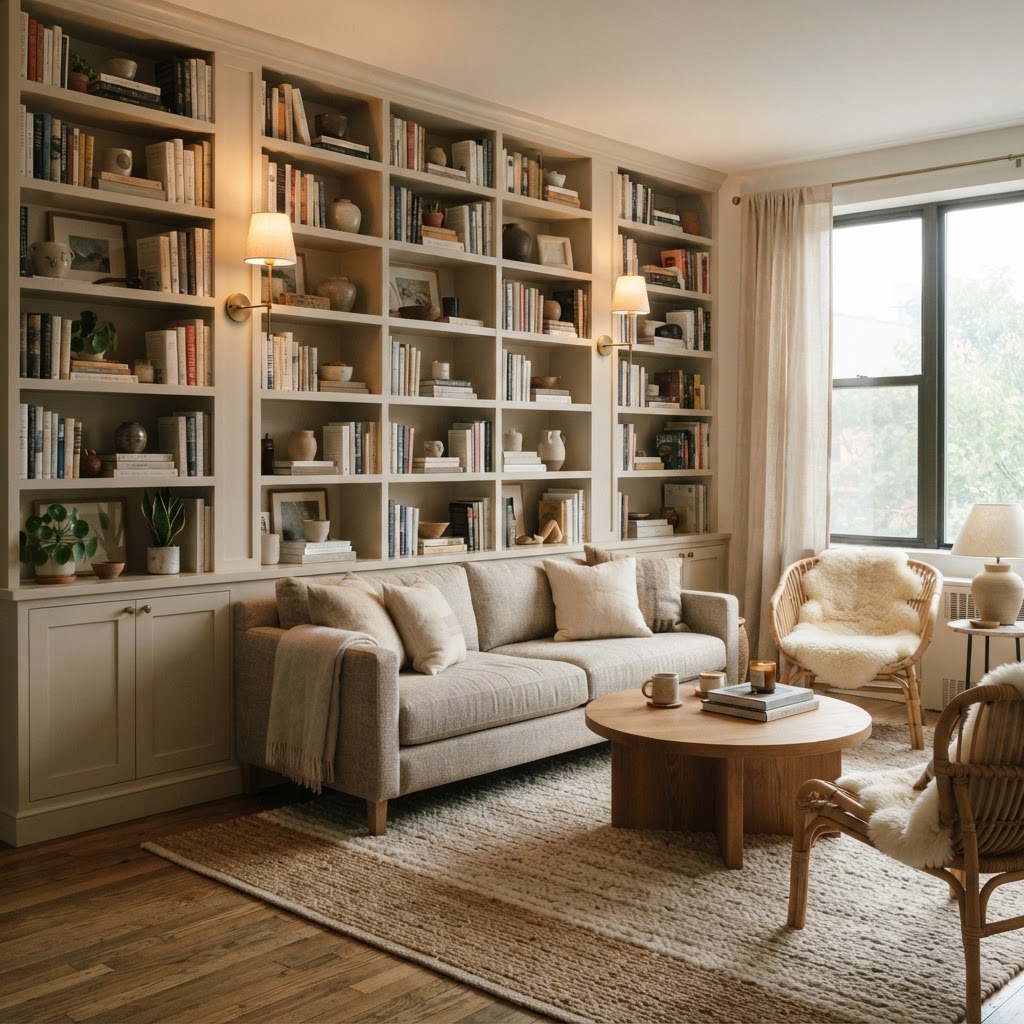
Often, people focus too much on floor space and forget the walls. Your vertical surfaces are prime real estate for storage and visual interest. By drawing the eye upward, you create the illusion of height and provide much-needed organization that keeps floor clutter at bay.
Installing floor-to-ceiling bookshelves is a classic move that works wonders. Not only do they provide ample storage for books, plants, and decor, but they also emphasize the height of your ceilings. If custom built-ins are not an option, tall modular shelving units can serve as a stunning alternative that adds architectural interest.
Creative Wall Decor Tactics
Consider adding wall-mounted sconces instead of bulky floor lamps. This simple switch frees up your precious end table space and adds a layer of sophisticated, hotel-style lighting to your apartment. Also, hanging curtains as close to the ceiling as possible—rather than right above the window frame—will trick the eye into thinking your windows are taller, making the entire wall feel grander.
Strategic Use of Mirrors and Lighting
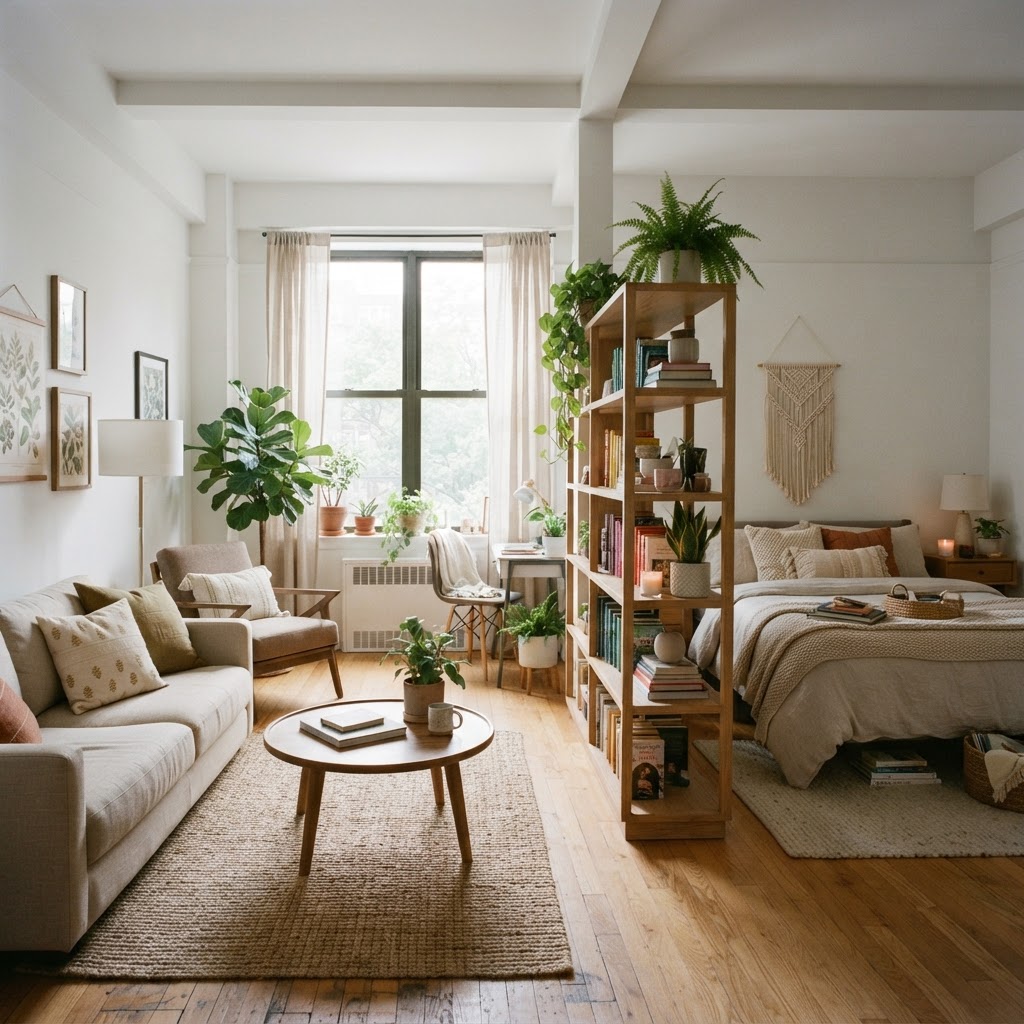
Light and reflection are your best friends when trying to make a room feel larger. Mirrors are the oldest trick in the designer’s handbook, and for good reason: they bounce light around the room and provide a sense of infinite depth. A large, oversized floor mirror leaning against a wall can act as a stunning focal point while doubling the visual space.
Lighting should be layered to avoid harsh shadows that make small rooms feel smaller. Combine overhead lighting with floor lamps, task lighting, and soft accent lights. A well-lit room feels airy and welcoming, whereas a dark, dingy corner will make your apartment feel like a cave. Aim for warm light bulbs to keep the atmosphere cozy and inviting rather than sterile or cold.
The Art of Decluttering and Curation
In a tiny apartment, clutter is the enemy of style. It is easy to accumulate items, but small spaces require a strict ‘one-in, one-out’ policy. Regularly assessing your possessions ensures that your living area remains a place of rest rather than a repository for things you no longer use or need.
Curating Your Decor
Instead of having many small trinkets that can look messy, opt for a few larger, impactful pieces. A single, dramatic piece of art or a statement houseplant can add personality to your living room without creating visual noise. When surfaces are clear of unnecessary objects, the room feels intentional and high-end.
Consider these steps to maintain a clutter-free zone:
- Use hidden storage ottomans for blankets and remotes.
- Dedicate a specific ‘drop zone’ by the door for keys and mail.
- Utilize vertical wall hooks for jackets or bags instead of piles on chairs.
- Rotate your decorative items seasonally to keep things feeling fresh.
Defining Zones in Open Layouts
Many modern apartments feature open-concept layouts where the living room, dining area, and office share one space. To prevent these areas from feeling like a giant, disorganized pile, you need to establish distinct zones. A large area rug is the most effective tool for this, as it anchors your seating area and separates it from the rest of the room.
Another option is using an open-backed bookshelf as a room divider. This provides storage on both sides while maintaining a sense of flow and light. By defining specific areas, you make the overall space feel more organized and functional, ensuring that your living area feels like a dedicated space for relaxation, regardless of how small the footprint is.
Selecting the Right Palette
Color has a profound impact on how we perceive size. While many people gravitate toward pure white to make rooms feel bigger, you can actually use bold colors if done strategically. The key is cohesion. If you want a moody atmosphere, painting your walls and trim the same color can blur the lines of the room, making corners ‘disappear’ and creating a cozy, enveloping effect.
However, if your goal is maximal brightness, stick to a monochromatic palette of light neutrals—think soft creams, pale grays, or sandy beiges. When your furniture, walls, and curtains share similar tones, the eye travels smoothly across the room without being interrupted by stark contrasts. This creates a calm, minimalist aesthetic that allows the space to feel unified and open.
Conclusion
Designing for a small living room is an exercise in creativity and careful curation. By prioritizing multifunctional furniture, utilizing your vertical wall space, and keeping surfaces clear of clutter, you can cultivate a beautiful home that feels far more expansive than its square footage suggests. Remember, your apartment should be a reflection of your personality, not just a place to store your belongings. Start with one or two of these clever small space living room ideas for apartments and see how quickly your environment transforms into a place you love to spend time. If you found these tips helpful, share this guide with a friend who is currently decorating their own space and let us know in the comments which idea you plan to try first!

Leave a Reply