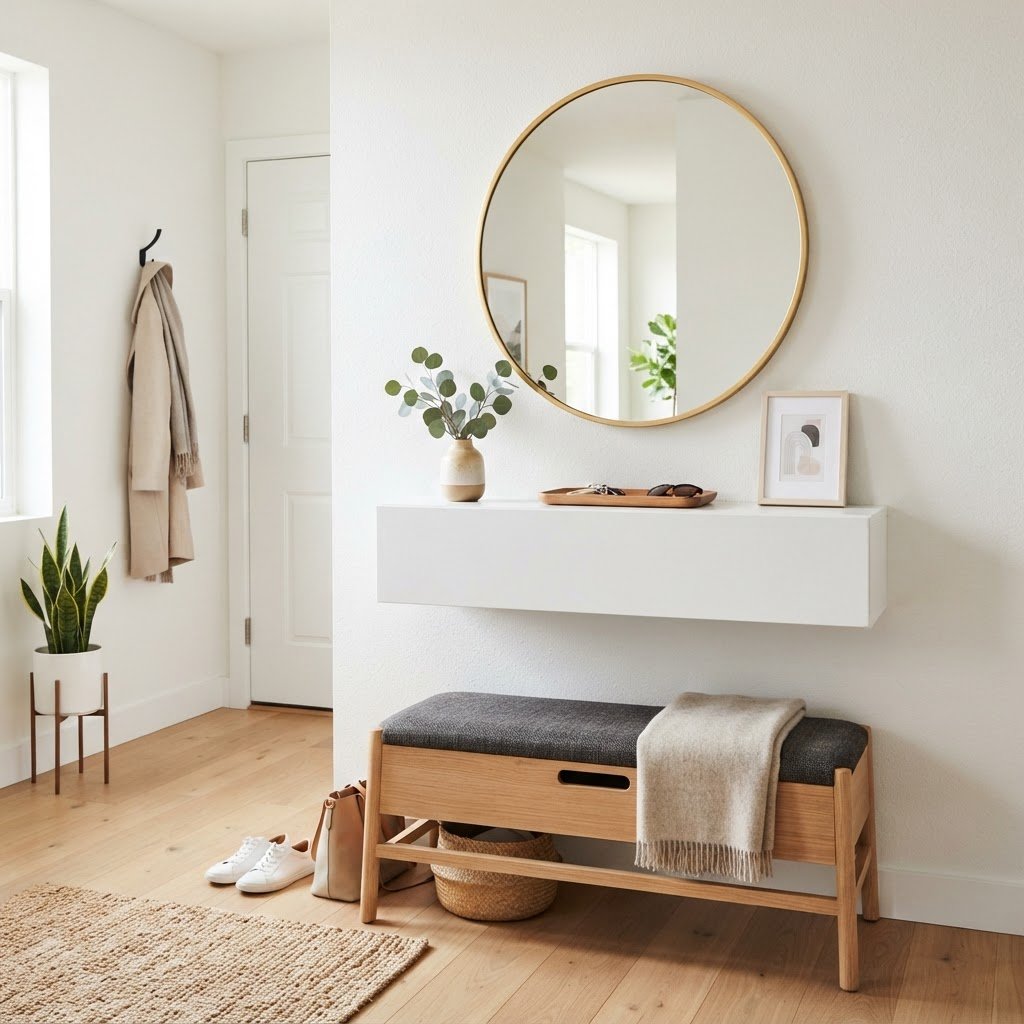
Stylish Small Entryway Decor That Hides All Your Clutter
To create a stylish, clutter-free small entryway, utilize vertical wall storage, choose furniture with integrated hidden compartments, and install mirrors to create the illusion of depth. These design choices remove floor-level mess while maintaining a welcoming, professional atmosphere that instantly organizes your most frequently used items.
The Psychology of an Organized Entryway
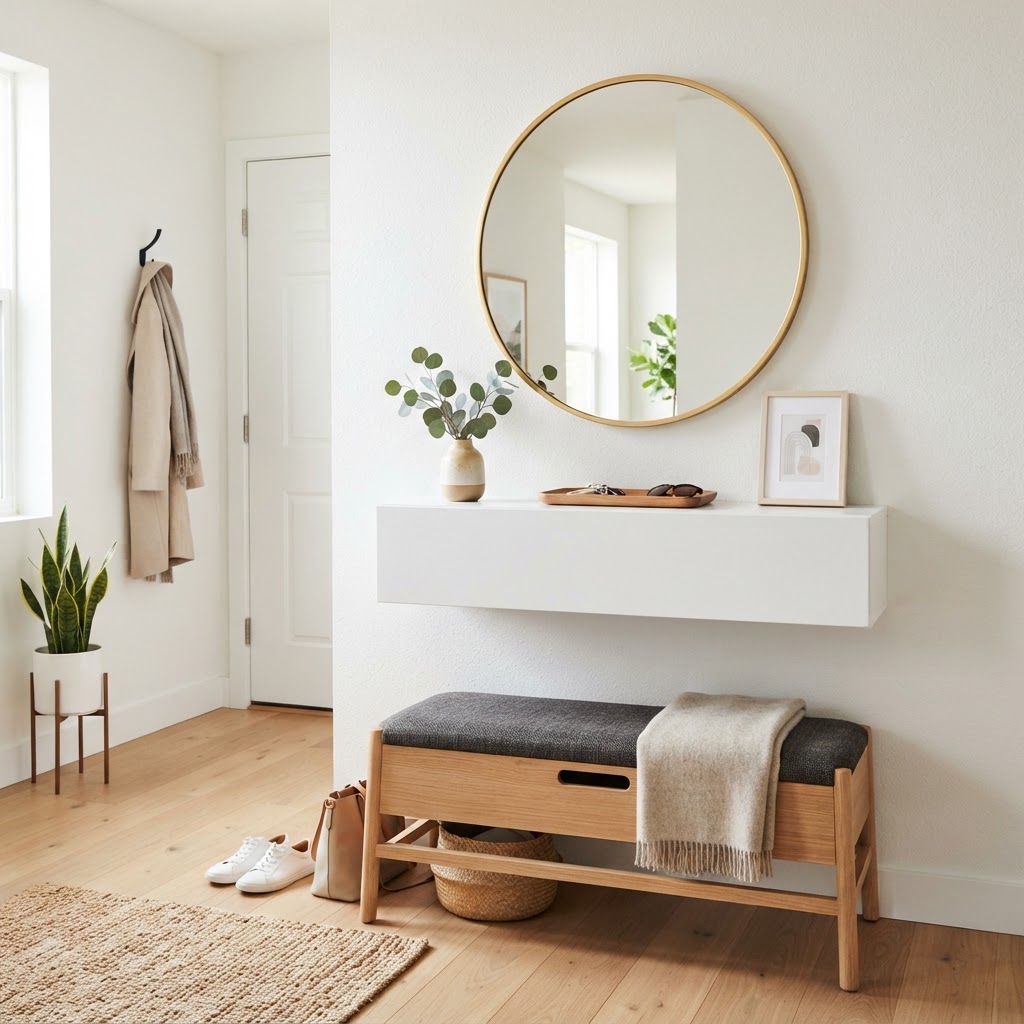
Your entrance functions as a psychological decompression chamber between the outside world and your home sanctuary, meaning clutter here triggers feelings of incomplete tasks. When you enter a space filled with loose mail, tangled shoes, and misplaced keys, your cortisol levels can rise, whereas a structured, minimal zone helps you mentally transition. Research suggests that an organized foyer reduces morning stress by approximately 20% by eliminating the daily search for essentials.
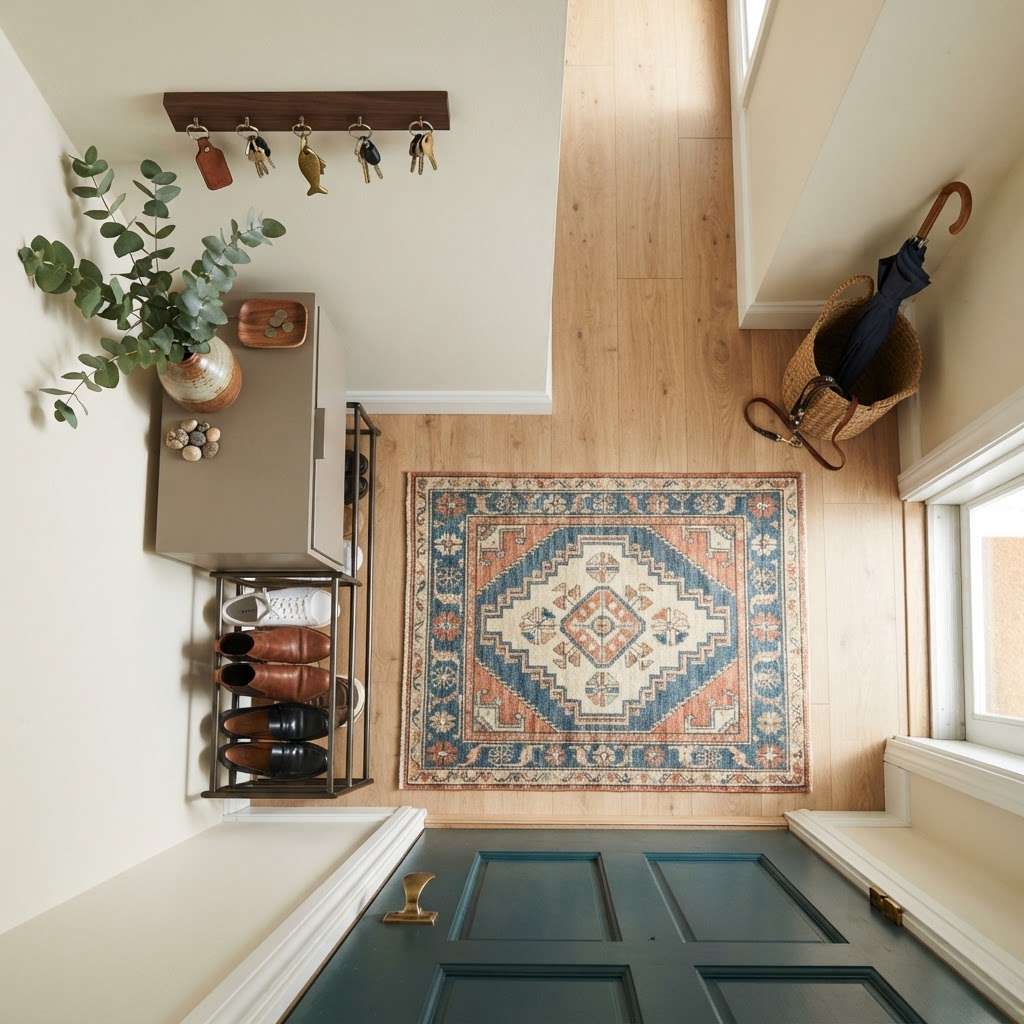
To achieve this, you need to think vertically. When floor space is limited, the walls become your most valuable real estate. Instead of relying on floor-based shoe racks that take up precious square footage, look toward wall-mounted solutions. Minimalist floating shelves combined with sleek wall hooks can provide a place for bags and coats without crowding the walkway. When your entryway feels open, your home feels larger, more inviting, and significantly more professional. By keeping the floor clear, you create a seamless visual flow that invites guests inside rather than creating an immediate bottleneck at your front door.
Mastering Vertical Storage Solutions
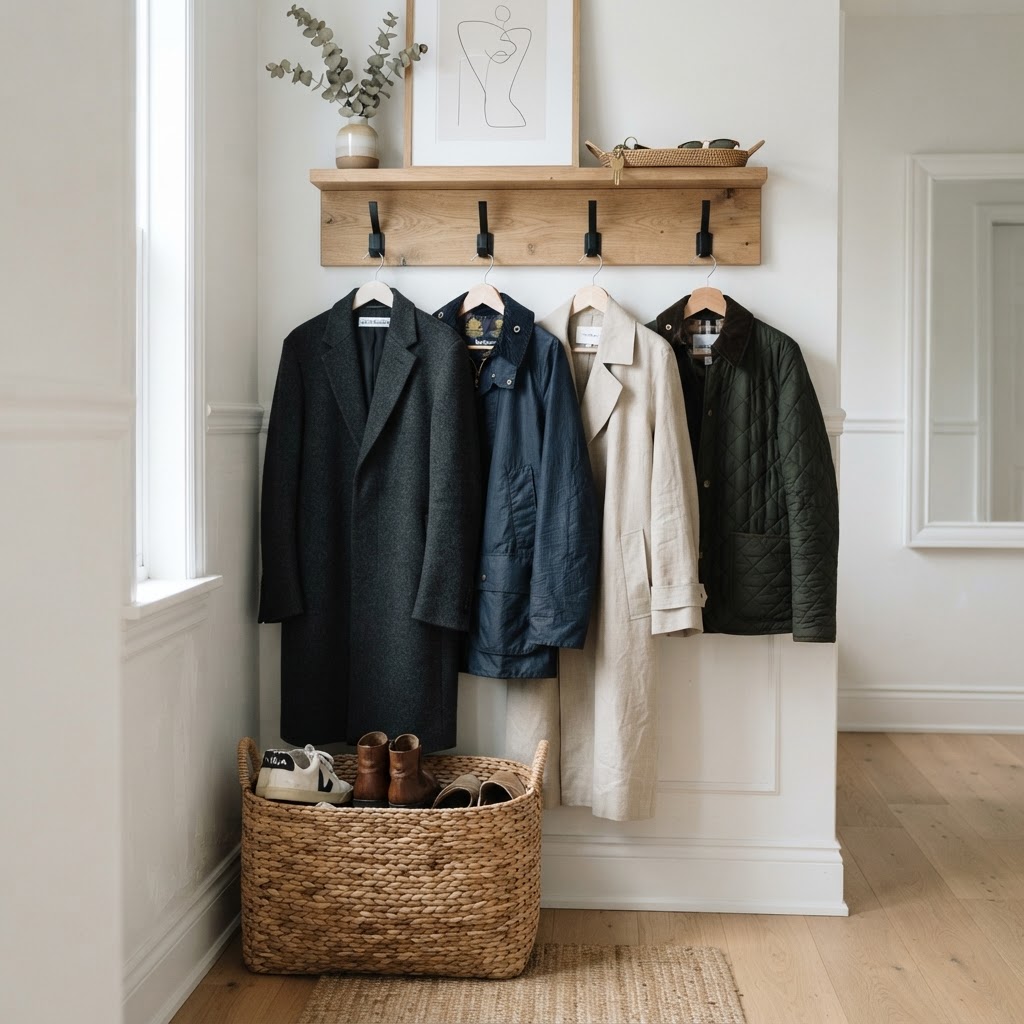
Vertical storage is the secret weapon for anyone struggling with small entryway decor because drawing the eye upward creates an illusion of height that makes the room feel expansive rather than enclosed. Wall-mounted organizers are particularly effective for small spaces because they keep the floor clear, which is crucial for making the area appear larger than it actually is.
One major benefit of wall-mounted furniture is the ease of cleaning. When your console table or shoe cabinet is attached to the wall, you can easily vacuum or sweep underneath, preventing dust bunnies from gathering in those hard-to-reach corners. Additionally, choosing pieces that match your wall color creates a seamless, built-in look that hides storage while remaining visually unobtrusive. You should aim for hooks placed at 60 inches from the floor for adult coats, ensuring accessibility while maintaining a tidy, non-bulky look that keeps your walls looking clean.
Choosing the Right Hooks and Racks
Not all hooks are created equal when it comes to style. For a polished look, opt for heavy-duty brass or matte black wall hooks that serve as accent pieces rather than purely utilitarian objects. A long rail of uniform hooks can hold coats, umbrellas, and even a decorative bag, turning your everyday items into a curated display. For items that are less aesthetically pleasing—like reusable grocery bags or dog leashes—use decorative baskets hung directly on the hooks.
Hidden Storage Furniture Essentials
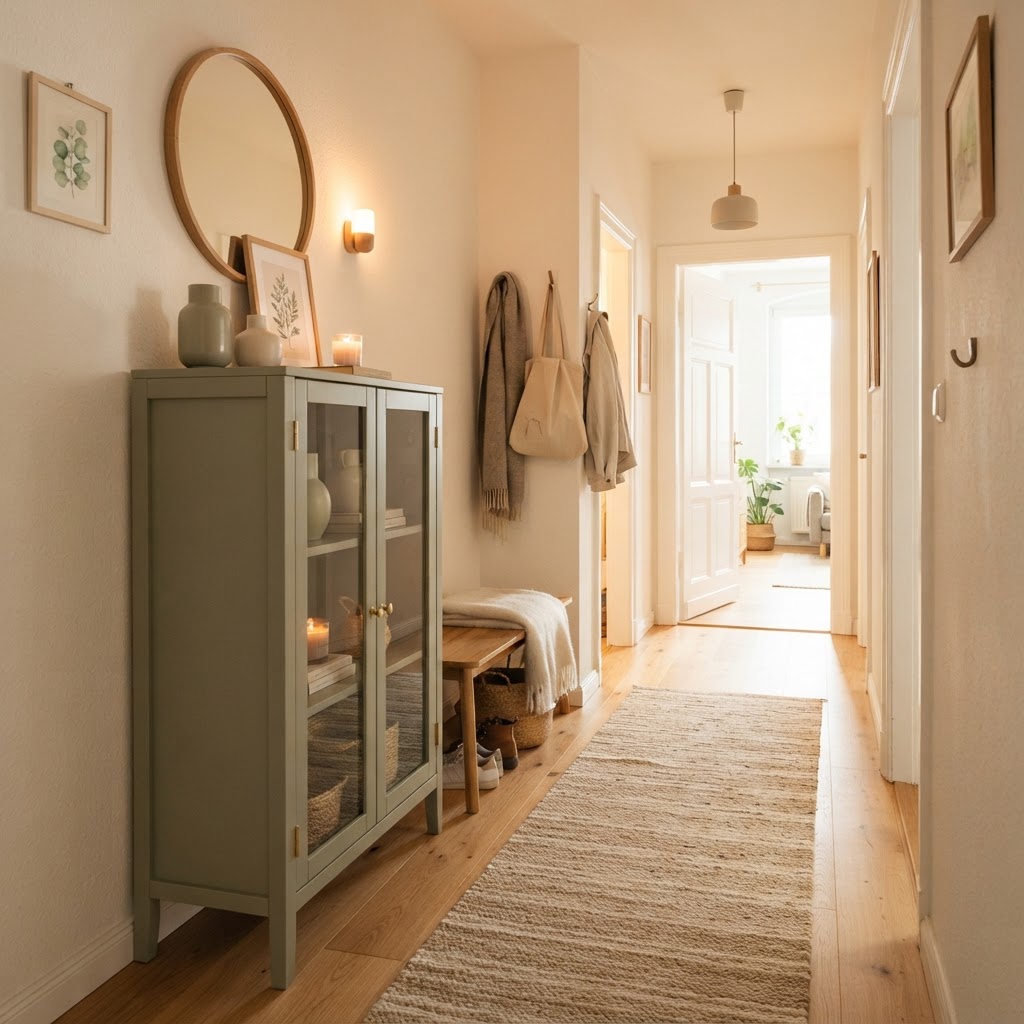
When you need to conceal clutter entirely, closed storage is mandatory because open shelving can quickly look chaotic if not perfectly styled. Incorporating furniture with doors or drawers is the most effective way to maintain a clean appearance, with slim-profile benches and wall-mounted cabinets offering the best return on investment for square footage.
Look for benches with hidden compartments under the seat. These are perfect for storing seasonal items like scarves, gloves, or even umbrellas that you don’t need access to on a daily basis. By choosing a bench with a fabric cushion that matches your home’s color palette, you add a layer of comfort and style that makes the entryway feel like an intentional part of your living room. When shopping, prioritize furniture with a depth of 12 to 14 inches; this narrow profile ensures you have enough storage for shoes without obstructing narrow hallways or common traffic paths. High-quality furniture with soft-close hinges will also provide a premium, quiet experience that adds to the overall feeling of calm in your home transition space.
Utilizing Mirrors to Create Space
Mirrors are the most effective designer tool for small foyers because they physically double the perceived space and significantly increase ambient light levels. A large, well-placed mirror does more than just let you check your reflection before you leave; it bounces light around the room and creates depth. If you have a dark, narrow hallway, a mirror is essential for making the space feel airy and open.
To maximize the storage potential of a mirror, consider choosing a mirror with a built-in ledge or pairing it with a shallow console table. By reflecting the rest of your home, the mirror also helps integrate the entryway into your overall floor plan, making it feel less like a closed-off room and more like a bridge between spaces. For maximum impact, place a mirror directly opposite a window or a primary light source to bounce natural light deep into the home. If you want to increase the feeling of height, choose an arched floor-to-ceiling mirror that visually pushes the ceiling line upward, effectively tricking the brain into perceiving a larger volume of space.
Clever Hidden Storage Hacks
Sometimes, the best storage solutions are hidden in plain sight. For those with absolutely no space, think about utilizing the back of the front door. Over-the-door organizers are often associated with college dorms, but there are sophisticated, high-end versions made of leather or canvas that can hide a variety of small items.
- Use a magnetic strip behind a console table for keys to prevent them from landing on the surface.
- Incorporate decorative boxes that look like books to hide mail and loose change.
- Install a shallow cabinet behind the door if there is swing clearance.
- Use baskets with lids to hide clutter while adding natural textures to your decor.
- Repurpose a vintage dresser if you have a slightly wider nook to provide deep drawer storage.
The Power of Minimalism in Entryways
If you want a truly stylish look, you must edit. Minimalism is not about having nothing; it is about having only what is necessary and beautiful. When selecting decor, ask yourself if an item serves a purpose or brings you joy. If the answer is no, it should not be in your entryway.
Consider the “one-in, one-out” rule. For every new item you bring into your entry, remove one that is worn out or no longer needed. This is the most effective way to prevent clutter from accumulating over time. Minimalist design is especially effective in small areas because it reduces visual noise, allowing you to focus on the textures and materials you have chosen to feature. A study by organizational experts shows that removing just 30% of unnecessary items from a foyer can improve the speed of morning departures by over two minutes on average. Focus on quality over quantity by selecting one statement piece of art or a sculptural bowl for keys rather than multiple smaller decorative items that create clutter.
Color Palettes for Small Spaces
Choosing the right color palette can drastically change how your entryway feels. Light, neutral tones such as off-white, soft gray, or beige help push the walls back and make the space feel larger. However, don’t be afraid of moody colors. A deep navy or forest green can create a dramatic, “jewel box” effect that feels incredibly intentional and high-end.
If you choose a dark color, ensure your lighting is excellent. A stylish pendant light or a high-quality sconce can turn a small, dark entryway into a sophisticated focal point. Lighting is an often overlooked aspect of small entryway decor, but it is the easiest way to elevate the space from a simple mudroom to a beautiful part of your home. Incorporating smart bulbs with a warm 2700K color temperature can create an inviting glow that welcomes you back each day. Furthermore, using a high-gloss finish on trim in a small entryway can reflect light even in darker rooms, effectively adding a high-end, custom-designed feel to a standard compact foyer.
FAQ
Q: What is the best way to organize a small entryway with no closet?
Install wall-mounted vertical storage like hooks and floating shelves to utilize the height of your walls without sacrificing floor space. A slim bench with shoe storage can also provide seating and closed compartments to keep everyday items hidden away.
Q: How deep should a small entryway console table be?
Aim for a console table depth of between 10 and 14 inches. This measurement provides enough surface area for keys and mail while ensuring the piece does not obstruct the flow of traffic through the doorway.
Q: Does painting a small entryway a dark color make it look smaller?
Dark colors can actually make a small space feel more expansive and dramatic by blurring the edges of the walls. When paired with effective lighting and a mirror to bounce light, dark colors create a sophisticated, high-end look that feels intentional.
Q: How do I hide clutter in a small, narrow entryway?
Use closed storage solutions like bins with lids, drawers, or cabinets to hide visual clutter completely. By keeping the floor clear and surfaces empty, you maintain a minimalist aesthetic that makes the entire area appear more organized and spacious.
Q: What are the best materials for entryway storage?
Choose durable materials like solid wood, powder-coated metal, or high-quality leather, which can withstand frequent daily use. These materials offer longevity and can be easily cleaned, making them ideal for the high-traffic environment of a home entrance.

Leave a Reply