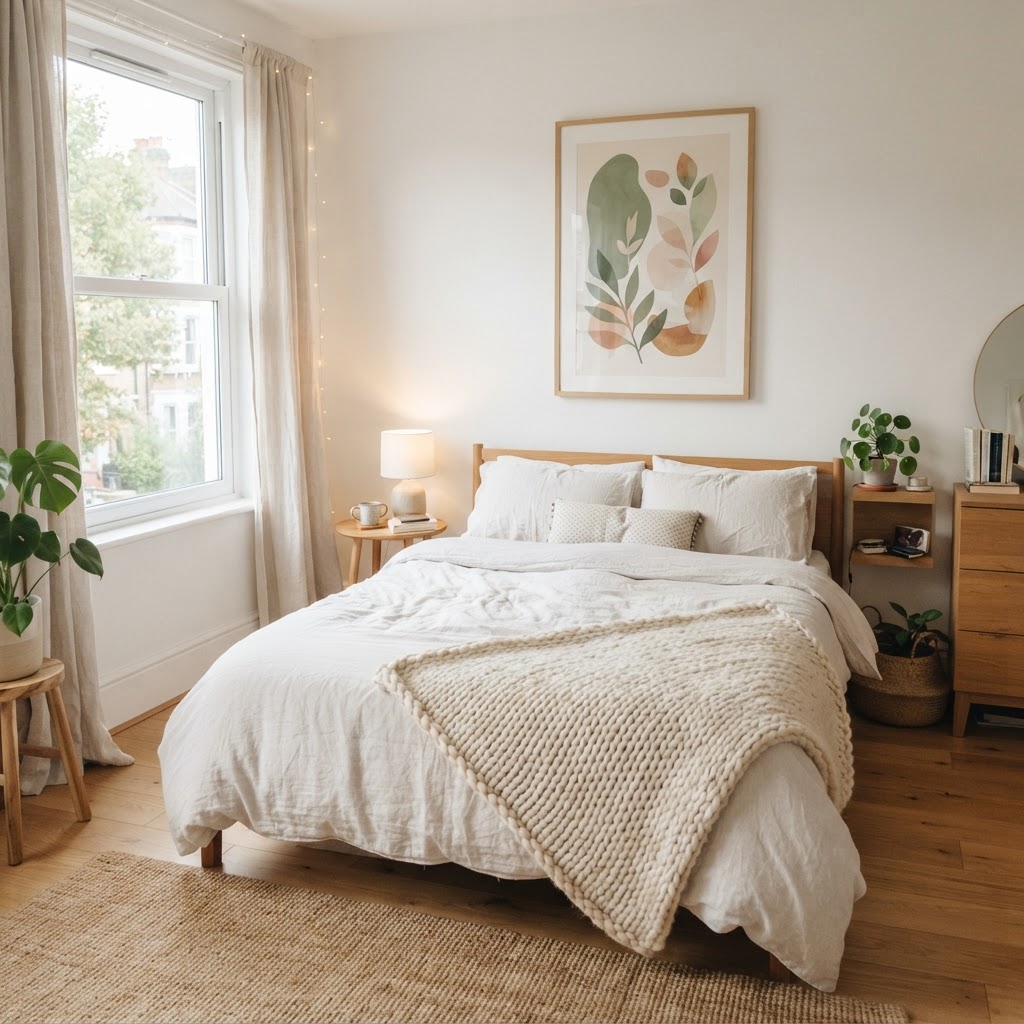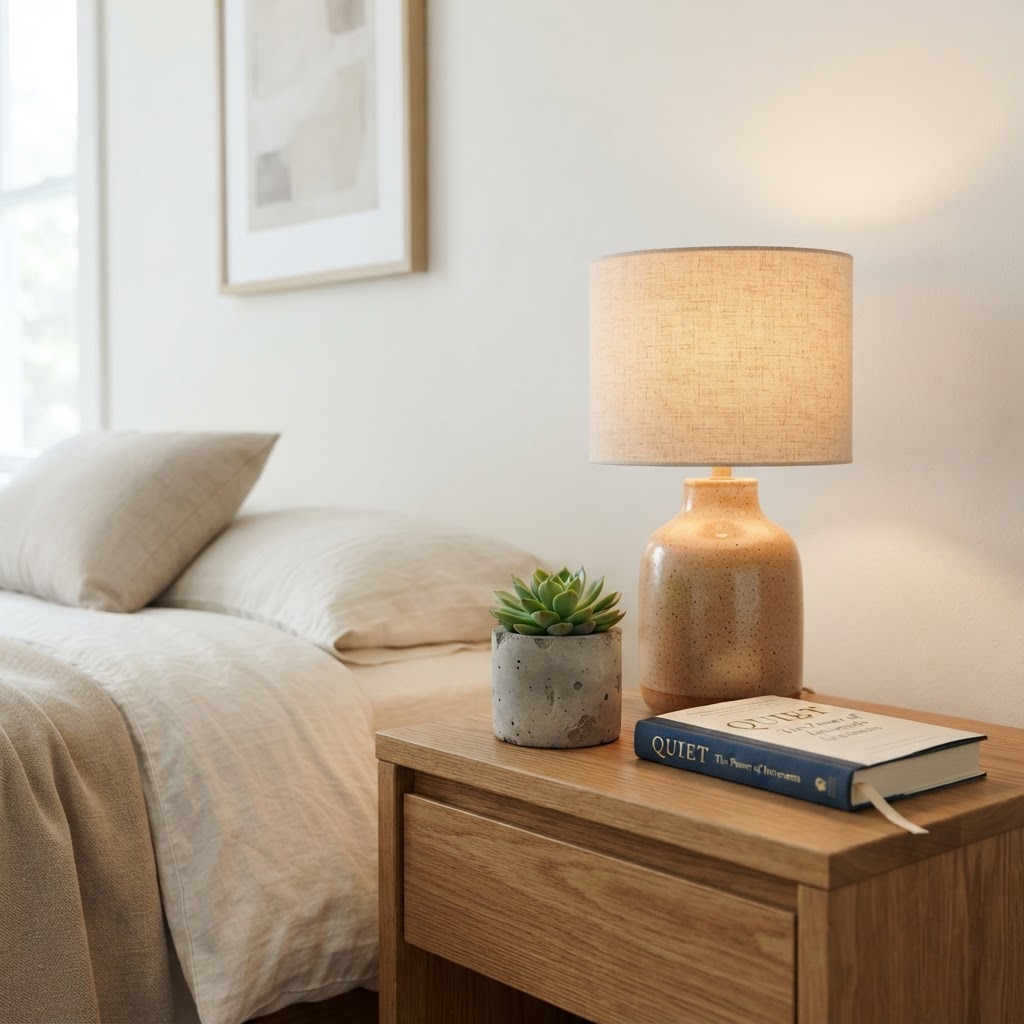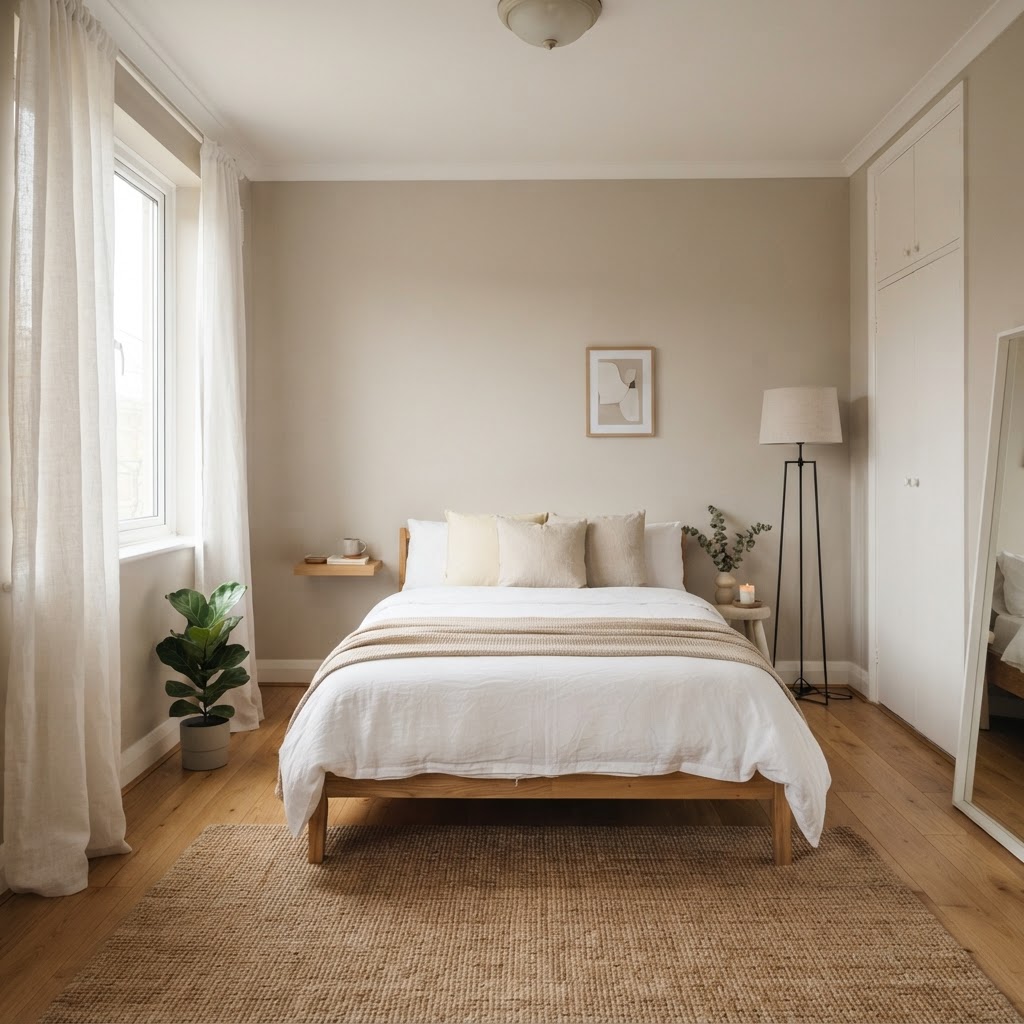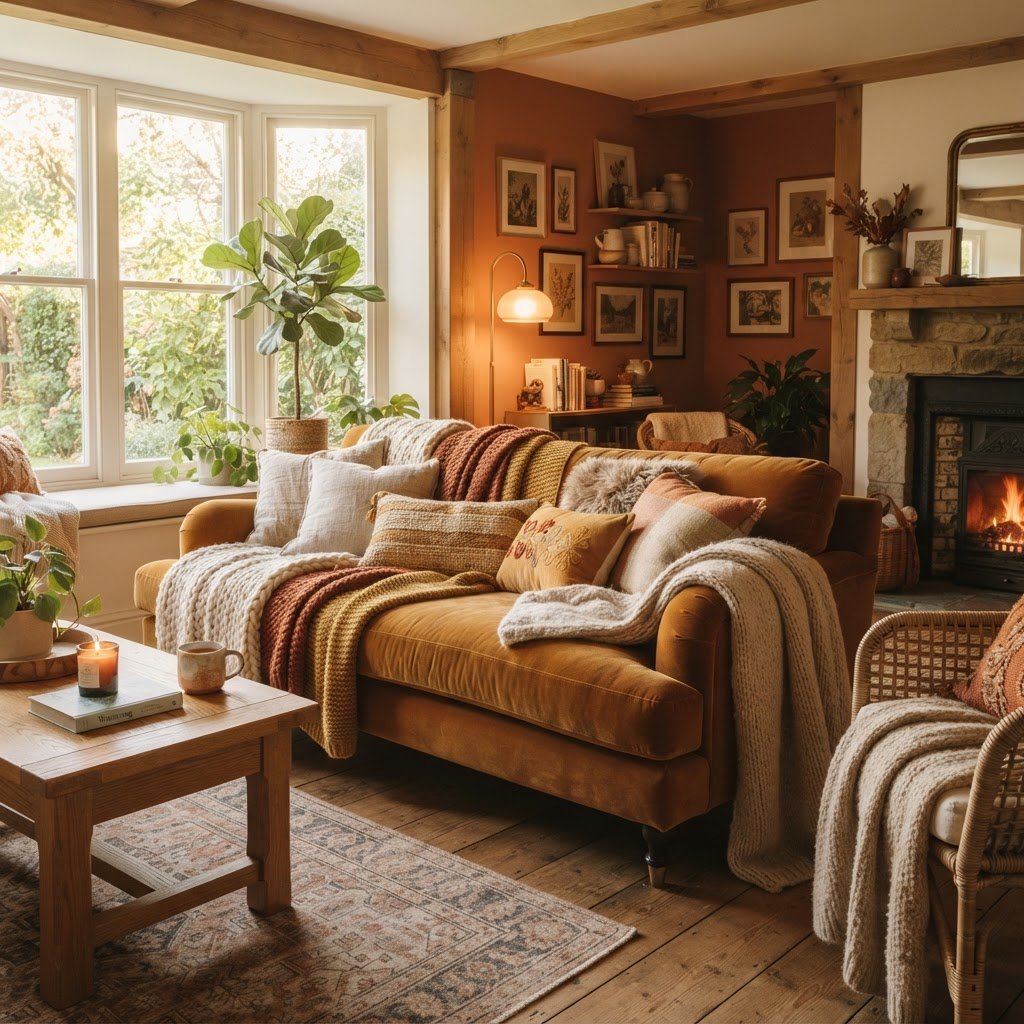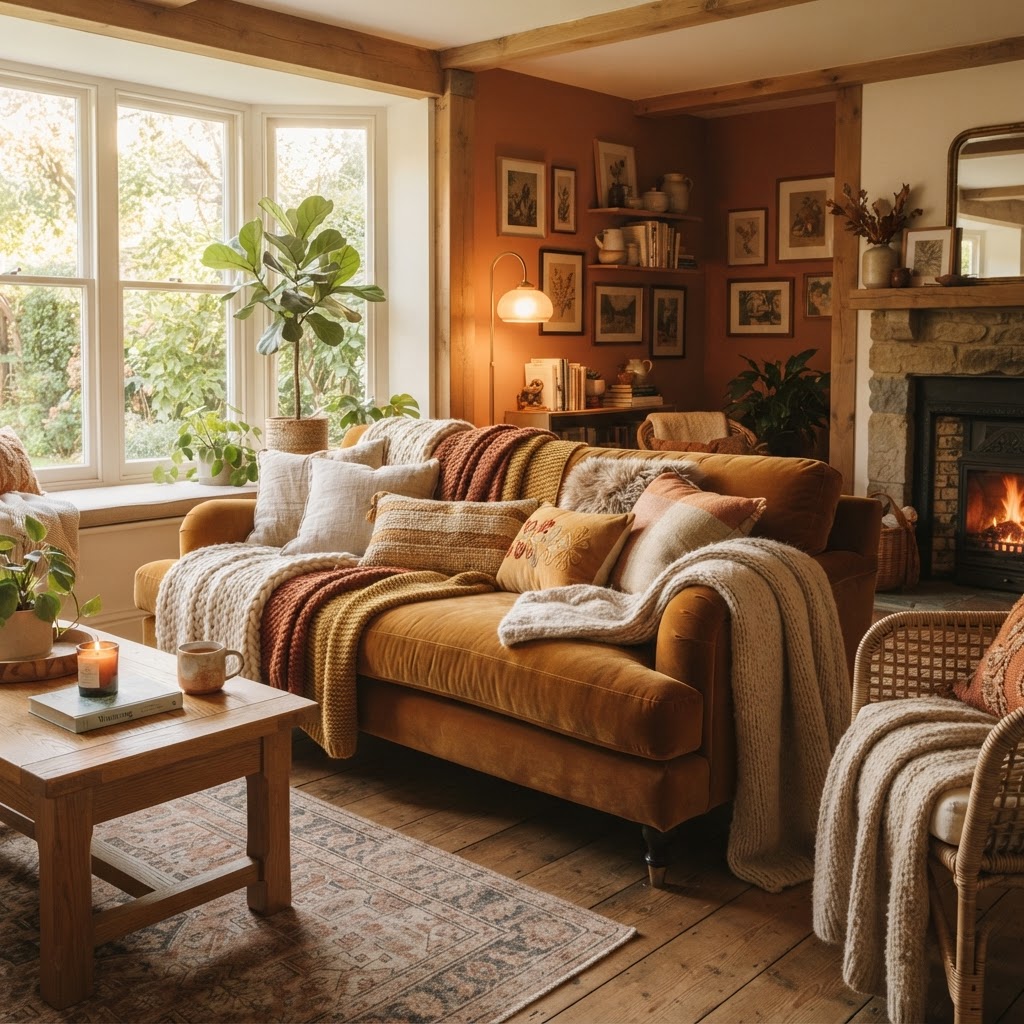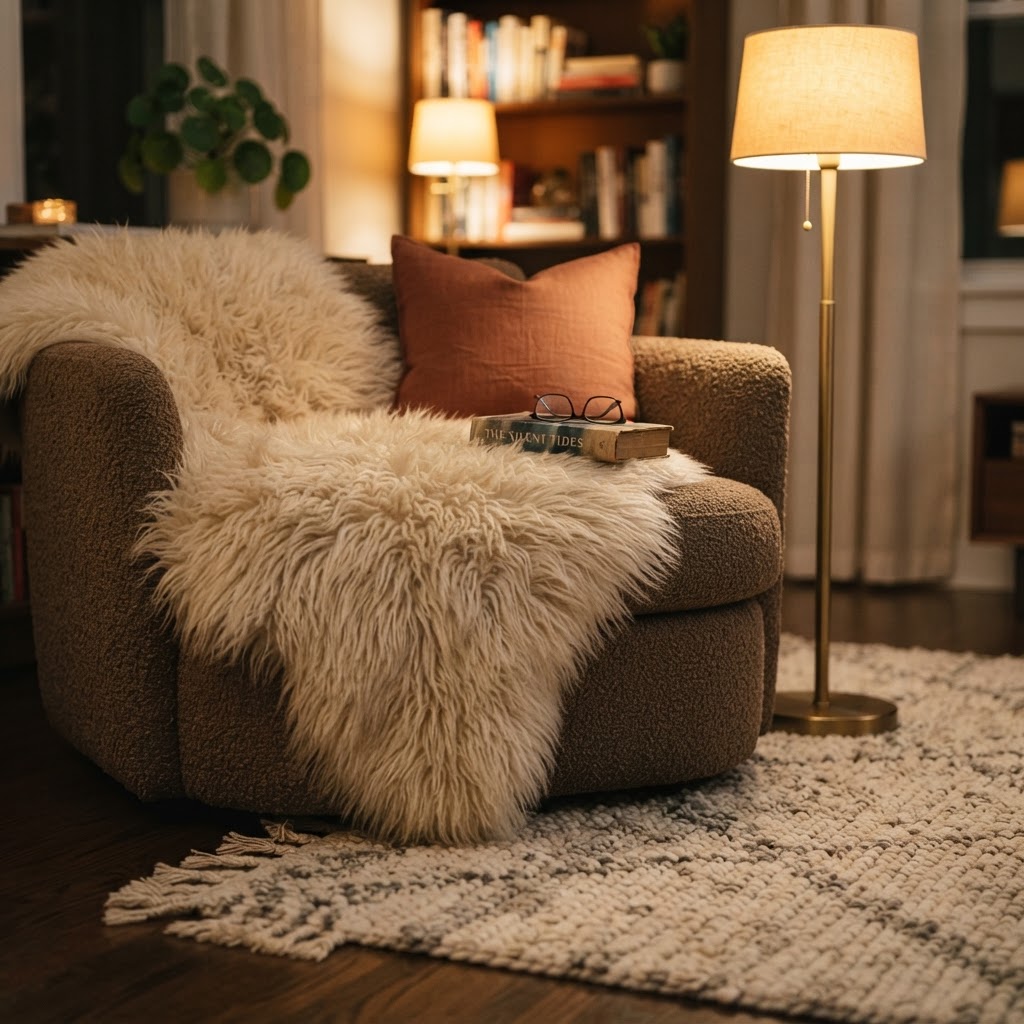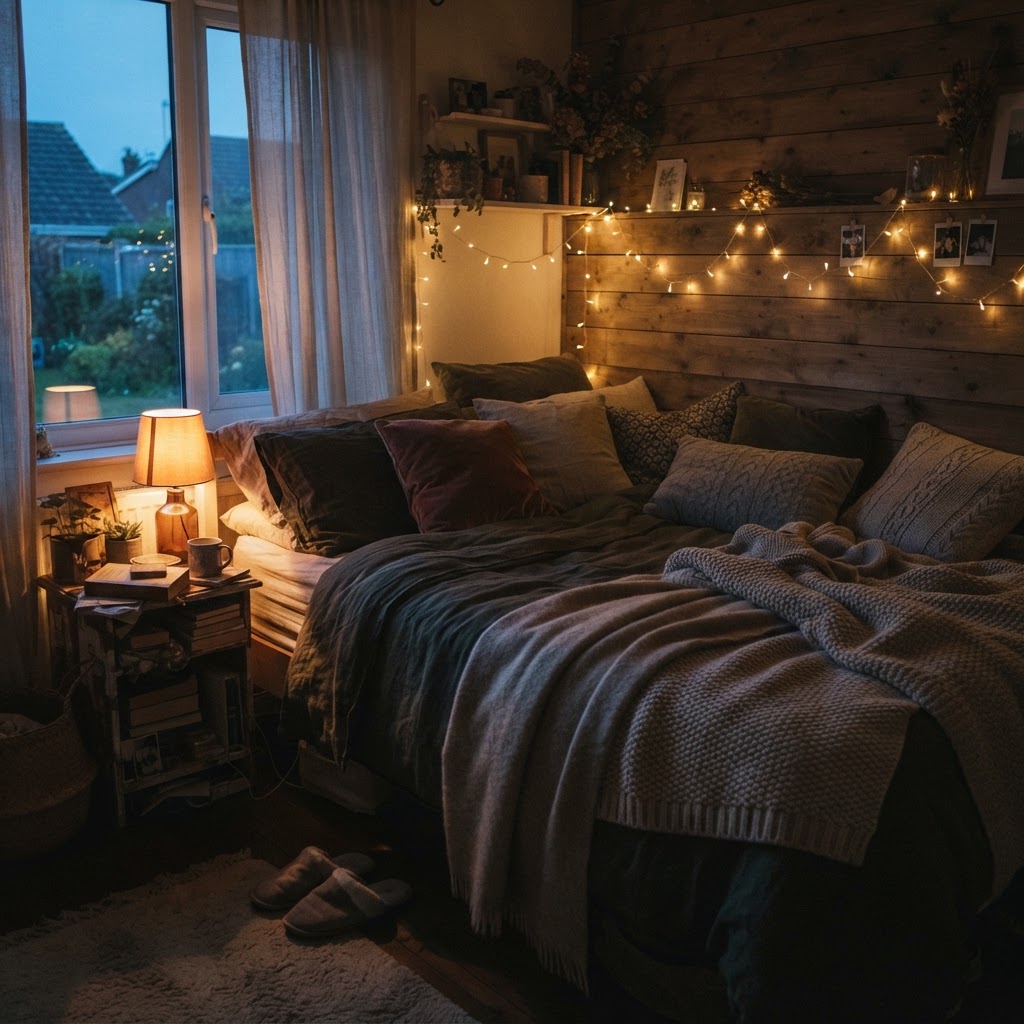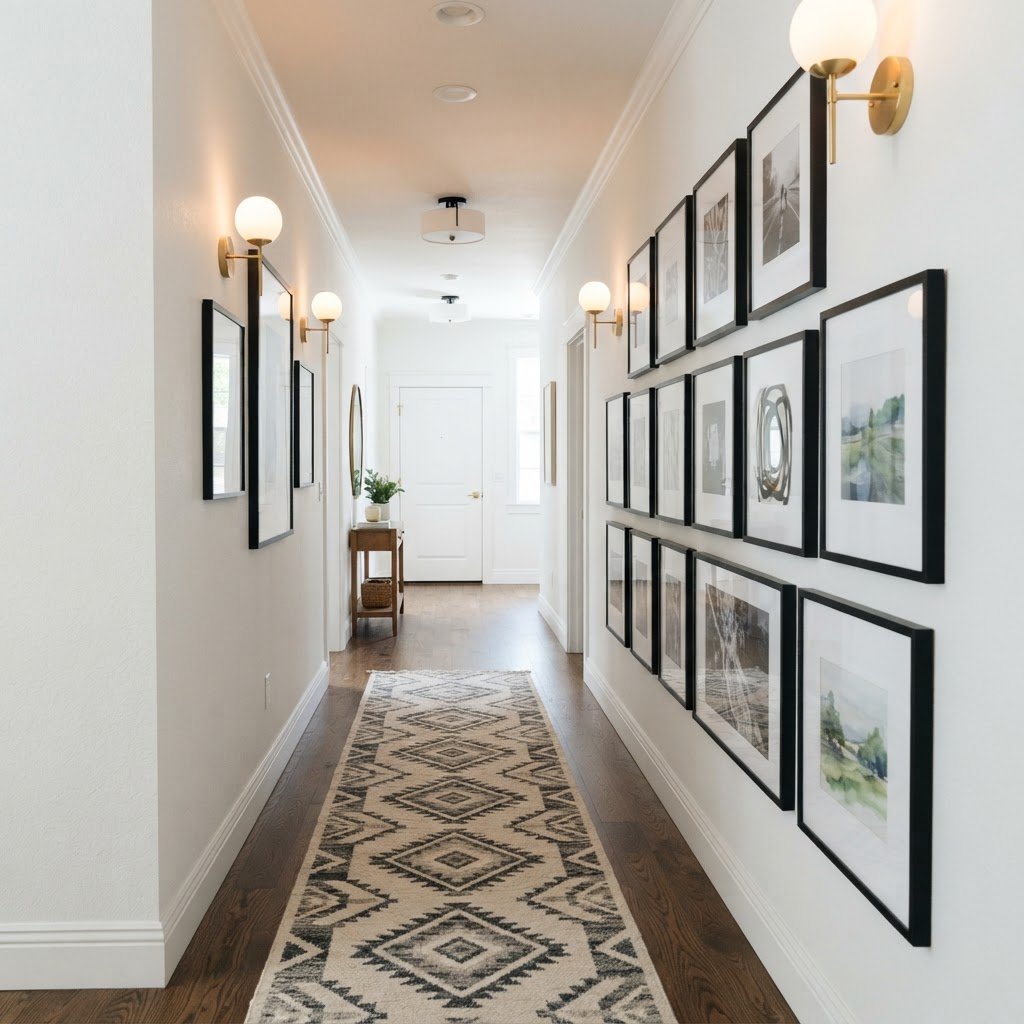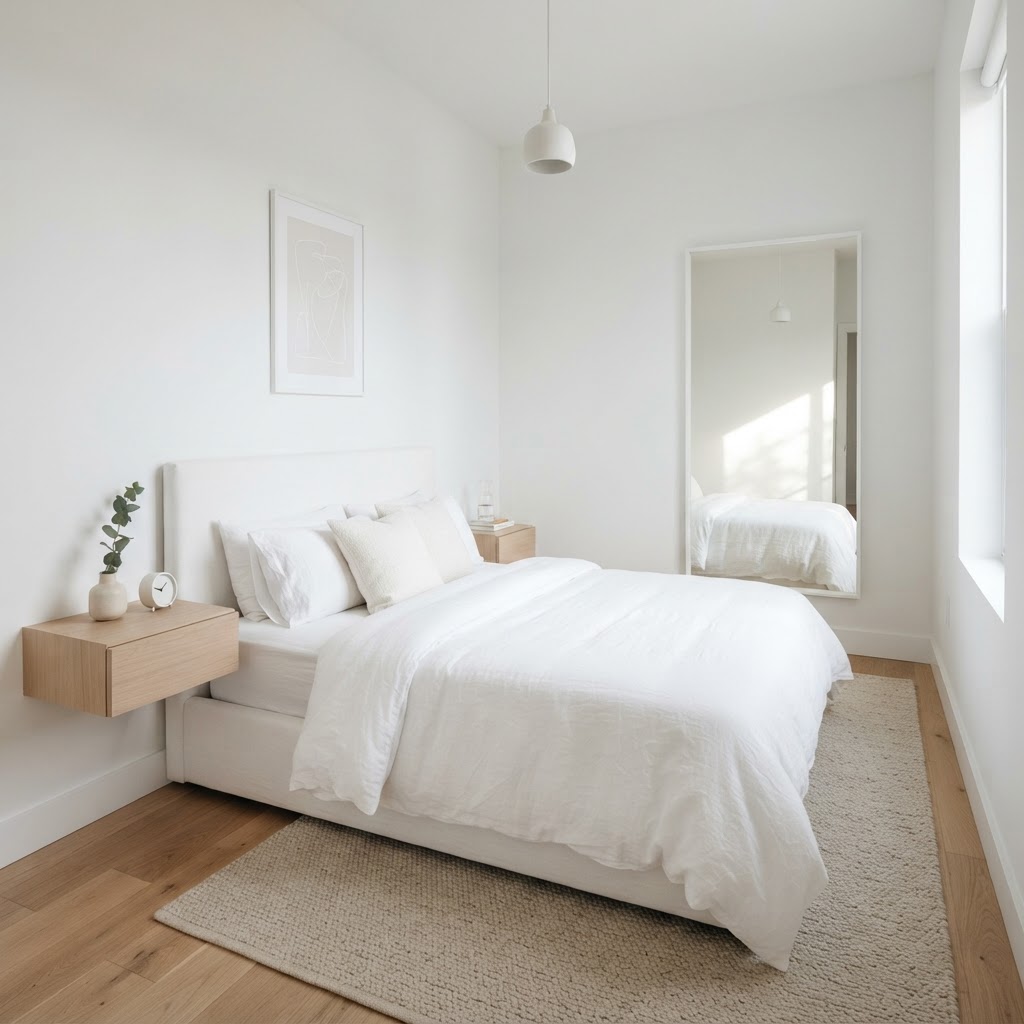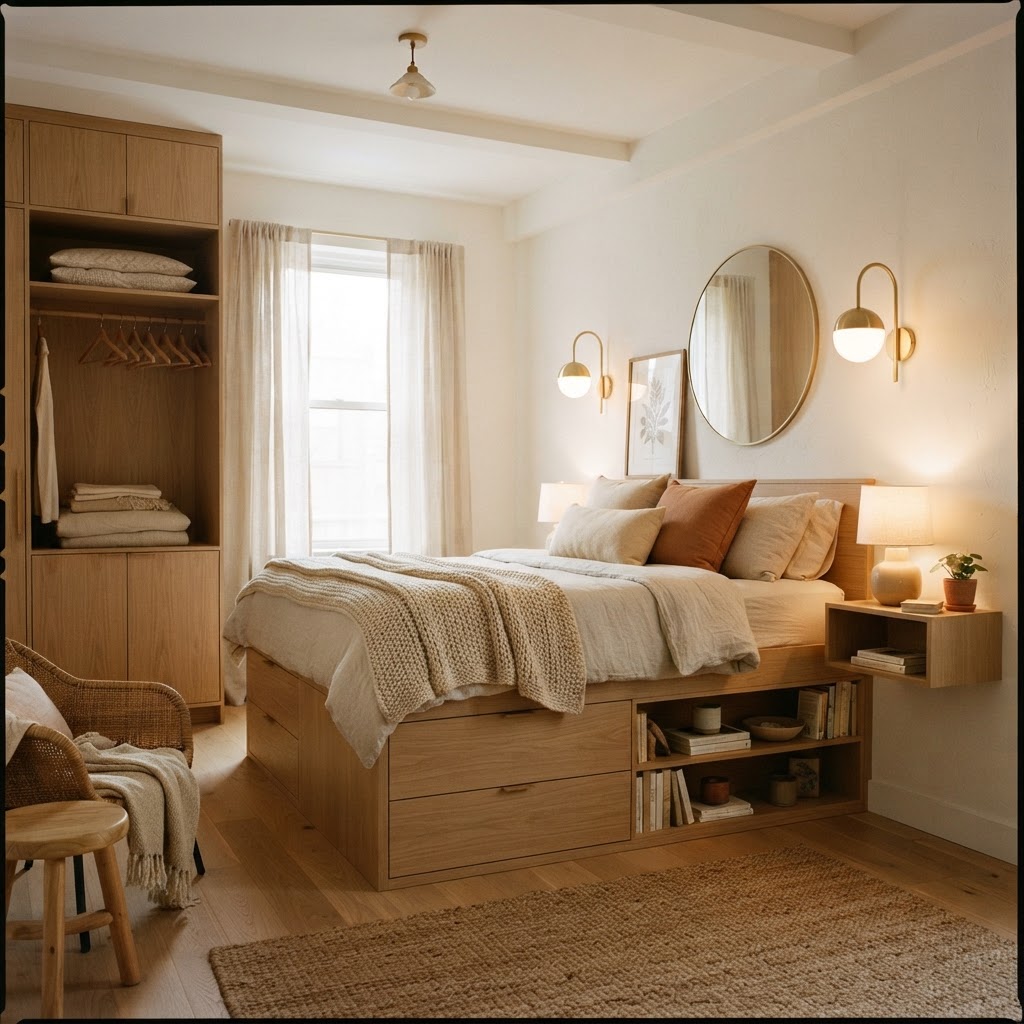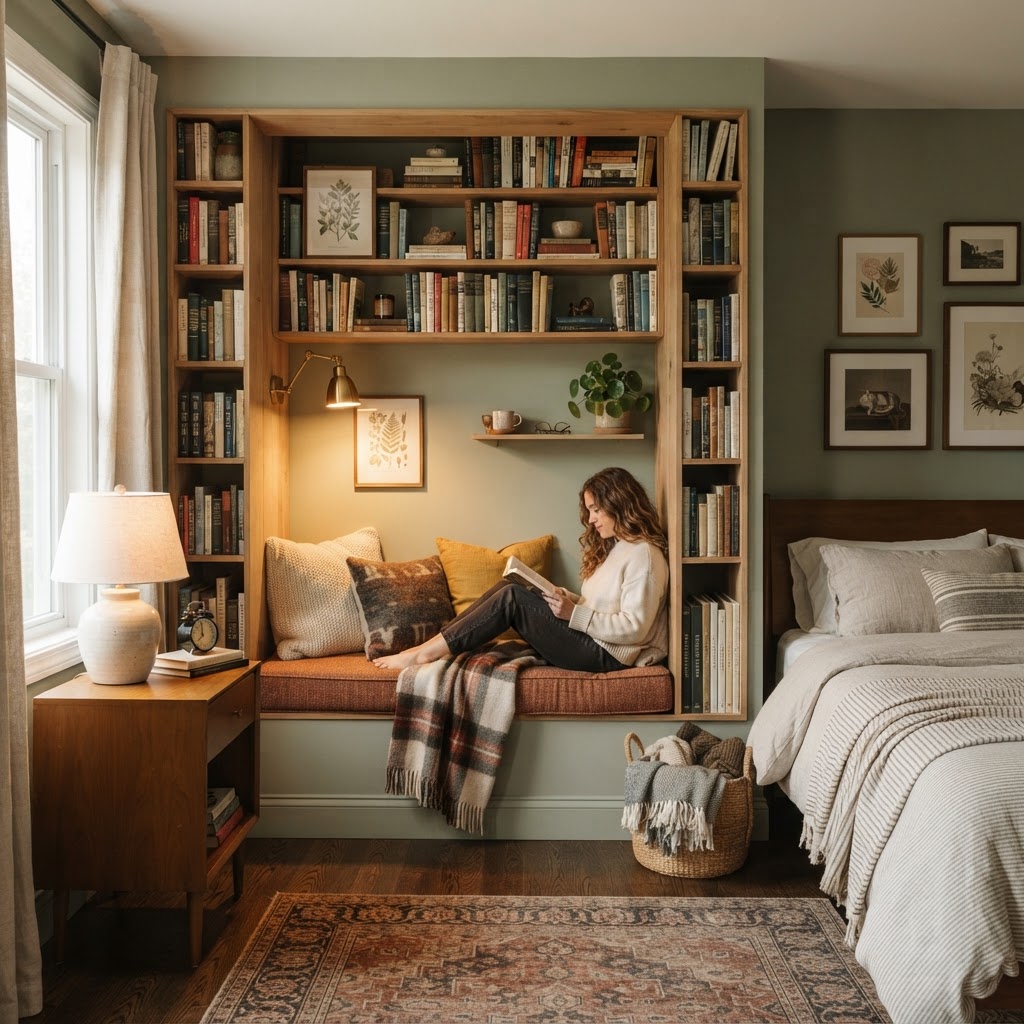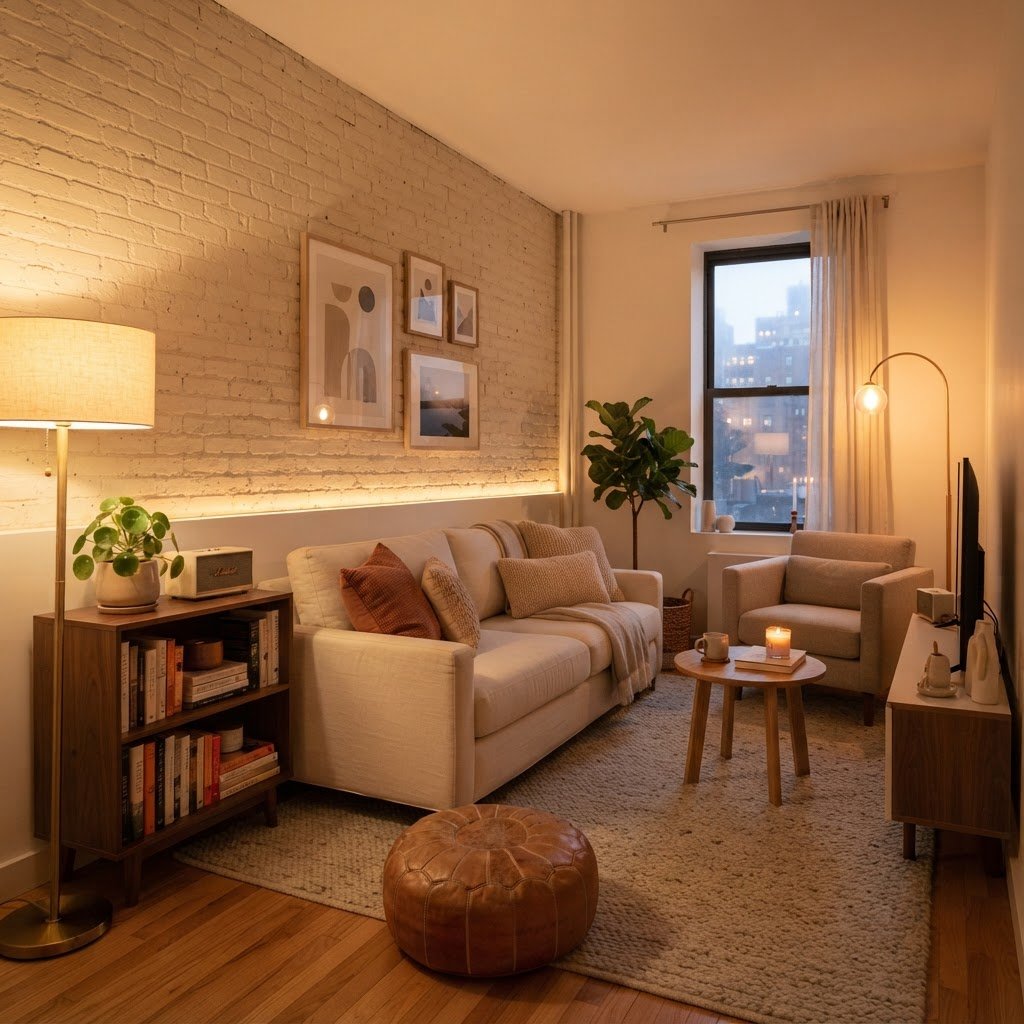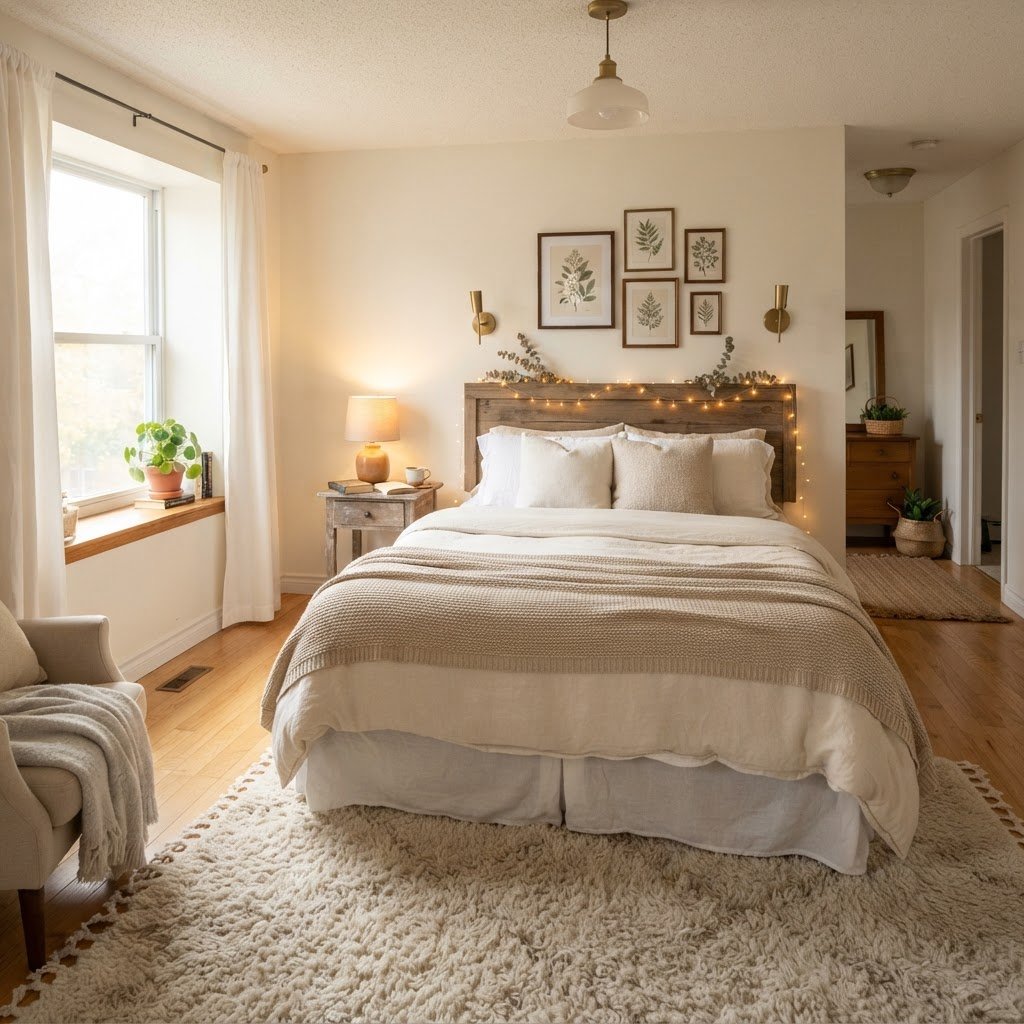
Moving into your very first apartment is an exhilarating milestone, but staring at those blank, neutral walls can feel a bit daunting. You want your new home to feel like a personal sanctuary, yet you are often restricted by strict leasing agreements that prohibit painting or major renovations. Fortunately, finding the right cozy bedroom decor ideas for first-time renters is entirely possible without losing your security deposit. By focusing on textures, lighting, and versatile textiles, you can transform a sterile box into a warm, inviting retreat that feels uniquely yours.
Understanding the Rental Decor Mindset
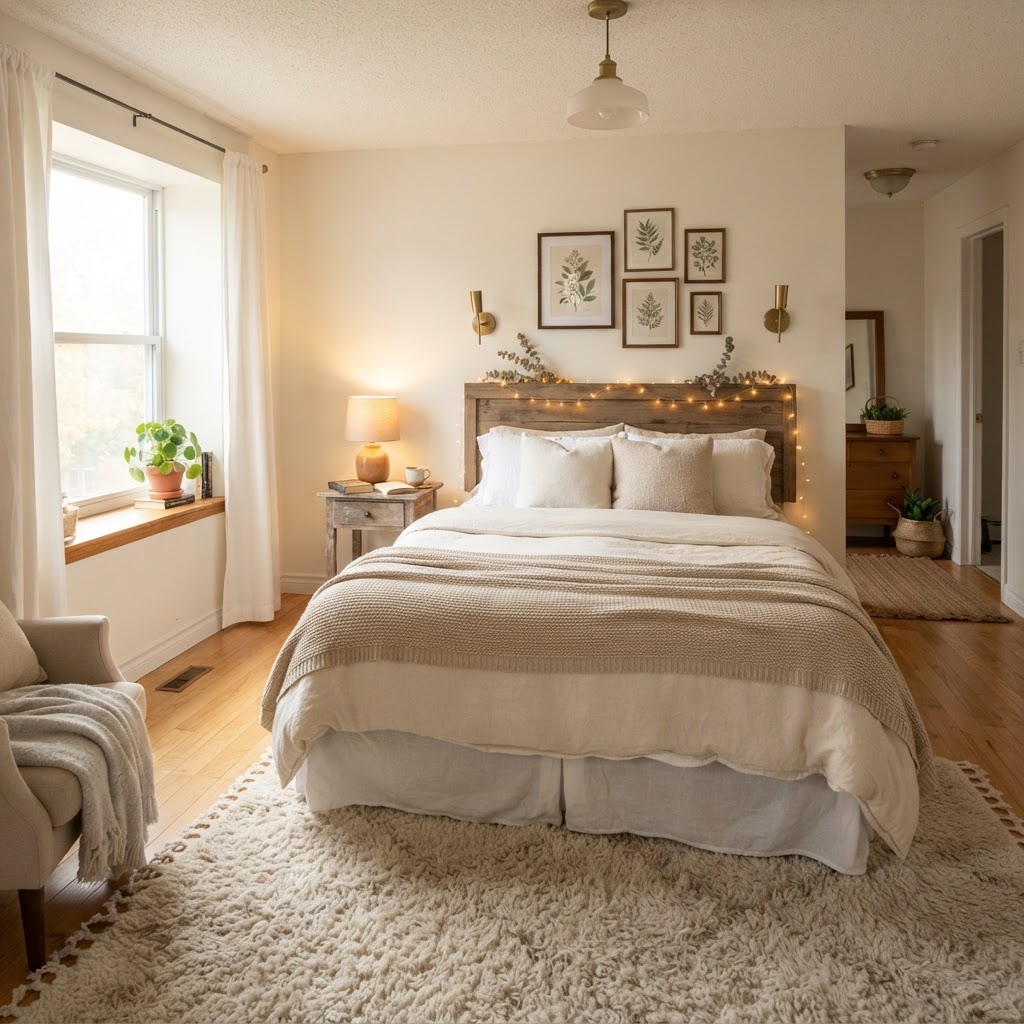
The most important lesson for any first-time renter is learning how to embrace temporary design solutions. When you cannot make permanent structural changes, your goal should be to layer elements that add depth and character. The key is to prioritize pieces that are lightweight, removable, and easy to transport when you eventually move to your next home. This approach saves you money and reduces the stress of decorating.
Effective rental design is all about the illusion of transformation. Even if you cannot change the flooring or the wall color, you can change the mood of the room through soft furnishings and clever organizational tricks. Think of your space as a blank canvas where every addition serves a dual purpose: aesthetic appeal and practical comfort.
1. Master the Art of Layering Bedding
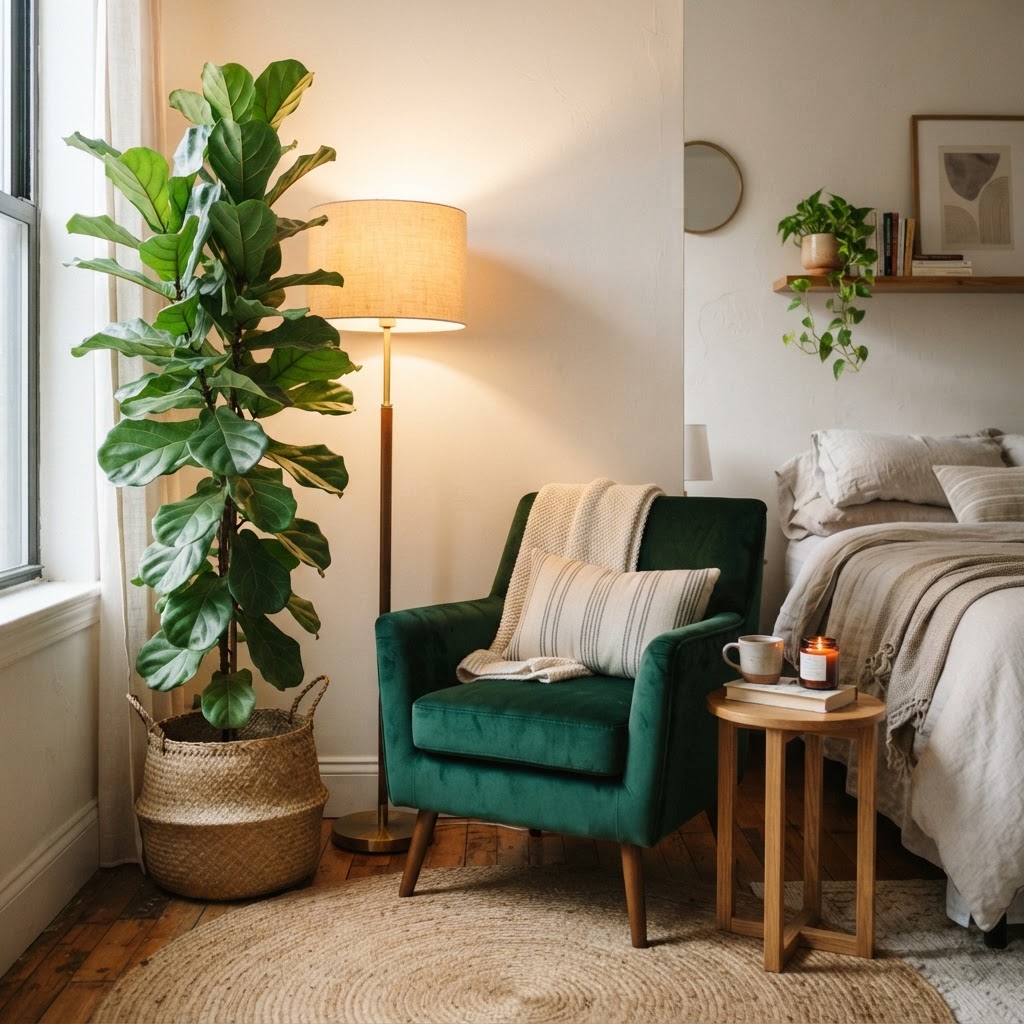
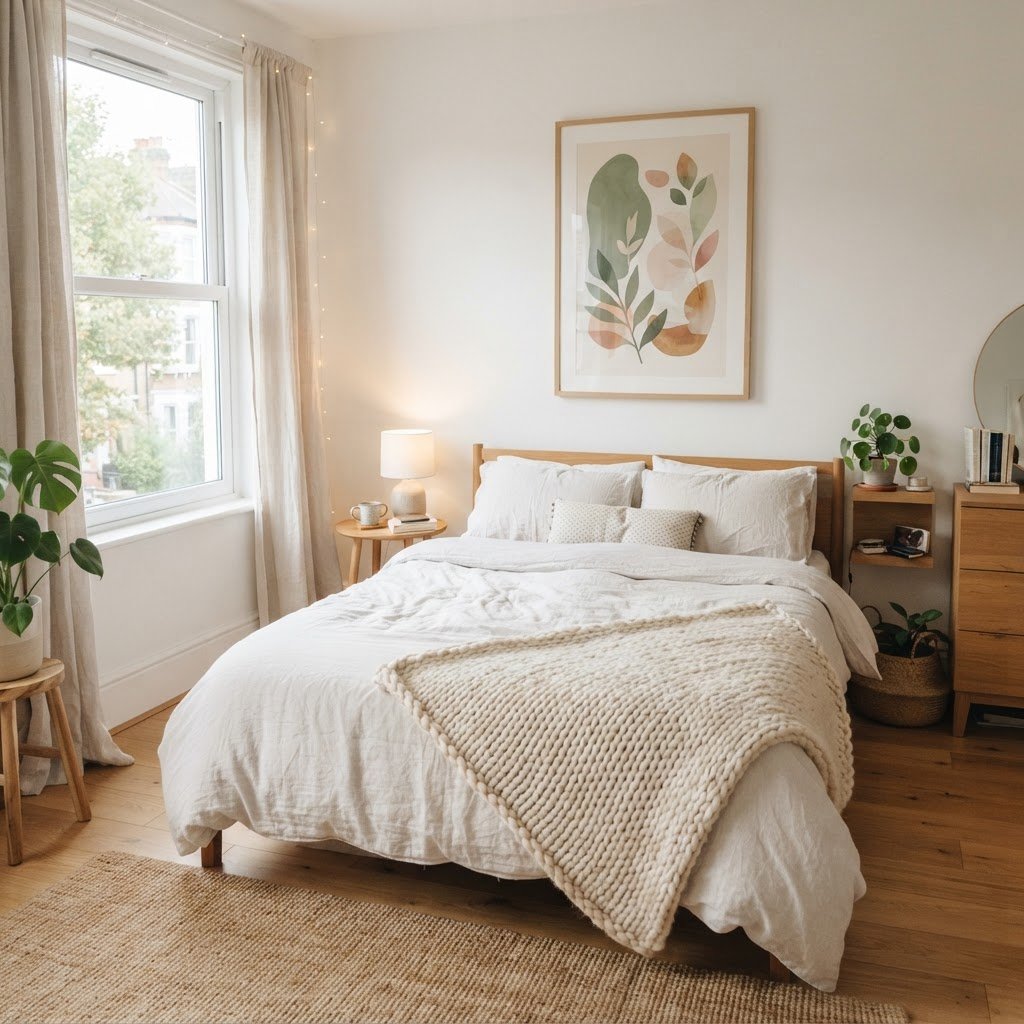
Your bed is the focal point of the room, so it deserves the most attention. Layering is one of the most effective cozy bedroom decor ideas for first-time renters because it creates an immediate sense of luxury and comfort. Start with a neutral base, such as white or light gray sheets, and then build up using different textures like faux fur, knit blankets, and various linen pillow covers.
Experimenting with textures makes a small room feel much more expensive than it actually is. Try placing a chunky cable-knit throw at the foot of your bed to ground the space. When you mix materials—silk, wool, cotton, and velvet—you create a tactile experience that makes you want to curl up and stay a while.
2. Incorporate Renter-Friendly Lighting Solutions
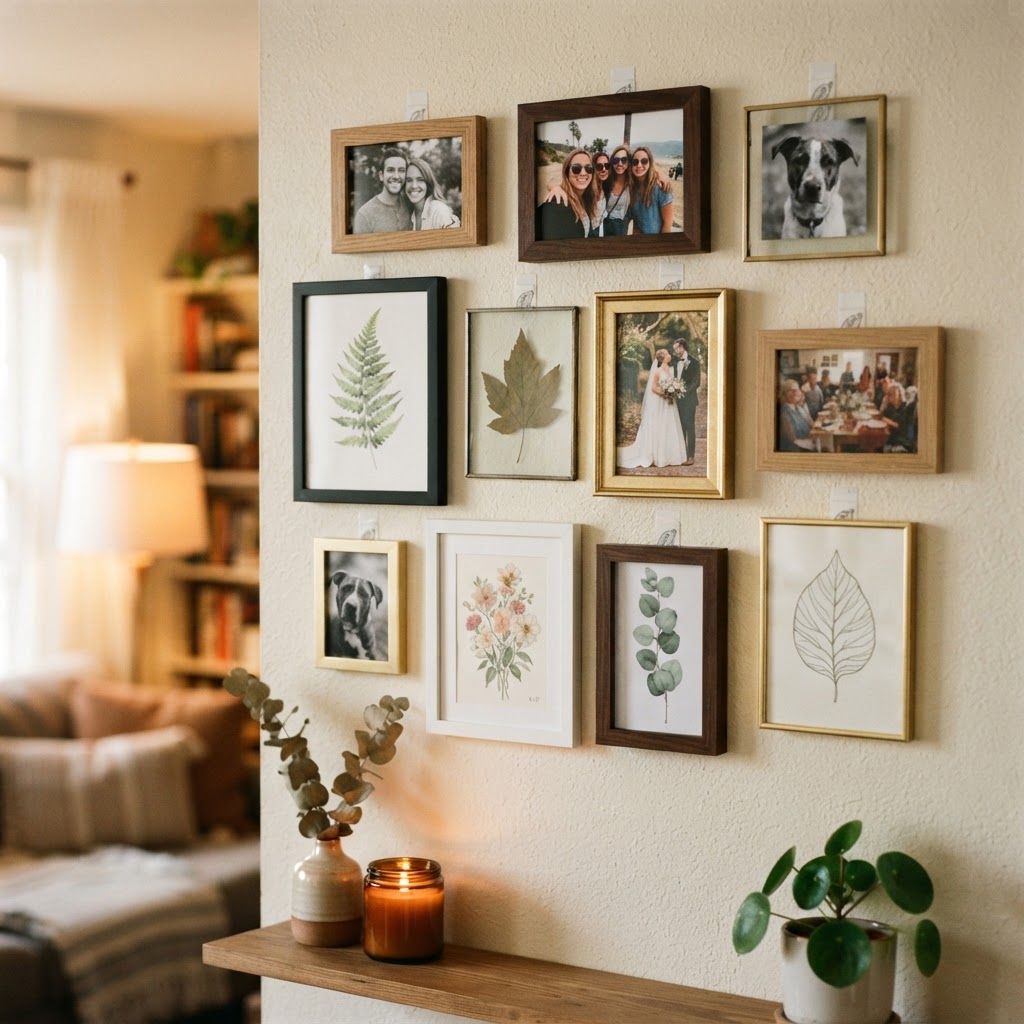
Harsh overhead lighting is the quickest way to kill a cozy vibe. Most rentals come with standard “boob lights” that provide cold, unappealing illumination. To combat this, invest in a variety of floor lamps, table lamps, and wall-mounted plug-in sconces. These allow you to customize the atmosphere of your room based on the time of day.
Types of Ambient Lighting
Floor Lamps: Great for filling empty corners and providing height.
Table Lamps: Essential for nightstands to provide warm reading light.
String Lights: Perfect for hanging above the bed or along curtain rods for a whimsical, soft glow.
Smart Bulbs: Allow you to change the color temperature of your lights to match your mood.
By using multiple low-light sources, you eliminate shadows and create a warm, golden aura throughout your bedroom. Warm-toned light bulbs are non-negotiable if you want to achieve that “cozy” feel.
3. Utilize Removable Wallpaper for Instant Drama
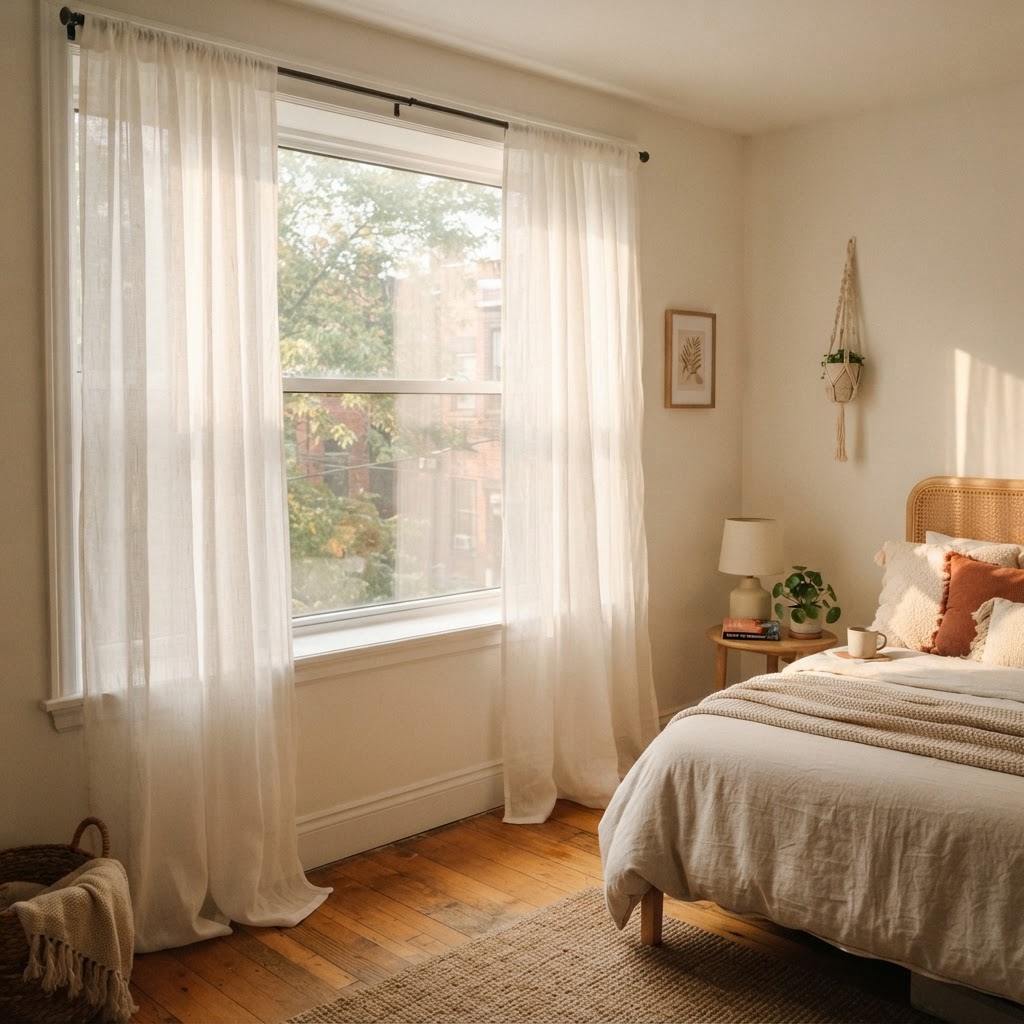
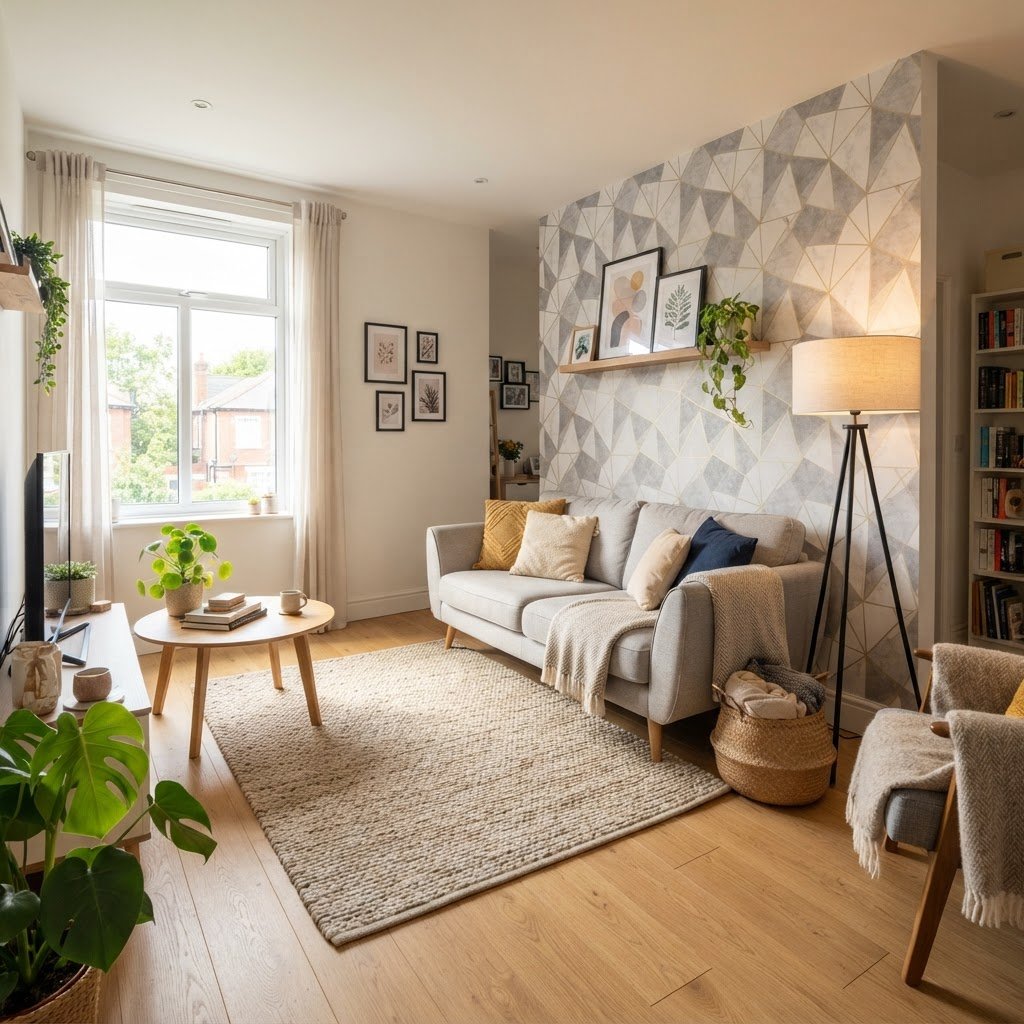
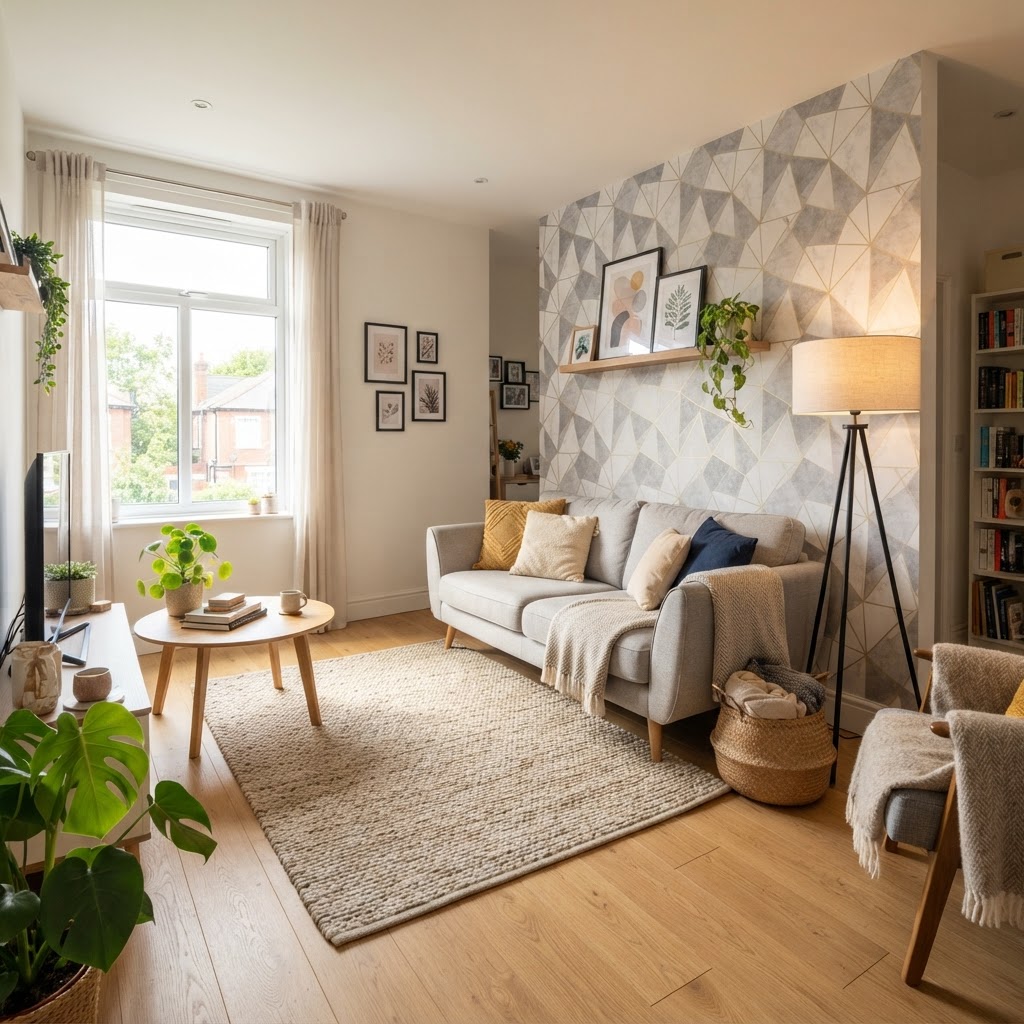
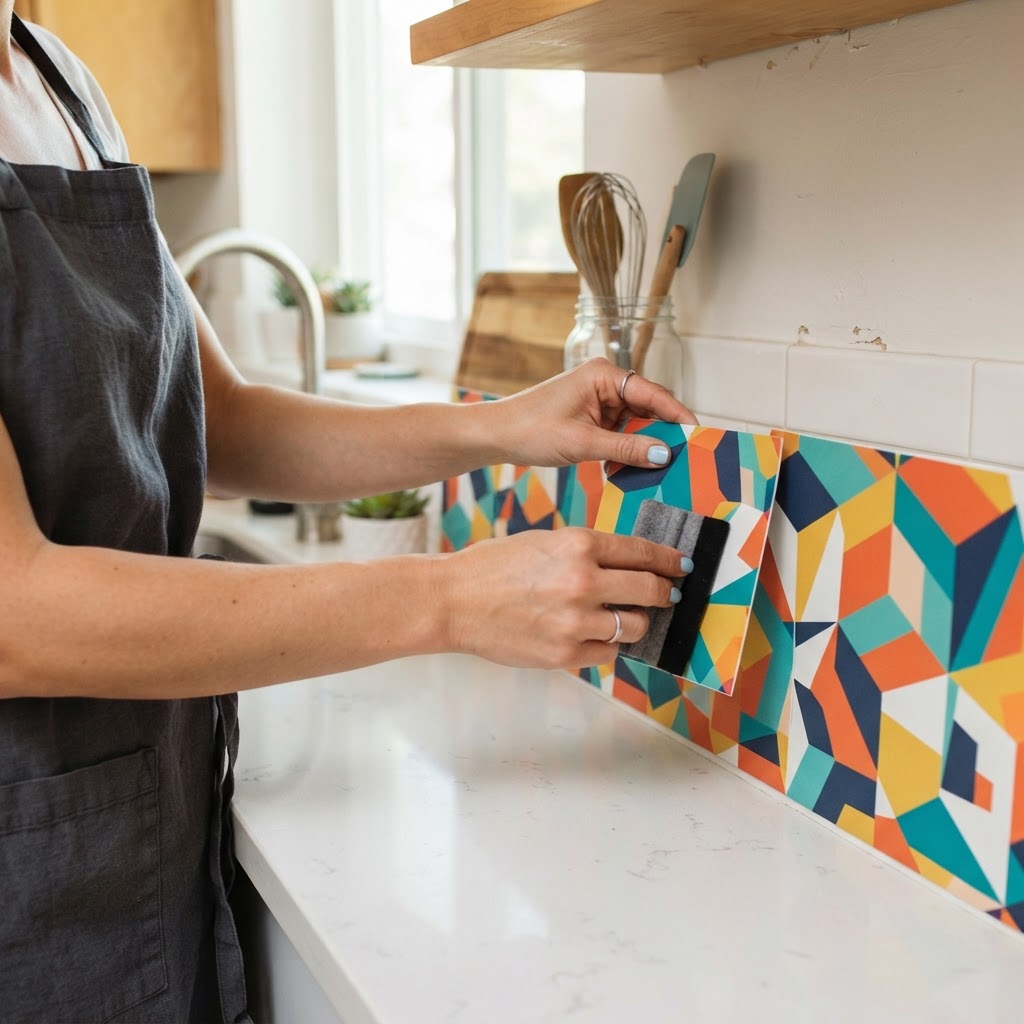
One of the most transformative cozy bedroom decor ideas for first-time renters is the use of peel-and-stick wallpaper. Unlike traditional wallpaper, this modern alternative is completely removable, leaving your walls pristine when your lease ends. You can choose a bold botanical print for an accent wall or a subtle textured pattern to add depth.
Application is straightforward, but it does require some patience. Take your time aligning the patterns and smoothing out bubbles as you go. Even a single accent wall behind your headboard can completely change the personality of the room, making it feel like a custom-designed space rather than a generic rental unit.
4. Bring in Life with Indoor Plants
Plants are essential for any cozy space. They improve air quality and add a sense of life to an otherwise static room. For renters, choose plants that are relatively low-maintenance, such as snake plants, pothos, or ZZ plants. These varieties thrive in various light conditions and can be easily moved.
Use stylish baskets to house your planters, which adds another layer of texture. If you have limited floor space, consider hanging planters from ceiling hooks (if your lease allows) or using a tall plant stand to draw the eye upward. The pop of green against neutral walls is the ultimate finishing touch.
5. Soften the Floor with Large Area Rugs
If you are dealing with unattractive or cold rental carpeting or flooring, a large area rug is your best friend. A high-quality rug can anchor your furniture and provide an immediate sense of warmth underfoot. It covers unsightly floor imperfections and adds a much-needed layer of insulation.
Choose a rug that is large enough to extend past the sides of your bed. This makes the room feel larger and more cohesive. Consider rugs with soft fibers like wool or high-pile synthetic materials to maximize the cozy factor. When you eventually move, you can simply roll up your rug and take it with you to your next place.
6. Personalize Your Walls with Damage-Free Art
Empty walls are cold and uninspiring. You don’t need a massive budget to create a gallery wall, but you do need to use the right tools. Adhesive strips and removable wall hooks are essential for hanging art without making holes in the drywall. You can mix framed prints, canvas art, and personal photos to create a space that feels like it belongs to you.
When planning your gallery wall, lay your frames out on the floor first to get the composition right. Keep the spacing consistent between frames to maintain a clean, professional look. Incorporating mirrors into your art arrangement is another brilliant trick; it reflects light and makes a small bedroom feel significantly more spacious.
7. Maximize Vertical Storage with Open Shelving
Small rental bedrooms often lack adequate closet space. Instead of stuffing everything into drawers, use decorative open shelving to display your favorite books, plants, and decor items. This makes your items part of the decor itself rather than just “stuff” taking up space.
Wall-mounted shelves that use heavy-duty adhesive or minimal nails can offer great storage without causing permanent damage. Keeping your surfaces clear of clutter is crucial for maintaining a cozy, relaxing environment. When everything has a designated home, your bedroom naturally feels more organized and peaceful.
8. Focus on Soft Window Treatments
Standard rental blinds are often functional but ugly. Replacing them with elegant curtains can instantly elevate your space. Use a tension rod inside the window frame if you cannot drill holes for a curtain rod. This allows you to add floor-to-ceiling fabric panels that block light and add privacy.
Choose velvet or heavy linen for a luxury feel, or sheer cotton for a light, airy, bohemian vibe. Layering curtains over the existing blinds allows you to control the light perfectly while masking the less-than-desirable rental fixtures. Remember to mount your curtain rod as high as possible—closer to the ceiling—to create the illusion of taller walls.
Conclusion
Creating a sanctuary as a first-time renter is entirely achievable with a little creativity and the right mindset. By utilizing these cozy bedroom decor ideas, you can ensure that your apartment feels like a true home, regardless of how long you plan to stay. Remember, the most important part of decorating is making choices that bring you joy every time you walk through the door.
Start with the essentials like bedding and lighting, and slowly add layers of personality through plants, rugs, and art. Don’t be afraid to experiment with different styles until you find what feels right. Now that you have a roadmap to transformation, take that first step today and start making your space your own. Happy decorating!
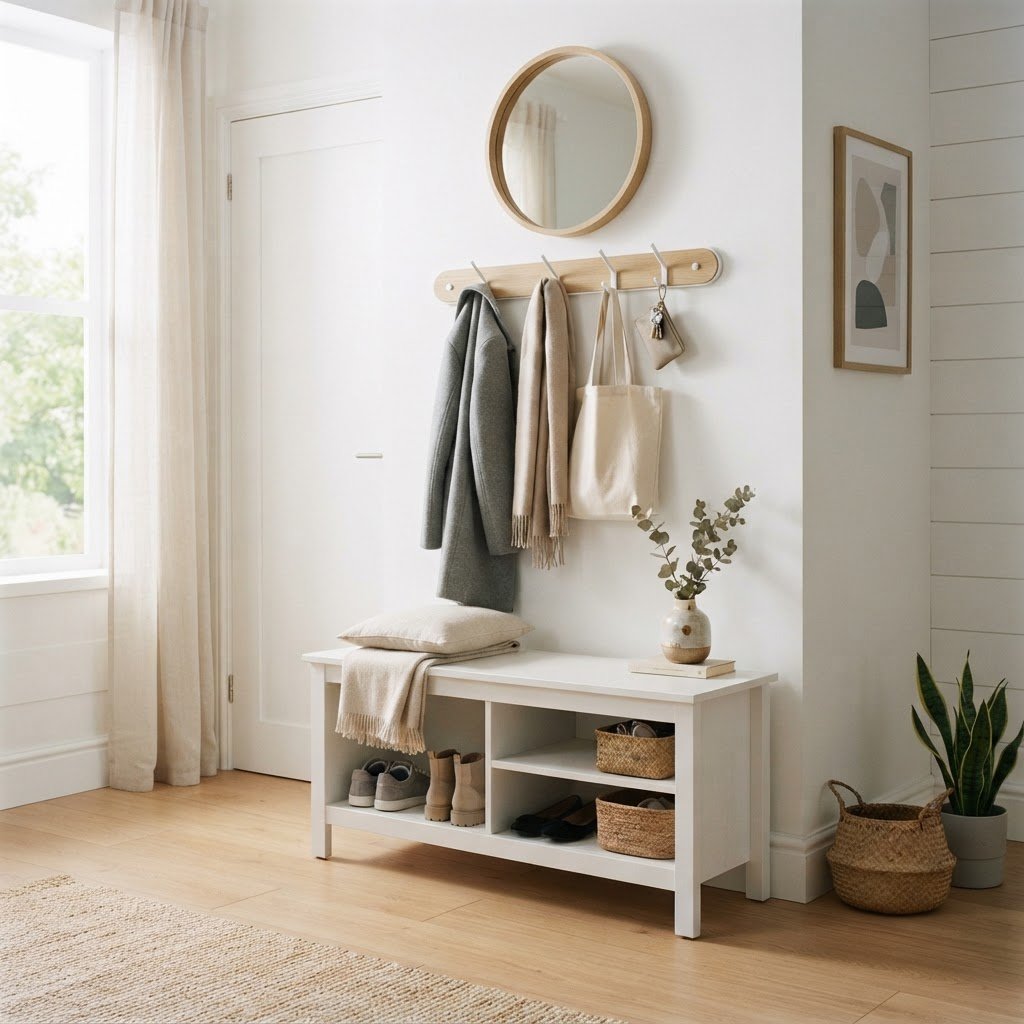
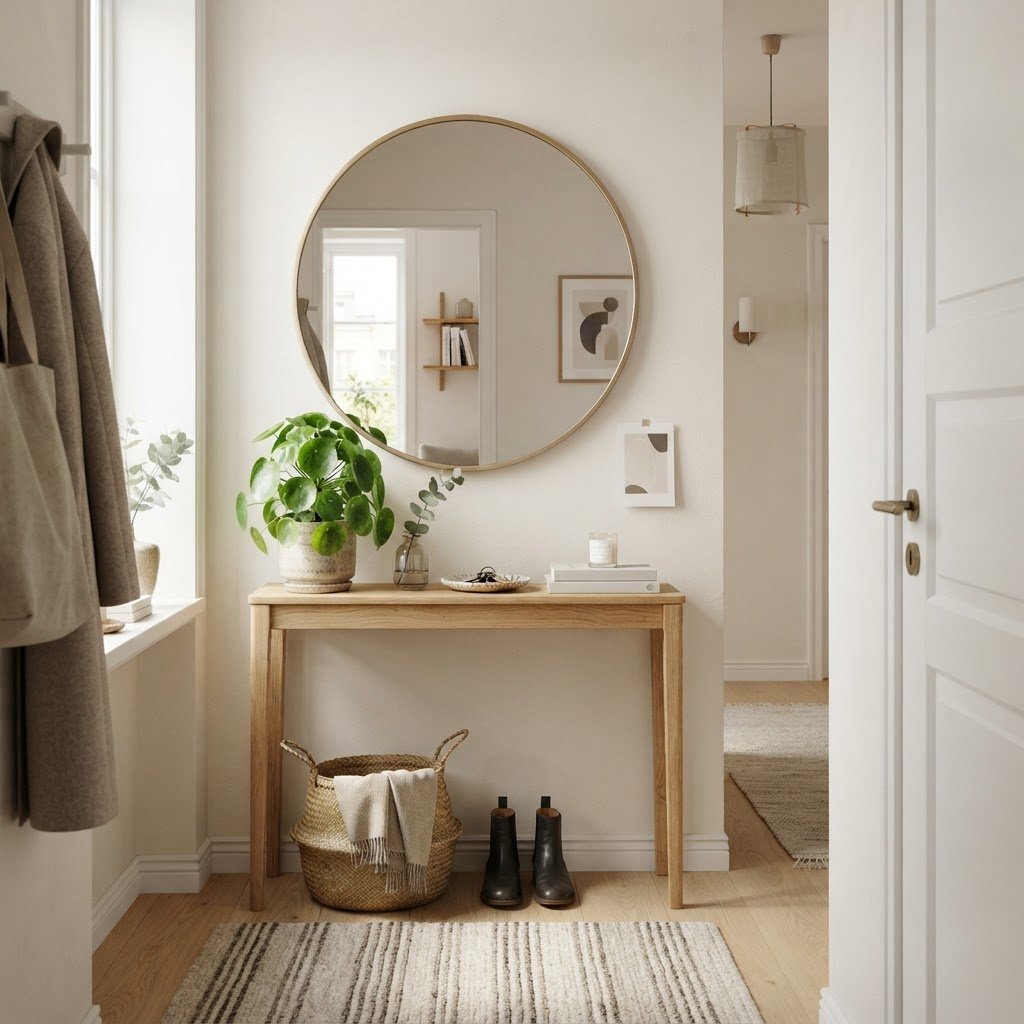
A chaotic morning often begins at the front door. If you find yourself hunting for keys, untangling bags, or tripping over shoes every single day, you are likely looking for small entryway ideas that make mornings less stressful. A well-organized, functional foyer is not just about aesthetics; it is a critical infrastructure piece that sets the tone for your entire day. By optimizing your limited square footage, you can reclaim your time and sanity before you even walk out the door.
The Psychology of an Organized Entryway
The state of your entryway serves as a physical reflection of your mental state. Walking into a cluttered space creates immediate visual noise, which can increase stress levels and disrupt your morning momentum. Conversely, a streamlined area provides a sense of calm and efficiency.
When every item has a “home,” the cognitive load required to leave the house decreases significantly. You spend less time searching for essentials, which means you spend more time focused on your actual day. Designing a space that works for you, rather than against you, is the most effective way to turn your routine around.
Assess Your Entryway Bottlenecks
Before you buy furniture or start decluttering, you must identify what exactly is causing your morning friction. Are you constantly looking for keys? Do you lack a place to sit while putting on shoes? Perhaps you have an abundance of mail that clutters the console table?
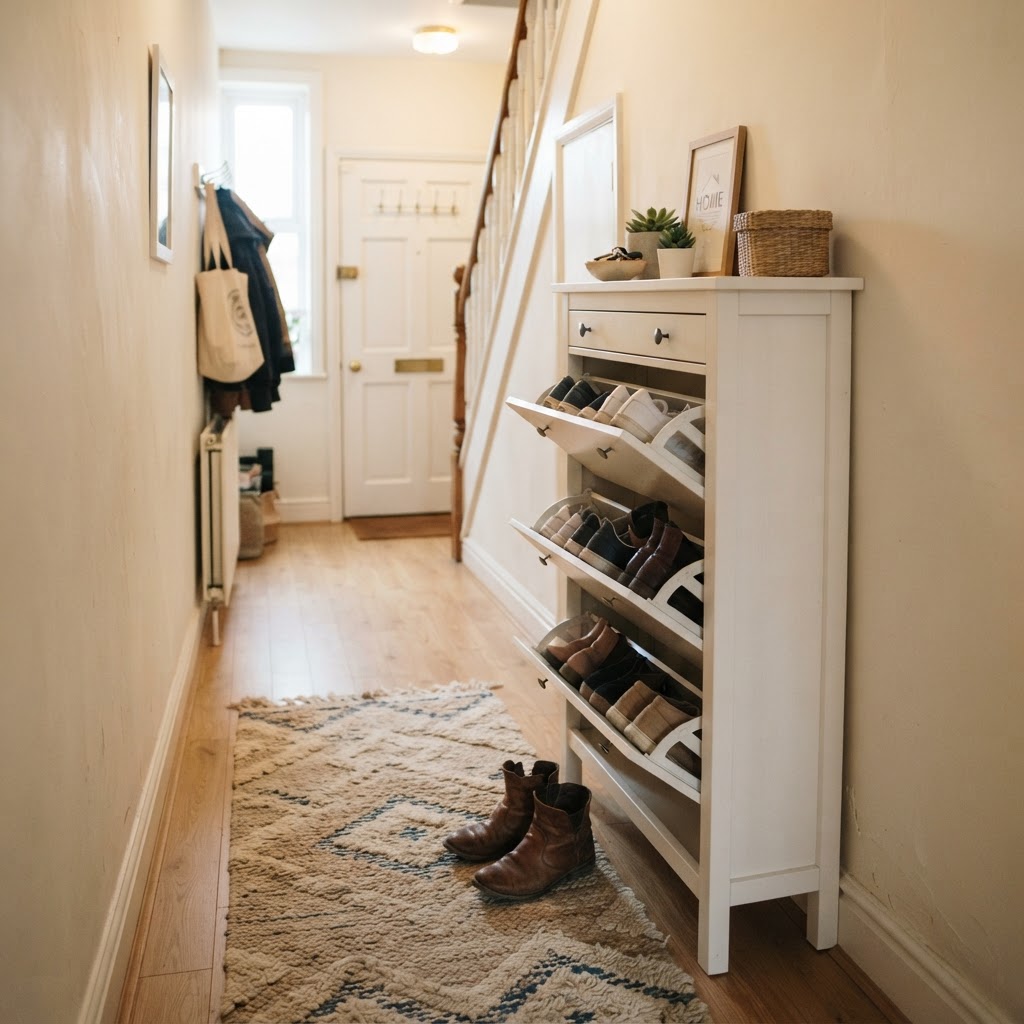
Take a week to track your movements. Note exactly where the bottlenecks occur. Once you identify these “pain points,” you can prioritize the small entryway ideas that address your specific struggles. For some, it might be a wall-mounted hook system, while for others, a slim shoe cabinet is the true missing link.
Vertical Storage Strategies for Small Spaces
When floor space is at a premium, the most important real estate is your wall space. Vertical storage is a foundational element in any effective small-space design plan. By moving items off the floor and onto the wall, you create a sense of openness while maximizing capacity.
The Power of Wall-Mounted Hooks
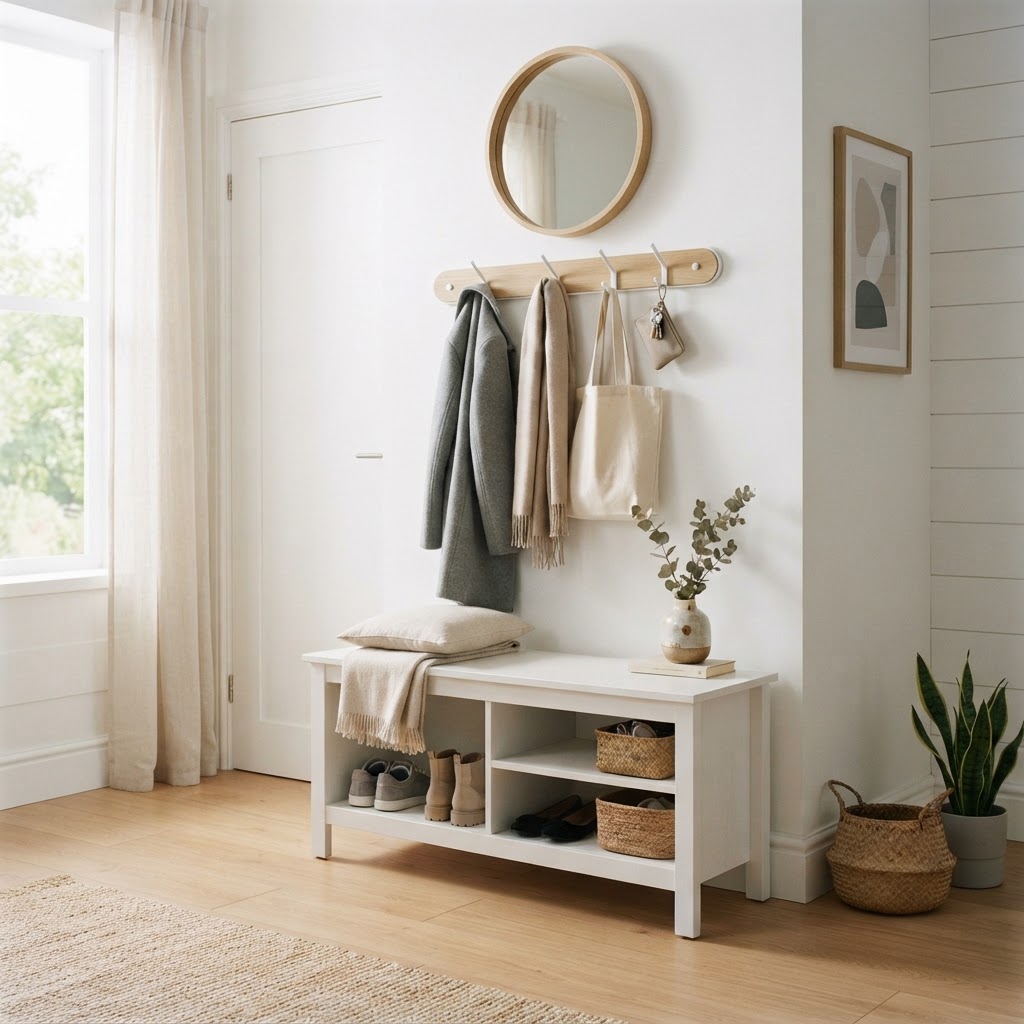
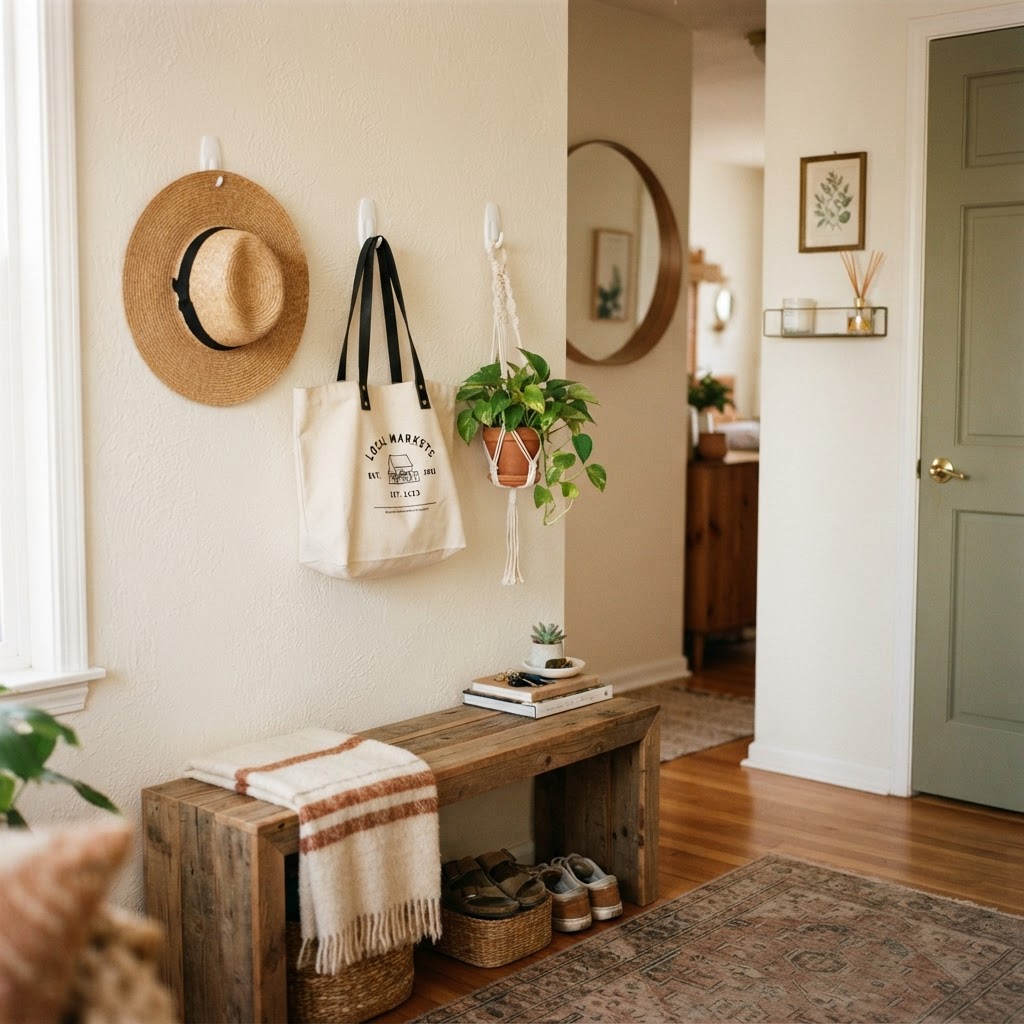
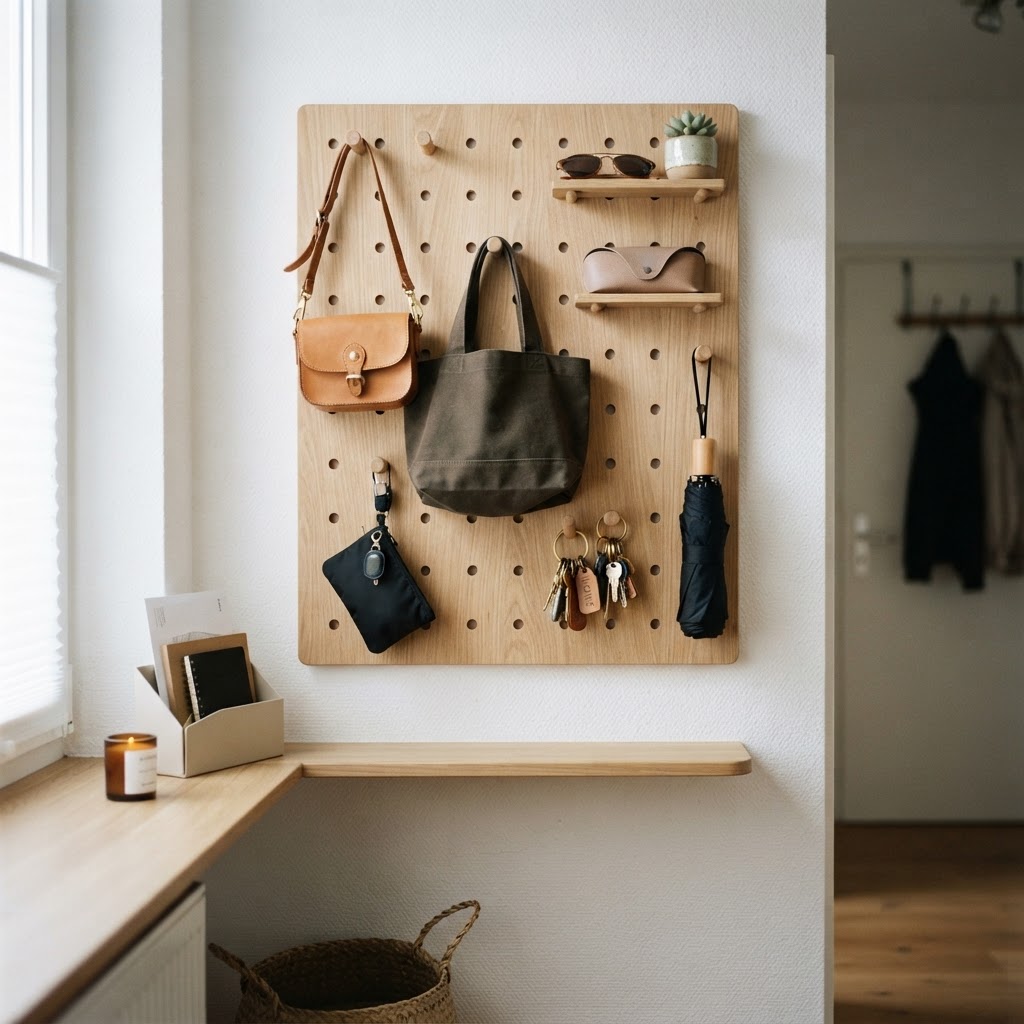
Hooks are far more efficient than hangers or closets for daily use. They allow for “grab and go” accessibility. For the best results, install a tiered hook system. Place hooks for heavy items lower down, and use the upper level for light items like hats or scarves.
Consider adding a shelf above your hook rack. This creates a dual-purpose storage unit where you can place small baskets for wallets, sunglasses, or outgoing mail. This keeps your surfaces clear and your daily essentials at eye level.
Multi-Functional Furniture Selection
In a tiny foyer, every piece of furniture must earn its keep. Opt for pieces that serve at least two purposes. A bench, for example, should never just be a bench; it should be a storage unit in disguise.
Look for benches with built-in cubbies or drawers underneath. This creates a dedicated “parking spot” for shoes, preventing them from scattering across the entryway floor. When shoes are hidden away, the room immediately feels cleaner and more spacious.
Choosing Slim-Profile Consoles
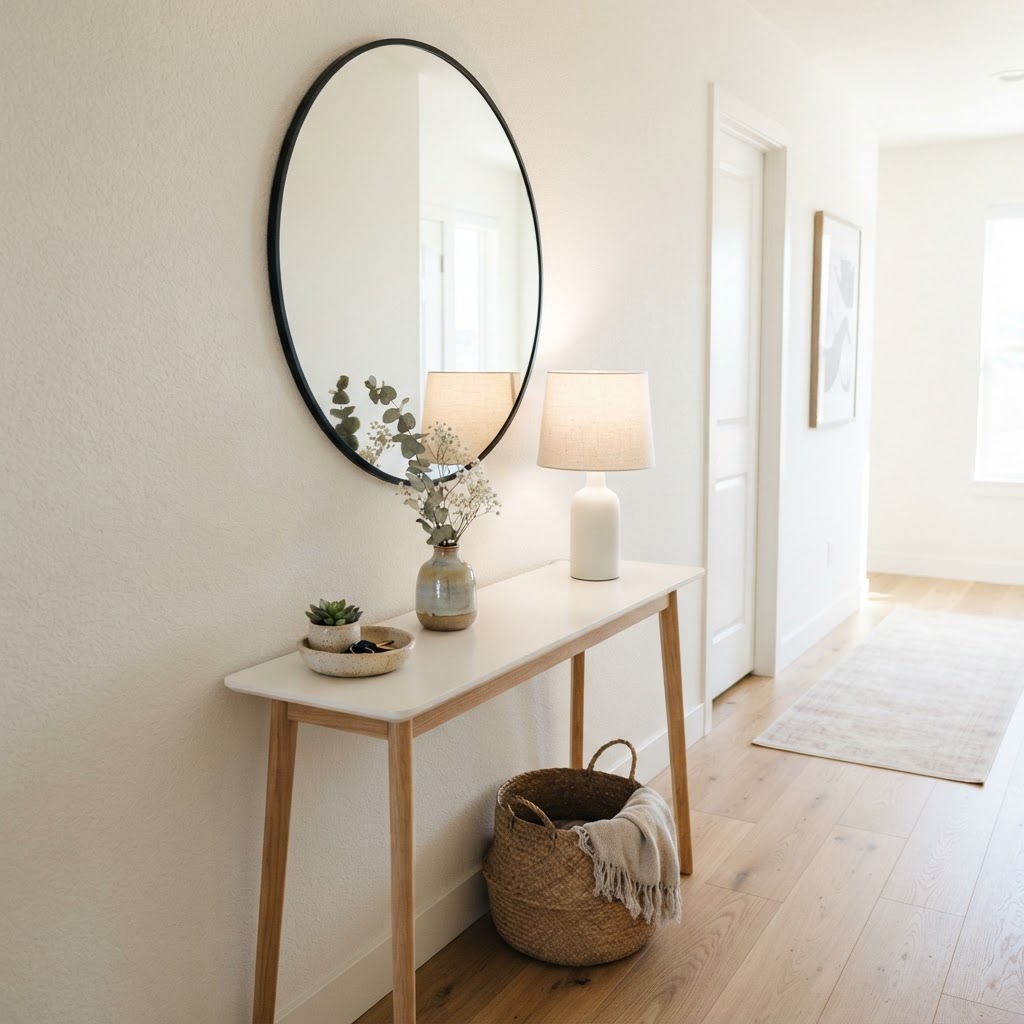
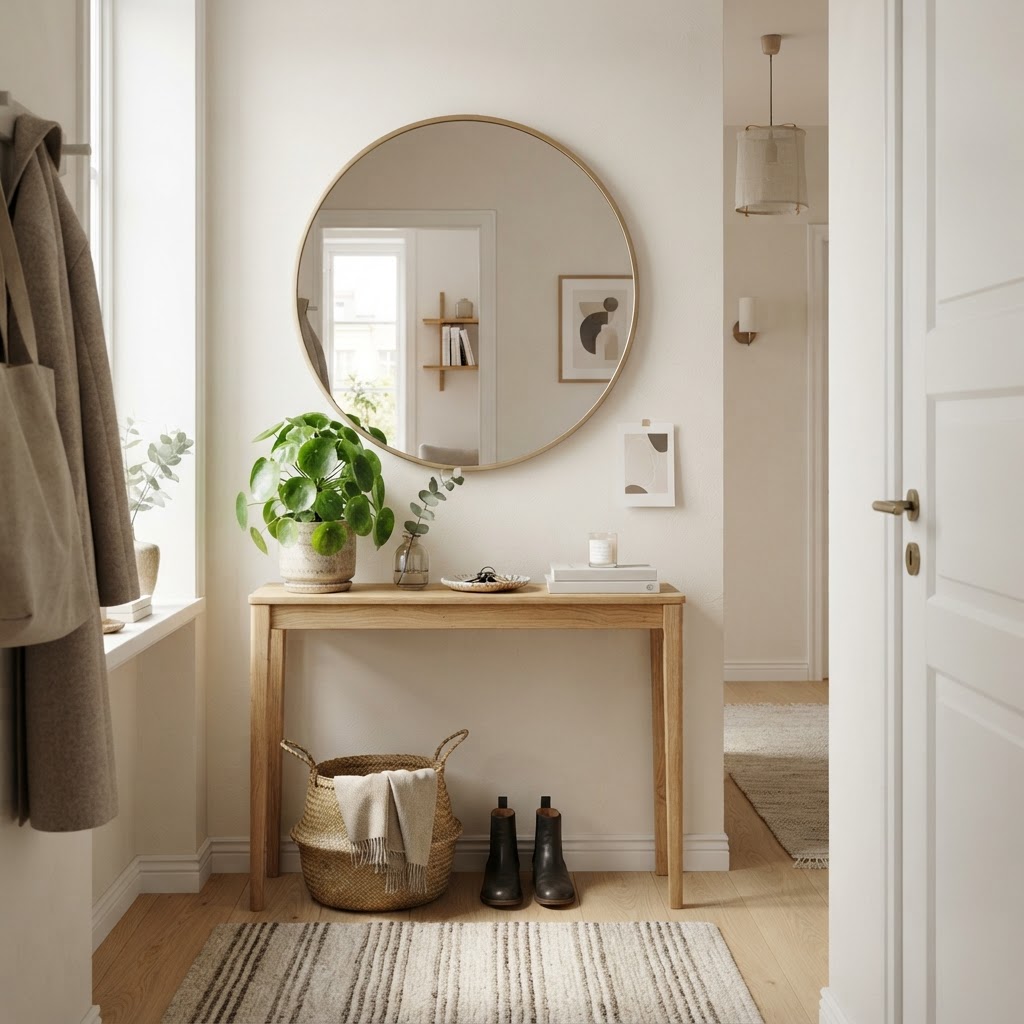
If you prefer a console table, look for models with a narrow profile. These pieces provide a landing spot for your keys and bag without obstructing the walkway. If the console has a drawer, use it exclusively for high-traffic items you need every single day.
Developing a Drop-Zone System
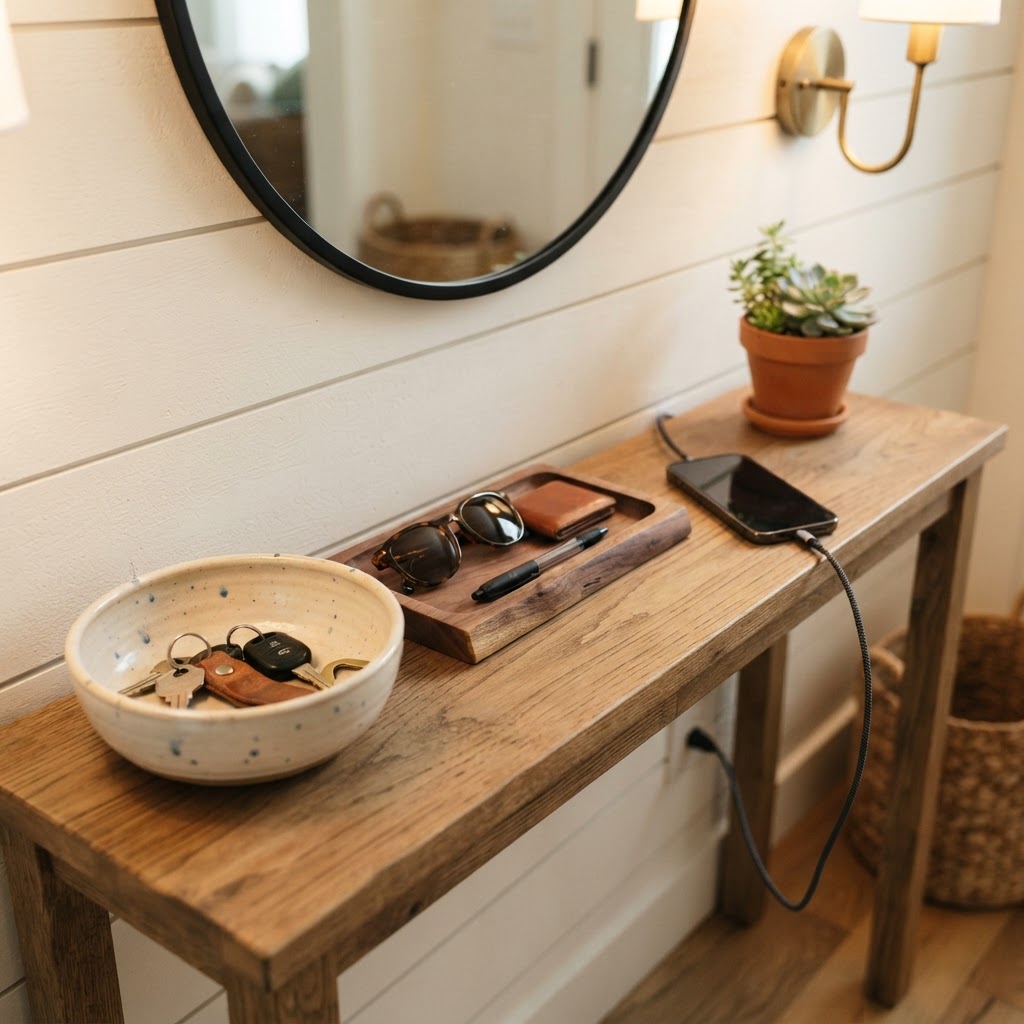
The “drop-zone” concept is essential for anyone wanting to cultivate less stressful mornings. A drop-zone is a designated area where everything you carry inside immediately goes. By keeping the drop-zone contained, you prevent the rest of the home from becoming a clutter magnet.
Essential Components of a Drop-Zone
A tray or bowl for keys and small items.
A specific hook or shelf for your bag.
A charging station for your devices.
A small bin for incoming mail or papers.
Keep the drop-zone strictly for “in transit” items. If an item does not need to be by the door for your departure, it should not be part of the drop-zone. Regularly audit this area to ensure it stays functional rather than becoming a “catch-all” junk drawer.
Lighting and Color for Visual Expansion
Beyond storage, the atmosphere of your entryway plays a huge role in how it functions. Small, dark, and cluttered entryways feel claustrophobic. By implementing a few design hacks, you can make the area feel twice its size.
Use light, neutral paint colors on the walls to reflect natural light. If your entryway lacks windows, install bright, warm LED lighting. Adding a mirror is a classic, effective, and relatively inexpensive strategy for making a foyer feel more expansive and bright.
The Routine of Closing the Loop
The physical organization you install will only work if you maintain the habit. A truly functional entry requires a “closing the loop” routine. This means spending two minutes at the end of every evening resetting the space.
Place your keys back in the tray, hang up your coat, and put your shoes away before you go to bed. By preparing the space for the next morning, you ensure that your exit is effortless. You are effectively performing a service for your future self, which is the ultimate secret to a stress-free lifestyle.
Conclusion: Investing in Your Morning Peace
Small entryway ideas that make mornings less stressful are not about achieving a magazine-perfect look; they are about designing a life that feels lighter and more efficient. By optimizing your vertical space, investing in multi-functional furniture, and establishing a rigorous drop-zone routine, you transform your home into a tool that supports your goals rather than an obstacle that hinders them.
Start with one of these strategies today. Whether it is adding a simple row of hooks or clearing the clutter off your console table, every small change contributes to a more peaceful start to your day. You deserve a morning routine that allows you to walk out the door feeling prepared, focused, and ready for whatever the day holds.
Are you ready to transform your morning? Choose one area of your entryway to declutter this weekend and share your progress in the comments below!
Moving into your first apartment is an exciting milestone, but furnishing a new space can quickly become an overwhelming financial drain. If you love the look of a serene, clutter-free sanctuary, you are in the right place. Creating cozy minimalist bedroom ideas on a budget is not about living in a stark or empty room; it is about intentionally curating a space that fosters peace and restoration without spending a fortune.
Minimalism is often misunderstood as being cold or sterile, but when combined with a ‘cozy’ aesthetic, it creates the perfect retreat from the outside world. By focusing on quality over quantity and using texture to add warmth, you can transform any cramped or dated rental bedroom into a high-end oasis. In this guide, we will break down the essential steps to achieve a stylish look while keeping your bank account intact.
Define Your Minimalist Vision
Before you buy a single item, you must define what minimalist means to you. For some, it is a monochromatic palette of whites and grays. For others, it is a warm, earthy selection of tones that incorporate wood and soft fabrics. Identifying your color story is the first step in avoiding impulse buys that do not fit the cohesive look you are aiming for.
The Power of a Limited Color Palette
One of the most effective ways to make a room look expensive on a budget is to stick to a strict color scheme. When the eye does not have to process dozens of competing colors, the room feels larger and more orderly. Stick to three primary colors—perhaps a base neutral, a secondary shade for furniture, and one accent tone for decor.
Master the Art of Bedding
Since the bed is the focal point of the bedroom, it deserves the most attention. You do not need expensive designer linens to achieve a cozy, inviting look. Instead, focus on the layering effect that gives high-end hotels their signature appeal. Start with a neutral duvet cover and add textures through throw blankets and pillows.
Texture is the Secret Ingredient
In a minimalist room, texture replaces the need for extra clutter. Incorporate a chunky knit throw, a linen duvet cover, or a faux fur pillow to add depth. These tactile elements make the space feel inviting and soft, which is essential when your furniture choices are simple and clean-lined.
Rethink Your Furniture Strategy
First apartments often come with limited space, making smart furniture choices vital. You do not need a matching bedroom set from a big-box store. In fact, a curated, mismatched look often feels more intentional and stylish. Look for pieces that serve a dual purpose to maximize your footprint.
Investing in Versatility
Think about pieces like a bench with storage or a nightstand that includes drawers rather than an open shelf. If you are truly on a budget, consider upcycling existing furniture or checking local marketplaces for high-quality vintage wood pieces. A simple coat of matte paint or changing out hardware can turn a dated thrift-store find into a sleek minimalist statement piece.
Lighting Sets the Mood
Lighting is perhaps the most underrated aspect of design, yet it can completely change the atmosphere of your bedroom. Harsh, central overhead lighting is the enemy of a cozy environment. Instead, focus on layering your light with different sources that can be adjusted based on the time of day.
Warm Lighting Over Cool
Always opt for ‘warm white’ or ‘soft white’ bulbs. These mimic the glow of sunset and create an immediate sense of calm. A bedside lamp with a fabric shade, a small floor lamp tucked into a corner, or even simple LED strips behind the headboard can provide enough illumination to read by without creating the sterile feeling of a hospital room.
Decluttering as a Design Tool
Minimalism is fundamentally about removing the unnecessary. If you want to master cozy minimalist bedroom ideas on a budget, you must be ruthless about what stays and what goes. Every item in your room should either serve a specific function or bring you genuine joy. Start by clearing all surfaces, including nightstands and dressers.
The 20-Minute Declutter Challenge
If you are overwhelmed, set a timer for 20 minutes and tackle one zone at a time. Remove everything from your nightstand. Wipe it down. Only put back the essential items, like your lamp, a small book, and perhaps one small plant. You will be amazed at how quickly the mental load lifts when your physical space is clear.
Wall Decor and Personal Touches
Empty walls are fine in minimalism, but they can feel a bit hollow if you have nothing to focus on. Instead of buying cheap, mass-produced art, look for meaningful pieces that elevate your walls without costing a lot. One large piece of art is almost always better than ten small, scattered frames.
Affordable Art Ideas
Consider framing a large-scale botanical print, your own photography, or even a piece of textile wall hanging. Using a single, large frame creates a sense of sophistication and anchors the wall, while keeping the visual ‘noise’ to a minimum. This is an excellent way to express your personality without overcrowding your space.
Maintenance and Daily Habits
Maintaining the minimalist aesthetic is just as important as creating it. A minimalist room that is messy loses all of its charm. Establish a simple daily routine, such as making your bed immediately upon waking and putting your clothes away before bed. These small actions preserve the calm you have worked so hard to create.
Table: Quick Daily Habits for a Serene Space
| Task | Impact on Room | Time Required |
|—|—|—|
| Make the bed | Instantly anchors the room | 1 minute |
| Open the curtains | Introduces natural light | 10 seconds |
Conclusion
Achieving your dream bedroom does not require a massive renovation or an interior design budget. By applying these cozy minimalist bedroom ideas on a budget, you can create a space that is not only beautiful but also deeply restorative. Remember, the goal is not perfection, but rather creating a sanctuary that works for your lifestyle. Start small, focus on the essentials, and watch as your first apartment transforms into the perfect reflection of your personal style. Which of these changes are you most excited to implement this weekend? Let us know in the comments below!
Have you ever walked into a space and felt an immediate sense of relief, as if the room itself was giving you a warm hug? Creating a home that feels like a warm hug is about more than just expensive furniture; it is about the intentional marriage of lighting and texture. When these two design pillars work in harmony, they create an atmosphere that cradles the senses and signals to your nervous system that it is time to rest. Whether you are looking to renovate your entire house or simply tweak a corner of your bedroom, the art of coziness is accessible to everyone.
The Psychology of the Warm Hug Aesthetic
Designers often refer to “sensory comfort” when discussing spaces that feel inherently safe. This concept taps into our biological need for shelter and warmth, which is why we gravitate toward soft fabrics and low-level lighting when we are stressed. A room that feels like a warm hug isn’t just visually appealing; it is emotionally restorative.
Why Lighting Matters
The way we light our homes dictates our circadian rhythms and our mood. Harsh, overhead lighting can make a space feel clinical and sterile, which is the antithesis of a warm, inviting environment. Instead, focus on multi-layered lighting that mimics the soft glow of a sunset or a crackling fire.
The Power of Ambient Illumination
Ambient light is the foundation of your lighting scheme. By utilizing lamps with warm-toned bulbs—ideally in the 2700K to 3000K range—you immediately soften the hard edges of your furniture. This is the first step toward achieving that elusive “warm hug” feeling in any room.
Texture: The Tactile Secret to Comfort
If lighting is the soul of a room, texture is the skin. Texture provides depth and visual interest while inviting physical interaction. When a room lacks texture, it often feels flat or “hollow,” regardless of how much decoration is present.
Layering for Maximum Coziness
To make a space feel truly enveloping, you must layer your textures. Think about the way different materials interact: a nubby wool throw over a smooth leather armchair, or a velvet pillow sitting against a linen sofa. These contrasts create a sensory journey that makes people want to linger longer.
Curating Your Material Palette
Natural woods for warmth and grounding.
Plush velvet or bouclé for soft touch points.
Chunky knits for added visual weight.
Brushed metals to add subtle, non-reflective glimmers.
Organic stone or ceramics to anchor the design.
Mastering the Art of Layered Lighting
Creating a sanctuary requires you to move away from relying on a single light source. Designers use the “three-level” rule: ambient, task, and accent lighting. When these three layers are balanced, the room gains a three-dimensional quality that feels incredibly sophisticated yet entirely welcoming.
The Role of Warm-Tone Bulbs
Never underestimate the temperature of your light. Cool blue light is often linked to high alertness and office environments. For a room designed to feel like a warm hug, opt for “warm white” or “soft white” bulbs. This small change acts as a filter for the entire room, turning average furniture into cozy features.
Selecting Textiles That Embrace You
When choosing fabrics, ask yourself: Does this invite a touch? If the answer is no, it is likely not contributing to the cozy atmosphere you desire. Focus on materials that offer a sense of physical weight and softness.
The Importance of Rugs and Soft Goods
A bare floor can make a room feel unfinished and cold. Placing a high-pile, plush area rug in your main living space serves as a literal cushion for the feet and a visual anchor for the room. When you combine this with oversized pillows and weighted blankets, you create a physical barrier against the outside world.
Creating Inviting Corners for Quiet Reflection
Sometimes, the best way to make an entire house feel like a warm hug is to curate smaller, more intimate “nests.” These are pockets of space designed for singular activity, such as reading, journaling, or simply sipping coffee.
Elements of a Perfect Nook
A comfortable, structured armchair.
A side table for a hot beverage.
A dedicated floor lamp for task lighting.
A single soft throw blanket draped over the arm.
Personal Touches That Warm the Soul
To truly complete the atmosphere, add items that hold sentimental value. A handmade vase, a framed memory, or a specific scent can ground the space in your personal history. These elements take the room from a “design concept” to a personal sanctuary.
The Seasonal Evolution of Your Sanctuary
Your home should breathe with the seasons. A room that feels like a warm hug in the dead of winter might need to shift slightly for the heat of summer. However, the core principles of light and texture remain constant; you just adjust the intensity.
Transitioning Between Seasons
During warmer months, swap out heavy wools for breathable linens while maintaining the same layered lighting. In the autumn, bring back the deeper textures and perhaps add candlelight. Keeping your base furniture neutral allows these textile swaps to transform the mood of the room without requiring a complete overhaul.
Avoiding Common Design Pitfalls
Even with the best intentions, it is easy to over-clutter or misjudge the lighting. A room that feels like a warm hug should never feel claustrophobic. If you feel like your space is becoming “heavy” or messy, return to the balance of negative space.
Striking the Right Balance
Ensure that every texture has a purpose. Too many conflicting patterns or materials can create visual noise, which distracts from the feeling of peace. Keep your color palette somewhat cohesive to allow the textures and light to shine through without fighting for attention.
Conclusion
Creating a home that feels like a warm hug is a process of curation and intention. By focusing on the warmth of your light sources and the tactile quality of your textiles, you are building more than just a house—you are building a sanctuary that supports your well-being. Start small by adding a new lamp or a soft rug, and feel the transformation begin. What is one corner of your home you are planning to cozy up this weekend? Let us know in the comments below!
Most homes have a transit space that gets overlooked. You walk through it a dozen times a day, but you likely never stop to appreciate it. When you learn how to make a narrow hallway feel intentional, you stop seeing it as just a cramped path and start seeing it as a valuable design opportunity. A well-curated hallway sets the tone for the rest of your home, bridging the gap between your living spaces with purpose and style.
Rethink the Floor and Walls
The foundation of any intentional design begins with the architectural elements. In a tight space, the walls and floors are your most prominent features, and how you treat them dictates the entire mood. Dark colors can feel sophisticated in a narrow space if you embrace the moodiness, but light, reflective colors will naturally push the walls outward visually.
Choosing the Right Flooring
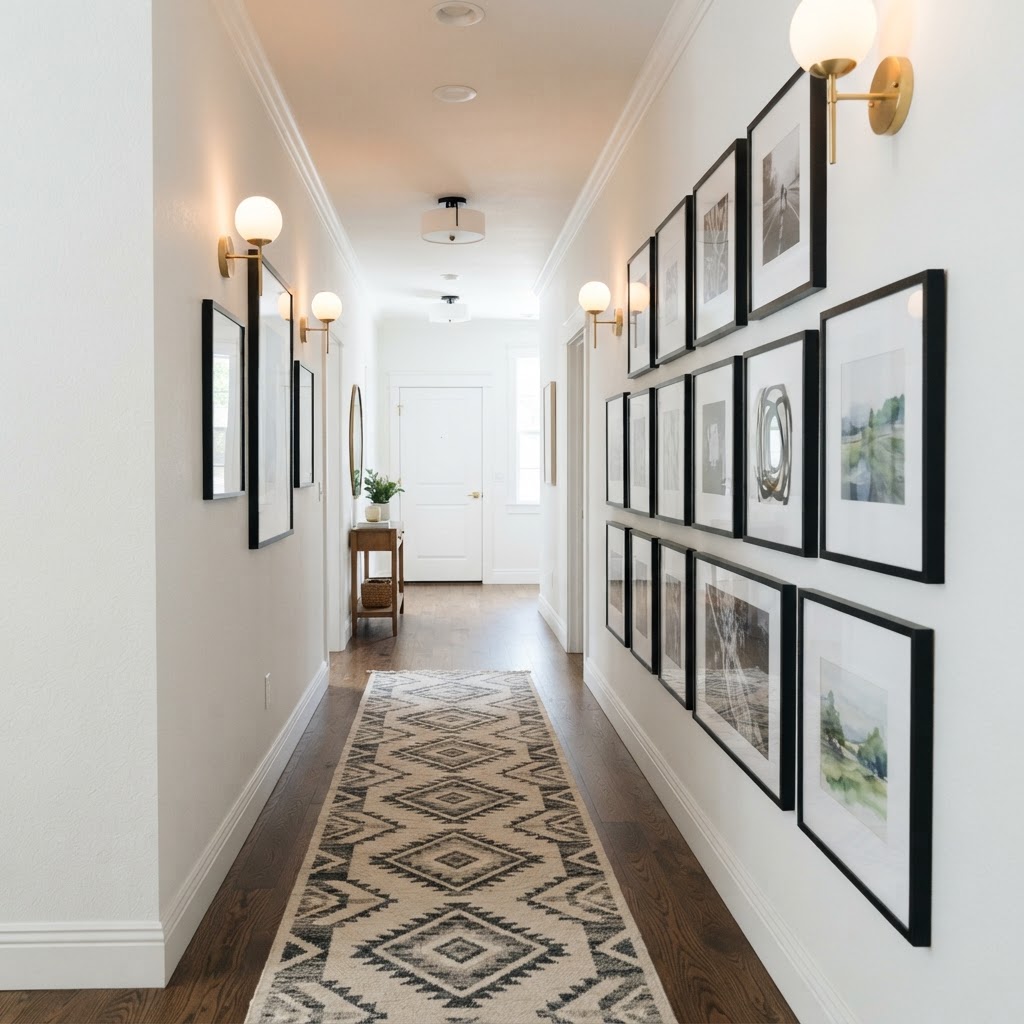
When choosing flooring for a narrow corridor, directional patterns are your best friend. A runner rug with a striped pattern running parallel to the length of the hall will draw the eye forward, making the space feel longer and more deliberate. Avoid busy, chaotic patterns that can make a tight area feel cluttered and claustrophobic.
Wall Treatments That Add Depth
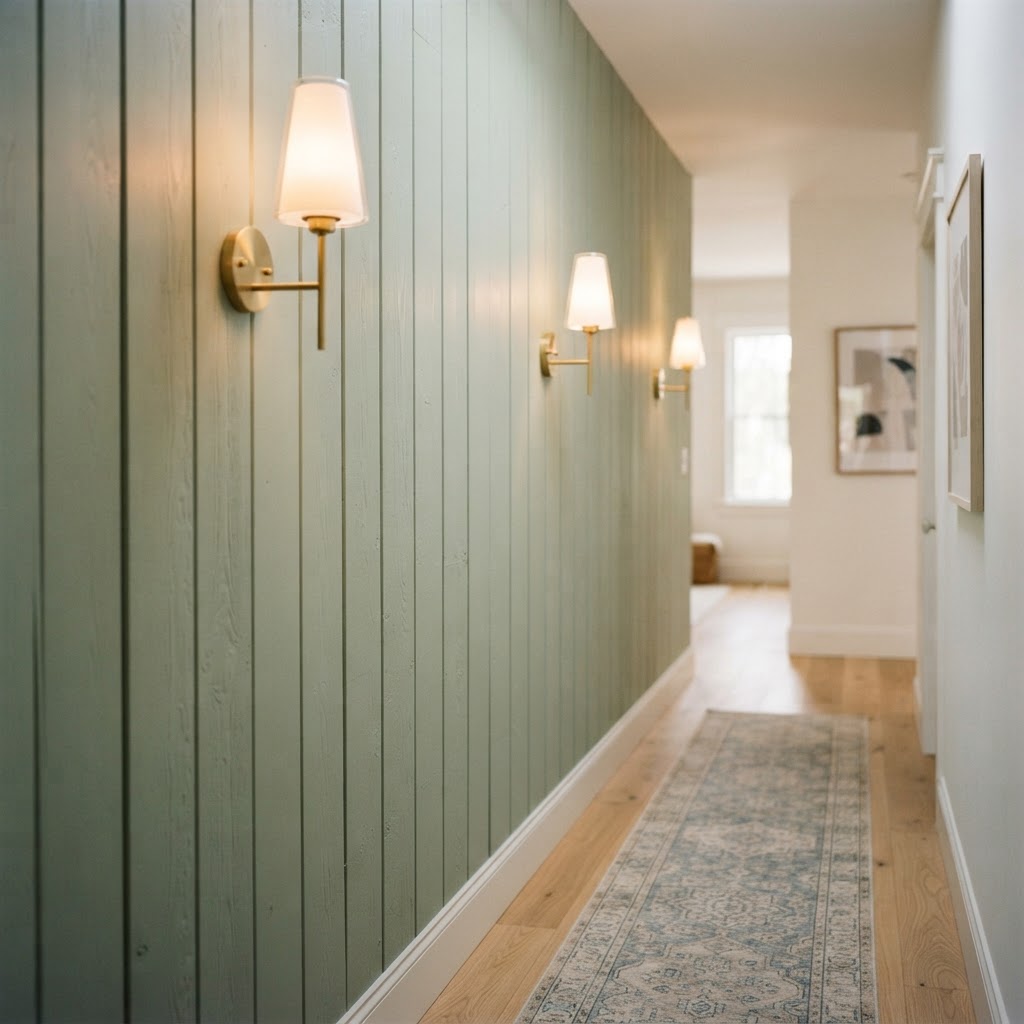
Texture is the secret ingredient for narrow hallways. Consider vertical shiplap or beadboard to draw the eye upward, increasing the perceived ceiling height. If you prefer wallpaper, a subtle texture or a small-scale geometric print adds character without overwhelming the senses. The key is consistency; let the wall treatment flow uninterrupted to create a cohesive look.
Mastering Hallway Lighting
Lighting is perhaps the most critical factor when determining how to make a narrow hallway feel intentional. A single flush-mount light in the center of the ceiling is a recipe for shadows, which makes any space feel like an afterthought. You want to create layers of light that invite you into the space rather than pushing you through it quickly.
The Power of Wall Sconces
Wall sconces are the ultimate tool for narrow corridors because they provide task and ambient lighting without taking up valuable floor space. Space them evenly along the length of the hallway to create a rhythm that guides the eye. Choose fixtures that have a sleek, low profile so they don’t protrude too far into the walking path.
Creating Ambient Glows
If hardwiring is not an option, battery-operated LED sconces or slim plug-in floor lamps can provide a similar effect. Dimmable bulbs allow you to control the atmosphere, turning a utilitarian passage into a soft, glowing art gallery at night. The goal is to avoid “tunnel vision” by ensuring light is evenly distributed along the walls.
Creating a Gallery Effect
Art is the simplest way to add personality to a neglected area. Because you rarely stand in a hallway to admire art, the best approach is to create a cohesive gallery that you can appreciate while walking past. Intentionality comes from the organization and spacing of your frames.
Gallery Wall Best Practices
To make a collection feel intentional rather than haphazard, unify the frames with a consistent color or material. Matting your artwork with uniform white or cream mats also creates a clean, professional look that breathes air into a tight space. Hang the artwork at eye level to ensure it is the focal point of the transition.
Functional Storage Solutions
Often, hallways are neglected because we don’t think they have a purpose beyond movement. However, integrating subtle functionality can change how you perceive the space. The trick is to keep storage slim, streamlined, and purposeful so that it doesn’t impede traffic flow.
Slim Consoles and Benches
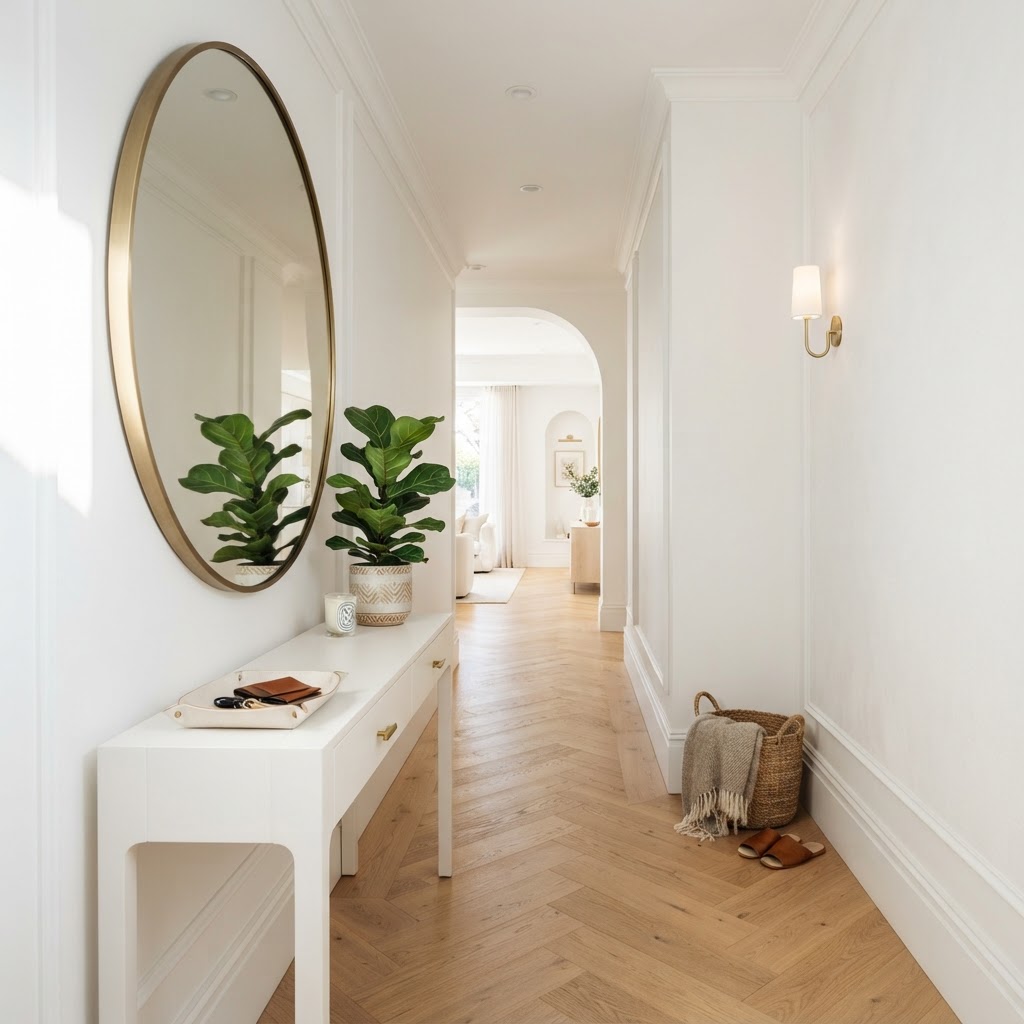
If width permits, a console table that is only 10 to 12 inches deep provides a perfect surface for a catch-all tray, a vase of flowers, or a lamp. A wall-mounted floating console is even better, as keeping the floor visible beneath it makes the floor area seem larger. If you need seating, look for a slim bench that can be tucked completely against the wall.
Hidden Storage Hooks
Decorative hooks can serve a dual purpose as both functional storage for coats or bags and as an architectural element on the wall. When not in use, choose sculptural or high-quality metal hooks that double as wall jewelry. This keeps the space looking clean, organized, and intentionally styled rather than cluttered.
The Role of Mirrors and Reflection
Mirrors are the oldest trick in the designer’s book for expanding small spaces, but in a narrow hallway, they must be used strategically. A large, oversized mirror placed at the end of a hallway can create the illusion of an opening, effectively doubling the length of your corridor. It draws the eye all the way through, which prevents the sense of a dead end.
Strategic Mirror Placement
Placing mirrors opposite sconces or art is another effective strategy. This reflects the decorative elements and doubles the light output without needing additional electrical work. Ensure the mirror’s frame complements the other finishes in your home, such as your hardware or light fixtures, to maintain a unified design narrative.
Bringing in Nature and Texture
To prevent a hallway from feeling sterile, you must incorporate elements that feel alive. While large floor plants are rarely feasible in a narrow space, vertical gardening and botanical accents are perfect alternatives. Plants add a vibrant pop of color and a softness that contrasts with the hard lines of the hallway walls.
Living Wall Art
Consider mounted wall planters for low-light plants like pothos or ivy. These add life without occupying any floor space. If natural light is completely absent, high-quality faux botanicals can serve the same purpose. The intentionality comes from the maintenance; ensure they remain dust-free and lush to keep the space looking cared for.
Conclusion: Your Hallway as an Intentional Space
Learning how to make a narrow hallway feel intentional is a journey of small, thoughtful decisions rather than a total renovation. By treating your hallway with the same care as your living room or bedroom, you elevate the entire home. Whether it is through a series of wall sconces, a curated gallery wall, or a simple runner rug that adds texture, you can transform these overlooked transit zones into beautiful, purposeful highlights.
Stop viewing your hallway as merely a place to pass through and start styling it as a destination in itself. Pick one of the tips from this guide, start small, and watch as your home’s character begins to shift. Ready to give your hallway the upgrade it deserves? Start by clearing the clutter and adding one layer of lighting today!
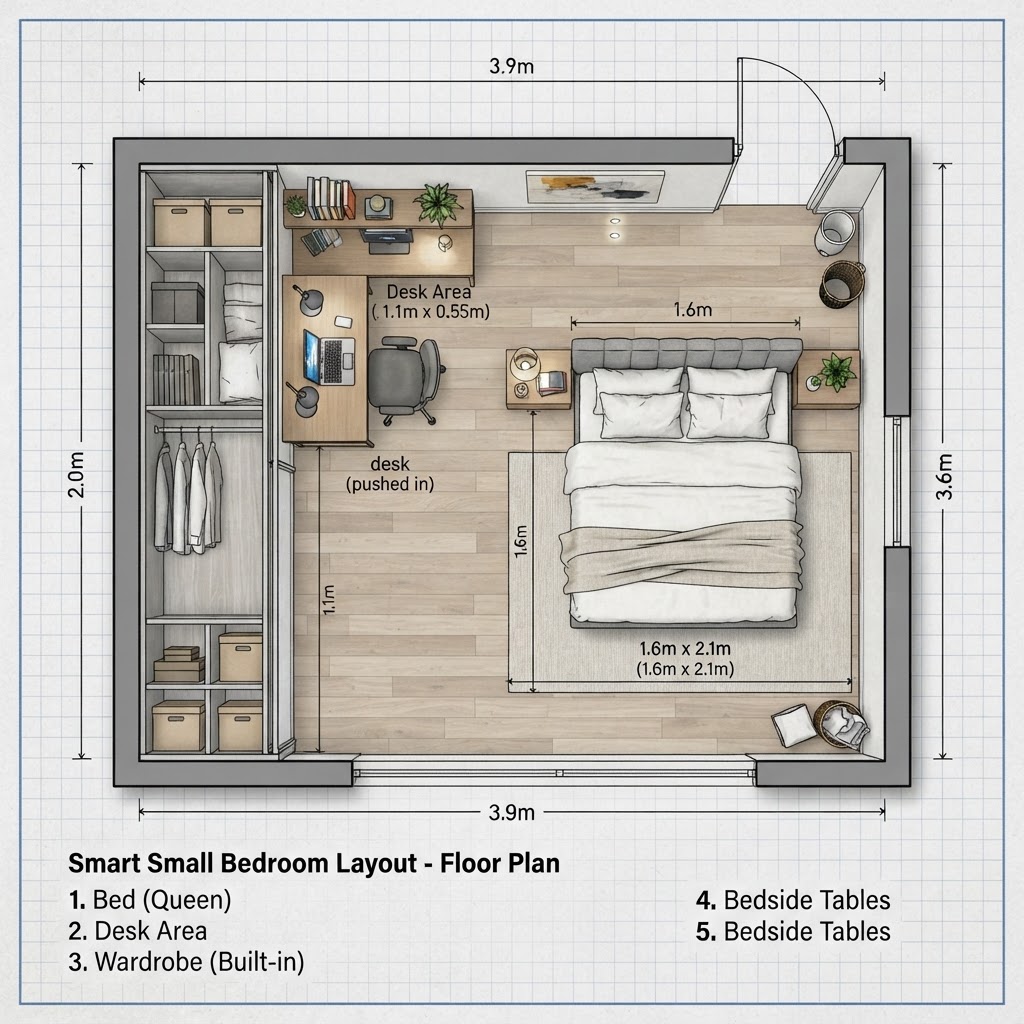
Designing a sanctuary in a limited square footage can feel like solving a complex puzzle, especially when you are working with unconventional dimensions. Implementing the right small bedroom layout ideas is the key to balancing aesthetics with everyday functionality. Whether you are dealing with a long, thin corridor or a boxy, cramped square, there are proven strategies to make your room feel larger, more organized, and infinitely more comfortable.
Understanding Your Room’s Geometry
Before you drag your heavy furniture across the floorboards, you must first assess the geometry of your space. Most rooms fall into one of three categories: the narrow rectangle, the rigid square, or the truly awkward space with strange nooks or angled walls. Identifying your room’s specific challenge is the first step toward effective interior design.
The Narrow Bedroom Challenge
Narrow bedrooms often feel like hallways, making it difficult to position a bed without blocking entryways. The trick here is to embrace the length while creating distinct zones. Avoid pushing all your furniture against one wall, as this only accentuates the tunnel-like feel of the space.
Instead, consider placing the bed in the center of one of the longer walls if width permits. If the room is too thin for that, tuck the bed into a corner to save floor space, using a corner headboard or an L-shaped arrangement to add visual interest. Always prioritize walking paths over symmetry to ensure the room remains livable.
Maximizing Efficiency in Square Bedrooms
Square rooms are notoriously difficult because their rigid, equal dimensions often leave dead space in the middle. The goal here is to anchor your furniture to improve flow. A popular tactic is to float the bed on the central wall, leaving enough room for nightstands on either side, which creates a sense of balance.
To break up the boxy shape, use circular elements like round mirrors or curved lighting fixtures. These soft shapes contrast with the square footprint, tricking the eye into perceiving more depth. Additionally, utilizing the vertical space for open shelving can draw the gaze upward and distract from the limited floor area.
Strategic Furniture Placement Techniques
When you are tight on square footage, every inch counts. One of the most effective small bedroom layout ideas involves opting for multi-functional furniture. A bed with built-in storage drawers or a headboard that incorporates hidden cabinets can eliminate the need for bulky dressers.
Scaling Down Your Furniture
Scale is everything in a compact room. Avoid “over-furnishing” by choosing pieces that feel light and airy. Look for items with exposed legs, such as a mid-century modern bed frame, which allows light to pass underneath and creates the illusion of more space. Avoiding heavy, dark wood finishes also helps prevent the room from feeling weighed down.
Another pro-tip is to swap out traditional floor lamps for wall-mounted sconces. By eliminating the footprint of a lamp base on your nightstand, you free up surface area for essentials, making the room feel less cluttered. Consistency in style is also key to preventing visual overwhelm.
Solving for Awkward Nooks and Alcoves
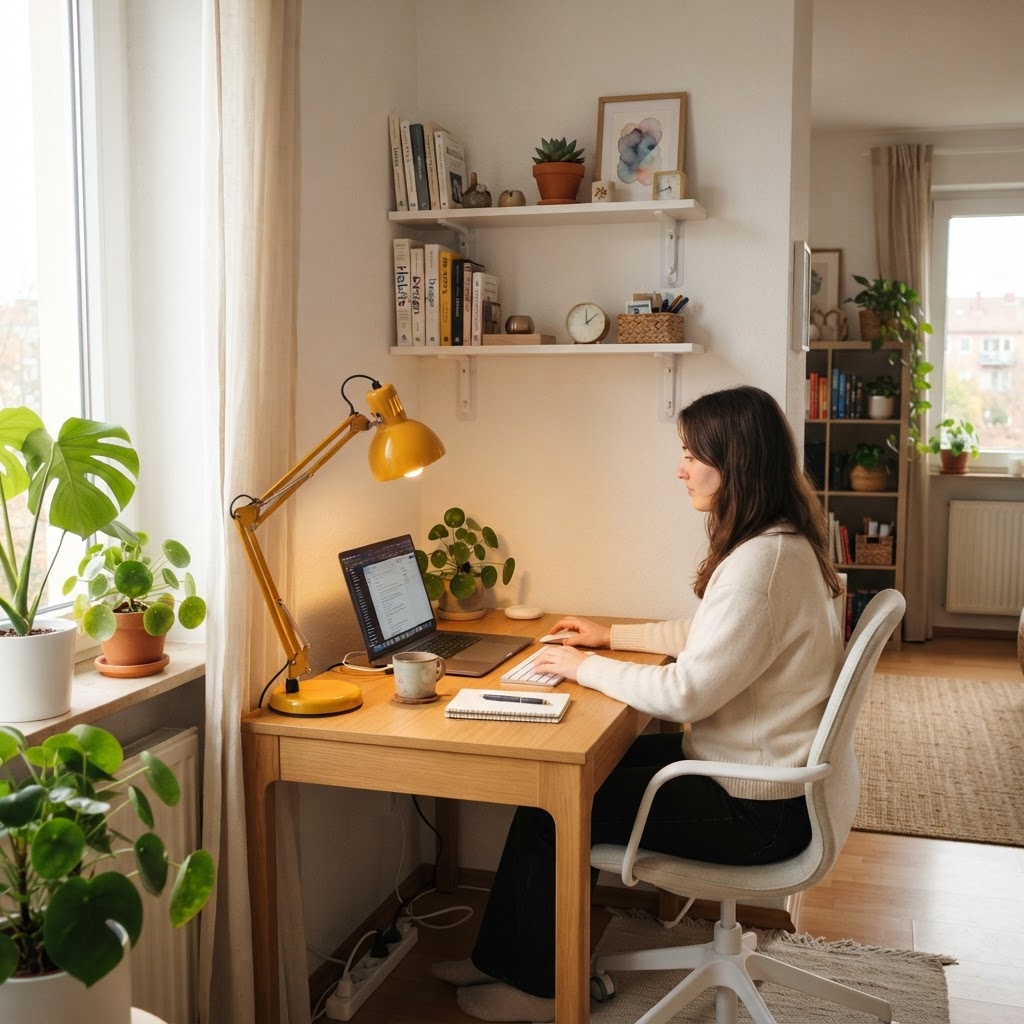
Awkward spaces often have architectural quirks like chimney breasts, slanted ceilings, or irregular alcoves. Instead of fighting these features, turn them into highlights. A recessed alcove can serve as the perfect spot for a custom desk, a built-in bookshelf, or even a cozy reading nook.
If you have a particularly strange corner, custom millwork is often the best investment. A bespoke built-in wardrobe that follows the contour of an angled wall will look intentional rather than haphazard. Using the same color paint on your furniture as the surrounding walls can also help these pieces “disappear” into the background, streamlining the room’s overall aesthetic.
The Power of Light and Mirror Placement
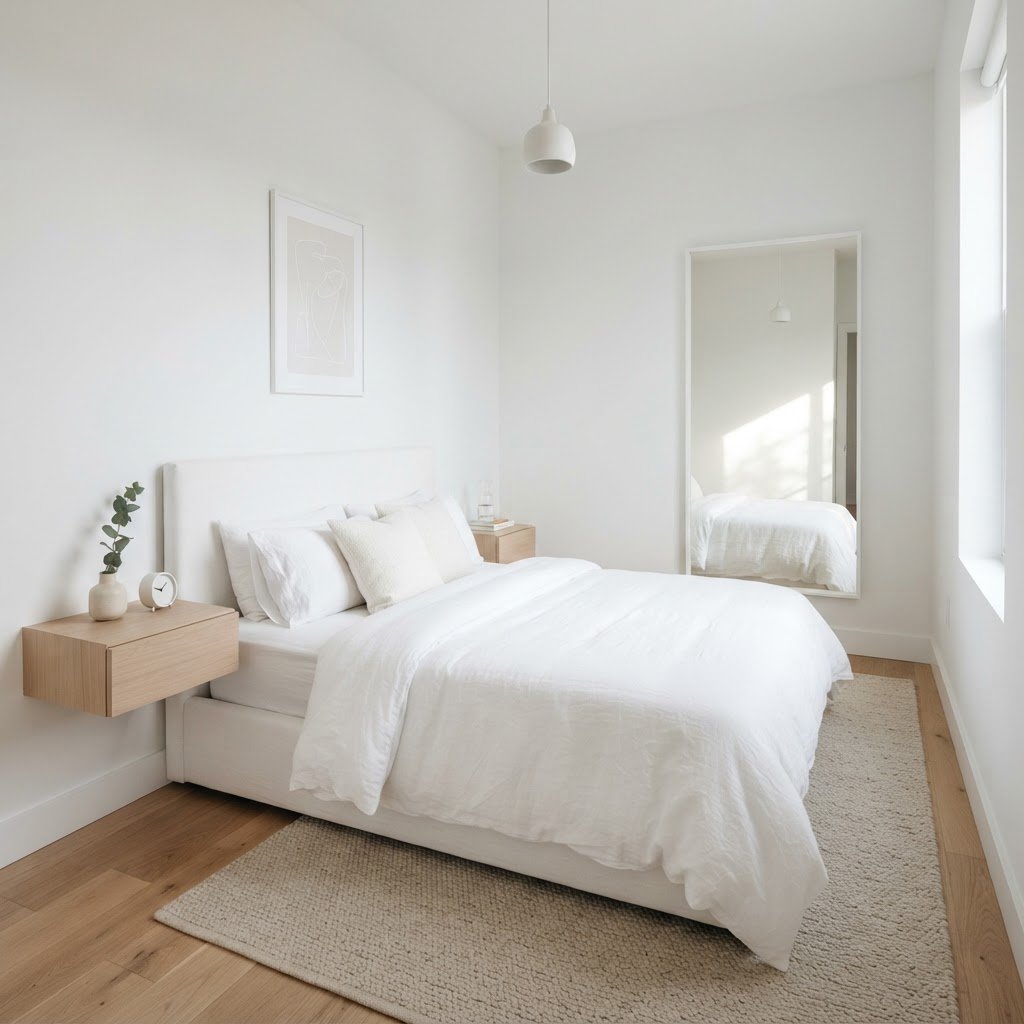
Lighting and mirrors are your best friends when trying to expand a room visually. Large, floor-to-ceiling mirrors can effectively double the perception of space in a narrow bedroom. Position your mirrors opposite a window to capture and reflect natural light, instantly brightening the darkest corners of your room.
When it comes to artificial lighting, avoid relying solely on a central overhead light, which can create harsh shadows in the corners. Layer your lighting with task lamps, ambient floor lamps, and even LED strips tucked behind the headboard for a soft, cinematic glow. This multi-layered approach adds warmth and luxury, regardless of the size of the room.
Creative Storage Solutions for Tiny Spaces
Clutter is the enemy of any small bedroom layout. If you want to keep your space feeling serene, you must have a “home” for every object. Utilize the space under your bed for long-term storage of seasonal clothing or linens by using slim, rolling bins.
If you lack closet space, consider installing a floor-to-ceiling wardrobe system on one wall. By incorporating hanging rods, shelves, and drawers into one cohesive unit, you maximize every inch of vertical volume. Don’t forget the back of your doors; installing a hook rack or an over-the-door organizer can store accessories like scarves, handbags, or belts without taking up a single inch of floor space.
Designing for Comfort and Flow
Ultimately, a bedroom should feel like an escape. Do not get so caught up in the math of the floor plan that you lose sight of comfort. Ensure there is enough clearance to walk around the bed comfortably, ideally at least 24 inches on all sides if possible. If you must prioritize, ensure one side is completely accessible and the other side provides enough space for your nightstand essentials.
Consider the texture of your bedding and curtains to add comfort. High-quality linens or a plush rug can elevate the room’s mood, making it feel intentional rather than cramped. A well-designed room should feel curated, with every element serving a purpose or adding a touch of personality.
Conclusion
Mastering small bedroom layout ideas requires a mix of creativity and disciplined planning. By identifying your room’s specific challenges—whether it is narrow, square, or awkwardly shaped—you can select the right furniture and design tactics to transform the space into a functional sanctuary. Remember that color, light, and smart storage are your biggest assets in making a small space feel expansive and inviting.
Start your bedroom transformation today by decluttering your current layout and assessing your furniture’s scale. Are you ready to redesign your space? Try moving one piece of furniture this weekend to improve your flow and watch how it changes the entire atmosphere of your bedroom.
Living in a small apartment often comes with strict rules against making permanent changes, but finding cheap no-drill upgrades for tiny apartments is entirely possible. Many renters feel stuck with white walls and generic finishes, yet a little creativity goes a long way in turning a cramped space into a personalized sanctuary. You do not need power tools or landlord approval to elevate your living environment. By focusing on smart, temporary solutions, you can dramatically improve the aesthetics and functionality of your home while protecting your security deposit.
The Magic of Adhesive Solutions
Adhesive technology has evolved significantly, making it the cornerstone of any renter-friendly toolkit. Command hooks, double-sided mounting tape, and adhesive strips are the unsung heroes of temporary interior design. These products allow you to hang art, organize cables, and mount decor without leaving a single hole in the drywall.
Maximize Your Vertical Space
When floor space is limited, the only way is up. Use heavy-duty adhesive hooks to create a hanging system for lightweight decor, kitchen utensils, or even plants. By grouping these items vertically, you draw the eye upward, which visually expands the height of your rooms and makes the space feel larger than it actually is.
Choosing the Right Adhesive
Always match the weight capacity of the hook or tape to the item you intend to hang. A common mistake is overloading a small hook, which can lead to it peeling away and potentially damaging the paint or wallpaper underneath. Always clean the wall surface with rubbing alcohol before applying any adhesive to ensure a long-lasting, secure bond.
Refreshing Walls with Temporary Treatments
Blank walls are the hallmark of uninspired rentals, but you are not tethered to their monotony. Peel-and-stick wallpaper is a game-changer for those seeking cheap no-drill upgrades for tiny apartments. Whether you choose a bold pattern for an accent wall or a subtle texture to hide imperfections, removable wallpaper is designed to come off easily when your lease ends.
The Power of Washi Tape
For those on an even tighter budget, washi tape is a versatile decorative tool. You can create geometric patterns, faux wainscoting, or even custom wall art silhouettes directly on your walls. Because it is paper-based and low-tack, it leaves no residue behind, making it perfect for creative renters who love to change their decor frequently.
Lighting Enhancements for Ambiance
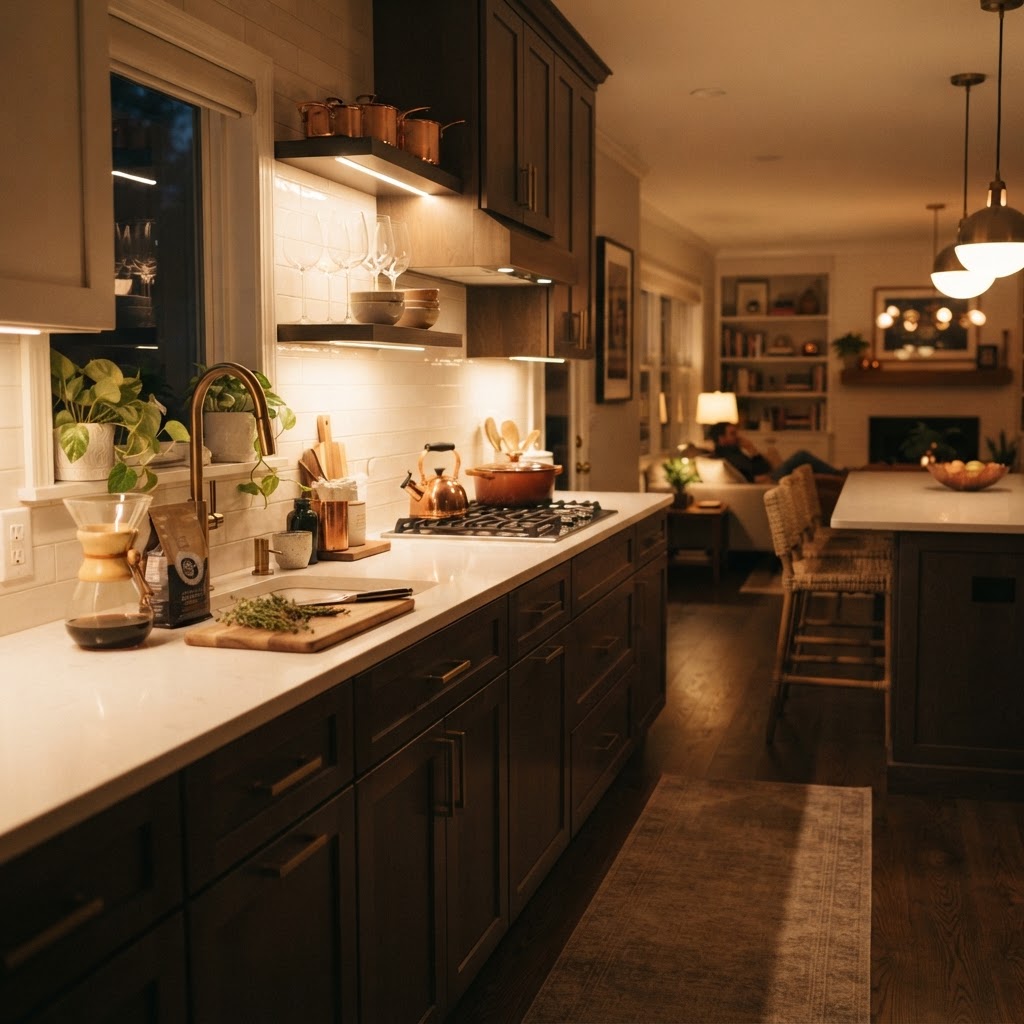
Lighting can instantly change the mood of a room, but many apartments suffer from harsh, fixed overhead lights. Instead of trying to change the fixtures, focus on adding lamps and smart lighting solutions. Floor lamps take up very little floor space, while strip lights can be hidden behind furniture or under cabinets to create an expensive, custom look.
Implementing Smart Tech
Smart bulbs are another fantastic no-drill upgrade. You can swap out standard bulbs for smart ones that change color or brightness via a mobile app. This allows you to transition your space from a bright, productive workspace during the day to a warm, cozy retreat in the evening without changing a single wire or installing new light fixtures.
Kitchen and Bathroom Facelifts
High-traffic areas like kitchens and bathrooms are often the most outdated parts of an apartment. Fortunately, you can swap out cabinet hardware for a modernized look. Simply unscrew the existing knobs or pulls, store them in a safe place, and install your own decorative options. Just remember to put the original hardware back before you move out.
Protecting Countertops and Surfaces
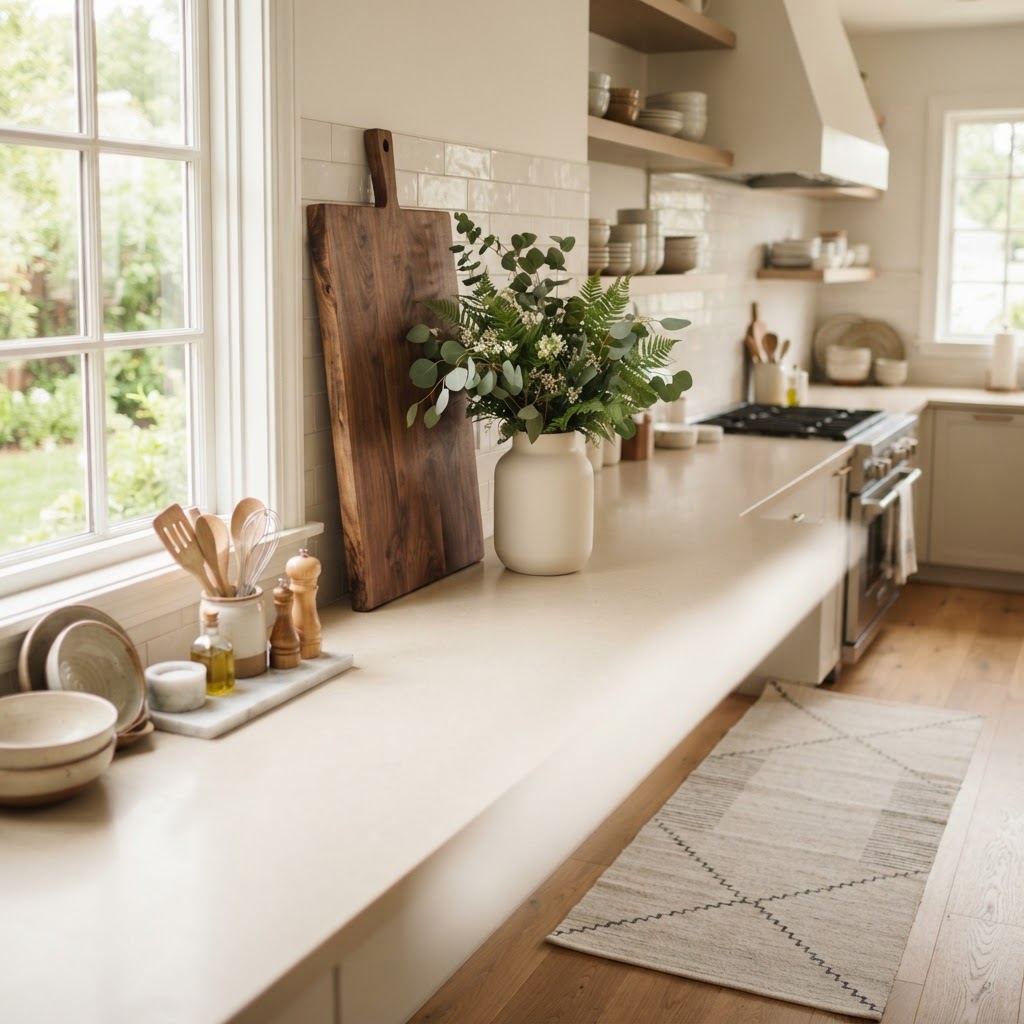
If your laminate countertops are scratched or an ugly color, use contact paper to cover them. It is heat-resistant enough for light tasks and looks remarkably like granite or marble when applied carefully. This small change can make an old, tired kitchen look brand new in a single afternoon.
Smart Storage Solutions for Small Spaces
Clutter is the enemy of tiny apartment living. To keep your home feeling airy and organized, look for furniture that serves double purposes. Ottomans with hidden storage, bed risers that create space underneath for bins, and over-the-door organizers are essential tools for maintaining order without drilling into walls or adding heavy, permanent cabinetry.
Using Tension Rods Creatively
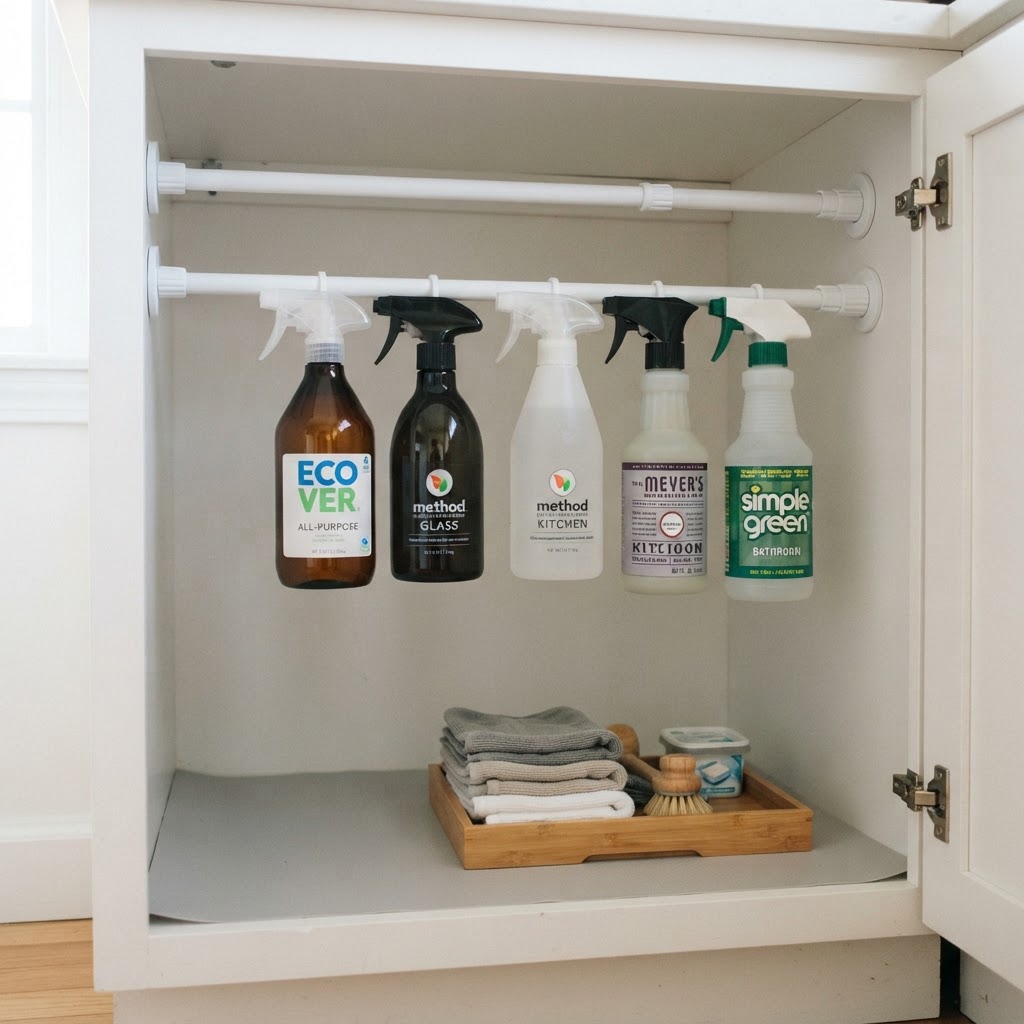
Do not underestimate the utility of tension rods. You can place them inside cabinets to hang cleaning supplies, inside deep drawers to act as dividers, or even inside window frames to hold curtains without using a drill. They are the ultimate non-damaging solution for creating order in confined spaces.
Textiles and Personal Touches
Sometimes the best upgrades are purely decorative. Layering rugs can define separate zones in a studio apartment, while plush throw pillows and curtains can add softness and color to a boxy room. These items don’t require any installation and can easily move with you to your next home.