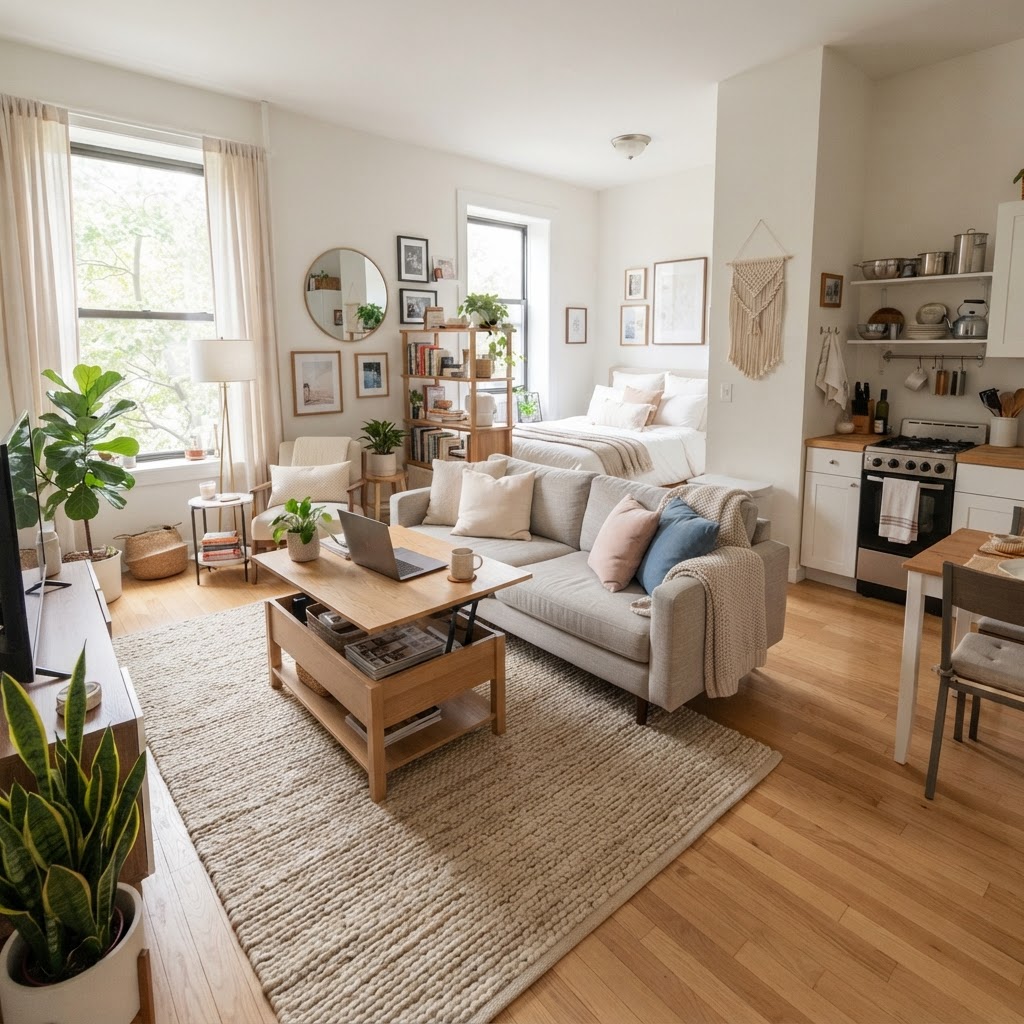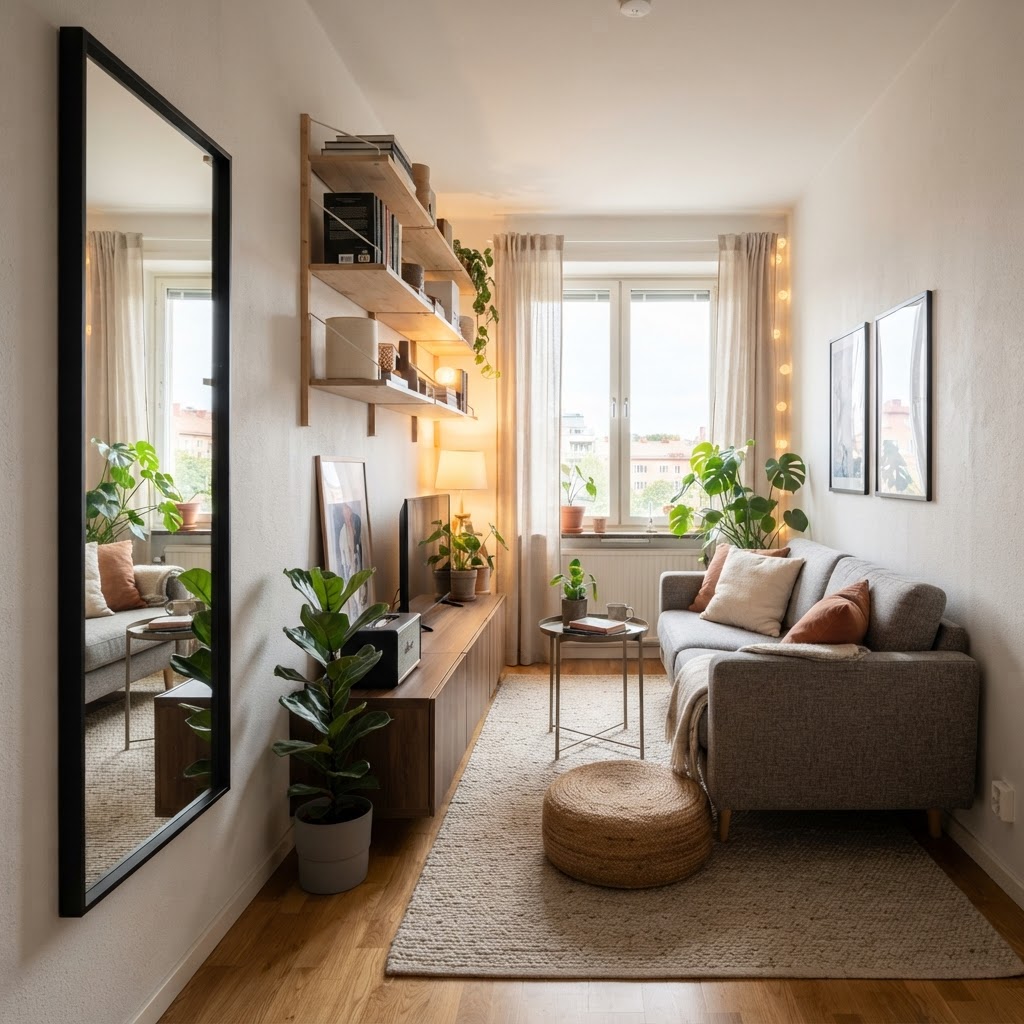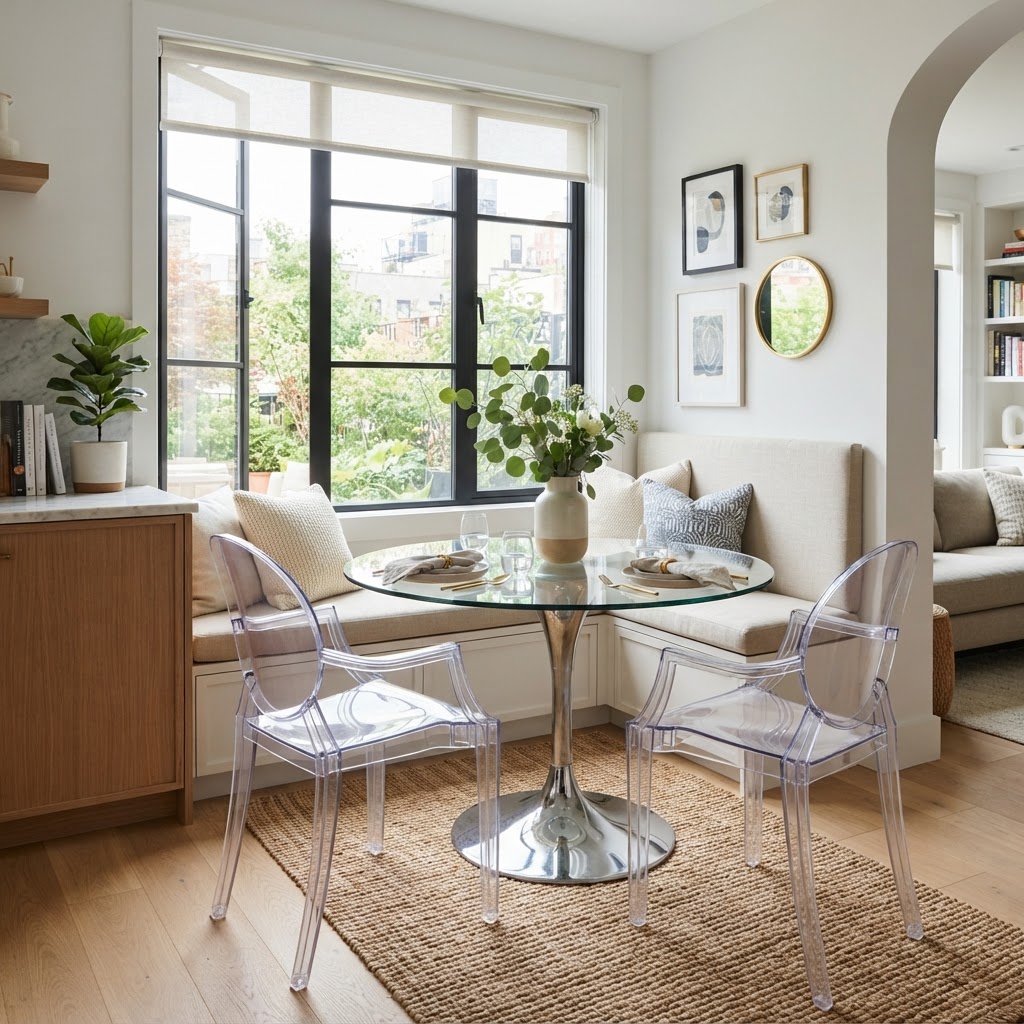
Living in a rented apartment often feels like walking a tightrope between personal expression and the fear of losing your security deposit. Many renters struggle with the limitation of not being able to pick up a drill to hang their favorite art or install custom shelving. Fortunately, the modern market for home accessories has evolved to accommodate the tenant lifestyle, offering a variety of smart, temporary solutions. You can fully personalize your living space while keeping your lease agreement in mind and avoiding any unnecessary wall damage.
The Art of Damage-Free Hanging
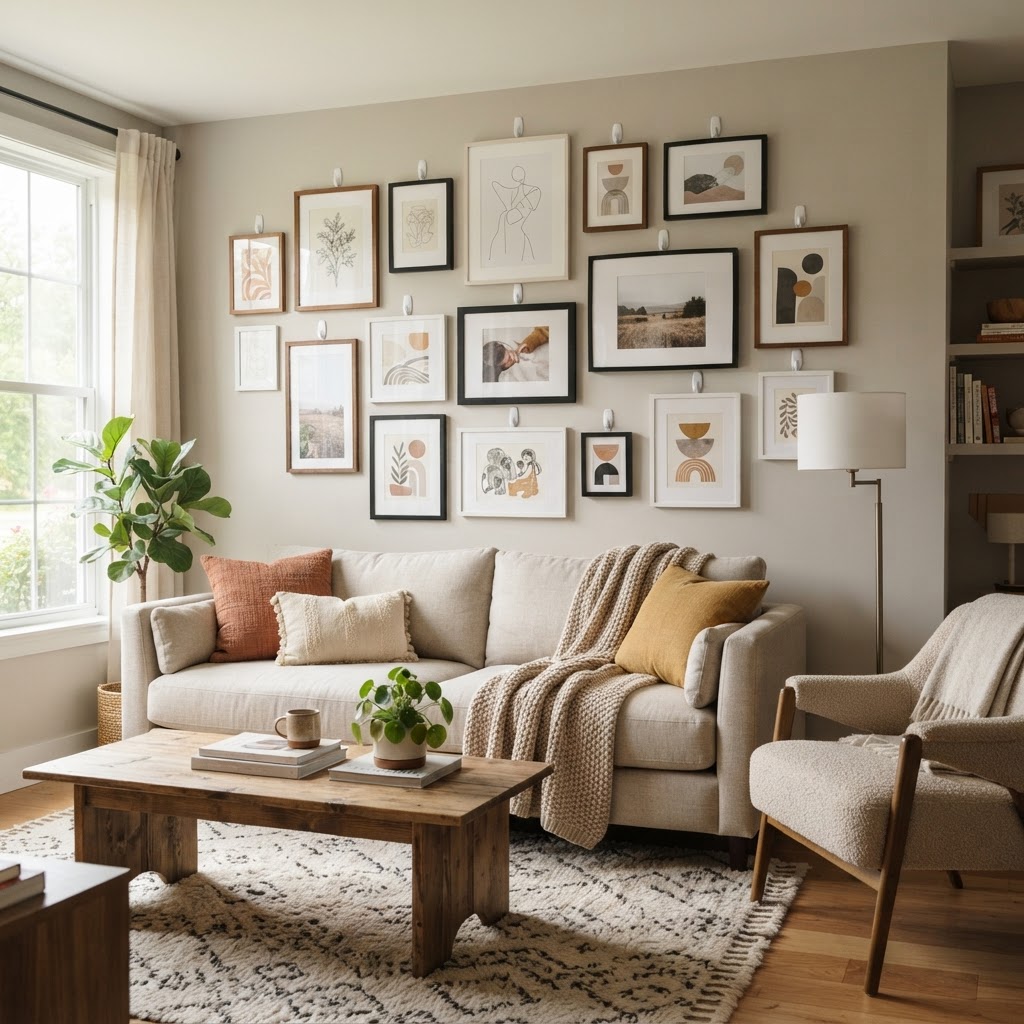
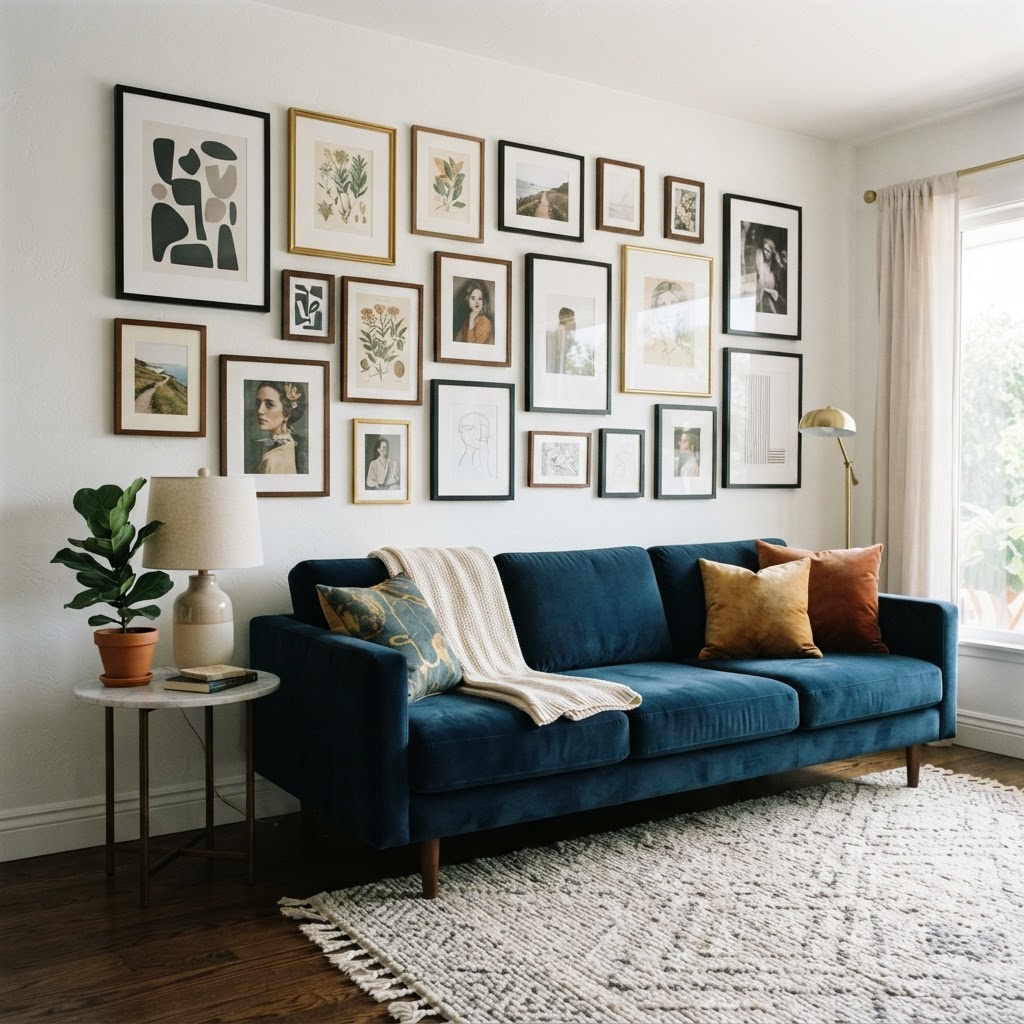
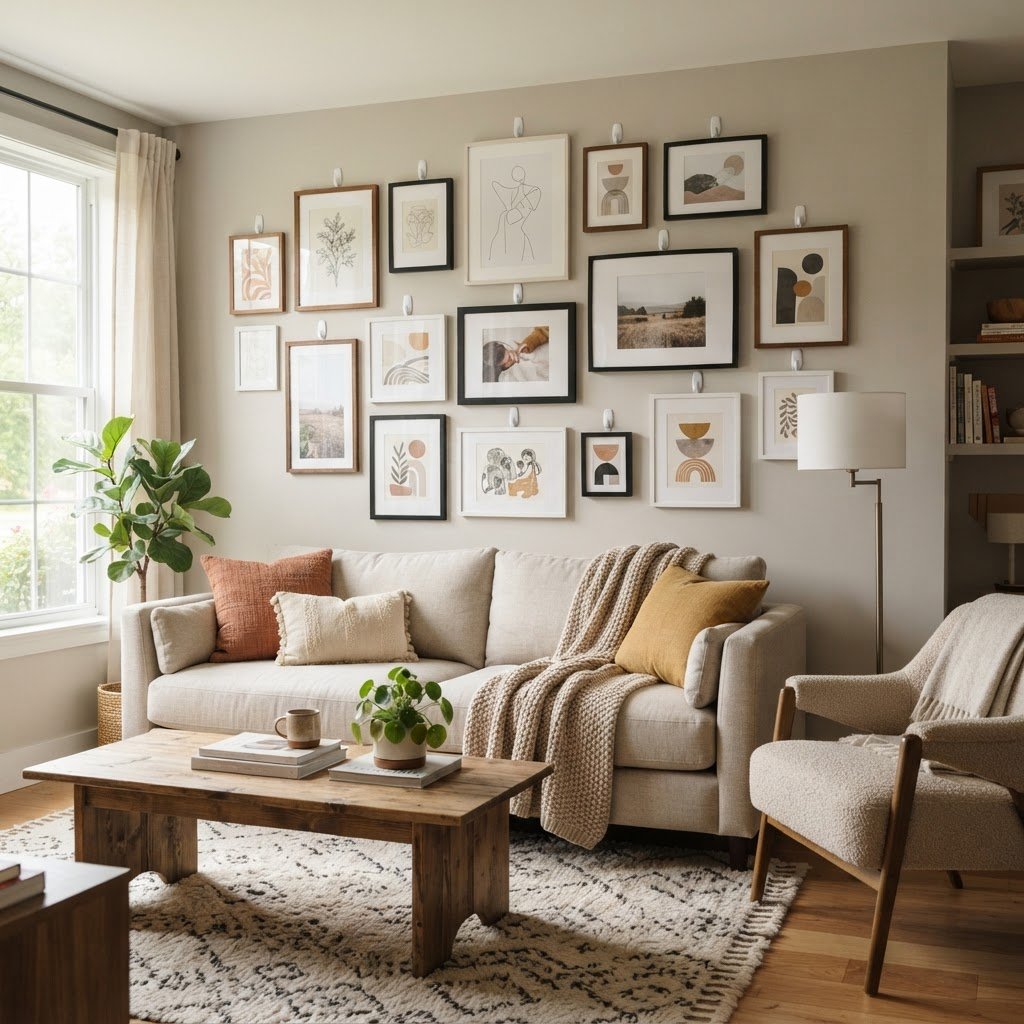
When you want to decorate your home, the first hurdle is usually how to display art. The days of hammer and nail are behind us thanks to advanced adhesive technology. Adhesive hooks are a game changer for anyone looking to create a gallery wall or display mirrors without drilling a single hole. These tools are designed to hold significant weight while leaving behind no sticky residue when it is time to move out. By following the weight limits strictly, you can ensure your walls remain pristine throughout your stay.
How to decorate an apartment without putting holes in the wall? Focus on tension-based systems and high-quality adhesives. Instead of traditional hardware, look for tension rods that can fit inside window frames for curtains or even between two walls to create a makeshift room divider. These items rely on pressure rather than piercing the drywall, ensuring the integrity of the paint and surface. It is the ultimate renter-friendly strategy for those who love frequently changing their layout.
Transforming Walls with Peel-and-Stick Wallpaper
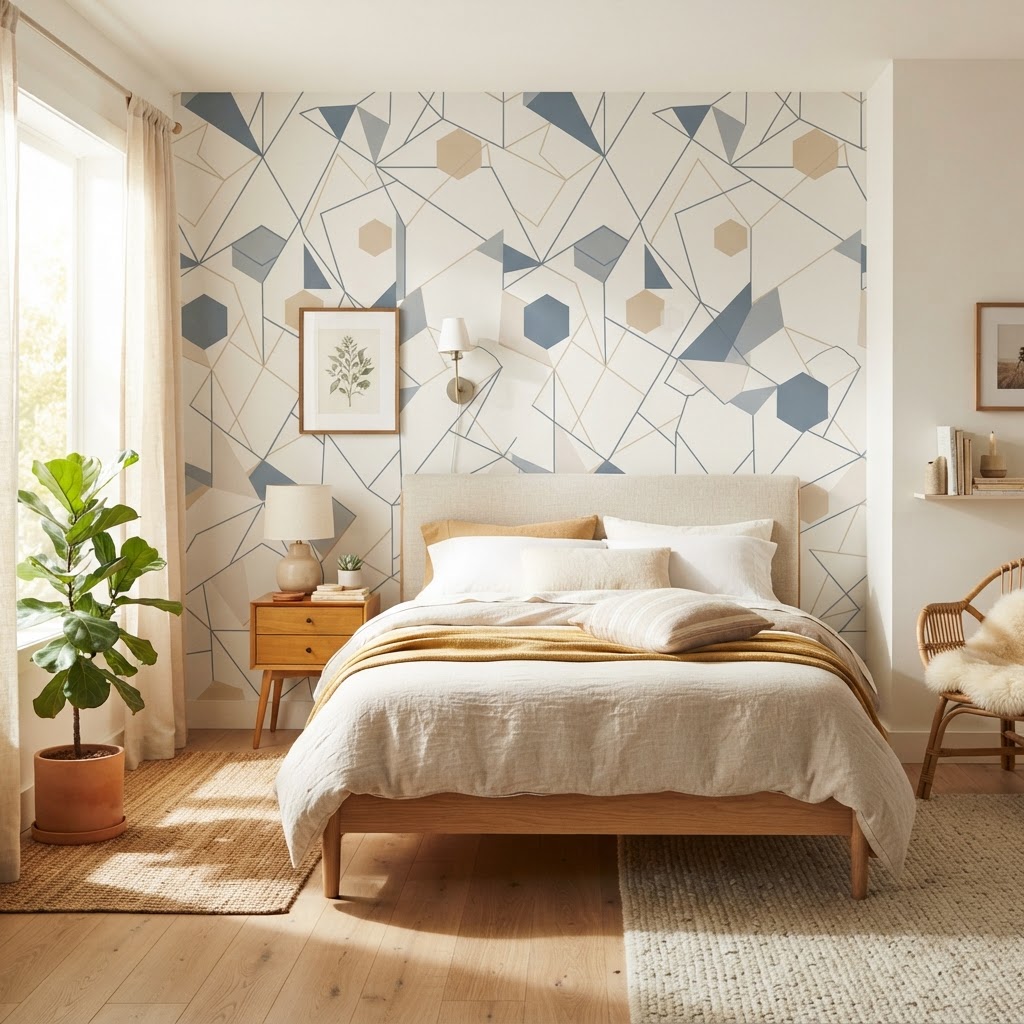
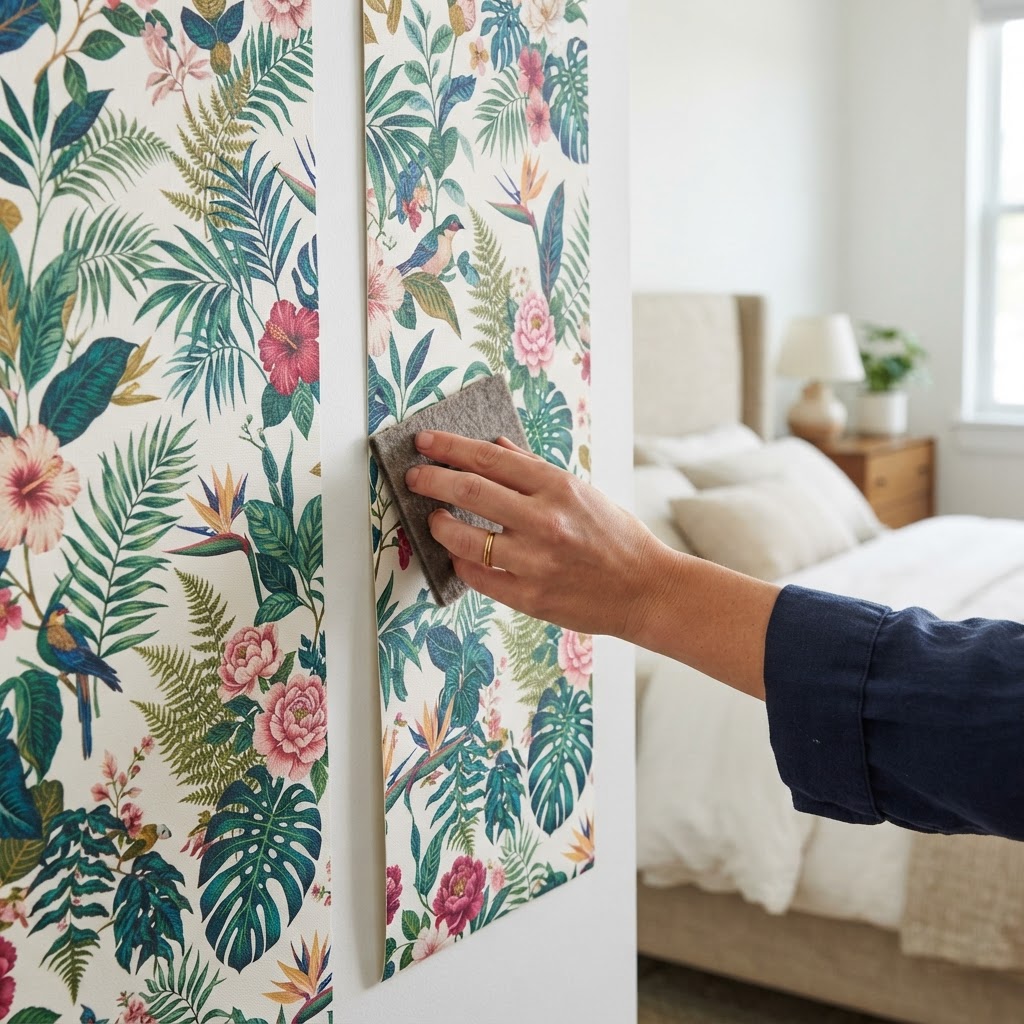
One of the most dramatic ways to change a rental is by updating the walls, and peel-and-stick wallpaper is the industry standard for temporary upgrades. Unlike traditional paper that requires glue, this modern version is entirely removable and easy to install. You can choose from bold patterns or subtle textures to give your apartment a professional designer look. It is an excellent way to cover up dated paint colors or add character to a sterile white box.
Application Tips for Success
Before you start, clean the surface thoroughly to ensure the adhesive sticks properly. Even a small amount of dust can cause the paper to peel prematurely. Use a smoothing tool to get rid of bubbles, and always buy a little extra material to account for pattern matching. If you are worried about potential damage, test a small piece in an inconspicuous area, such as behind a bookshelf or inside a closet. Most quality brands are designed to come off cleanly, meaning no patch work is required when you move.
Utilizing Furniture for Storage and Style
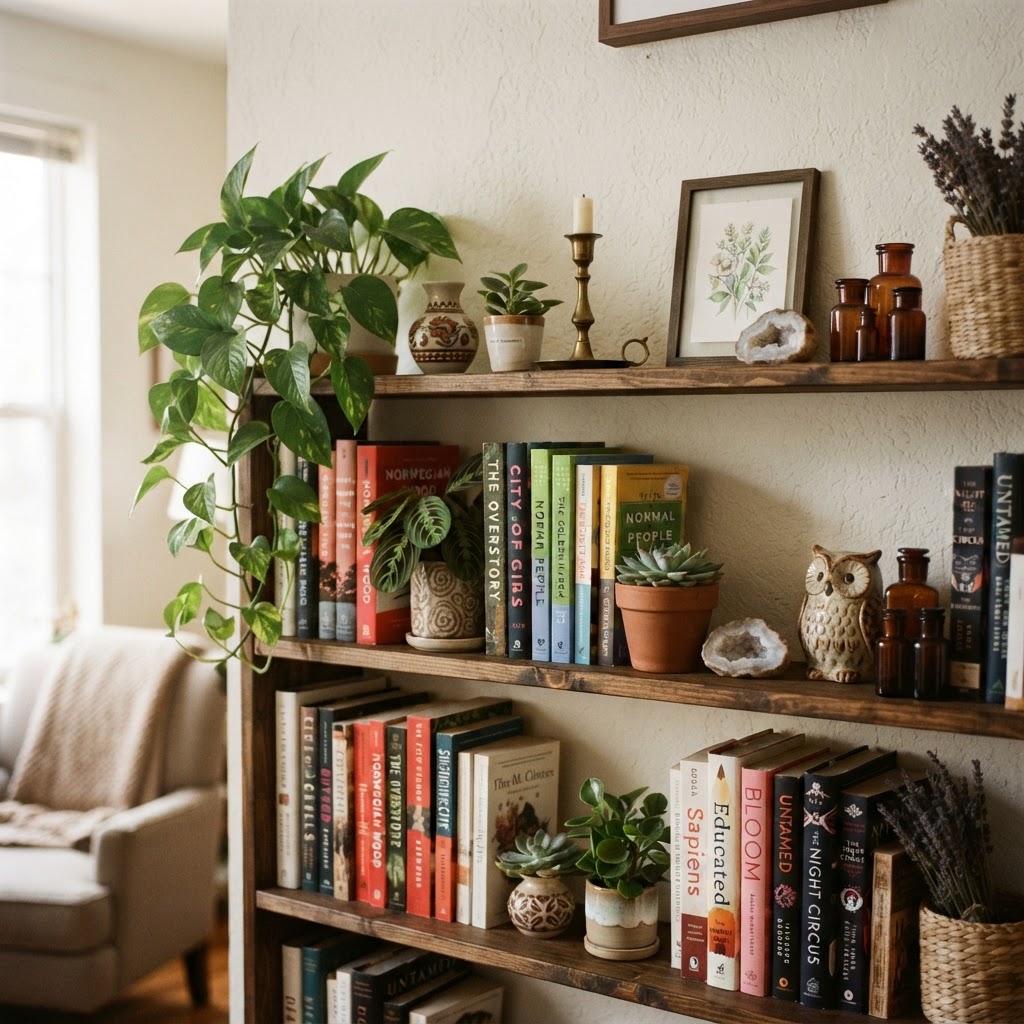
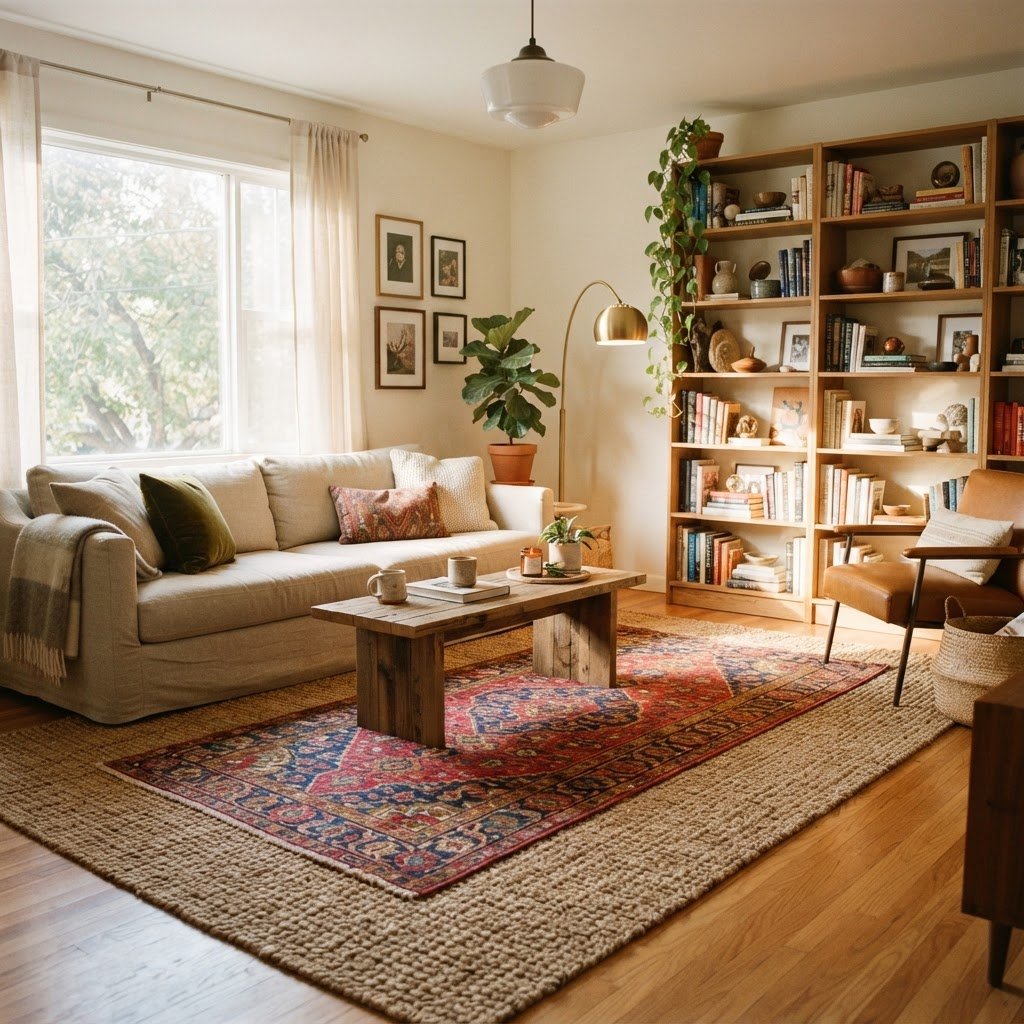
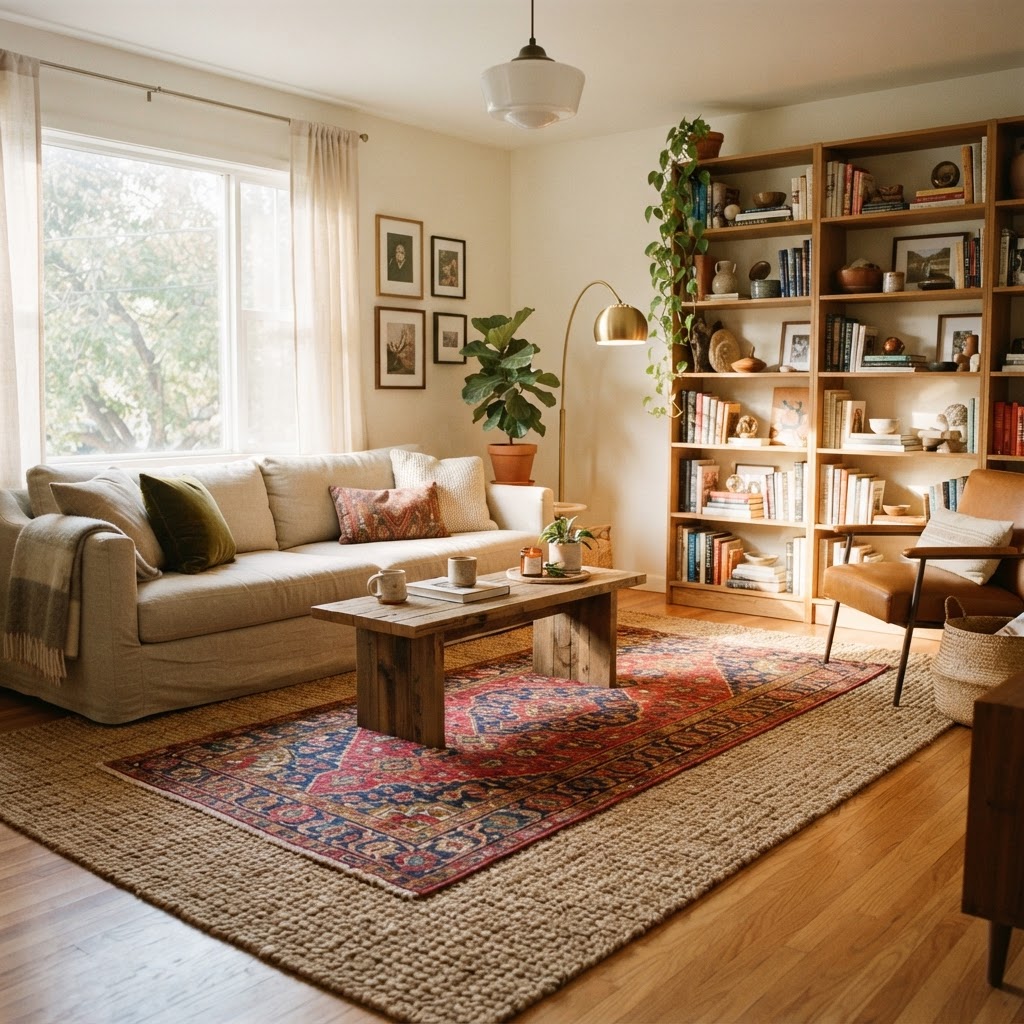
When wall mounting is off the table, you must rely on your furniture to do the heavy lifting. A sturdy bookshelf or a tall dresser can serve as a canvas for your decor items. Instead of hanging pictures, lean oversized frames against the wall on top of a console table for a casual, layered look. This approach adds depth to your room and avoids any risk of damaging the surface behind it.
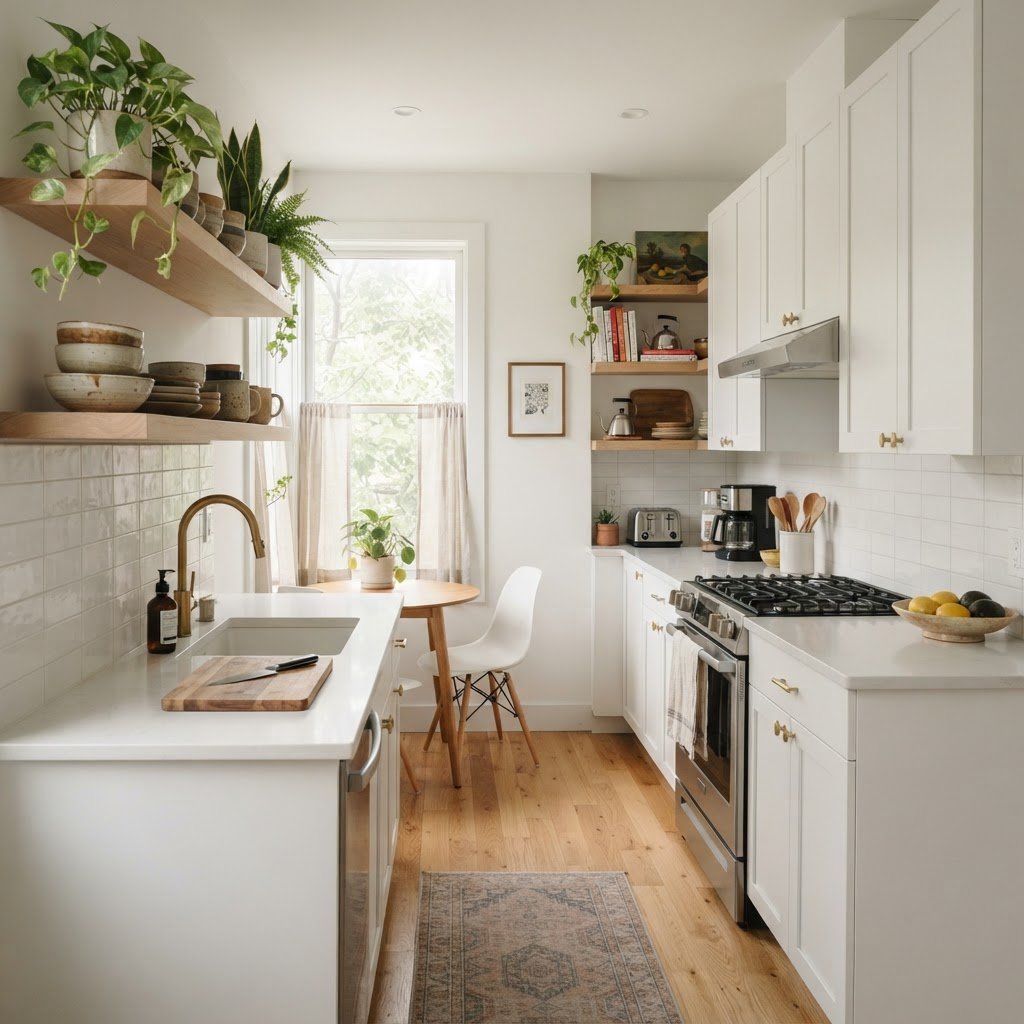
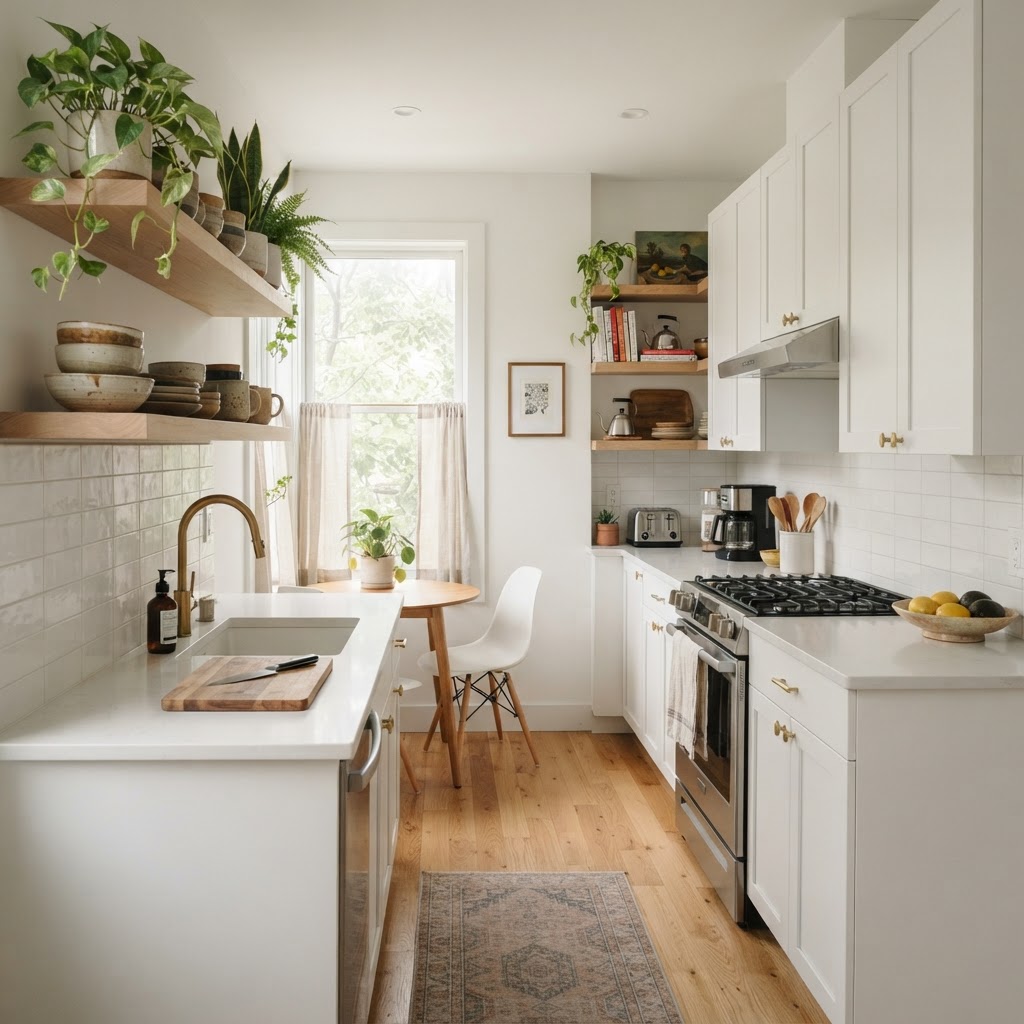
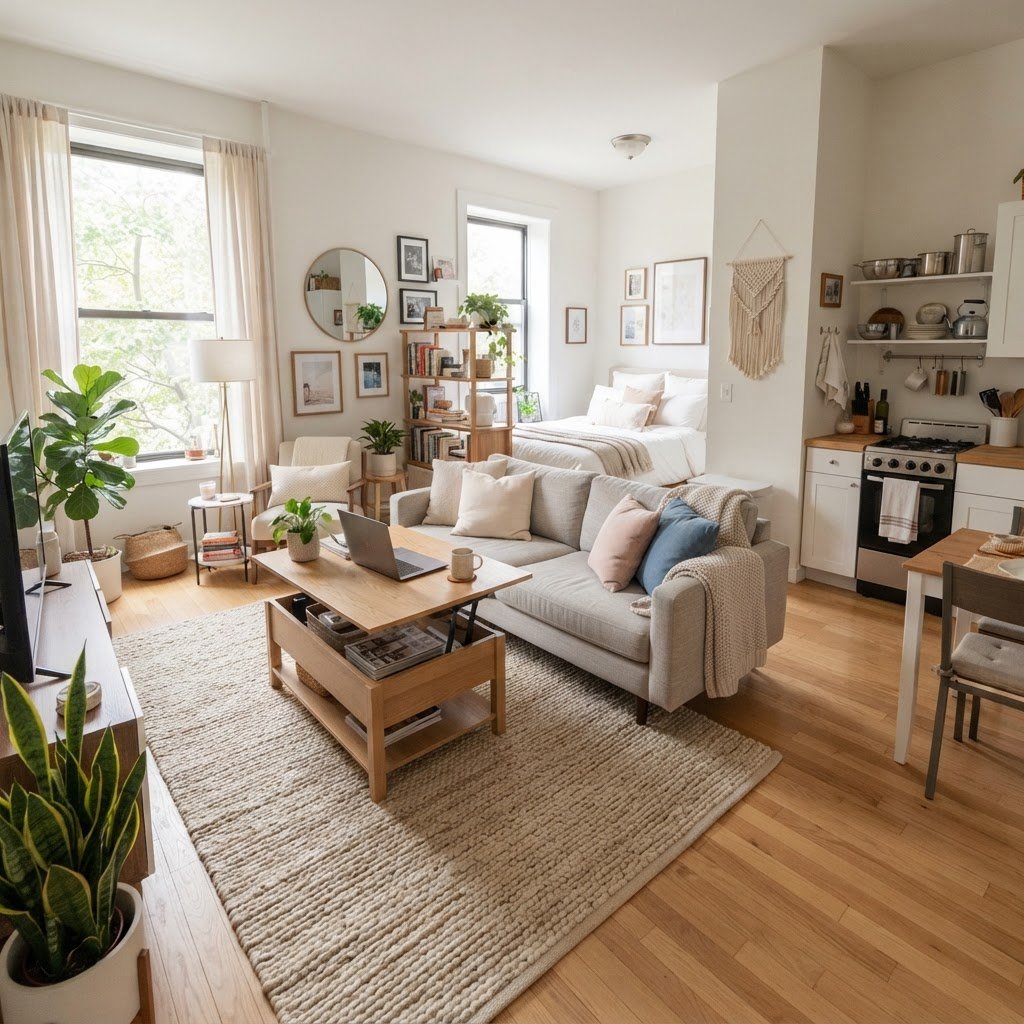
What are some renter-friendly decor hacks? One of the best is to use furniture to anchor your space. By grouping items on a surface, you create a cohesive vignette that draws the eye away from blank walls. You can also use decorative baskets or modular storage units that sit on the floor to keep your items organized. Remember to use furniture pads to prevent scratches, as you want to protect the floor just as much as the walls to ensure your lease terms are met.
Adding Personality with Textiles and Lighting
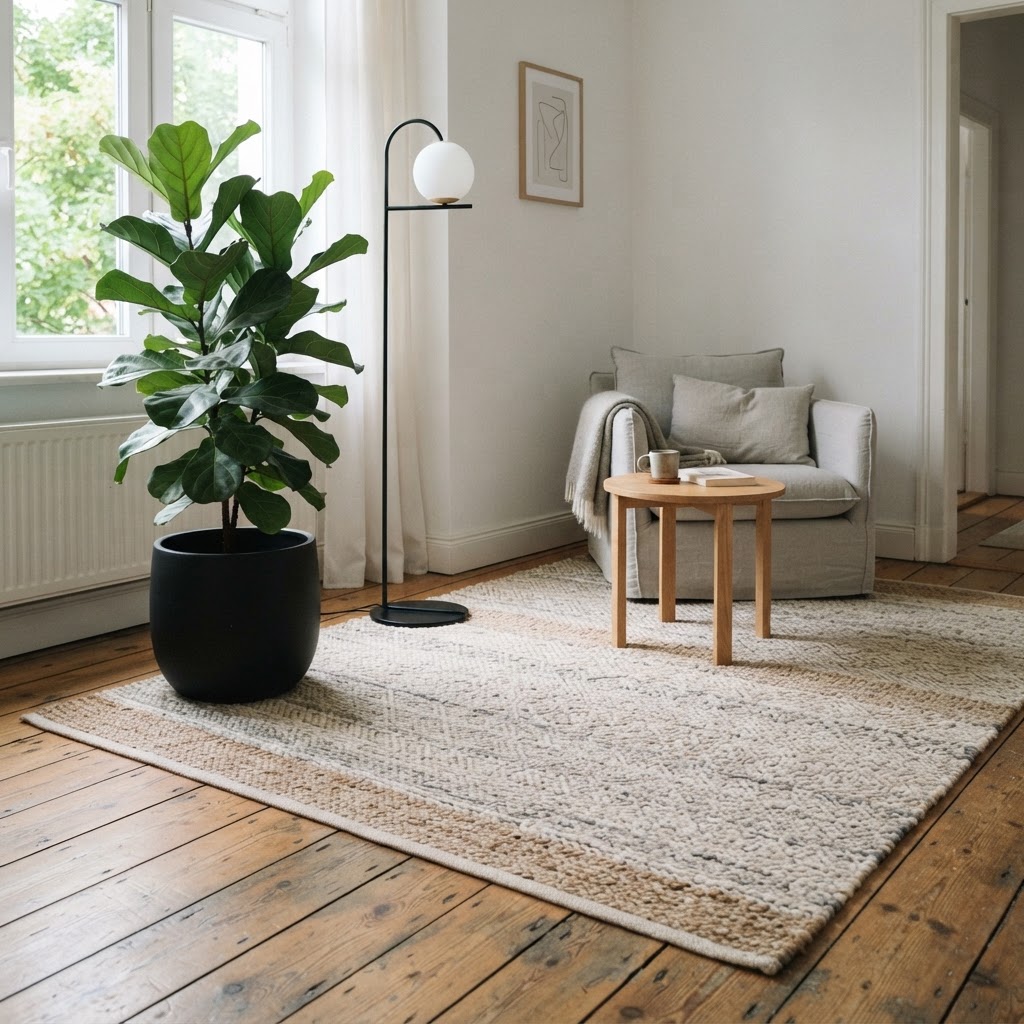
If you cannot change the structural elements of your rental, lean into soft decor. Rugs are a fantastic way to cover up worn-out flooring and inject color or texture into a room. You can also use layering techniques to make a space feel cozy and curated. Lighting is another powerful tool; replace standard landlord-provided light fixtures with your own floor lamps or table lamps to change the mood instantly. Just keep the original fixtures in a safe place so you can swap them back before moving out.
The Power of Soft Decor
Curtains can also hide unattractive blinds or wall finishes. Install them using a long tension rod between the window casing for an easy, no-drill solution. The fabric adds softness to the room, dampening sound and making your apartment feel like a luxury sanctuary. When you choose textiles, aim for high-quality fabrics that reflect your personal style, effectively masking the generic features of your rental home.
Mastering the Layout with Design Rules
What is the 3-5-7 rule in interior design? This guideline helps in grouping decor items to create visual balance. It suggests that arrangements of three, five, or seven items are more pleasing to the human eye. Applying this rule to your shelves or tabletops helps you curate a space that looks professionally decorated rather than cluttered. It is a simple trick that works in any size apartment, helping you achieve a polished look without hanging anything on the wall.
Is peel and stick actually renter friendly? Yes, provided you choose high-quality vinyl options specifically marketed for temporary use. The adhesive is formulated to bond securely to smooth surfaces without damaging the underlying paint or drywall upon removal. Most professional-grade removable wallpaper products are designed to lift off cleanly if you follow the manufacturer’s instructions, making them the ultimate tool for a stylish rental makeover.
Is Peel and Stick Wallpaper Allowed in Rentals?
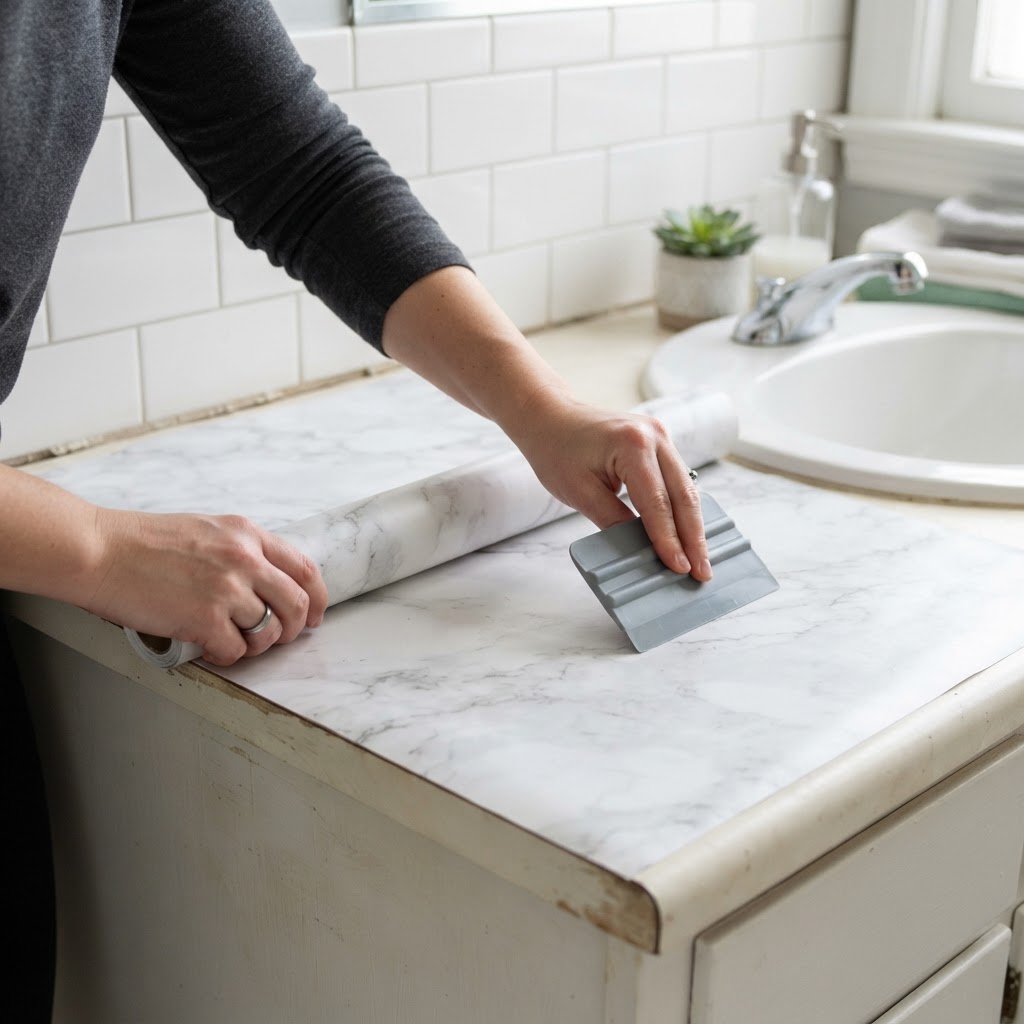
Before you dive into your DIY project, it is wise to review your lease agreement. Most landlords are generally open to decor changes that do not damage the structure, but some have strict rules regarding adhesives. Is peel and stick wallpaper allowed in rentals? In the vast majority of cases, yes, because it is considered temporary decor rather than a permanent renovation. Always perform a patch test in an inconspicuous area of your apartment to ensure the surface is compatible and the wallpaper will not peel paint away.
When you select a design, consider the aesthetic of your room. A subtle, neutral wallpaper with a slight texture can add depth to a space without overwhelming it. For those who want something more dramatic, a large-scale mural can act as the focal point of a living room. Remember to check if your wall surface is porous or heavily textured, as some peel products struggle to adhere to rough, uneven surfaces found in older buildings.
Versatile Design Ideas for Your Home
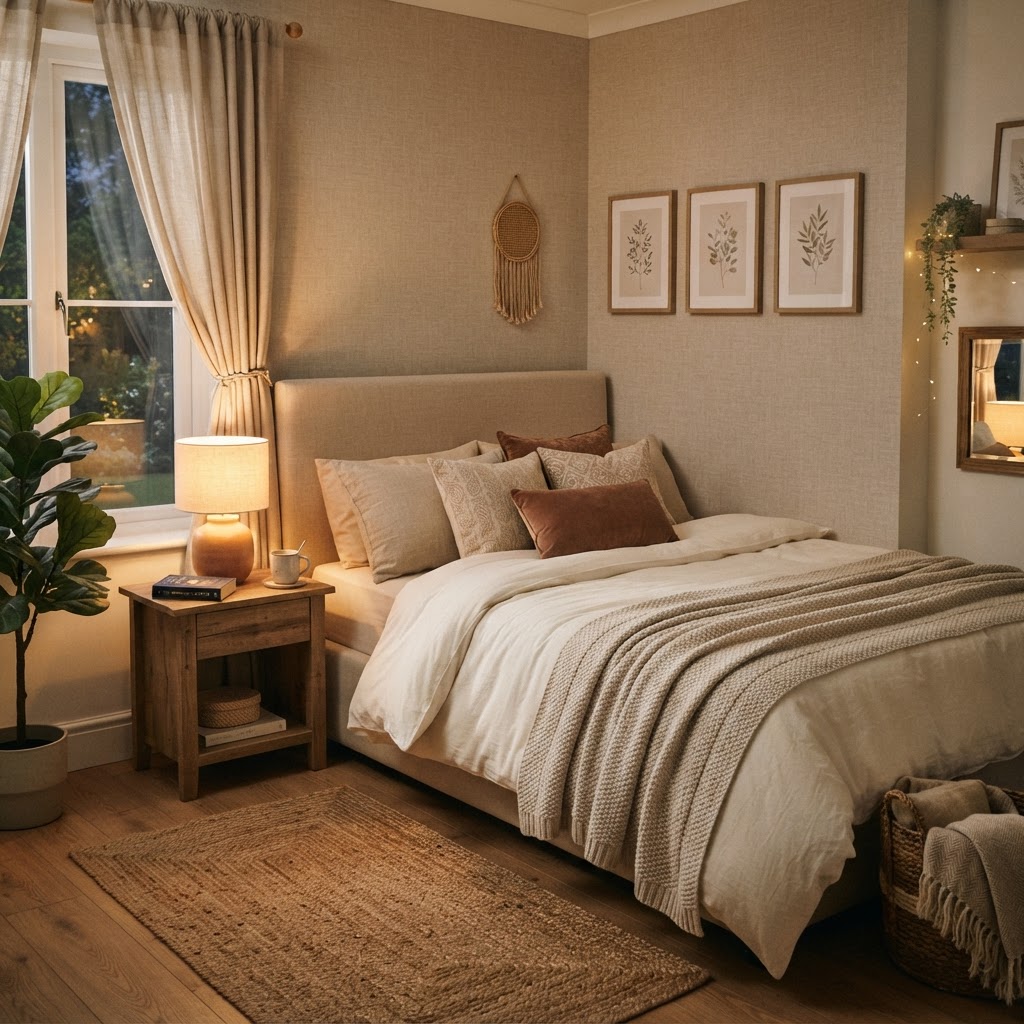
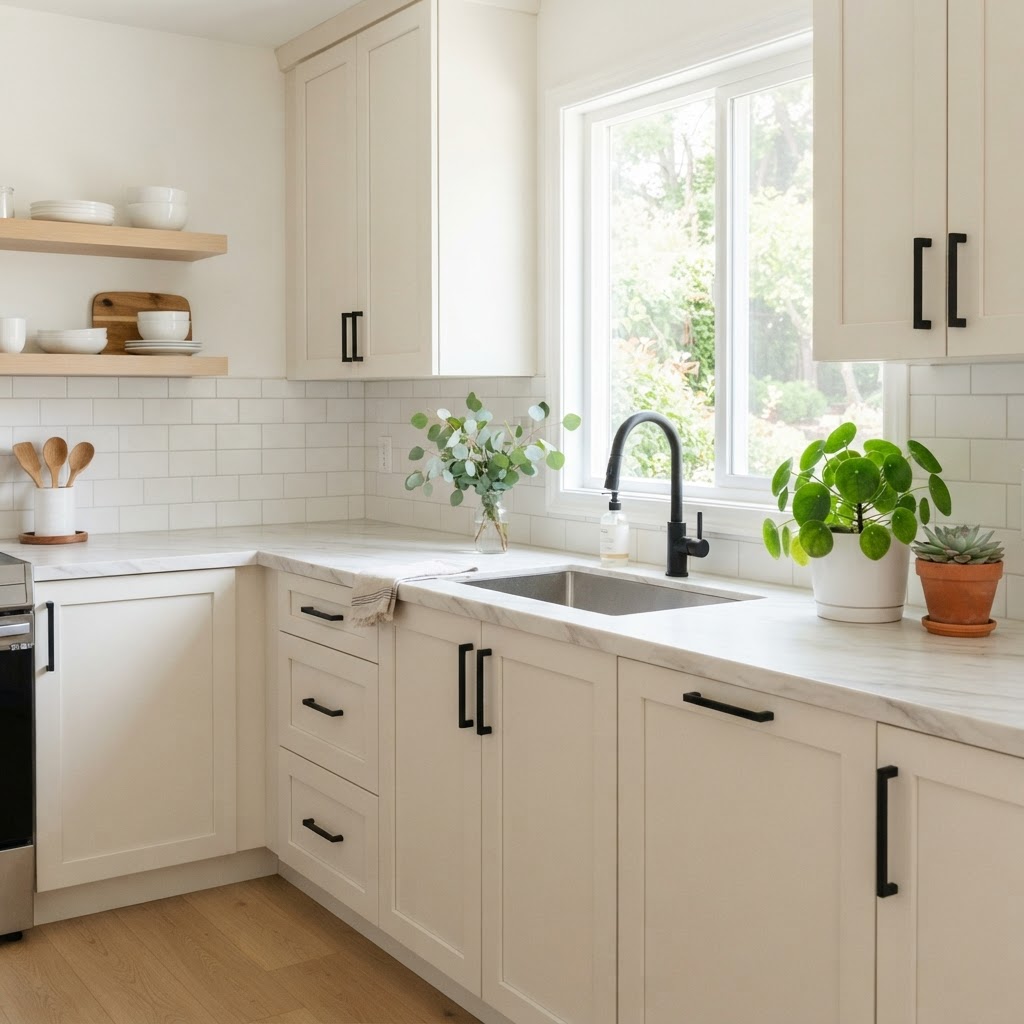
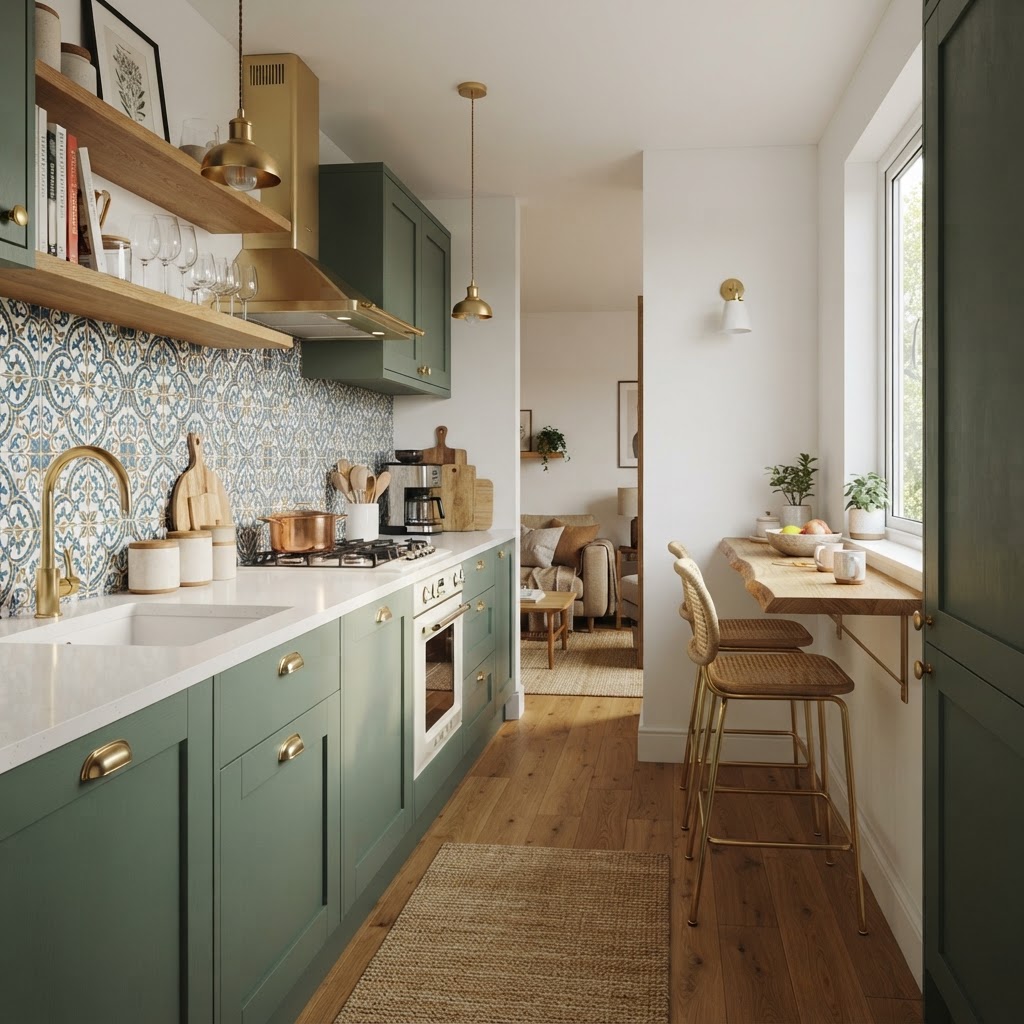
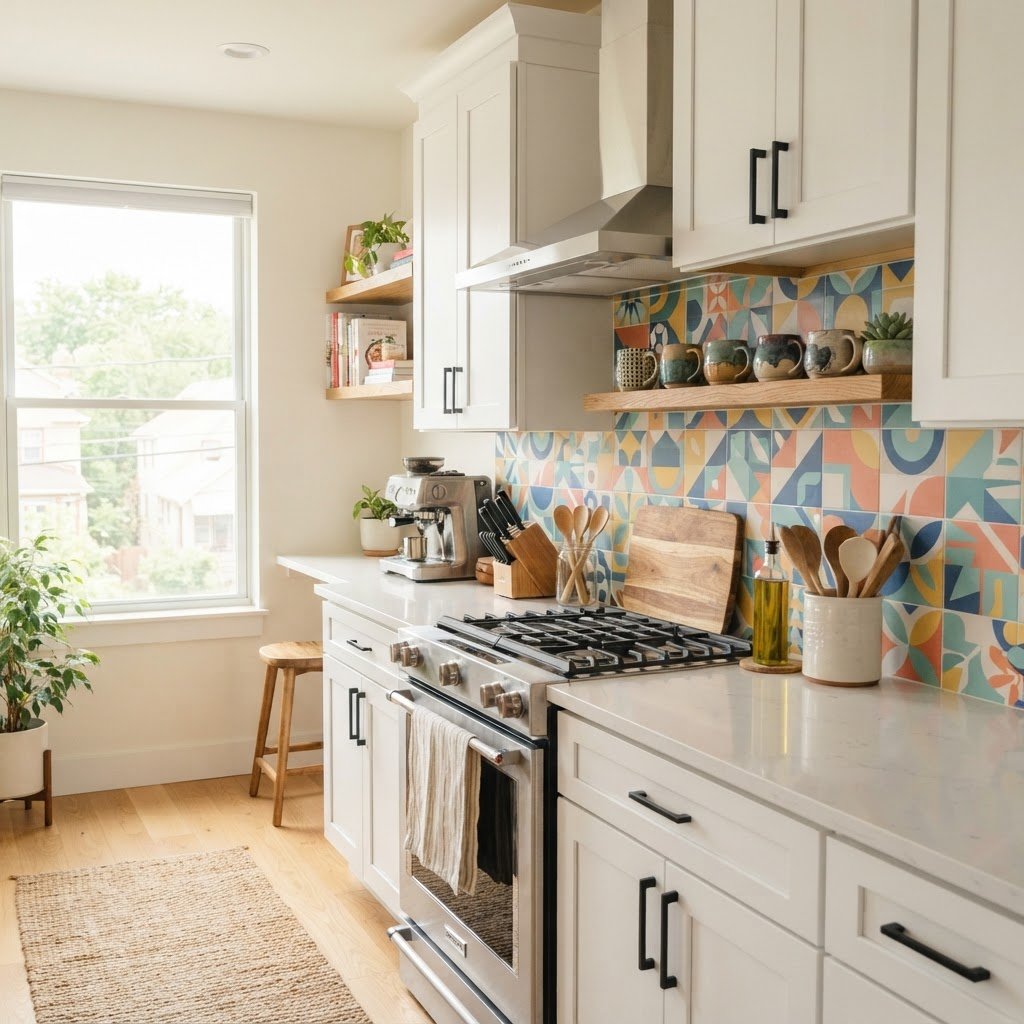
What are some design ideas for using peel and stick wallpaper? The possibilities are nearly endless. You can use wallpaper to create a faux headboard behind your bed, line the back of an open cabinet for a pop of color, or create a faux marble backsplash in your kitchen. If you have an ugly bathroom mirror or dated vanity, you can use these durable sheets to wrap the frame or even the sides of the cabinet for a modern look.
For a sophisticated vibe, try a beige grasscloth pattern to add warmth and tactile interest. If you have a small space, a vertical striped pattern can trick the eye into thinking the ceilings are higher. You might even consider using tile-look decals to upgrade a boring floor in your bathroom. These tile stickers are specifically designed to be waterproof and heat-resistant, making them perfect for high-traffic areas that need a refresh.
Choosing the Right Product for Your Walls
What is the best renter-friendly peel and stick wallpaper? The best products are those that offer “easy release” technology. Look for brands that explicitly state they are repositionable, which gives you a second chance if you make a mistake during the initial application. When you buy, try to order all rolls from the same “batch” or lot number to ensure the colours match perfectly across the entire mural.
Texture is another vital factor. If your apartment walls have a heavy “orange peel” texture, you might find that standard wallpaper struggles to stick. In these cases, look for heavier-duty vinyl that provides a better grip. If you are worried about the finish, a matte texture is generally more forgiving than a high-gloss finish, as it hides imperfections in the wall surface much better.
Professional Tips for a Flawless Application
Achieving a seamless look requires patience and the right set of tools. Start by cleaning your walls thoroughly with a mild detergent and water to remove any grease or dust. Even invisible particles can prevent the adhesive from bonding correctly, leading to peeling edges later on. Once the wall is completely dry, use a level to mark a straight plumb line; this will be your guide for hanging your first strip of wallpaper.
Working within these boundaries actually forces you to become more creative. Instead of relying on traditional hardware, you will learn to use tension, gravity, and high-quality adhesive solutions. Whether you are living in a temporary dorm or a long-term urban apartment, these strategies will ensure your home feels uniquely yours.
Master the Art of No-Damage Wall Decor
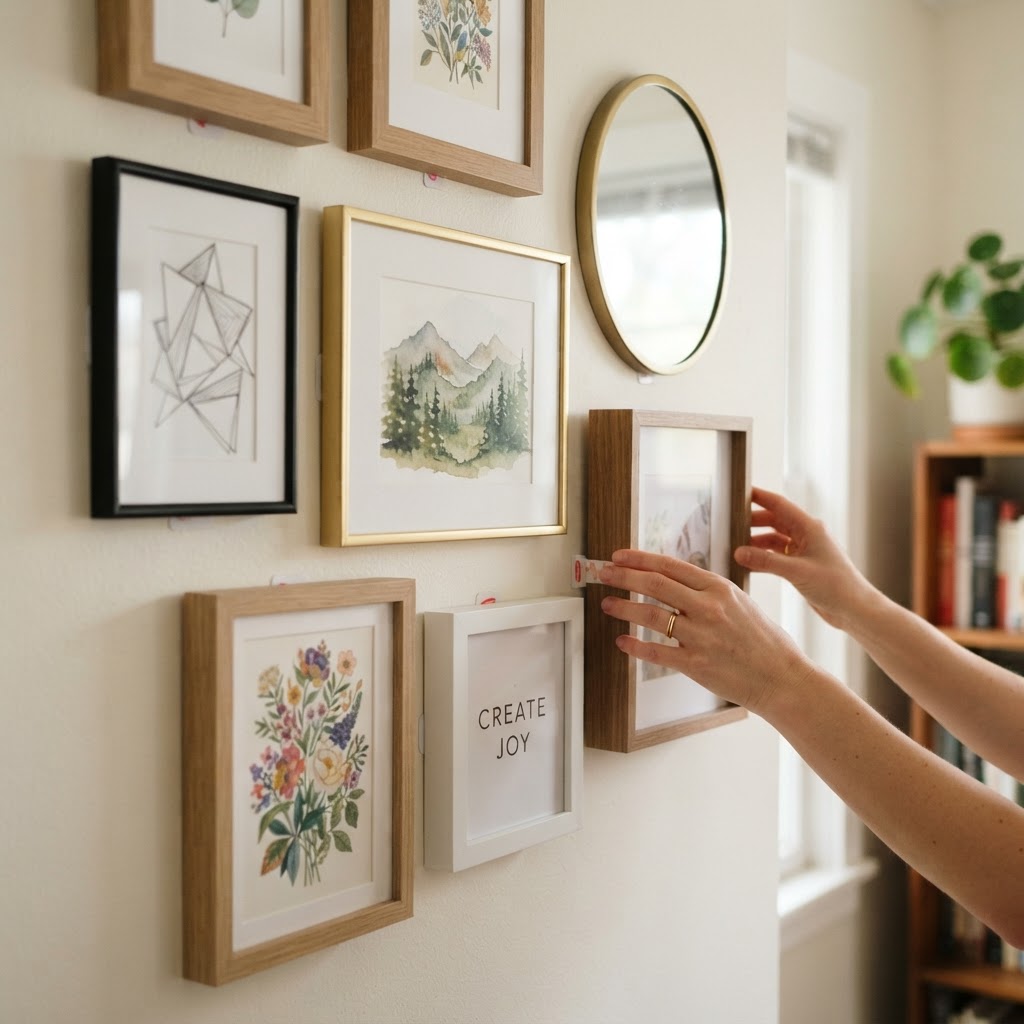
Walls are the most significant visual real estate in any home. Many people mistakenly believe that hanging art requires a hammer and nails. Fortunately, modern technology offers a better way. Adhesive strips and specialized hooks are the renter’s best friend. These products allow you to hang frames, canvases, and mirrors without chipping the drywall or leaving gaping holes behind.
To create a stunning display, plan your layout on the floor first. This allows you to visualize your gallery wall before you start peeling off backing strips. When choosing what to hang, opt for lightweight frames. Heavy items can strain the adhesive, so look for acrylic or foam-board materials to keep things secure and safe for your walls.
Transform Your Space with Removable Wallpaper
Nothing changes the personality of a room faster than adding color or pattern. Removable wallpaper has revolutionized the industry for the modern renter. Unlike traditional pastes, these peel-and-stick options can be removed easily at the end of your lease without damaging the underlying surface. They provide the look of a custom-designed accent wall in just a few hours of work.
When applying the product, start from the top corner and smooth it out slowly to avoid bubbles. You can use a dedicated smoothing tool or even a credit card wrapped in a soft cloth. Choose a pattern that reflects your personality, whether it is a bold botanical print or a subtle geometric texture. If you are feeling cautious, start with a small closet or a single feature wall to build your confidence.
Maximizing Storage Without Drilling
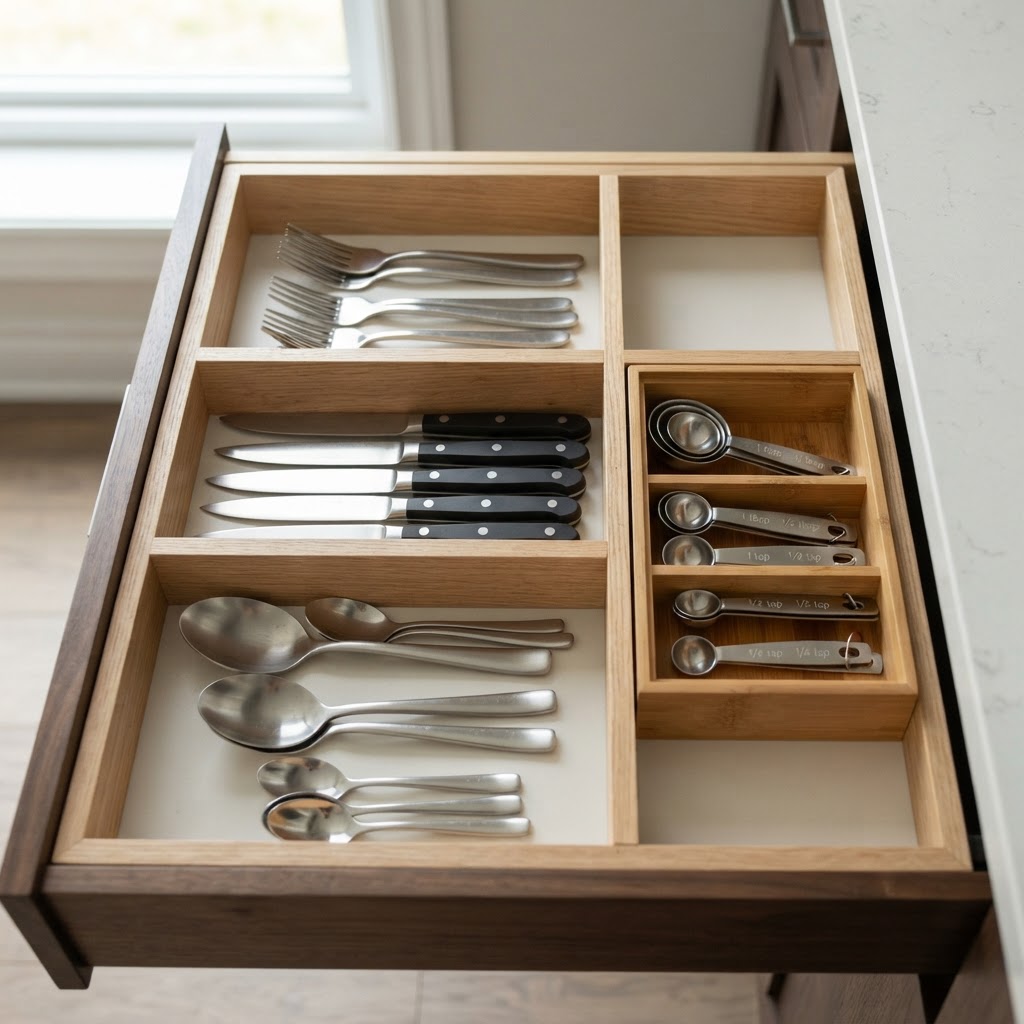
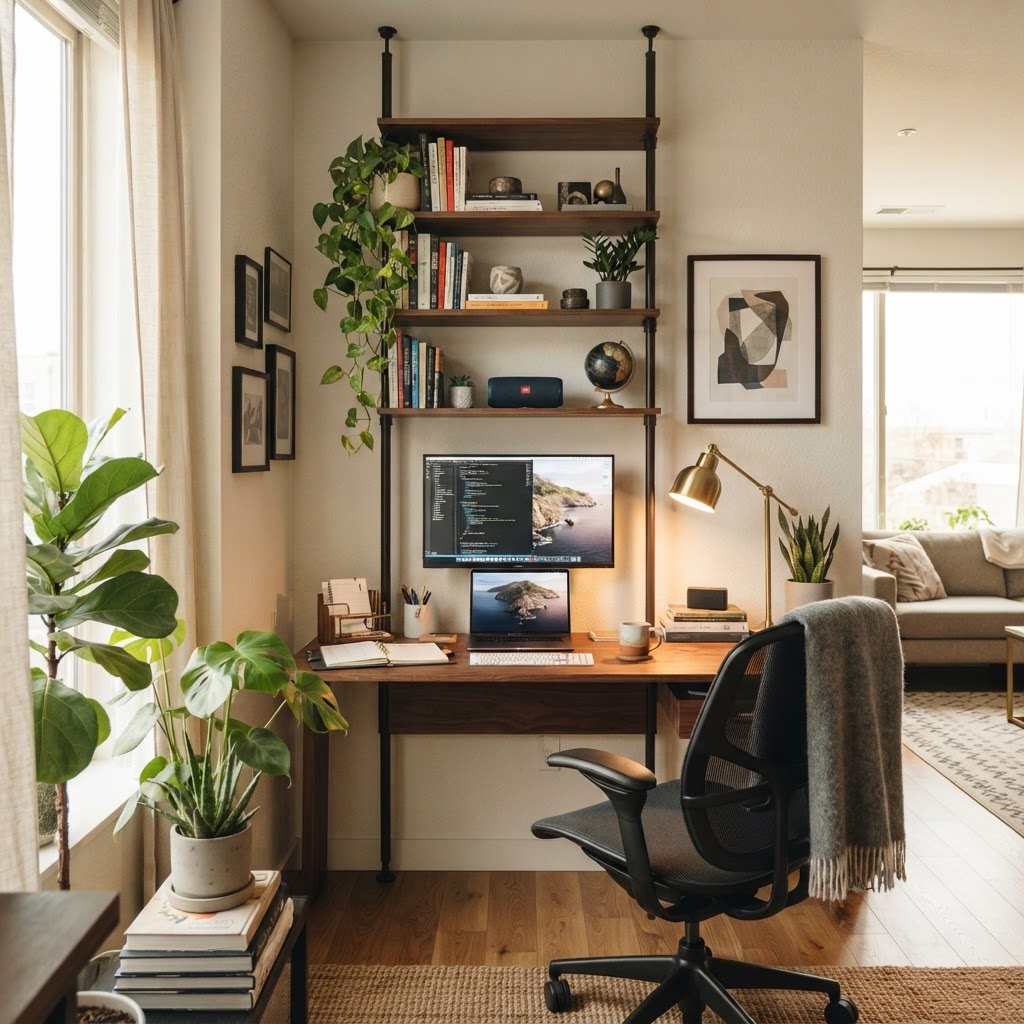
One of the biggest challenges in a rental is finding enough storage. If you lack closet space, look for vertical solutions that do not require drilling into the studs. A tension rod placed inside an existing closet can double your hanging space immediately. Additionally, freestanding shelving units are perfect for storing books, decor items, and bins of accessories.
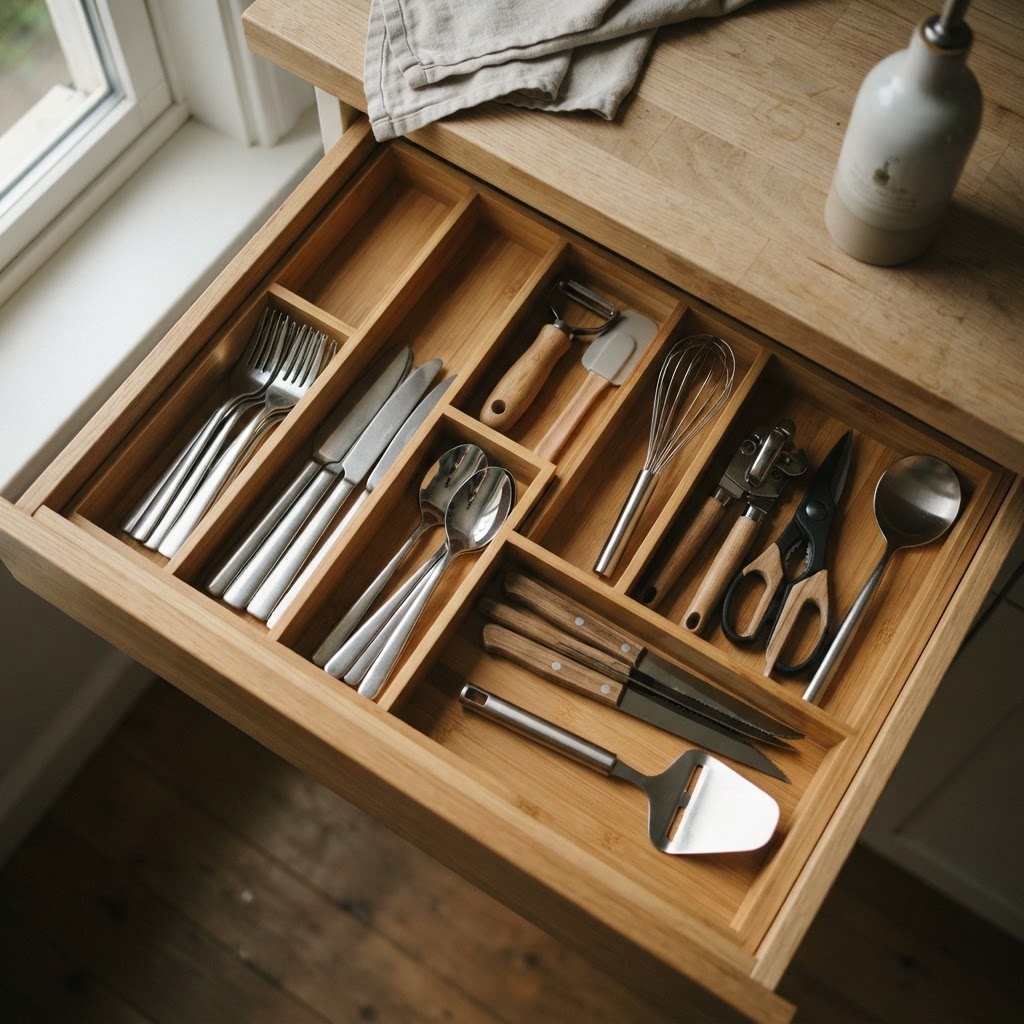
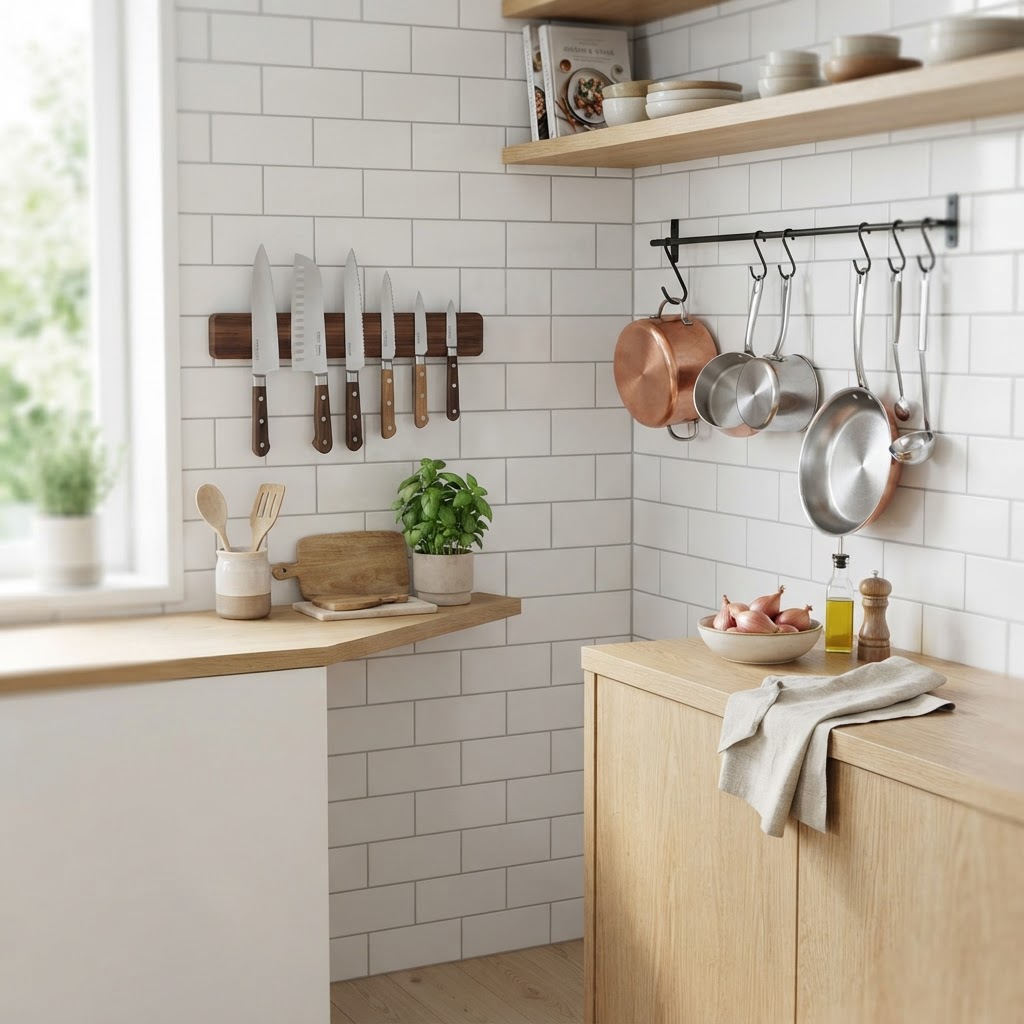
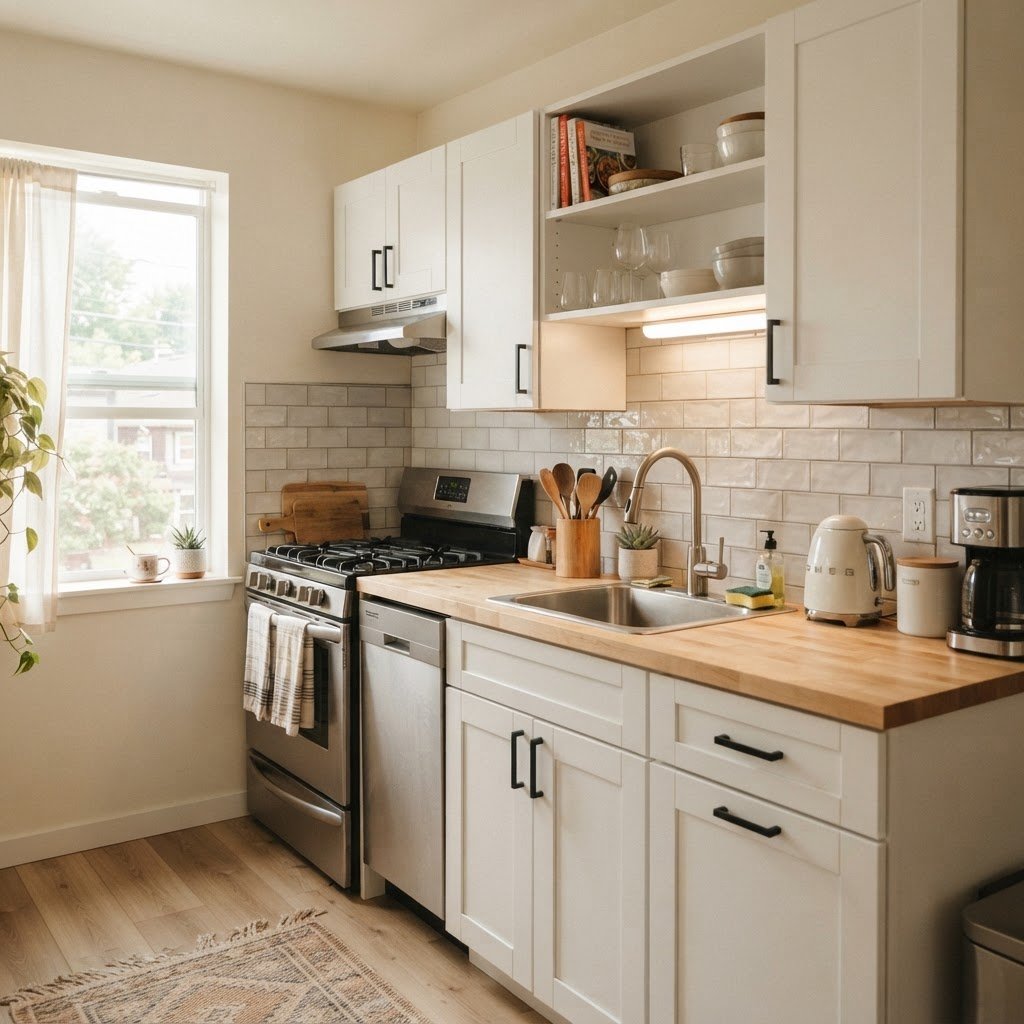
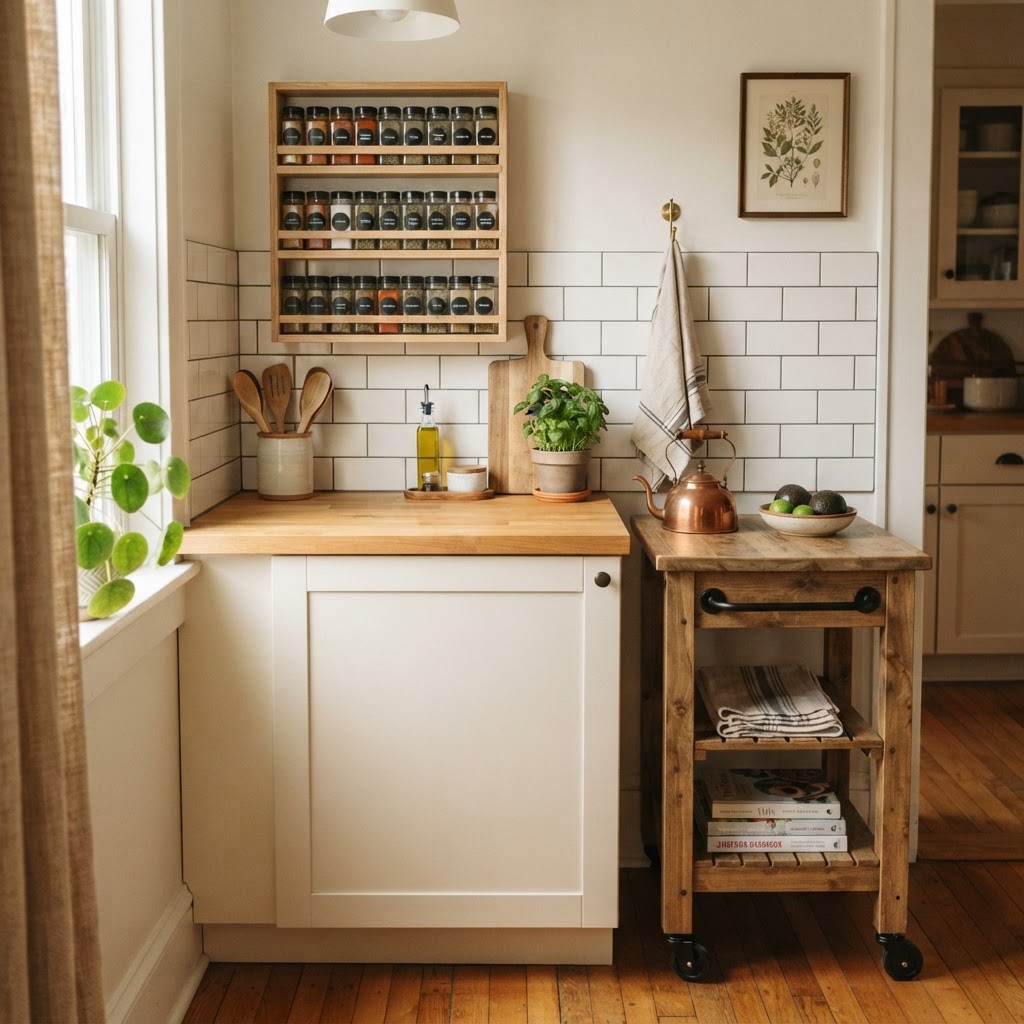
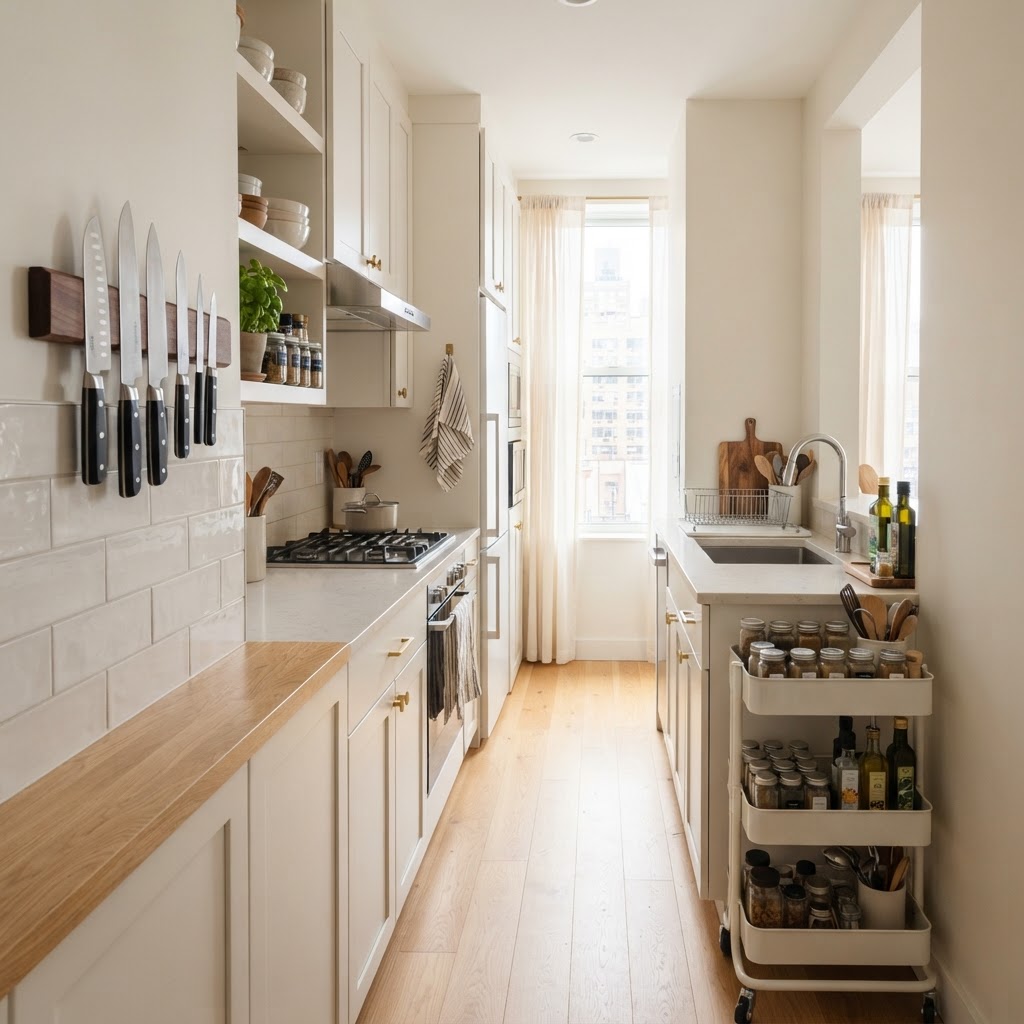
If you have a small kitchen, consider using over-the-cabinet organizers. These units slide over the door and provide instant spots for cleaning supplies or cutting boards. For your bedroom or living area, a decorative rolling cart can serve as a nightstand, a bar cart, or a craft station. These items are functional, mobile, and require zero installation effort.
Lighting and Textile Layering for Coziness
Lighting is often neglected in rentals, yet it is the most effective way to change the mood of a room. Most overhead rental lighting is harsh and uninspiring. Offset this by layering in floor lamps, table lamps, and LED strips. You can hide cables with adhesive cord covers to keep your space looking polished.
Don’t forget the power of a rug. A large area rug can cover dated carpet or worn flooring, instantly warming up the room and adding a layer of style. If you have a hard surface floor, a high-quality rug pad will prevent slipping and protect the original flooring underneath. Layering textures—like a chunky throw over a sleek sofa—adds a tactile dimension that makes a space feel expensive and intentional.
Bringing Nature Inside Safely
Plants are perhaps the easiest way to breathe life into a rental apartment. They act as natural decor that fits any style. Since you cannot always count on great natural light, choose species that thrive in lower light conditions, such as snake plants or ZZ plants. Place them in stylish pots that match your color palette to turn them into statement pieces.
If floor space is limited, use hanging planters. Many modern hangers work with tension rods or existing curtain rod hardware. Adding greenery at different heights draws the eye upward, making your room feel larger and more airy. Remember to place a saucer under every pot to protect your floors from water damage, which is a common concern for landlords.
Finalizing Your Rental-Friendly Design
Once you have implemented these changes, take a step back and assess the flow of the room. The goal is a cohesive look where every item feels intentional. Do not be afraid to switch things up if something isn’t working; the beauty of these renter-friendly hacks is that they are entirely temporary. If you decide you want a change, simply remove the adhesive or move the furniture, and you are back to square one.
Maintaining the original condition of your unit is always the priority. Before you leave, perform a thorough check of all surfaces. If you used a decal, use a hairdryer on a low heat setting to gently soften the adhesive before pulling it away from the wall. This trick leaves zero residue behind and ensures your walls remain pristine for the next person.
Conclusion
Your living space should be a reflection of your personality, regardless of who holds the deed. By utilizing removable wallpaper, adhesive hooks, and strategic furniture placement, you can create a beautiful home that feels entirely your own. Start with one room today and see how these small changes can make a massive difference in your quality of life. Happy decorating! If you found these tips helpful, share them with a friend who is currently apartment hunting or preparing for their first big move.