Archives 2026

7 Renter-Friendly Decor Ideas Without Damaging Walls

Living in a rented apartment often feels like walking a tightrope between personal expression and the fear of losing your security deposit. Many renters struggle with the limitation of not being able to pick up a drill to hang their favorite art or install custom shelving. Fortunately, the modern market for home accessories has evolved to accommodate the tenant lifestyle, offering a variety of smart, temporary solutions. You can fully personalize your living space while keeping your lease agreement in mind and avoiding any unnecessary wall damage.

The Art of Damage-Free Hanging
Adhesive hooks allow for damage-free gallery walls.

When you want to decorate your home, the first hurdle is usually how to display art. The days of hammer and nail are behind us thanks to advanced adhesive technology. Adhesive hooks are a game changer for anyone looking to create a gallery wall or display mirrors without drilling a single hole. These tools are designed to hold significant weight while leaving behind no sticky residue when it is time to move out. By following the weight limits strictly, you can ensure your walls remain pristine throughout your stay.

How to decorate an apartment without putting holes in the wall? Focus on tension-based systems and high-quality adhesives. Instead of traditional hardware, look for tension rods that can fit inside window frames for curtains or even between two walls to create a makeshift room divider. These items rely on pressure rather than piercing the drywall, ensuring the integrity of the paint and surface. It is the ultimate renter-friendly strategy for those who love frequently changing their layout.

Transforming Walls with Peel-and-Stick Wallpaper
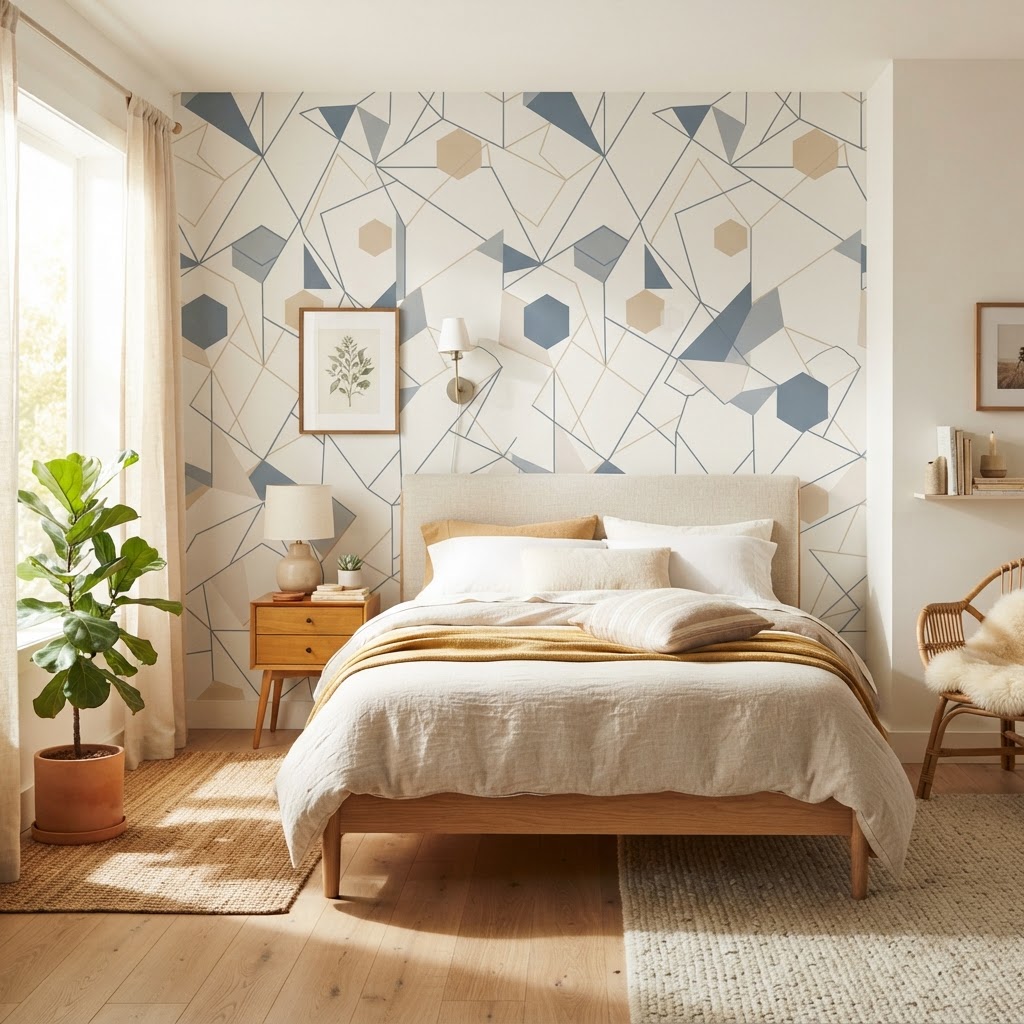
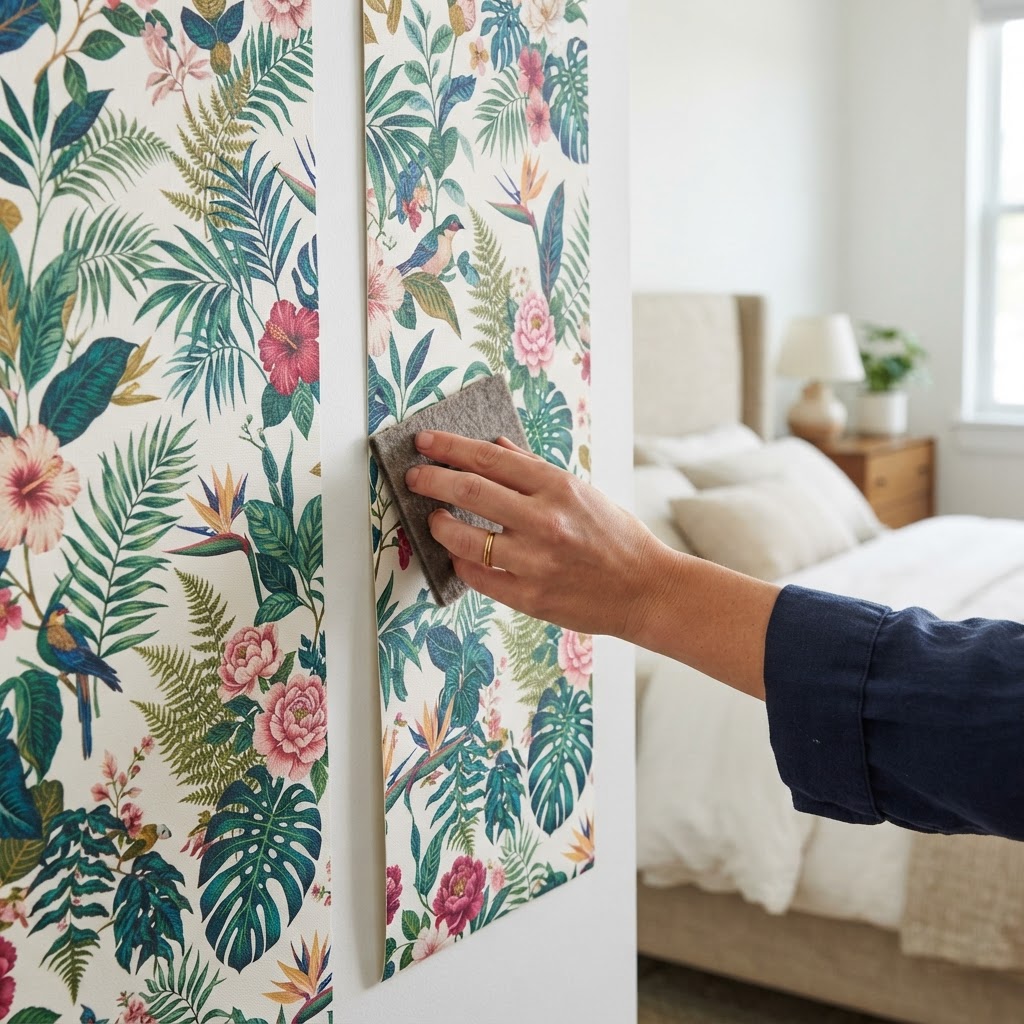
Peel-and-stick wallpaper creates a dramatic temporary accent.

One of the most dramatic ways to change a rental is by updating the walls, and peel-and-stick wallpaper is the industry standard for temporary upgrades. Unlike traditional paper that requires glue, this modern version is entirely removable and easy to install. You can choose from bold patterns or subtle textures to give your apartment a professional designer look. It is an excellent way to cover up dated paint colors or add character to a sterile white box.

Application Tips for Success

Before you start, clean the surface thoroughly to ensure the adhesive sticks properly. Even a small amount of dust can cause the paper to peel prematurely. Use a smoothing tool to get rid of bubbles, and always buy a little extra material to account for pattern matching. If you are worried about potential damage, test a small piece in an inconspicuous area, such as behind a bookshelf or inside a closet. Most quality brands are designed to come off cleanly, meaning no patch work is required when you move.

Utilizing Furniture for Storage and Style
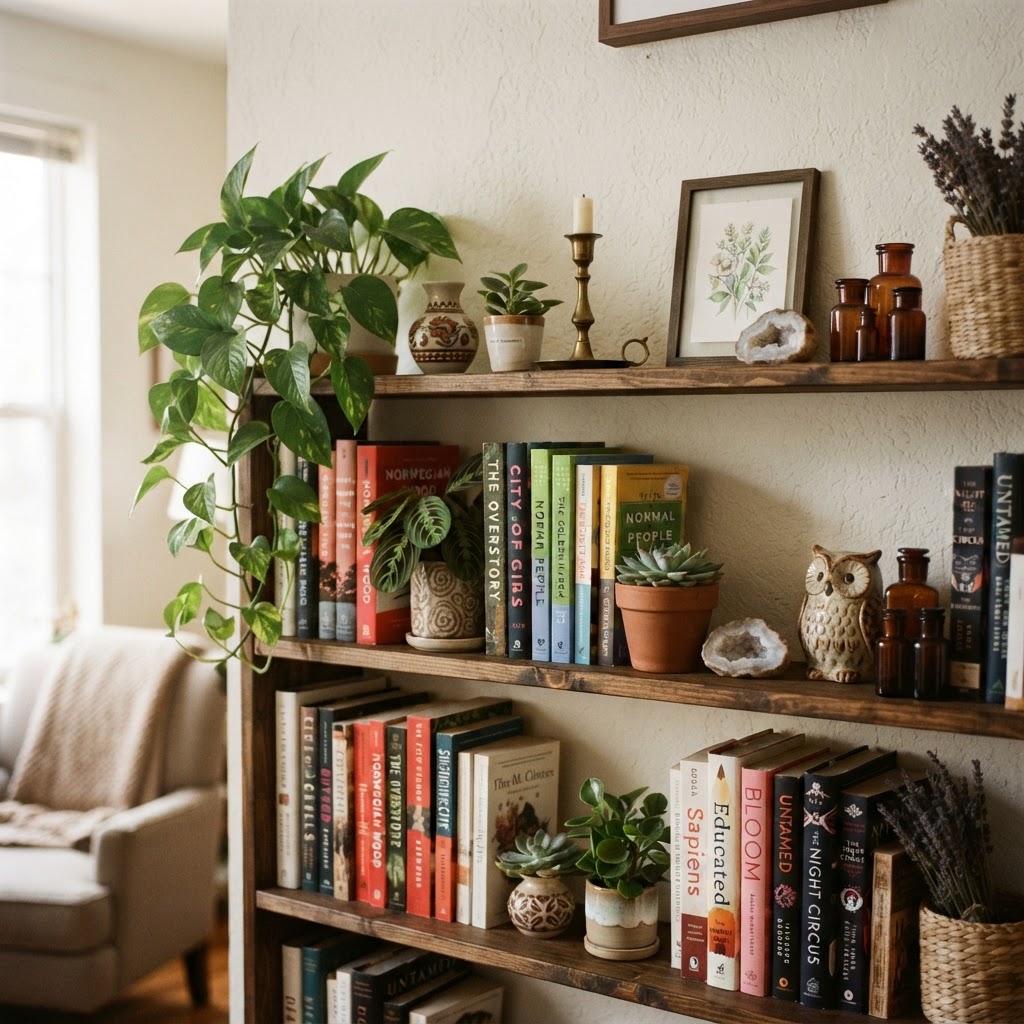
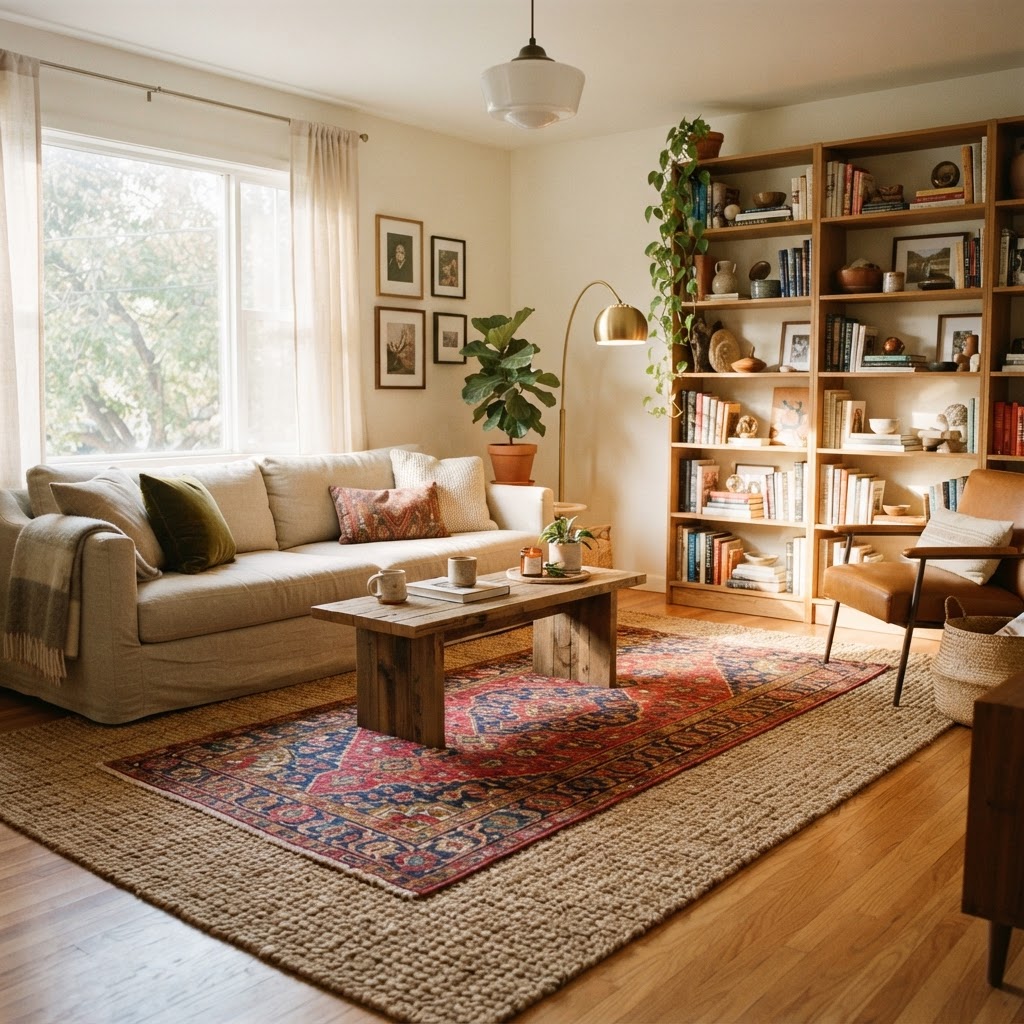
Style your bookshelves to avoid needing wall-mounted storage.

When wall mounting is off the table, you must rely on your furniture to do the heavy lifting. A sturdy bookshelf or a tall dresser can serve as a canvas for your decor items. Instead of hanging pictures, lean oversized frames against the wall on top of a console table for a casual, layered look. This approach adds depth to your room and avoids any risk of damaging the surface behind it.

What are some renter-friendly decor hacks? One of the best is to use furniture to anchor your space. By grouping items on a surface, you create a cohesive vignette that draws the eye away from blank walls. You can also use decorative baskets or modular storage units that sit on the floor to keep your items organized. Remember to use furniture pads to prevent scratches, as you want to protect the floor just as much as the walls to ensure your lease terms are met.

Adding Personality with Textiles and Lighting
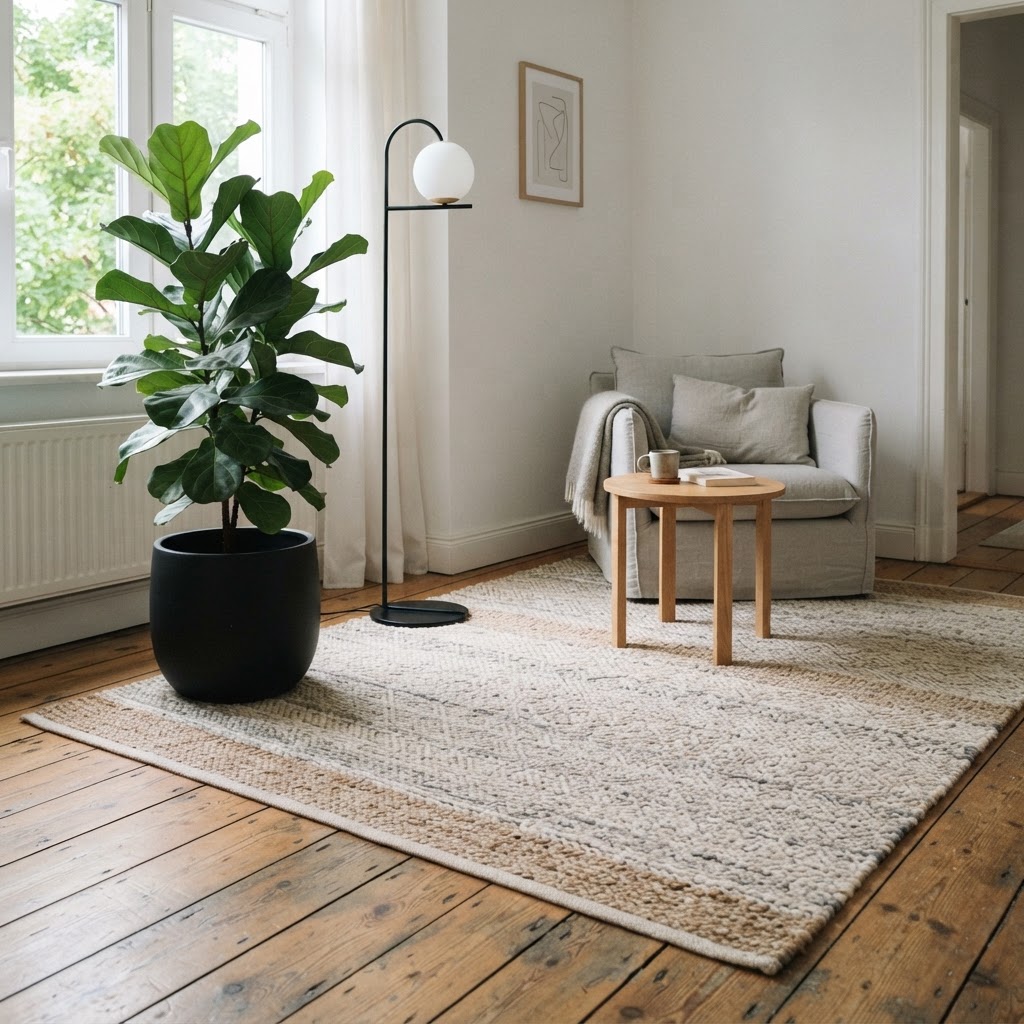
Use rugs and plants to cover flooring and add personality.

If you cannot change the structural elements of your rental, lean into soft decor. Rugs are a fantastic way to cover up worn-out flooring and inject color or texture into a room. You can also use layering techniques to make a space feel cozy and curated. Lighting is another powerful tool; replace standard landlord-provided light fixtures with your own floor lamps or table lamps to change the mood instantly. Just keep the original fixtures in a safe place so you can swap them back before moving out.

The Power of Soft Decor

Curtains can also hide unattractive blinds or wall finishes. Install them using a long tension rod between the window casing for an easy, no-drill solution. The fabric adds softness to the room, dampening sound and making your apartment feel like a luxury sanctuary. When you choose textiles, aim for high-quality fabrics that reflect your personal style, effectively masking the generic features of your rental home.

Mastering the Layout with Design Rules

What is the 3-5-7 rule in interior design? This guideline helps in grouping decor items to create visual balance. It suggests that arrangements of three, five, or seven items are more pleasing to the human eye. Applying this rule to your shelves or tabletops helps you curate a space that looks professionally decorated rather than cluttered. It is a simple trick that works in any size apartment, helping you achieve a polished look without hanging anything on the wall.

Is peel and stick actually renter friendly? Yes, provided you choose high-quality vinyl options specifically marketed for temporary use. The adhesive is formulated to bond securely to smooth surfaces without damaging the underlying paint or drywall upon removal. Most professional-grade removable wallpaper products are designed to lift off cleanly if you follow the manufacturer’s instructions, making them the ultimate tool for a stylish rental makeover.

Is Peel and Stick Wallpaper Allowed in Rentals?
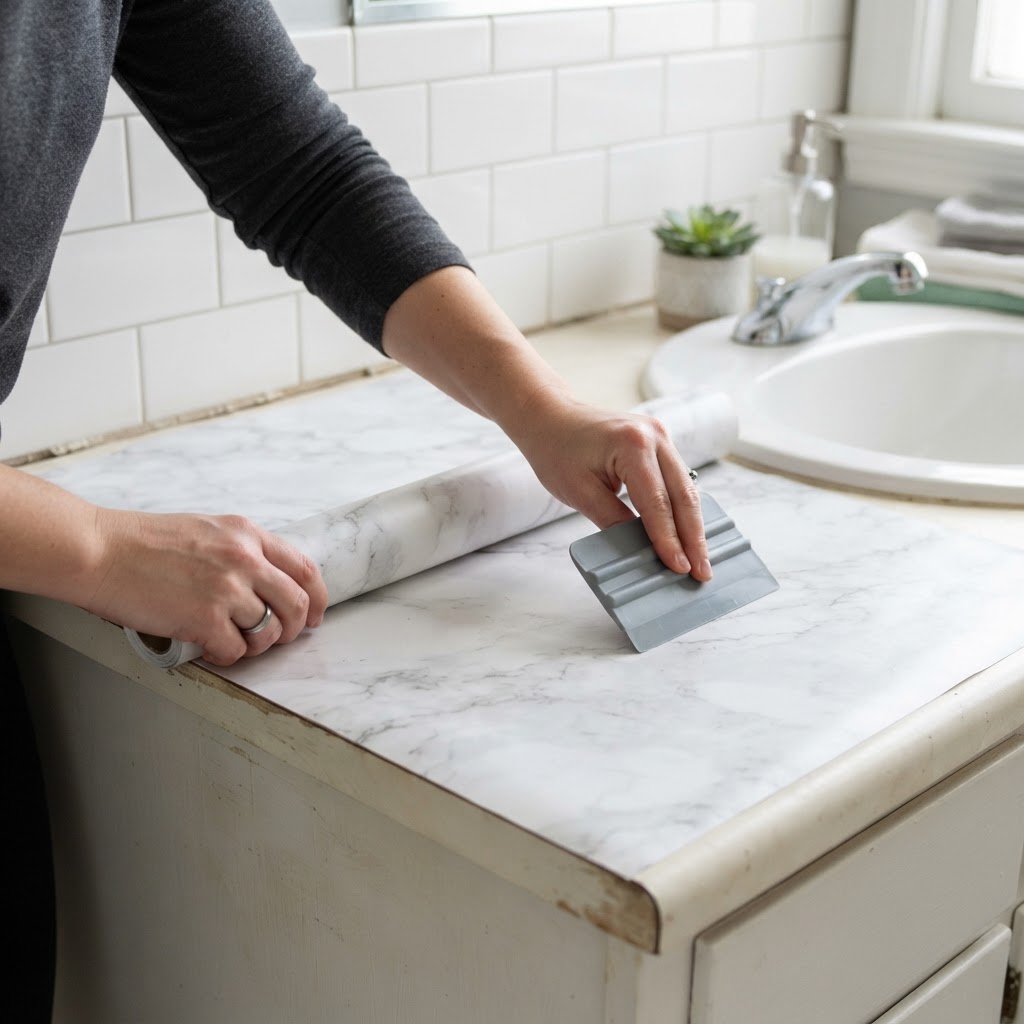
Update your kitchen or bath with easy-to-apply tile stickers.

Before you dive into your DIY project, it is wise to review your lease agreement. Most landlords are generally open to decor changes that do not damage the structure, but some have strict rules regarding adhesives. Is peel and stick wallpaper allowed in rentals? In the vast majority of cases, yes, because it is considered temporary decor rather than a permanent renovation. Always perform a patch test in an inconspicuous area of your apartment to ensure the surface is compatible and the wallpaper will not peel paint away.

When you select a design, consider the aesthetic of your room. A subtle, neutral wallpaper with a slight texture can add depth to a space without overwhelming it. For those who want something more dramatic, a large-scale mural can act as the focal point of a living room. Remember to check if your wall surface is porous or heavily textured, as some peel products struggle to adhere to rough, uneven surfaces found in older buildings.

Versatile Design Ideas for Your Home
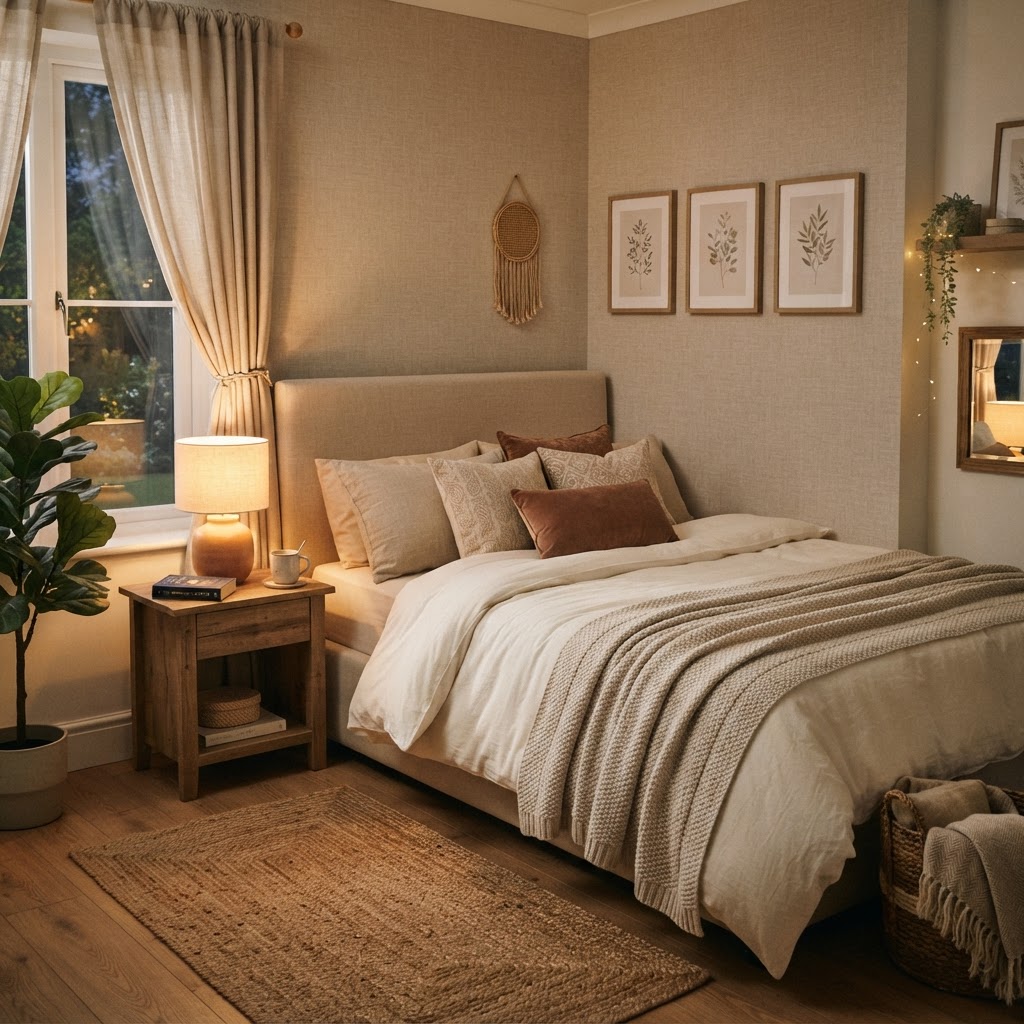
Add warmth and depth to your bedroom with textured wallpaper.

What are some design ideas for using peel and stick wallpaper? The possibilities are nearly endless. You can use wallpaper to create a faux headboard behind your bed, line the back of an open cabinet for a pop of color, or create a faux marble backsplash in your kitchen. If you have an ugly bathroom mirror or dated vanity, you can use these durable sheets to wrap the frame or even the sides of the cabinet for a modern look.

For a sophisticated vibe, try a beige grasscloth pattern to add warmth and tactile interest. If you have a small space, a vertical striped pattern can trick the eye into thinking the ceilings are higher. You might even consider using tile-look decals to upgrade a boring floor in your bathroom. These tile stickers are specifically designed to be waterproof and heat-resistant, making them perfect for high-traffic areas that need a refresh.

Choosing the Right Product for Your Walls

What is the best renter-friendly peel and stick wallpaper? The best products are those that offer “easy release” technology. Look for brands that explicitly state they are repositionable, which gives you a second chance if you make a mistake during the initial application. When you buy, try to order all rolls from the same “batch” or lot number to ensure the colours match perfectly across the entire mural.

Texture is another vital factor. If your apartment walls have a heavy “orange peel” texture, you might find that standard wallpaper struggles to stick. In these cases, look for heavier-duty vinyl that provides a better grip. If you are worried about the finish, a matte texture is generally more forgiving than a high-gloss finish, as it hides imperfections in the wall surface much better.

Professional Tips for a Flawless Application

Achieving a seamless look requires patience and the right set of tools. Start by cleaning your walls thoroughly with a mild detergent and water to remove any grease or dust. Even invisible particles can prevent the adhesive from bonding correctly, leading to peeling edges later on. Once the wall is completely dry, use a level to mark a straight plumb line; this will be your guide for hanging your first strip of wallpaper.

Working within these boundaries actually forces you to become more creative. Instead of relying on traditional hardware, you will learn to use tension, gravity, and high-quality adhesive solutions. Whether you are living in a temporary dorm or a long-term urban apartment, these strategies will ensure your home feels uniquely yours.

Master the Art of No-Damage Wall Decor
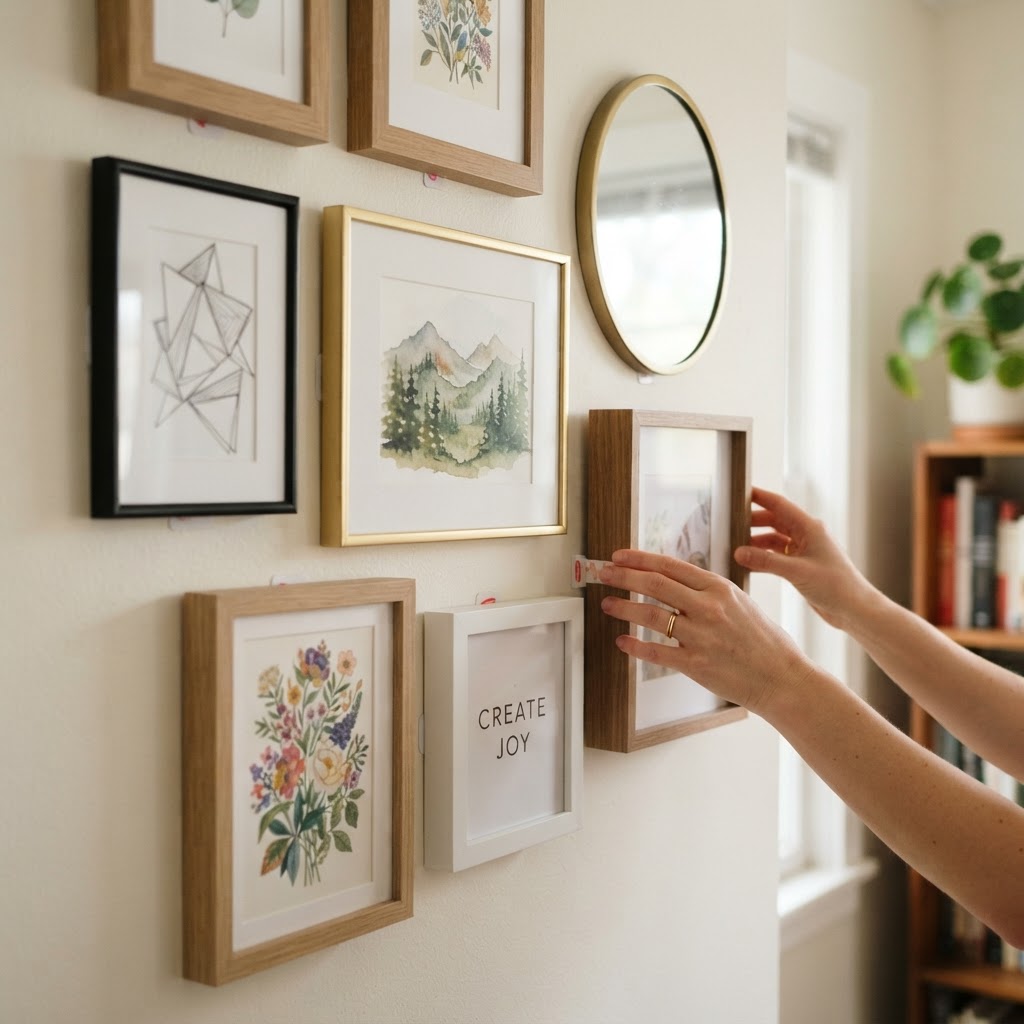
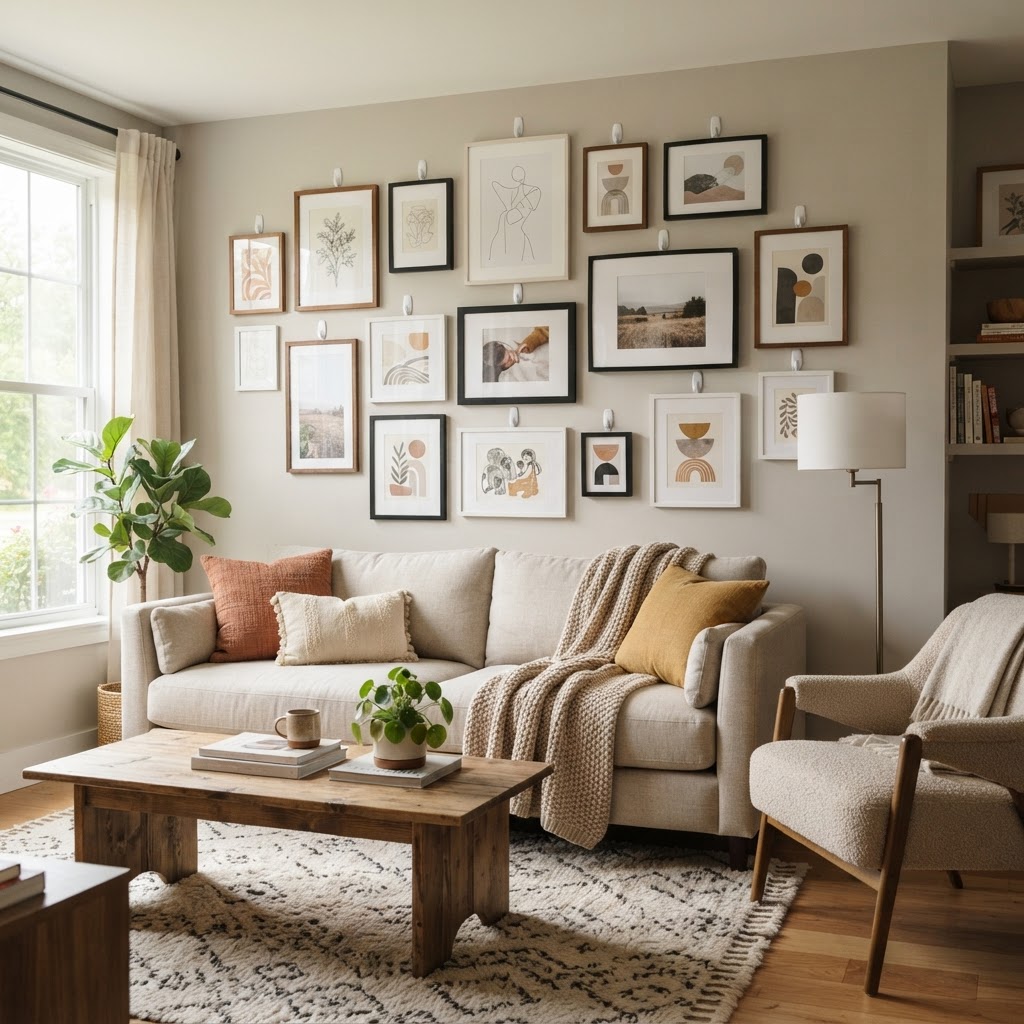
Use adhesive strips to create a gallery wall without leaving holes.

Walls are the most significant visual real estate in any home. Many people mistakenly believe that hanging art requires a hammer and nails. Fortunately, modern technology offers a better way. Adhesive strips and specialized hooks are the renter’s best friend. These products allow you to hang frames, canvases, and mirrors without chipping the drywall or leaving gaping holes behind.

To create a stunning display, plan your layout on the floor first. This allows you to visualize your gallery wall before you start peeling off backing strips. When choosing what to hang, opt for lightweight frames. Heavy items can strain the adhesive, so look for acrylic or foam-board materials to keep things secure and safe for your walls.

Transform Your Space with Removable Wallpaper
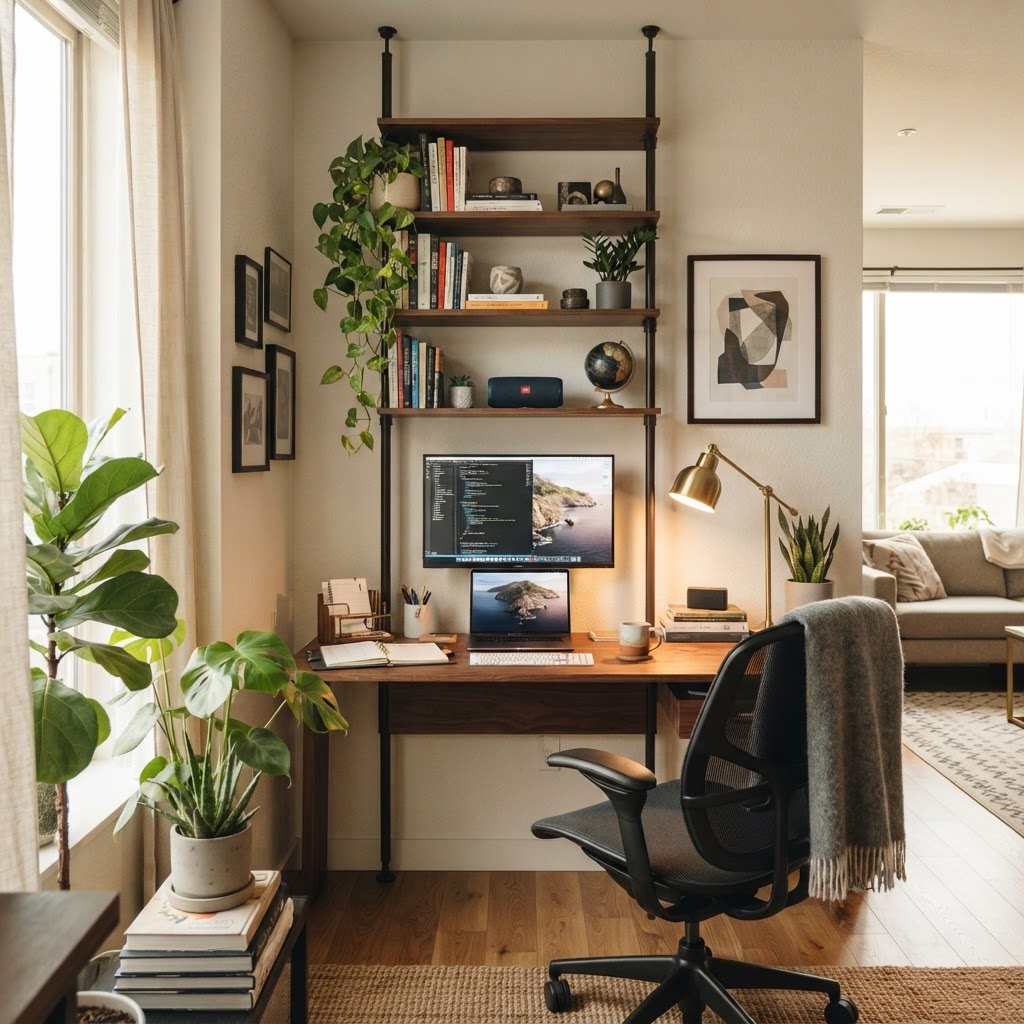
Freestanding shelves provide storage without damaging the walls.

Nothing changes the personality of a room faster than adding color or pattern. Removable wallpaper has revolutionized the industry for the modern renter. Unlike traditional pastes, these peel-and-stick options can be removed easily at the end of your lease without damaging the underlying surface. They provide the look of a custom-designed accent wall in just a few hours of work.

When applying the product, start from the top corner and smooth it out slowly to avoid bubbles. You can use a dedicated smoothing tool or even a credit card wrapped in a soft cloth. Choose a pattern that reflects your personality, whether it is a bold botanical print or a subtle geometric texture. If you are feeling cautious, start with a small closet or a single feature wall to build your confidence.

Maximizing Storage Without Drilling

One of the biggest challenges in a rental is finding enough storage. If you lack closet space, look for vertical solutions that do not require drilling into the studs. A tension rod placed inside an existing closet can double your hanging space immediately. Additionally, freestanding shelving units are perfect for storing books, decor items, and bins of accessories.

If you have a small kitchen, consider using over-the-cabinet organizers. These units slide over the door and provide instant spots for cleaning supplies or cutting boards. For your bedroom or living area, a decorative rolling cart can serve as a nightstand, a bar cart, or a craft station. These items are functional, mobile, and require zero installation effort.

Lighting and Textile Layering for Coziness

Lighting is often neglected in rentals, yet it is the most effective way to change the mood of a room. Most overhead rental lighting is harsh and uninspiring. Offset this by layering in floor lamps, table lamps, and LED strips. You can hide cables with adhesive cord covers to keep your space looking polished.

Don’t forget the power of a rug. A large area rug can cover dated carpet or worn flooring, instantly warming up the room and adding a layer of style. If you have a hard surface floor, a high-quality rug pad will prevent slipping and protect the original flooring underneath. Layering textures—like a chunky throw over a sleek sofa—adds a tactile dimension that makes a space feel expensive and intentional.

Bringing Nature Inside Safely

Plants are perhaps the easiest way to breathe life into a rental apartment. They act as natural decor that fits any style. Since you cannot always count on great natural light, choose species that thrive in lower light conditions, such as snake plants or ZZ plants. Place them in stylish pots that match your color palette to turn them into statement pieces.

If floor space is limited, use hanging planters. Many modern hangers work with tension rods or existing curtain rod hardware. Adding greenery at different heights draws the eye upward, making your room feel larger and more airy. Remember to place a saucer under every pot to protect your floors from water damage, which is a common concern for landlords.

Finalizing Your Rental-Friendly Design

Once you have implemented these changes, take a step back and assess the flow of the room. The goal is a cohesive look where every item feels intentional. Do not be afraid to switch things up if something isn’t working; the beauty of these renter-friendly hacks is that they are entirely temporary. If you decide you want a change, simply remove the adhesive or move the furniture, and you are back to square one.

Maintaining the original condition of your unit is always the priority. Before you leave, perform a thorough check of all surfaces. If you used a decal, use a hairdryer on a low heat setting to gently soften the adhesive before pulling it away from the wall. This trick leaves zero residue behind and ensures your walls remain pristine for the next person.

Conclusion

Your living space should be a reflection of your personality, regardless of who holds the deed. By utilizing removable wallpaper, adhesive hooks, and strategic furniture placement, you can create a beautiful home that feels entirely your own. Start with one room today and see how these small changes can make a massive difference in your quality of life. Happy decorating! If you found these tips helpful, share them with a friend who is currently apartment hunting or preparing for their first big move.
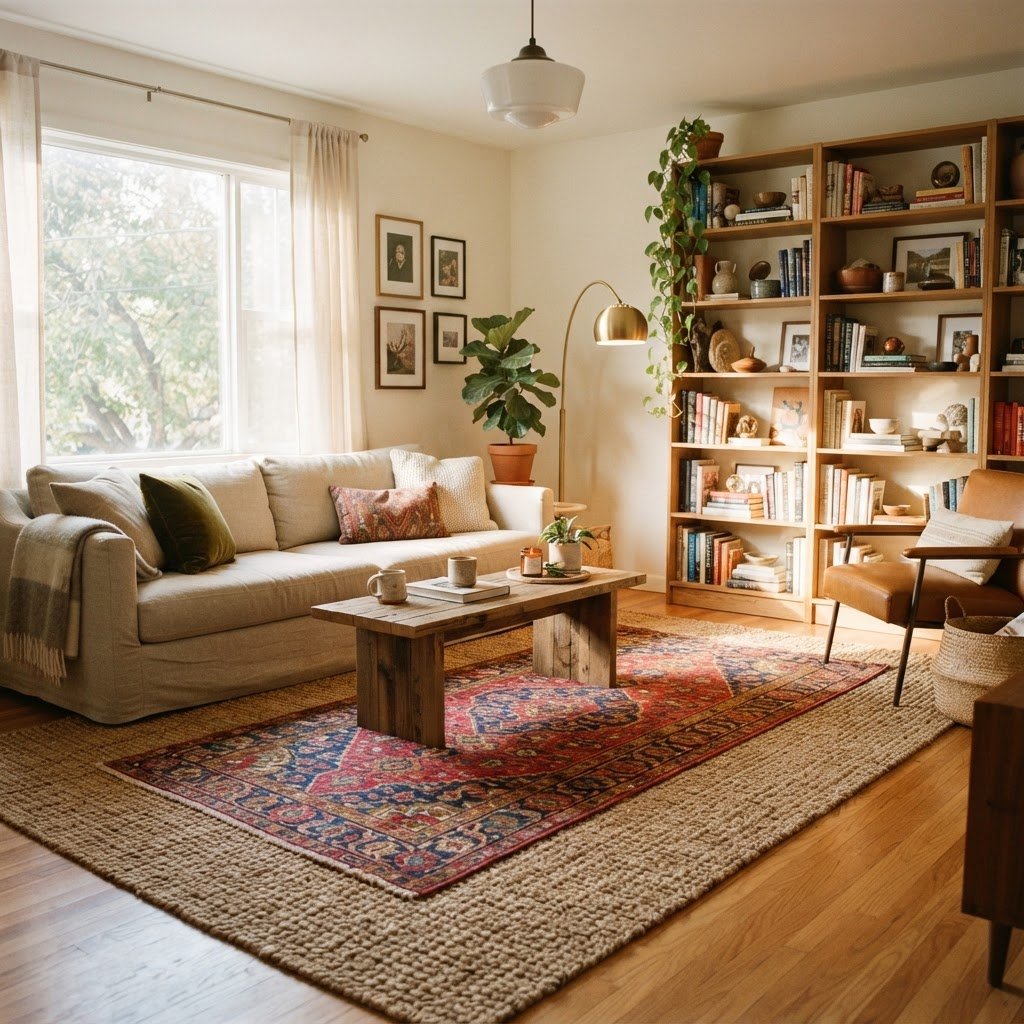
10 Renter-Friendly Decor Ideas That Look Permanent

Moving into a new apartment often feels like a balancing act between expressing your personal style and respecting the boundaries set by your landlord. Many people assume that if they do not own their home, they are stuck with beige walls, lackluster flooring, and builder-grade finishes. Fortunately, the landscape of interior design has evolved, offering a plethora of renter-friendly decor ideas that allow you to customize your living space without jeopardizing your security deposit. By focusing on temporary but impactful changes, you can create a home that feels uniquely yours and looks entirely permanent.

Achieving an elevated aesthetic in a rental property does not require massive construction or expensive contractors. It is all about choosing the right materials that offer high visual impact but can be reversed once your lease ends. Whether you are dealing with a tiny studio or a sprawling suburban apartment, these strategies will help you redefine your living environment.

Rethink Your Wall Treatments

Layering rugs is a perfect way to hide worn floors and add comfort.

One of the most effective ways to change the mood of a room is by addressing the walls. While painting is sometimes allowed, many property owners restrict this, leaving you with bland surfaces. The solution lies in the world of peel-and-stick wallpaper. Modern options are sophisticated, durable, and completely removable, making them a top-tier choice for any renter looking to add pattern or texture.

When applying peel-and-stick wallpaper, preparation is the secret to success. Ensure your walls are clean and dry before starting to prevent bubbling. If you are intimidated by covering an entire room, try an accent wall behind your bed or in the dining area. This provides a dramatic focal point that elevates the room’s character without requiring a massive commitment. For those who want something less permanent than paper, consider using fabric tapestries or large-format framed prints that can be hung with command strips to avoid damage.

Customizing Your Flooring Solutions

Removable wallpaper is a game-changer for adding personality to rental walls.

If you are staring at unattractive vinyl or dated carpet, you are not out of luck. The floor is the foundation of any room, and you can transform it using area rugs. A large, high-quality rug can cover up damaged or ugly flooring, instantly making a space look more polished and intentional. Layering rugs is another professional technique; place a large neutral jute rug down first, then layer a smaller, patterned vintage-style rug on top to add depth and warmth.

If rugs are not enough, look into peel-and-stick vinyl tiles. These can often be applied directly over smooth, non-porous existing floors. They come in a variety of styles, including wood look and patterned ceramic, allowing you to mimic a high-end renovation. Always check with your landlord before applying adhesive materials to floors, and ensure you use a version specifically designed to be residue-free.

Lighting Hacks for Ambiance

Swap out standard hardware to instantly modernize your kitchen cabinets.

Lighting is often the most overlooked aspect of apartment living. Many rentals come equipped with harsh, overhead “boob lights” that do nothing for the aesthetic. Swapping these fixtures out is a classic renter hack that provides an immediate luxury feel. Keep the original lights in a safe box, and reinstall them before you move out. If you are not comfortable with wiring, there are many “plug-in” wall sconces that achieve the same look.

In addition to the main fixture, layer your lighting with floor lamps and table lamps. Warm light creates a cozy, inviting atmosphere that makes a space feel established. Use smart bulbs that allow you to adjust the color temperature depending on the time of day. This simple change makes your rental feel like a permanent, well-curated sanctuary rather than a transient stop.

Window Treatments as Architectural Statements

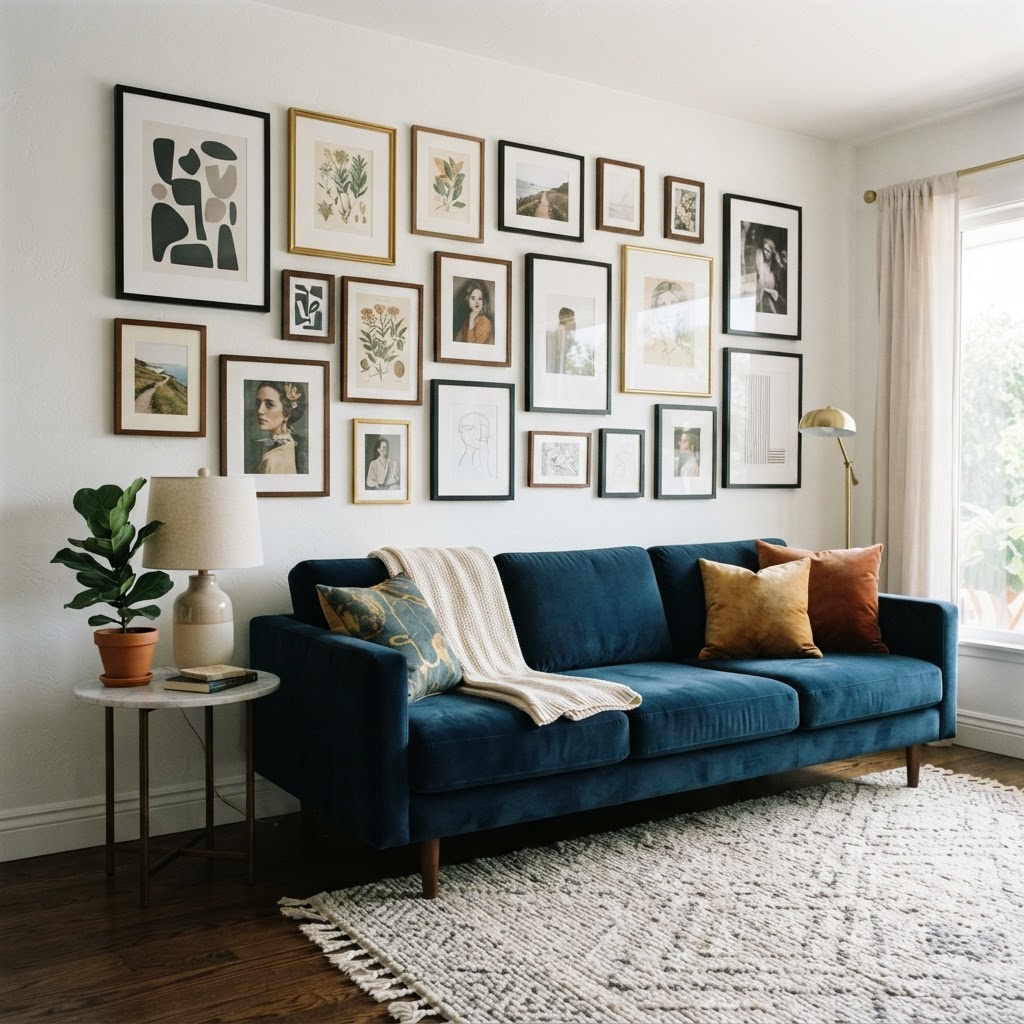
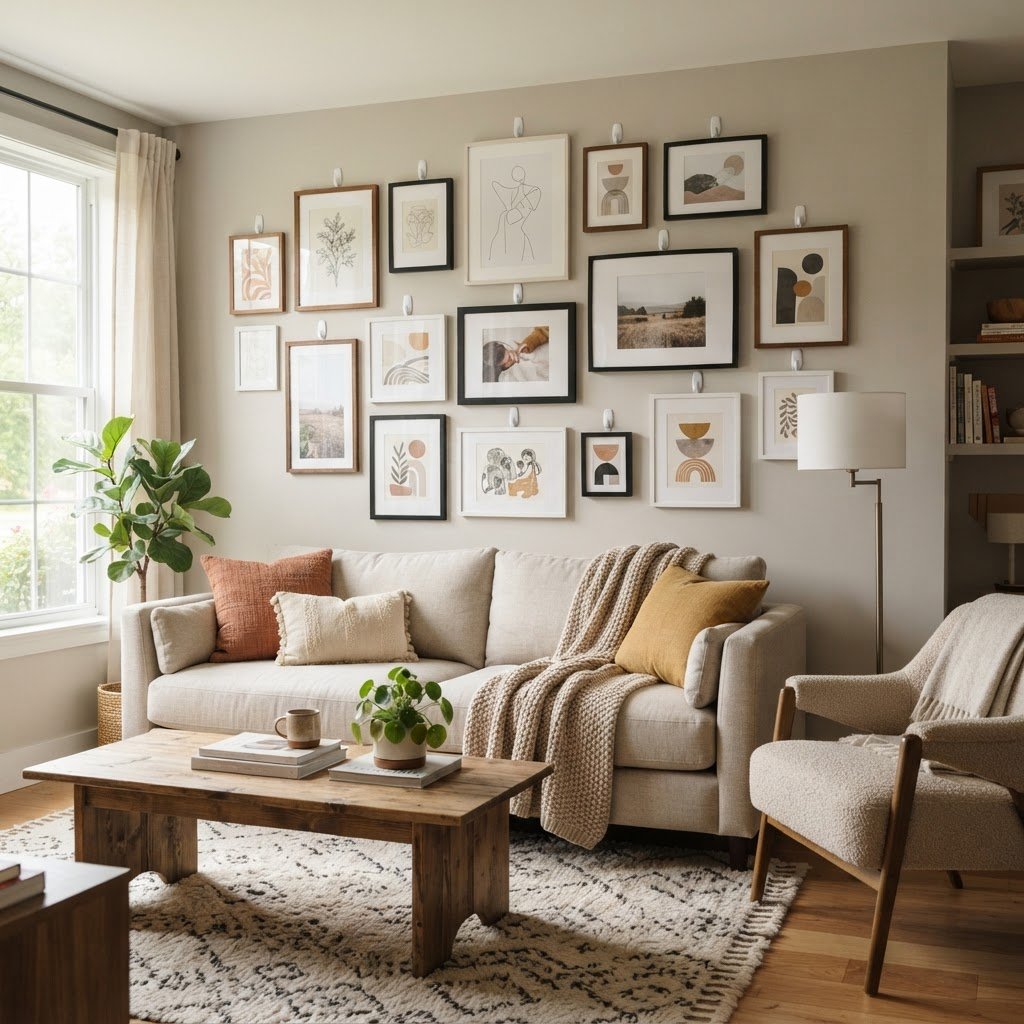
A thoughtful gallery wall makes any space feel like a curated home.

Window dressings do more than provide privacy; they add texture and height to a room. Instead of sticking with the plastic blinds provided by your landlord, install a proper curtain rod that extends wider and higher than the window frame. By mounting the rod closer to the ceiling and extending it past the window edges, you create the illusion of larger windows and higher ceilings. This simple decor trick makes your room feel significantly more spacious and expensive.

Choose curtains with weight and texture—think linen, velvet, or heavy cotton. When the fabric hangs all the way from the ceiling to the floor, it draws the eye upward and adds a vertical elegance that builder-grade blinds simply cannot provide. You can easily remove these rods and curtains in minutes, ensuring you leave the rental exactly as you found it.

Creative Storage and Shelving Units

Lack of storage is a common complaint for many apartment dwellers. Instead of relying on bulky plastic bins, invest in modular shelving units that can be stacked or arranged to fit your specific needs. Use these pieces to display books, personal mementos, and plants, creating a “built-in” look that anchors a room. If you need vertical storage, utilize tension rod shelving or furniture that anchors securely to the wall using minimal hardware.

When organizing your space, consider the visual weight of your furniture. Open shelving can make a small room feel larger by allowing light to pass through. If you use contact paper, you can even customize basic laminate bookshelves to look like high-end wood grain or marble finishes, providing a custom touch to off-the-shelf items.

Mastering the Gallery Wall

One of the most effective ways to make a rental feel permanent is by personalizing the walls with a gallery wall. A well-curated collection of art, photographs, and mirrors serves as a visual statement of your personality. The key to making it look professional rather than messy is consistency. Choose frames with matching or complementary finishes, and map out your layout on the floor before you start hammering or sticking.

If you are worried about surface damage, use heavy-duty adhesive strips. These command strips are incredibly reliable for lightweight to medium-weight frames and leave your drywall pristine when removed. By curating art that reflects your history and travels, you turn a generic rental unit into a home that tells a story, effectively erasing the feeling of temporary living.

Kitchen and Bath Upgrades

The kitchen and bathroom are often the hardest areas to decorate due to high utility. However, you can use contact paper to cover dated countertops or backsplashes. This is a brilliant renter-friendly method to hide ugly surfaces without any permanent damage. Be sure to choose high-quality, water-resistant films to ensure durability in these wet areas.

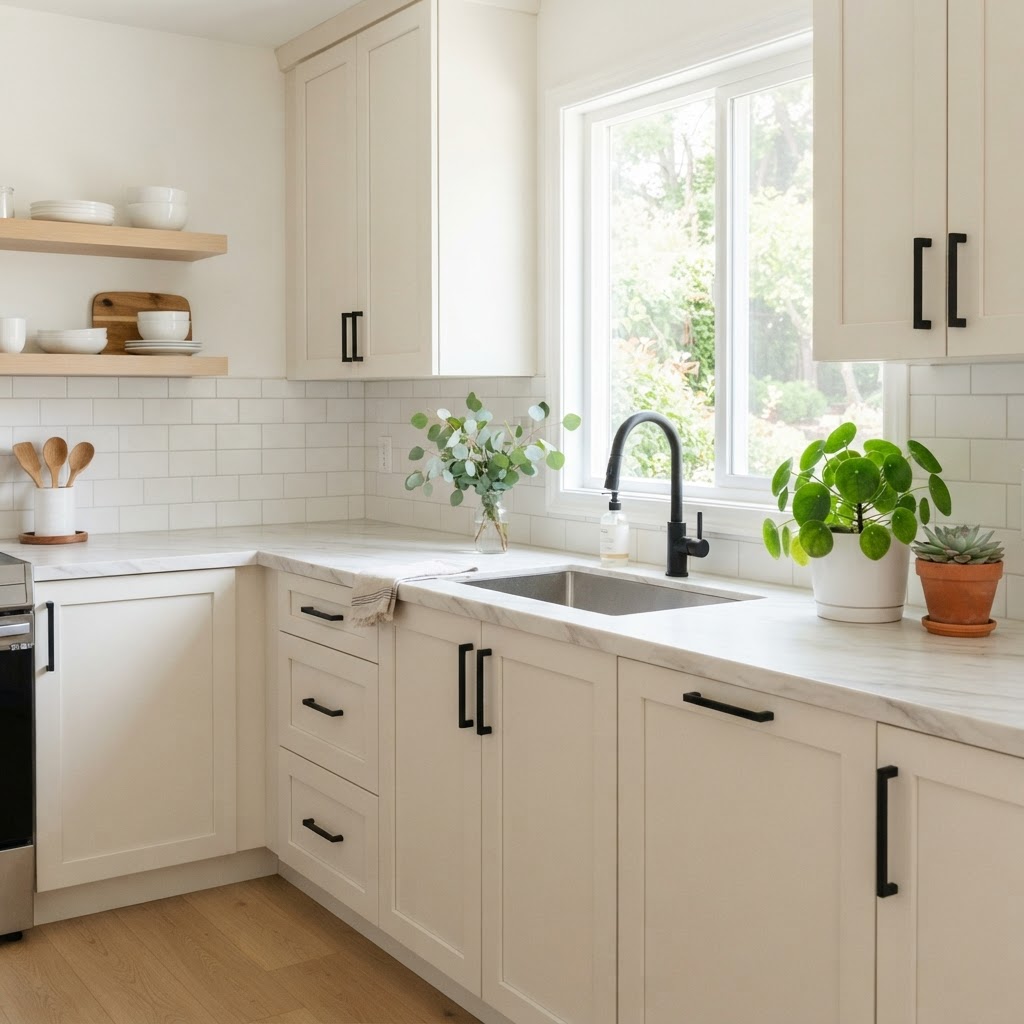
Replacing hardware is another “must-do” for renters. Swap out standard cabinet pulls for modern gold, matte black, or brushed nickel hardware. It takes minutes to do and instantly transforms the look of dated cabinets. Just remember to keep the original hardware in a labeled bag so you can easily swap them back when you move out. These small details go a long way in making a functional space look custom designed.

Conclusion

Decorating a space you do not own does not mean you have to sacrifice your personal style. By utilizing peel-and-stick solutions, smart lighting, and high-quality textiles, you can turn any apartment into a beautiful, personalized retreat. Whether you are in a short-term lease or settling in for years, these renter-friendly decor ideas provide the perfect balance of aesthetic appeal and landlord compliance.

Ready to get started? Pick one room to focus on this weekend, choose your color palette, and start your transformation today. Your dream home is just one DIY project away—start shopping for your favorite removable accents and see how quickly your space evolves from a standard rental into a stunning, permanent-looking residence.

Small Apartment Kitchen Ideas That Maximize Space

Small Apartment Kitchen Ideas That Maximize Space

Maximize your small apartment kitchen by utilizing floor-to-ceiling vertical storage, installing under-cabinet lighting, and incorporating multi-functional furniture like fold-down tables or rolling islands. These strategies improve workflow, increase usable surface area, and visually expand tight footprints, turning any compact galley or single-wall kitchen into a highly efficient culinary hub.

Understanding the Basics of a Small Kitchen Layout

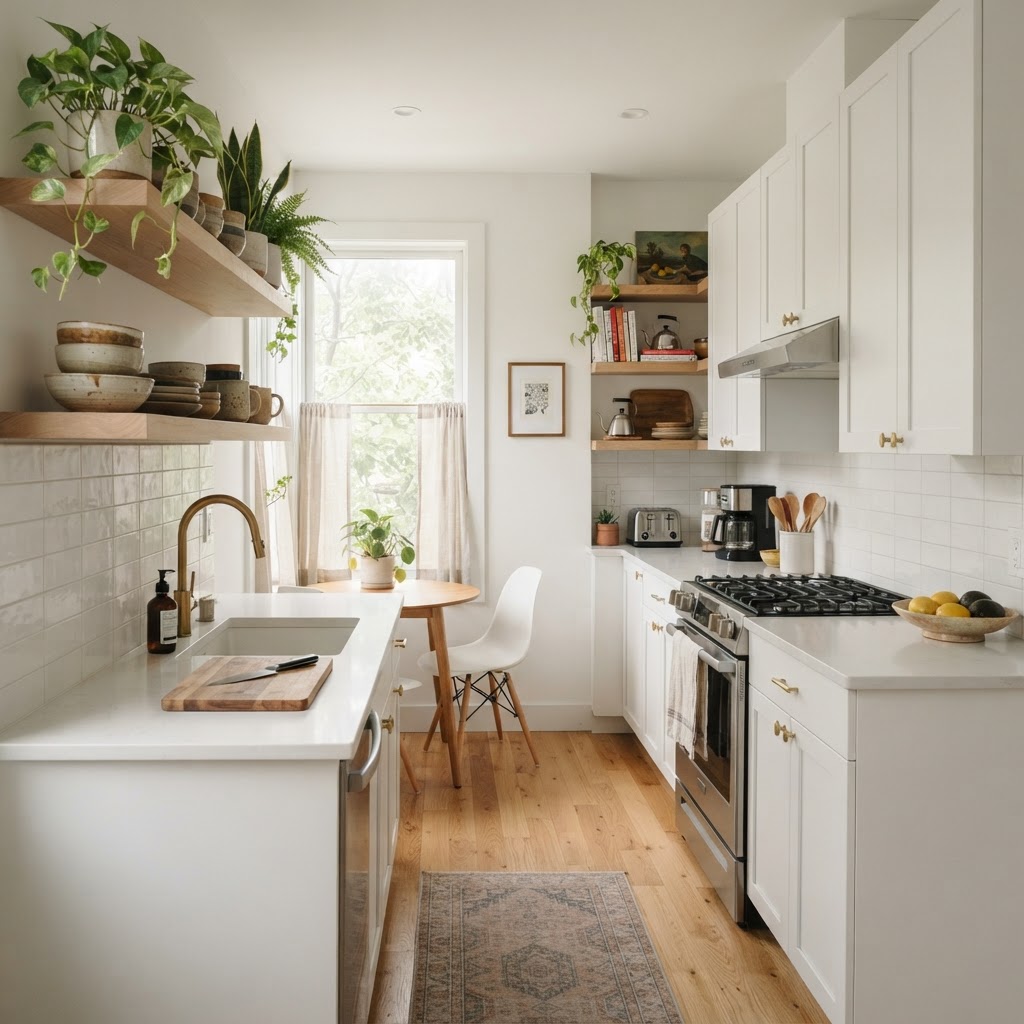
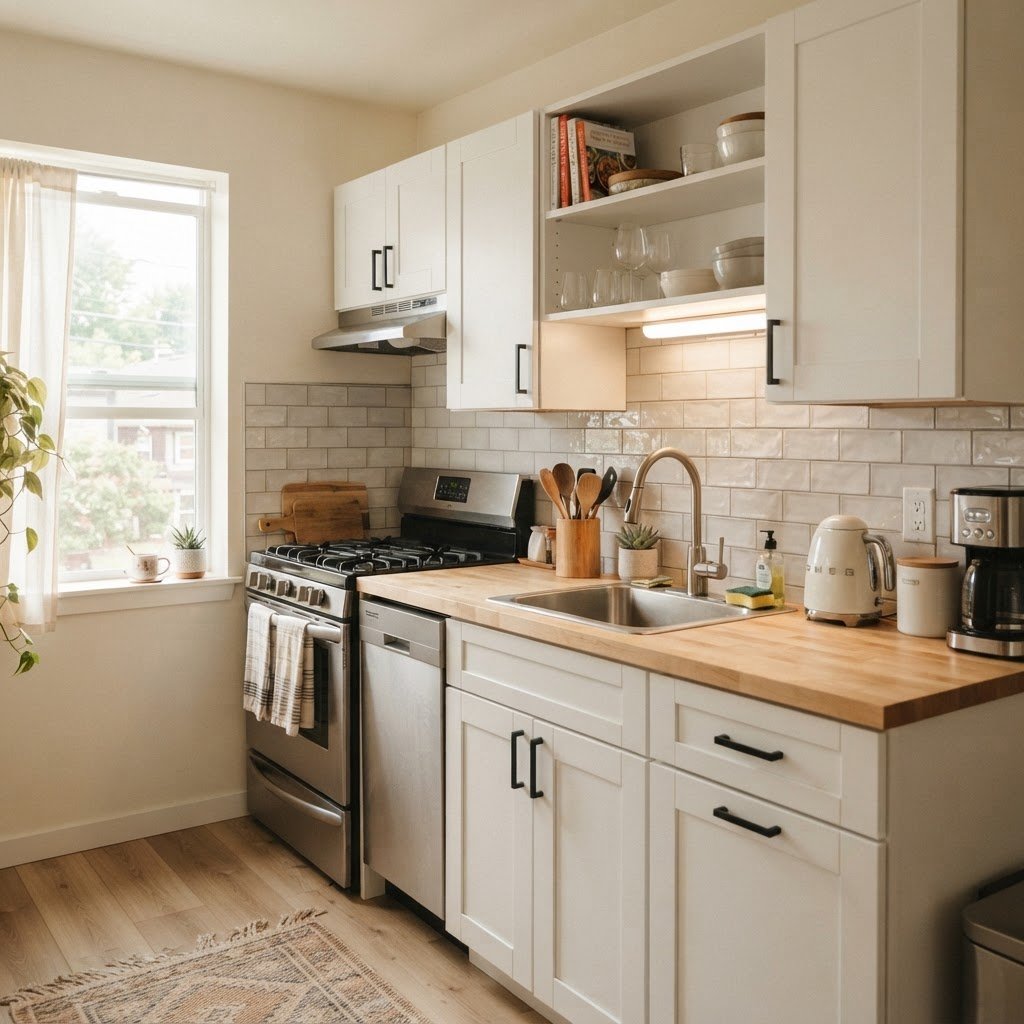
Bright and airy kitchen design.

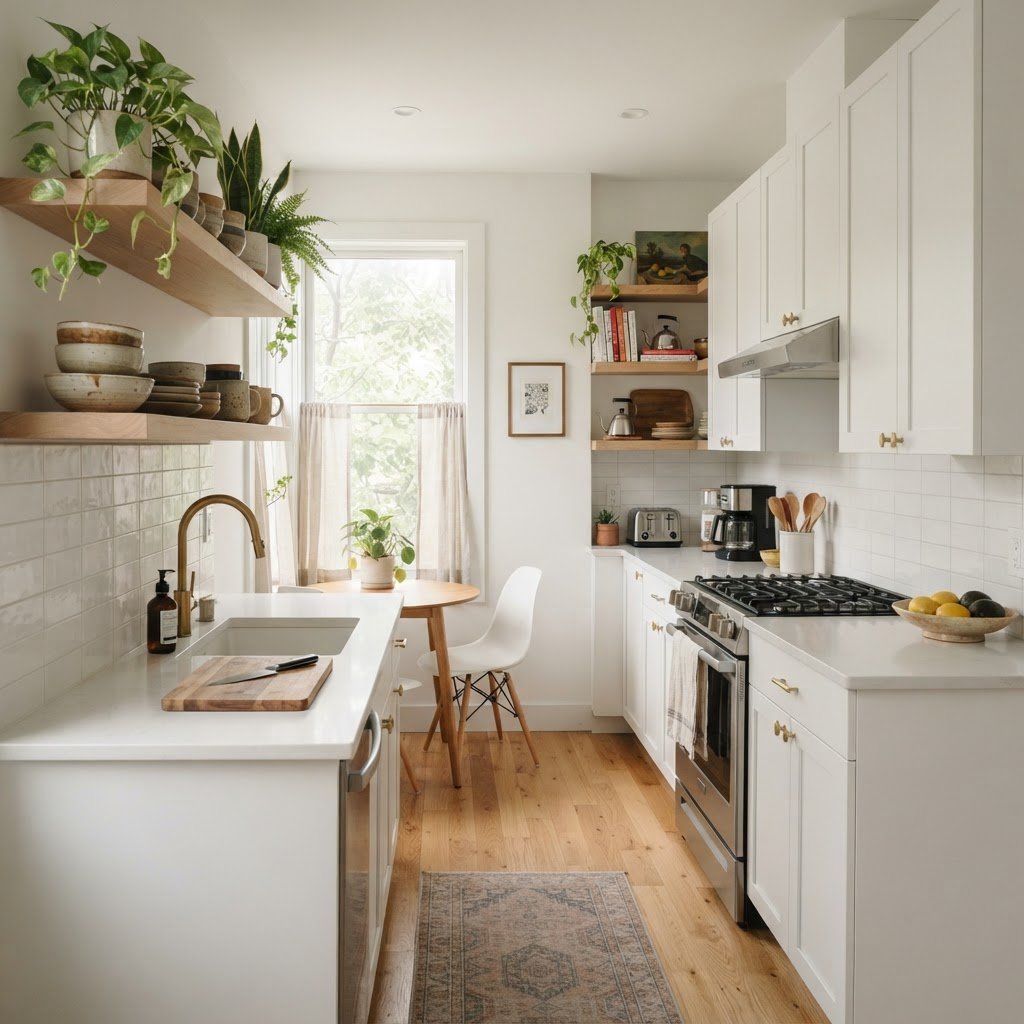
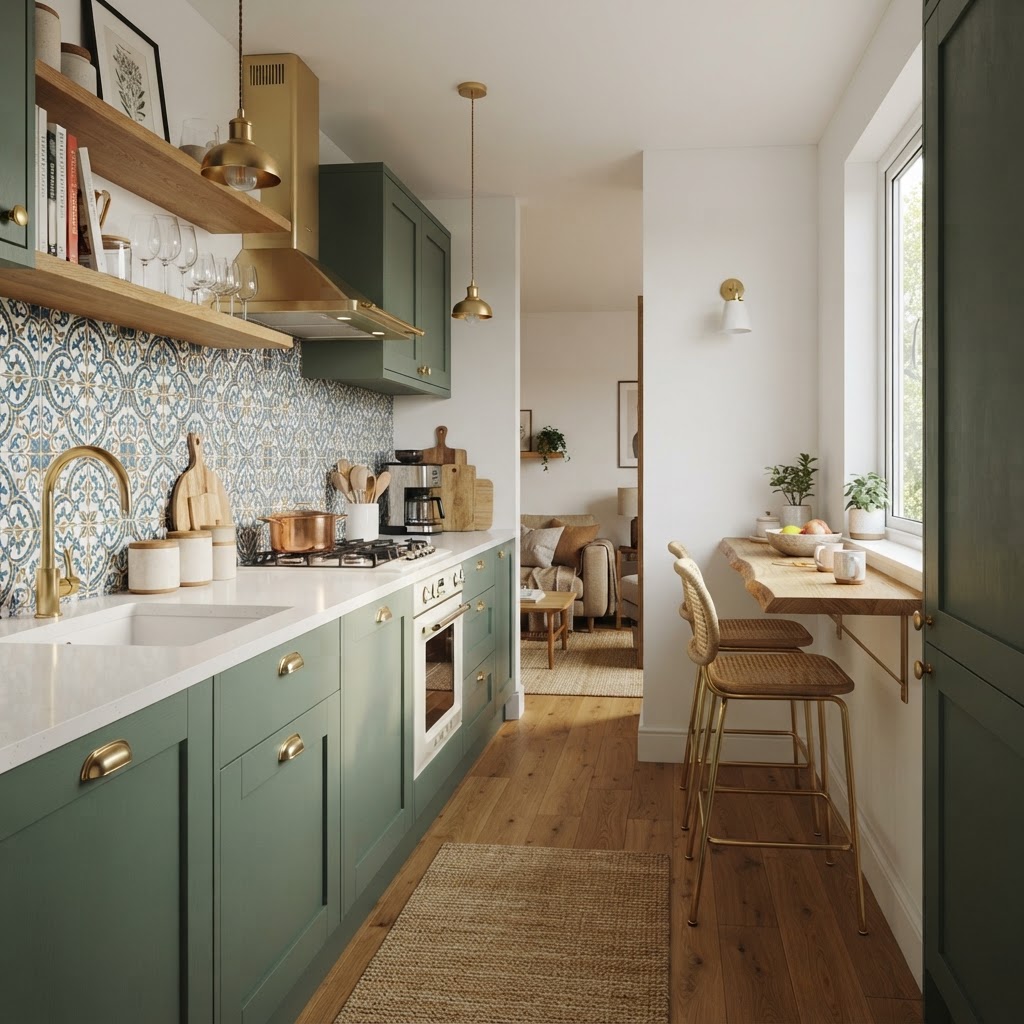
Functional small kitchen layouts hinge on the “work triangle”—the optimal path between your stove, sink, and refrigerator—which should ideally measure between 10 and 26 feet in total distance. For most apartments, the galley layout is the most efficient configuration, placing all essential stations within arm’s reach to minimize movement during meal prep. In extremely tight spaces, designating one side strictly for food preparation and the other for cooking helps prevent congestion.

If you are restricted to a single-wall kitchen, verticality is your best friend. Install cabinets that extend the full height of the wall, reaching up to the ceiling, to capture an additional 20-30% of storage space that would otherwise remain wasted. By storing seasonal items or rarely used appliances on top shelves, you keep daily necessities accessible while maintaining a clean, orderly environment. When planning your layout, avoid placing the sink directly adjacent to the stove, as this limits counter space; aim for at least 24 inches of prep area in between.

Kitchen Layout Comparison

Layout Type Best For Primary Advantage Typical Storage Potential
Galley Narrow spaces Efficiency High
Single-Wall Studio apartments Open floor plan Moderate
L-Shape Small corners Counter space High

How to Design a Kitchen in a Small Apartment

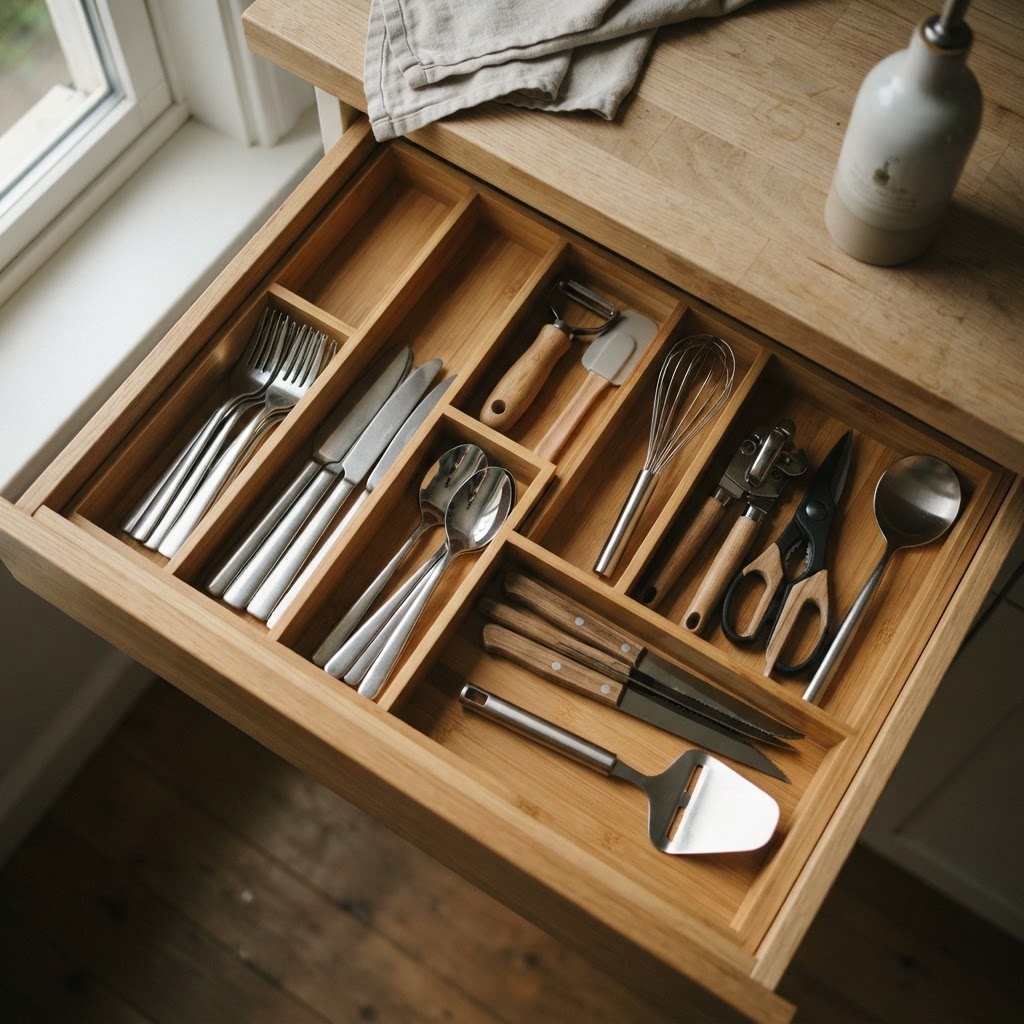
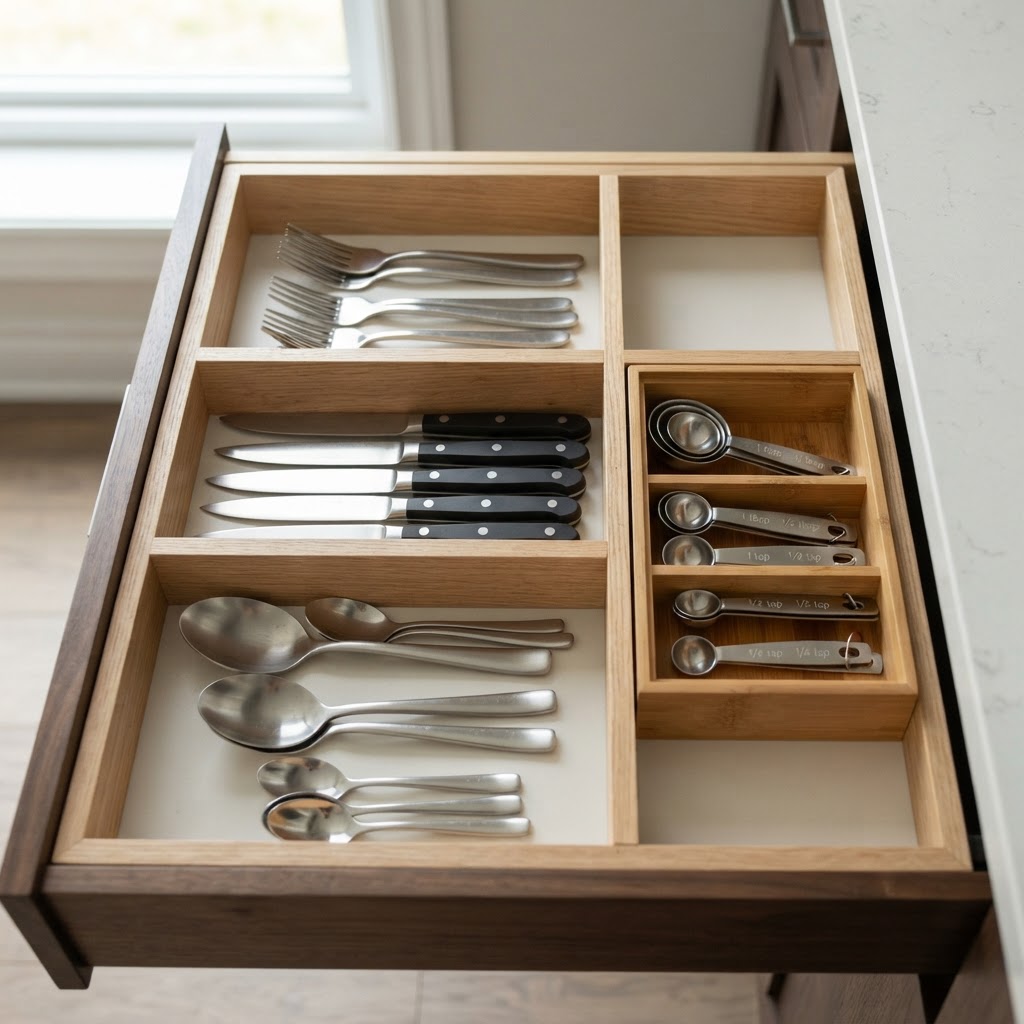
Optimized drawer organization.

Designing a kitchen in a small apartment requires a focus on light reflection and visual transparency to prevent the room from feeling claustrophobic. Opting for light-colored cabinetry—such as off-white, light gray, or soft pastels—reflects natural light and makes walls appear to recede, creating an illusion of additional square footage. If you desire a bold aesthetic, reserve dark or vibrant colors for a tiled backsplash rather than your entire cabinetry set.

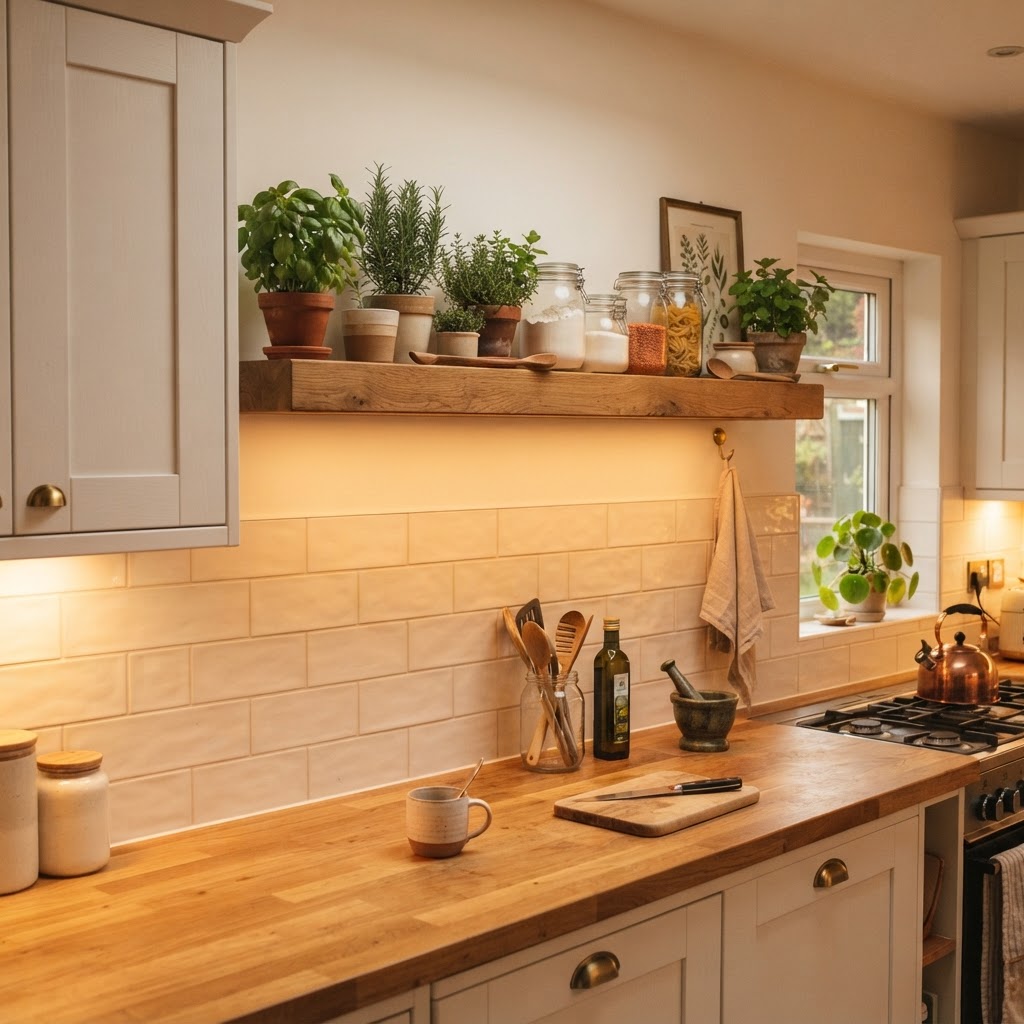
Glass-front cabinet doors are another high-impact design choice; they introduce depth and prevent the solid “blocky” look of opaque doors. Lighting is equally vital, specifically the inclusion of under-cabinet LED strips. These cost-effective, easy-to-install lights (usually priced between $20 and $50) eliminate shadows on your countertops, providing necessary task illumination for safer chopping and prep. By integrating these lighting solutions early in your refresh, you avoid the common mistake of having a dark, uninviting workspace that feels smaller than its actual dimensions. A well-lit kitchen doesn’t just feel larger; it feels cleaner and more professional.

Maximizing Counter Space and Storage

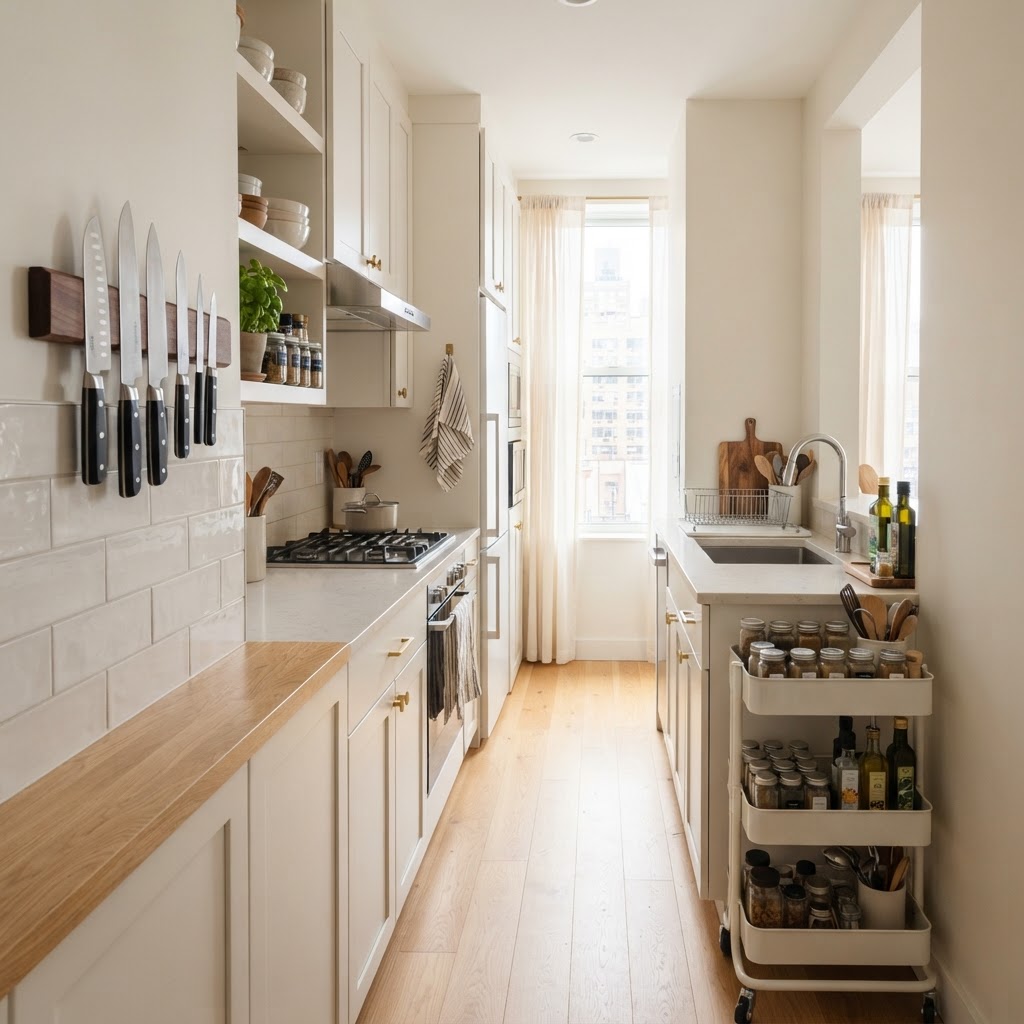
Modern galley kitchen layout.

Counter space is often the first casualty in a compact kitchen, but you can double your usable surface area through clever, portable, and modular interventions. A sink-top cutting board, custom-fitted to the dimensions of your basin, allows you to utilize the sink area as a stable prep station. For broader floor management, portable rolling islands or drop-leaf tables offer flexible workspace that can be tucked away or moved to a living area when the kitchen is not in use.

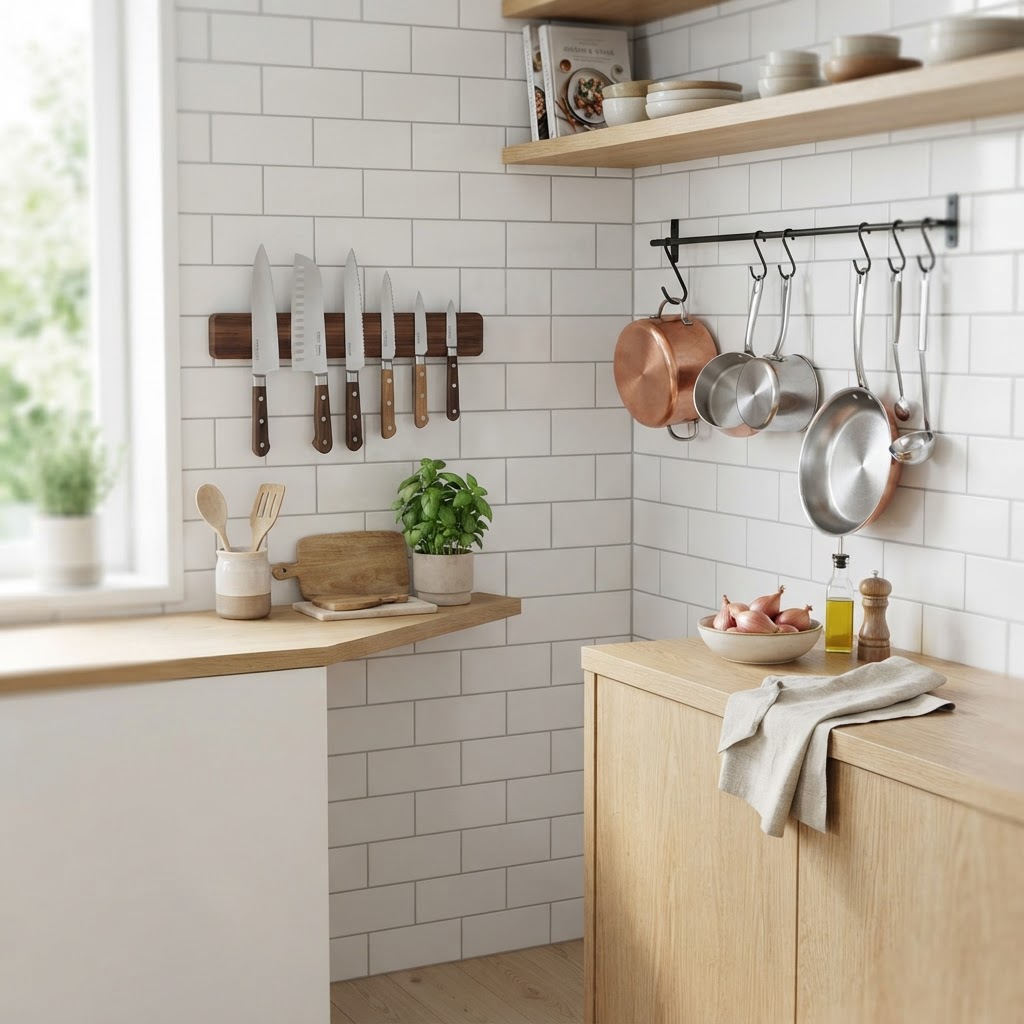
Storage solutions should prioritize accessibility and decluttering; open shelving is an excellent way to store frequently used items while visually “opening up” the kitchen walls. By using a wall-mounted rail system, you can lift utensils, measuring cups, and small pots off the counter and hang them vertically, effectively clearing your workspace for action. This approach keeps essential tools within reach without the need for additional floor cabinets. Always aim to keep 80% of your countertops clear to foster a functional cooking environment.

Avoiding Common Pitfalls in Layout Design

Smart vertical storage solutions.

Avoiding common layout mistakes, such as purchasing oversized appliances, is essential to maintaining functionality in a small kitchen. A standard 36-inch wide refrigerator can dominate a tiny footprint; instead, look for apartment-sized fridges (often 24 to 28 inches wide) which provide plenty of storage without sacrificing the necessary clearance for cabinet doors or high-traffic pathways. Precise measurement is your most valuable tool; ensure that every appliance choice fits comfortably within the existing utility hookups to avoid costly plumbing or electrical re-routing.

Another frequent oversight is the “dead zone” found in corner cabinets. Standard corner cupboards often lose half their volume because items get lost in the back. Installing modern rotating tray inserts, or “lazy Susans,” allows you to access 100% of that corner space, turning a wasted void into a functional pantry for heavy appliances or bulk goods. Ensure all door swings have at least 30 inches of clearance to prevent collisions with other fixtures. By maintaining consistent flow, you ensure the kitchen remains safe and efficient even during high-traffic cooking times.

Creative Organization for Your Tiny Kitchen

Effective small kitchen organization relies on strict compartmentalization and aggressive use of vertical space. Inside every drawer, use modular organizers to keep cutlery and cooking gadgets in their designated slots; this simple habit prevents the “junk drawer” effect that consumes valuable real estate. In your pantry or cupboards, transition to clear, stackable containers. These provide 360-degree visibility, letting you inventory your stock at a glance and preventing the frustration of hidden, expired items.

Don’t ignore the “unseen” space: use the inside of cabinet doors for spice racks, mount magnetic knife strips on the wall to remove bulky blocks from your counter, or add slim shelving above door frames for cookbooks. If you are a renter and cannot perform major renovations, modular trolleys or IKEA storage carts provide excellent, movable solutions that grow with your needs. When every item has a dedicated home, your kitchen feels less like a storage unit and more like a curated, professional workspace.

Stylish Design Ideas to Enhance Your Space

Small kitchens benefit significantly from cohesive design elements that draw the eye upward and reduce visual friction. Installing large-format tiles or light-colored wood flooring minimizes the number of visible seams on the floor, which tricks the eye into perceiving a larger horizontal expanse. To make your ceilings feel taller, extend your backsplash tiling all the way up to the upper cabinets or even to the ceiling; this creates a vertical focal point that adds a touch of high-end luxury to your design.

Beyond structural changes, personal touches are what elevate a kitchen from a mere workspace to a functional part of your home. A small window-sill herb garden provides fresh, green contrast to industrial materials, while curated hardware—like matte black or brushed gold cabinet pulls—adds a professional finish without taking up physical space. Your goal is to maximize the utility of the room while ensuring the aesthetics reflect your personal style. Choose one or two high-quality “statement” pieces, like a designer faucet or pendant light, to ground the space and tie the aesthetic together.

FAQ

How can I make a tiny kitchen look bigger?

Use light, neutral color palettes and install glass-front cabinetry to create an illusion of depth. Additionally, keep countertops clear by utilizing wall-mounted rails and vertical storage, which prevents visual clutter and makes the space feel more open.

What is the most efficient layout for a small kitchen?

A galley layout is generally considered the most efficient for small spaces because it centralizes the work triangle between the stove, sink, and refrigerator. This configuration reduces unnecessary steps and keeps all essential cooking tools within easy reach.

How do I maximize storage in a small apartment kitchen?

Install cabinets that extend to the ceiling to capture vertical storage and use internal organizers like drawer dividers and rotating corner trays. You can also utilize the sides of cabinets or walls to mount shelves and hanging systems for pots and utensils.

Are portable kitchen islands worth it in small apartments?

Yes, a portable island is an excellent investment for small kitchens, provided it is sized correctly for your floor plan. It serves as extra prep space when needed and can be moved aside to regain floor space when you are finished cooking.

What are the best appliances for a small kitchen?

Prioritize apartment-sized or slim-profile appliances, such as 24-inch wide refrigerators and compact dishwashers. These units offer full functionality while preventing oversized machines from dominating your kitchen footprint and interfering with your workflow.

Renter Friendly Small Kitchen Ideas: Transform Your Space

Renter-friendly small kitchen makeovers rely on reversible upgrades like peel-and-stick backsplashes, cabinet hardware swaps, and vertical storage solutions. These high-impact, low-cost modifications allow you to improve functionality and aesthetics without drilling, painting, or violating your lease agreement, effectively personalizing your space while ensuring full deposit recovery upon move-out.

Maximizing Your Small Rental Kitchen Layout

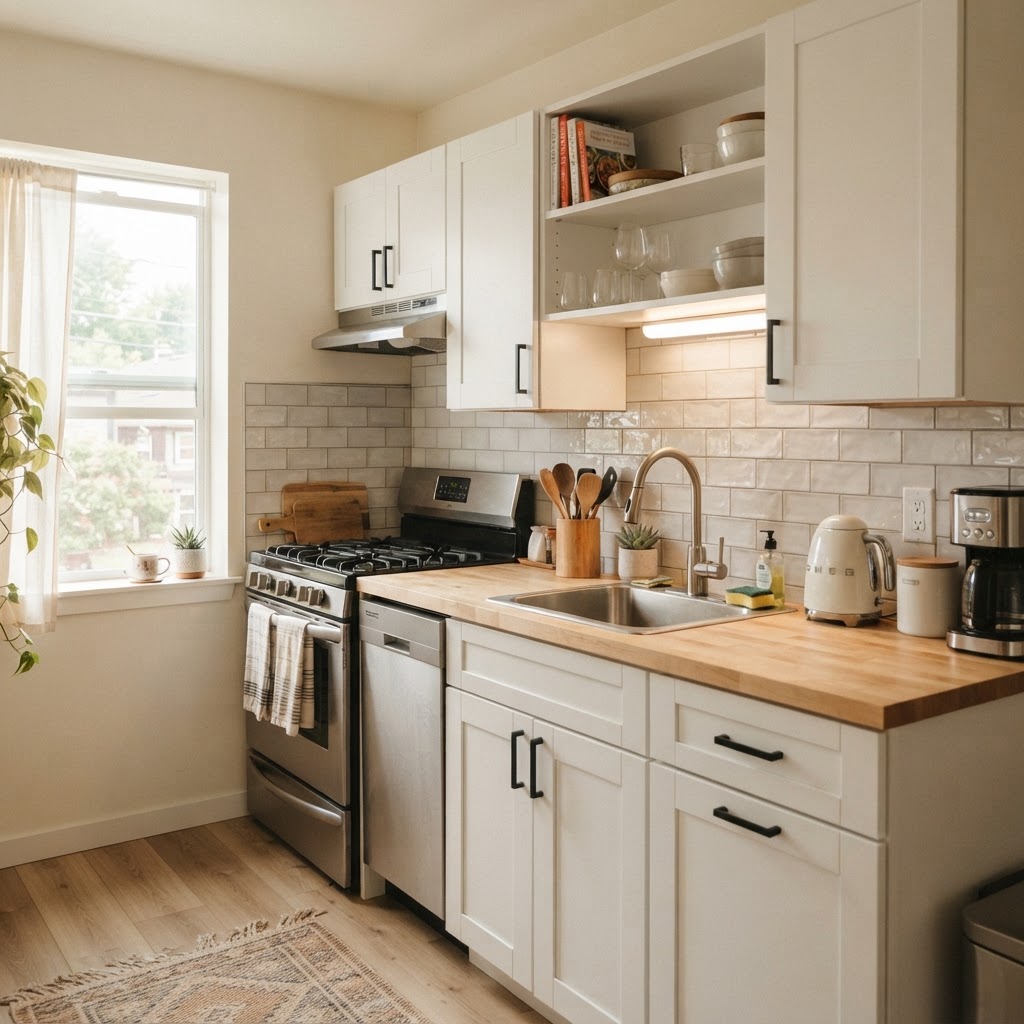
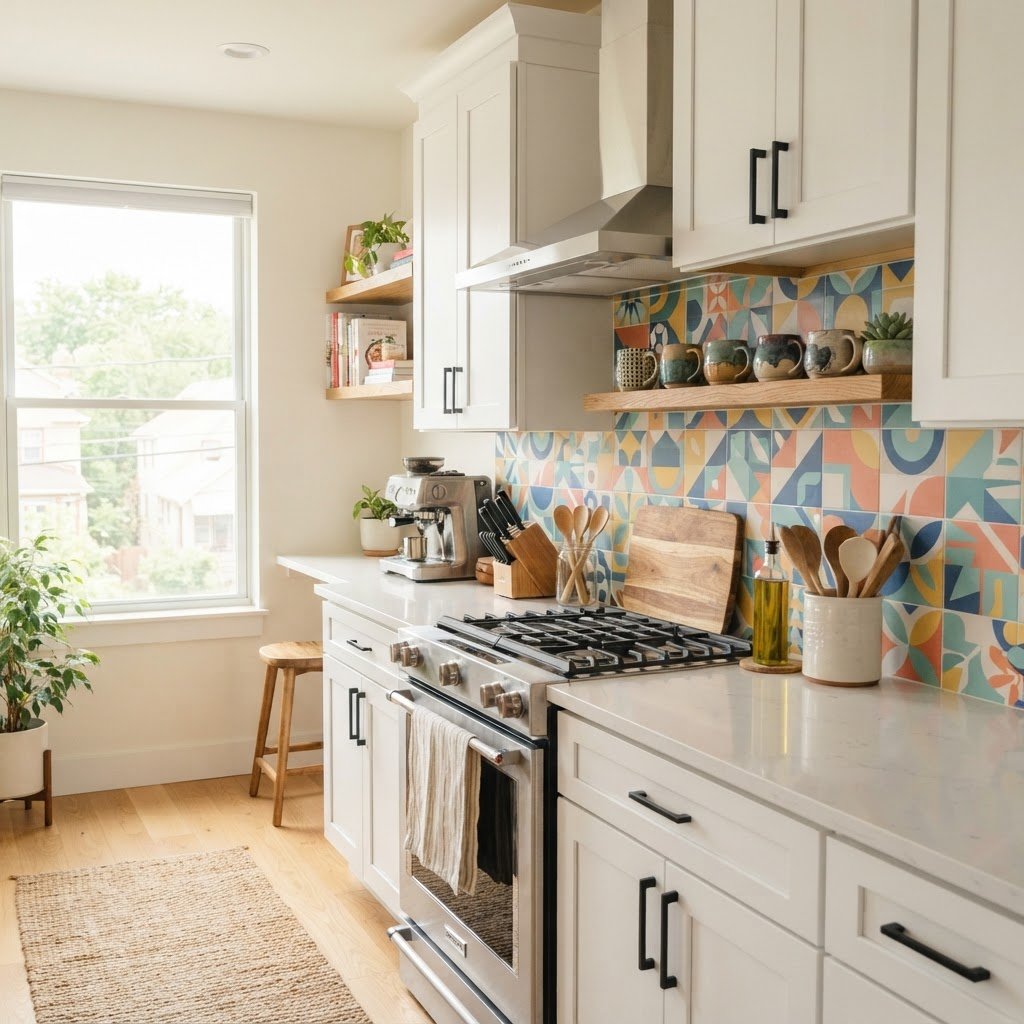
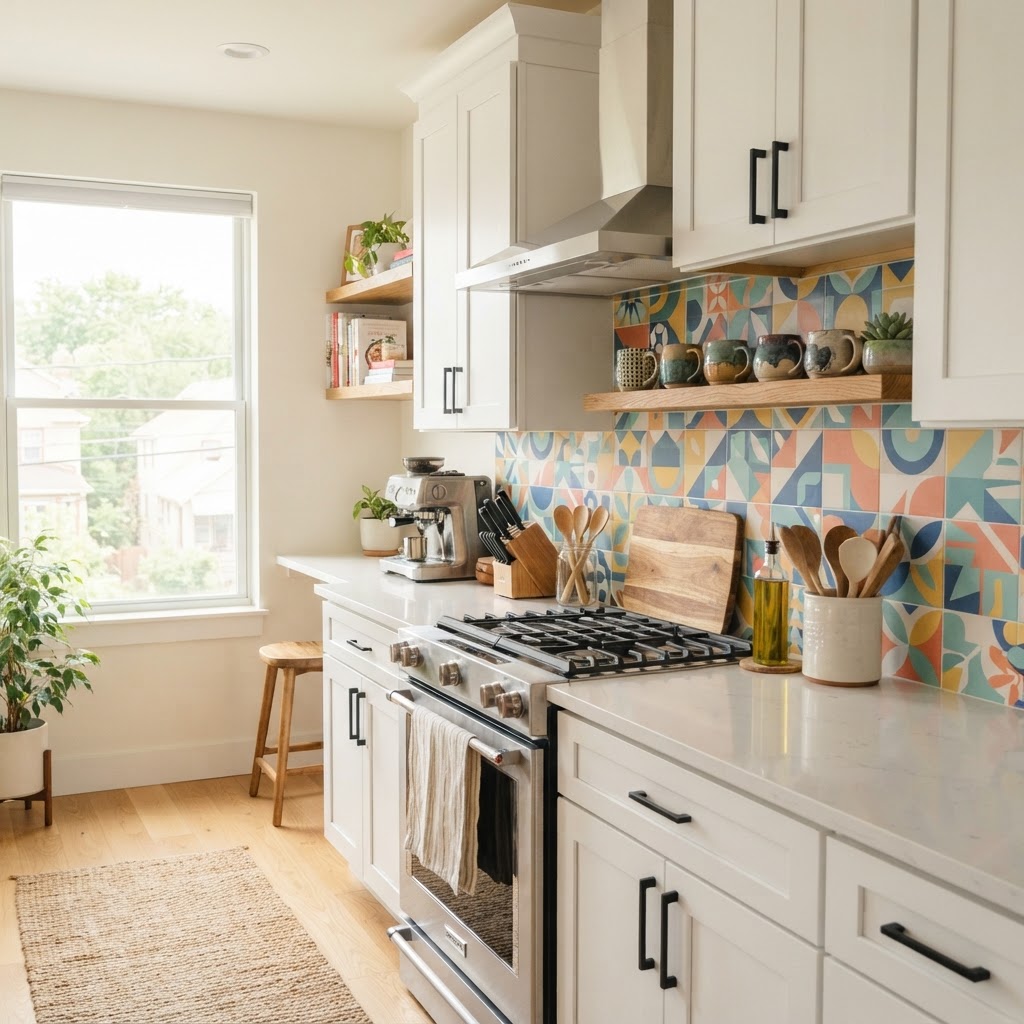
A beautiful, renter-friendly kitchen design.

Maximizing a small kitchen layout requires prioritizing vertical storage and task-specific zoning to prevent overcrowding on limited counter surfaces. Start by installing over-the-cabinet organizers for items like foil and plastic wrap, which can free up approximately 15% of your drawer space. Utilize magnetic strips for knives or wall-mounted pegboards—using heavy-duty command strips—to keep utensils off the counter. By creating distinct zones for coffee preparation, food prep, and cleaning, you streamline your workflow in spaces as small as 40 square feet. Implementing a rolling kitchen cart (typically 12 to 18 inches wide) provides a flexible mobile island that can be tucked away into a corner when not in use. Research shows that keeping surfaces 80% clear reduces perceived clutter and stress during meal preparation. Focus on using dead space, such as the area above cabinets, to store rarely used kitchen equipment like holiday platters or extra appliances, using attractive baskets to keep the look cohesive rather than chaotic.

Strategic Storage and Open Shelving

Strategic storage in a rental kitchen often relies on tension-rod systems and modular shelving units that add capacity without requiring drill-in hardware. Tension rods, typically rated for 15 to 30 pounds, can be installed vertically inside cabinets to store baking sheets and cutting boards upright, which saves 40% more space than flat stacking. For open shelving, look for industrial-style freestanding units that fit into corner nooks, providing space for cookbooks or frequently used kitchenware. This approach prevents damage to walls while creating a “designer” look often seen in luxury homes. When organizing, utilize clear acrylic bins to categorize pantry items, which prevents items from getting lost in the back of deep cabinets. Use tiered shelf risers to double the density of your canned goods or spice collection. By grouping like items together and utilizing vertical shelf dividers, you ensure that every item has a dedicated “home,” drastically reducing the time spent searching for tools during meal preparation.

Adding Lighting and Personal Touches

Lighting is the most significant factor in elevating a kitchen’s atmosphere, and battery-operated LED strips offer a cable-free solution for adding professional-grade under-cabinet illumination. These lights typically come with peel-and-stick backings and motion sensors, allowing you to brighten dim corners for less than $30 per set. Warm-toned lights (around 2700K to 3000K) create a cozy, welcoming environment, whereas cool-toned lights (4000K+) are better for visibility during detailed tasks like knife work. In addition to lighting, incorporate soft textiles like a machine-washable, non-slip runner rug to add warmth and protect flooring from spills. A cohesive color palette for towels, rugs, and decorative canisters ties the entire kitchen design together, masking outdated finishes. These personal touches turn a standard, impersonal rental kitchen into a curated space that feels uniquely yours. For added charm, replace a standard ceiling light cover with a stylish, temporary flush-mount fixture if the existing one is outdated, provided you keep the original components for reinstallation.

Installing Floating Shelves

Floating shelves are a quintessential small kitchen hack because they provide storage without the visual bulk of traditional closed cabinets. Installing shelves at a depth of 8 to 10 inches is optimal for storing glasses and decorative spice jars without encroaching on your headspace. By keeping items on open shelving, you reduce the time spent digging through deep, dark cabinets. Ensure you secure these shelves into wall studs to safely support weight, especially for heavier stoneware or ceramics.

Storage Strategy Comparison

Storage Method Best For Space Efficiency Installation Difficulty
Wall-Mounted Rails Pots & Utensils High Medium
Floating Shelves Mugs & Jars Medium High
Magnetic Strips Knives & Scissors Very High Low
Over-the-Door Racks Pantry Items High Very Low

Optimizing Your Cabinet and Drawer Potential

Drawer organizers keep utensils and cutlery neat and accessible.

Inside your cabinets and drawers, success relies on using high-functioning organizers that prevent the common chaos of loose items. Drawer dividers are non-negotiable for keeping cutlery separated, while expandable inserts can accommodate odd-sized drawers found in older apartment buildings. For deep corner cabinets, a lazy susan is a game-changer that increases usable surface area by 50% by allowing you to rotate hidden items to the front. We recommend measuring your cabinet interiors to the exact millimeter before purchasing plastic or bamboo bins; products like the IKEA Variera line are specifically engineered to fit standard European and American cabinetry dimensions, ensuring zero wasted space. By compartmentalizing your storage, you eliminate the “junk drawer” effect, ensuring every item has a dedicated, accessible home.

Mastering the Cabinet Door

The back of your cabinet door is prime real estate that is often overlooked in apartment living. You can attach a slim, adhesive-backed metal rack to hold your cutting boards, aluminum foil boxes, or even use a series of adhesive hooks for your measuring spoons and whisks. These small, low-cost modifications ensure that you maximize every square inch, turning a plain wooden door into a highly effective tool-storage solution. Always use waterproof adhesive strips to withstand the humidity common in kitchen environments.

Implementing Smart Pantry Hacks

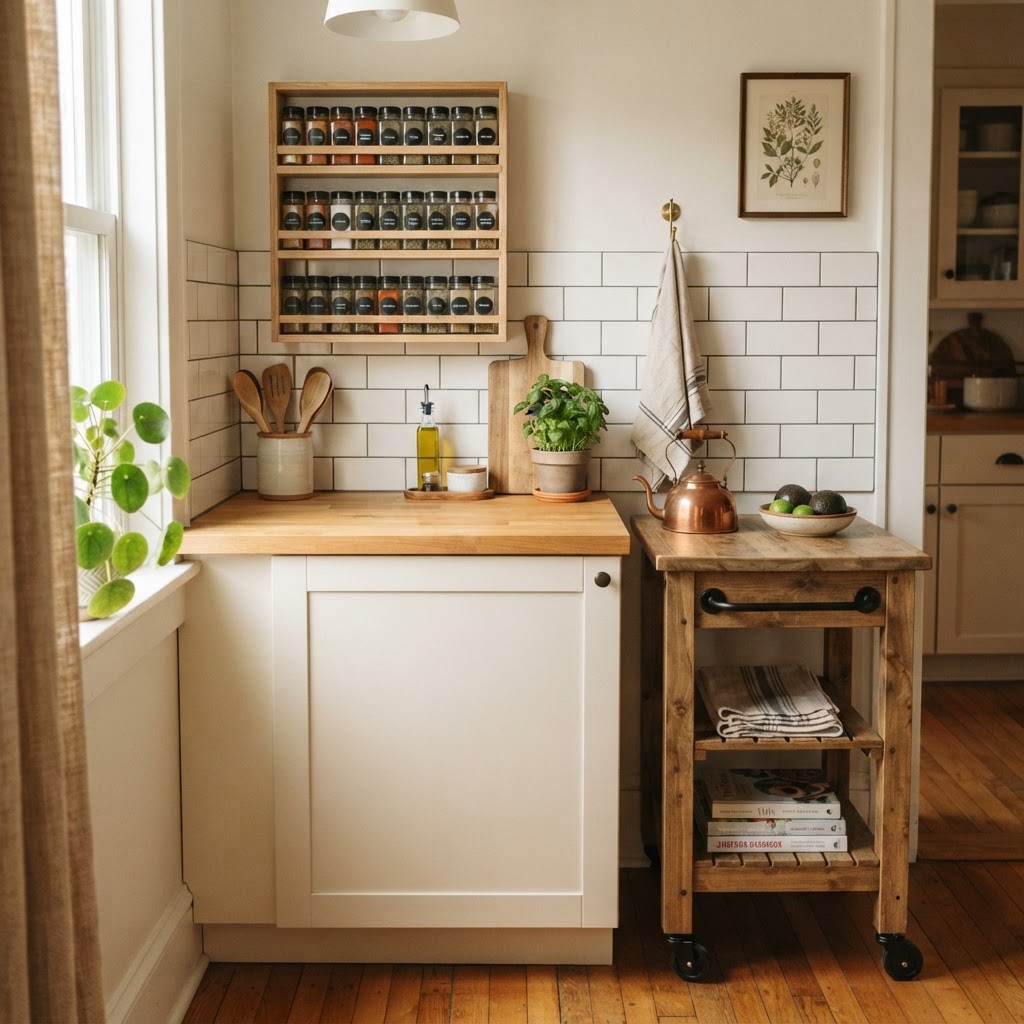
Rolling carts and wall racks provide extra storage for small kitchens.

Even without a dedicated walk-in pantry, you can create a highly efficient system using a slim rolling utility cart or a designated cupboard zone. Consistency is key when managing limited pantry area; decanting dry goods like pasta, flour, and grains into uniform, stackable square containers minimizes wasted air space. Square containers are 25% more space-efficient than round ones because they fit flush against each other. If your shelves are fixed, consider adding adjustable shelf inserts to split vertical gaps, allowing you to store shorter cans below and taller oil bottles above. This strategy keeps your inventory visible at a glance, preventing the purchase of duplicate items and saving you money on your grocery budget throughout the year.

Small Kitchen Storage Ideas in an NYC Apartment

The Power of Baskets and Bins

Using a basket to group similar items is a simple kitchen organization strategy that prevents small packets and bottles from toppling over. Placing a labeled bin inside your cupboard to hold cleaning supplies or extra snacks keeps your kitchen tidy and makes it easy to pull out a single unit. Labels provide a 90% higher success rate in maintaining organization over time because they provide a clear visual cue for where items belong, preventing “misplacement drift” where objects end up in the wrong zone.

Rethinking Countertop and Under-Sink Areas

Your kitchen counter should be reserved exclusively for items you use daily to maintain a clear workspace. If your countertop is currently covered in appliances, relocate them to high shelving or mount them on wall-mounted racks to regain 100% of your prep area. Similarly, the area under your sink is often a dark, cluttered mess that can be reclaimed using clear, stackable plastic bins. Stacking bins vertically allows you to store heavy cleaning supplies on the bottom and lighter sponges or microfiber cloths on top. Utilizing clear bins is essential here, as it allows you to immediately see what you have in stock, preventing the common mistake of overbuying supplies that end up expiring before you can use them.

Choosing Multifunctional Tools

When purchasing new kitchen tools, always prioritize items that serve at least two purposes to minimize drawer clutter. An adjustable, over-the-sink colander or a cutting board that features built-in storage compartments can save significant space. Brands like OXO or Joseph Joseph offer ergonomic, collapsible tools that shrink to a fraction of their size when stored. Opting for multifunctional items reduces your total gadget count, keeping your kitchen lean and efficient.

Decluttering and Maintaining Your Small Kitchen

Storage solutions only function when your belongings are properly curated to fit your available capacity. If your cupboards are bursting, perform a ruthless decluttering session by applying the “one-in, one-out” rule: for every new item you bring into the kitchen, an old item must be donated or recycled. Evaluate your cookware and bakeware inventory—most households only require one chef’s knife, one paring knife, and two core sets of pans. By keeping only what you use at least once a month, you naturally free up space for items that matter. Setting a quarterly audit schedule to wipe down shelves and check expiration dates ensures your tiny kitchen stays functional. Using modular systems from stores like IKEA allows you to adapt your layout as your cooking needs evolve, turning a static space into a dynamic, well-organized home.

30 Kitchen Organization Hacks That Actually Work | IKEA, Amazon, Dollar Tree

FAQ

How do I maximize storage in a very small kitchen?

Focus on verticality by installing wall-mounted racks, floating shelves, and over-the-door organizers to move items off your counters. Use clear, stackable containers in your pantry and cabinets to maximize every cubic inch of shelf height.

What are the best organizers for deep cabinets?

Lazy susans and pull-out sliding drawers are the most effective tools for deep cabinets. They allow you to access items stored in the back without needing to remove the front items, preventing clutter and hidden expired goods.

How often should I declutter my kitchen cabinets?

A quarterly decluttering session is recommended to maintain optimal storage capacity. Audit your pantry for expired goods and evaluate your cookware usage, removing any items you have not used in the past six months to keep your space functional.

Can I add storage to a rental kitchen without damaging walls?

Yes, use tension rods, adhesive hooks, and freestanding rolling carts to add storage without drilling. These options provide temporary, renter-friendly solutions that can be removed without leaving any permanent damage to your cabinets or wall surfaces.

What is the “one-in, one-out” rule?

The “one-in, one-out” rule is an organization habit where you must remove or donate one existing kitchen item for every new item you purchase. This keeps your inventory from exceeding your cabinet capacity and prevents overcrowding.

Small Kitchen Ideas for Apartments on a Budget

Small kitchen ideas for apartments on a budget include maximizing vertical wall storage, utilizing multi-functional furniture like rolling kitchen islands, and applying peel-and-stick backsplashes for visual impact. By reclaiming dead space above cabinets and purging rarely used appliances, renters can increase functional efficiency by up to 30% without requiring costly permanent renovations or landlord approval.

Rethinking Your Layout and Flow

A bright, functional kitchen layout with strategic open storage.

Optimizing your kitchen workflow relies on mastering the ‘work triangle’—the distance between your sink, refrigerator, and stove—to minimize unnecessary movement during meal prep. In many apartment layouts, this triangle is interrupted by poor architectural planning. You can improve efficiency by placing a rolling utility cart, which costs between $30 and $80, in underutilized gaps to act as a mobile prep station. By mapping out your ‘prep-cook-clean’ zones, you ensure that every square inch of counter space supports your culinary habits. Consider moving microwave units to wall-mounted shelves to clear off 2-3 square feet of workspace. For those with galley kitchens, keep the central path clear by installing magnetic knife strips and under-cabinet rails, which prevent items from accumulating on flat surfaces. This structural approach ensures that even a 50-square-foot kitchen functions like a professional culinary environment. Small adjustments to your flow significantly reduce fatigue and increase the speed of routine kitchen tasks.

Maximize Counter Space

Counter space is often the first thing to disappear in a tiny kitchen. To regain surface area, use sink covers or stove covers that double as cutting boards. Installing an over-the-sink drying rack is another clever way to clear the counters of bulky dish racks. Every inch of available countertop should serve a purpose, keeping clutter at a minimum to maintain a sense of openness.

Solution Estimated Cost Primary Benefit
Sink Cutting Board Cover $25 – $45 Adds 4-6 sq ft of prep space
Magnetic Knife Strip $10 – $20 Removes bulky block from counter
Over-the-sink Rack $15 – $30 Eliminates wet dish clutter

Creative Storage Solutions

Maximizing a galley kitchen with vertical wall organization.

Storage is the backbone of any successful kitchen makeover, and in small apartments, you must look beyond the standard pantry to maximize every vertical surface. Wall-mounted systems, such as grid panels or adjustable shelving tracks, can double your storage capacity by utilizing the wall space between your countertop and upper cabinets. By mounting items like spatulas, colanders, and measuring cups, you remove them from drawers, which typically possess 20% less capacity in apartment units. Think of your walls as a canvas for organization rather than just a boundary. Open shelving, while requiring tidy maintenance, prevents the ‘closed-in’ feeling often caused by bulky, dark cabinets. Incorporating tension rods inside cabinets allows you to organize baking sheets and cutting boards vertically, reducing the ‘stacking’ problem that makes retrieving items frustrating. Aim to store items based on frequency of use; keep daily essentials at eye level and reserve the floor-level or high-ceiling storage for seasonal equipment, such as holiday platters or rarely used appliances.

Vertical and Open Storage

Installing an open shelf or a series of floating ledges can create a dramatic display for your favorite dishware while keeping it accessible. Many people avoid adding more furniture, but an open shelf can actually make the room feel larger by keeping the visual weight off the floor. Don’t forget the inside of your cabinet doors; mounting hooks or organizers there can house measuring spoons, pot lids, or cleaning supplies that usually clutter your kitchen cabinet.

Budget-Friendly Aesthetic Upgrades

Using a sink cover to instantly create more counter space.

Giving your kitchen a fresh look does not require a complete gut renovation; high-impact, low-cost projects can completely redefine the space. A fresh coat of satin-finish paint on dated cabinets is the most effective way to brighten a room, as it reflects ambient light and makes the footprint feel larger. Choose light, airy colors such as off-white, soft sage, or pale gray to expand the perceived dimensions. Beyond paint, consider replacing basic hardware; modern matte black or brushed gold cabinet pulls provide a designer touch for less than $100 total. If your apartment allows for semi-permanent changes, peel-and-stick vinyl tiles are a game-changer for a budget-friendly backsplash. These are typically moisture-resistant, cost roughly $5 per square foot, and can be easily removed upon move-out. Updating the floor with durable, peel-and-stick vinyl sheets can also hide dated linoleum, providing a clean surface that anchors the rest of your kitchen design for a fraction of the cost of real ceramic tile installation.

Tile and Backsplash Updates

If your apartment allows for semi-permanent changes, peel-and-stick tile is a game-changer for a budget-friendly backsplash. You can select patterns that mimic expensive natural stone or trendy subway tile without the high cost of labor or materials. Updating the floor with durable, stylish vinyl sheets can also hide dated linoleum, providing a clean surface that anchors the rest of your kitchen design.

Organizing for Efficiency

Floating shelves provide storage without visual clutter.

To keep a small kitchen functioning properly, you must adopt a minimalist philosophy where every item must justify its existence in your limited cabinet space. The 2026 standard for apartment living focuses heavily on ‘hidden utility,’ where items remain out of sight until the exact moment they are needed. Decluttering is the most effective way to start any project; aim to remove 20% of your current kitchenware, specifically focusing on duplicates or items you have not used in the last six months. A major pitfall is neglecting the ceiling-height space above upper cabinets. You can install decorative baskets to store seasonal platters or bulky, lightweight appliances, effectively reclaiming up to 10% of your total storage capacity. Furthermore, avoid the temptation to clutter the countertop with single-use small appliances. If your surface area is truly non-existent, use vertical wall mounts for coffee makers or microwaves, freeing up the central work zone. Maintaining an organized inventory list inside your pantry can also prevent the over-purchase of bulk goods, which is a common cause of overcrowding in small apartments.

Common Pitfalls to Avoid

One common mistake is neglecting the space above the upper cabinets. This area is perfect for storing items you rarely use, such as seasonal platters or decorative items. Another mistake is cluttering the countertop with small appliances you only use once a month. Use vertical wall mounts for things like coffee makers or microwaves if your surface area is truly non-existent.

Implementing Smart IKEA Hacks

If you are on a strict budget, IKEA offers a treasure trove of modular solutions for the small space owner that can be customized for specific apartment nooks. From modular drawer organizers that fit narrow drawers to rolling carts (like the RÅSKOG) that slide perfectly between the fridge and the wall, these pieces are designed for the modern apartment dweller. Look for items that serve dual purposes, such as a wall-mounted drop-leaf table that acts as both a prep station and a breakfast nook. When space is at a premium, modular units allow you to expand your storage capacity without permanent construction. You can also utilize modular hanging rail systems to customize your own wall organization, allowing you to move shelves and hooks as your needs change. Investing in items that can be reconfigured or dismantled easily is crucial for renters who anticipate moving in the future. Always measure your gaps to the exact millimeter before purchasing these units to ensure a seamless, built-in look that maximizes tight corners.

Addressing Maintenance and Style

Keeping your kitchen looking fresh requires attention to detail, specifically regarding the longevity of your budget upgrades. Regularly cleaning the grout lines on your tile backsplash or wiping down your surfaces with non-abrasive cleaners ensures that your DIY work remains pristine for years. Don’t be afraid to add personal touches like a small hanging plant or a woven runner rug; these accessories add warmth and break up the clinical, hard-surface aesthetic common in rental kitchens. A well-maintained kitchen reflects a sense of intentionality, which visually makes the space appear larger and more curated. Focus on lighting; replacing a dim, builder-grade bulb with a warm-toned LED (roughly 3000K) can dramatically improve the mood and visibility of a windowless kitchenette, instantly making the space feel more professional and inviting.

FAQ

How can I get more counter space in a tiny kitchen?

You can increase counter space by using sink or stove covers that serve as temporary cutting boards or prep surfaces. Additionally, mounting appliances like microwaves to the wall or using rolling islands allows you to reclaim valuable flat surfaces that are currently occupied by clutter.

Is peel-and-stick tile safe for apartment rentals?

Peel-and-stick tiles are generally safe for rental walls if you choose ‘removable’ or ‘low-tack’ varieties. Always test a small, hidden area first to ensure the adhesive does not damage the underlying paint or drywall when you decide to remove it.

What is the most effective way to organize small cabinets?

The most effective way to organize small cabinets is to maximize vertical space using risers and tension rods for baking sheets. By storing items vertically rather than stacking them, you improve accessibility and reduce the need to move multiple objects to reach the one you actually need.

How do I make a small kitchen look larger on a budget?

Painting your cabinets a light color and increasing the brightness with warm LED lighting is the fastest way to make a kitchen feel larger. Additionally, removing items from the countertops creates a sense of openness and prevents the visual clutter that makes a space feel confined.

What are the best storage solutions for a galley kitchen?

For galley kitchens, the best strategy is to utilize wall-mounted rails for frequently used tools and floating shelves for dishware. Because floor space is minimal, keeping the floor clear of items and using the vertical wall space for storage will improve the workflow and physical comfort of the room.

Smart Small Apartment Design Ideas on a Budget

Smart Small Apartment Design Ideas on a Budget

To transform a small apartment on a budget, prioritize multifunctional furniture, utilize vertical storage solutions, and maximize natural light with mirrors and sheer curtains. By strategically floating furniture to define activity zones and keeping surfaces clutter-free, you can increase your usable square footage while maintaining an open, airy, and inviting living environment.

Rethinking Your Layout for Maximum Flow

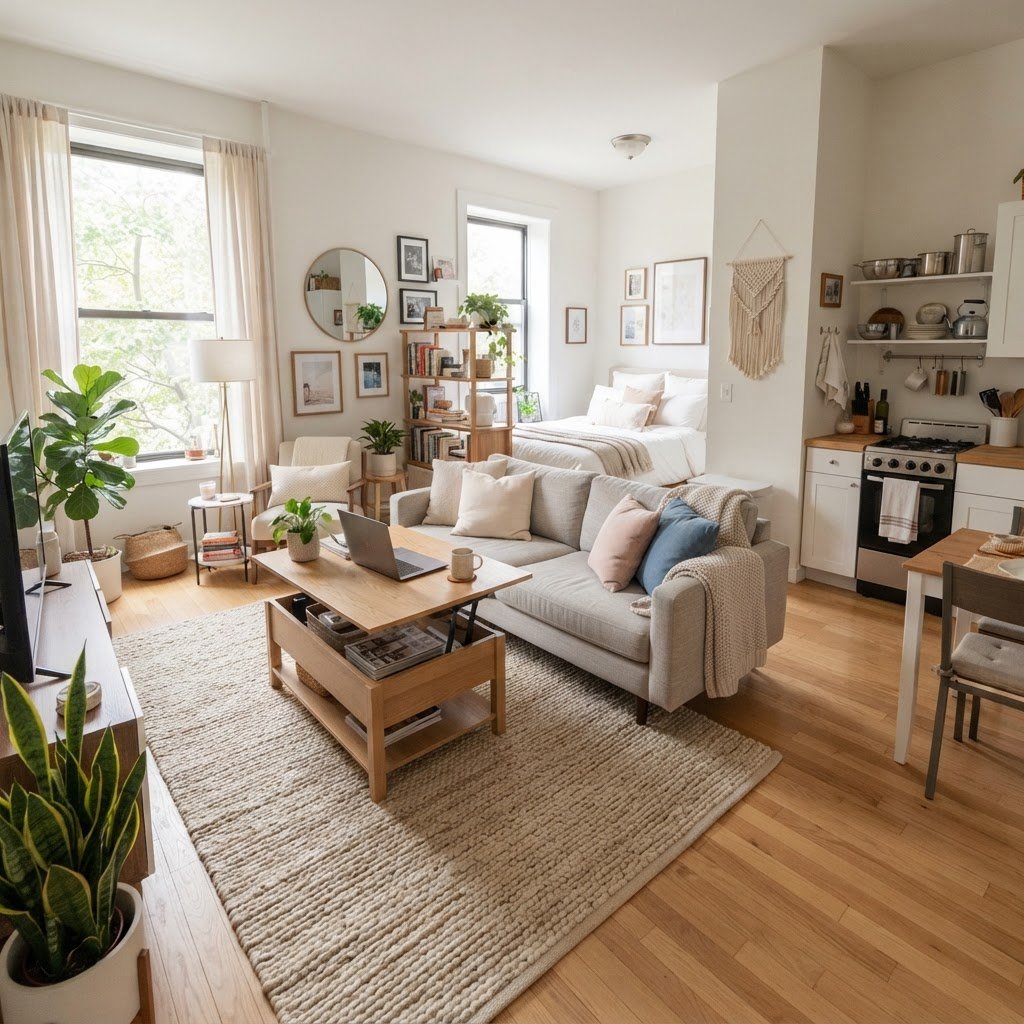
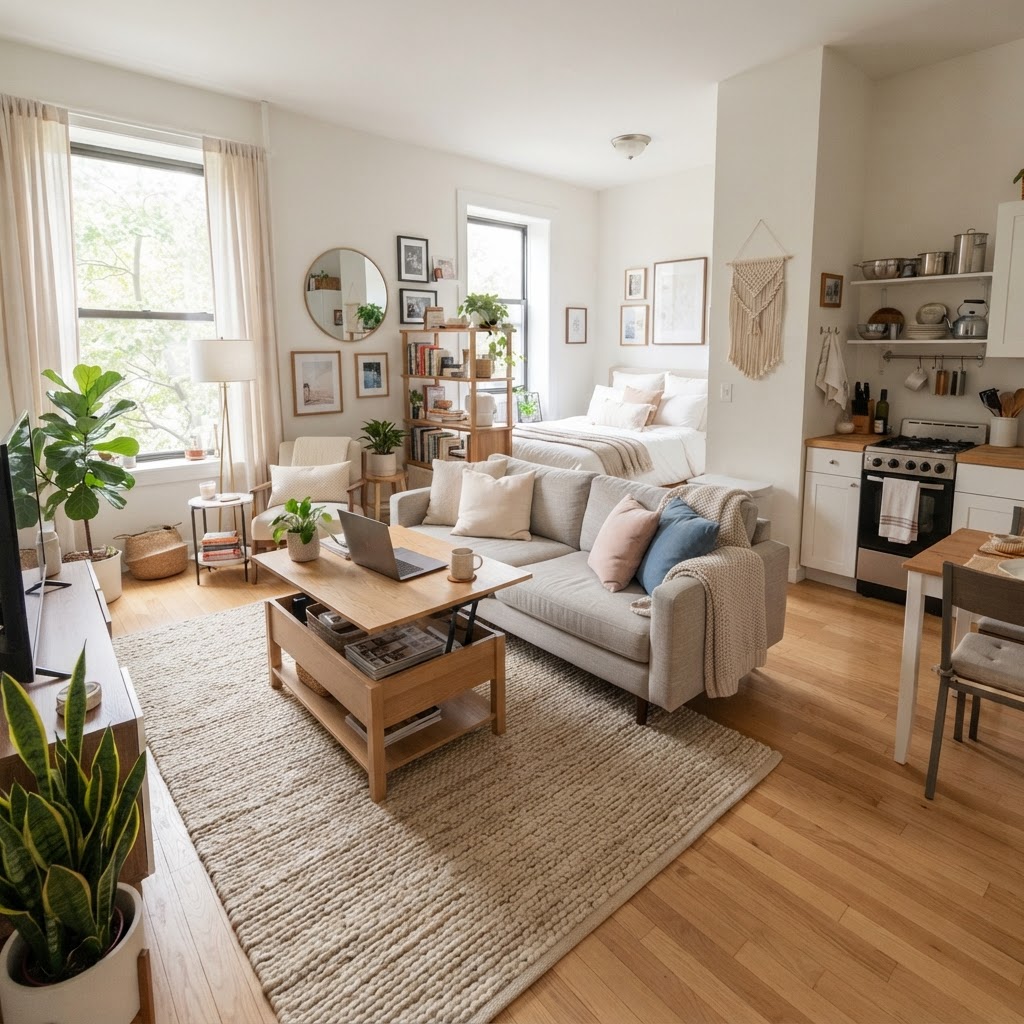
A well-zoned studio apartment using rugs and light furniture to create an open feel.

The first step in transforming your apartment is taking a hard look at your current layout. Many tenants move in and immediately place the sofa against the largest wall, but this often makes the room feel static. Instead, try floating your furniture to see if it changes how you move through the living area. A well-considered layout can make a small apartment feel significantly larger than it actually is by defining zones for different activities. Professional interior designers recommend leaving at least 30 inches of clearance for main walkways to ensure traffic flow isn’t obstructed. By pulling furniture away from walls, you create “negative space” that tricks the eye into perceiving more volume.

Creating Defined Zones

If you live in a studio apartment, you likely need your bedroom, office, and living room to coexist. Use a large area rug to anchor your sofa and coffee table, creating a clear boundary between the seating area and the rest of the home. Even in a small space, this visual separation prevents the room from feeling like one cluttered storage unit. Consider placing a sleek console behind your sofa to act as a room divider while providing extra surface space. Using different lighting temperatures can also help define areas; for example, warm 2700K bulbs in the living area vs. cooler 4000K task lighting in the office zone.

Choosing the Right Furniture

Furniture Type Budget Benefit Space-Saving Potential
Ottoman with Storage High Very High
Nesting Tables Medium High
Wall-Mounted Desk High Extreme
Sleeper Sofa Medium Very High

When choosing your furnishings, prioritize pieces that serve a dual purpose. A ottoman that doubles as a coffee table or a dining table with leaves can make a massive difference in your daily routine. Look for pieces that elevate the look of the room while maintaining a light, airy feel. Avoid heavy, dark materials that dominate the visual landscape, opting for lighter colors or transparent acrylic instead.

Mastering Storage and Decluttering

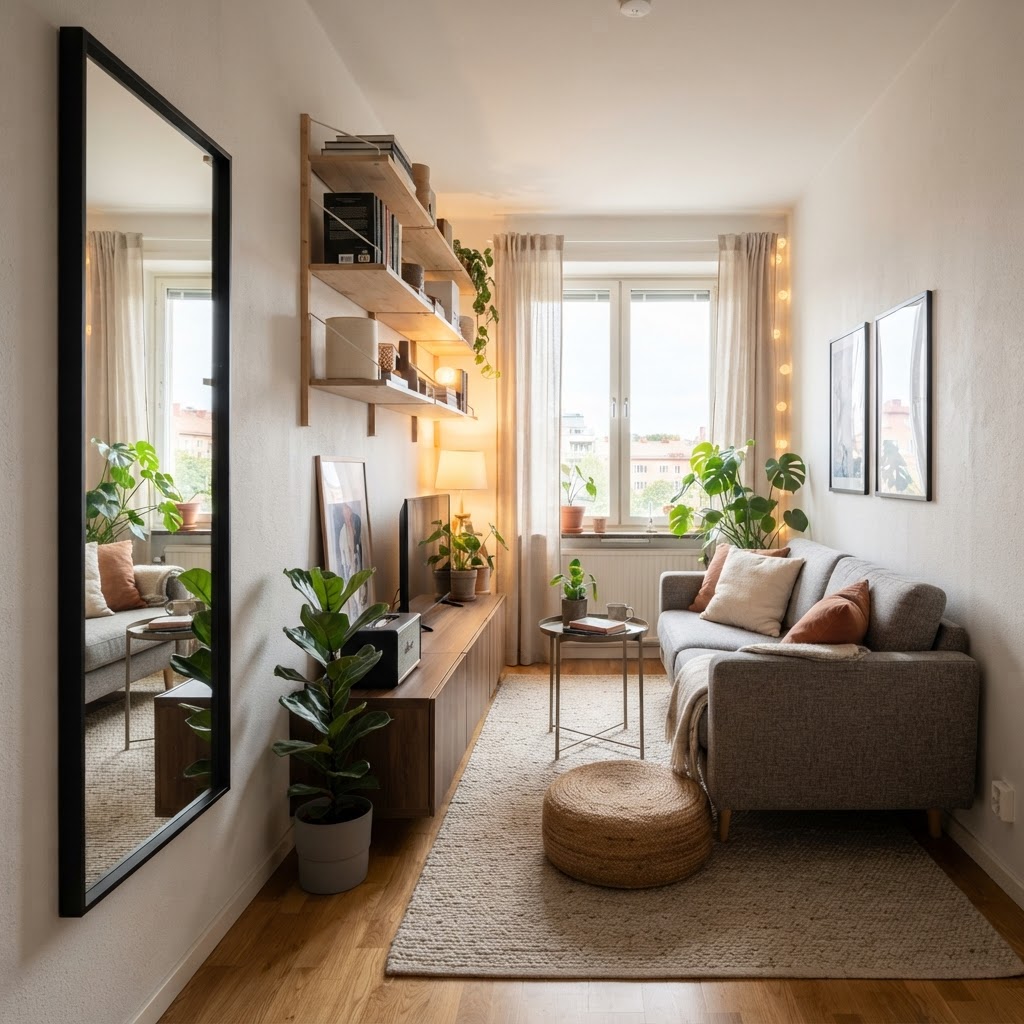
Utilizing vertical space with wall-mounted shelves and mirrors keeps the floor clear.

Clutter is the enemy of any small home. To maintain a stylish environment, you must have a place for everything. Vertical space is your most valuable asset when you have limited floor space. Installing a wall-mounted shelve system allows you to store items without occupying precious square footage on the ground. Think of this as a strategy for long-term organization rather than just a quick fix. By utilizing the top 12-18 inches of wall space near the ceiling for books or seasonal items, you draw the eye upward, which helps give the room a sense of height. High-density storage, such as over-the-door organizers or vacuum-seal bags for off-season clothing, can reduce physical volume by up to 70%.

The Power of Hidden Storage

Look for every opportunity to incorporate hidden storage into your home. Under-bed storage bins, ottomans with lids, and even decorative baskets tucked under a side table can keep your apartment tidy. When every item has a home, the psychological weight of clutter vanishes. Consider using built-in cabinets if your landlord allows, or look for modular storage solutions that mimic a custom built-in look without the permanent commitment.

Managing Daily Belongings

Consistency is key. Spend fifteen minutes every evening clearing surfaces and returning items to their designated drawers. By keeping the surfaces clear, your interior design vision becomes the primary focus. Even a small apartment feels peaceful when the counters and tabletops are free of daily debris.

Enhancing Aesthetics on a Budget

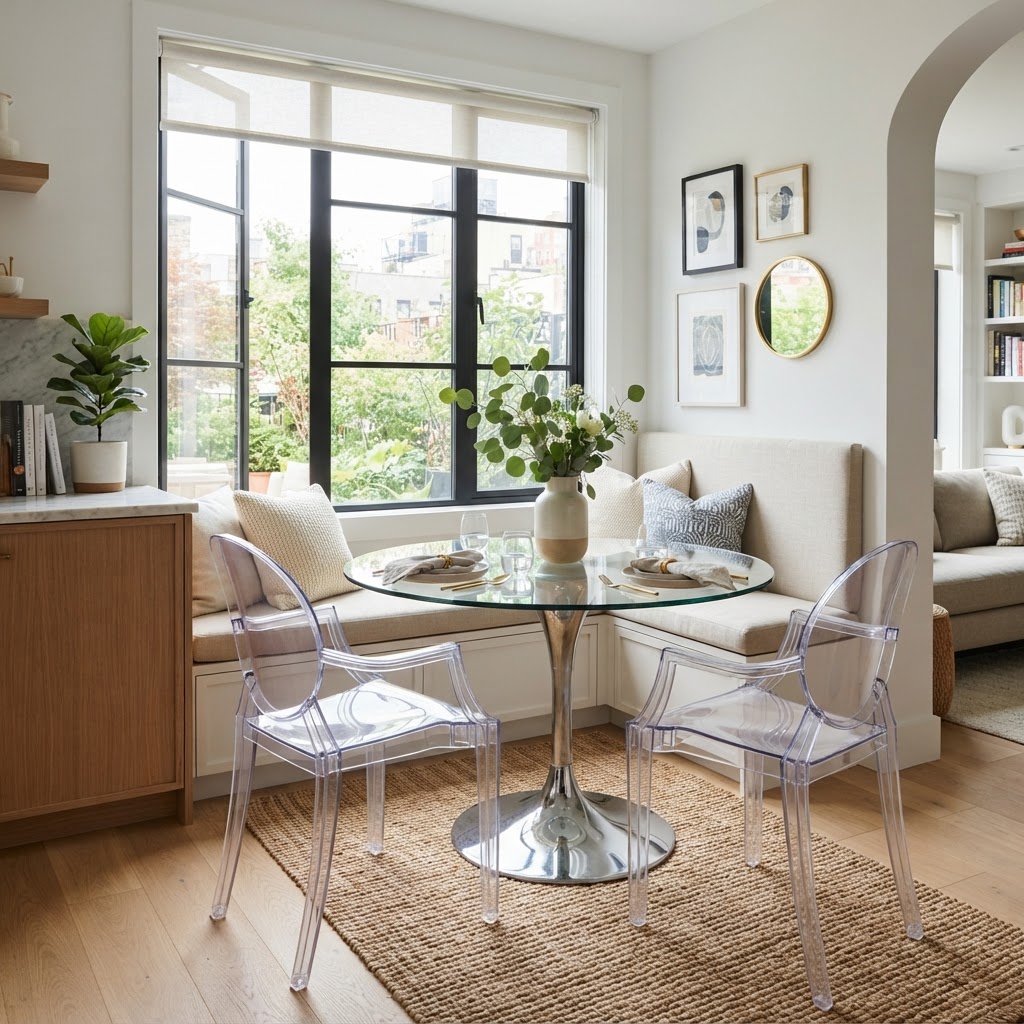
A dining nook that saves space while looking stylish and modern.

Decorating doesn’t require a massive budget. A fresh set of curtains can completely change the lighting and mood of your home. Hang your curtain rods higher and wider than the window frame to create the illusion of larger windows and higher ceilings. This simple hack makes the entire room feel more spacious and high-end. Aim to hang rods at least 6 inches above the frame. This technique leverages vertical lines, which is a classic architectural trick to make ceilings appear taller. Additionally, opting for floor-to-ceiling drapery hides dated window frames and softens the harsh boxy lines found in many modern rental units.

Adding Personal Flair

Small touches make a house a home. Use an accent wall with peel-and-stick wallpaper to inject color without the cost of a full renovation. Add a few throw pillows or a textured rug to introduce color and warmth. These small details represent your personality and make the apartment feel like a deliberate choice rather than a temporary arrangement.

Lighting and Reflective Surfaces

Lighting plays a critical role in how big a room feels. Instead of relying solely on the overhead bulb, layer your lighting with lamps. A floor lamp tucked into a cozy nook or a table lamp on a console can create pockets of light that draw the eye around the room. Mirrors are another essential tool in any interior design arsenal; they bounce natural light around and create depth, making your small apartment feel twice as large. For maximum impact, place a large floor mirror opposite a window to reflect the maximum amount of natural light into the deeper, darker corners of your living space.

Choosing Reflective Decor

Incorporate metallic or glass surfaces into your decor to reflect light. A glass dining table is a perfect example of a piece that provides utility without adding visual weight. By keeping the sightlines clear, you ensure that the room feels airy and open. Remember to keep the window treatments sheer to allow as much natural sunlight as possible.

Multifunctional Living for Real Life

In a real-life scenario, you need your home to work for you. Multifunctional furniture is a game-changer for those tight on space. Think about a sofa bed for guests or a desk that folds into the wall when not in use. These pieces allow your apartment to adapt to your needs throughout the day, ensuring you never feel constrained by your square footage. Research indicates that modular furniture can increase the effective utility of a room by 40% compared to static, single-use furniture pieces. Focus on items with hidden casters to make rearranging easy.

Flexibility in Small Spaces

Don’t be afraid to rearrange your furniture as seasons change or your habits evolve. Perhaps you need a dedicated workspace during the day but want a cozy spot to watch movies at night. A small apartment is a living, breathing space that should shift to accommodate your lifestyle. Embrace the versatility that comes with choosing pieces that double duty, like a bench that acts as both seating and shoe storage near the entryway.

FAQ

Q: How do I make a small apartment look bigger on a budget?

Use a light, neutral color palette on walls and floors to reflect light. Combined with strategically placed mirrors and floor-to-ceiling curtains, these low-cost changes create the illusion of expansive, airy space even in the tightest footprints.

Q: What is the best type of furniture for tiny apartments?

Multifunctional furniture is essential for tiny spaces. Prioritize items like ottomans with internal storage, nesting tables, and wall-mounted desks, which provide necessary utility while keeping the floor clear of visual clutter.

Q: How can I add decor to a rental without losing my security deposit?

Peel-and-stick wallpaper and command-strip hooks are the best ways to add personality without damaging walls. These temporary solutions allow you to change your style frequently without needing landlord approval or risking your security deposit.

Q: What is the secret to keeping a small space organized?

Effective organization in small spaces relies on using vertical wall space for shelving and strictly following a “one-in, one-out” rule. Spending fifteen minutes each evening returning items to their designated homes prevents daily debris from accumulating on flat surfaces.

Q: How should I arrange furniture in a studio apartment?

Use area rugs to define specific zones for sleeping, working, and lounging. Floating furniture away from walls creates better circulation and gives the apartment a more intentional, high-end design feel rather than appearing like a cluttered storage unit.