14 Genius Ways to Store Shoes in a Tiny Entryway
To effectively store shoes in a tiny entryway, prioritize vertical wall-mounted shelving, slim fold-down cabinets less than 10 inches deep, and over-the-door pocket organizers. By moving footwear off the floor and into concealed, height-optimized storage units, you can eliminate clutter while maximizing your limited square footage for a more functional home.
The Psychology of Entryway Clutter
Clutter in the entryway acts as a visual weight that greets you the moment you walk through the door. When shoes are scattered across the floor, your brain registers unfinished business, leading to unnecessary stress. A clear, organized entryway is not just about aesthetics; it is about creating a mental transition zone between the hectic outside world and your peaceful sanctuary. By prioritizing a system for your shoes, you are setting a boundary that keeps your living area clean and inviting.
Why Traditional Racks Fail in Small Spaces
Most mass-produced shoe racks are designed for suburban homes with generous mudrooms. They take up significant floor space and often leave shoes exposed, creating visual noise. In a tiny entryway, every square inch of floor space is precious. The goal is to move your storage to the walls, the doors, or hidden compartments that tuck away into existing furniture pieces. When you stop looking at the floor as your only storage option, a world of possibilities opens up. If you are looking for even more inspiration, these smart shoe storage solutions for narrow entryways can provide additional ways to optimize your layout.
Utilizing Vertical Wall Space
When floor space is non-existent, look up because walls provide the most efficient real estate for shoe organization in apartments under 600 square feet. Installing wall-mounted shelving or individual shoe racks at varying heights turns your shoe collection into an organized vertical display. This strategy is statistically effective, as utilizing 6 feet of wall height can store upwards of 24 pairs of shoes without ever touching the floor, significantly reducing the visual “heaviness” of your entryway.
Floating Shelves and Slim Racks
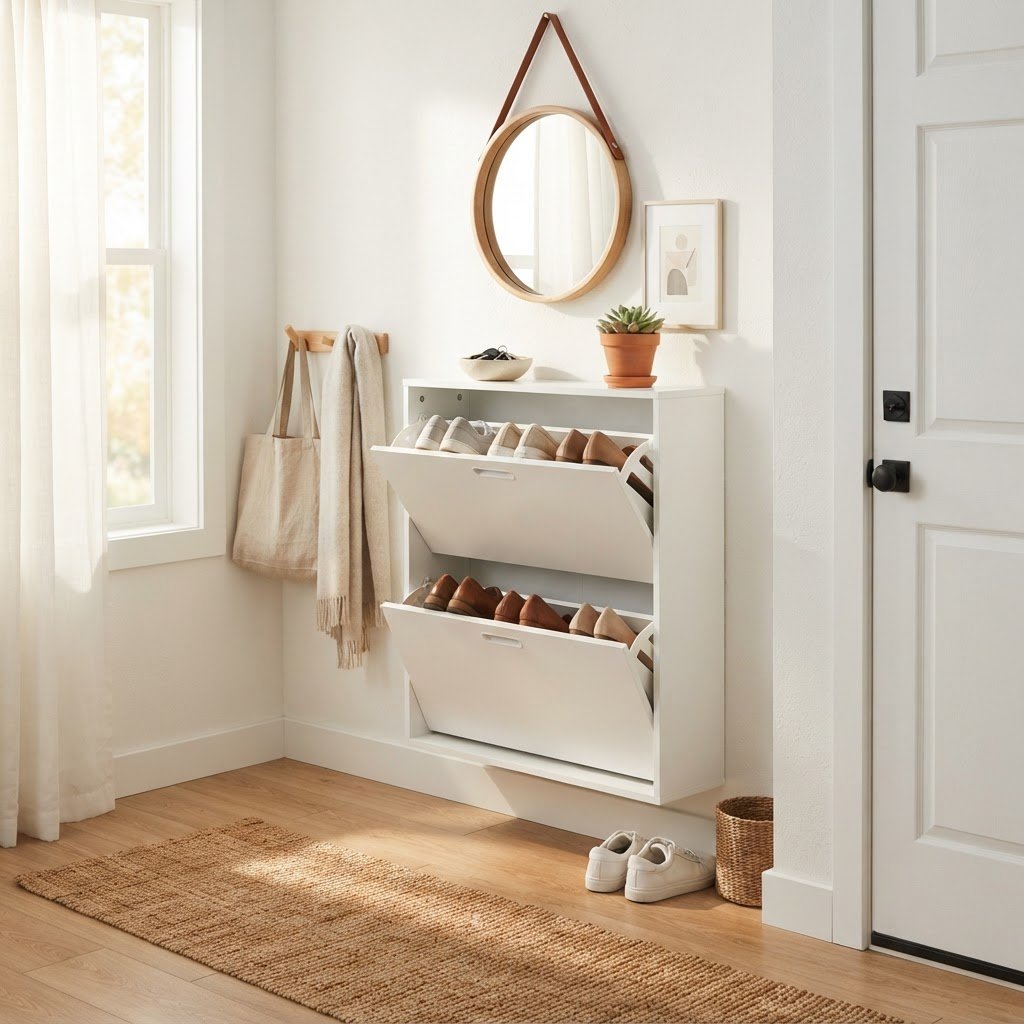
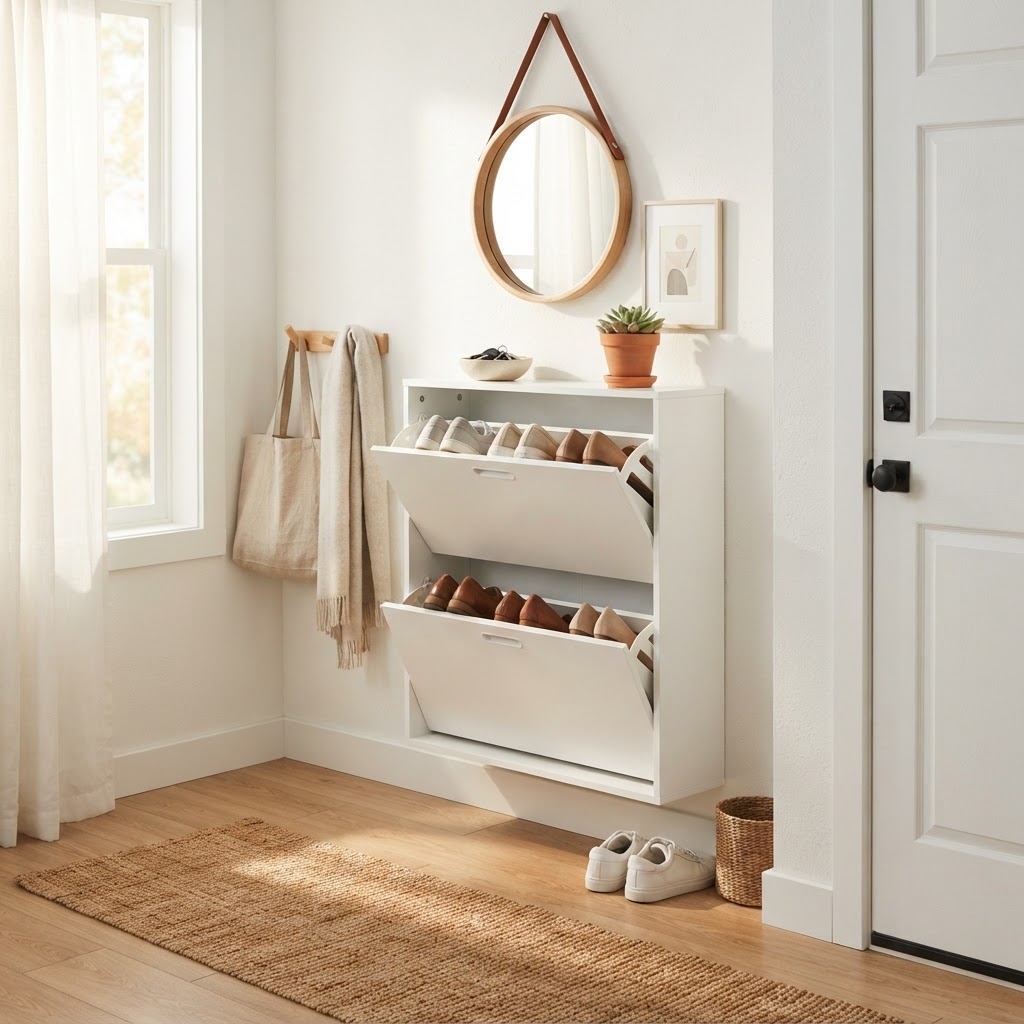
Floating shelves are elegant and minimalist solutions for tight gaps behind doors. By placing two or three narrow shelves at heights of 12, 36, and 60 inches, you create a tiered storage system that serves all household members. Alternatively, slim, fold-down shoe cabinets are game-changers. These units are often less than 10 inches deep and store shoes at an angle, effectively hiding them from view while keeping them accessible. Studies suggest that closed-storage systems reduce perceived entryway mess by nearly 80%, providing a much cleaner transition as you enter your home after a long day.
Rethinking Your Doors and Corners
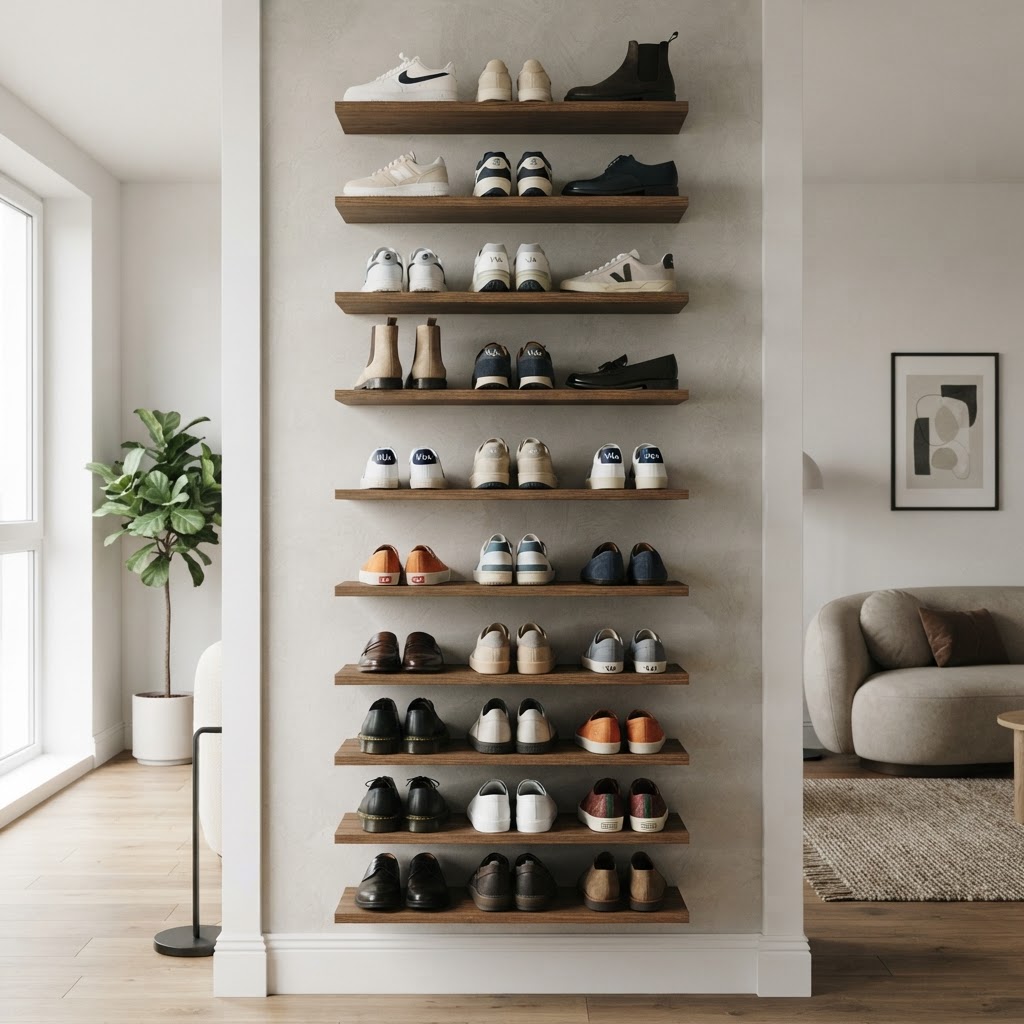
Many people forget that the back of the front door and the awkward corners of an entryway are prime real estate for hidden storage. Over-the-door organizers are not just for bathrooms; they are highly effective for storing flats, sandals, and sneakers. If you have an empty corner, consider a corner ladder rack, which utilizes dead space that would otherwise go unused. These corner units often feature 4 to 5 tiers, allowing you to stack shoes vertically without encroaching on the main walking path of your entryway. By utilizing these “dead” zones, you can often reclaim 2 to 3 square feet of floor space, which is critical in narrow studio apartment layouts.
The Power of Over-the-Door Solutions
Using the back of a door keeps your shoes hidden but reachable. Opt for high-quality pocket organizers made of fabric rather than plastic for a more aesthetic look. This method is particularly useful for families or those with a high volume of footwear, as it allows you to store upwards of 15 pairs on a single door. The key is to choose organizers with reinforced hooks capable of supporting at least 15-20 pounds, ensuring they do not sag or warp under the weight of heavier boots or multiple pairs of sneakers.
Multifunctional Furniture Pieces
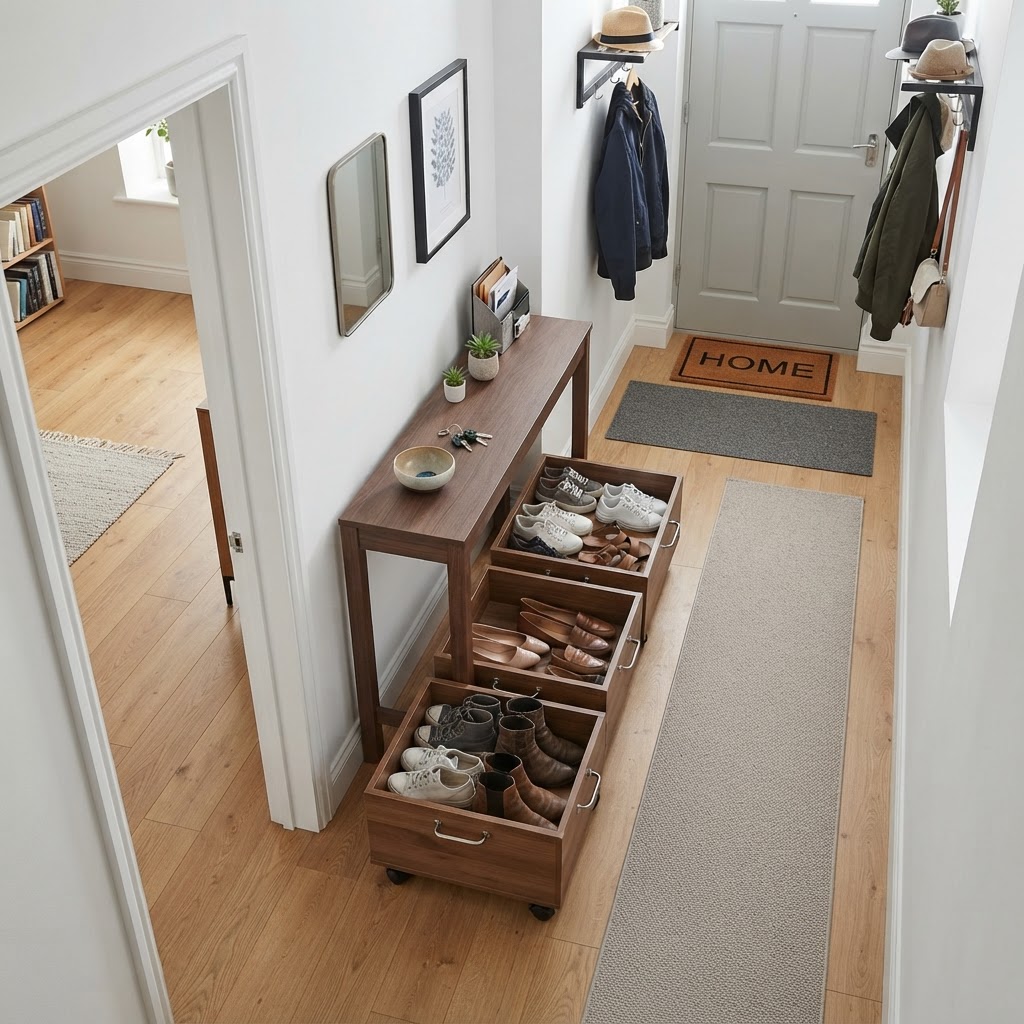
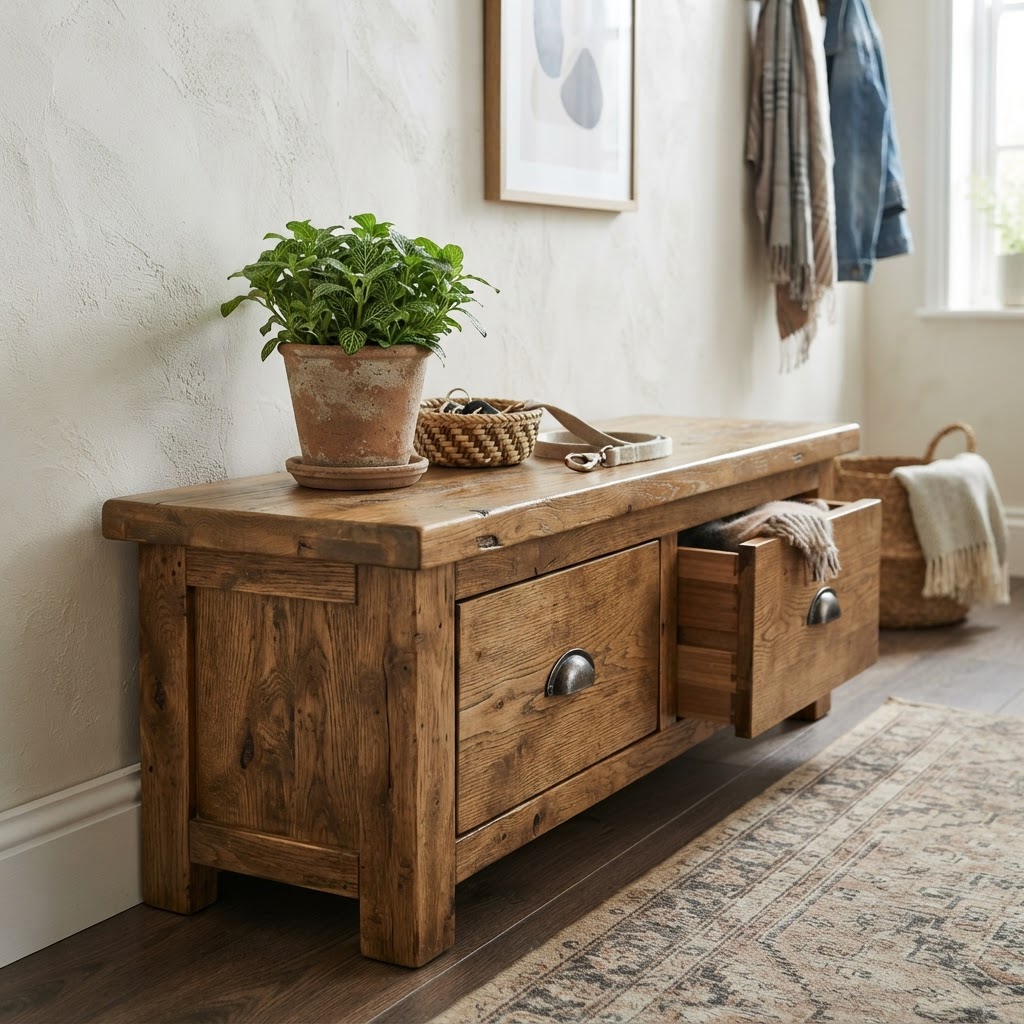
In a tiny space, every piece of furniture must perform double duty to ensure your home remains functional. Instead of a standalone shoe rack, opt for a storage bench that combines seating with internal storage. A bench provides a place to sit while putting on shoes and features a closed compartment underneath for storage. This keeps the entryway looking polished and hides the mess of daily wear. When selecting furniture for a small home, prioritize pieces that offer internal drawer depth of at least 14 inches to accommodate standard adult shoe sizes comfortably. If you are looking for ways to decorate a small apartment on a budget, these DIY shoe storage projects can be a great place to start your home improvement journey.
Choosing the Right Bench
When selecting a bench, look for one with drawers rather than open shelves. Drawers prevent visual clutter and keep your shoes dust-free. If you cannot fit a bench, consider a slim console table with storage baskets underneath, which offers a similar benefit but with a lighter visual impact. Baskets allow for quick cleanups and can be easily pulled out to reveal organized compartments. Ensure your console table has a footprint no wider than 12 inches to maintain a clear thoroughfare in narrow hallways, allowing for easier movement during peak traffic times in your household.
Hidden Storage and Under-Furniture Hacks
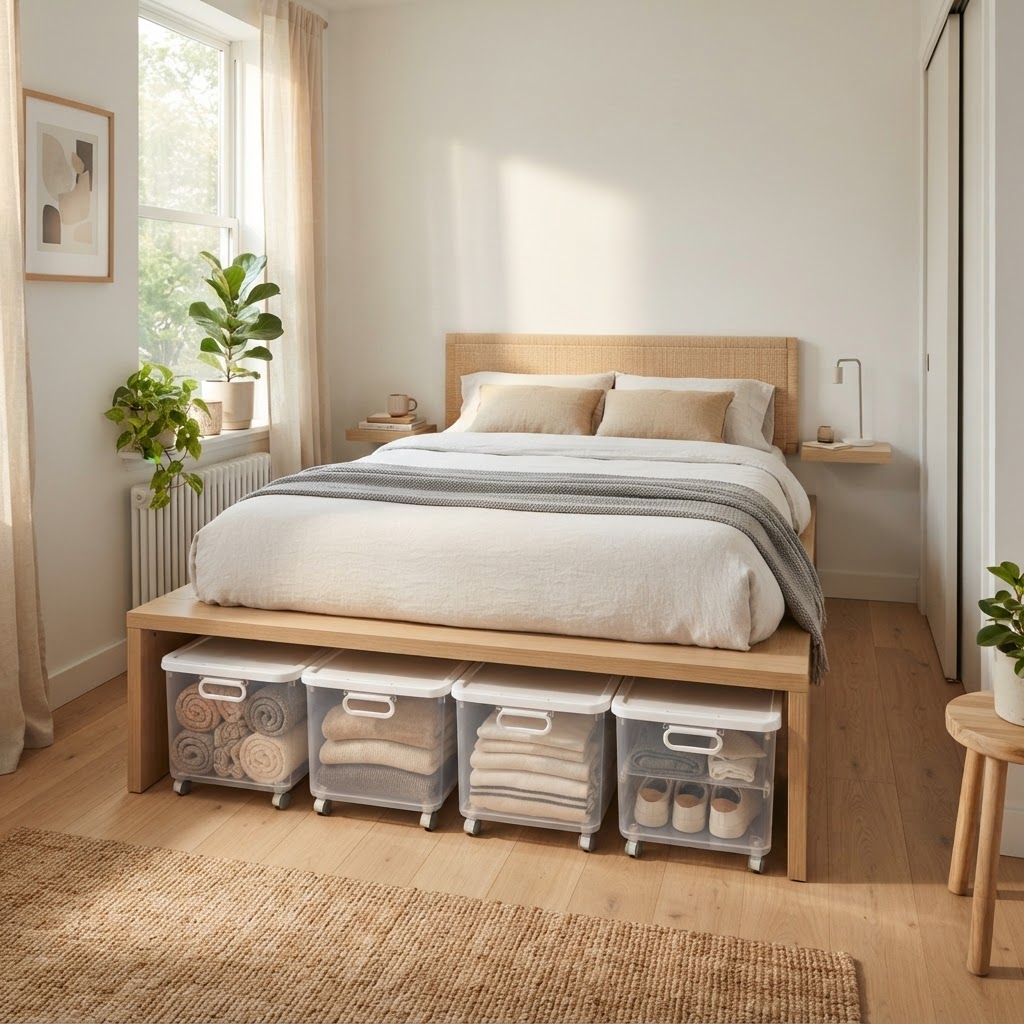
Sometimes the best storage is the kind you do not see. If you have a small cabinet or console table in your entryway, look at the space underneath it. Adding low-profile, rolling bins can turn that “nothing space” into a fully functioning shoe garage. These bins are easily accessible but stay tucked out of sight when not in use. Rolling casters should be prioritized, as they prevent scratching hardwood floors and allow for smooth transitions. Consider using clear bins or labeled wicker baskets to maintain an inventory of what is stored underneath, preventing the common “out of sight, out of mind” issue where shoes get buried and forgotten.
Modular and Stackable Systems
Modular organizers allow you to build your storage as your collection changes. You can start with a single unit and stack them as needed, making them ideal for renters who might move to a new space later. These systems are often lightweight, affordable, and highly customizable to fit the specific dimensions of your unique entryway. Investing in high-quality interlocking plastic or wood modular cubes ensures stability when stacked beyond 3 feet high. Always secure your vertical stacks to the wall using furniture anchors to ensure safety in high-traffic entry zones.
The Versatility of Cubbies
Modular cubbies provide individual homes for each pair, which helps keep shoes from being crushed. If you have a very narrow wall, you can stack them vertically to create a tall, thin tower. This maximizes height and minimizes the footprint of your storage. Use these cubbies specifically for frequently worn items like flats, loafers, or sneakers to maximize the throughput of your storage system. By dedicating one cubby per pair, you prevent the “pile-up” effect that often happens in traditional open racks, keeping your shoes in better condition for longer.
Creating a Rotation System
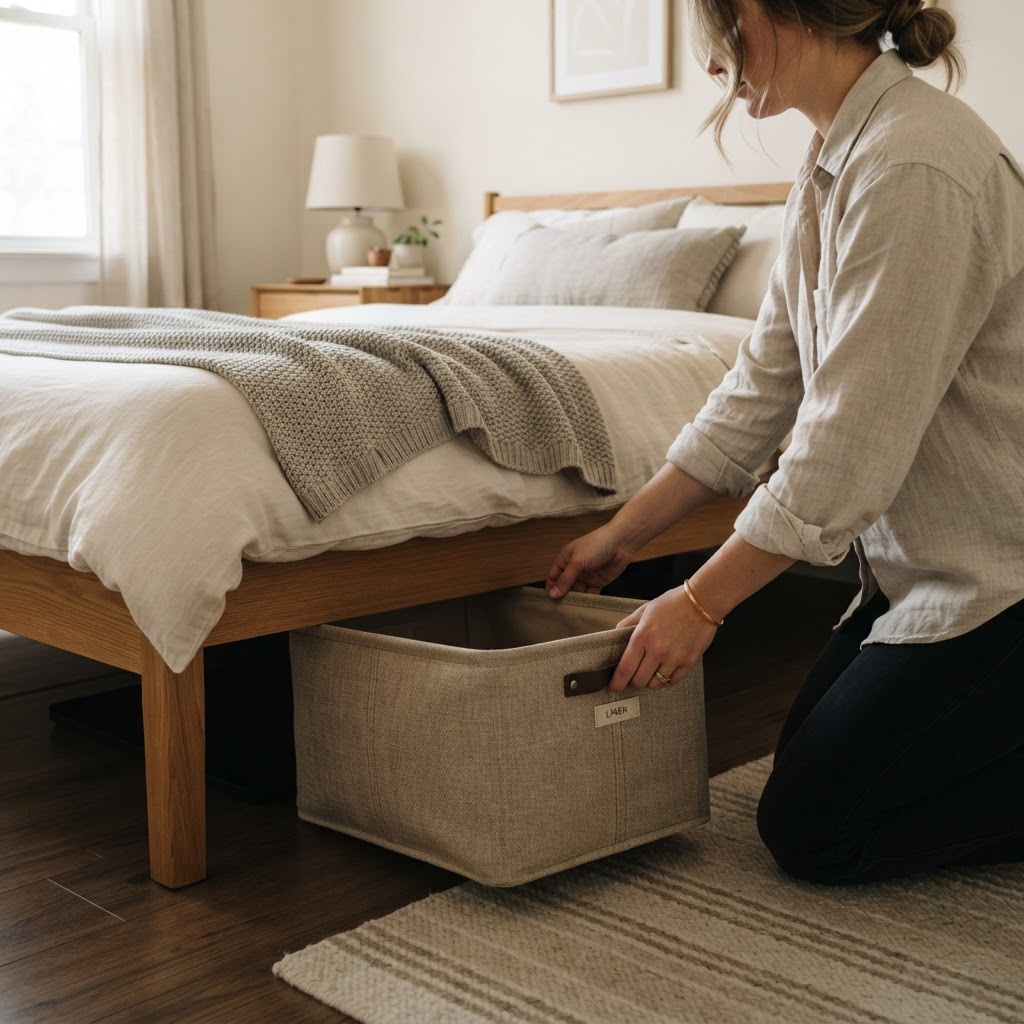
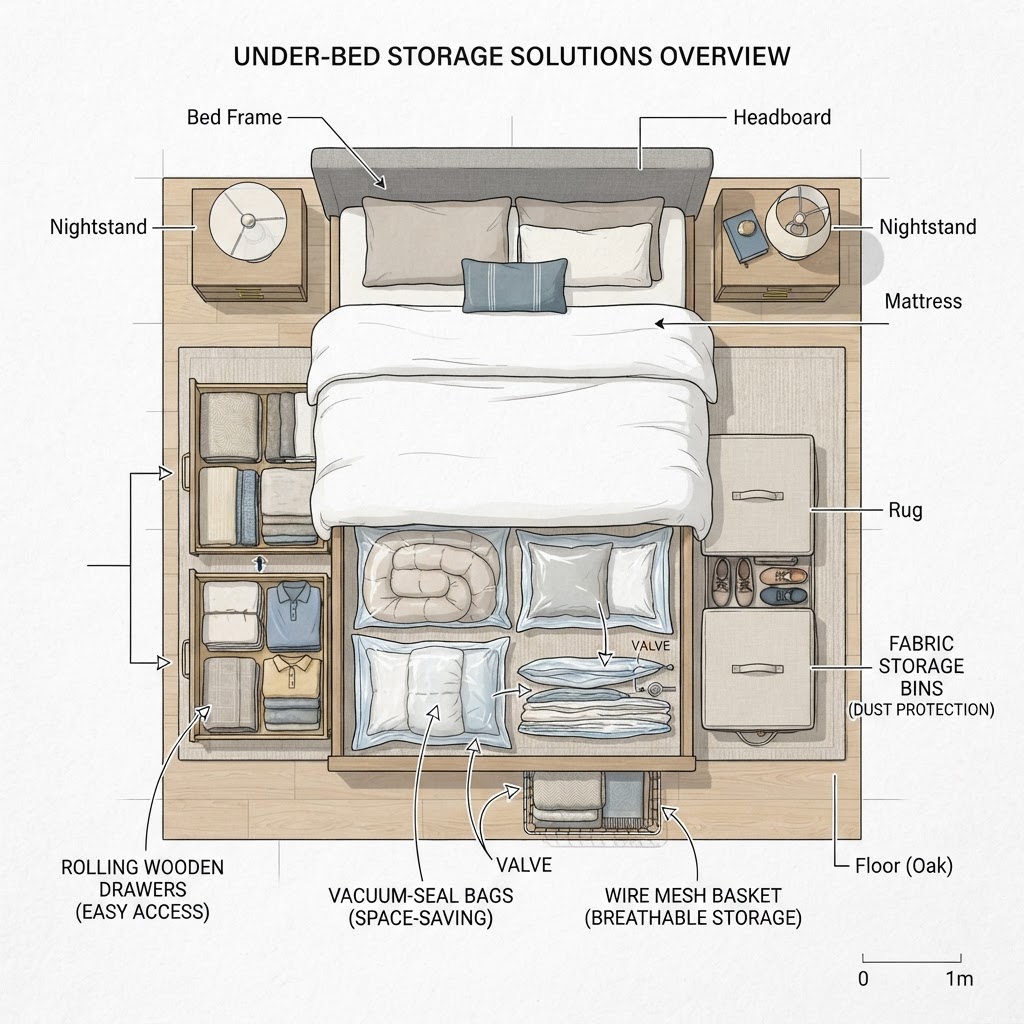
Small apartment storage organization is also about discipline. If you have too many shoes, stop storing them all at the front door. Create a “rotation” system where only your most frequently worn pairs are kept in the entryway. Store seasonal or formal shoes in an under-bed storage box or a closet organizer, rotating them in as the weather or your needs change. Experts suggest keeping no more than 4 to 6 pairs in the entryway at any given time to maintain a zero-clutter zone. This seasonal rotation not only clears your entry but extends the life of your footwear by keeping them protected in climate-controlled storage when not in use.
Maintaining Your New System
Once you have installed your storage, the key is maintenance. Spend two minutes each day placing your shoes in their designated spot rather than kicking them off at the door. If you find your storage overflowing, it is a sign that it is time for a seasonal purge. Keep only what you wear regularly to ensure your tiny entryway remains a functional and welcoming space. Consistency is the most significant factor in maintaining an organized entryway; by establishing a nightly routine, you ensure the area remains clear for the following morning, saving you precious minutes during your daily commute.
FAQ
How do I store shoes in a very narrow entryway?
Use vertical wall-mounted floating shelves or ultra-slim fold-down cabinets that are less than 10 inches deep. These options keep the floor clear while providing organized storage for your most frequently used pairs.
What is the best way to hide shoes in a small apartment?
Multifunctional furniture, such as storage benches with closed drawers or console tables with decorative baskets, are the best ways to hide shoes. These pieces turn your shoe storage into intentional decor rather than exposed clutter.
Are over-the-door shoe organizers good for small spaces?
Yes, over-the-door organizers are highly effective because they utilize vertical space on the back of doors that would otherwise remain dead space. They can store 15 to 24 pairs without taking up any floor area.
How many shoes should I keep in my entryway?
Aim to keep only your 4 to 6 most frequently worn pairs in your entryway. Use a rotation system to move seasonal or formal footwear into closet or under-bed storage to prevent overcrowding your main entry point.
Can I use vertical space for heavy boots?
Yes, but ensure you use heavy-duty wall-mounted shelving or reinforced hooks that can support the weight of heavy footwear. Always anchor your storage to wall studs if the total weight exceeds 20 pounds to ensure safety and stability.
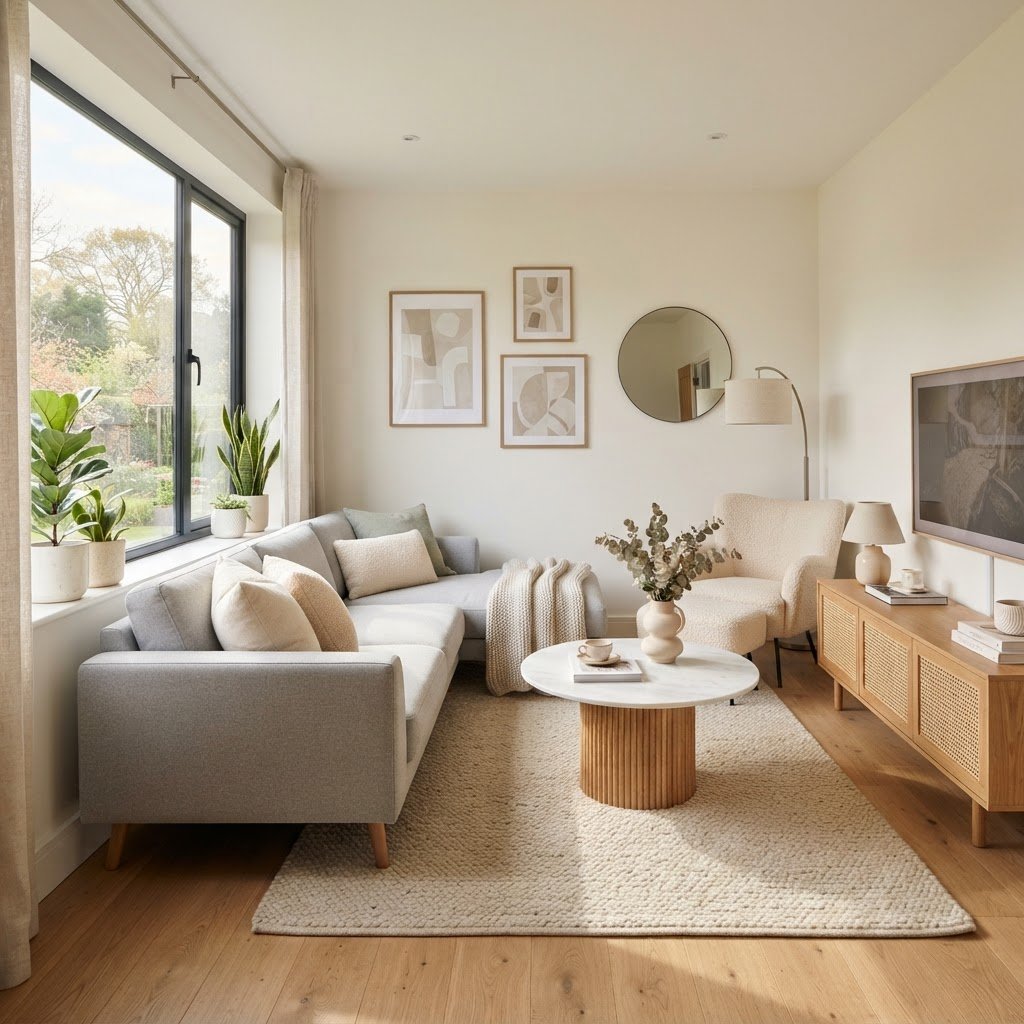
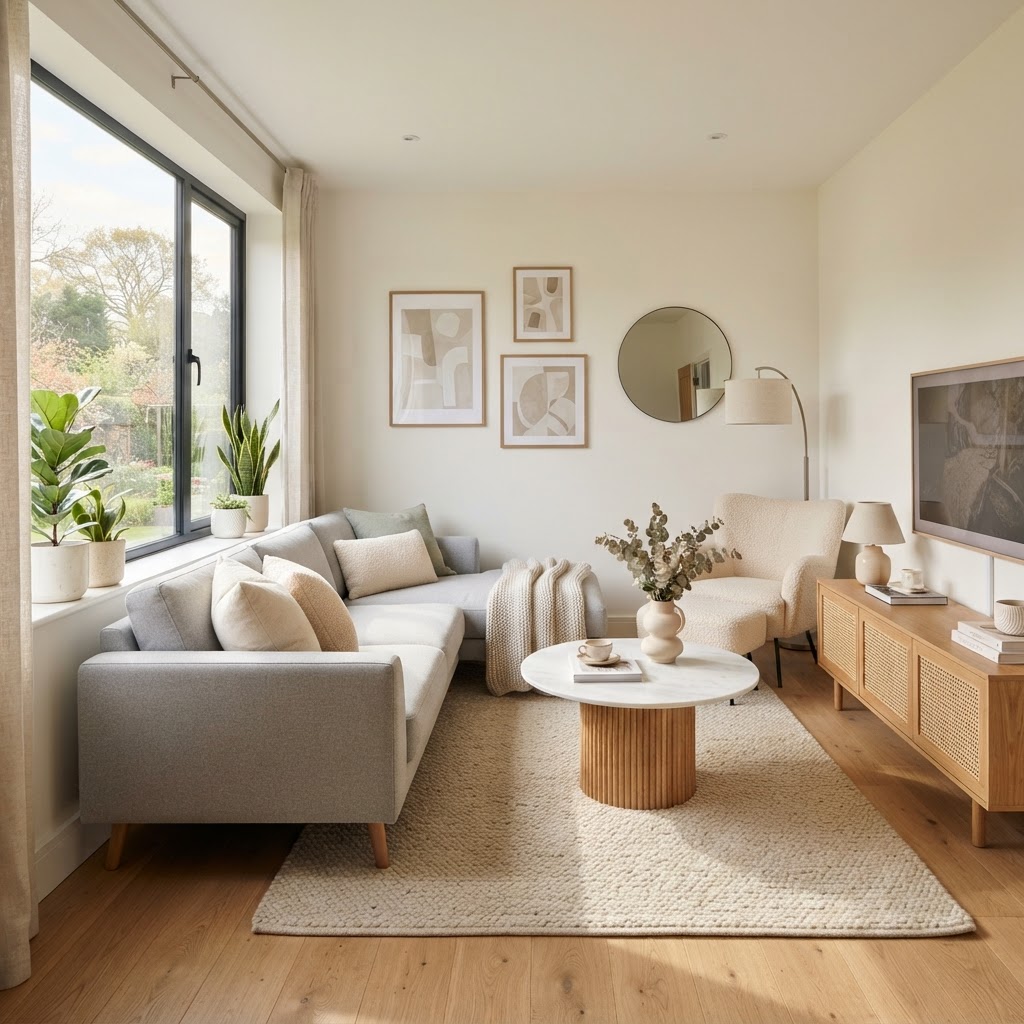
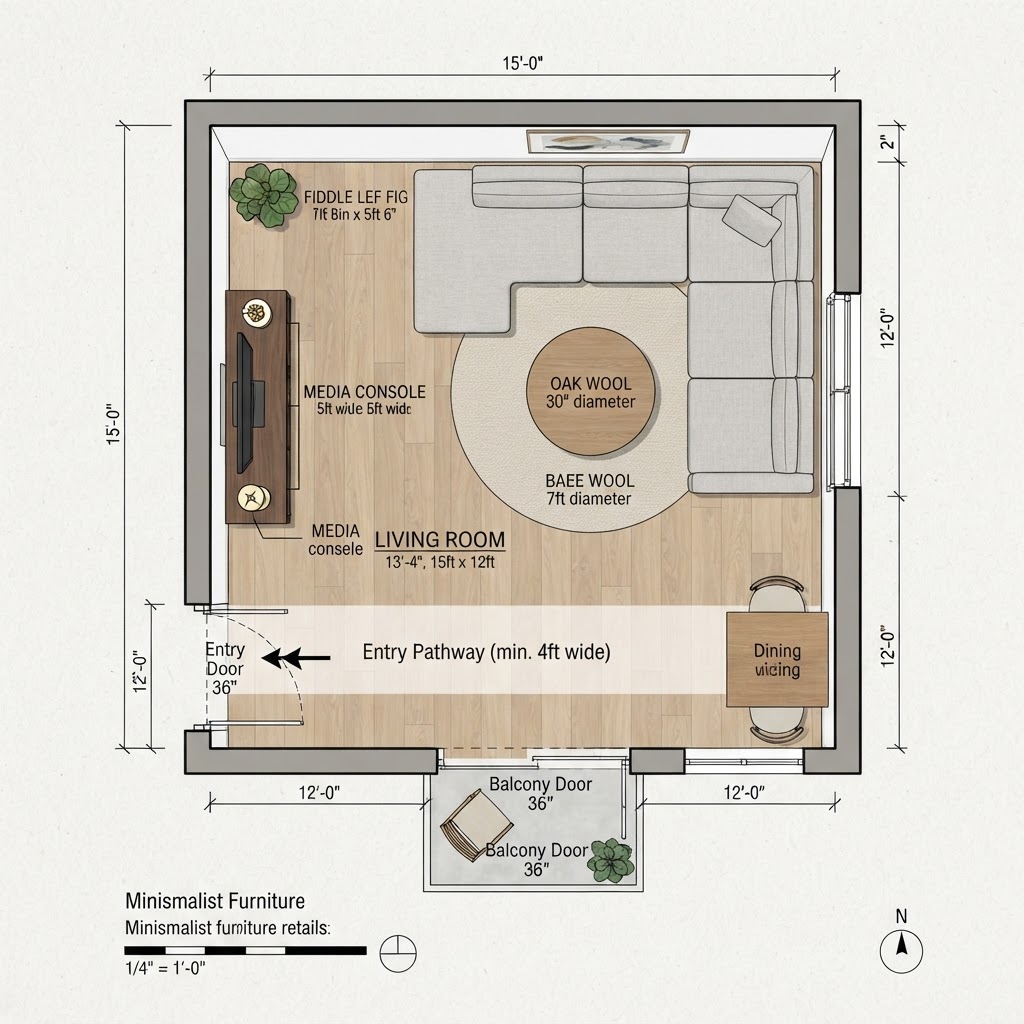
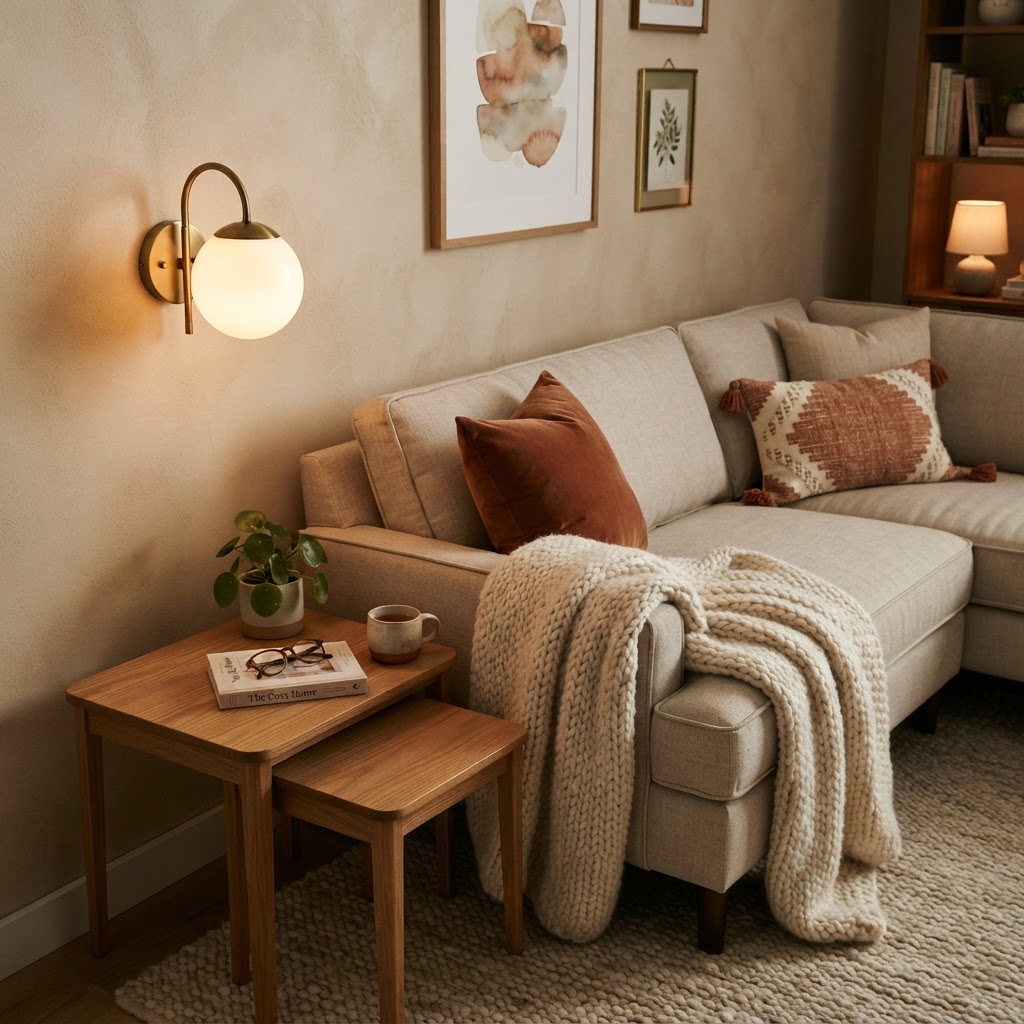
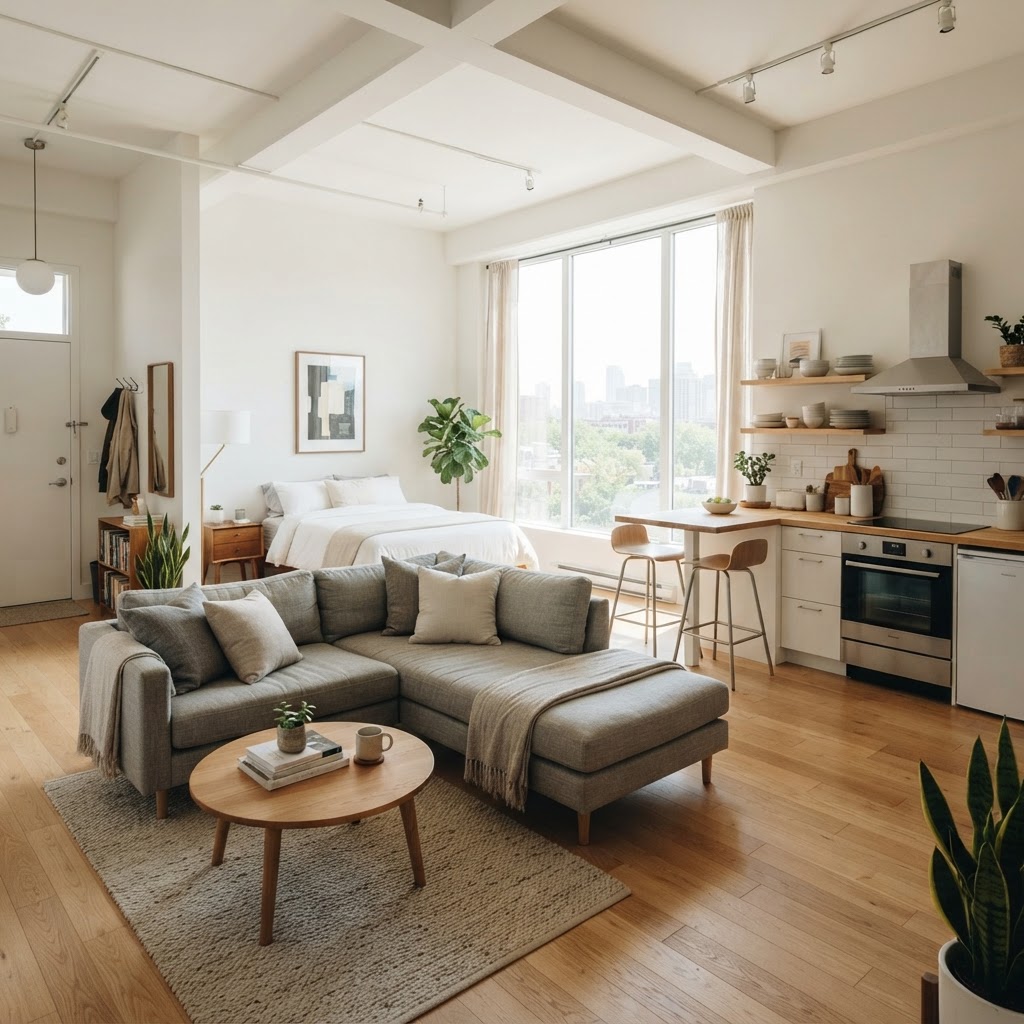
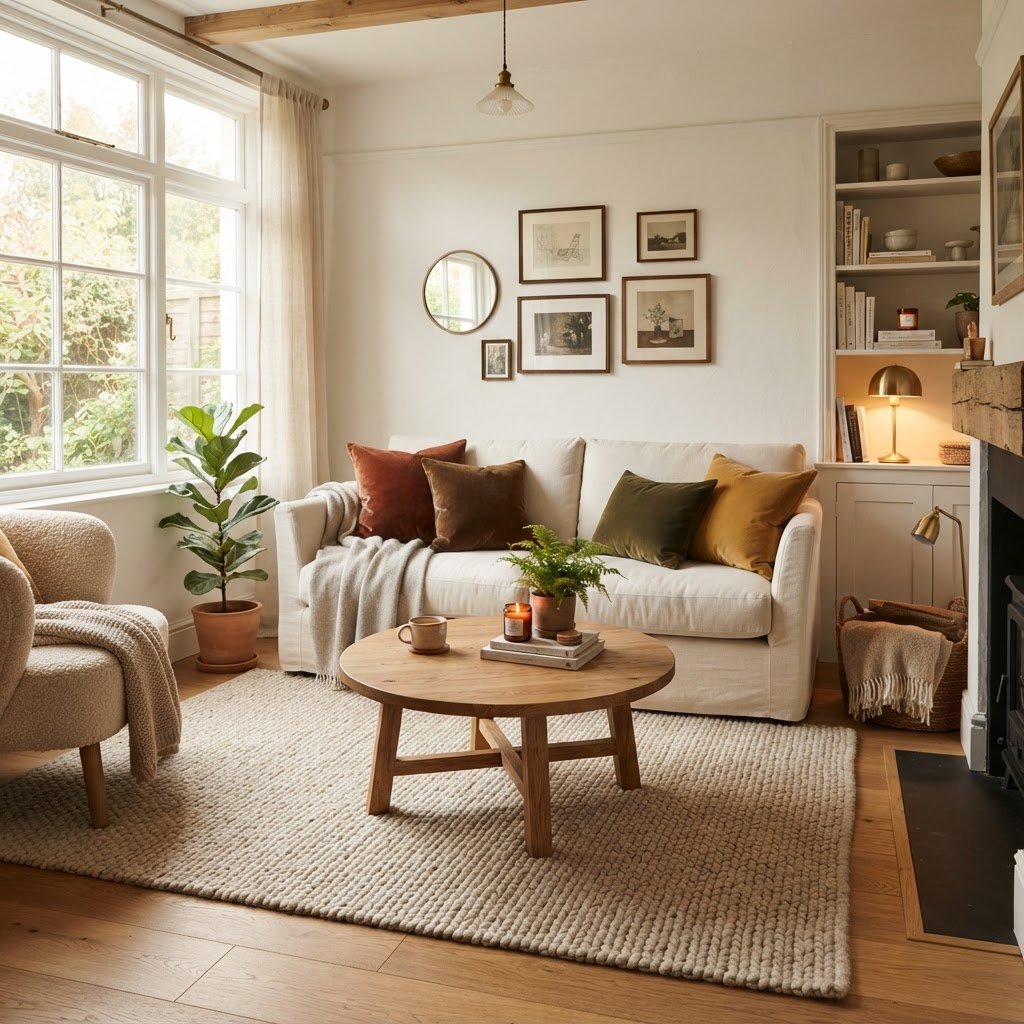
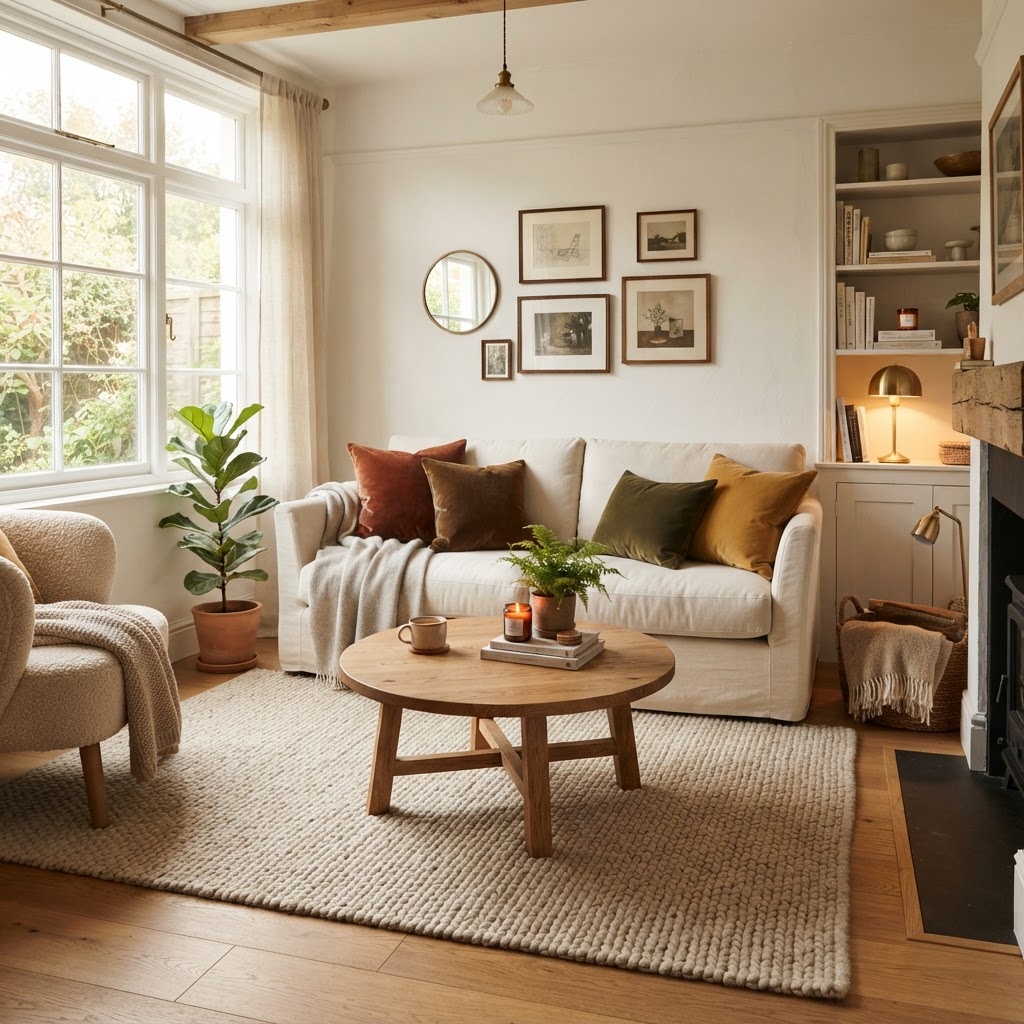
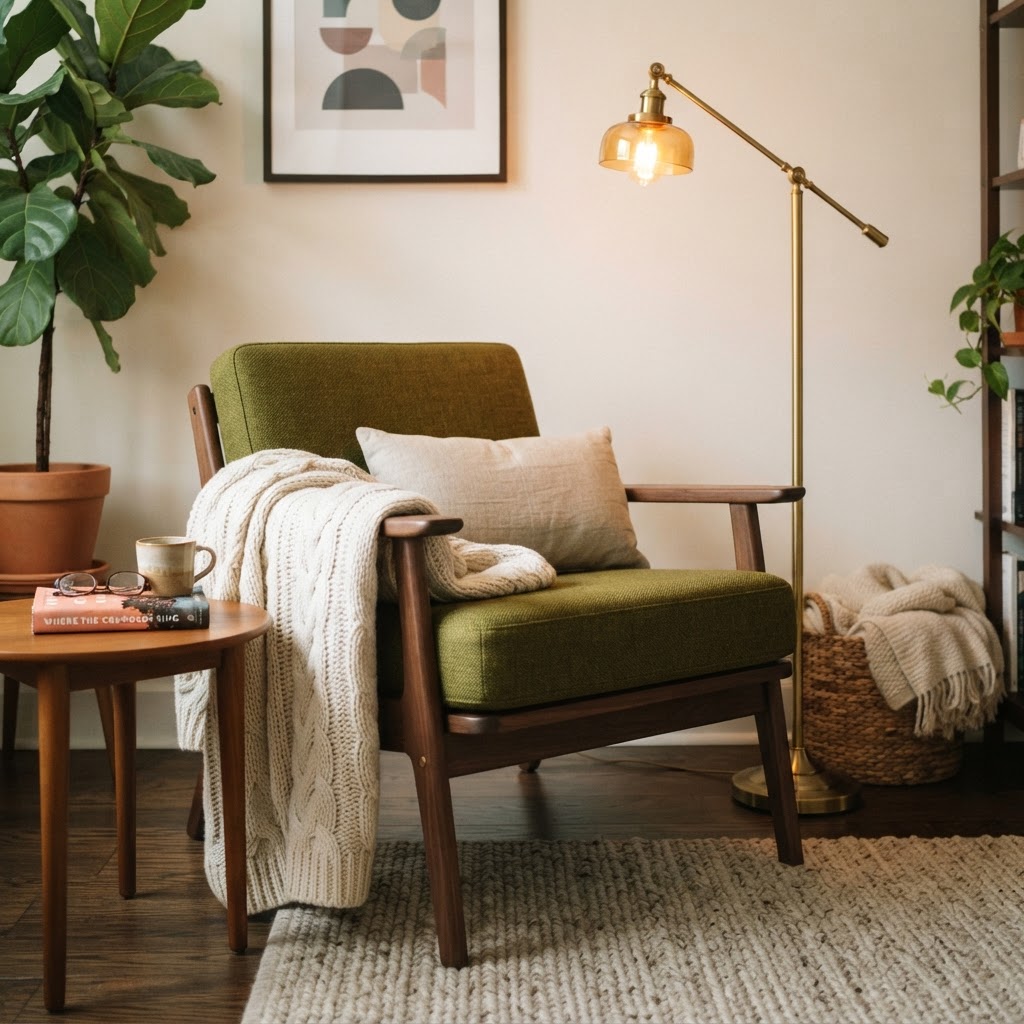
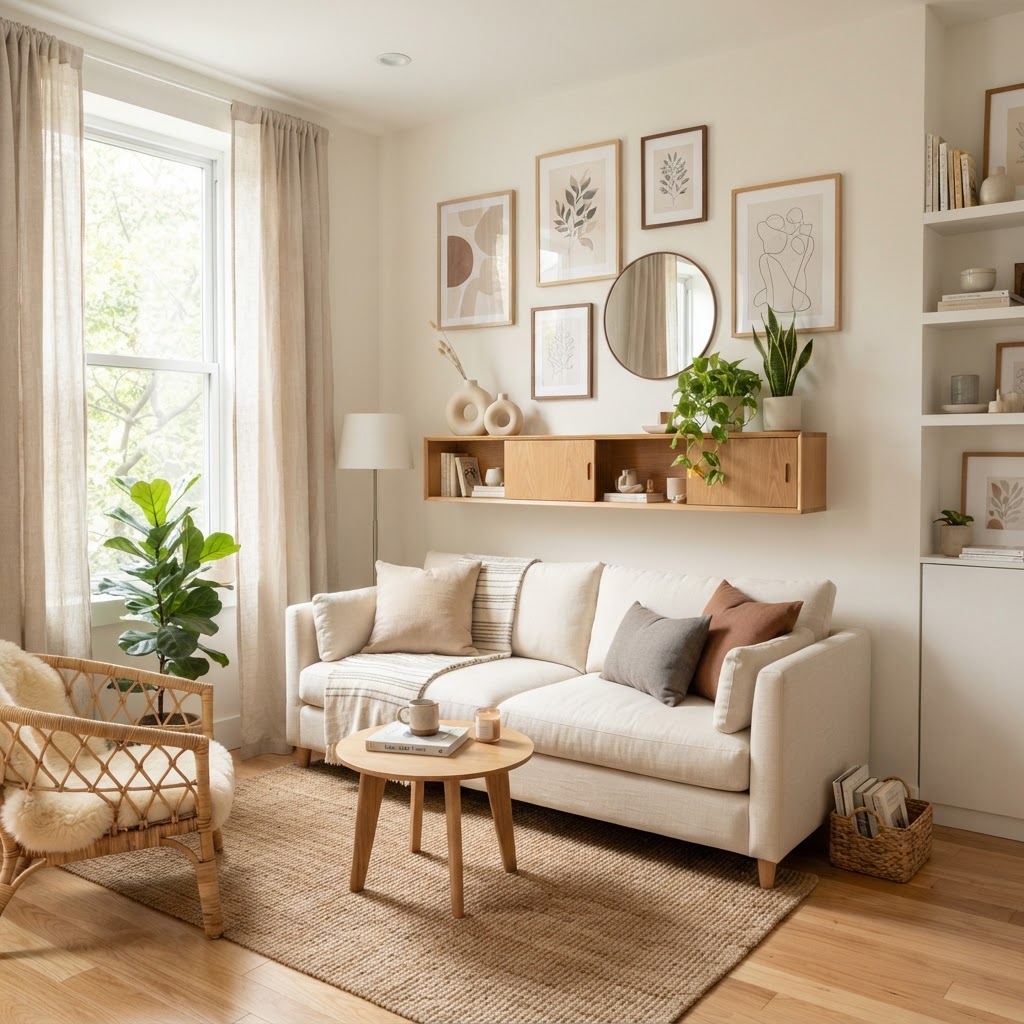
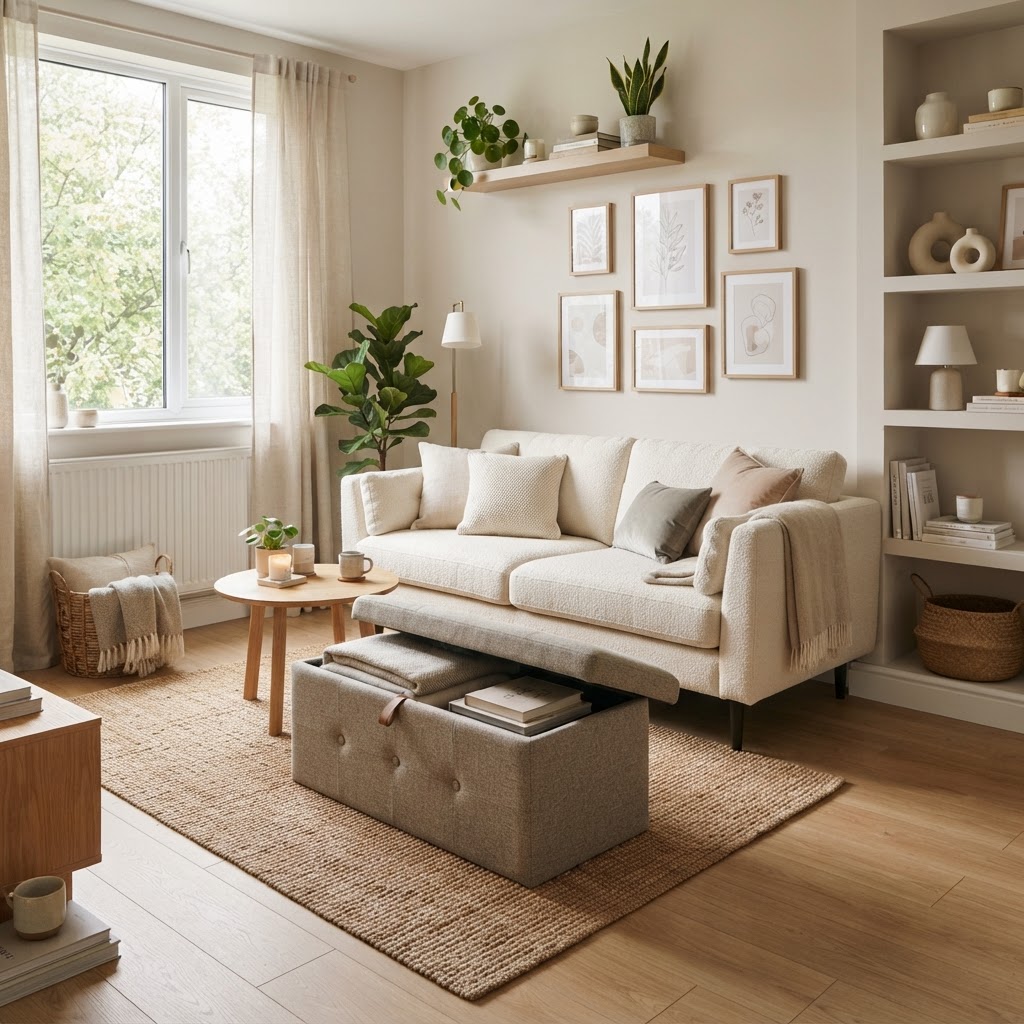
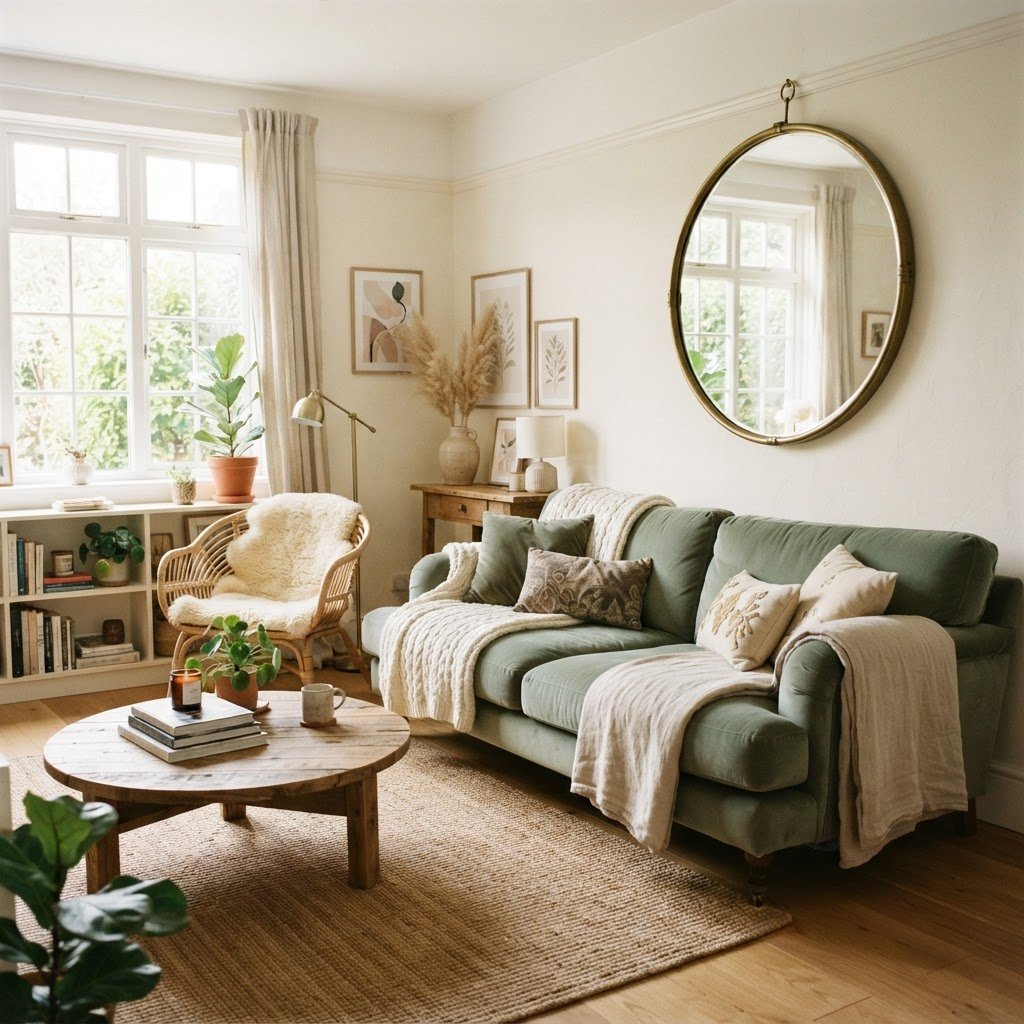
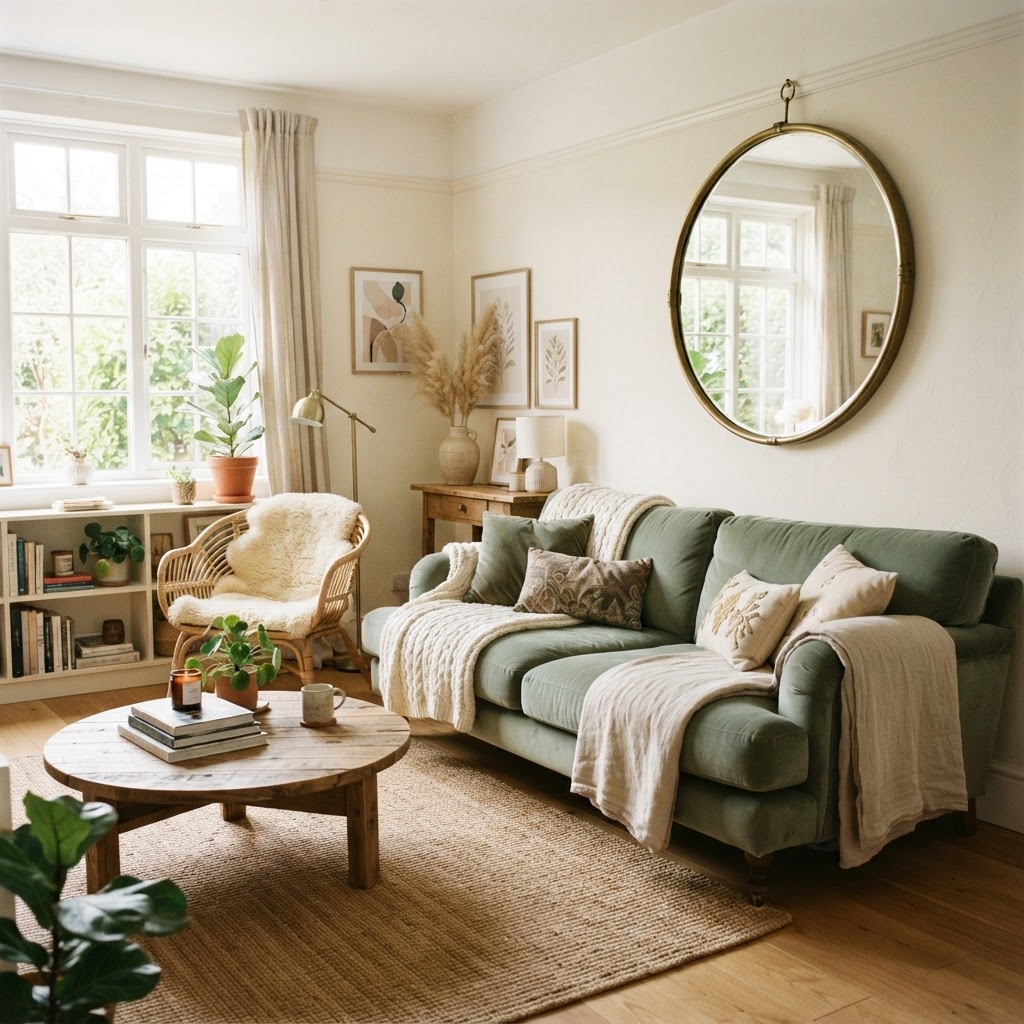
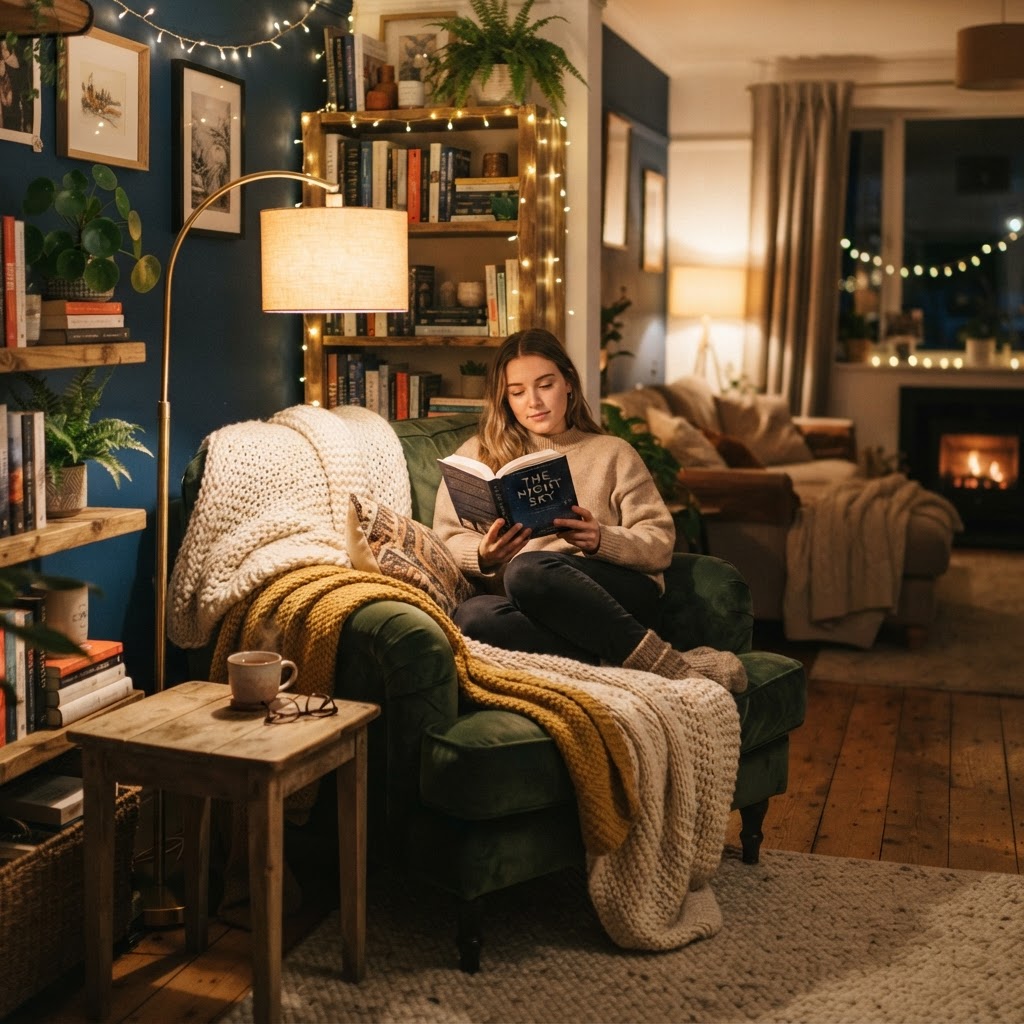
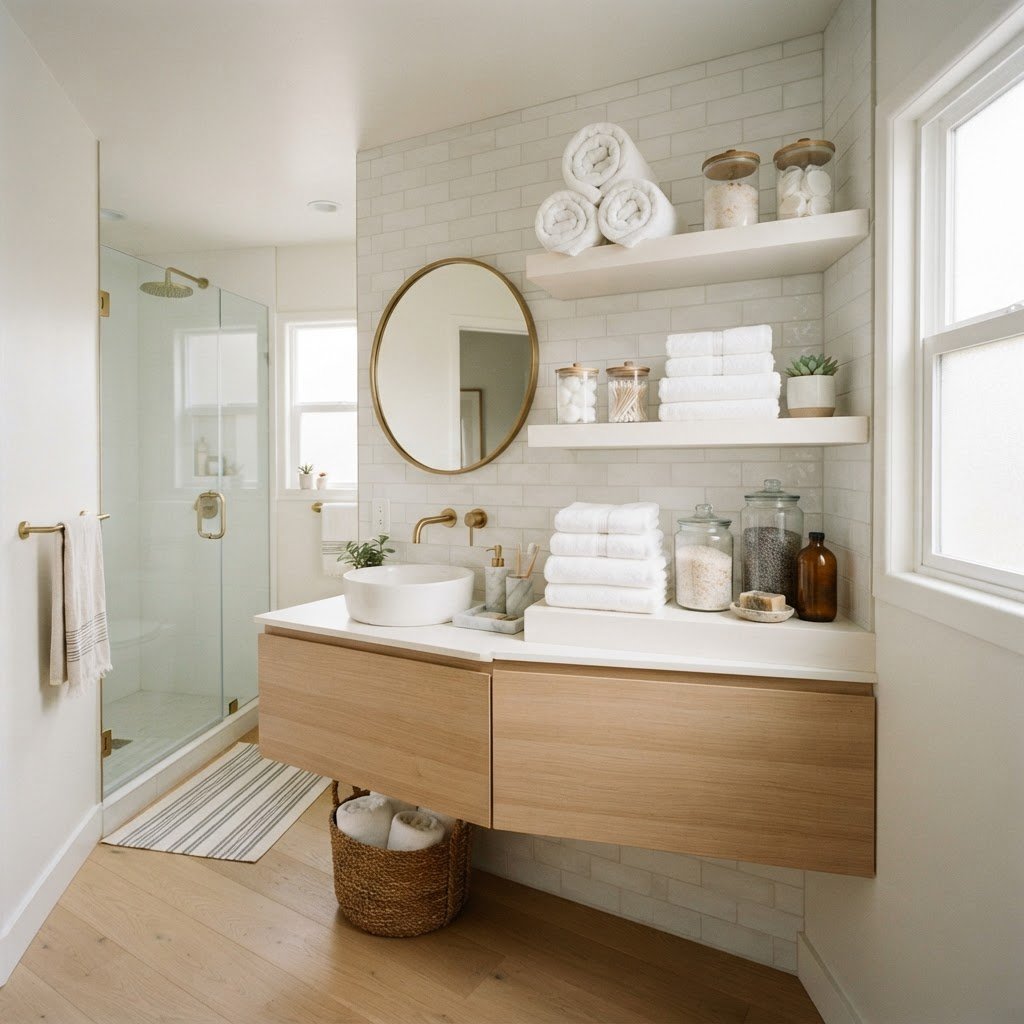
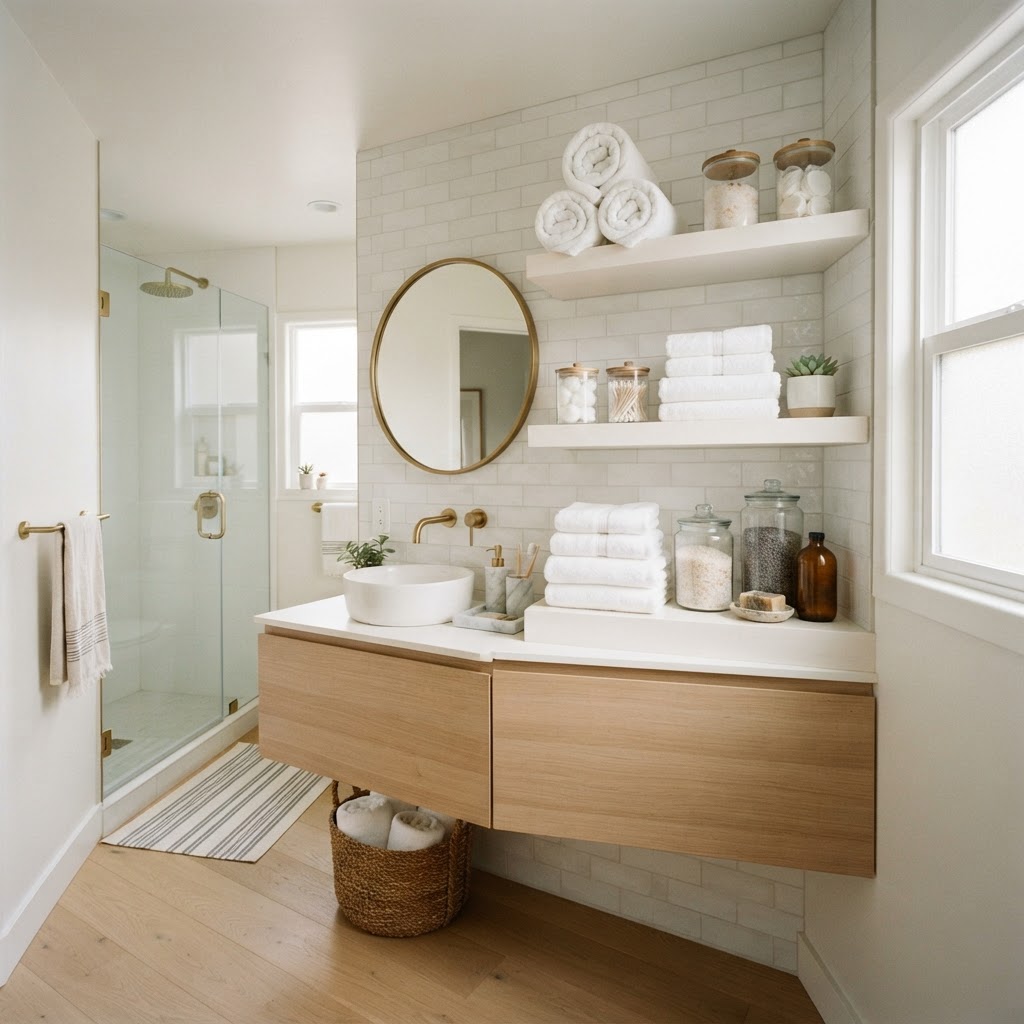
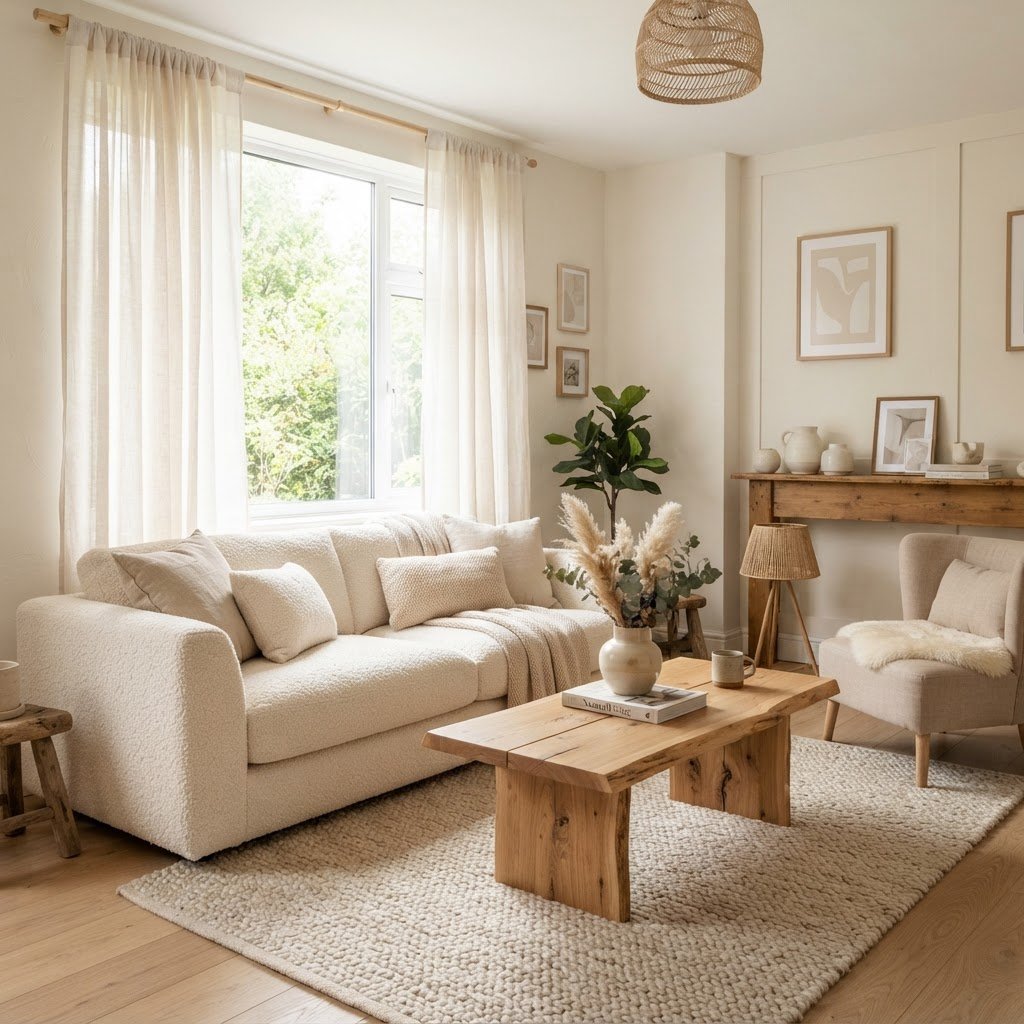
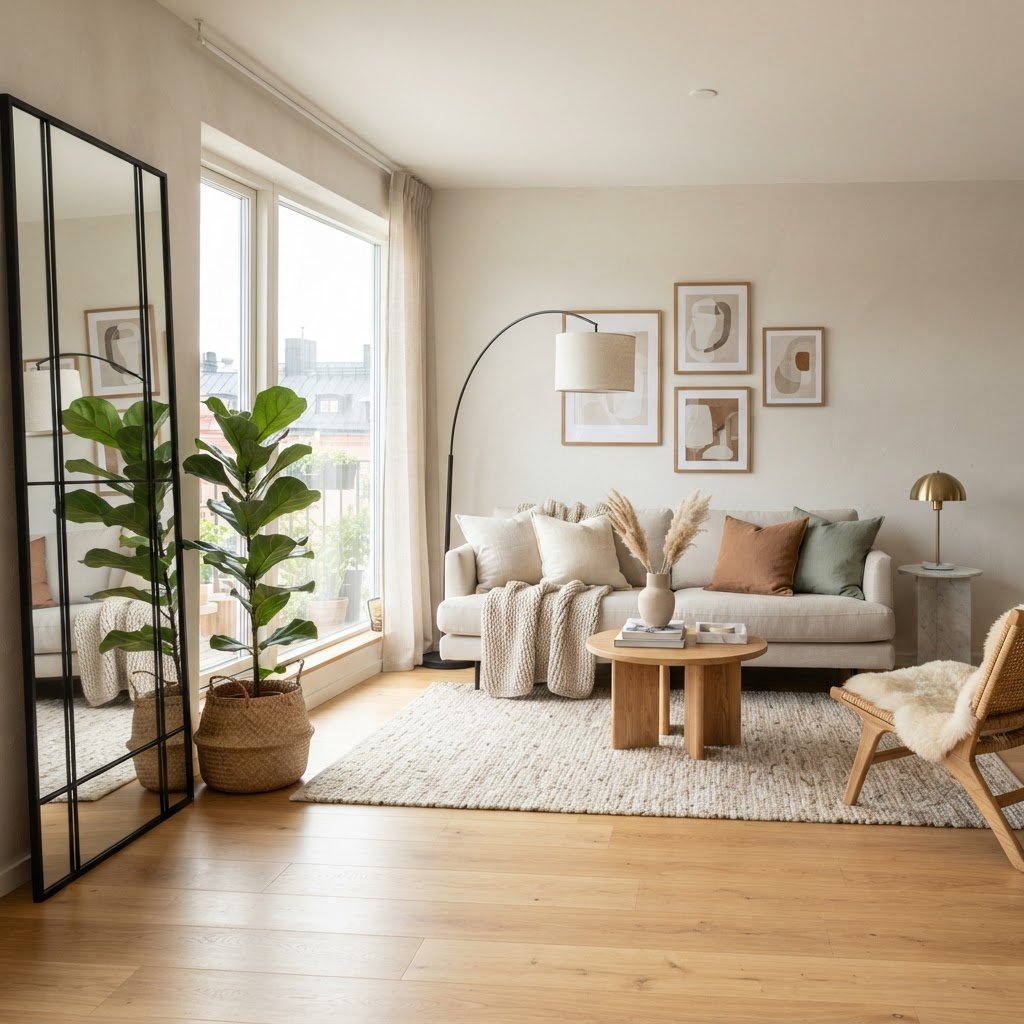
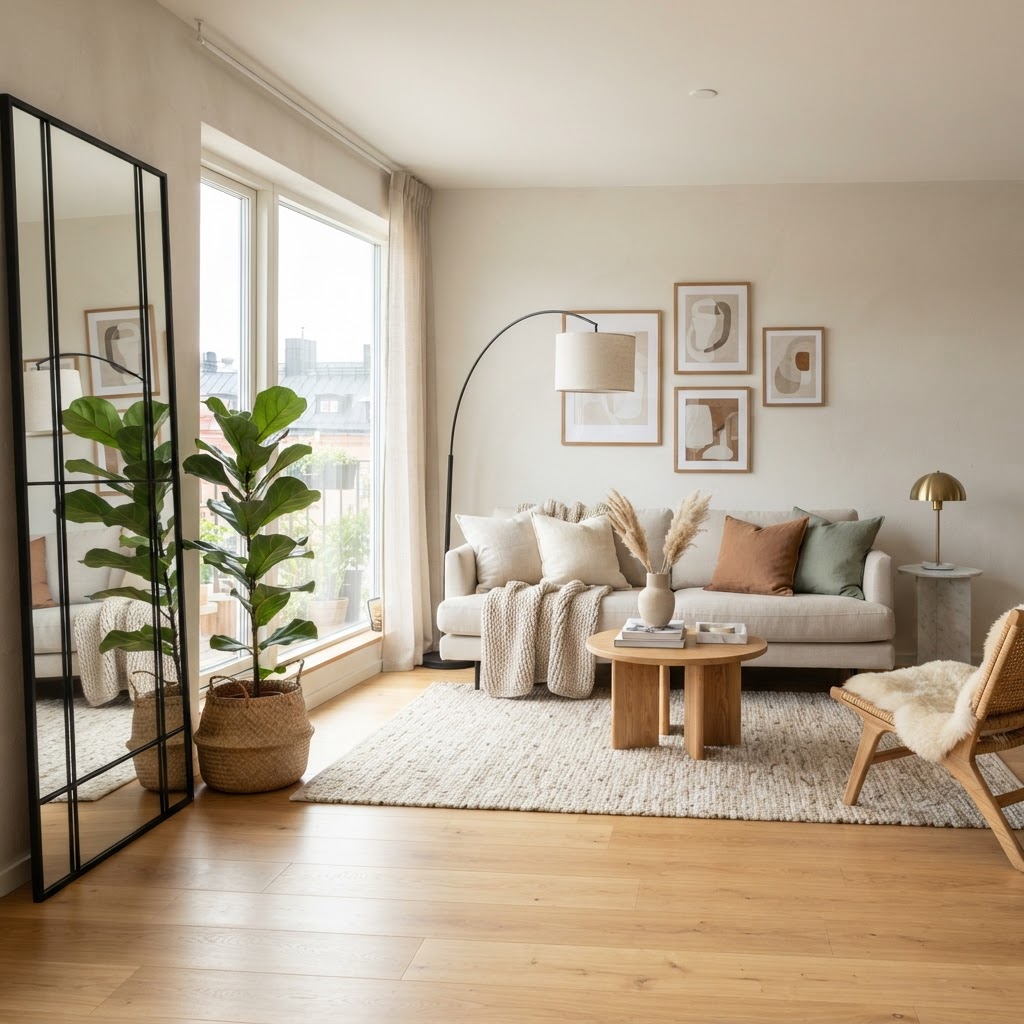
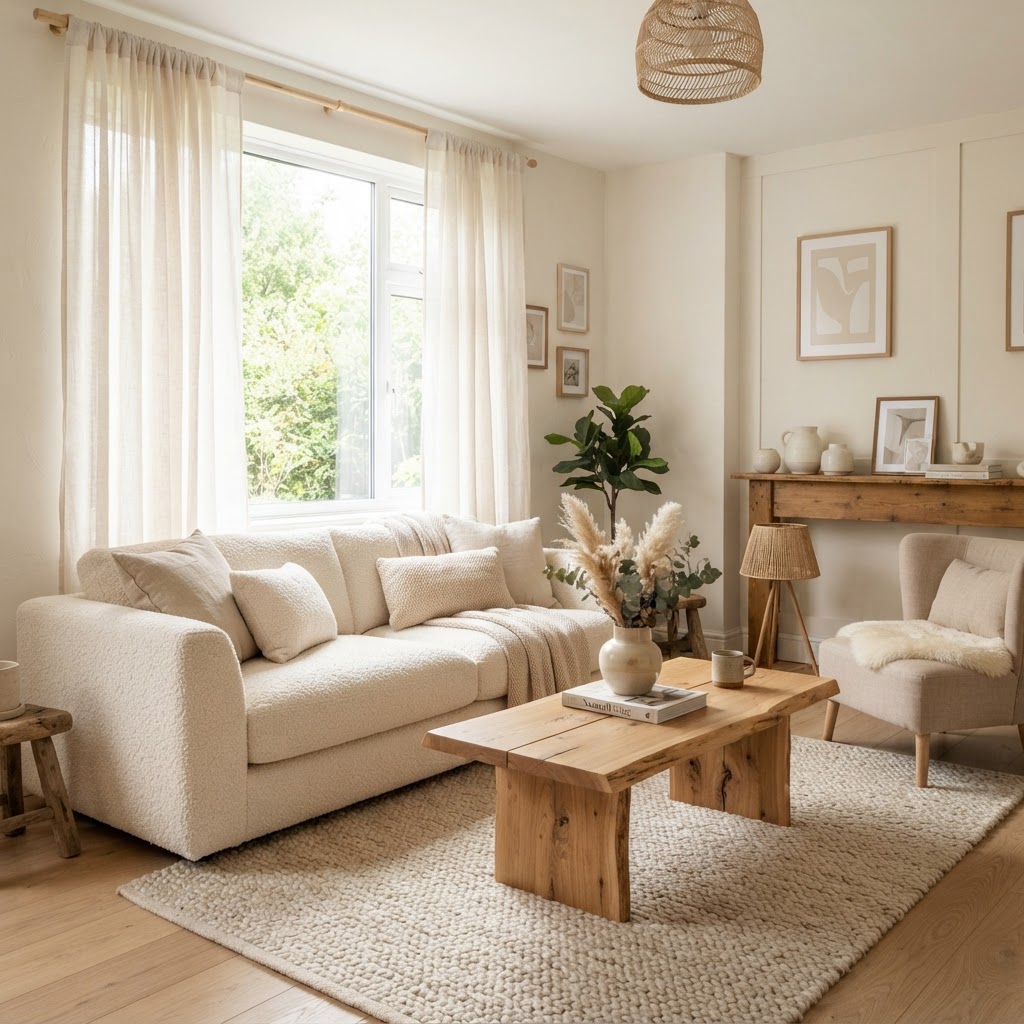 One of the most effective ways to make a small room feel grander is through a monochromatic color scheme. By utilizing varying shades of the same warm neutral color, you create a sense of visual continuity that prevents the eye from being interrupted by harsh contrasts. This technique tricks the brain into perceiving a larger, more fluid space.### Strategic Texture ImplementationTexture acts as the substitute for color intensity in a neutral space. To achieve an expensive look, you must incorporate a variety of tactile elements. Think boucle fabrics, raw linen drapery, sheepskin rugs, and honed marble side tables. When you combine these different materials, you create visual weight that feels curated rather than cluttered.Layering textures prevents a neutral room from feeling flat. Focus on mixing materials that have both coarse and refined finishes. For example, pair a chunky knit throw blanket with smooth leather seating or raw wood coffee tables. This variety keeps the eye moving throughout the space, adding interest to every corner.## Maximizing Verticality and Scale
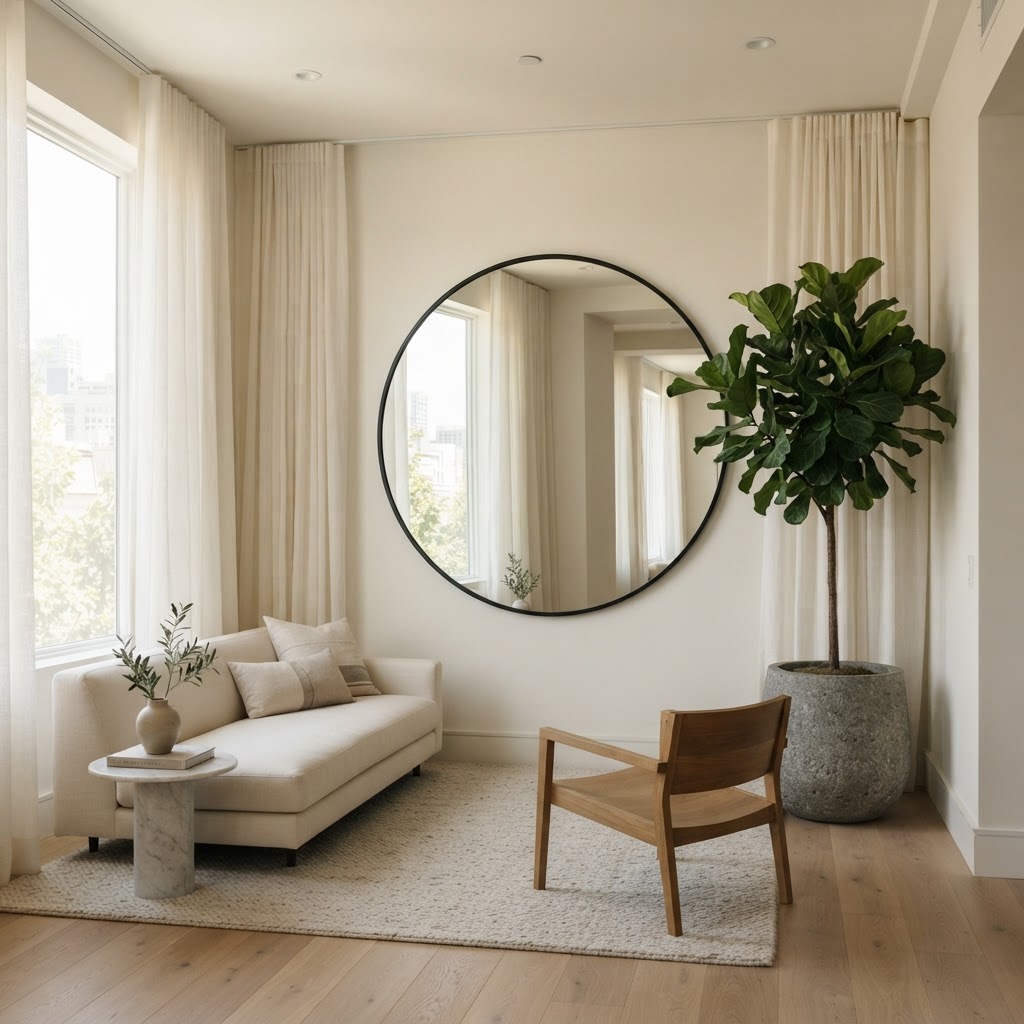
 In small living rooms, floor space is often at a premium, which makes vertical space your greatest asset. Drawing the eye upward is a fundamental pillar of luxury design. When you utilize the full height of your walls, you create an illusion of high ceilings, which naturally makes a room feel more expensive and expansive.#### Investing in Floor-to-Ceiling DraperyOne of the easiest “expensive” hacks involves hanging curtains as high as possible. Mount your curtain rod just inches below the ceiling line rather than immediately above the window frame. This elongates the walls and frames the window in a way that feels intentional and custom-fitted.#### Selecting Art and MirrorsScale is everything. Avoid filling your walls with dozens of tiny frames, which can make a room feel cramped. Instead, opt for one large, impactful piece of art or an oversized, ornate mirror. An oversized mirror not only acts as a focal point but also bounces light around the room, which is crucial for small, neutral-toned spaces.## The Role of Lighting in Luxury Interiors
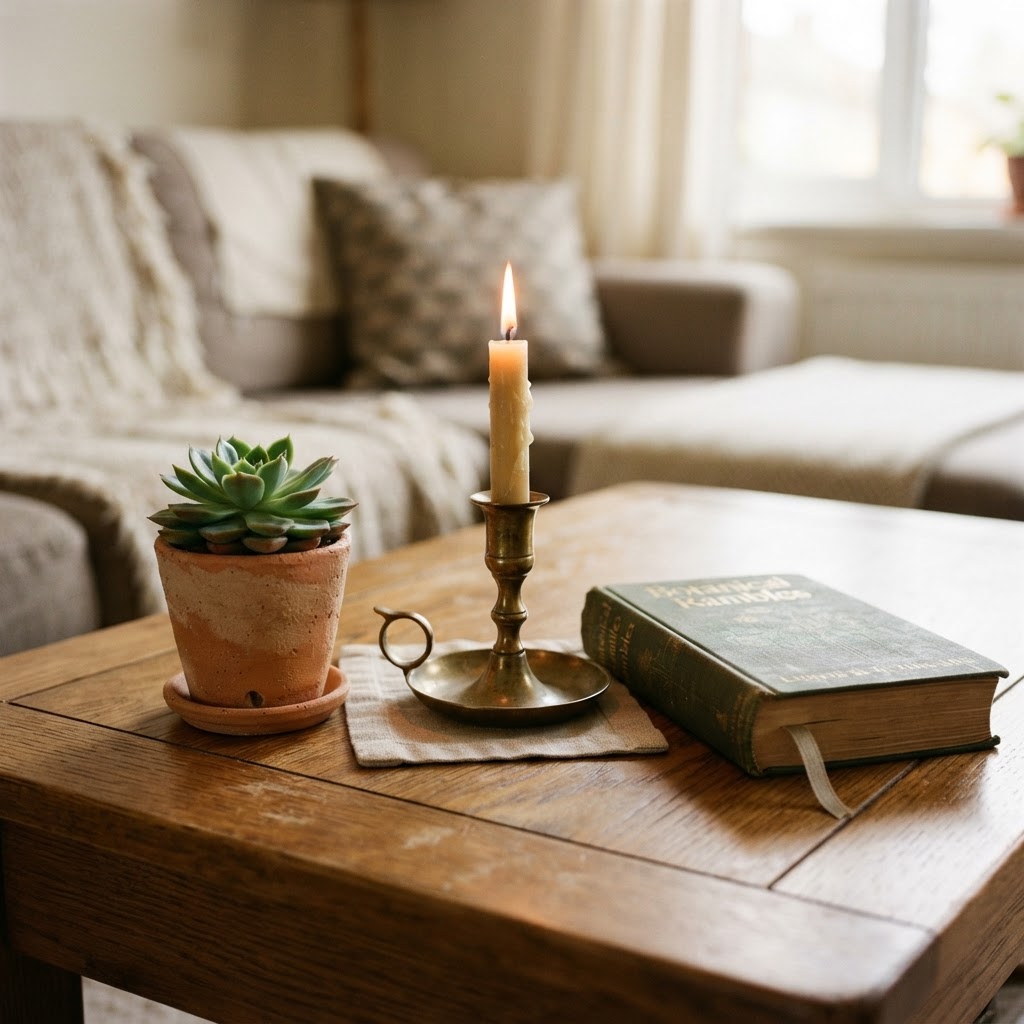
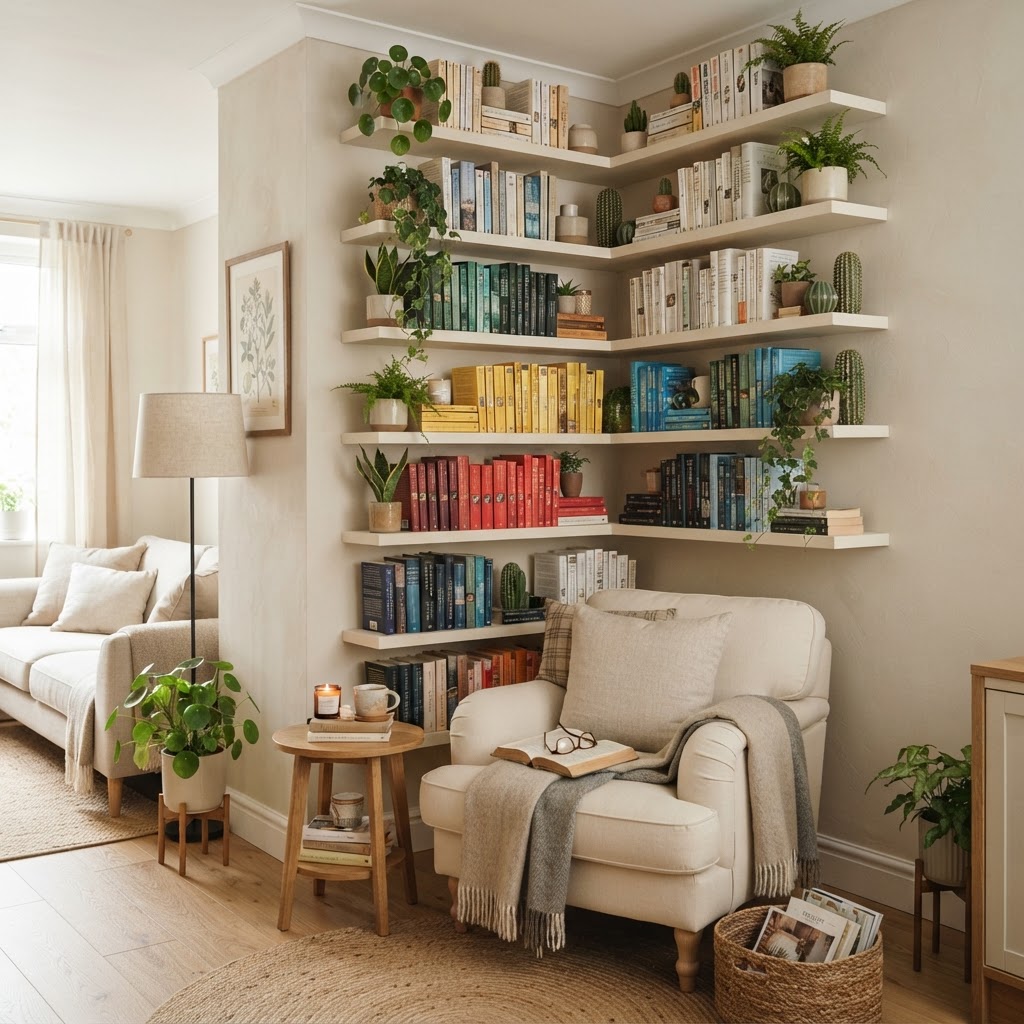
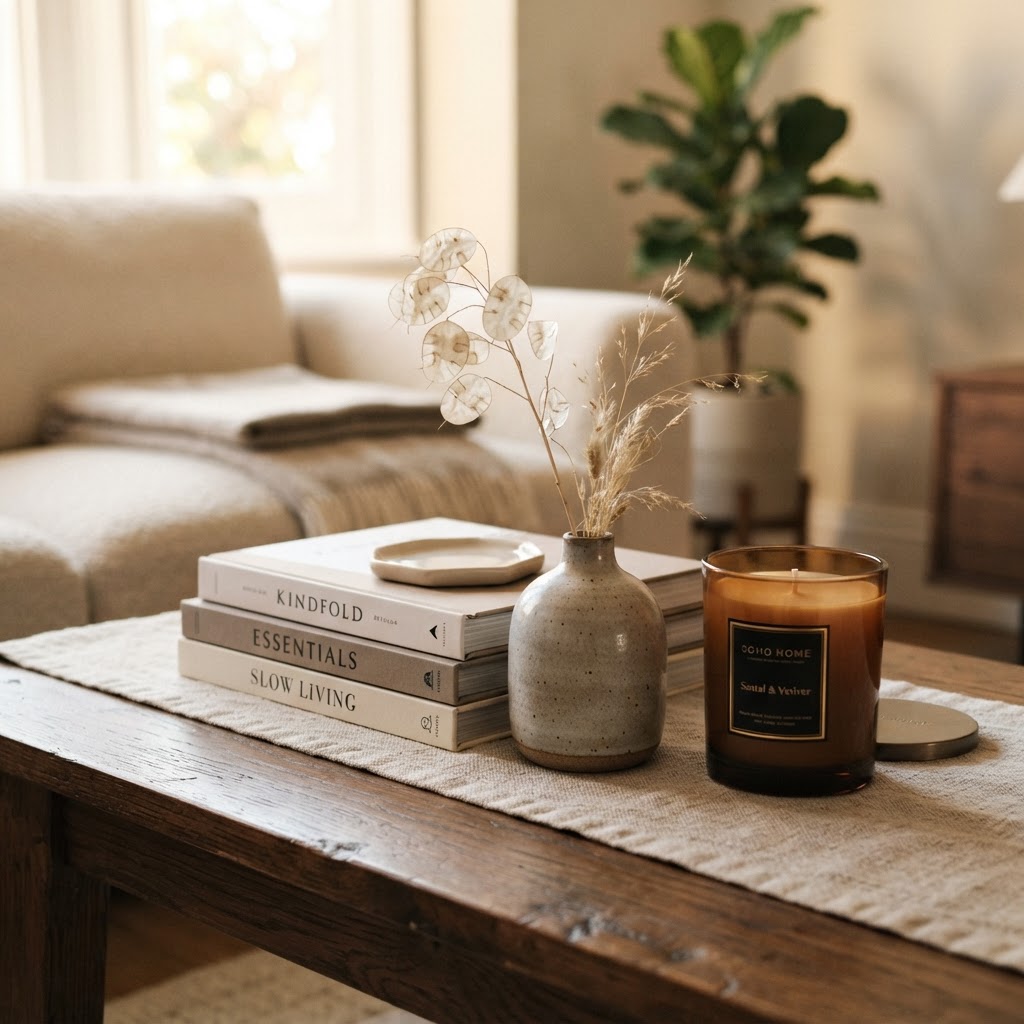
 Lighting is the invisible hand that dictates the mood of a room. In small living rooms, relying solely on overhead “big light” is a mistake that flattens your design. To make your space feel premium, you need to layer your lighting sources to create pools of warmth.### Creating a Lighting Hierarchy1. Ambient Lighting: Use soft, warm-toned recessed lighting or a flush mount fixture to set the general mood.2. Task Lighting: Incorporate sculptural table lamps or adjustable floor lamps near reading nooks.3. Accent Lighting: Consider picture lights or under-shelf LED strips to highlight architectural features or decor collections.By utilizing dimmers, you gain control over the atmosphere. Being able to lower the light intensity in the evening instantly transforms a functional living space into an intimate, high-end retreat. Always ensure your bulbs are in the ‘warm white’ range—around 2700K to 3000K—to maintain the cozy integrity of your neutral palette.## Curating High-Quality Furniture PiecesWhen working with warm neutral small living room ideas that feel expensive, the ‘less is more’ philosophy is paramount. Rather than cluttering the space with several mediocre pieces, invest in one or two high-quality statement items. This could be a vintage armchair with a unique silhouette or a designer coffee table with a sculptural base.#### The Importance of SilhouettesLook for furniture with exposed legs. By allowing the floor to be seen underneath your sofa or console, you keep the room feeling open. Furniture that sits flush to the floor can look heavy, whereas items with legs provide a sense of ‘lift’ that is essential for a feeling of spaciousness and sophistication.#### Choosing Materials WiselyNatural materials like travertine, solid oak, and heavy-weight linen always convey a sense of quality. Even if you are working within a budget, selecting pieces that mimic these natural textures or utilize high-quality finishes will elevate the entire room. Avoid excessive plastic or cheap-feeling laminates, which can cheapen the overall aesthetic of a neutral room.## Styling Surfaces and Decor ElementsOnce the foundational pieces are in place, the styling phase begins. Styling is the bridge between a furnished room and a finished, lived-in space. In a small neutral room, you want to ensure your surfaces look purposeful and curated, not just like areas to dump mail or keys.### The Rule of ThreeGroup decorative items in odd numbers, specifically three. A stack of coffee table books, a small ceramic vessel, and a decorative candle can form a sophisticated vignette. Keep surfaces clear of excessive small objects. If you have a collection, group them together on a tray to create a unified ‘story’ rather than letting them scatter across the table.## Bringing Nature IndoorsWarm neutral spaces are the perfect backdrop for organic elements. A large, well-placed plant can add life and vibrant color without disrupting the neutral scheme. Greenery provides a vital connection to the outside world and adds a layer of organic texture that makes a room feel more breathable and expensive.#### Selecting the Right PlantsFor a small room, consider a tall, slender plant like a Fiddle Leaf Fig or a snake plant in a decorative ceramic pot. If your space lacks natural light, high-quality faux greenery has come a long way and can provide the same visual benefits without the maintenance requirements. Ensure your pots are made of quality materials like matte clay or hand-thrown pottery to maintain that luxury feel.## Maintaining a Clutter-Free EnvironmentFinally, the most important aspect of a luxury small space is organization. No matter how expensive your furniture is, a cluttered room will never look premium. Every item in your living room should have a home. Utilize hidden storage solutions like ottomans with interior compartments, or built-in cabinetry that blends into the wall color.If you are looking for even more inspiration, check out our guide on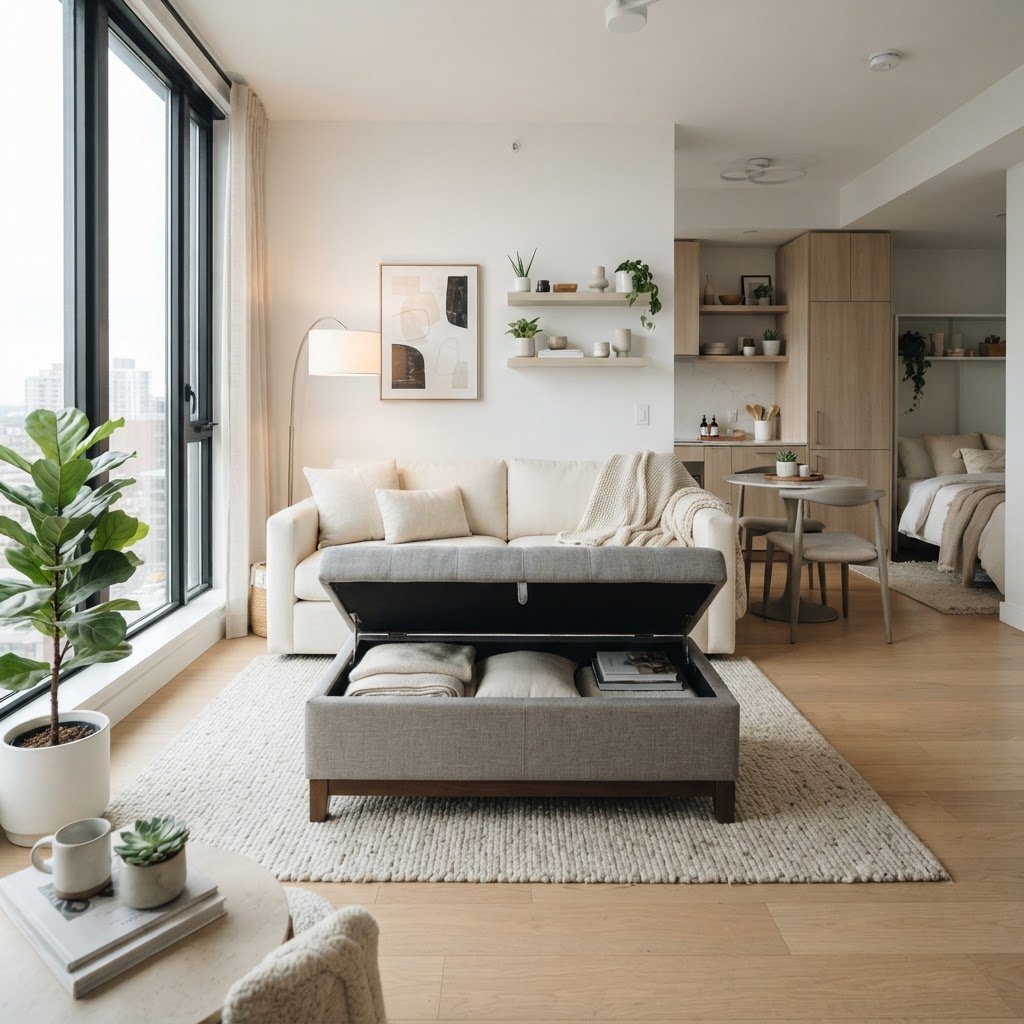
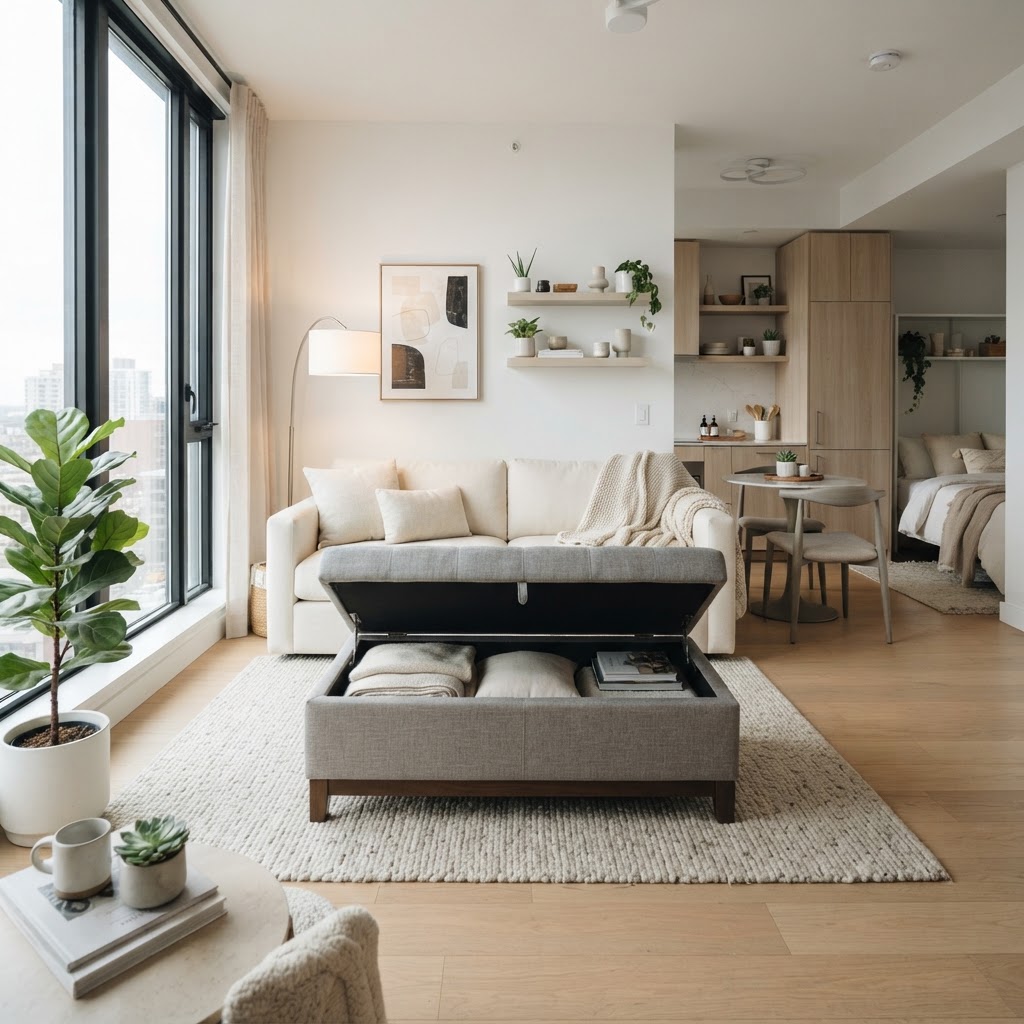 Ottomans are perhaps the most versatile items in a renter’s toolkit. They provide extra seating when guests arrive, a comfortable footrest after a long day, and—most importantly—secret storage space inside. Look for hollow ottomans with removable tops or hinges that can house anything from throw blankets to out-of-season clothing. If you are looking for even more inspiration, you can explore these
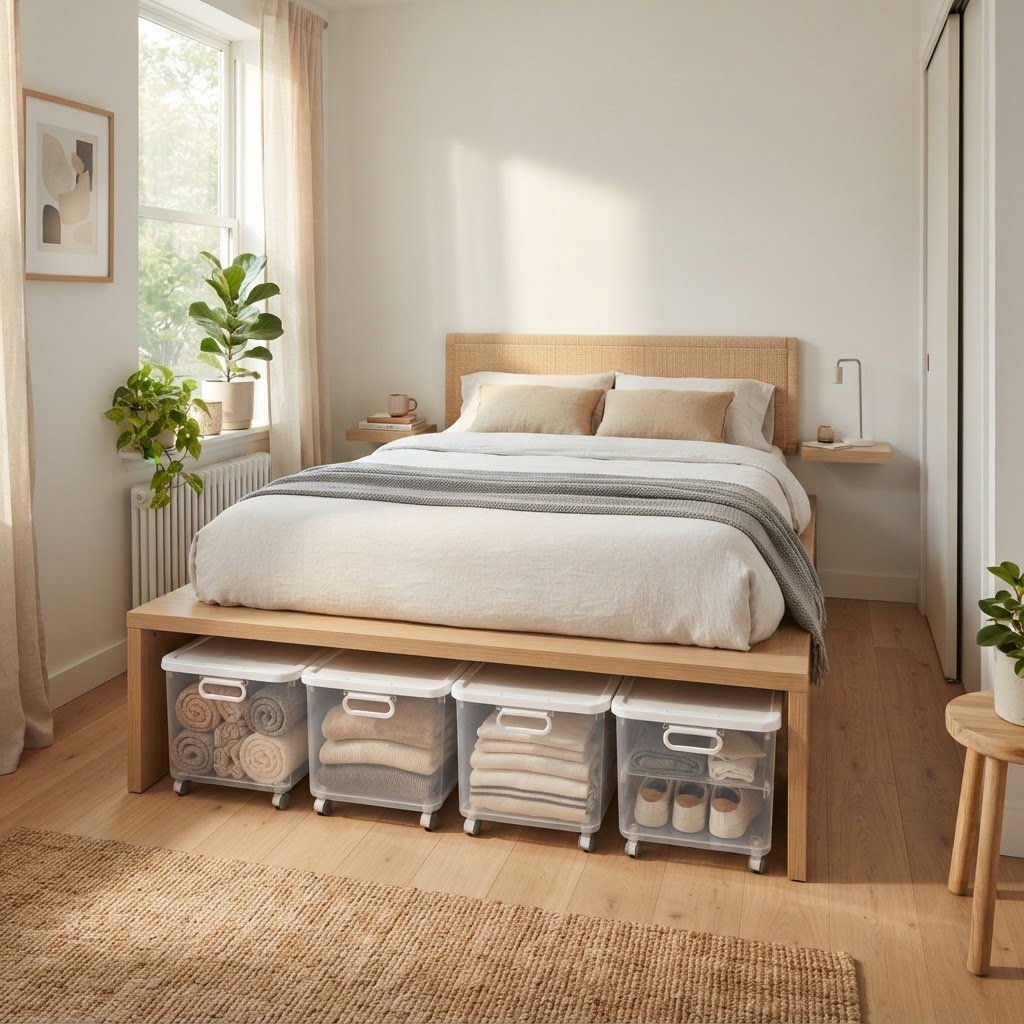
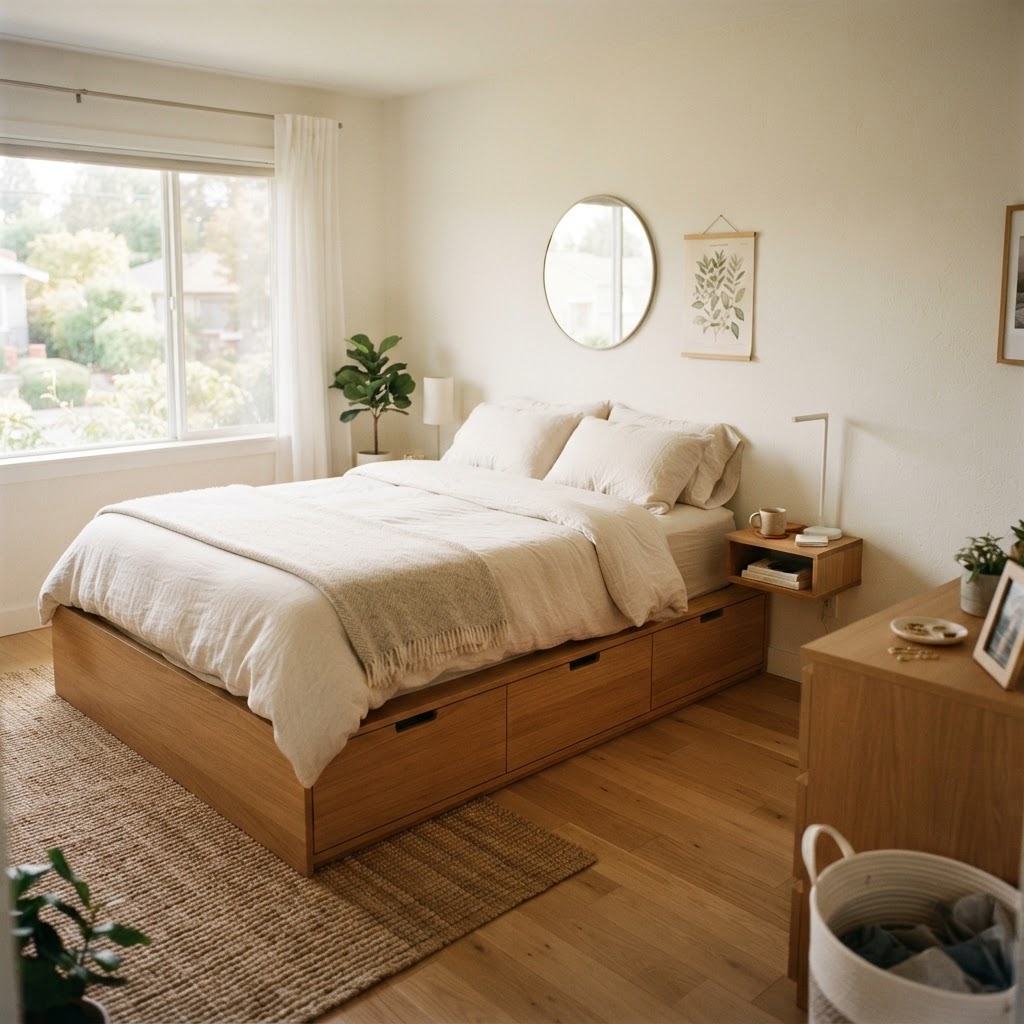 Your bedroom is likely your largest piece of floor space, making it the perfect candidate for hidden storage furniture. Traditional bed frames often leave a vast, wasted void underneath, but modern designs have changed the game. Platform beds with integrated drawers or hydraulic lift mechanisms offer substantial space for linens, luggage, and seasonal items.If you cannot replace your current bed frame, consider buying tall risers that elevate your frame, allowing you to slide slim rolling bins underneath, or browse these
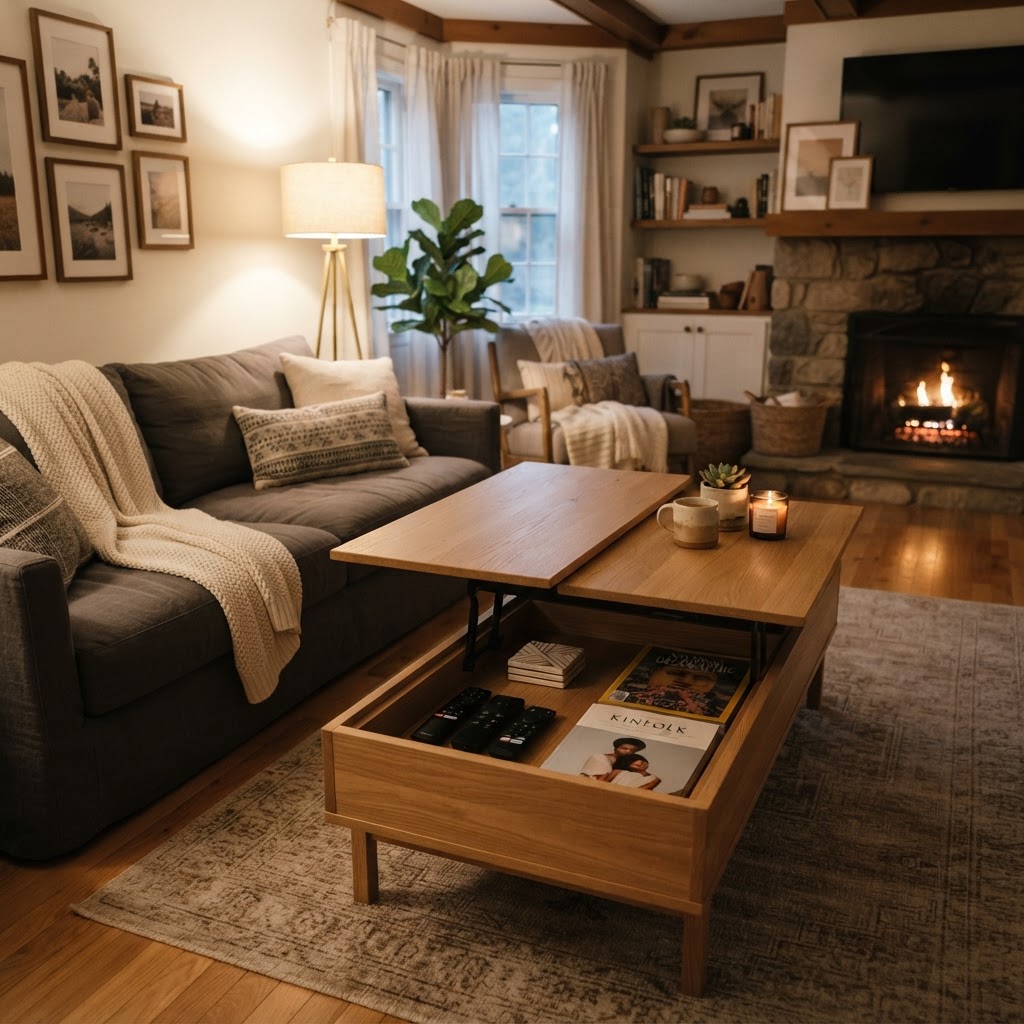
  In many apartments, the coffee table ends up becoming a magnet for mail, remotes, and gadgets. A lift-top coffee table acts as a dual-purpose miracle, elevating to become a temporary desk for remote work or a dining surface for TV dinners. Once you finish your tasks, the top closes, concealing everything inside the table cavity.These tables are ideal for small living rooms where a dedicated home office is impossible to squeeze in. By keeping your workspace items inside the table, you ensure your living area stays tidy and inviting. Look for models with lower shelves as well, which offer additional surface area for books or display baskets.## Entryway Benches for Hidden Organization
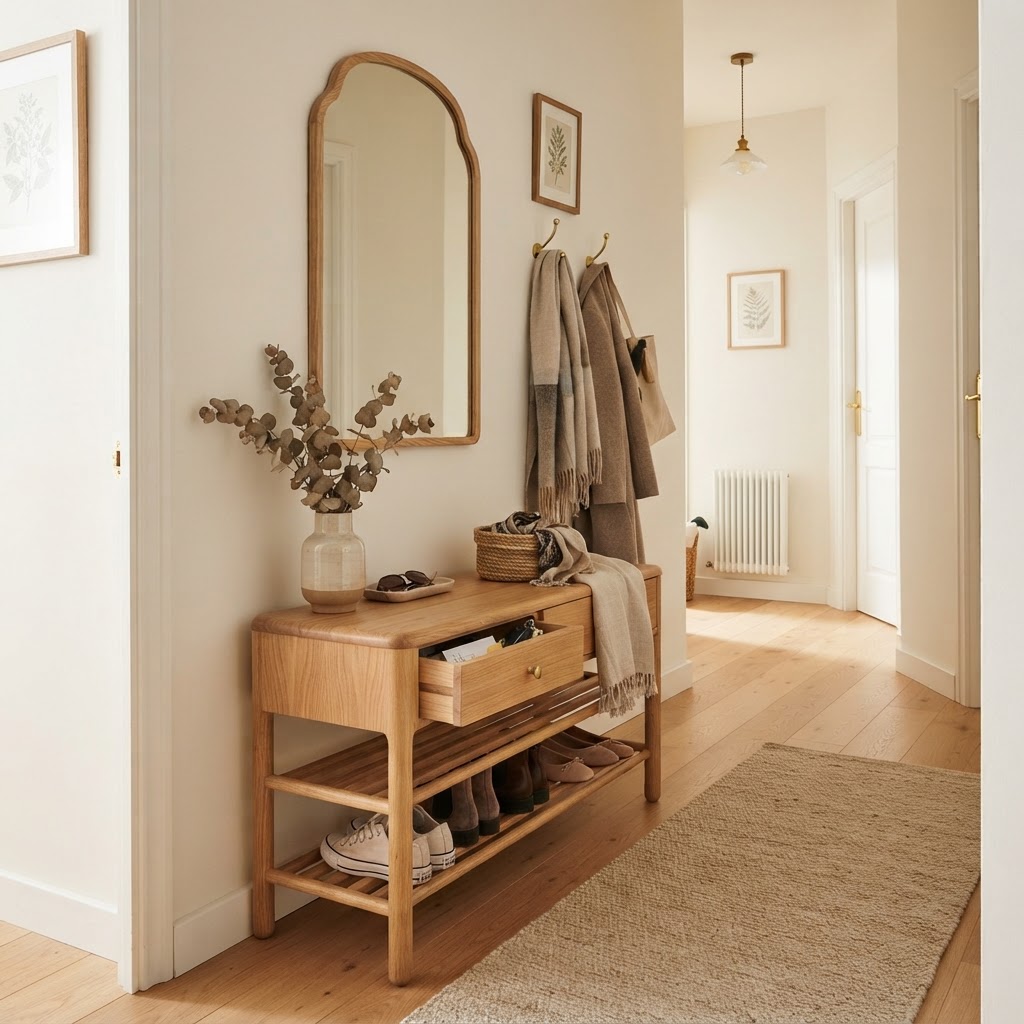
 Creating an organized entryway is difficult in compact spaces, but an entryway bench with a shoe rack or cabinet is the perfect answer. Rather than leaving shoes scattered by the door, you can tuck them away inside a bench that serves as a seating area for putting on your boots. This keeps the floor clear, which is crucial for making a small entryway feel larger.