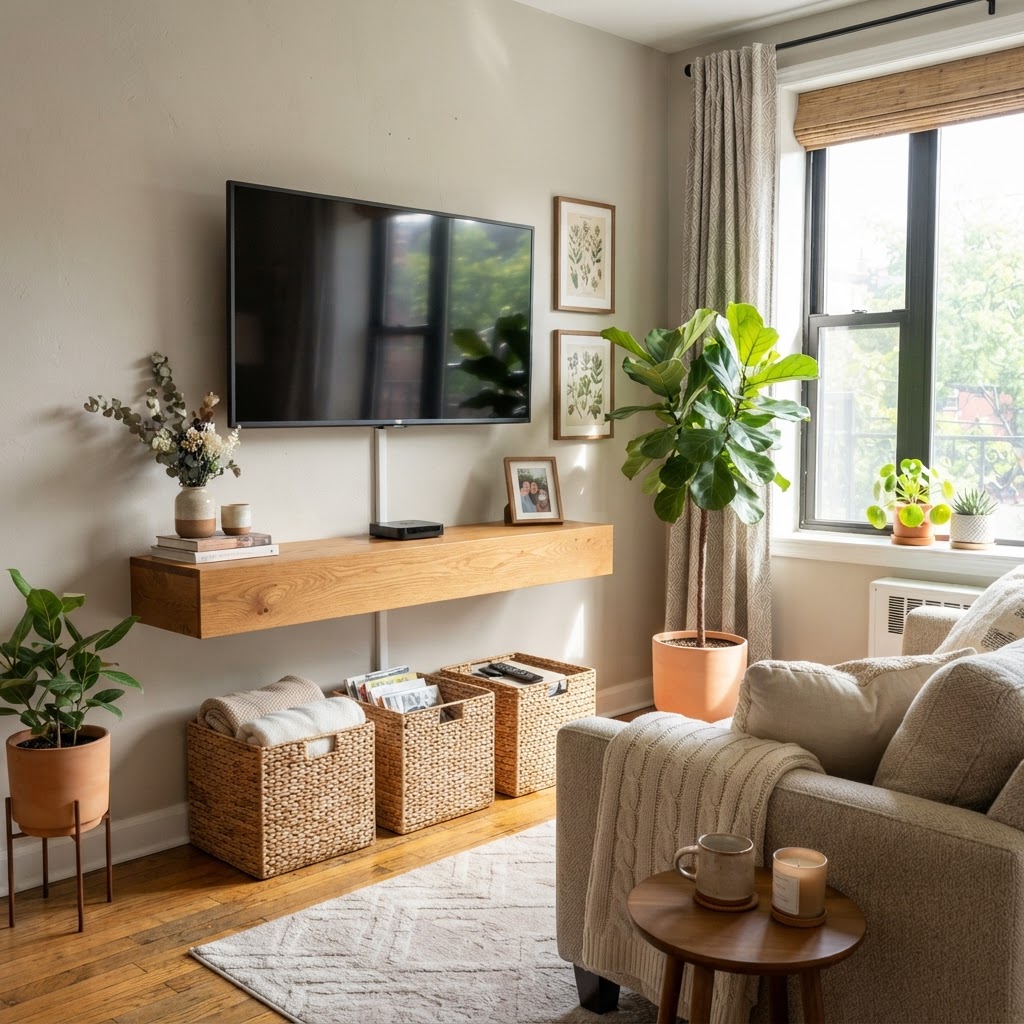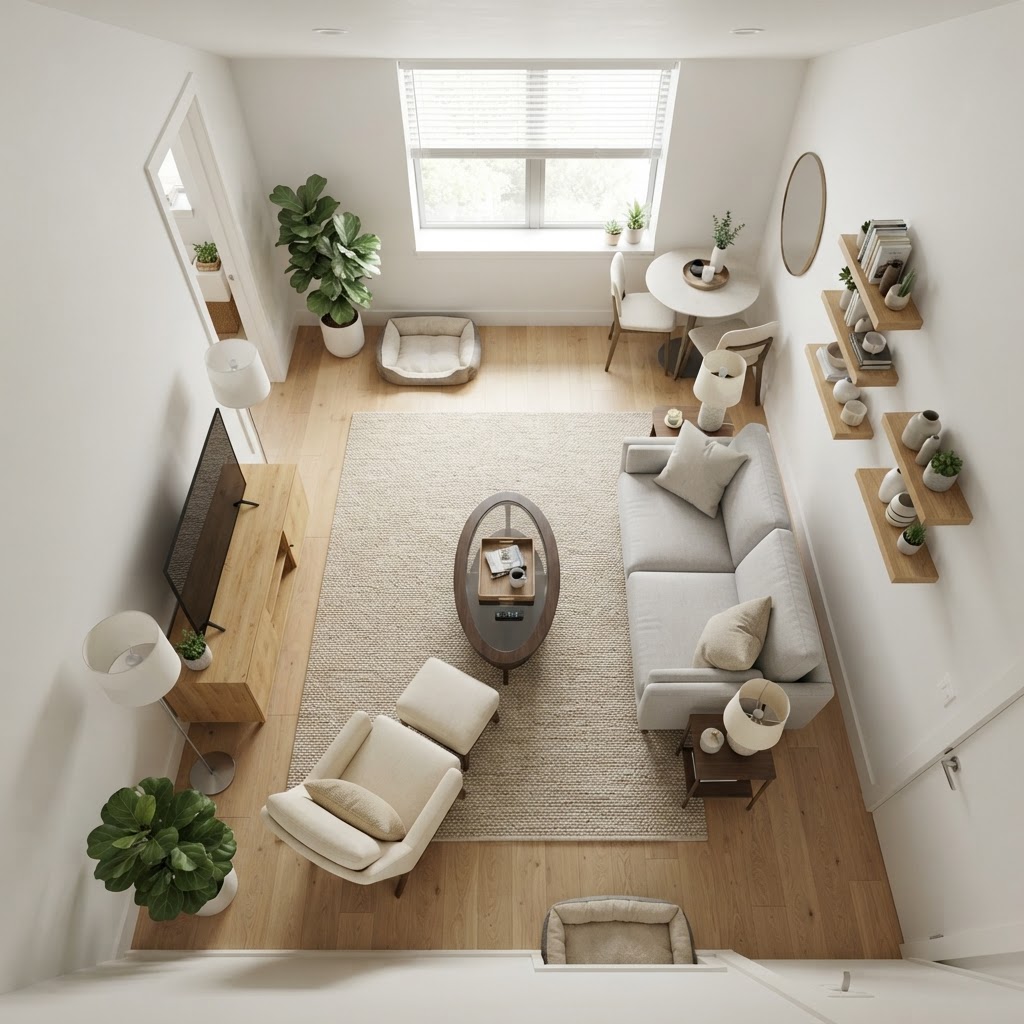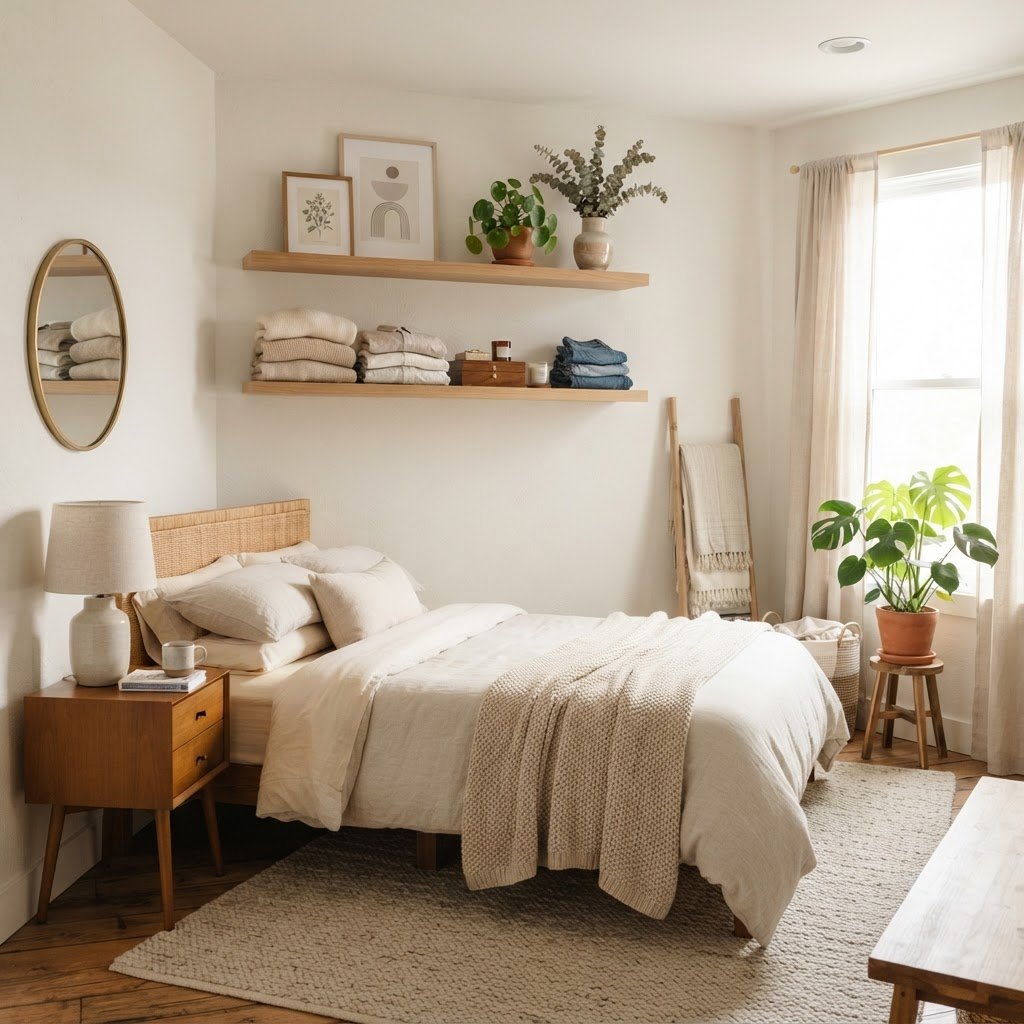
12 Smart Ways to Organize a Small Bedroom Without a Dresser

12 Smart Ways to Organize a Small Bedroom Without a Dresser

You can organize a small bedroom without a dresser by maximizing vertical wall space, utilizing under-bed storage, installing over-the-door organizers, and using multi-functional furniture. These strategies replace traditional bulky storage with streamlined, space-efficient alternatives that keep your belongings accessible while maintaining a clutter-free environment in compact living spaces.

Rethink Your Vertical Wall Space
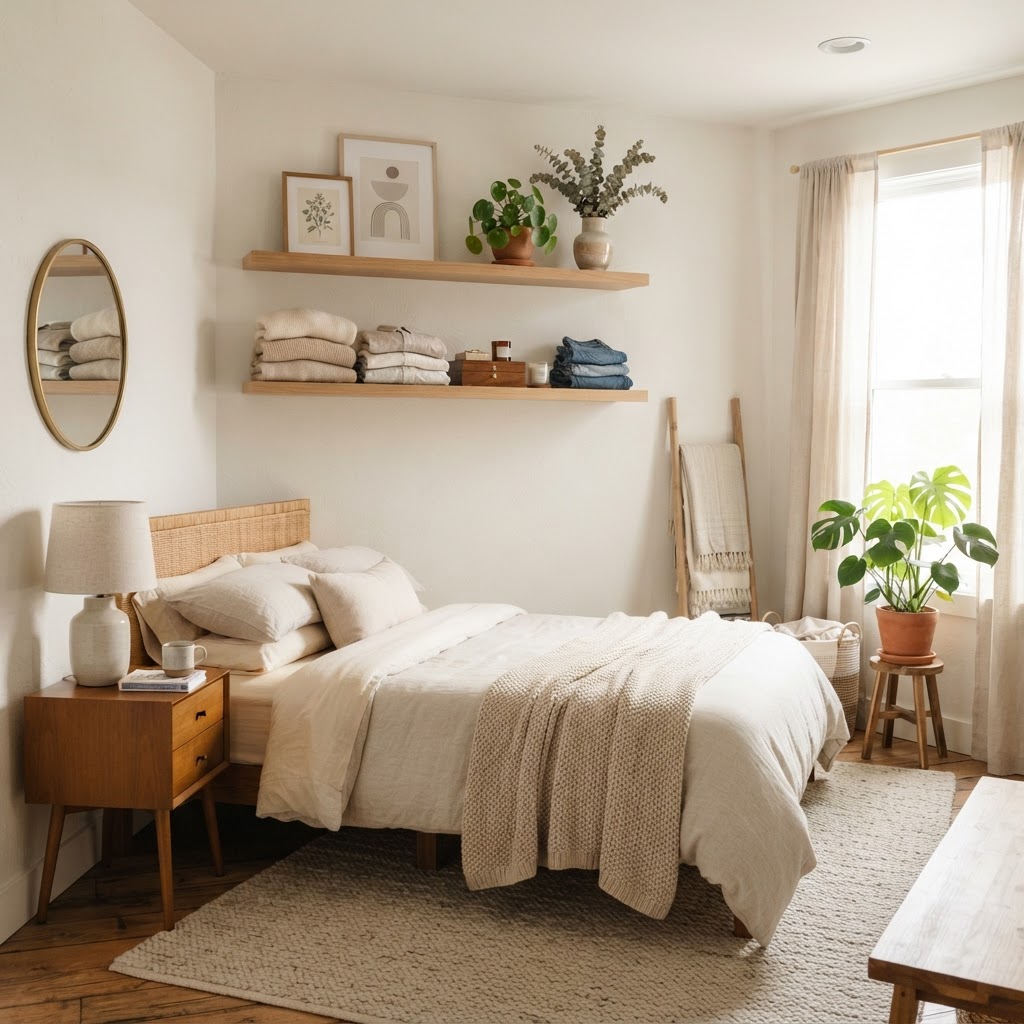
Floating shelves provide stylish storage for clothes in a small room.

When floor space is non-existent, vertical space becomes your most valuable storage asset, turning empty walls into functional organization hubs. By installing floating shelves, pegboards, or wall-mounted cabinets, you effectively clear the floor while keeping essentials within arm’s reach. This approach ensures your bedroom feels airy and intentional rather than cramped. Research shows that utilizing at least 50% of your wall height can increase overall storage capacity by up to 30% in rooms under 100 square feet.

Installing Floating Shelves

Floating shelves provide a sleek, minimalist alternative to dressers, acting as nightstands or open-display areas for folded items. When installed, ensure they are secured into wall studs to hold weights of up to 25 pounds safely. Align them linearly to create a cohesive “storage wall” that mimics the depth of a dresser drawer while freeing up all the floor space below.

The Versatility of Pegboards

Pegboards are highly efficient for small-item organization, allowing for a fully customizable layout that evolves with your wardrobe. By painting the board the same color as your wall, you create an “invisible” storage system perfect for jewelry, hats, or headphones. Pegboards are inexpensive, typically costing under $30, and offer the flexibility to change hooks and baskets in seconds.

Storage Solution Best For Space Efficiency Installation Difficulty
Floating Shelves Folded Clothes High Medium
Pegboards Accessories/Small Items Very High Low
Over-Door Organizers Shoes/T-shirts Extreme None

Master the Art of Under-Bed Storage

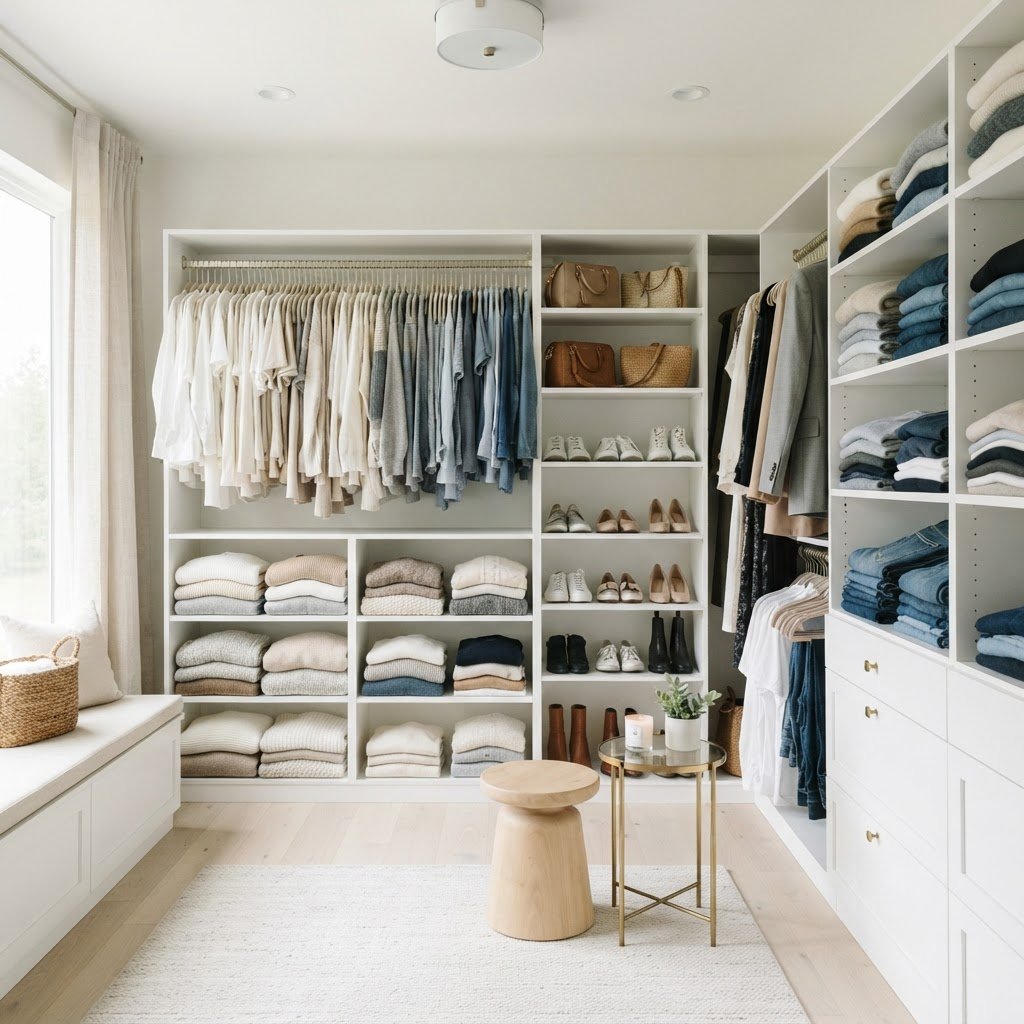
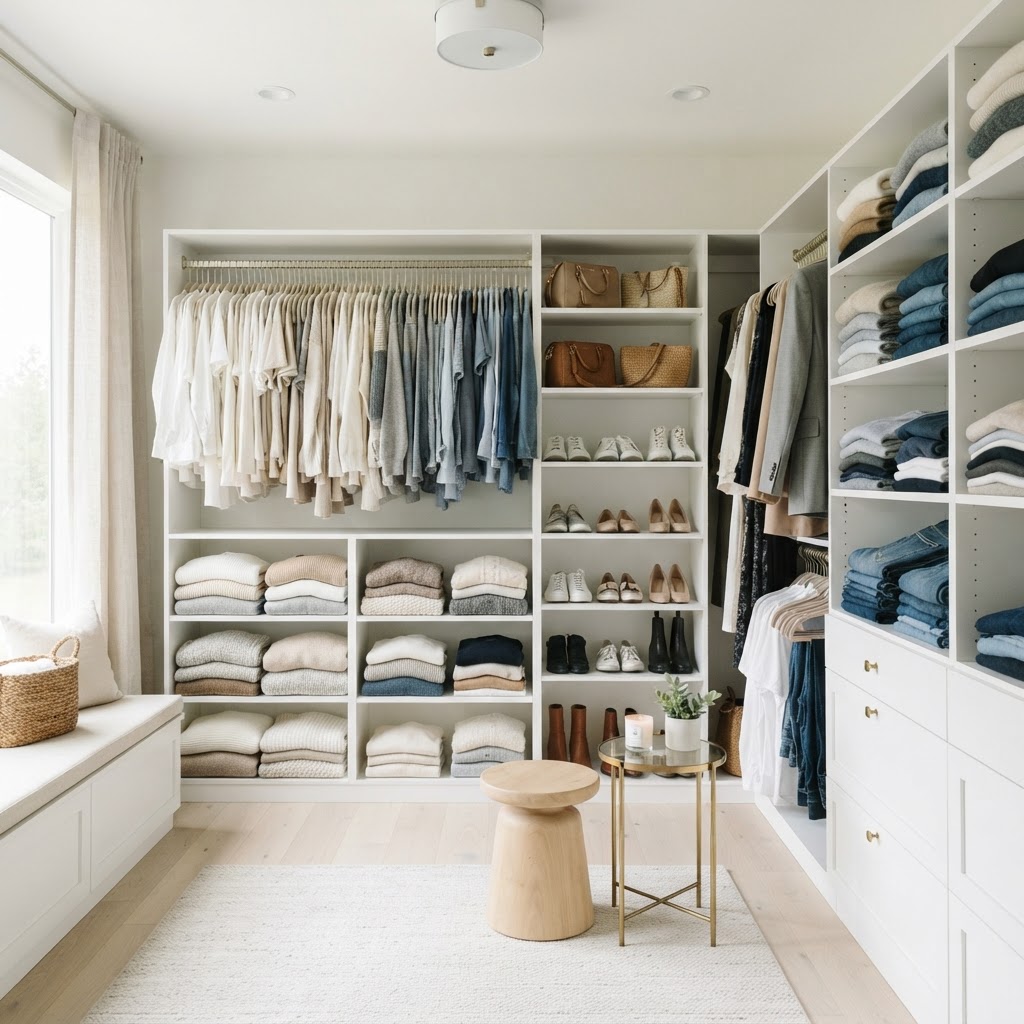
Converting a closet into a mini-wardrobe saves precious bedroom floor space.

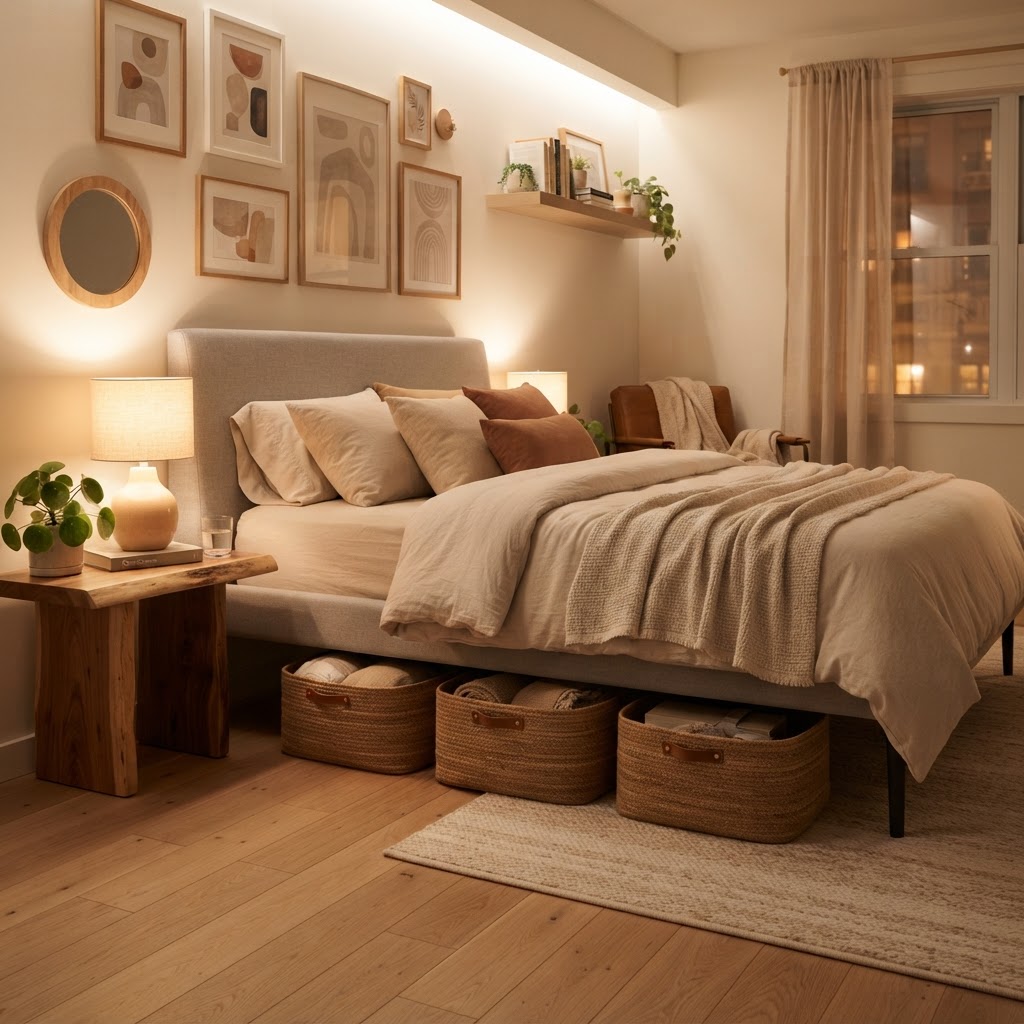
Your bed frame occupies the largest footprint in your room, making the area beneath it the primary “hidden” storage zone for off-season items. If your bed doesn’t have built-in drawers, use steel bed risers to elevate the frame by 6 to 8 inches, creating enough clearance for rolling storage bins. This method is ideal for storing heavy winter sweaters, blankets, or formal shoes that you don’t need daily. Using clear, airtight bins with labels also prevents dust buildup and ensures you can locate specific items within seconds, making this a superior alternative to drawer storage for seasonal rotation.

Utilize Your Closet Door
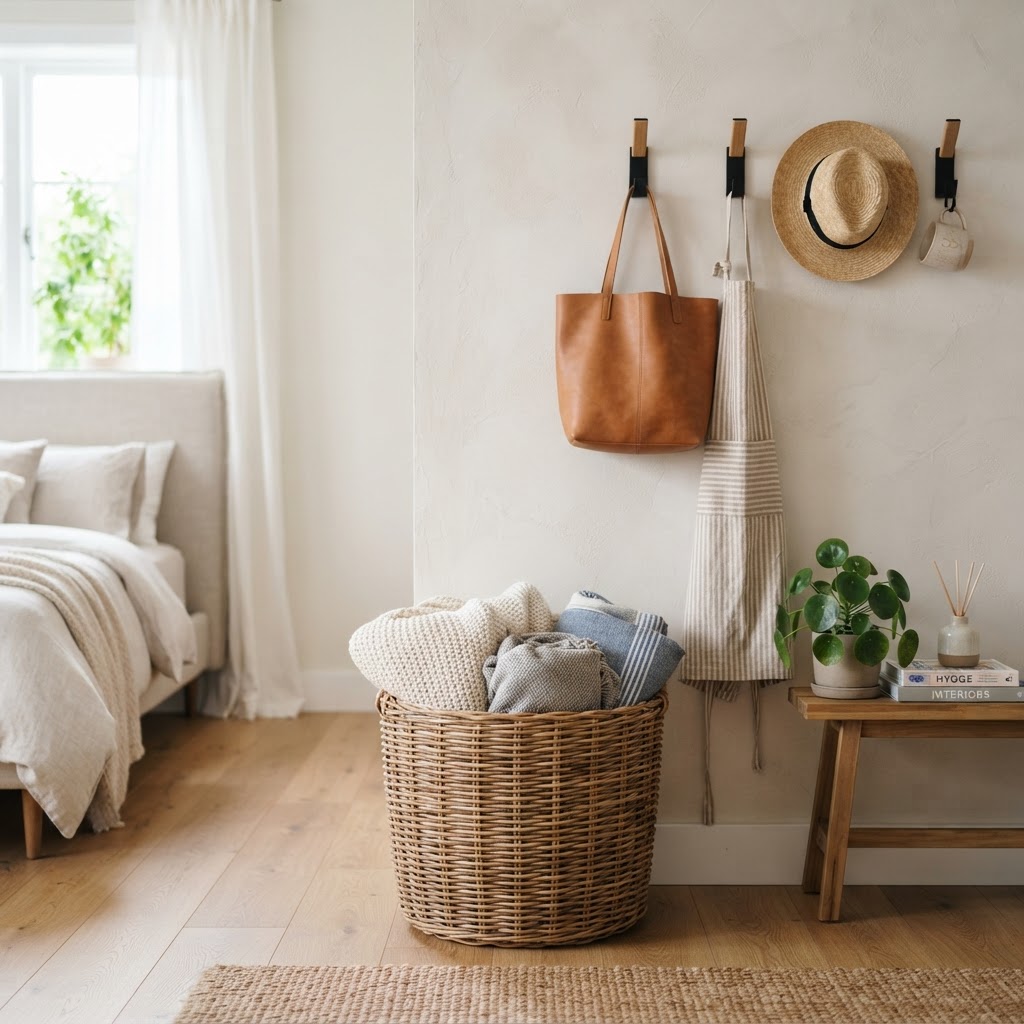
Wicker baskets and wall hooks maximize storage in tight corners.

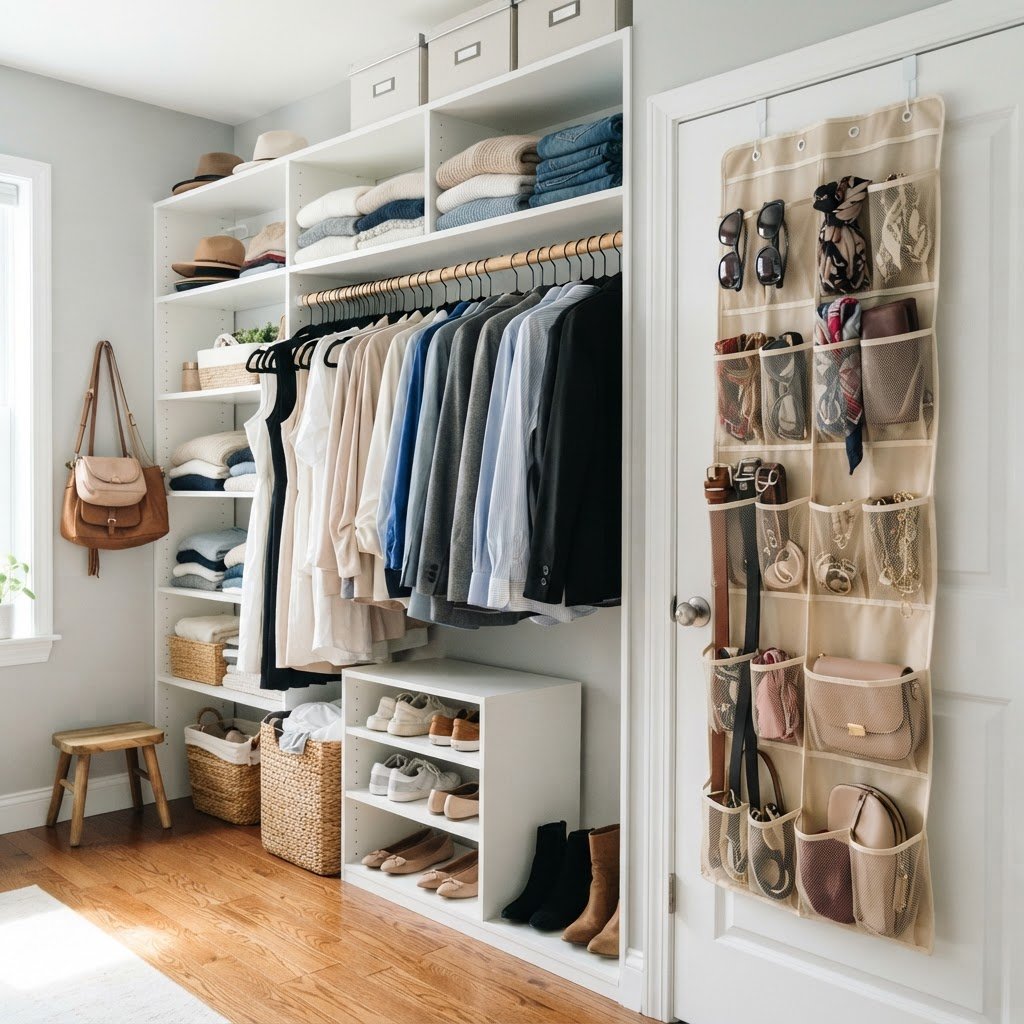
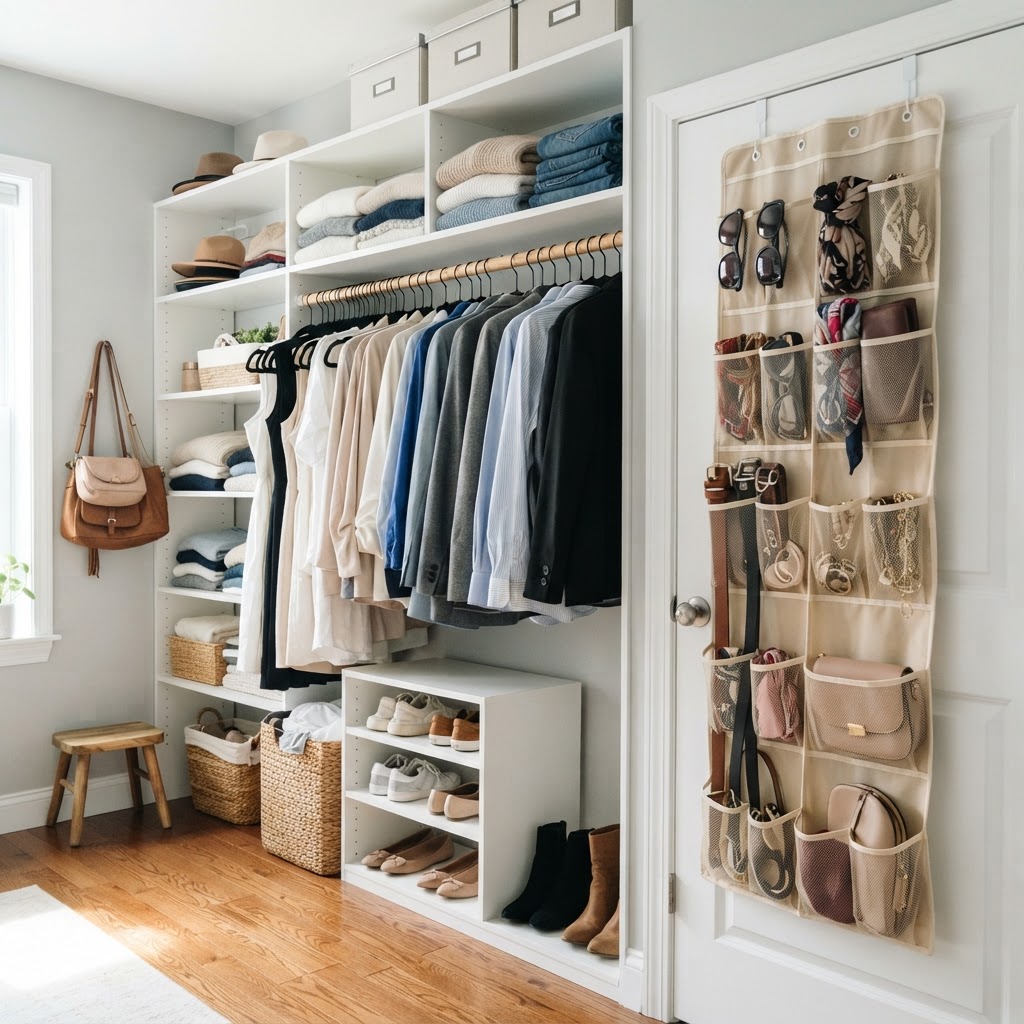
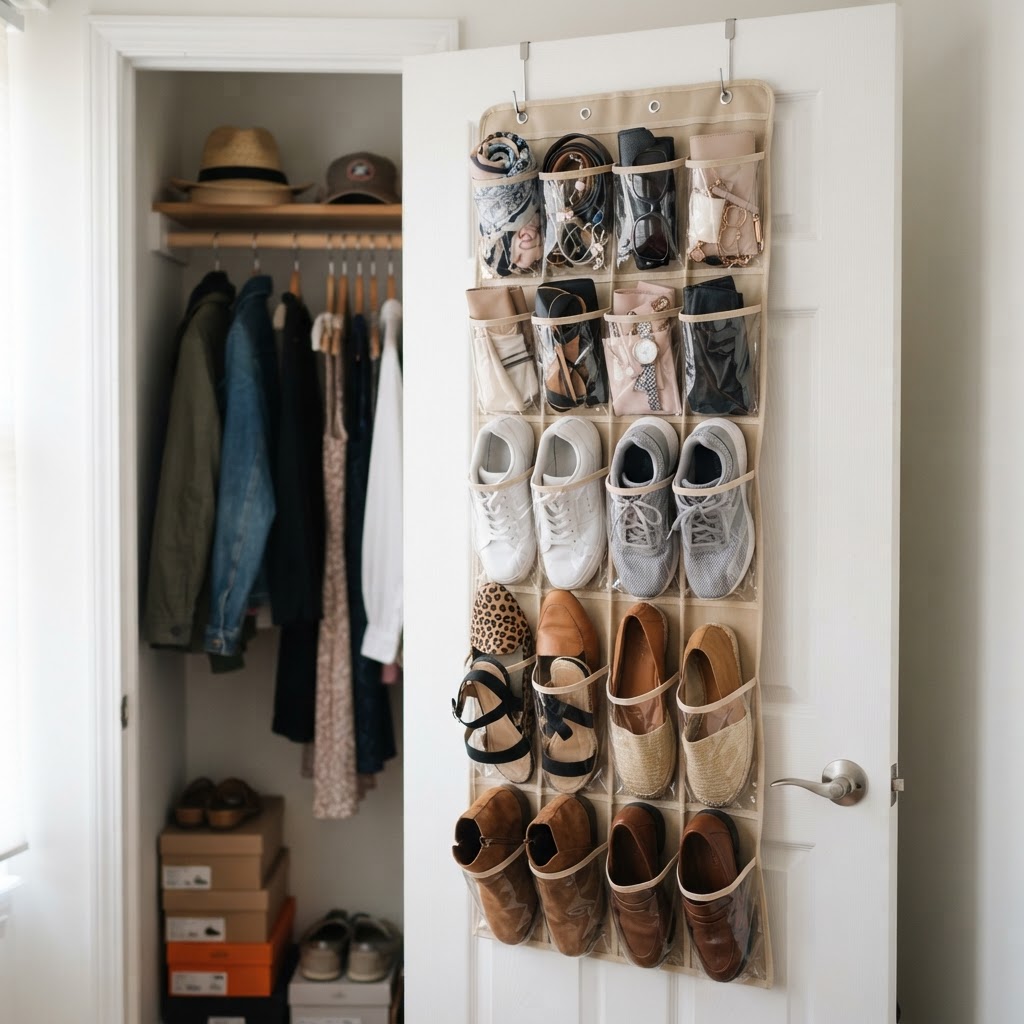
Over-the-door organizers turn an underused door surface into a high-capacity storage rack for items that otherwise consume valuable drawer space. Instead of using these exclusively for shoes, fill the pockets with rolled t-shirts, belts, scarves, or denim. A standard 24-pocket over-the-door organizer can hold up to 48 pieces of clothing if you roll items tightly. By maximizing the vertical plane of your doors, you free up interior closet space for larger hanging items, effectively doubling your closet’s utility without adding a single piece of furniture.

Invest in Hanging Storage Solutions

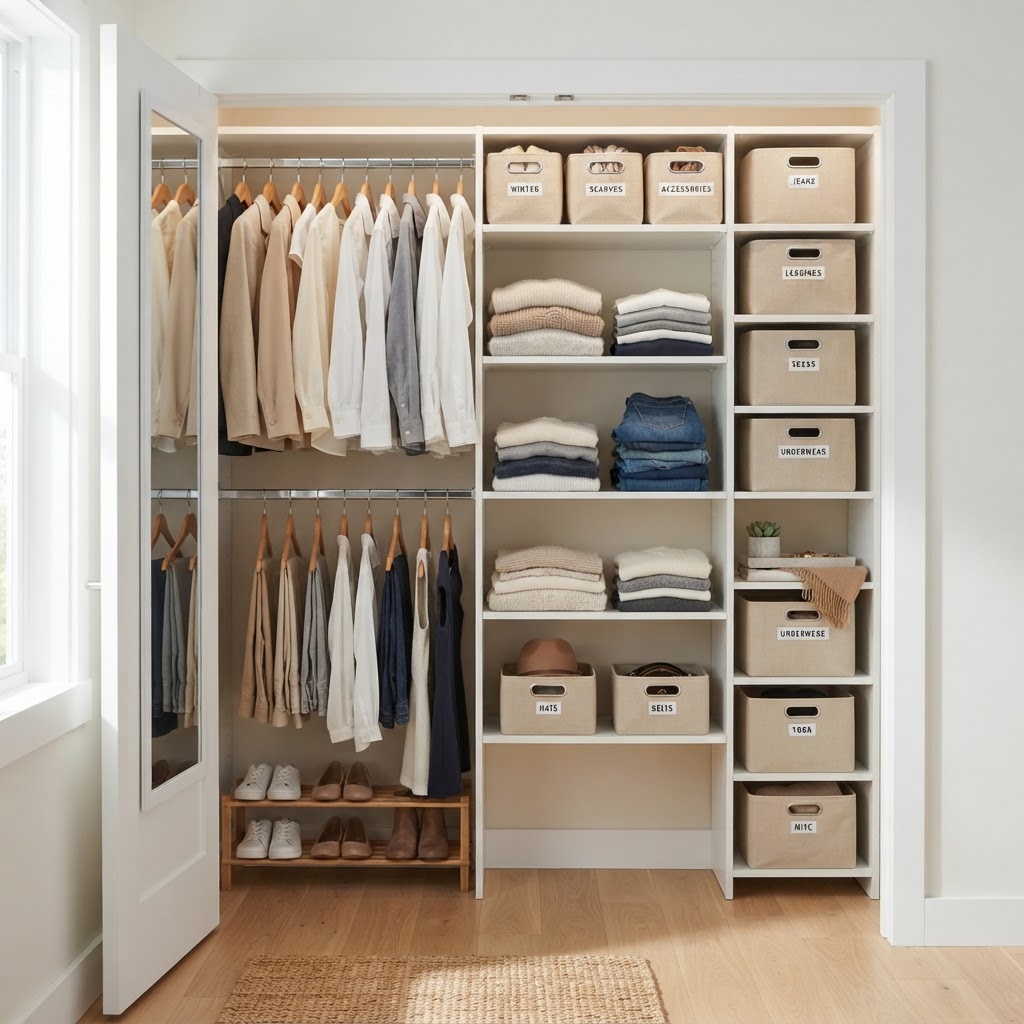
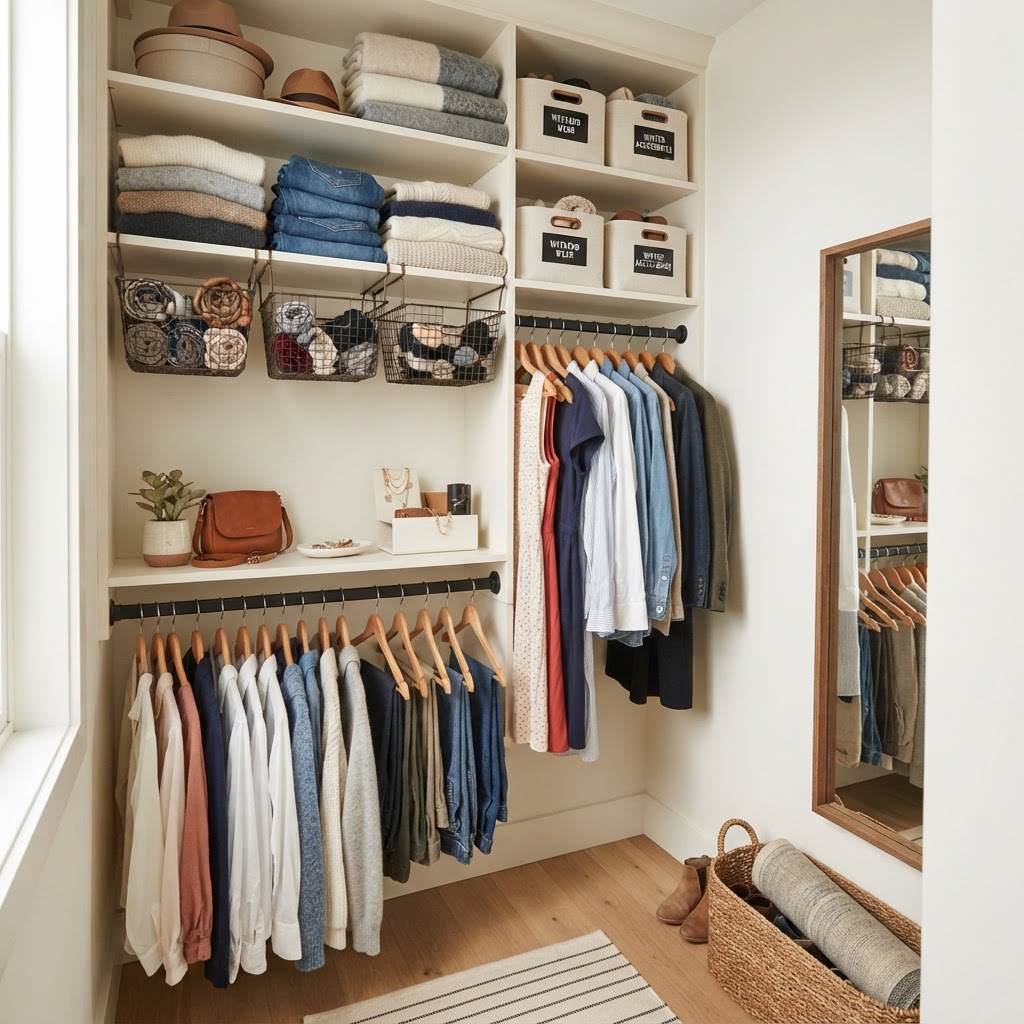
To maximize your storage, you can explore these space-saving ideas for tiny closets to ensure every inch is used effectively. When dressers are removed, your closet becomes the primary storage hub, necessitating smart upgrades like double rods and cascading hangers. Cascading hangers allow you to hang 5 garments in the space of one, which can increase total hanging capacity by approximately 400%. Installing a second rod below your existing one allows you to separate shirts and trousers, utilizing the “dead” space that often sits beneath shorter hanging items.

Transform Your Closet into a Mini-Dresser

If you have a reach-in closet, installing a modular shelving unit inside creates a built-in dresser that keeps your room looking clean and clutter-free. By using modular cubes or tension-mounted shelves, you can categorize clothing by type, such as activewear or sleepwear, without the visual weight of a piece of furniture in the room. This “closet-dresser” method is a proven strategy for visual clarity, as it keeps your personal items concealed behind closed doors, which can make a small 10×10 foot room feel significantly larger and more serene.

Use Multi-Functional Furniture

Choose furniture that serves two purposes to replace the storage a dresser provides. An upholstered storage ottoman at the foot of the bed hides blankets or bulky sweaters while providing extra seating. Alternatively, a bedside table with three deep drawers offers roughly 3 to 4 cubic feet of storage, which is often sufficient for daily undergarments and socks. Beyond just storage, you can also learn how to decorate a small apartment on a budget using simple DIY projects to tie the whole room together. Prioritizing “double-duty” pieces ensures every item you buy actively contributes to your organization goals rather than just taking up space.

Incorporate Decorative Storage Baskets

Decorative baskets offer a flexible storage solution that can be placed under nightstands, in corners, or on top of shelves to hide clutter. Using materials like seagrass or heavy-duty fabric adds warmth and texture to the room’s design while concealing items that lack a home. When utilizing baskets, group them by category; for example, designate one specifically for pajamas and another for gym gear. This segmentation makes finding items simple and prevents the “toss everything in” habit that often leads to a messy room.

Basket Type Material Best Usage Durability
Wicker Natural/Sea Grass Living Area Storage High
Canvas Cotton/Polyester Closet Shelves Medium
Wire Coated Metal Utility/Heavy Items Very High

The Power of Hooks and Rails

Install wall rails or heavy-duty hooks to handle items that don’t fold well, such as oversized hoodies, jackets, or long dresses. Using adhesive hooks on the side of a bed frame or inside a closet wall is an excellent way to prevent “chair-drobe” clutter, where clothes pile up on furniture. For optimal results, position hooks at varying heights to maximize the density of items without them overlapping or looking disorganized.

Optimize Your Drawerless Lifestyle

Living without a dresser requires a disciplined approach to folding, specifically the vertical folding method (often called the KonMari method). Vertical folding allows you to fit 2 to 3 times more items in a single bin compared to stacking. When you fold shirts and pants to stand upright, you gain instant visibility of your entire inventory, meaning you never have to rummage through stacks to find a specific shirt. This method turns your storage bins into high-efficiency “drawers” that function just as well as traditional wooden furniture.

Seasonal Rotation Strategy

In a small space, a seasonal rotation strategy is mandatory to keep your storage volume manageable. Pack away off-season clothing in vacuum-sealed bags, which can reduce the volume of bulky items like winter coats and comforters by up to 75%. Keep your “in-season” items in your primary closet or bins, and store the vacuum-sealed bags in under-bed storage or high closet shelves. This keeps your available storage space dedicated only to what you are currently using, preventing overcrowding and keeping your room functional year-round.

FAQ

How do I store clothes without a dresser?

You can store clothes using hanging organizers, under-bed storage bins, or modular shelving units installed inside your closet. By combining these methods, you effectively replace the storage volume of a dresser without requiring any additional floor space in your bedroom.

Is it possible to organize a small bedroom cheaply?

Yes, you can organize a small bedroom for under $50 by using over-the-door hooks, inexpensive plastic bins, and vertical tension rods. These budget-friendly solutions maximize existing architectural features like doors and closet interiors, eliminating the need to purchase expensive furniture.

How does vertical folding save space?

Vertical folding allows you to store items upright like files in a cabinet rather than stacking them horizontally. This maximizes the depth of drawers or bins, allowing you to see every item at once and fitting up to 300% more clothing in the same storage footprint.

Where should I store bulky winter items?

Store bulky winter items in vacuum-sealed bags under your bed or on the highest, least-accessible shelf in your closet. Vacuum-sealing removes excess air, drastically reducing the size of sweaters and blankets so they take up minimal space during the off-season.

What furniture replaces a dresser in a small room?

A storage ottoman, a nightstand with deep drawers, or a bench with built-in cubbies serve as excellent replacements for a traditional dresser. These multi-functional pieces provide the necessary storage for clothes while offering secondary utility as seating or bedside tables.
15 Small Living Room Ideas That Look Expensive (But Aren’t)

15 Small Living Room Ideas That Look Expensive (But Aren’t)

You can make a small living room look expensive on a budget by prioritizing scale, utilizing floor-to-ceiling drapery, layering warm lighting, and choosing a cohesive neutral color palette. These design strategies create an intentional, high-end atmosphere by reducing visual clutter and maximizing the perceived height and depth of your space.

The Power of a Cohesive Color Palette

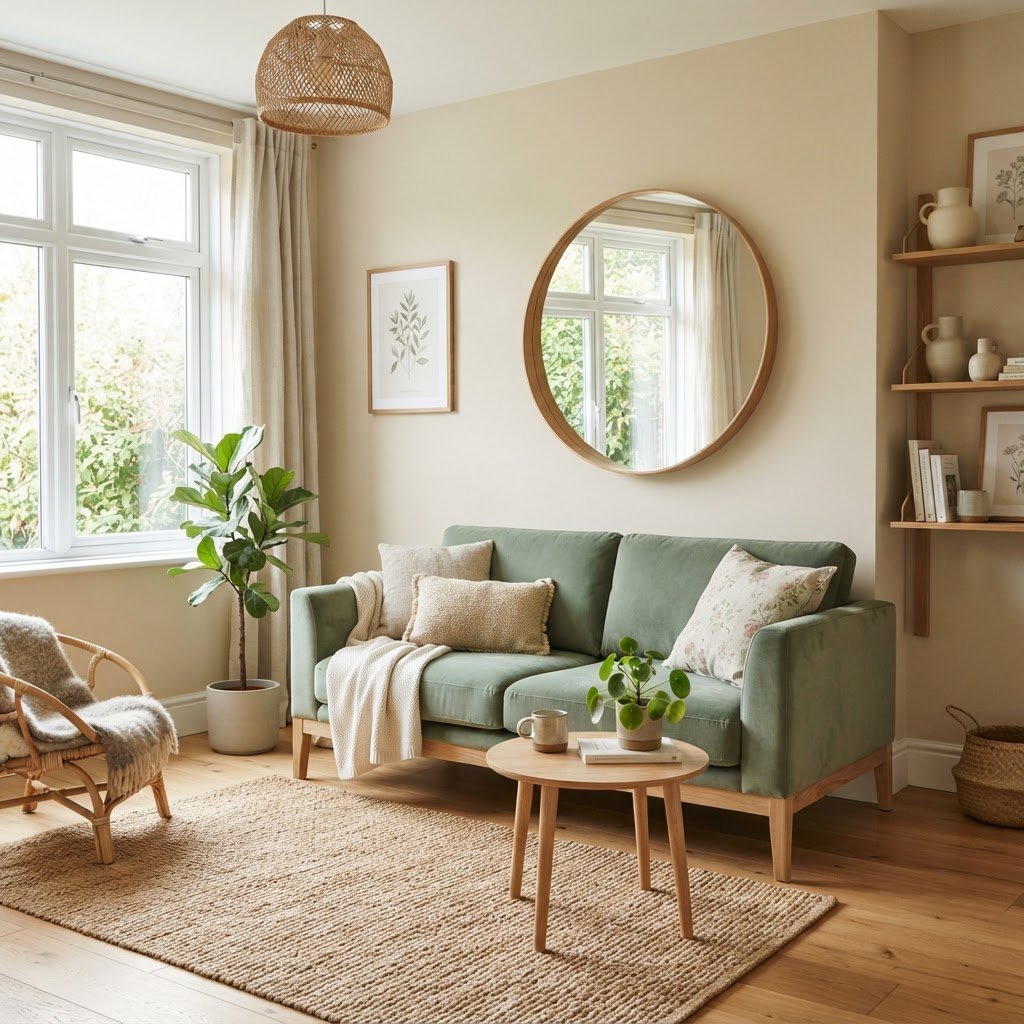
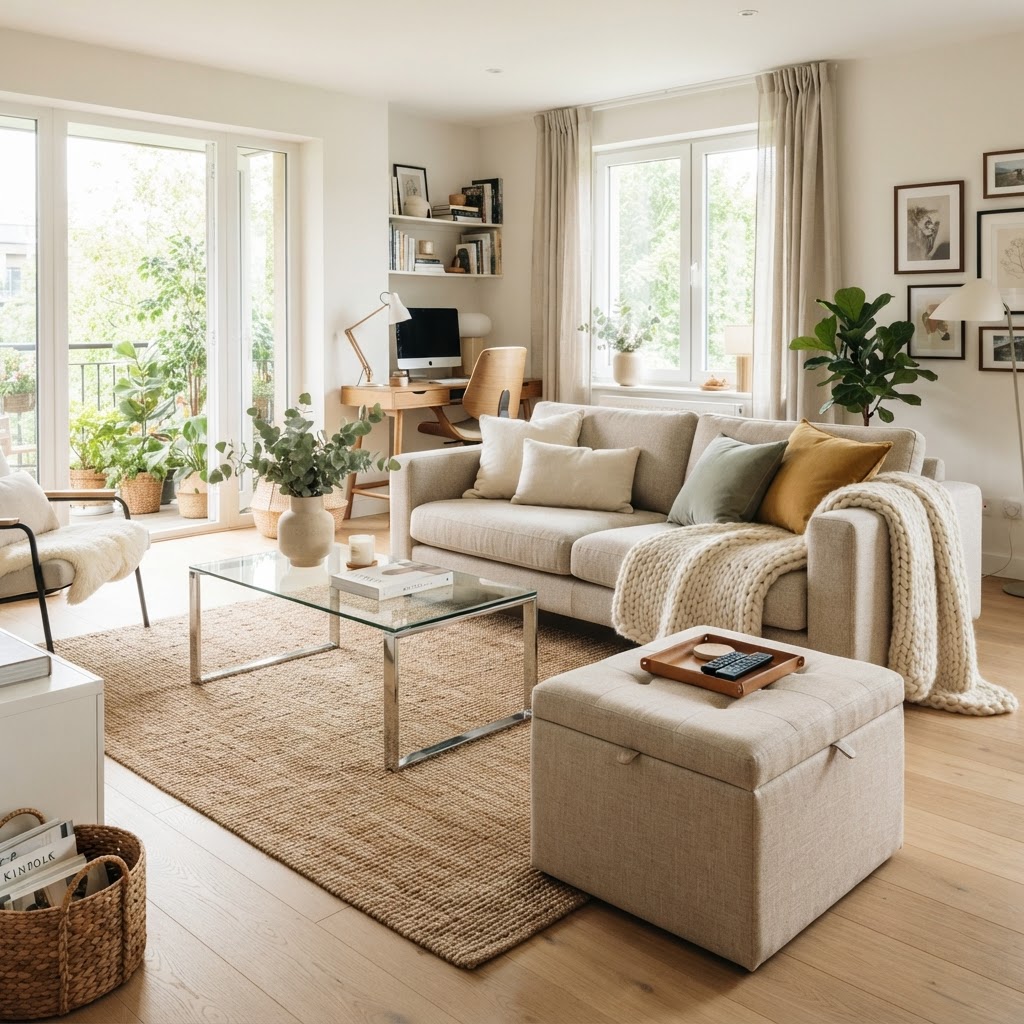
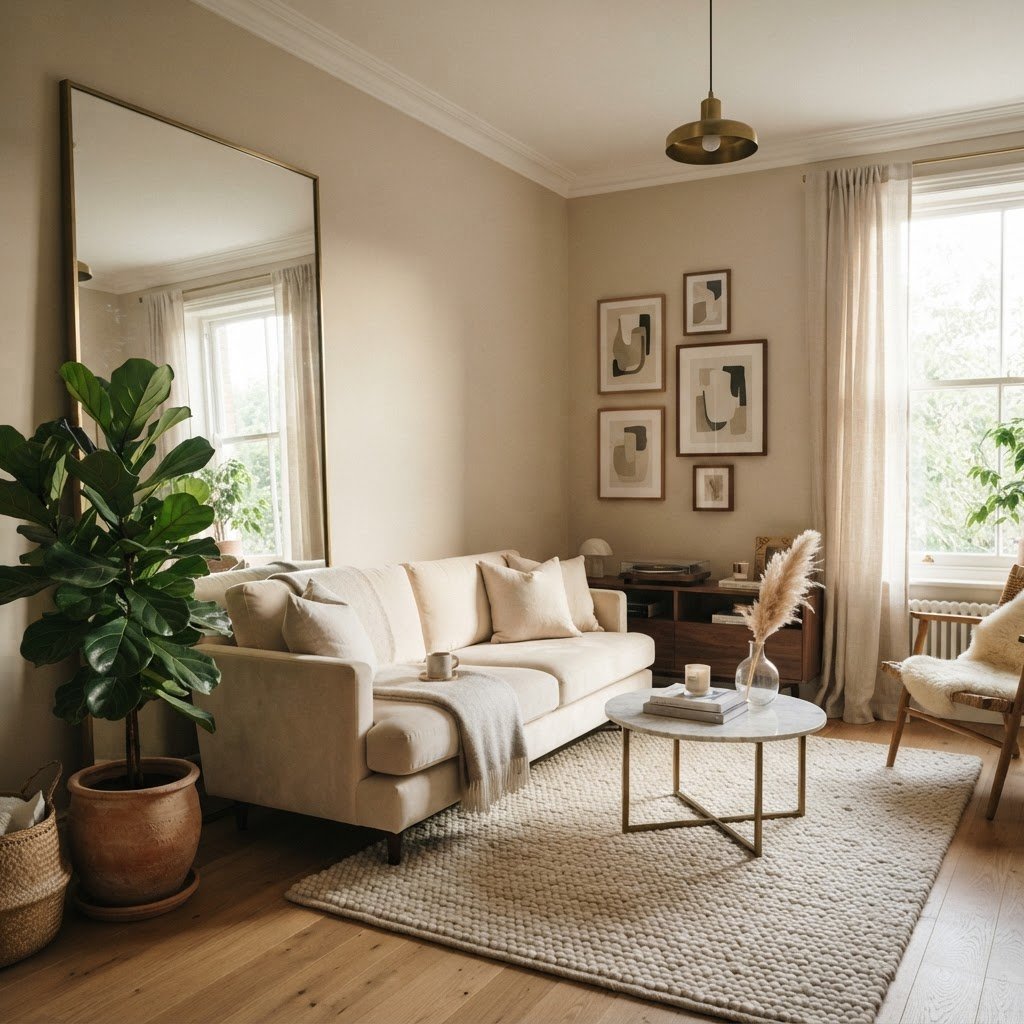
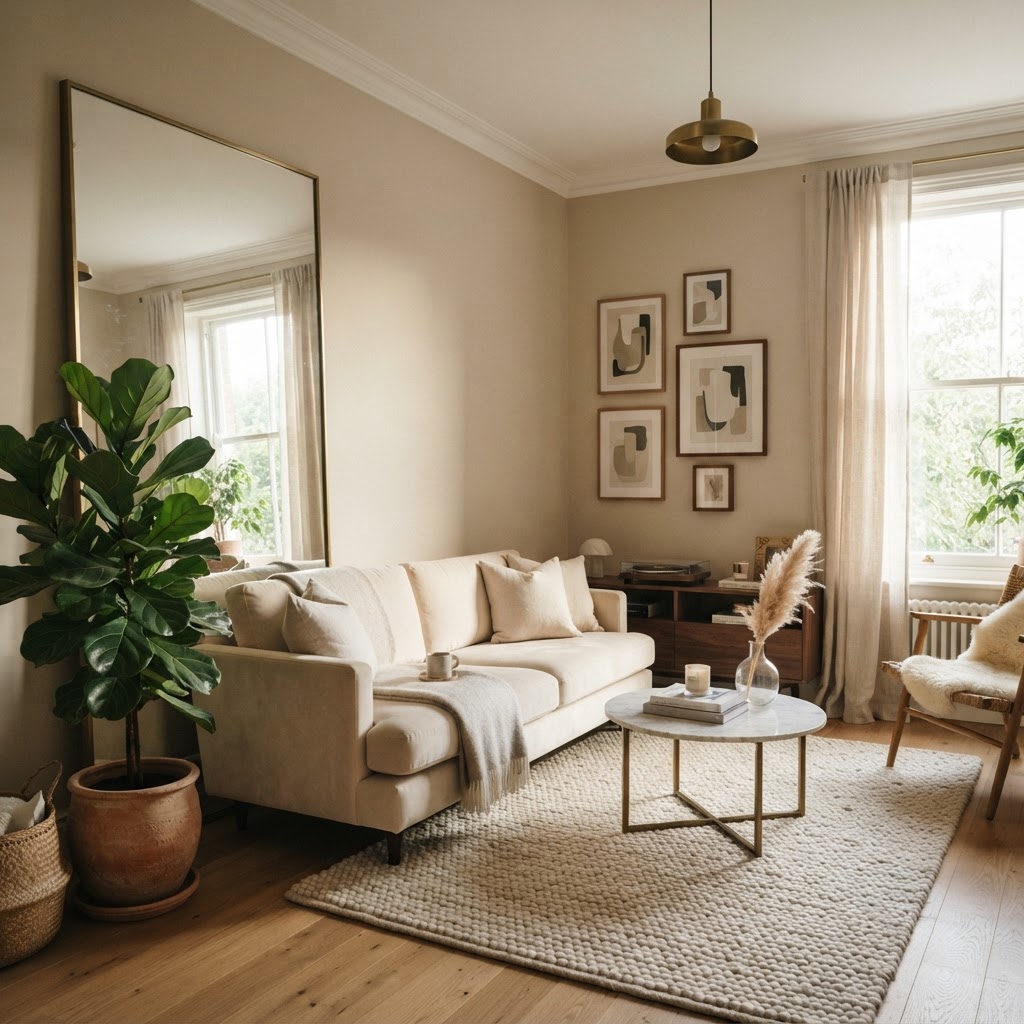
Use neutral tones and large mirrors to open up your small living space.

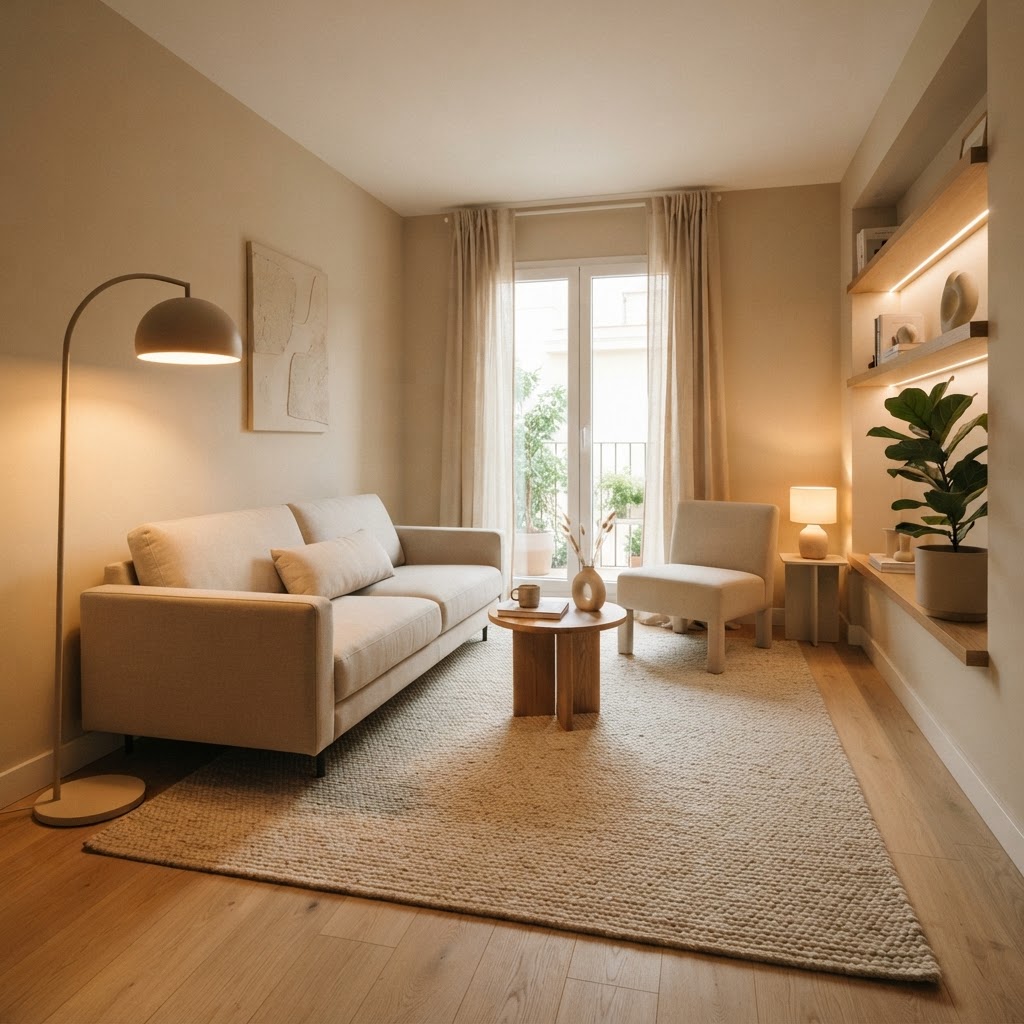
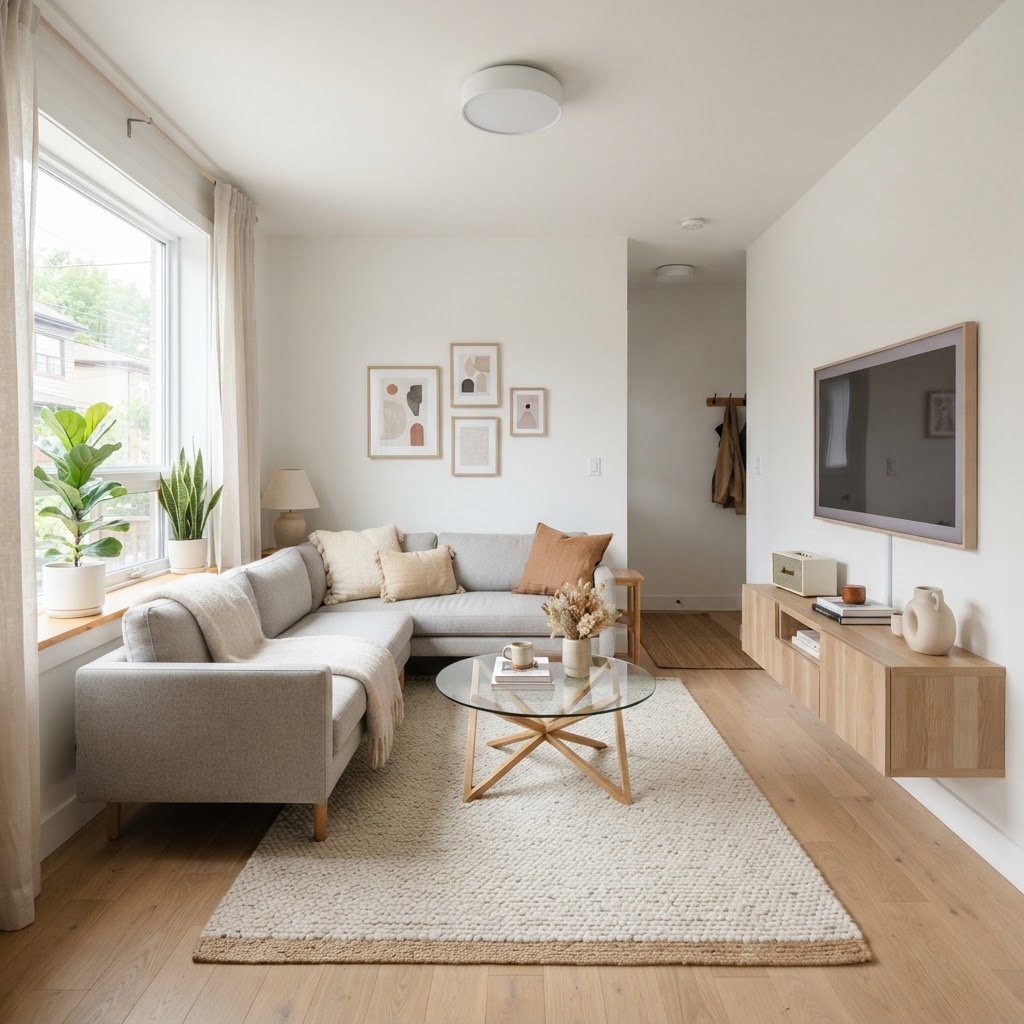
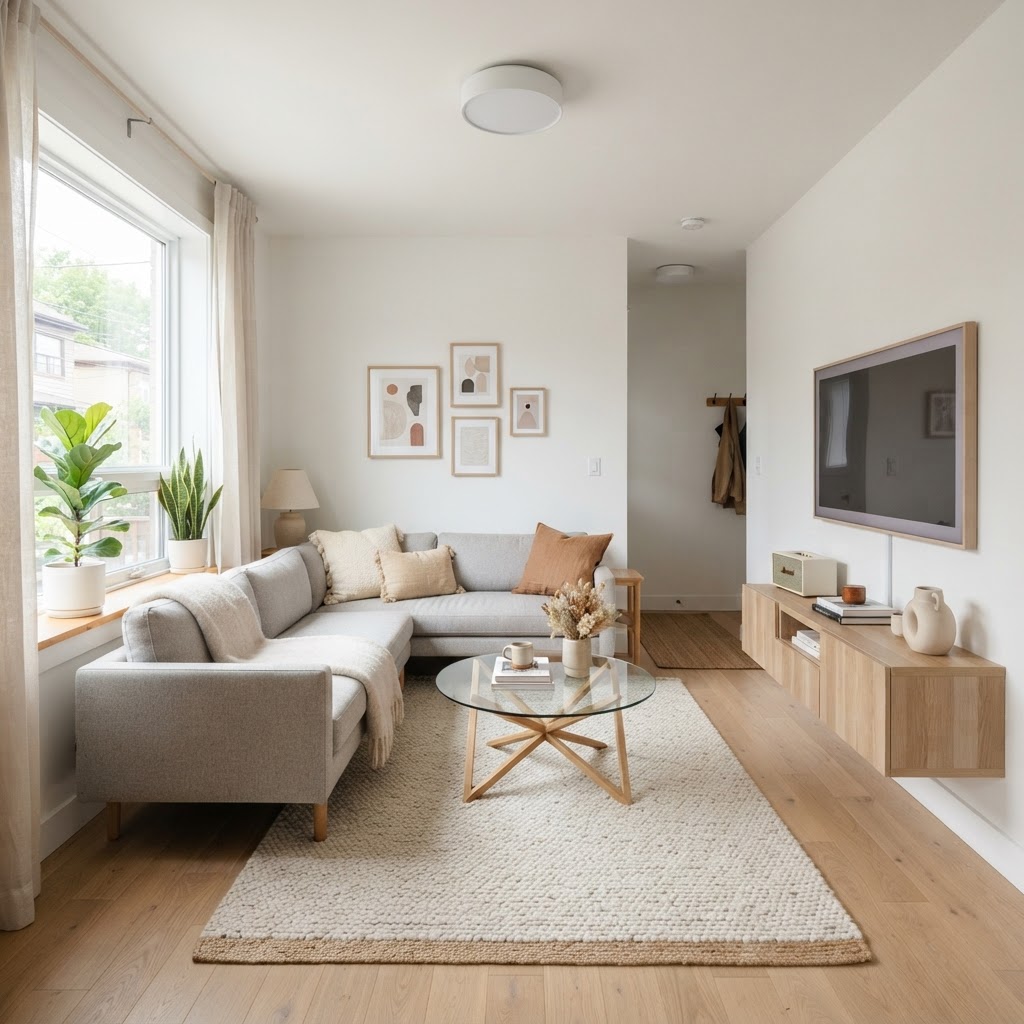
Committing to a cohesive, monochromatic color palette is the most effective way to eliminate visual clutter and make a compact room feel significantly more sophisticated. When you restrict your palette to two or three neutral tones—such as cream, taupe, and soft grey—you create a seamless flow that tricks the eye into perceiving the room as one unified, larger space. Avoiding high-contrast color pops keeps the focus on texture rather than chaotic hues.

Why Neutrals Reign Supreme

Neutrals act as the backbone of luxury design by creating a serene, gallery-like environment. By layering different fabric weights—such as a chunky wool rug, linen curtains, and a boucle armchair—you build depth without the need for bright colors. This “monotone luxury” approach is a professional trade secret used in high-end staging to make small rooms feel curated and calm rather than busy and cramped.

Feature Cheap Aesthetic Luxury Aesthetic
Color Palette Multi-colored / Bold Monochromatic / Neutral
Texture Variety Flat / Synthetic Layered / Organic
Visual Flow Fragmented Seamless Transitions

Lighting Choices That Define Elegance

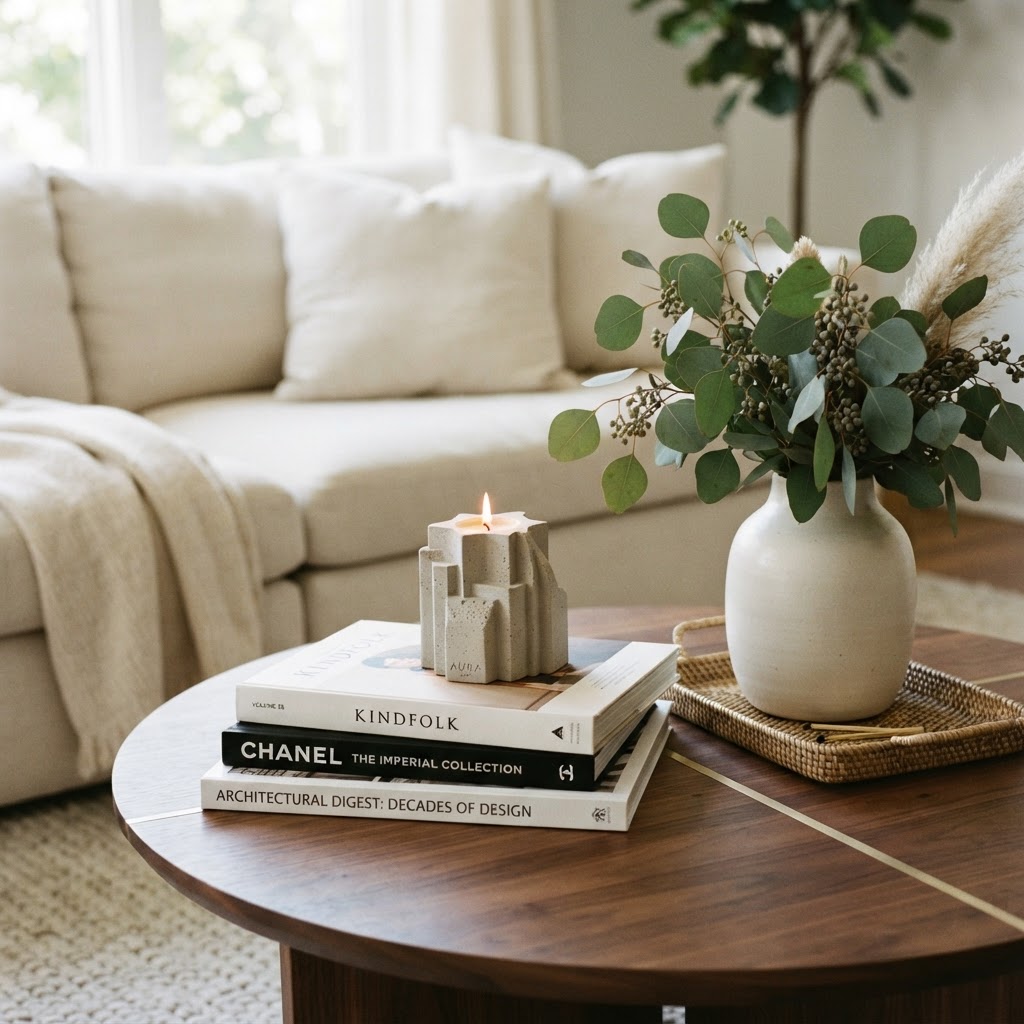
The art of the coffee table: curate items in groups of three for a luxury feel.

Lighting is the single most transformative element in small space design, and upgrading standard fixtures is the easiest way to achieve a high-end look. Standard “boob lights” or builder-grade overhead fixtures flatten a room, whereas sculptural lamps and warm, layered lighting fixtures add personality, dimension, and a sense of architectural importance to the space.

The Rule of Three

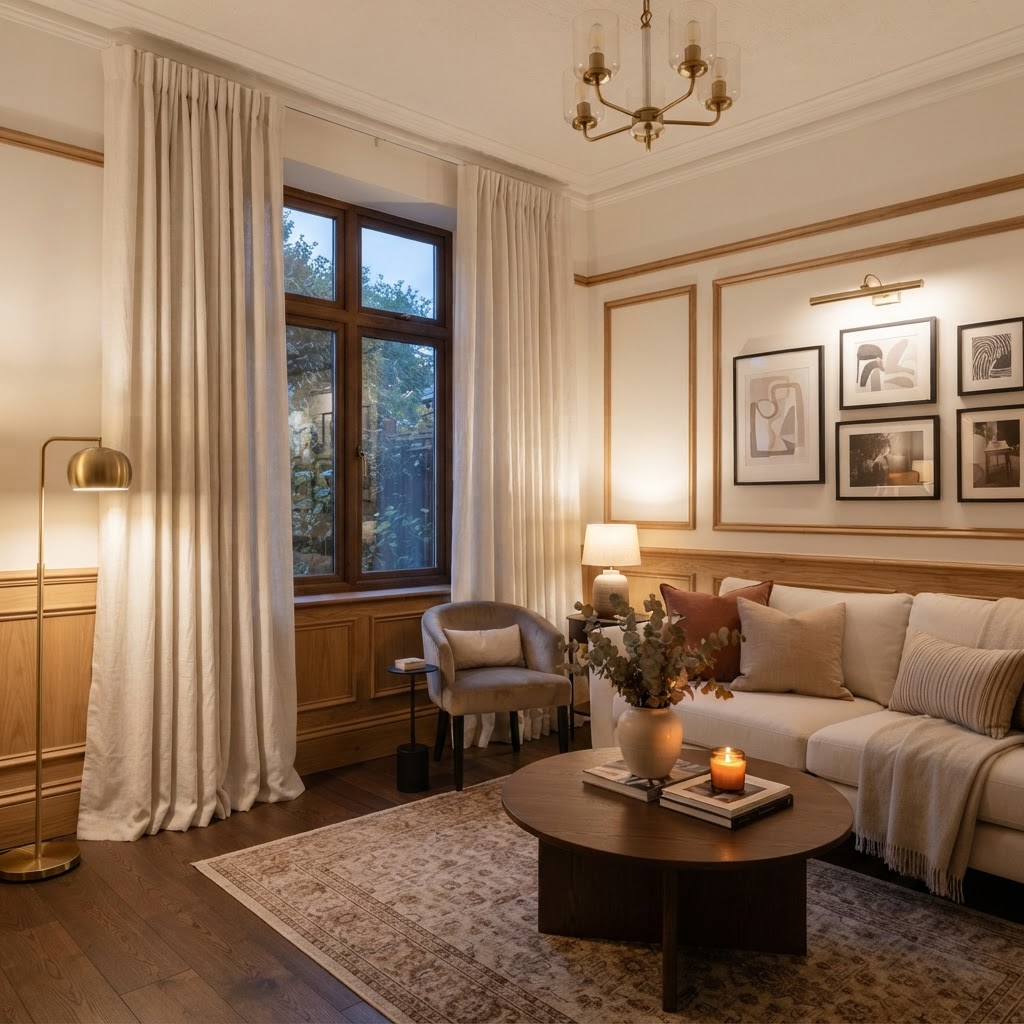
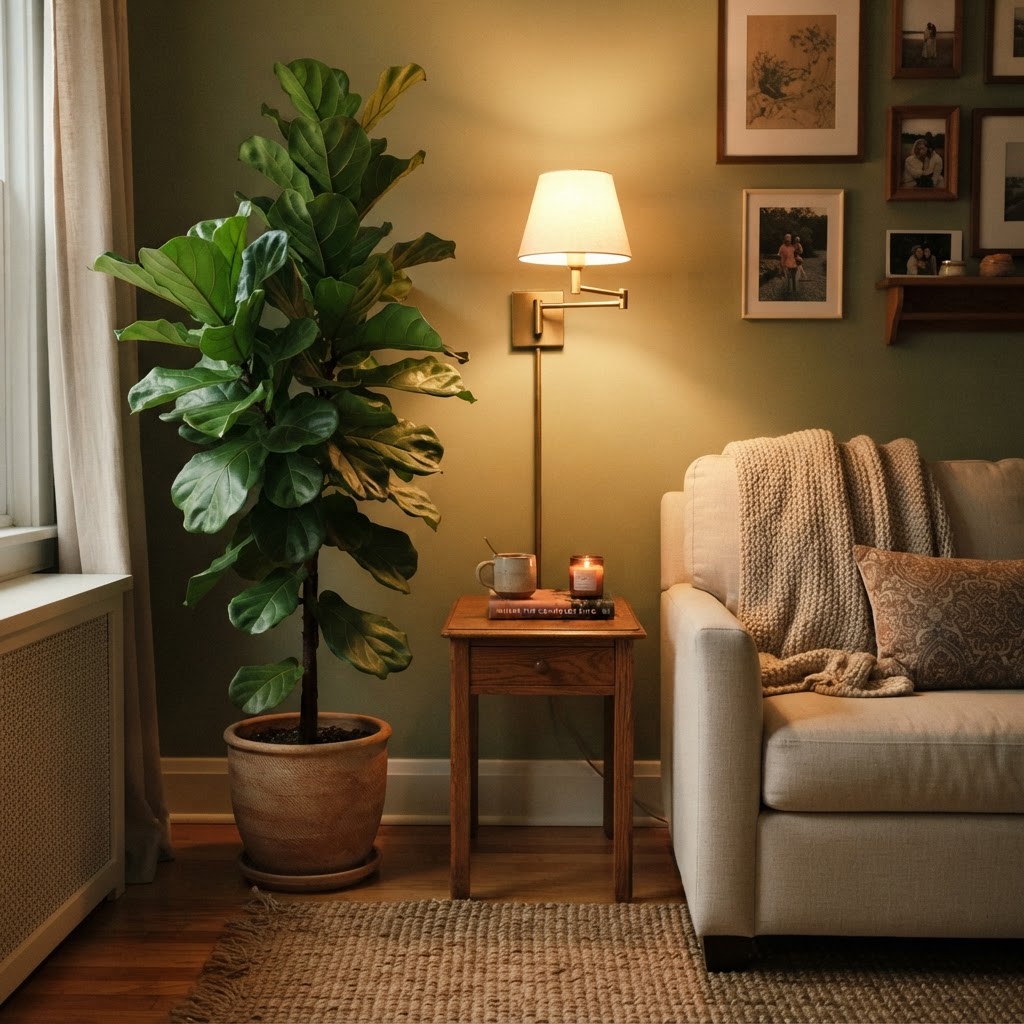
Never rely on a single central light source; instead, use a minimum of three sources of light to illuminate different levels of the room. By combining a floor lamp for height, a table lamp for task lighting, and a dimmable wall sconce for ambiance, you create depth. For the best results, use warm white bulbs at 2700K to mimic the golden hour, which softens edges and hides minor imperfections in smaller living areas.

Investing in Oversized Statement Pieces

Mounting curtains high to the ceiling creates the illusion of height.

Contrary to popular belief, filling a small room with many small, spindly items creates a “dollhouse” effect that feels cluttered rather than spacious. Instead, anchor your room with one or two oversized, high-impact pieces—such as a single large-scale sectional or an extra-large framed art print. This bold choice makes the space feel grander by reducing the number of small objects that the eye must process, effectively calming the room’s visual energy.

Elevating Your Textiles and Fabrics

A large, well-placed rug grounds your small living room furniture.

High-quality textiles are the most cost-effective way to signal luxury, as the tactile feel of a space is just as important as its look. Swapping mass-produced polyester throw pillows for covers made from natural materials like heavy-weight linen, velvet, or wool provides an immediate tactile upgrade. These natural fabrics drape better, reflect light more naturally, and offer a richness that synthetic alternatives simply cannot replicate.

The Importance of Drapery

Curtain placement is the ultimate secret weapon for increasing verticality in a living room. By mounting your curtain rod just one or two inches below the ceiling—rather than directly above the window frame—you draw the eye upward, making ceilings appear taller and windows significantly larger. For a high-end finish, ensure the drapes are long enough to just touch the floor, creating a clean, crisp line.

Smart Storage That Stays Hidden

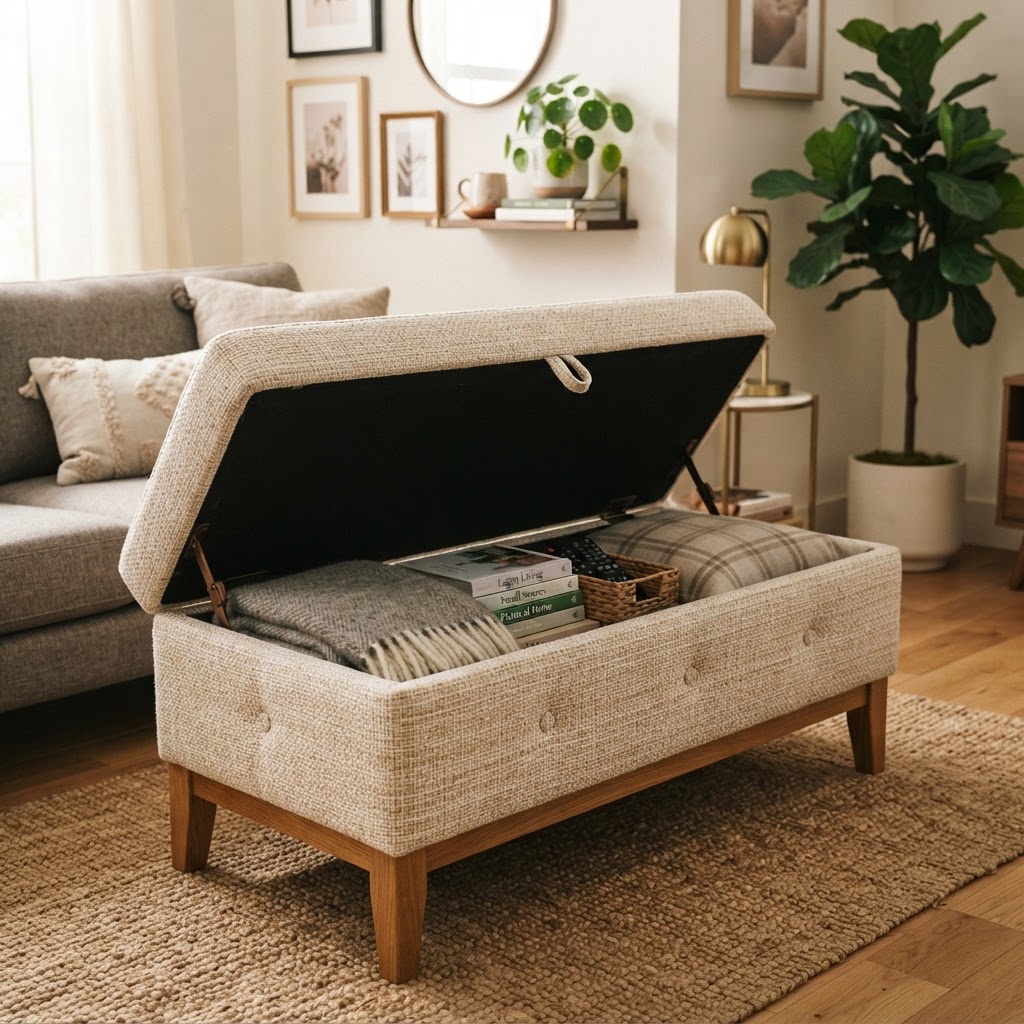
Clutter is the primary enemy of a luxury aesthetic, and keeping surfaces clear is non-negotiable for high-end small living spaces. You should implement clever living room storage ideas such as ottomans with internal storage or sleek, door-fronted cabinets to hide away cables, remotes, and magazines. By removing “visual noise” from view, you allow the high-quality elements of your design, such as your furniture and lighting, to take center stage.

Incorporating Natural Elements

Bringing the outdoors in adds life and vibrancy to your home while serving as a natural, sculptural element. Rather than cluttering your shelves with several tiny, artificial plants, invest in one large, healthy potted tree, such as a fiddle leaf fig or a tall palm. A single, well-maintained statement plant provides a sense of scale and organic freshness that makes the room feel lived-in and professionally designed.

The Art of Curated Surfaces

Your coffee table and shelving units should be treated as curated galleries rather than dumping grounds for daily items. Apply the “Rule of Three” to your surface styling: group objects in odd numbers—three or five—and vary the heights of these items to create a dynamic visual path for the eye. A small stack of coffee table books, a ceramic vessel, and a single candle create a polished, expensive appearance.

Mirrors as Architectural Features

Mirrors are more than just reflective surfaces; when used correctly, they function as architectural features that double the visual footprint of a room. For a high-end look, lean a large, floor-length mirror against a wall or mount an oversized mirror with a thin metallic frame above the fireplace. This technique mimics the look of a large window, bringing in extra light and depth to tight corners.

Rug Sizing Matters

Choosing the correct rug size is critical because a small rug makes a room feel fractured and tiny. To expand your space, select an area rug large enough so that at least the front legs of your sofa and chairs sit on it, which effectively defines the seating area as a cohesive “zone.” This simple adjustment anchors the furniture and grounds the room, preventing the pieces from appearing as if they are floating aimlessly in the space.

Addressing Wall Treatments

Architectural character can be added to any apartment through low-cost wall treatments like picture frame molding or board and batten. Using basic wood trim from a hardware store, you can build custom-looking wainscoting for under $100. These details add historical charm and depth to blank walls, transforming a standard boxy apartment into a home that feels intentionally built and expensive.

Focus on “The Look for Less”

Thrifting is an essential strategy for sourcing high-end items that provide the “soul” of a room for a fraction of retail prices. Look for vintage brass candlesticks, heavy solid wood side tables, or unique ceramic vases at second-hand shops. Mixing these one-of-a-kind vintage pieces with modern, clean-lined staples creates an eclectic, designer-curated look that cannot be replicated by buying full-set furniture suites. If you are looking for additional ways to maximize your space, you can learn how to decorate a small apartment on a budget with our comprehensive DIY guide.

The Finishing Touches

Luxury is a sensory experience, so do not overlook the power of scent and touch to complete your living room. Use high-quality scented candles or reed diffusers with subtle, earthy notes like sandalwood or bergamot. Layering soft, high-quality blankets on your sofa adds that final “expensive” element, ensuring the space is just as comfortable as it is aesthetically pleasing.

FAQ

How do I make a small living room look expensive on a $200 budget?

Focus your budget on high-impact items: buy one large statement mirror, replace basic light bulbs with 2700K warm LEDs, and purchase a large area rug. These three changes collectively redefine the light, space, and anchor of your room for minimal investment.

Should I avoid using dark colors in a small living room?

Not necessarily, as dark colors can add significant depth and a moody, high-end “cocoon” effect to a small space. The key is to ensure you have excellent lighting and to use consistent, deep monochromatic tones across the walls and furniture to avoid choppy color breaks.

What is the secret to placing curtains in a small room?

Mount your curtain rod as close to the ceiling as possible, rather than directly above the window casing. This technique creates the illusion of floor-to-ceiling windows, which adds significant vertical height and makes the entire room feel more spacious and luxurious.

How many items should I have on my coffee table?

For a curated look, use the rule of three to group items by varying heights and textures. Place a small stack of books, a decorative bowl, and a single sculptural candle to provide balance without creating visual clutter.

Why do my small living room furniture pieces look cheap?

Often, it is because the pieces are too small or numerous, which creates a “dollhouse” effect and clutter. To fix this, remove smaller, non-functional decor and replace it with fewer, larger, more comfortable pieces that command presence.

15 Renter-Approved Storage Hacks That Don’t Require Drilling

15 Renter-Approved Storage Hacks That Don’t Require Drilling

You can maximize storage in a rental property without drilling holes by utilizing tension rods for vertical space, adhesive hooks for cabinet organization, and under-bed containers for seasonal items. These non-invasive methods protect your security deposit while creating a clutter-free, functional, and personalized home in even the smallest square footage.

Rethink Your Vertical Space Without Tools

Maximize closet space with over-the-door organizers and slim hangers.

When you cannot put nails or screws into your walls, your best friend is tension-based hardware. Tension rods are versatile, spring-loaded bars that stay in place through friction between two surfaces, supporting up to 10-15 pounds depending on the width. You can place them inside kitchen cabinets to hang cleaning supplies or use them in deep closets to create a secondary hanging level. By extending the rod between two walls, you create instant storage without a single tool.

The Versatility of Tension Rods

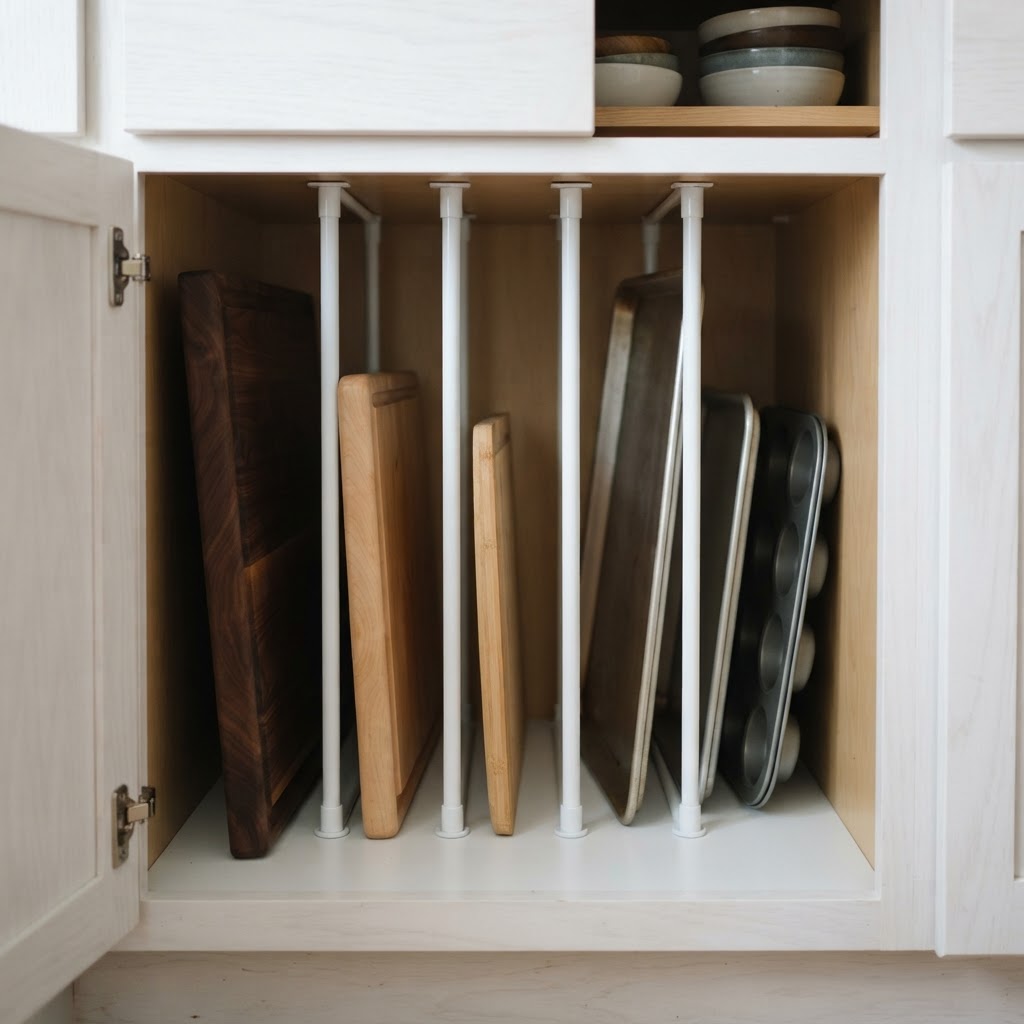
Beyond simple hanging, tension rods can act as drawer dividers. Place them vertically inside a deep drawer to create custom compartments for lids, baking sheets, or cutting boards. This method keeps your kitchen items neatly organized and upright, making them easy to grab. It reduces clutter in junk drawers by up to 40% by providing dedicated slots for specific tools.

Creating Custom Shelving

If you have a small nook, consider using a sturdy tension rod to support a lightweight shelf surface. By placing two tension rods at the same height and laying a 1/4-inch thick plywood board or lightweight plastic shelf across them, you create an instant ledge for books or decor. Always verify the weight capacity of your rods; most standard tension rods drop capacity as they are extended, so keep shorter spans for heavier loads.

Feature Tension Rods Adhesive Hooks
Best Use Kitchens, Closets Doors, Backsplashes
Load Limit 10-15 lbs 3-8 lbs
Damage Risk Zero Low (if removed properly)
Cost $5 – $12 $3 – $10

Utilize Adhesive Hooks and Caddies

Tension rods make excellent DIY drawer dividers for kitchen tools.

Modern adhesive technology has revolutionized renter storage by allowing for the installation of heavy-duty hooks without permanent wall damage. Removable strips, such as Command adhesive technology, can hold items weighing up to 8 pounds. To ensure success, always clean the target surface with isopropyl alcohol to remove dust and oil, then press the strip firmly for 30 seconds to activate the bond before attaching the hook.

Strategic Placement for Maximum Efficiency

Place adhesive hooks on the inside of your bathroom vanity doors to store hair dryers, straighteners, and curling irons. This keeps your counter clear and prevents cords from becoming a tangled mess. Similarly, in the kitchen, attach hooks to the inside of your pantry door to hold measuring cups, spice racks, or small aprons. By utilizing the “hidden” side of cabinet doors, you effectively double your available storage area in tiny kitchens.

Maximize Your Closet Potential

Use under-bed storage to hide seasonal items out of sight.

Closets are usually the most limited space in a rental apartment, necessitating vertical efficiency. When floor space is at a premium, look upward. Over-the-door organizers are essential for small apartment storage. These organizers aren’t just for shoes; they are perfect for storing snacks, toiletries, cleaning products, or even office supplies, effectively utilizing the “dead zone” behind the door.

Utilizing Vertical Closet Space

If your closet has a high rod, use cascading hanger hooks to store multiple garments on a single hanger. This simple trick can effectively double your hanging space, allowing for up to 6 shirts in the space previously occupied by one. Additionally, invest in slim-profile velvet hangers, which grip clothing to prevent slipping and save 2-3 inches of rod space per garment compared to bulky plastic hangers.

The Power of Multi-Functional Furniture

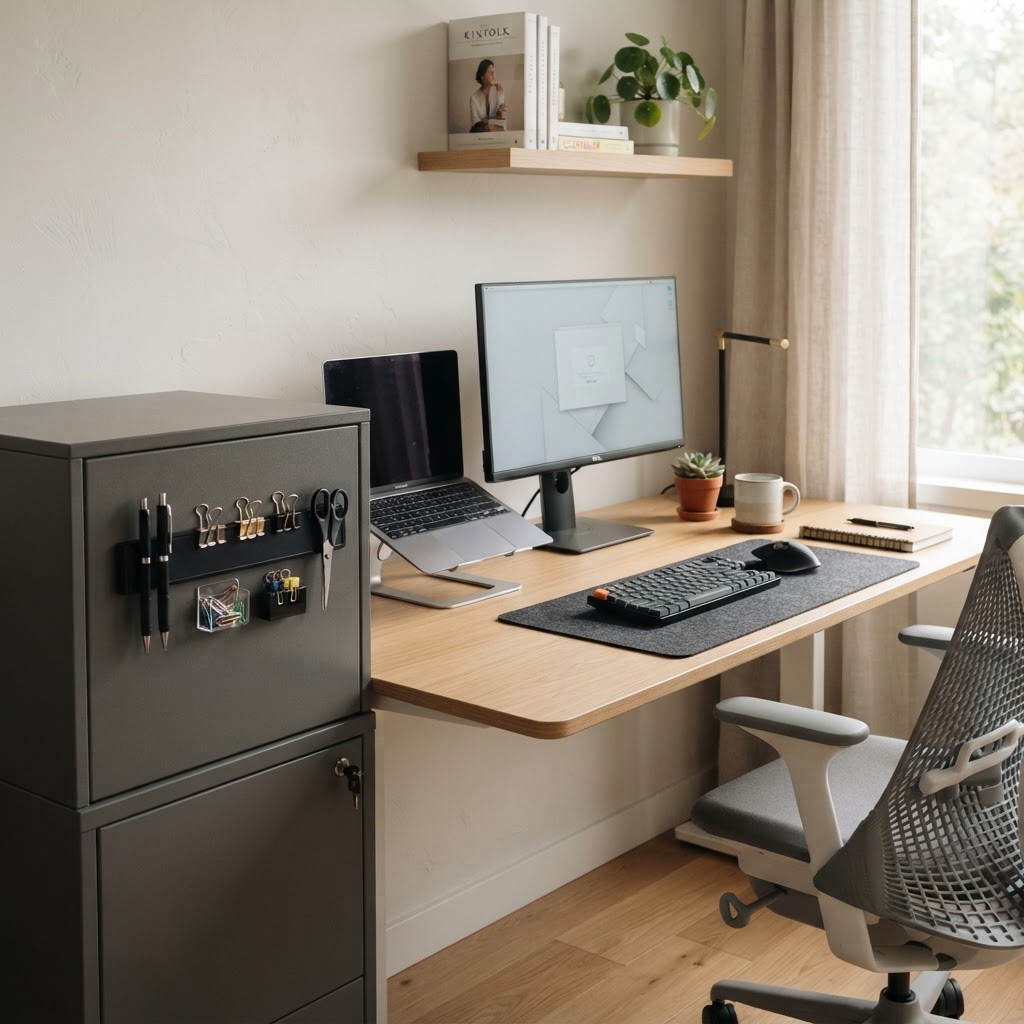
Magnetic organizers are a perfect way to clear desk clutter.

When you are tight on square footage, every piece of furniture must serve a dual purpose to maximize utility, and learning how to decorate a small apartment on a budget can help you find affordable ways to elevate your space. Look for ottomans that include internal storage, or coffee tables with built-in drawers. These items allow you to hide blankets, remote controls, and chargers out of sight, reducing the visual clutter that makes a small space feel even smaller. Multi-functional pieces often save 10-20 square feet of floor space in a typical studio apartment.

Choosing Smart Pieces

Think about modular furniture that can be reconfigured based on your needs. A bedside table that is also a small bookshelf or a desk that can fold away when not in use can significantly improve your apartment organization and overall flow. These pieces often don’t require any assembly that involves damaging the structure of the apartment, making them the ultimate renter-friendly investment.

Hidden Storage Under the Bed

Under-bed storage is one of the most overlooked areas in an apartment, providing a massive amount of hidden capacity. Since most beds have at least 6-8 inches of clearance, this area is perfect for items you don’t need daily, such as seasonal clothing or travel gear. Use clear plastic bins or low-profile rolling carts to keep everything contained and dust-free.

For more inspiration on this, check out these easy under-bed storage systems to help you reclaim lost floor area.

Keeping Things Organized Under the Bed

Labeling your containers is crucial when utilizing under-bed storage to ensure you don’t spend hours searching for specific items. For those who don’t have bed risers, prioritize flat storage containers that slide easily under your bed frame. This simple step can store dozens of items that would otherwise take up precious closet space.

Magnetic Magic in the Kitchen and Office

Magnets are a powerful way to organize without needing a single hole. In the kitchen, a magnetic knife strip can be mounted using heavy-duty double-sided tape (if permitted) or placed on the side of your refrigerator. This clears up valuable counter space and keeps your most-used kitchen tools within arm’s reach.

Magnetic Solutions Beyond the Kitchen

In your home office, use small magnetic boards to keep track of notes, pens, and paperclips. You can even attach small magnetic cups to the side of a metal desk or file cabinet. This type of organization keeps your workspace tidy and focused, which is essential for maintaining productivity in a shared or small living space.

Open Shelving Units and Bookcases

Freestanding shelving units are a renter’s best friend because they provide extra storage without requiring wall attachment. To make them look more custom, use baskets or fabric bins to hide the items stored on the shelves. This creates a clean, uniform look that prevents your space from feeling cluttered.

Styling Your Freestanding Shelves

When styling these units, try to follow the rule of thirds. Group items in sets of three and mix heights to create visual interest. By treating your storage units as display pieces, you ensure that your apartment organization remains functional without sacrificing your personal style or aesthetic.

FAQ

Q: Can I use adhesive hooks on painted drywall safely?

Yes, you can use adhesive hooks on painted drywall, but you must use specific “damage-free” strips designed for this surface. Always test a small, inconspicuous area first and follow the manufacturer’s removal instructions by pulling the tab slowly at a 45-degree angle to prevent peeling the paint.

Q: How much weight can a standard tension rod hold?

A standard spring-loaded tension rod typically holds between 5 and 15 pounds, depending on the length of the rod. Always ensure you purchase a rod specifically rated for the weight of your items and avoid exceeding the recommended limit, as shorter extensions provide significantly more stability than full-length extensions.

Q: What is the best way to hide cords in a rental?

You can hide cords by using cable sleeves or adhesive-backed cable clips that can be easily removed. Additionally, placing cords inside decorative baskets or behind multi-functional furniture pieces keeps them organized and out of sight without requiring any modifications to the apartment’s baseboards or walls.

Q: Are under-bed storage bins really effective for small spaces?

Under-bed storage bins are highly effective as they utilize “dead space” that is otherwise wasted. They are ideal for storing seasonal clothes, extra linens, or bulk items, which can free up an entire shelf or drawer in your closet for everyday essentials.

Q: How can I make freestanding shelves look built-in?

You can make freestanding shelves look built-in by choosing units that span the full height or width of a wall. Adding matching baskets, utilizing uniform storage bins, and anchoring them with furniture safety straps (which use minimal hardware) creates a cohesive, high-end look without custom carpentry.

Small Living Room Ideas That Work on a Budget

Living in a compact home often feels like a puzzle, but finding the right small living room ideas that work on a budget can turn your cramped area into a cozy sanctuary. You do not need a massive renovation or a professional interior designer to achieve a high-end look in a limited square footage. By focusing on smart layout choices, strategic color palettes, and budget-friendly furniture, you can craft a space that feels both open and inviting. In this guide, we explore how to maximize every inch of your living area without draining your savings account.

The Power of Strategic Layout Planning

Use light colors and mirrors to make a small living room feel larger.

Before you commit to a major change, it is helpful to identify common layout mistakes that make small living rooms feel smaller so you can avoid those pitfalls from the start. The foundation of any successful small room redesign is the floor plan. Before spending a dime, take a critical look at how you use your living room. Often, moving furniture just a few inches away from walls or creating a clear pathway can make a massive difference in perceived size.

Prioritize Flow and Function

Avoid the common mistake of overcrowding your space with oversized pieces. Instead, opt for multi-functional furniture, such as an ottoman that doubles as storage or a coffee table with a hidden compartment. If you are working with a living room on a budget, consider repurposing items you already own to improve functionality without adding clutter.

Creating Zones

Even in a tiny room, you can create distinct areas. Use a rug to anchor the seating area, separating it from a makeshift workspace or reading nook. Keeping your furniture proportions in check is essential for maintaining a sense of openness.

Embracing Light and Color Schemes

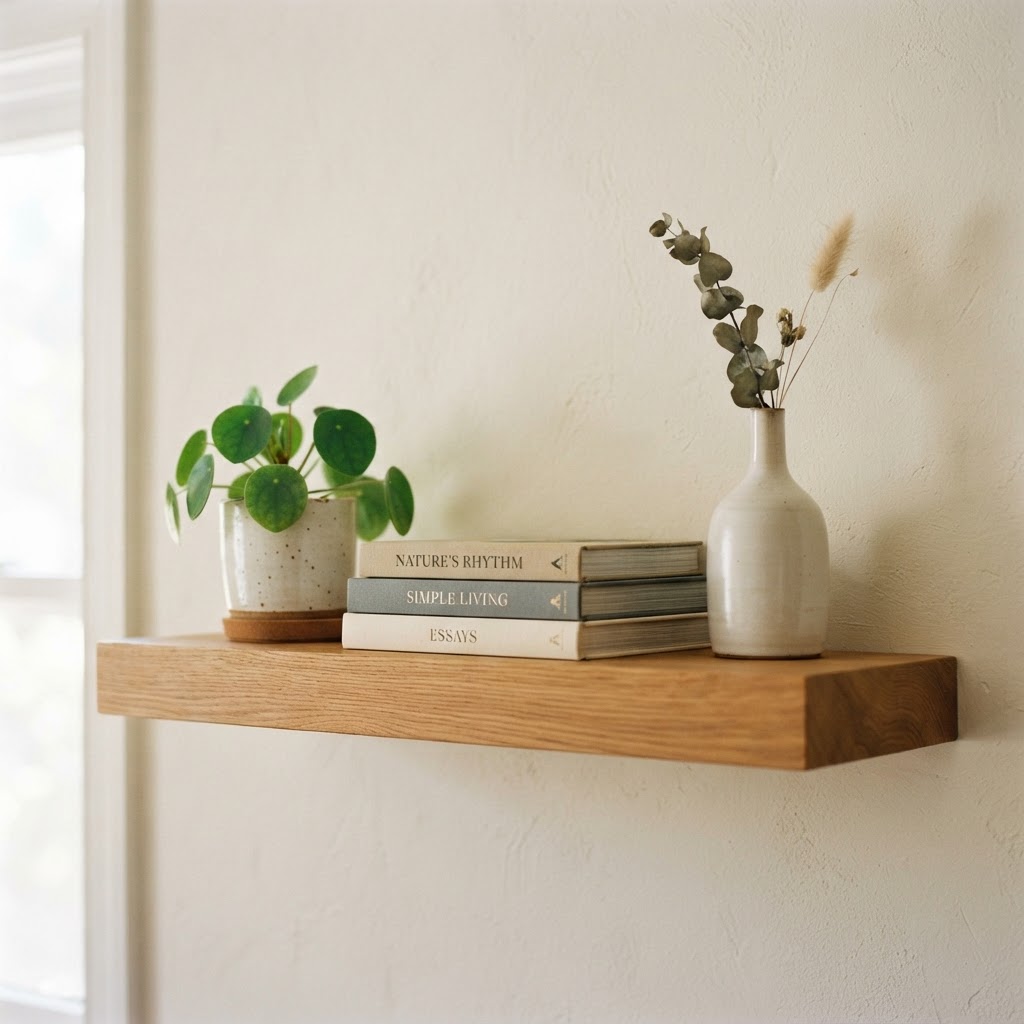
Floating shelves are a perfect way to add storage without floor space.

Color is one of the most cost-effective tools in a designer’s arsenal. Light, airy colors are well-known for their ability to make a small space feel larger by reflecting natural light and blurring the lines between walls and floors.

Painting your walls in shades of soft white, pale gray, or light beige is an affordable way to instantly brighten your environment. You can achieve this effect on a weekend with just a few gallons of paint, making it a perfect project for those seeking a budget-friendly home update.

Mirrors as Design Multipliers

Strategically placed mirrors are essential among small living room ideas. By placing a large mirror opposite a window, you can bounce natural light throughout the room and create the illusion of added depth. This simple addition can make your space feel twice as large for very little investment.

Smart Furniture Choices for Tight Spaces

Multi-functional furniture is essential for maximizing small rooms.

Selecting the right furniture is where many people go wrong. In a small space, you want pieces that lift off the ground on legs, as seeing the floor underneath the furniture tricks the eye into thinking there is more surface area than actually exists.

Furniture Type Benefit for Small Spaces
Acrylic Chairs Minimalist look, keeps sightlines open
Wall-Mounted Shelving Saves floor space, adds vertical storage
Nested Tables Compact, flexible for entertaining
Sofa Beds Dual-purpose functionality

When you are shopping for a living room on a budget, look for “leggy” furniture at thrift stores or discount retailers. Metal legs, in particular, add a modern, sleek touch that prevents the room from feeling heavy or traditional.

Maximizing Vertical Real Estate

Layered lighting and greenery create a cozy, professional look on a budget.

When your floor space is limited, look up. Walls are an underutilized resource that can provide ample storage and decorative flair. Installing floor-to-ceiling shelving draws the eye upward, making your ceilings appear higher and the room feel more expansive.

Vertical Styling Tips

Install floating shelves above your television or behind your sofa to house books, plants, and art. This keeps your surfaces clutter-free while adding personality. Remember, when organizing items on these shelves, follow the rule of three: group objects in odd numbers for a balanced, professional display that doesn’t feel chaotic.

Affordable Decor and Texture Hacks

Decorating on a budget does not mean sacrificing personality. The secret to a sophisticated home lies in textures rather than expensive statement pieces. Mix and match soft elements like velvet pillows, jute rugs, and knit throws to create a cozy atmosphere.

These tactile additions make a room feel lived-in and comfortable. Scour flea markets, estate sales, or online marketplaces for unique accessories. A vintage brass lamp or a hand-woven basket can add more character to a room than brand-new, mass-produced decor ever could.

The Art of Decluttering

Nothing kills the vibe of a small room faster than clutter. Adopting a minimalist mindset is free, but it requires discipline. Evaluate your belongings periodically and donate items that no longer serve a purpose. Clear surfaces allow the room to breathe, which is arguably the most important of all small living room ideas.

Lighting Design for Small Spaces

Good lighting is non-negotiable. Relying solely on a central ceiling light often creates harsh shadows that make a room feel smaller. Instead, embrace a layered lighting approach. Combine floor lamps, table lamps, and wall sconces to create pools of light that soften the room’s edges.

If you are on a tight budget, look for plug-in wall sconces, which provide a high-end look without requiring electrical work. Lighting is not just functional; it is a design feature that can dictate the mood of your living area during evening hours, making it feel intimate and well-curated rather than like a cramped studio.

Making Big Impacts with Small Changes

Sometimes, the smallest details provide the most significant visual impact. Consider swapping out basic curtain rods for gold or matte black alternatives, or replacing generic cabinet pulls with something more tactile like leather or polished nickel. These small touches add a layer of refinement that suggests intention and design, distracting the eye from the room’s modest proportions.

Do not underestimate the power of greenery. A single, tall floor plant in a corner can draw attention upward and inject life into an otherwise neutral space. Plants add organic shapes that contrast beautifully with the geometric lines of modern, space-saving furniture.

Conclusion

Designing a beautiful home is not about the size of your space or the depth of your pockets; it is about creativity and intentionality. By implementing these small living room ideas, you can build a home that feels open, functional, and uniquely yours. Whether you start by painting your walls, clearing out the clutter, or investing in one key multi-functional piece of furniture, remember that every small change contributes to a bigger picture.

Start your transformation today by choosing one room section to tackle this weekend. Once you see the impact of these budget-friendly design hacks, you will feel inspired to keep going. Share this guide with a friend who is looking to refresh their space and subscribe to our newsletter for more interior design tips and tricks!

9 Slim Storage Carts Perfect for Tight Corners and Hallways

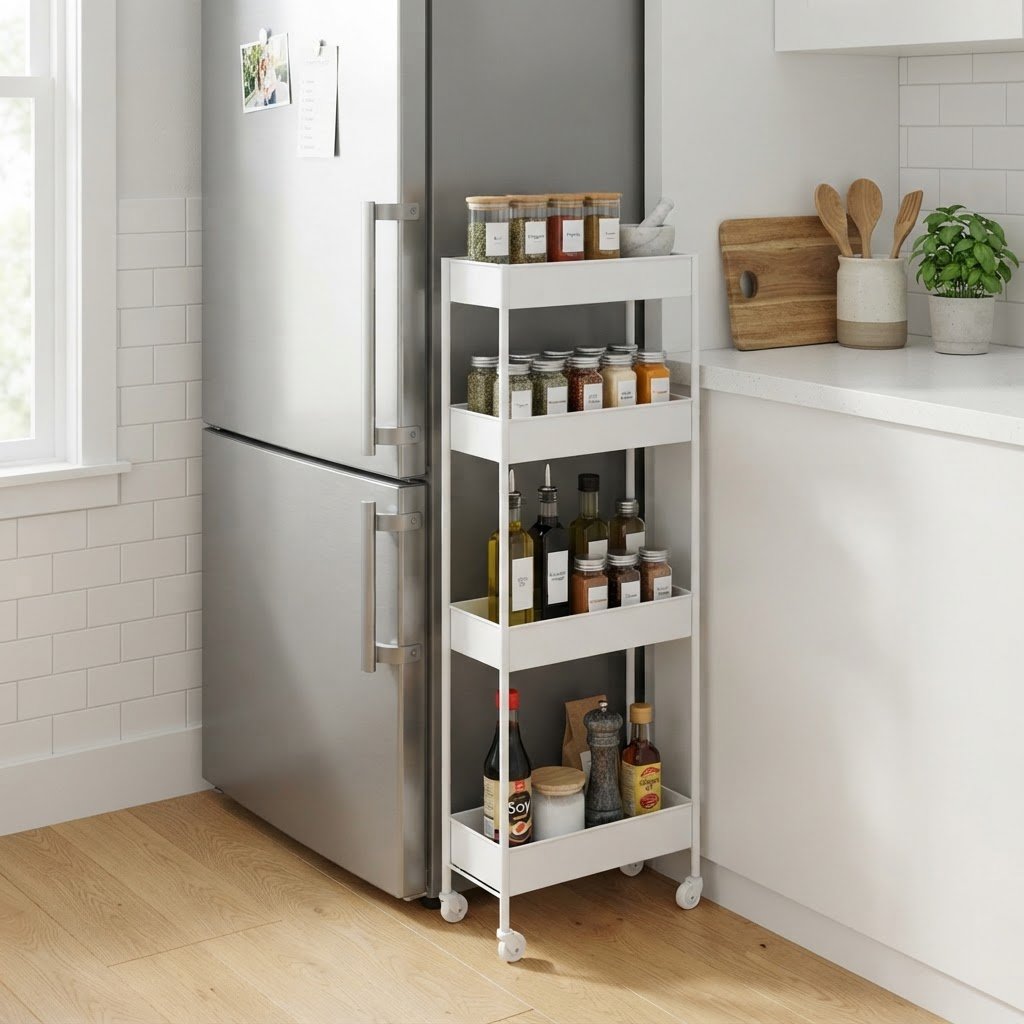
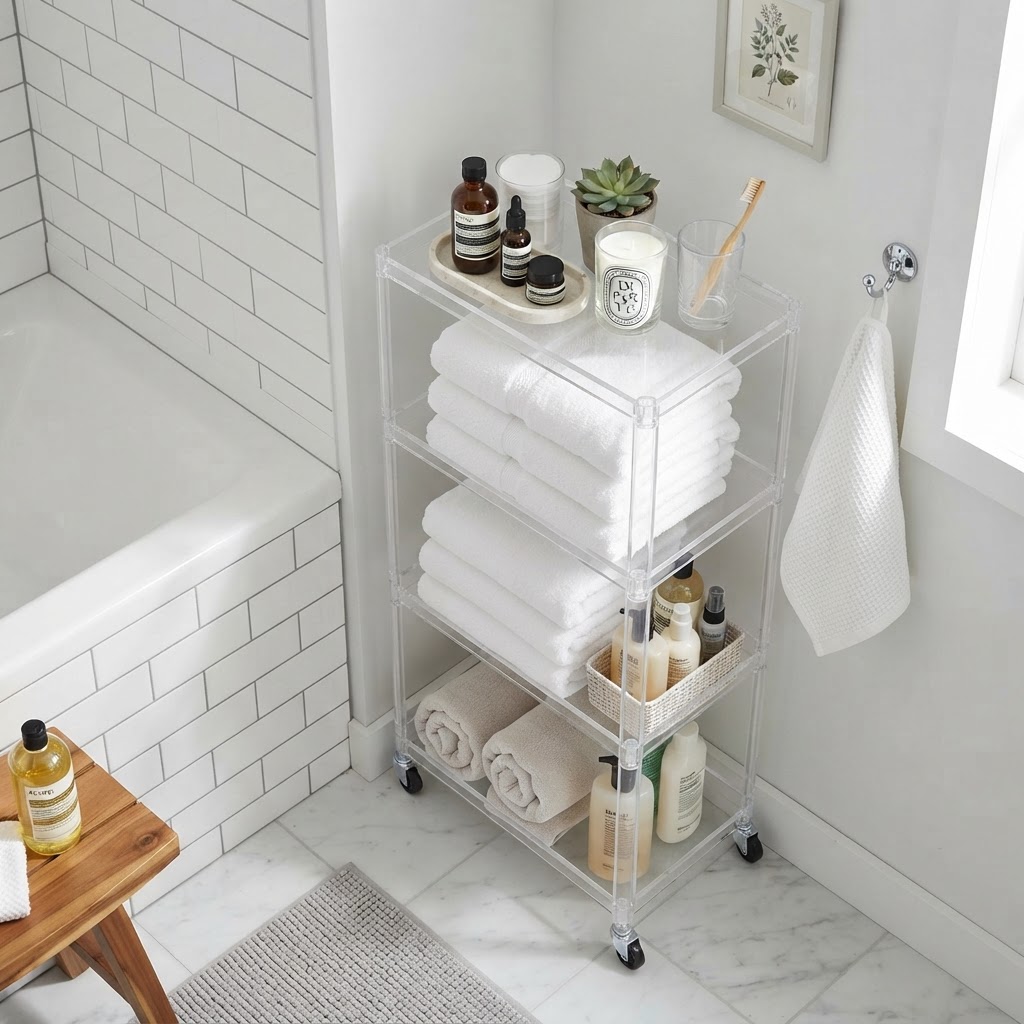
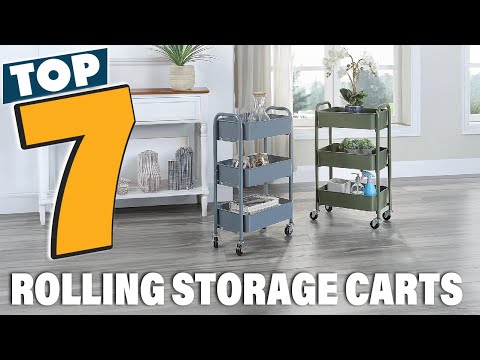
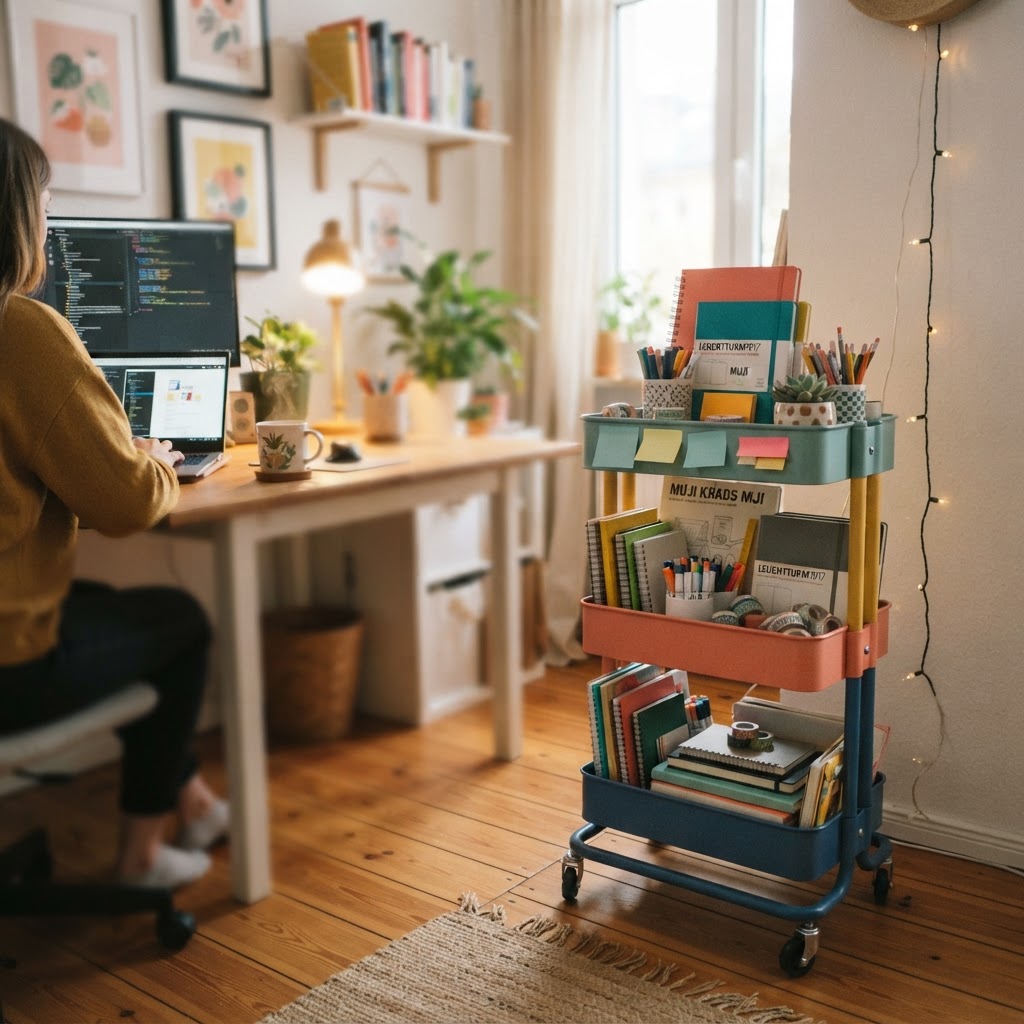
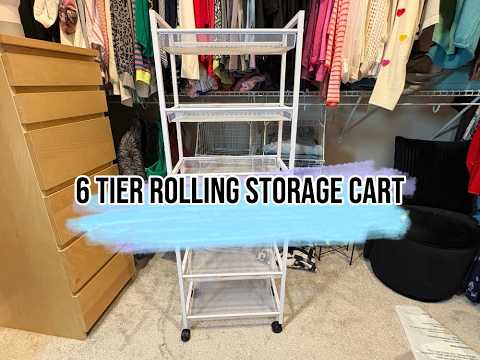
Living in a small apartment often feels like a constant battle against limited square footage. When every inch counts, you have to get creative with how you stow away daily essentials, and this is where slim storage carts become absolute game-changers. These narrow, mobile units are specifically designed to fit into the awkward gaps that traditional furniture simply cannot reach, making them the ultimate secret weapon for small apartment storage enthusiasts everywhere. Whether you are struggling with a kitchen layout that lacks a pantry or a hallway that feels perpetually cluttered, incorporating vertical storage is the key to maintaining a functional and aesthetic home.## Why Slim Storage Carts Are Essential for Small SpacesUtilize every inch of your kitchen with a slim pantry cart.The fundamental problem in compact living is not a lack of items, but a lack of dedicated storage zones. Slim storage carts bridge this gap by turning dead space into highly efficient utility zones. Unlike bulky shelving units that require significant floor depth, these carts typically measure between five to ten inches in width, allowing them to tuck neatly beside refrigerators, between laundry machines, or in narrow entryway nooks.### Maximizing Vertical UtilityOne of the primary benefits of these carts is their multi-tier design. By stacking items vertically, you remove clutter from your countertops and floors, drawing the eye upward and creating the illusion of more space. Most high-quality carts also feature heavy-duty casters, meaning you can easily roll them out for cleaning or access, providing a level of versatility that fixed cabinets simply cannot offer.## 1. The Multi-Tier Rolling Kitchen PantryA slim rolling cart acts as a perfect entryway command center.If you have a gap between your oven and the wall, you are sitting on prime real estate for a pull-out pantry, which is just one of many ways to maximize storage in a small apartment kitchen. A three or four-tier rolling kitchen cart is perfect for storing oils, spices, vinegars, and dry goods that usually clutter your precious counter space. Look for models with sturdy metal frames that can handle the weight of glass bottles.Top 7 Best Rolling Storage Carts for Every RoomChoosing a unit with an open-wire design allows for better airflow, which is crucial if you are storing produce like onions or potatoes. Furthermore, the ability to roll the entire inventory of spices toward you while cooking makes the entire culinary process more efficient and organized.## 2. The Bathroom Spa CaddyKeep bathroom essentials tidy with a narrow, mobile storage unit.Bathrooms in small apartments are notoriously cramped. A slim bathroom cart can slide between the vanity and the toilet, or tuck into the corner of the shower area if it is made of water-resistant material. These units are ideal for stowing away extra towels, toilet paper, shampoo bottles, and skincare collections.### Choosing the Right MaterialsWhen shopping for a bathroom unit, prioritize rust-resistant materials such as powder-coated steel or high-density polypropylene plastic. Moisture can quickly destroy cheap wood or inferior metal finishes, so investing in a durable, sleek plastic model is often the smarter long-term choice for damp environments.## 3. The Entryway Command CenterStay organized and productive with a dedicated home office cart.Your entryway is the first thing you see, and it is frequently the first place to become a dumping ground for keys, mail, and umbrellas. A slim, stylish storage cart can serve as a miniature console table if your hallway is too narrow for traditional furniture. Use the top surface for a catch-all tray, and the lower shelves for seasonal items like gloves or scarves.6 Tier Slim Rolling Cart Review: Best Narrow Storage SolutionBy installing hooks on the side of the cart, you gain additional hanging space for bags or dog leashes. This keeps the floor clear of tripping hazards while ensuring that your “grab-and-go” items are always exactly where you need them before heading out the door.## 4. The Home Office SidekickWith more people working remotely, finding a dedicated spot for documents and stationery is essential. A slim rolling cart allows you to keep your printer, papers, and tech accessories tucked away under your desk when they are not in use. This keeps your actual workspace clean, promoting better focus and productivity.#### Organizing for ProductivityTo make this system work, dedicate each tier to a specific category. Place frequently used items like notebooks and pens on the top shelf, while bulky files and extra tech gear go to the bottom. This prevents the ‘junk drawer’ effect where everything gets jumbled together.## 5. The Hobbyist’s Craft CornerWhether you love knitting, painting, or scrapbooking, crafts generate a significant amount of small parts and tools. A slim rolling cart with deep bins is the perfect solution for keeping your artistic endeavors contained. Because the cart is mobile, you can easily wheel your entire craft station into the living room while watching television and tuck it back into a closet when company arrives.## 6. The Laundry Room Narrow-Access CartLaundry areas in small apartments are often restricted to a closet. Even in these tiny spaces, there is usually a slim gap beside the washer or dryer that goes completely unused. A tall, thin storage cart can house your detergent, fabric softener, dryer sheets, and stain removers, turning a wasted sliver of space into a high-functioning utility hub.## 7. The Living Room Hidden BarTransform a narrow wall gap in your living room into a sophisticated bar cart. By selecting a slim cart with a wooden top or a sleek metallic finish, you can store your spirits, glassware, and cocktail napkins in a way that feels like intentional decor. When guests arrive, it becomes a functional service station that can be parked right next to your seating area.The Storage Secret Your Home Has Been Hiding - DOUBLE YOUR SPACE!## 8. The Bedroom Bedside AlternativeIf your bedroom is too small to fit traditional nightstands, a slim cart is a brilliant space-saving alternative. It provides ample space for a lamp, your current book, and a glass of water without overwhelming the limited perimeter of your bed frame. The added benefit is the extra storage shelves below for items like chargers or extra reading material.## 9. The Versatile Cleaning StationKeep all your cleaning supplies centralized by creating a mobile cleaning station. This cart can live inside a hallway closet and store everything from surface sprays and microfiber cloths to vacuum attachments. Having all your supplies in one portable unit means you do not have to trek back and forth across the apartment while doing your weekly chores.## Maintenance and Styling TipsEven with the best storage solutions, clutter has a way of creeping back in. To keep your slim storage carts looking tidy, periodically audit what you have stored. Use drawer liners to prevent smaller items from rattling around and consider using uniform containers to create a visually cohesive look. Remember, the goal is to make your small apartment feel larger by keeping surfaces clear and storage functional.## ConclusionIncorporating slim storage carts into your small apartment is one of the most effective ways to reclaim your living space. By utilizing tight corners and hallways, you can optimize your home for better organization and workflow. From kitchen pantries to mobile cleaning stations, these 9 solutions offer endless possibilities for transforming cramped quarters into an efficient, beautiful home. Assess your own apartment today, find those hidden narrow gaps, and reclaim your space with a mobile, slim solution. Start organizing your home now and feel the stress melt away!
Tiny Living Room Ideas for Studios and Micro-Apartments

Living in a compact urban dwelling often feels like a puzzle where every square inch counts toward your overall comfort. Many residents search for tiny living room ideas for studios and micro-apartments to turn a cramped floor plan into an inviting, airy sanctuary. When your living space doubles as your bedroom, office, and dining area, the design must be intentional, strategic, and deeply personal. It is entirely possible to create a home that feels expansive rather than restrictive by embracing verticality, light, and clever furniture choices.

## Rethinking Your Spatial Layout

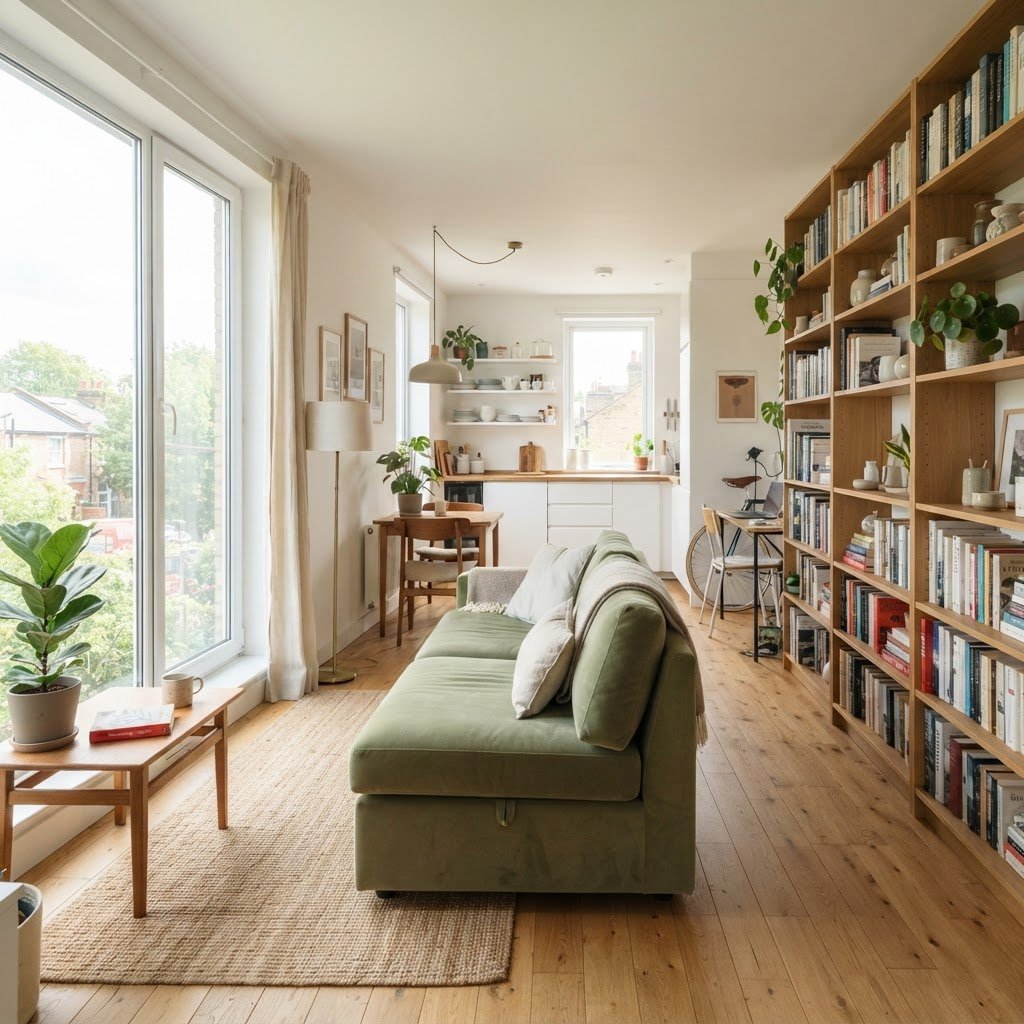
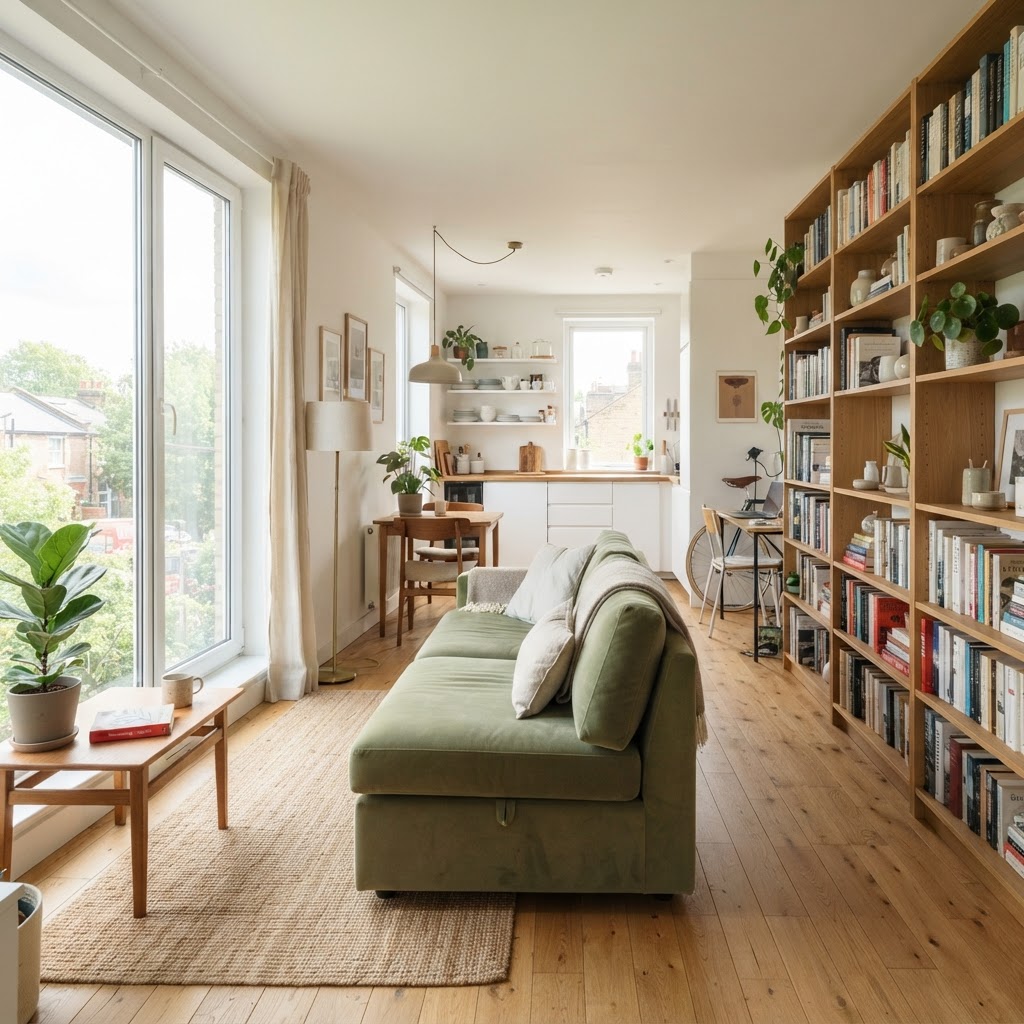
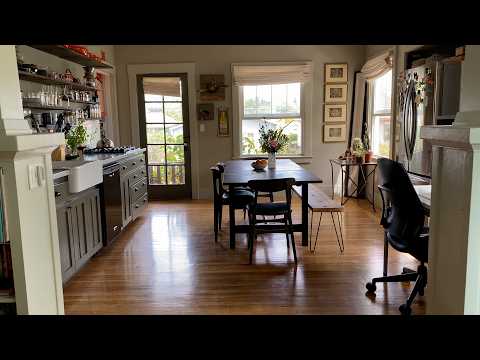
A bright, airy studio apartment featuring a minimalist sofa and floor-to-ceiling storage.

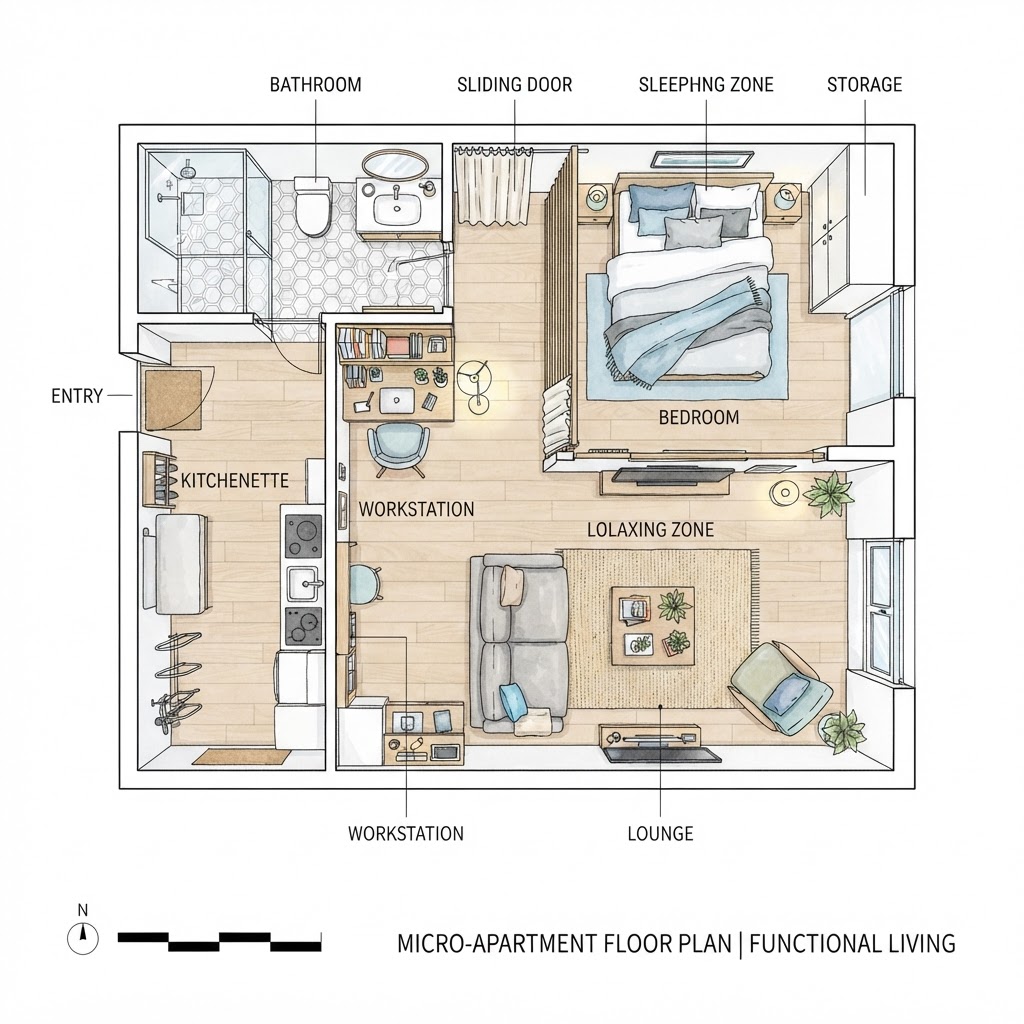
Designing a floor plan for a micro-apartment requires you to view your room through a new lens. Instead of trying to fit traditional, bulky furniture into a space, focus on defining “zones” for different activities. Use area rugs to anchor your living area away from your sleeping space, which naturally signals to your brain that it is time to relax.

Best Small Apartment + Studio Ideas

### The Power of Multi-Functional Furniture

When square footage is a premium, every piece of furniture must earn its keep. Look for sofas with built-in storage underneath, coffee tables that lift to become dining desks, or ottomans that provide extra seating and hidden compartments. By selecting pieces that perform double duty, you eliminate the need for clutter-prone auxiliary items. To avoid clutter, consider incorporating some of these clever living room storage ideas for small apartments to maximize your available square footage.

#### Why Versatility Matters

Versatility prevents your room from feeling stagnant. A murphy bed that pulls down from the wall can turn a bedroom into a fully functional lounge during the day, effectively doubling the usable area of your home.

## Mastering Vertical Storage Solutions

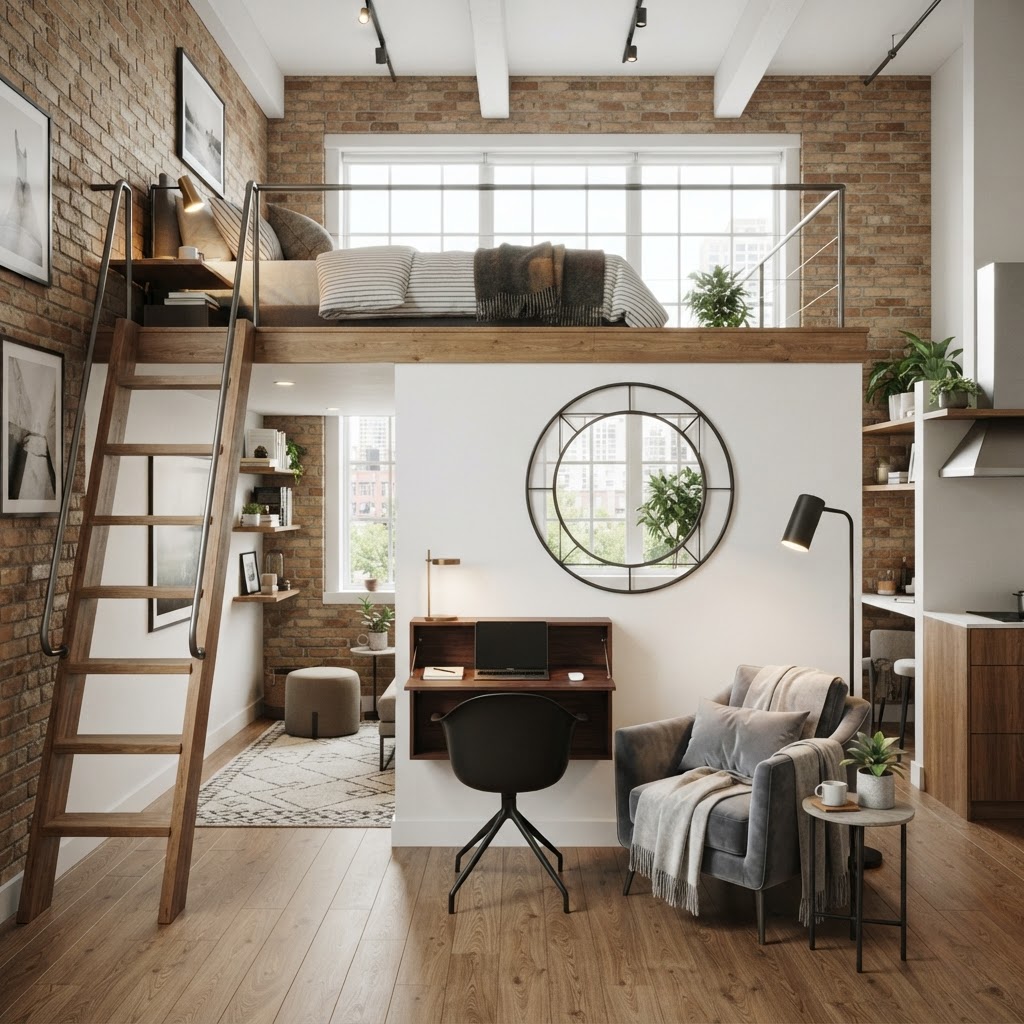
A smart micro-apartment layout that utilizes vertical space for a lofted sleeping area.

In tiny living, if you cannot go out, you must go up. Walls are your most underutilized assets. Installing floor-to-ceiling shelving not only draws the eye upward, making the ceilings appear higher, but it also creates a massive footprint for books, decor, and essential items.

### Open Shelving vs. Closed Cabinetry

While open shelving provides a sense of openness, closed cabinets are essential for hiding visual chaos. A balanced approach is ideal: use open shelves for curated decor and closed cabinets for everyday clutter. By keeping surfaces clear, you create a sense of calm that is vital in a small home.

Cozy tiny house living room design ideas

## Lighting Strategies to Create Depth

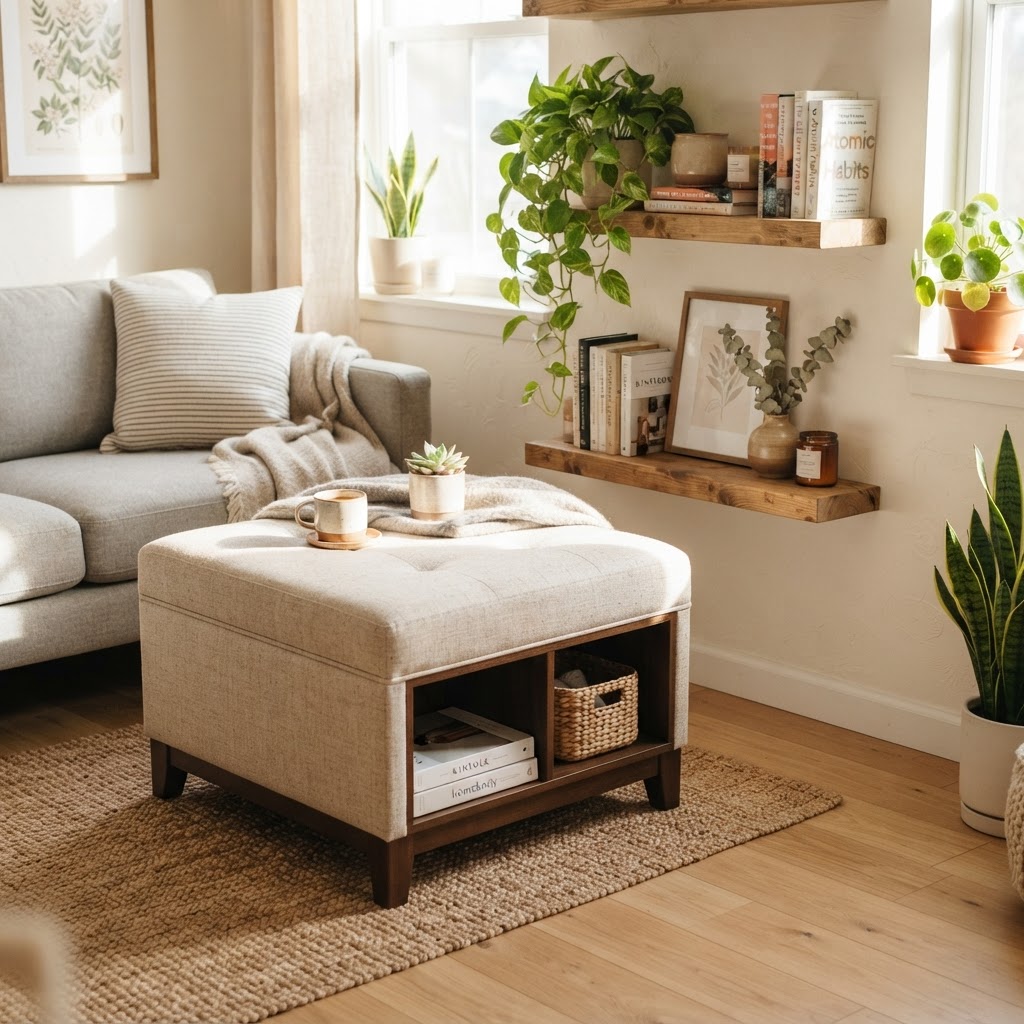
Detail view of a multi-functional ottoman and floating shelves that save precious floor space.

Lighting is perhaps the most underrated aspect of tiny living room ideas for studios and micro-apartments. Dim, single-source lighting can make a small room feel like a cave. Instead, layer your lighting using a combination of floor lamps, wall sconces, and LED strips.

### Bouncing Light Around the Room

Mirrors are a classic trick for a reason. Placing a large mirror opposite a window allows it to reflect natural light deeper into the space, effectively acting as an extra “window” on your wall. This simple addition instantly doubles the perceived depth of your living area.

## Selecting a Cohesive Color Palette

A conceptual floor plan demonstrating how to zone a tiny apartment effectively.

Color has a profound impact on the psychology of space. Light, neutral tones such as off-white, soft grey, and cream reflect light best, making a room feel bright and airy. However, do not be afraid of bold accents.

### Using Texture Over Tone

If you prefer a monochromatic look, rely on textures to create interest. A chunky knit throw blanket, a woven rug, or velvet throw pillows add depth without visual clutter. This approach ensures your room feels cozy without feeling crowded by excessive patterns or conflicting colors.

## Essential Habits for Maintaining Order

Even the best-designed micro-apartment will fail if you do not maintain a strict decluttering routine. Because there is so little room for “extra” things, you must practice a one-in, one-out policy. For every new item you bring into your home, consider what might be donated or recycled.

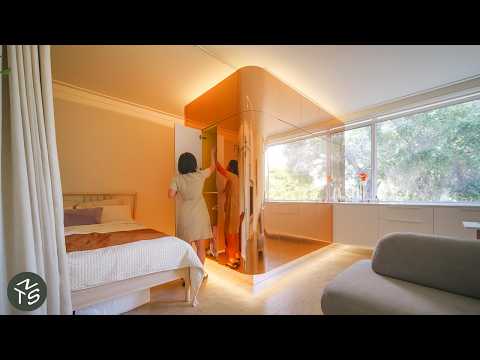
NEVER TOO SMALL: Micro Apartment With Multifunctional Mirrored Pod, Melbourne 27sqm/291sqft

### The Importance of Hidden Storage

Invest in “smart” organizers that utilize dead space. This includes over-the-door hooks, slim rolling carts for the kitchen, and bed risers that allow for under-bed bins. When everything has a designated home, your living room remains a place of leisure rather than a storage facility.

## Creating Visual Boundaries

In an open-concept studio, the lack of walls can be overwhelming. Use furniture, curtains, or even glass dividers to create semi-private zones. A tall bookcase placed perpendicular to the wall can serve as a room divider while simultaneously providing extra storage. This technique gives you the feeling of having separate rooms without sacrificing the flow of light or movement throughout the studio.

## Conclusion

Embracing tiny living does not mean you have to sacrifice comfort or personal style. By implementing these tiny living room ideas for studios and micro-apartments, you can transform your space into a functional, aesthetic, and highly efficient home. Focus on verticality, invest in quality multi-functional pieces, and keep your surfaces clear to allow your personality to shine through. Start small today by rearranging one corner of your home, and watch how quickly your living environment begins to transform. What is one change you are planning to make in your home this weekend?

How to Use Every Inch of Wall Space in a Small Apartment

Living in a compact urban dwelling often feels like a constant battle against clutter. When your floor space is limited, the key to reclaiming your sanity is to look upward. Knowing how to use every inch of wall space in a small apartment transforms blank, useless surfaces into functional storage zones, turning your cramped quarters into a model of small apartment storage efficiency. By embracing verticality, you stop fighting your architecture and start making it work for you.

## Rethink Your Furniture Layout

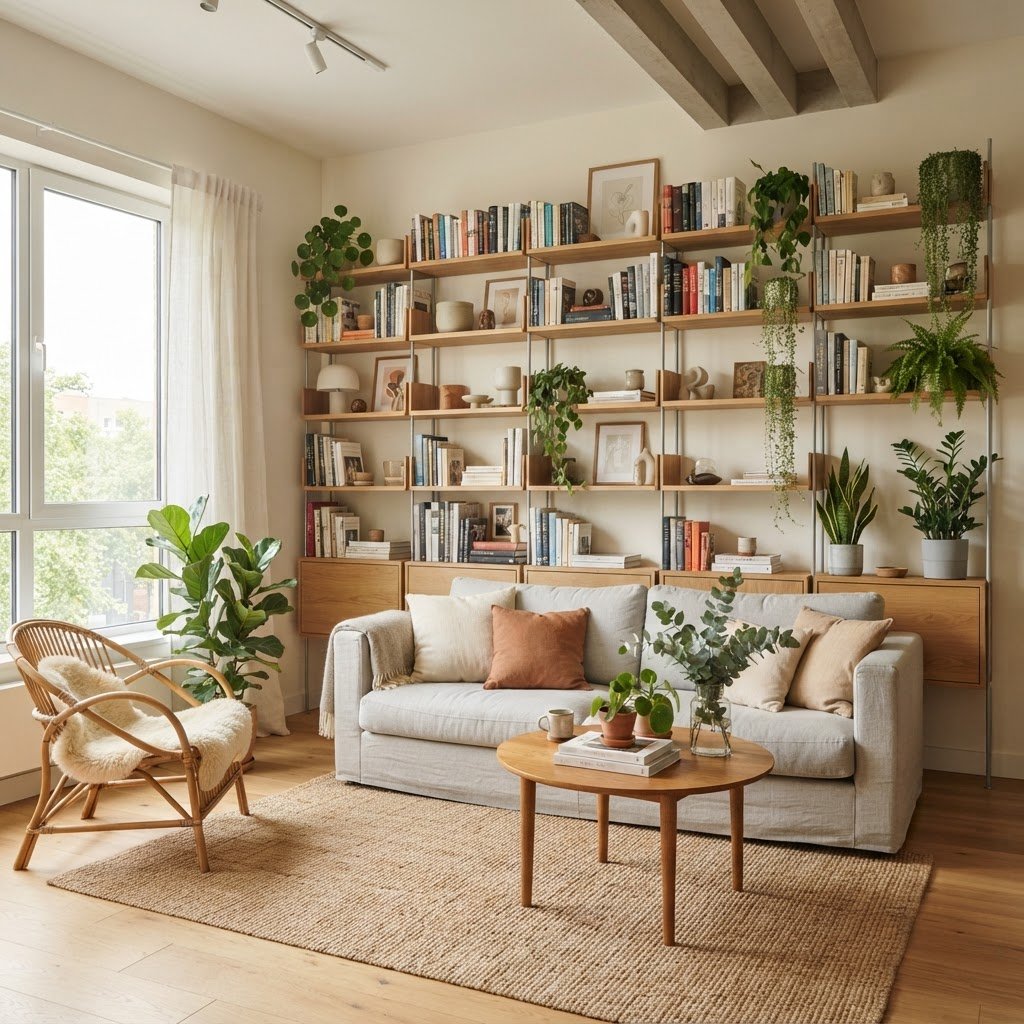
Utilize floor-to-ceiling bookshelves to maximize vertical storage in living areas.

Many people make the mistake of pushing furniture against walls without utilizing the vertical space above it. Start by evaluating your existing pieces. A standard low-profile console table is great, but the wall space above it is often empty. By installing floating shelves or a gallery wall of pegboards, you create depth and utility in an area that was previously just dead air.

Consider tall, floor-to-ceiling bookshelves that draw the eye upward. This creates the illusion of higher ceilings while providing massive storage capacity for books, decor, and bins. If your apartment has strict leasing rules against built-ins, tension-rod shelving systems are your best friend. They offer the look of custom cabinetry without the need for drilling holes, making them perfect for renters focused on small apartment storage.

Genius Tiny Apartment Decor Ideas to Maximize Every Inch with Smart Space Hacks! ✨

## The Power of Pegboards and Rails

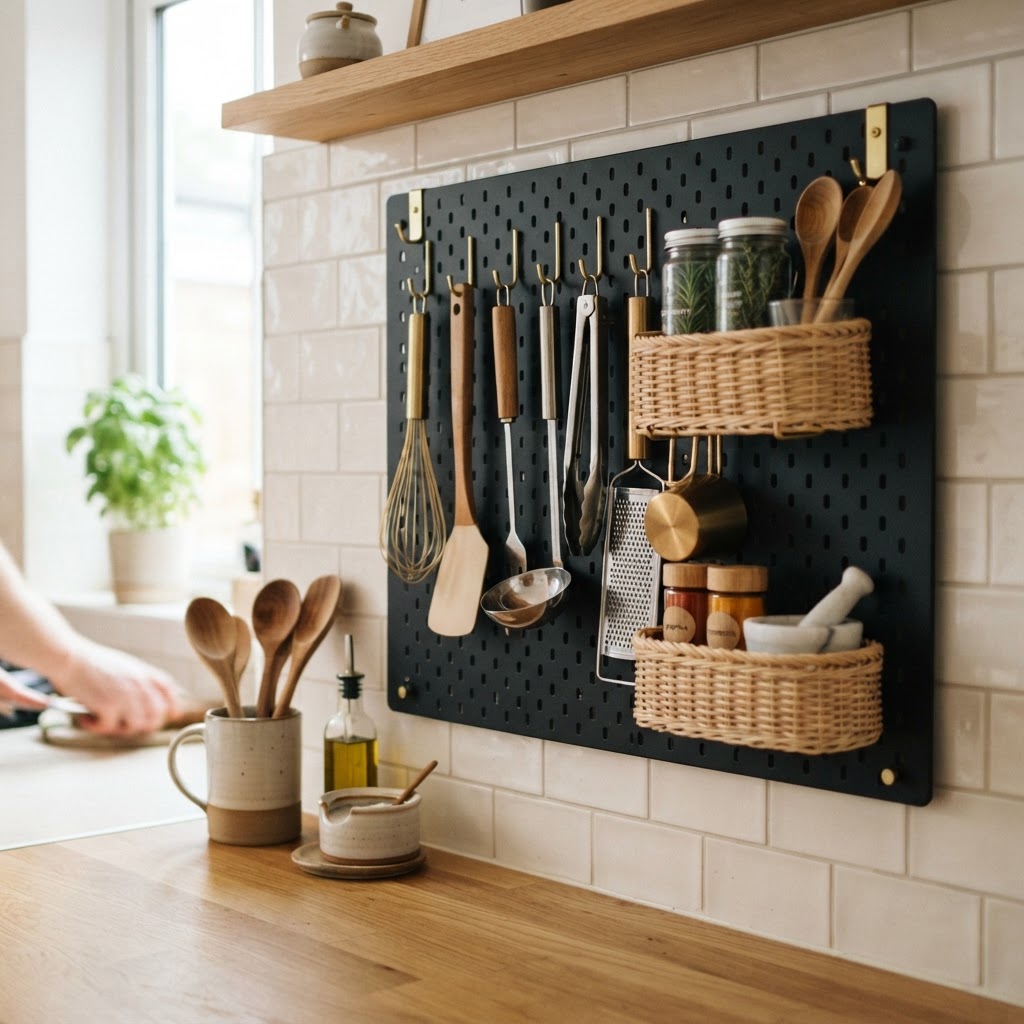
Pegboards offer modular, flexible storage for small kitchens and offices.

If you want to master wall space organization, look toward the kitchen and home office. Pegboards are the ultimate tool for modular storage. They allow you to hang pots, pans, utensils, or office supplies in a configuration that suits your exact needs. Because you can move the hooks and baskets whenever you like, your storage system remains as dynamic as your daily routine.

For a more streamlined, minimalist look, consider stainless steel wall rails. Often used in professional kitchens, these rails can be installed in bathrooms for towels or in entryways for keys and bags. They occupy almost no depth but provide significant hanging capacity, which is critical when you are trying to maximize every inch of wall space in a small apartment.

### Benefits of Vertical Hanging Systems

1. Clears up valuable counter and floor space instantly.
2. Provides a visual “inventory” of your items, making them easier to find.
3. Customizable arrangements allow for evolving storage needs.
4. Keeps frequently used items within arm’s reach while maintaining a tidy look.

## Installing Floating Shelves Strategically

A vertical command center transforms a narrow entryway into a functional mudroom.

Floating shelves are perhaps the most versatile way to add storage to a room. Unlike bulky traditional bookshelves, floating shelves provide a sleek, “weightless” aesthetic. To see how to arrange these in your home, check out these clever floating shelf ideas for small apartment storage to find inspiration for your specific layout. In a small living room, a series of staggered floating shelves can replace a bulky entertainment center, holding media devices, plants, and decorative accents without making the room feel enclosed.

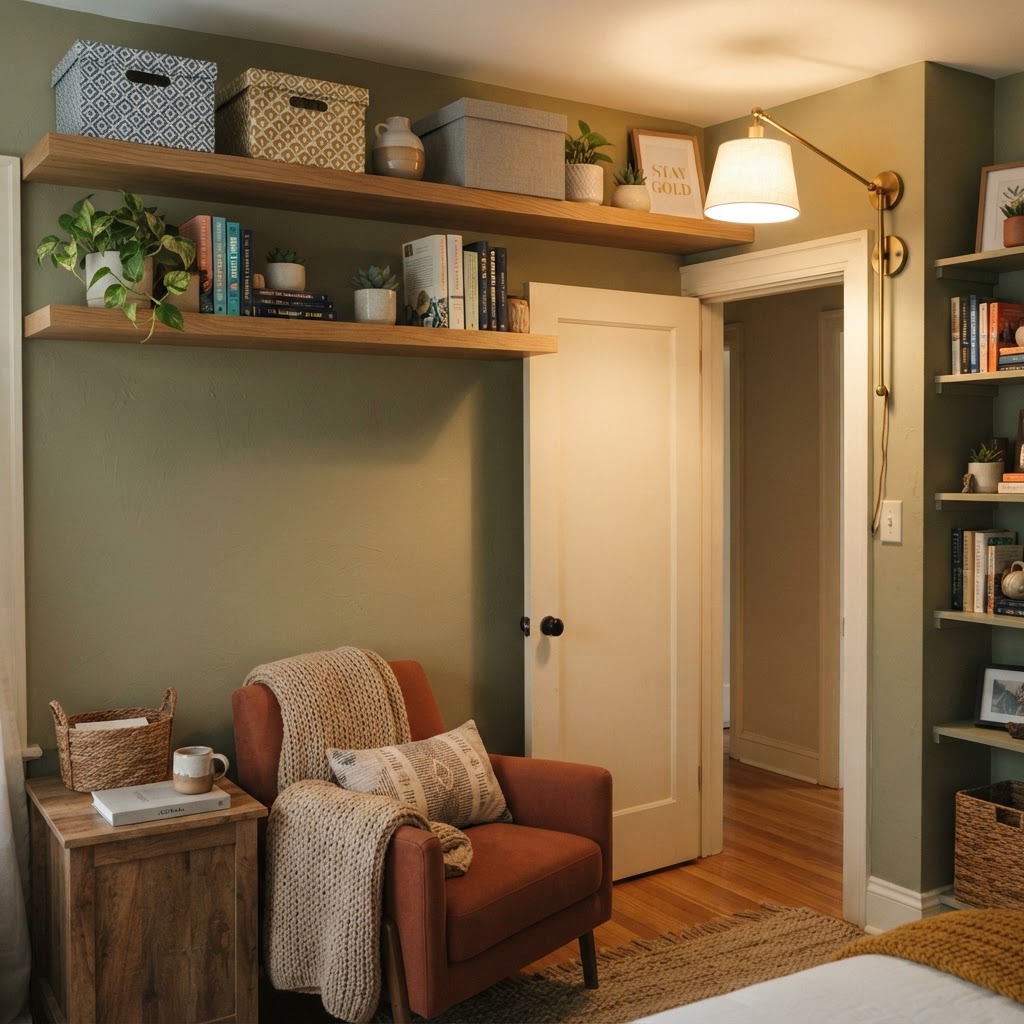
When planning your shelving layout, think about the “dead” areas of your home. The space above door frames, for example, is almost always neglected. A single, sturdy shelf installed six inches above a bedroom or office door creates the perfect spot for archival boxes, seasonal items, or books you don’t reach for daily. This is a pro-level tip for small apartment storage that keeps your floor clear of extra boxes.

## Creating Functional Entryways on Walls

Don't overlook the space above doors for extra storage shelves.

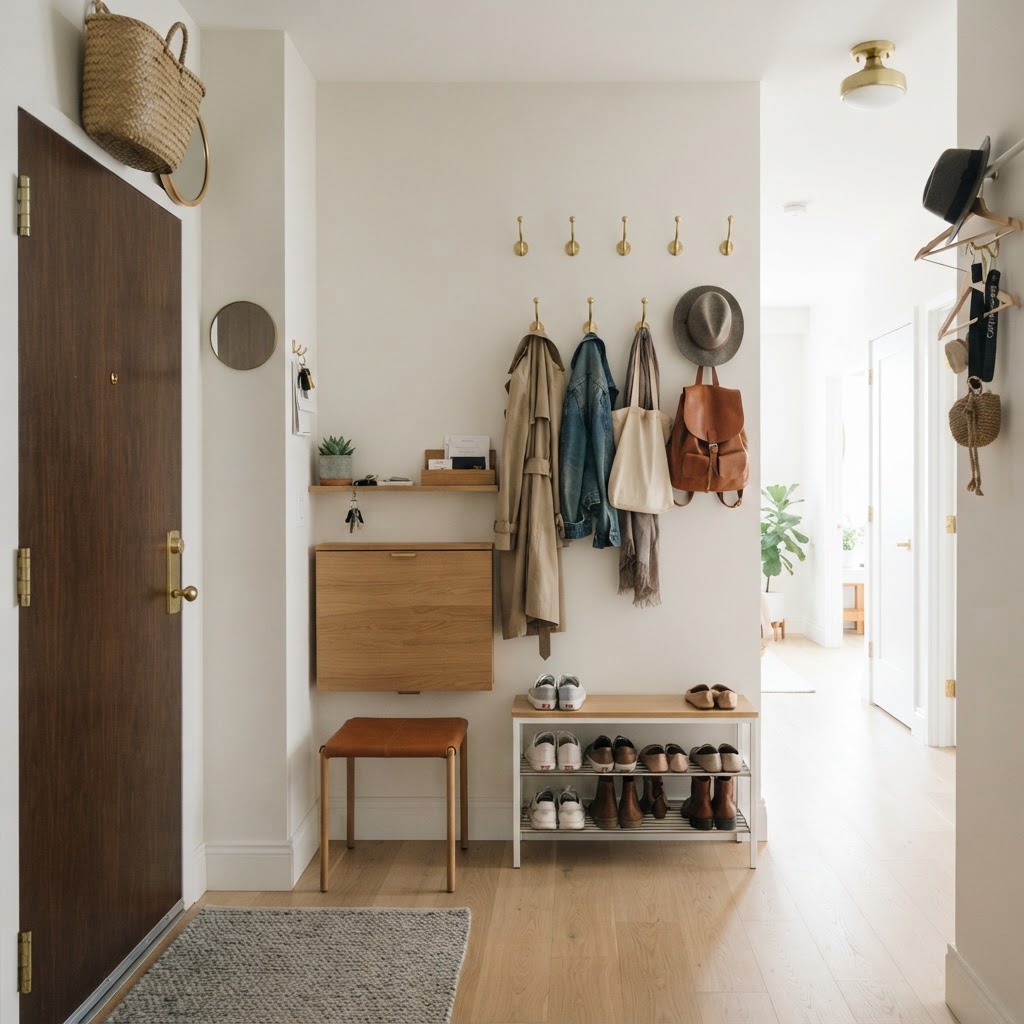
Without a dedicated mudroom, small apartments often suffer from a “pile-up” of shoes, coats, and mail near the door. Solve this by installing a vertical command center. Use the wall space behind or adjacent to your entry door for wall-mounted coat hooks and a slim mailbox or organizer.

Add a wall-mounted fold-down desk if you need a place to drop keys or write a quick note. When not in use, the desk folds flat against the wall, taking up zero floor footprint. By layering these elements vertically—hooks at the top, storage baskets in the middle, and a slim shoe rack at the bottom—you create a fully functional mudroom in a space that is only a few square feet wide.

How to Maximize Small Spaces | 15 Tips for Apartments & Bedrooms

## Lighting and Mirrors as Storage Enhancers

While lighting and mirrors aren’t storage per se, they are vital to the success of your wall organization strategy. A large, well-placed wall mirror can double the perceived size of a room, which helps prevent a storage-heavy wall from feeling claustrophobic. If you have many open shelves, adding LED strip lighting under each shelf makes the area look high-end and intentional rather than cluttered.

Consider multi-functional wall fixtures, such as wall-mounted lamps with integrated shelves or swing-arm wall sconces. By choosing wall-mounted lighting, you eliminate the need for floor lamps or bulky bedside tables. This keeps your floor space open and makes your small apartment storage solutions feel like a cohesive design choice rather than an afterthought.
## Maintaining Aesthetic Balance

One risk of filling every wall is making the room feel like a warehouse. To keep your home feeling like a sanctuary, you must balance storage with “white space.” When you maximize wall space in a small apartment, ensure that you leave some sections of the wall empty to let the room breathe. Group your storage into specific zones rather than scattering small items across every square inch of the wall.

Use consistent colors for your storage bins, shelves, and hardware. If your wall is painted white, white shelves will blend in, making the room feel larger. If you prefer a bolder look, painting your shelves the same color as the wall creates a sophisticated built-in appearance. Organization is about more than just finding room; it is about keeping the environment peaceful and accessible.

## Conclusion

Learning how to use every inch of wall space in a small apartment is a game-changer for urban living. By shifting your perspective from the floor to the walls, you unlock a hidden potential that allows you to live comfortably without feeling cramped. Start by picking one room—perhaps your office or kitchen—and implementing a vertical storage system this weekend. Your small apartment storage woes can be solved with just a drill, some shelves, and a bit of creativity. Are you ready to clear your floors? Start planning your vertical layout today and reclaim your space!

Small Open Concept Living Room Ideas: Designing Harmony

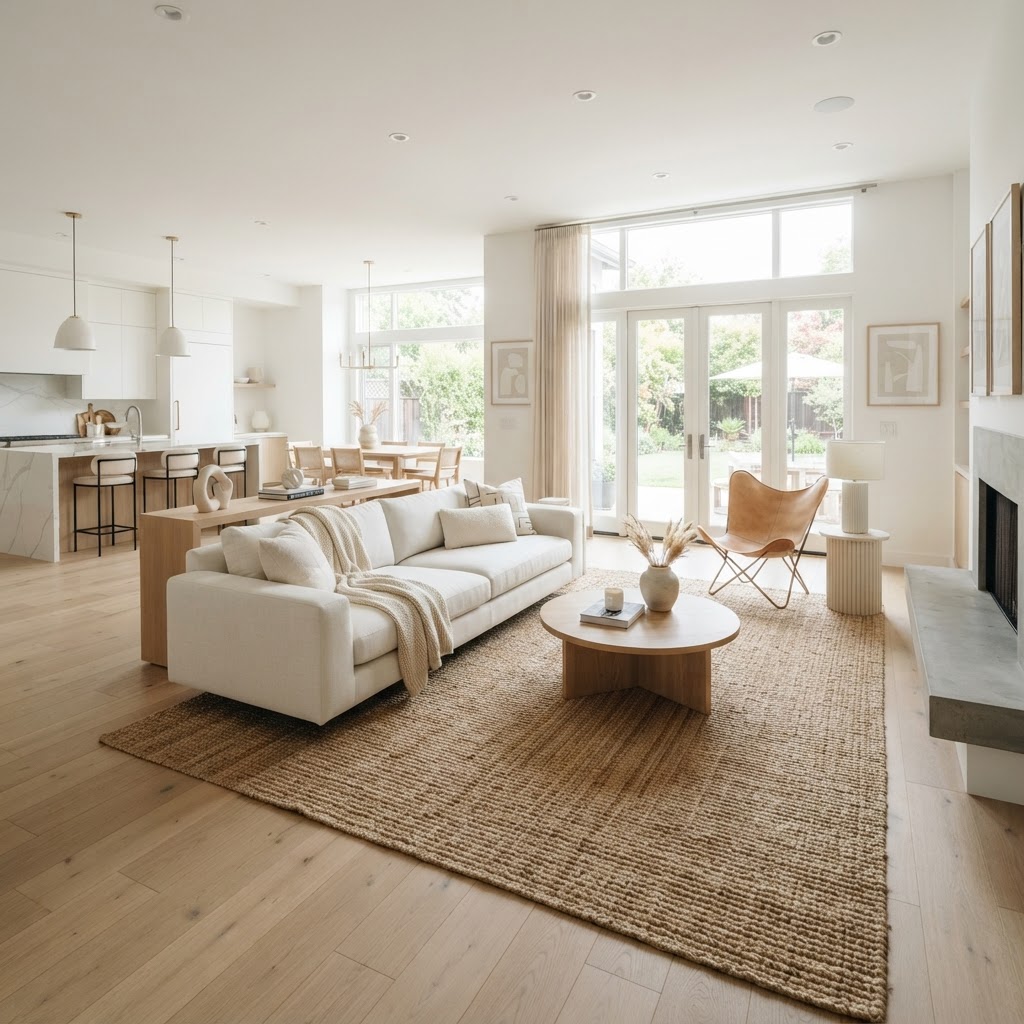
Designing a space that feels both airy and organized can be a major challenge, especially when you are working with limited square footage. Many homeowners struggle to find the right balance, often ending up with a layout that feels cluttered rather than curated. When you explore small open concept living room ideas, the secret lies in creating distinct zones that communicate with each other through a shared visual language. By focusing on intentional placement and unified color palettes, you can transform a cramped floor plan into an inviting, harmonious retreat that feels expansive instead of chaotic.

## Establishing Zones Without Dividing Walls

Floating furniture helps define the living area while maintaining an open flow.

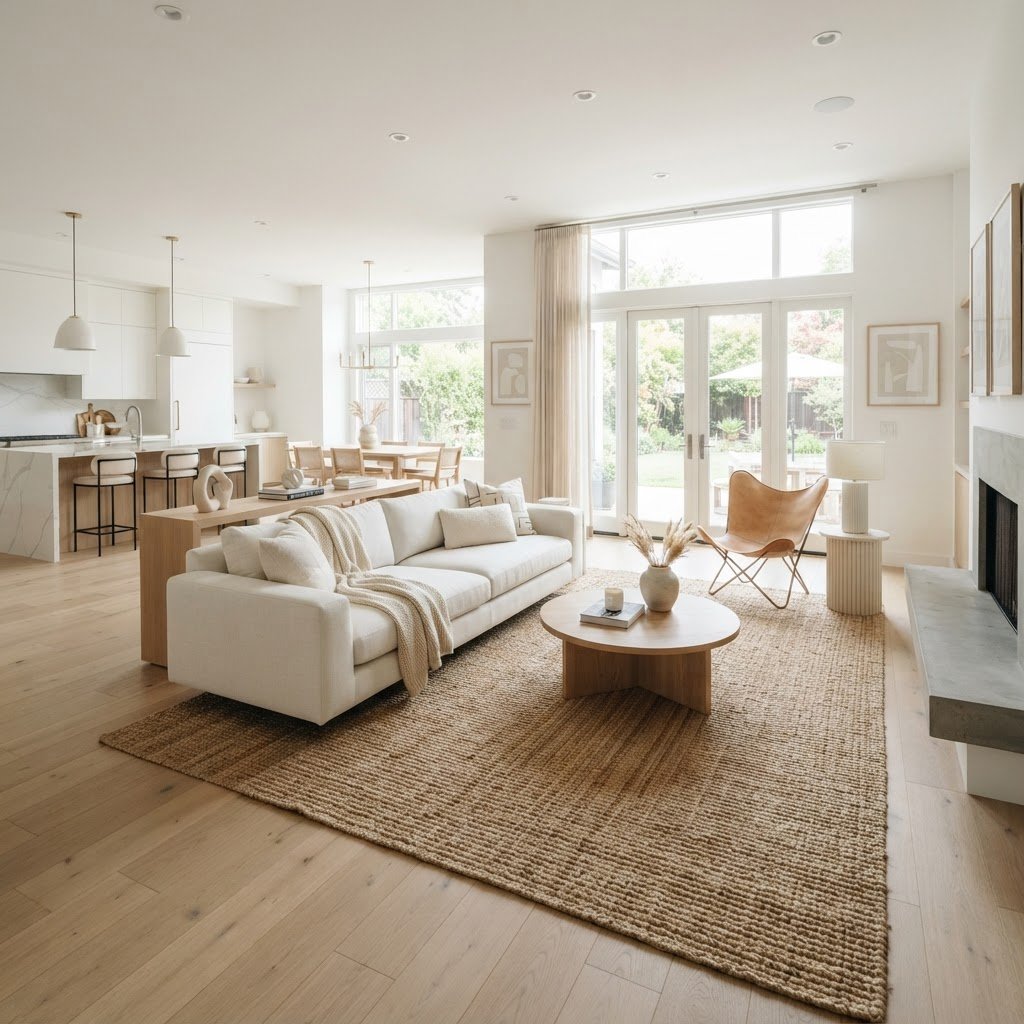
One of the most common mistakes in an open layout is failing to define where one function ends and another begins. Without clear boundaries, furniture tends to drift, creating a feeling of aimless clutter. To anchor your space, use area rugs to distinguish the living area from the dining or kitchen zones. A large, neutral rug beneath your sofa and coffee table immediately signals to the eye that this specific patch of floor is for lounging.

### The Power of Furniture Placement

Your furniture acts as the architecture of your room. Rather than pushing every piece against the wall to create a ‘frame,’ try pulling your sofa away from the wall to float it in the center of the space. This technique, often used in professional open floor plan interior design, opens up pathways and makes the room feel more purposeful. You can use the back of a sofa or a low-profile console table to act as a physical buffer between zones without blocking light or sightlines.

Open Concept Kitchen + Living Room | The Secret to a Perfect ... [Open Concept Kitchen + Living Room | The Secret to a Perfect ...](https://www.youtube.com/watch?v=vivbA8DftoA)

## Selecting a Cohesive Color Palette

Slim-legged furniture keeps the floor visible, creating an illusion of space.

Color consistency is the invisible thread that ties a home together. When browsing small open concept living room ideas, you will notice that the most successful designs rely on a limited, monochromatic or complementary color scheme. By keeping your walls and larger furniture pieces in similar neutral tones, you prevent the eye from being overwhelmed by competing colors. This makes the entire floor plan feel like a single, cohesive unit rather than a collection of disparate puzzle pieces.

#### Incorporating Accents Wisely

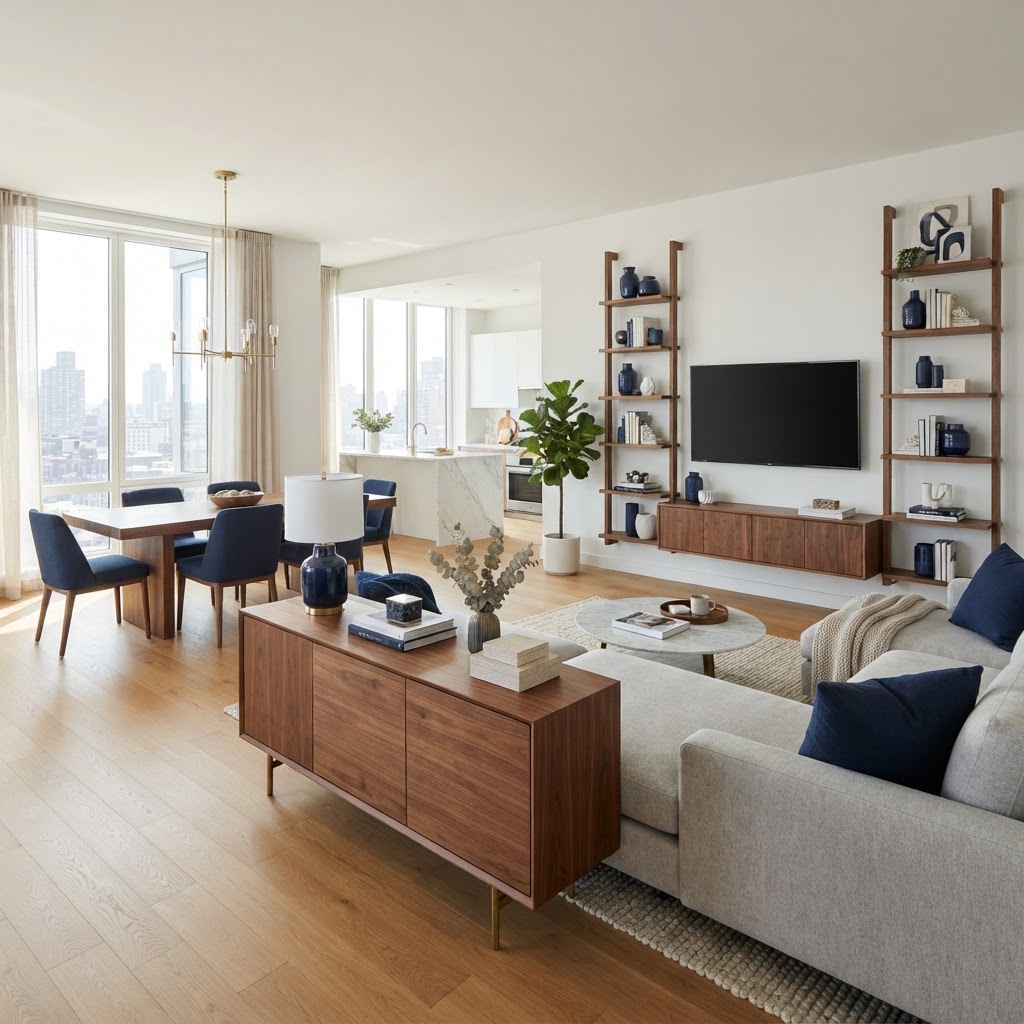
While a neutral base is essential for space-saving, it does not mean your home has to be boring. Use a single “hero color” that repeats in small doses across different zones. For example, if you have navy blue throw pillows in the living area, introduce navy in the kitchen through barstools or a runner rug. This subtle repetition creates a rhythm that draws the eye through the entire space, reinforcing the open concept design.

## Lighting Strategies for Small Spaces

Strategic use of accent colors ties separate zones together for a cohesive look.

In a small home, lighting is your best tool for manipulation. A single overhead light can make a room feel boxy and dated. Instead, use a layered lighting approach. Combine ambient, task, and accent lighting to create depth. For instance, a floor lamp next to an armchair creates a cozy reading nook, while under-cabinet lighting in the kitchen defines the workspace, keeping these areas visually separate yet connected.

Open Concept Living Room Layouts That Actually Work ... [Open Concept Living Room Layouts That Actually Work ...](https://www.youtube.com/watch?v=lCv3XpeeDa0)

### Maximize Natural Light

Avoid heavy, dark draperies that eat up light. Opt for sheer curtains or roman shades that can be pulled back completely to let sunshine fill the room. Mirrors are another essential tool here. Placing a large mirror opposite a window reflects natural light into the deeper corners of the space, effectively doubling the perceived size of your living area and preventing it from feeling like a dark, cramped box.

## Strategic Storage and Decluttering

Clutter is the natural enemy of open concept living. When your kitchen, dining, and living areas share one footprint, every stray item becomes a visual anchor that drags down the energy of the room; incorporating clever living room storage ideas can help manage this effectively. The key is to implement “closed storage” solutions wherever possible. Think built-in cabinetry, ottomans with hidden storage, and media consoles with doors. If you can tuck the mess away, the room will instantly feel twice as large.

#### Think Vertically

When floor space is at a premium, look to your walls. Installing floor-to-ceiling bookshelves or floating shelves draws the eye upward, highlighting the height of the room. This makes the space feel more architectural and intentional. Keep these shelves curated; a mix of books, art, and a few select plants prevents the “cluttered” look and elevates the room’s design aesthetic.

## Furniture Choices That Breathe

When shopping for furniture for an open concept home, prioritize pieces with legs. A sofa or sideboard that sits on raised wooden or metal legs allows the floor to remain visible underneath. This creates an illusion of extra space because the eye can trace the full length of the floor. Chunky, blocky furniture that sits directly on the carpet or floor creates a sense of heaviness that can make a room feel smaller and more constrained.

Open Concept Floor Plan - YouTube [Open Concept Floor Plan - YouTube](https://www.youtube.com/watch?v=BIHoTQmy65o)

### Scale Matters

Avoid the trap of buying tiny furniture for a tiny space. While you don’t want to overcrowd the room, one or two well-proportioned, high-quality pieces are far better than five small, flimsy ones. A large rug or a single statement sofa can actually make a room look bigger by reducing the number of small items the eye has to process. It is about creating a sense of volume rather than just fitting items into a floor plan.

## Defining the Workflow

Even in a small house, you need to consider how people move through the room. Ensure there are clear pathways between the front door, the kitchen, and the seating area. If you find yourself having to squeeze behind a chair to get to the kitchen, your layout needs adjustment. Keep the “traffic lanes” free of rugs, low tables, or accessories to ensure that the room feels fluid and easy to navigate at all times.

#### Multi-functional Pieces

To keep chaos at bay, choose furniture that pulls double duty. A coffee table that lifts to become a desk, or a daybed that doubles as a guest guest area, are essential for small apartments. When your furniture works hard, you don’t need as many pieces, which keeps your open floor plan looking clean and organized. Always ask yourself if a piece serves a specific function before introducing it into your space.

## Conclusion

Mastering the art of a small open concept living room comes down to restraint and intentionality. By choosing a consistent color palette, leveraging vertical space, and being mindful of your furniture scale, you can create a home that feels both open and cozy. Remember that the goal is not to fill every inch, but to create a flow that supports your lifestyle. Apply these strategies, keep the clutter at bay, and watch as your compact living space transforms into a bright, breathable, and beautiful environment. What is your biggest challenge in styling your open space? Start small by decluttering one zone today and see the immediate impact it has on your home’s energy.

13 Space-Saving Ideas for Tiny Closets That Actually Work

Living in a small apartment often means coming face-to-face with the reality of a minuscule wardrobe. If you are tired of playing a daily game of Tetris with your clothes, you are not alone. Finding effective space-saving ideas for tiny closets can be the difference between a stressful morning routine and a streamlined, calm experience. By rethinking how you utilize every inch of vertical and horizontal space, you can turn even the smallest nook into an efficient storage powerhouse.

## Rethink Your Rod and Shelf Configuration

Uniform slim hangers maximize your horizontal rod space.

Most standard closets come with a single high rod and a basic shelf, which is a massive waste of potential storage. To truly maximize your small apartment storage, you need to think about how to double your hanging area. Adding a second closet rod below your current one immediately doubles your linear hanging space for shirts, skirts, and folded trousers. If you want to take your closet game to the next level, there are various easy organization systems for small apartment closets that can help you maintain order permanently.

### The Power of Tiered Hangers

If installing a second rod isn’t feasible, tiered hangers are a game-changer. These cascading hangers allow you to hang five or six items in the space typically occupied by one. By keeping your clothes vertical, you free up valuable horizontal real estate. This is one of the most popular space-saving ideas for tiny closets because it requires no tools or hardware installation.

15 brilliant CLOSET HACKS you'll wish you knew sooner!

## Utilize the Back of the Door

Use the back of your door for extra storage capacity.

When we think about closet space, we often forget the biggest “empty” wall available: the back of the door. An over-the-door organizer is an essential piece of equipment for small apartment storage. These organizers aren’t just for shoes; they are perfect for storing accessories like scarves, belts, clutches, or even rolled-up t-shirts.

Choose an organizer with clear pockets if you have a wide variety of small items, or opt for a tiered rack if you need to store larger bags. By moving these smaller items to the door, you clear out valuable floor or shelf space inside the closet for bulkier items that genuinely need the room.

## Implement Vertical Shelf Dividers

Under-shelf baskets utilize dead air space for better organization.

Stacks of folded sweaters or denim can quickly devolve into a messy, unstable mountain that eats up shelf space. Vertical shelf dividers are essential to keep these piles upright and organized. By maintaining strict boundaries for each category of clothing, you prevent your stacks from leaning into each other, which keeps the closet looking intentional and clean.

These dividers also act as natural labels for your items. When everything has a designated place, it is much easier to maintain your organization system over time. You will find that you are less likely to pull an entire stack over when you only need one sweater from the bottom, saving you time during your morning routine.

## The Magic of Slimline Hangers

If you are still using a mix of bulky plastic, wooden, or wire hangers, you are sacrificing precious room. Switching to uniform, thin velvet-flocked hangers is one of the most effective space-saving ideas for tiny closets. Their slim profile allows you to pack your clothing much closer together without creating a cramped, tangled mess.

Realistic Closet Organization Hacks (Skip Pinterest!)

Beyond their space-saving capabilities, these hangers prevent your clothes from slipping onto the floor. When clothes stay on their hangers, you don’t have to waste time re-hanging items or dealing with wrinkles from them being bunched up at the bottom of the closet. This simple switch can often free up 20% to 30% of your current rod space.

## Maximize Floor Space with Rolling Carts

Floor space in a tiny closet is often underutilized because it is difficult to reach the back corners. Instead of stacking boxes directly on the floor, consider a slim rolling cart. If you need to access items in the very back, simply roll the unit out. This approach turns deep, awkward corners into highly accessible storage zones.

Small Closet Organization

Use these carts to store off-season items, workout gear, or bulkier accessories that don’t need to be accessed daily. By keeping these items mobile, you ensure that you aren’t just pushing items into a “black hole” at the back of your closet where they will be forgotten and eventually clutter up your living space.

## Embrace Under-Shelf Baskets

In many closets, there is a large, wasted gap between the top shelf and the ceiling or between two existing shelves. Under-shelf wire baskets hook directly onto your existing shelving units to create a “floating” drawer. These are perfect for storing lightweight items like folded t-shirts, underwear, socks, or even handbags.

They utilize that dead air space that is otherwise completely ignored. By installing two or three of these baskets, you essentially create an entire dresser’s worth of storage inside the footprint of your existing closet shelving, making them a staple in small apartment storage solutions.

## Decluttering: The Ultimate Storage Hack

No amount of organizational tools can solve the problem of having too much stuff. The most important step in implementing space-saving ideas for tiny closets is the initial decluttering process. If you haven’t worn an item in a year, it is taking up space that could be used for something you actually love.

Adopt the “one in, one out” rule to keep your closet capacity stable. Every time you buy a new piece of clothing, commit to donating or recycling an old one. This discipline ensures that your closet remains a manageable size and prevents you from slipping back into a state of chaotic clutter.

## Strategic Lighting and Mirror Placement

While not directly a storage solution, adding motion-sensor LED lighting and a full-length mirror inside the closet door can change how you perceive and use the space. When a closet is dark, you are less likely to see how much space you actually have, leading to inefficient packing. A well-lit closet encourages better maintenance.

Furthermore, placing a mirror on the back of the closet door provides a “dressing station” feel. This allows you to check your outfit without taking items out of the closet and cluttering up your bedroom. It integrates your closet into your daily flow rather than keeping it as a separate, messy area.

## Conclusion

Optimizing a tiny closet is an exercise in intentionality. By utilizing vertical space, choosing slim profiles for your hangers, and constantly refining your wardrobe through decluttering, you can maximize your small apartment storage capacity significantly. These 13 space-saving ideas for tiny closets are designed to work together to transform your wardrobe from a stressful storage spot into a highly efficient part of your home.

Start by implementing one or two of these changes this weekend. You will quickly find that with a little creativity, you don’t need a massive walk-in wardrobe to have a perfectly organized space. Ready to transform your closet? Pick your first organizational project from this list and reclaim your space today!

How to Fit a Sofa, TV, and Real Life Into a Tiny Living Room

Living in a small apartment often feels like a constant battle against square footage. If you are struggling with how to fit a sofa, TV, and real life into a tiny living room, you are certainly not alone. The challenge lies in balancing the necessity of comfort with the physical limitations of your floor plan, but with a few strategic design choices, you can create a space that feels both functional and spacious.

## Rethink Your Furniture Selection

A minimalist approach to furniture keeps this small living room feeling open and bright.

When your square footage is limited, every single piece of furniture must earn its place. Before you buy anything, take precise measurements of your room, including wall lengths, doorway clearance, and window heights. A common mistake is buying furniture that feels right in a sprawling showroom but overwhelms your specific floor plan.

### Prioritize Scalability

Opt for pieces that are visually lightweight. Instead of a bulky, overstuffed sectional, look for a sofa with exposed legs, which allows light to pass underneath and makes the floor space appear larger. Low-profile furniture can also help keep sightlines clear, preventing the room from feeling “caged in” by high-backed pieces.

HOW TO ARRANGE A SMALL LIVING ROOM | Home Decorating Ideas

#### The Power of Multipurpose Pieces

Choose furniture that works overtime. A storage ottoman can serve as a footrest, extra seating for guests, and a hidden place to stash blankets. A coffee table with a lift-top can double as a dining or work desk, effectively removing the need for a separate bulky table. These dual-purpose items are essential when learning how to fit a sofa, TV, and real life into a tiny living room.

## Master the Layout Puzzle

Wall-mounted storage is a perfect way to keep floor space clear in tiny homes.

The way you orient your sofa and TV often dictates the flow of the entire apartment, and if you are still struggling with your arrangement, it helps to explore the best small living room layouts to see what works for your specific space. Many people instinctively push all furniture against the walls to “save space,” but this can sometimes make a room feel like a waiting area. Instead, experiment with floating your furniture.

### Defining Zones in Small Spaces

If your living area is an open-plan room, use an area rug to define the boundaries of your “living room.” Placing the front legs of your sofa on the rug creates a cohesive anchor point. This simple visual cue tells the eye where the relaxation zone begins and ends, separating your TV area from your kitchen or dining space.

#### Traffic Flow Considerations

Ensure you maintain a clear path for movement. You should be able to walk from the entry to the windows without weaving through a maze of obstacles. If you find yourself constantly bumping into the coffee table, it is a sign that your room layout needs a more aggressive edit.

## Strategic TV Placement

Careful arrangement allows for both a TV area and a clear walkway.

Mounting your TV on the wall is a game-changer for those figuring out how to fit a sofa, TV, and real life into a tiny living room. By eliminating a bulky media console, you reclaim valuable floor space. If you must have a console, choose a wall-mounted floating version that keeps the floor clear underneath.

Your Tiny Living Room Can Look Expensive With This Method

### Balancing the Focal Point

Don’t let the television dominate the entire aesthetic. Consider using art or shelving around the screen to integrate it into your decor. When not in use, a “Frame” style TV or a digital art display can transform your screen into a piece of wall art, softening the technological impact on your living space.

## Vertical Storage Solutions

Choose furniture that serves two purposes to save precious square footage.

When horizontal space is non-existent, look up. Walls are your best friend when it comes to decluttering. Installing floor-to-ceiling bookshelves or floating shelves provides storage without crowding your walkways. Use these shelves to draw the eye upward, which creates the illusion of higher ceilings and a more airy atmosphere.

### Organizing for Daily Life

Clutter is the enemy of the small home. To accommodate “real life,” utilize decorative baskets or boxes on your shelves to keep remotes, chargers, and magazines out of sight. Everything should have a “home” so that your tiny living room remains a place of peace rather than a source of stress.

## Lighting and Reflective Surfaces

Lighting plays a massive role in how spacious a room feels. Avoid a single overhead light, which can create harsh shadows and make corners feel dark and closed in. Instead, layer your lighting with floor lamps, task lighting, and wall sconces to brighten every corner.

### Mirrors as Design Tools

Strategically placing a large mirror opposite a window can double the amount of natural light in your room. It also creates the illusion of depth, effectively tricking the brain into thinking the room extends further than it actually does. This is a classic designer trick for anyone struggling with spatial constraints.

Maximizing Your Space | Tips I LOVE For Small Homes

## Curating Your Decor

In a tiny room, “less is more” is not just a cliché—it is a survival strategy. Avoid small, knick-knack decor pieces that create visual clutter. Instead, choose one or two larger statement pieces of art and a few high-quality textiles. Cohesive color palettes, such as monochromatic schemes or light neutrals, help keep the visual energy calm and expansive.

### Tips for Success

1. Use light colors on walls to reflect light.
2. Choose sheer window treatments over heavy curtains.
3. Keep walkways clear at all times.
4. Rotate your decor seasonally to keep things fresh without adding bulk.
5. Use hidden storage to keep surfaces clean.

## Conclusion

Learning how to fit a sofa, TV, and real life into a tiny living room is all about making intentional decisions. By choosing multipurpose furniture, utilizing vertical space, and keeping the visual clutter to a minimum, you can build a home that is comfortable, stylish, and perfectly suited to your lifestyle. Remember that your furniture should serve your life, not the other way around. Which small-space hack are you going to try first? Share your progress or ask a question in the comments below, and let’s transform those small rooms together!