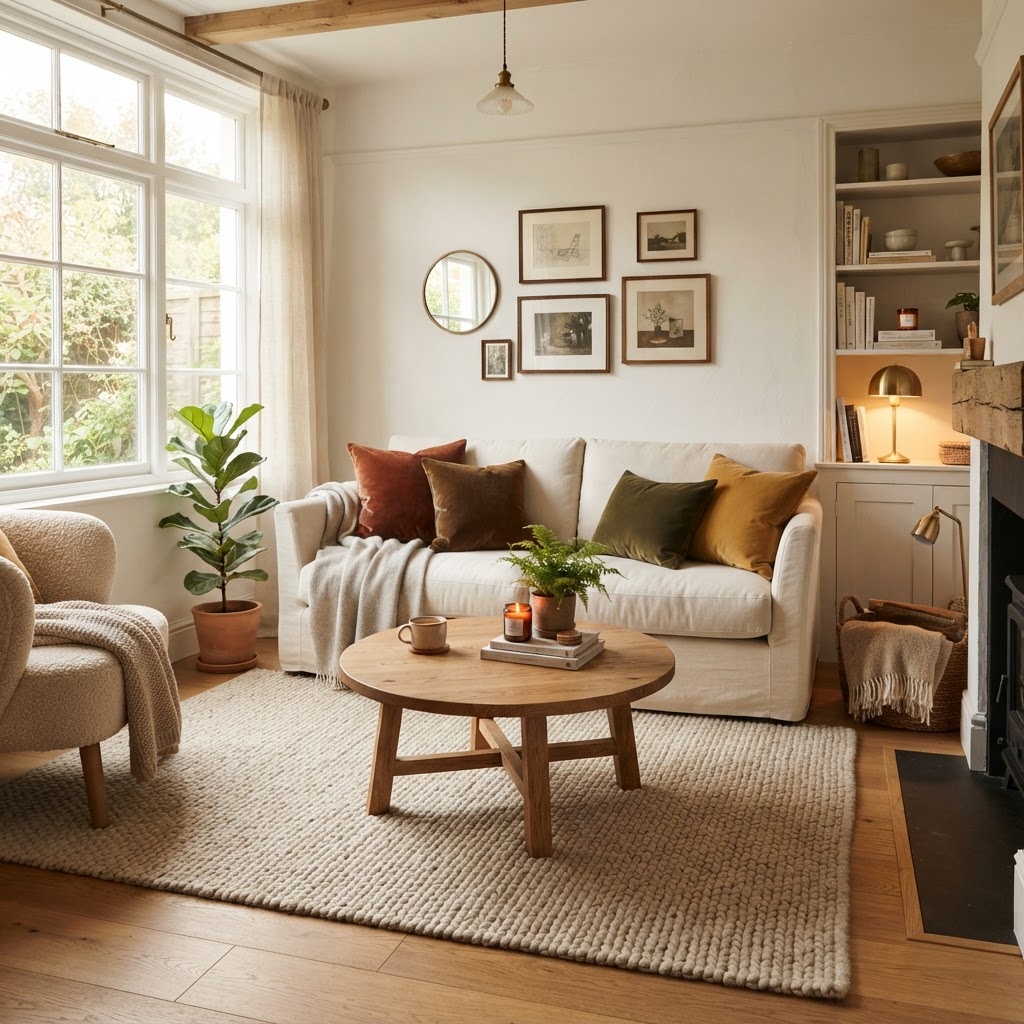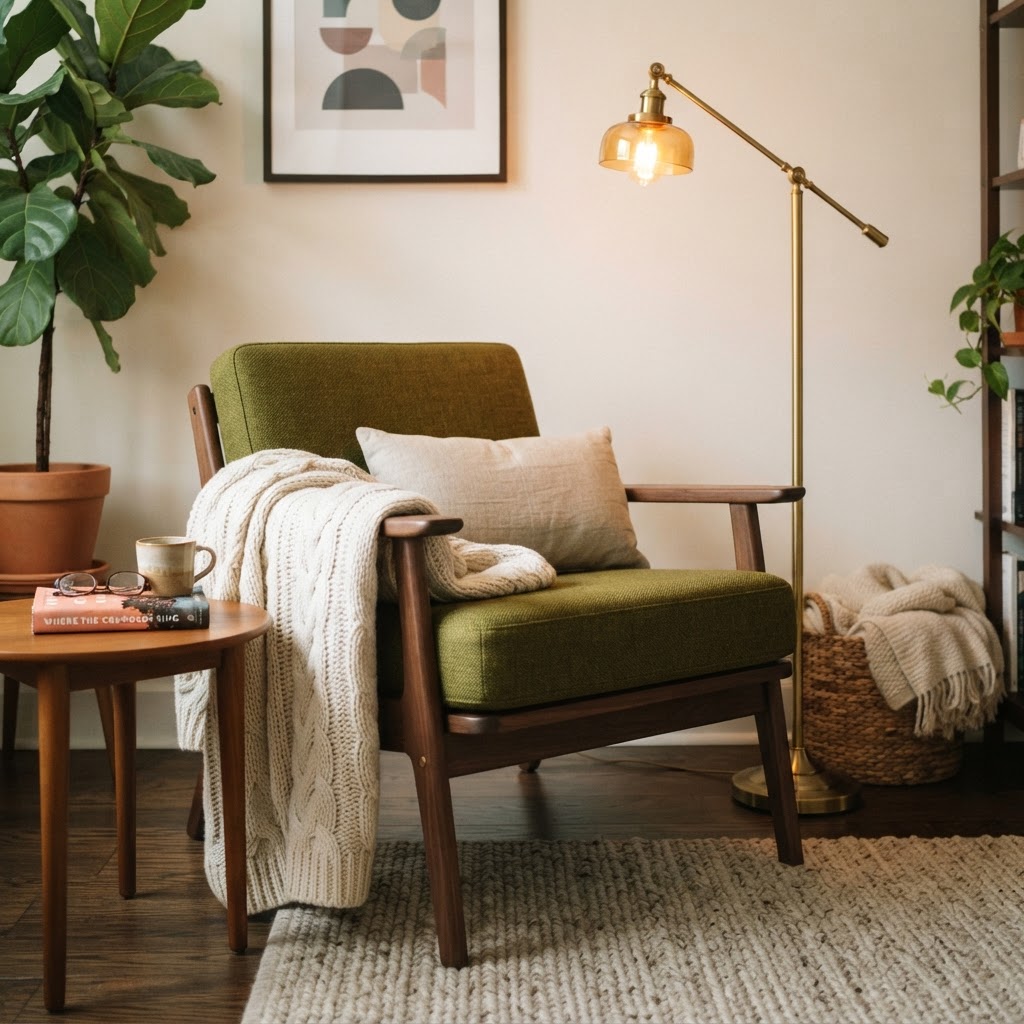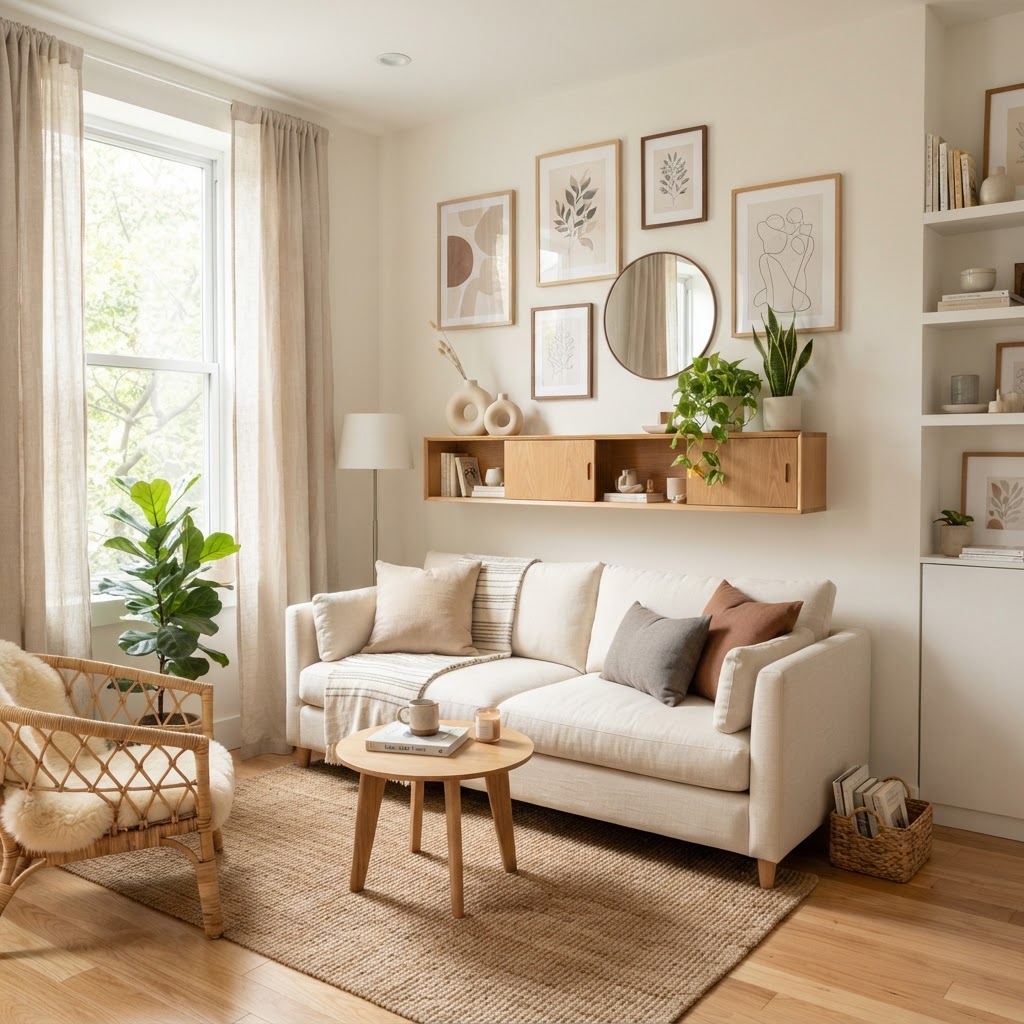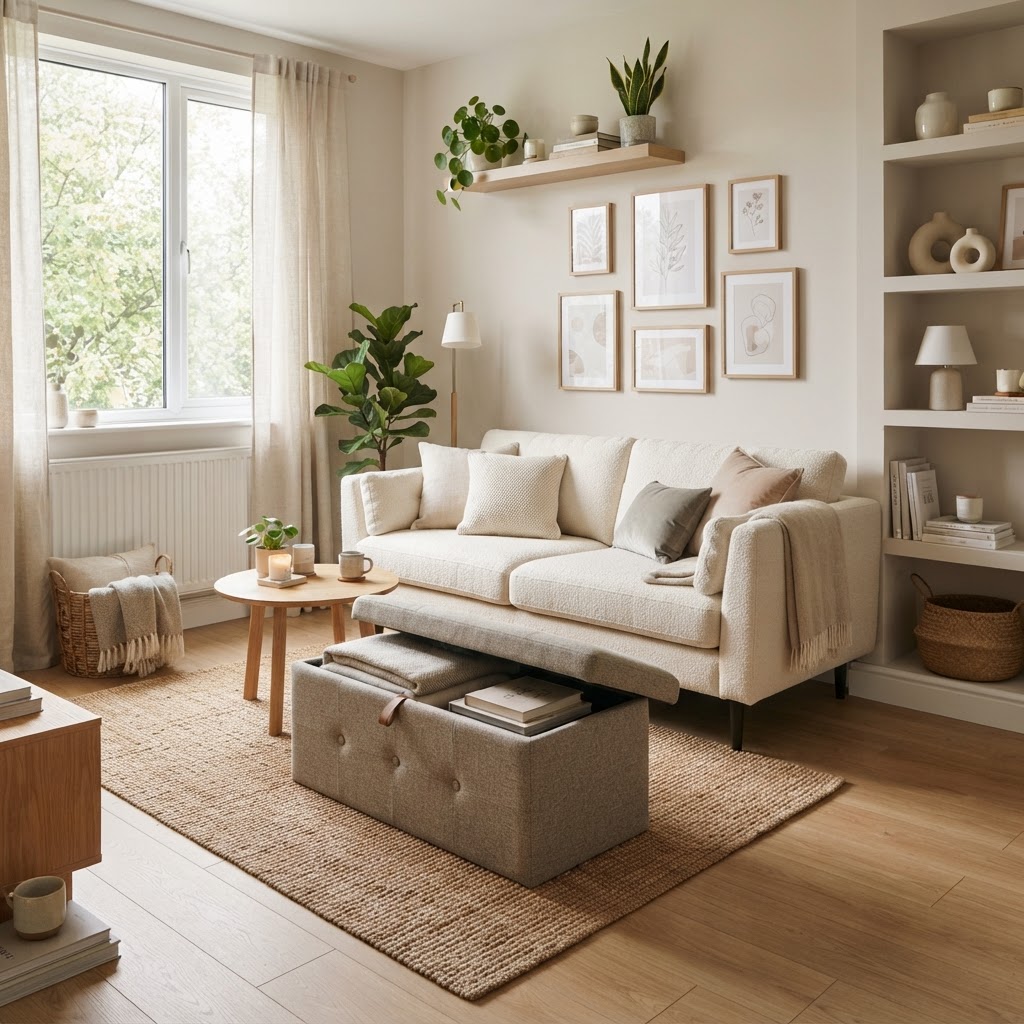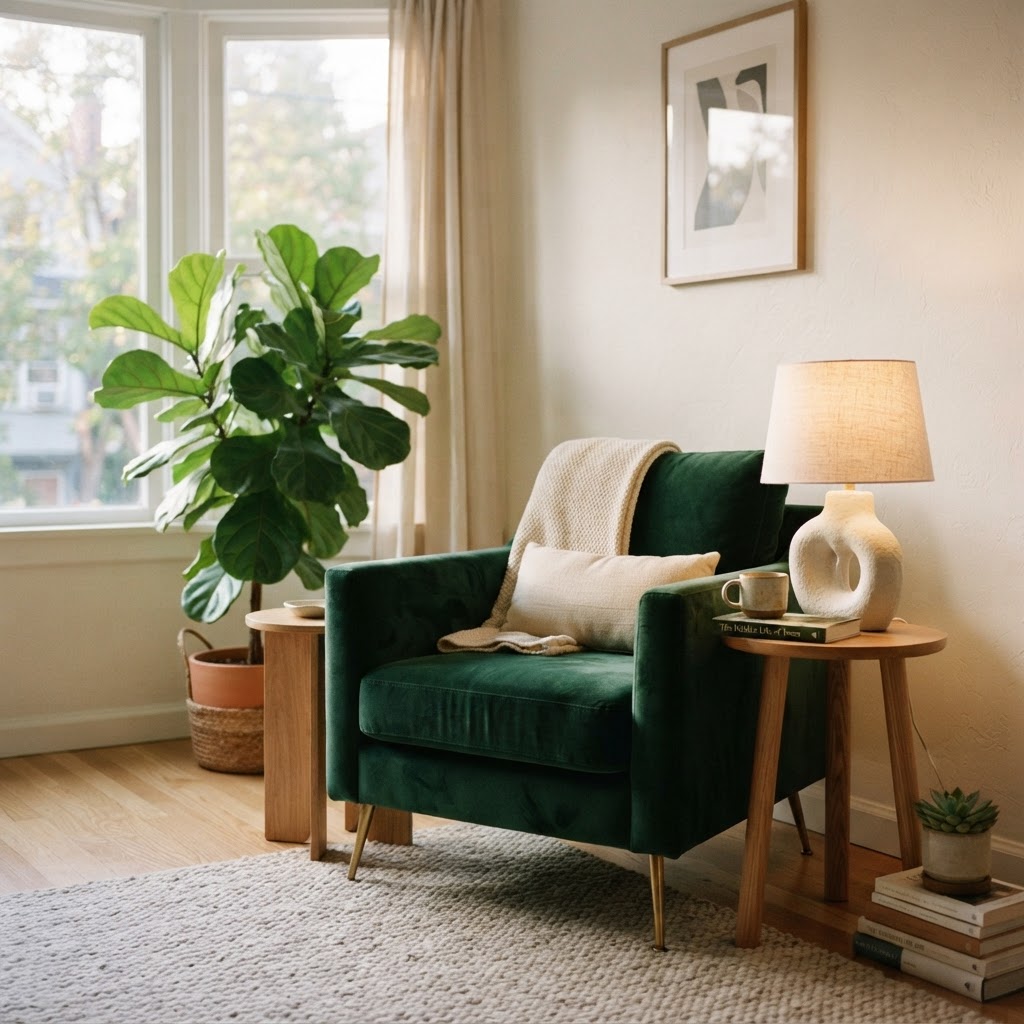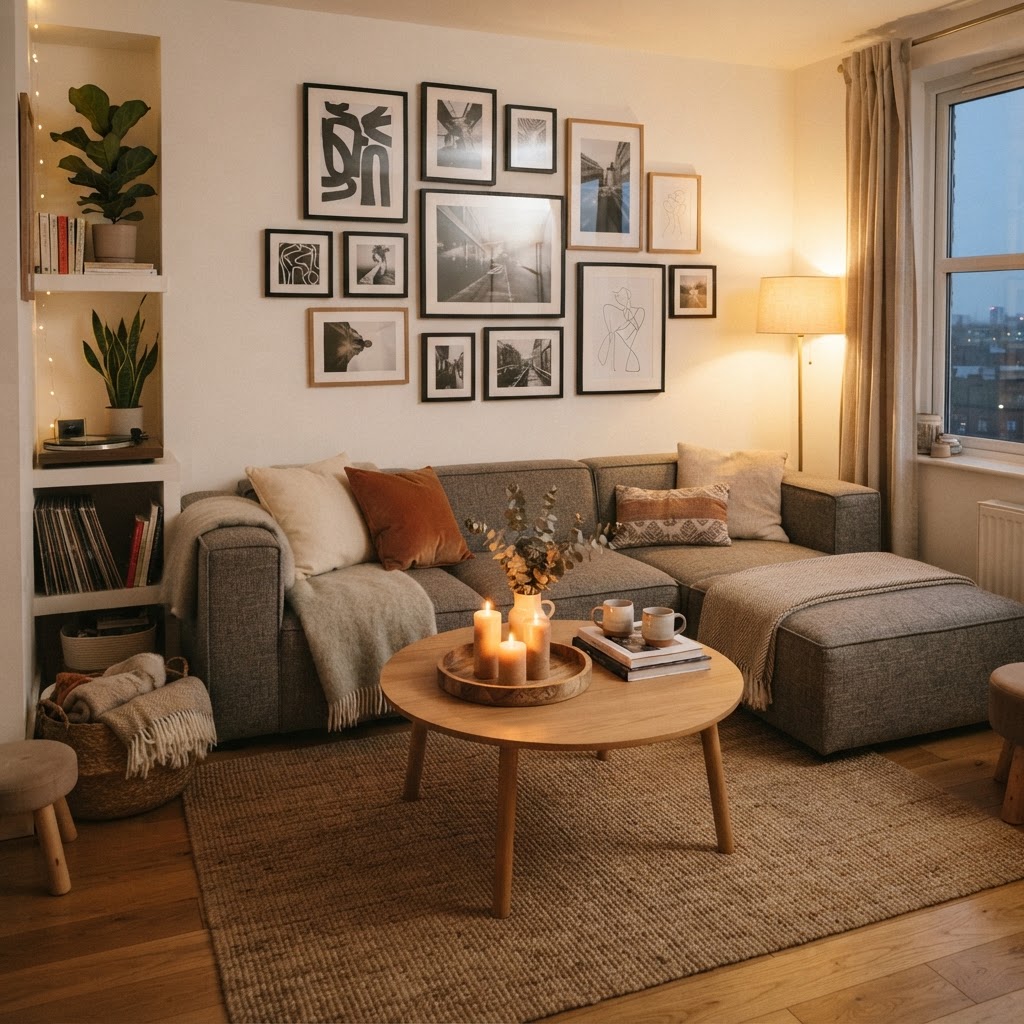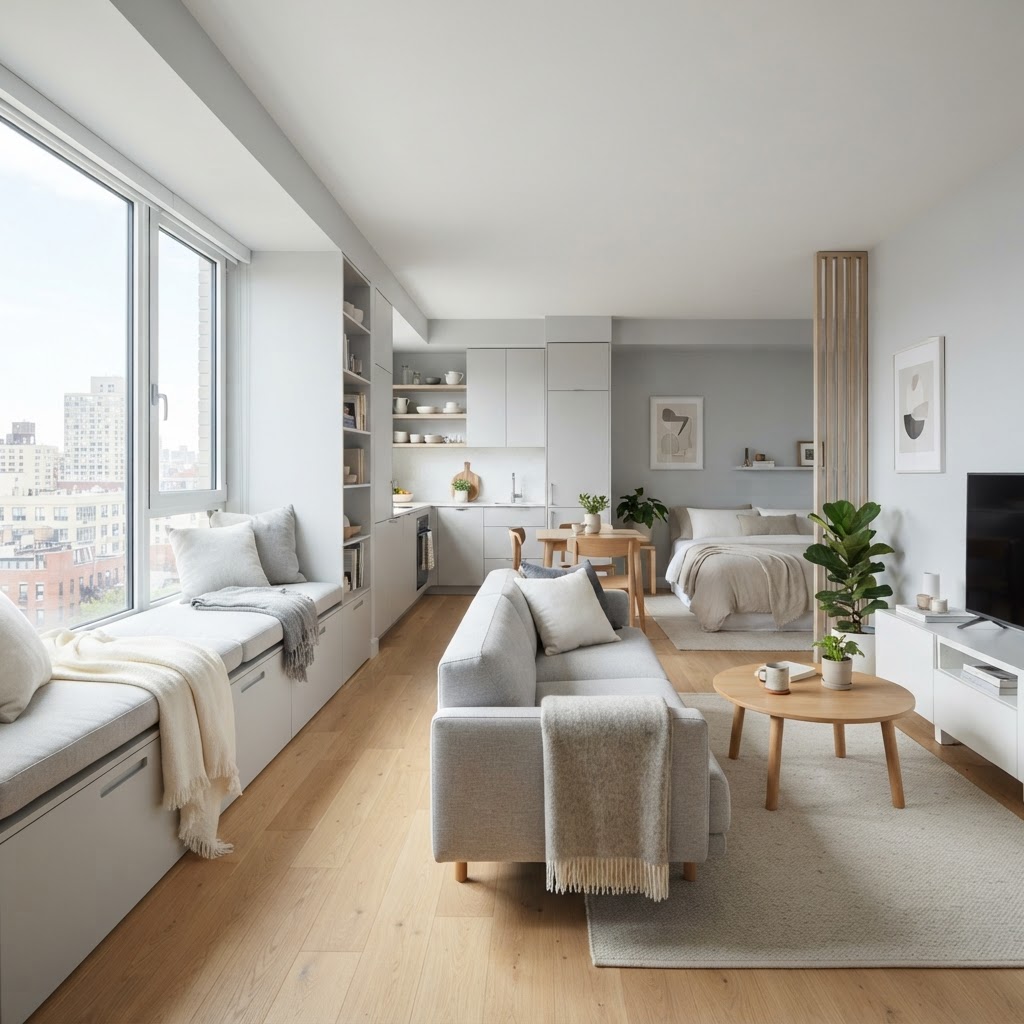
14 Genius Ways to Store Shoes in a Tiny Entryway

14 Genius Ways to Store Shoes in a Tiny Entryway

To effectively store shoes in a tiny entryway, prioritize vertical wall-mounted shelving, slim fold-down cabinets less than 10 inches deep, and over-the-door pocket organizers. By moving footwear off the floor and into concealed, height-optimized storage units, you can eliminate clutter while maximizing your limited square footage for a more functional home.

The Psychology of Entryway Clutter
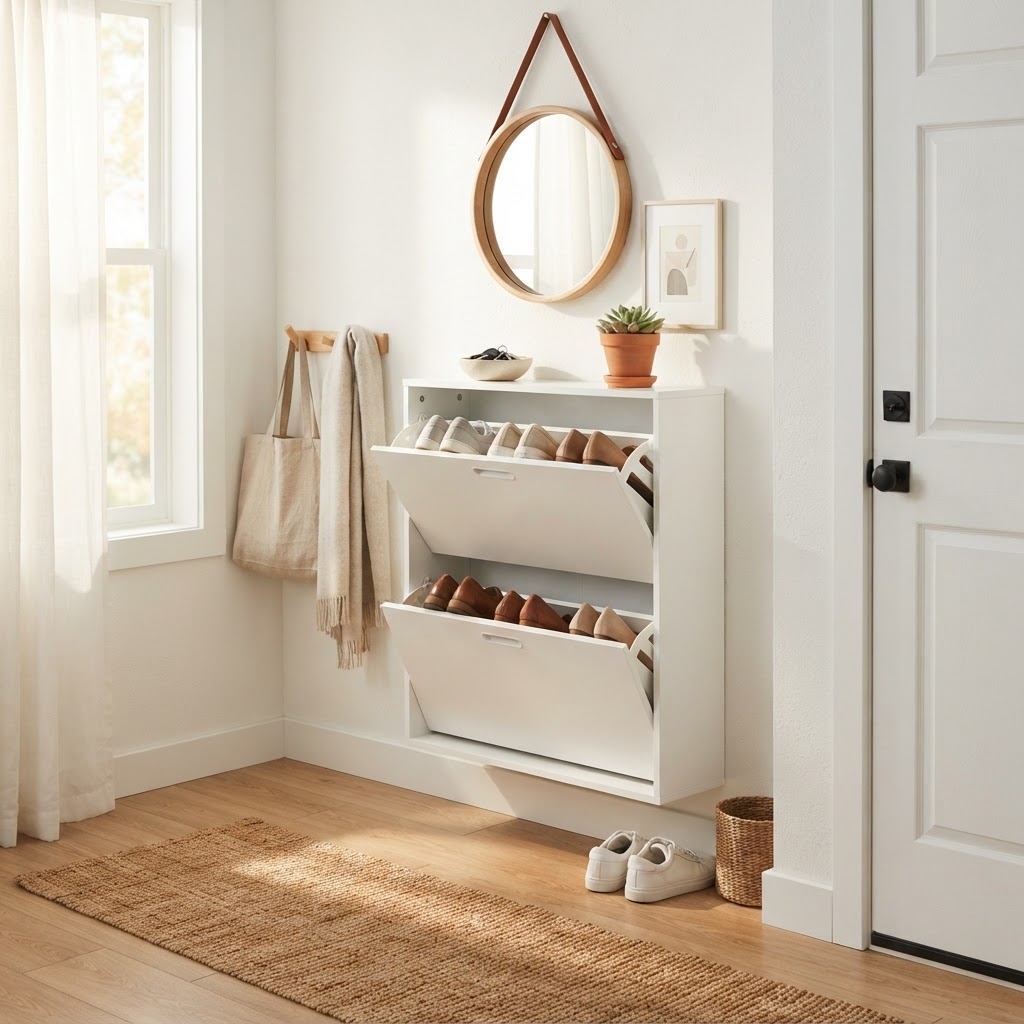
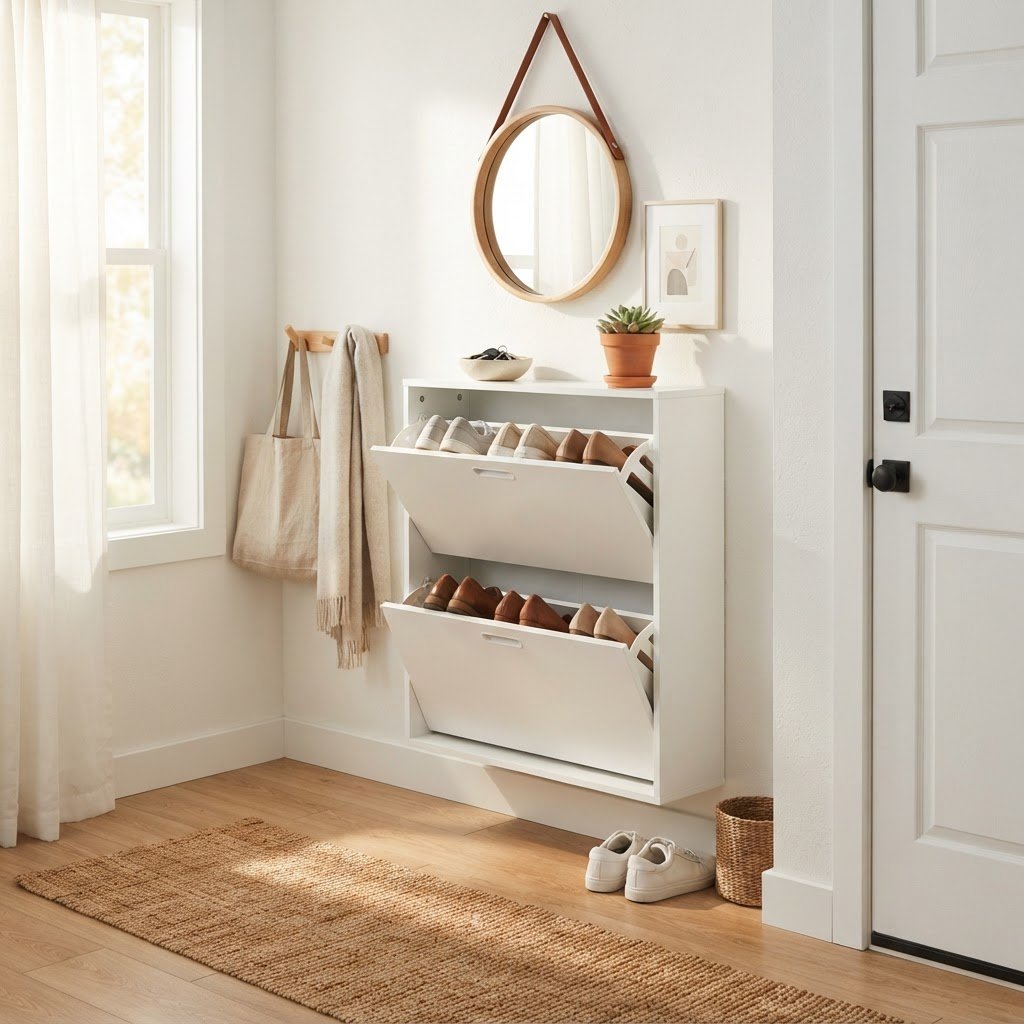
Slim fold-down cabinets are perfect for narrow entryways.

Clutter in the entryway acts as a visual weight that greets you the moment you walk through the door. When shoes are scattered across the floor, your brain registers unfinished business, leading to unnecessary stress. A clear, organized entryway is not just about aesthetics; it is about creating a mental transition zone between the hectic outside world and your peaceful sanctuary. By prioritizing a system for your shoes, you are setting a boundary that keeps your living area clean and inviting.

Storage Strategy Best For Typical Space Savings
Floating Shelves Limited Width 100% Floor Clearance
Slim Cabinets Tight Hallways 60% Depth Reduction
Over-Door Pockets High Volume 0 Footprint Usage

Why Traditional Racks Fail in Small Spaces

Most mass-produced shoe racks are designed for suburban homes with generous mudrooms. They take up significant floor space and often leave shoes exposed, creating visual noise. In a tiny entryway, every square inch of floor space is precious. The goal is to move your storage to the walls, the doors, or hidden compartments that tuck away into existing furniture pieces. When you stop looking at the floor as your only storage option, a world of possibilities opens up. If you are looking for even more inspiration, these smart shoe storage solutions for narrow entryways can provide additional ways to optimize your layout.

Utilizing Vertical Wall Space
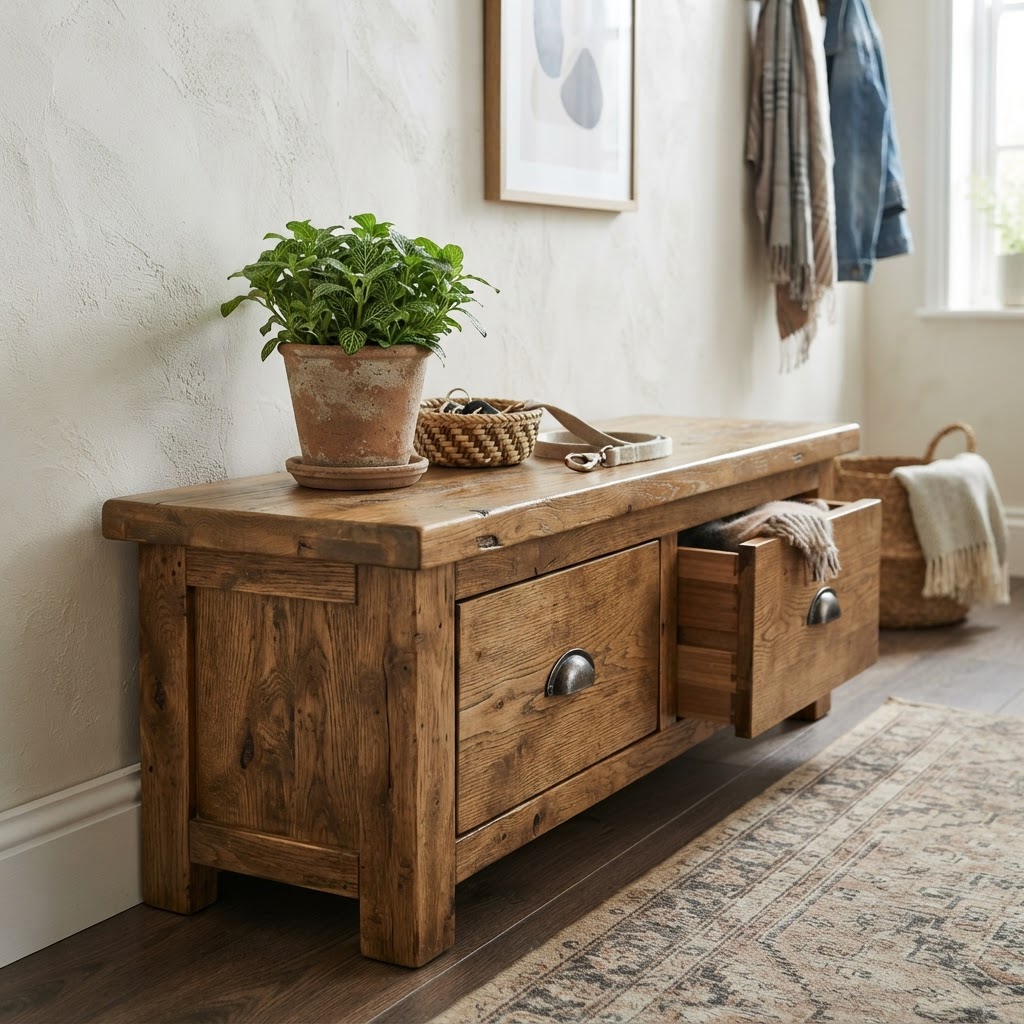
Multifunctional benches hide clutter while offering a place to sit.

When floor space is non-existent, look up because walls provide the most efficient real estate for shoe organization in apartments under 600 square feet. Installing wall-mounted shelving or individual shoe racks at varying heights turns your shoe collection into an organized vertical display. This strategy is statistically effective, as utilizing 6 feet of wall height can store upwards of 24 pairs of shoes without ever touching the floor, significantly reducing the visual “heaviness” of your entryway.

Floating Shelves and Slim Racks

Floating shelves are elegant and minimalist solutions for tight gaps behind doors. By placing two or three narrow shelves at heights of 12, 36, and 60 inches, you create a tiered storage system that serves all household members. Alternatively, slim, fold-down shoe cabinets are game-changers. These units are often less than 10 inches deep and store shoes at an angle, effectively hiding them from view while keeping them accessible. Studies suggest that closed-storage systems reduce perceived entryway mess by nearly 80%, providing a much cleaner transition as you enter your home after a long day.

Rethinking Your Doors and Corners
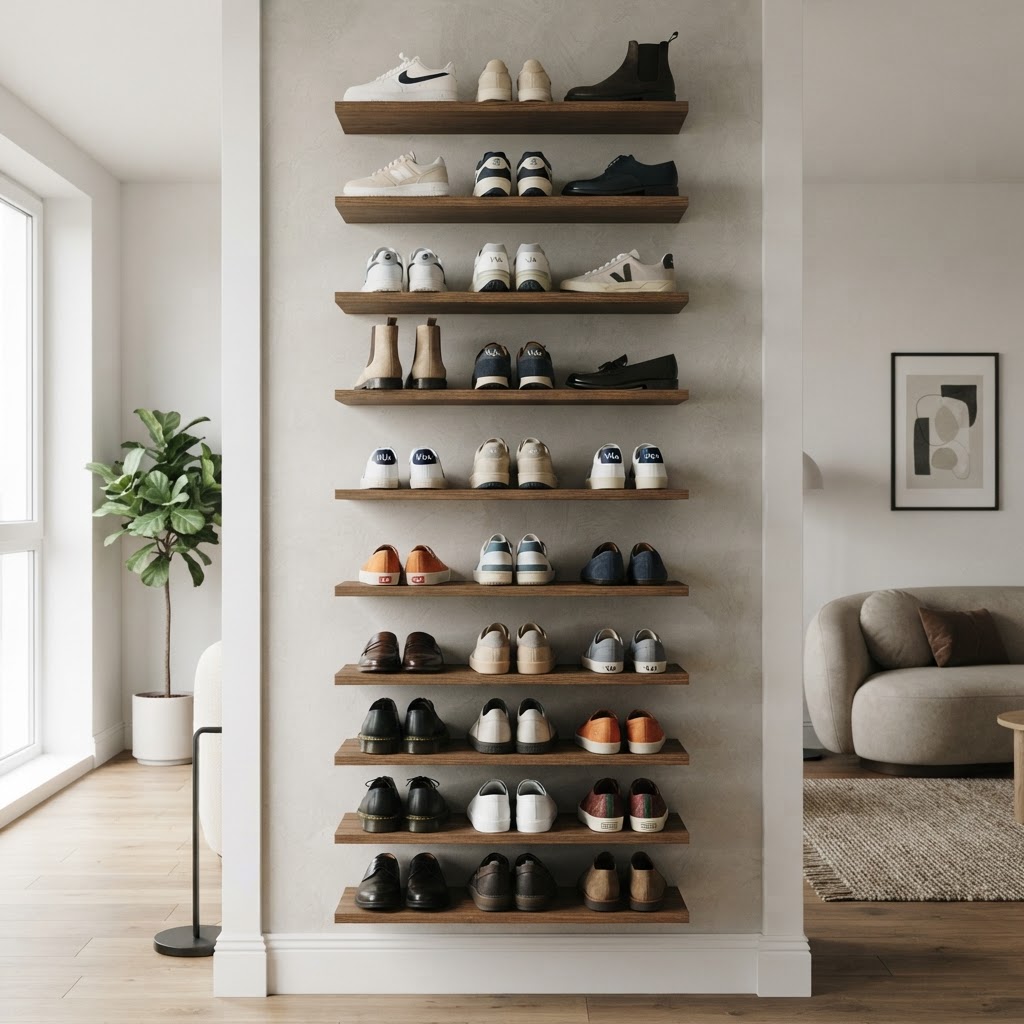
Vertical shelving maximizes storage without using floor space.

Many people forget that the back of the front door and the awkward corners of an entryway are prime real estate for hidden storage. Over-the-door organizers are not just for bathrooms; they are highly effective for storing flats, sandals, and sneakers. If you have an empty corner, consider a corner ladder rack, which utilizes dead space that would otherwise go unused. These corner units often feature 4 to 5 tiers, allowing you to stack shoes vertically without encroaching on the main walking path of your entryway. By utilizing these “dead” zones, you can often reclaim 2 to 3 square feet of floor space, which is critical in narrow studio apartment layouts.

The Power of Over-the-Door Solutions

Using the back of a door keeps your shoes hidden but reachable. Opt for high-quality pocket organizers made of fabric rather than plastic for a more aesthetic look. This method is particularly useful for families or those with a high volume of footwear, as it allows you to store upwards of 15 pairs on a single door. The key is to choose organizers with reinforced hooks capable of supporting at least 15-20 pounds, ensuring they do not sag or warp under the weight of heavier boots or multiple pairs of sneakers.

Multifunctional Furniture Pieces
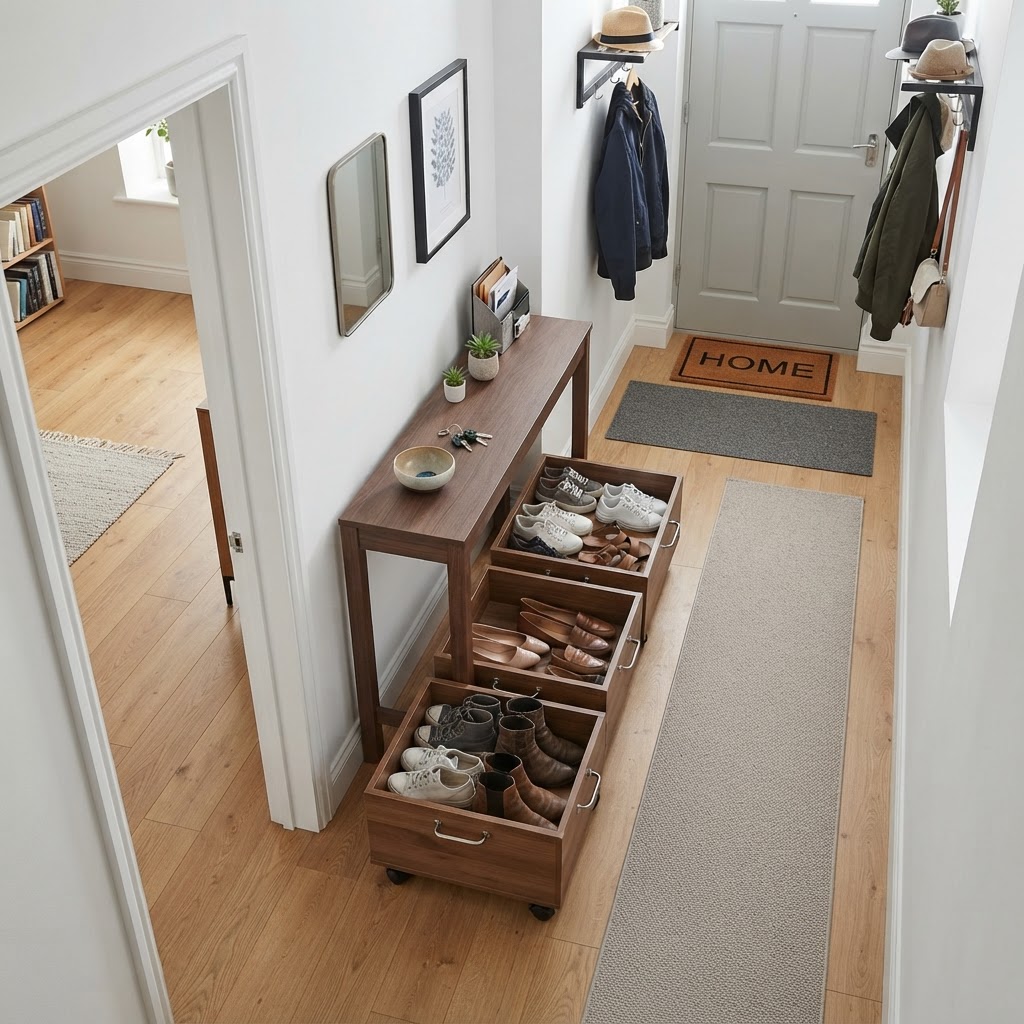
Rolling bins under furniture utilize forgotten space effectively.

In a tiny space, every piece of furniture must perform double duty to ensure your home remains functional. Instead of a standalone shoe rack, opt for a storage bench that combines seating with internal storage. A bench provides a place to sit while putting on shoes and features a closed compartment underneath for storage. This keeps the entryway looking polished and hides the mess of daily wear. When selecting furniture for a small home, prioritize pieces that offer internal drawer depth of at least 14 inches to accommodate standard adult shoe sizes comfortably. If you are looking for ways to decorate a small apartment on a budget, these DIY shoe storage projects can be a great place to start your home improvement journey.

Feature Open Rack Storage Bench
Visual Clutter High None (Hidden)
Utility Storage Only Storage + Seating
Durability Low High (Furniture Grade)

Choosing the Right Bench

When selecting a bench, look for one with drawers rather than open shelves. Drawers prevent visual clutter and keep your shoes dust-free. If you cannot fit a bench, consider a slim console table with storage baskets underneath, which offers a similar benefit but with a lighter visual impact. Baskets allow for quick cleanups and can be easily pulled out to reveal organized compartments. Ensure your console table has a footprint no wider than 12 inches to maintain a clear thoroughfare in narrow hallways, allowing for easier movement during peak traffic times in your household.

Hidden Storage and Under-Furniture Hacks

Sometimes the best storage is the kind you do not see. If you have a small cabinet or console table in your entryway, look at the space underneath it. Adding low-profile, rolling bins can turn that “nothing space” into a fully functioning shoe garage. These bins are easily accessible but stay tucked out of sight when not in use. Rolling casters should be prioritized, as they prevent scratching hardwood floors and allow for smooth transitions. Consider using clear bins or labeled wicker baskets to maintain an inventory of what is stored underneath, preventing the common “out of sight, out of mind” issue where shoes get buried and forgotten.

Modular and Stackable Systems

Modular organizers allow you to build your storage as your collection changes. You can start with a single unit and stack them as needed, making them ideal for renters who might move to a new space later. These systems are often lightweight, affordable, and highly customizable to fit the specific dimensions of your unique entryway. Investing in high-quality interlocking plastic or wood modular cubes ensures stability when stacked beyond 3 feet high. Always secure your vertical stacks to the wall using furniture anchors to ensure safety in high-traffic entry zones.

The Versatility of Cubbies

Modular cubbies provide individual homes for each pair, which helps keep shoes from being crushed. If you have a very narrow wall, you can stack them vertically to create a tall, thin tower. This maximizes height and minimizes the footprint of your storage. Use these cubbies specifically for frequently worn items like flats, loafers, or sneakers to maximize the throughput of your storage system. By dedicating one cubby per pair, you prevent the “pile-up” effect that often happens in traditional open racks, keeping your shoes in better condition for longer.

Creating a Rotation System

Small apartment storage organization is also about discipline. If you have too many shoes, stop storing them all at the front door. Create a “rotation” system where only your most frequently worn pairs are kept in the entryway. Store seasonal or formal shoes in an under-bed storage box or a closet organizer, rotating them in as the weather or your needs change. Experts suggest keeping no more than 4 to 6 pairs in the entryway at any given time to maintain a zero-clutter zone. This seasonal rotation not only clears your entry but extends the life of your footwear by keeping them protected in climate-controlled storage when not in use.

Maintaining Your New System

Once you have installed your storage, the key is maintenance. Spend two minutes each day placing your shoes in their designated spot rather than kicking them off at the door. If you find your storage overflowing, it is a sign that it is time for a seasonal purge. Keep only what you wear regularly to ensure your tiny entryway remains a functional and welcoming space. Consistency is the most significant factor in maintaining an organized entryway; by establishing a nightly routine, you ensure the area remains clear for the following morning, saving you precious minutes during your daily commute.

FAQ

How do I store shoes in a very narrow entryway?

Use vertical wall-mounted floating shelves or ultra-slim fold-down cabinets that are less than 10 inches deep. These options keep the floor clear while providing organized storage for your most frequently used pairs.

What is the best way to hide shoes in a small apartment?

Multifunctional furniture, such as storage benches with closed drawers or console tables with decorative baskets, are the best ways to hide shoes. These pieces turn your shoe storage into intentional decor rather than exposed clutter.

Are over-the-door shoe organizers good for small spaces?

Yes, over-the-door organizers are highly effective because they utilize vertical space on the back of doors that would otherwise remain dead space. They can store 15 to 24 pairs without taking up any floor area.

How many shoes should I keep in my entryway?

Aim to keep only your 4 to 6 most frequently worn pairs in your entryway. Use a rotation system to move seasonal or formal footwear into closet or under-bed storage to prevent overcrowding your main entry point.

Can I use vertical space for heavy boots?

Yes, but ensure you use heavy-duty wall-mounted shelving or reinforced hooks that can support the weight of heavy footwear. Always anchor your storage to wall studs if the total weight exceeds 20 pounds to ensure safety and stability.
Small Living Room With Sectional: Layout Ideas That Work

Small Living Room With Sectional: Layout Ideas That Work

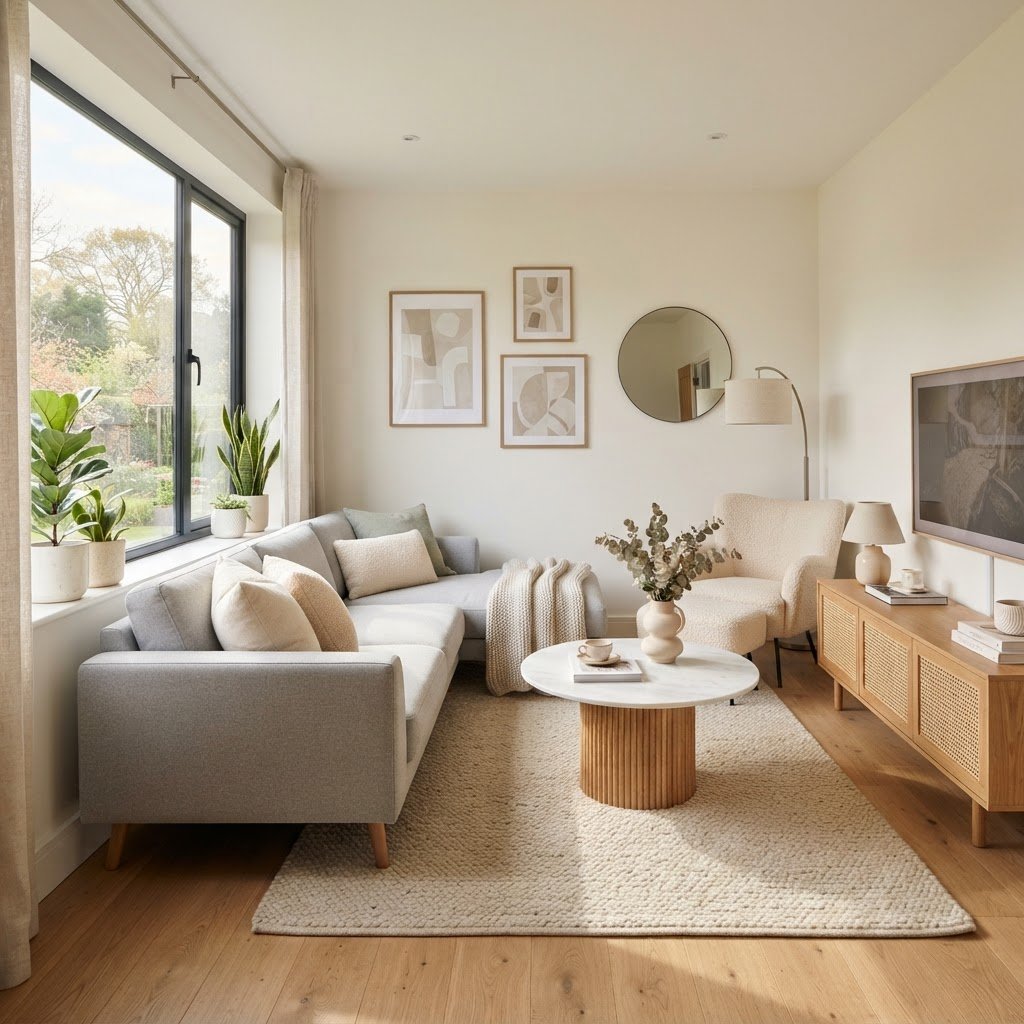
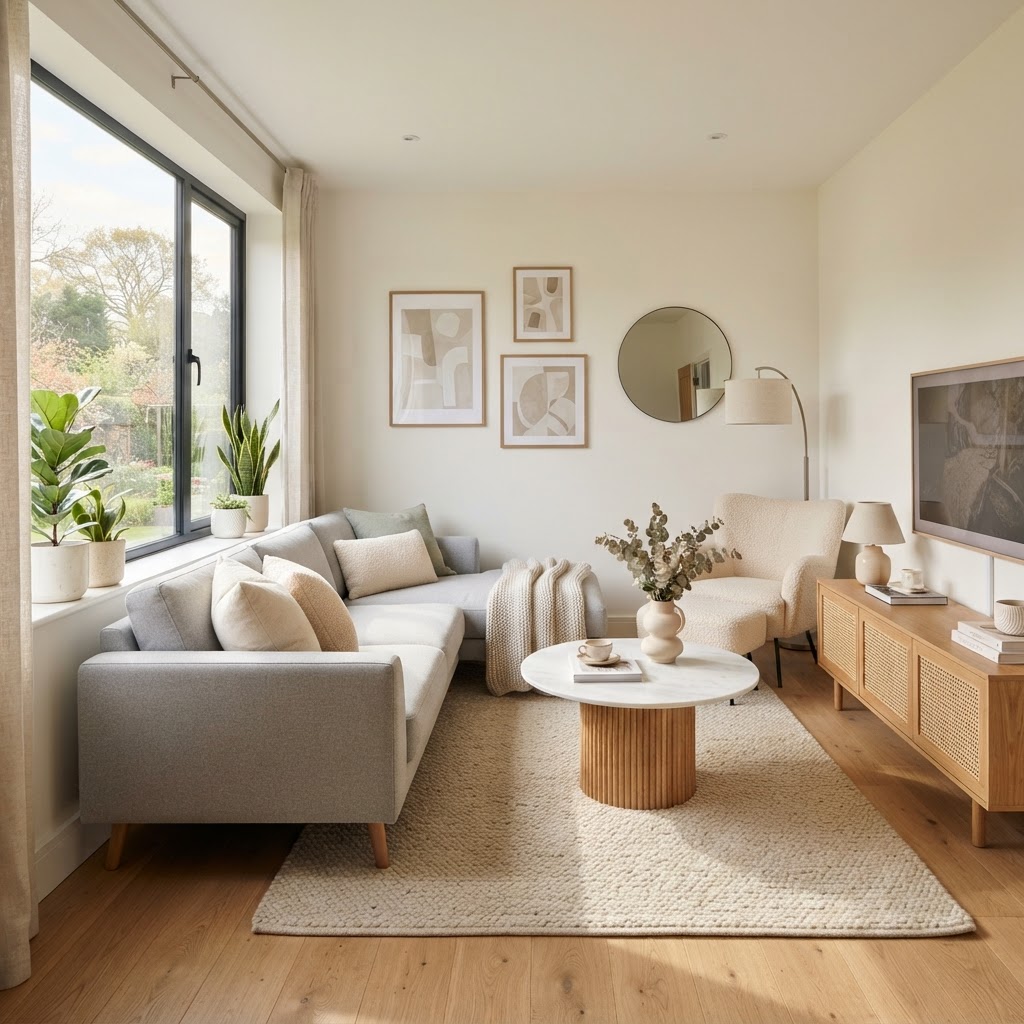
To successfully incorporate a sectional into a small living room, anchor the piece in a corner to maximize square footage, prioritize low-profile, leggy silhouettes to maintain an airy feel, and ensure at least 30 inches of walking clearance around the furniture to keep the layout functional and open.

The Golden Rules of Sectional Placement

A well-chosen, leggy sectional sofa makes a small living room feel spacious and inviting.

When working with a small living room with sectional sofas, the first rule is to stop thinking that small rooms need small furniture, but you can also explore the best sectional sofa ideas to find the perfect fit for your specific layout. In fact, a single, properly sized sectional often beats a mix of individual pieces, which creates visual clutter. Start by measuring your walls precisely; you require a minimum of 30 inches of walking clearance around major pieces.

Feature Strategic Benefit
Corner Placement Frees up 15-20% more central floor space
Floating Sofa Creates a natural walkway and defines zones
Leggy Base Increases visible floor area to reduce bulk
Modular Sections Allows for custom fitting in odd-shaped rooms

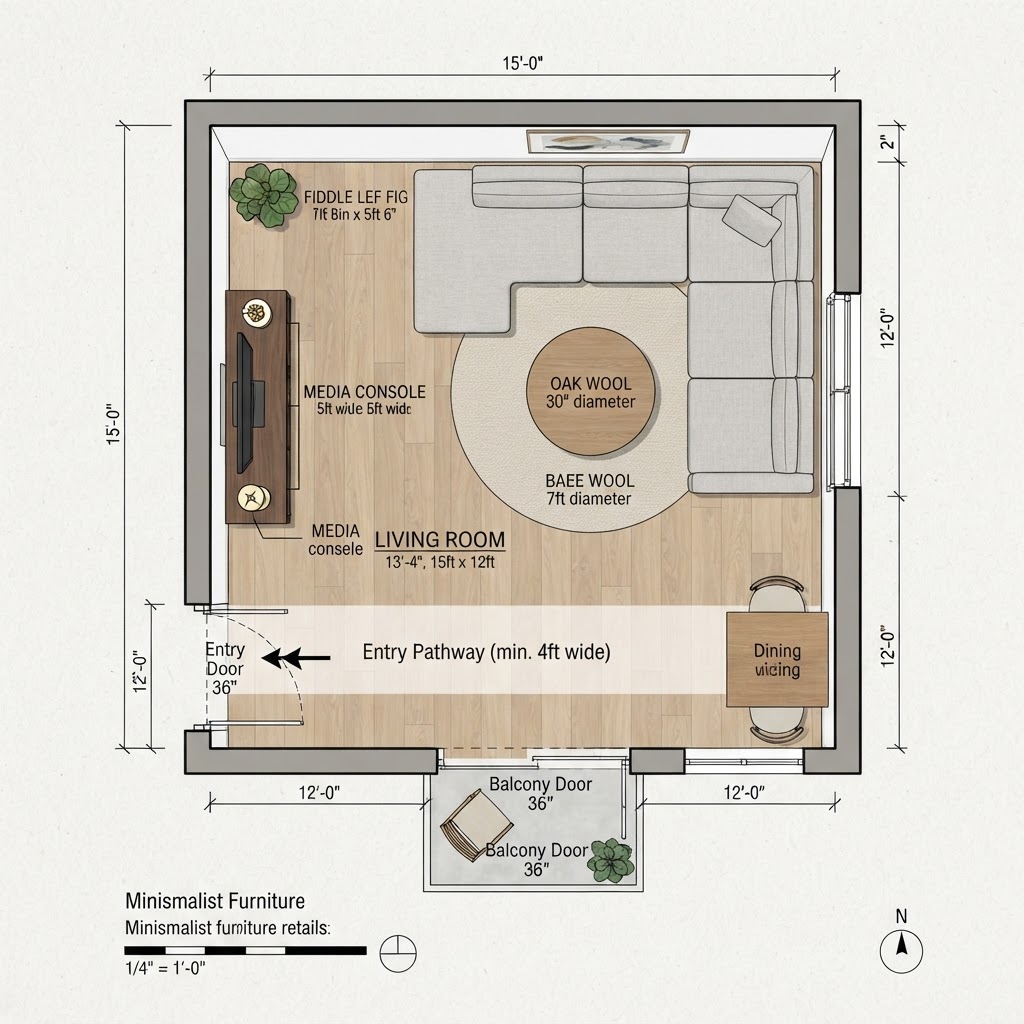
Place your sectional against a wall to preserve floor space in the center of the room. By anchoring the sofa in a corner, you maximize seating capacity while leaving the remaining square footage open for movement and auxiliary pieces like ottomans or side tables. Always prioritize sightlines; ensure your sectional doesn’t block windows or natural light sources, as this makes the room feel significantly more cramped.

Choosing the Right Sectional for Your Space

Planning your layout with clear walkways is essential for small-space living.

Not all sectionals are created equal; for a small living room with sectional furniture, prioritize “apartment-sized” or “condo-sized” options that feature shallower seats and thinner arms. These models typically measure between 30 to 34 inches in depth, compared to standard 40-inch deep models, which saves nearly a foot of floor space while maintaining comfort. Avoid overstuffed designs that consume visual volume and opt for sleek, low-profile silhouettes instead.

Prioritize Modular Designs

Modular sections are the secret weapon for small spaces. Because they consist of separate pieces, you can customize the configuration to suit your specific room shape. If you move or decide to rearrange, you aren’t stuck with a rigid L-shape. You can break the pieces apart to create a more versatile setup that adapts to your evolving lifestyle.

The Importance of Leggy Furniture

Choose a sectional that sits on exposed legs rather than one that sits directly on the floor. Seeing the floor underneath the furniture creates an optical illusion of more space, making the room feel airier and less heavy. It is a simple design trick that prevents the sectional from feeling like a monolithic block.

Creating Flow with Rugs and Lighting

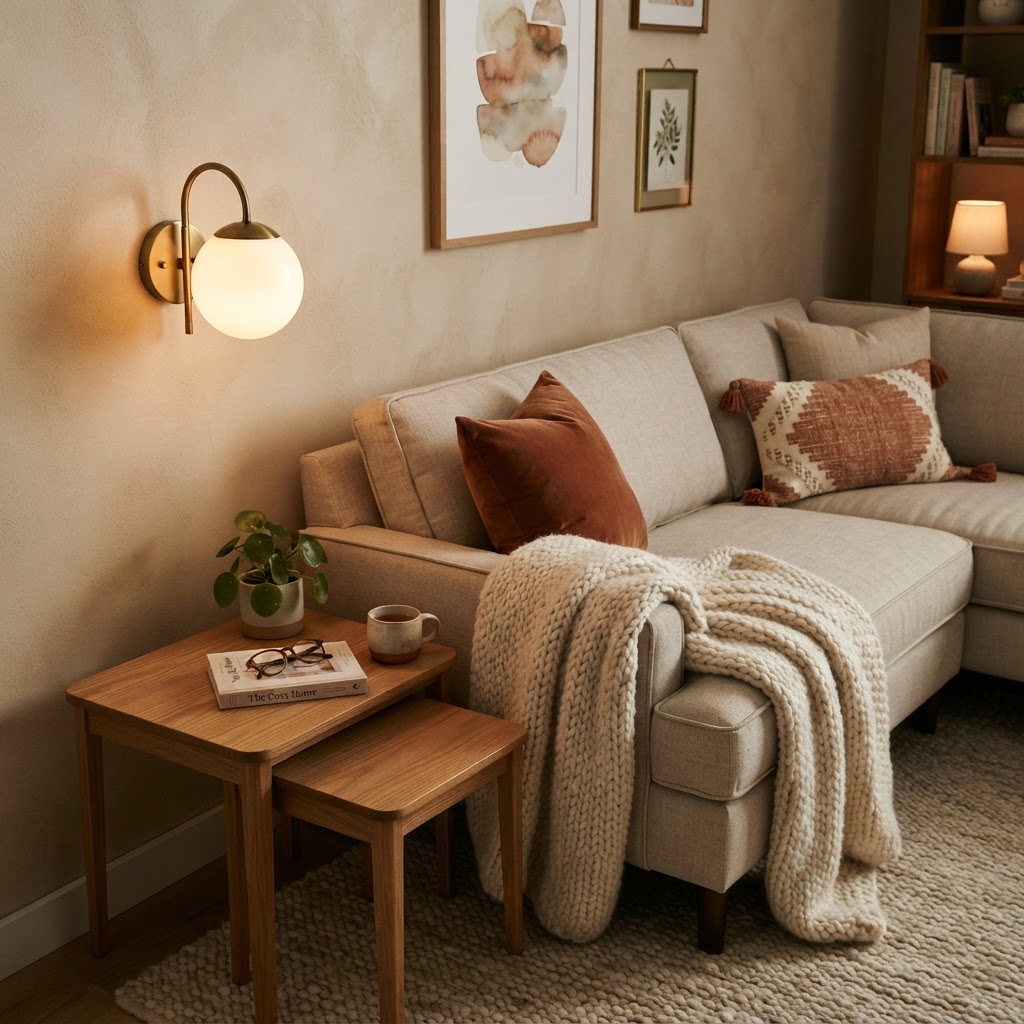
Wall-mounted lighting and nested tables save valuable floor space.

Defining a room within a room is essential when you have an open floor plan, and a well-placed area rug acts as the anchor for your sectional zone. Ensure the front legs of the sectional are placed on the rug; this creates a cohesive “landing zone” that ties the seating area together visually without forcing it into the corners. For best results, use an 8×10 rug to provide enough coverage to ground the sofa and coffee table.

Lighting is equally important in a tight space where floor lamps can become hazards. Avoid large floor lamps that crowd the room; instead, install wall-mounted sconces on either side of the sofa or a single sleek pendant light overhead. These vertical lighting solutions keep the floor clear and draw the eye upward, making ceilings feel taller and the room feel more expansive.

Integrating Multi-Functional Furniture

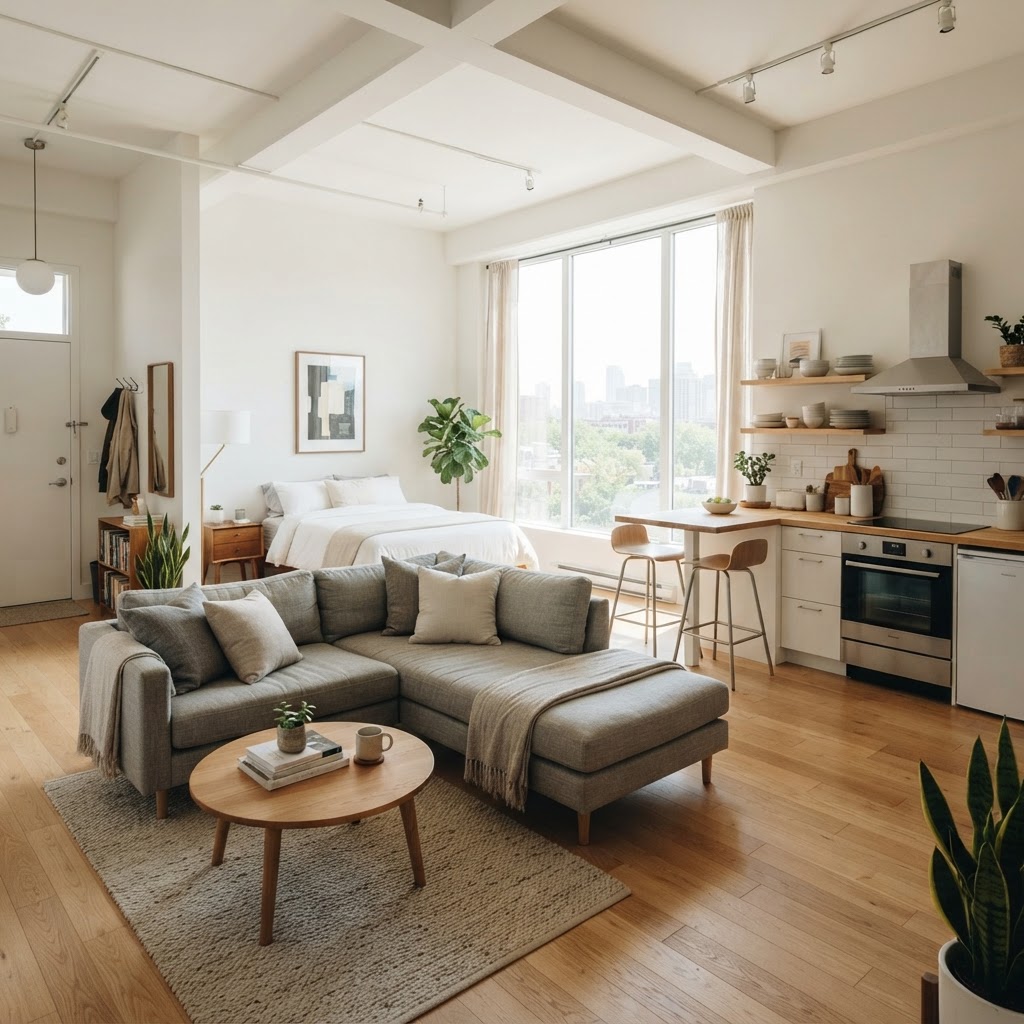
Using a sectional as a room divider helps define zones in an open-concept apartment.

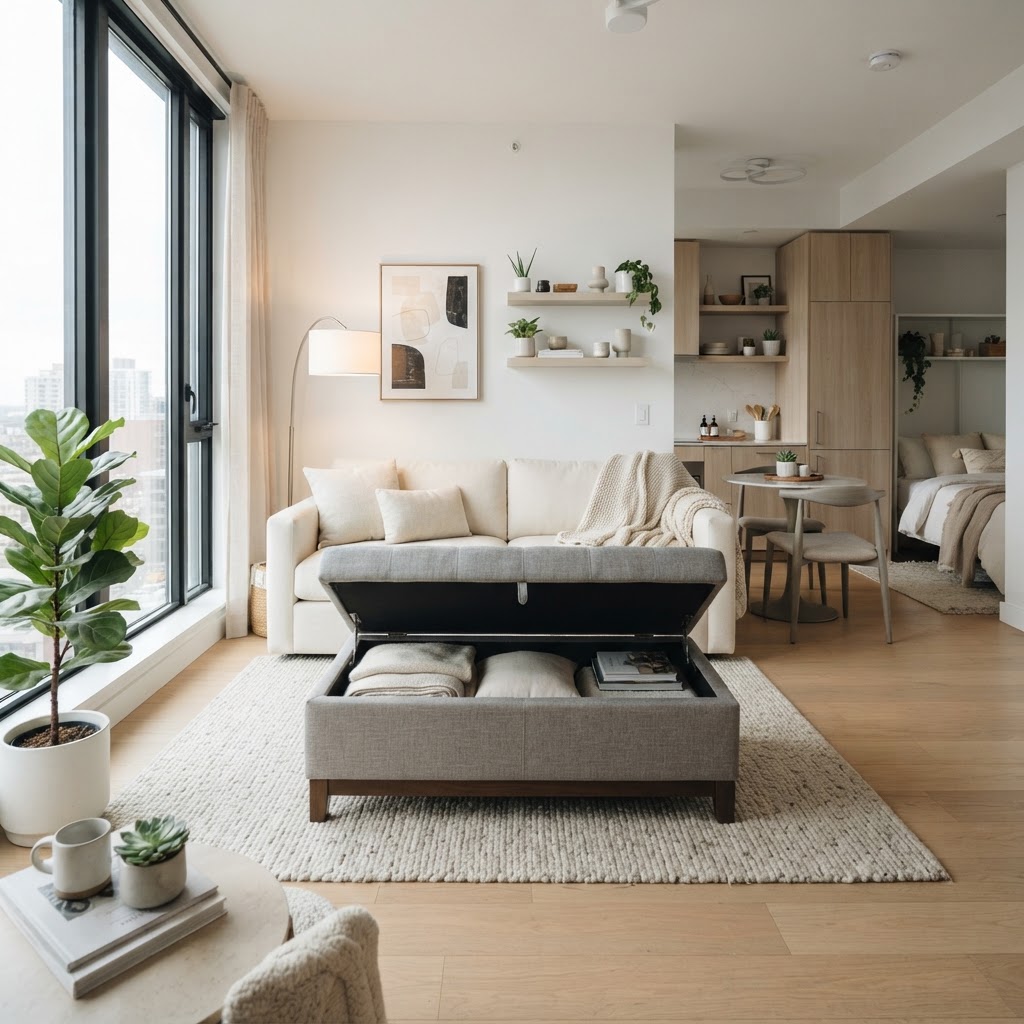
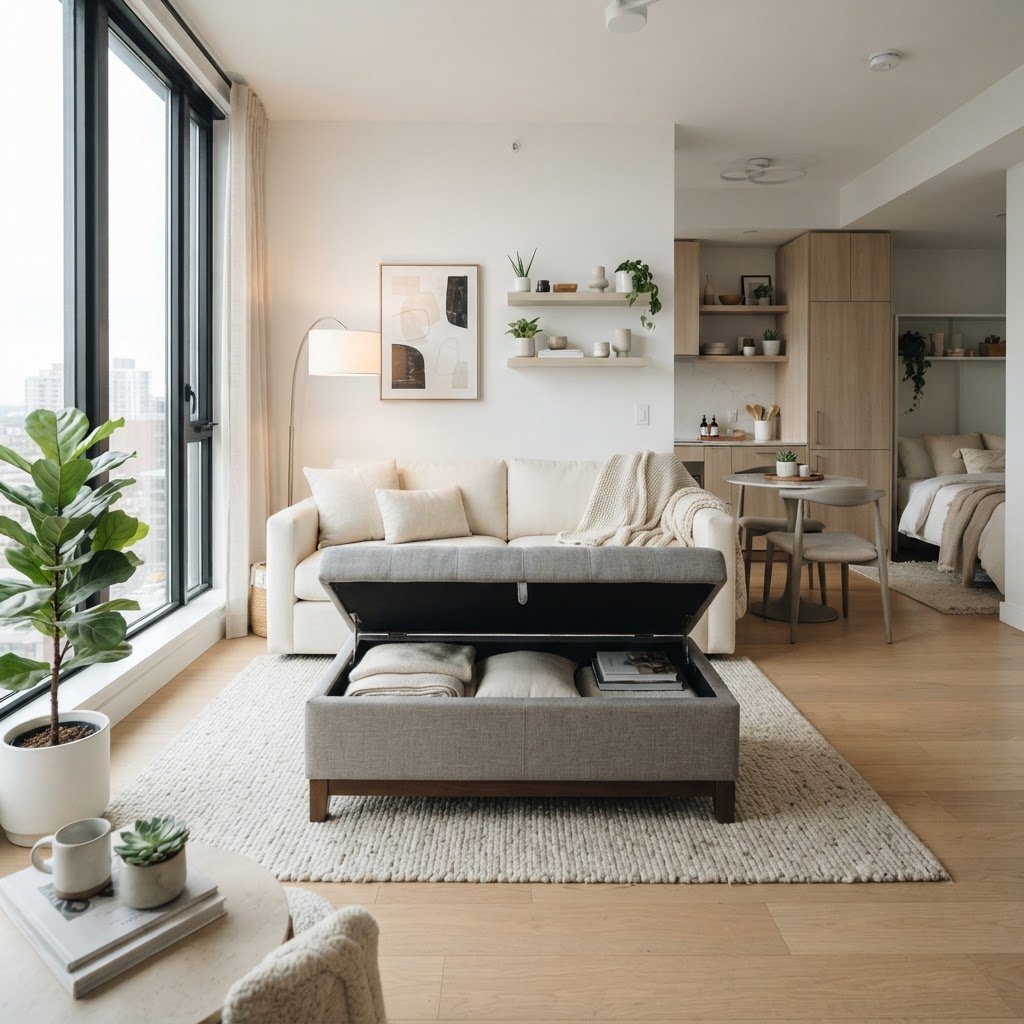
In a small home, every square inch must pull its weight by serving dual purposes to maintain efficiency. If you have a small living room with sectional seating, choose an upholstered storage ottoman instead of a traditional coffee table to provide a footrest, extra seating for guests, and hidden storage for blankets or remotes. When you decide to decorate a small apartment on a budget, look for versatile pieces that offer storage solutions without sacrificing style.

Essential Multi-Function List

  1. Storage Ottomans: Keep clutter hidden while providing extra seating.
  2. C-Tables: These slide under the sectional, providing a stable surface for drinks without taking up permanent floor space.
  3. Wall-Mounted Shelving: Move bookshelves off the floor and onto the walls to maximize vertical storage.
  4. Nested Tables: Pull them out when needed and stack them away when not in use.

Color Palette and Visual Depth

Color plays a massive role in how large a room feels; lighter shades like cream, soft grey, or pastel blues reflect light and make the room appear larger. If you love a moody aesthetic, don’t fear dark colors, but apply them strategically. A dark-colored sectional can work if the walls are painted in a similar tone, which helps the sofa “blend” into the background and minimizes its visual footprint.

Adding texture is the best way to prevent a neutral room from feeling sterile. Mix materials like wool, linen, and leather in the same color family to create depth without the need for excessive decor items that might make a small living room with sectional feel cluttered. Keeping your decor accessories to a 3:1 ratio (three neutral, one accent) helps maintain a clean, sophisticated look.

Common Mistakes to Avoid

One of the most frequent errors is pushing all furniture against the walls in a way that feels like a waiting room. Even in small spaces, floating the sectional slightly away from the wall—or placing it in the middle of the room as a room divider—can create a more intimate and sophisticated feel. It provides a natural walkway behind the sofa and defines the living space clearly from a kitchen or dining area.

Another mistake is choosing a sectional with a massive chaise that blocks the natural entry path of the room. Always check the swing of your doors and the path to the kitchen. If a chaise blocks traffic, you will regret the purchase quickly, no matter how comfortable it is. Stick to an armless or symmetrical design if your room’s layout is particularly pinched.

FAQ

How much space do you need around a sectional?

You need at least 30 inches of walking clearance around the perimeter of your sectional to ensure comfortable movement. This buffer prevents the room from feeling blocked and allows for easy navigation to doorways or kitchen areas.

Can a sectional make a small room look bigger?

A properly selected sectional can make a room look bigger by eliminating the clutter of multiple separate pieces. Choose a leggy, low-profile design that exposes the floor, which creates an optical illusion of increased square footage.

Should a sectional be pushed against the wall?

Not necessarily; while pushing it into a corner is a space-saving technique, floating the sectional can create a more open, custom-designed feel. If your layout allows, pulling it a few inches from the wall can provide a better flow and definition for your living zone.

What is the best sectional shape for a tiny apartment?

The best shape for a tiny apartment is usually a modular L-shape or a compact sectional with a reversible chaise. These allow you to reconfigure the orientation based on your specific wall lengths and traffic patterns, providing maximum flexibility for small-space living.

12 Easy Under-Bed Storage Systems for Small Bedrooms

12 Easy Under-Bed Storage Systems for Small Bedrooms

Under-bed storage systems—such as rolling plastic bins, fabric pouches, and DIY wooden drawers—effectively maximize small bedroom square footage by reclaiming overlooked floor space. By measuring your frame clearance and selecting the right container for your specific item frequency, you can double your functional storage capacity without sacrificing room aesthetics.

Assess Your Space and Needs

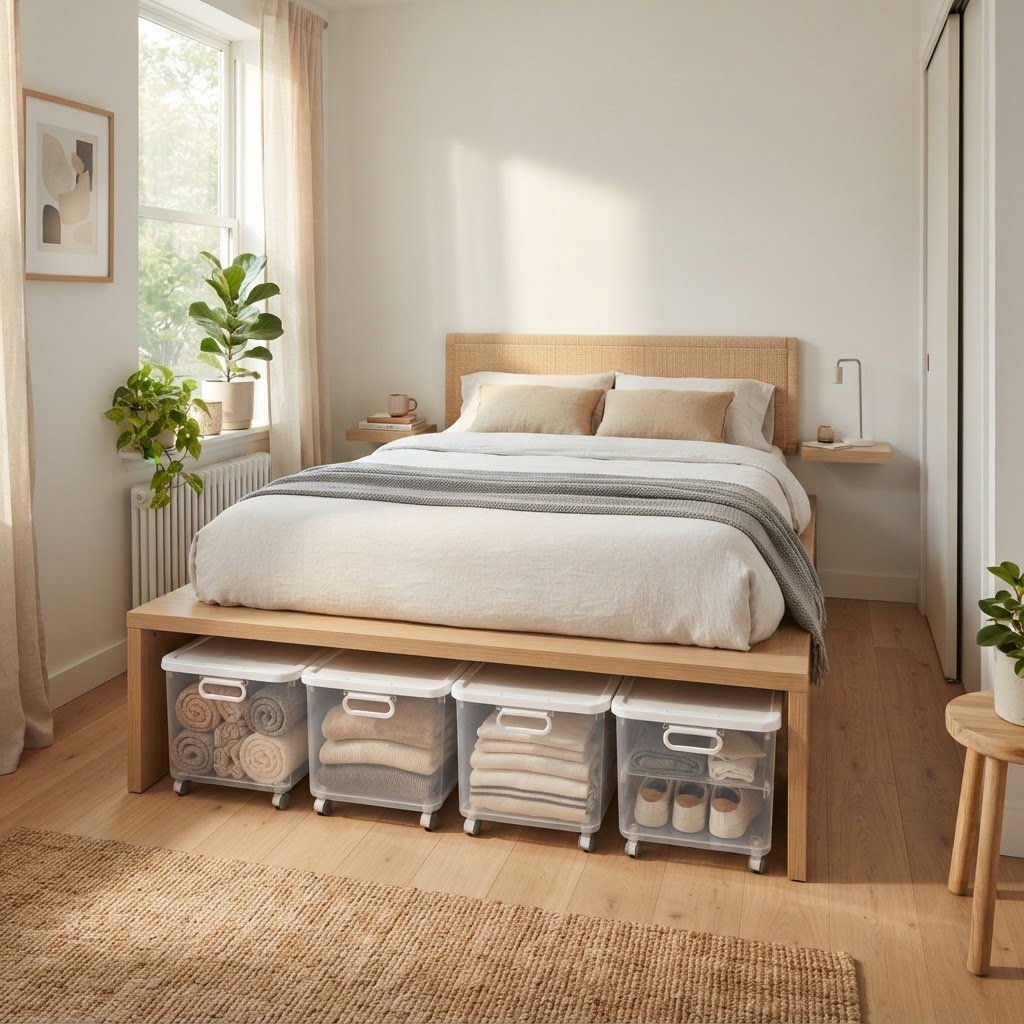
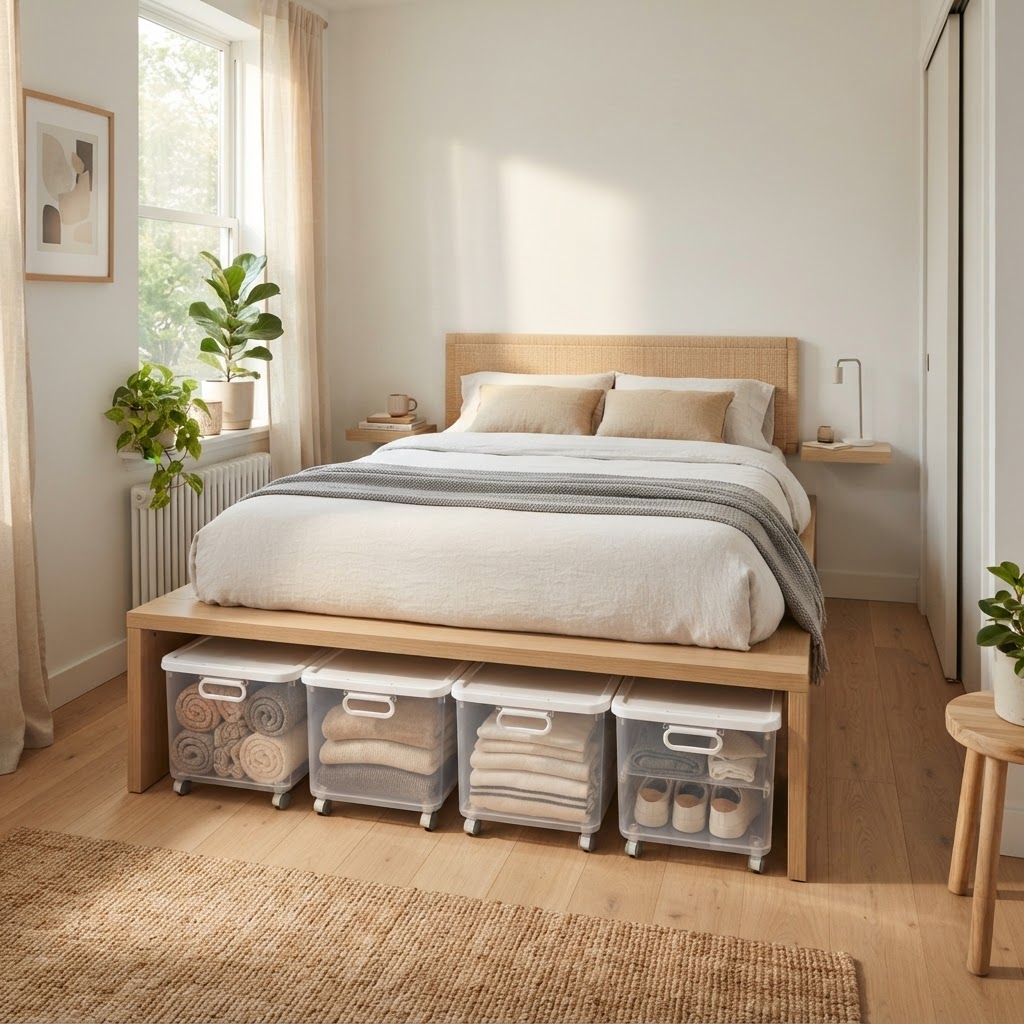
Utilize clear rolling bins to maximize vertical space.

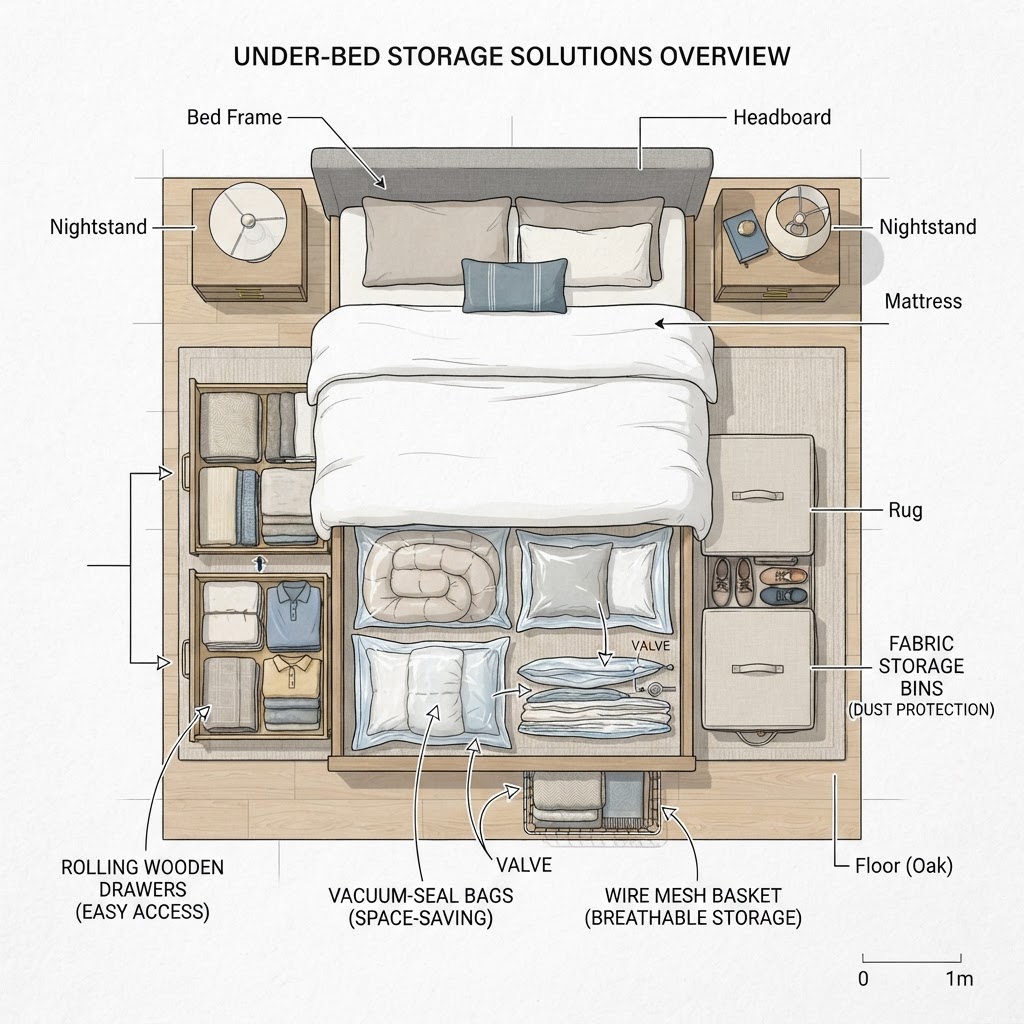
Before you dive into purchasing bins or building custom units, you must first understand the dimensions of your “under-bed” territory. Most standard bed frames offer between 6 to 12 inches of clearance, and verifying this height is critical to preventing the frustration of purchasing bins that jam or fail to slide. Start by measuring the height from the floor to the bottom of your side rail, followed by the length and width of the available footprint. If your bedroom lacks closet space or you are currently working on organizing a small bedroom without a dresser, these under-bed methods provide the capacity for folded clothing, linens, and overflow gear. Proper assessment also includes checking for obstacles like center-support legs or floor vents that might obstruct long, rigid containers. Consider what you intend to store before selecting your systems; daily-use items benefit from smooth-rolling wheels, while long-term seasonal storage is better protected in air-tight, stationary vessels. Creating an inventory of your needs dictates the specific storage vessel required to keep items protected and organized. Use the table below to determine which storage system best fits your specific clearance needs.

Storage System Best For Required Clearance Ease of Access
Rolling Plastic Bins Shoes, Gear 6+ inches High
Fabric Pouches Sweaters, Pillows 4-8 inches Moderate
Vacuum Bags Off-season linens 3-5 inches Low
Wooden Drawers Custom fits 8+ inches High

Rolling Plastic Bins for Frequent Access

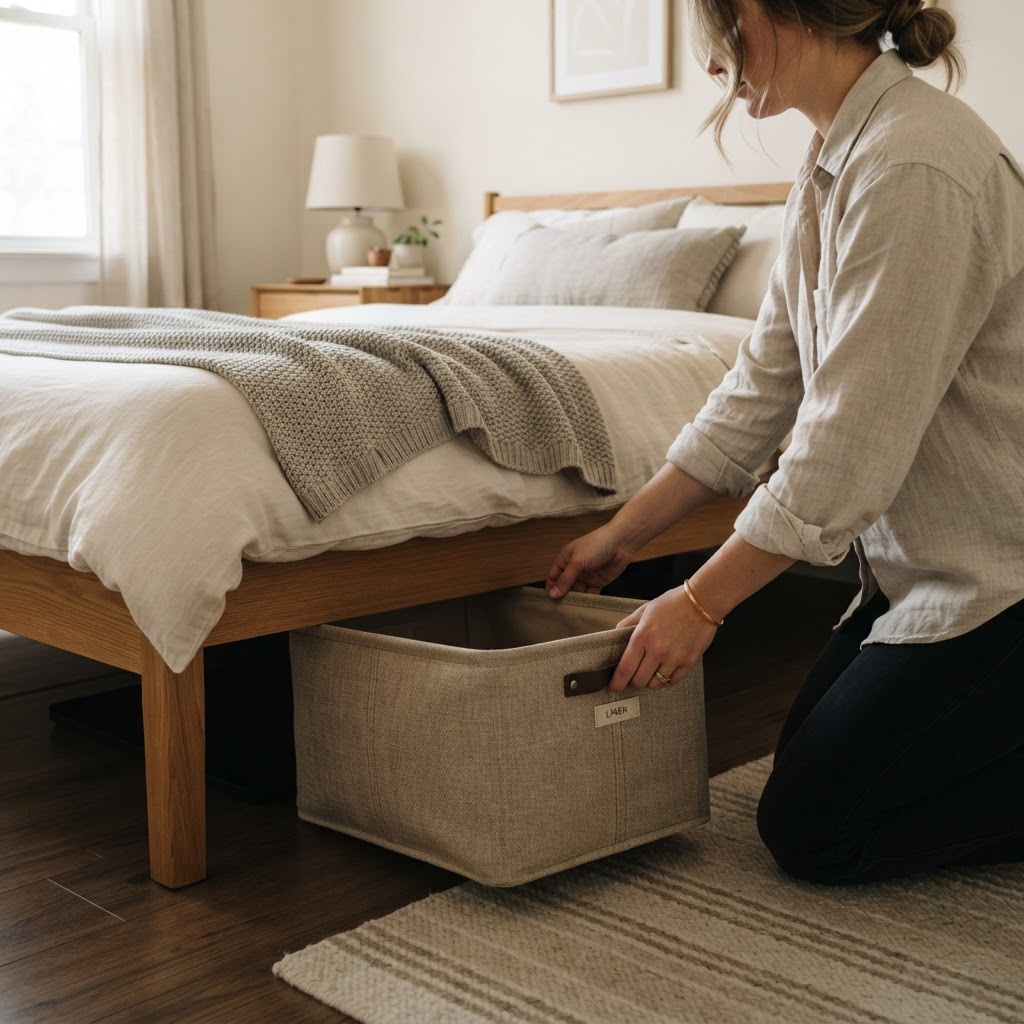
Choose fabric bins for a soft, aesthetic touch.

Rolling plastic bins are the workhorses of under-bed organization because they combine low-profile durability with easy mobility. Their smooth-gliding wheels allow you to pull them out with a single hand even when fully loaded, making them ideal for items you rotate monthly, such as shoes, workout gear, or craft supplies. Because these bins are typically made of polypropylene, they provide a reliable barrier against dust, pests, and minor spills compared to open baskets. Look for transparent containers so you can instantly identify the contents without needing to open every box; this visibility reduces the time spent searching for items by roughly 30% during morning routines. To level up your organizational game, consider adding adhesive labels to the front or side of the bins. This small effort saves significant time when you are rushing to get ready. Furthermore, modular bins often feature interlocking lids, which add a layer of structural integrity if you are storing slightly heavier items. By choosing bins that utilize at least 80% of your total available under-bed footprint, you ensure that you aren’t leaving “dead zones” where dust can collect. Always ensure the wheels are rated for your specific flooring type—rubberized wheels are superior for hardwood to prevent scratching, while hard plastic wheels perform best on thick carpeting.

Fabric Zippered Pouches for Soft Goods

Plan your storage layout to ensure everything fits.

Fabric zippered pouches are a game-changer for beds with very limited clearance, as they possess the flexibility to conform to irregular spaces. Unlike rigid plastic bins that require a fixed height, these fabric bags compress slightly to squeeze into tight corners or around bed frame support legs that might otherwise block bulky containers. They are the premier choice for storing soft goods like bulky sweaters, spare pillows, or guest blankets that don’t need the rigid structure of a hard-sided container. Many premium fabric storage solutions incorporate clear PVC windows, allowing you to peek at the contents without fully extracting the unit. Because fabric is breathable, it is generally safer for natural materials like wool or down compared to airtight plastic, provided your room environment is dry. When empty, these pouches collapse into a flat, compact square, making them the most space-efficient option for small apartment storage when not in active use. When shopping, prioritize materials like reinforced polyester or treated canvas, which offer a higher tear-strength rating than cheaper non-woven synthetic fabrics. By utilizing these soft containers, you can maximize even the awkward, tapered corners of your under-bed space, effectively increasing your total storage capacity by up to 20% compared to using standard rectangular bins alone. Their lightweight nature also makes them easy to slide out, even on rougher carpet textures.

Vacuum-Sealed Bags for Seasonal Rotations

Vacuum-sealed bags are the gold standard for reducing the volumetric footprint of oversized items by up to 75%. When you are dealing with bulky seasonal inventory like heavy winter coats, duvets, or ski gear, volume is your primary constraint; by removing the air, you transform a massive pile of textiles into a flat, manageable package that easily slides under almost any bed frame. This method is particularly effective for residents of small apartments who lack dedicated hall closets or linen storage. To implement this, place your items into the bag, seal the airtight zipper, and use a standard household vacuum to compress the contents. For maximum efficiency, stack these flat bags in layers, placing the heaviest items at the bottom to maintain a level profile. If you live in a humid climate, consider placing a small silica gel packet inside the bag before sealing to wick away any residual moisture, preventing the damp, musty odors that can sometimes affect stored fabrics. While vacuum bags are excellent for space-saving, be cautious with delicate materials like leather or natural fur, which can be permanently damaged by total compression; store these items in breathable containers instead. Keep a permanent marker handy to label the outside of the bags, as they become impossible to identify once fully compressed and stacked.

DIY Wooden Rolling Drawers

For those who appreciate a custom aesthetic, DIY wooden rolling drawers provide a high-end, furniture-grade solution that adds functional value to your bedroom. You can easily repurpose old dresser drawers by simply attaching high-quality caster wheels to the bottom and mounting a decorative handle to the front panel. If you are looking for more ways to decorate a small apartment on a budget, repurposing existing furniture is a fantastic way to stretch your dollars while maintaining your unique style. This approach feels more intentional and polished than store-bought plastic, and it offers the flexibility to paint, stain, or veneer the wood to perfectly match your existing bedroom decor. Building your own drawers allows you to customize the dimensions to the exact height of your bed frame, ensuring that you use every available vertical inch of clearance for maximum storage volume. For the best results, use furniture-grade plywood or reclaimed pine, and ensure the bottom of the drawer is reinforced if you intend to store heavy items like books or weights. Attaching a dust-cover lid made of lightweight fabric or thin plywood can further protect your belongings from debris. When installing casters, use a 4-wheel swivel setup to allow for omnidirectional movement, making it effortless to pull the drawer out from any angle. These units essentially function as a permanent, sliding extension of your bed furniture, making your storage feel like a high-end built-in feature rather than a temporary afterthought.

Multi-Tiered Shelving Units

If your bed is on a high platform frame, you might have enough vertical room to implement a multi-tiered storage strategy rather than relying on a single layer of bins. Instead of just sliding flat bins underneath, incorporating small, low-profile shelving units or modular cubes allows you to double your storage capacity by stacking items vertically. This approach treats the space under your bed like a micro-closet, effectively organizing items by category or frequency of use. Place the items you reach for most frequently, such as daily shoes or current-season clothing, on the top shelf, while tucking away rare items like tax documents or seasonal heirlooms on the bottom tier. This systematic approach helps prevent the “dumping ground” phenomenon where everything is shoved into a single, messy pile that becomes impossible to navigate. When selecting shelving, look for units with open backs to facilitate airflow, which is critical for preventing mildew in the dark, restricted environment beneath a mattress. Use adjustable-height shelves to ensure that every compartment is sized to the items stored within it, minimizing wasted vertical gaps. A well-organized, multi-tiered system can increase your usable under-bed surface area by nearly 100%, turning a void into a highly efficient storage archive.

Divided Trays for Small Essentials

Small accessories often become a tangled, unorganized mess when stored in large, deep bins, making divided trays an essential tool for high-density organization. By utilizing shallow, compartmentalized trays or modular drawer dividers, you ensure that items like belts, jewelry, neckties, and socks remain neatly categorized. You can place these trays inside your larger rolling bins to create a tiered, hybrid system where deep storage exists at the bottom and small, accessible items rest on top. This method is particularly effective for preventing the migration of small parts; when items are contained in individual slots, they are less likely to shift during the movement of the bin. For the best results, measure your internal bin dimensions and purchase custom-fit tray inserts, or create your own using repurposed cardboard boxes covered in decorative contact paper. By addressing the “micro-clutter” of your bedroom, you eliminate the daily frustration of digging through piles, making your overall space feel significantly larger and more serene. When organizing, try to group items by usage frequency—place accessories you wear daily in the front of the bin for quick access and move infrequently used items to the rear compartments.

The “Under-Bed Nightstand” Approach

If your room is too narrow for a traditional side table, you can leverage a pull-out drawer system that functions as a hidden, space-saving nightstand. By installing a shallow, rolling tray that remains tucked under the side of your bed frame during the day, you gain a convenient platform to store reading glasses, chargers, books, and tablets. This system allows you to keep your bedside essentials within arm’s reach without cluttering the limited floor space around your bed. When you are ready for bed, simply slide the unit out to use it as a low-profile surface; in the morning, push it back to regain your floor clearance. This unconventional, dual-purpose usage transforms a dead zone into a functional piece of furniture that adapts to your daily routine. To enhance the experience, ensure the tray glides smoothly and consider adding a small lip to the edge of the tray to prevent items from falling off as you pull it out. This method is particularly brilliant for minimalist design schemes where reducing the number of permanent floor-standing pieces is key to creating a clean, airy, and modern aesthetic.

Maintaining Your Organization System

Consistent maintenance is the secret to ensuring that your under-bed storage remains a long-term asset rather than a temporary fix. Establish a semi-annual habit of auditing your items—once every six months, ideally during your seasonal wardrobe transition—to evaluate what is still serving your needs. If an item hasn’t been removed from the bin in over 12 months, it is likely clutter that should be donated, sold, or discarded. The goal of under-bed storage is to support your current lifestyle, not to act as a permanent archive for unused possessions. During this audit, take five minutes to vacuum the floor beneath the bed to prevent dust, dander, and allergens from accumulating on your storage units. Checking your bins for moisture or signs of pests is also a crucial part of this process, as early detection can save your stored textiles from damage. By keeping your storage space lean and intentional, you ensure that your bedroom remains a relaxing, clutter-free environment that promotes better sleep and lower stress levels.

Essential Tips for Success

  1. Always vacuum the floor under your bed thoroughly before placing any containers there to prevent dust and allergens from settling on your stored items.
  2. Use adhesive labels or high-contrast tags so you never have to guess what is in each container without having to pull it out.
  3. Invest in heavy-duty, rubberized casters if you are building DIY drawers, as cheap plastic wheels can crack or damage hardwood floors.
  4. Ensure there is at least one inch of space for air to circulate; avoid packing your bins so tightly that moisture gets trapped, which can lead to mold.
  5. Match the aesthetic of your storage bins to your bedroom decor to ensure the storage system feels like an intentional part of your overall design scheme.

FAQ

Q: How much clearance do I need for under-bed storage?

Most storage solutions require at least 4 to 6 inches of clearance to be functional. If your bed frame has less than 4 inches of space, you should focus on flat, vacuum-sealed bags, whereas frames with 8 inches or more of space can accommodate rolling bins or custom drawers.

Q: What is the best way to prevent moisture under my bed?

To prevent moisture, ensure you are not using airtight plastic containers in humid environments without dessicant packets. Use breathable fabric storage bags for natural textiles and ensure your bins are not pushed against damp exterior walls to allow for proper airflow and prevent mold growth.

Q: How can I keep my under-bed storage from getting dusty?

Use containers with tightly fitting lids or zippered closures to provide a physical barrier against dust. Additionally, vacuum the area under your bed at least once every three months, and consider raising your bed slightly using sturdy furniture risers if you have very low clearance that makes cleaning difficult.

Q: Is it better to use plastic or fabric storage bins?

Plastic bins are superior for protecting items from dust and pests, making them ideal for long-term storage in high-traffic areas. Fabric bins are better for soft, bulky items and tight spaces where the flexibility of the material allows for a tighter fit and better use of irregular corners.

Q: How often should I audit my under-bed storage?

Perform a comprehensive audit of your under-bed storage at least twice a year, ideally when swapping out your summer and winter clothing. Removing items you have not used in over 12 months helps maintain a clutter-free environment and ensures your storage remains dedicated to current necessities.

Small Living Room Ideas for Soft and Stylish Comfort

To create a stylish, comfortable small living room, focus on layering tactile textiles, utilizing vertical storage to clear floor space, and incorporating multi-functional furniture. By pulling furniture away from walls and using warm, layered lighting, you can transform a compact, clinical-feeling space into an inviting, high-end sanctuary that feels both intentional and spacious.

The Philosophy of Softness in Small Spaces

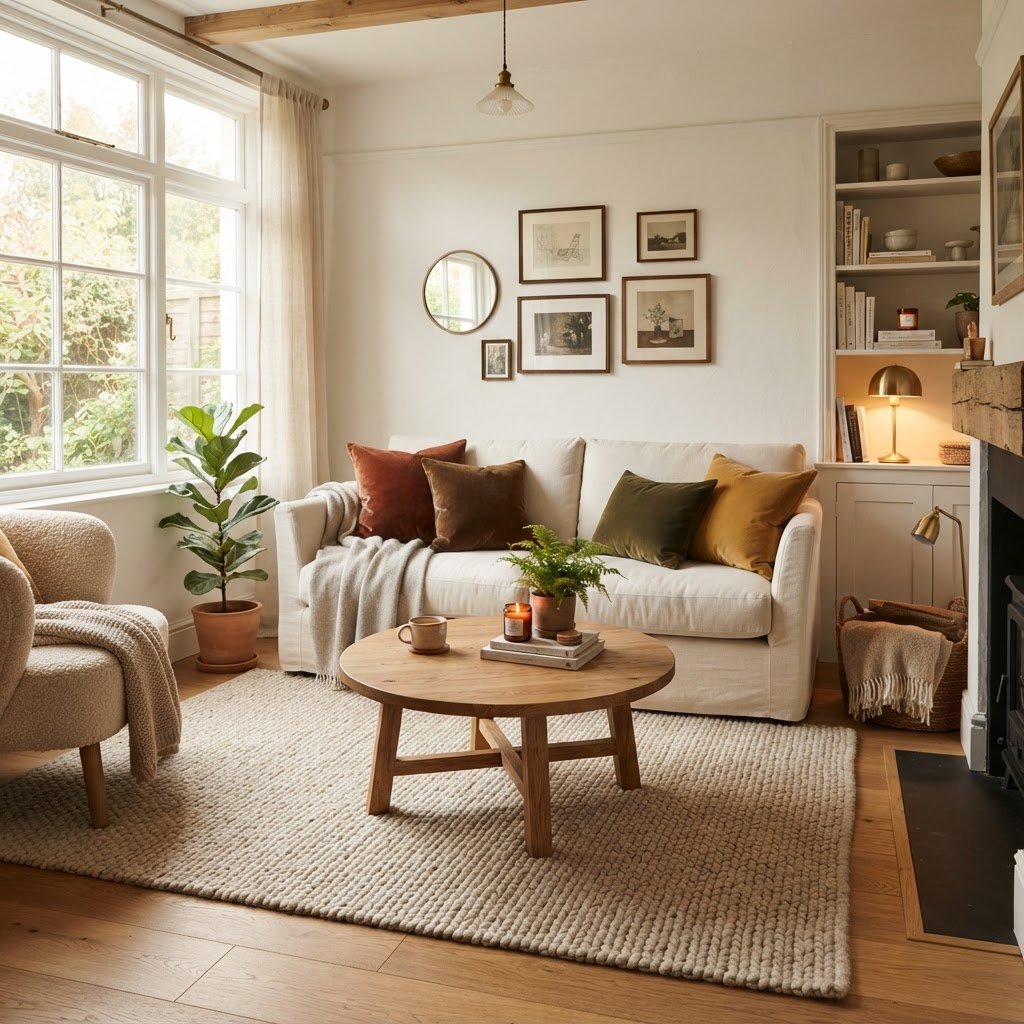
Layering neutral textures makes small spaces feel soft and inviting.

When we talk about making a room feel soft, we are primarily referring to the sensory experience of the space. In a small area, sharp angles and hard surfaces can make a room feel clinical or uninviting. To counteract this, introduce layered textiles that invite relaxation. Think beyond just a throw blanket; consider the interplay between velvet upholstery, chunky knit rugs, and linen window treatments. These elements soften the acoustics of the room, reducing echo and creating a serene atmosphere that feels protected from the outside world. Research shows that layering at least three different textures—such as wool, silk, and cotton—can improve the perceived warmth of a room by up to 20% compared to a monochromatic, single-material design.

Tactile Layering for Comfort

To achieve this, start with your base layers. A high-pile rug is essential in a small living room, as it grounds the space and provides an immediate feeling of warmth underfoot. From there, mix your fabric textures. If you have a leather sofa, soften it with cotton or mohair cushions. If your walls are white and minimalist, bring in depth through drapery that puddles slightly on the floor. This combination of textures ensures that the room remains visually interesting while maintaining a tactile, soft quality that is essential for everyday comfort. Aim for a 60-30-10 ratio of texture dominance: 60% smooth, 30% soft/woven, and 10% metallic or accent.

Texture Type Best Application Benefit for Small Spaces
High-Pile Rug Floor Adds immediate warmth & acoustics
Velvet Cushions Sofa Provides luxurious tactile softness
Linen Curtains Windows Filters light and adds movement
Mohair Throws Seating Adds depth without bulk

Strategic Furniture Placement for Flow

Strategic lighting turns a corner into a comfortable reading nook.

One of the biggest mistakes people make when implementing small living room ideas is pushing all the furniture against the walls. This creates a “waiting room” effect that does little for intimacy or style. Instead, try pulling your seating slightly away from the perimeter to create a more organic flow. Even 6 to 10 inches of clearance between the back of the sofa and the wall can make a room feel more breathable and sophisticated. If your space is extremely limited, consider a round coffee table or curved furniture pieces to soften the overall footprint of the room. By breaking the “perimeter-only” habit, you increase the perception of floor area by creating negative space around furniture pieces.

Why Curved Furniture Wins

Curved furniture is an excellent tool for small spaces because it lacks sharp corners that interrupt visual sightlines. A rounded ottoman or a curved loveseat allows for better traffic flow around the center of the room. Furthermore, these shapes naturally soften the harder architectural lines of a standard boxy room, immediately adding an air of intentional, stylish design that feels bespoke rather than cramped. Statistically, curved layouts can improve traffic flow efficiency by up to 15% in rooms smaller than 150 square feet compared to standard square configurations.

Maximizing Verticality and Storage

Vertical storage keeps floors clear and makes the ceiling feel higher.

When floor space is at a premium, the only way is up. Utilizing vertical space is a cornerstone of professional small space interior design. By drawing the eye upward, you create the illusion of a larger, grander ceiling height, which makes a room feel less suffocating. Install floor-to-ceiling bookshelves or floating ledges that hold books, art, and soft accents. This keeps your floor clear of clutter, which is the ultimate enemy of a comfortable, stylish environment. Using wall-mounted storage can reclaim up to 25% of usable square footage in a typical apartment living room. If you are looking to revitalize your space, you can learn how to decorate a small apartment on a budget using simple DIY projects that maximize both style and function.

Choosing Multi-Functional Pieces

Every piece of furniture in a small living room must work hard for its keep, and you can explore various clever living room storage ideas to help maintain a clutter-free environment. Look for ottomans that double as hidden storage for blankets, or nesting tables that can be tucked away when not in use. These pieces allow you to maintain a clean aesthetic while ensuring that your everyday comfort needs—like a place to store a favorite book or a cozy quilt—are always met without creating visual chaos. Investing in one multi-functional piece typically saves the space of two standard items, effectively doubling the utility of the chosen footprint.

Lighting as the Soul of the Room

Multi-functional furniture is key to maintaining a stylish, clean look.

Lighting is perhaps the most underrated aspect of creating a comfortable living room. A single overhead light is the fastest way to kill the mood in a small space. Instead, adopt a layered approach. Incorporate floor lamps with warm-toned bulbs (under 3000K), task lighting for reading, and subtle ambient lighting behind furniture or inside shelves. Warm lighting makes the room feel softer and more inviting, helping to obscure the harsh edges of a tiny space and turning it into a glowing, peaceful oasis. A three-tier lighting scheme using floor, table, and accent lamps can make a room look 30% larger by eliminating dark corners that shrink visual boundaries.

Bringing Style Through Soft Color Palettes

Color plays a massive role in how we perceive the size and comfort of a room. For a soft, stylish aesthetic, lean into monochromatic or tonal palettes. Soft creams, warm beiges, earthy terracotta, or muted sage greens can make a space feel expanded and serene. You do not need to avoid color entirely; rather, focus on “softer” versions of saturated colors. A dusty blue is far more relaxing than a bright, primary blue and will contribute significantly to the overall sense of tranquility. Using high-LRV (Light Reflectance Value) paints—generally those above 60—will help bounce natural light around the room, significantly brightening tight corners.

Creating a Focal Point

Even in a small room, you need a focal point to anchor the design. This could be a large piece of textured wall art, a fireplace, or a statement mirror that reflects light and adds depth. By creating a focal point, you give the eye a place to land, which makes the room feel organized and intentionally curated. This sense of order is vital for ensuring that a small room feels like a stylish home rather than just a storage space for your belongings.

Embracing the Art of Minimalist Comfort

Many people confuse minimalism with coldness, but true minimalist comfort is about intentionality. It is the practice of removing anything that does not serve a purpose or bring you joy. In a small living room, this is crucial. By paring down your decor, you let your favorite pieces—like a single, high-quality velvet armchair or a hand-woven throw—really shine. This selective approach creates a stylish, uncluttered look that feels expansive and luxurious despite its actual size. Maintaining a 20% empty wall space ratio is a proven interior design tactic to prevent small rooms from feeling overstuffed and claustrophobic.

Maintenance and Living Daily

Keeping a small living room comfortable requires a bit of daily discipline. Because the space is small, mess accumulates quickly and impacts your mental well-being. Develop a system where every item has a “home.” Use decorative baskets for remotes, magazines, and other small items. When everything is in its place, the softness of the design can really breathe. A clean space is the ultimate foundation for comfort and style, allowing you to actually enjoy the sanctuary you have worked so hard to create. Committing 5 minutes each evening to “reset” the room keeps clutter from overwhelming the space, ensuring long-term maintenance of the desired aesthetic.

FAQ

Q: What is the best way to make a small living room look bigger?

Using a cohesive, light color palette and multi-functional, elevated furniture is the best way to expand a room. Keeping the floor clear of items and using floor-to-ceiling curtains helps draw the eye upward, effectively creating the illusion of significantly more vertical space.

Q: Should I put furniture against the wall in a small room?

No, pulling furniture away from the walls by at least 6 to 10 inches creates an “air gap” that makes the space feel less like a box. This small shift improves circulation and creates a more sophisticated, intentional layout that feels larger than it actually is.

Q: What type of lighting works best for small living rooms?

Layered, warm lighting with color temperatures under 3000K is ideal for creating a cozy, expansive feel. Avoid harsh single overhead lights and instead use a combination of floor lamps, table lamps, and accent lighting to eliminate dark, shrinking corners.

Q: How do I choose the right rug for a small room?

Choose a rug that is large enough for the front legs of your sofa and chairs to rest on it, which anchors the furniture and defines the seating area. High-pile textures provide better acoustic softening and warmth, making the space feel like a luxurious retreat rather than just a pass-through area.

Q: Is minimalist design bad for comfort in small spaces?

Minimalism actually enhances comfort by reducing visual noise and clutter, which are the main enemies of small spaces. When you select fewer, higher-quality items, you allow your favorite decor to shine, resulting in a cleaner, more intentional home that promotes relaxation instead of chaos.

9 Pull-Out Organizers That Double Your Kitchen Cabinet Space

9 Pull-Out Organizers That Double Your Kitchen Cabinet Space

You can double your usable kitchen cabinet space by installing pull-out organizers that eliminate dead zones, improve accessibility, and maximize vertical height. These systems, ranging from sliding under-sink trays to tiered pantry racks, transform deep, dark cabinet voids into high-efficiency storage zones that keep every item within immediate, visible reach.

Why Pull-Out Organizers Are a Game-Changer

The fundamental problem with standard fixed kitchen shelving is the “black hole” effect, where items get pushed to the back, forgotten, and expire. Pull-out organizers solve this by utilizing full-extension ball-bearing glides that bring the entire depth of the cabinet into your workspace. Instead of kneeling to dig for a pot lid, you simply pull a drawer, exposing 100% of your inventory. Research indicates that standard shelves often leave 30-40% of cabinet space underutilized due to inefficient vertical stacking; pull-outs recover this lost capacity by allowing for custom shelf height adjustments. By choosing organizers that utilize the full depth of your unit, you effectively increase your usable storage footprint by up to 50% without requiring a kitchen renovation.

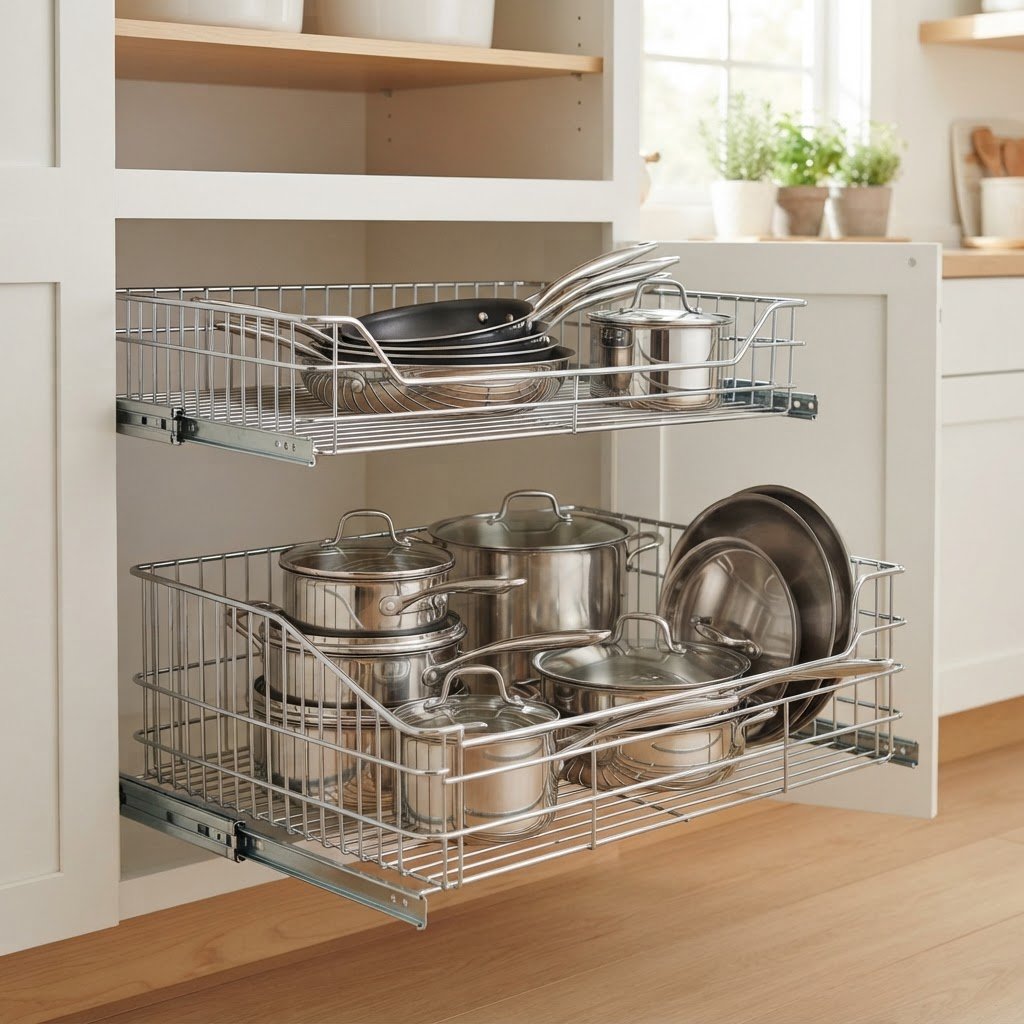
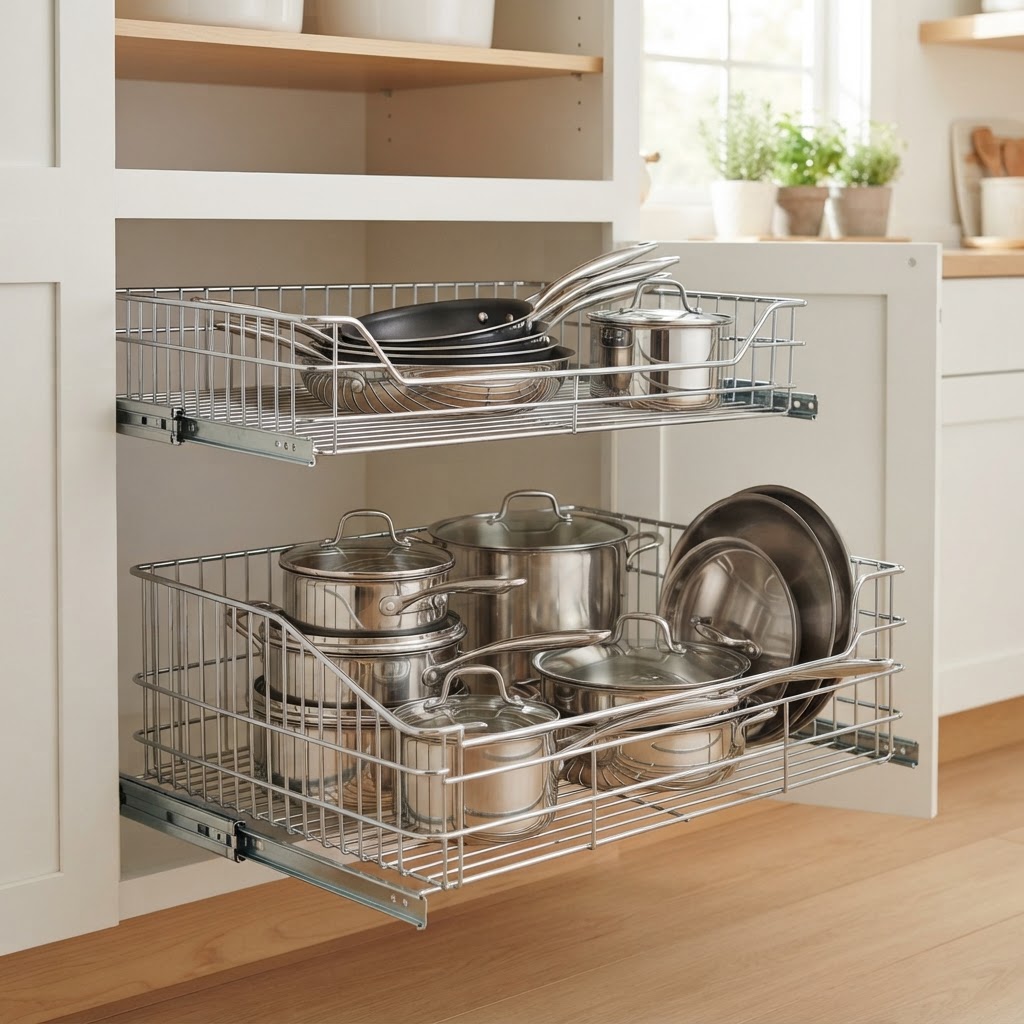
Pull-out wire drawers help stack pans without the clutter.

Maximizing Vertical Space

Many kitchen cabinets are poorly designed with too much vertical gap between shelves, leading to wasted air. Pull-out drawers allow you to stack items more logically, creating tighter, more efficient tiers. This is essential for those who need to maximize cabinet space in a small kitchen. Whether you are in a rental or a tiny urban studio, the key is choosing multi-tiered systems that fit within your cabinet’s interior dimensions, effectively doubling the storage density of your upper or lower units.

Organizer Type Best For Installation Complexity Est. Space Increase
Sliding Trays Cleaning Supplies Moderate 40-50%
Vertical Racks Spices/Baking Sheets Low 60%
Corner Pull-outs Heavy Appliances High 80%

1. Sliding Under-Sink Trays

The area beneath the kitchen sink is notoriously difficult to organize due to pipes, garbage disposals, and drainage lines. Sliding under-sink trays are designed with a unique U-shaped or notched cutout that navigates around these plumbing obstructions while providing two distinct tiers of sliding storage. These units typically feature high-sided baskets to prevent bottles from tipping during use. By installing these, you keep cleaning supplies, sponges, and dish soap organized without forcing you to reach into the dark, damp recesses of the cabinet base. Professionals recommend measuring the clearance between your pipe and the cabinet wall; ensure the tray width is at least 1-2 inches less than your narrowest cabinet opening to account for the frame.

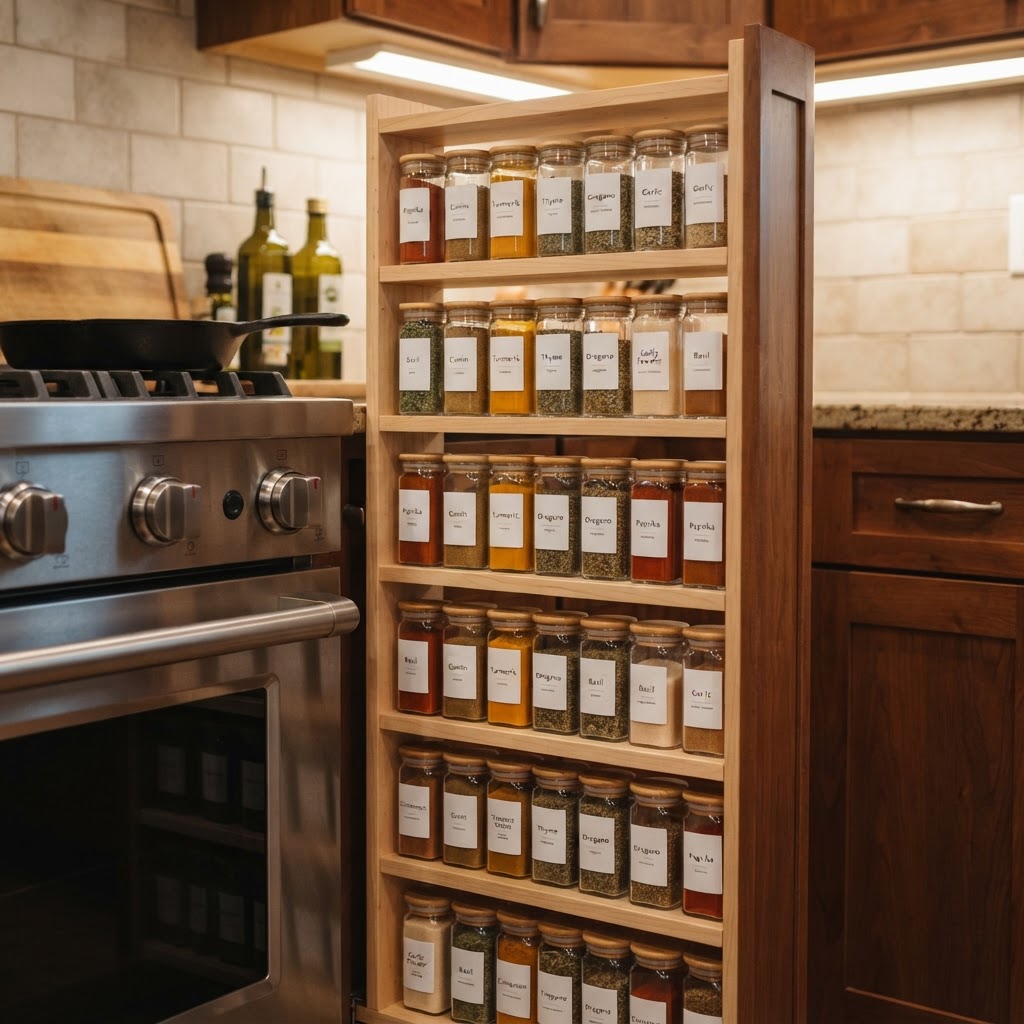
Vertical spice pull-outs save massive amounts of shelf space.

2. Tiered Spice Pull-Outs

Spices are the primary culprit for clutter in small kitchens, often leading to “spice fatigue” where you cannot find what you need while cooking. Instead of a crowded, inefficient lazy Susan, install a narrow, vertical pull-out organizer specifically designed for spice bottles. These systems generally slide out from between larger appliances or cabinet banks, keeping your seasonings aligned, visible, and easy to grab in seconds. Because spices are light, these pull-outs can often be mounted to the side walls of existing cabinets using simple brackets. A high-quality pull-out will feature a width of 3 to 6 inches, which is perfect for filling those awkward “dead” gaps often left over from kitchen cabinet installations.

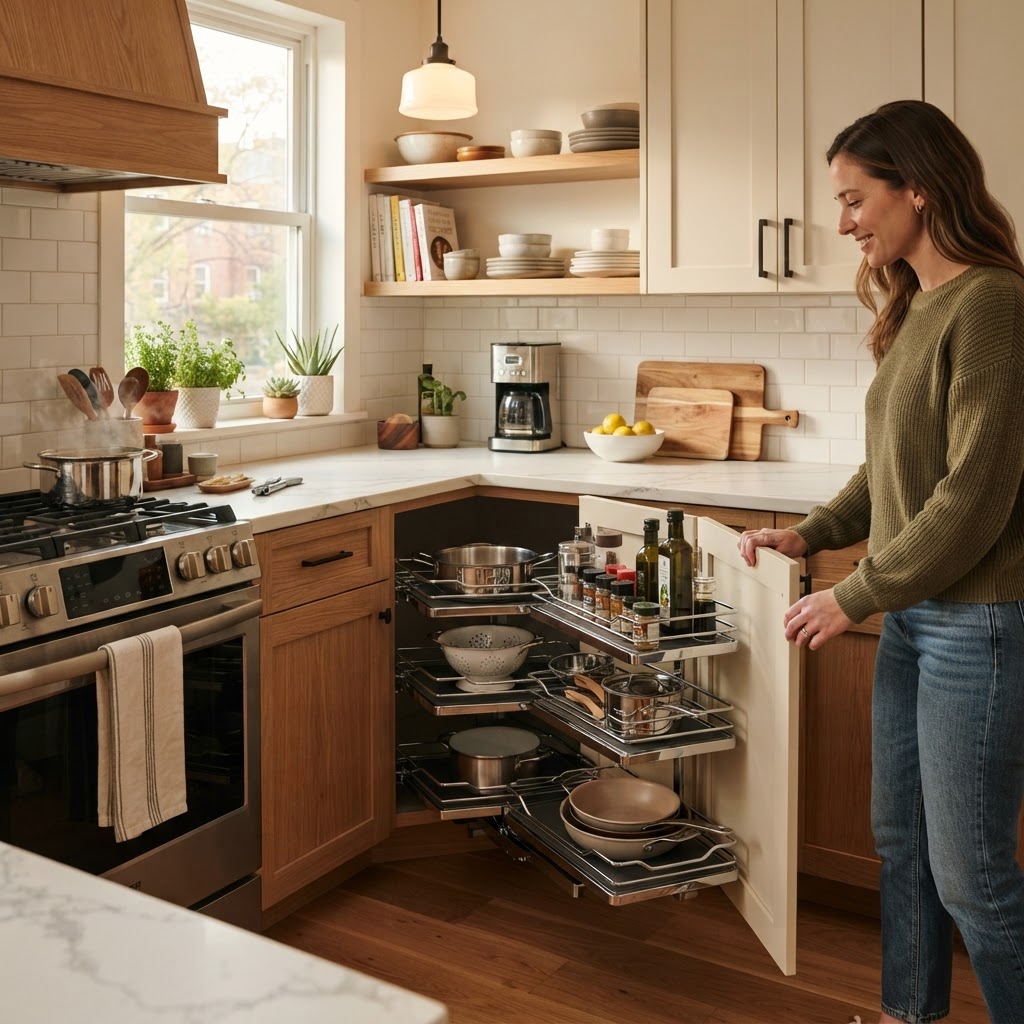
Corner pull-out organizers turn deep, dark voids into functional storage.

3. Pull-Out Pot and Pan Racks

Stacked pans are a nightmare to access, often resulting in noisy, chaotic “metal clanging” every time you need a single skillet. Heavy-duty sliding drawers with adjustable vertical dividers allow you to store pans on their sides or stacked securely, preventing scratches on non-stick coatings. By installing these, you protect your cookware surfaces and ensure that your most-used pans are ready for action at a moment’s notice. Always verify the weight capacity of your glides before purchase; heavy cast iron sets often require heavy-duty, ball-bearing slides rated for at least 100 pounds. These racks ensure your cookware footprint is reduced, allowing you to fit a full set in a cabinet space that previously only held two stacked pans.

4. Lazy Susan Corner Pull-Outs

Blind corners are arguably the most wasted, inaccessible space in any residential kitchen. While traditional spinning lazy Susans offer some access, they can be unstable and often result in items falling off the rotating disc. Modern pull-out corner organizers utilize complex mechanical arms—often called “magic corners” or “blind corner pull-outs”—to swing the entire contents of the dark corner out into the main room. This transforms a forgotten void into prime real estate for heavy blenders, food processors, or bulk dry goods. These units typically support 20-30 pounds per shelf and turn unreachable nooks into the most functional zones in the kitchen.

5. Sliding Trash and Recycling Centers

Floor space is precious in a small apartment, and a standard trash can creates visual and physical clutter. A pull-out trash and recycling organizer hidden inside a cabinet keeps your floor clear and your kitchen smelling fresh. Many of these units include two durable plastic bins that slide out smoothly on ball-bearing tracks, allowing you to hide your waste discreetly while keeping it easily accessible for meal prep cleanup. When selecting a unit, opt for “soft-close” technology to prevent accidental slamming, which can damage the cabinet structure over time. These units are typically designed to fit standard 15-inch or 18-inch base cabinet widths.

6. Pull-Down Cabinet Shelves

Sometimes, the best way to double your kitchen cabinet space is to look up toward the ceiling. In kitchens with high upper cabinets, pull-down shelves—also known as drop-down shelving—allow you to bring the entire contents of a high shelf down to eye level. This eliminates the need for unstable step stools and makes the highest, most neglected shelves just as functional as the ones on the counter level. These units are ideal for storing infrequently used items like serving platters, holiday decor, or fancy glassware. By moving these rarely used items to the top and utilizing the drop-down mechanism, you clear valuable space on your lower, more reachable shelves.

7. Slide-Out Bakeware Dividers

Baking sheets, cutting boards, and muffin tins are notoriously difficult to store because of their large, flat profiles that topple over when stacked horizontally. A slim pull-out organizer with adjustable, tension-mounted vertical dividers keeps these items upright and separated. This prevents a stack of heavy baking sheets from tipping over when you try to pull out a single cutting board, a major upgrade for daily kitchen workflow. These dividers allow you to store items vertically, effectively utilizing space that would otherwise be lost to leaning piles. Most dividers are made of coated steel or heavy-duty plastic and can be repositioned to accommodate various widths of pans and trays.

8. Expandable Under-Shelf Drawers

For renters who cannot permanently modify their cabinets with screws or heavy hardware, tension-mounted or adhesive-backed pull-out drawers are the perfect non-invasive solution. These modular units attach directly to the underside of existing shelves, effectively creating an “extra” drawer in the middle of open cabinet space. They are typically lightweight, durable, and highly effective for storing small items like coffee pods, napkins, spice sachets, or snack bars. These drawers usually hold 5-10 pounds and are the fastest way to add storage without needing tools. They allow you to utilize the top 3-4 inches of cabinet space that often goes empty above standard shelves.

9. Sliding Pantry Organizers

If you have a tall, skinny pantry cabinet, it can easily become a vertical mess where cans get lost in the back. Installing sliding drawers inside this unit allows you to see every item from top to bottom, eliminating the need to pull items out to reach those behind them. By placing heavier items like bulk canned goods on bottom sliders and lighter snacks on the top sliders, you create an ergonomic pantry system that saves you from bending and reaching repeatedly. Expert installers suggest spacing drawers 8-10 inches apart to maximize the volume of your pantry while still ensuring you can easily grab tall items like cereal boxes or oil bottles.

The Secret to Success: Measurement and Planning

Before you purchase any organizational hardware, you must take the time to measure your interior dimensions accurately. Use a metal tape measure to get the exact width, height, and depth, but do not forget to account for interior hinges, door protrusions, and the cabinet face frame. An organizer might fit the internal volume, but if the hinges block the path of the slide, the unit will not function correctly. Furthermore, check your cabinet door clearance; if you have inset doors, the drawer must be pulled out far enough to clear the door edge before it can be fully accessed. Always account for a half-inch of “wiggle room” for mounting brackets to ensure smooth operation without scratching the cabinet walls.

Evaluating Weight Limits

Not all slides are created equal; the quality of your hardware determines the longevity of your kitchen storage system. If you are planning to store heavy cast iron pans or crates of canned goods, ensure your chosen organizer is rated for high-weight loads (typically 75 to 100+ pounds). Look for steel ball-bearing glides rather than plastic tracks for long-term durability in a small apartment where constant use will wear down inferior materials. For daily use, mid-range soft-close slides provide a premium feel and prevent the “slamming” of drawers, which protects your cabinet frame from vibration-induced damage over time.

Creating a Kitchen That Works for You

Organization isn’t just about “stuffing” more things into a box; it is about creating a logical flow that works for your personal cooking style. Use a “zone-based” approach: group your items by activity. For example, keep your coffee beans, filters, and mugs in one dedicated pull-out section near the coffee machine. Keep baking staples like flour and measuring cups together in another. If you are looking to renovate your space, you might also want to explore how to decorate a small apartment on a budget to ensure your kitchen updates match the rest of your home’s style. This spatial grouping, combined with the accessibility of pull-out hardware, will make your small kitchen feel twice as large because you spend less time searching and more time cooking. Periodically wipe down your drawers, as they can collect dust or spills over time. Maintaining the track mechanisms with a simple silicone spray lubricant every six months will keep them sliding silently and smoothly, ensuring your investment lasts for years.

FAQ

Q: Can I install pull-out organizers myself?

Yes, most pull-out organizers are designed for DIY installation and require only a drill, a screwdriver, and a measuring tape. Most kits include mounting hardware and clear instructions for standard base cabinets, usually taking less than 45 minutes to install.

Q: What is the biggest mistake when installing cabinet organizers?

The most common mistake is failing to account for door hinges and drawer face clearances. If the slide is mounted too close to the hinge, the drawer will not be able to pull out fully, rendering the organizer ineffective.

Q: Are pull-out drawers worth the cost for renters?

Absolutely, as many tension-mounted and adhesive-based organizers are non-permanent and can be removed without damaging your cabinets. These units offer high value by allowing you to reclaim lost space in kitchens where you aren’t permitted to perform major renovations.

Q: How much weight can a standard pull-out shelf hold?

Standard residential pull-out shelves typically support between 50 and 100 pounds, depending on the slide quality. Always check the manufacturer’s specifications, especially if you plan to store heavy items like cast iron skillets or bulk canisters of grain.

Q: How do I choose the right size for a sliding organizer?

Measure the narrowest opening of your cabinet (between the hinges or frame) to ensure the unit will fit through the door. Additionally, measure the internal depth and height, subtracting at least one inch to provide sufficient clearance for the slide mechanisms and hardware.

Cozy Small Living Room Makeover Ideas on a Real Budget

Transforming a compact area into a haven of relaxation does not require a luxury budget. Many homeowners find that the most impactful cozy small living room makeover ideas rely on creativity, layout optimization, and smart shopping rather than expensive renovations. By focusing on lighting, multipurpose furniture, and personal touches, you can breathe new life into a cramped space while keeping your finances intact. This guide explores practical strategies to help you achieve a high-end look on a real-world budget.

Rethink Your Layout for Better Flow

Use mirrors to reflect light and create the illusion of more space.

The foundation of any small space design is the floor plan. If your room feels cluttered, the first step is often to pull furniture away from the walls. While it seems counterintuitive to use “empty” space, creating a floating arrangement can actually make the room feel larger and more intentional.

Maximize Vertical Space

When floor space is at a premium, look upward. Installing shelving units that reach near the ceiling draws the eye up, making the room feel taller. You can easily create custom-looking bookshelves using basic wall-mounted hardware and painted pine boards from your local home improvement store.

Zoning Your Space

If your living room also serves as an office or a dining area, use rugs to create distinct zones. A well-placed area rug defines the conversation space and prevents the room from feeling like a scattered collection of furniture pieces. Choose a light-colored or patterned rug to serve as a focal point without overwhelming the senses.

The Power of Lighting and Atmosphere

Apply the rule of three to keep your surfaces organized and stylish.

Lighting is perhaps the most cost-effective way to change the mood of a room. Avoid the harsh glare of a single overhead light. Instead, layer your lighting using floor lamps, table lamps, and string lights to create a warm, inviting glow that mimics the cozy aesthetic.

Affordable Ambient Lighting Hacks

Try using smart bulbs that allow you to adjust the color temperature. During the day, keep them cool and bright; in the evening, transition to a warm amber hue. This simple switch can change the entire vibe of your living room without requiring any new wiring or electrical work.

Soft Textures and Layering

Vertical shelving is a game-changer for small living areas.

Texture is the secret ingredient for any cozy small living room makeover. Because you cannot rely on excessive furniture to provide warmth, you must use textiles. Layering blankets, plush pillows, and heavy curtains adds depth to the room and makes it feel lived-in and comfortable.

Choosing the Right Fabrics

Opt for tactile fabrics like velvet, chunky knits, or linen. These materials catch the light differently and provide a sense of luxury that far exceeds their retail cost. Focus on a cohesive color palette—usually neutrals with one or two accent colors—to ensure that these layers do not make the room look chaotic.

Strategic Decor on a Dime

Ambient lighting is essential for achieving a cozy evening atmosphere.

Decorating on a budget means shopping smarter, not cheaper. Instead of buying brand-new collections, look for vintage items or repurpose what you already own. A coat of spray paint can transform a tired metal side table into a modern centerpiece, while framed personal prints make for affordable wall art. To further elevate your design, check out these small living room ideas that look expensive which offer additional thrifty styling techniques to make your home feel custom.

The Rule of Three

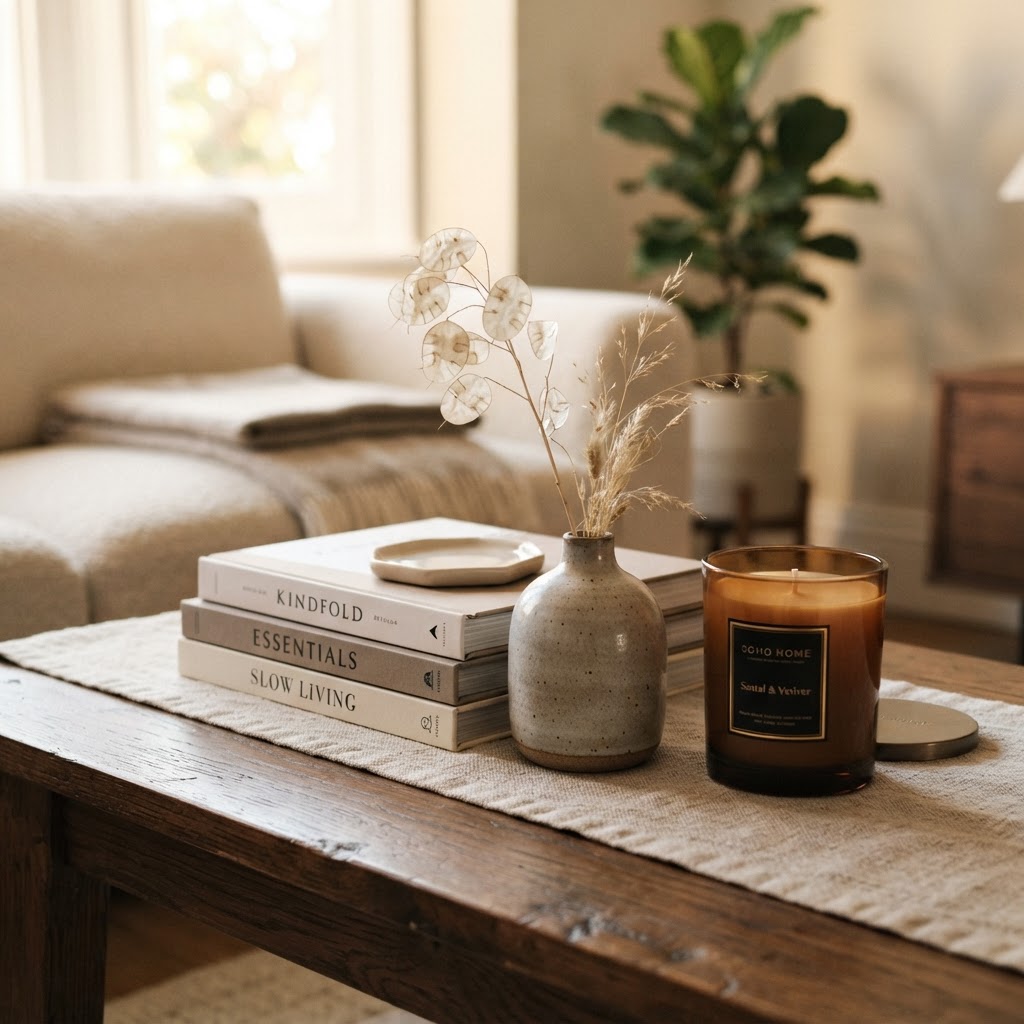
When styling your coffee table or shelves, remember the rule of three. Grouping items in threes—such as a candle, a small plant, and a decorative object—creates visual balance. This professional design trick keeps surfaces looking clean and organized rather than cluttered.

Mirrors and Reflective Surfaces

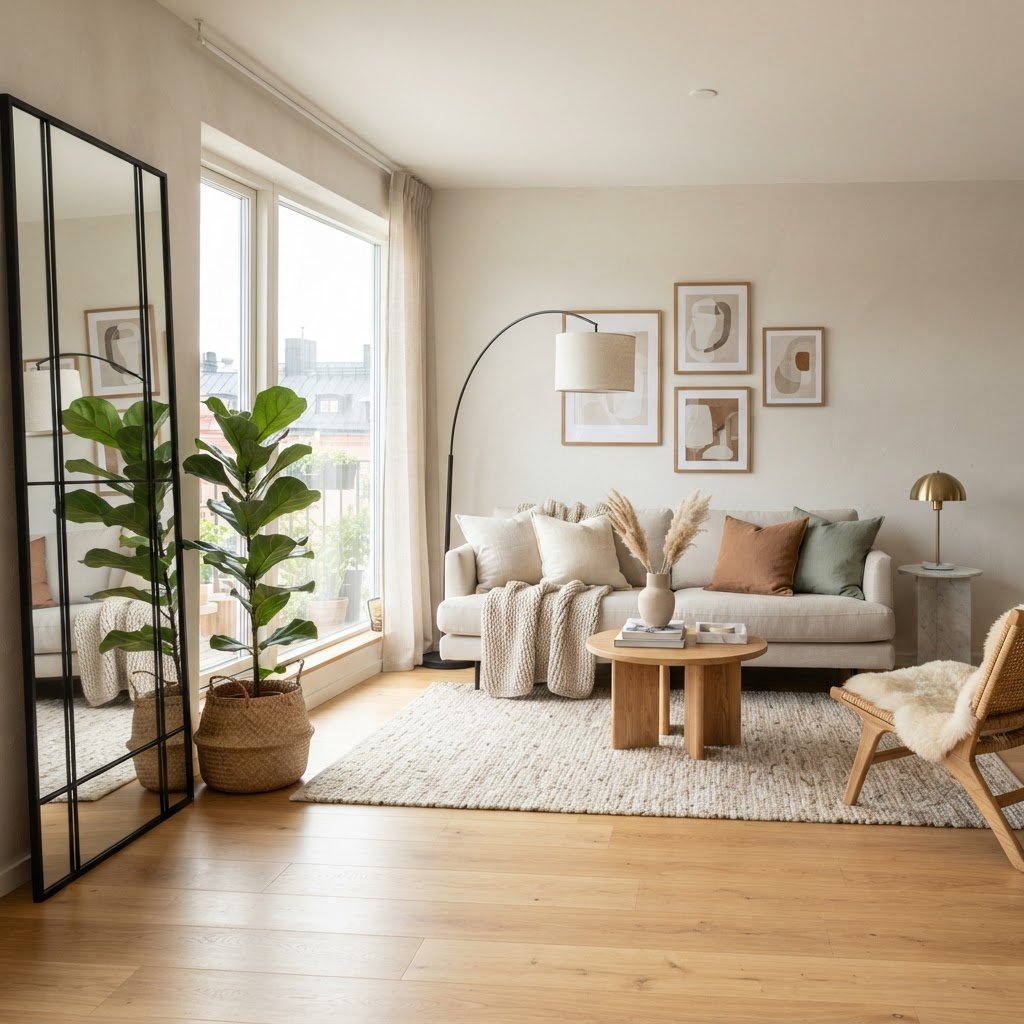
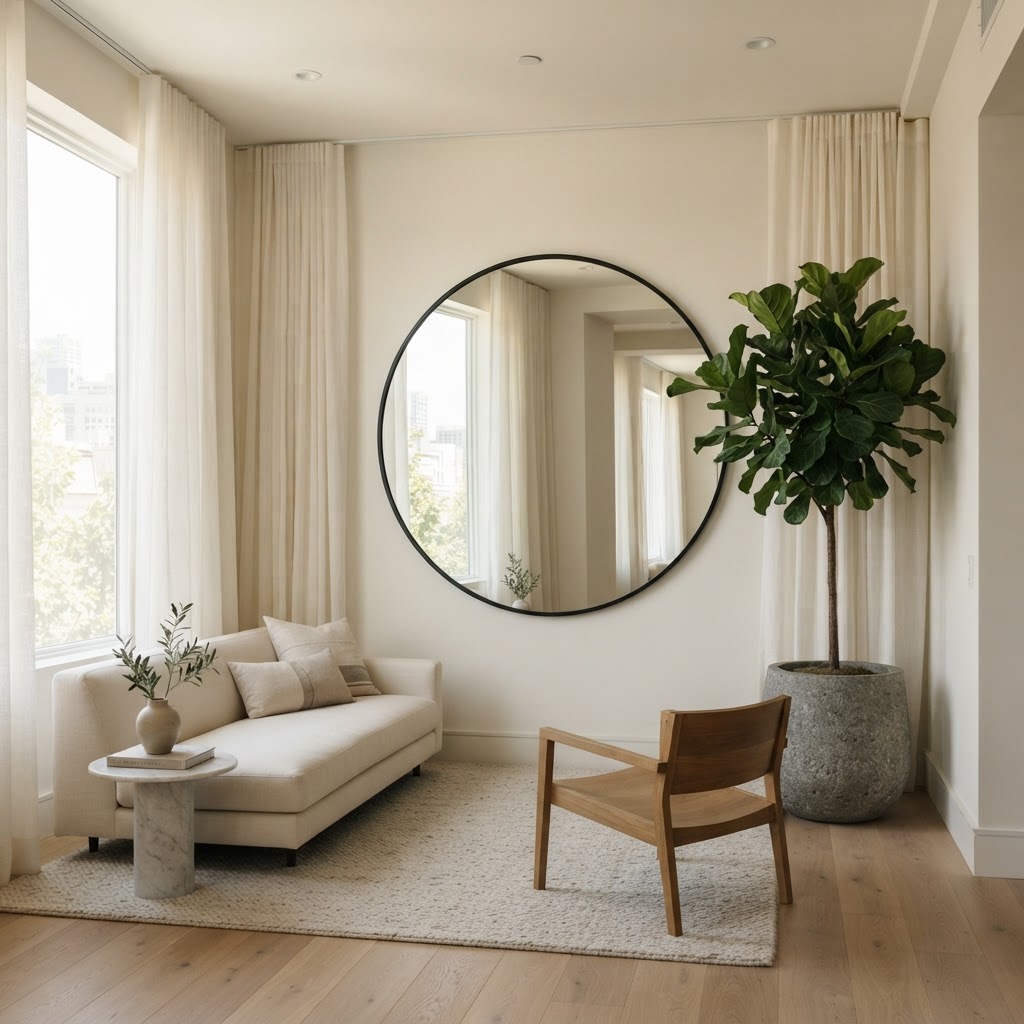
One of the oldest tricks in the book remains the most effective: use mirrors to expand the room. A large wall mirror placed opposite a window will reflect natural light, effectively doubling the light source and making the room feel much larger. For a budget-friendly option, check local thrift stores for ornate frames that you can refresh with a modern matte finish.

Color Schemes for Small Spaces

While white walls are the go-to for maximizing light, do not be afraid of deep, moody colors. Painting a small room a deep navy or forest green can actually make the walls feel like they are receding, creating an intimate, “cocoon” effect that is the height of cozy design. If you prefer to play it safe, stick to light tones and use bold colors for your soft accessories.

Low-Cost DIY Projects for Impact

Sometimes, the best small living room makeover ideas are the ones you build yourself. Adding crown molding or painting your baseboards a contrasting color can add architectural interest to an otherwise plain boxy room. These subtle details provide a custom feel that makes a space look significantly more expensive.

Easy DIY Projects List

  1. Install peel-and-stick wallpaper as a focal wall behind your sofa.
  2. Create a gallery wall using thrifted frames painted in a uniform color.
  3. Build a floating ledge for art displays using inexpensive lumber.
  4. Replace standard cabinet knobs or drawer pulls with leather or brass hardware.

Maintenance and Daily Habits

Keeping your room “cozy” requires preventing clutter. Develop the habit of clearing flat surfaces every evening. When your space is small, every item has an outsized impact on the atmosphere. A clean, organized space is the best backdrop for your new decor choices, and it costs nothing to maintain.

Conclusion

A cozy small living room makeover does not have to drain your savings account. By focusing on the interplay of light, texture, and smart furniture placement, you can transform your home into a sanctuary that feels both expansive and deeply personal. Start with one of the projects mentioned above this weekend, and watch how quickly your small space begins to shine. Which area of your living room will you tackle first? Start small, stay consistent, and enjoy the process of turning your home into the retreat you deserve.

15 Clever Bathroom Storage Ideas for Small Apartments

Living in a city apartment often means compromising on square footage, and nowhere is that lack of space more apparent than in the bathroom. If you are constantly tripping over bottles, struggling to find a place for your towels, or simply dealing with a countertop that feels like a warzone, you are not alone. Finding functional bathroom storage ideas for apartments with zero space is a challenge, but it is entirely possible to create a serene, organized sanctuary even in the smallest of quarters. By rethinking how you use vertical space, hidden nooks, and multifunctional furniture, you can transform your tiny washroom into a model of efficiency.

Rethink Your Vertical Wall Space

Floating shelves maximize vertical storage in small bathrooms.

When floor space is non-existent, the only way is up. Walls are essentially blank canvases waiting to be utilized for storage. Instead of letting your walls sit empty, install floating shelves or tiered wall-mounted baskets. These additions provide the perfect home for everyday items like lotions, perfumes, or decorative plants without consuming any footprint. Beyond simple storage hacks, learning how to make a small bathroom feel bigger with smart storage can completely change the visual depth of your space.

Installing Floating Shelves

Floating shelves are a classic for a reason. They provide a streamlined, modern look while offering substantial storage. In a small bathroom, install them above the toilet or next to the vanity. Just ensure you use level-mounted brackets to keep your items secure.

Choosing the Right Materials

For a small space, consider glass or acrylic shelves. They provide the necessary surface area for your goods while maintaining an airy, transparent feel that makes the room look larger. If you prefer a warmer aesthetic, wood can add texture and interest to otherwise sterile bathroom tiles.

Master the Art of Under-Sink Organization

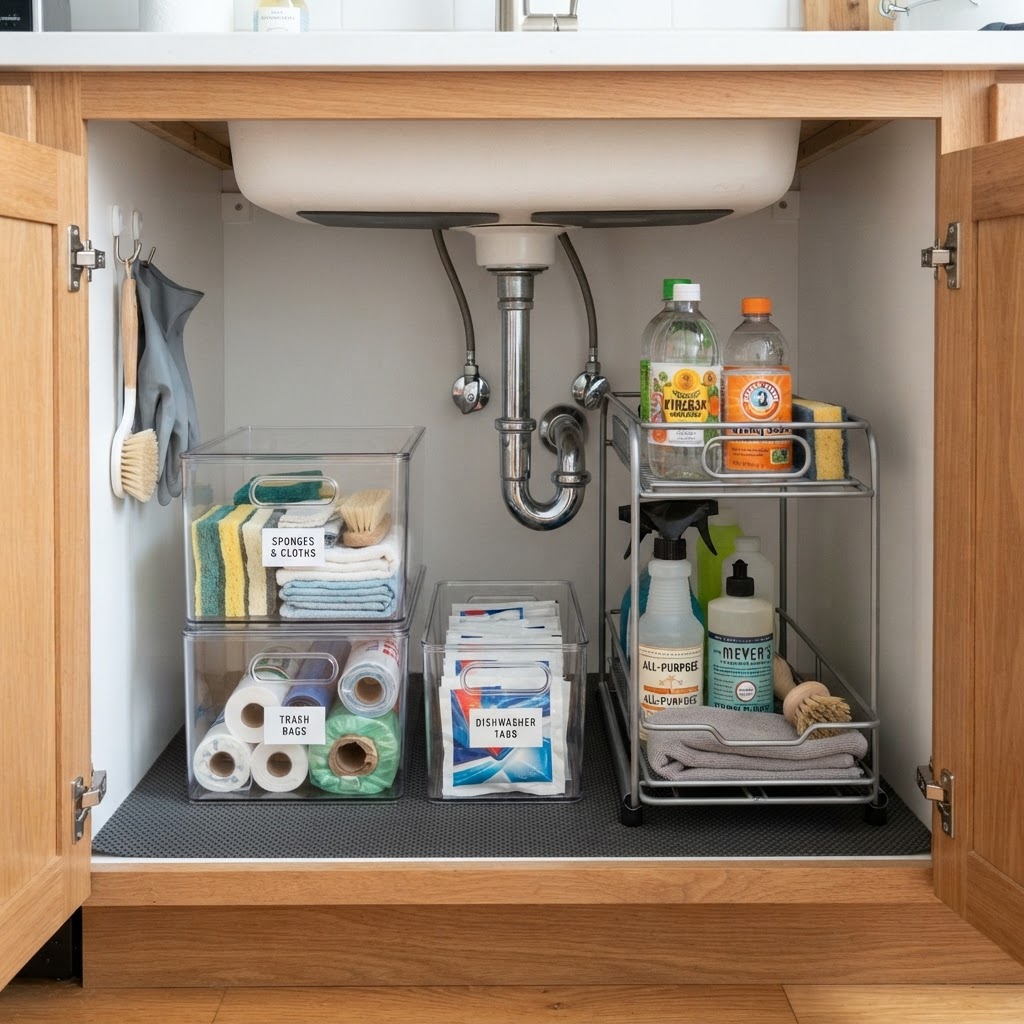
Pull-out organizers transform cluttered under-sink spaces.

The cabinet beneath your sink is often a neglected cavern of jumbled pipes and forgotten cleaning products. To truly maximize small apartment storage, you must treat this area as premium real estate. Start by purging expired toiletries and unused samples, then install tiered pull-out organizers.

Why Pull-Out Drawers Matter

Standard cabinets often lead to the ‘shove and lose’ phenomenon. Pull-out drawers allow you to see exactly what you have without digging through the back. Use clear bins within these drawers to categorize items by frequency of use, such as morning routine versus evening skincare.

Utilize the Back of Your Door

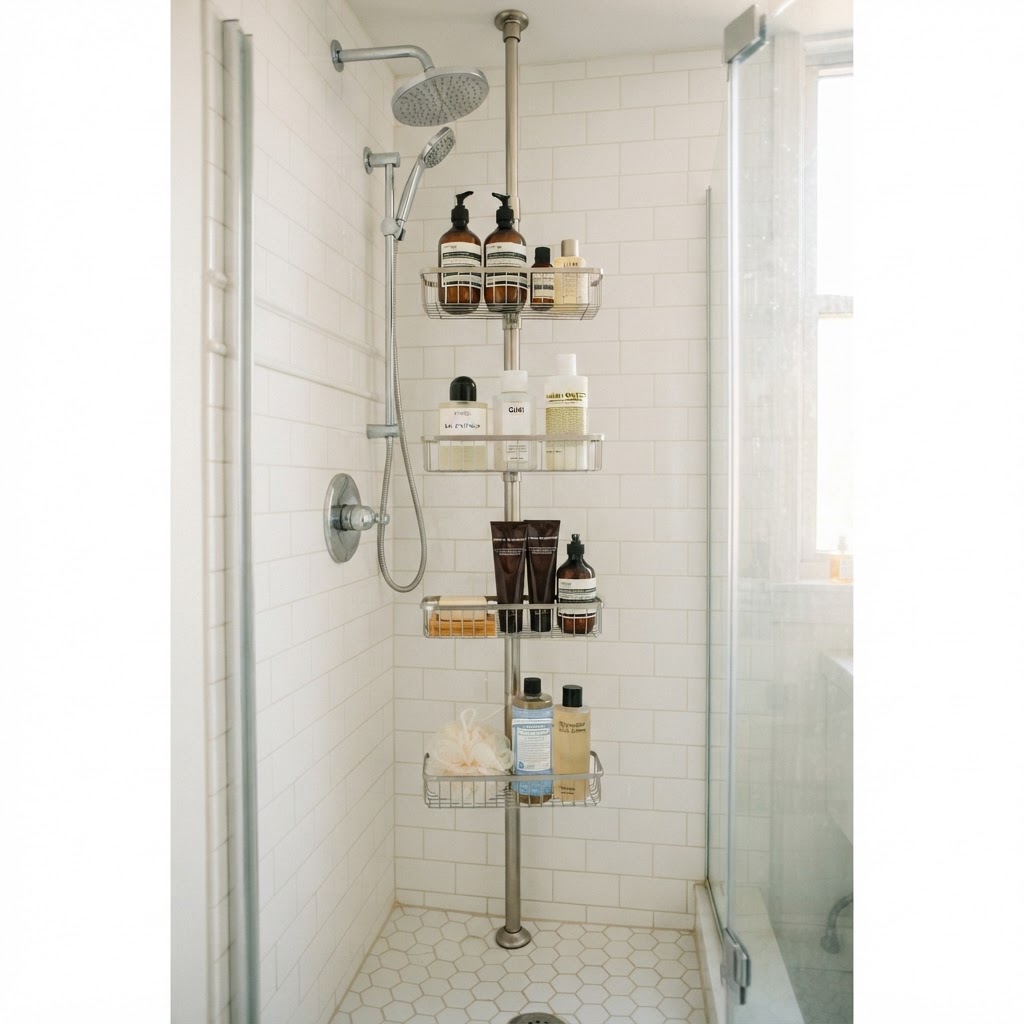
A tension-rod caddy creates storage without damaging walls.

Most apartment dwellers forget that their door is a functional wall. An over-the-door rack or a series of adhesive hooks can hold everything from hair dryers to styling irons. This is one of the most effective bathroom storage ideas for apartments with zero space because it utilizes an area that would otherwise be dead space.

Selecting the Right Hooks

Choose heavy-duty, rust-resistant hooks. Since bathrooms are high-humidity zones, plastic or stainless steel are superior choices. For an even more integrated look, mount a metal rod on the back of the door and hang S-hooks to hold baskets or bags.

Choose Multifunctional Bathroom Furniture

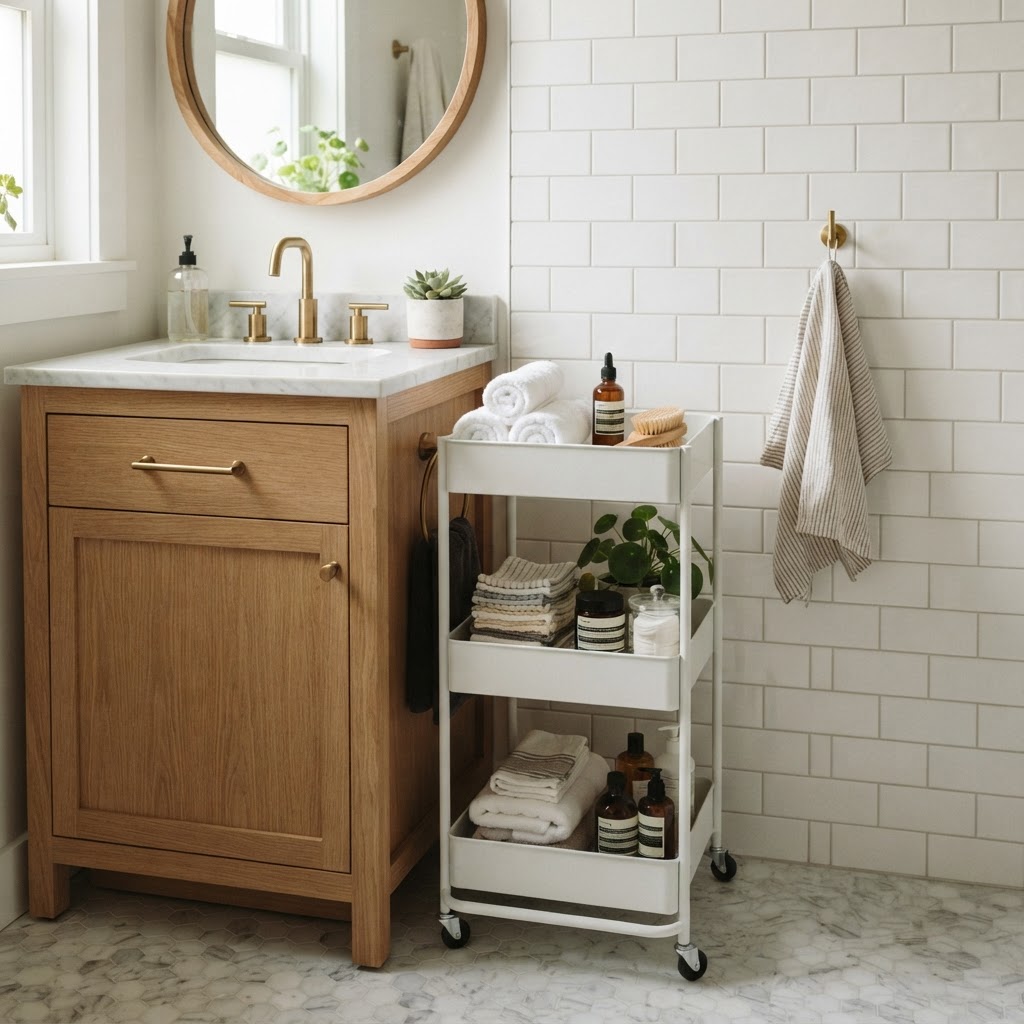
Rolling carts offer flexible storage for tight bathroom gaps.

If you have a tiny corner, choose furniture that serves double duty. A small stool that hides a storage compartment is a game-changer. It provides a seat while you dry off and a place to tuck away extra rolls of toilet paper or cleaning supplies. Look for pedestal sinks that have built-in shelves or towel bars attached to their frames.

Maximize Your Shower Area

Shower caddies are not just for college dorms anymore. Look for tension-rod shower shelves that span from your bathtub floor to the ceiling. This provides multiple levels of storage for shampoo, conditioner, and body wash without requiring any drilling into your apartment walls. Avoid suction cup organizers if possible, as they often fall under the weight of full-size products.

The Benefits of Hanging Caddies

If you have a shower rod, use hanging caddies that drape over the top. This keeps your shower floor clear, which is crucial for safety and for making a small room look cleaner and more expansive. Consistent cleaning of these caddies is vital to prevent mold and soap scum buildup.

Use Magnetic Strips for Metal Tools

Bobby pins, tweezers, nail clippers, and scissors have a habit of disappearing in the chaos of a drawer. A magnetic strip mounted on the inside of a medicine cabinet or on the wall keeps these metal tools accessible and organized. This is a subtle yet incredibly effective way to improve your bathroom organization.

Implement Drawer Dividers

If you have a vanity drawer, don’t let it become a junk drawer. Custom or adjustable drawer dividers are essential for small apartment storage. By sectioning off space for makeup, brushes, and toiletries, you save minutes every morning that would otherwise be spent searching for items. Even a simple set of small baskets can serve as DIY dividers if you want to keep your budget low.

The Power of Tiered Rolling Carts

If you have a narrow gap between your sink and the wall, a slim rolling cart is the perfect storage solution. These carts can be tucked away when not in use and pulled out for easy access during your routine. They are perfect for holding extra towels, bulk items, or cleaning supplies that don’t fit anywhere else. Their mobile nature makes them the ultimate flexible storage hack.

Creating a Cohesive Look

Organization isn’t just about utility; it’s about aesthetics. Even the most efficient storage system will feel cluttered if you use mismatched bins and containers. Opt for a unified color palette or matching glass jars to house your cotton balls and Q-tips. When everything looks intentional, the bathroom feels like a spa rather than a storage closet.

Labeling for Efficiency

Labeling your containers ensures that everyone in your home knows where things go. It prevents the ‘everything everywhere’ syndrome and encourages long-term maintenance of your new organizational systems. A simple label maker or even handwritten tags tied with twine can do wonders.

Conclusion

Navigating the challenges of a tiny apartment doesn’t mean you have to sacrifice order or style. By implementing these bathroom storage ideas for apartments with zero space, you can create a functional environment that supports your daily routine rather than hindering it. Start small—try one of these hacks this weekend—and watch how much relief you feel when your space is finally organized. Which of these storage solutions will you try first in your own bathroom? Let us know in the comments below!

Warm Neutral Small Living Room Ideas That Feel Expensive

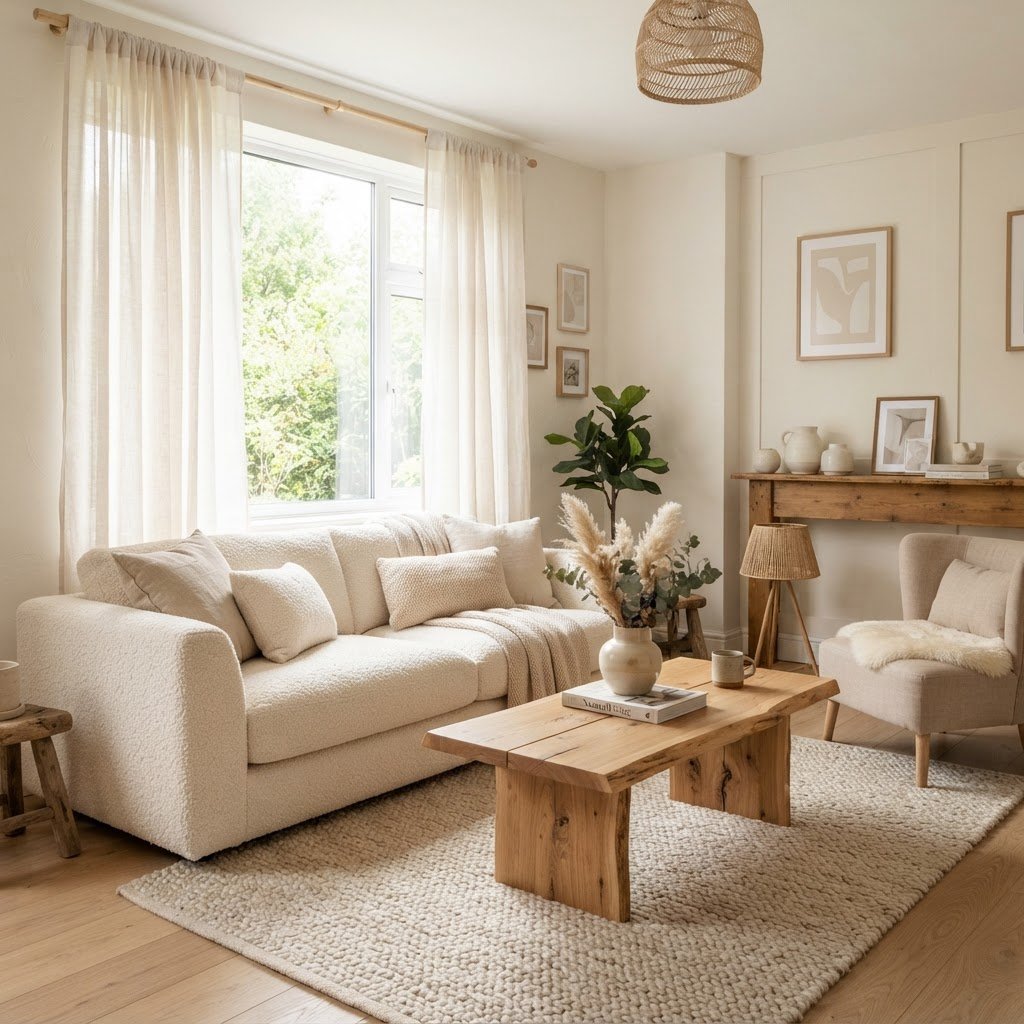
Creating a sanctuary within a limited footprint requires a delicate balance of color, texture, and scale. When exploring warm neutral small living room ideas that feel expensive, the secret lies in curating a cohesive palette that prioritizes depth and dimension over sheer volume. By leaning into soft creams, creamy beiges, and muted taupes, you can cultivate an environment that feels airy yet undeniably sophisticated, ensuring your home looks like a high-end designer space without needing excessive square footage.## The Power of Monochromatic LayeringMonochromatic layers create a sense of depth and luxury in small spaces.One of the most effective ways to make a small room feel grander is through a monochromatic color scheme. By utilizing varying shades of the same warm neutral color, you create a sense of visual continuity that prevents the eye from being interrupted by harsh contrasts. This technique tricks the brain into perceiving a larger, more fluid space.### Strategic Texture ImplementationTexture acts as the substitute for color intensity in a neutral space. To achieve an expensive look, you must incorporate a variety of tactile elements. Think boucle fabrics, raw linen drapery, sheepskin rugs, and honed marble side tables. When you combine these different materials, you create visual weight that feels curated rather than cluttered.Layering textures prevents a neutral room from feeling flat. Focus on mixing materials that have both coarse and refined finishes. For example, pair a chunky knit throw blanket with smooth leather seating or raw wood coffee tables. This variety keeps the eye moving throughout the space, adding interest to every corner.## Maximizing Verticality and ScaleThe 'rule of three' makes styling surfaces look professionally curated.In small living rooms, floor space is often at a premium, which makes vertical space your greatest asset. Drawing the eye upward is a fundamental pillar of luxury design. When you utilize the full height of your walls, you create an illusion of high ceilings, which naturally makes a room feel more expensive and expansive.#### Investing in Floor-to-Ceiling DraperyOne of the easiest “expensive” hacks involves hanging curtains as high as possible. Mount your curtain rod just inches below the ceiling line rather than immediately above the window frame. This elongates the walls and frames the window in a way that feels intentional and custom-fitted.#### Selecting Art and MirrorsScale is everything. Avoid filling your walls with dozens of tiny frames, which can make a room feel cramped. Instead, opt for one large, impactful piece of art or an oversized, ornate mirror. An oversized mirror not only acts as a focal point but also bounces light around the room, which is crucial for small, neutral-toned spaces.## The Role of Lighting in Luxury InteriorsVertical elements like tall curtains and mirrors expand a small room's footprint.Lighting is the invisible hand that dictates the mood of a room. In small living rooms, relying solely on overhead “big light” is a mistake that flattens your design. To make your space feel premium, you need to layer your lighting sources to create pools of warmth.### Creating a Lighting Hierarchy1. Ambient Lighting: Use soft, warm-toned recessed lighting or a flush mount fixture to set the general mood.2. Task Lighting: Incorporate sculptural table lamps or adjustable floor lamps near reading nooks.3. Accent Lighting: Consider picture lights or under-shelf LED strips to highlight architectural features or decor collections.By utilizing dimmers, you gain control over the atmosphere. Being able to lower the light intensity in the evening instantly transforms a functional living space into an intimate, high-end retreat. Always ensure your bulbs are in the ‘warm white’ range—around 2700K to 3000K—to maintain the cozy integrity of your neutral palette.## Curating High-Quality Furniture PiecesWhen working with warm neutral small living room ideas that feel expensive, the ‘less is more’ philosophy is paramount. Rather than cluttering the space with several mediocre pieces, invest in one or two high-quality statement items. This could be a vintage armchair with a unique silhouette or a designer coffee table with a sculptural base.#### The Importance of SilhouettesLook for furniture with exposed legs. By allowing the floor to be seen underneath your sofa or console, you keep the room feeling open. Furniture that sits flush to the floor can look heavy, whereas items with legs provide a sense of ‘lift’ that is essential for a feeling of spaciousness and sophistication.#### Choosing Materials WiselyNatural materials like travertine, solid oak, and heavy-weight linen always convey a sense of quality. Even if you are working within a budget, selecting pieces that mimic these natural textures or utilize high-quality finishes will elevate the entire room. Avoid excessive plastic or cheap-feeling laminates, which can cheapen the overall aesthetic of a neutral room.## Styling Surfaces and Decor ElementsOnce the foundational pieces are in place, the styling phase begins. Styling is the bridge between a furnished room and a finished, lived-in space. In a small neutral room, you want to ensure your surfaces look purposeful and curated, not just like areas to dump mail or keys.### The Rule of ThreeGroup decorative items in odd numbers, specifically three. A stack of coffee table books, a small ceramic vessel, and a decorative candle can form a sophisticated vignette. Keep surfaces clear of excessive small objects. If you have a collection, group them together on a tray to create a unified ‘story’ rather than letting them scatter across the table.## Bringing Nature IndoorsWarm neutral spaces are the perfect backdrop for organic elements. A large, well-placed plant can add life and vibrant color without disrupting the neutral scheme. Greenery provides a vital connection to the outside world and adds a layer of organic texture that makes a room feel more breathable and expensive.#### Selecting the Right PlantsFor a small room, consider a tall, slender plant like a Fiddle Leaf Fig or a snake plant in a decorative ceramic pot. If your space lacks natural light, high-quality faux greenery has come a long way and can provide the same visual benefits without the maintenance requirements. Ensure your pots are made of quality materials like matte clay or hand-thrown pottery to maintain that luxury feel.## Maintaining a Clutter-Free EnvironmentFinally, the most important aspect of a luxury small space is organization. No matter how expensive your furniture is, a cluttered room will never look premium. Every item in your living room should have a home. Utilize hidden storage solutions like ottomans with interior compartments, or built-in cabinetry that blends into the wall color.If you are looking for even more inspiration, check out our guide on 15 small living room ideas that look expensive for additional budget-friendly design tips.### The ‘One In, One Out’ RuleTo prevent the slow creep of clutter, adopt a strict habit of removing an item whenever you bring a new one into the living room. This keeps your space intentional and maintains the clean lines that make neutral design so successful. A tidy space is inherently more relaxing, which is the ultimate luxury.## ConclusionAchieving an expensive-looking space is less about spending a fortune and more about making intentional, informed design choices. By focusing on monochromatic layering, quality textures, strategic lighting, and impeccable organization, you can master these warm neutral small living room ideas. Your compact home has the potential to be a stunning, high-end retreat if you treat every square inch with care and purpose. Start small, select pieces that bring you joy, and watch as your living room transforms into a reflection of refined, elevated living. What is the first change you plan to make in your living room today? Choose one tip from this list and start your transformation journey now.
10 Hidden Storage Furniture Ideas for Renters

Living in a small apartment often feels like a constant battle against clutter, especially when you are limited by lease agreements that prevent major renovations. The key to maintaining a peaceful home is finding hidden storage furniture that works as hard as you do. When square footage is at a premium, every piece of furniture must serve more than one purpose to maximize your space effectively. Whether you are dealing with a studio or a tiny bedroom, these solutions will help you reclaim your floor area while keeping your belongings tucked away from sight.## The Magic of Multifunctional Ottoman StorageA stylish ottoman that provides hidden storage while acting as a footrest.Ottomans are perhaps the most versatile items in a renter’s toolkit. They provide extra seating when guests arrive, a comfortable footrest after a long day, and—most importantly—secret storage space inside. Look for hollow ottomans with removable tops or hinges that can house anything from throw blankets to out-of-season clothing. If you are looking for even more inspiration, you can explore these multifunctional storage benches and ottomans to find additional pieces that help maintain a clutter-free home.### Choosing the Right Ottoman MaterialWhen shopping for small apartment storage, consider materials that complement your existing decor. Leather or faux leather ottomans are durable and easy to clean, while fabric-covered options add a soft, cozy texture to a living room. If you need a more rigid surface, look for wooden trunk-style ottomans that can double as a coffee table.61 Best Amazon Space-Saving Furniture & Hidden Storage IdeasFor those who prefer a modern aesthetic, velvet-tufted ottomans provide a touch of luxury while hiding unsightly clutter. By choosing a design that aligns with your interior style, you turn a functional storage piece into a decorative focal point. Always measure the height of your sofa to ensure the ottoman sits at a comfortable level for use as a footrest or occasional coffee table.## Bed Frames with Built-in CompartmentsA platform bed with integrated drawers maximizes space in small bedrooms.Your bedroom is likely your largest piece of floor space, making it the perfect candidate for hidden storage furniture. Traditional bed frames often leave a vast, wasted void underneath, but modern designs have changed the game. Platform beds with integrated drawers or hydraulic lift mechanisms offer substantial space for linens, luggage, and seasonal items.If you cannot replace your current bed frame, consider buying tall risers that elevate your frame, allowing you to slide slim rolling bins underneath, or browse these effective under-bed storage systems to maximize your available footprint. This trick turns the dead space beneath your bed into a high-capacity organizer that remains invisible behind a bed skirt. It is a classic renter-friendly solution that requires zero permanent installation.## Clever Coffee Tables with Secret LiftsAn entryway bench keeps shoes and mail hidden while providing seating.In many apartments, the coffee table ends up becoming a magnet for mail, remotes, and gadgets. A lift-top coffee table acts as a dual-purpose miracle, elevating to become a temporary desk for remote work or a dining surface for TV dinners. Once you finish your tasks, the top closes, concealing everything inside the table cavity.These tables are ideal for small living rooms where a dedicated home office is impossible to squeeze in. By keeping your workspace items inside the table, you ensure your living area stays tidy and inviting. Look for models with lower shelves as well, which offer additional surface area for books or display baskets.## Entryway Benches for Hidden OrganizationA lift-top coffee table creates a secret workspace and storage area.Creating an organized entryway is difficult in compact spaces, but an entryway bench with a shoe rack or cabinet is the perfect answer. Rather than leaving shoes scattered by the door, you can tuck them away inside a bench that serves as a seating area for putting on your boots. This keeps the floor clear, which is crucial for making a small entryway feel larger.GENIUS Storage Hacks for Small Spaces (that you probably haven't tried yet!)Many of these benches feature cushioned tops for comfort and pull-out drawers for accessories like umbrellas, keys, and mail. Choosing a narrow profile ensures that your bench does not obstruct the flow of the room while providing much-needed utility. Consider adding a wall-mounted mirror above the bench to further enhance the sense of space.## Bookcases with Integrated Storage CabinetsBookcases are standard, but they are often inefficient if they lack doors. Opt for hybrid storage furniture that features open shelving at the top and closed cabinets at the bottom. This allows you to display your favorite decor while hiding less aesthetically pleasing items like cords, cleaning supplies, or paperwork behind doors.If you already have open bookshelves, you can “hack” them by purchasing matching fabric bins or wooden crates. By color-coding your items or keeping them in uniform containers, you create a cleaner, more organized look that feels custom-built for your space. Adding doors to existing shelves is also an option if you are handy with basic DIY projects.## Sleek Side Tables with Hidden CompartmentsSide tables are the unsung heroes of small apartment storage. Instead of a simple pedestal table, look for designs that include a drawer or even a hidden hinged compartment. These small spaces are perfect for charging cables, reading glasses, or medications that you want to keep accessible but hidden.When you utilize every small surface for storage, you reduce the need for larger, bulkier furniture. A side table with a deep drawer can hold more than you might imagine, providing a convenient home for items that usually end up cluttering your countertops. This is an essential tactic for anyone looking to maintain a minimalist look in a compact rental.## Decorative Mirrors with Behind-the-Glass StorageWall space is often overlooked as a potential storage area. A mirror that hinges open to reveal shallow shelving is perfect for bathrooms or hallways. Originally designed for jewelry, these pieces can be adapted to store beauty products, medicines, or small accessories, keeping your vanity or entryway clutter-free.Because these are mounted on the wall, they do not occupy any floor space, making them ideal for truly tiny apartments. They serve a decorative function by opening up the room visually while discreetly hiding your personal belongings. Ensure you use renter-friendly adhesive hooks or minimal anchors if your lease permits, or lean the mirror securely against the wall for a non-damaging approach.Genius IKEA Finds You'll Actually Use 👏 Small Space Hacks## Fold-Down Desks for Flexible LivingIn a small rental, a permanent desk can make a room feel cramped and restrictive. A wall-mounted fold-down desk provides a solid surface for working when you need it and disappears into a slim profile when you don’t. Many of these pieces include built-in shelves or organizers inside, turning your wall into a fully functioning office that occupies almost zero square footage.This type of furniture is particularly effective for those who work from home occasionally but need to reclaim their living space for entertainment or relaxing in the evening. It allows for a clean separation between “work time” and “living time,” which is essential for mental well-being in a small home.## Tiered Rolling Carts for Versatile UseWhile not strictly “hidden” in the traditional sense, a slim rolling cart can be tucked away in a closet or beside a desk, keeping your items mobile and organized. By using decorative covers or placing the cart inside a pantry or deep closet, you can effectively hide its contents when not in use.These carts are excellent for organizing kitchens, art supplies, or beauty tools. Because they are on wheels, you can move them exactly where you need them and store them in an under-utilized corner when they are in the way. It is the ultimate flexible storage solution for the modern renter.## The Modular Storage System ApproachInvesting in modular shelving units allows you to build your own hidden storage furniture based on the specific layout of your apartment. Use a combination of open units and closed storage boxes to tailor the piece to your needs. If you move to a new apartment later, you can reconfigure these modules to fit the new floor plan perfectly.Modular units are incredibly adaptable and represent a long-term investment in your home organization journey. They provide a cohesive look that prevents a small apartment from feeling like a random collection of mismatched furniture. By sticking to a single brand or style, you create a custom-fitted aesthetic that elevates the entire space.## ConclusionTransforming your rental into a functional oasis does not require moving to a larger place; it just requires a change in how you select your furniture. By focusing on hidden storage furniture, you can create a home that is as beautiful as it is organized. From lift-top tables to bed frames with built-in drawers, each of these solutions offers a way to clear the clutter without sacrificing your personal style. Start small, identify your most cluttered areas, and select one piece today that will make your daily life easier and your apartment feel much more spacious. Happy organizing!
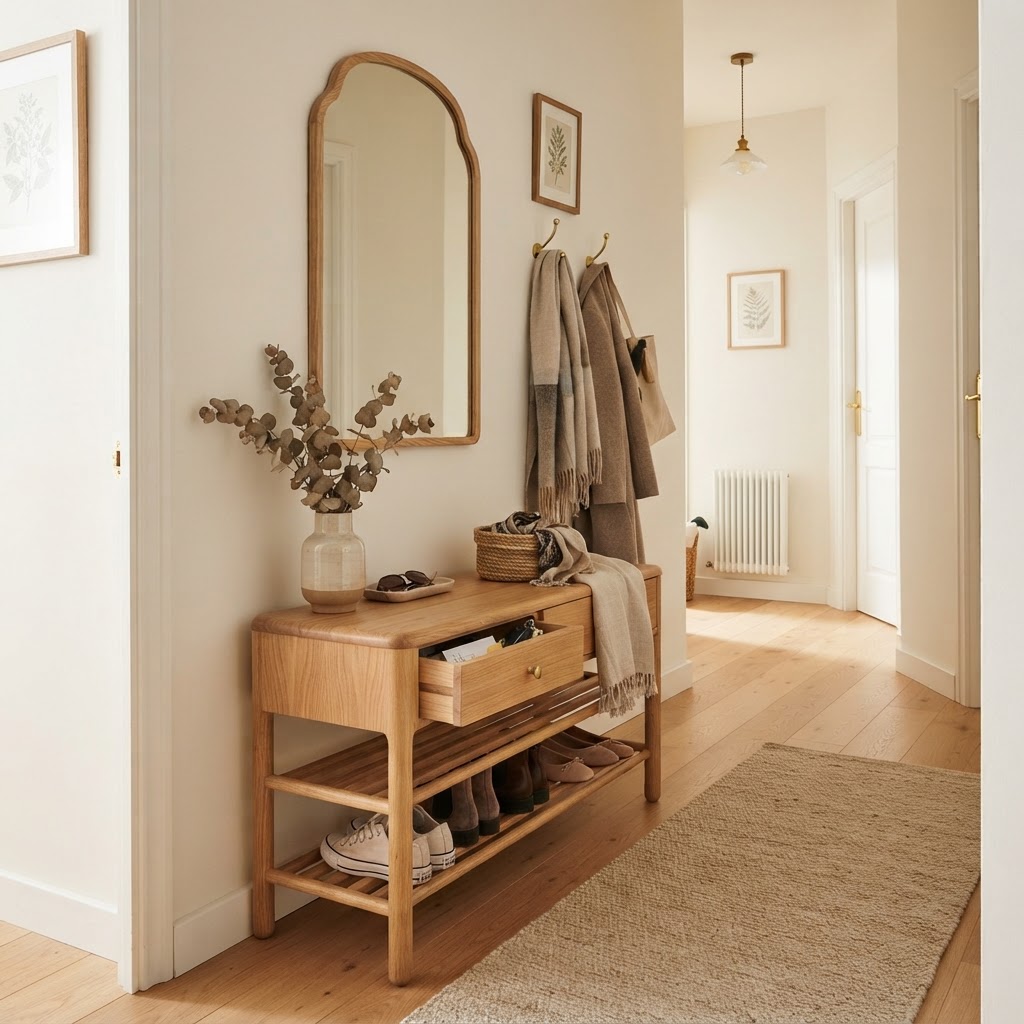
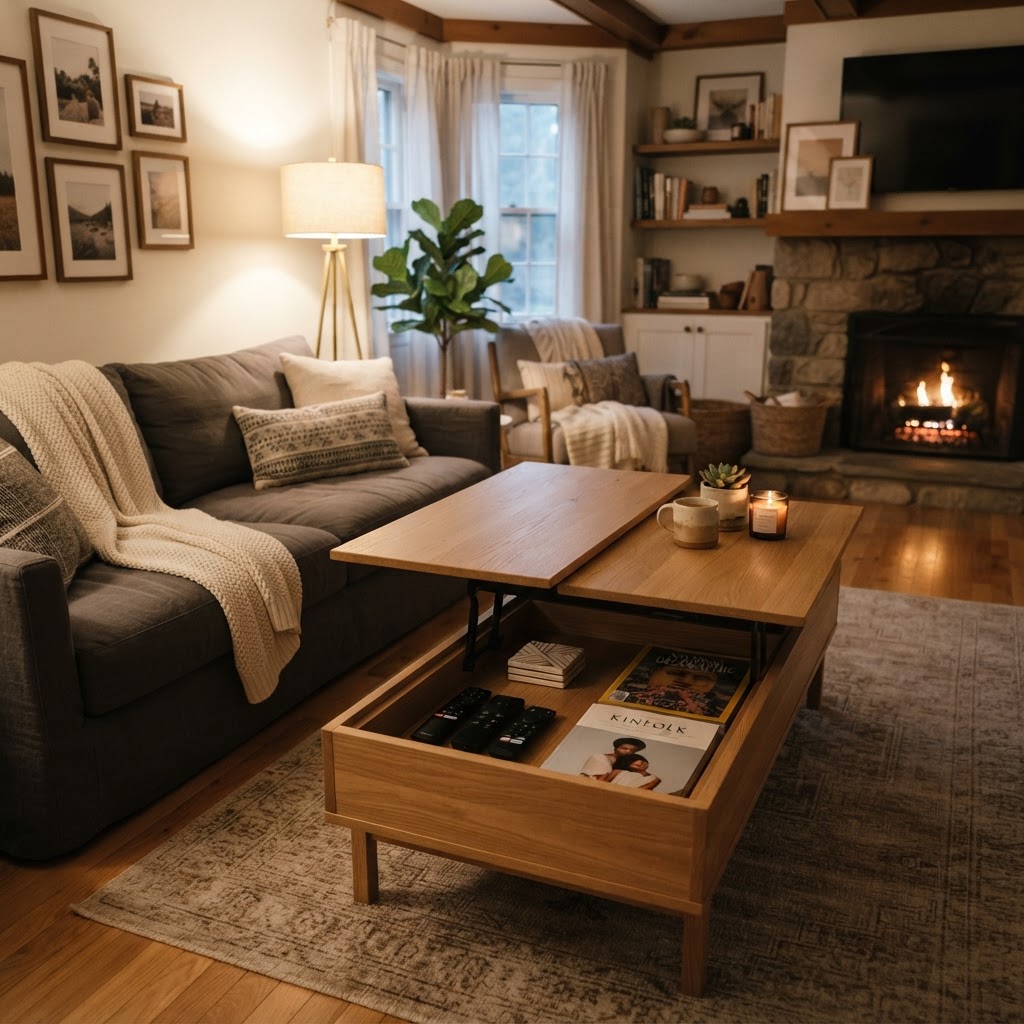
10 Cozy Modern Small Living Room Ideas for Apartments

Living in a compact space doesn’t mean you have to sacrifice style or comfort. Many people struggle to balance the need for functionality with the desire for a warm, inviting aesthetic, but implementing cozy modern small living room ideas for apartments can turn even the tightest corner into a sanctuary. By focusing on light, multi-functional furniture, and clever layering, you can create a space that feels expansive yet intimate.

Designing for small square footage requires a shift in perspective. Instead of viewing limitations as obstacles, consider them opportunities to curate a collection of pieces that truly matter. Whether you are dealing with a studio or a one-bedroom rental, these strategies will help you optimize your layout while maintaining a chic, contemporary vibe.

## The Foundation of Modern Apartment Layouts

Using mirrors and light colors can make a small living room feel significantly more spacious.

Before you choose your decor, you must establish a functional foundation. The biggest mistake in small room design is pushing all furniture against the walls, which often makes a room feel like a waiting area. Instead, try floating your furniture away from the walls to create flow and openness.

### Prioritizing Traffic Patterns

Effective apartment interior design starts with movement. Ensure there is at least 30 inches of space between major pieces of furniture to allow for easy passage. If your living room is also your dining area or office, use rugs to define these separate zones without the need for physical partitions.

HOW TO CREATE A COZY LIVING ROOM THAT LOOKS EXPENSIVE

Choosing a low-profile sofa is a great trick for making ceilings appear higher. When you select modern, streamlined silhouettes, you keep the visual weight low, which prevents the room from feeling cluttered or heavy. Opting for pieces with exposed legs, such as mid-century modern designs, allows light to travel underneath, further increasing the perception of space.

## Embracing Neutral Palettes with Texture

Layering textures like velvet and wood creates an instant cozy vibe.

Modern design often leans toward neutral palettes, which are perfect for small spaces because they reflect light and unify the room. However, a neutral room can easily become boring if it lacks texture. The secret to a cozy modern small living room is using tactile materials to add depth and warmth.

Consider incorporating a mix of materials like linen upholstery, wool throw blankets, jute rugs, and wood accents. By keeping the color palette monochromatic—think variations of cream, beige, grey, or soft sage—you create a cohesive backdrop. The texture then provides the visual interest that prevents the space from feeling sterile or flat.

#### The Rule of Three

When styling coffee tables or bookshelves, use the rule of three. Grouping items in threes creates a balanced, professional look that isn’t overwhelming. Use one tall, one medium, and one low item to draw the eye upward and add character to your surfaces without creating a mess.

## Intelligent Space-Saving Furniture Solutions

A gallery wall and modular furniture keep the space feeling organized and personal.

Furniture that serves double duty is the backbone of any well-designed apartment. In a small living room, every square inch must work hard for its keep, so exploring clever living room storage ideas can help you find hidden spots for your essentials. Look for pieces that offer hidden storage or can be tucked away when not in use.

Ottomans with internal storage for blankets and books.
Nesting side tables that pull out only when you have guests.
Wall-mounted shelving units that free up floor space for seating.
Sleeper sofas that transition easily from day to night.

10 SMALL SPACE HOME DECORATING SECRETS YOU NEED TO KNOW

Choosing a modular sofa system allows you to adapt your seating to the occasion. If you host a party, you can split the sections; if you want to lounge on a rainy Sunday, you can push them together. This flexibility is essential for those who want to maintain a modern aesthetic without sacrificing the practical needs of daily living.

## Lighting Techniques for Small Spaces

Clever storage solutions are the secret to maintaining a clutter-free, modern home.

Lighting is perhaps the most underrated element of apartment design. A single overhead light can make a small room feel harsh and flat. Instead, aim for three levels of lighting: ambient, task, and accent. Layering these sources will add the ‘cozy’ factor that is so vital for a modern home.

Ambient light provides the overall glow, which can be achieved through flush-mount fixtures or track lighting. Task lighting is specific to your needs, such as a floor lamp by your reading chair or a desk lamp on your console table. Finally, accent lighting, such as LED strips behind the TV or picture lights on the wall, adds drama and highlights the architectural details of the room.

#### The Power of Mirrors

Never underestimate the ability of a large mirror to transform a small room. Placing a mirror across from a window will bounce natural light back into the space, effectively doubling the light and making the room feel twice as large. A tall, leaning floor mirror also adds a touch of modern luxury to any corner.

## Personalizing with Curated Decor

Just because you live in a small apartment doesn’t mean you can’t display your personality. The goal of cozy modern small living room ideas for apartments is to ensure your decor feels intentional. Instead of many small knick-knacks, which create visual clutter, opt for a few large-scale items that make a statement.

Gallery walls are excellent for small spaces as they utilize vertical wall space without encroaching on your floor. Keep the frames uniform to maintain a modern, clean look, but allow the art inside to reflect your personal style. Adding a tall indoor plant can also bring life into the room and soften the clean lines of modern furniture.

Textiles are the final piece of the puzzle. A plush area rug anchors the seating area, while velvet throw pillows or a wool knit blanket add immediate warmth. When selecting these items, stick to a cohesive color story to keep the space feeling intentional and organized.

## Maintaining the Balance of Function and Form

As you live in your space, you will find that small rooms can quickly become magnets for clutter. To maintain that modern, airy feeling, implement a strict ‘one in, one out’ policy for decor and personal items. Keeping surfaces clear of excessive items will allow your design choices to shine.

Regularly assess how you use the room. Is your console table actually acting as a desk? Is your rug too small for the sofa? Sometimes shifting a single piece of furniture or swapping a heavy curtain for light, airy sheers can completely revitalize your living environment. Modern design is about precision, and adjusting your space to reflect your evolving habits is part of that process.

## Conclusion

Designing a cozy modern small living room for your apartment is all about making smart choices that enhance your quality of life. By focusing on multi-functional furniture, layering your lighting, and using texture to add warmth, you can create a beautiful, functional home that feels much larger than it actually is. Remember that good design is a process; start with the layout, build the foundation with textures, and add your personality through curated decor. Why not start your living room transformation today by decluttering just one corner? Your perfect, cozy apartment sanctuary is waiting for you to bring it to life.