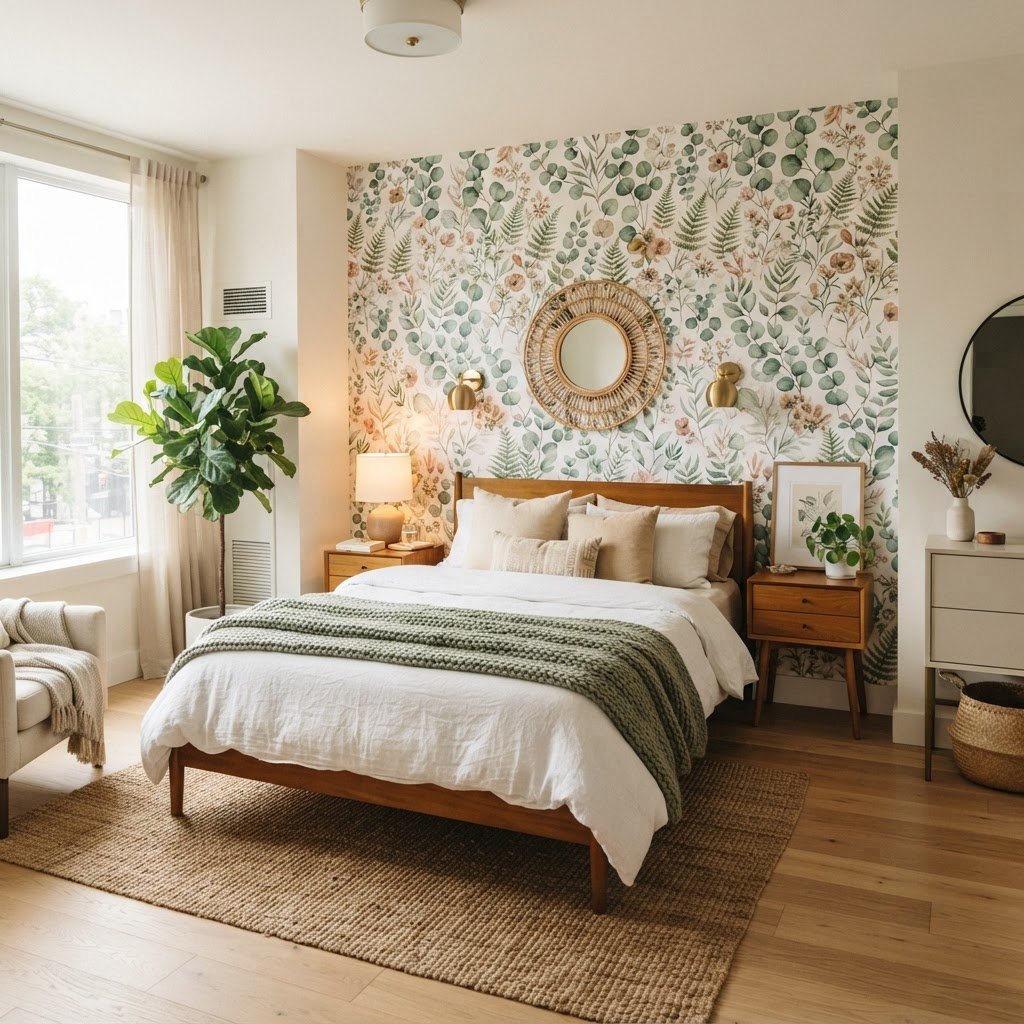
Best Removable Wallpaper Ideas for Renters in 2026
To transform a rental space in 2026, opt for high-quality, woven, fabric-based peel-and-stick wallpaper that features breathable adhesive technology. These premium materials mimic high-end wallpaper, resist humidity in kitchens and bathrooms, and ensure a clean, residue-free removal that protects your security deposit while elevating your home’s aesthetic.
The Evolution of Peel and Stick Wallpaper
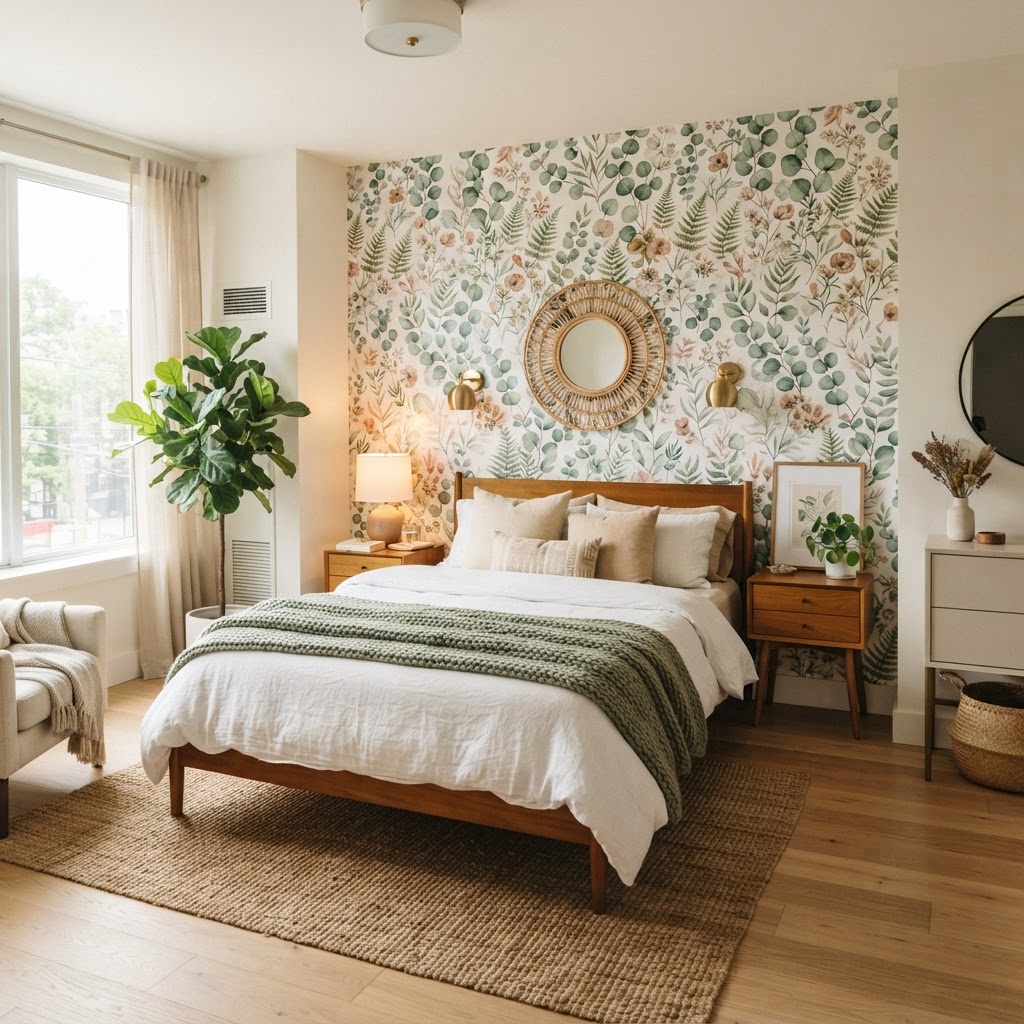
In previous years, temporary wallpaper was often associated with thin, plastic-like materials that were difficult to align and prone to peeling prematurely. The market has shifted dramatically by 2026, with manufacturers introducing premium, woven, and fabric-based textures that mimic authentic high-end wallpaper. These advanced materials are not only easier to install but also designed to handle varying humidity levels in kitchens and bathrooms, making your design choices more versatile than ever before. Consumers are now moving away from vinyl options, which can trap moisture and cause mildew, toward non-woven polyester blends that allow walls to “breathe.” This technological leap means you can safely apply wallpaper in high-traffic areas without worrying about bubbling or structural damage to your landlord’s drywall. When selecting your paper, look for “ASTM-E84” fire rating certifications, which have become a standard benchmark for residential wallpaper safety in 2026. This data-backed shift ensures that your temporary DIY projects are as safe as they are stylish, effectively bridging the gap between “temporary hack” and “professional interior design.”
Why Quality Matters for Renters
When searching for the best options, prioritize “breathable” materials and high-tack adhesive that remains residue-free. Cheaper alternatives might save you money upfront, but they often leave a sticky film or tear the underlying paint upon removal. Investing in reputable brands ensures that your temporary wallpaper remains pristine throughout your stay and peels away cleanly when you are ready to move out. Below is a comparison of material types to help you decide:
Trending Patterns and Textures for 2026
This year is all about biophilic design and retro-modern patterns that add character to sterile rental boxes. We are seeing a massive surge in popularity for large-scale botanical prints, geometric shapes with matte finishes, and subtle, tone-on-tone textures that provide depth without overwhelming a room. Choosing the right scale is essential for renters; larger, more spaced-out patterns can often make a small room feel much more expansive and open. Design experts are moving toward “maximalist minimalism,” where one wall features a bold 1970s-inspired burnt orange or sage green pattern, while surrounding walls remain neutral. This trend accounts for nearly 40% of rental renovation searches this year. Unlike the chaotic patterns of the past, 2026 designs focus on “micro-textures”—subtle, raised patterns that feel like grasscloth or linen when touched. By opting for these deeper, organic textures, you can hide minor imperfections in aging rental walls that flat, thin papers would only highlight. Remember to purchase 15% more than your wall surface area requires to account for pattern matching, as 2026 trends favor complex repeats that require precise alignment to look truly professional.
Popular Aesthetics to Consider
- Soft earth tones paired with organic line work.
- Metallic accents that catch the light in windowless rooms.
- Art-deco inspired motifs for a sophisticated living area.
- Matte-finish grasscloth textures for a warm, cozy feel.
How to Measure and Prep Like a Pro
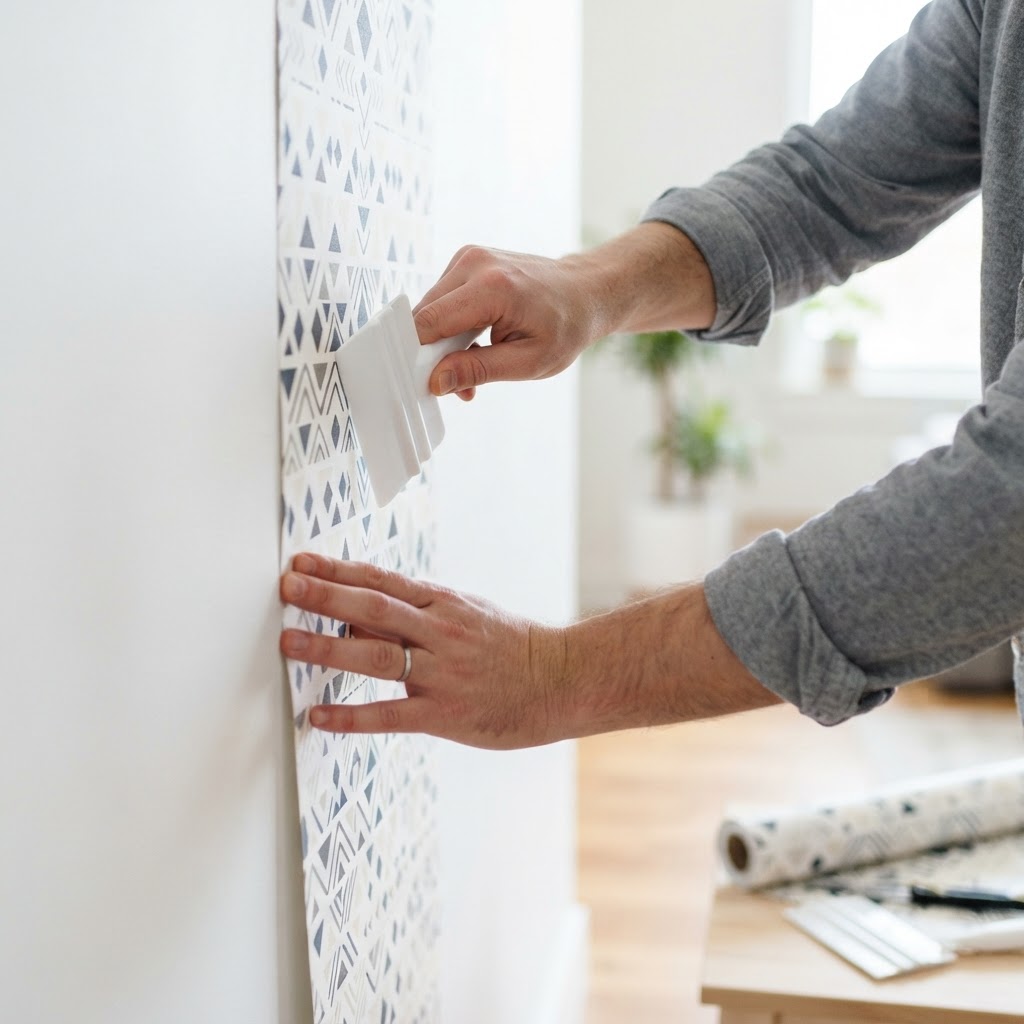
Before you dive into your first installation, accurate measurement is the most critical step. Most removable wallpaper rolls come in standard widths, but checking the vertical repeat of the pattern is vital to ensure your seams disappear. If you miscalculate the repeat, you might find yourself with disjointed patterns that break the visual flow of your wall, turning a designer feature into a source of constant frustration. The industry standard for a roll in 2026 is 20.5 inches wide by 18 feet long, covering approximately 30 square feet per roll. To calculate your needs, multiply your wall width by height and divide by 25 to factor in a 20% waste allowance for pattern matching. Beyond math, surface preparation is the difference between a rental-safe project and a forfeited deposit. Walls must be completely free of dust and household grease; even a thin layer of cooking oil from the kitchen will cause adhesive failure within 48 hours. Using a 50/50 mixture of water and vinegar to wipe down the surface 24 hours before application remains the gold-standard “pro-tip” for ensuring maximum bond without damaging the base paint finish.
Surface Preparation Checklist
- Clean the wall surface with a mild soap solution and allow it to dry completely.
- Test a small, inconspicuous area first to ensure the paint doesn’t peel with the adhesive.
- Remove switch plates and outlet covers for a seamless, professional edge.
- Use a spirit level to ensure your first strip is perfectly vertical.
Creating Focal Points in Small Spaces
One of the most effective strategies for using temporary wallpaper is to avoid covering every inch of your apartment. Instead, choose a single “feature wall” to anchor your furniture or delineate different functional zones in an open-concept studio. By applying the paper behind your bed frame or in your dining nook, you create a dedicated space that feels intentional and curated. This method also minimizes the cost of your project while maximizing the visual impact. In 2026, the “zones” strategy is replacing full-room coverage, with designers suggesting that accent walls should consume no more than 15-20% of your total living space. This keeps the room feeling airy while providing the necessary visual “pop” required to make a white-box rental feel customized. If you are decorating a studio apartment, use the wallpaper to define a “desk zone” or “entryway zone,” effectively tricking the eye into seeing separate rooms within a single footprint. Budget-wise, a single feature wall typically requires 2 to 3 rolls, keeping the total cost under $200 for a transformative upgrade that requires less than 4 hours of labor to install.
Creative Installations Beyond Walls
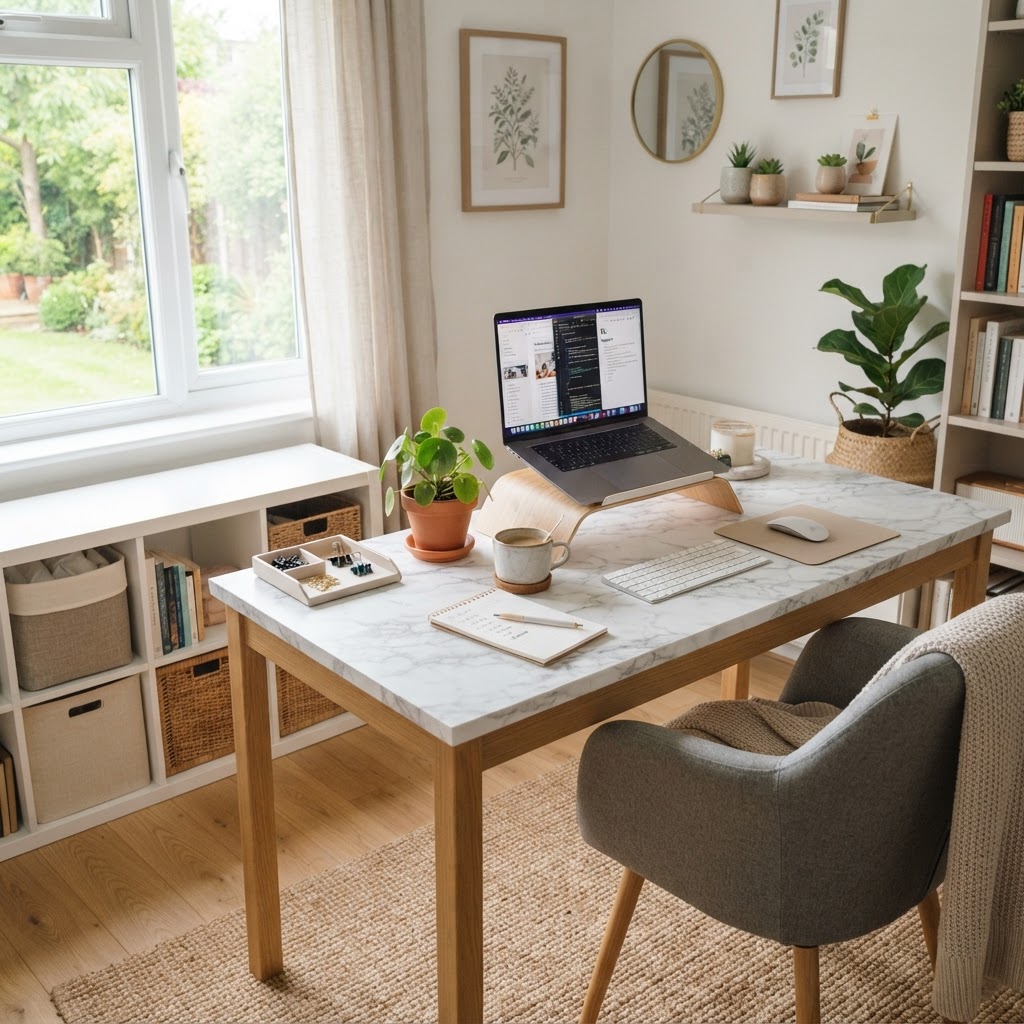
Don’t let the name limit your imagination. Some of the most creative removable wallpaper ideas for renters in 2026 involve applying these patterns to unexpected surfaces. You can use leftover remnants to line the inside of bookshelves, refresh the top of a boring laminate desk, or even apply them to the risers of a staircase. Because the material is so forgiving, these mini-projects are a fantastic way to tie your room’s color palette together without needing a massive budget. For instance, applying a geometric pattern to the back of a glass-door cabinet can make inexpensive furniture look like a high-end designer piece. Stair risers are another high-impact area; using four or five different patterns on alternating risers creates a “custom mosaic” look that is entirely reversible. When applying to furniture, ensure you use a squeegee to remove air bubbles, as laminate surfaces can hold onto air much tighter than painted drywall. This versatility is why peel-and-stick is now the primary tool for “rental staging” on social media platforms.
Troubleshooting Common Installation Issues
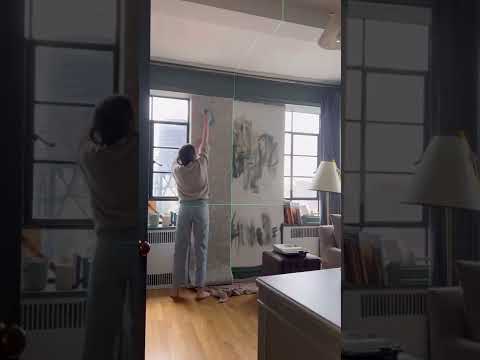
Even with the best materials, air bubbles and misalignments can happen. To fix a trapped air bubble, use a small pin to gently prick the surface and smooth the air out with a plastic squeegee. If you find your paper is slightly crooked, don’t panic; simply peel it back gently and reset. Because of the sophisticated adhesive technology used today, you can typically reposition these strips several times before the tackiness begins to diminish. If edges begin to lift after a few weeks, it is usually due to temperature fluctuations rather than product quality; applying a small amount of heat from a hair dryer can reactivate the adhesive and allow you to press it back into place firmly. Should you encounter a seam gap, do not overlap the paper; instead, use a specialized wallpaper seam roller to gently nudge the material into place. Advanced installers in 2026 also recommend a “double-cut” method—overlapping the paper by one inch and slicing through both layers with a fresh razor blade—to ensure that every seam is invisible, even when looking at the wall from an angle.
Maintaining Your Temporary Wallpaper
Once installed, treat your wallpaper with the same care as traditional wall coverings. Keep moisture away from the edges to prevent lifting, and avoid using harsh chemical cleaners. A soft, slightly damp cloth is usually sufficient for dusting and light cleaning. By maintaining your wallpaper regularly, it will remain in excellent condition for the duration of your lease, ensuring your home remains stylish and pristine. Avoid using abrasive sponges or magic erasers on fabric-based wallpapers, as these can snag the weave and cause permanent fraying. In bathrooms, wipe down the surface with a dry microfiber cloth after every shower to prevent long-term moisture buildup behind the adhesive backing. If you live in a climate with extreme humidity, consider applying a thin bead of clear silicone caulk along the top edge of the wallpaper to create a moisture-proof seal that is still easy to remove with a utility knife when your lease ends.
FAQ
Does removable wallpaper damage rental walls upon removal?
High-quality, fabric-based peel-and-stick wallpaper is designed to leave no residue or damage when removed correctly. Ensure the wall was cleaned properly before installation and peel the paper back at a slow 45-degree angle to maintain the integrity of the underlying paint.
How many rolls do I need for an average accent wall?
An average accent wall requires 3 to 4 rolls, assuming a standard 8-foot ceiling and an 8 to 10-foot wide wall. Always measure the height and width, multiply them to get square footage, and add 20% to account for pattern repeats and trimming.
Can I apply peel-and-stick wallpaper in a bathroom?
Yes, you can use wallpaper in a bathroom if you choose a woven, moisture-resistant fabric material. Ensure the bathroom is well-ventilated and avoid placing the paper in areas with direct water contact, such as inside a shower stall or directly behind a sink faucet.
What is the best way to hide seams between wallpaper strips?
Use the double-cut method to ensure perfect seam alignment by overlapping two strips and cutting through both simultaneously with a sharp utility knife. Once the excess is removed, use a plastic seam roller to press the edges firmly into the wall for a seamless, invisible finish.
How long does temporary wallpaper typically last?
When installed correctly on a clean, primed surface, modern removable wallpaper can last 3 to 5 years without peeling or fading. Durability depends on room conditions, with humidity and direct sunlight being the primary factors that shorten the lifespan of the adhesive.

Leave a Reply