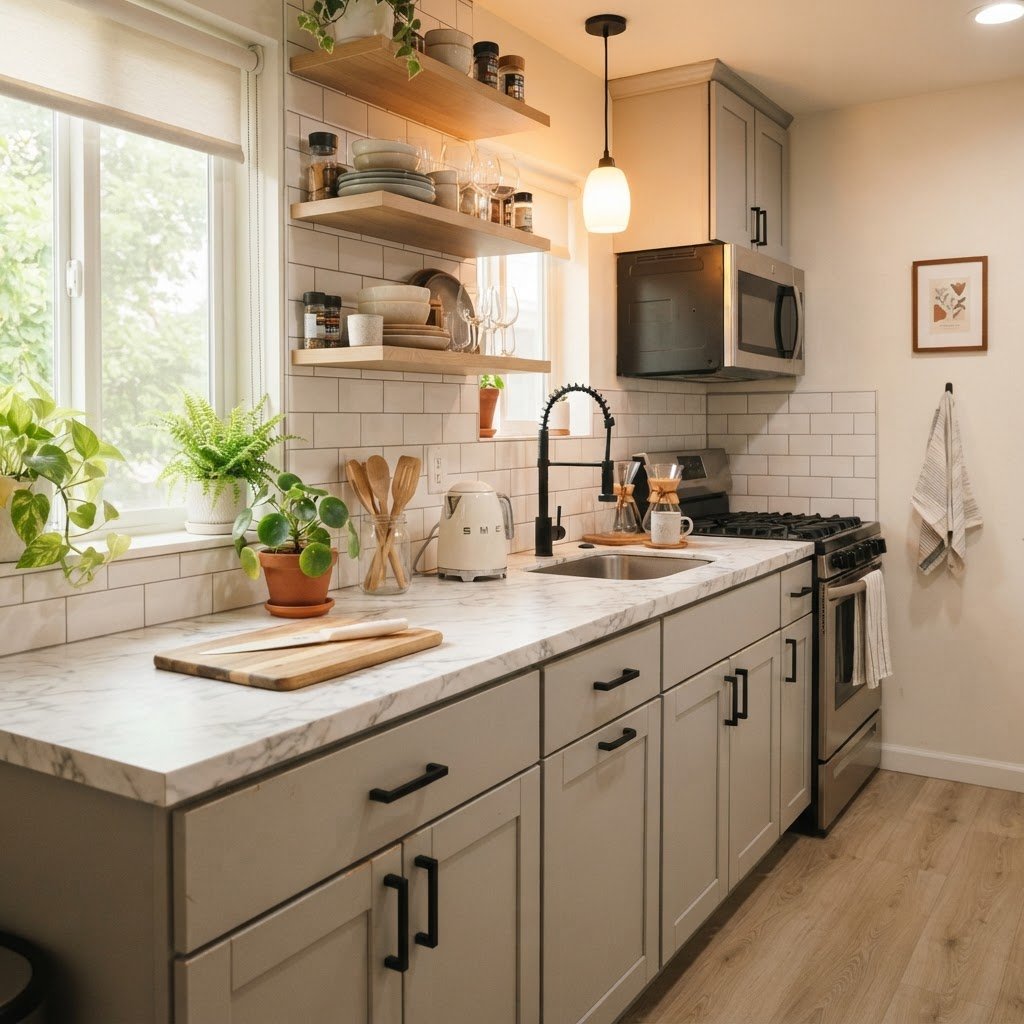
Living in a rental often means settling for sterile, outdated kitchens that lack both functionality and personality. You might be dreaming of a marble countertop or a vibrant backsplash, but your lease agreement likely restricts any permanent renovations. The good news is that you can execute effective small kitchen remodel ideas without upsetting your landlord or losing your hard-earned security deposit. By focusing on temporary, high-impact changes, you can cultivate a space that feels uniquely yours.
The Power of Removable Surfaces
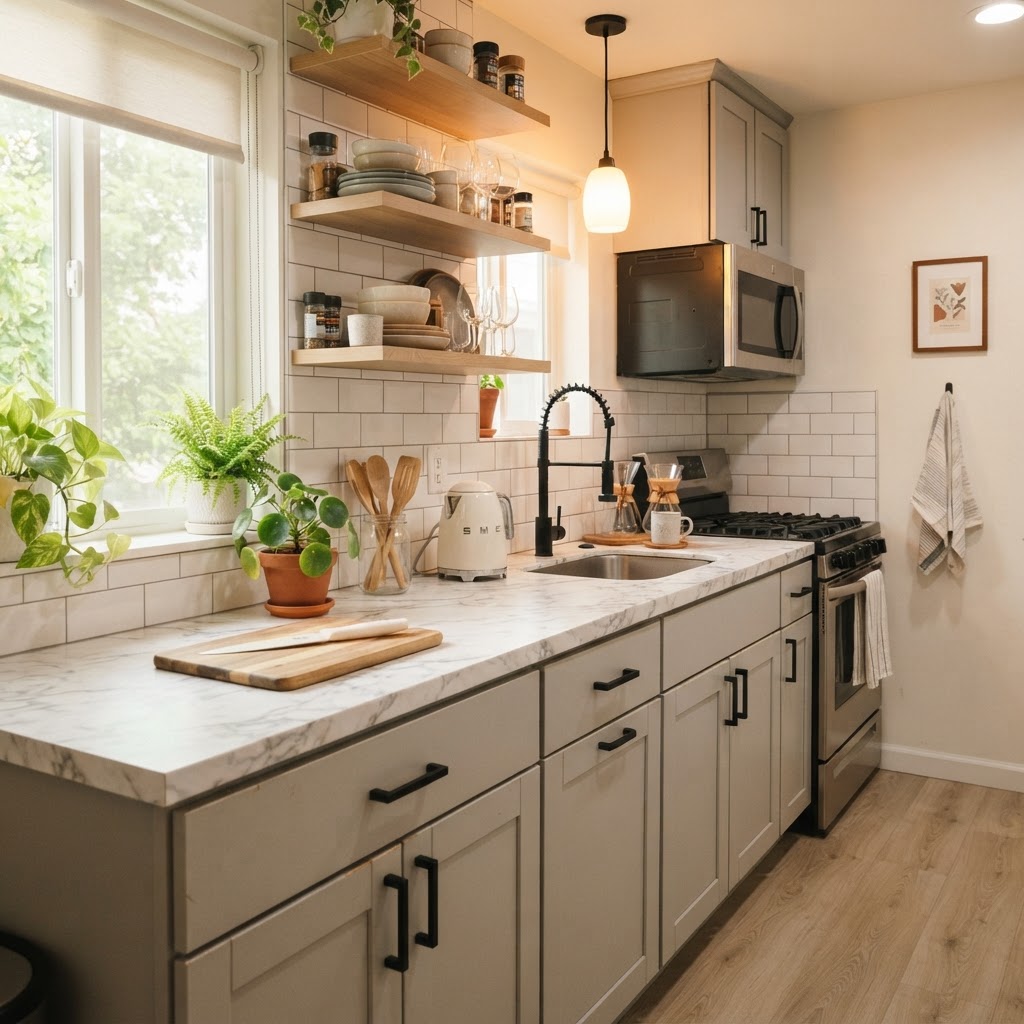
One of the most transformative renter friendly kitchen upgrades involves changing the look of your existing countertops and cabinets. Since you cannot paint or tear out existing structures, adhesive vinyl contact paper is your best friend. This material is durable, water-resistant, and—most importantly—completely removable when you eventually move out.
Choosing the Right Vinyl
When shopping for contact paper, look for high-quality, thick vinyl designed specifically for countertops. Avoid cheap, thin varieties that bubble easily or tear during installation. Opt for matte finishes, as they often look more realistic and hide imperfections better than high-gloss options.
Installation Tips for Success
Clean your surface thoroughly with rubbing alcohol before starting to remove any residual grease. Use a squeegee to smooth out bubbles as you apply the paper, starting from the center and working your way out toward the edges. If a bubble persists, a tiny pinprick can release the air without ruining the finish.
Rethinking Your Kitchen Backsplash
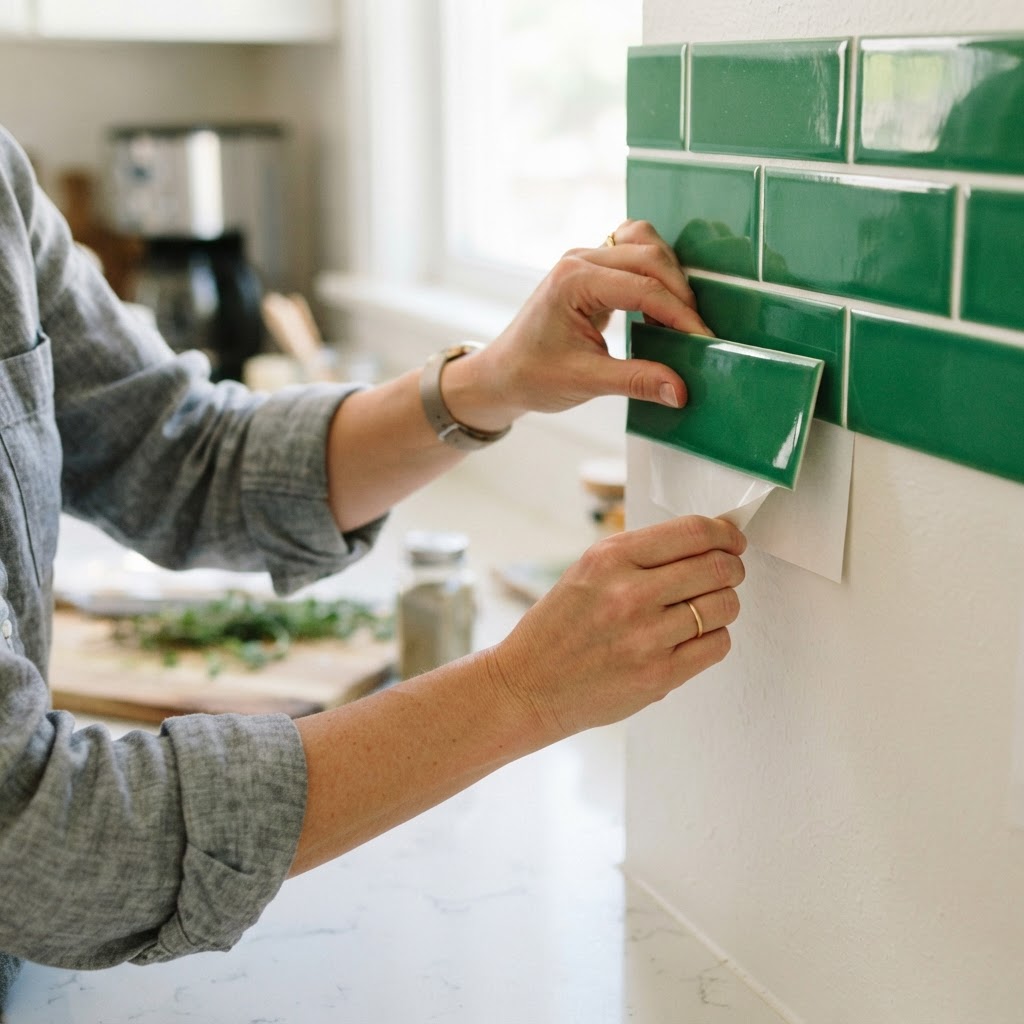
Standard rental kitchens often come with plain white tile or, worse, unsightly linoleum walls. Creating a temporary kitchen backsplash is one of the most effective ways to introduce color, pattern, and texture into your cooking area. Peel-and-stick tiles offer a realistic look of ceramic or glass without the need for mortar or grout.
Peel-and-stick options are incredibly versatile. You can choose from classic subway tiles, intricate Moroccan patterns, or even faux-brick designs. Ensure the tiles you select are specifically rated as ‘heat-resistant’ if you are placing them near the stovetop to avoid warping or damage.
Hardware Swaps and Storage Hacks
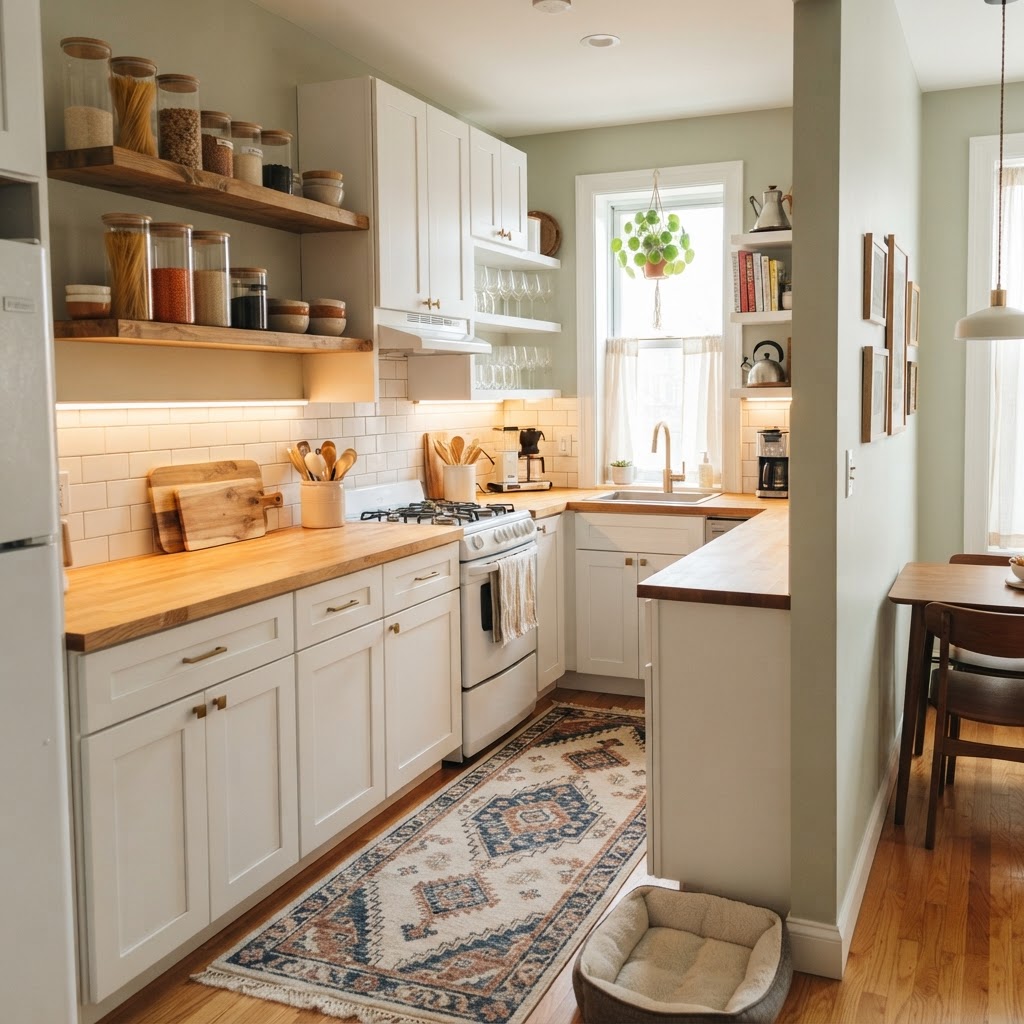
Sometimes the smallest changes yield the biggest results. Replacing generic, builder-grade cabinet pulls and knobs is a classic budget kitchen makeover strategy. The hardware acts like jewelry for your cabinets, instantly updating the entire aesthetic of the room.
Keep all of the original hardware in a labeled plastic bag inside a kitchen drawer or closet. When it is time to move, swap them back out, and you take your upgraded hardware with you to your next home. This is a reversible change that leaves zero footprint behind.
Maximizing Vertical Space
Renters often struggle with limited storage. Utilize magnetic strips for knives and utensils, or hang adhesive hooks on the inside of cabinet doors for measuring cups and pot lids. These organizers clear off your counter space, making your kitchen feel twice as large.
Creative Lighting Solutions
Lighting can transform a dingy space into a bright, inviting culinary hub. If your kitchen lacks adequate task lighting, consider adding battery-operated or rechargeable LED under-cabinet lights. These require no wiring, no drilling, and no assistance from an electrician.
Most modern LED options come with adhesive backings or magnetic mounts. You can place them under your upper cabinets to illuminate your workspace effectively. Some even feature remote controls or motion sensors, adding a layer of convenience to your nightly routine.
Softening the Space with Textiles and Decor
Do not overlook the impact of soft furnishings in a hard-surface room. A colorful, washable area rug can hide an unattractive or stained linoleum floor entirely. Choose a runner rug that is specifically designed for high-traffic areas and is easy to vacuum or machine wash.
Incorporate window treatments that invite light while providing privacy. A simple cafe curtain or a bamboo roman shade can add warmth to a window that previously felt cold. Adding a small potted herb garden on the windowsill brings life, color, and function to the space while providing fresh ingredients for your meals.
Establishing a Cohesive Style
When applying these small kitchen remodel ideas, consistency is key to making the space feel like a cohesive, designed home. Choose a color palette—perhaps a blend of warm wood tones, matte black hardware, and crisp white surfaces—and carry those themes throughout the room.
If you have open shelving, organize your items by color or height to keep the visual clutter to a minimum. Use uniform jars for your dry goods, which helps turn your ingredients into part of the decor. A cohesive look will make even the smallest apartment kitchen feel intentional and luxurious.
Conclusion
Remodeling your rental kitchen is entirely possible when you focus on high-impact, non-permanent solutions. By utilizing peel-and-stick materials, swapping out hardware, and introducing smart lighting, you can craft a space that feels like a custom renovation without jeopardizing your security deposit. Start small, pick one or two projects, and enjoy the process of making your kitchen feel like home. Ready to get started? Pick a section of your kitchen to tackle this weekend and share your transformation photos online to inspire other renters looking for budget-friendly changes!

Leave a Reply