Clever Built-In and Platform Storage Ideas for Small Bedrooms
Maximize a small bedroom by utilizing vertical wall space with floor-to-ceiling built-ins and replacing traditional bed frames with platform storage systems. These structural modifications turn dead space into functional, hidden storage, effectively clearing floor area and creating the illusion of a larger, more organized living environment.
The Philosophy of Vertical Thinking
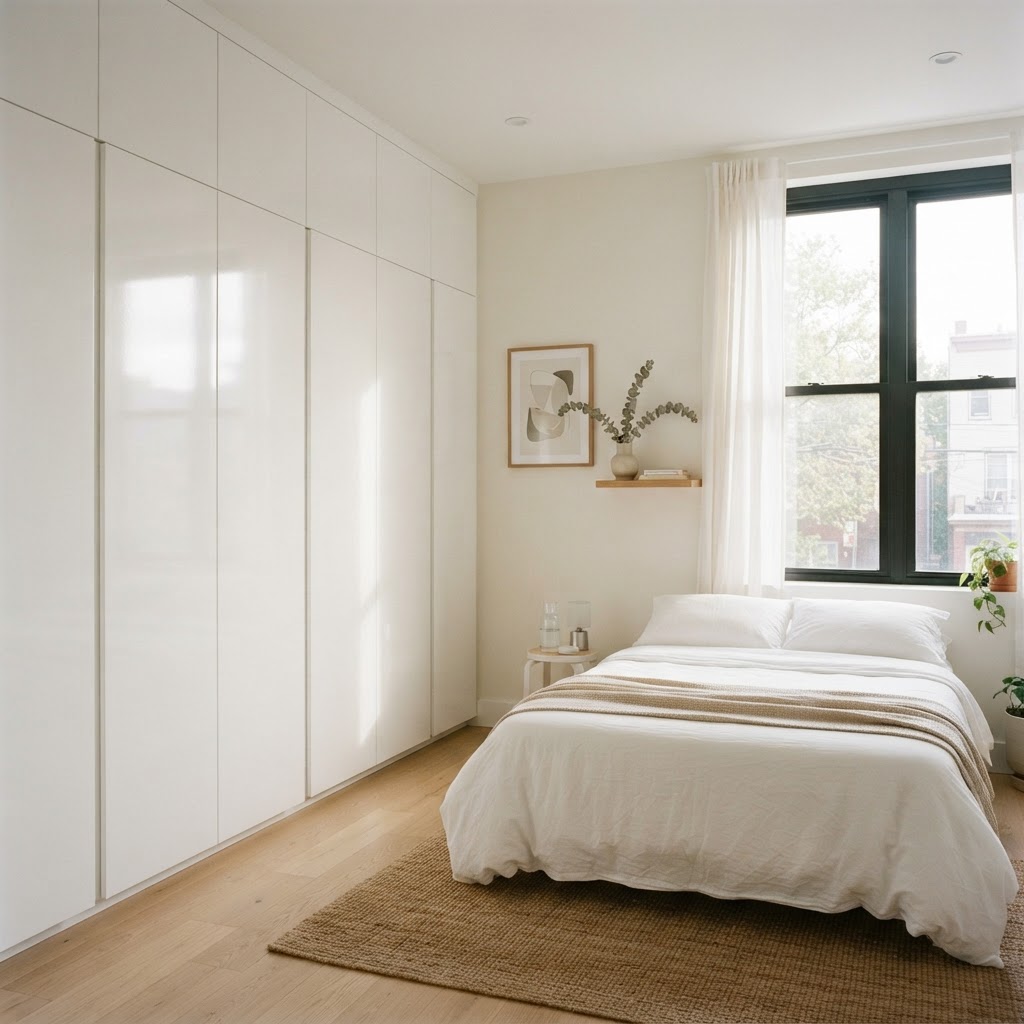
When your square footage is limited, the only way to increase storage without sacrificing floor area is to extend your footprint vertically to the ceiling. Many homeowners ignore the upper 3-4 feet of wall space, yet floor-to-ceiling built-ins can increase total bedroom storage capacity by up to 40%. By extending cabinetry or shelving to the ceiling, you draw the eye upward, which creates an architectural illusion of height that makes the room feel airy. Integrating these units directly into the wall allows you to remove standalone dressers, which typically consume 6-10 square feet of floor space each.
Customizing Your Vertical Storage
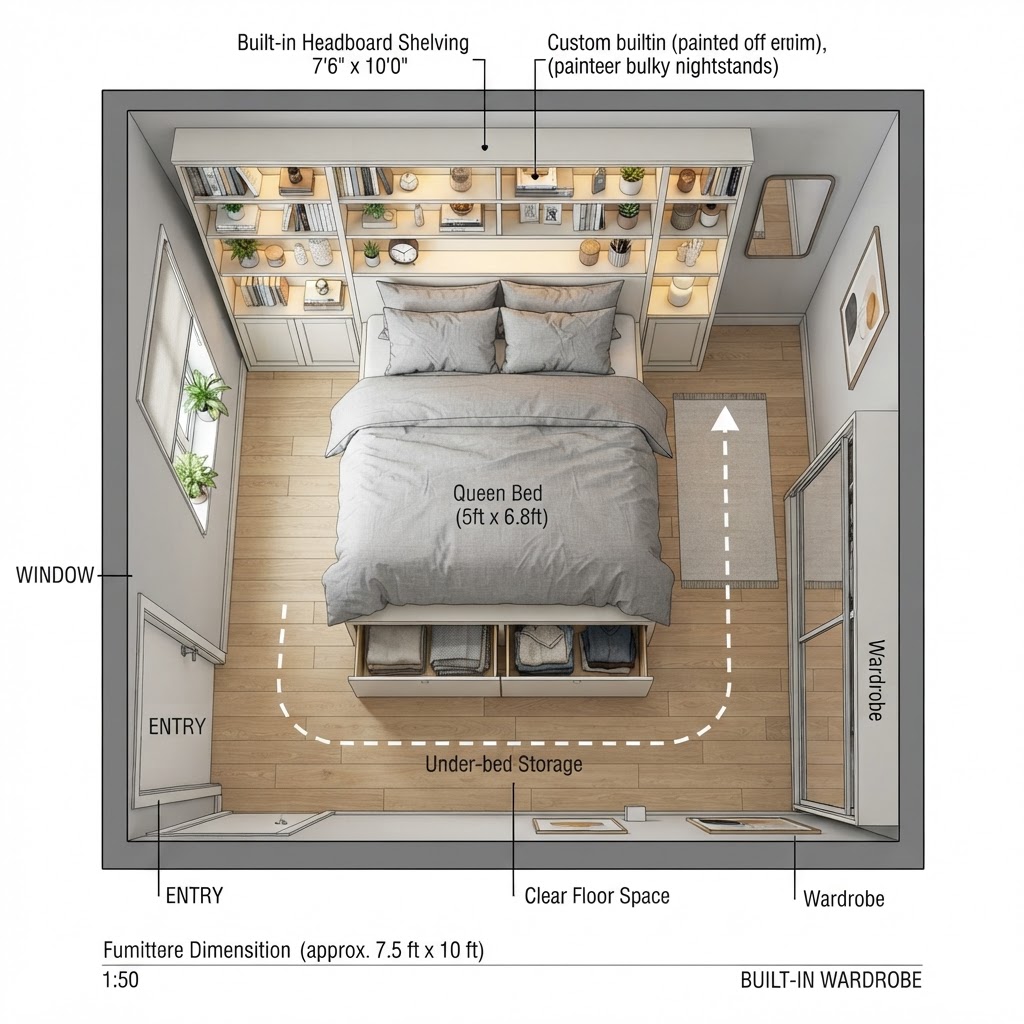
Custom built-in storage solutions can be tailored to the exact quirks of your bedroom architecture, such as sloped ceilings or narrow alcoves. If you have an awkward alcove, custom carpentry ensures that not a single inch is wasted, often turning a “dead” corner into a storage unit with 20% more efficiency than standard furniture. Consider a wrap-around bookshelf that frames the headboard, turning your bed into the central feature of a library-inspired storage wall. This approach provides accessible space for books and decorative items while keeping the nightstands clear for essentials only. By using custom-cut shelves, you can accommodate items up to 24 inches deep, which is ideal for storing larger bins that standard store-bought bookshelves cannot fit.
Mastering Platform Bed Storage
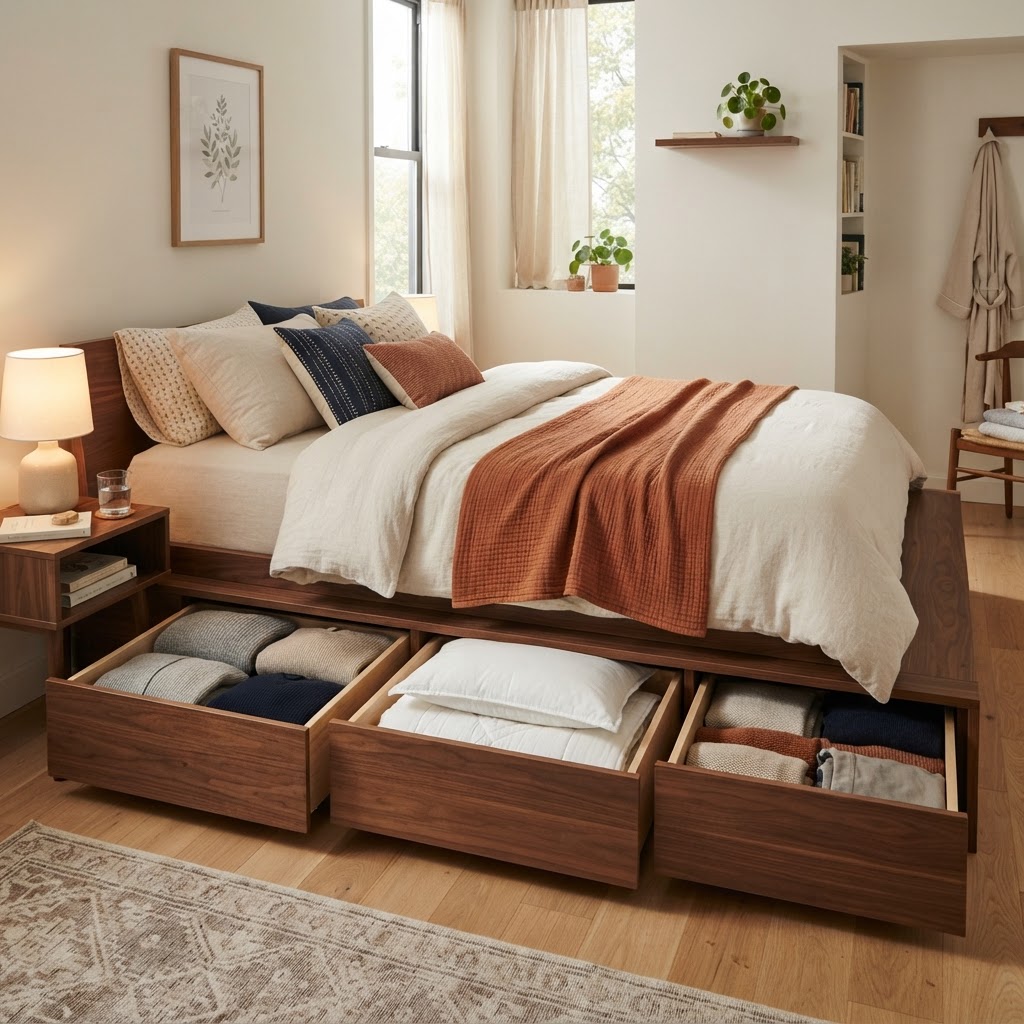
Your bed is the largest piece of furniture in the room, and a well-designed platform bed converts the typically empty void beneath the mattress into a highly functional storage system. Traditional frames leave roughly 15-20 cubic feet of unusable space; however, a platform bed with drawers or hydraulic lift mechanisms allows you to reclaim this for bulky seasonal items, linens, or overflow clothing. Most hydraulic lift frames are rated to support mattresses weighing up to 150 pounds, ensuring you can access your storage easily even with a heavy memory foam or hybrid mattress.
Comparison: Platform Bed Storage Types
Why Drawer Systems Excel
Drawers are superior to simple open-box storage because they prevent dust accumulation and keep your belongings categorized. By segmenting the base of your bed into deep drawers (typically 12-18 inches deep), you can organize items by frequency of use. Place daily items in the top drawers and seasonal items toward the back, ensuring your room remains functional throughout the year. This transition helps in keeping surface clutter to a minimum, which is vital for maintaining a peaceful bedroom environment.
Architectural Integration for Hidden Utility
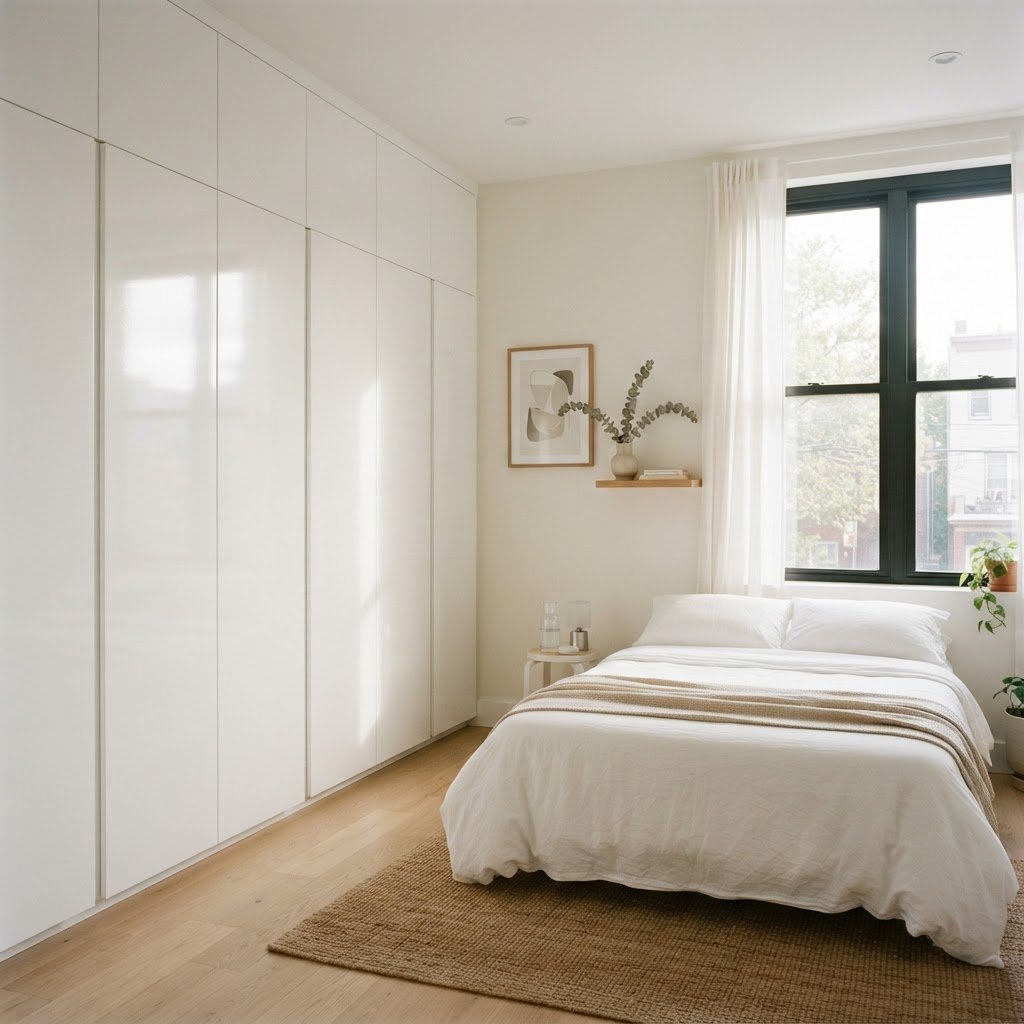
Architectural integration is the gold standard for small bedrooms because it mimics wall colors and textures to make storage units feel invisible. By building wardrobes that match the wall color and using touch-latch hardware, you eliminate the visual “noise” of handles, which can make a room feel cramped. This method of “camouflaging” your storage can reduce the perceived visual clutter by up to 50%, significantly calming the aesthetic of a small room. When the storage blends into the room, it reduces the complexity of the space, which is essential for making a tiny room feel larger and more serene.
The Power of Multi-Functional Headboards
A deep, wide headboard can serve as a hidden shelf or a series of small, recessed cubbies, effectively replacing the need for bulky side tables. By installing a custom headboard 8-10 inches deep, you gain a dedicated zone for charging stations, glasses, or nighttime reading materials. This integrated approach saves roughly 4 square feet of floor space per side of the bed. When you build the headboard into the wall structure, you gain a sense of cohesion that defines the sleeping zone while providing utility that standard standalone nightstands cannot match.
Optimizing Closets with Smart Inserts
If you cannot build outward, you must build inward by converting a standard reach-in closet into a high-efficiency modular system. Standard closets often suffer from poor spatial design, utilizing only 60% of the potential vertical wall volume; by installing double-hang rods and pull-out shelves, you can increase your usable hanging capacity by nearly 100%. Aim to set your upper rods at 80 inches from the floor to accommodate long garments, while the lower rod sits at 40 inches to create two distinct tiers for shirts, pants, and skirts.
The Benefits of Modular Systems
Modular closet inserts allow you to adjust the height of shelves as your needs change, often featuring shelf brackets with 1-inch increment holes. If you purchase a new set of long boots or need more space for folded sweaters, you can simply move the shelf brackets without needing tools. This flexibility ensures your storage remains useful for years, accommodating changing lifestyles and inventory without requiring a full renovation or new construction.
Creating Functional Nooks and Alcoves
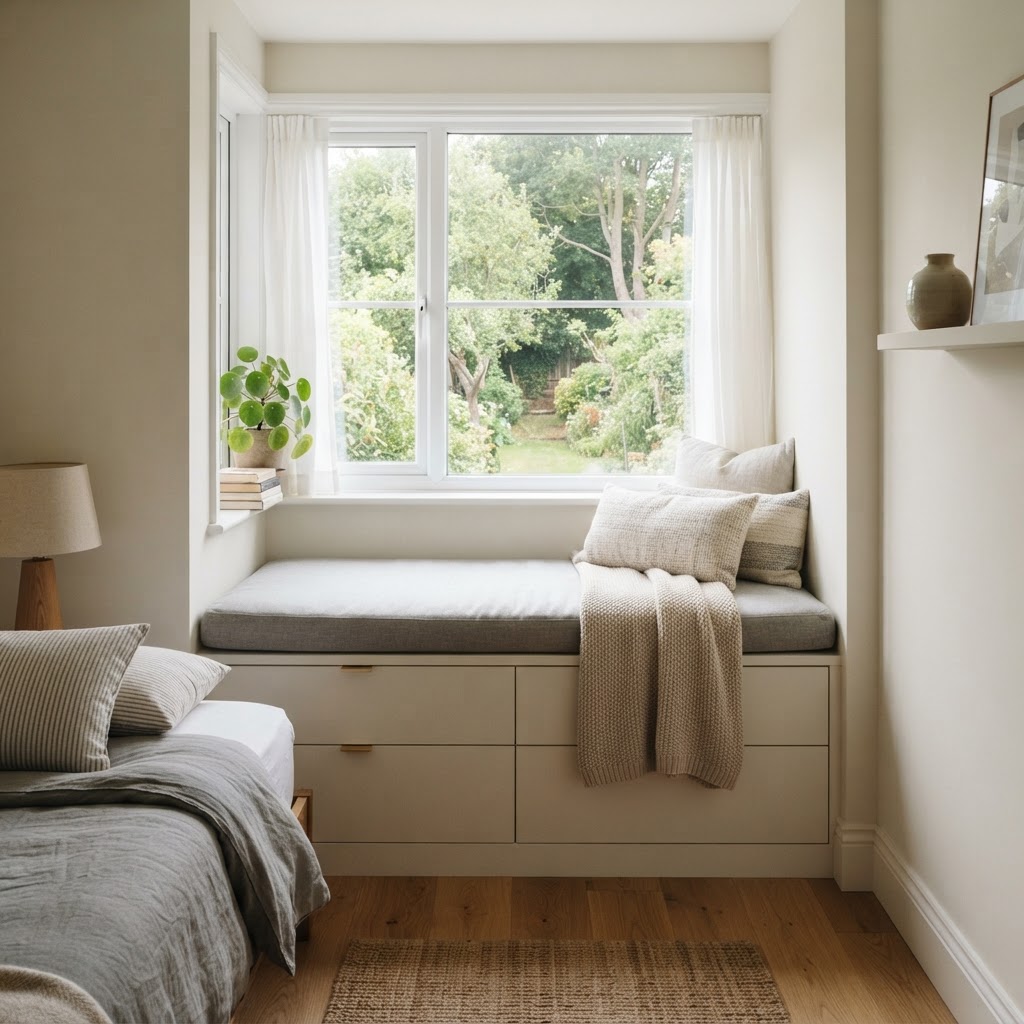
Every small room has dead corners that can be reclaimed using window seats, corner shelving, or floating desks. A window seat is particularly brilliant because it offers both a comfortable place to sit and a deep internal bin for storing heavy items like blankets or winter coats. When constructing a window seat, ensure the depth is at least 18 to 24 inches for proper seating ergonomics. By adding a lid on soft-close hinges, you can protect the floor and ensure the storage remains accessible and safe to use daily.
Decluttering to Make Space for Storage
Storage solutions work best when they aren’t filled with items you no longer use, making a purge necessary before installation. Apply the “one-in, one-out” rule, where every new item brought into the room necessitates the donation or disposal of an old one. Choose light colors for your storage finishes—white or light oak can reflect up to 70% of natural light—to prevent the room from feeling closed in by the new cabinetry. For a high-end finish, add internal LED motion-sensor lighting to your units; this typically costs less than $50 to install but adds significant luxury and ease of access to deep shelves.
FAQ
Q: What is the best way to maximize vertical storage in a small bedroom?
Install floor-to-ceiling built-ins that match your wall color to draw the eye upward and utilize the entire vertical surface. This approach maximizes storage capacity while maintaining a clean, minimalist aesthetic that makes the room feel physically larger.
Q: How much space does a platform bed save?
A platform bed with integrated storage saves approximately 15-20 cubic feet of floor space that would otherwise be wasted under a traditional frame. This allows you to remove bulky dressers and reclaim valuable floor area in tight rooms.
Q: How deep should a window seat be for storage and comfort?
A window seat should be between 18 and 24 inches deep to ensure it is comfortable for sitting while providing enough internal volume for storing bulky items. Always use heavy-duty hinges to support the weight of the lid and its contents.
Q: Are modular closet systems worth the cost?
Yes, modular systems are highly cost-effective because they allow you to customize your storage layout based on your specific inventory, such as adding pull-out racks or adjustable shelving. This prevents the need for future renovations as your storage needs evolve over time.
Q: How do I make built-in storage look less bulky?
Paint your built-in storage the same color as the surrounding walls and use touch-latch doors instead of hardware to create a seamless, invisible look. This reduces visual noise and prevents the room from feeling cluttered or overwhelmed by the furniture.

Leave a Reply