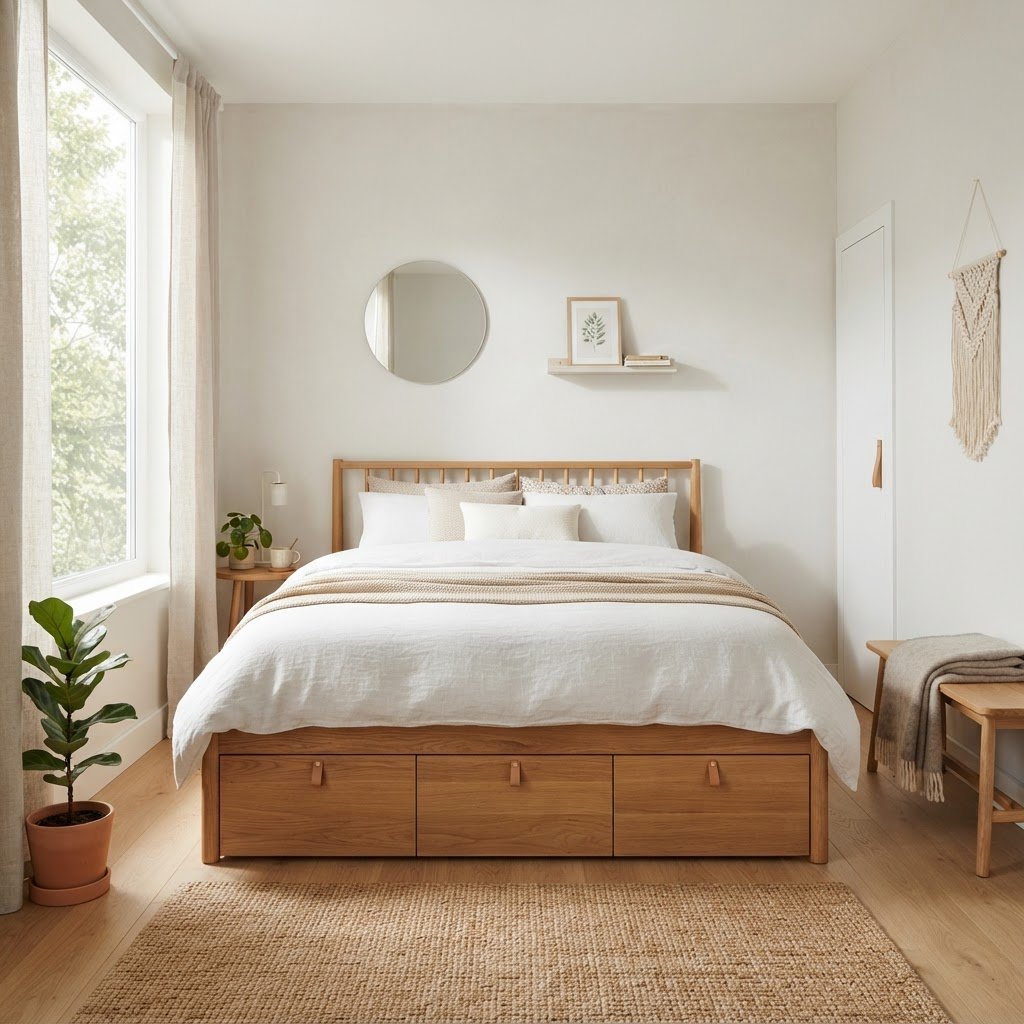
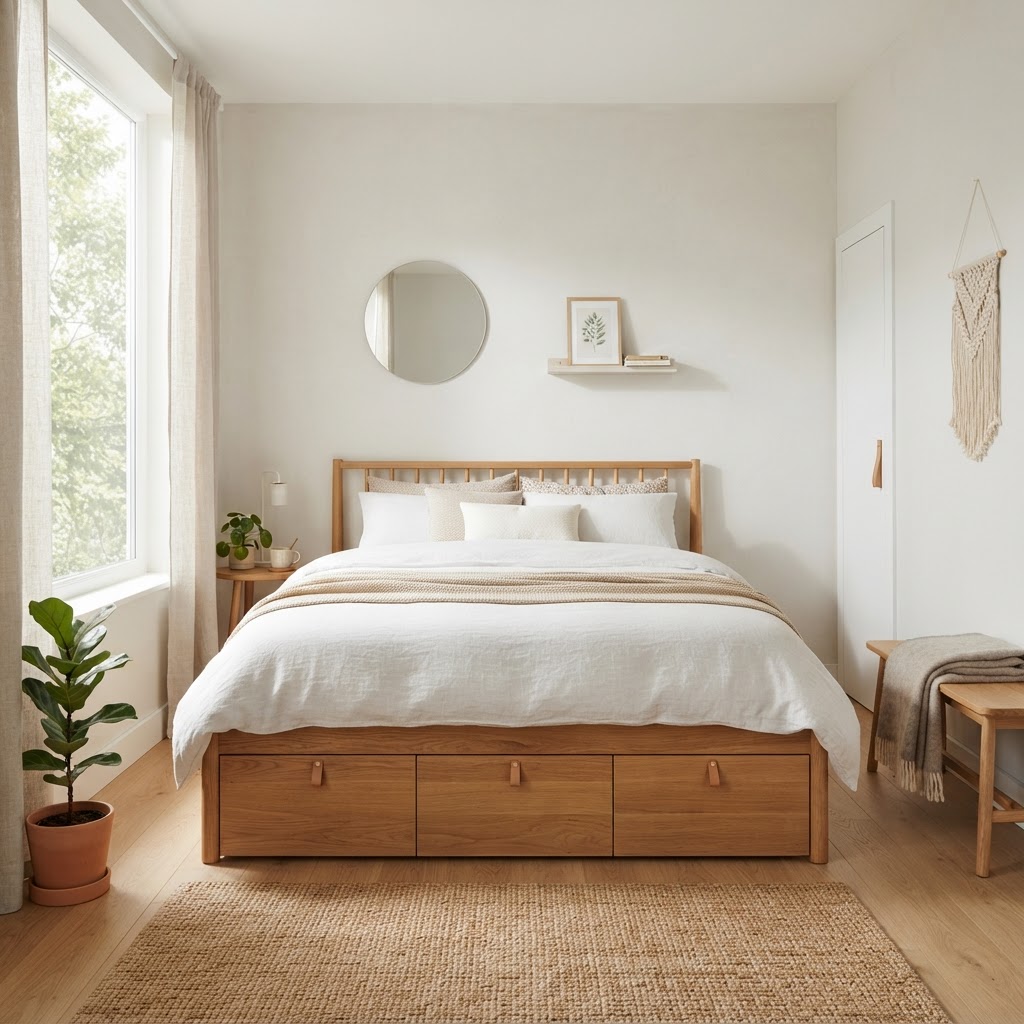
30 Clever Bedroom Storage Solutions for Small Spaces
To maximize a small bedroom, prioritize vertical shelving, under-bed storage, and multi-functional furniture like ottomans or headboards with built-in compartments. By editing your belongings seasonally and utilizing neglected corners, you can create a clutter-free, functional sanctuary that makes a compact space feel significantly larger and more organized.
The Art of Vertical Storage
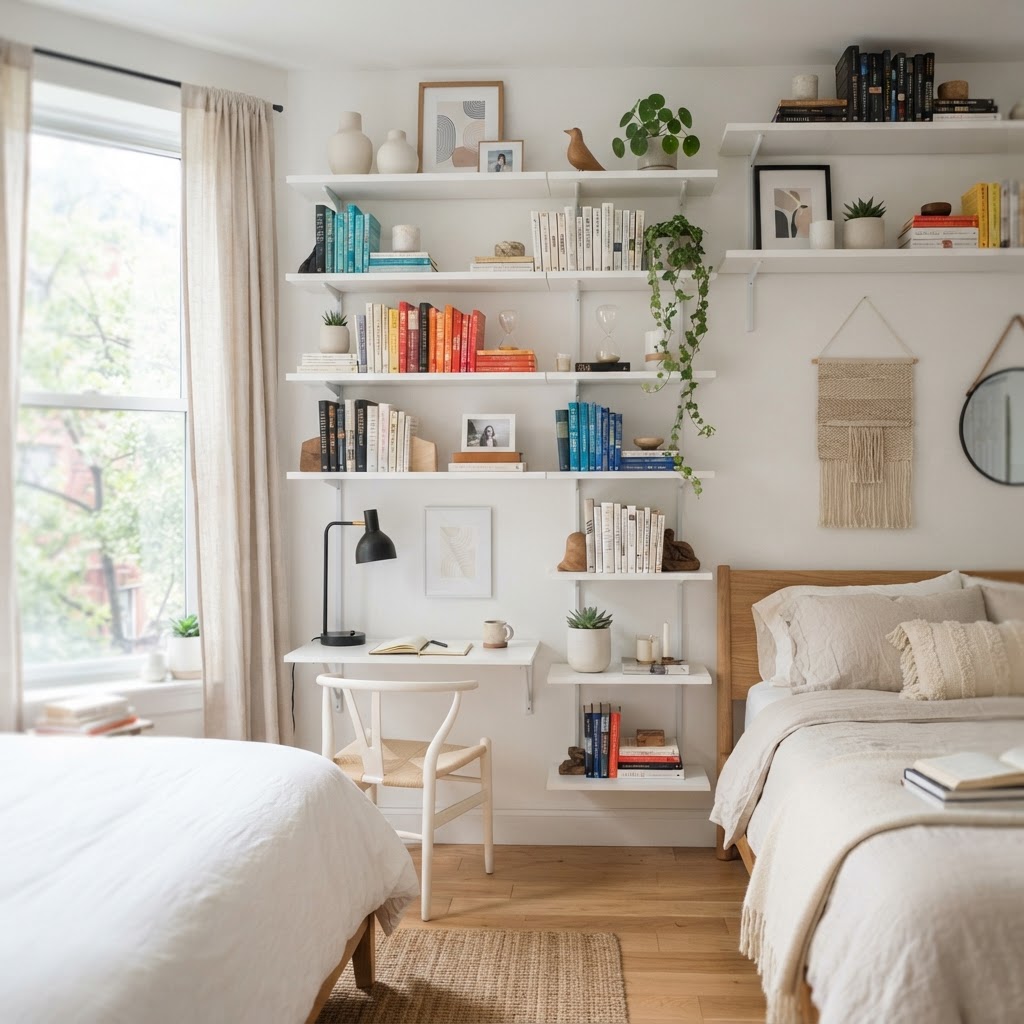
When your floor is covered in furniture, look up to the walls to solve your storage woes. Vertical space is frequently ignored in small bedroom design, yet it offers massive potential for keeping items off the ground and accessible. By installing shelving that stretches toward the ceiling, you draw the eye upward, which not only provides storage but also makes the ceilings appear higher.
Installing Floating Shelves
Floating shelves are a game-changer for small rooms because they provide surface area without the bulk of traditional bookcases. You can mount them above your desk, your dresser, or even your bed to store books, plants, or decorative items. This keeps your nightstand clear for just the essentials. Aim for a shelf depth of 8 to 10 inches to maximize storage without encroaching on walking space.
Creative Wall Hooks
Don’t underestimate the power of wall hooks. They are perfect for hanging robes, bags, hats, or even jewelry displays. By utilizing the back of your bedroom door or empty wall spaces, you clear out valuable drawer and closet space. Use stylish, matching hooks to create a cohesive look that doubles as decor. Installing a row of hooks at eye level allows for quick access to daily items, while higher hooks can be used for out-of-season bags or accessories.
Maximizing Under-Bed Potential
One of the most overlooked areas in any home is the dark, dusty void beneath the bed. However, if you are looking for effective bedroom storage solutions, this is real estate you cannot afford to waste. Investing in a bed frame with built-in drawers or using rolling bins can effectively double your storage capacity in rooms under 100 square feet.
Choosing the Right Containers
Not all under-bed storage is created equal. Look for low-profile, lidded bins to protect your off-season clothing and extra linens from dust. Clear plastic containers allow you to see exactly what you have without rummaging, while fabric bins look more polished if they happen to peek out from beneath the bed skirt. For optimal organization, use labels on the front of every bin. A standard under-bed height of 6 to 10 inches is usually sufficient for shoe boxes or flat-pack clothing organizers. Always measure your floor-to-frame clearance before purchasing, ensuring at least one inch of breathing room to avoid scratching your flooring. For heavy items like winter sweaters, choose rolling bins with high-quality caster wheels to protect your hardwood or carpet from damage during frequent access.
Clever Closet Hacks
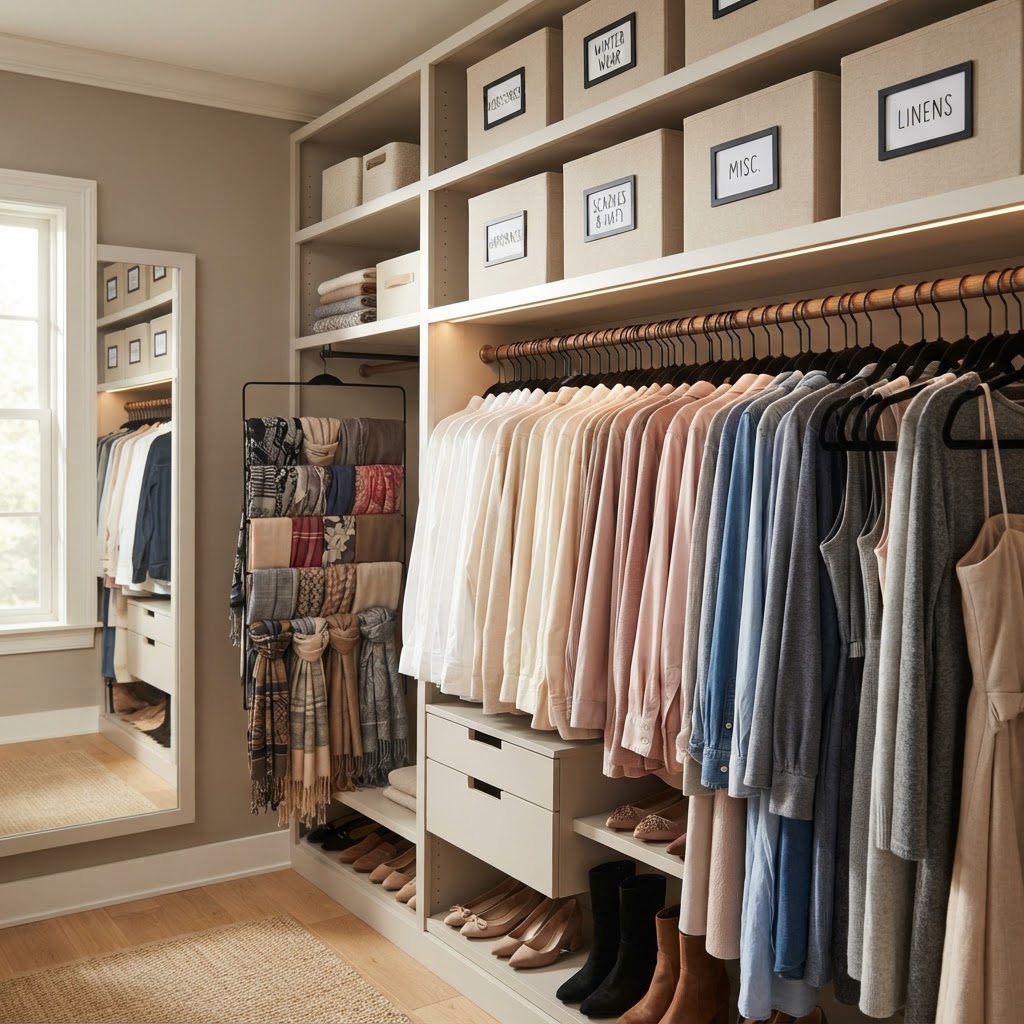
Closets are often the first casualty of poor space management. To truly maximize a small room, you must audit your closet and find ways to expand its functional capacity. Start by replacing bulky, mismatched hangers with slim-profile velvet ones, which instantly create up to 30% more hanging space.
Tiered Hangers and Organizers
Use multi-tiered hangers for pants and scarves to condense your wardrobe. If your closet has high ceilings, install a second rod lower down to double your hanging potential. For smaller items like socks, ties, or jewelry, consider hanging organizers that attach to the back of the closet door. By dedicating 20% of your closet to specialized organizers, you can reduce visual clutter significantly. Additionally, implementing a “one-in, one-out” policy ensures that your wardrobe remains within the capacity of your closet, preventing the common overflow that leads to pile-ups on chairs or floors. Using clear acrylic dividers on shelves can also keep folded piles of sweaters or jeans neat, ensuring your closet remains a functional, high-efficiency zone rather than a storage “junk drawer.”
Multi-Functional Furniture Choices
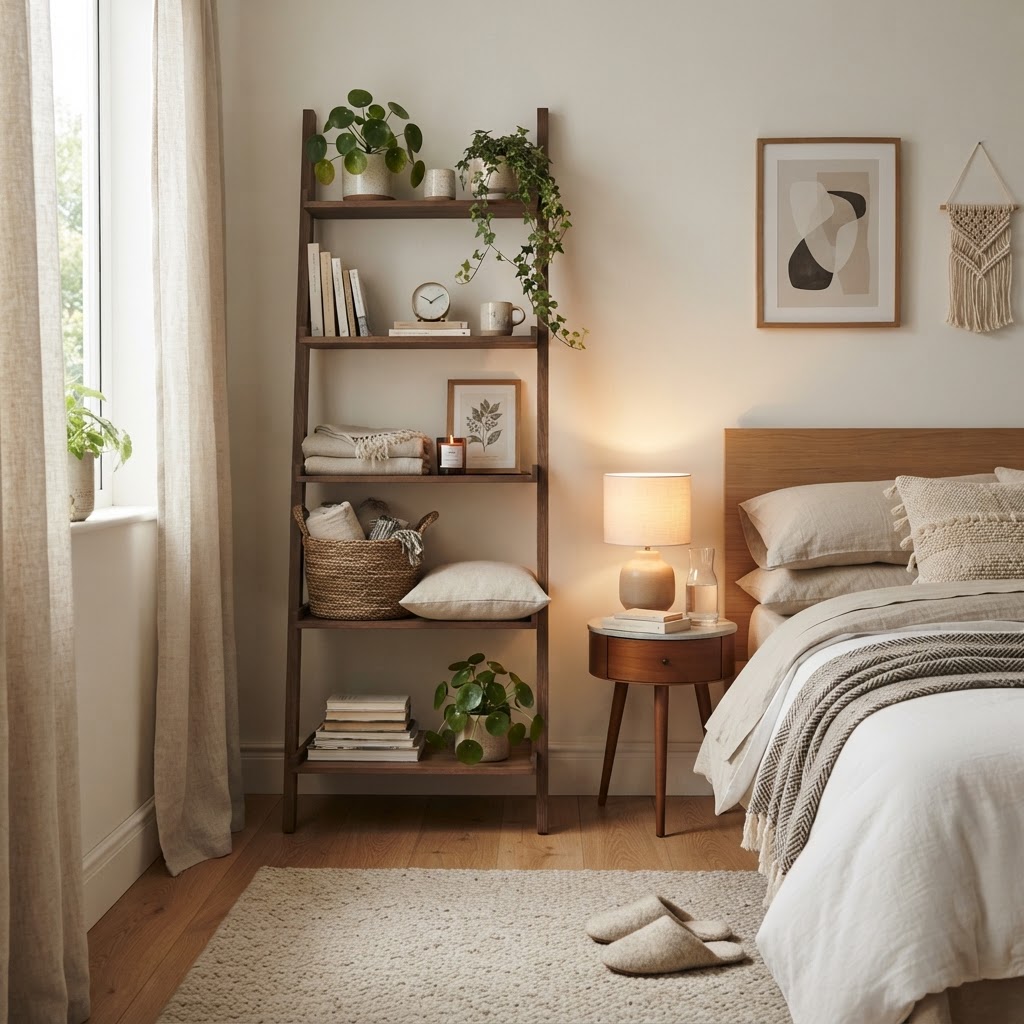
In a small bedroom, every piece of furniture must work hard to earn its place. Forget decorative pieces that serve only one function; instead, opt for multi-functional items. A storage ottoman at the foot of your bed can hold spare blankets and provide seating, while a nightstand with deep drawers is infinitely more useful than an open-shelf side table.
Mirrors with Hidden Storage
A full-length mirror that opens to reveal a jewelry cabinet is an ingenious piece of design. It serves the practical purpose of helping you get dressed while simultaneously hiding your accessories. By choosing furniture that hides clutter, you maintain a cleaner aesthetic in your room. Multi-functional furniture pieces often serve as the “anchor” of a small room. Look for pieces with concealed hinges and handle-less designs to minimize visual noise. When choosing a storage ottoman, opt for a lift-top mechanism that supports at least 200 lbs if you intend to use it as a bench. This selection process ensures that you aren’t just adding storage, but also improving the quality of life within your bedroom by removing the friction of retrieving daily items from deep closets or hard-to-reach shelves.
The Power of Bedside Organization
The area immediately surrounding your bed is a common catch-all for clutter. If you find your nightstand overflowing, it is time to rethink your approach. Consider wall-mounted bedside tables that free up the floor, or look for headboards that feature built-in shelving and hidden compartments.
Keeping Surfaces Clear
To maintain a peaceful vibe, aim for a clear surface. Use a small tray to contain small items like glasses, remotes, and charging cables. This simple habit keeps your bedroom looking intentional rather than cluttered, contributing to better sleep quality. A study suggests that keeping surfaces clear can reduce cortisol levels, making your bedroom a more restful environment. By using a wall-mounted sconce instead of a table lamp, you further free up surface area for only the most essential items, like a book and a glass of water. If you lack a traditional nightstand, consider a “bedside caddy” that hangs off the mattress frame, which provides essential storage without occupying any valuable floor real estate near your headboard.
Decluttering Your Small Space
No amount of storage hardware can compensate for having too much “stuff.” The most effective way to organize a small bedroom is to edit your belongings regularly. If you haven’t used an item in a year, it is likely taking up space that could be better used for items you actually enjoy.
The Seasonal Rotation Method
Implement a seasonal rotation system for your clothing. Store winter items in vacuum-sealed bags during the summer, and vice-versa. This ensures your closet is never overcrowded and makes it much easier to find the clothes you need. Vacuum bags can reduce storage volume by up to 75%, allowing you to store bulky comforters or coats in the smallest of spaces. Schedule your rotation twice a year, specifically around April and October, to align with major temperature shifts. This process also serves as a “reset” button, giving you a chance to donate items you no longer wear or need, ultimately keeping your footprint small and your environment manageable.
Maximizing Small Nooks and Corners
Even the smallest bedroom usually has awkward corners that go unused. Turn these into mini-storage stations. A corner shelf can become a display for books, or a small narrow cabinet can fit into a tight gap to hold items that don’t fit anywhere else. Be creative about these “dead” zones.
Repurposing Common Items
Consider using a vintage ladder as a towel rack or a hanging clothing rack for your daily outfit. Repurposing items not only provides practical storage but adds unique personality to your bedroom decor. A ladder leaning against a wall uses very little floor space but provides 4-5 rungs for storage, effectively acting as an open wardrobe. Don’t be afraid to utilize the vertical space above windows; a single rod can serve as a display for hats or a hanging system for seasonal decorations that you want to see but don’t need daily access to. These creative solutions turn “dead” space into functional zones that reflect your personal style.
FAQ
Q: What is the best way to store clothes in a small bedroom?
A: Use slim-profile velvet hangers to maximize hanging capacity and utilize vacuum-sealed bags for seasonal clothing to reduce bulk by up to 75%. This combination keeps your closet organized and prevents the common issue of overcrowded hanging space.
Q: Can under-bed storage actually work in small rooms?
A: Yes, under-bed storage is highly effective if you use low-profile, rolling bins that provide easy access while protecting items from dust. Always measure your bed clearance to ensure bins glide smoothly without damaging the floor.
Q: How do I choose between floating shelves and bookcases?
A: Choose floating shelves for small rooms because they provide essential storage without the bulky footprint of traditional bookcases. They keep floor space open, which creates a more airy, spacious feeling in cramped quarters.
Q: Are wall hooks effective for storage?
A: Wall hooks are extremely effective for maximizing storage because they utilize empty wall and door space for items like robes, bags, and jewelry. They clear out valuable drawer and closet space while keeping daily essentials within easy reach.
Q: How often should I declutter a small bedroom?
A: You should aim to declutter your bedroom at least twice a year during seasonal clothing rotations. This regular “reset” prevents the accumulation of unnecessary items and keeps your limited storage space focused on what you actually use and love.

Leave a Reply