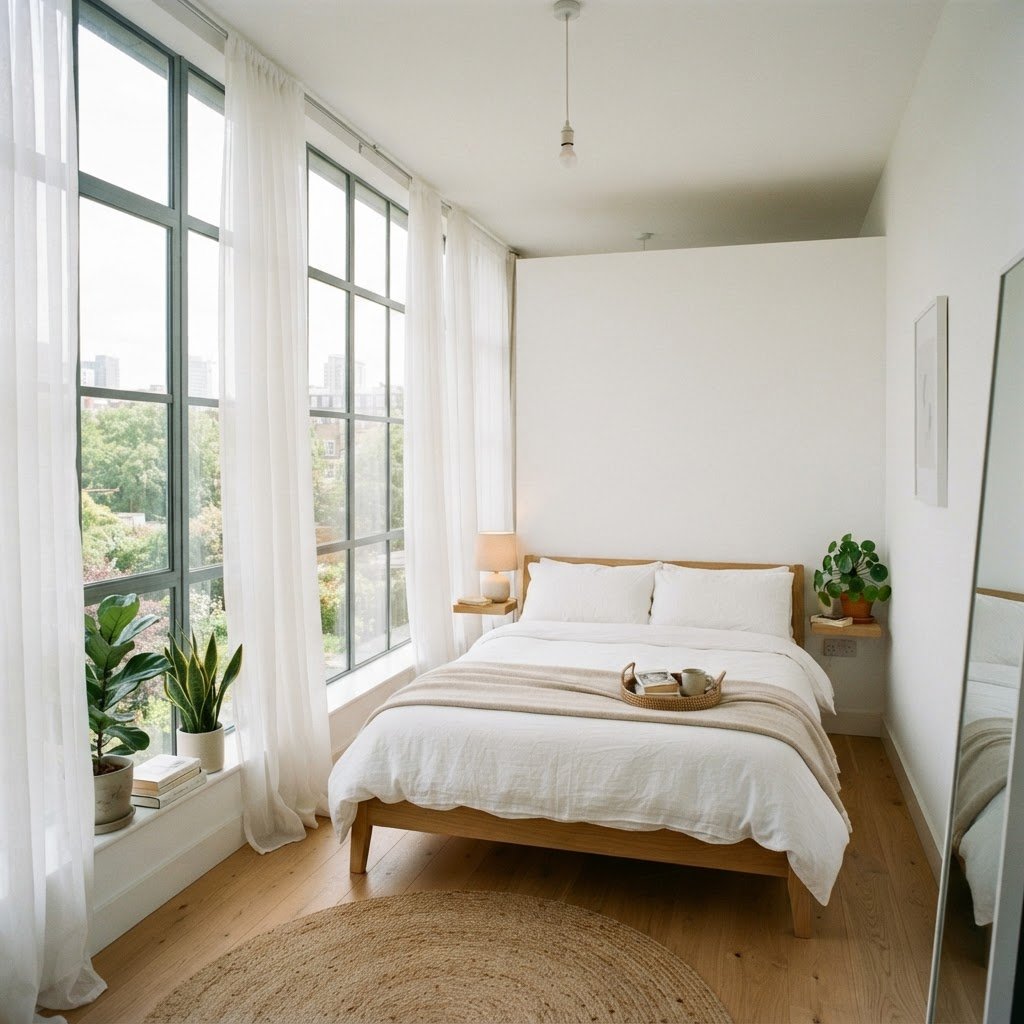
18 Clever Small Bedroom Ideas to Make Your Space Feel Huge
To make a small bedroom feel huge, focus on increasing floor visibility through leggy furniture, maximizing vertical storage, and utilizing light, neutral color palettes. These design strategies physically and visually expand the room, turning tight quarters into a functional, airy retreat without the need for structural renovations.
The Psychology of Light and Color
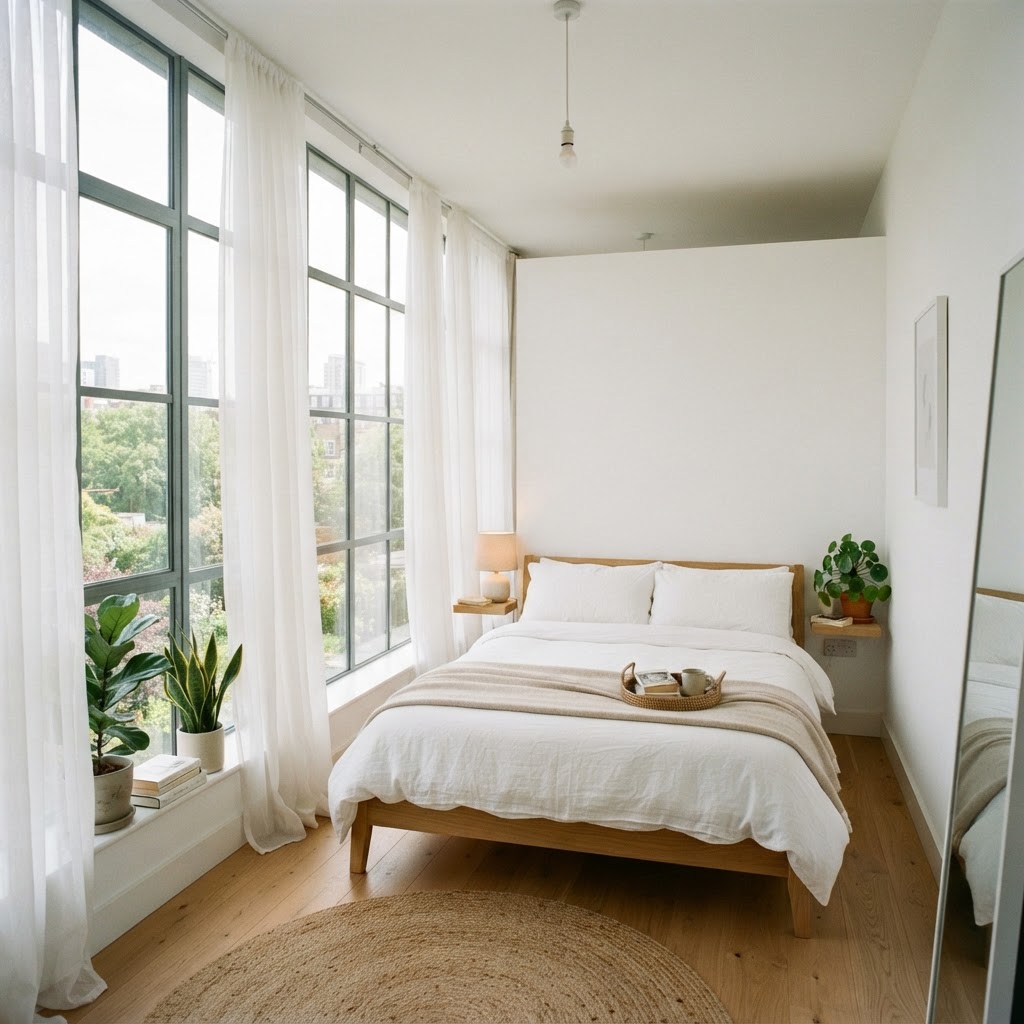
One of the most effective ways to make a room appear larger is through the expert use of color, specifically light-reflecting palettes like soft whites, cream, or pale greys. These shades act as a canvas that bounces natural light, visually pushing walls outward. While dark, moody colors add depth, they often shrink a space, making them less ideal for tiny bedrooms where every square inch counts. To further enhance the illusion of space, paint your ceiling a shade or two lighter than your walls to draw the eye upward, creating an airy atmosphere that feels taller.
Reflective Surfaces as Design Tools
Mirrors are perhaps the oldest trick in the book, but they remain an essential component of clever small bedroom ideas. Placing a large floor-length mirror or a wall of mirrored wardrobe doors reflects the room back to itself, effectively doubling the visual depth. For the best effect, position mirrors opposite a window to bounce natural sunlight into every corner of the room, instantly eliminating dark shadows that make a space feel confined.
Rethinking Your Furniture Layout
When square footage is at a premium, every piece of furniture must earn its keep, and the biggest mistake homeowners make is buying bulky furniture that dominates the room. Opt for leggy furniture; pieces that sit on thin, tapered legs allow you to see the floor underneath, which creates a sense of openness. When your eyes can trace the perimeter of the floor, the brain perceives the room as being larger than it actually is. By lifting the weight of the furniture off the floor, you eliminate visual “heavy points” that contribute to a cramped aesthetic.
Choosing Multi-Functional Pieces
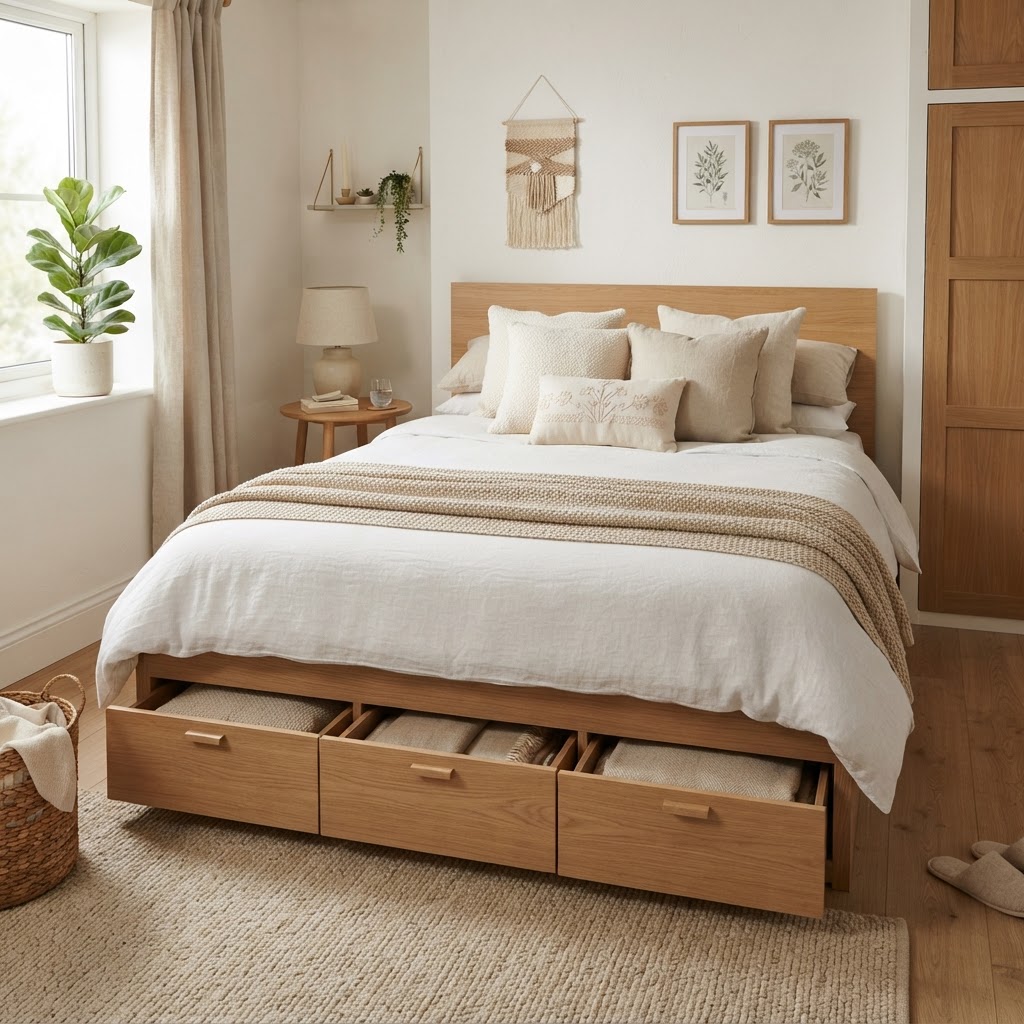
Prioritize items that serve double duty to reduce visual clutter. Consider a bed frame with built-in drawers, or a storage ottoman at the foot of your bed that holds extra linens or seasonal clothing. Nightstands with drawers or small shelving units are far superior to open tables, as they provide hidden storage for books, chargers, and skincare, keeping surfaces clear and uncluttered. For example, a bed with built-in hydraulics can provide up to 25 cubic feet of additional storage—effectively replacing a small dresser.
Smart Vertical Storage Solutions
If you cannot build out, build up, as many people ignore the vast amount of wall space available above their furniture. Installing floor-to-ceiling shelving units allows you to display books and decor items without consuming precious floor space. This draws the eye upward, highlighting the height of the room rather than its narrow width. For best results, ensure shelving is consistent with wall color to prevent visual fragmentation.
The Power of Wall-Mounted Fixtures
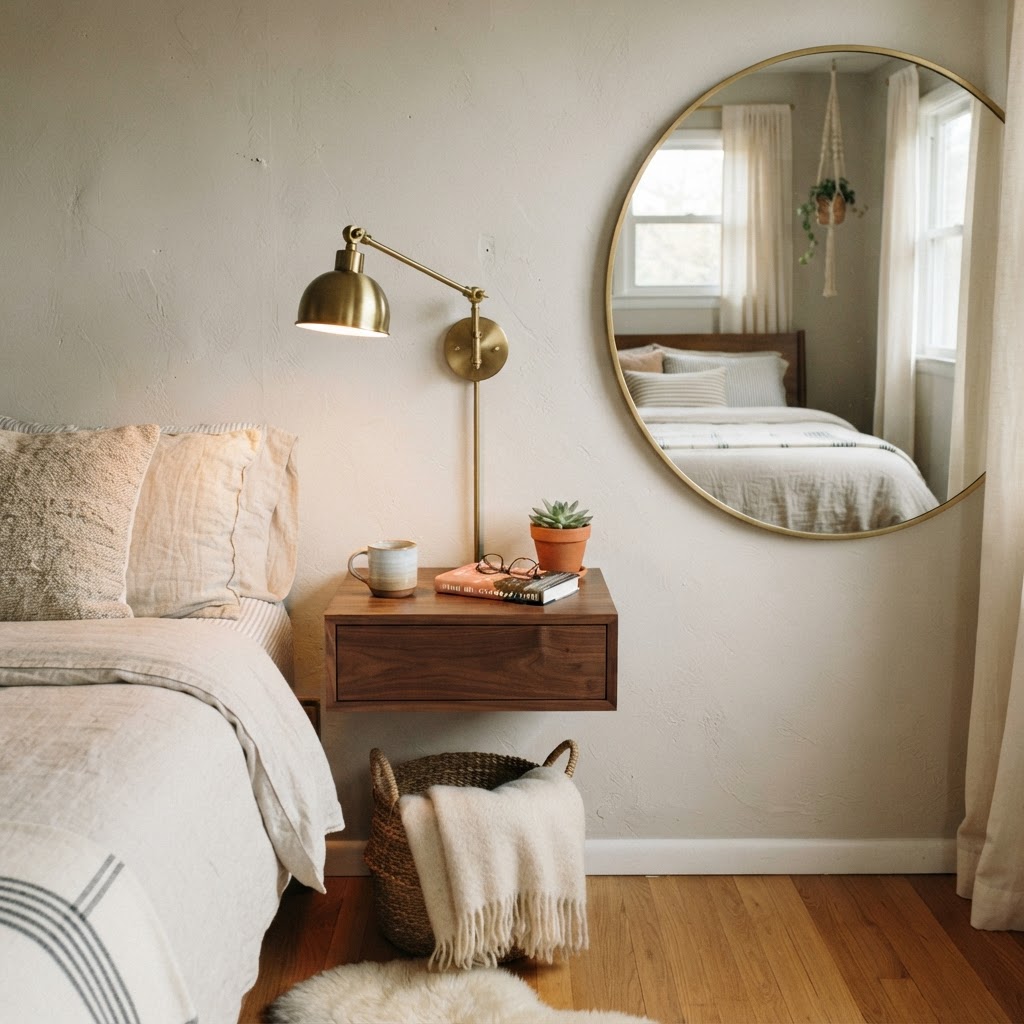
Wall-mounted bedside lamps are another essential in our list of small bedroom ideas. By removing lamps from your nightstand, you reclaim valuable surface area. This simple switch makes the room feel cleaner, more organized, and intentionally designed, providing a sleek hotel-like aesthetic that elevates the overall room design. Using hardwired sconces or plug-in wall lamps can save roughly 1 to 2 square feet of surface space per side of the bed.
The Art of Decluttering and Minimalism
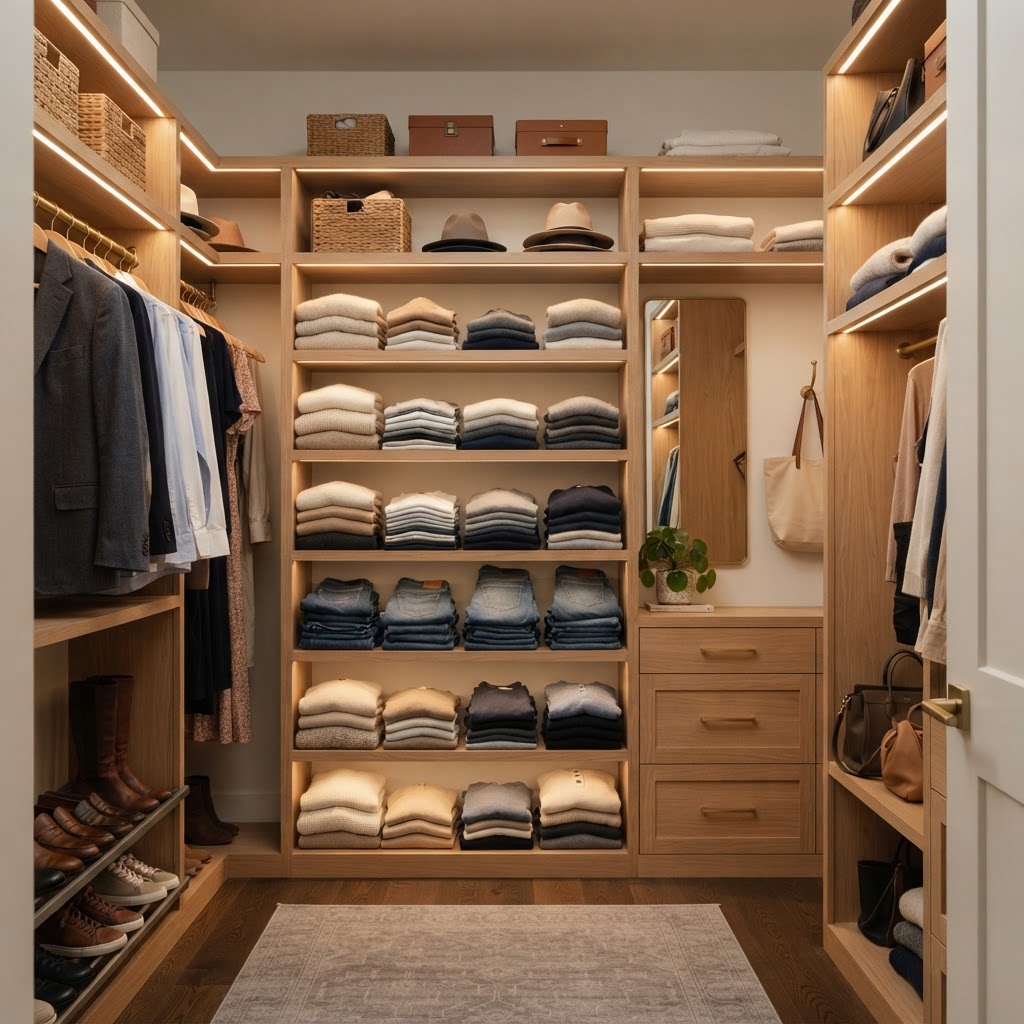
In a tiny bedroom, surface area is everything, and minimalism is a necessity for anyone looking to maximize small bedroom space. Start by editing your decor: only keep items on your dresser or nightstand that you use daily or that bring you genuine joy. Store everything else out of sight in bins or closet organizers. A rule of thumb is to keep surfaces at 20% capacity; if a dresser is covered in items, it creates visual chaos that makes a small room feel claustrophobic.
Clearing the Visual Path
Keep high-traffic areas clear of shoes, laundry baskets, and stray items. When the floor is clear, the room feels significantly larger. Use under-bed storage boxes for items you rarely need, keeping them tucked away securely while maintaining easy access whenever the time comes to swap out seasonal goods. Consider utilizing modular storage cubes that stack to exactly the width of your closet opening.
Textile and Window Treatments
How you dress your windows can define the scale of your bedroom, and heavy, dark curtains can act as a frame that makes a window—and by extension, the room—feel smaller. Instead, choose floor-to-ceiling curtains in a light, sheer fabric. Mounting the curtain rod high above the window frame creates the illusion of taller walls, making the room feel grander. Aim to hang rods at least 6 inches above the frame to maximize the vertical line.
Simplify Your Bedding
While we all love a pile of decorative pillows, too many can overwhelm a tiny bed. Opt for a sleek, streamlined duvet cover and one or two decorative pillows rather than a massive mountain of cushions. Using a monochromatic bedding set also helps to unify the bed with the rest of the room’s furniture, preventing the bed from looking like a bulky focal point that consumes the entire area. A single large throw blanket folded neatly at the foot can add texture without the visual weight of excessive pillows.
Strategic Use of Lighting
Layered lighting is critical, as relying on a single harsh overhead light can make a room feel boxy and flat. Use a combination of ambient, task, and accent lighting to create depth. Soft LED strips behind the headboard or under the bed frame can create a “floating” effect, which is one of the most effective small bedroom ideas to create an illusion of space. By separating the bed from the wall via light, you increase the perception of depth.
Recessed Lighting and Pendants
If you have the budget, consider recessed lighting. It eliminates the need for bulky fixtures that hang down into your field of vision. For a more decorative touch, consider pendant lights hung on either side of the bed. They offer a stylish alternative to table lamps and free up space in a way that feels intentional and high-end. Aim for warm light (around 2700K to 3000K) to maintain a cozy, restful environment.
Customizing Your Closet Space
Closets are often the most underutilized areas in a bedroom. If you have a traditional door, consider removing it and replacing it with a stylish curtain, or switching to sliding bypass doors that don’t take up floor space when opened. Installing a custom closet system can also help you organize your belongings more efficiently, allowing you to remove bulky dressers from the main bedroom area entirely.
The “Dresser in the Closet” Hack
If your closet is deep enough, try placing a dresser or shelving unit inside. This clever storage solution clears up massive amounts of floor space, allowing you to use your bedroom solely as a place for rest rather than a combination of sleep and storage. By treating your closet as a functional extension of the room, you gain back valuable floor space, typically adding 4 to 6 square feet of usable room area.
FAQ
Q: What is the best color to paint a small bedroom to make it look bigger?
Light, neutral colors like soft whites, off-whites, and pale greys are the best for making small rooms look bigger. These shades reflect natural light, which minimizes shadows and creates an expansive, airy feel by visually pushing the walls away from the viewer.
Q: Does under-bed storage really save space?
Yes, utilizing under-bed storage allows you to reclaim floor area previously occupied by bulky furniture like dressers. By choosing a frame with integrated drawers or using low-profile storage bins, you can store seasonal clothing and linens, effectively doubling the storage capacity of a standard closet.
Q: Should I use floor-to-ceiling curtains in a small room?
Absolutely, as mounting floor-to-ceiling curtains draws the eye upward and emphasizes the height of the walls. Using light, sheer fabrics prevents the window treatment from feeling heavy, which helps maintain a sense of openness and verticality throughout the entire space.
Q: How do I arrange furniture in a tiny bedroom?
Focus on “leggy” furniture that allows you to see the floor underneath, as this increases the sense of space. Place larger pieces like the bed against the wall, keep high-traffic paths clear of clutter, and use vertical wall space for shelving instead of placing more furniture on the floor.
Q: What lighting is best for a small room?
Layered lighting is ideal, using a mix of recessed lights, wall sconces, and LED strips to create depth. Avoid large, low-hanging pendant lights that obstruct your line of sight, and try to install lighting that highlights corners to eliminate dark spots that shrink a room’s perceived size.

Leave a Reply