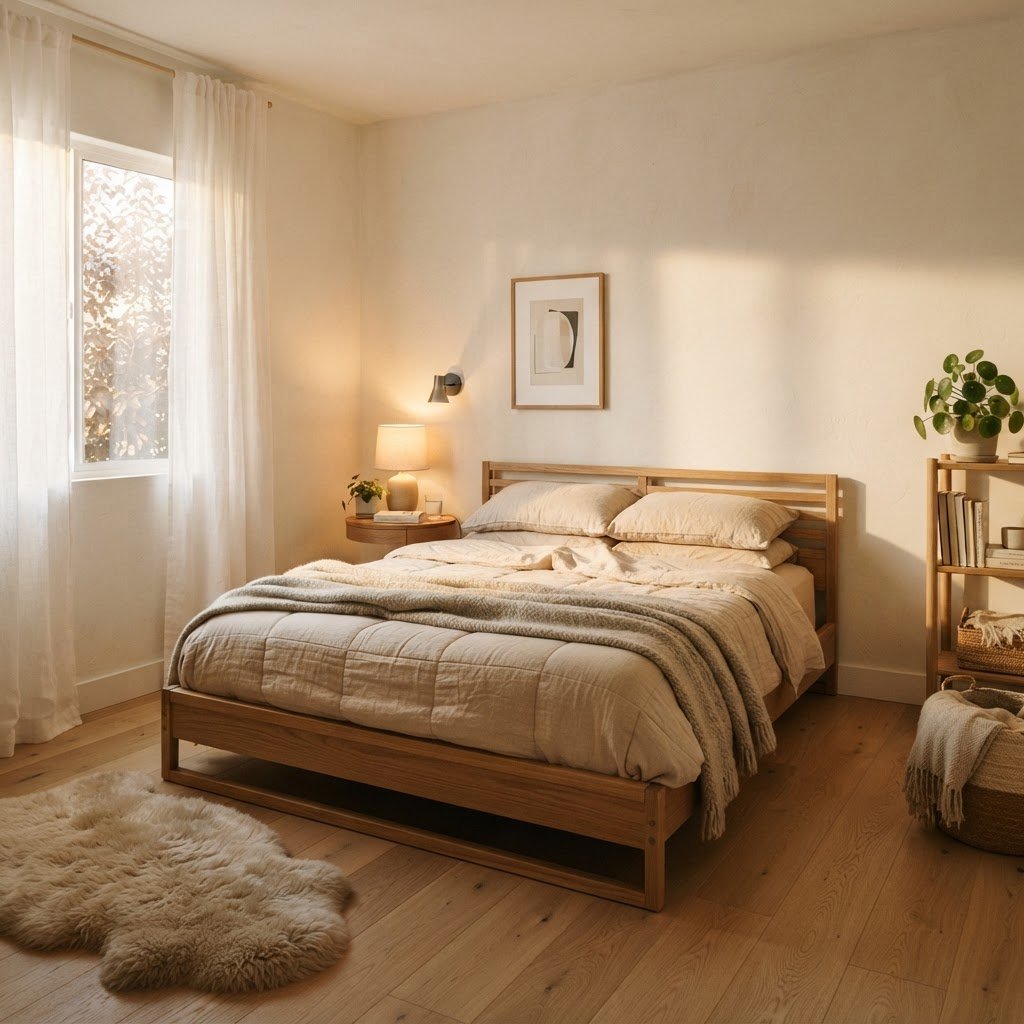
Modern minimalist small bedroom design relies on maximizing floor space, utilizing warm neutral color palettes, and layering organic textures to create an inviting sanctuary. By prioritizing multifunctional furniture and intentional, high-quality decor, you can transform limited square footage into a peaceful, airy retreat that promotes restful sleep and personal comfort.
The Philosophy of Warm Minimalism
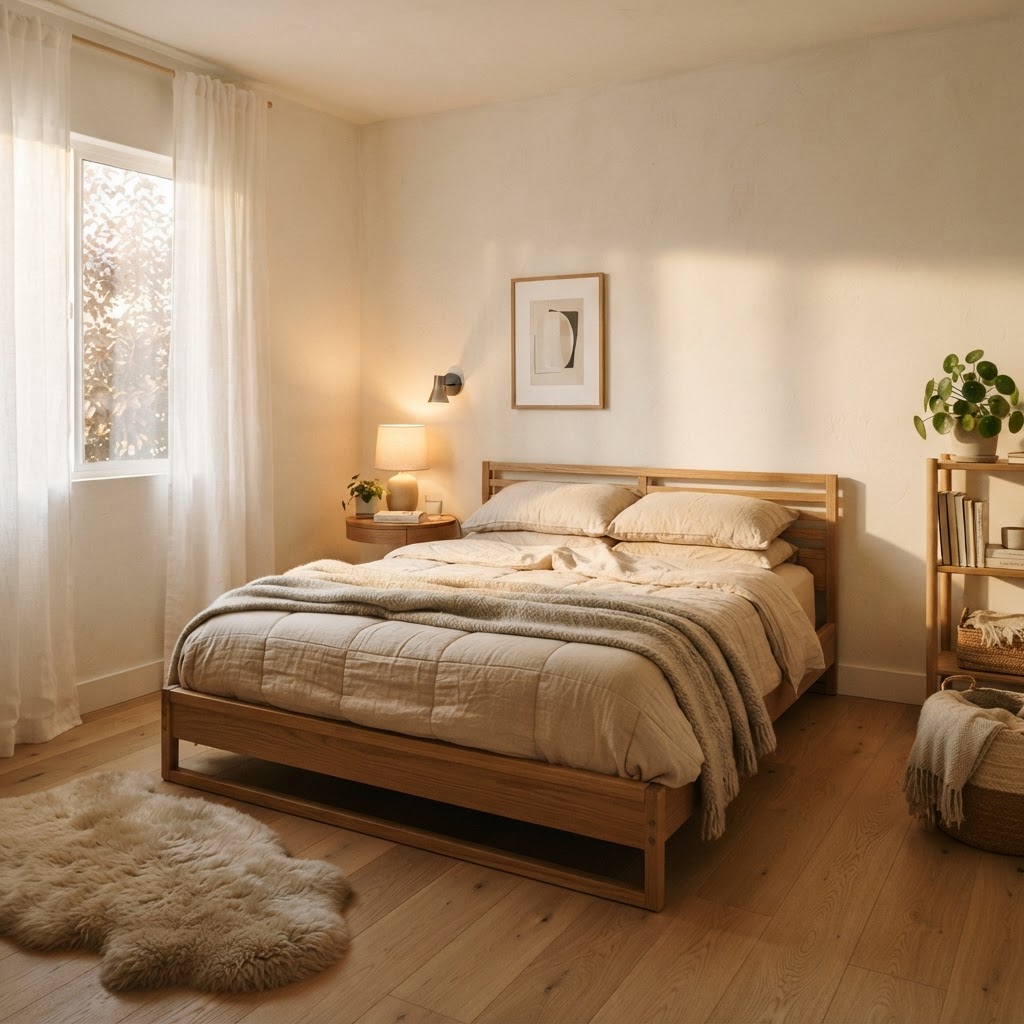
Warm minimalism rejects the clinical, stark aesthetics of traditional minimalism by balancing clean lines with rich, tactile materials that evoke comfort. To achieve this, design your bedroom around organic materials like wool, cashmere, linen, and solid wood, which provide natural grounding and prevent the room from feeling like an icebox. This philosophy centers on the intentional curation of space, ensuring that every element—from the weave of a rug to the finish of a nightstand—serves a dual purpose of both aesthetic beauty and physical comfort. By stripping away non-essential clutter, you allow high-quality textures to define the room’s atmosphere.
Why Texture Matters in Small Spaces
In a room with limited color and minimal furniture, your eyes naturally gravitate toward the surfaces of objects. If everything in your room is smooth and matte, the space may feel flat. Introduce depth by layering textures. A chunky knit throw over a crisp linen duvet, or a sheepskin rug beside a polished wood nightstand, adds visual complexity without clutter. This tactile approach turns a sparse room into a cozy haven, proving that you do not need more stuff to feel more comfort.
Optimizing Furniture for Limited Square Footage
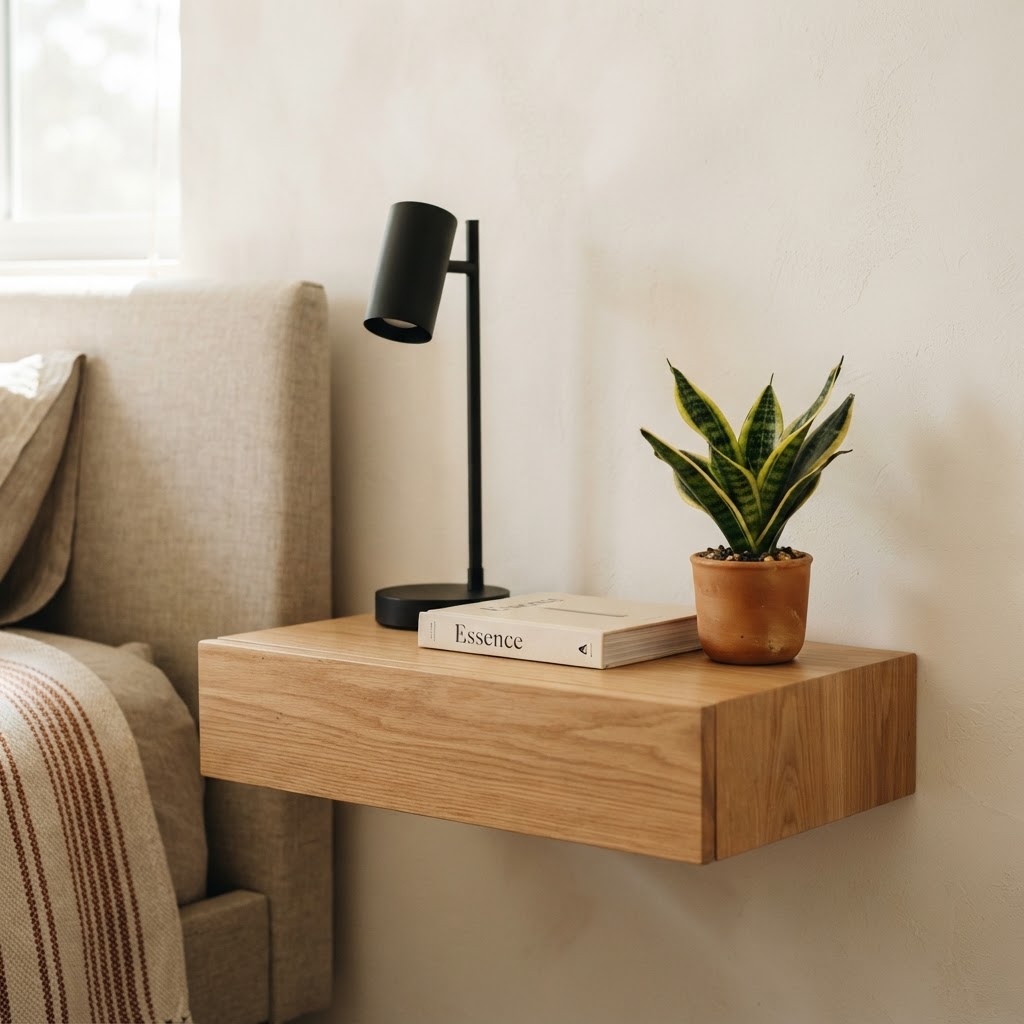
Effective furniture selection in a small bedroom requires prioritizing vertical storage and pieces that serve multiple roles to keep the floor clear. Opt for wall-mounted nightstands or floating shelves, which provide necessary surface area for essentials while maintaining an open line of sight across the floor. Design psychology indicates that exposing 30% more floor space can make a room appear significantly larger. When selecting larger pieces, avoid bulky frames; instead, choose low-profile, sleek designs that draw the eye upward and utilize vertical space for decor, effectively tricking the brain into perceiving a higher volume of space.
The Power of Multi-Functional Pieces
Look for a bed frame that offers built-in storage underneath. Hidden drawers allow you to tuck away seasonal clothing or extra linens, which is crucial for maintaining a clean aesthetic. When you remove visual noise from the floor, you immediately reduce stress levels. Remember, in small space interior design, the more floor you can see, the more spacious the room will feel. Avoid heavy, ornate bed frames that dwarf the room, and instead opt for low-profile, sleek designs that keep the line of sight clear.
Mastering the Minimalist Color Palette
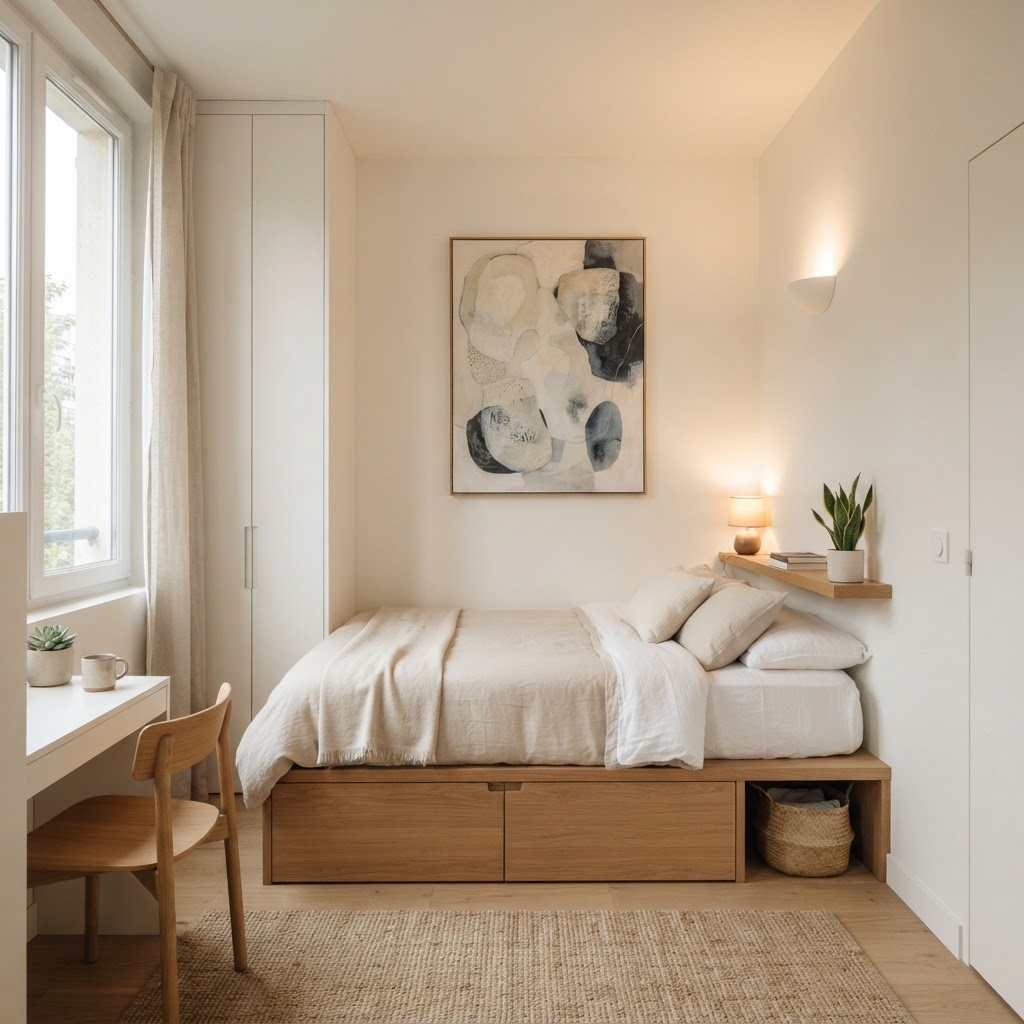
Moving away from clinical white toward a warm neutral palette creates a more sophisticated and cohesive bedroom environment. Utilize a color scheme anchored by shades like oatmeal, taupe, soft greys, or muted terracotta to provide an airy quality while retaining a sense of organic warmth. A professional strategy involves using a 60-30-10 color rule: 60% for the dominant neutral wall color, 30% for secondary textures like bedding or rugs, and 10% for dark accent pieces. This layering of tones creates depth, ensuring the room remains cozy and intentional rather than washed out.
Creating Contrast Without Clutter
While neutrals are your base, you should introduce subtle contrast to prevent the room from feeling washed out. Use darker tones for grounding elements, such as a black metal lamp base or charcoal pillow shams. These darker accents act as punctuation marks in your design, drawing the eye and adding a professional, sophisticated finish to the overall bedroom aesthetic.
Strategic Lighting to Soften the Atmosphere
Strategic lighting design is the most effective way to eliminate harsh shadows and establish a serene, warm ambiance in a confined bedroom. Avoid relying on a single overhead light, which can create flat, clinical lighting; instead, implement a layered lighting scheme using a combination of bedside lamps, wall-mounted sconces, and hidden LED strips. For optimal results, ensure all bulbs fall within the 2700K to 3000K color temperature range. This golden-hour spectrum suppresses cortisol production, making it physiologically easier to transition into sleep compared to the 4000K+ blue-tinted light common in standard household bulbs.
The Warmth of Golden Hour Lighting
Focus on lampshades made from fabric or paper, which diffuse light and create a soft, golden glow. Avoid blue-tinted cool LEDs at all costs, as they contribute significantly to that unwanted ‘cold’ feeling. By selecting bulbs with a color temperature between 2700K and 3000K, you mimic the natural light of sunset, which promotes relaxation and prepares your mind for sleep.
Decluttering as a Design Tool
Maintaining a minimalist bedroom requires a strict ‘one-in, one-out’ policy to prevent the accumulation of visual noise that elevates cortisol levels. Studies suggest that cluttered environments can reduce focus and increase anxiety, particularly in small spaces where every object occupies a significant percentage of the total visual field. Dedicate time each week to clear off horizontal surfaces, ensuring that only items that provide daily utility or profound personal joy remain in view. Utilizing storage organizers inside closets or drawers is the most effective way to keep essential, yet unappealing, items hidden from sight while preserving a calm design aesthetic.
Bringing the Outdoors In
Nature is inherently warm and grounding. Adding a single, well-placed plant can completely change the mood of a minimalist room. A snake plant or a hanging pothos adds a vibrant splash of green that breathes life into the space. Not only do plants improve indoor air quality, but they also act as living decor that doesn’t feel like ‘stuff.’ Avoid overwhelming the room with a jungle of pots; choose one or two sculptural plants that complement your design theme.
Personalization Through Meaningful Art
Minimalism is often mistaken for a lack of personality, but it should actually be the opposite. A truly successful minimalist space reflects your identity by highlighting only your most meaningful possessions. Instead of a gallery wall covered in dozens of small frames, choose one large, impactful piece of art that speaks to you. A single, high-quality print or a piece of local craft can serve as a focal point. This maintains the clean, airy aesthetic of the room while ensuring it feels like your home rather than a staged catalog room.
FAQ
How can I make a small minimalist bedroom feel warmer?
To make a small room feel warmer, replace cool white tones with warm neutrals like cream, oatmeal, or taupe. Layering textiles such as wool throws, linen curtains, and sheepskin rugs adds tactile depth that prevents the space from appearing sterile or cold.
What are the best colors for a small minimalist bedroom?
Stick to a monochromatic palette of warm neutrals, including soft greys, mushroom, beige, and warm white. These colors bounce light around the room, creating an illusion of space while maintaining an inviting, cozy atmosphere that feels intentional rather than empty.
Should I use large furniture in a small bedroom?
Generally, no; however, one large, well-scaled piece of furniture can sometimes anchor a room better than several small, cluttered items. Prioritize low-profile furniture with clean lines to keep the line of sight clear and maintain an open, airy feeling in limited square footage.
How much lighting do I need in a small bedroom?
Layer your lighting by using at least three light sources, such as a bedside lamp, a dimmable wall sconce, and subtle ambient accent lighting. Always choose warm bulbs between 2700K and 3000K to avoid the harsh, clinical feel of cooler, blue-toned LED lighting.
How do I store items in a small minimalist room?
Utilize vertical space with floating shelves and choose furniture with hidden storage, such as bed frames with integrated drawers. The ‘one-in, one-out’ rule is essential: for every new item you introduce to the room, remove one item to storage or donation to maintain a clean aesthetic.

Leave a Reply