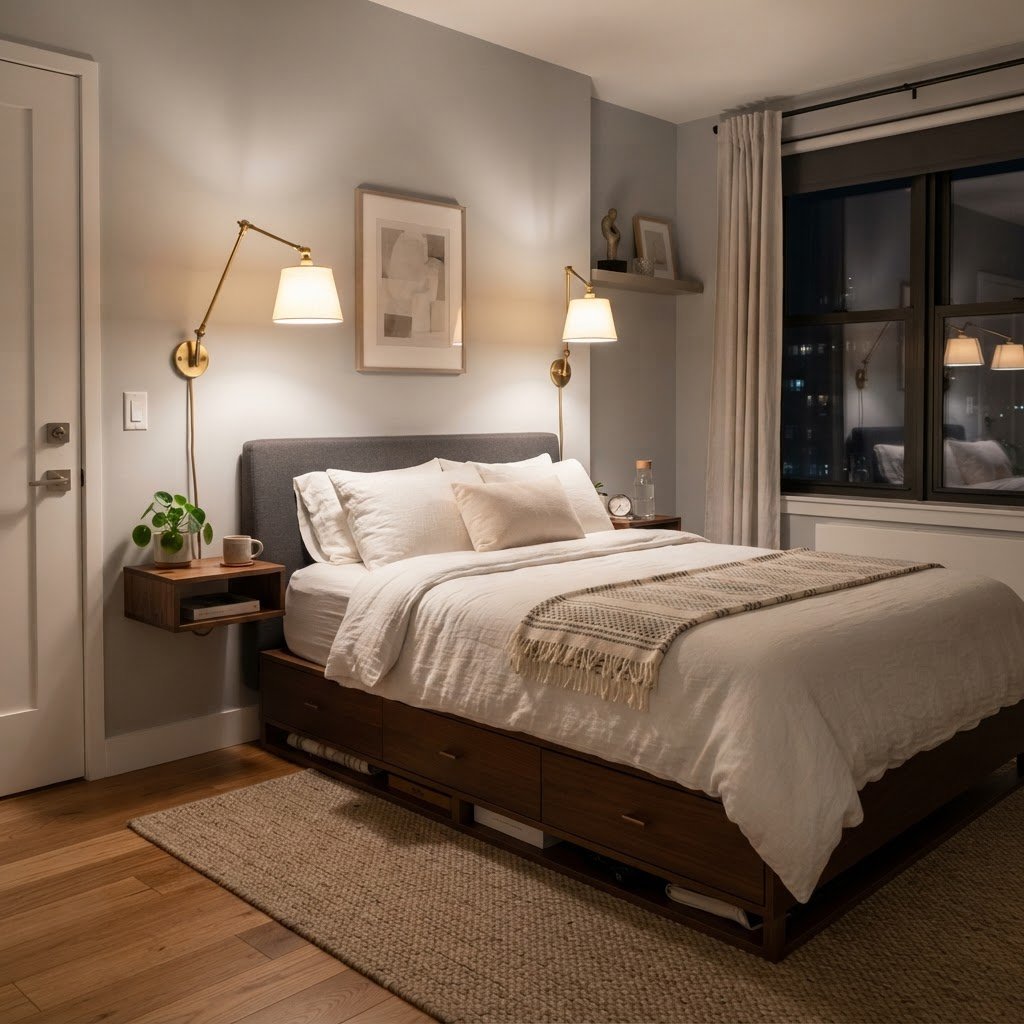
Designing a modern small bedroom requires prioritizing multifunctional furniture, vertical storage solutions, and a cohesive, light-reflecting color palette to maximize square footage while maintaining a cozy, high-end feel. By incorporating wall-mounted fixtures and intentional, minimalist decor, you can transform a compact room into a sleek, efficient personal sanctuary.
The Philosophy of Modern Small Bedroom Design
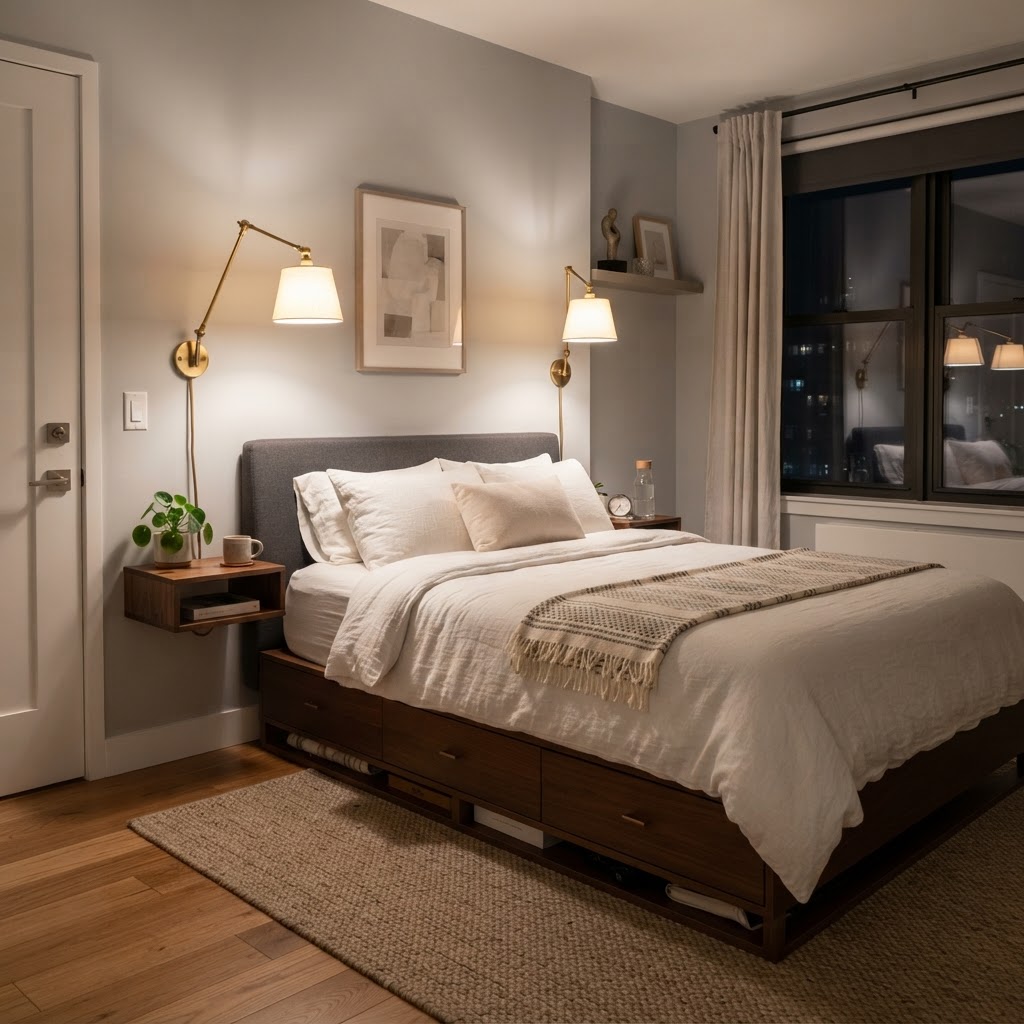
Modern small bedroom design centers on the philosophy of intentional minimalism, where every square inch serves a dual purpose to eliminate visual noise. Rather than allowing clutter to consume limited space, homeowners should invest in streamlined furniture, such as bed frames with integrated hydraulic lifts for seasonal storage or wall-mounted nightstands that keep floor space completely clear. By maintaining visible floor area, the eye perceives a larger, more open footprint, which is a critical psychological trick for compact living. Experts recommend ensuring at least 24 to 30 inches of clearance around the bed for comfortable movement. Transitioning away from bulky, traditional bedroom sets in favor of bespoke, multipurpose pieces ensures that your room feels architectural rather than cramped. This design approach prevents the sterile feeling often associated with minimalism by allowing you to curate essential items that balance functionality with personal comfort.
Strategic Use of Lighting and Reflection
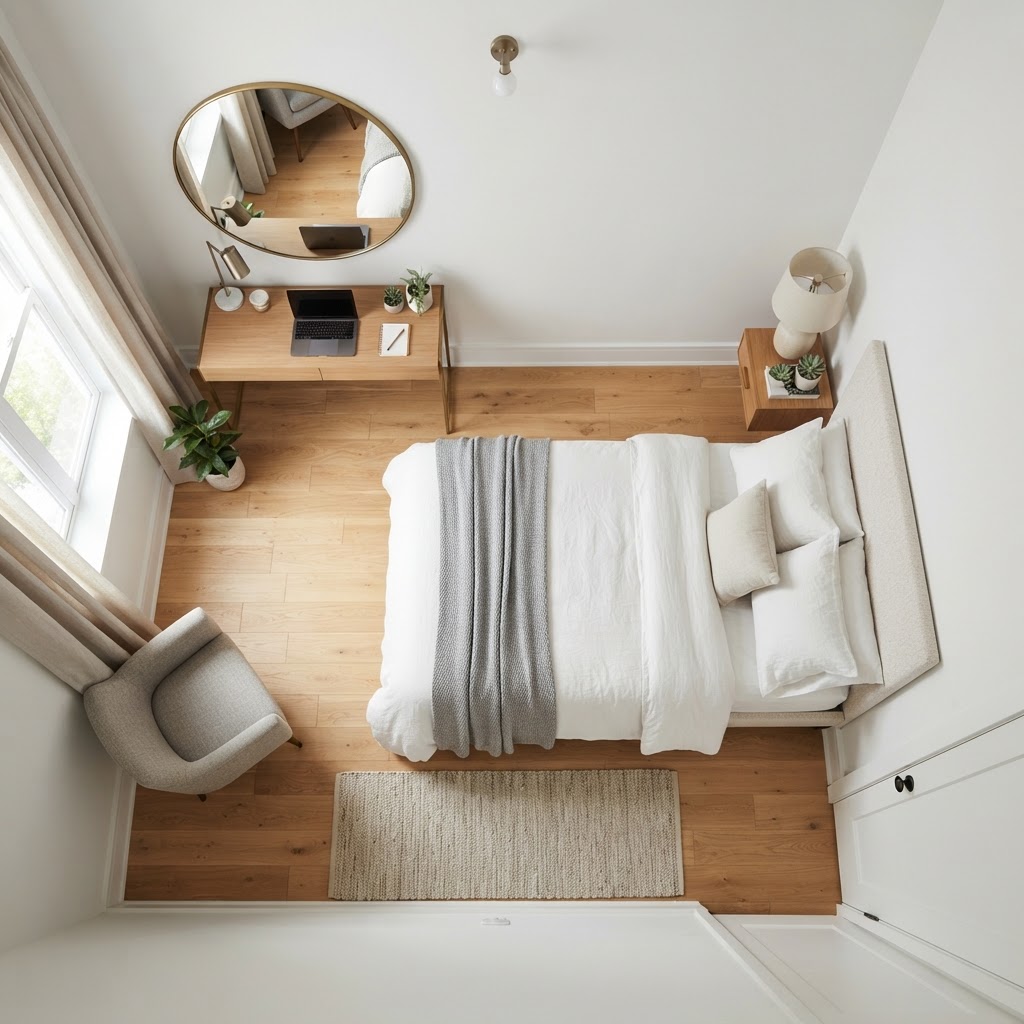
Lighting is the most effective tool for expanding a small bedroom’s perceived volume, with layered illumination proving superior to a single overhead source. To maximize efficiency, install wall sconces on either side of the bed to free up valuable surface area on nightstands, while using floor lamps in corners to provide height and ambient warmth. Mirrors act as architectural multipliers in compact rooms; a large, floor-to-ceiling mirror placed directly opposite a window will reflect natural light back into the space, effectively doubling the light output. For a contemporary, sophisticated aesthetic, opt for bronze-tinted or antique-finish mirrors which provide a moody depth without sacrificing the reflective benefits. Incorporating smart lighting systems with color-temperature adjustments allows you to transition the room from a bright, productive workspace during the day to a soft, relaxing sleep environment in the evening.
Maximizing Vertical and Hidden Storage
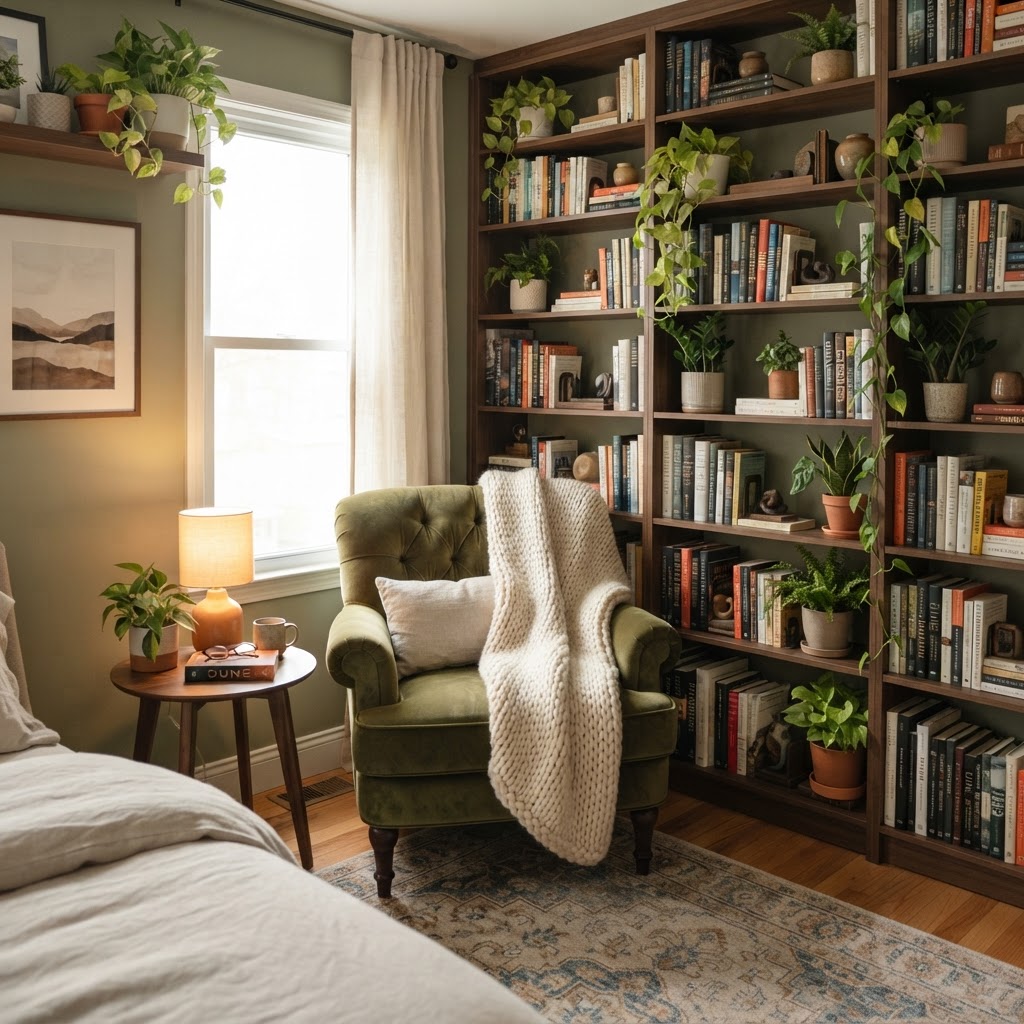
Vertical space is the most underutilized asset in small bedrooms, and leveraging it through floor-to-ceiling storage can dramatically alter the room’s proportions. By installing shelves that run all the way to the ceiling, you force the eye upward, creating an optical illusion of a higher ceiling while gaining significant display area for books, art, and plants. Custom cabinetry that utilizes the vertical span of a single wall can replace traditional dressers entirely, consolidating clothing and personal items into one sleek, unified structure. Hidden storage is equally vital; look for beds with internal compartments or utilize the area beneath a raised bed frame for deep, organized storage bins. For those working in a studio environment, specialized hardware like high-quality Murphy bed mechanisms allows a full-sized sleeping space to vanish completely, converting the room into a functional office or yoga studio in under 30 seconds.
Creative Storage Solutions
- Under-bed storage bins or custom built-in drawers are perfect for bulky seasonal items.
- Over-the-door organizers can be hidden behind curtains or sliding barn doors to keep accessories tidy.
- Floating shelves act as bedside tables, keeping the area beneath them airy and accessible.
- Murphy beds or loft beds are excellent for those who need their bedroom to double as a home office or creative studio.
Texture as the Foundation of Comfort
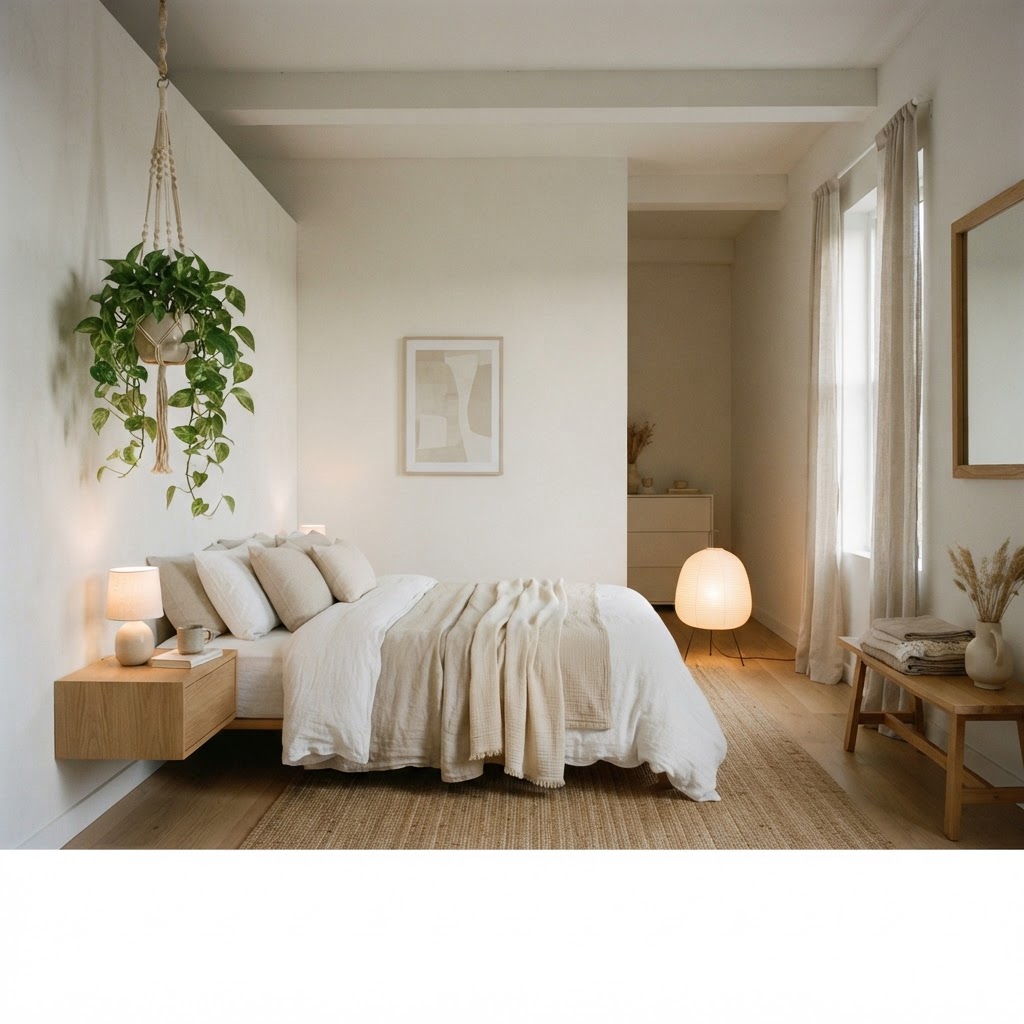
Texture serves as the critical anchor for comfort in a modern, streamlined space, ensuring the room feels like a sanctuary rather than a showroom. Because a modern design restricts excess furniture, you must introduce tactile interest through high-quality materials like heavy wool, velvet, or washed linen. These fabrics create a “sensory depth” that makes the space feel luxurious and soft. Start with a neutral, monochromatic base—such as soft white, light gray, or greige—and layer textures in the bedding and throw blankets to create contrast. For instance, pairing a smooth linen duvet with a chunky knit wool throw provides a sophisticated aesthetic that feels incredibly inviting. By maintaining a restricted color palette of no more than three harmonizing tones, you ensure the textures stand out, providing a sense of warmth without ever creating visual clutter.

Choosing the Right Furniture Scale
Proper furniture scale is the difference between a functional, professional-grade small bedroom and one that feels disorganized. The most common mistake involves selecting furniture that is either too small, which creates a ‘dollhouse’ effect, or too large, which obstructs traffic flow. Aim for ‘proportional anchoring’: a bed should be the largest piece, but it must be paired with low-profile furniture to prevent it from overwhelming the room. Utilizing a bench at the foot of the bed or a slim, wall-folding desk provides necessary utility without blocking pathways. Always maintain a minimum of 24 inches of walkway space between the bed and other furniture to keep the room breathable. When choosing pieces, prioritize items with tapered legs or glass tops, as these allow the floor to remain visible, reducing the visual ‘weight’ of the furniture and keeping the space feeling airy and open.
Implementing a Cohesive Color Palette
Modern design thrives on strict color discipline, with a monochromatic scheme often being the most effective tool for expanding small spaces. Using varying shades and intensities of a single color removes the harsh breaks in vision that occur with multi-colored schemes, causing the walls and furniture to blend into one another. If you prefer a more layered look, utilize the ‘rule of 60-30-10’: 60% of the room should be a primary neutral, 30% a secondary tone, and 10% a bold accent color. Lighter colors like eggshell, cream, and soft sage reflect up to 80% of incident light, which significantly brightens darker corners. These hues can be refreshed seasonally by simply swapping out throw pillows or art, allowing the room to evolve without requiring a full renovation or significant expense. Staying within a cohesive palette creates a psychological sense of calm that is essential for a high-quality bedroom experience.

Incorporating Personal Touches without Clutter
Personalizing a small bedroom requires shifting from a quantity-focused approach to a quality-focused one. Instead of filling surfaces with various knick-knacks, choose one or two impactful, large-scale art pieces to create a focal point that defines the room’s character. Utilizing a single statement mirror or an oversized abstract canvas provides the personality you desire without the clutter of a gallery wall. Integrate life into the room with low-maintenance plants like snake plants or pothos, which can be placed on windowsills or suspended in hanging planters to save floor space. These living elements improve air quality and provide an organic, soothing presence that complements a modern aesthetic. By curating every item on display, you ensure the bedroom remains a peaceful retreat rather than a storage zone for sentimental objects.
FAQ
What are the best colors for a small bedroom?
Light, neutral tones like soft whites, light grays, and creams are the best for small bedrooms because they reflect more light. Using a monochromatic color scheme helps eliminate visual boundaries, making the walls feel further apart and the entire space appear larger.
How can I make a tiny bedroom look bigger?
To make a tiny bedroom appear larger, maximize natural light with floor-to-ceiling mirrors and choose furniture with exposed legs to show more floor area. Keeping your floor clear of clutter and utilizing vertical shelving are essential strategies for improving visual flow and depth.
Is a king-sized bed too big for a small room?
Generally, a king-sized bed is too large for a small room because it limits walking space and restricts the ability to include necessary storage furniture. If you have less than 24 inches of clearance on all sides of the bed, consider opting for a queen or full-size frame instead.
What is the 60-30-10 design rule?
The 60-30-10 rule suggests that 60 percent of your bedroom should be a primary neutral, 30 percent a secondary color, and 10 percent an accent color. This ratio creates a balanced, professional look that prevents the room from feeling chaotic or overly crowded with too many colors.
How do I store clothes in a small bedroom without a closet?
If you lack a closet, use a combination of a tall, floor-to-ceiling garment rack with built-in drawers and under-bed storage containers. Adding a high-quality decorative curtain to separate this storage area from the sleeping space can keep the room looking clean and minimalist.

Leave a Reply