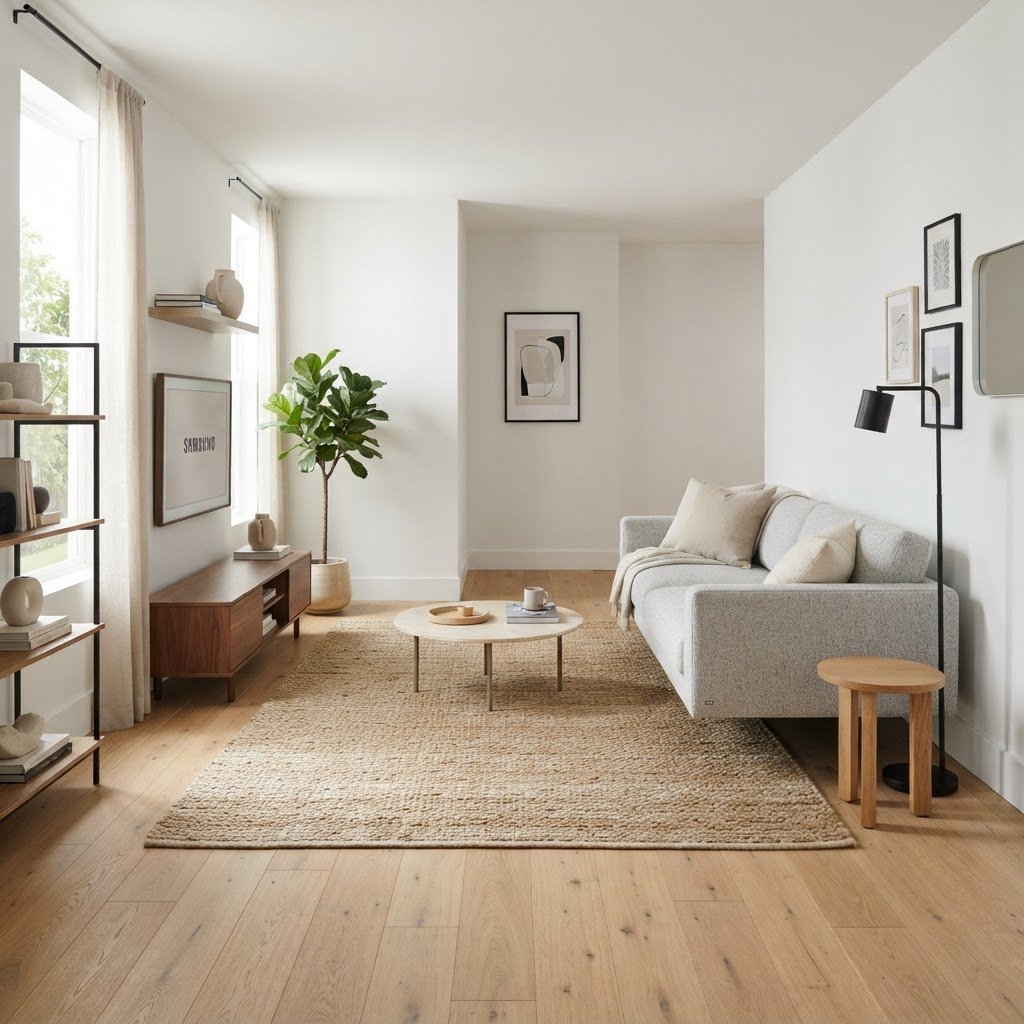
Living in a compact apartment or a home with a cozy floor plan often feels like a constant battle against clutter. Learning how to arrange furniture in a small living room is more than just about aesthetics; it is about maximizing every square inch to create a sanctuary that feels open, inviting, and highly functional. Whether you are dealing with awkward corners, narrow entryways, or a lack of natural light, the right configuration can make your home feel double its actual size. By focusing on flow, light, and multipurpose pieces, you can transform even the tightest room into a stylish oasis.
Assess Your Space and Needs
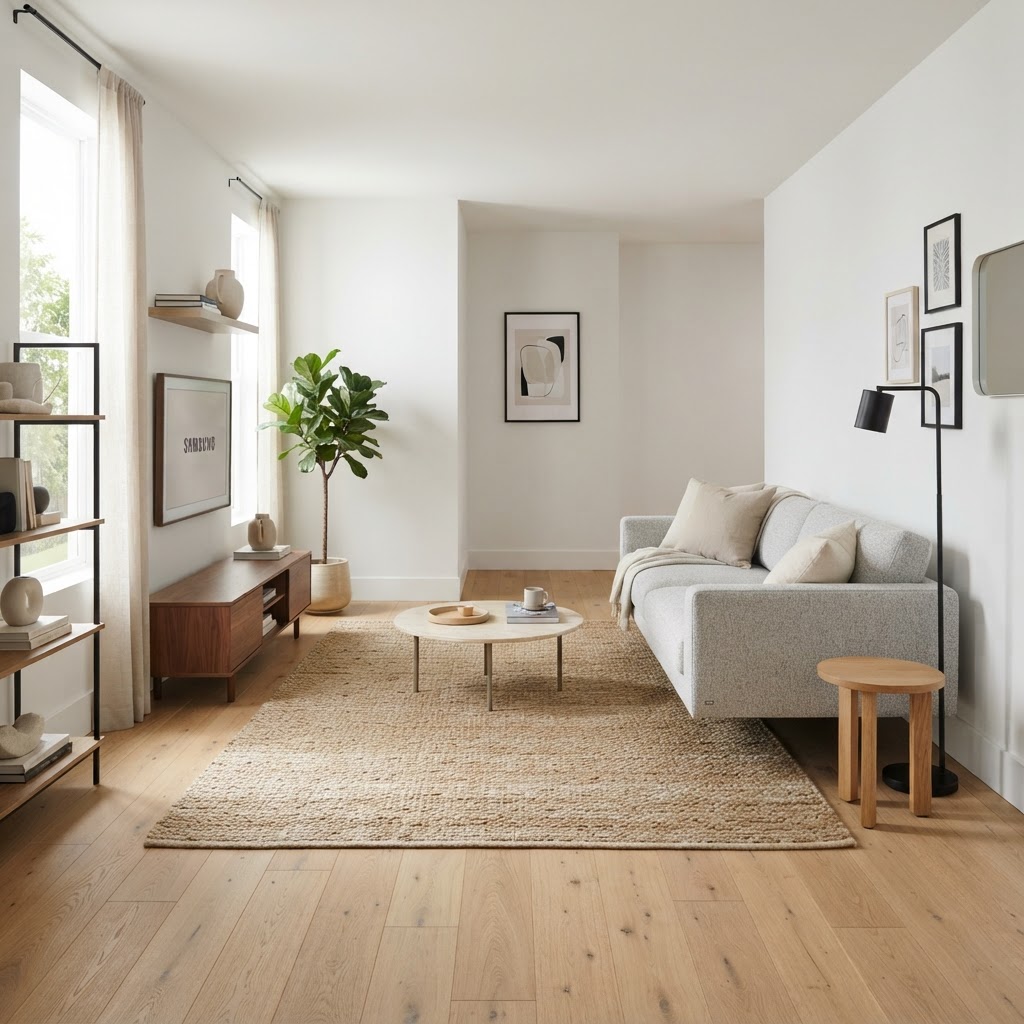
Before you start dragging your sofa across the hardwood, take a moment to evaluate your room. The biggest mistake homeowners make is buying furniture before measuring the area. Start by creating a rough floor plan on graph paper to see how different items might fit. Consider the primary function of your living room—is it a media hub, a reading nook, or a place to entertain guests? Before you get started, it is also worth reviewing some common layout mistakes to avoid when planning your space.
Focus on the “traffic flow” or the path people take to get from one side of the room to another. If your furniture creates a zigzag pattern to move through the room, you are wasting valuable space. Aim for a clear, straight path that allows natural light to hit the center of the room.
The Power of Floating Furniture
One of the most common myths in interior design is that you must push all your furniture against the walls to open up the center of the room. In reality, pushing pieces to the perimeter often creates a dead zone in the middle and highlights how small the room truly is. By floating your furniture—placing the sofa a few inches away from the wall—you create an illusion of airiness. If you are working with a rental, remember that these small-space techniques pair perfectly with renter-friendly decor solutions that allow you to customize your home without losing your security deposit.
When you pull furniture away from the walls, you give the space visual depth. This is particularly effective if you have a sofa that features legs rather than a solid base, as seeing the floor underneath the furniture helps the eye travel across the entire space. Even a few inches can make a massive difference in how open the room feels.
Strategic Furniture Placement
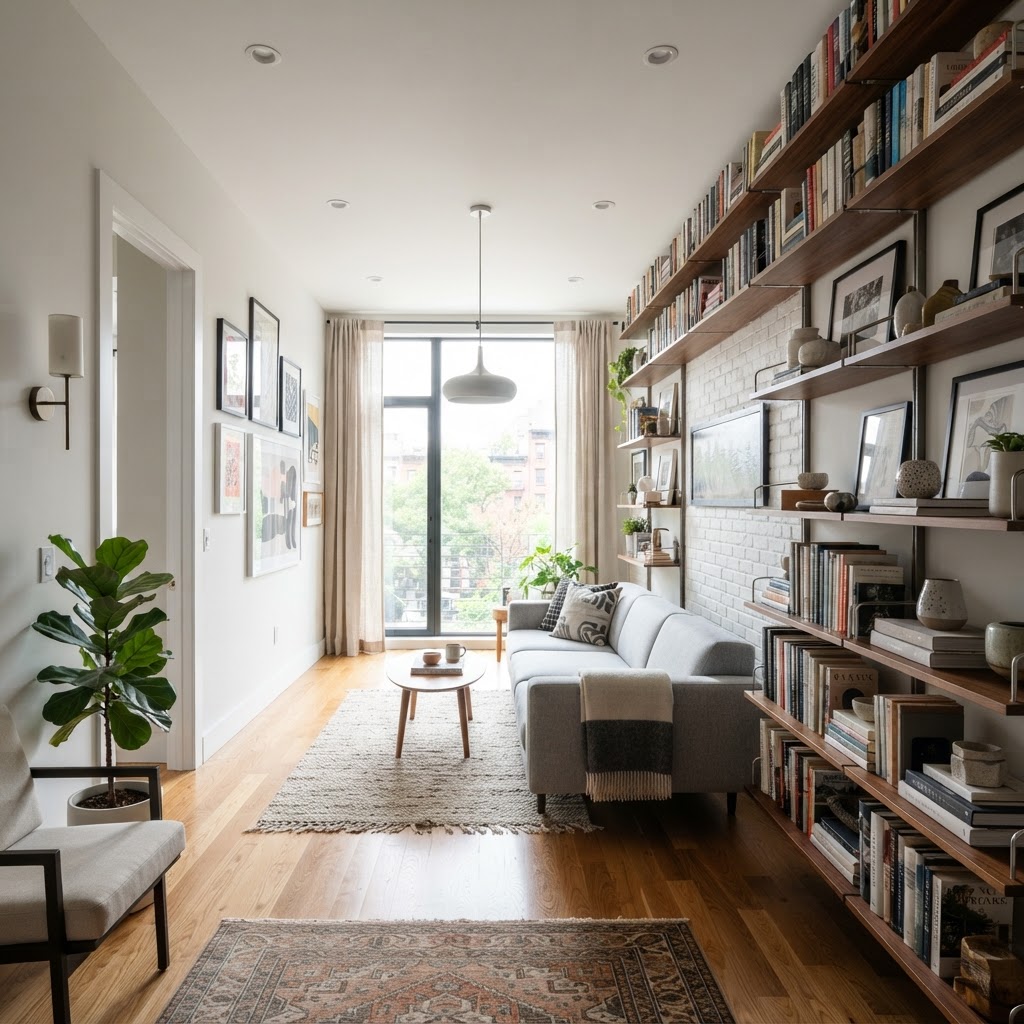
When figuring out how to arrange furniture in a small living room, the anchor piece is usually the sofa. It dictates the orientation of everything else. In a long, narrow living room, try placing the sofa perpendicular to the longest wall. This helps to divide the space into distinct zones, such as a conversation area and a walk-through path.
Maximize Vertical Space
Verticality is your best friend in a small home. If your floor space is limited, look up. Floor-to-ceiling bookshelves, tall curtains, and wall-mounted lighting can draw the eye upward and make the ceilings feel higher. By keeping the floor as clear as possible, you minimize visual noise and make the room look larger.
Choosing Low-Profile Pieces
Another trick involves selecting low-profile furniture. Pieces with slim arms, tapered legs, and shorter backs prevent the room from feeling “stuffy.” A mid-century modern aesthetic often works wonders here because the furniture is designed to be sleek and elevated, preventing the room from feeling bogged down by heavy textures or bulky silhouettes.
Creating Multifunctional Zones
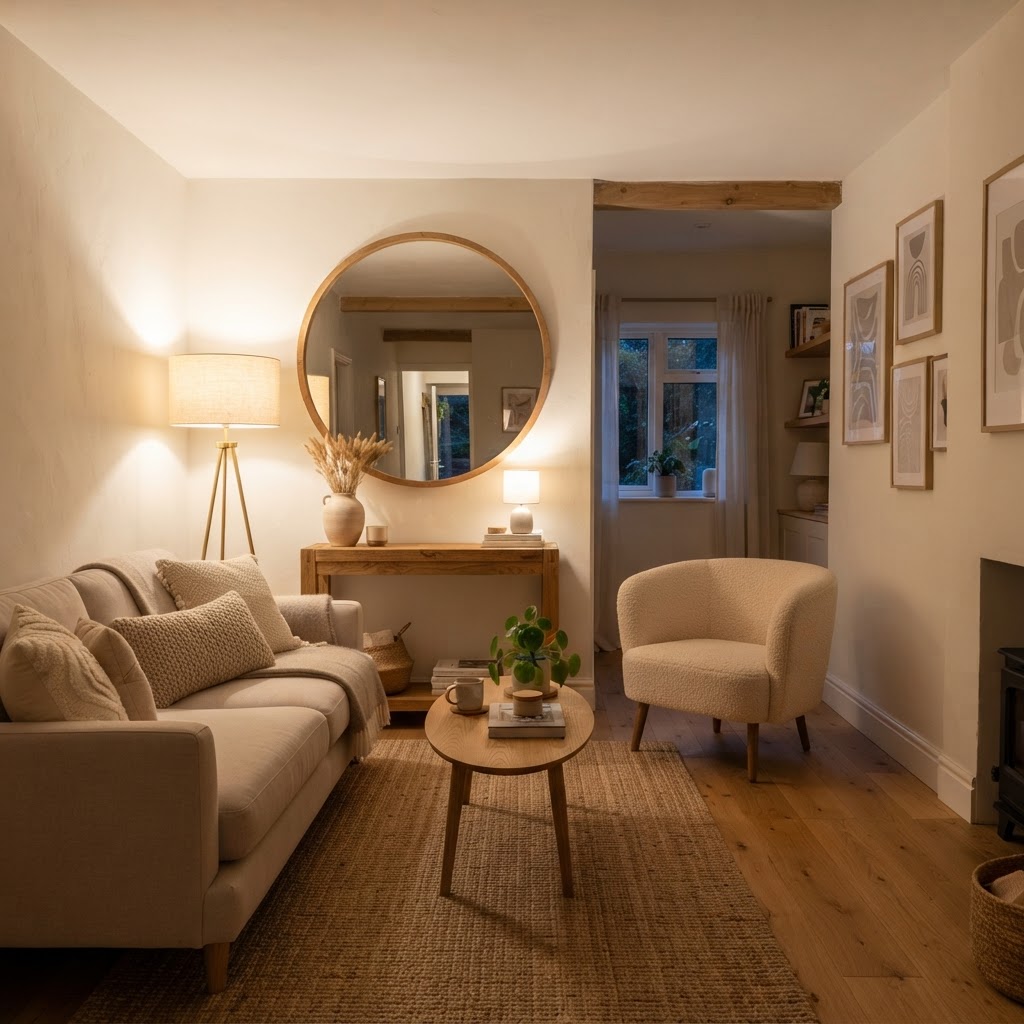
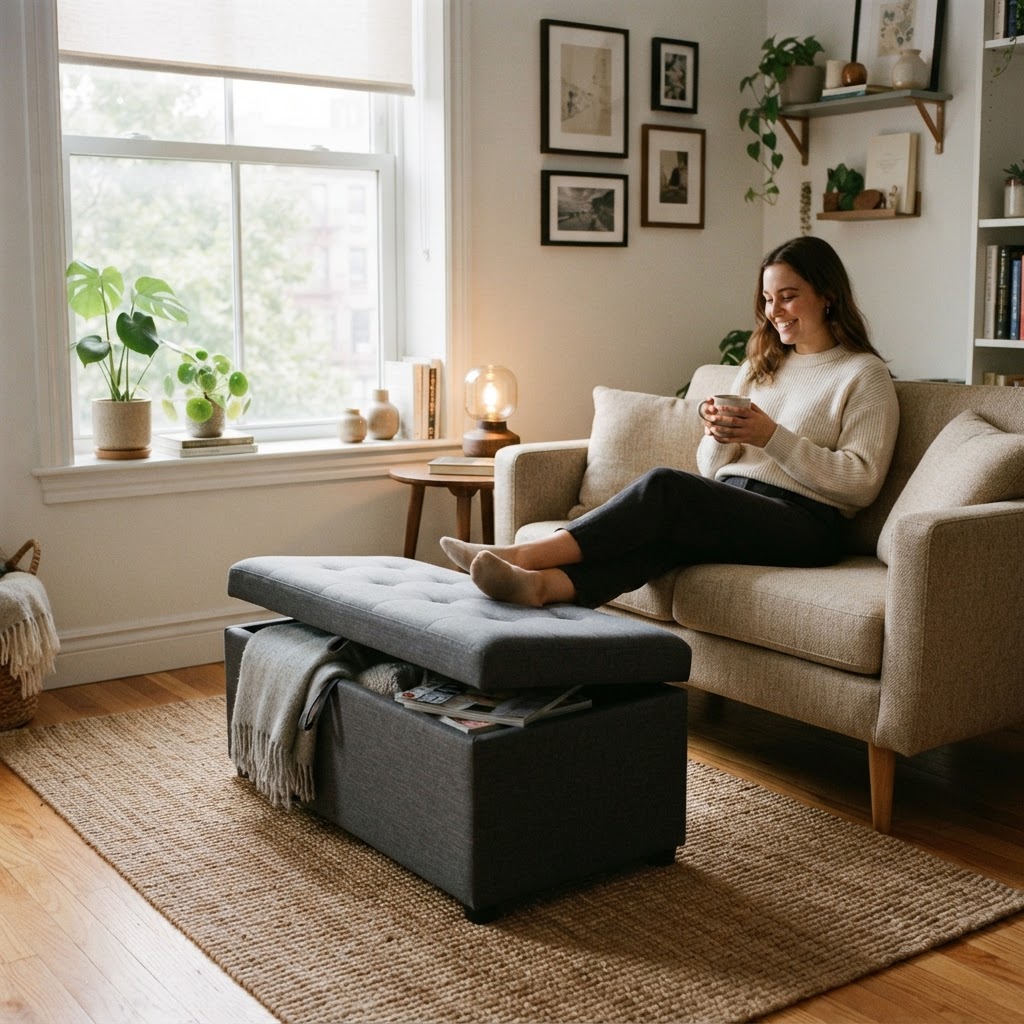
In a small living room, every piece of furniture needs to earn its keep. If an item cannot serve two purposes, it might be taking up too much space. Think about ottoman coffee tables that provide hidden storage for blankets or remote controls. Consider nested side tables that can be pulled apart when guests arrive and tucked away when you want more room.
Using rugs to define zones is another professional tactic. A well-placed rug acts as a visual anchor, grouping furniture together and creating a “room within a room.” Even if you have an open-concept studio, a rug can clearly define the living area, making the room feel intentional rather than cluttered.
Lighting and Color Tactics
While layout is crucial, lighting and color play a secondary role in how the space feels. Dark colors can make a room feel cozy, but if not balanced correctly, they can make it feel claustrophobic. Opt for a light, neutral color palette on the walls to reflect natural light throughout the room.
If you love dark colors, use them as an accent. A dark-painted feature wall or a bold piece of art can provide depth without closing in the space. Always layer your lighting. Avoid relying solely on a single overhead light, which can create harsh shadows. Use floor lamps and table lamps to create warm, ambient light that fills the corners of the room.
Avoiding Common Layout Pitfalls
One of the biggest mistakes people make when learning how to arrange furniture in a small living room is over-furnishing. Just because you have a large corner does not mean it needs a piece of furniture. Leaving some space empty is an essential design choice that allows the room to breathe.
Another mistake is choosing a rug that is too small. A rug that is too tiny makes the entire conversation area look fragmented and smaller than it actually is. Always ensure the front legs of your furniture are resting on the rug to tie the pieces together. Finally, resist the urge to place your television on a massive media console that takes up an entire wall; consider wall-mounting your TV to reclaim floor space.
The Minimalist Approach
Adopting a minimalist mindset can radically change how your room functions. Edit your belongings ruthlessly. If you don’t use it or love it, it doesn’t need to be in the living room. Minimalism isn’t about having nothing; it’s about having only what matters.
By keeping surfaces clean and decor purposeful, you reduce the visual clutter that often contributes to the feeling of a cramped room. Mirrors are a fantastic minimalist tool, as they bounce light around and create a sense of depth that tricks the brain into thinking the room continues on past the walls.
Conclusion
Learning how to arrange furniture in a small living room is a journey of trial and error. By floating your furniture, utilizing vertical space, choosing multipurpose items, and embracing the power of light, you can turn your limited square footage into a home that feels open, functional, and uniquely yours. Don’t be afraid to rearrange your pieces until you find the flow that feels right for your lifestyle. Start by moving your sofa today and see how just a few inches can completely change your environment. Which of these layout tips will you try first? Share your progress or photos with us in the comments section below to help others on their small-space decorating journey!

Leave a Reply