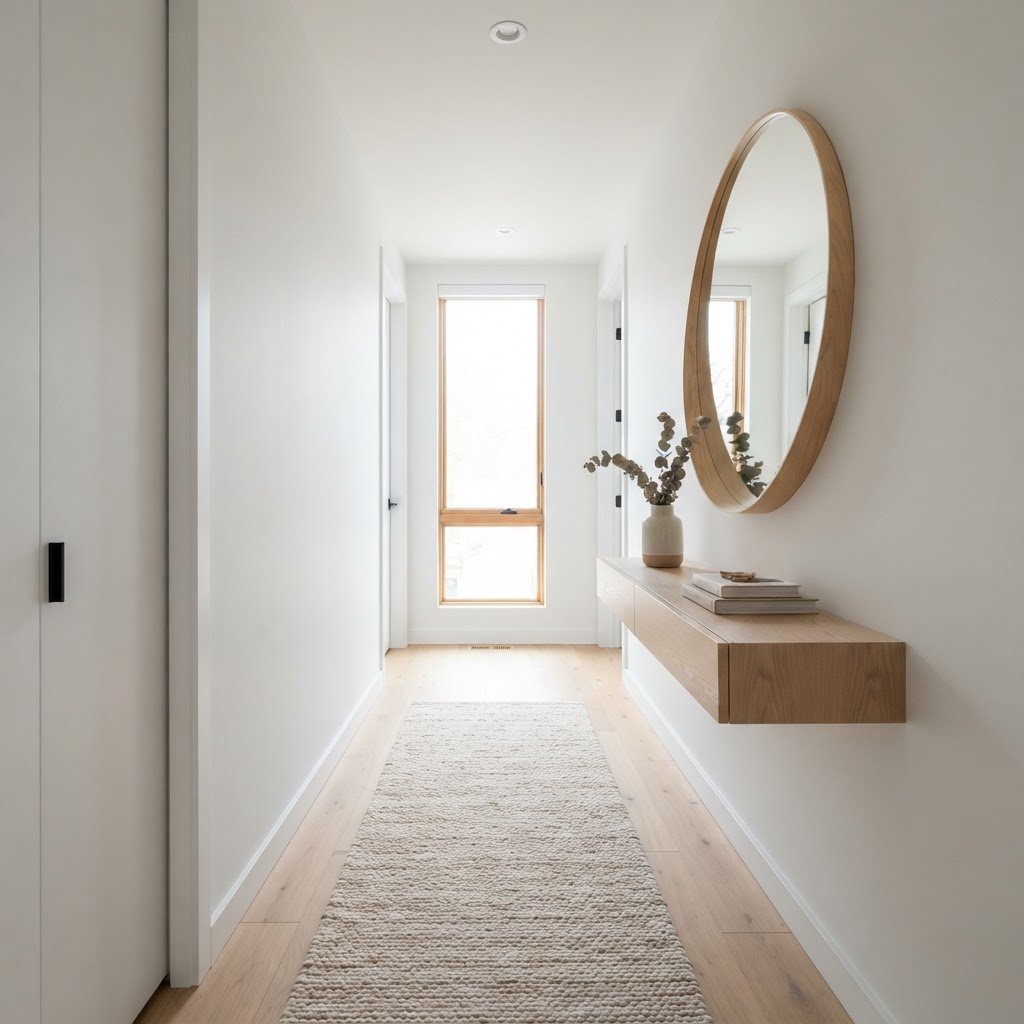
Narrow Hallway Entryway Ideas That Actually Work
To optimize a narrow hallway, prioritize vertical storage solutions, slim-profile furniture under 12 inches deep, and strategic lighting to create the illusion of width. By combining wall-mounted shelving with reflective surfaces like mirrors and maintaining a disciplined “one-in, one-out” clutter policy, you can transform a cramped corridor into a functional, sophisticated transition space.
Assess Your Space and Needs
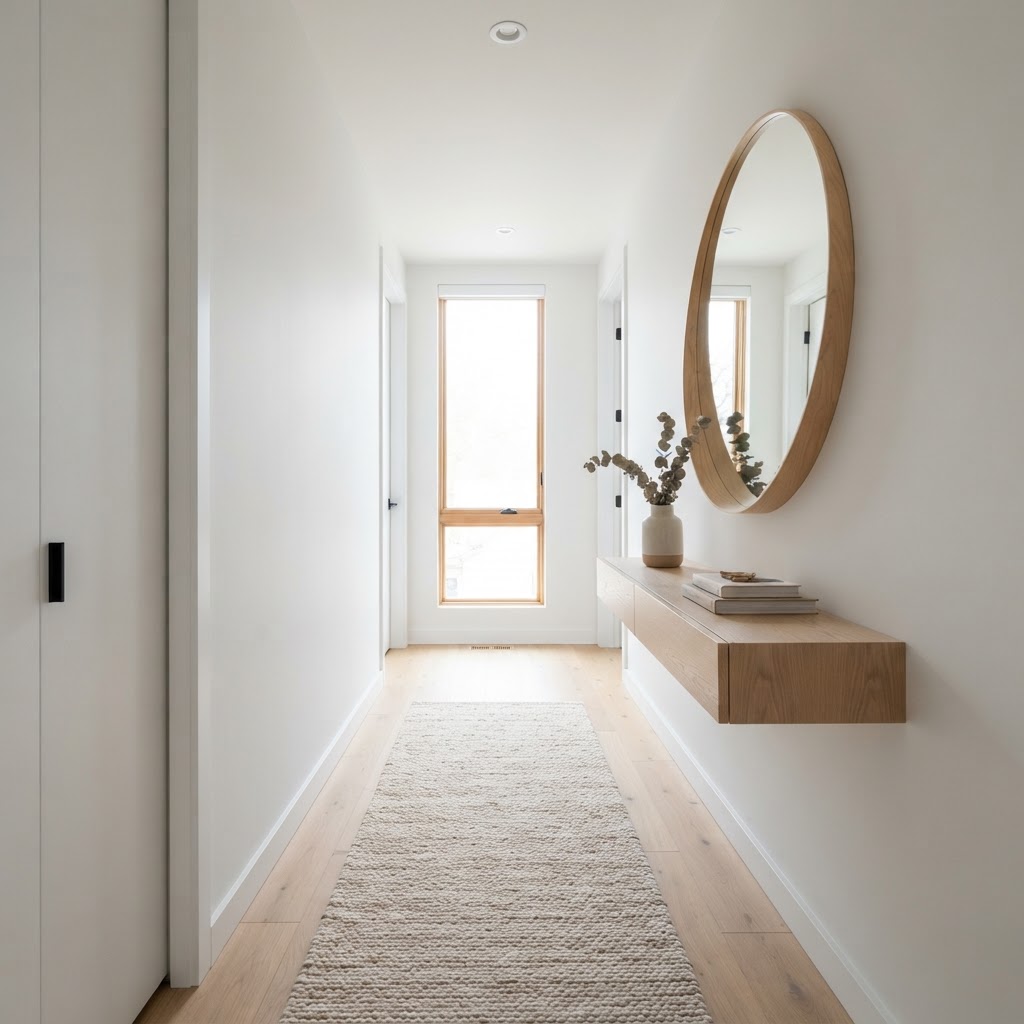
Before you start shopping for furniture or paint, you must look at your hallway with an analytical eye. Understanding exactly how you use your entrance—do you need a place for dog leashes, mail, heavy winter coats, or simply a spot to drop your keys?—will dictate your design strategy. Measure the width of your hallway at its narrowest point to ensure that any furniture you add leaves at least 30 to 36 inches of clearance for a comfortable walk-through. Anything less than 30 inches can make the space feel like an obstacle course rather than a welcoming home entrance.
Define Your Goals
Are you looking to hide clutter, or do you want to create a grand first impression? For most, it is a blend of both. Prioritize the items that currently cause the most chaos at your front door, and plan your storage solutions around those specific objects. If you live in a climate with changing seasons, your storage needs will shift throughout the year, so prioritize modular solutions that can adapt to your needs. For instance, install a double-tier hook system where high hooks are for winter coats and low hooks are accessible for children or daily accessories.
Master the Art of Vertical Storage
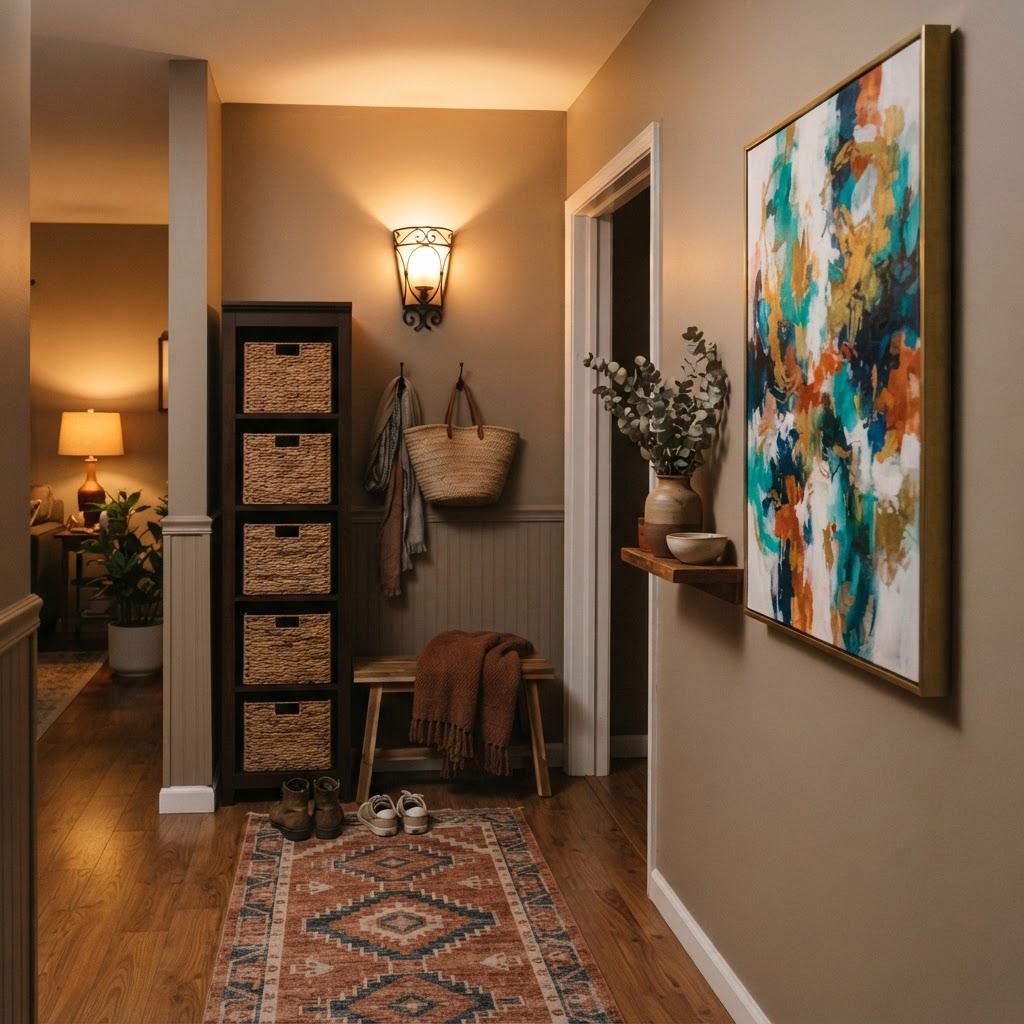
When floor space is at a premium, the only way to go is up to maintain a clean aesthetic. Utilizing your wall space is one of the most effective narrow hallway entryway ideas available to modern homeowners, as it keeps the floor clear to prevent a “closed-in” feeling. Wall-mounted consoles, floating shelves, and tall, slim cabinetry can offer significant storage without taking up precious square footage on the floor. Look for units that extend toward the ceiling to draw the eye upward, which paradoxically makes the ceiling feel higher and the room feel more expansive.
Floating Consoles and Shelves
Floating furniture is a game-changer in narrow environments because it preserves floor line continuity. Because the floor remains visible beneath the unit, the visual weight is reduced, making the space feel less cramped. A slim, floating shelf provides a perfect landing strip for mail and keys, while a wall-mounted hook rack underneath keeps coats off the floor. This two-tier approach maximizes the utility of a single wall section without creating a barrier to movement. Aim to mount shelves 30-32 inches from the floor for optimal reach and visual balance.
Incorporate Reflective Surfaces and Lighting
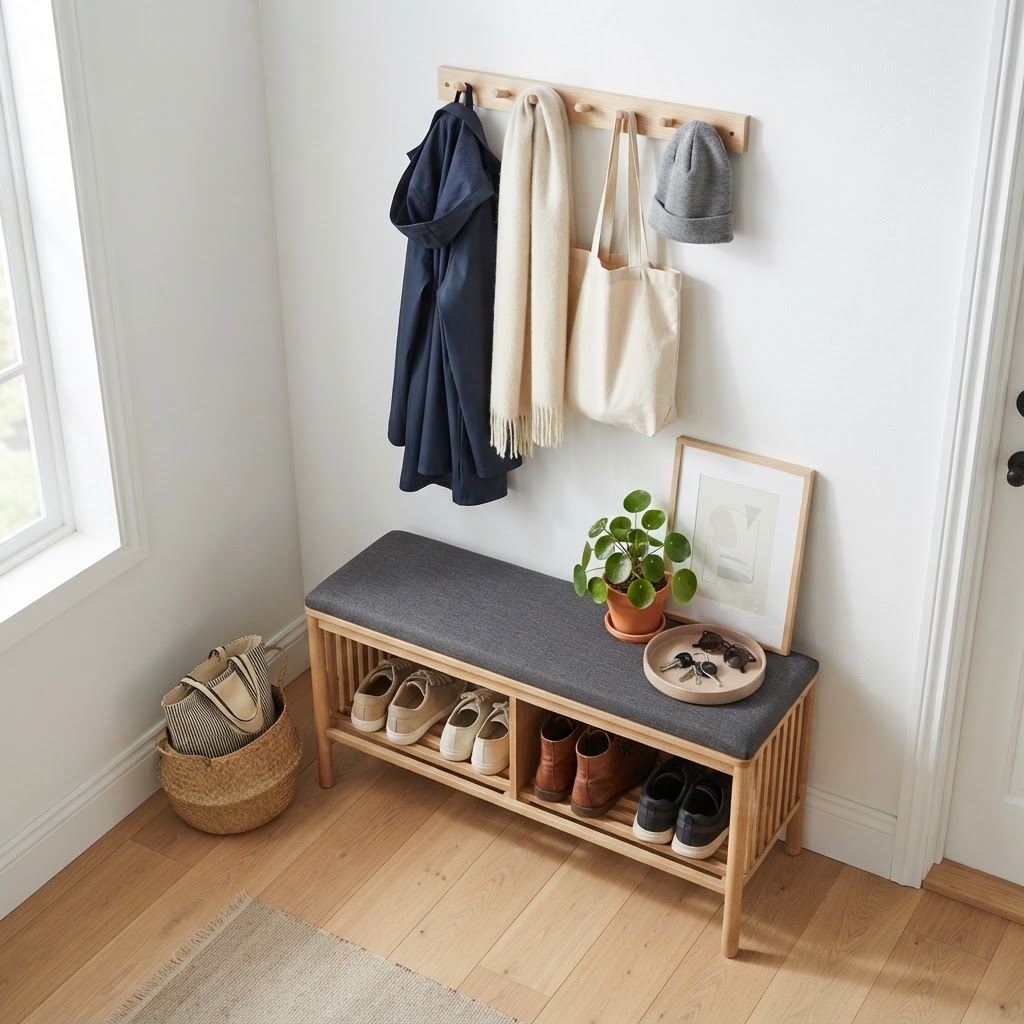
Lighting and mirrors are the secret weapons of interior design when dealing with tight quarters. A large, well-placed mirror can bounce light around the room and create the illusion of double the space. When you are looking for effective narrow hallway entryway ideas, consider installing a floor-to-ceiling mirror or a wide landscape mirror above a console table to open up the hallway visually. By reflecting light from opposite windows or existing fixtures, you effectively “borrow” light to brighten darker corners.
The Power of Ambient and Task Lighting
In a narrow hallway, lighting is often an afterthought, but it should be a priority to avoid tunnel-vision aesthetics. Avoid large, bulky pendants that dominate the ceiling, as they consume vertical clearance. Instead, opt for flush-mount light fixtures, wall sconces, or LED strip lighting tucked into recessed shelves to create a warm, inviting glow. A well-lit hallway feels wider and more intentional, whereas a dim hallway can feel like a dark, tunnel-like passage that you just want to walk through as quickly as possible. Aim for at least 300-500 lumens in a standard 6-foot hallway for adequate illumination.
Choose Slim-Profile Furniture
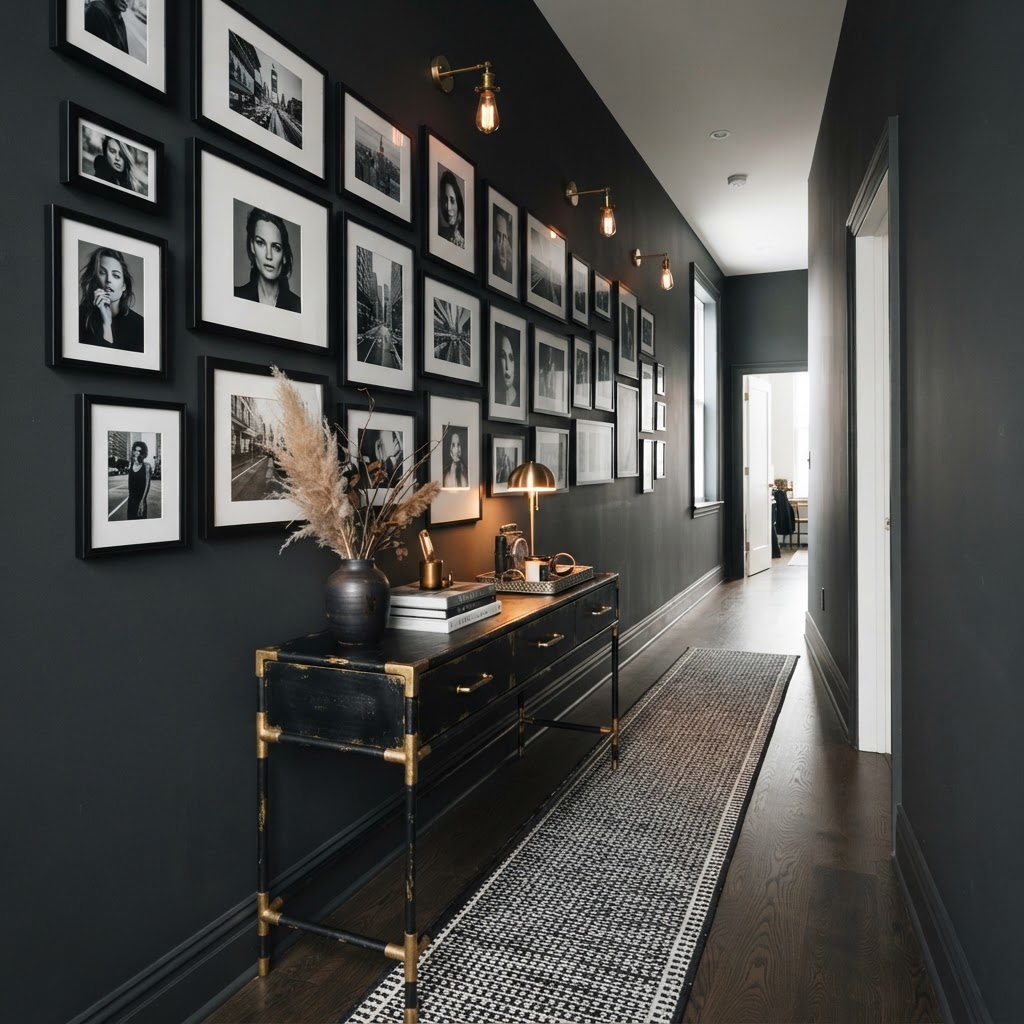
If you simply must have furniture in your hallway, look for pieces specifically designed for small footprints to prevent bottlenecks. Standard console tables are often too deep for narrow entryways, creating an obstruction. Look for “demi-lune” or “slim-profile” consoles that measure 10 to 12 inches in depth. These pieces provide just enough surface area for a small tray and a vase of flowers without impeding your path. Ensure there is at least 30 inches of space remaining for traffic flow after placing your furniture.
Multi-Functional Seating
If you have a small niche or a slightly wider section of the hallway, consider a slim bench with built-in storage. A bench provides a place to put on shoes, while the interior serves as a hidden home for umbrellas, bags, or extra pairs of boots. Look for a bench with a hinged top or open cubbies beneath to keep the area organized. Ensure that the seat is shallow enough that it doesn’t force people to shimmy past it when entering your home, ideally staying within the 14-inch depth range.
Simplify Your Color Palette
Color has a massive impact on the perceived size of a room, directly affecting your psychological comfort in the space. For narrow hallways, light and neutral tones are generally the safest and most effective choice. White, off-white, light gray, or soft beige paint colors reflect light and make walls feel as though they are receding. If you want to add personality, consider a subtle monochromatic scheme where the wall color, baseboards, and door trim are painted in the same hue, which eliminates visual breaks and creates a seamless, streamlined look.
Bold Design Choices
If you are feeling brave, a dark, moody color can also work in a narrow space if applied correctly to create architectural drama. While light colors expand, dark colors can create a sense of cocooning and intimacy, often used in professional interior design to make a small space feel intentional. If you go this route, ensure your lighting is exceptional, as a dark hallway without proper illumination will quickly turn into an uninviting cave. Pairing dark walls with high-contrast metallic accents or bright artwork can elevate the space into a dramatic transition area.
Establish a Minimalist Entry Strategy
Sometimes, the best narrow hallway entryway ideas are about what you don’t include, as clutter is the primary culprit of cramped aesthetics. Implement a “one-in, one-out” policy for your entryway storage to ensure that old coats, broken umbrellas, and unnecessary mail don’t pile up. Use decorative baskets to house items that need to be hidden away, and keep the surface of your console or shelf as clear as possible to maintain a sense of calm and order.
Organizational Habits
- Assign a dedicated spot for every item, such as a tray for keys and a specific hook for bags.
- Implement a mail sorter near the door to stop paper clutter before it enters the living room.
- Use seasonal rotation to store winter accessories during the summer months.
- Keep floors clear of shoes; use a small hidden bin or a wall-mounted rack to elevate them.
Create Visual Interest Through Texture
While space is limited, personality doesn’t have to be, and texture provides depth without adding bulk. Use texture to add depth to your narrow hallway without taking up physical space. A slim, high-quality runner rug can ground the space, add warmth, and guide guests toward the rest of your home. Choose a durable, low-pile material that can withstand high traffic and is easy to clean. You can also experiment with subtle wallpaper textures, like a grasscloth or a Tone-on-Tone pattern, to add tactile interest that doesn’t overwhelm the visual field.
FAQ
How wide should a narrow hallway console be?
A narrow hallway console should be between 10 and 12 inches deep to ensure it does not obstruct traffic. This depth provides enough surface area for essential items like keys, wallets, and small decor while keeping the walking path clear for guests.
Does painting a narrow hallway white make it look bigger?
Yes, painting a narrow hallway in light, neutral tones like white, soft gray, or off-white reflects more light and makes walls appear to recede. This reduces the “tunnel” effect and creates a brighter, more expansive atmosphere in small corridors.
How can I store shoes in a narrow entryway without clutter?
You can store shoes in a narrow entryway by using wall-mounted flip-down shoe cabinets that are only 6 to 9 inches deep. Alternatively, utilize a slim bench with built-in cubbies or an under-console storage basket to keep the floor surface clear and organized.
What is the best type of lighting for a cramped hallway?
Flush-mount ceiling fixtures, wall sconces, and recessed LED strip lighting are the best options for narrow hallways. These low-profile lighting solutions provide adequate illumination without taking up vertical headroom or making the ceiling feel lower than it actually is.
How do I stop mail clutter in my entryway?
To stop mail clutter, install a wall-mounted mail sorter directly above your console table or near the front door. This gives you an immediate place to sort incoming mail, preventing stacks from building up on flat surfaces and keeping the entryway tidy.
Can dark colors work in a small, narrow hallway?
Yes, dark colors can work in a narrow hallway if you use them to create a “cocooning” effect, provided you have excellent lighting. Pair dark walls with metallic accents or bright artwork to prevent the space from feeling uninviting or cave-like.

Leave a Reply