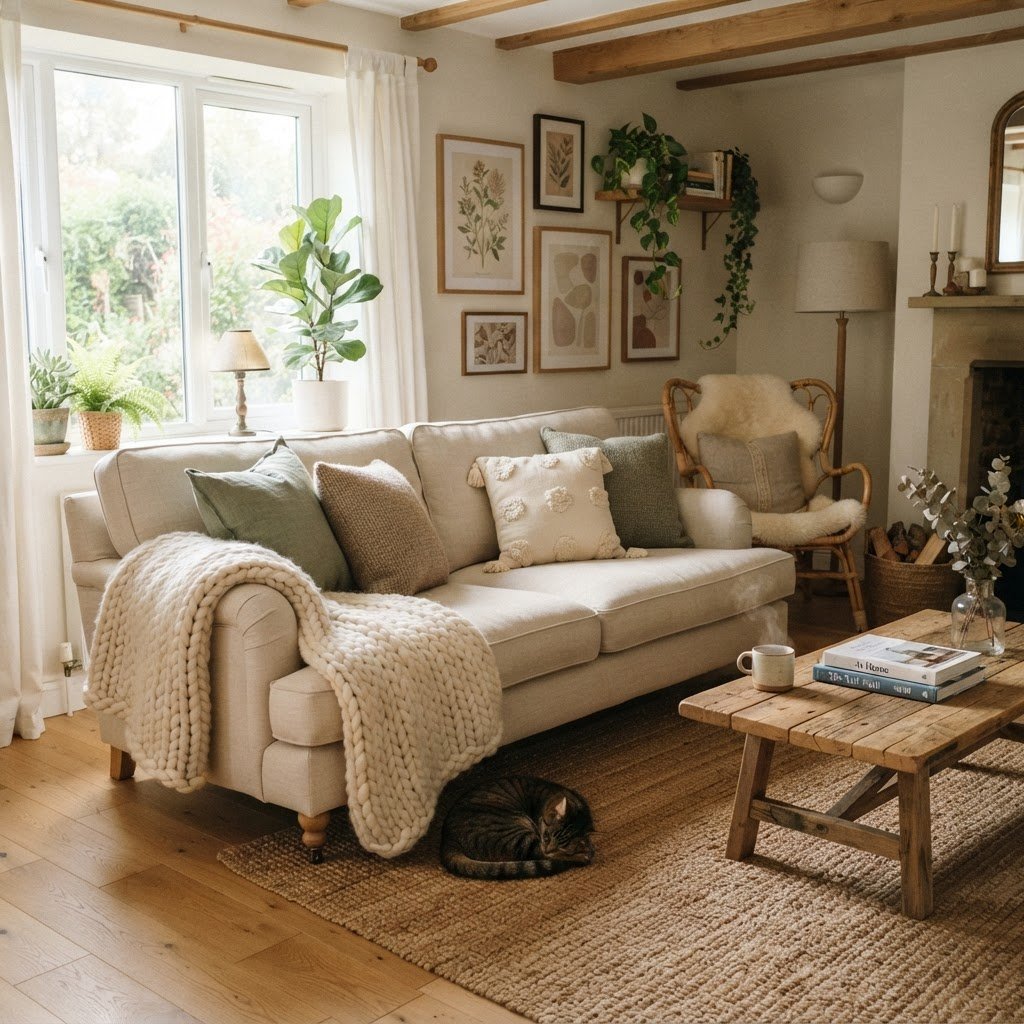
5 One-Afternoon Living Room Refreshes (Fully Reversible)
To refresh your living room in one afternoon without permanent changes, focus on strategic textile layering, updating wall art with adhesive strips, adjusting lighting color temperatures, introducing low-maintenance greenery, and rearranging furniture for improved traffic flow. These reversible design tactics allow for immediate, high-impact aesthetic changes that are ideal for renters or homeowners avoiding major renovations.
The Power of Strategic Textile Layering
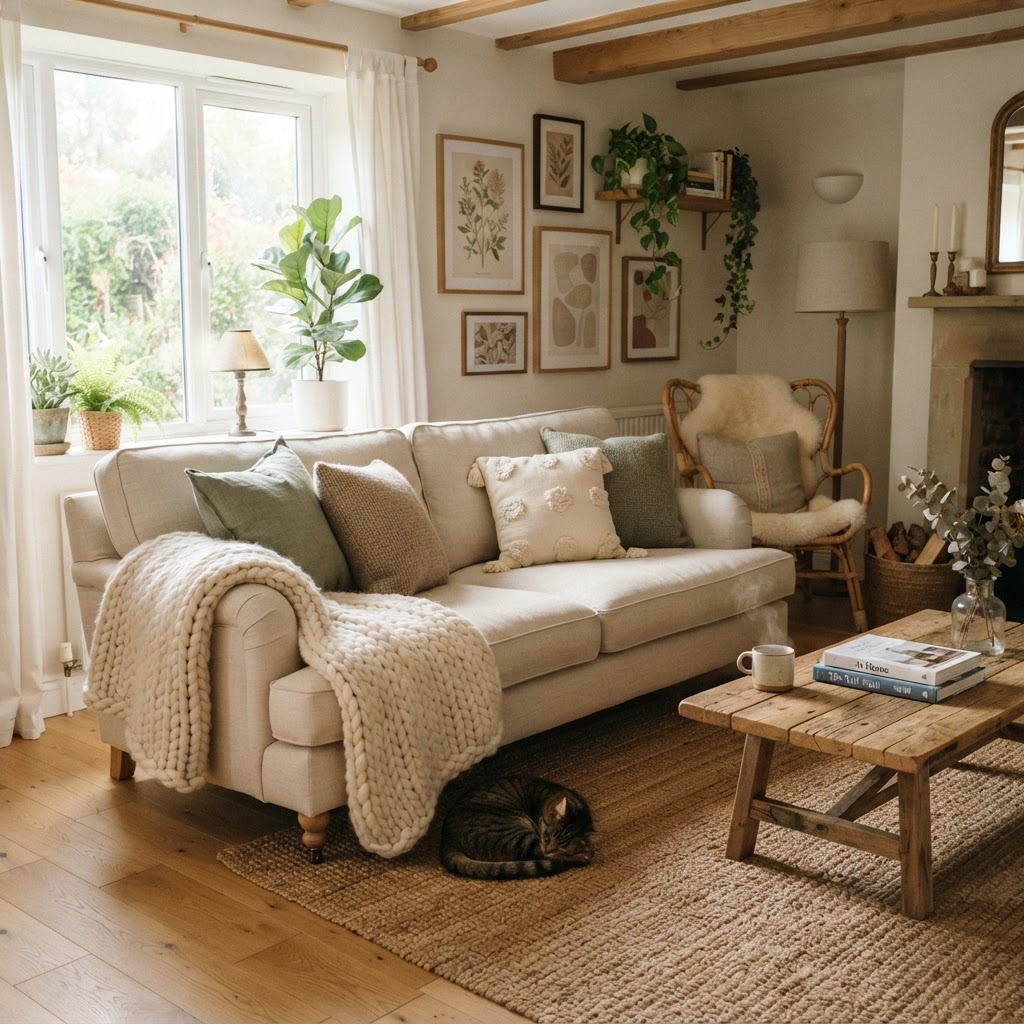
Textiles are the most impactful, low-stakes tool in your design arsenal to transform a room’s color palette in under 60 minutes. When aiming for quick refreshes, start by swapping throw pillows and blankets on neutral upholstery, which instantly pivots the room’s mood without requiring new furniture. By focusing on tactile fabrics like chunky knits, velvet, or linen, you introduce essential depth and visual interest that standard flat fabrics cannot achieve.
Why Textiles Make the Biggest Difference
Texture fundamentally impacts how we perceive space, effectively transforming cold, sterile environments into cozy, lived-in havens. To achieve a professional look, prioritize a consistent color story—perhaps deep navy and mustard yellow for a sophisticated feel, or soft terracotta and cream for an organic, airy aesthetic.
Layering is as much about scale as it is about color; mix patterns with solids, and vary your pillow sizes to create a dynamic arrangement. Because these items are small and modular, they are exceptionally easy to store or swap seasonally, allowing for constant aesthetic evolution without significant financial investment.
Rethink Your Wall Art and Gallery Walls
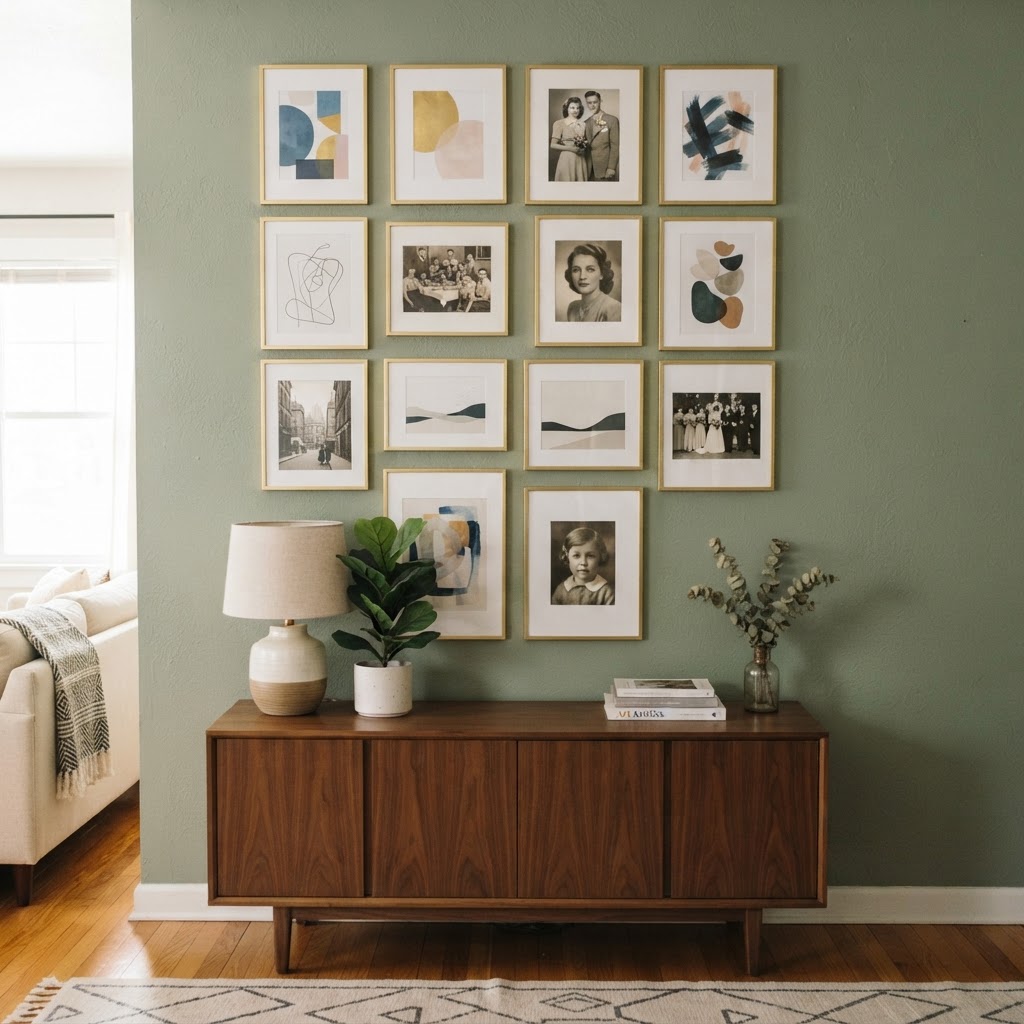
Blank walls are often missed design opportunities that can be transformed in an afternoon using damage-free adhesive strips, which allow for professional-grade gallery wall mounting without leaving holes in the drywall. If you are worried about paint damage, these adhesive solutions are rated to hold up to 16 pounds per strip, making them perfectly safe for standard frames and prints. By grouping art together, you create a dedicated focal point that draws the eye upward, immediately making a space feel larger and more intentional.
Creative Display Tips
- Use a picture ledge to display a rotating collection of art without needing more than two or three wall anchors.
- Curate a gallery wall using a mix of family photos, art prints, and mirrors to reflect natural light.
- Swap out existing art for a new theme like vintage botanical prints or abstract minimalist shapes.
If you prefer not to hang anything, lean large-scale prints against the wall on a bookshelf or console table. This “leaning” look is a modern interior design staple that provides the flexibility to rearrange your layout in seconds. This approach is highly effective for renters living in spaces where strict wall-mounting policies apply, ensuring you remain within the terms of your lease while still achieving a custom aesthetic.
Update Lighting to Shift the Mood
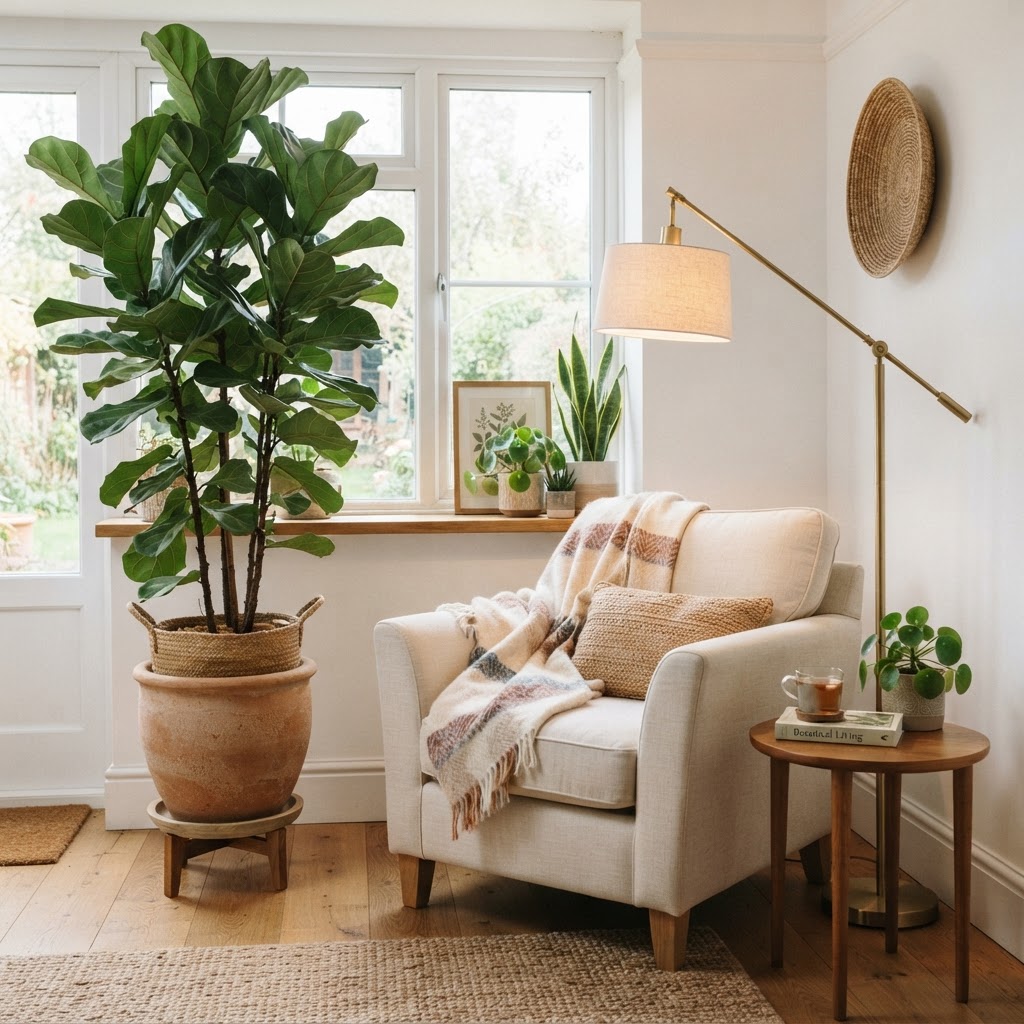
Lighting dictates the atmosphere of a room more effectively than any single piece of furniture, and layering your sources is the fastest way to eliminate the “flat” feel caused by standard overhead ceiling fixtures. To achieve a high-end look, integrate at least three distinct light sources: a floor lamp for ambient glow, a table lamp for task-oriented lighting, and soft-toned LED strips tucked behind your TV or bookshelves.
Focus on color temperature, which is measured in Kelvin (K). Switching to “warm white” bulbs (ideally 2700K) instantly makes a space feel inviting and cozy, whereas standard “daylight” bulbs (5000K+) often create a sterile, clinical environment. You can also customize your aesthetic by replacing basic lamp shades with textured options like linen drums or pleated fabric, which diffuse light more elegantly.
Bring the Outdoors In with Greenery
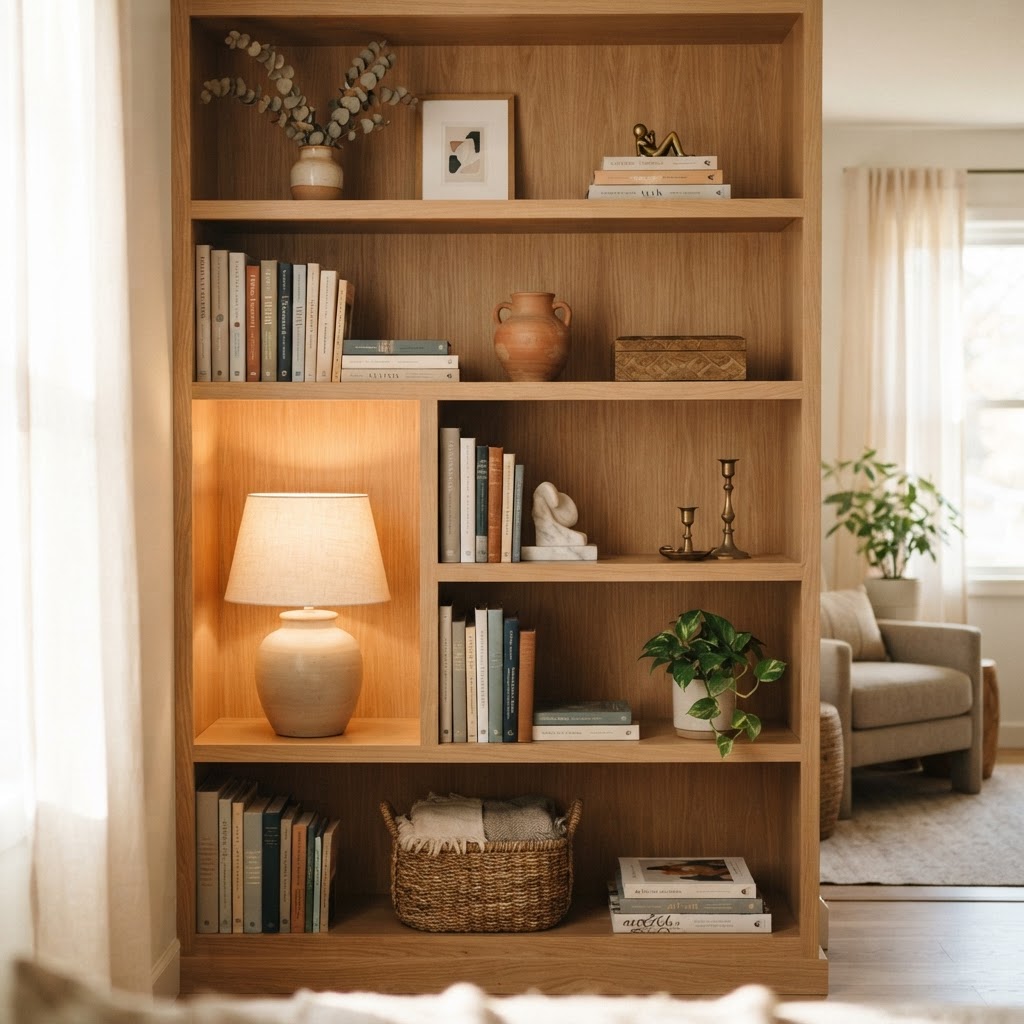
Plants serve as the ultimate interior design accent, introducing organic color and softening the rigid architectural lines of a living room in one afternoon. If you are not a natural “green thumb,” prioritize high-survivability varieties like the Snake Plant (Sansevieria), which can go up to 3 weeks without water, or Pothos vines, which thrive in almost any light condition.
When styling, consider the vertical scale of your room. Position tall floor plants in empty corners to draw the eye up, while placing trailing plants on shelves to create a lush, cascading effect. If floor space is at a premium, utilize hanging planters or wall-mounted pots to add greenery without sacrificing square footage. Incorporating live plants has also been shown in numerous studies to improve indoor air quality and reduce psychological stress, providing a health benefit alongside the visual refresh.
Rearrange Furniture for Better Flow
Your furniture layout may be the primary culprit behind a stagnant room, and testing a new configuration is a zero-cost way to make a space feel brand new. By “floating” your sofa away from the wall, you create a more intimate conversation area that opens up the room for better traffic flow and utility. Take an afternoon to experiment with a new floor plan, potentially swapping the positions of your armchair and side table to improve functionality.
The “Shop Your Home” Method
Before purchasing new items, utilize the “Shop Your Home” method to rediscover forgotten treasures from other rooms. A side table from your bedroom may function perfectly as a plant stand, while a mirror from a hallway could be moved to the living room to visually double the space. This approach is the most budget-friendly way to achieve a professional refresh while clearing out clutter from other parts of your house.
Considerations for Furniture Placement:
- Traffic flow: Maintain a 30-inch clearance zone between major furniture pieces for comfortable walking paths.
- Focal points: Orient seating toward a fireplace, window view, or the TV rather than against a blank wall.
- Balance: Distribute heavy or tall pieces across the room to prevent visual weight from pooling on one side.
Styling Your Shelves and Surfaces
Styling surfaces is an exercise in restraint where the goal is to make shelves look polished and intentional rather than cluttered. To properly style a shelf, remove all items, then curate them back in by grouping objects in odd numbers—such as sets of three—which is a designer trick that creates visual interest and natural balance. Combine books with small decorative objects like vases or candles, ensuring you leave approximately 30-40% of the shelf surface empty to allow the eye to rest.
On the coffee table, a decorative tray serves as an essential anchor, preventing remotes, coasters, and books from looking like a scattered mess. By establishing this foundational layer, you create a sophisticated center point that is easy to maintain. Consistently applying this “negative space” rule is the hallmark of a professional decorator and effectively prevents your living space from feeling overwhelmed by personal collections.
FAQ
How can I make a living room look expensive on a small budget?
Focus on high-quality textures like velvet pillows or linen throws, and remove all visual clutter. A curated, minimalist surface area combined with warm-toned lighting consistently creates a more premium, high-end appearance than expensive furniture alone.
Are adhesive strips safe for all types of paint?
Most damage-free adhesive strips are safe for cured paint on drywall, provided they are applied to clean surfaces. Always perform a patch test on an inconspicuous area and use the specific pull-tab instructions when removing them to ensure the drywall finish remains intact.
How do I choose the right plant for a low-light room?
Choose species like the Snake Plant, ZZ Plant, or Pothos, which are biologically adapted to survive in lower light levels. These plants require less frequent watering and are ideal for living rooms without direct sun exposure.
Does rearranging furniture actually change the feel of a room?
Yes, rearranging furniture fundamentally shifts the traffic flow and creates new focal points that change your perception of space. Moving a sofa away from the wall to create a floating layout is the single most effective way to make a small room feel significantly larger.
What is the best color temperature for living room lighting?
Warm white lighting, typically around 2700K, is widely considered the best choice for living rooms to create a relaxing atmosphere. Avoid “Daylight” bulbs (5000K) in social spaces, as their high blue-light output can feel overly clinical and harsh.

Leave a Reply