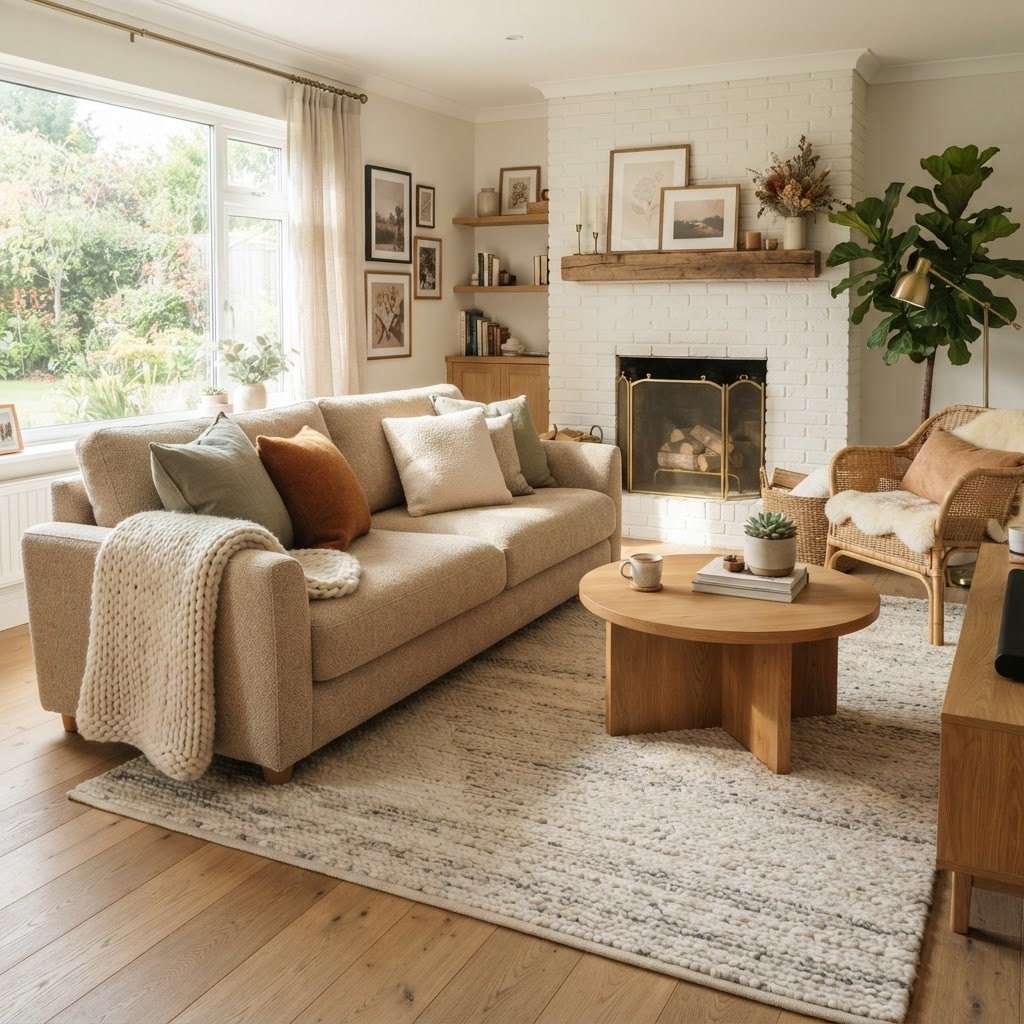
5 Fully Reversible Living Room Makeovers Under $100
To achieve a fully reversible living room makeover under $100, focus on high-impact, temporary upgrades such as layering textiles, using removable wall adhesives, adding warm-toned lighting, incorporating low-maintenance greenery, and practicing intentional decluttering. These projects allow you to personalize your rental space without violating lease agreements or risking your security deposit.
The Philosophy of Reversible Design
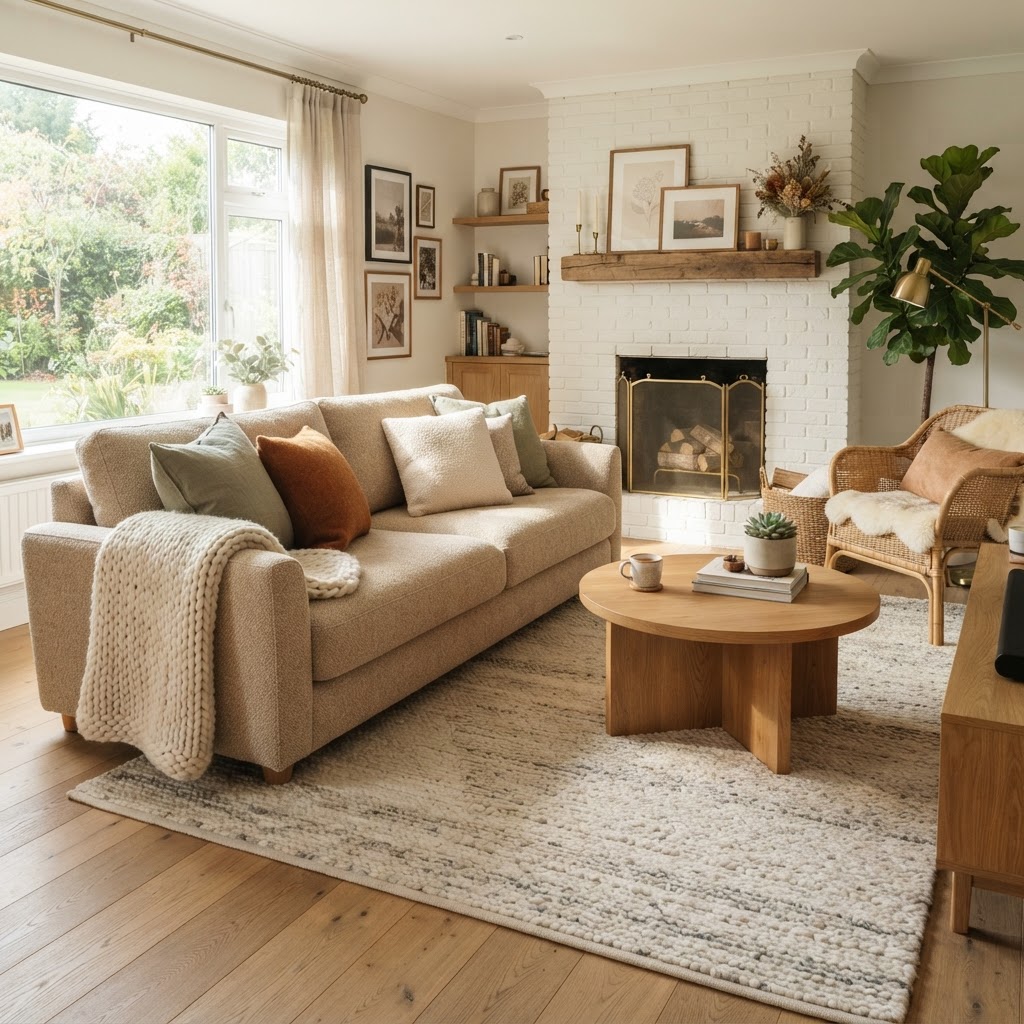
The secret to successful, reversible design lies in understanding the difference between permanent installations and temporary styling. Permanent upgrades—like new light fixtures, tile backsplashes, or floor refinishing—are often off-limits for renters, but temporary styling focuses on the “envelope” of the room. When you aim to complete 5 fully reversible living room makeovers under $100, you prioritize items that can be uninstalled in an afternoon. This approach requires choosing “free-standing” decor over fixed hardware. By focusing on non-invasive changes, you treat your rental as a canvas that remains completely restorable. The strategic goal is to spend your $100 budget on items that offer the highest visual “bang for your buck” while being easily transportable. For example, rather than painting, use high-quality peel-and-stick wallpaper which costs roughly $30-$50 per roll. Always keep a toolkit of “renter-friendly” hardware, such as Command strips or non-marring floor glides, to ensure that every change is 100% reversible. This design methodology shifts the focus from structural renovation to aesthetic layering, allowing you to create a high-end look without leaving a single mark behind on your landlord’s property.
Why Budget Design Matters
Design is not about the price tag of your furniture; it is about the story your room tells. By working within a $100 budget, you are forced to be more creative and intentional with your selections. This constraint often leads to more unique, personalized spaces that reflect your personality rather than just mirroring a catalog page. Focusing on items that can be repurposed or moved ensures that your investment continues to pay dividends long after you decide to redecorate again. When you limit your spending, you naturally gravitate toward multi-functional items, such as a decorative tray that acts as a coffee table organizer or a throw blanket that adds both texture and warmth.
1. The Textile Refresh: Layering for Luxury
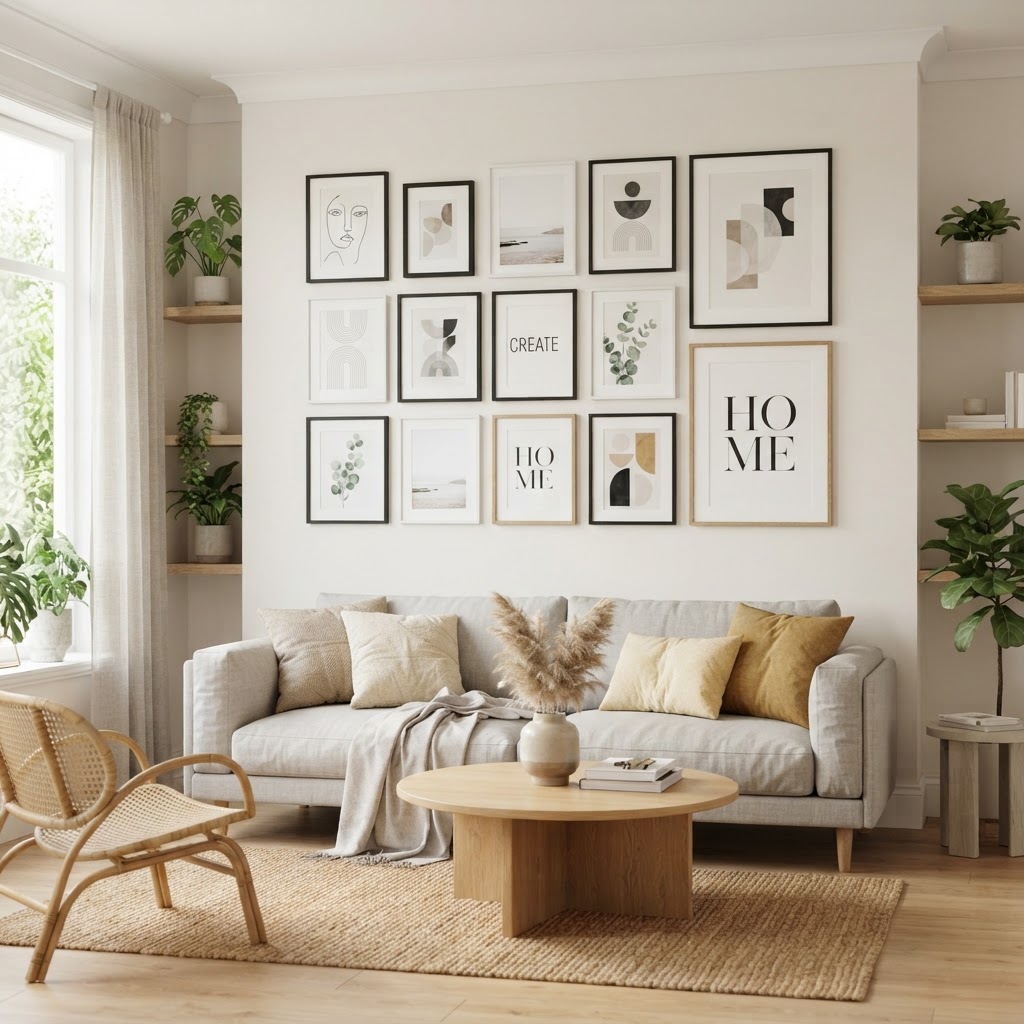
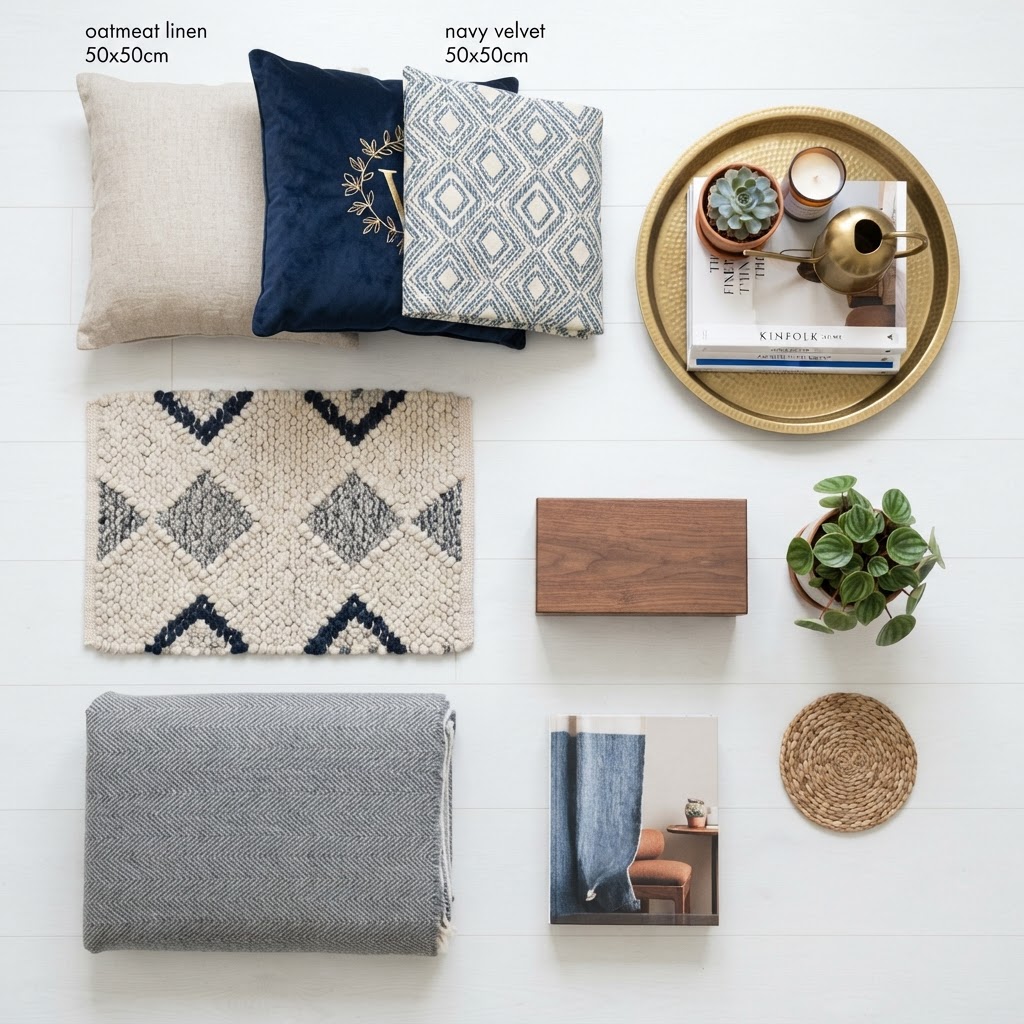
Textiles are the most impactful elements in any living space because they dominate the largest surface areas of your furniture. A neutral, bland room can look instantly expensive with the addition of high-quality textures. To pull off this makeover for under $100, head to local discount retailers for textured cushion covers, a plush throw blanket, and a low-profile area rug runner. The key here is color coordination; stick to a cohesive palette that ties in with your existing furniture pieces. By investing roughly $30 in a mix of textures—like faux-fur, linen, and chunky knits—you create a sophisticated “layered” look that design professionals use to make spaces feel lived-in and luxurious. A $30-$40 area rug runner can define a seating zone, effectively anchoring your sofa and coffee table without requiring adhesive tape or nails. When selecting fabrics, look for machine-washable options, as this ensures your investment remains clean and refreshed over the long term. Remember, the goal is to introduce contrast; pair a smooth leather cushion with a tactile, heavy-knit throw to create visual depth that draws the eye and makes the sofa the focal point of the room. This approach is entirely reversible, as these items are simply placed, not installed.
Mixing Textures and Patterns
Do not be afraid to mix materials. Pair a soft faux-fur pillow with a linen-blend cushion and a heavy knit throw. The contrast between these textures adds depth to your sofa, creating a visual richness that feels curated. When choosing an area rug, ensure it is thin enough to layer over existing carpet or to lay flat on hardwood without needing permanent backing. This simple update can completely change the tone of your living area without leaving a single mark behind.
2. Wall Treatments: Art Without Commitment
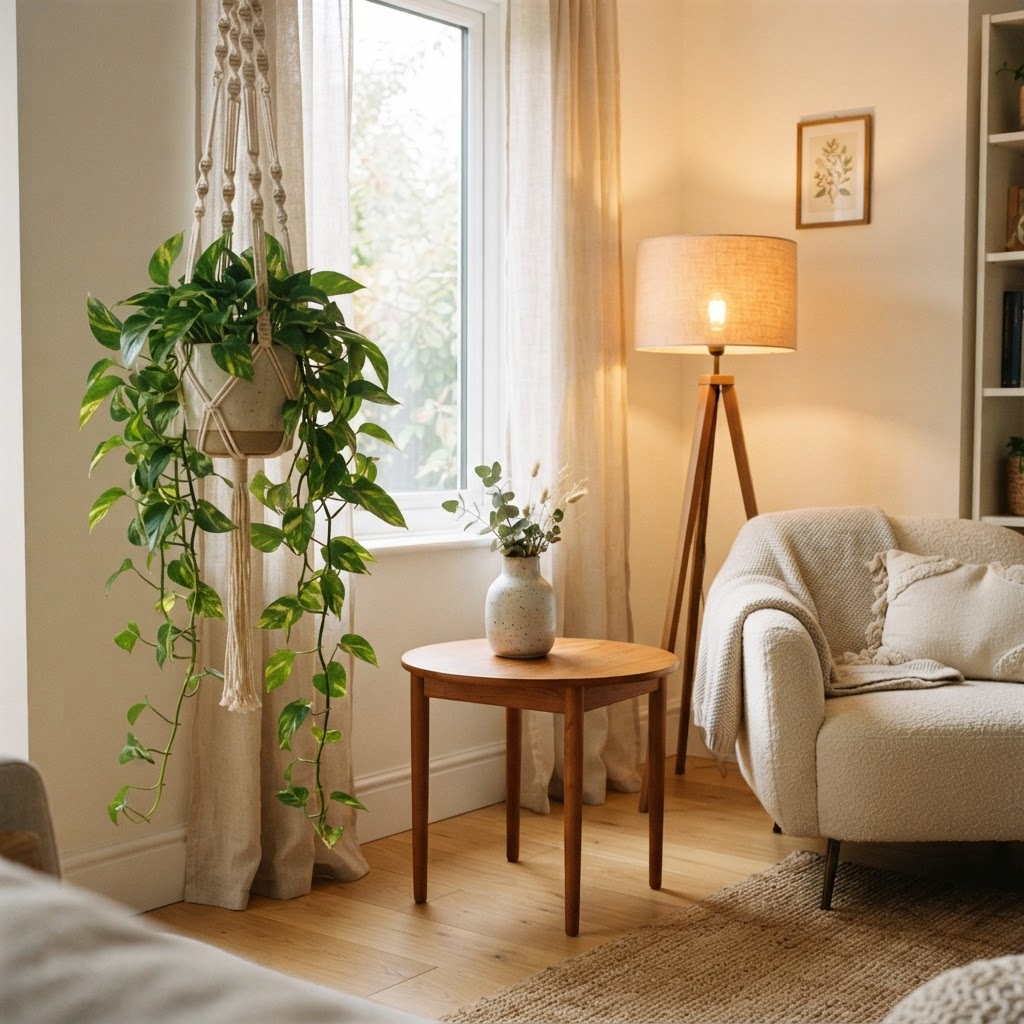
Blank walls are the biggest design obstacle in rental properties, but modern removable materials allow you to add pattern and personality without the permanence of paint. Removable wallpaper and vinyl decals offer a massive transformation for a very small price, typically starting at $20-$40 for a single accent roll. You can find high-quality patterns—from geometric shapes to botanical prints—at many online retailers that specifically cater to the renter market. A single feature wall can serve as the focal point for one of your 5 fully reversible living room makeovers under $100, drawing the eye and adding architectural interest where none existed before. If you prefer a more gallery-style aesthetic, use medium-sized command strips to hang prints, which allows you to rearrange your layout as frequently as you like without damaging the drywall or plaster. Always check that the adhesive is rated for interior wall paint to avoid paint peeling upon removal. By treating your wall as a temporary installation space, you can customize your environment with colors and styles that would otherwise be restricted by lease agreements. This approach turns an otherwise sterile room into a curated space that feels uniquely yours.
Selecting the Right Adhesives
Always test a small, inconspicuous patch of your wall before applying any adhesive product. While most modern temporary wallpapers are designed to be damage-free, different wall surfaces respond differently to adhesives. Look for products labeled specifically as “renter-friendly” or “low-tack.” If wallpaper feels too daunting, consider creating a gallery wall using heavy-duty poster putty or command strips, which hold frames securely without damaging the plaster or drywall.
3. Lighting: Mood and Atmosphere
Overhead lighting is often harsh and clinical in rentals, but you can override this with layers of warm, ambient illumination for less than $100. By introducing a trio of lights—a floor lamp, a plug-in pendant, and smart LED bulbs—you can transform the “mood” of a room for approximately $80-$90 total. A sculptural floor lamp ($40-$50) adds height and fills an empty corner, while a plug-in pendant light ($25-$30) can be draped over a seating area to create a cozy, defined “zone.” Investing in smart, color-changing LED bulbs ($15-$20) allows you to transition from bright, daylight-balanced light for reading to a warm, 2700K sunset glow for movie nights. Unlike hardwired fixtures, these portable solutions travel with you, making them a high-value investment for any renter. Lighting acts as the “jewelry” of a room; it provides dimension and sparkle that makes a space feel finished and professional. If your room lacks natural light, place your floor lamp near a mirror to bounce light around the room, which creates the illusion of more space. This lighting strategy is the fastest way to hide outdated carpet or wall colors by simply shifting the focus to warm, well-lit decor items.
The Power of Soft Glow
Place your floor lamp in a dark corner to visually expand the room. Use the plug-in pendant to define a “reading nook” area, effectively zoning your living space without moving heavy furniture. When you eventually move out, these items go with you—unlike hardwired light fixtures. Lighting acts as the “jewelry” of a room, adding sparkle and dimension that makes a space feel finished and professional.
4. Greenery and Vertical Displays
Plants bring a living, breathing energy to a space that no decor item can replicate, providing both color and organic shape to a room. A few well-placed indoor plants, such as Snake Plants or Pothos, can thrive in moderate light and act as living art. To keep costs low, buy smaller pots ($5-$8 each) and decorative baskets ($10-$15) that add texture to your floor. You can create a vertical plant display by using an existing bookshelf or an inexpensive tension-rod ladder shelf that doesn’t need to be wall-mounted. For a $100 total budget, you can easily acquire 3-4 healthy plants and decorative housing. If you are worried about plant maintenance, high-quality artificial plants are a viable alternative, though they lack the air-purifying benefits of real specimens. Arrange your greenery in clusters of three; design professionals use this “odd number rule” to create a more natural and balanced visual flow. By placing plants at varying heights—some on the floor, some on side tables—you add layers of visual interest that distract from less desirable architectural features of your rental. The cost of greenery is remarkably low compared to the visual value it adds, making it an essential component of any low-budget, high-impact living room transformation.
Budget-Friendly Plant Styling Tips
Use baskets to hide plastic nursery pots, which keeps the look clean and intentional. If you are worried about plant maintenance, high-quality artificial plants have come a long way. They provide the same sculptural silhouette without the need for watering. Arrange them in clusters of three—a design rule that suggests grouping objects in odd numbers creates a more natural and balanced visual flow.
5. Curated Decluttering and Styling
Sometimes the best makeover is subtraction rather than addition, as “clutter noise” can make even the most beautiful room feel chaotic. The final of our 5 fully reversible living room makeovers under $100 involves the art of “curated styling,” which essentially costs $0 in labor. Take every item off your shelves and coffee tables, then carefully reintroduce only the objects that serve a distinct purpose or bring you genuine joy. With the remaining $10-$20 of your budget, purchase one or two “anchor” items, such as a large wooden tray or a high-quality coffee table book, to consolidate smaller objects. When styling shelves, alternate between horizontal and vertical orientations to keep the eye moving; for instance, place a stack of books horizontally with a small sculptural item on top, positioned next to a tall, vertical framed print. This variety in shape and orientation is a professional design trick that prevents a space from looking stagnant. A well-curated living room feels expensive precisely because it looks intentional and free from unnecessary clutter. By practicing this rigorous edit, you allow your key decor pieces—your plants, textiles, and lighting—to actually stand out, rather than being buried under piles of unorganized magazines or miscellaneous trinkets.
Creating Visual Balance
When styling shelves, alternate between horizontal and vertical orientations. Place a stack of books horizontally, topped with a small object, next to a vertical frame or a tall plant. This variety in shape and orientation keeps the eye moving and prevents the space from looking stagnant. A well-curated living room feels expensive precisely because it looks intentional and free from unnecessary “clutter noise.”
Measuring Success: The Impact of Small Changes
When you commit to these reversible makeovers, you learn that design is a process, not a destination. You are building a collection of decor that travels with you, reflecting your evolving taste. These small updates add up to a significant change in how you perceive your home. Instead of feeling stuck in a “temporary” living situation, you feel empowered to make your mark, knowing full well that you can return the room to its original state in under an hour when the time comes to leave.
FAQ
Q: Can you really makeover a living room for $100?
Yes, you can significantly transform a living room for under $100 by focusing on high-impact, temporary styling rather than structural renovation. By prioritizing textiles, lighting, and greenery, you can create a fresh, high-end look while keeping all items portable and reversible for future moves.
Q: What is the best way to hide ugly rental walls without paint?
Use removable peel-and-stick wallpaper or large-scale vinyl decals to cover unappealing walls. These products are specifically designed for renters and can be removed without damaging the underlying paint or drywall, making them an ideal solution for temporary wall customization.
Q: How do you make a rental living room look expensive?
To make a rental feel expensive, use the ‘layering’ technique by mixing varied textures like faux-fur, linen, and heavy knits. Combined with warm-toned lighting and intentional, curated shelf styling, these elements create a sophisticated, designer-quality atmosphere that disguises the generic nature of standard rental finishes.
Q: Do command strips really work for gallery walls?
Yes, Command strips are highly effective for creating gallery walls in rentals if you follow the weight capacity guidelines and proper application instructions. They provide a secure hold for frames and can be removed cleanly without pulling paint or leaving holes in your walls.

Leave a Reply