Overnight Makeover Hacks: Make Tiny Rentals Look Expensive
To make a tiny rental look expensive overnight, focus on layering warm ambient lighting, utilizing large-scale mirrors to double visual space, and swapping builder-grade hardware with luxury-finish accents. These high-impact, non-permanent changes shift the focus from square footage constraints to sophisticated, intentional design details that create a boutique-hotel atmosphere.
Rethink Your Lighting Layers
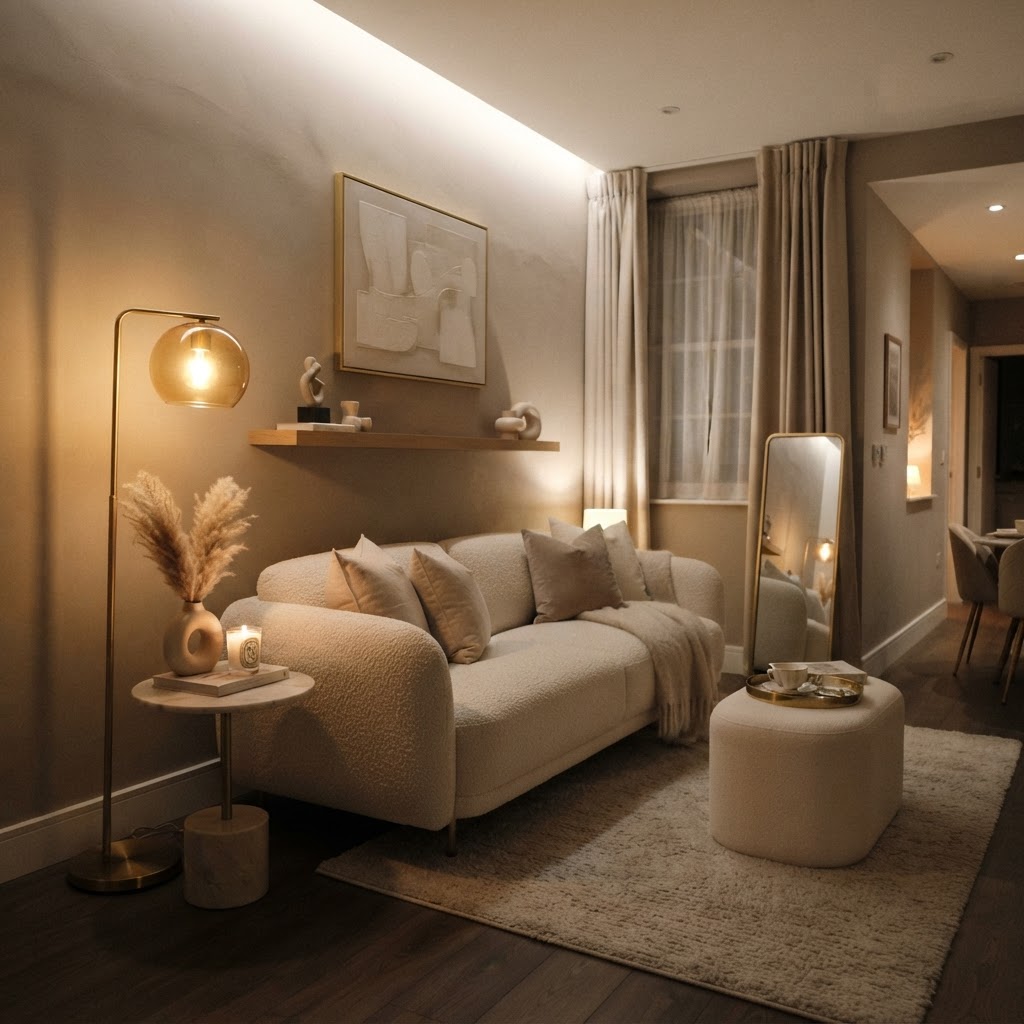
One of the most effective ways to make a small apartment look expensive is by abandoning harsh, singular overhead “big lights” in favor of a layered lighting scheme. Standard rental fixtures often cast clinical, flat shadows that emphasize the smallness of a room. By distributing light at varying heights—floor, eye level, and ceiling—you create depth and architectural interest that mimics luxury custom homes. Experts suggest using 2700K warm-toned LED bulbs to achieve a cozy, inviting glow that instantly upgrades the ambiance. Implementing three distinct light sources in a living area—such as a floor lamp, a table lamp, and an accent sconce—is the gold standard for luxury styling. This technique draws the eye away from low ceilings and towards cozy vignettes. Consider these common lighting upgrades for renters:
The Power of Ambient Glow
Start by introducing floor lamps with fabric shades and sleek table lamps on sideboards. By placing light sources at different heights—on the floor, on a table, and near eye level—you create a cozy, hotel-like atmosphere. Look for warm-toned LED bulbs in the 2700K range to avoid the sterile, clinical look of cool white light.
Investing in Plug-in Sconces
If you lack floor space for lamps, consider plug-in wall sconces. Many modern designs require only a simple command hook or a small anchor, making them perfect for rental living. Placing these on either side of your bed or above a sofa instantly mimics the custom lighting design found in high-end homes, elevating the entire room’s aesthetic.
Curating a Cohesive Color Palette
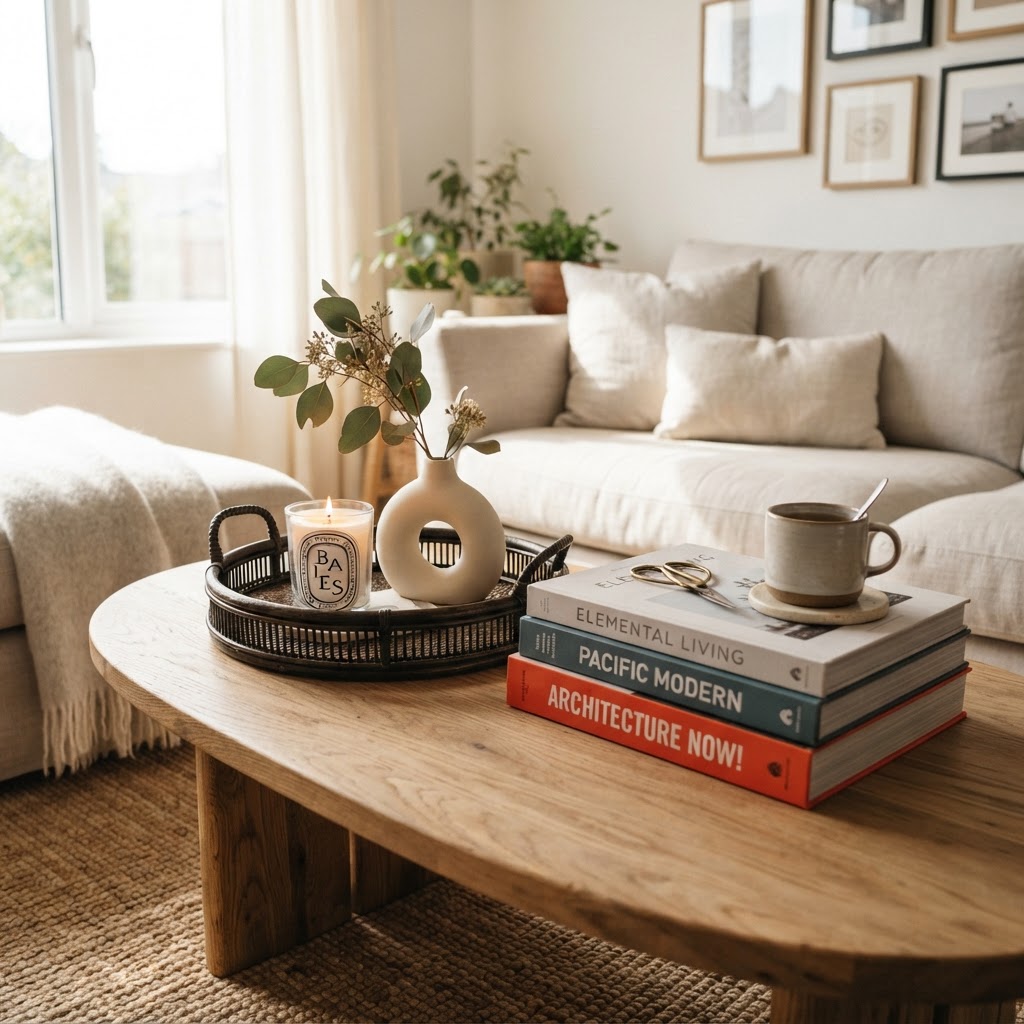
Tiny rentals often feel cluttered because of visual chaos, such as mismatched furniture or vibrant decor that fights for attention. An overnight makeover focuses on neutralizing your base layers to create a sense of cohesion. Opting for a monochromatic or tone-on-tone palette makes the boundaries of the walls feel further away by reducing visual noise. Research indicates that using a 60-30-10 color ratio (60% dominant neutral, 30% secondary shade, 10% accent color) is the industry standard for high-end interiors. Stick to shades of cream, warm beige, or light gray for larger pieces like curtains and rugs to keep the space feeling airy. You can then inject ‘expensive’ colors like forest green, navy, or deep ochre through smaller accessories like throw pillows, vases, or coffee table books to ground the room. When the background is neutral, the space feels significantly larger, allowing high-quality accent pieces to pop. Avoid mixing more than three primary colors in a studio setting, as this often leads to a disorganized, budget appearance. Consistency in your color palette creates a “flow” between rooms, making a small apartment feel like a singular, well-designed luxury property rather than a collection of disjointed pieces.
The Art of Scale and Proportion
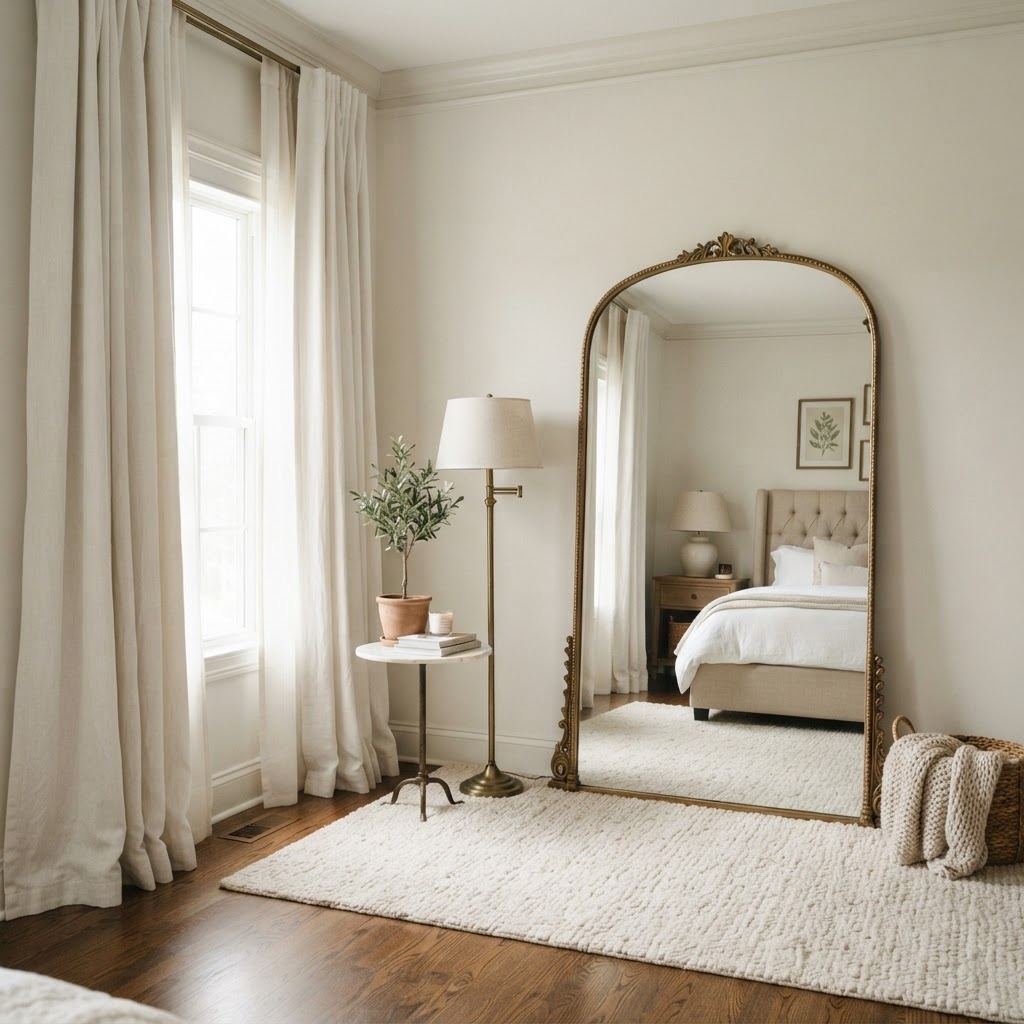
Many renters fall into the trap of using only tiny furniture because the room is small, which is a common mistake that makes a space feel like a dollhouse rather than a luxury residence. Instead, incorporate a few “oversized” pieces to anchor the room and create a sense of scale. A single large-scale piece of artwork or a tall, oversized mirror can anchor a space more effectively than a collection of small trinkets. When you use a floor-to-ceiling mirror, you aren’t just adding a functional piece; you are doubling the visual depth of the room. Placing a large mirror across from a window bounces natural light throughout the space, brightening dark corners and making the apartment feel like a much larger, more expensive property. For those working with limited square footage, consider the following “Rule of Scale” adjustments:
Softening the Edges with Textiles
Hard surfaces—laminate flooring, white walls, and plastic blinds—are the enemies of a high-end look, and they must be softened to achieve a professional aesthetic. To counteract this, use textiles to soften every hard edge throughout the apartment. Rugs are non-negotiable in the quest to make a tiny rental look expensive; even if your apartment has wall-to-wall carpeting, layering a high-quality rug on top adds texture and color that defines the living zone. Investing in floor-to-ceiling curtains is equally vital, even if your windows are small. Mounting the curtain rod as close to the ceiling as possible, rather than right above the window frame, draws the eye upward and creates the illusion of tall, luxurious ceilings. High-quality fabrics like velvet, linen, or heavy-weight cotton blends add a tactile richness that thin, synthetic curtains lack. Aim for “floor-grazing” lengths, where the curtains barely touch the floor to add a polished, custom-made feel. Adding throw blankets with chunky knit textures or silk-blend pillows further introduces dimension. These layers are what prevent a space from feeling like a sterile rental unit and turn it into a high-end, comfortable home.
Styling Surfaces and Negative Space
Clutter is the primary culprit behind a cheap-looking home, and the overnight makeover approach requires you to edit your surfaces ruthlessly. A clear, curated coffee table looks far more expensive than one covered in remote controls, stacks of mail, and stray cables. Use decorative trays to group items together, which turns “stuff” into an intentional display. Apply this same principle to open shelving or bookcases by following the ‘rule of thirds’—mixing books, small sculptural objects, and plants. Allowing for ‘negative space’—the empty areas where your eye can rest—is a hallmark of luxury interior design. If a surface is full, remove two or three items until the arrangement breathes. Professional stylists recommend that at least 30-40% of any surface area should remain intentionally empty to highlight the curated pieces you have chosen. By keeping surfaces sparse, you signal to visitors that your home is a place of leisure rather than a storage facility. This practice reduces cognitive load and keeps the room focused on the high-quality items you have curated, rather than the sheer volume of possessions.
Elevating Generic Rental Features
Rental apartments are often filled with standard, builder-grade finishes that feel uninspired, but these can be easily disguised with simple, reversible hardware upgrades. Replace standard cabinet knobs in the kitchen or bathroom with higher-end hardware like polished brass, matte black, or brushed gold pulls. These small changes provide a heavy, tactile feel that instantly elevates the perceived value of the room. Always keep the original hardware in a clearly labeled baggie in a safe place to reinstall before you move out to ensure you receive your security deposit back. Additionally, look into temporary contact paper for laminate countertops or peel-and-stick vinyl tiles to cover dated flooring. These materials are designed to be heat-resistant and durable, providing a quick way to change the color palette of an entire room. Investing $50-$100 in hardware and temporary surface covers can make a $1,500 apartment feel like a $3,000 unit by stripping away the generic “developer” look and replacing it with your own sophisticated taste.
Hiding the Ugly with Custom Covers
If you have a radiator, a bulky heater, or unattractive baseboards, look for radiator covers or custom-fit shelving units. These pieces not only hide the eyesore but also provide extra surface area for decor. Similarly, swap out standard plastic vent covers for decorative metal versions; these small, inexpensive changes signal a level of detail usually reserved for owned properties.
Creating a Sensory Experience
Luxury isn’t just about what you see; it’s about what you smell and hear, as an expensive-looking home should feel like a multi-sensory sanctuary. Incorporate high-quality candles, reed diffusers, or a signature scent that sets the tone the moment you walk through the door. Studies have shown that a “signature scent” in a home increases the emotional connection and perception of comfort by up to 25%. Avoid overly sweet or artificial scents; instead, opt for sophisticated woodsy, citrus, or botanical notes. Furthermore, consider the acoustics of your space. Hard surfaces echo, which can feel harsh; by adding soft furnishings, you naturally improve the sound quality of the room, making it feel more “cushioned” and exclusive. A home that is tidy, well-lit, and smells refined will always be perceived as more valuable, regardless of the square footage. Focusing on the sensory details—clean air, warm light, and quiet surfaces—is what separates a simple apartment from a curated living space.
FAQ
Q: How can I change rental lighting without professional help?
Use plug-in wall sconces and floor lamps to bypass hardwired fixtures. These pieces simply plug into existing wall outlets and can be mounted using non-damaging adhesive hooks, allowing you to add warm, layered lighting without violating your lease or requiring an electrician.
Q: What is the best way to hide ugly rental floors?
Layer large-scale area rugs over the existing floor to hide unattractive laminate or dated carpet. Choosing a high-pile, neutral-colored rug covers the most visual area, instantly transforming the room’s base and adding a sense of luxury and warmth that covers up standard builder-grade finishes.
Q: Do I need expensive furniture to make a place look high-end?
No, focus on curation and scale rather than price. Mixing one or two large, statement pieces with clean, organized surfaces creates a high-end look, even if the furniture itself is affordable or thrifted. The key is in the editing and the removal of clutter.
Q: Can I paint my rental to make it look more expensive?
Many landlords allow painting if you agree to return the walls to the original color before moving out. If painting is prohibited, use high-quality peel-and-stick wallpaper on a single accent wall to introduce color and texture that creates a custom, designed aesthetic without permanent changes.
Q: What is the most important element for luxury in small spaces?
Negative space is the most critical element for luxury. By ruthlessly editing your decor and keeping surfaces clear, you allow the room to breathe, which makes a small area feel intentional, spacious, and sophisticated rather than cramped or cluttered.

Leave a Reply