Small Apartment Decorating Ideas on a Budget
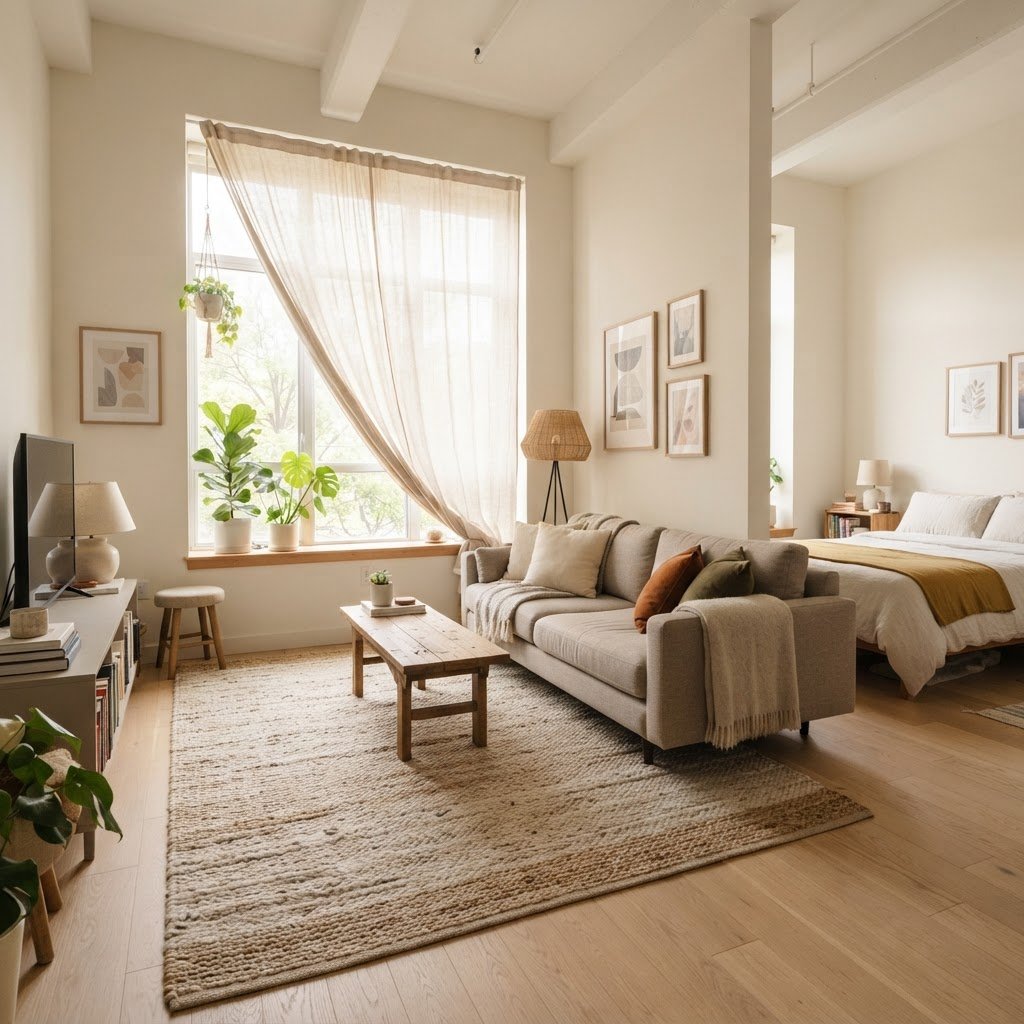
To decorate a small apartment on a budget, prioritize multi-functional furniture, vertical storage, and light-reflecting decor to maximize square footage without expensive renovations. Focus on “zoning” your layout to create distinct activity areas, using neutral color palettes to enhance the sense of space and keeping floor surfaces clear to improve traffic flow.
Rethinking Your Layout for Maximum Utility
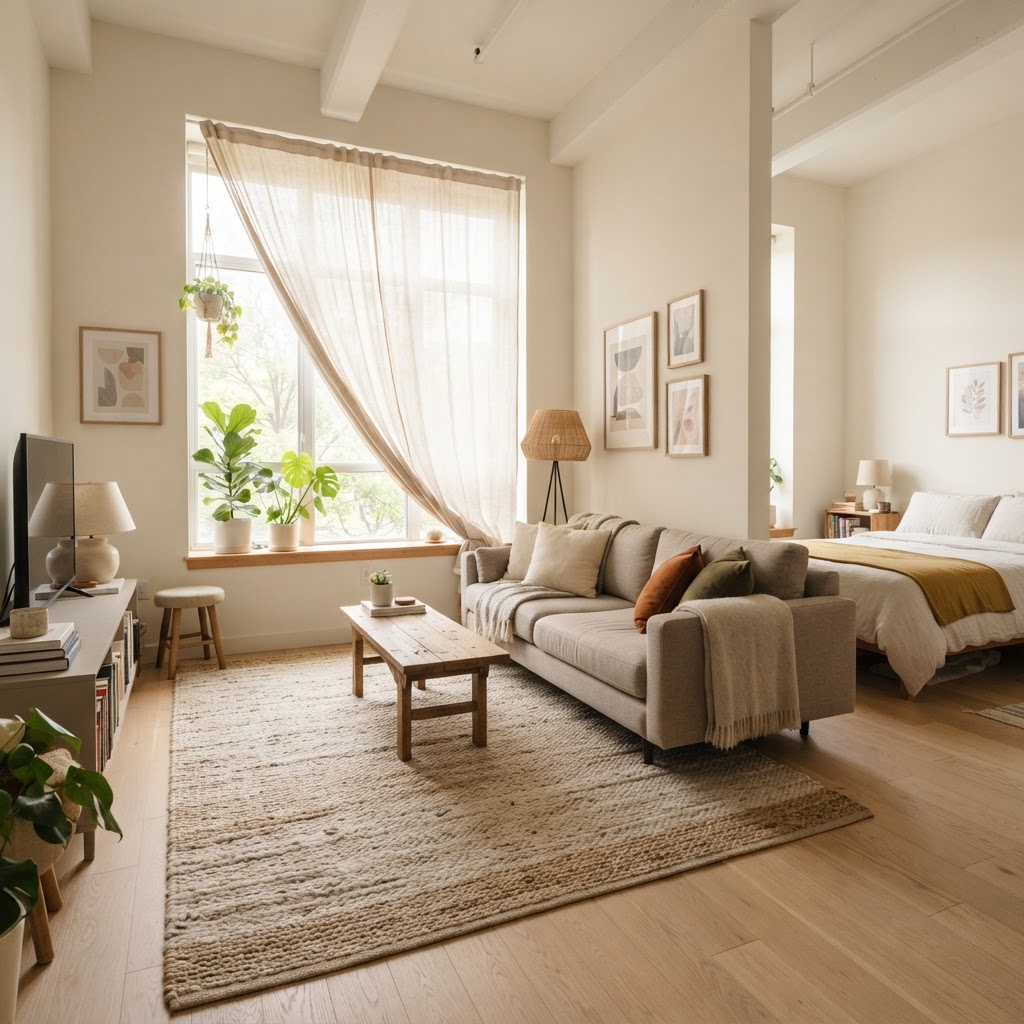
Before spending money, assess your floor plan to create defined zones for sleeping, working, and dining, which prevents the “cramped” feeling common in studios. Start by measuring your walls and furniture to ensure you stay within your available square footage. A common rule of thumb for small apartments is to leave at least 30 inches of clearance in main walking paths to maintain proper circulation.
Focus on versatile pieces that perform double duty to save both money and space. For instance, a coffee table with internal storage can reduce the need for an extra bookshelf, saving roughly 4–6 square feet of floor space. Use the following table to compare storage-heavy furniture options to help prioritize your budget.
By keeping the floor clear of excess items, you naturally trick the eye into perceiving the room as larger. Aim to elevate furniture off the ground using pieces with visible legs; this exposes more floor surface area, which is a proven psychological hack to increase perceived room volume by 15–20%.
Mastering Light and Texture with Decor
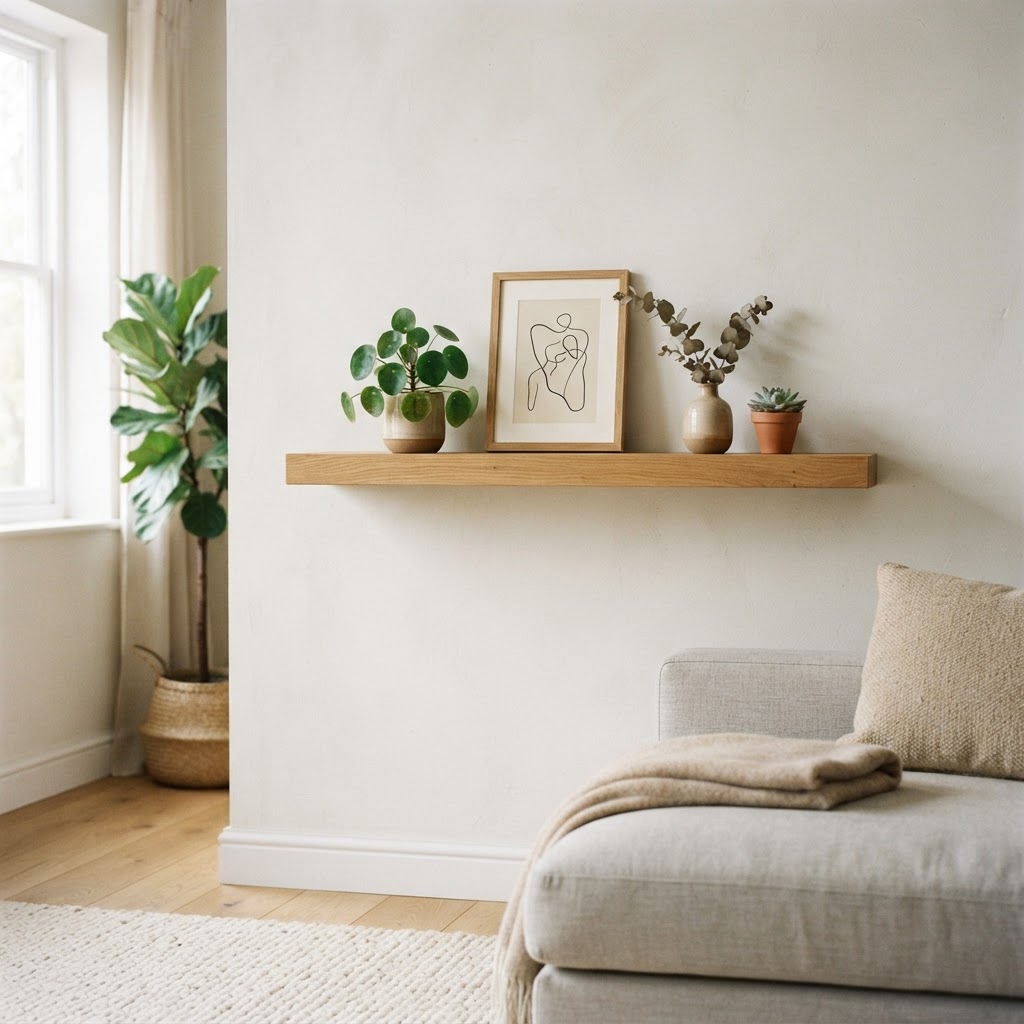
Lighting is the most underrated element of interior design, and in a small home, replacing heavy, opaque window treatments with light-filtering sheer curtains can brighten a room by up to 30%. When you allow more natural light to permeate the space, the boundaries of the walls appear to recede, creating a more expansive feel.
Layering is essential for adding warmth without clutter; start with a textured rug to anchor your seating area. A well-placed rug, ideally sized at 5’x8′ or larger, serves as a foundation that defines a room’s purpose. To keep costs low, look for synthetic fibers like polypropylene, which are durable and often priced under $100. Incorporate a cohesive color theme by choosing one accent hue—such as sage green or navy—and repeating it across three different items, like a throw pillow, a piece of wall art, and a vase. This repetition creates a curated, high-end look while maintaining a budget-friendly simplicity.
Vertical Storage Solutions
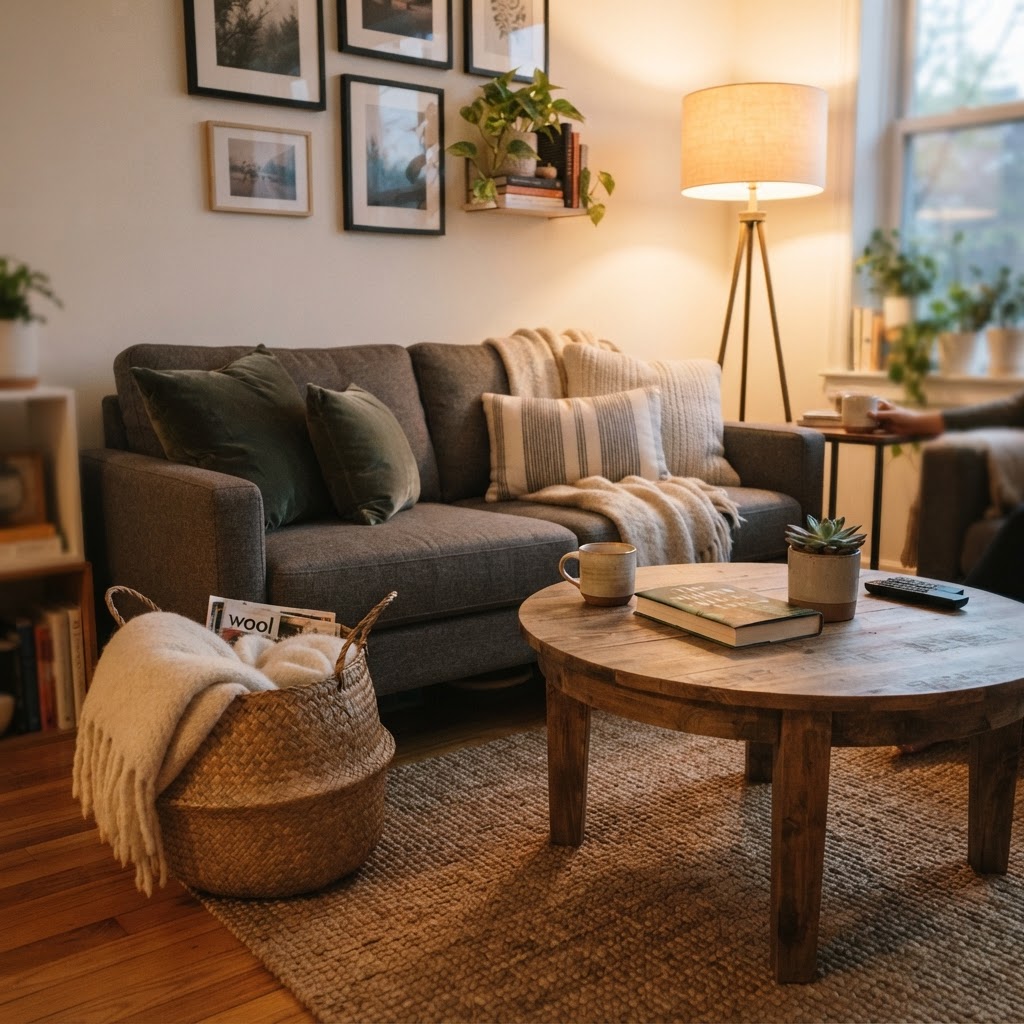
When you run out of floor space, the most effective strategy is to utilize your vertical real estate for storage and visual interest. Installing floating shelves allows you to store books, plants, and decor items off the ground, which can free up an entire floor surface area previously occupied by traditional bookcases.
To make a small room feel airier, try to find furniture that matches your wall color, which helps pieces “disappear” into the background and minimizes visual noise. In an empty corner, a vertical floor lamp provides necessary task lighting while drawing the eye upward, creating the illusion of higher ceilings. This technique is especially useful if your ceiling is under 8 feet. When choosing hardware or shelving units, opt for white or light-toned woods, as these reflect light rather than absorbing it. A well-placed vertical focal point distracts from the narrow width of the room, providing a sense of balance and intentional design that feels professional despite a low budget.
Curating the Perfect Sofa for Small Spaces
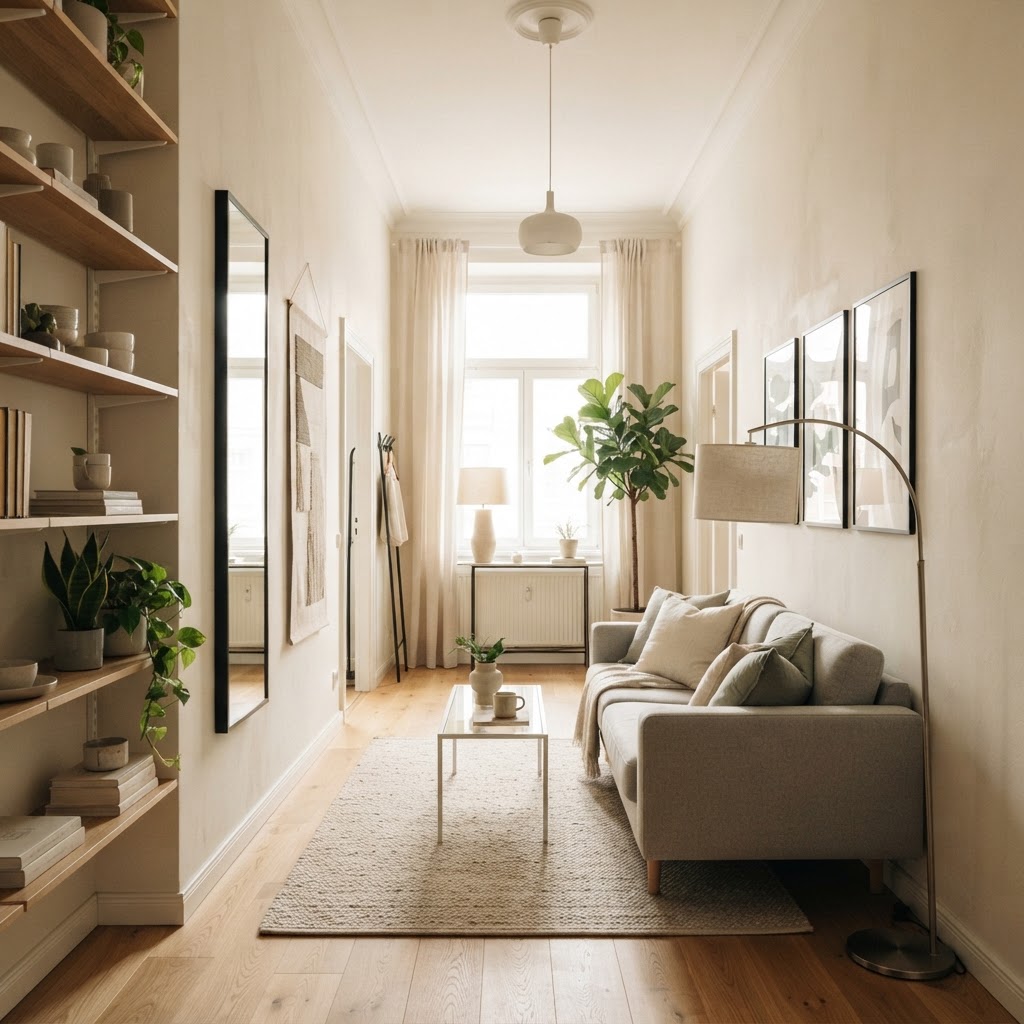
Selecting a sofa is a major commitment, so look for a slim-profile piece with exposed legs to ensure light passes underneath, keeping the layout feeling airy rather than grounded. Avoid bulky, low-to-the-ground sectionals that dominate a room; instead, aim for a two-seater sofa measuring roughly 60–70 inches in width, which provides comfort without overwhelming the space.
When choosing upholstery, stick to neutral tones like light gray, beige, or off-white. This strategy offers a versatile base that is less likely to look dated compared to bold patterns. You can easily inject personality using seasonal throw blankets or pillows, which cost significantly less than replacing a sofa.
Remember that your seating choice dictates the vibe of the entire room. By keeping the sofa neutral and low-profile, you maintain flexibility to pivot your decor style as you gain more budget for accessories later.
Organization Hacks for the Budget-Conscious Renter
Clutter is the primary enemy of small apartment living, so investing in organization tools is essential for maintaining a sense of peace. Stylish woven baskets are an affordable way to hide miscellaneous items, providing soft, organic texture that balances out the harder, geometric lines of typical budget furniture.
For renters, removable wall hooks are a non-negotiable hack for maintaining order without damaging property. These can support heavy items like coats, tote bags, or even lightweight gallery art arrangements. Keeping surfaces like coffee tables and dining areas clear is crucial when your living space serves a dual purpose, such as a home office or dining room. By creating a dedicated “home” for every object, you reduce the time spent cleaning and keep your visual environment calm and orderly, which is the cornerstone of successful small-space living.
Personalizing Your Rental Space
Personalizing a rental requires focusing on transportable items that move with you, such as textiles, floor lamps, and curated wall art. This approach prevents you from wasting money on permanent, unmovable fixtures and ensures that your investment continues to pay off in future homes.
Focus on quality over quantity to avoid overcrowding your home. A single, well-chosen vintage rug or a high-quality piece of art acts as a focal point that tells your story without filling the room with trinkets. When you curate your items carefully, the apartment feels intentional rather than just filled with inexpensive goods. You can create a peaceful retreat even on a budget by prioritizing items that evoke a sense of calm and reflect your personal aesthetic. Remember, the goal is to create an environment that supports your daily lifestyle while keeping the spatial footprint as open as possible.
FAQ
Q: How do I make a small room look bigger on a budget?
Use light-colored paint, large mirrors to reflect natural light, and furniture with exposed legs to increase the visible floor space. Removing excess clutter and keeping surfaces clean are the most effective, low-cost ways to make any room feel significantly larger.
Q: What is the best furniture for a tiny studio apartment?
Prioritize multi-functional furniture like lift-top coffee tables, storage ottomans, or beds with built-in drawers. These pieces allow you to maintain essential storage without sacrificing additional floor space, which is critical in a compact studio environment.
Q: How can I hang decor without damaging apartment walls?
Use heavy-duty adhesive wall hooks or command strips, which are designed to support weight without requiring nails or screws. For larger items, consider leaning floor mirrors or art against the wall to add visual height and depth without needing any hardware at all.
Q: Are area rugs necessary for small apartments?
Yes, area rugs are essential for grounding furniture and defining distinct “zones” in an open-concept layout. A well-placed rug creates visual boundaries that make a small room feel organized and intentional, preventing the space from feeling like a random collection of furniture.

Leave a Reply