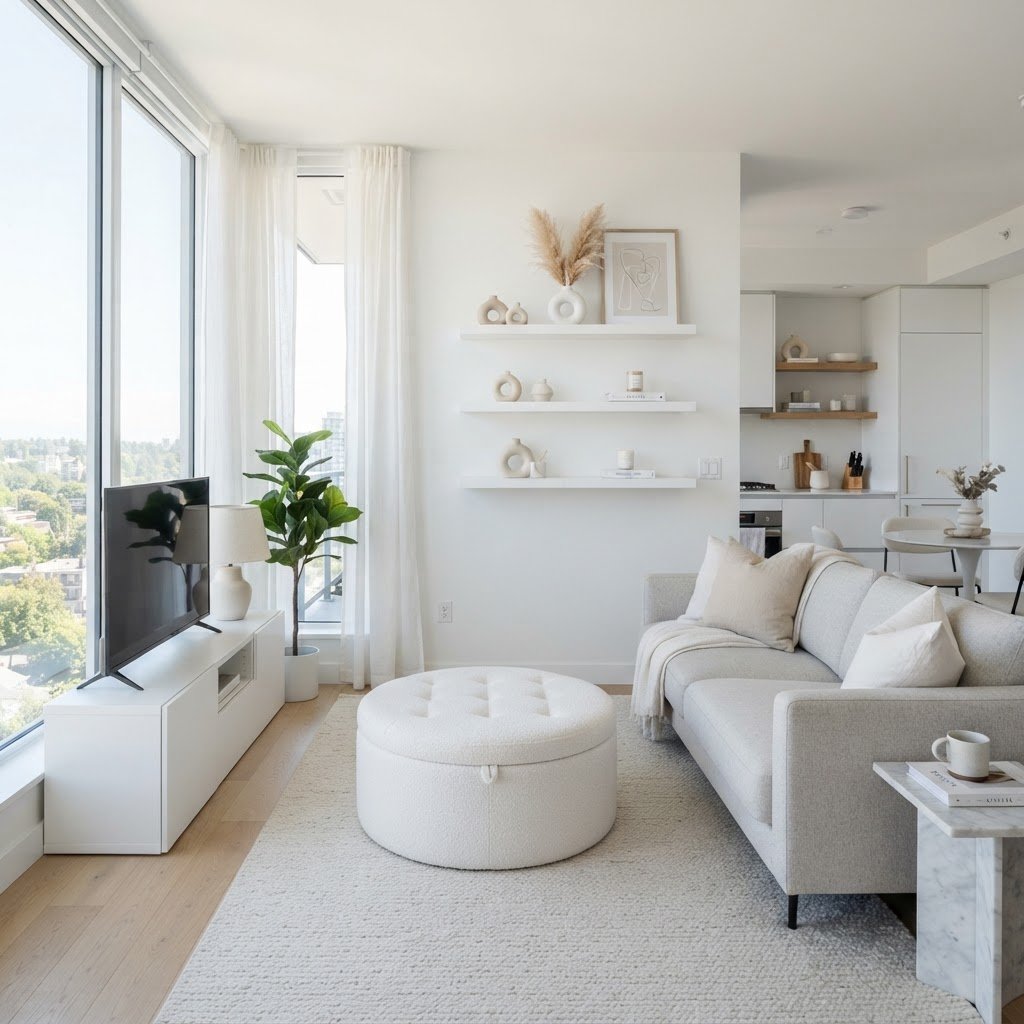
17 Small Space Organization Tips That Instantly Reduce Overwhelm
To effectively organize a small space and reduce overwhelm, prioritize vertical storage, use multi-functional furniture, and implement a strict “one-in, one-out” decluttering policy. By utilizing floor-to-ceiling shelving and hidden storage solutions, you can maximize your square footage and keep visual noise to a minimum for a more peaceful, functional home.
The Psychology of Less in Small Apartments
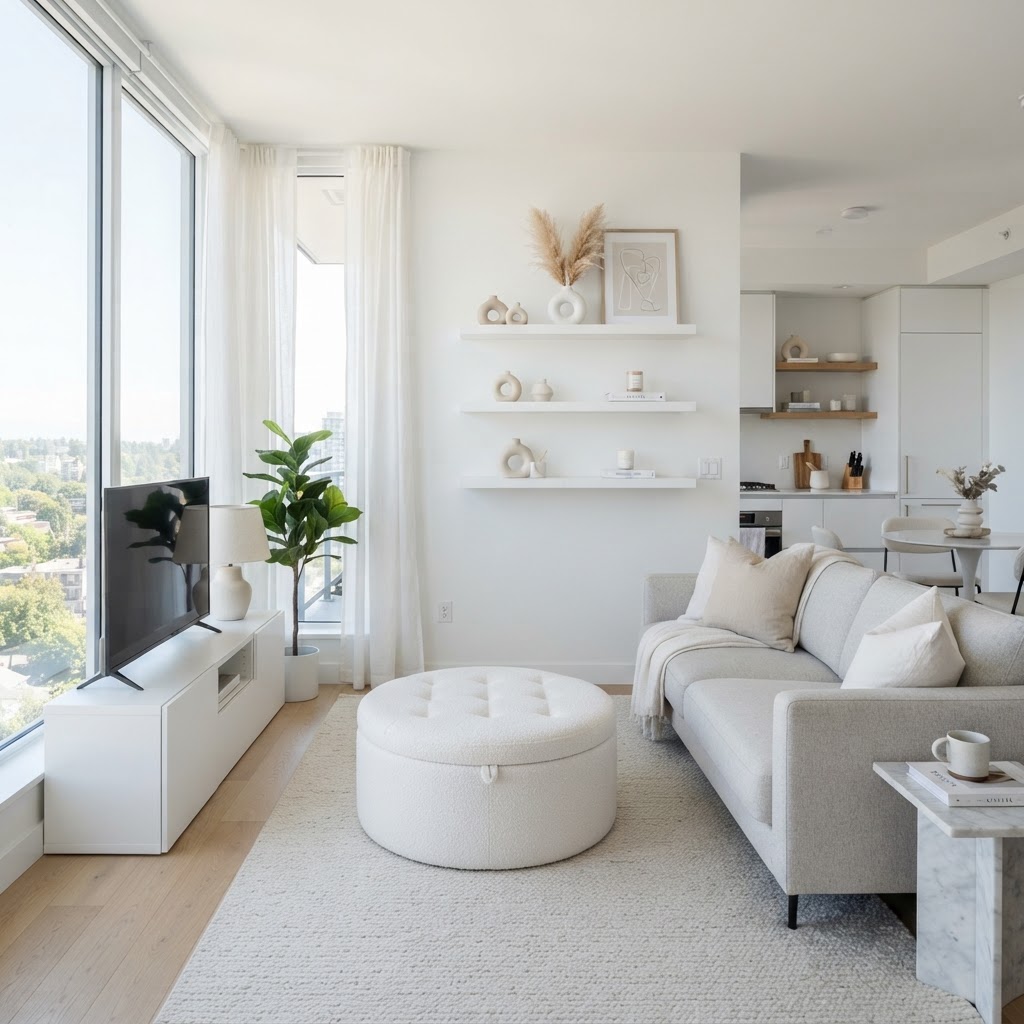
Clutter in a small room is magnified compared to larger homes, as every stray object commands disproportionate attention and creates constant mental unease. When living in limited square footage, the most effective strategy is a radical decluttering session where you eliminate items that do not serve a specific purpose or bring joy. According to spatial experts, removing just 20% of your non-essential belongings can increase the perceived openness of a room by nearly 40%. Start by categorizing items into keep, donate, and discard piles, focusing on one room at a time. This foundational step ensures that you are not just organizing excess, but curating a home that reflects your actual needs. By reducing the volume of belongings, you automatically increase the capacity of your existing storage solutions. Remember, if an item is sitting unused, it is taking up premium real estate that you can no longer afford to give away. You can find more small apartment decluttering and storage tips to streamline this initial process. Once the excess is gone, the remaining items become much easier to manage, store, and access, laying the groundwork for a truly functional and minimalist lifestyle that allows your space to finally breathe.
Maximizing Vertical Storage Potential
When floor space is at a premium, the most effective strategy is to utilize your vertical surfaces to move items upward and out of high-traffic zones. Installing floating shelves is one of the most popular small space organization tips because it moves items from your floor to the wall without bulky furniture footprints, effectively clearing visual pathways. Walls are an untapped resource that most people ignore; by mounting storage, you can utilize the 8-foot (or higher) height of your ceilings to store items that aren’t accessed daily. Research suggests that drawing the eye upward creates an optical illusion of higher ceilings, which makes a room feel inherently more spacious and airy. Consider installing long, narrow shelves above your doorways or windows to hold books, seasonal decorations, or extra linens. This “dead space” is often overlooked but provides excellent storage for items used only once or twice a year. Furthermore, the use of magnetic strips for kitchen tools or wall-mounted hooks for bags keeps your floor clear of clutter. By incorporating these vertical elements, you prioritize flow and ease of movement, which is essential for maintaining a sense of calm in a compact apartment. While maximizing your vertical storage is a functional necessity, you can also decorate a small apartment on a budget to ensure your space looks stylish without overspending. Effectively utilizing your wall space reduces the need for large cabinets, allowing the footprint of your home to feel significantly larger than it actually is.
Utilizing High-Reach Areas
Don’t stop at eye level. The space above door frames, windows, and cabinets is prime real estate for items you don’t use daily. Consider installing long, narrow shelves above your doorways to store books, seasonal decorations, or extra linens. By keeping these areas tidy, you draw the eye upward, which actually creates the illusion of higher ceilings and a more spacious room.
The Power of Pegboards
Pegboards are a versatile solution for kitchens, home offices, and craft rooms. They allow for complete customization, enabling you to rearrange hooks and bins as your needs change. By hanging pots, pans, utensils, or office supplies, you keep your surfaces clear, which is critical for making a small kitchen or workspace feel organized.
Furniture Choices That Work Overtime
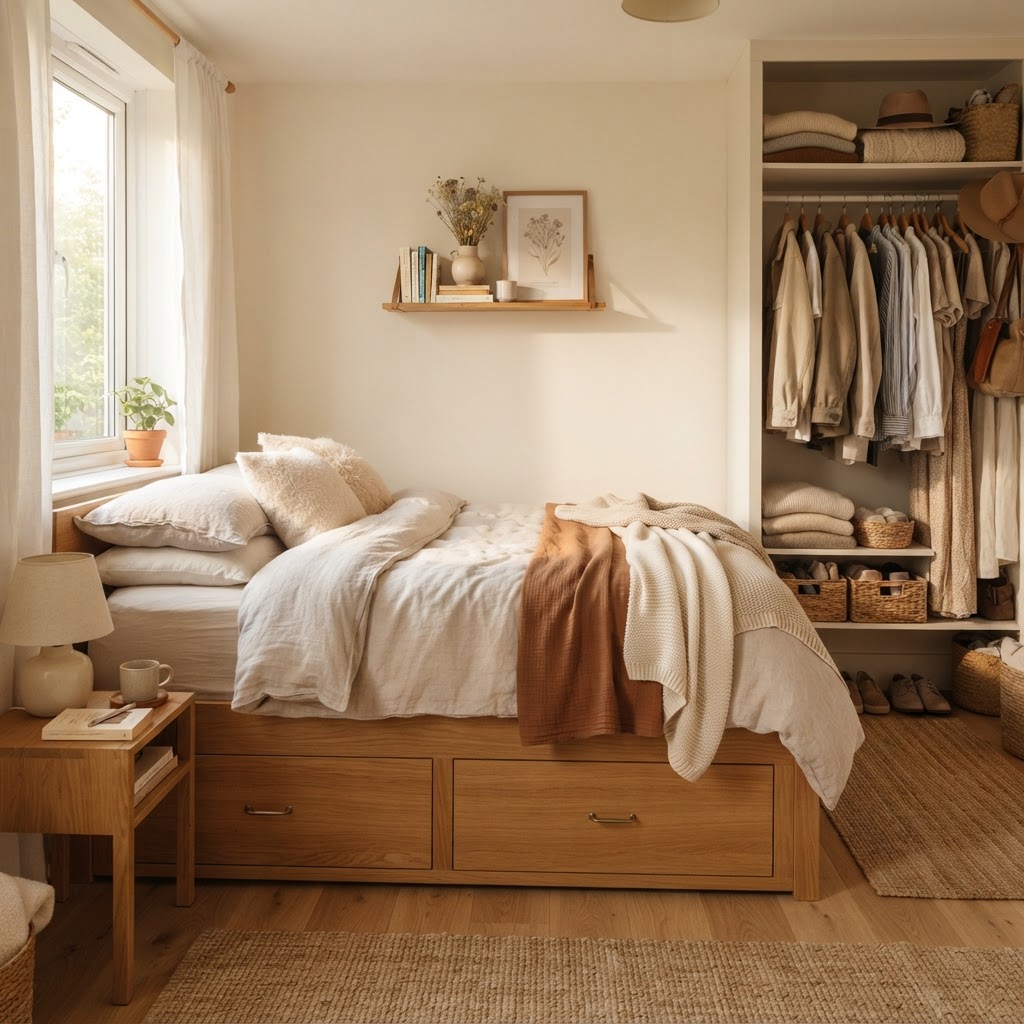
Every piece of furniture in a small home must pull double duty by offering both its primary function and an integrated storage solution. If you have a coffee table, it should not just hold your mug; it should hide your blankets, magazines, or remote controls. When shopping for furniture, prioritize items with hidden storage, such as ottomans with lift-tops, beds with drawers, or entry benches with cubbies. A study on space-efficient furniture design indicates that utilizing “multi-functional” pieces can increase storage capacity by up to 60% compared to traditional, single-use furniture. Look for pieces that offer at least two storage modes—for example, a desk that folds into a wall cabinet or a sofa with a storage chaise. These pieces minimize the total number of items in your home, which is vital for preventing visual clutter. Always measure your available floor area before purchasing; a multifunctional piece that is too large for the room will defeat the purpose of the space-saving design. By investing in quality pieces that serve as both furniture and storage, you effectively reduce the “stuff density” of your living space. This strategic approach ensures that every item in your home has a dual-purpose role, allowing you to maximize functionality without sacrificing the comfort or aesthetic of your limited square footage.
Multi-Functional Beds
Your bedroom is likely the largest piece of furniture in your home. Instead of allowing the space under your bed to become a graveyard for dust, utilize it for seasonal clothing storage. Investing in shallow rolling bins or vacuum-sealed bags allows you to reclaim this massive area for items that aren’t currently in rotation, drastically clearing out your primary closets.
Clever Closet and Drawer Management
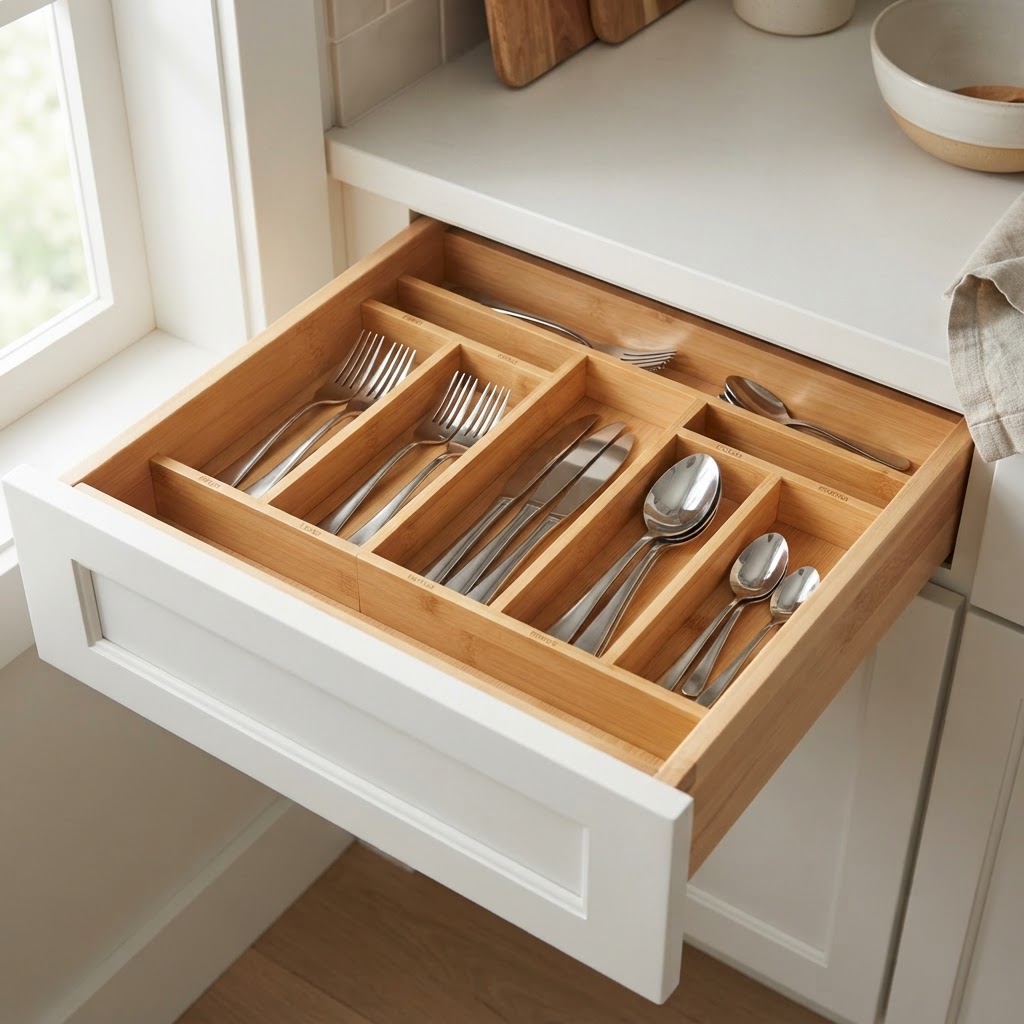
Closets are often the first casualty in a small apartment, requiring precise organization to prevent the “hidden clutter” effect. Using vertical dividers and tiered hangers can double your effective storage capacity instantly, keeping garments organized and wrinkle-free. Slim velvet hangers are a must-have, as they save space while keeping clothes from slipping, allowing you to fit up to 30% more items onto a single rod. Beyond standard hangers, consider installing secondary rods to utilize the lower section of your closet for folded items or accessories. Drawers are equally notorious for becoming junk catchers, often leading to wasted time searching for misplaced items. By using modular dividers, you can create a specific, rigid home for every item, from socks to cutlery. This granular level of organization is the difference between a tidy drawer and a cluttered mess. When every item has a permanent, designated place, the time required to clean up is significantly reduced. Small apartment storage relies on this level of discipline to ensure that “clutter creep” does not set in over time. By implementing these systematic storage adjustments, you keep your essential items accessible while maximizing every square inch of your closet and drawer space, ensuring your belongings work for you, not against you.
Drawer Dividers and Micro-Organization
Drawers are notorious for becoming junk catchers. By using modular dividers, you can create a specific home for every item, from socks to cutlery. When everything has a designated place, the time required to clean up is significantly reduced. Small apartment storage relies on this level of granularity to ensure that “clutter creep” does not set in.
Organizing the Kitchen and Bathroom
Small kitchens and bathrooms suffer most from overcrowding due to the high volume of daily items, necessitating highly efficient storage systems. Use over-the-door organizers for spices, pantry staples, or cleaning supplies to free up your countertops. By clearing your workspace, you make the room appear twice as large and significantly more hygienic. In the bathroom, which is usually the smallest room in the apartment, use stackable acrylic containers to utilize vertical space within cabinets effectively. These clear containers allow you to see exactly what you have, preventing redundant purchases of shampoo or toiletries. Research indicates that clear, organized storage in a bathroom reduces daily “prep time” by an average of five minutes per morning. For the shower, a tension-rod caddy or a hanging shower organizer keeps your products off the floor and tub edge, creating a clean, spa-like atmosphere that makes a tiny bathroom feel much more manageable. The goal is to keep surfaces clear of daily-use items; when surfaces are clear, the brain perceives the room as larger and less chaotic. By implementing these targeted strategies, you transform high-traffic, high-clutter areas into highly efficient, orderly zones.
Bathroom Vanity Upgrades
Bathrooms are usually the smallest rooms with the highest density of small items. Use stackable acrylic containers to utilize vertical space within cabinets. For the shower, a tension-rod caddy or a hanging shower organizer keeps your products off the floor and tub edge. This creates a clean, spa-like atmosphere that makes a tiny bathroom feel more manageable.
Maintaining Order Through Routine
Organization is not a one-time event; it is a daily lifestyle choice that requires consistent maintenance to prevent the return of clutter. Implement the “one-in, one-out” rule: for every new item you bring into your apartment, one must leave. This keeps your inventory stable and prevents your storage systems from reaching a breaking point. Studies show that successful minimalists spend roughly 10 to 15 minutes per day on maintenance tasks to keep their space orderly. This “ten-minute reset” is essential for preventing the accumulation of mess. Spend ten minutes every evening returning items to their designated homes. When you start the next day with a clear space, your mindset is immediately calmer and more productive. This small act of discipline prevents the slow accumulation of clutter that eventually leads to the overwhelming feelings many people experience in small homes. Creating a routine ensures that your home remains a sanctuary rather than a source of stress. Consistency is the secret ingredient; by treating your home as a space that needs regular care, you ensure that your investment in storage solutions pays off over the long term. This lifestyle shift turns organization into an automatic habit, effectively keeping your small space functional and welcoming.
The Ten-Minute Reset
Spend ten minutes every evening returning items to their designated homes. When you start the next day with a clear space, your mindset is immediately calmer and more productive. This small act of discipline prevents the slow accumulation of mess that eventually leads to the overwhelming feelings many people experience in small homes.
Why Small Living is a Superpower
Living in a small apartment forces you to be intentional about what you keep, acting as a powerful tool for personal growth. When you strip away the excess, you find that your home becomes easier to clean, less expensive to maintain, and more aligned with your actual needs. By applying these strategies, you are not just organizing a room; you are curating a life where your environment supports your goals rather than draining your energy. Small space living, often categorized as the “compact living movement,” allows you to spend 30-50% less time on household chores compared to larger homes. This newfound time can be redirected toward hobbies, relationships, and professional growth. Your environment dictates your mental state; a cluttered, small room leads to a cluttered, small mindset. Conversely, a highly efficient, minimalist small space encourages clarity and focus. You become more discerning about purchases, favoring quality over quantity. This shift in perspective is the ultimate “superpower,” as it leads to both financial freedom and emotional peace. By mastering your environment, you prove that your happiness is not dependent on square footage, but rather on the intentionality with which you design your world. Embracing this lifestyle means you no longer feel constrained by your walls, but empowered by the freedom that comes from owning only what is necessary.
FAQ
How can I make a tiny apartment feel bigger?
To make a tiny apartment feel bigger, clear your floor surfaces, use vertical storage like floating shelves to draw the eye up, and incorporate mirrors to reflect light. Keeping surfaces clear of clutter creates an immediate optical illusion of more space.
What is the “one-in, one-out” rule?
The “one-in, one-out” rule is an organization strategy where for every new item you bring into your home, you must remove or donate one existing item. This prevents clutter from accumulating and keeps your total inventory stable, ensuring your storage solutions don’t get overwhelmed.
What furniture is best for small spaces?
The best furniture for small spaces includes pieces that offer hidden storage, such as ottomans with lift-tops, beds with integrated drawers, or nesting tables. Always look for multi-functional items that serve at least two purposes to reduce the total number of furniture pieces needed.
How do I organize a small closet with too many clothes?
Organize a small closet by using vertical dividers, tiered hangers, and slim velvet hangers to maximize every inch of rod space. If you have too many clothes, decluttering is the most effective first step; categorize items by season and store out-of-season items in under-bed bins to free up hanging space.
What are the best vertical storage solutions?
The best vertical storage solutions include floating shelves, over-the-door organizers, and wall-mounted pegboards. These tools move items off the floor and onto walls, utilizing the vertical height of your room to increase storage capacity without adding bulky furniture pieces.

Leave a Reply