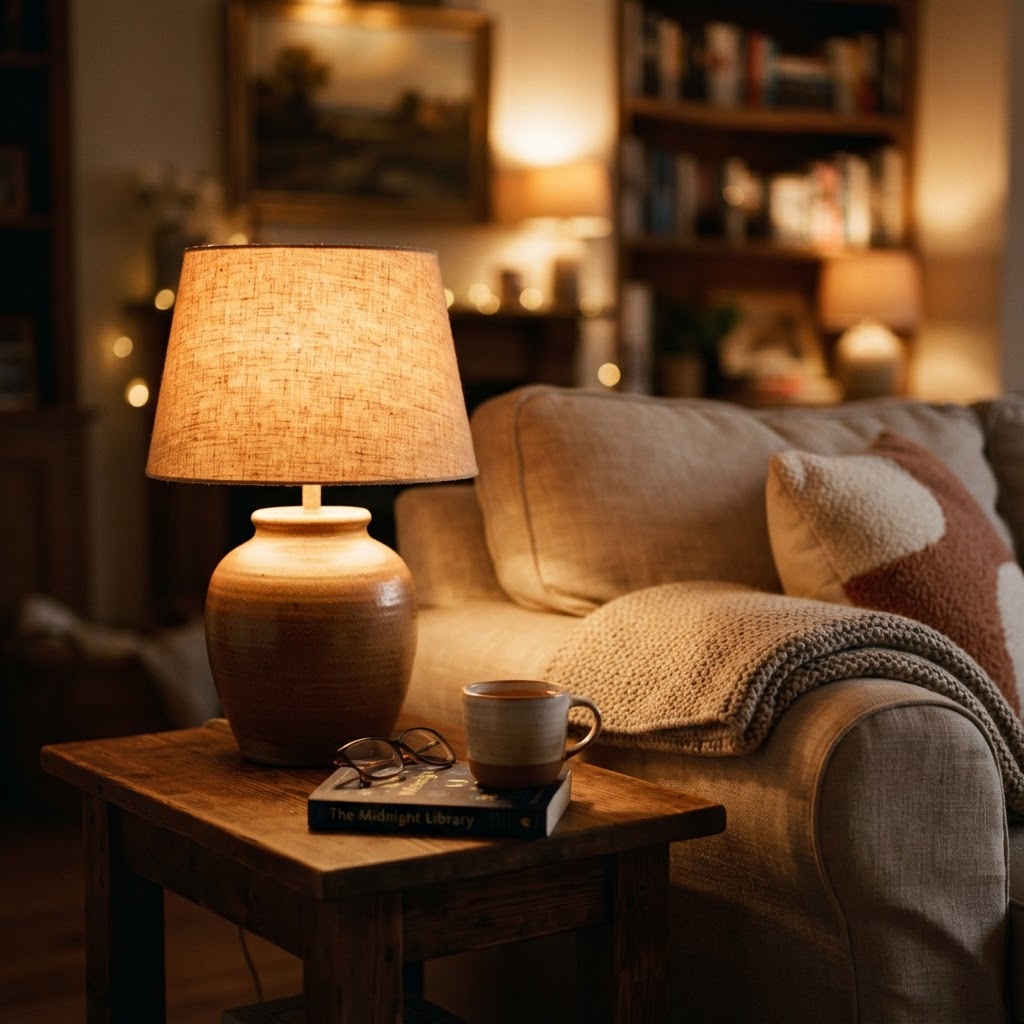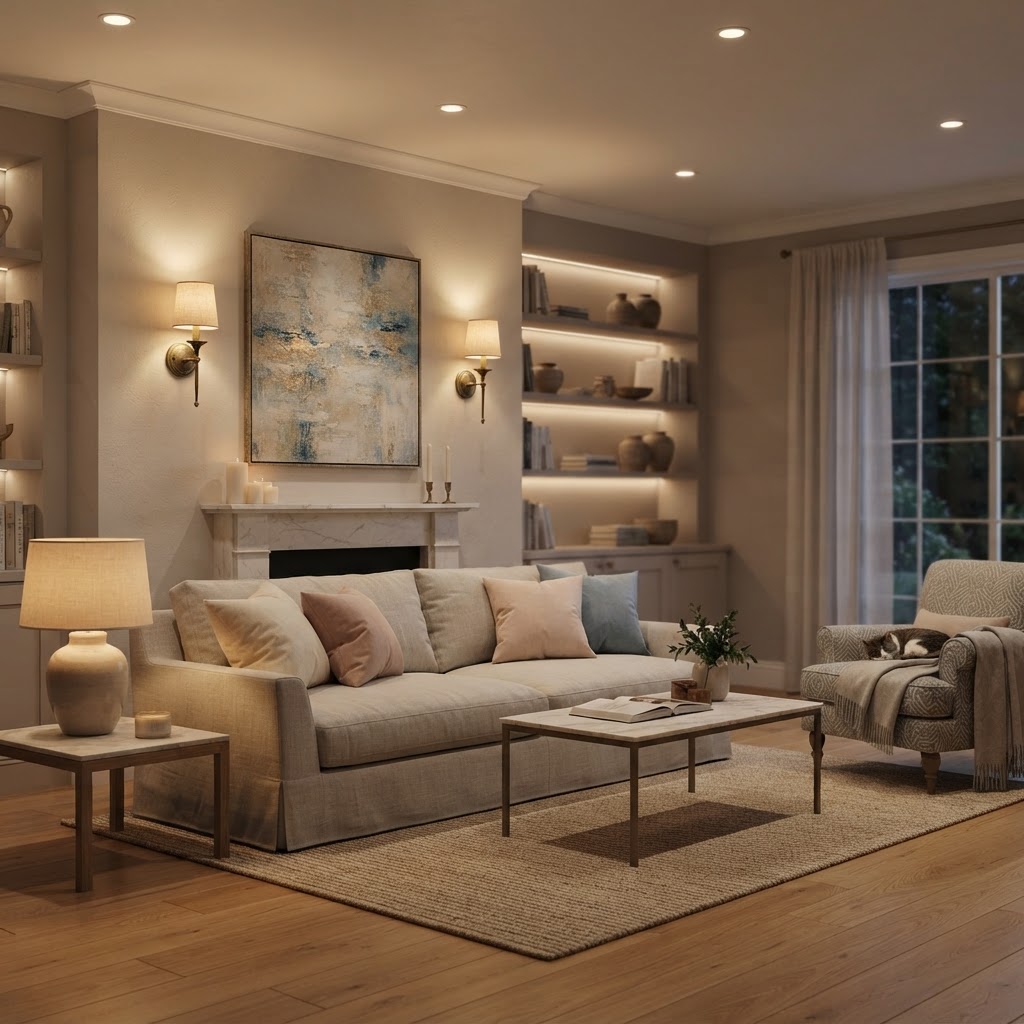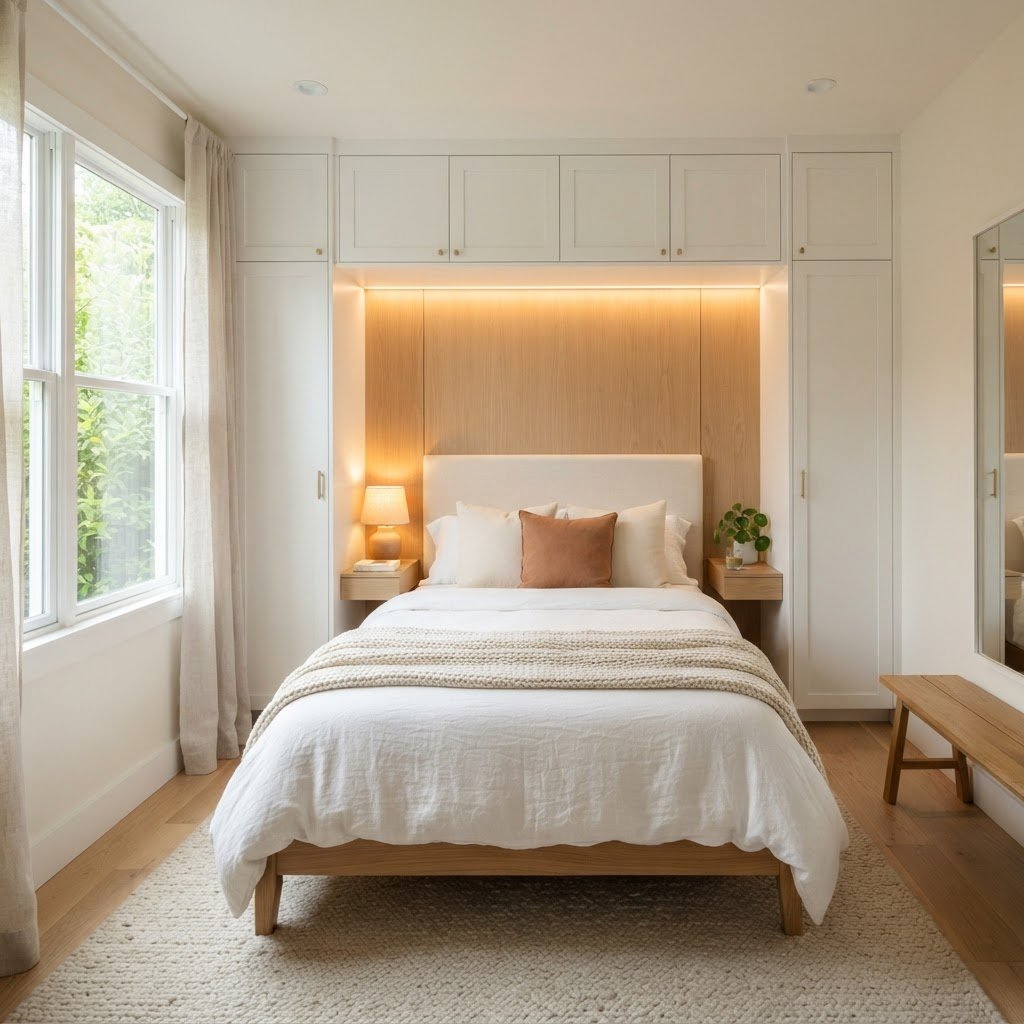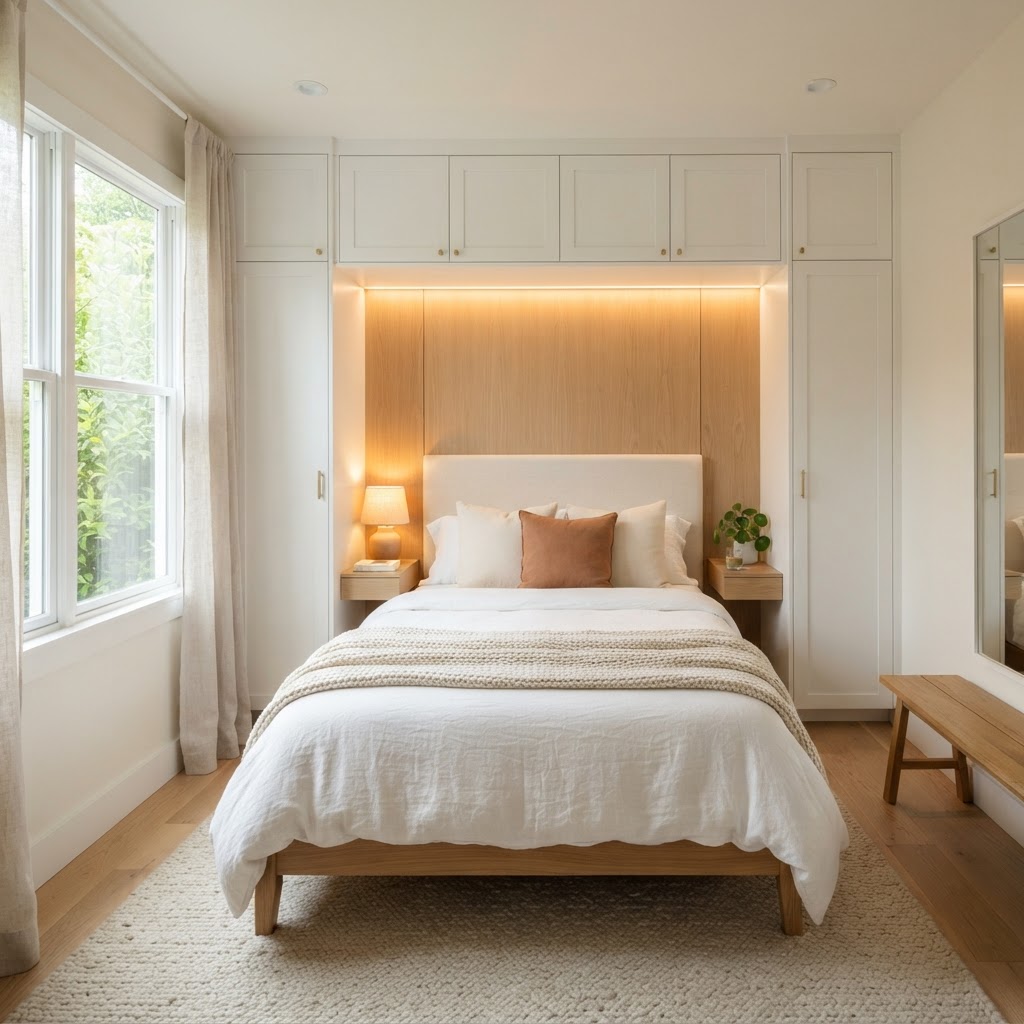
Archives August 2026

The Best Storage Cart for Small Apartment Organization

The best storage cart for small apartment organization is a multi-level rolling utility cart, offering flexible, mobile storage that maximizes vertical space and clears cluttered surfaces. This versatile solution transforms compact living areas by providing dedicated homes for essentials and expanding functional workspace.

The Psychology of Mobile Storage

Clutter in a small apartment significantly increases cognitive load, making spaces feel smaller and more chaotic. A rolling storage cart combats this by giving every item a designated place, freeing up valuable counter and floor space. This visual order directly contributes to a calmer mental state and a more functional living environment. Unlike static shelving, a mobile cart offers unparalleled flexibility. It can adapt to your needs, moving from the kitchen to the bathroom or office as required. This adaptability is particularly beneficial for renters, allowing for efficient space utilization without permanent alterations.

Psychological Benefits of Decluttering with a Cart:

  • Reduced Cognitive Load: Less visual clutter leads to a clearer mind.
  • Enhanced Sense of Control: Organizing belongings fosters a feeling of command over your environment.
  • Improved Focus: Clear workspaces can lead to better concentration during tasks.
  • Increased Perceived Space: An organized room always feels larger.

This psychological uplift is crucial for well-being in compact living situations, making a rolling cart a powerful tool for both physical and mental organization.

Anatomy of the Ideal Rolling Cart

When selecting a rolling storage cart for optimal small apartment organization, prioritize durability, accessibility, and thoughtful design. Look for carts constructed from powder-coated steel, offering a balance of industrial aesthetic, lightweight maneuverability, and robust support for substantial items. High-quality casters are essential for smooth gliding across different floor surfaces, ensuring the cart is easy to move even when fully loaded. A standard three-tier cart is often ideal, providing ample vertical storage without overwhelming the space, typically measuring around 35-40 inches in height with shelves spaced 12-15 inches apart.
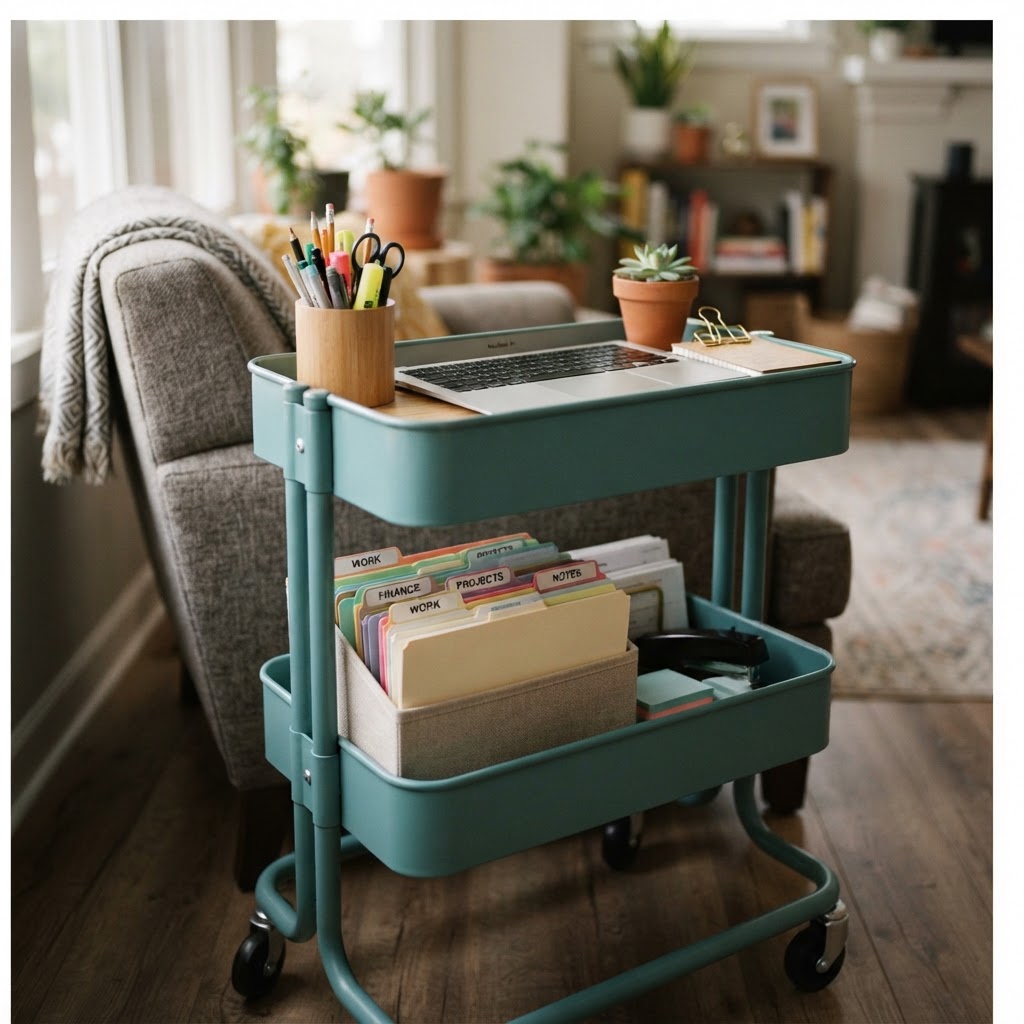
Keep your home office supplies organized and mobile.

Ventilated shelves are a critical feature, especially for storing pantry items, linens, or plants, as they prevent moisture buildup and dust accumulation, promoting better air circulation and hygiene. The dimensions of the shelves should accommodate your specific needs; deeper shelves are better for larger appliances or bulkier items, while shallower ones are perfect for smaller, frequently used products. Consider carts with a weight capacity of at least 50-60 pounds per shelf to ensure they can handle a variety of items reliably.

Key Features to Look For:

Feature Benefit
Powder-coated Steel Durability, Rust Resistance, Sleek Aesthetic
High-Quality Casters Smooth Mobility, Easy Maneuvering
Ventilated Shelves Airflow, Moisture Prevention, Dust Reduction
Tier Spacing Accommodates Various Item Heights (e.g., bottles, appliances)
Weight Capacity Supports Heavier Items (e.g., kitchen appliances, books)
Customizable Add-ons Enhances Functionality (hooks, dividers, magnetic strips)

These elements combine to create a storage solution that is not only practical but also adaptable to evolving organizational needs within a small living space.

Customization Options for Every Nook

One of the most significant advantages of modern utility carts is their inherent customizability, transforming a simple storage unit into a bespoke organizational system. Manufacturers offer a growing array of accessories designed to enhance functionality and tailor the cart to specific uses. Side hooks are invaluable for hanging utensils, towels, cleaning supplies, or even bags, effectively utilizing the exterior surface area. Magnetic strips can hold small metal items like scissors or clips, while various bin and basket attachments can corral smaller, loose objects, keeping shelves tidy and items easily accessible. For home offices, a cart can be outfitted with pen holders, file organizers, and document trays. In the kitchen, it can become a mobile spice rack with tiered organizers or a coffee station with designated spots for mugs, sugar, and coffee makers. The ability to personalize the cart means it can adapt to any room or hobby, making it an exceptionally versatile storage solution for small apartments where every inch counts.

Optimizing Your Kitchen Efficiency

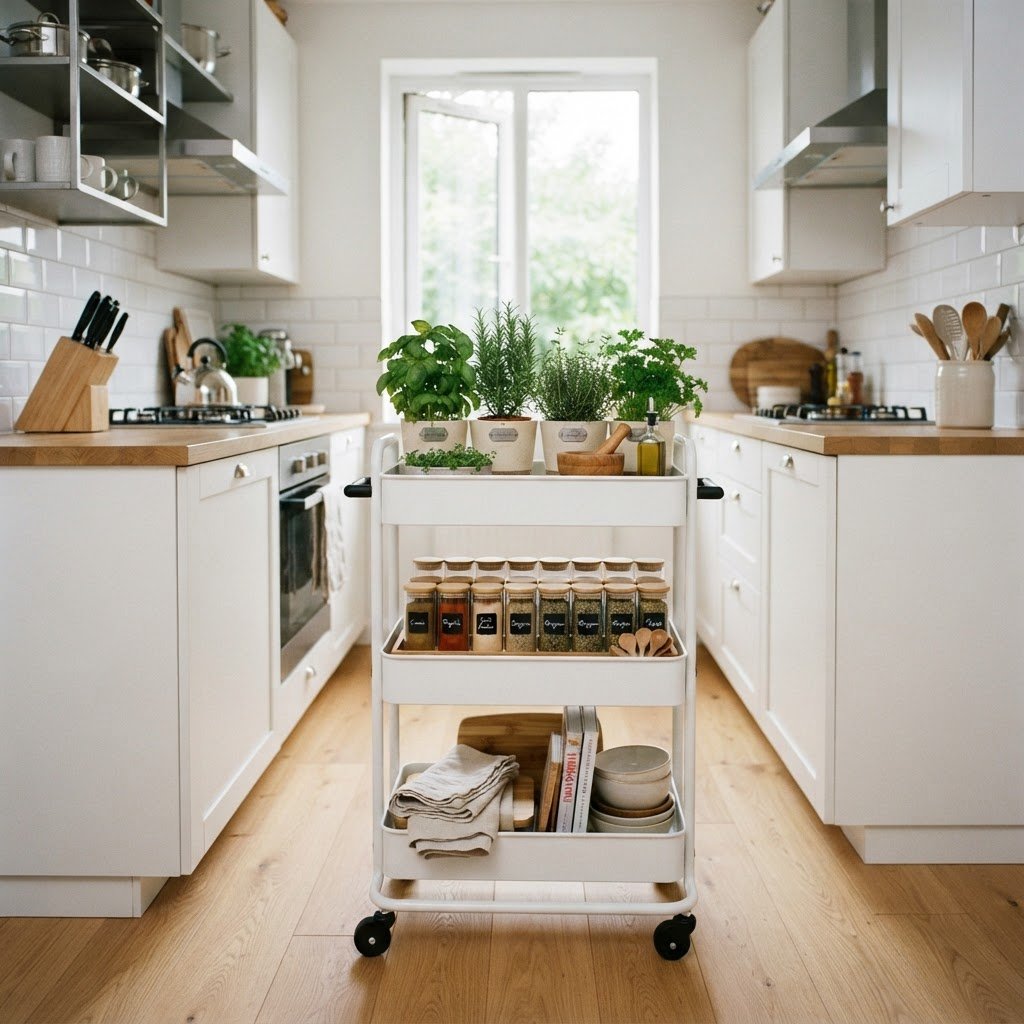
For small apartments, the kitchen often presents the biggest organizational challenge due to limited cabinet and counter space. A rolling storage cart serves as a vital extension of your kitchen’s capacity, acting as a mobile pantry, prep station, or appliance hub. It can house frequently used items like spices, oils, and utensils, keeping them within easy reach during cooking. Placing items such as a coffee maker, toaster, or air fryer on the cart frees up valuable counter real estate, creating a more streamlined and visually appealing cooking environment. This not only makes meal preparation less stressful but also enhances the overall functionality and enjoyment of your kitchen space, even in the most compact layouts.
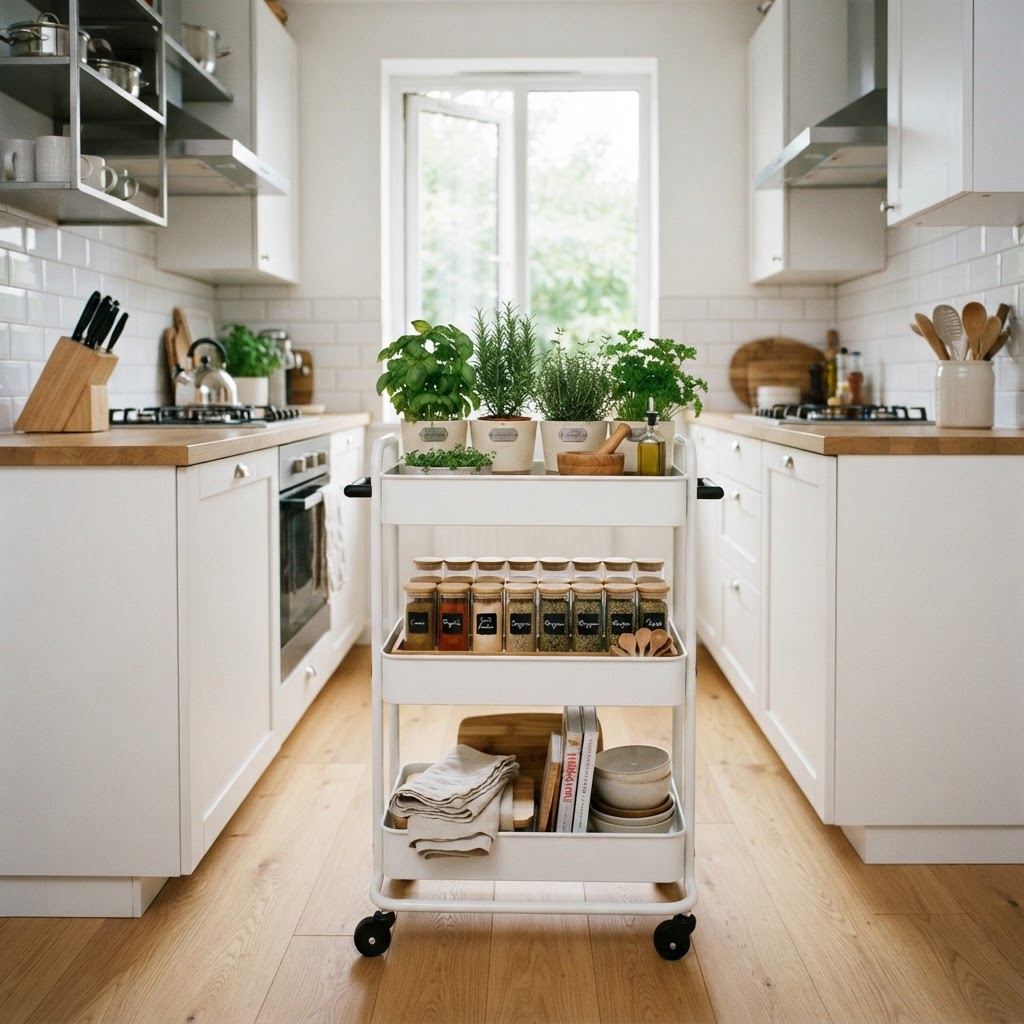
A rolling utility cart can double your kitchen counter space.

Consider the cart as a dynamic element that can be repositioned based on your workflow. Need extra space for chopping vegetables? Roll it closer to your primary prep area. Preparing a morning coffee? Move it next to your designated coffee corner. This mobility allows you to create temporary workspaces exactly where you need them, maximizing efficiency. A well-organized cart can hold up to 50-70% more kitchen essentials than a comparable amount of fixed shelving, depending on the size and depth of the tiers. For instance, a 17-inch deep cart can easily accommodate standard-sized small appliances or multiple rows of spice jars.

Kitchen Cart Organization Strategies:

  • Top Tier: Frequently used spices, oils, salt, pepper, and cooking utensils.
  • Middle Tier: Small appliances like coffee makers, blenders, or toasters; or a prep station with cutting boards and knives.
  • Bottom Tier: Bulkier items such as paper towels, bags of flour, or a small trash bin.

This structured approach ensures that your kitchen remains functional, clutter-free, and a pleasure to cook in, regardless of its size.

Transforming the Bathroom Oasis

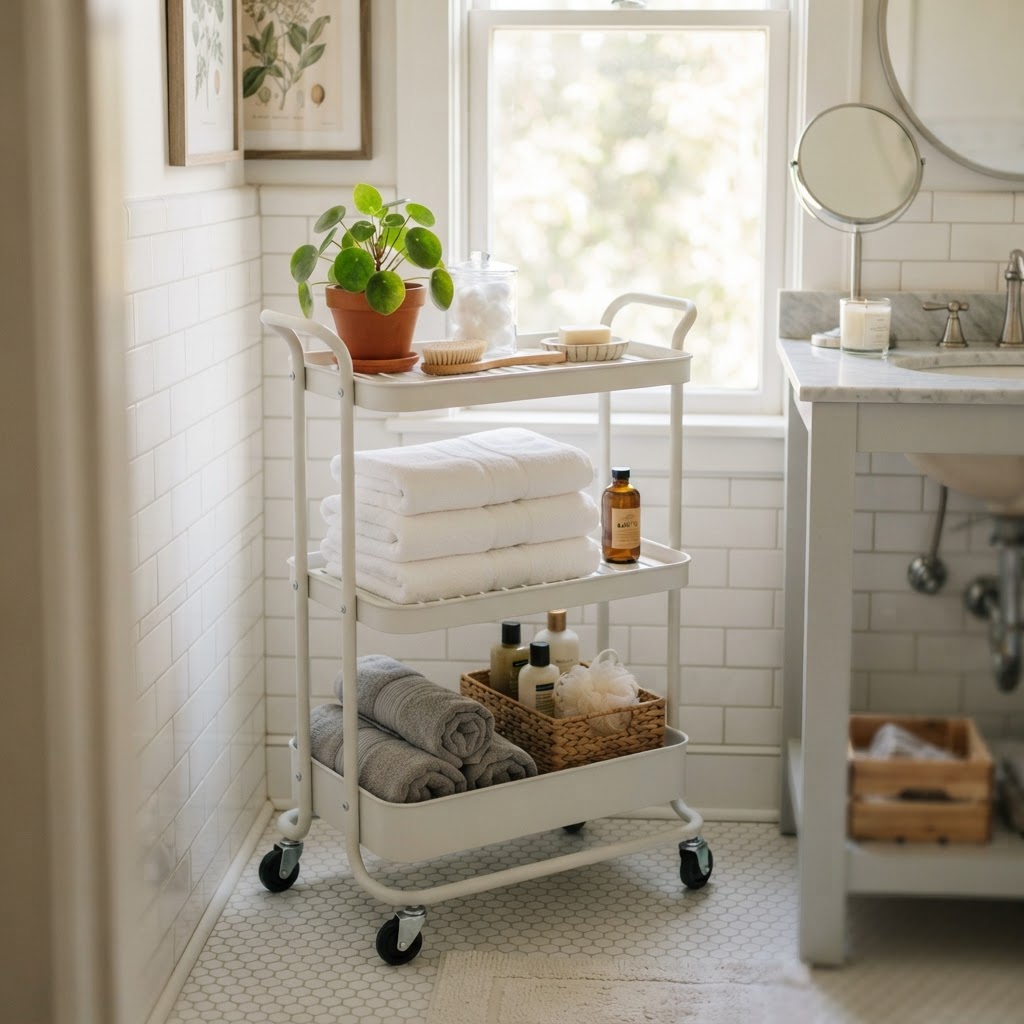
Bathrooms in small apartments are often a significant organizational hurdle due to their inherently limited square footage. A slim-profile rolling cart is an ideal solution, capable of fitting into narrow gaps, such as between a toilet and a vanity or a washing machine and a wall. It provides essential storage for toiletries, towels, cleaning supplies, and first-aid kits, keeping bathroom surfaces clear and contributing to a spa-like, serene atmosphere. This mobile storage unit can hold approximately 10-15 bath towels on its lower shelves or a comprehensive array of skincare and haircare products on its upper tiers, offering substantial utility in a compact footprint.
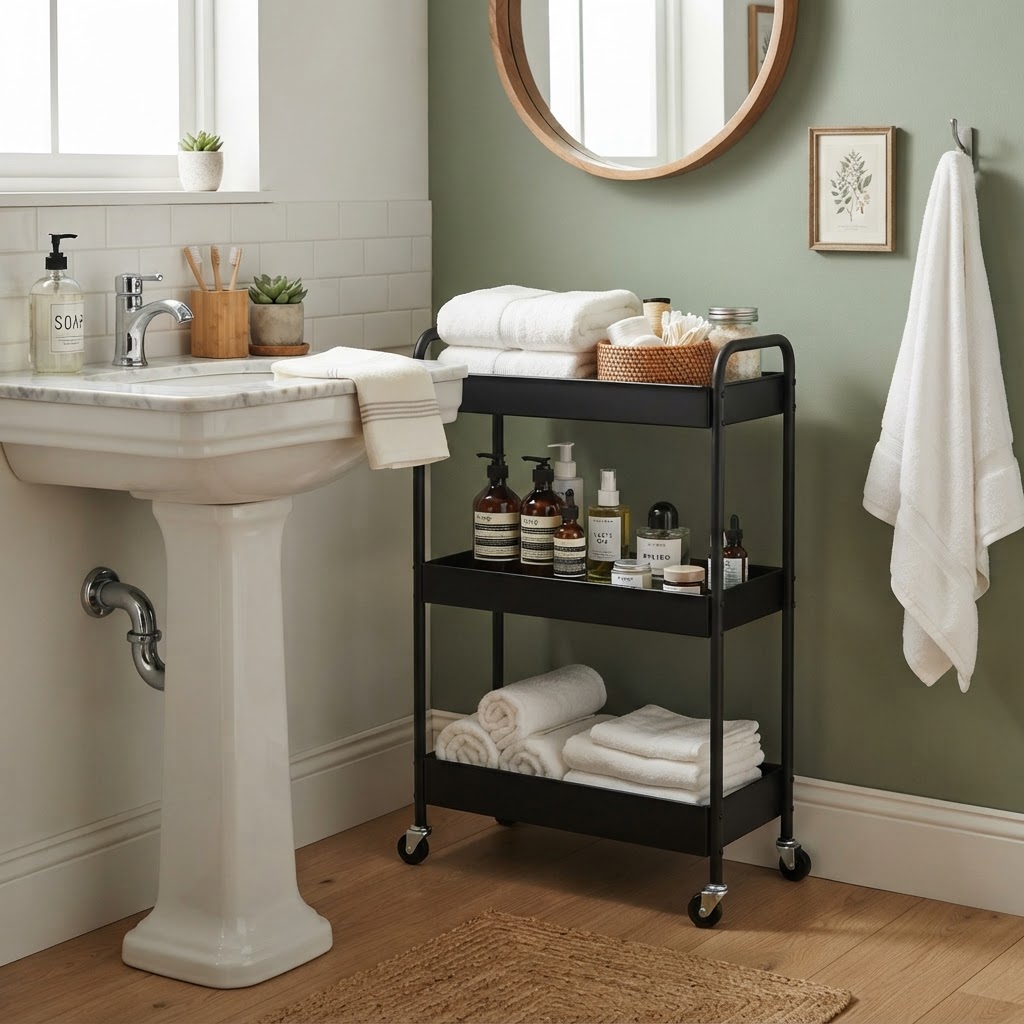
Maximize tiny bathroom storage with a vertical rolling cart.

Mobile Vanity Benefits:

  • Visibility: Seeing all your products reduces the likelihood of purchasing duplicates, saving money.
  • Accessibility: Keeps essential items for your morning or evening routine within easy reach.
  • Categorization: Allows for neat grouping of items (e.g., face care, body care, hair care).
  • Space Saving: Utilizes vertical space in otherwise awkward or unused areas.

By organizing your bathroom essentials on a rolling cart, you transform a potentially cluttered space into an efficient and calming sanctuary. The cart’s mobility also allows for easy cleaning of the bathroom floor, ensuring hygiene and maintenance are less of a chore.

The Ultimate Home Office Solution

For those working from home in small apartments, a dedicated office space is often a luxury. A rolling storage cart emerges as a powerful tool for creating a functional and flexible home office. It can neatly store a laptop, essential files, stationery, and other work-related items. The true advantage lies in its mobility: at the end of the workday, the entire office setup can be rolled away into a closet, behind a door, or into a corner, creating a clear physical and mental separation between work and personal life. This separation is vital for maintaining work-life balance and preventing the feeling of living perpetually in a workspace, allowing your apartment to revert to a space for relaxation and rejuvenation.

A well-organized home office cart can significantly boost productivity by keeping everything you need within reach. Consider a cart that can hold a standard 15-inch laptop on the top shelf, with ample space below for binders, notebooks, and even a small printer. The ability to pack up your workspace at the end of the day, taking perhaps only 60 seconds, is invaluable for mental decompression. This physical act of putting away work helps reinforce the end of the workday, improving overall well-being. The cart’s dimensions, often around 17″ W x 14″ D x 35″ H, make it easy to tuck away without consuming excessive space.

Home Office Cart Configuration:

  • Top Tier: Laptop, important documents, or a monitor stand.
  • Middle Tier: Notebooks, binders, files, and stationery.
  • Bottom Tier: Printer, extra supplies, or cables and chargers.

This setup transforms any corner into a temporary, efficient workspace that can be seamlessly integrated and then hidden away, preserving the serenity of your living space.

Maintenance Tips for Long-Term Clutter Control

While a rolling storage cart is an excellent tool for organization, it requires ongoing maintenance to prevent it from becoming a repository for accumulated clutter. Implementing a regular decluttering routine is essential. Aim for a monthly audit of the items on each tier. Be decisive about removing anything that is no longer used, needed, or has a clear purpose in its current location. This proactive approach ensures the cart remains a functional organization solution rather than a passive collector of miscellaneous items. The goal is to maintain the cart’s ability to provide structure and accessibility, supporting your small apartment’s tidiness and your peace of mind.

A simple strategy is to categorize items by frequency of use. Place daily essentials on the top tier for quick access. Items used occasionally can be stored on the middle tier, while bulkier or less frequently accessed items belong on the bottom tier for stability and to keep the upper shelves clear. This tiered approach not only optimizes space but also makes retrieval and replenishment more efficient. For example, keeping frequently used spices on the top shelf of a kitchen cart makes cooking more convenient. Consistent, brief audits prevent the buildup of unnecessary items, keeping the cart effective.

Item Type Suggested Tier Purpose
Daily Essentials Top Tier Quick Access, High Visibility
Occasional Use Middle Tier Easy Reach, Moderate Access
Bulk Storage Bottom Tier Stability, Less Frequent Access

By adhering to these maintenance principles, your rolling cart will continue to be a valuable asset in your small apartment’s organization strategy for years to come.

Strategic Placement and Aesthetic Appeal

The strategic placement and aesthetic integration of a rolling storage cart are key to maximizing its utility and visual harmony in a small apartment. Choosing a cart in a color that complements your existing décor—such as matte black, soft white, brushed nickel, or muted pastels—can transform it from a utilitarian item into a subtle design element. If blending in is a priority, consider placing the cart within an open closet, behind a sofa, or tucked under a console table to keep it discreetly out of sight when not in immediate use. This thoughtful placement ensures that the cart contributes to the overall ambiance rather than detracting from it.

To further enhance the aesthetic, consider using uniform baskets or bins on each shelf. This
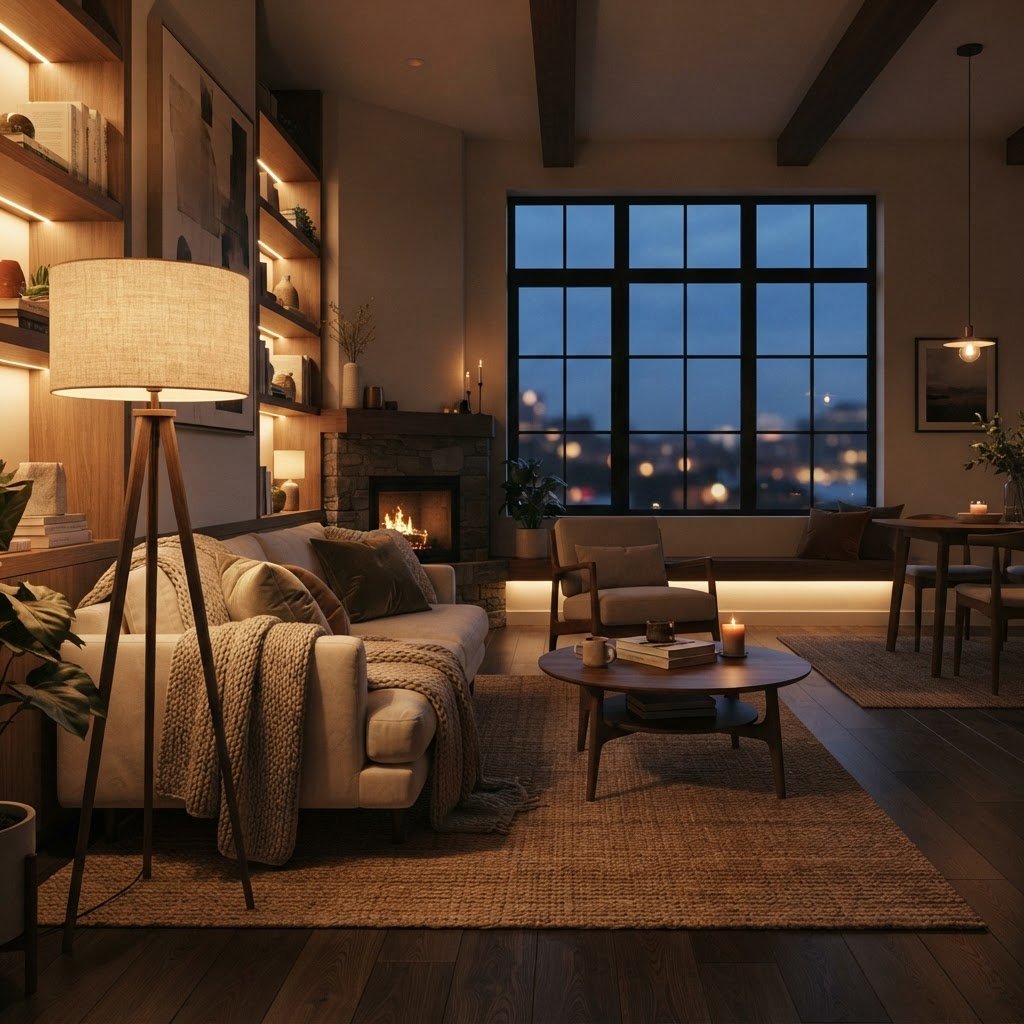
Aesthetic Bedroom and Living Room Warm Lighting Combos

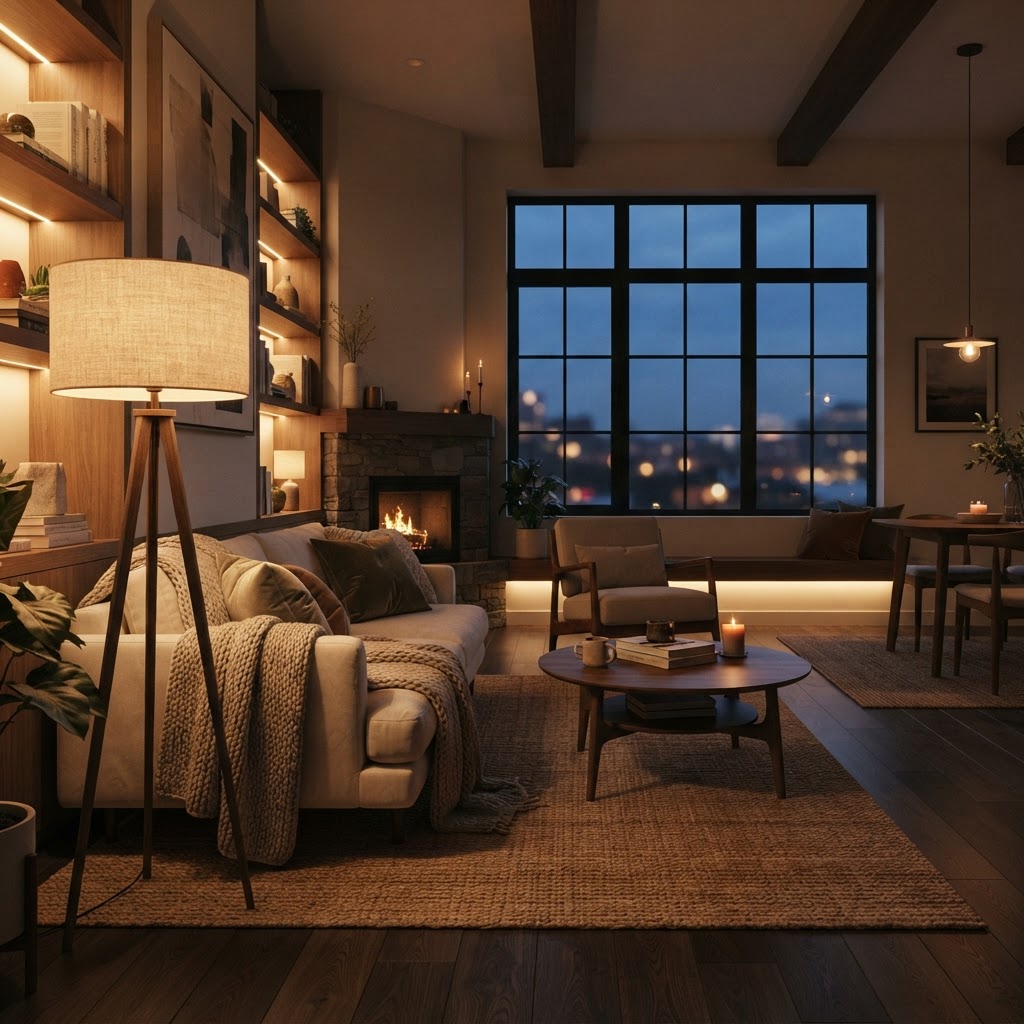
Aesthetic bedroom and living room warm lighting combos are best achieved by layering ambient, task, and accent lights using bulbs between 2200K and 3000K. By combining dimmable floor lamps, warm-tone LED bulbs, and strategic accent strips, you can create a cohesive, cozy atmosphere that reduces stress and enhances interior textures.

The Psychology of Warm Illumination

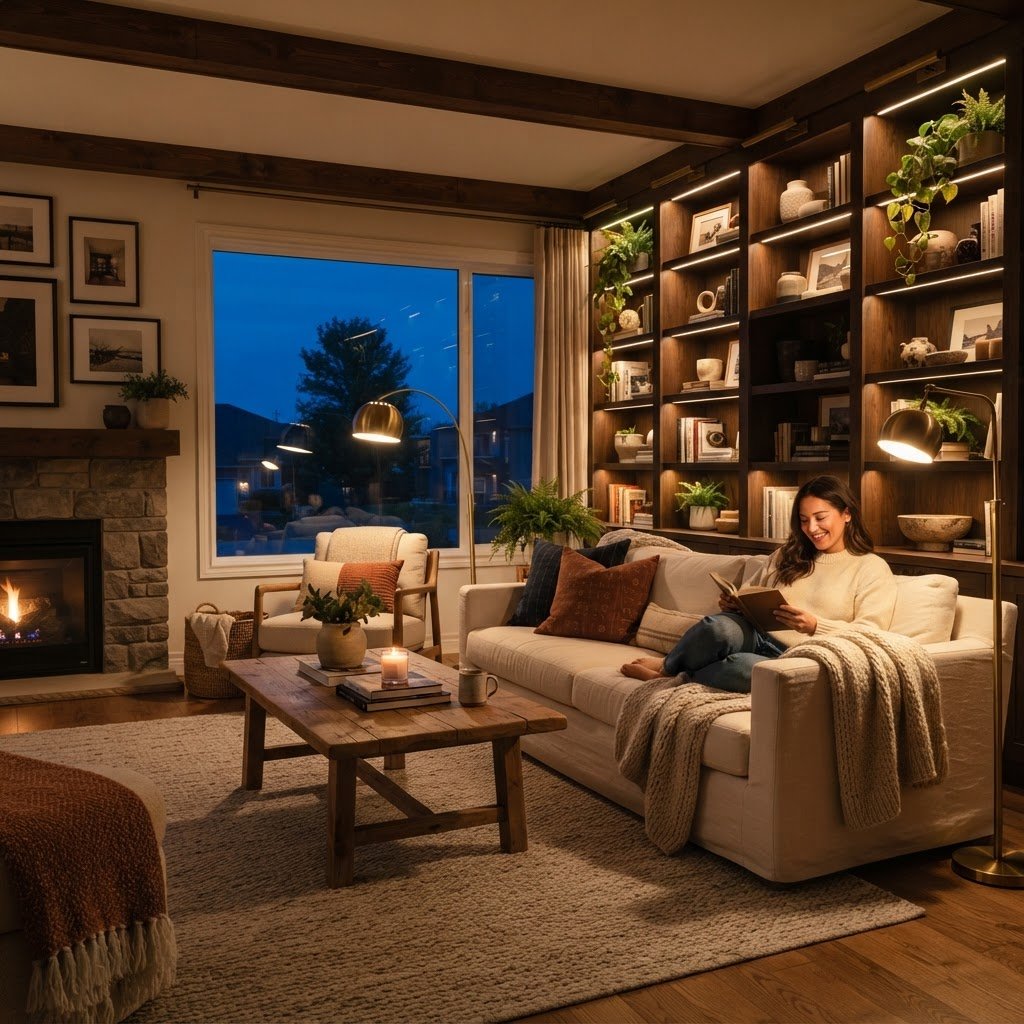
Layered lighting creates a cozy living room retreat.

Warm lighting significantly improves mental well-being by aligning your home environment with natural circadian rhythms. Scientific studies indicate that exposure to blue-toned light (above 4000K) late at night suppresses melatonin production, whereas warm light in the 2200K to 3000K range promotes relaxation and prepares the body for sleep by mimicking the sunset. Implementing these warmer tones creates a psychological buffer against external stress, softening architectural lines and turning sterile spaces into intimate, welcoming havens.

Feature Cool White (4000K+) Warm White (2700K) Warm Amber (2200K)
Ideal Use Task/Office Living Rooms Bedrooms/Cozy Nooks
Mood Effect Alert/Focused Balanced/Relaxed Deeply Sedative
Color Perception Crisp/High Contrast Soft/Natural Golden/Vintage

Layering Techniques for Living Rooms

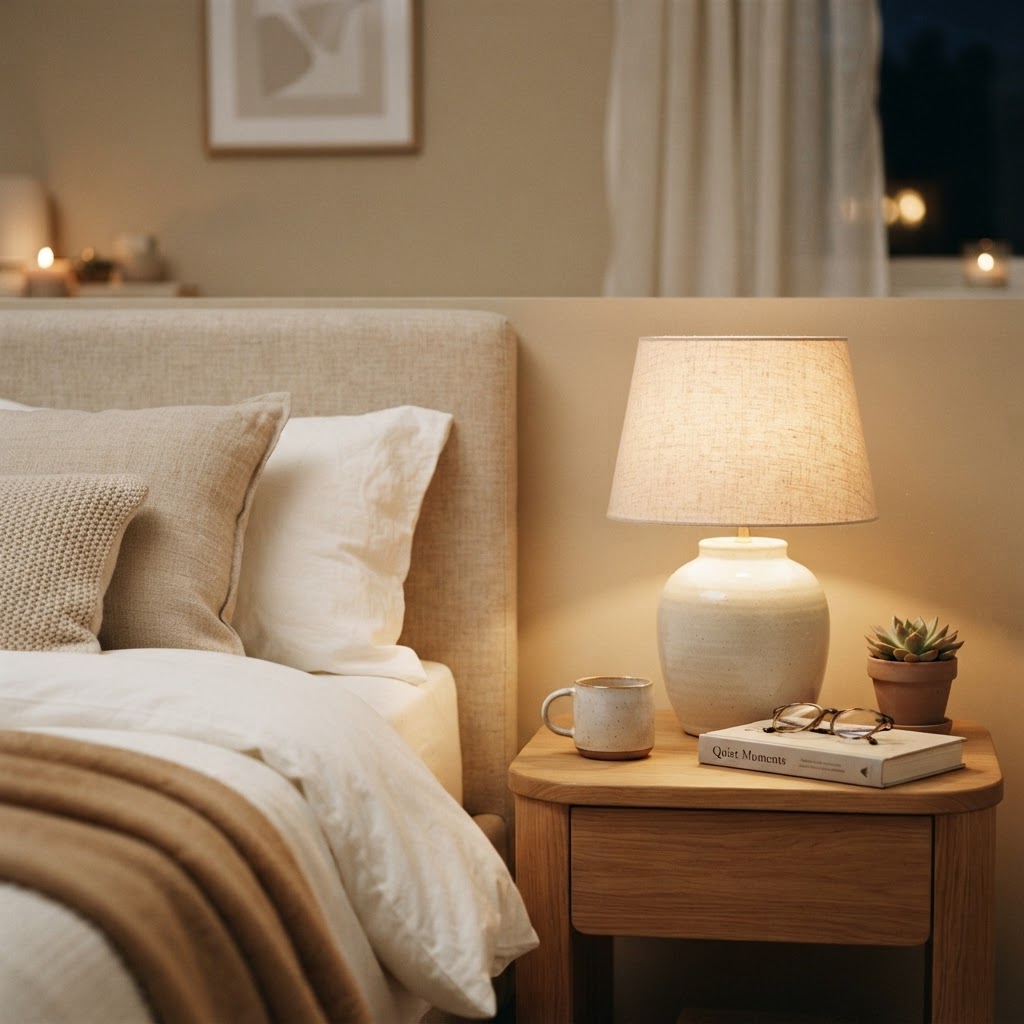
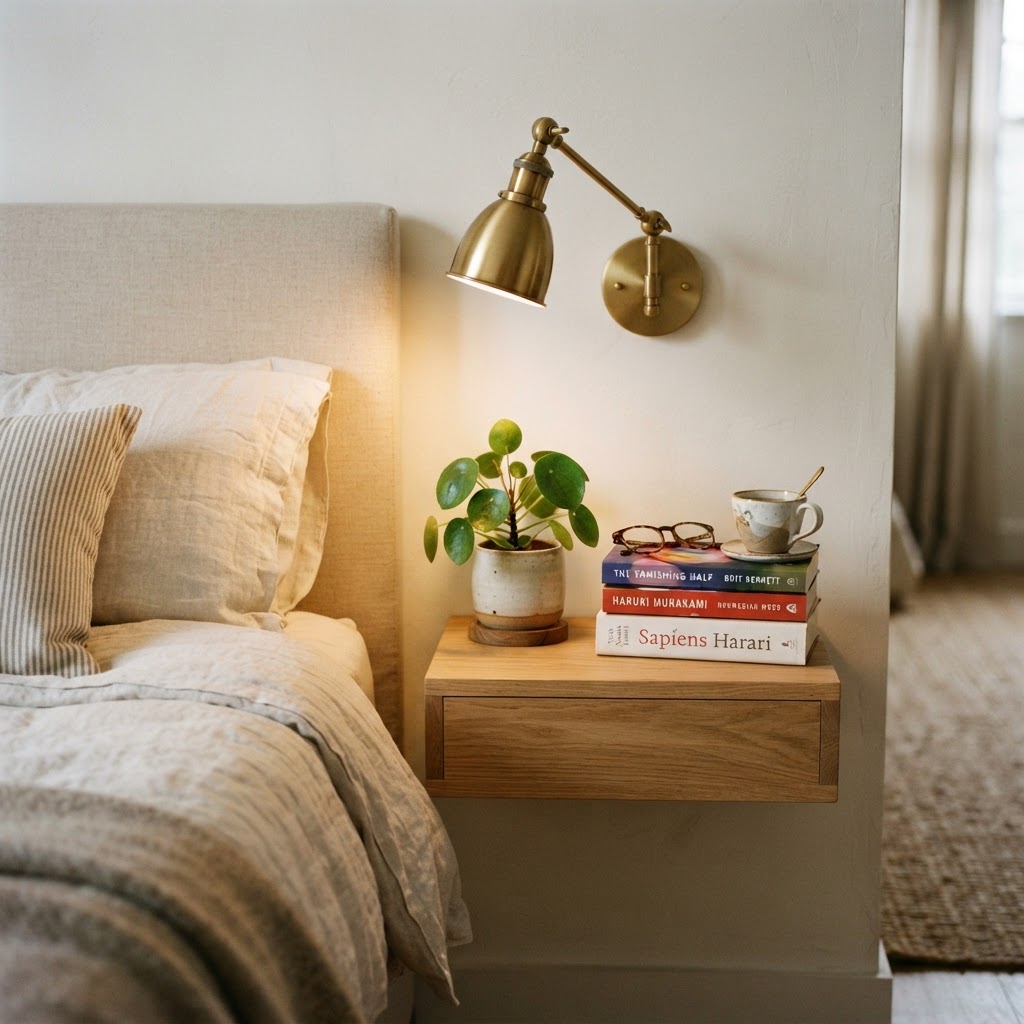
Warm bedside lighting is essential for a relaxing bedroom.

Successful lighting design requires moving away from singular, harsh overhead fixtures in favor of a three-tier layering strategy: ambient, task, and accent lighting. Ambient light provides the base illumination, task light enables specific functions like reading, and accent light serves a purely aesthetic purpose by highlighting textures or art. By ensuring these three layers exist in any living room, you create a dynamic, professional-grade depth that a single ceiling light cannot replicate.

Integrating Floor and Table Lamps

Floor lamps act as the primary anchor for living room zones, effectively grounding the space. A tall, slender floor lamp equipped with a linen shade diffuses light outward, reducing harsh shadows. When paired with a table lamp featuring an amber or cream-colored shade, you create a ‘warmth zone’ that prevents the living room from feeling disjointed or cold. Avoid bright white lampshades, as they can filter out warm hues and wash out the intended cozy glow.

Crafting a Dreamy Bedroom Atmosphere

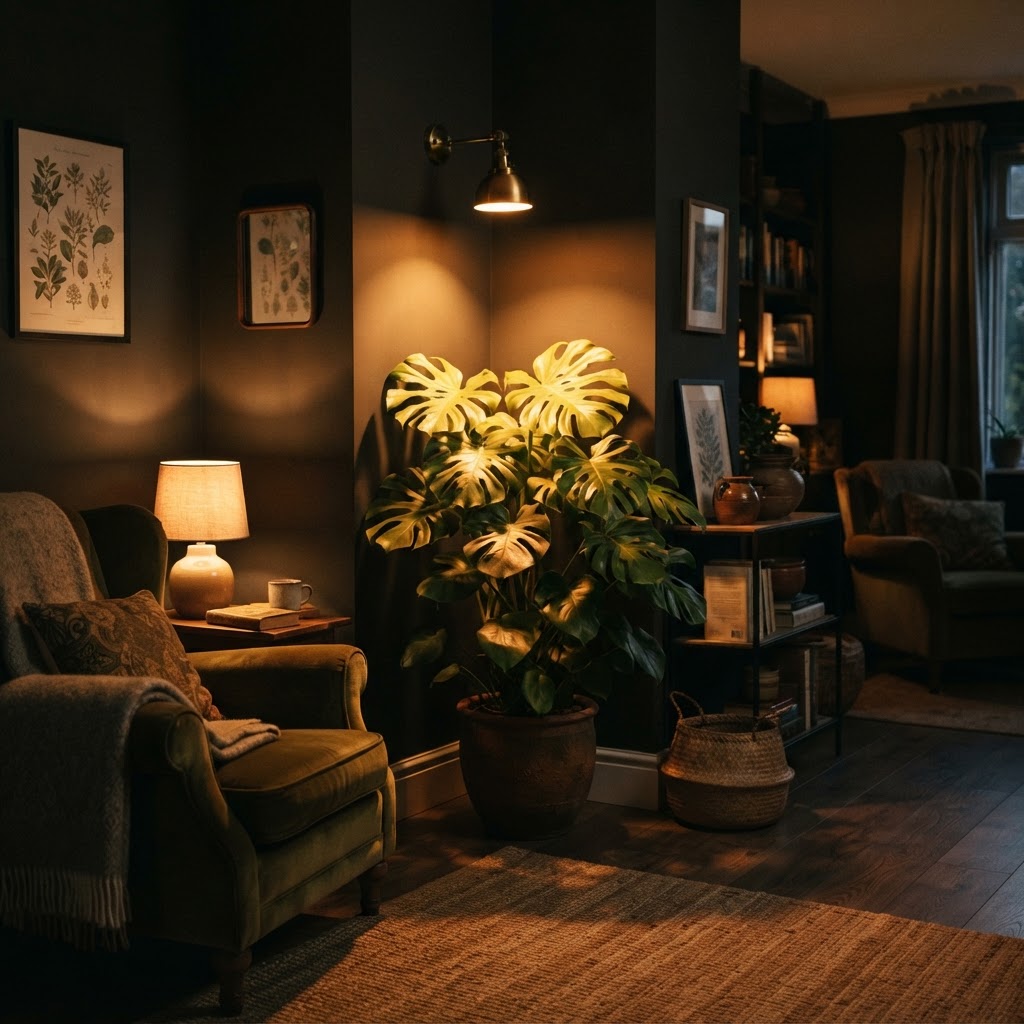
Accent lighting highlights textures and adds depth to a room.

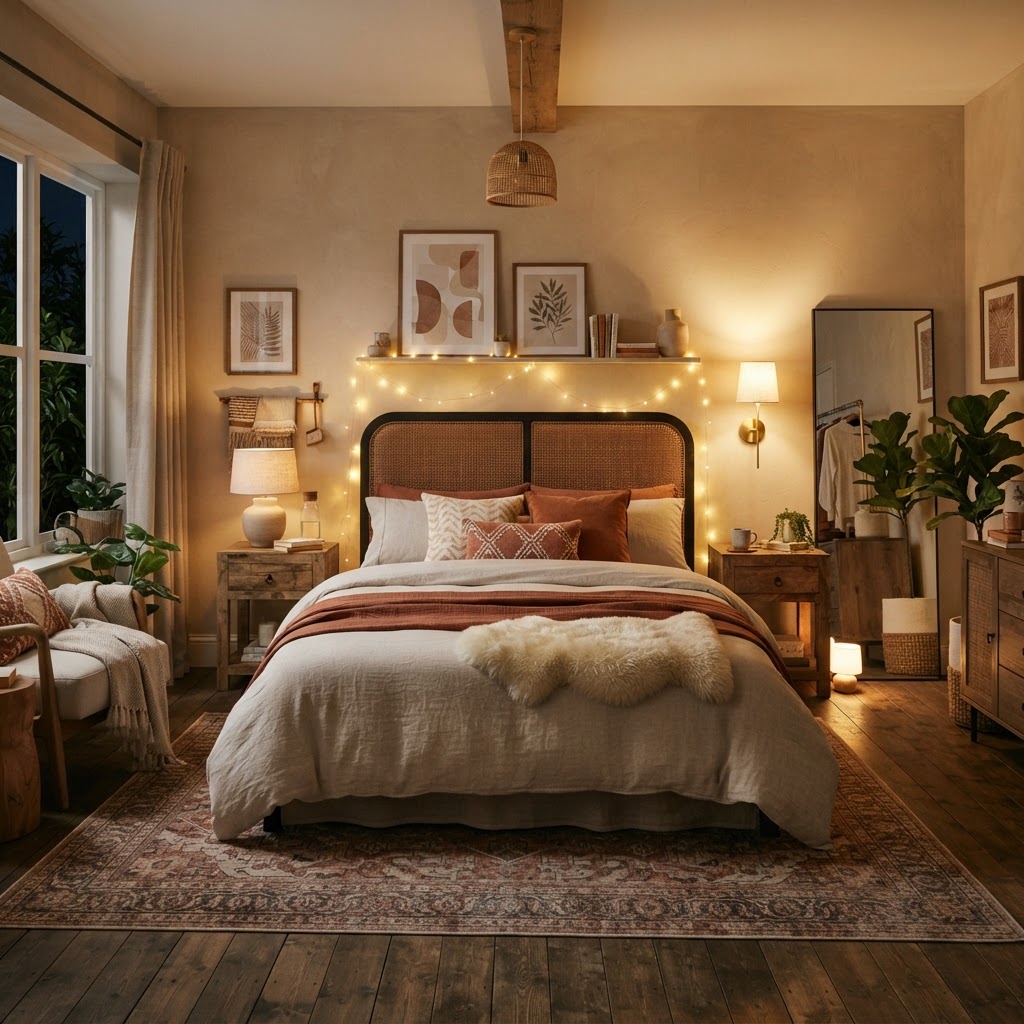
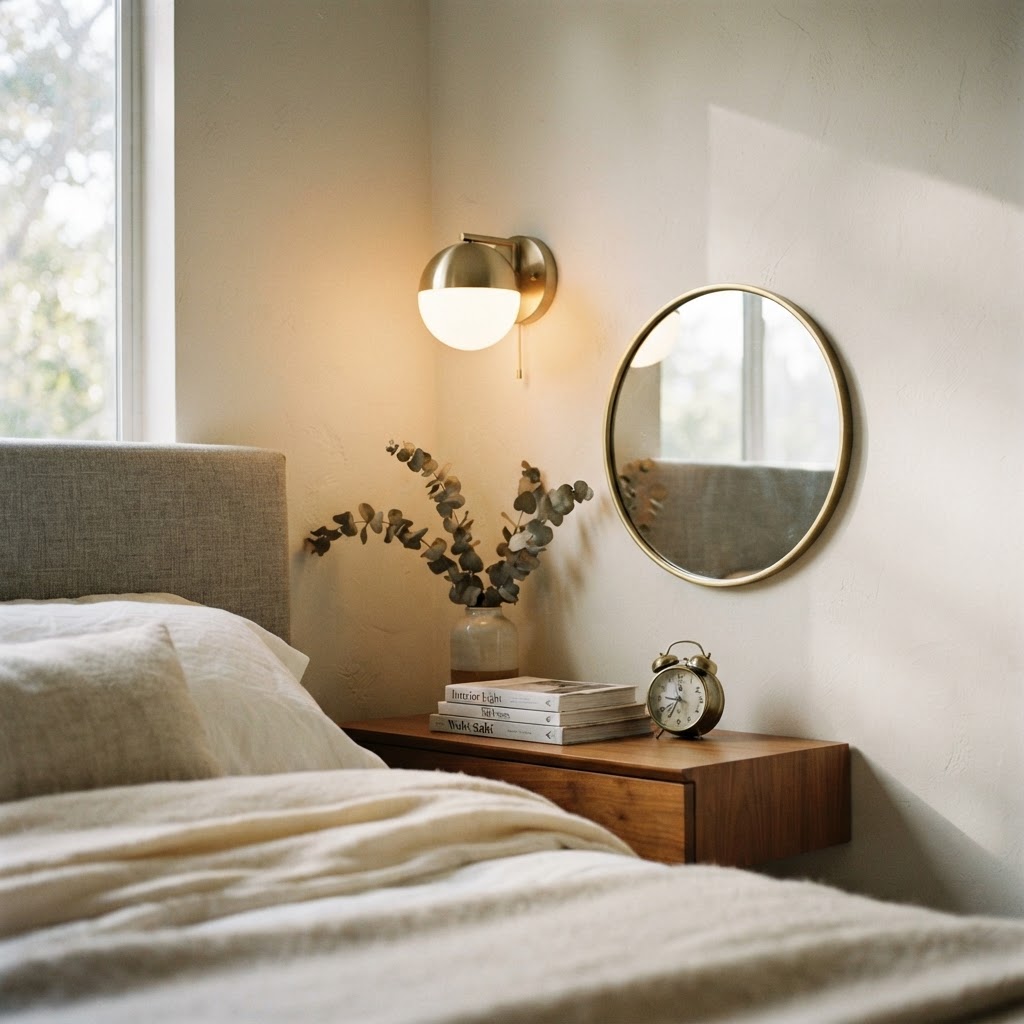
Bedrooms require a focused approach to low-level lighting to ensure the space remains a cocoon of comfort rather than a clinical environment. Professional designers recommend keeping light sources at eye level or below to avoid direct glare; wall-mounted sconces are a superior choice for this, saving valuable nightstand surface space while providing a luxury boutique hotel aesthetic. By prioritizing indirect, diffused light sources, you can ensure that the transition from wakefulness to sleep is smooth and biologically supported by your environment.

Essential Warm Lighting Components

Sconces and warm accents create a luxury aesthetic.

Selecting the correct hardware is non-negotiable for achieving a cohesive aesthetic, as inconsistent color temperatures will immediately ruin the design. Always check the Kelvin rating on packaging; bulbs labeled 2700K are the industry standard for that “warm white” feel. A professional-grade setup typically includes smart dimmers for granular control, high-CRI (Color Rendering Index) LED bulbs to ensure colors appear natural, and diffusion materials like paper or frosted glass to scatter light evenly.

Component Purpose Recommended Spec
Smart Dimmer Intensity Control 10% to 100% dimming
LED Bulbs Primary Source 2700K / 90+ CRI
LED Strips Modern Accent Warm White (3000K)
Diffuser Soften Glare Linen/Frosted Glass

The Power of Dimming and Smart Controls

Implementing dimmable technology provides the necessary flexibility to adapt your room’s mood to specific times of day or activities. Even the most carefully selected warm bulbs can feel intrusive at 100% brightness during a late-night movie; dimmers allow you to dial back the intensity for an instant sense of intimacy. Modern smart home integrations, such as app-controlled bulbs or voice-activated switches, enable you to automate your transition from a bright, productive workspace to a dim, cozy evening environment effortlessly.

Creative Accent Lighting Ideas

Accent lighting acts as the signature of your design, allowing you to highlight unique textures and architectural features that might otherwise remain unseen. Placing a warm, directional spotlight behind a large potted plant creates dramatic silhouettes that add organic depth to a room. Similarly, installing hidden LED strips beneath floating shelves or behind headboards creates a “floating” effect that feels sophisticated and expensive, transforming plain surfaces into curated focal points.

Avoiding Common Lighting Mistakes

The most frequent error in home lighting is the mixing of conflicting color temperatures, such as pairing a 2700K bulb with a 5000K bulb in the same sightline. This inconsistency creates a jarring visual tension that makes the room feel chaotic. To maintain a high-end look, standardize your bulb selection across the entire floor plan. Additionally, avoid placing task lighting too high; keeping light sources at or below eye level prevents glare and maintains the cozy, enclosed feeling required for true comfort.

FAQ

Q: What is the best Kelvin temperature for a cozy living room?

The ideal color temperature for a cozy living room is between 2700K and 3000K. This range produces a warm white light that mimics traditional incandescent bulbs, providing enough brightness for basic visibility while maintaining the inviting, relaxed atmosphere essential for a residential sanctuary.

Q: How do I layer lighting in a small bedroom?

To layer light in a small bedroom, combine a primary ambient light source (like a ceiling fixture with a dimmer) with localized bedside sconces. This dual-source approach avoids cluttering small nightstands while providing both general room illumination and direct task lighting for reading or evening relaxation.

Q: Why do my light bulbs look different if they are all ‘warm’?

Bulbs labeled ‘warm’ can vary due to differences in Kelvin ratings or manufacturing inconsistencies. Even two 2700K bulbs can look different if one has a lower CRI (Color Rendering Index). Always check the CRI rating—look for 90 or higher—to ensure accurate, consistent color across all your light fixtures.

Q: Can smart dimmers be used with all LED bulbs?

No, smart dimmers only work with bulbs explicitly labeled as ‘dimmable’ LEDs. Using a standard bulb with a dimmer switch can cause flickering, buzzing, or damage to the electronics within the bulb. Verify the packaging before installation to ensure compatibility with your specific dimming hardware.

Q: How can I hide LED strips for a professional look?

For a professional aesthetic, place LED strips inside an aluminum channel with a frosted diffuser cover. This setup hides the individual diode dots and creates a continuous, soft beam of light that highlights architectural features or furniture edges without the harshness of exposed wiring.

10 Stylish Renter-Friendly Decor Ideas for Your Home

10 Stylish Renter-Friendly Decor Ideas for Your Home

You can transform a rental apartment by utilizing temporary, non-permanent solutions such as peel-and-stick wallpaper, adhesive wall hooks, tension-mounted shelving, and swapped hardware. These 10 renter-friendly methods allow you to personalize your living space without violating lease agreements, damaging surfaces, or risking the loss of your security deposit.

The Power of Removable Wallpaper and Decals

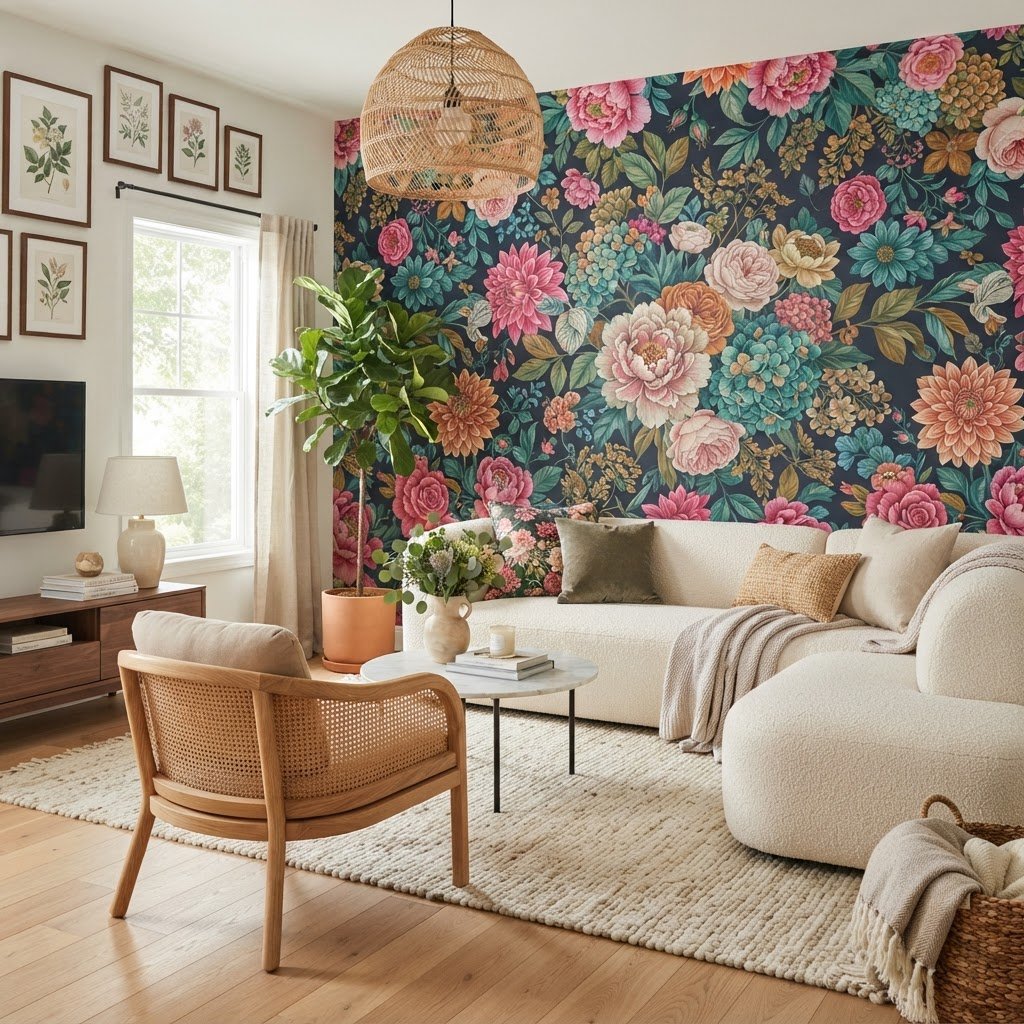
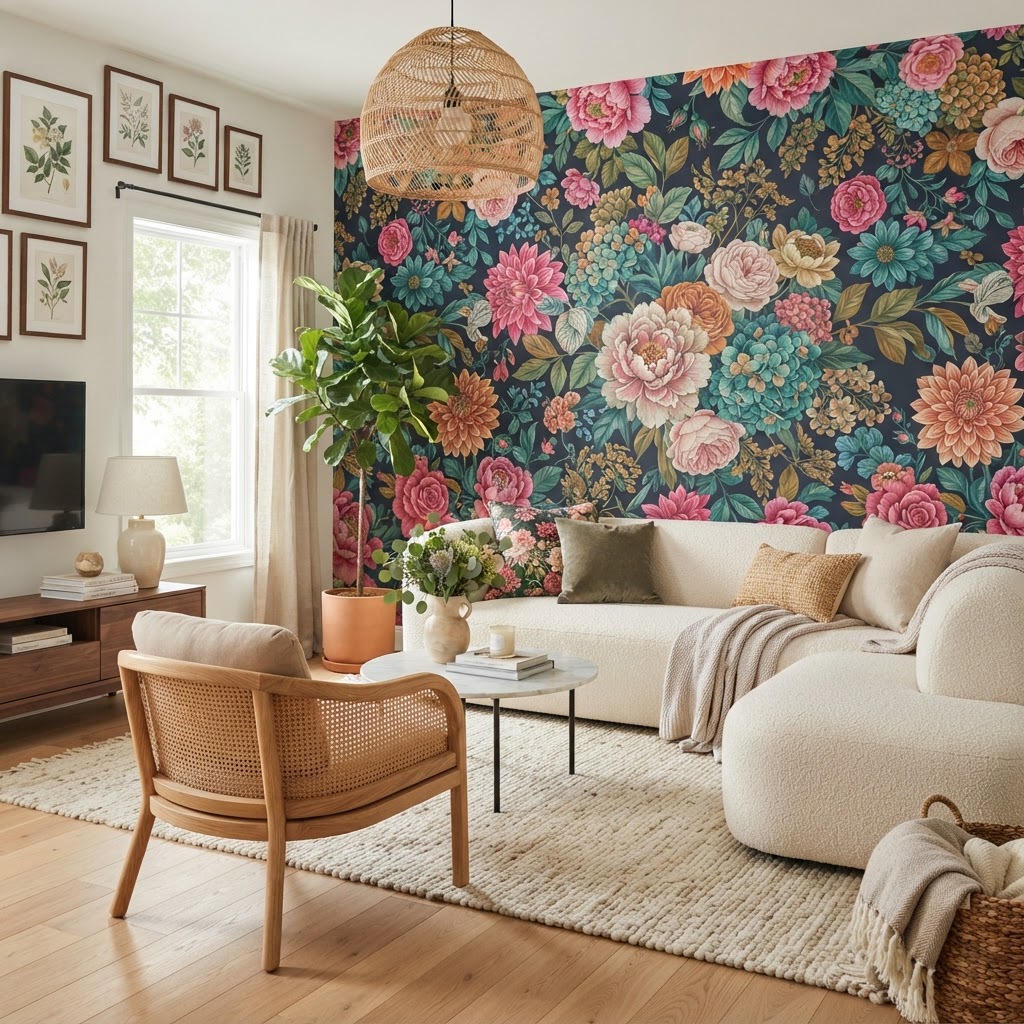
A temporary accent wall can change the entire mood of a room.

Removable, vinyl-based peel-and-stick wallpaper is the industry-standard solution for renters looking to cover plain walls without the permanence of traditional paint. When applied correctly to clean, flat surfaces, these wall coverings can last for the duration of a standard 12-month lease without peeling or damaging the underlying drywall. To ensure success, always purchase high-quality, “apartment-safe” rated products which are designed to leave zero residue. Before committing to a full wall, apply a small 4×4 inch test patch behind a door for 48 hours to confirm the adhesive is compatible with your specific wall texture. If you are dealing with heavily textured walls or brick, consider using wall decals or vinyl stickers instead, as these require less surface contact and are easier to reposition. You can typically transform a standard 10×10 foot accent wall for between $100 and $250, making it one of the highest-impact budget renovations available. By avoiding cheaper paper-based alternatives, which often tear upon removal, you protect your security deposit while achieving a professional designer finish that mimics traditional wallpaper aesthetics.

Feature Peel-and-Stick Wallpaper Vinyl Wall Decals
Best For Full accent walls Patterns, borders, murals
Installation Difficulty Moderate Easy
Removal Residue Rare (if high quality) None
Cost Range $50 – $200 per roll $10 – $50 per set

Choosing the Right Adhesive

When selecting removable wallpaper, always look for high-quality, vinyl-based products specifically labeled as apartment-safe. Cheaper paper versions can sometimes rip or leave behind sticky residues that are difficult to remove when it is time to move out. Test a small, inconspicuous area behind a door or inside a closet to ensure your wall surface is compatible with the adhesive.

For those who want a subtler look, wall decals are a fantastic alternative. These can be used to create patterns, borders, or even realistic murals without the commitment of full-wall coverage. Because they are individual pieces, they are incredibly easy to apply and remove, making them the perfect entry-level project for someone new to DIY home decor.

Elevating Your Lighting Game

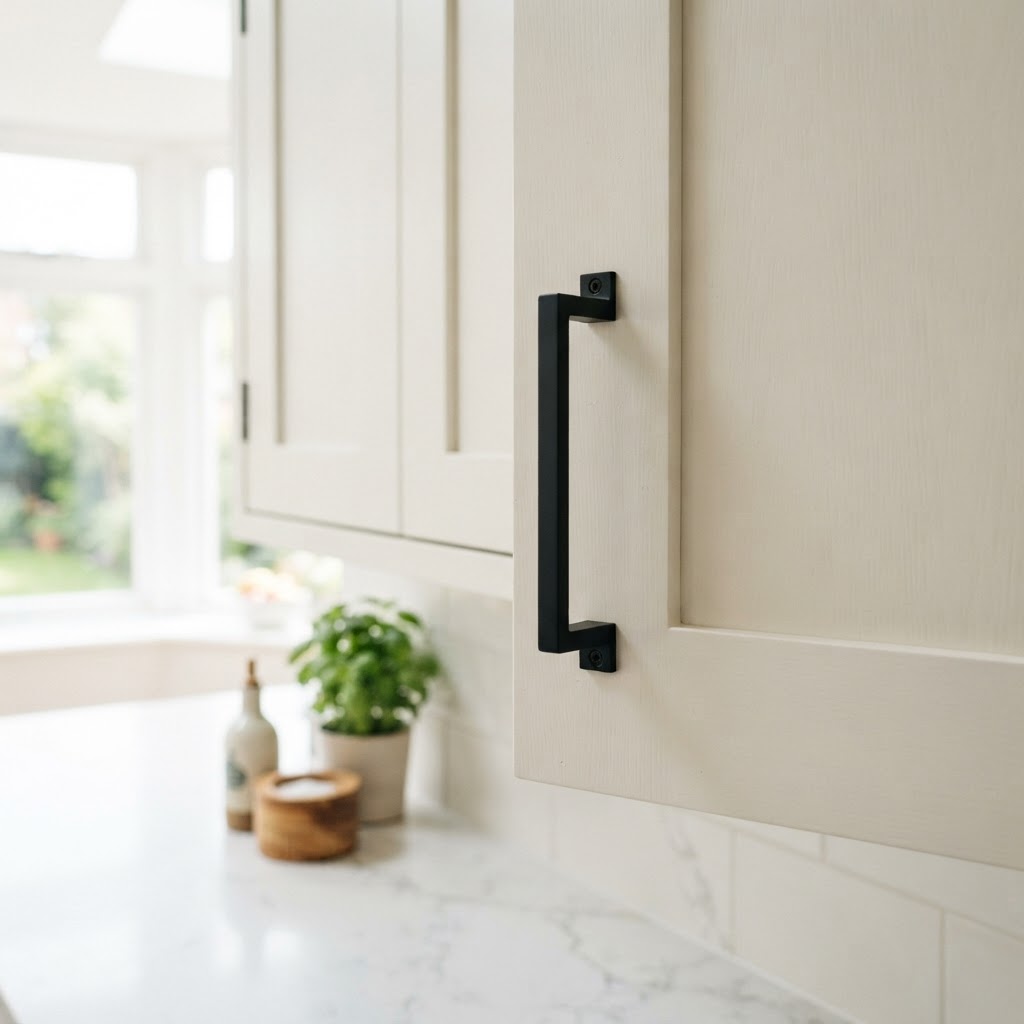
Updating hardware is a small change with a massive impact.

Replacing standard “boob lights” or builder-grade flush mounts is the fastest way to add luxury to a rental unit, provided you follow proper storage protocols. Most modern fixtures use a standard universal mounting bracket, which means you can swap out a generic fixture for a statement pendant or chandelier in about 30 minutes using only a screwdriver. The most critical step is the preservation of the original fixture; place the old unit, all screws, wire nuts, and mounting plates into a sealed, labeled box stored in a closet. Renters often fear electricity, but as long as the breaker for that specific circuit is turned off at the main electrical panel—which you should verify with a $15 non-contact voltage tester—the task is safe for most beginners. If your lease strictly prohibits modifying hardwired connections, opt for “plug-in” chandeliers that use decorative swag chains to hook into a standard ceiling screw or simple wall-mounted plug-in sconces. These plug-in alternatives offer the same visual weight and illumination profile as hardwired versions without requiring any electrical code compliance or permanent modification. By spending $50 to $150 on a stylish fixture, you can dramatically improve the Kelvin color temperature of your space by choosing bulbs in the 2700K-3000K range for a warm, inviting residential glow.

Installation Best Practices

When swapping light fixtures, it is absolutely essential to store the original light in a safe, labeled box. You will need to reinstall the original fixture before you move out, so keep all the hardware, screws, and even the original instruction manual in one place. If you are uncomfortable handling electrical work, consider hiring a professional for an hour or using plug-in wall sconces instead of hardwired fixtures.

Creative Plug-in Alternatives

If changing the hardwiring feels too daunting, plug-in wall sconces are a brilliant solution. Many modern brands now offer high-end sconces that simply plug into a standard outlet, complete with cord covers that can be painted to match your wall color. This adds the ambiance of professional lighting without any complex installation required.

Upgrading Cabinetry Without Renovation

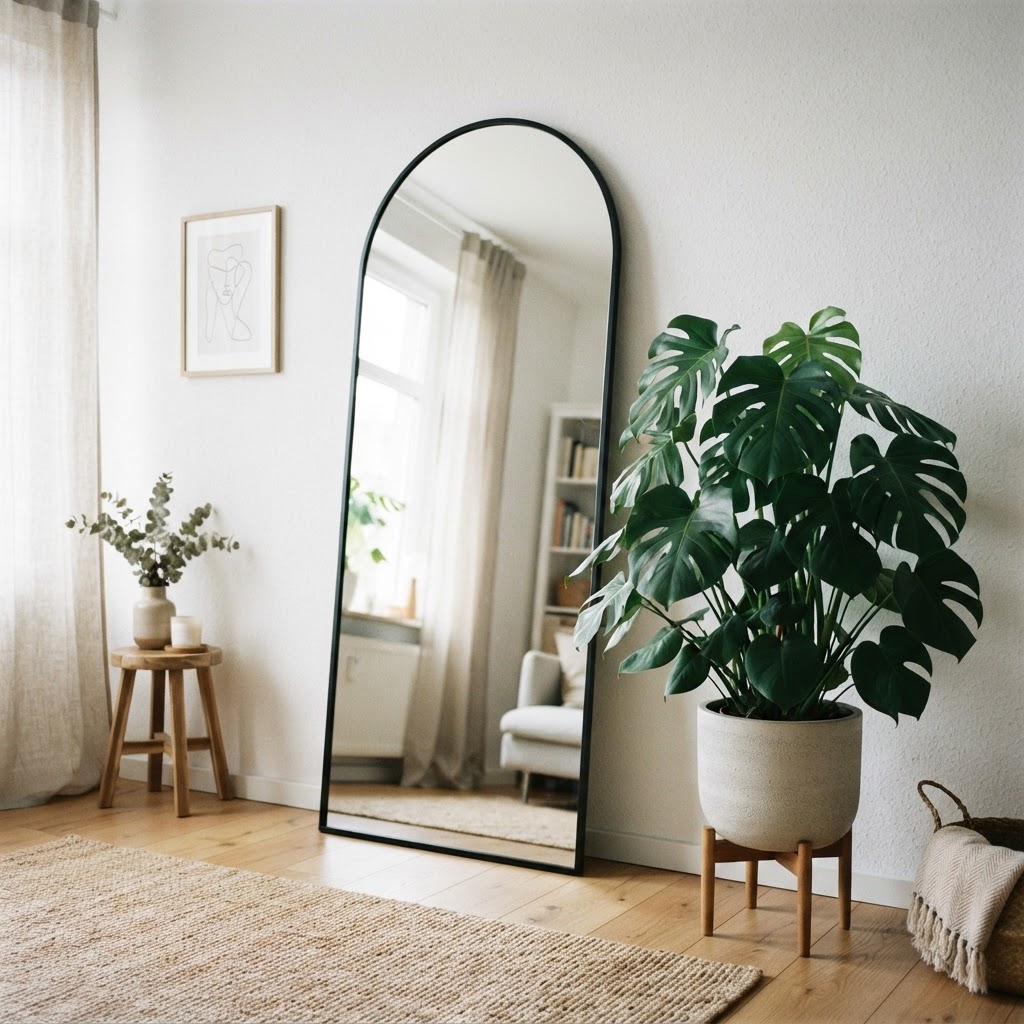
Mirrors and plants are perfect for adding depth and life to rentals.

Kitchen aesthetics can be entirely redefined simply by swapping generic cabinet pulls for custom hardware that fits your style profile. Because most factory-drilled cabinets use a standard 3-inch or 96mm center-to-center hole spacing, it is easy to purchase replacement handles online that install in minutes using existing holes. Replacing 20 handles in a small kitchen costs roughly $80 to $150, yet this minor adjustment changes the entire perceived value of the space. To prevent damage to the cabinets, store the original hardware in a labeled plastic bag inside a kitchen drawer; this ensures you can revert the kitchen to its original state within 10 minutes before moving out. For cabinets that lack holes entirely, use adhesive-backed knobs or tension-mounted systems that do not require drilling. If your cabinets have outdated laminate surfaces, consider using contact paper in a matte finish to change the color of the doors; ensure you select a heat-resistant, grease-proof contact paper specifically designed for kitchen environments. While this requires more patience to apply smoothly, it is a reversible solution that allows you to hide ugly wood grain or dated colors. Combining new metal hardware with a neutral contact paper finish can make a 20-year-old kitchen look as if it underwent a professional remodel for less than $200 total.

Adding Textiles and Layering

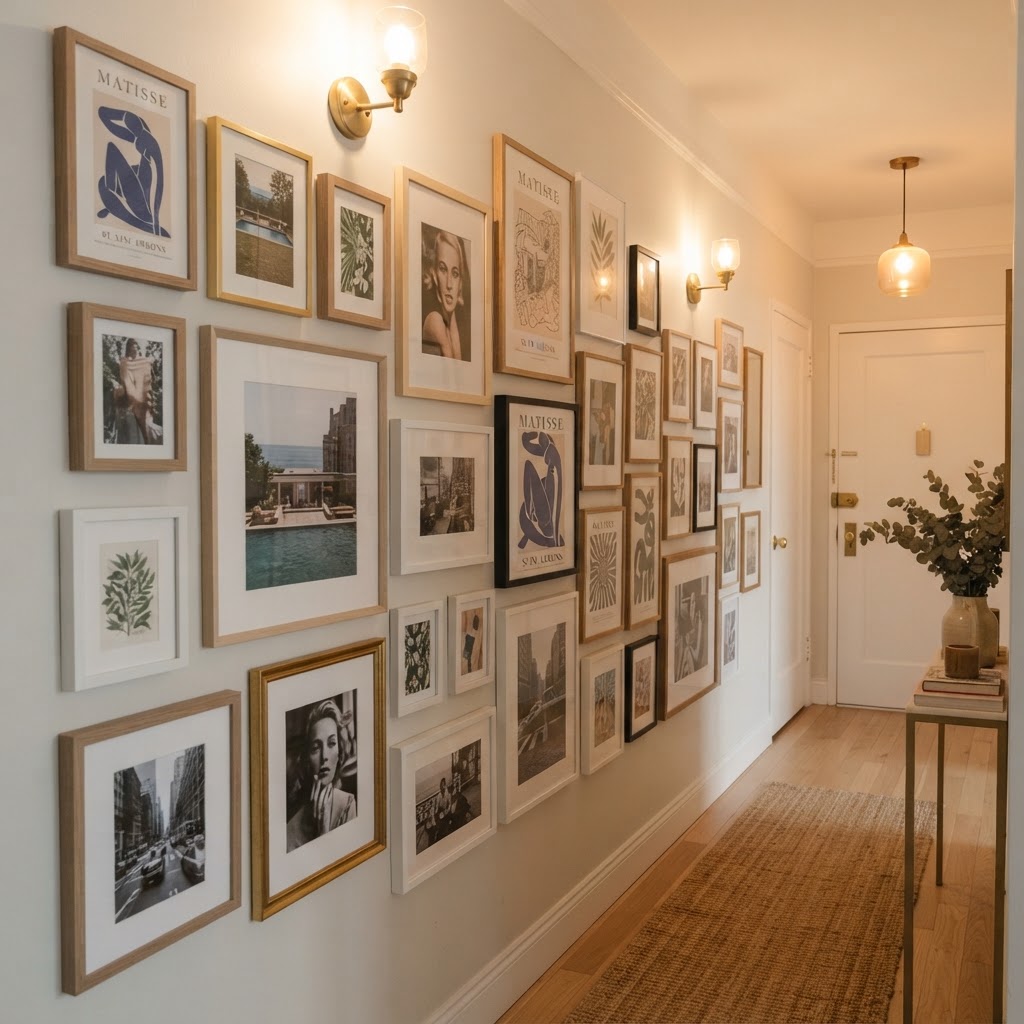
Create a custom gallery wall without ever using a hammer.

Textiles serve as the most effective, non-invasive design tools for renters, allowing you to conceal unattractive features like stained carpets or laminate flooring while adding acoustic dampening to echoey rooms. Placing a high-quality 8×10 foot area rug over existing flooring not only anchors your furniture layout but also provides a layer of protection against daily wear and tear for the landlord’s original flooring. To maximize the luxury feel, always use a thick felt rug pad beneath your area rug; this adds significant cushioning and prevents the rug from sliding, which makes the space feel more substantial. Beyond floor coverage, floor-to-ceiling drapery is a game-changer for changing the proportions of a room. By using heavy-duty tension rods installed inside the window casing or between two walls, you can hang curtains that span the entire height of the wall. This trick hides dated vertical blinds—which should be safely stored during your tenancy—and adds a designer look by elongating the windows. You can typically find 96-inch long curtains at big-box retailers for under $40, providing an instant upgrade to the room’s “softness” and privacy. Layering different textures—such as a jute rug topped with a plush wool accent rug, or sheer curtains paired with blackout drapes—creates visual depth that masks the “builder-grade” sterility of most rental apartments.

Beyond floor coverings, consider using curtains to redefine the boundaries of your space. Installing tension rod curtain systems allows you to hang floor-to-ceiling drapery without drilling into the ceiling or walls. These curtains can hide unsightly closets, serve as room dividers in studio apartments, or simply frame your windows to make them appear larger and more luxurious.

Vertical Storage and Display Solutions

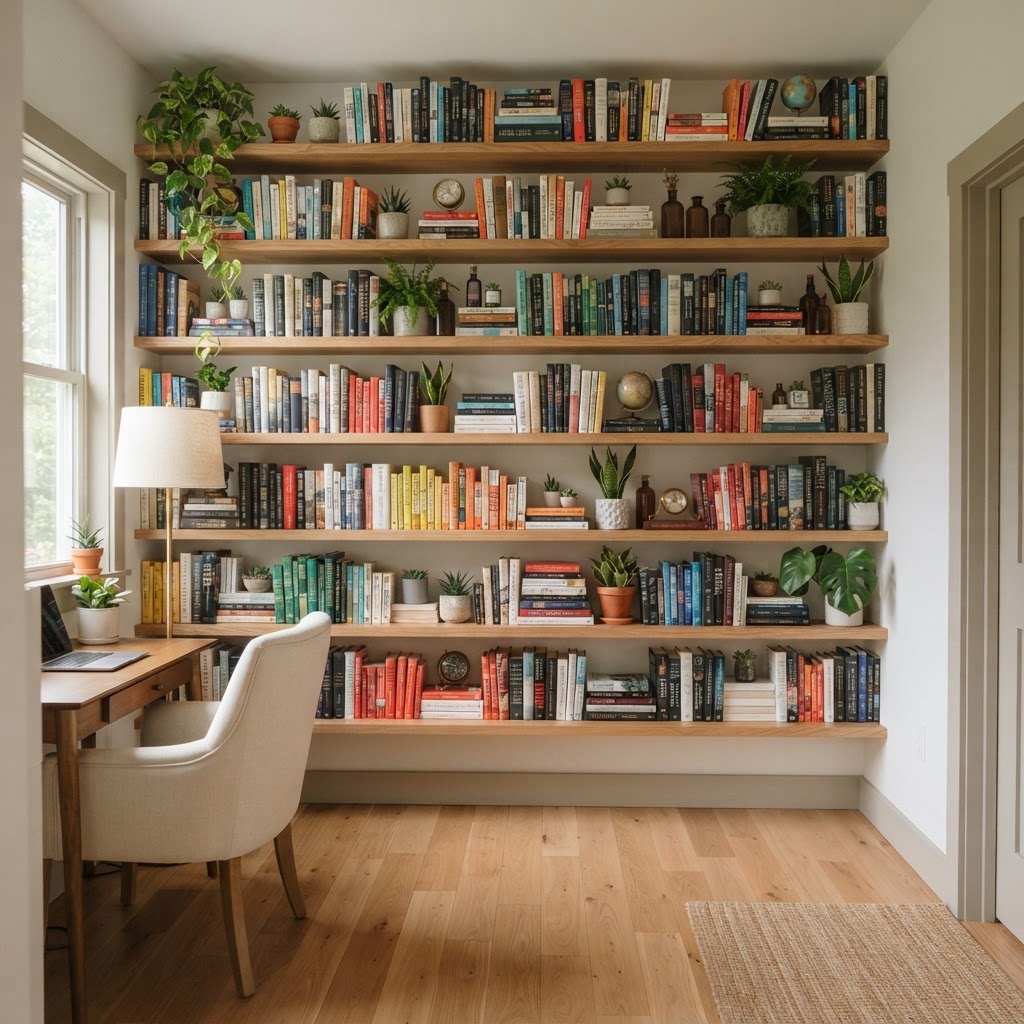
Thinking vertically is the only way to manage clutter in small, footprint-restricted rentals, and it is achieved best through pressure-mounted systems. Tension-pole shelving units are the gold standard for storage here, as they use spring-loaded mechanisms to lock between the floor and ceiling, requiring zero screws or nails. These systems can hold up to 50 pounds per shelf, making them sturdy enough for books, kitchen supplies, or display items. When installing these, ensure they are placed on a level surface; if the floor is carpeted, use a flat wood shim beneath the base to ensure stability. For smaller storage needs, consider stackable modular cubes or modular wire grids that click together, allowing you to customize the configuration to fit your specific wall height. These units are highly portable and often serve as the first pieces of “real” furniture a renter invests in, as they provide storage that can grow with your living situation. To keep the display from looking cluttered, follow the “60-30-10” rule: 60% of the shelf space for functional storage, 30% for decorative items like vases or art, and 10% for negative space to let the eye rest. This approach creates a high-end, curated feel that distracts from the apartment’s architectural limitations.

Bookshelf Styling 101

When using freestanding bookshelves, treat them like a curated display rather than just a storage unit. Incorporate decorative objects, plants, and art alongside your books to make the unit feel like a intentional piece of furniture. Use baskets to contain smaller, less aesthetically pleasing items, keeping the overall look clean and organized.

Utilizing ‘Command’ Hooks for Gallery Walls

Adhesive-backed mounting strips allow you to curate professional-grade gallery walls without the need for drills, nails, or spackle. To create a successful gallery wall, use high-strength, double-sided adhesive strips that can hold up to 16 pounds per pair. Planning is the most crucial part of this process: lay your frames on the floor and experiment with at least three different configurations before committing to the wall layout. Use blue painter’s tape to mark the center point of each frame on your floor layout; this allows you to calculate the precise distance between pieces to ensure the final result is perfectly symmetrical. Before applying strips to the wall, clean the surface with a small amount of isopropyl alcohol to remove dust and oils, which is a major factor in preventing premature peeling. When it is time to move, pull the tabs on the adhesive strips slowly and parallel to the wall to release the tension, which prevents the paint from peeling or tearing. By following this method, you can hang 10 to 15 frames in a weekend without leaving a single permanent mark behind, keeping your security deposit entirely intact while showcasing your personality.

Planning Your Gallery Wall

To ensure your gallery wall looks intentional rather than chaotic, lay out your artwork on the floor first. Arrange your pieces by size and subject matter until you find a balance that appeals to you. Use a template made of kraft paper to map out where your hooks should go before applying them to the wall, ensuring perfect spacing every time.

The Impact of Mirrors and Plants

Large-format mirrors and indoor greenery are two of the most cost-effective ways to increase the perceived square footage and overall “vibe” of an apartment. A floor mirror, ideally 60 to 72 inches tall, can effectively double the natural light in a dark rental by reflecting light from windows into deeper corners of the living area. When using a floor mirror, choose one with a sturdy easel back or a weighted base to ensure it remains stable without being anchored to the wall. Pair this with a selection of low-maintenance indoor plants like Snake Plants (Sansevieria) or ZZ Plants, which thrive in varied lighting conditions and require minimal water. To protect rental surfaces from moisture damage, always place plants in decorative ceramic pots that sit inside waterproof saucers. If you have limited table space, use adjustable-height plant stands to vary the levels of your greenery, creating a “jungle” effect that draws the eye upward and masks unattractive corners. Budget-wise, you can find quality mirrors at discount home goods stores for $80 to $150 and healthy houseplants for $15 to $40, making this an extremely affordable way to add life to a sterile, white-walled rental unit.

Finally, never underestimate the power of greenery. Plants bring life to a rental, act as natural air purifiers, and add a organic sculptural element to any room. If you are worried about surface damage from water, invest in stylish decorative trays or plant stands that elevate your greenery and protect your floors and tables from moisture.

FAQ

Q: Can I paint my rental walls if I promise to paint them back?

Most landlords do not allow painting even if you agree to return it to the original color, as the risk of poor coverage or paint drips is too high. Always consult your lease agreement; if painting is prohibited, use removable wallpaper or peel-and-stick vinyl decals to change your wall color without permanent damage.

Q: Are tension-mounted shelves safe for rental walls?

Yes, tension-mounted shelves are generally safe because they rely on friction and pressure rather than mechanical fasteners like screws or nails. Ensure you place protective felt pads between the pole ends and the wall/ceiling to prevent any scuffing or indentation of the surface material.

Q: How do I hang heavy art without nails?

Use high-capacity adhesive mounting strips specifically rated for heavy-duty applications, often designed to hold 15 to 20 pounds per set. Before applying to the wall, verify the weight of your art, clean the surface with rubbing alcohol, and allow the adhesive to cure for at least one hour before attaching the frame.

Q: Is it okay to swap out kitchen cabinet hardware?

Yes, swapping cabinet hardware is one of the most common and accepted renter upgrades, as it involves no permanent modifications to the structure. Store the original hardware in a labeled bag to ensure easy reinstallation, and always match the screw length to the original hardware to prevent damaging the interior of the cabinet door.

Q: What is the best way to hide ugly rental floors?

Large area rugs are the most effective way to cover dated flooring, and using a thick felt rug pad beneath them will add comfort and prevent the rug from sliding. If the room is large, you can layer smaller rugs together to create a cohesive look that masks damaged laminate or stained carpet.

How to Create a Cozy Tiny Bedroom Aesthetic

How to Create a Cozy Tiny Bedroom Aesthetic

To create a cozy tiny bedroom aesthetic, prioritize a light neutral color palette, utilize vertical storage solutions like floating shelves, and invest in multifunctional furniture to maximize floor space. By reducing visual clutter and layering warm textures, you can transform a cramped area into a cohesive, tranquil, and spacious-feeling retreat.

The Psychology of Small Space Design

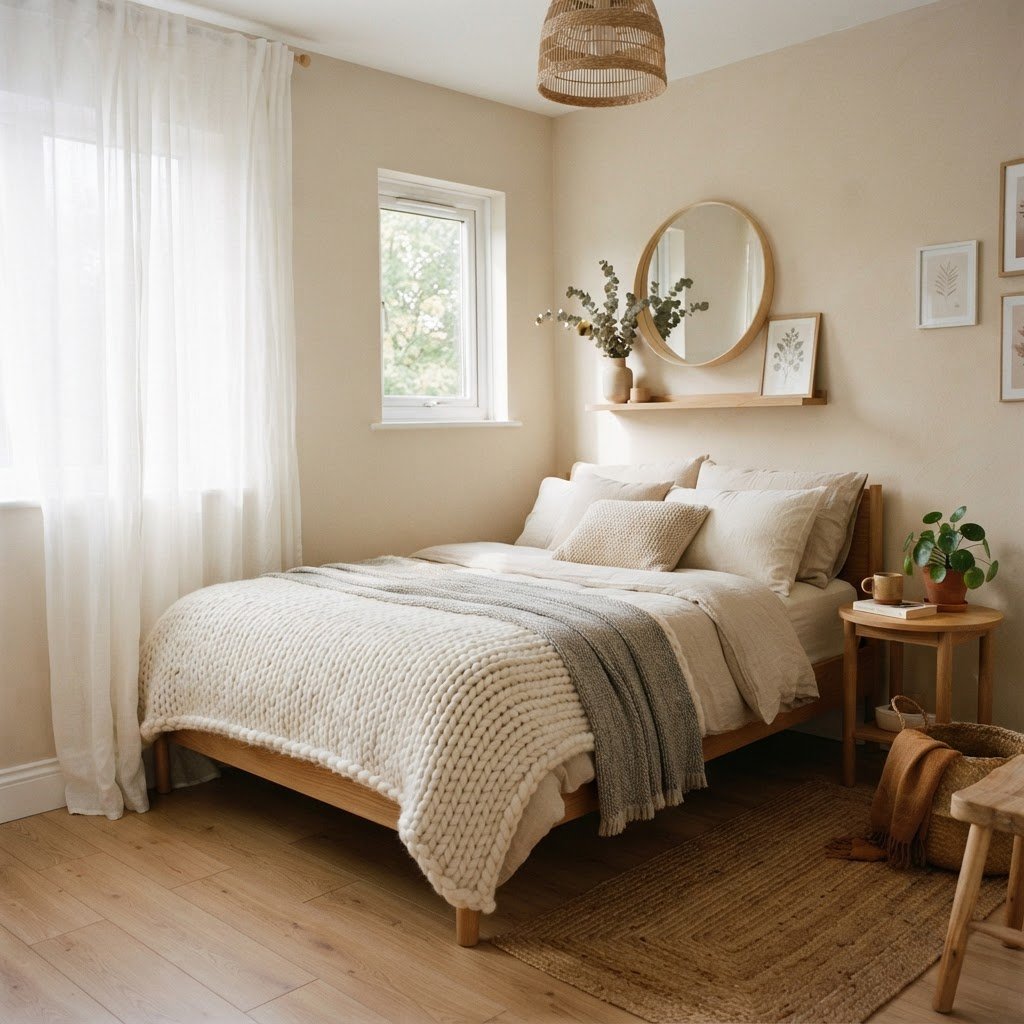
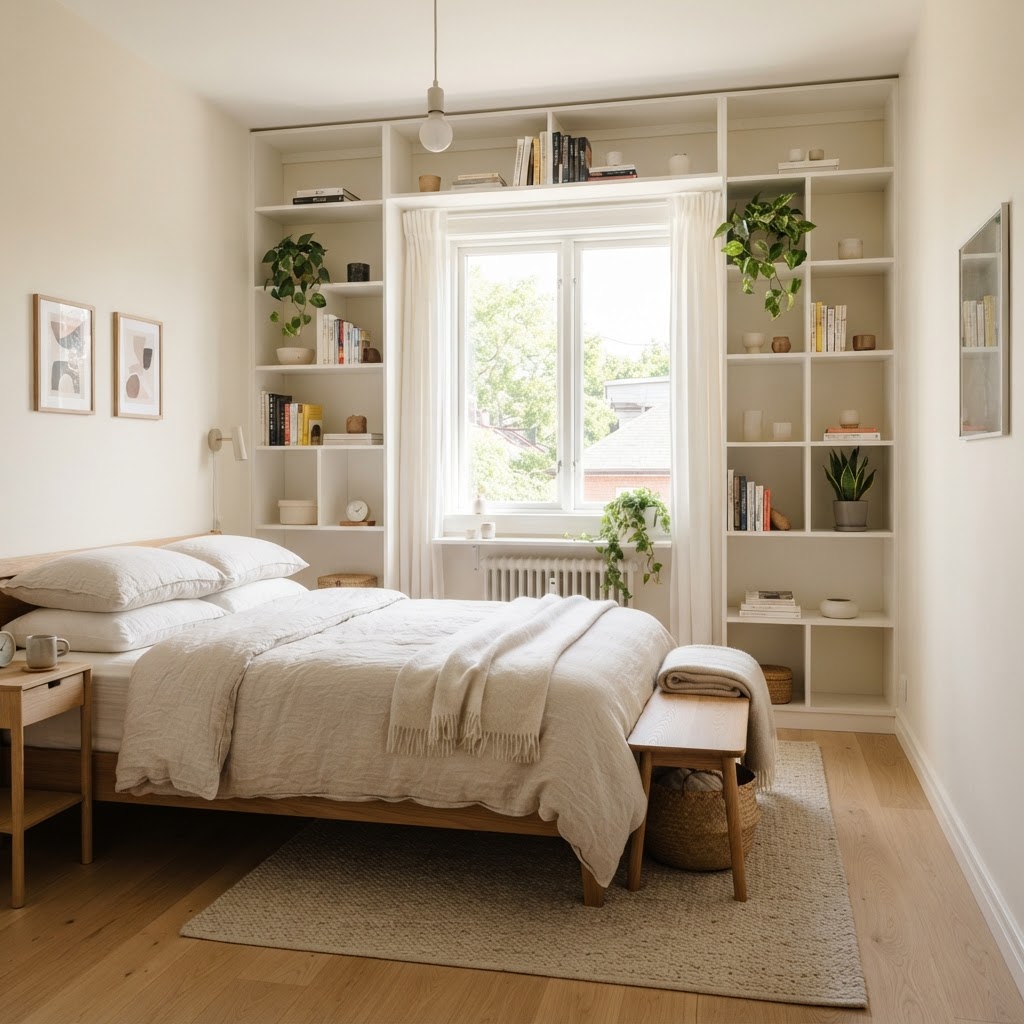
Soft, neutral textiles create a relaxing and cozy bedroom atmosphere.

Visual cohesion is the primary driver of perceived space; when a room lacks a unified theme, the brain struggles to process excess stimuli, resulting in a feeling of confinement. Achieving a cozy tiny bedroom aesthetic requires limiting your color palette to two or three main tones to prevent the “overwhelm” effect. Research in interior design psychology suggests that monochromatic schemes with subtle texture variations can increase the perceived size of a room by up to 15% because the eye is not forced to stop at sharp color boundaries. By simplifying your environment, you create “visual breathing room,” which allows the occupant to focus on high-quality focal points rather than general clutter. Every item in a small room must serve a specific function or provide significant emotional value to prevent the space from feeling chaotic. By curating your belongings, you naturally draw attention toward the room’s intentional design rather than its limited physical dimensions, making the area feel like a curated retreat rather than a storage unit.

Choosing the Right Color Palette

Color serves as the most effective tool for depth manipulation; light, neutral tones like eggshell, warm greys, or pale sage reflect up to 80% of incident light, effectively blurring room corners. When walls, baseboards, and trim are painted the same shade, you eliminate the visual “fencing” created by contrast, which helps trick the eye into perceiving the room as an extension of the hallway. While high-contrast designs can be visually arresting, they often shrink a room by segmenting the line of sight. If you desire a dark feature wall, apply it to the wall behind the headboard only to avoid “boxing in” the space.

Strategy Effect on Perception Best For
Light Neutrals Expands boundaries Total room coverage
Dark Accent Wall Adds depth/focus Behind the bed only
Monochromatic Trim Softens room edges Small, boxy rooms

Maximizing Vertical Storage Solutions

Utilizing vertical wall space keeps the floor clear and the room feeling open.

Vertical space is the most underutilized asset in small bedrooms, and capitalizing on it is essential for floor-plan efficiency. Floating shelves are superior to bookcases because they lack a “visual footprint” on the floor, keeping sightlines clear and the room feeling airy. Consider installing shelving systems 12 to 18 inches below the ceiling; this draws the eye upward, highlighting ceiling height and diverting focus away from the room’s horizontal limitations. For maximum efficacy, use wall-mounted racks or over-the-door organizers to house items that would otherwise end up on the nightstand or dresser. Research indicates that keeping at least 60% of floor space clear creates a stronger psychological sense of comfort and spaciousness. When installing storage, ensure the hardware matches the wall color to make the shelves disappear into the background. Using vertical storage allows you to treat the room as a three-dimensional volume rather than a two-dimensional square, significantly increasing your functional capacity without sacrificing your aesthetic goals or creating a feeling of claustrophobia.

Rethinking Your Furniture Layout

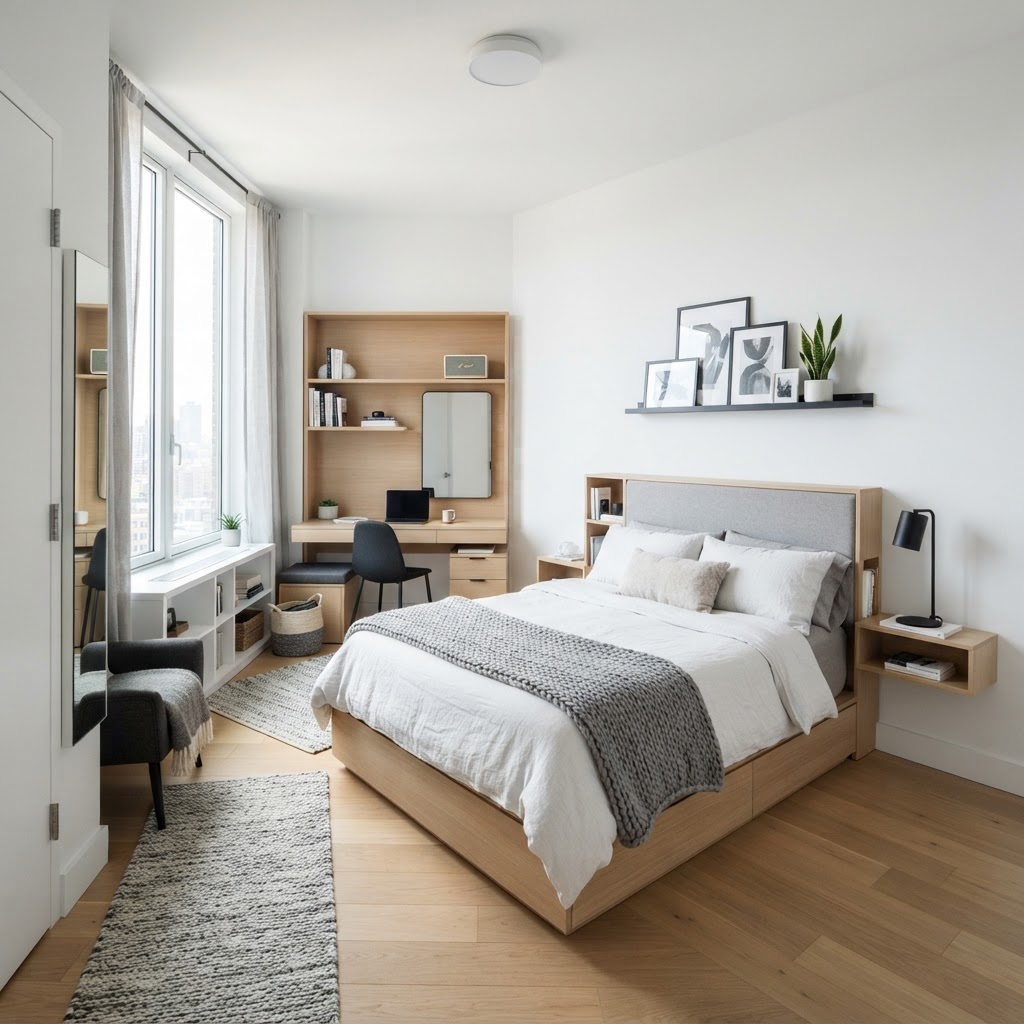
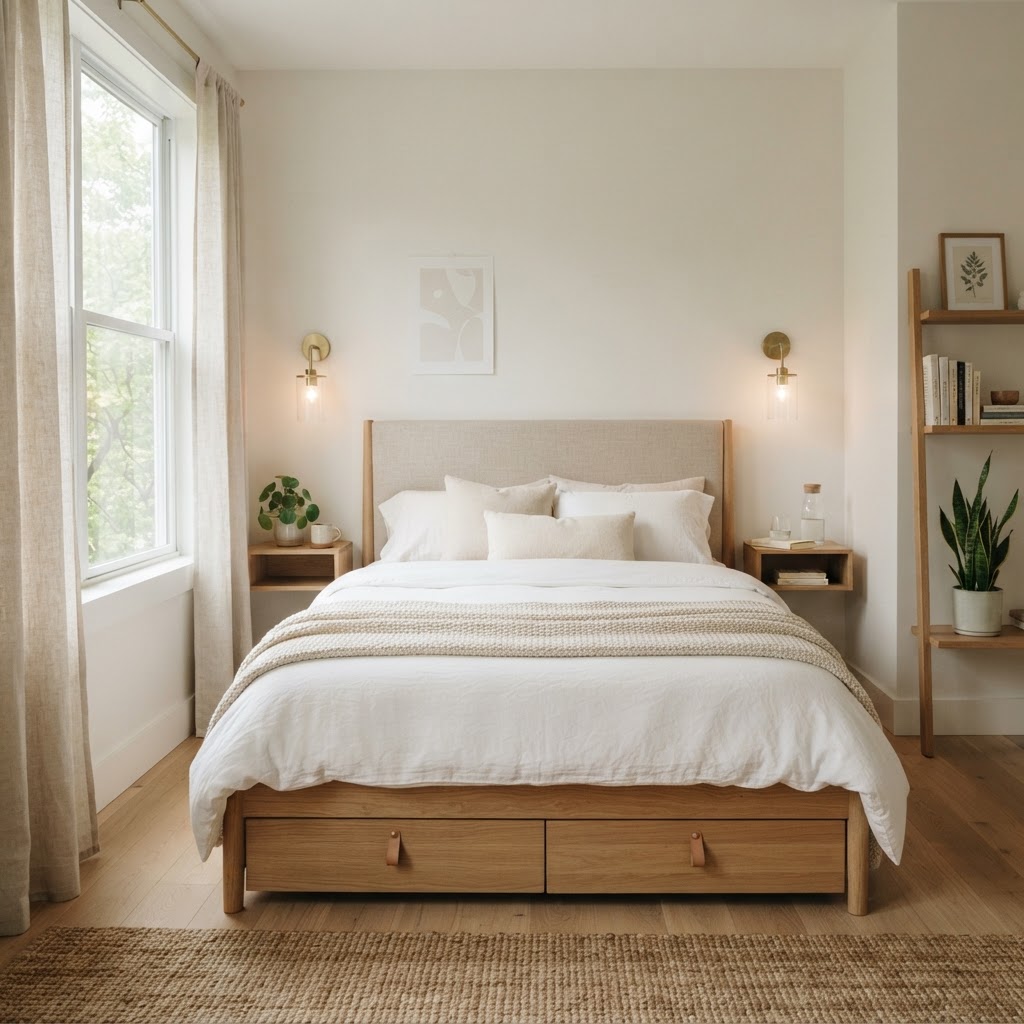
Wall-mounted lighting is a perfect space-saving solution for small bedrooms.

Furniture placement dictates the flow of energy and movement, and breaking the habit of pushing all pieces against the wall can lead to a more sophisticated, designer-forward look. Positioning a bed slightly away from the wall—even by just three inches—allows the eye to travel behind the furniture, creating an illusion of depth that makes the room appear wider. Prioritize multifunctional furniture pieces that provide a 2-in-1 return on investment, such as hydraulic storage beds that offer 10–15 cubic feet of hidden storage. When shopping for furniture, always look for “leggy” pieces; being able to see the floor underneath a dresser or vanity prevents the piece from looking like a solid, heavy block.

Feature Benefit for Small Rooms Recommendation
Exposed Legs Increases visible floor space Choose chairs/dressers with legs
Hydraulic Storage Replaces bulky dressers Essential for limited closet space
Floating Nightstands Frees up floor area Mount at standard bed height

Lighting Techniques for Small Spaces

A well-organized, minimalist layout proves that small rooms can feel incredibly spacious.

Lighting is the fundamental layer of interior design, and in small bedrooms, it must be used to eliminate deep, shadowy corners that physically define the room’s small size. Harsh, singular overhead lights create “tunnel vision,” whereas layering multiple, lower-intensity light sources—such as bedside sconces, warm LED strips behind the headboard, and dimmable floor lamps—creates a soft, ambient glow that hides room boundaries. Aim for a mix of 2700K to 3000K color temperatures to maintain a warm, cozy atmosphere. Installing wall-mounted swing-arm lamps is a professional trick to reclaim surface space on nightstands, allowing you to use smaller, more delicate furniture pieces without sacrificing utility.

Mirrors as a Design Tool

Mirrors function by reflecting light and duplicating the room’s internal volume, effectively acting as an “optical window.” To maximize their impact, place a large floor mirror directly opposite a window or a primary light source; this bounce effect can increase the perceived brightness of a room by up to 30%. For small bedrooms, a cluster of smaller mirrors or a single oversized lean-to mirror is more effective than standard wall-mounted varieties because they create a clearer, less cluttered reflection of the space.

Mastering the Art of Minimalism and Texture

Minimalism is the intentional curation of your environment to prioritize items that provide either high utility or genuine aesthetic joy. In a tiny bedroom, clutter acts as a physical barrier that restricts movement and peace of mind; therefore, hidden storage should be your priority. Once you have decluttered, introduce luxury through texture rather than volume. Because you lack the square footage for complex furniture arrangements, focus on high-pile rugs, velvet cushions, and chunky knits to provide sensory richness. These elements anchor the room and create a “cocooning” effect, which is the hallmark of the cozy aesthetic. By keeping the color of these textiles within the same tonal family as your walls, you add warmth without creating visual noise. Texture is the secret weapon that transforms a sparse, minimalist room into a welcoming sanctuary.

The Role of Textiles and Bedding

Your bed typically occupies 40-50% of the room’s total footprint, making it the unavoidable centerpiece of your design. Choosing bedding with complex, loud patterns can cause the room to feel cluttered and smaller than it actually is; sticking to solid, tonal, or subtle textured bedding allows the room to breathe. Layering is a vital design technique here; use a high-quality base sheet, a plush duvet, and a decorative quilt to build height and volume. This adds a sense of opulence that contrasts beautifully with the small dimensions of the space. Additionally, making the bed with crisp, neat layers every morning immediately signals that the room is a controlled, tidy space, which is essential for feeling relaxed in a small footprint.

Common Mistakes to Avoid

Small room design often fails due to improper scaling, where homeowners use undersized furniture that makes the room feel like a dollhouse. Avoid the “tiny furniture trap” by opting for one or two larger, high-impact pieces rather than several small, cluttered items. Heavy, light-blocking curtains are another common mistake; replace these with sheer, floor-to-ceiling drapery to maintain privacy while maximizing natural light intake. Finally, avoid filling your walls with dozens of small, scattered frames, which draw attention to the limited wall area. Instead, select one large-scale piece of artwork or a single cohesive gallery arrangement to provide a clear focal point and ground the room. Maintaining harmony between furniture size and wall scale is the defining factor between a room that looks “small” and one that looks “intimate.”

FAQ

Q: What is the best color for a tiny bedroom to make it look bigger?

Light, neutral tones like soft creams, warm grays, or pale sage greens are best because they reflect light and soften corners. These colors create an illusion of depth by blurring the boundaries between walls and trim, making the room feel more expansive than a dark or high-contrast color scheme.

Q: Should I push all my furniture against the walls in a small bedroom?

No, pushing all furniture against the walls can make a room feel like a rigid, empty box. Pulling your bed or desk a few inches away from the wall creates a sense of depth and flow, which makes the space feel more curated, dynamic, and architecturally intentional.

Q: How do I store items in a bedroom without floor space?

Utilize vertical wall space by installing floating shelves, wall-mounted sconces, and overhead storage units near the ceiling. By drawing the eye upward and keeping your floor clear of bulky furniture, you maximize your storage capacity while maintaining a sense of openness and airiness in the room.

Q: Does minimalist design mean I have to have an empty room?

Minimalism is about intentionality rather than emptiness, meaning you should keep only items that provide either high utility or joy. By removing clutter and choosing a few high-quality, textured pieces, you create a cozy, luxurious atmosphere without the sensory overload that often makes small rooms feel cramped.

Q: How can mirrors help a small bedroom?

Mirrors double visual depth and amplify existing light when placed strategically. By positioning a large mirror opposite a window, you reflect natural light into the room, which brightens dark corners and makes the space feel significantly larger and more open than its actual physical dimensions.

How to Create a Warm, Inviting Living Room with Lighting

How to Create a Warm, Inviting Living Room with Lighting

To create a warm, inviting living room with lighting, combine ambient, task, and accent layers while using “warm white” bulbs rated between 2700K and 3000K. By placing light sources at varying heights and utilizing dimmer switches, you can transform a sterile space into a cozy, multi-dimensional sanctuary that adapts to your daily needs.

The Three Layers of Light

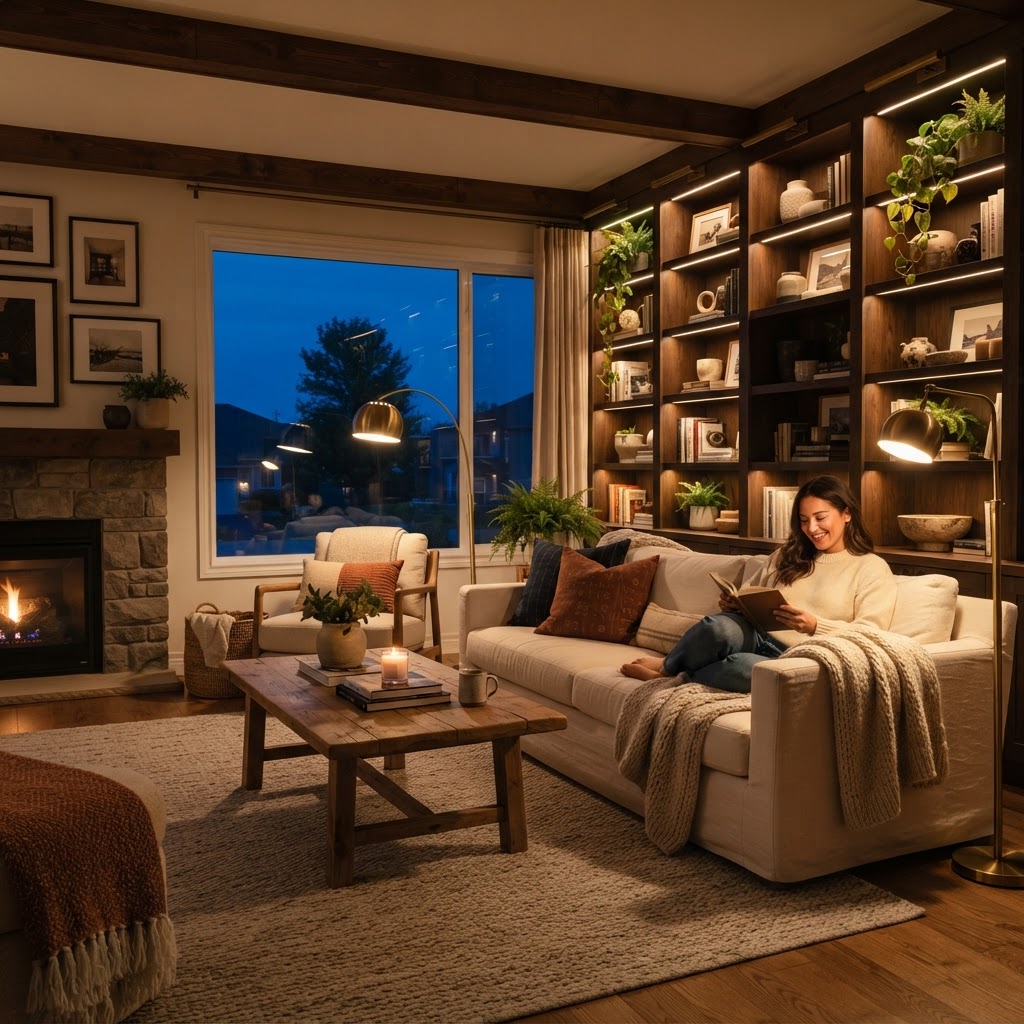
Warm, golden lighting creates a serene sanctuary in the living room.

Mastering your home atmosphere requires moving beyond a single overhead source to implement professional lighting “layering” techniques. Layering light involves combining multiple fixtures to eliminate harsh shadows, creating a balanced, multi-dimensional environment that feels intentional rather than accidental.

Lighting Layer Primary Purpose Common Fixtures
Ambient General Illumination Chandeliers, Recessed Lights
Task Activity Specific Floor Lamps, Desk Lamps
Accent Decorative Highlight Strip Lights, Picture Lights

Ambient light provides the foundational base layer, replacing natural daylight to ensure the room is safely navigable. Task lighting introduces focused, directed illumination where specific activities occur, such as reading or hobbies, preventing eye strain. Finally, accent lighting acts as the decorative flourish that draws the eye to architectural details or artwork, adding necessary visual texture to your wall surfaces. By integrating all three, you ensure the space remains both functional and aesthetically comforting throughout the evening hours.

Ambient Lighting

Ambient light is your base layer. It acts as the general illumination for the room, replacing natural daylight when the sun goes down. Think of this as your “foundation” layer, usually provided by recessed lighting, chandeliers, or flush-mount ceiling fixtures.

Task Lighting

Task lighting is functional. This is the directed glow you need for specific activities like reading on the sofa or working at a desk. Floor lamps or adjustable wall sconces are perfect for this, ensuring your eyes don’t strain while you engage in your favorite hobbies.

Accent Lighting

This is where the magic happens. Accent lighting is decorative, used to highlight architectural features, artwork, or bookshelves. By drawing attention to specific points of interest, you add layers of visual texture to your walls.

Choosing the Right Color Temperature

Strategic lamp placement is key to an inviting home.

Selecting the correct color temperature is the most critical factor in preventing a living room from feeling like a clinical or sterile “dentist’s office.” Color temperature is measured in Kelvins (K) on a scale typically ranging from 2000K to 6500K. For a cozy, residential feel, you should strictly avoid “daylight” bulbs above 4000K, which often cast an aggressive, blue-tinted light that inhibits melatonin production.

Instead, aim for bulbs in the 2700K to 3000K range. These emit a soft, golden hue that mimics the warm glow of candlelight or a setting sun. This specific spectrum is scientifically favored for relaxation, signaling to the body that it is time to transition from high-activity mode to evening rest. When shopping, always inspect the packaging for the Kelvin rating, as even a 500K difference can drastically shift a room’s mood from “energetic work zone” to “intimate retreat.” If you currently have “cool” lighting, swapping to these warmer alternatives is the most cost-effective way to achieve an immediate upgrade to your home’s atmosphere.

The Power of Dimmers

Layered lighting brings depth and luxury to your walls.

Installing dimmer switches is the single most important “non-negotiable” upgrade for homeowners looking to cultivate a cozy, versatile living environment. Lighting needs fluctuate throughout the day; you may require full-brightness ambient light for daytime cleaning, but benefit from 20% to 30% intensity for evening relaxation or movie viewing. Dimmers provide this flexibility, effectively doubling the utility of your existing fixtures by allowing them to serve multiple moods.

Consider upgrading to smart dimmers that integrate with home automation systems like Apple HomeKit, Google Home, or Amazon Alexa. These modern switches allow you to save “scenes”—pre-set light levels for specific occasions. For example, a “Movie Night” scene can automatically dim your ceiling lights to a subtle glow while turning on decorative floor lamps at 40% brightness. Because these systems are often controlled via voice command or mobile app, you can adjust your entire room’s ambiance without ever needing to leave your seat on the sofa. By centralizing control, you ensure that your lighting setup remains consistent, sophisticated, and perfectly suited to the specific “vibe” of the current hour.

Strategic Lamp Placement

Where you place your lamps is just as important as the bulbs you choose. A common mistake is pushing all lighting to the ceiling. Instead, you should aim to place light sources at different heights throughout the room to pull the eyes around the space.

Place a floor lamp next to a reading chair to create a dedicated nook. Use table lamps on side tables flanking the sofa to balance the visual weight. By keeping light sources at eye level or below, you create an intimate atmosphere that feels grounded and secure rather than cold and clinical.

Highlighting Your Decor

To really lean into how to create a warm, inviting living room with lighting, use light to celebrate your decor. If you have open shelving, consider installing small LED strip lights under each shelf. This “cove lighting” effect makes your personal items glow and adds a high-end feel to your storage solutions.
Similarly, picture lights above gallery walls make your space feel like a curated art studio. When you illuminate specific items, you give the room a sense of personality. This strategy makes the room feel lived-in and loved, which is the cornerstone of any inviting living area.
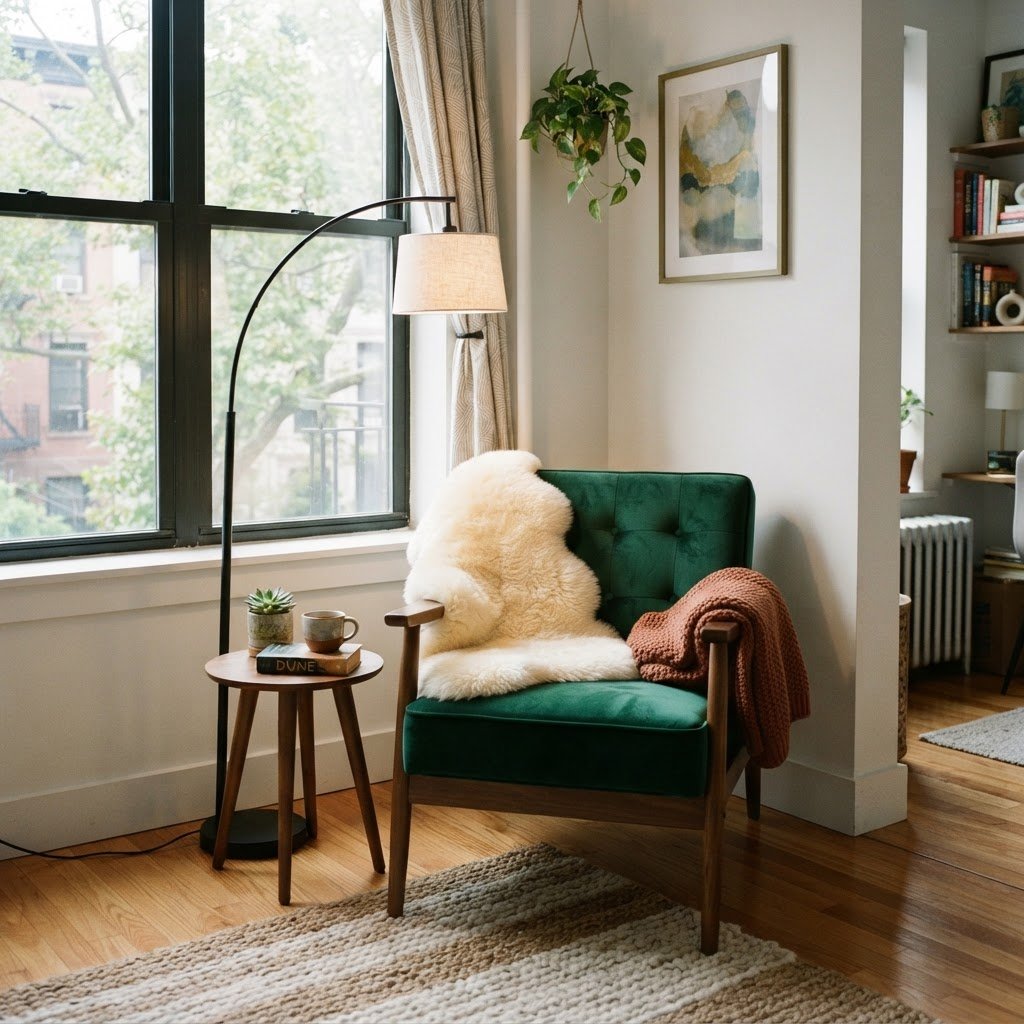
The Role of Shadows and Contrast

Beginners often think that a perfectly lit room should be uniform in brightness. Actually, contrast is what makes a room interesting. A well-designed space should have “pools” of light and pockets of shadow. This natural variation prevents the room from feeling flat.
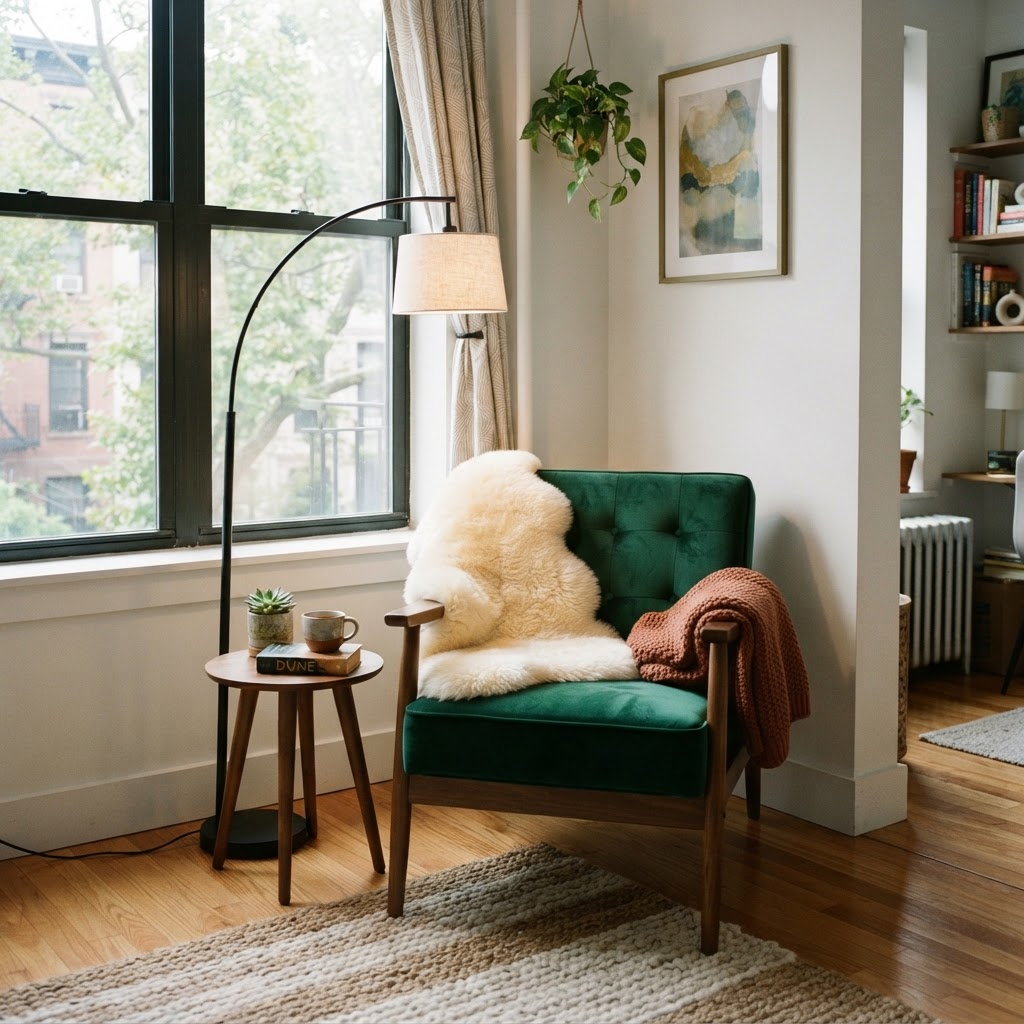
When you leave certain corners slightly darker while brightly lighting a reading area, you create depth. This play between light and dark is what makes a room feel architectural. Do not be afraid to let corners stay dimly lit, as this provides a sense of mystery and depth that contributes to the overall warmth of the interior.
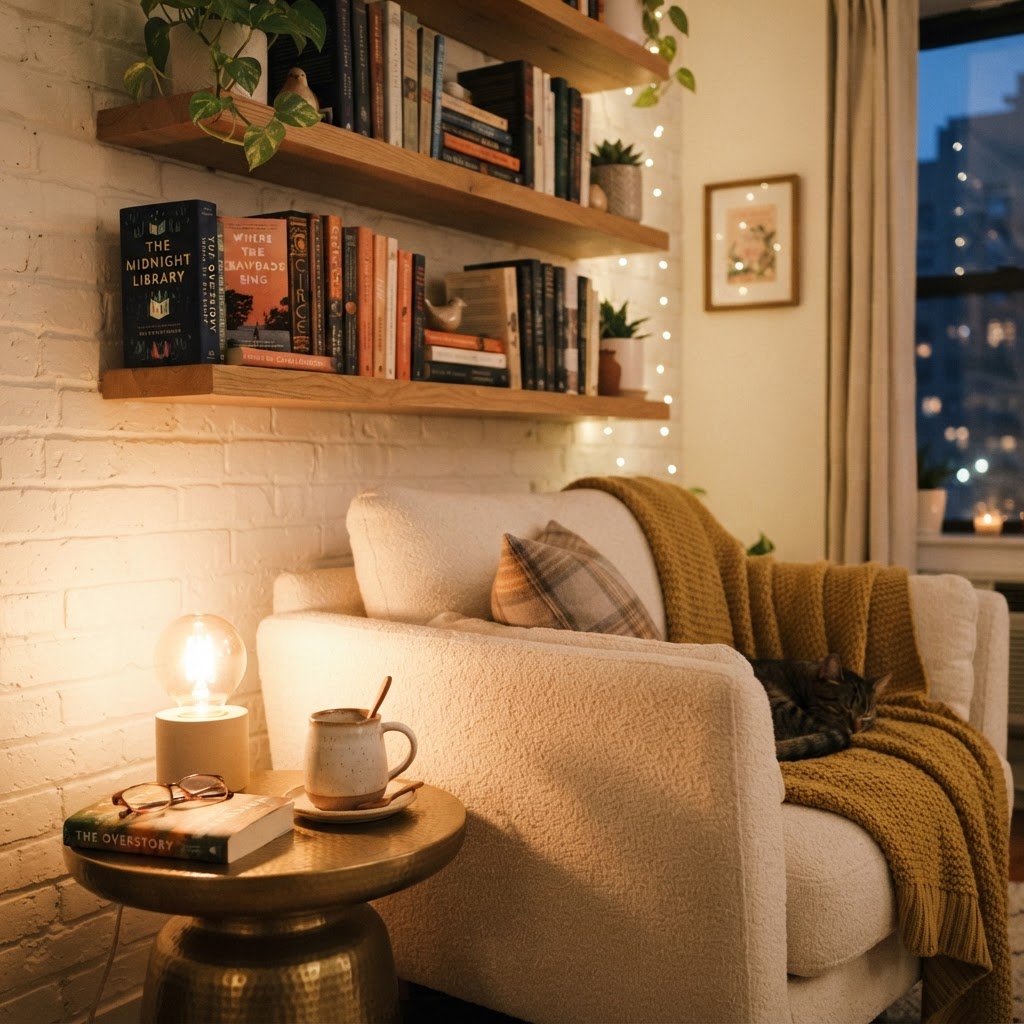
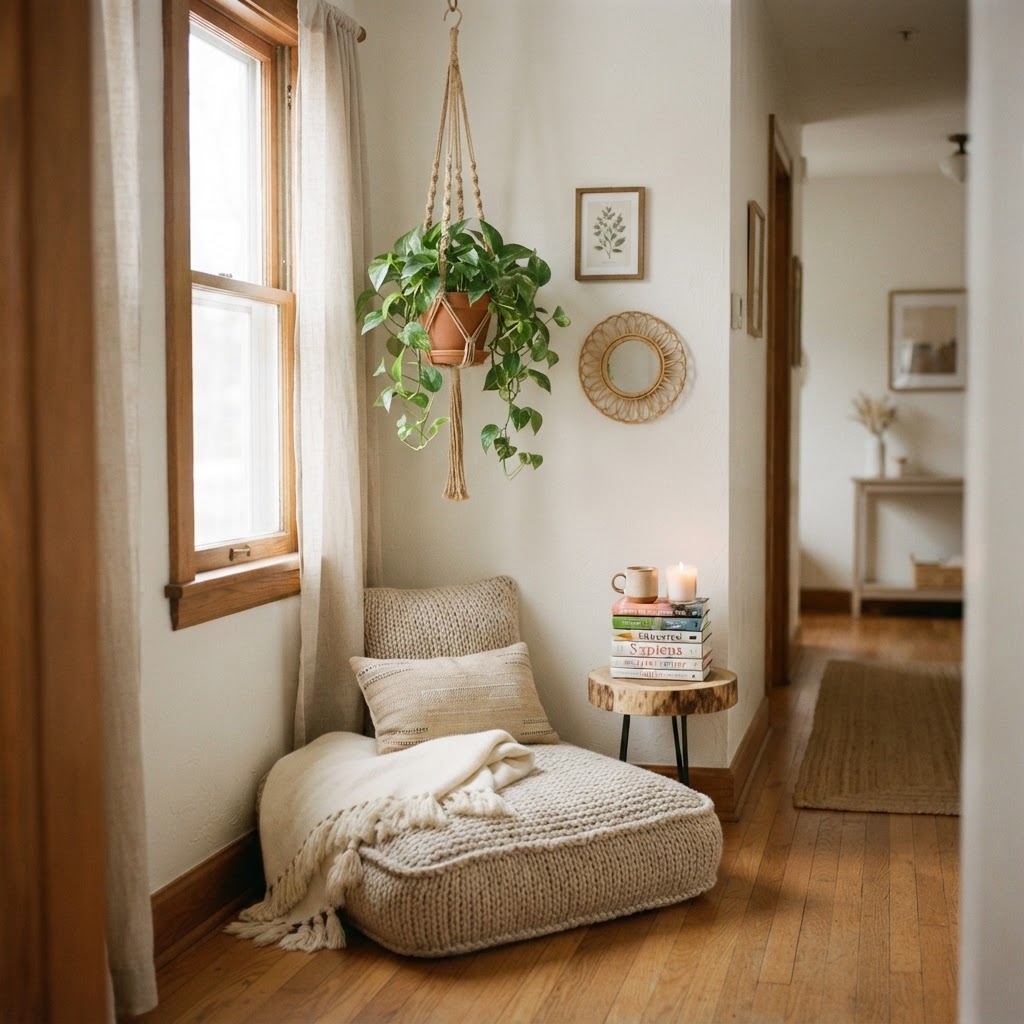
Selecting Fixture Styles

Lighting fixtures act as the jewelry of your living room. The style of your lamp base or chandelier can reinforce the design aesthetic you are aiming for. For a rustic look, choose fixtures made of natural wood or aged brass. For a modern, minimalist space, opt for clean lines and matte black finishes.

Material matters. Fabric shades help diffuse the light, making it softer and more flattering. Glass shades tend to provide a sharper, more focused light. If you are struggling with a room that feels too harsh, swap out transparent glass shades for opaque or fabric options to immediately soften the intensity of the illumination.

FAQ

Q: What is the best color temperature for a cozy living room?
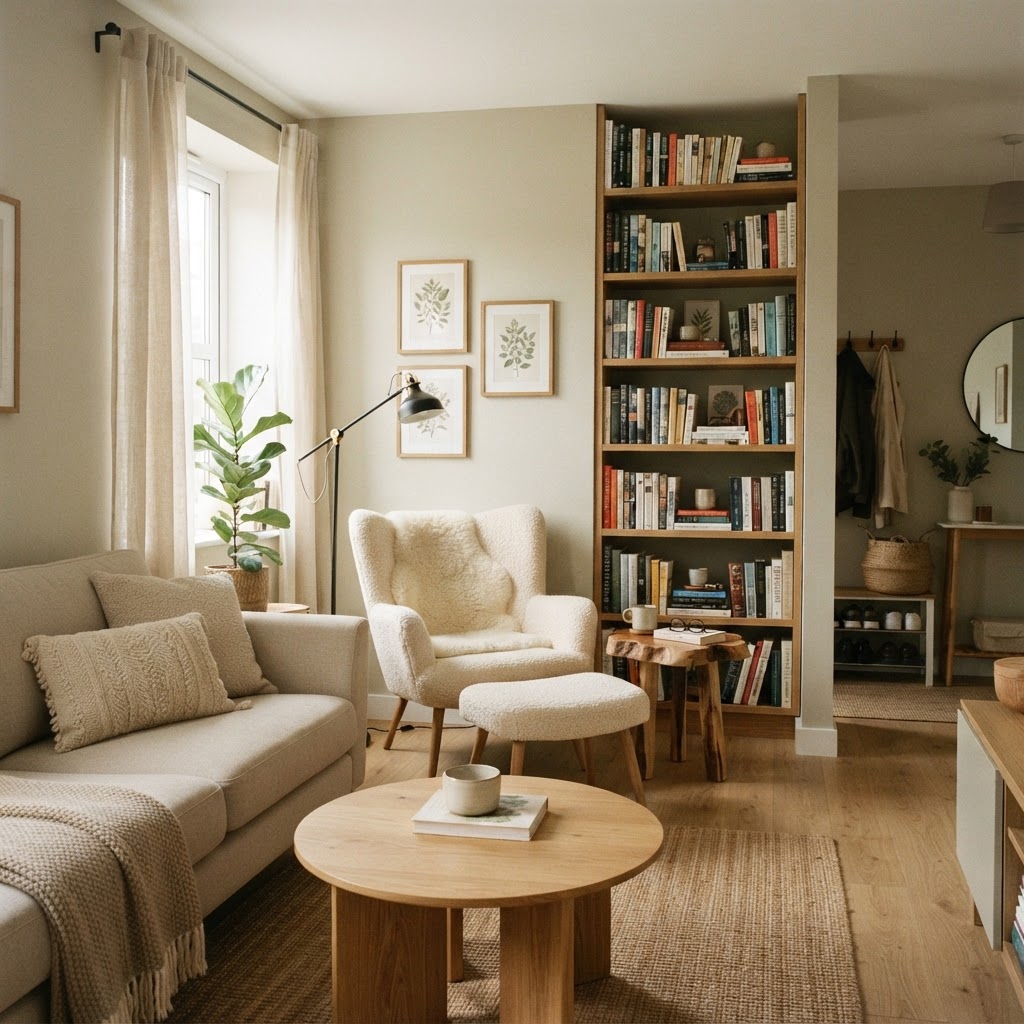
The ideal color temperature for a cozy living room is between 2700K and 3000K. This range produces a warm, inviting, yellow-golden light similar to sunset, which promotes relaxation compared to the harsh, blue-tinted light found in cooler bulbs above 4000K.
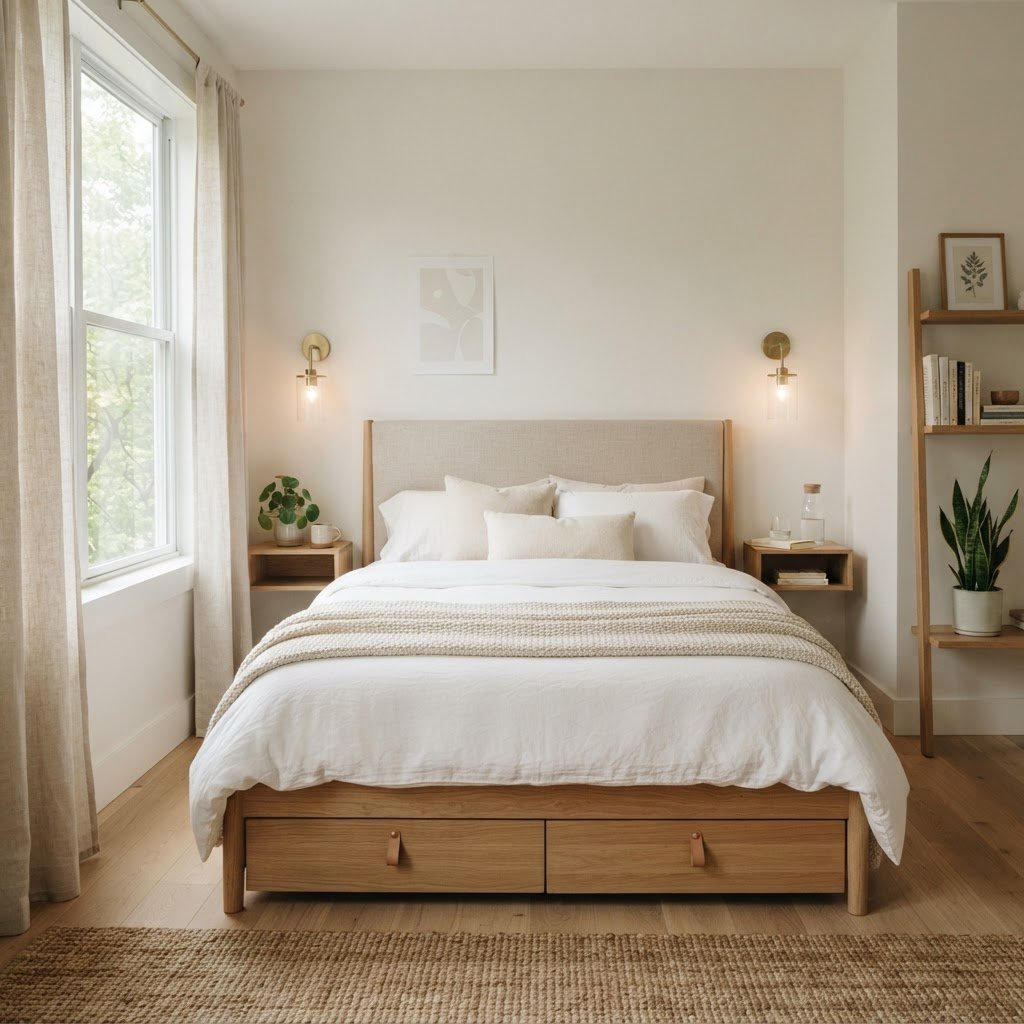
Q: How many lamps should be in a living room?

As a rule of thumb, incorporate at least three to five distinct light sources in an average-sized living room. By layering a mix of overhead, table, and floor lamps, you eliminate “dead zones” and ensure the room feels balanced and multi-dimensional.

Q: Why do my living room lights feel harsh?

Harsh lighting is typically caused by choosing bulbs with too high a Kelvin rating or using fixtures with transparent glass shades. You can instantly soften the room by switching to 2700K bulbs and using fabric shades to diffuse the light output.

Q: Should I use smart dimmers in my living room?

Yes, smart dimmers are highly recommended for living rooms as they allow for flexible, scene-based lighting. They enable you to transition from high-intensity lighting for cleaning to low-intensity “mood” lighting for movies via voice control or app presets.

Q: What is the “layering” technique in lighting?

Lighting layering is the practice of combining ambient, task, and accent light sources to create depth. By avoiding a single, high-intensity overhead light in favor of multiple smaller, lower-intensity sources, you create a more sophisticated, comfortable, and functional home environment.

10 Genius Built-In Ideas for Awkward Small Bedrooms

Living in a home with tight square footage often feels like a constant battle against clutter, especially when your floor plan features irregular angles or cramped corners. Incorporating genius built-in ideas for awkward small bedrooms is the most effective way to turn those challenging voids into functional design features. By moving away from bulky, free-standing furniture and opting for custom-fitted solutions, you can reclaim lost inches and create a seamless, cohesive aesthetic that makes your room feel significantly larger. Whether you are dealing with slanted ceilings, deep recessed nooks, or narrow wall spaces, the secret lies in custom craftsmanship that works with your architecture rather than against it. When you commit to a built-in strategy, you effectively stop fighting the geometry of your room and start leveraging it to your advantage. This approach provides a level of organization that store-bought furniture simply cannot match, as each unit is designed to meet your specific storage needs. From hidden vanity stations to integrated bed frames, the possibilities for maximizing your environment are limited only by your imagination and a bit of thoughtful planning.

The Magic of Corner Built-Ins

Integrated headboard storage maximizes vertical space.

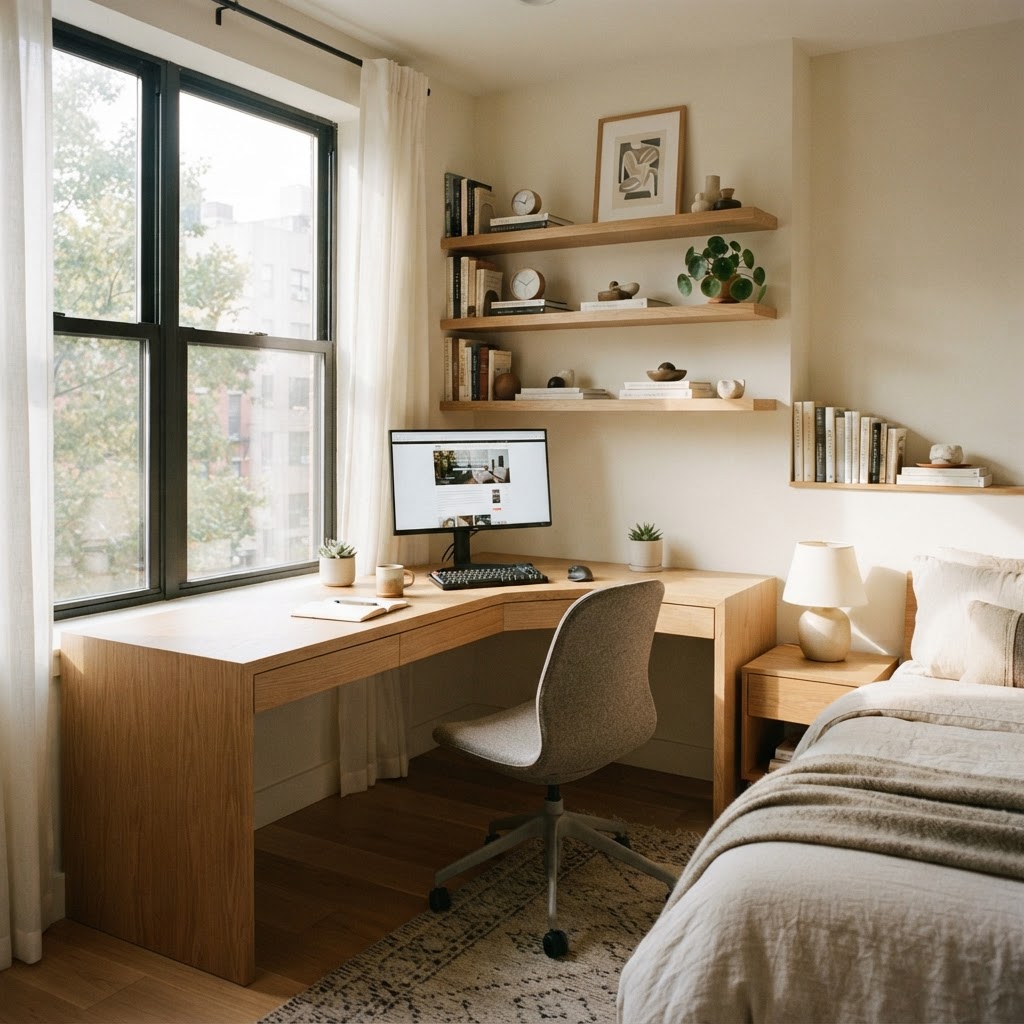
Corners are frequently the most underutilized areas in any bedroom, often serving as nothing more than dust traps or wasted negative space. Instead of letting these angles linger, consider installing L-shaped corner shelving or a custom wrap-around desk that utilizes the full reach of the corner. This design technique turns a dead zone into a highly efficient home office or a dedicated reading nook. When you design a custom corner piece, you avoid the awkward gaps created by standard desks, ensuring every inch of floor space is accounted for. For those who need more storage than desk space, a floor-to-ceiling corner wardrobe is a game-changer. These units can be fitted with specialized drawers, pull-out shoe racks, and deep shelving that wrap perfectly into the corner, providing a massive amount of storage without dominating the room’s visual flow.

Maximizing Depth in Deep Nooks

Many older homes feature recessed wall nooks that are too narrow for standard closets but perfect for bespoke shelving. By installing adjustable cabinets or floating shelves inside these gaps, you create an architectural focal point that feels intentional rather than like an afterthought. Using matching paint colors for the built-in units and the surrounding walls helps the storage blend into the architecture, making the entire wall appear uniform and clean.

Integrating Bed Frames and Headboards

L-shaped desk turns a dead corner into a home office.

One of the most transformative genius built-in ideas for awkward small bedrooms involves integrating your bed frame directly into a surrounding wall unit. By creating a ‘bridge’ of cabinets above and to the sides of your headboard, you essentially frame the bed as the centerpiece of the room while gaining massive amounts of overhead and side storage. This style, often referred to as a bed surround, is perfect for tiny rooms where a traditional nightstand would block walkways. With your nightstand space now integrated into the cabinetry, you can incorporate hidden electrical outlets, recessed lighting, and even small fold-out surfaces for your morning coffee. This method keeps your essentials within arm’s reach while ensuring the room remains completely free of bulky, non-essential furniture pieces. You will find that when the bed is anchored by custom units, the room immediately feels more grounded and expertly designed.

Utilizing Vertical Space for Storage

Custom cabinets make the most of sloped attic walls.

In small rooms, floor space is the ultimate luxury, which means you must start thinking vertically. When floor options are exhausted, your walls offer a vast, untapped potential for storage and display. Built-in shelving that reaches all the way to the ceiling forces the eye upward, creating an illusion of greater height and grandeur even in a cramped bedroom. To keep things from feeling cluttered, try incorporating a mix of open shelving for decor and closed-door cabinets for everyday items. Using touch-latch hardware on these cabinets eliminates the need for protruding handles, which keeps the visual lines smooth and prevents you from bumping into furniture in a tight space. Integrating a ladder or a clever step-stool feature allows you to access these high-reaching shelves without compromising the aesthetics of the room.

Creating Multifunctional Zones

When you are working with a small footprint, every piece of furniture needs to pull double duty. A built-in window seat is a classic example of this, providing a comfortable place to sit while concealing deep storage drawers beneath the cushion. In an awkward room, a window seat can fill a space that would otherwise be too small for a chair or dresser. Pair your window seat with surrounding wall-to-wall bookcases to create a dedicated reading area that feels like a cozy library corner. If you need a workspace, consider a pull-down desk integrated into a closet wall. When closed, it looks like a standard cabinet door, but once opened, it provides a stable work surface and instant access to your laptop, files, and stationery. This level of adaptability ensures that your bedroom can serve as a sanctuary for rest and a productive office space simultaneously.

Choosing the Right Materials and Finishes

Selecting light colors for your built-in units, such as crisp whites, soft creams, or light wood tones, will help keep the room feeling airy and open. Dark, heavy materials can shrink an already small space, whereas lighter palettes bounce light around the room. Additionally, incorporating mirrors into the door panels of your built-in closets can visually double the space, making an awkward room feel infinitely more expansive.

Addressing Sloped Ceilings and Angles

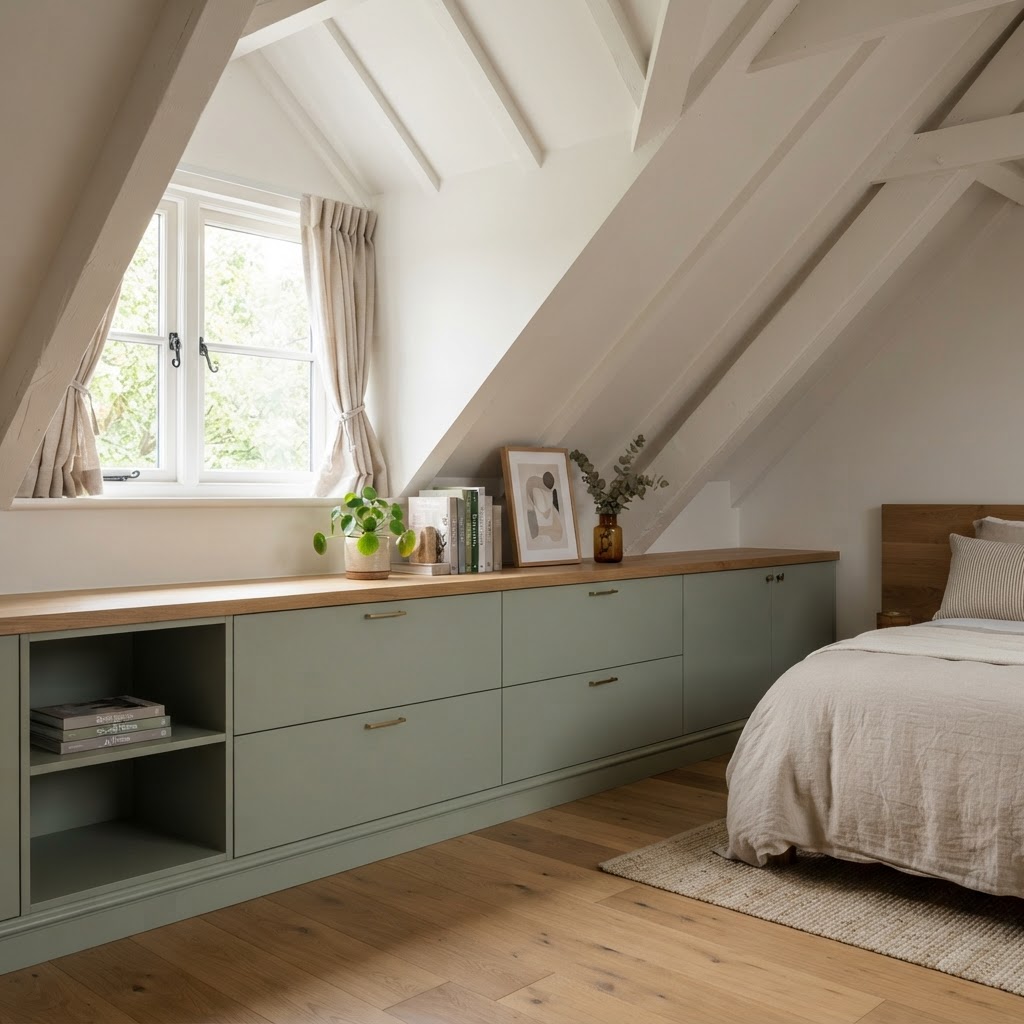
Sloped ceilings and attic rooms present some of the most significant challenges for furniture placement, yet they are the best candidates for built-in solutions. Since you cannot place tall armoires against sloped walls, custom joinery is the most logical way to occupy that space. By constructing low-profile cabinets that follow the line of the slope, you transform a useless, uncomfortable gap into a tidy storage bank for seasonal clothing, blankets, or keepsakes. These low cabinets can be topped with a countertop surface to serve as a vanity or a display area for photos and plants. The goal is to fill the awkward angles so that the room’s remaining space is left open and accessible. When you fill the low-clearance areas with bespoke cabinetry, you regain the parts of the room where you can actually stand and move freely, which is the key to maintaining flow in any small bedroom.

Lighting and Hardware for Built-Ins

No built-in installation is complete without careful consideration of your hardware and lighting. In a small space, you want to avoid clutter, so keep hardware minimal. Integrated, recessed pulls or push-to-open mechanisms are ideal. For lighting, consider installing LED strips inside cabinets or under shelves. This not only makes it easier to find what you need but also adds a luxurious, high-end feel to your custom furniture. Consider using motion-sensor lights inside deep cabinets so that your storage illuminates automatically when you open the doors. This small detail adds a high-tech convenience that is perfectly suited for modern small-home living.

Conclusion

Transforming an awkward small bedroom into a beautiful, functional space is entirely possible when you stop viewing the room’s odd corners as obstacles. By implementing these genius built-in ideas for awkward small bedrooms, you are choosing a path of efficiency, organization, and timeless design. Whether you choose to wrap a desk around a corner or build a floor-to-ceiling wardrobe system, these investments provide lasting value and significantly improve your daily quality of life. Start by assessing your most problematic areas and sketching out where you need storage most. You don’t have to tackle the whole room at once; even a single custom unit can make a world of difference. Start planning your custom bedroom upgrade today and watch your small room transform into the organized, peaceful retreat you have always wanted.

7 Damage-Free Storage Ideas That Maximize Small Spaces

Living in a compact apartment or a small home often feels like a constant battle against clutter. When you are limited by square footage and strict lease agreements, finding effective ways to organize your belongings can feel impossible. The good news is that you do not need a toolbox filled with power drills to create a functional home. By utilizing clever damage-free storage ideas that maximize small spaces, you can transform even the tightest quarters into an oasis of order and style.

Rethink Your Vertical Space with Tension Rods

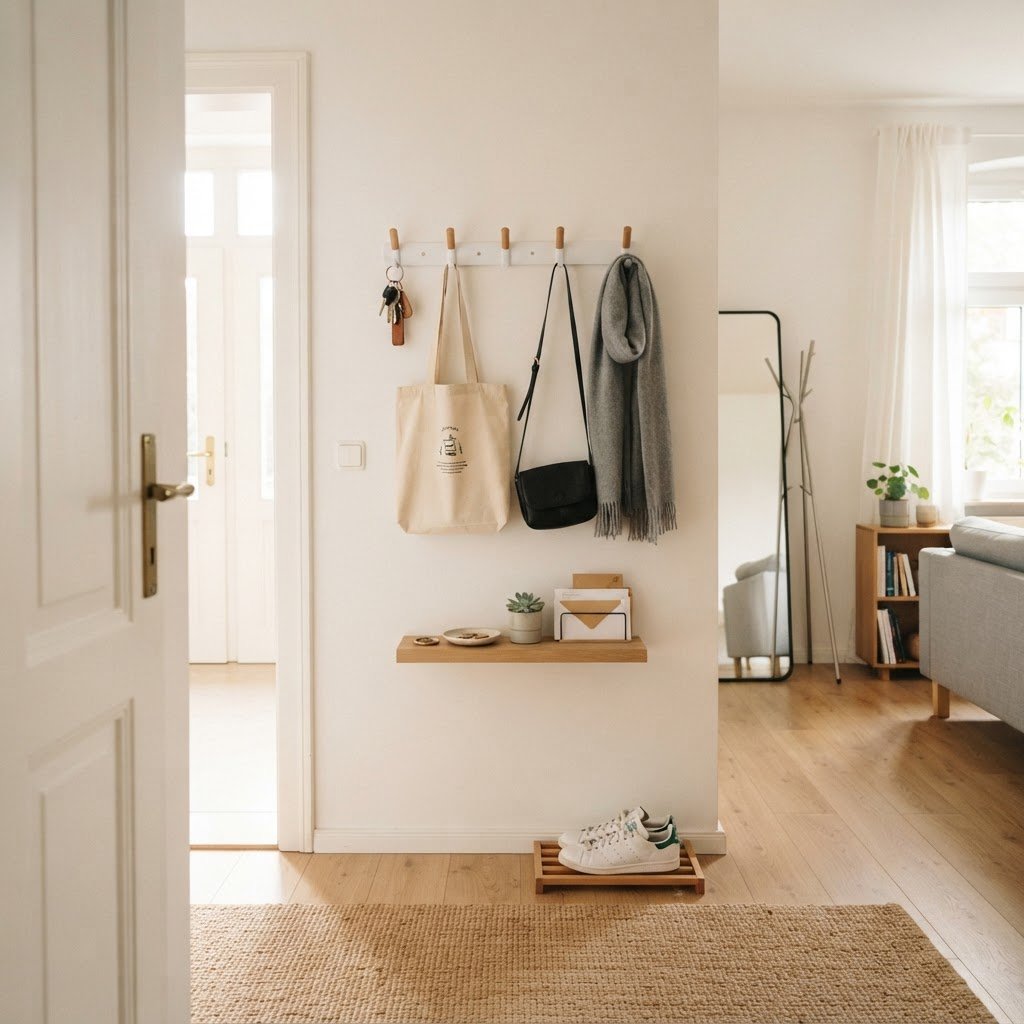
Adhesive hooks create a functional drop zone without damaging walls.

Tension rods are perhaps the most underrated heroes of the organization world. These versatile tools stay in place through friction, meaning you never have to put a single hole in your wall. While most people think of them strictly for shower curtains, their potential is virtually endless.

Where to Place Tension Rods

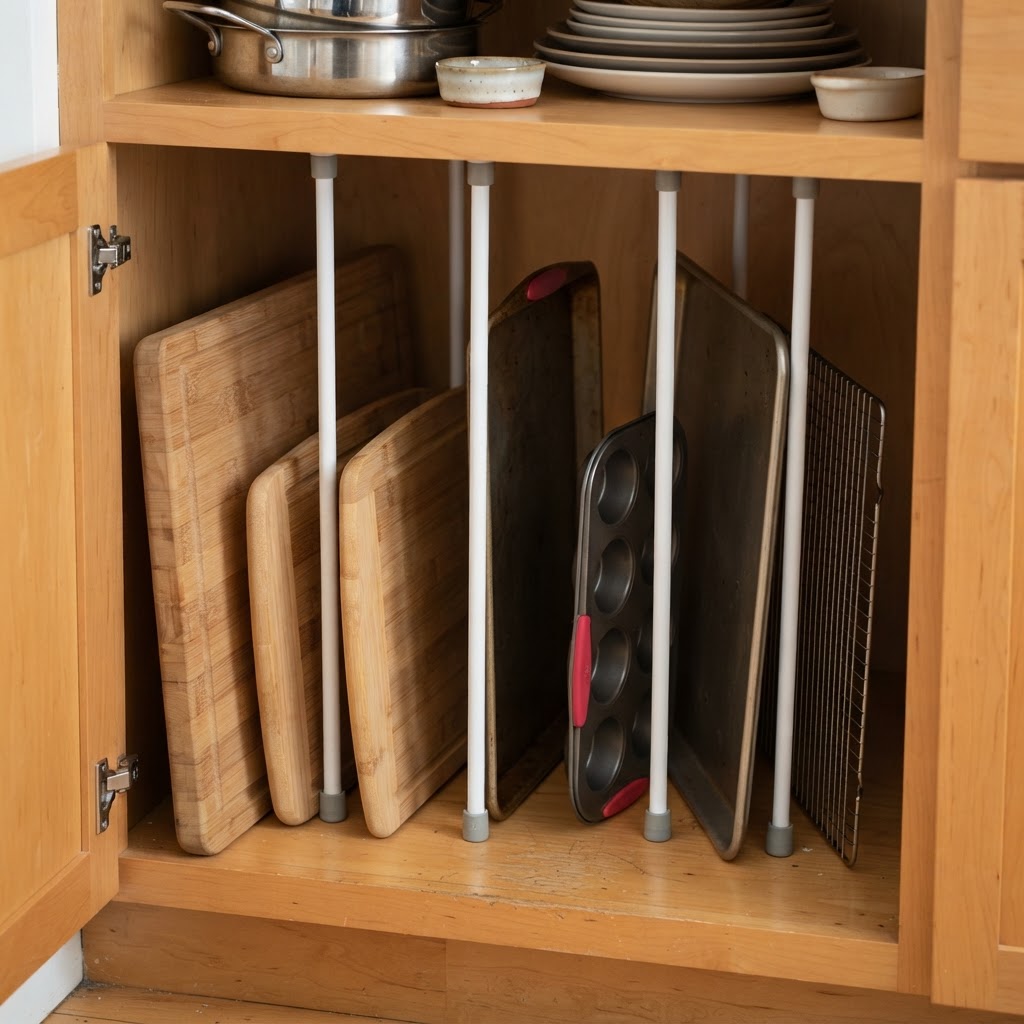
One of the best uses for tension rods is inside kitchen cabinets or under the bathroom sink. By placing a rod horizontally, you can hang spray bottles, creating a secondary level of storage that keeps floor space clear. You can also use them to create dividers for baking sheets or cutting boards, ensuring everything stays upright and accessible.

For a truly pro-level hack, install a tension rod inside a closet to hang extra accessories, scarves, or even baby clothes. Because they are adjustable and removable, you can move them whenever your storage needs change, making them the ultimate solution for those who want to maximize small spaces without commitment.

Utilize Over-the-Door Organizers for Hidden Storage

Tension rods are perfect for organizing kitchen cabinets vertically.

The back of a door is often dead space that goes completely ignored. However, in a small apartment, this is valuable real estate. Over-the-door organizers are classic damage-free storage ideas that can handle everything from cleaning supplies to pantry overflow.

Look for clear pocket organizers that allow you to see exactly what you have at a glance. In a bedroom, these are perfect for sorting socks, belts, or jewelry. In the kitchen, use a sturdy mesh over-the-door rack to hold spices, foil rolls, and snack bags. Since these organizers typically hook over the top of the door, they stay secure without damaging the door frame or paint.

Adhesive Hooks for Instant Wall Organization

A rolling cart adds flexible storage to a small bathroom.

Adhesive hooks have revolutionized the way we decorate and organize. With modern, heavy-duty adhesive strips that peel away cleanly when you are ready to move, there is no reason to fear damaging your walls. These hooks can hold anything from lightweight kitchen towels to heavy winter coats.

Consider grouping several hooks together to create a “drop zone” near your entryway. By hanging your keys, umbrella, and reusable shopping bags here, you clear off your console table and keep your essentials organized. This simple addition is one of the easiest ways to maximize small spaces efficiently.

Floating Shelves with Command Strips

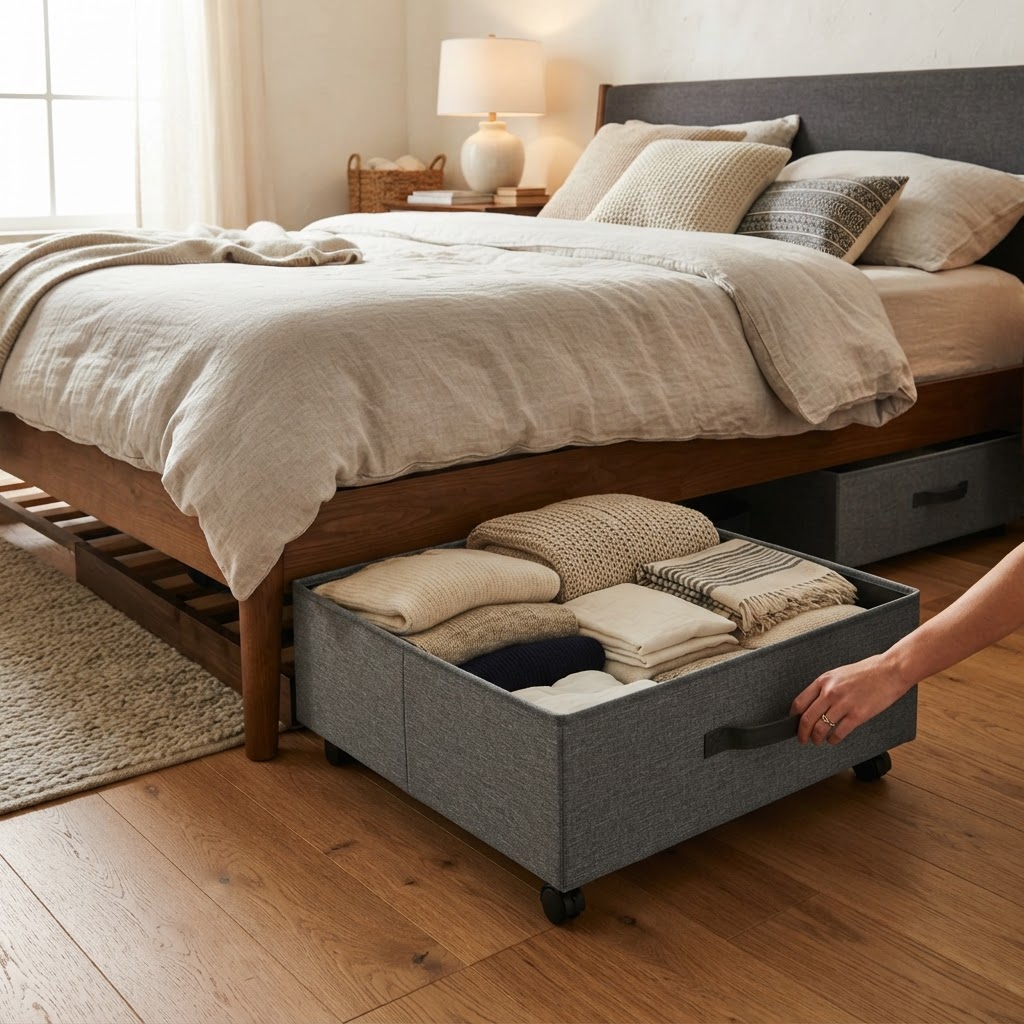
Utilize the space under your bed for long-term storage.

Many people assume that floating shelves require heavy-duty anchors and screws, but you can actually find lightweight modular shelving systems designed to work with industrial-strength adhesive strips. These provide the visual appeal of traditional shelving with the peace of mind that comes with a rental-friendly installation.

Use these shelves in a workspace to hold stationery or small decor items. By lifting items off the desk, you free up your surface for actual work. When you choose to use these units, ensure you follow weight capacity guidelines precisely. Even though they are adhesive, they can hold quite a bit if applied correctly to a clean, flat surface.

Magnetic Strips for Kitchen and Craft Supplies

If you have a metallic surface, like a fridge or even a metal filing cabinet, magnetic storage is your best friend. Magnetic strips are fantastic damage-free storage ideas for kitchen knives or metal tools. By mounting these with double-sided mounting tape, you can turn any wall section into a storage center.

This method is particularly effective for small kitchens where counter space is at a premium. Keeping your knives off the cutting board area gives you more room to prep ingredients safely. Furthermore, it keeps sharp items out of reach of children while keeping them organized and visible for quick access.

Rolling Carts for Mobile Organization

Sometimes, the best way to handle storage is to make it mobile. A rolling utility cart acts as a portable pantry, a mini-bar, or even a craft station. Because it is free-standing, it requires zero installation and can be tucked into a closet when you have guests over.

Why Rolling Carts Work:

  • They utilize vertical space with multiple tiers.
  • They can be tucked under standard height tables.
  • They require no wall damage or installation.
  • They provide modular storage that adapts to your room’s needs.

If your bathroom is tiny, a slim rolling cart can fit into that awkward gap between the vanity and the wall, holding extra toiletries and towels. This is a game-changer for those looking to maximize small spaces without permanently altering their living situation.

Under-Bed Storage Boxes on Wheels

The area beneath your bed is one of the largest storage zones in any home, yet it is often left empty or turned into a dust-catching abyss. By choosing low-profile storage bins that feature wheels, you can turn this hidden space into an organized system for out-of-season clothing, linens, or books.

Look for bins that have locking lids to keep contents fresh. By labeling the outside of each bin, you make it easy to find exactly what you need without pulling everything out. This approach keeps your bedroom clean and your storage organized, all without drilling or mounting a single thing.

Conclusion

Organizing a home does not require expensive renovations or permanent wall fixtures. By embracing these damage-free storage ideas that maximize small spaces, you can create a clean, functional environment that reflects your personal style. Start by auditing your current clutter, pick one zone to tackle this weekend, and implement a solution like tension rods or rolling carts. You will be amazed at how much more room you have once everything has a proper home. Ready to get organized? Start your journey today by choosing one of these renter-friendly hacks and reclaim your space!

Orange Orb and Floor Lamp Ideas for Cozy Modern Homes

Creating a sanctuary that feels both contemporary and inviting is the hallmark of modern interior design, and lighting is the secret ingredient that pulls the look together. Incorporating an orange orb lamp or a strategically placed floor lamp can instantly shift the mood of a room from stark to serene. Whether you are looking to add a pop of vibrant color or seeking the perfect warm glow to unwind, these lighting choices serve as both functional tools and artistic statements in a cozy modern home. In this guide, we will explore how to master the art of ambient lighting using these versatile fixtures.

The Magic of Warm Ambient Lighting

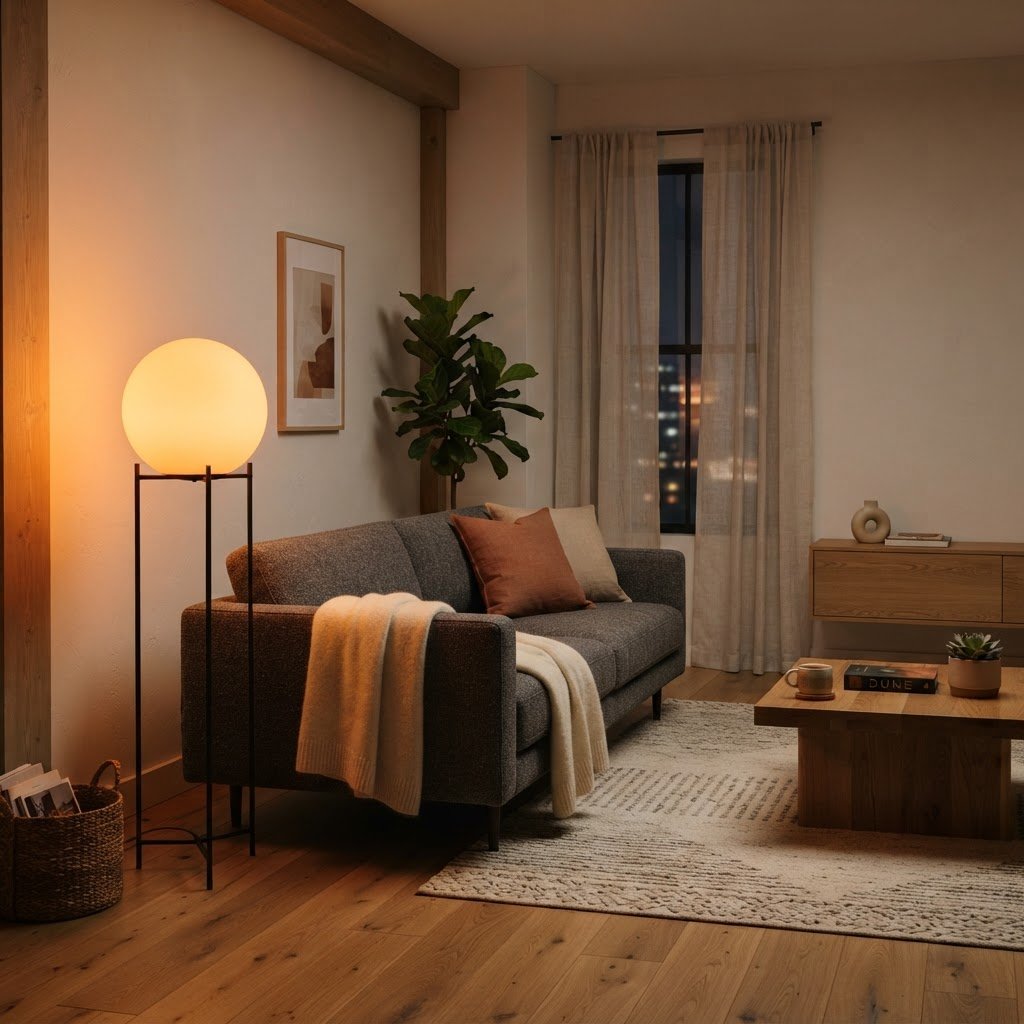
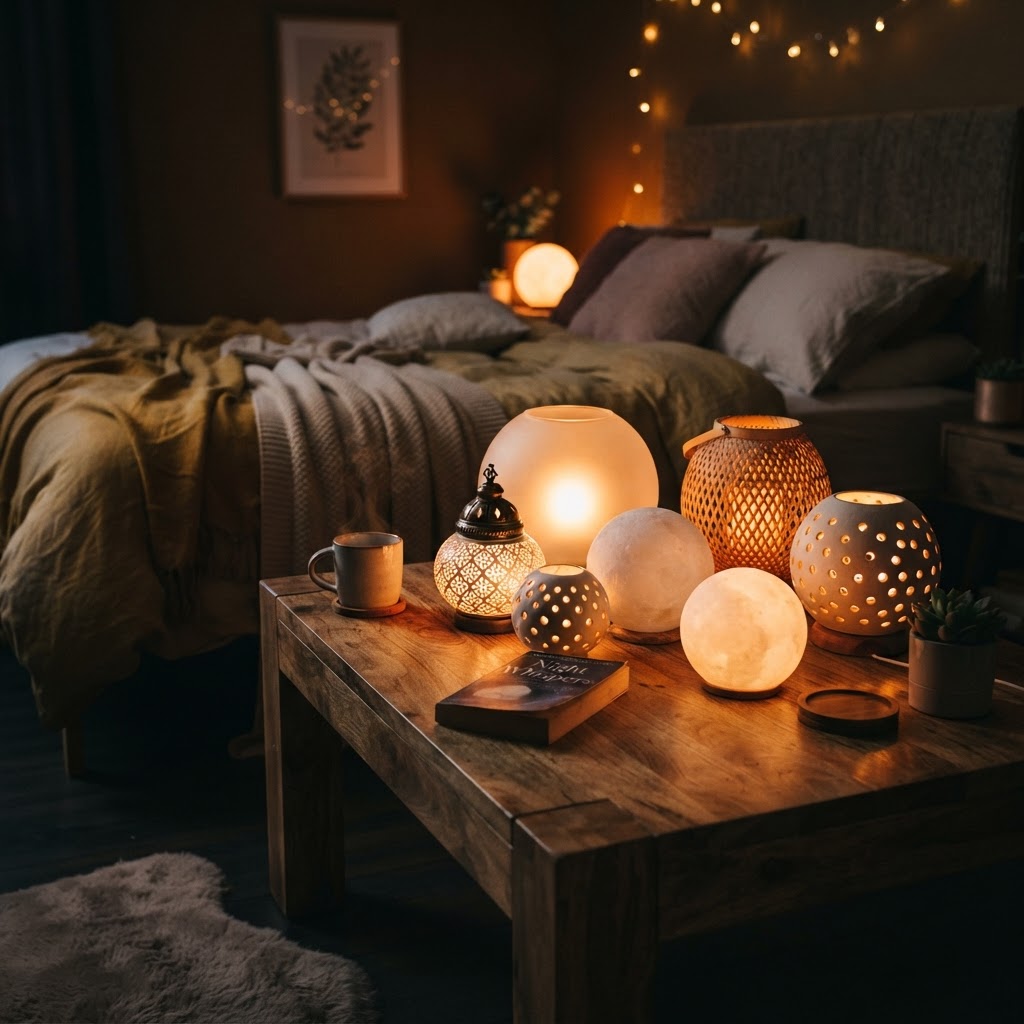
An orange orb lamp adds a soft, inviting glow to a modern living room.

Lighting is often the most overlooked element in home design, yet it dictates how we perceive space and color. Modern homes often lean toward minimalist palettes, which can sometimes feel clinical without the right touch of warmth. An orange orb lamp provides a soft, diffused glow that mimics the comfort of a sunset, effectively neutralizing the coldness of neutral walls or sleek furniture surfaces.

When we talk about ambient lighting, we are referring to the general light level of a room. Unlike overhead fixtures that can be harsh, orb-style lamps cast light in all directions, softening the edges of the room and creating a welcoming cocoon effect. This is essential for achieving a cozy modern aesthetic that encourages relaxation rather than constant stimulation.

Why Choose Orange Hues for Your Space

Color psychology plays a significant role in interior design. Orange is often associated with energy, creativity, and comfort. By choosing a lamp that casts an orange tint, you are introducing a sense of warmth that can make large, open-plan living areas feel more intimate and grounded. It is a bold design choice that bridges the gap between retro charm and contemporary chic.

Selecting the Perfect Orange Orb Lamp

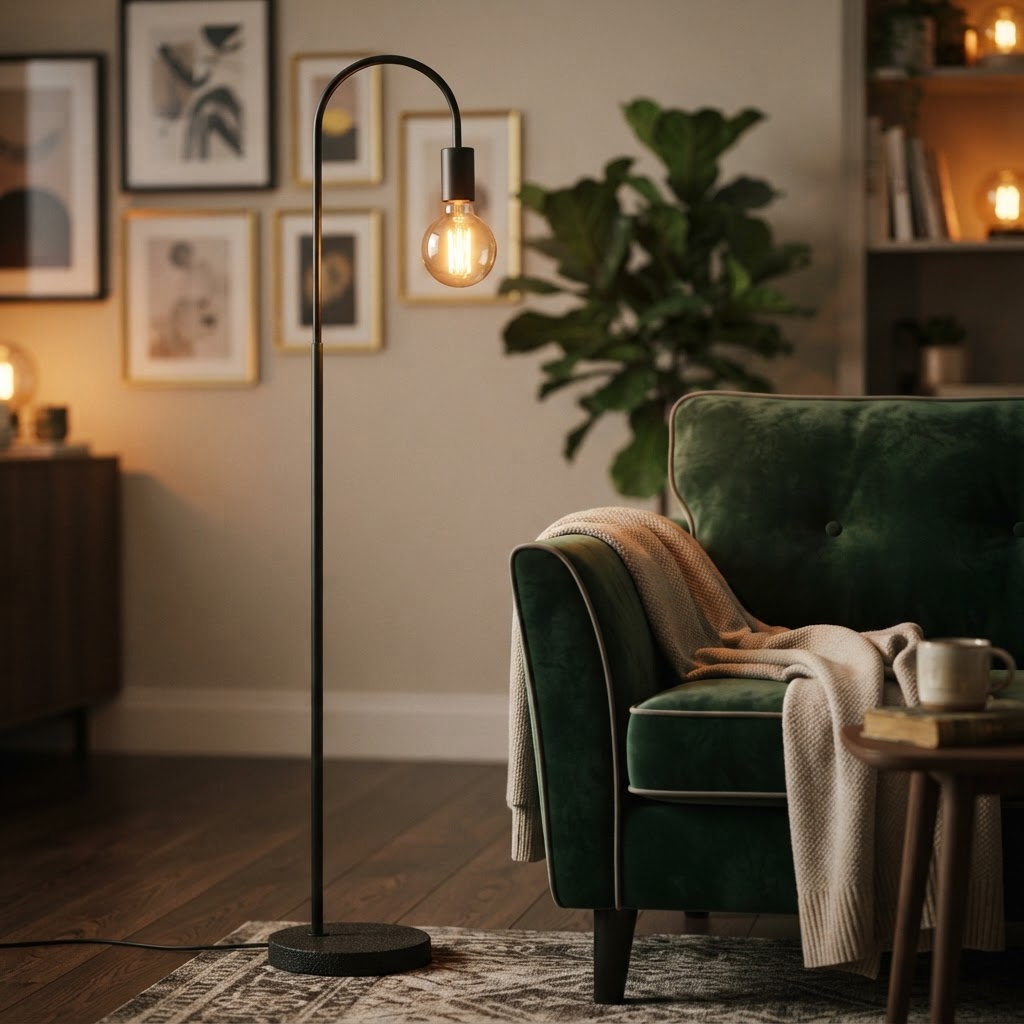
Matte black floor lamps provide a sleek, industrial touch to cozy reading corners.

Not all orb lamps are created equal, and finding the right one depends heavily on your existing decor. You should consider the material, the size, and the intensity of the light source. Glass orbs offer a sophisticated, translucent glow, while paper or fabric orbs provide a softer, more diffused light that is perfect for bedrooms or reading nooks.

When shopping, think about the scale of your space. A oversized floor-mounted orb can act as a sculptural centerpiece in a living room, while a smaller, desk-sized version fits perfectly on a side table or bookshelf. Ensure that the base of the lamp complements your current metallic accents or wood tones to maintain a cohesive look.

Trending Floor Lamp Ideas for Modern Living

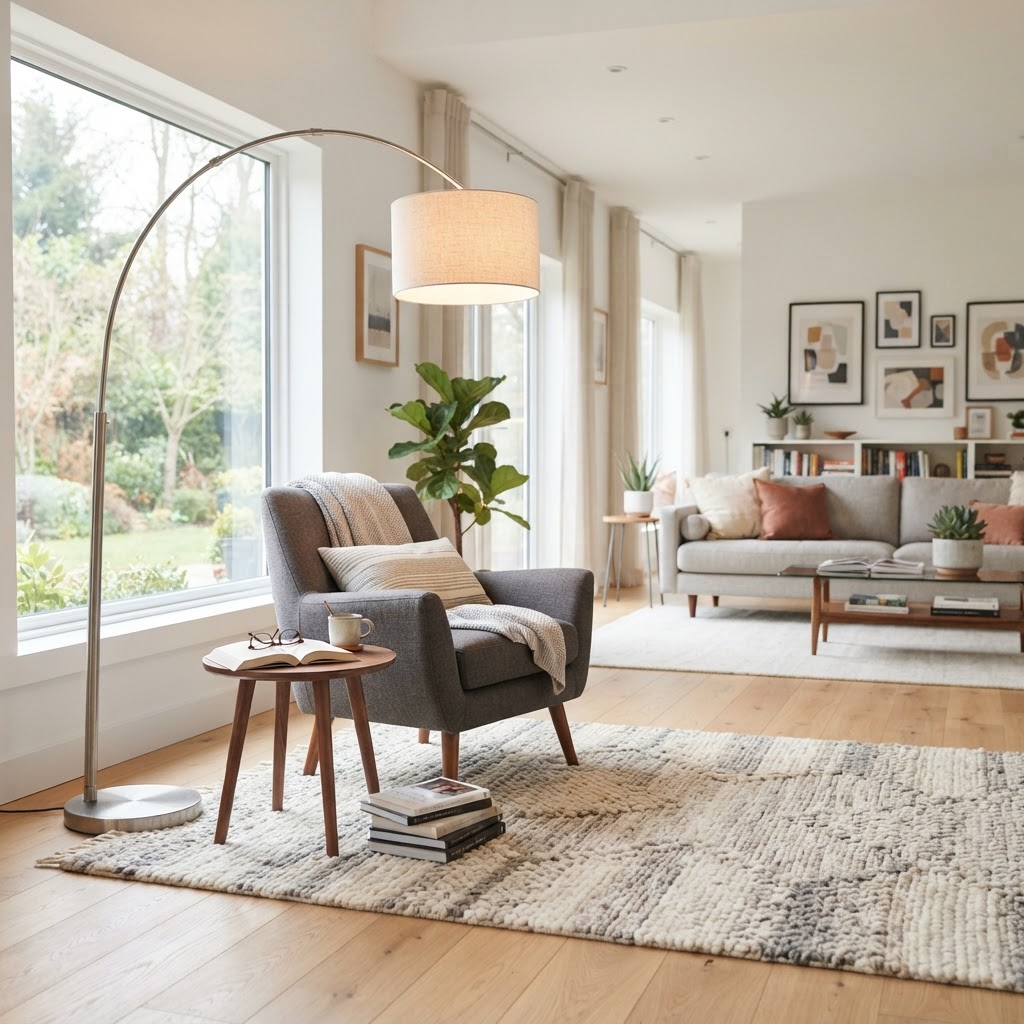
Arc floor lamps are the perfect balance of form and function for modern spaces.

Floor lamps are the workhorses of interior design because they are portable and require no installation. Modern floor lamp ideas today focus on a blend of industrial edge and organic softness. From tripod bases to arc designs, these lamps can serve as the focal point of an entire room if selected with care.

Consider the “arc” style for your seating area. An arc floor lamp hangs over your sofa, providing task lighting without the need for a table lamp. When paired with a warm, amber-tinted bulb, these lamps can mimic the cozy aesthetic of an orange orb lamp while offering better functionality for reading or focused work.

Material Trends in Floor Lighting

  1. Matte Black Metal: Perfect for high-contrast, industrial-modern spaces.
  2. Natural Wood: Adds an earthy, Scandinavian touch that pairs beautifully with warm bulbs.
  3. Brass or Gold Finishes: Creates a luxurious, high-end feel in more traditional or transitional rooms.
  4. Frosted Glass Shades: Essential for diffusing light and avoiding glare.

Balancing Function and Style in Small Spaces

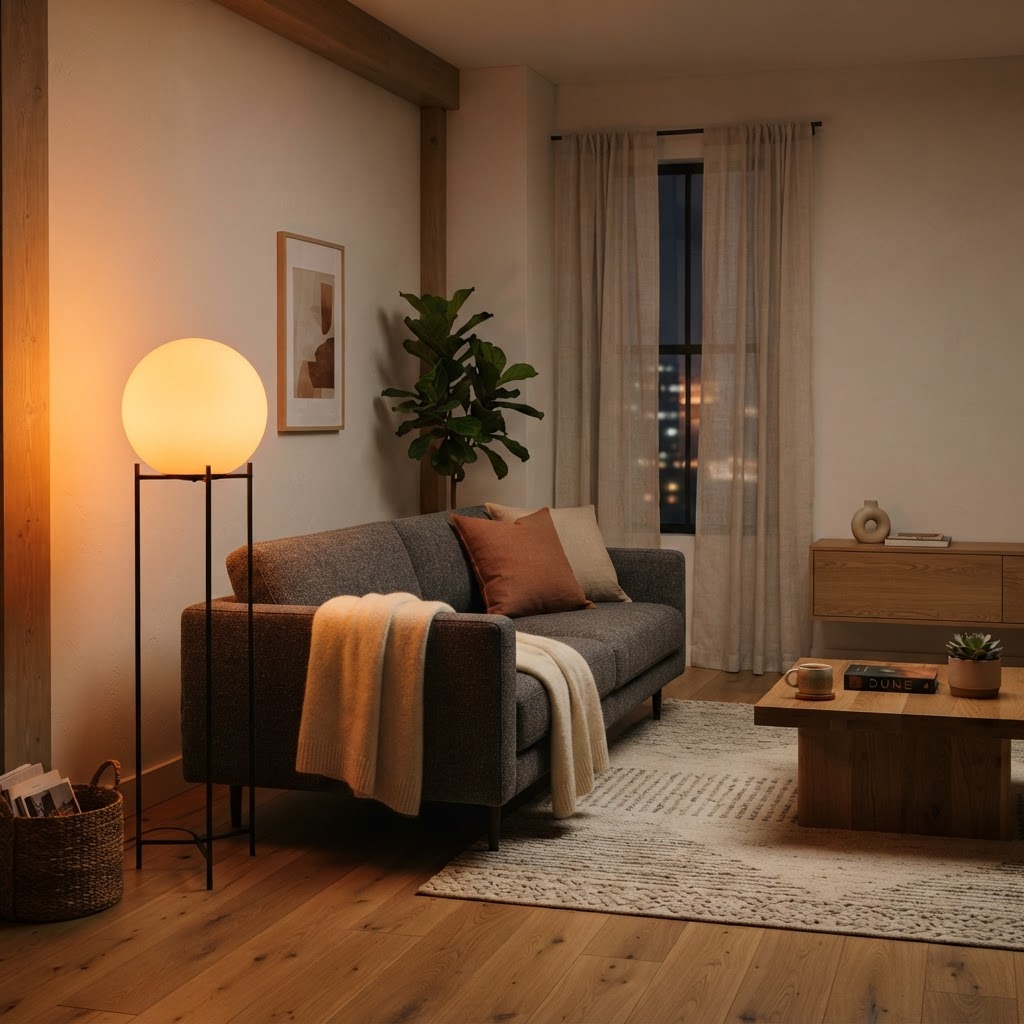
Soft lighting with orange hues creates a relaxing, sanctuary-like atmosphere.

One of the greatest challenges in small apartment living is achieving adequate lighting without cluttering the floor. This is where wall-mounted or adjustable floor lamps become invaluable. A slim-profile floor lamp can tuck behind a sectional, saving precious square footage while still providing the essential light needed for an evening of reading.

When working in a compact home, opt for lamps with adjustable necks or dimmable settings. Being able to change the intensity of your lighting allows you to transition your space from a bright, productive home office during the day to a soft, cozy retreat once the sun goes down. An orange orb lamp works particularly well here as it provides enough light to see without creating harsh shadows.

Integrating Lighting into Your Design Scheme

To truly integrate these pieces into your home, you must consider the layering of light. A well-designed room should feature three layers: general lighting, task lighting, and accent lighting. An orange orb lamp serves as a perfect piece of accent lighting, highlighting a specific corner or adding interest to a dead space in your living room.

If you have a reading corner, pair a floor lamp with a comfortable chair and a small side table. Add the orange orb lamp on the floor nearby or on the table itself to create a secondary layer of warmth. This combination makes the space feel curated and thoughtful rather than just a collection of furniture.

Tips for Strategic Placement

  • Place your lamps in corners to bounce light off two walls and maximize reach.
  • Avoid placing lamps directly in your line of sight when watching television.
  • Use smart bulbs to change the temperature of your light depending on the time of day.
  • Group items of different heights to create visual interest near your floor lamp.

Maintenance and Bulb Selection for Long-Term Comfort

Keeping your lighting setup fresh requires minimal maintenance, but bulb selection is paramount. For that signature cozy look, always aim for “warm white” bulbs, usually ranging between 2200K and 2700K. These lower Kelvin temperatures produce the exact hue that makes an orange orb lamp feel like a piece of living sunlight.

Dust your lampshades or glass orbs regularly. Dust can dull the light output and make the fixtures look aged. For fabric shades, a lint roller works wonders, while a microfiber cloth is sufficient for glass or metallic surfaces. Keeping your fixtures clean ensures that your lighting remains crisp and bright, regardless of the overall mood.

The Role of Lighting in Mindful Living

As we become more conscious of how our environments affect our mental well-being, lighting is moving to the forefront of wellness-focused design. Harsh, blue-tinted lights are known to interfere with our circadian rhythms, making it difficult to wind down at night. By consciously choosing softer, warmer lighting options like orange-hued globes or floor lamps with warm bulbs, you are essentially signaling to your brain that it is time to relax.

This is why the inclusion of an orange orb lamp is not just a trend—it is a functional step toward creating a home that supports your rest and recovery. When you walk into a room bathed in warm, gentle light, your shoulders drop, your breathing slows, and you can truly settle into the comfort of your home.

Conclusion

Lighting has the unique ability to transform a house into a home, and the right choices regarding your orange orb lamp and floor lamp setup can make all the difference. By layering your light, choosing the right color temperatures, and focusing on pieces that reflect your personal style, you can achieve a modern home that feels genuinely cozy. Don’t be afraid to experiment with placement or to mix and match different textures, such as wood and metal, to find the perfect balance for your space.

Are you ready to brighten your home with warmth and style? Start by swapping out one harsh overhead bulb for a warm ambient floor lamp, and notice the immediate shift in your living environment. Explore our collection of modern lighting solutions today and take the first step toward a more comfortable and inviting home.

How to Create a Cozy Reading Nook in a Small Apartment

How to Create a Cozy Reading Nook in a Small Apartment

To create a cozy reading nook in a small apartment, identify an underutilized corner and anchor it with a slim-profile chair, task lighting, and vertical storage. By prioritizing multi-functional furniture and using wall space for books, you can carve out a dedicated, distraction-free sanctuary without sacrificing square footage.

Finding the Perfect Spot in Your Home

A perfectly styled corner for daily reading.

Finding the perfect location requires looking for “dead space” that sits outside of your apartment’s high-traffic flow, such as the area behind a sofa or an unused hallway end. For an optimal experience, prioritize corners with proximity to a window; natural light increases productivity and mood by up to 30% during daylight hours. Even a minimal footprint of 9 to 12 square feet is sufficient if the surrounding area remains clutter-free. If your floor plan is open, use a bookshelf or a folding screen to create a visual “zone” that separates your reading space from the rest of the living area.

Assessing Your Floor Plan

Take a walk through your apartment and look at your floor plan with fresh eyes. Are there any awkward corners where a chair might fit perfectly? If you have a window, prioritize that area, as natural light is an incredible asset for reading during the day. Remember that your nook does not need to be a separate room; it just needs to be a distinct “zone” within your existing layout.

Once you have identified your spot, clear the clutter to get a sense of the actual dimensions. Even a tiny three-by-three foot space is sufficient if the surrounding area is tidy and inviting. If the space feels too open, consider using a decorative room divider or a strategically placed bookshelf to create a sense of enclosure and privacy.

Selecting Space-Saving Furniture

Using vertical wall space to house your favorite books.

In a small apartment, furniture must prioritize a slim physical profile while maintaining ergonomic support for extended reading sessions. When selecting a chair, compare options based on their footprint versus functionality to ensure they do not overwhelm the floor plan. A mid-century modern accent chair typically occupies 25% less width than a standard recliner, making it superior for constrained urban layouts.

Chair Type Footprint Efficiency Best Use Case
Slipper Chair High Tiny corners / Studios
Wingback Medium Larger nooks / Privacy
Floor Cushion Maximum Creative / Non-permanent
Storage Ottoman Dual-purpose Books / Footrests

The Anatomy of a Perfect Chair

You want a chair that supports your posture for long reading sessions. A wingback chair can provide a sense of architectural structure and depth, while a plush armchair with an ottoman offers versatility. If you are extremely tight on space, a high-quality floor cushion paired with a pile of soft pillows can be a surprisingly chic and comfortable alternative to a traditional bulky seat.

Consider multi-functional furniture, such as a storage ottoman that can hold your current book pile while also acting as a footrest. Every inch counts in small apartment decor, so choosing pieces that double as storage is a smart way to keep your environment organized and clutter-free.

Mastering Lighting for Your Nook

A simple yet effective floor-based reading sanctuary.

Mastering layered lighting prevents eye strain and transforms your reading corner into a professional-grade environment. Experts recommend using a combination of 2700K (warm white) bulbs for relaxation and 4000K (cool white) bulbs for intense focus. By utilizing wall-mounted swing-arm lamps, you can reclaim floor space that would otherwise be occupied by bulky lamp bases, effectively increasing your usable surface area.

Start with ambient light, such as a dimmable floor lamp, to establish the overall mood. Then, add a dedicated task light, like a sleek wall-mounted swing arm lamp or a table lamp on a side table. Wall-mounted lights are particularly effective in tight quarters because they free up precious floor and table space.

Ambient vs. Task Lighting

Try to mimic natural light for daytime reading while using warmer, softer bulbs for your evening sessions. LED bulbs with adjustable color temperatures are a fantastic investment, as they allow you to shift from cool white for focus to a soft warm yellow for relaxation. Do not underestimate the power of a dimmable switch, as it allows you to change the entire atmosphere of your reading corner with just a flick of the dial.

Adding Personality and Comfort

Transforming dead space into a functional reading nook.

Textiles serve as the primary tool for sound dampening and aesthetic warmth in a small reading nook. Incorporating a rug underneath your chair setup defines the space boundaries while adding a layer of comfort; rugs measuring 3×5 feet are ideal for most standard nooks. Adding textured pillows not only enhances visual depth but also allows you to introduce color palettes—such as light neutrals to enlarge small spaces or jewel tones for a cozy “library” effect—without requiring expensive structural changes.

Consider adding a small, soft area rug to define the space. This is a great way to ground your nook and provide a warm surface for your feet. Even in a small space, textiles help absorb sound, making the nook feel quieter and more isolated from the rest of the apartment. Use your color palette to reflect your personal style; soft neutrals can make a small corner feel airy, while deep jewel tones can create a sophisticated, “library-like” atmosphere.

Organizing Your Books in Style

Vertical storage is the most effective method for managing book collections in small apartments, as it utilizes upward wall space rather than floor space. By installing floating shelves at varying heights, you can store upwards of 50 books in just 2 square feet of wall area. Grouping books by color or genre not only improves searchability but also turns your library into a curated design element that enhances the aesthetic of your nook.

Vertical Storage Solutions

Floating shelves are an excellent choice for a tiny home library. They can be installed at different heights to create a dynamic visual display, and they keep your books off the floor. If you prefer a more traditional look, a tall, narrow ladder shelf can lean against the wall, providing multiple levels of storage without feeling like a heavy piece of furniture.

Remember to keep your current reading list organized so that you are not constantly moving piles of books around. A small basket or a magazine rack can keep your “to-read” list tidy, ensuring that your nook stays functional as well as beautiful. Try to group books by color or genre to add an extra layer of design intentionality to your setup.

Personal Touches and Accessories

Personal touches should serve dual functions to maintain a tidy, uncluttered environment. A “C”-shaped side table is essential, as its base slides under your chair, occupying virtually zero additional floor space while providing a stable surface for beverages. Adding a low-light indoor plant, such as a Snake Plant (Sansevieria), improves air quality and adds organic life to the space without requiring intensive maintenance or direct sunlight.

Common Pitfalls to Avoid

Avoiding common design traps ensures your reading nook remains a place of serenity rather than a source of stress. The most prevalent mistake is purchasing oversized furniture; a chair that blocks a walkway or creates “visual friction” will make a small apartment feel claustrophobic. Always utilize cable management solutions, such as wall-mounted clips or adhesive channels, to hide lamp cords, as exposed wires are the primary cause of “clutter fatigue” in limited square footage.

FAQ

How much space do I need for a reading nook?

You need a minimum of 9 to 12 square feet to comfortably accommodate a chair, side table, and floor lamp. Even a corner measuring 3×3 feet can be optimized for a reading nook if you utilize vertical wall storage and slim-profile furniture.

What is the best chair for a small apartment?

The best chairs for small apartments are slipper chairs, mid-century modern accent chairs, or folding lounge chairs. These options offer a narrow profile while maintaining back support, allowing you to maximize seating comfort without encroaching on your limited square footage.

How can I make my reading nook feel bigger?

You can make a reading nook feel larger by using light, neutral-toned textiles and a wall-mounted light source to clear surface space. Incorporating a floor mirror or high-hanging curtains can also draw the eye upward, creating the illusion of more height and volume.

Should I prioritize task lighting or ambient lighting?

You should prioritize task lighting for reading to prevent eye strain, but use ambient lighting to establish a cozy atmosphere. A dimmable, wall-mounted swing-arm lamp is the ideal solution because it provides adjustable task focus while freeing up your table and floor area.

How do I store books without a heavy bookshelf?

Use floating wall shelves or a leaning ladder shelf to store books vertically, which keeps your floor area clear. These options provide ample storage for small collections while acting as wall art, preventing the heavy, crowded feeling that traditional floor-based bookcases often create.

10 Small Bedroom Ideas for Couples: Style Meets Function

10 Small Bedroom Ideas for Couples: Style Meets Function

To optimize a small bedroom for two, prioritize multi-functional furniture like under-bed storage, use vertical wall space for shelving, and implement a 24-inch clearance rule around the bed. These strategic design choices transform compact square footage into an organized, functional sanctuary that accommodates both partners without compromising on aesthetic appeal.

Rethinking Your Layout for Maximum Flow

Maximize your limited floor space by choosing a bed frame that offers built-in storage underneath.

When working with limited square footage, the orientation of your furniture is the most critical factor for functionality. Most couples default to pushing the bed against a wall to save space, but this limits accessibility for one partner; instead, center the bed on the primary wall to create visual symmetry and allow for distinct entry points. This “floating” layout prevents the room from feeling lopsided and improves the flow of movement throughout the day.

The Importance of Clearance

Aim to keep at least 24 to 30 inches of walking space around the sides of the bed to ensure comfortable traffic patterns. If your room is too narrow for this, consider a floating shelf or a slim wall-mounted ledge (typically 8-10 inches deep) instead of a traditional bulky nightstand. These clever pieces provide a dedicated surface for your phone, a glass of water, and a book without consuming valuable floor space. For an even more professional look, use wall-mounted sconces above these shelves to eliminate the need for table lamps altogether.

Feature Traditional Nightstand Floating Wall Ledge
Floor Space Impact High (Heavy footprint) Zero (Wall-mounted)
Ease of Cleaning Low (Requires moving) High (Clear floor access)
Customization Limited to fixed sizes Fully adjustable height

Vertical Storage Solutions for Shared Spaces

Vertical shelving units can draw the eye upward, making your small bedroom feel significantly more spacious.

Floor space is precious, so your walls are your best friend for maximizing storage capacity. Small bedroom ideas for couples often center on the concept of verticality; by drawing the eye upward, you make the ceiling feel higher and the room feel significantly larger. Install floor-to-ceiling shelving units or high wall-mounted cabinets to house items that do not need to be accessed daily, such as off-season clothing or extra linens.

Consider utilizing the “dead space” above your headboard. A custom built-in unit or a series of matching wall shelves can act as a bridge across the bed, providing ample storage for seasonal items or decorative elements. By installing shelves at least 30 inches above the mattress, you ensure there is no risk of bumping your head while sitting up. This keeps the clutter off the floor while framing the bed as the central focal point of the design, effectively using the wall as both a storage asset and a decorative backdrop.

Multi-Functional Furniture Is a Must

Floating bedside shelves save valuable floor area while keeping essentials within easy reach for both partners.

In a small bedroom, every piece of furniture must earn its keep by serving at least two purposes. A bed frame with built-in drawers underneath is a game-changer for couples who lack closet space, often providing 15-20 cubic feet of additional storage. This hidden storage is perfect for storing bulky bedding, seasonal clothes, or shoes, keeping the rest of the room feeling light and airy.

Choosing the Right Pieces

Look for ottomans with internal storage or benches that fit perfectly at the foot of the bed. These provide a place to sit while getting dressed and offer extra room to tuck away blankets or decorative pillows. If you have a small corner, a tiny writing desk can double as a nightstand, providing a dedicated spot for remote work during the day. Ensure your multi-functional pieces have rounded edges if the walking paths are tight to prevent bruising. When selecting these items, opt for pieces with legs that expose the floor, which creates an illusion of more space compared to solid-to-the-floor furniture.

Color Palettes That Expand the Space

Light colors are the oldest trick in the book for making a room look bigger, but that does not mean you are confined to plain white. You can create a sophisticated atmosphere using soft grays, warm creams, or muted earthy tones, which reflect natural light more effectively than dark pigments. These colors help the bedroom feel open and serene rather than cramped.

If you prefer a moodier look, do not be afraid of darker colors, but use them strategically. An accent wall in a deep navy or forest green can add depth and a sense of luxury, but it should be placed behind the headboard. When paired with light-colored bedding and large mirrors, a dark wall can actually make the space feel deeper, adding a surprising amount of dimension. For the best result, choose a matte paint finish; it absorbs light and hides surface imperfections on drywall, which is helpful in smaller, more intimate spaces.

Lighting Strategies for Two

Lighting is one of the most overlooked aspects of small bedroom interior design because it dictates the perceived size of the area. Harsh overhead lighting can make a small room feel boxed in and uncomfortable; instead, opt for multiple layers of soft, warm lighting (aim for 2700K to 3000K bulb temperature). Wall-mounted sconces are perfect for couples because they save space on your nightstand while providing focused task lighting for reading.

Install dimmer switches—which usually cost less than $20—to allow for complete control over the room’s mood. Being able to lower the light levels before sleep helps create a restful environment. Add a small floor lamp in a corner or under-cabinet LED strips if you have built-in storage to ensure the room feels well-lit and accessible at any time. Layering lighting ensures that the room feels “larger” because it illuminates all four corners, rather than just the center of the ceiling.

Maintaining Order and Decluttering

Clutter is the enemy of small rooms. For couples, the mess can multiply quickly because there are two sets of belongings fighting for space. Regular decluttering sessions are essential to keeping your sanctuary functional. Be ruthless about keeping only what you need and love; if an item hasn’t been used in a year, it likely does not belong in your bedroom.

Organization Habits for Couples

Implement a “one-in, one-out” rule to keep your closet space from overflowing. Use matching hangers to create a uniform, boutique look that makes the closet feel organized even when it is full. Clear bins or labeled boxes inside closets or under the bed can prevent smaller items from turning into a scattered mess. Keep a “donation bin” in the bottom of your closet for items you no longer use; when it is full, it is time to drop it off at a charity center.

Item Storage Strategy Efficiency Rating
Books Wall-mounted floating shelves Excellent
Shoes Under-bed rolling drawers High
Jewelry Wall-mounted hooks High
Extra Pillows Vacuum-sealed bags in ottoman Maximum

Mirrors as a Design Tool

Adding a large mirror is perhaps the most effective of all small bedroom ideas for couples to double the visual volume of a room. By reflecting light and the opposite side of the room, mirrors create the optical illusion of double the space. A large floor-length mirror (at least 60 inches tall) leaning against a wall adds a touch of elegance while making the room feel twice as large.

If you have a small closet, consider installing mirror panels on the doors. This not only makes the room look bigger but also serves a practical purpose as you get ready in the morning. Even smaller mirrors arranged in a gallery style can help bounce light around the room, making it feel less claustrophobic and more inviting. For best results, place the mirror perpendicular to a window; this allows the natural light to be reflected across the room’s entire length.

FAQ

What is the best way to make a small bedroom for a couple feel bigger?

To make a small bedroom feel larger, use mirrors to bounce light and choose furniture with exposed legs to maintain visible floor space. Keeping the floor clear and utilizing vertical wall storage for books and accessories helps remove visual clutter that makes a room feel tight.

How much space should be between the bed and the wall?

Ideally, you should maintain at least 24 to 30 inches of walking clearance around the sides of the bed. If your room is too small for this, consider wall-mounted bedside shelves instead of floor-standing nightstands to maximize your available traffic area.

Should I use dark colors in a small bedroom?

Yes, you can use dark colors in a small bedroom if you apply them strategically, such as on an accent wall behind the headboard. Dark colors can make walls appear to recede, adding depth, provided you pair them with light-colored bedding and effective lighting.

How can couples share a small closet efficiently?

Couples should use matching slim hangers to maximize linear space and implement a “one-in, one-out” policy for clothing. Utilize vacuum-sealed bags for seasonal items under the bed to free up significant closet shelf space for everyday garments.