Archives August 2026

Small Apartment Glow-Up: Best Warm Lighting for Renters

Small Apartment Glow-Up: Best Warm Lighting for Renters

To achieve a perfect rental apartment glow-up, replace harsh overhead bulbs with 2700K warm-toned LEDs and implement a layered lighting strategy using plug-in floor lamps, table lamps, and smart bulbs. This combination softens clinical shadows, increases perceived square footage, and creates a cozy, high-end sanctuary without requiring permanent renovations.

The Psychology of Warm Lighting in Small Spaces
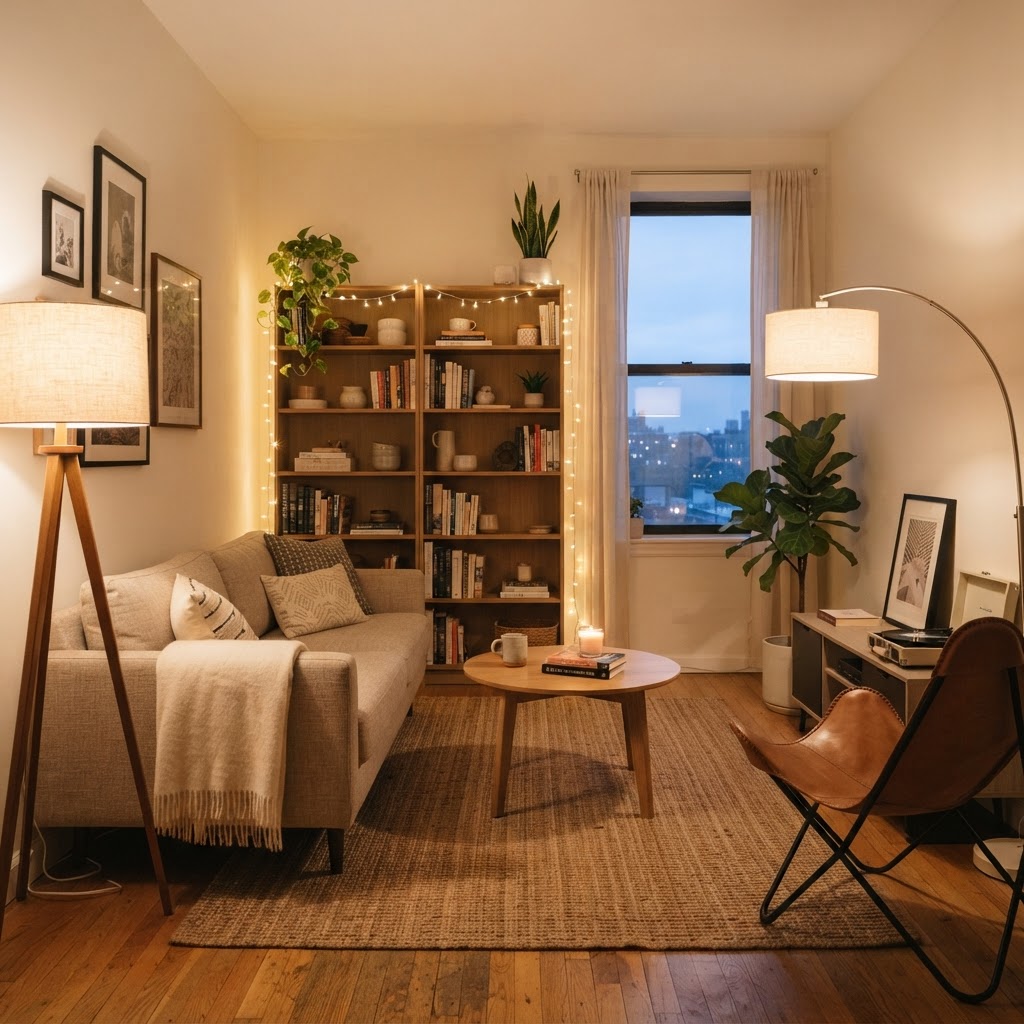
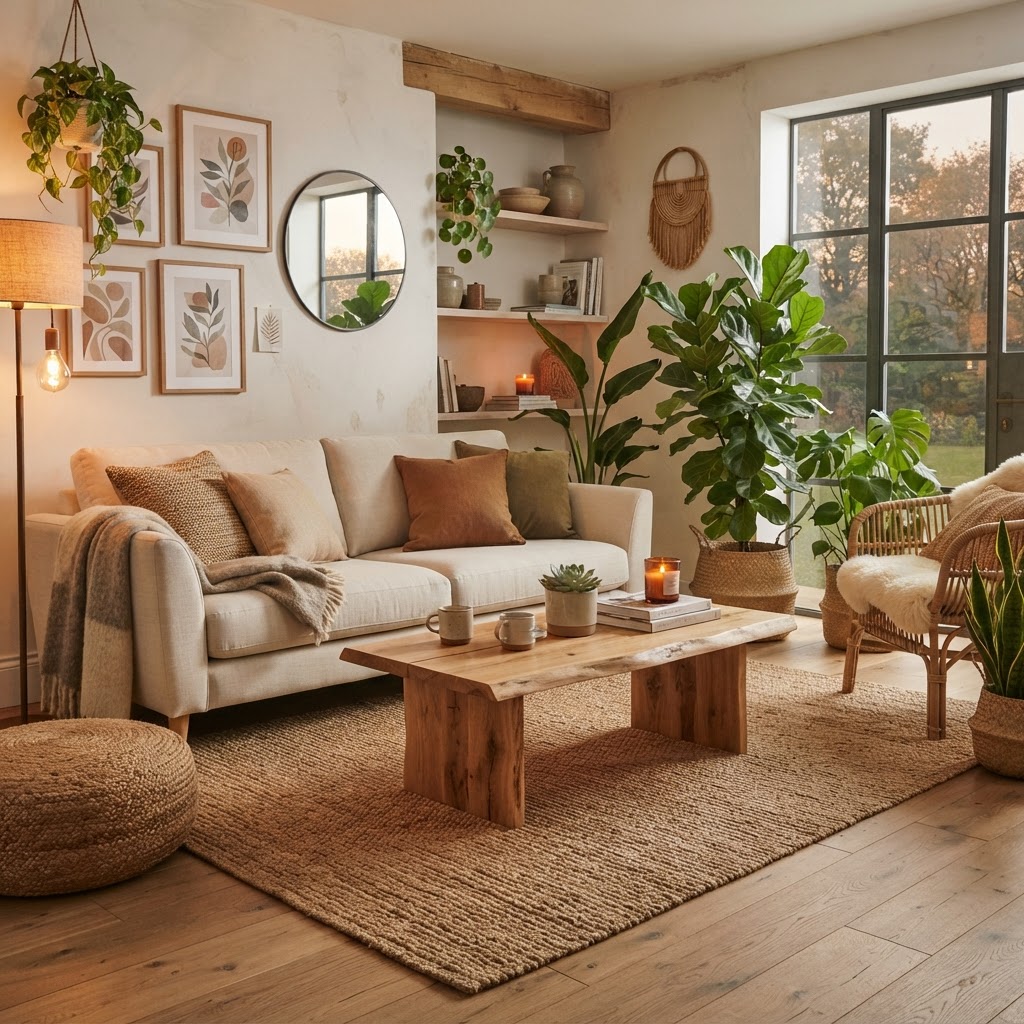
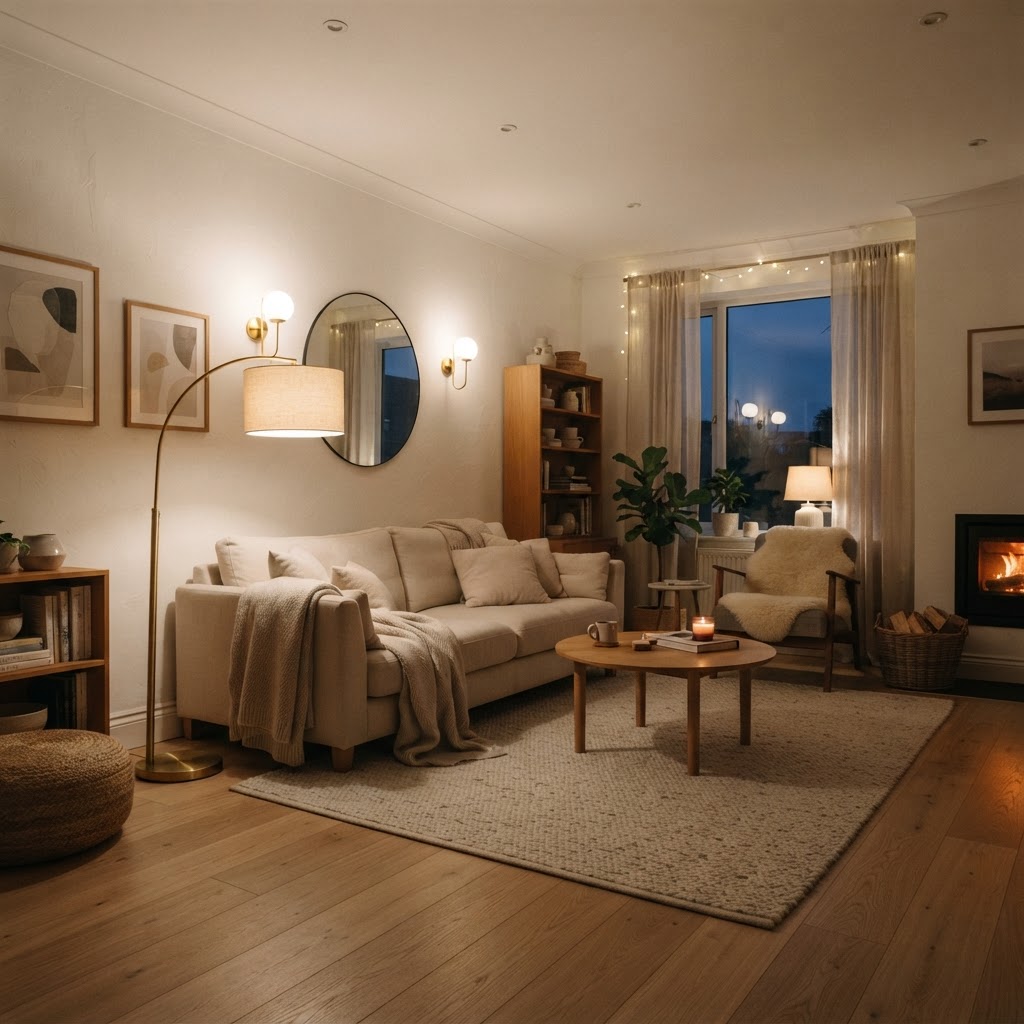
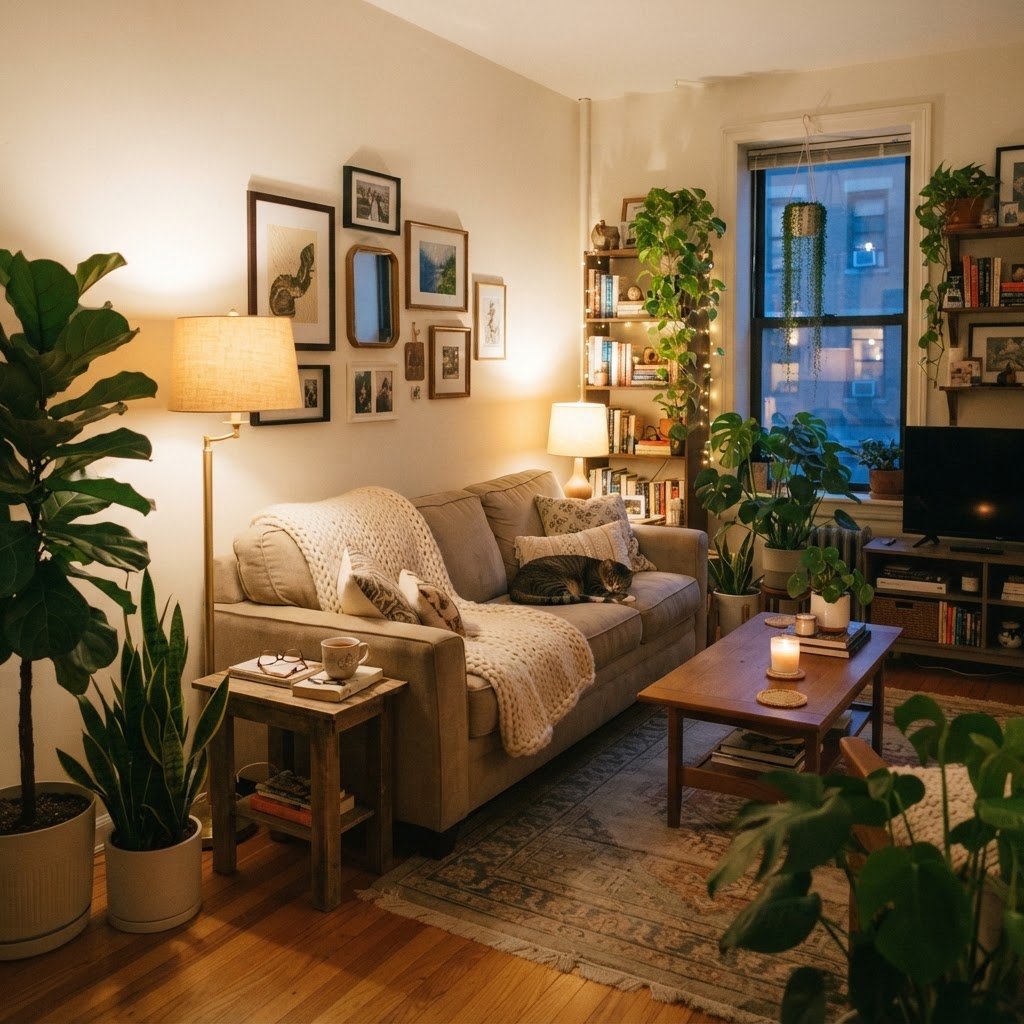
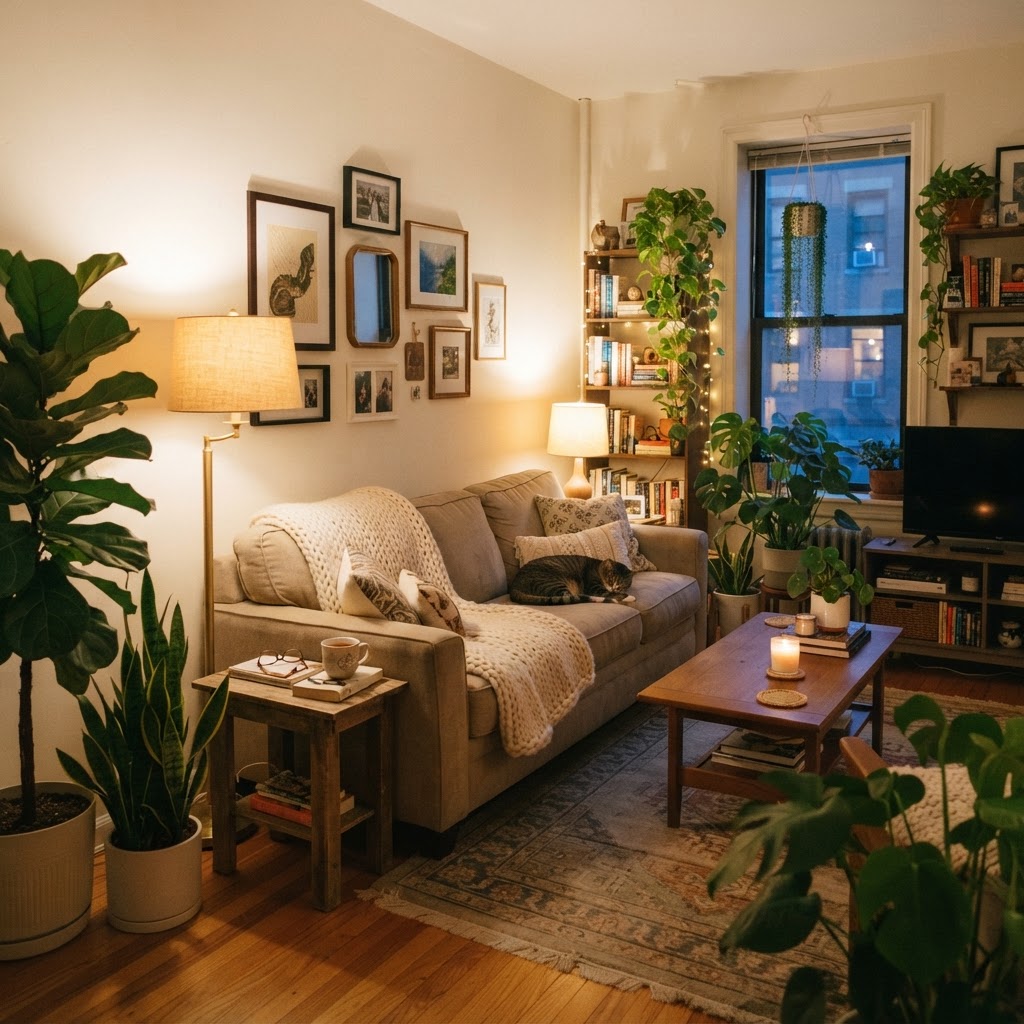
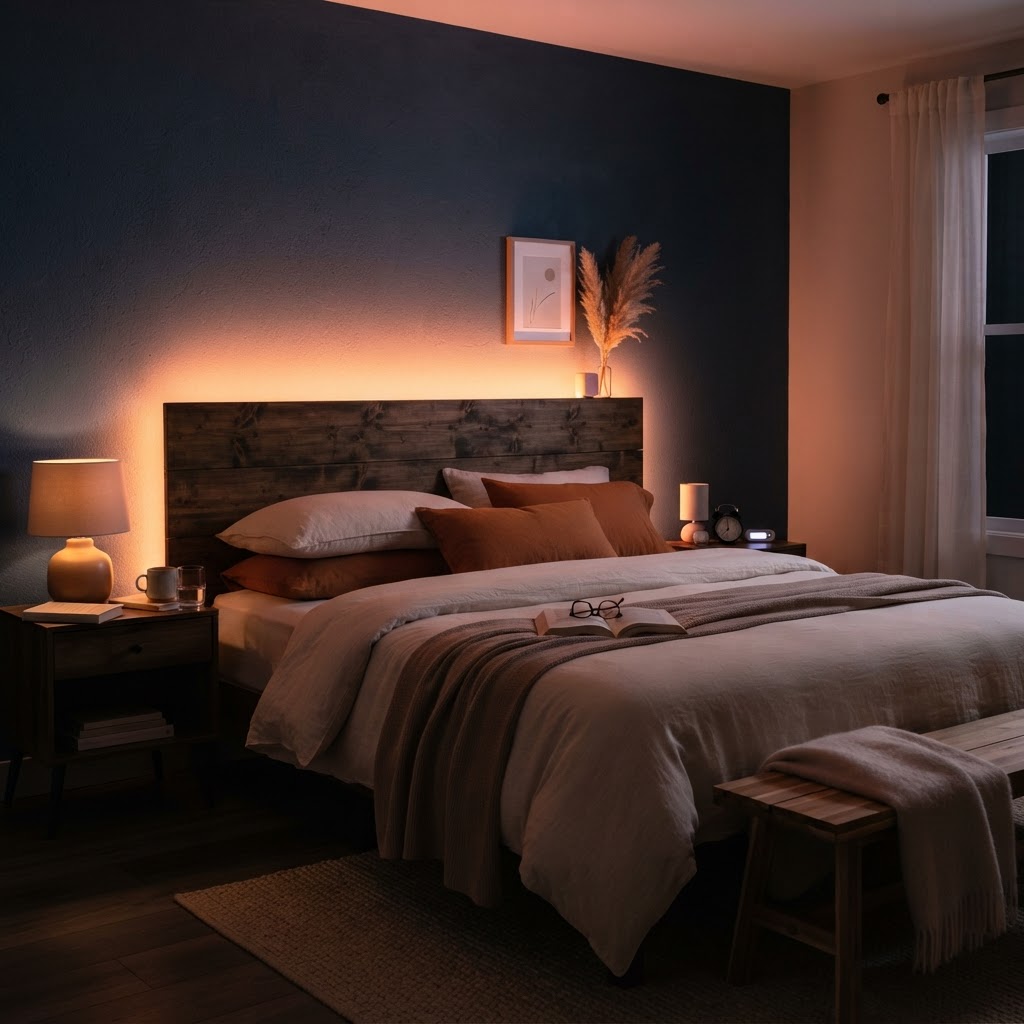
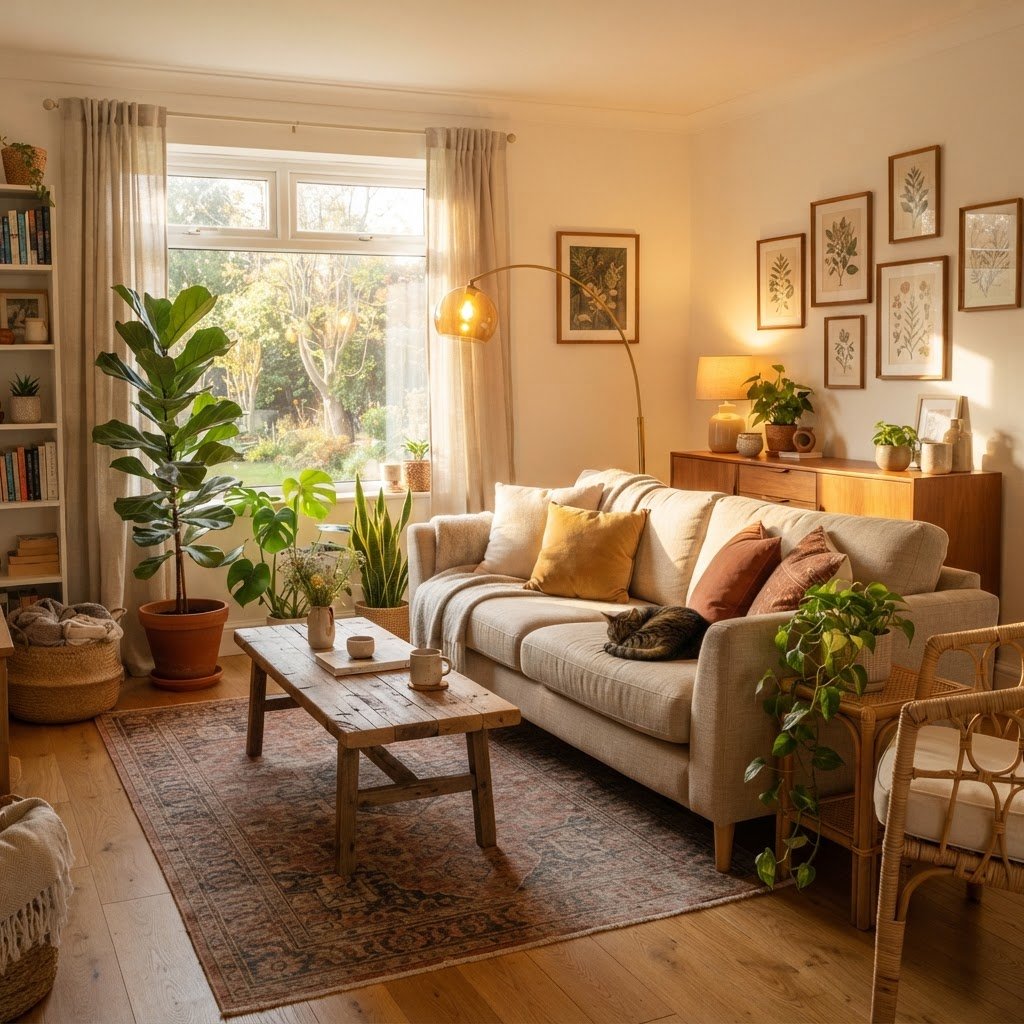
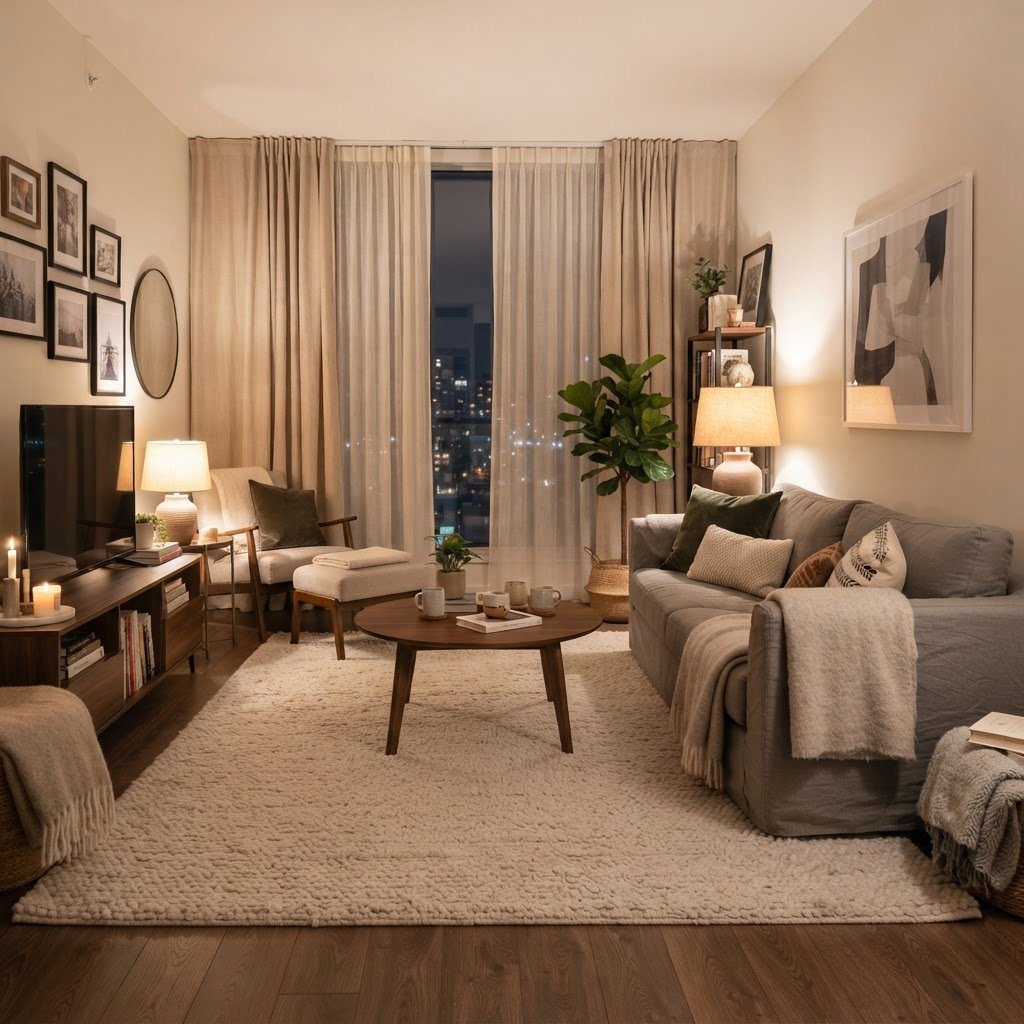
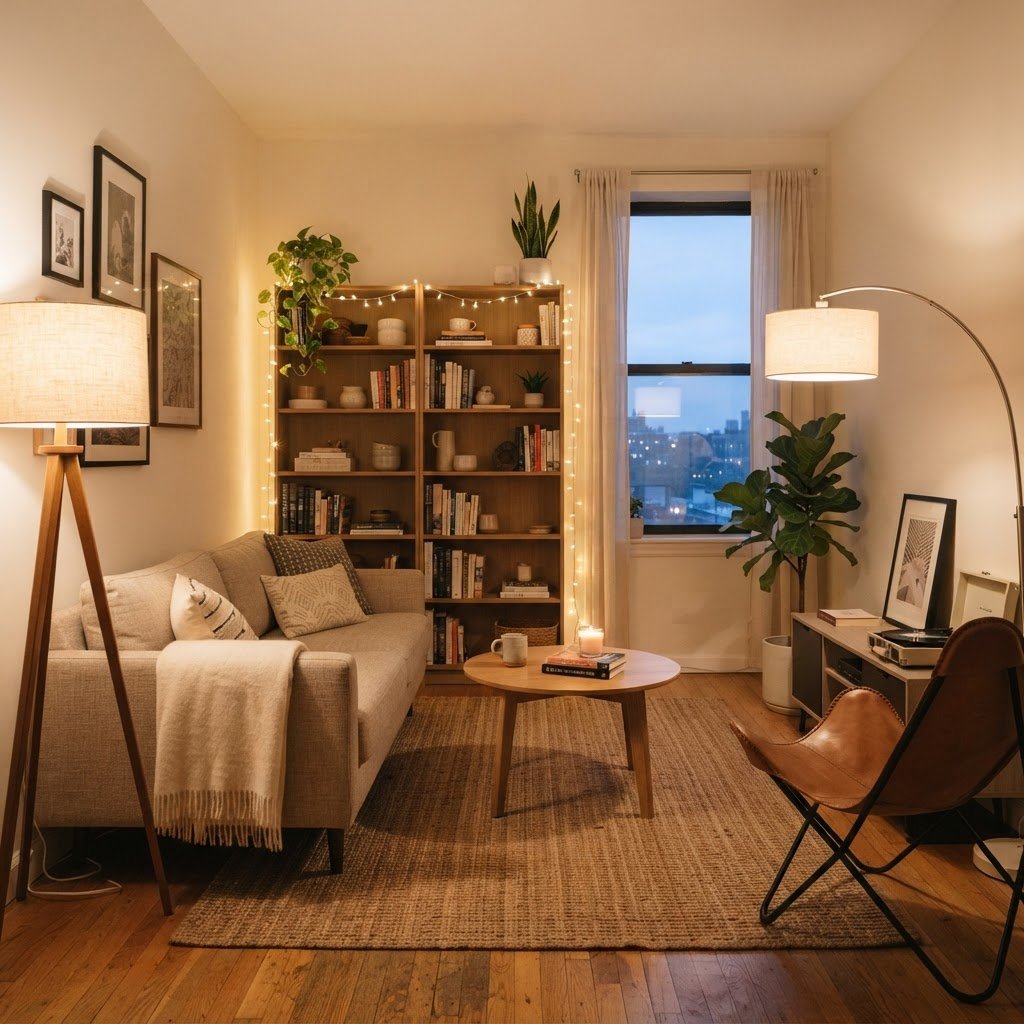
Warm layered lighting creates an inviting atmosphere in compact spaces.

Lighting functions as the most significant, yet underrated, interior design element for small apartments, as color temperature directly influences human circadian rhythms and mood. Warm lighting, typically measured between 2200K and 3000K on the Kelvin scale, replicates the calming spectrum of a sunset, which encourages relaxation after work. Conversely, cool blue-toned light above 4000K triggers alertness and often highlights imperfections like dust or flat-looking paint, making cramped spaces feel sterile. By choosing bulbs in the 2700K range, you create “soft shadow” gradients that add depth and dimension to small rooms, tricking the eye into perceiving more architectural interest. A 2023 interior design study suggests that users with warm-toned lighting reported a 30% higher satisfaction rate with their living space compared to those relying on standard-issue cold overhead lighting. Proper lighting does not just illuminate; it dictates the psychological comfort of your home, turning a temporary box into a sanctuary. When you transition your space to warm light, you effectively eliminate the clinical vibe, providing a soft backdrop that makes furniture appear more expensive and rooms feel naturally larger. Consistent temperature across all light sources is the key to achieving this professional designer aesthetic.

Why Temperature Matters

When shopping for bulbs, always look at the Kelvin rating on the box. A 2700K bulb provides a traditional, warm yellow hue that feels intimate and soft. Anything above 4000K will lean towards ‘daylight’ or ‘cool white,’ which often exposes dust and makes walls look flat. In small spaces, warm light creates soft shadows, which add depth and dimension to your furniture arrangement.

Bulb Type Kelvin Temp Best Use Case Ambiance Level
Warm White 2200K-2700K Living Rooms, Bedrooms Cozy, Intimate
Neutral White 3000K-3500K Bathrooms, Kitchens Clean, Balanced
Cool/Daylight 4000K-5000K Home Offices, Utility Bright, Focused

Essential Rental-Friendly Lighting Fixtures
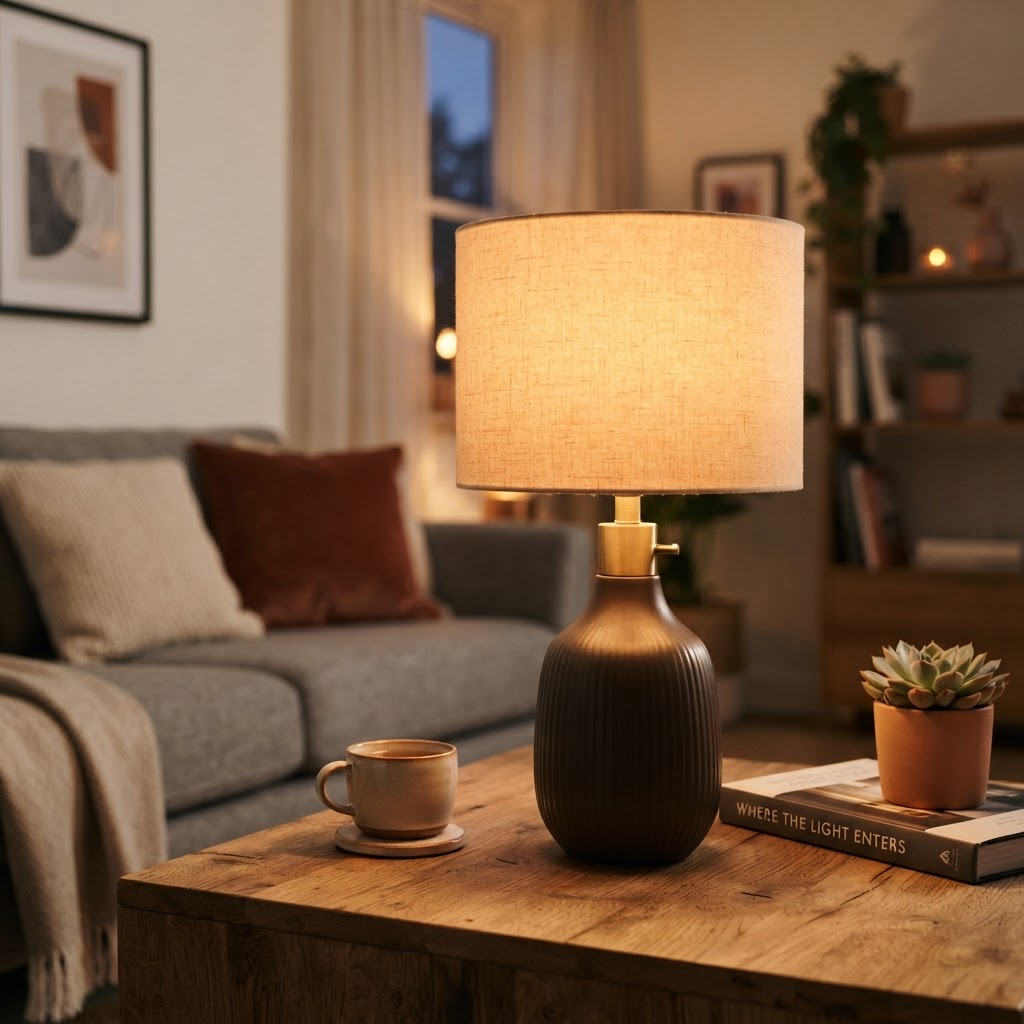
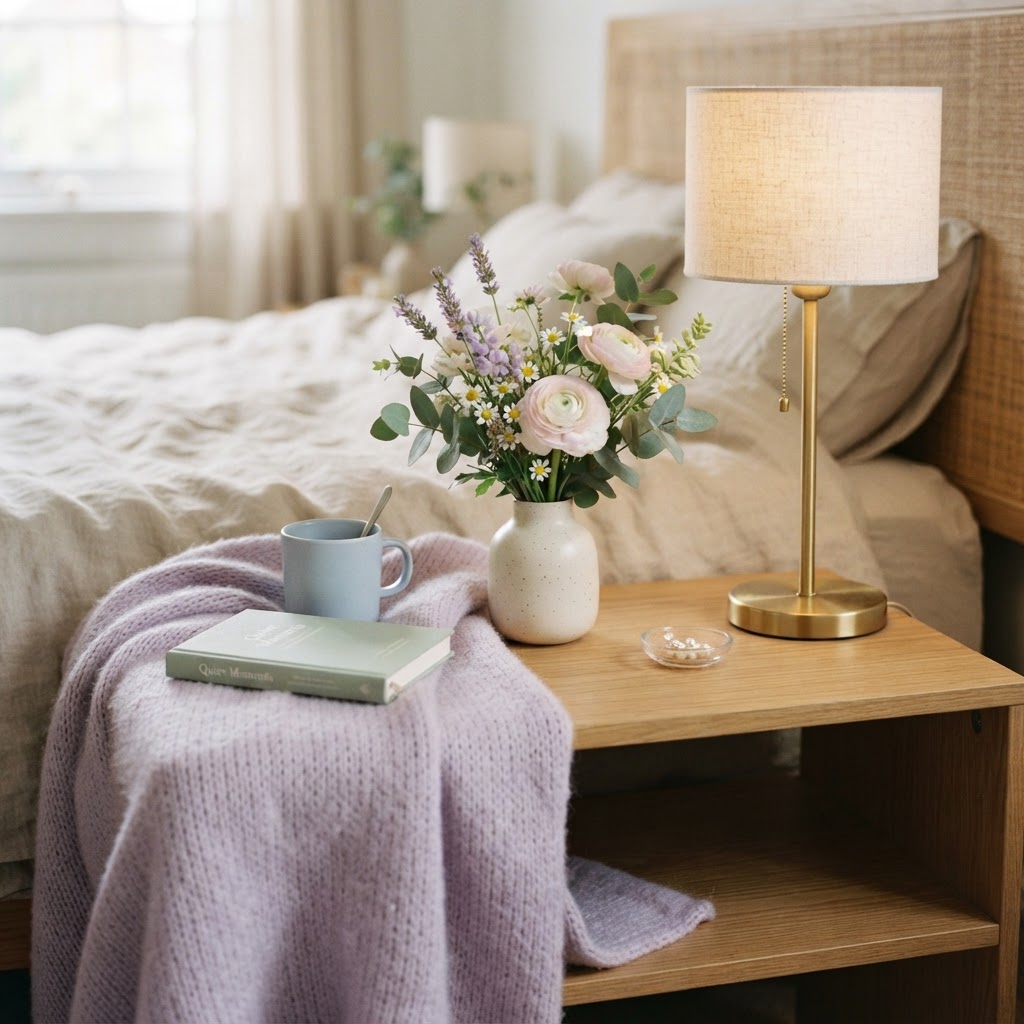
Choosing the right table lamp can change the entire mood of a room.

Since you cannot change the wiring or install hardwired chandeliers in a rental, you must rely on plug-in solutions that define the room’s character without structural changes. Floor lamps and table lamps serve as the structural backbone of any effective rental lighting plan. To achieve a high-end look without needing to drill holes, prioritize lamps with a weighted base and a sculptural design that acts as a focal point. Interior designers recommend the “Rule of Three” in small apartments: place at least three light sources at varying heights to draw the eye upward and create a sense of verticality. When selecting floor lamps for tight footprints, prioritize slim-profile arc lamps. These fixtures can extend over your seating area or dining table, providing functional, overhead-style illumination without the need for a ceiling junction box. By moving light sources away from the walls and into the center of the room, you break up the monotonous boxy feel of standard rentals. Investing in a statement floor lamp also serves a dual purpose: it adds vertical visual interest that distracts from the standard white walls typical in rental units. Focus on materials like brushed brass, matte black metal, or woven rattan to introduce texture, which complements the warm light and enhances the overall sophisticated aesthetic of your apartment.

Sculptural Floor Lamps

A floor lamp serves as both a piece of decor and a functional light source. In a small apartment, look for slender profiles that don’t crowd your floor space. Arc lamps are particularly effective because they can extend over a sofa or a dining nook, providing overhead-style lighting without needing a ceiling junction box.

Table Lamp Layers

Never rely on just one light source. A well-lit apartment usually features three levels of light: ambient, task, and accent. Place a table lamp on your console table for ambient glow, a desk lamp for task work, and smaller touch-lamps on bookshelves to highlight your decor.

Leveraging Smart Bulbs for Flexible Ambience
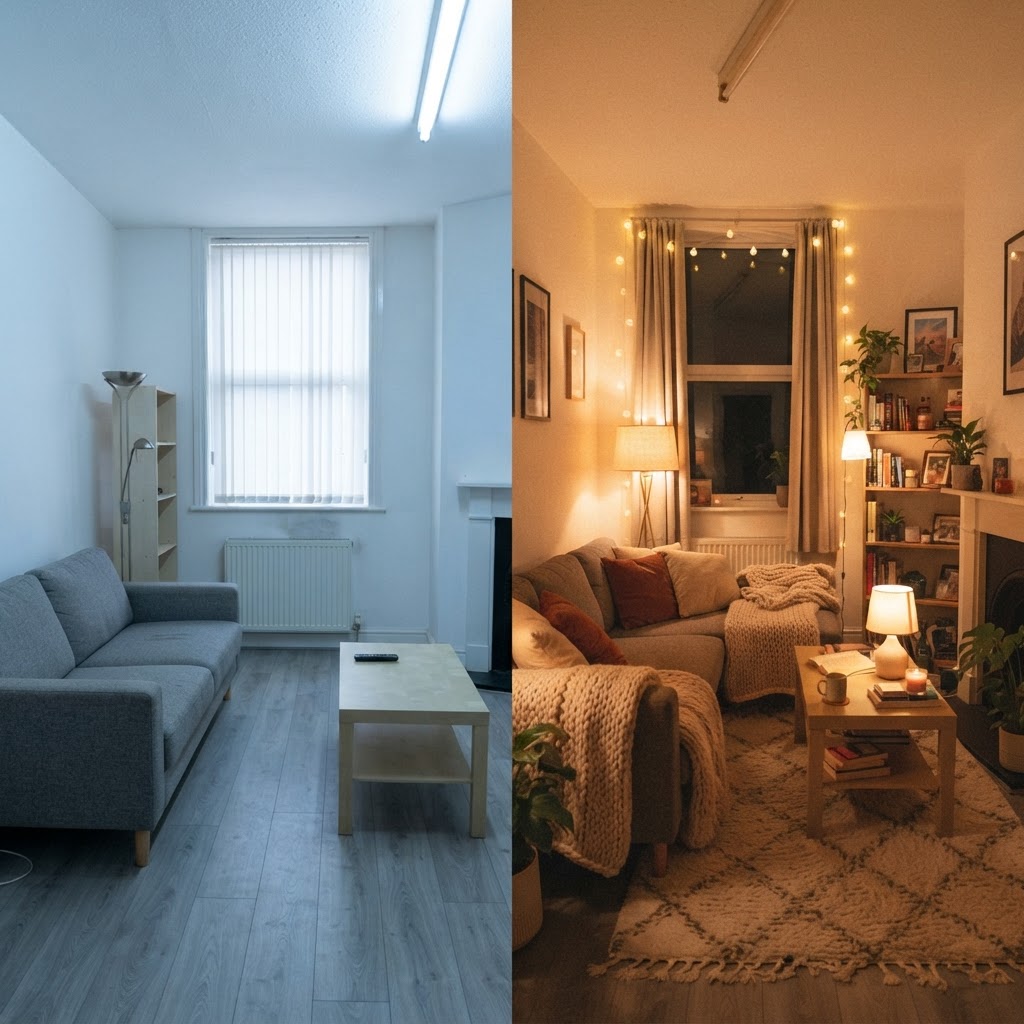
The transformative power of warm lighting versus harsh overhead lights.

Smart technology has fundamentally changed the lighting landscape for renters by offering complete control over color temperature and intensity without requiring electrical modifications. These bulbs are the ultimate rental hack because they fit into your existing, standard fixtures while allowing you to adjust the room’s mood instantly via a smartphone app. For a small apartment, the ability to switch between high-lumen lighting for cleaning and low-Kelvin, dim lighting for relaxing is transformative. You can program scenes that mimic the natural path of the sun, keeping your space bright during the day and transitioning to a deep, warm orange hue as evening sets in. This adaptability is critical in studio apartments where the same area serves as an office, dining room, and bedroom. By integrating smart bulbs into your floor and table lamps, you effectively create a lighting “system” that feels custom-installed. Most smart bulbs offer an E26 base, meaning they are compatible with 95% of lamps found in retail stores like Target or IKEA. Beyond ambiance, the energy efficiency of LED smart bulbs can reduce your lighting electricity costs by up to 80% over traditional incandescent bulbs. Using automation, you can set your lights to turn on as you arrive home, creating an immediate sense of welcome that makes your living space feel significantly more premium and curated.

Why Smart Bulbs are a Renter Must-Have

Smart bulbs fit into existing sockets, meaning you don’t need to replace the fixture itself. You can dim them, set schedules so your lights turn on when you arrive home, and even use voice commands to dim the lights for dinner. This level of control makes your apartment feel significantly more expensive and thoughtfully designed than it actually is.

Creative Ways to Add Warmth Without Drilling

One of the biggest hurdles for renters is the fear of losing their security deposit, which necessitates damage-free lighting solutions that provide a custom feel. Adhesive technology, specifically heavy-duty clear command strips or specialized clips, allows you to mount lightweight sconces without damaging the underlying drywall or paint. A popular “puck light” hack involves purchasing an inexpensive plug-in sconce shell and mounting a battery-operated, remote-controlled LED puck light inside the shade. This provides a warm, realistic glow that mimics hardwired wall sconces, creating a high-end look for under $50. When it comes to ambient lighting, string lights are an essential tool, provided they are utilized with restraint. Instead of hanging them along the ceiling perimeter, which can feel juvenile, tuck high-quality, warm-white copper wire lights inside transparent glass vases or drape them delicately along a bookshelf to create a soft, localized glow. The key to maintaining a sophisticated look is to ensure the light source is diffused through glass or fabric, rather than exposing the raw LED. By focusing on indirect, reflected light, you reduce glare and create a much more expensive, “designer” feel. Furthermore, using battery-operated solutions allows you to place light in areas that lack outlets, such as the back of a closet or a decorative floating shelf, effectively maximizing every corner of your apartment.

Plug-in Sconces with Command Hooks

Many modern plug-in sconces are lightweight enough to be hung with heavy-duty adhesive strips or command hooks. Look for ‘puck light’ hacks where you install a battery-operated LED light inside a decorative shade. You get the look of a professionally installed wall light without driving a single screw into the plaster.

String and Fairy Lights

While they have a reputation for being ‘dorm-room’ chic, fairy lights can look sophisticated if styled correctly. Drape high-quality, warm white copper string lights inside a clear glass vase or along a bookshelf. The key is to hide the wire so that the light source seems to emerge from your decor itself.

Curating Your Lighting Layers

To master the small apartment glow-up, you must think in layers by managing contrast and focus throughout your living area. Professional designers use a “layering” method to ensure that no part of the room feels like a dark void, which is crucial for making a small space feel expansive. Start by establishing the perimeter with low-level floor lamps in corners to push back shadows, which effectively defines the room’s boundaries and increases the sense of depth. Once the perimeter is set, introduce a statement lamp in your primary seating or dining area to act as the “anchor” for the space. Finally, use accent lighting, such as small touch-lamps on bookshelves or mirrors, to create points of visual interest that make the room feel curated. Incorporating mirrors is a powerful, low-cost trick: placing a lamp directly in front of or next to a mirror doubles the reach of your light source, effectively brightening a dark room without adding more clutter. According to optical design principles, reflected light reduces the perception of “enclosure,” making small rooms feel larger. By rotating your lighting scenes throughout the day—task lighting while you work, ambient lighting while you relax—you maintain a dynamic environment that adapts to your daily life. Remember to avoid uniform brightness; a room with varied, soft highlights will always feel more premium and cozy than a room lit by one singular, intense overhead source.

The Power of Mirrors and Reflections

Pair your warm light sources with mirrors to double the effect. Placing a lamp near a mirror bounces the warm glow across the room, which makes the space feel twice as large and significantly more luminous. This is a classic designer trick for maximizing light in dark, small apartments.

Avoiding Common Lighting Mistakes

Even with the best gear, it is easy to make mistakes that ruin the mood, most notably relying solely on the central ‘boob light’ that comes with your rental unit. If you must use it, replace the bulb with a low-wattage, soft-white version and keep it off whenever possible. The most common aesthetic failure in rental lighting is color temperature clashing, where one lamp glows warm orange while another glows cool blue. Always match your Kelvin ratings within the same sightline to maintain a cohesive, high-end atmosphere. Another frequent error is excessive glare, which occurs when a light source is positioned at eye level without a diffuser or shade. Always use lamp shades to soften the output, and ensure that light is directed toward walls or surfaces rather than directly at screens or seating, which can cause eye strain. If your space is particularly small, avoid “bulky” floor lamps that consume floor area; instead, opt for tripod lamps with thin legs or wall-mounted options that free up your square footage. A simple checklist can prevent these common pitfalls and ensure your apartment remains a relaxing oasis.

Checklist for a Better Glow

  • Ensure all bulbs in one room have the same color temperature.
  • Use lamp shades to diffuse harsh glares.
  • Avoid pointing lights directly at your eyes or screens.
  • Consider using warm-toned lampshades to tint the light further.

FAQ

Q: What is the best Kelvin rating for a cozy rental apartment?

For a cozy, inviting atmosphere, look for bulbs rated at 2700K. This temperature mimics the warm, soft glow of candlelight and sunset, which helps the brain relax, unlike cooler daylight-toned bulbs that can make a small space feel sterile or clinical.

Q: How can I hang lighting without drilling holes in my rental?

Use heavy-duty adhesive command hooks or strips for lightweight plug-in sconces, or utilize battery-operated LED “puck lights” inside decorative fixtures. These solutions allow you to enjoy wall-mounted lighting while ensuring you don’t damage walls or lose your security deposit.

Q: Can smart bulbs really make a small apartment look better?

Yes, smart bulbs provide dynamic control over your environment, allowing you to dim lights or adjust warmth to suit different times of the day. This flexibility helps transition a multi-purpose room from a functional workspace during the day to a relaxing, ambient lounge at night.

Q: How many light sources should I have in a small living room?

Aim for at least three distinct light sources at different heights, such as a floor lamp, a table lamp, and an accent light. This “layering” technique eliminates dark corners, creates depth, and makes the room feel larger by drawing the eye to different levels.
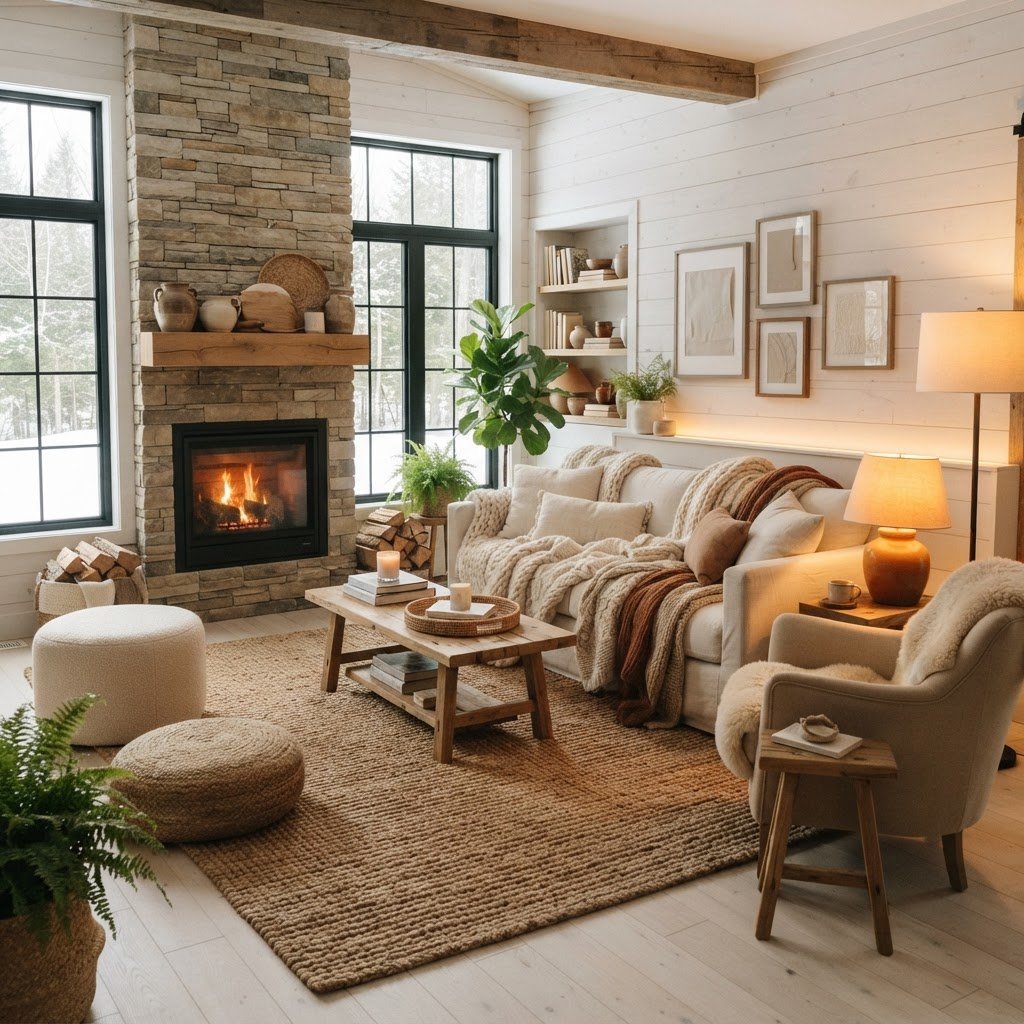
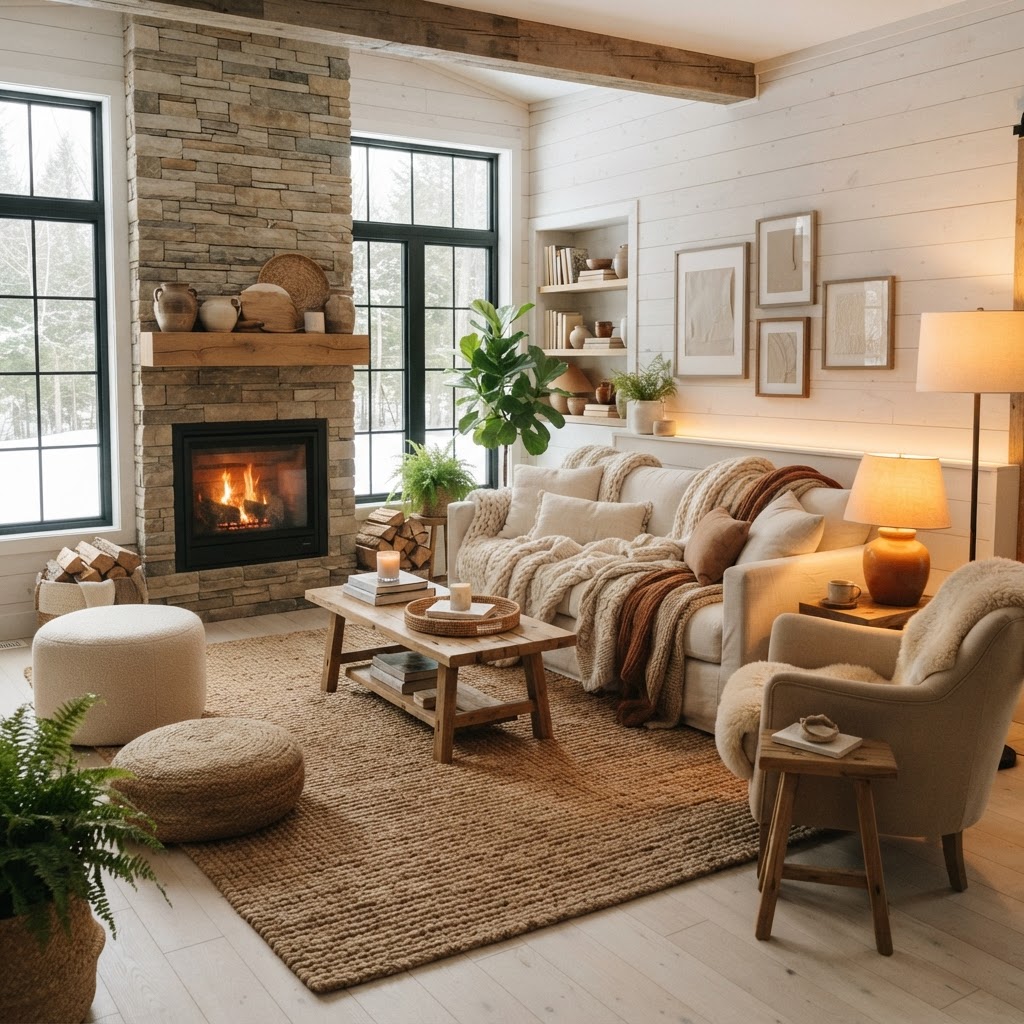
Stylish Hygge Living Rooms: Warm Light & Soft Textures

A stylish Hygge living room is defined by the intentional use of warm, layered lighting, soft tactile textures like wool and cashmere, and a muted, earthy color palette. By curating a clutter-free space that prioritizes comfort and natural materials, you transform a standard living area into a peaceful sanctuary for well-being.

The Philosophy of Hygge Living Rooms

The perfect balance of warm lighting and soft textiles.

At its core, the Hygge philosophy is about cultivating a sense of togetherness and well-being. It is the feeling of a wool blanket on a chilly evening, the glow of a candle, and the soft embrace of a perfectly placed cushion. Designing a Hygge living room requires shifting your focus from purely aesthetic choices to how a space makes you feel physically and emotionally.

It is about creating an environment that feels lived-in and loved, rather than pristine and untouchable. This approach encourages the use of natural materials, muted color palettes, and layers that build depth. When you step into a room designed with Hygge in mind, the outside world should feel miles away, replaced by a sense of calm and gentle invitation.

Feature Traditional Decor Hygge Style
Lighting High-lumen overhead Low-kelvin warm glow
Textiles Minimalist synthetics Natural wool, linen, sheepskin
Atmosphere Formal & pristine Lived-in & comforting

Mastering Warm Lighting Schemes

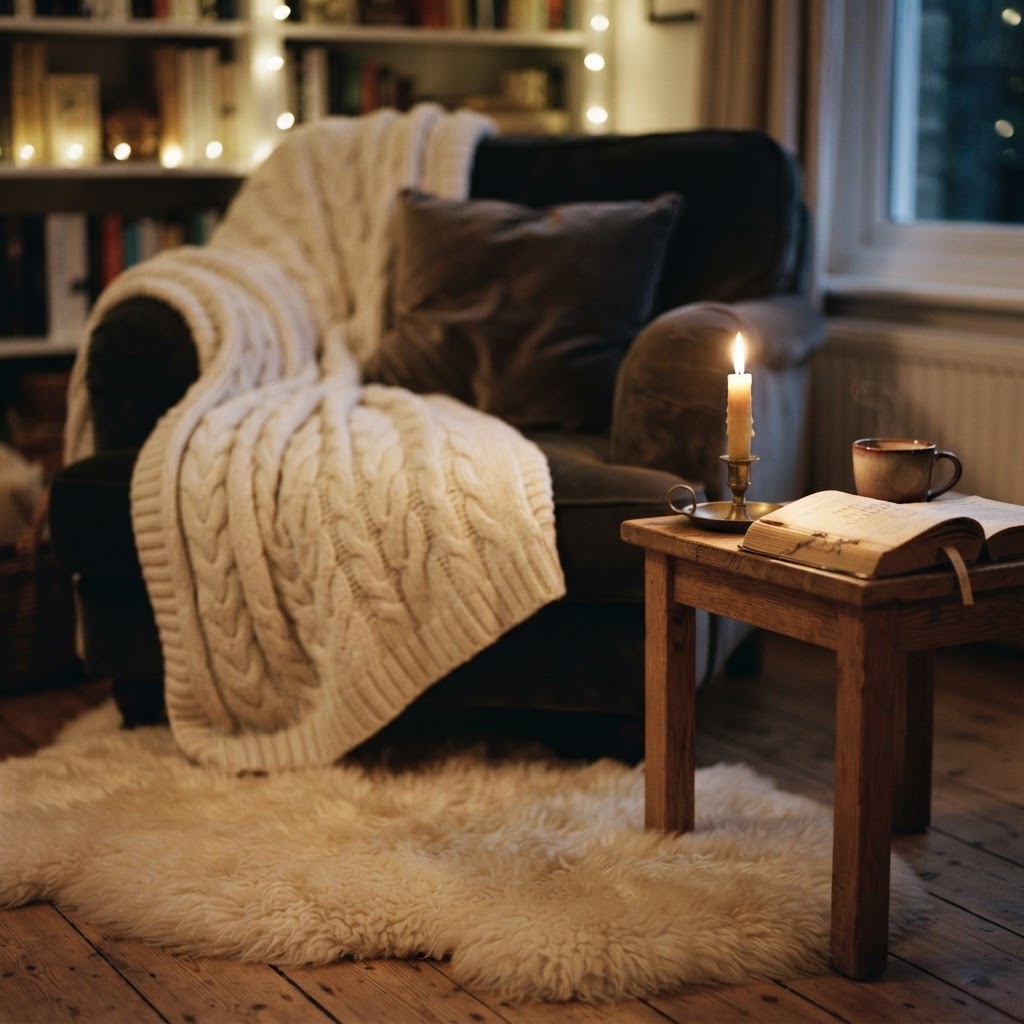
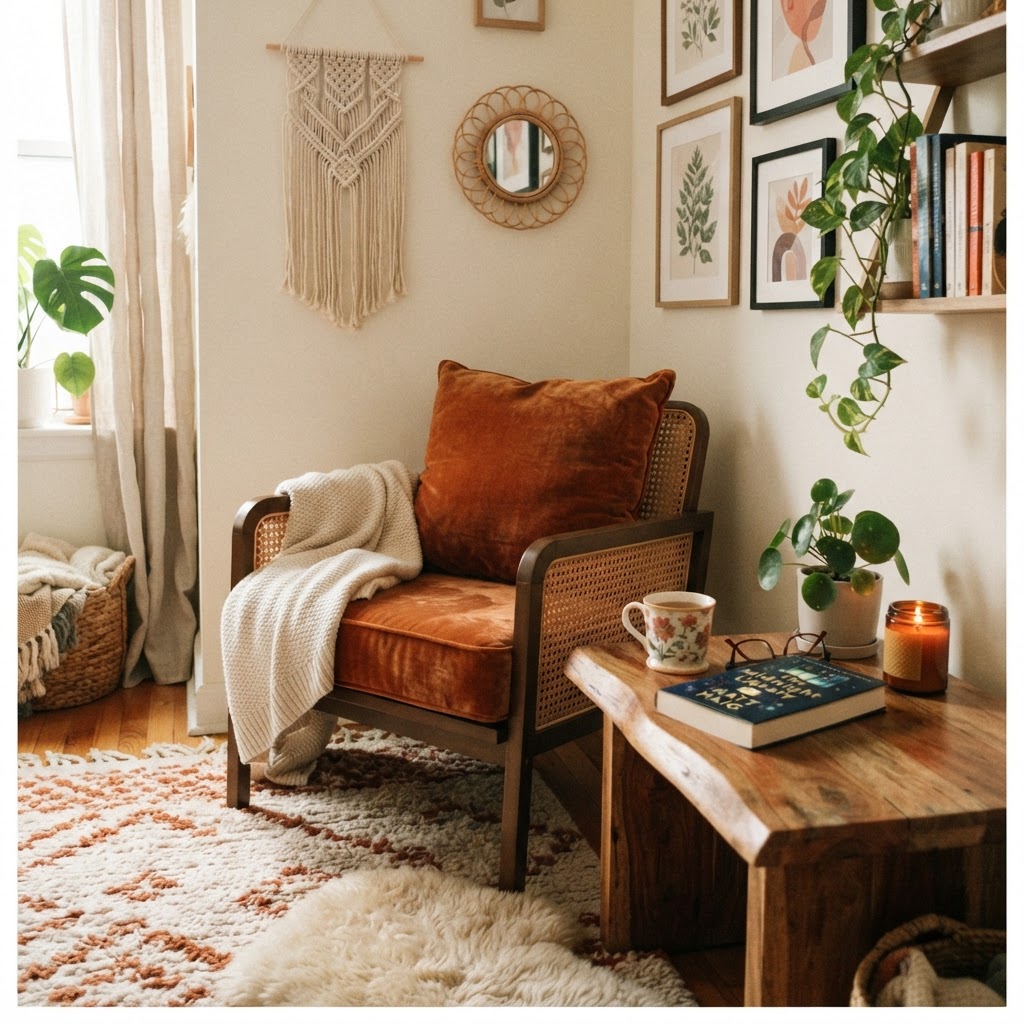
Create a personal sanctuary with a dedicated reading nook.

Lighting is the single most important factor in setting the mood of a room, specifically by utilizing bulbs with a color temperature between 2,200K and 2,700K. Harsh, overhead lighting is the antithesis of the Hygge aesthetic, as it tends to feel clinical and uninviting. Instead, you should aim for multiple sources of soft, warm light that create pools of comfort throughout the living space.

Layering Your Light Sources

To achieve the perfect atmosphere, consider using the ‘layering’ technique. This involves combining different types of light fixtures to ensure there are no dark, lonely corners. Start with your primary light, such as a pendant or floor lamp with a warm-toned bulb, and add secondary layers.

  • Table lamps with amber-hued shades: Perfect for side tables.
  • Wall sconces: Great for highlighting artwork without glare.
  • String lights: A subtle way to add a touch of whimsy and warmth.
  • Floor lamps with adjustable arms: Practical for reading corners.

Never underestimate the power of candles. In Denmark, candles are considered essential for creating ‘lys’ or light that nourishes the soul. Use unscented beeswax candles or high-quality LED alternatives to get that gentle, flickering glow without the safety concerns of an open flame.

Embracing Soft Textures

Natural elements bring a calming, earthy vibe to your space.

If lighting sets the tone, textures determine the level of physical comfort by engaging the tactile senses through layered, high-quality fabrics. A stylish Hygge living room is defined by its tactile quality—the feeling of running your hand over a chunky knit throw or sinking into a plush velvet armchair. You want to create a space that feels like a warm hug, where every surface invites you to touch and interact.

Mixing Materials for Depth

Don’t be afraid to mix and match materials. The beauty of Scandinavian-inspired design lies in its ability to combine diverse textures seamlessly. Think about combining wool, linen, sheepskin, and wood to create a rich, sensory experience. Placing a sheepskin rug on a smooth wooden floor, for instance, adds an immediate sense of softness and warmth underfoot.

When choosing soft goods, prioritize quality over quantity. One high-quality cashmere or wool throw blanket is far better than five synthetic options. These pieces should be durable, comforting, and visually appealing, serving as functional decor that can be draped over sofas or tucked into baskets. Investing in natural fibers like mohair or Merino wool ensures longevity, often lasting 10+ years with proper care.

Choosing a Soothing Color Palette

Strategic layering of light is key to the Hygge aesthetic.

Color plays a crucial role in maintaining the calm of a Hygge-inspired room, with successful schemes relying on a 60-30-10 ratio of neutral base, secondary warmth, and accent depth. While the Scandinavian aesthetic is often associated with minimalism, it is far from cold. The palette usually centers around warm neutrals, soft grays, earthy browns, and muted creams.

Consider adding subtle depth with muted tones like dusty rose, sage green, or soft terracotta. These colors evoke a sense of the natural world, grounding your space and providing a sense of harmony. The goal is to keep the walls relatively light and airy to maximize natural daylight, while using furniture and textiles to introduce warmth and depth.

Color Category Common Shades Impact on Room
Base Neutral Cream, Warm White Maximizes natural light
Earthy Accent Sage, Terracotta Grounds the space
Warm Dark Chocolate, Charcoal Creates cozy intimacy

The Art of Curated Comfort

While Hygge is about comfort, it should not be synonymous with clutter. In fact, a true Hygge living room remains tidy and intentional. The ‘curated’ element involves displaying only those items that bring you joy or serve a purpose. This could be a collection of well-loved books, a few cherished family photos, or a handcrafted ceramic vase.

By keeping surfaces clean and items organized in baskets or on open shelving, you prevent the room from feeling overwhelming. Remember, your living room should be a place where you can breathe. When there is less physical clutter, there is more room for mental relaxation and genuine connection with family or friends.

Bringing the Outdoors In

Nature is intrinsically linked to the concept of Hygge. Introducing natural elements into your living room bridges the gap between the indoors and the serenity of the natural world. This is easily achieved through the use of house plants, dried flowers, or even natural wood furniture pieces that retain their raw beauty.

Plants act as living decor, adding vibrancy and fresh air to the space. Whether it is a large snake plant in the corner or a small collection of succulents on your window ledge, the presence of greenery is deeply soothing. Complement this by using wooden side tables or a reclaimed wood coffee table to introduce an organic, tactile element that warms the entire room.

Creating Dedicated ‘Nooks’

One of the most effective ways to maximize the comfort of your living room is to create specific zones or nooks. This could be as simple as a comfortable chair positioned by a window, paired with a small side table and a soft lamp. This becomes your dedicated space for quiet activities like reading, journaling, or enjoying a cup of hot tea.

By giving yourself a specific ‘spot’ to retreat to, you encourage yourself to actually slow down and practice the self-care that Hygge advocates. These small islands of peace are the hallmark of a home that truly understands the balance between style and substance.

FAQ

Q: What is the most important element of a Hygge living room?

Lighting is the most essential element, specifically the use of warm, low-intensity light sources. By avoiding bright overhead lights in favor of multiple floor lamps and candles, you create the intimate, cozy atmosphere required for a true Hygge environment.

Q: Which colors work best for Hygge design?

Stick to a palette of warm neutrals like cream, soft beige, and muted earthy tones. These colors provide a calming backdrop, which can be enhanced with secondary colors like sage green or terracotta to add depth without disrupting the room’s serene, natural vibe.

Q: How can I make my living room look Hygge on a budget?

Focus on small, high-impact changes such as swapping your light bulbs for warm-toned versions (2,700K) and adding a single high-quality wool or cashmere throw. These minor additions significantly shift the sensory feel of the room without requiring a major furniture overhaul.

Q: Does Hygge design require minimalism?

Hygge is not strictly minimalist, but it does prioritize an intentional, clutter-free space. You can keep personal items, provided they are curated and serve a purpose or bring you joy, ensuring the living room remains a place for relaxation rather than chaos.

8 Easy Ways to Add Warmth to a Cold Rental Without Painting

8 Easy Ways to Add Warmth to a Cold Rental Without Painting

You can add instant warmth to a cold rental without painting by layering warm-toned lighting (2700K bulbs), introducing plush textures like wool or velvet, and covering sterile surfaces with area rugs and floor-to-ceiling drapes. These non-permanent modifications effectively neutralize clinical rental aesthetics while protecting your security deposit.

Rethink Your Lighting Strategy

Warm lighting and soft textures transform this space.

Transitioning away from harsh, overhead “boob lights” is the most effective way to eliminate a cold, clinical atmosphere in your rental apartment. Most rental units are equipped with high-Kelvin fluorescent lighting that casts an unflattering, sterile blue hue; by layering ambient, task, and accent lighting at varying heights, you can transform the “temperature” of a room. Start by swapping every bulb to a “soft white” 2700K or 3000K LED, which mimics the comforting glow of sunset rather than the sharp glare of an office space. Research shows that dimmable, warm lighting can reduce cortisol levels and create a psychological “cocooning” effect, making a space feel inherently more secure and residential. Additionally, avoid relying on single-source ceiling lighting. Instead, utilize at least three light sources per room—such as a floor lamp behind a sofa and a table lamp on a side table—to create depth and erase sharp, uninviting shadows.

Lighting Type Color Temp (Kelvin) Best Use Case
Daylight 5000K – 6500K Home Office/Task Work
Neutral White 3500K – 4000K Kitchens/Utility Areas
Soft White 2700K – 3000K Living Rooms/Bedrooms

Switch to Warm LED Bulbs

The easiest swap you can make is changing every single light bulb in your apartment to a ‘warm white’ or ‘soft white’ color temperature, typically between 2700K and 3000K on the Kelvin scale. These bulbs emit a golden, gentle glow that mimics the cozy feeling of sunset or candlelight. Avoid anything labeled as ‘daylight’ or ‘cool white,’ as these will only exacerbate the clinical feel of your rental.

Incorporate Floor and Table Lamps

Once you have upgraded your bulbs, introduce floor lamps and table lamps into every corner of the room. Create ‘pools of light’ that draw the eye away from the ceiling and toward cozy seating areas or reading nooks. By relying on lamps instead of your main ceiling light, you create intimate shadows that naturally make a room feel smaller, more protected, and significantly warmer.

Layer Textures for Visual Comfort

A cozy reading nook makes a small space feel personal.

When you cannot change the color of your walls, you must change the texture of your surfaces to introduce visual “weight” and warmth. A room composed entirely of smooth, flat materials like painted drywall, tile, and laminate flooring feels psychologically cold; conversely, introducing tactile variety stimulates the senses and creates a feeling of luxury. Aim to incorporate at least four distinct textures in your living room: a hard element (like raw wood), a soft textile (like velvet or sheepskin), a natural fiber (like jute or rattan), and a metallic accent. For example, draping a chunky knit wool throw over a sleek, modern sofa provides an immediate contrast that softens the room’s edges. Layering a braided or high-pile rug over cold tile or low-quality carpet also helps insulate the floor, which can improve the thermal comfort of a room by up to 2 degrees Fahrenheit, according to interior design studies. By mixing these fibers—sisal for durability, velvet for comfort, and linen for breathability—you create a balanced environment that feels intentional rather than temporary. Avoid cheap synthetic fabrics; instead, seek out recycled cotton or wool blends that provide a “lived-in” weight that cheaper materials lack.

Dress Your Windows with Softness

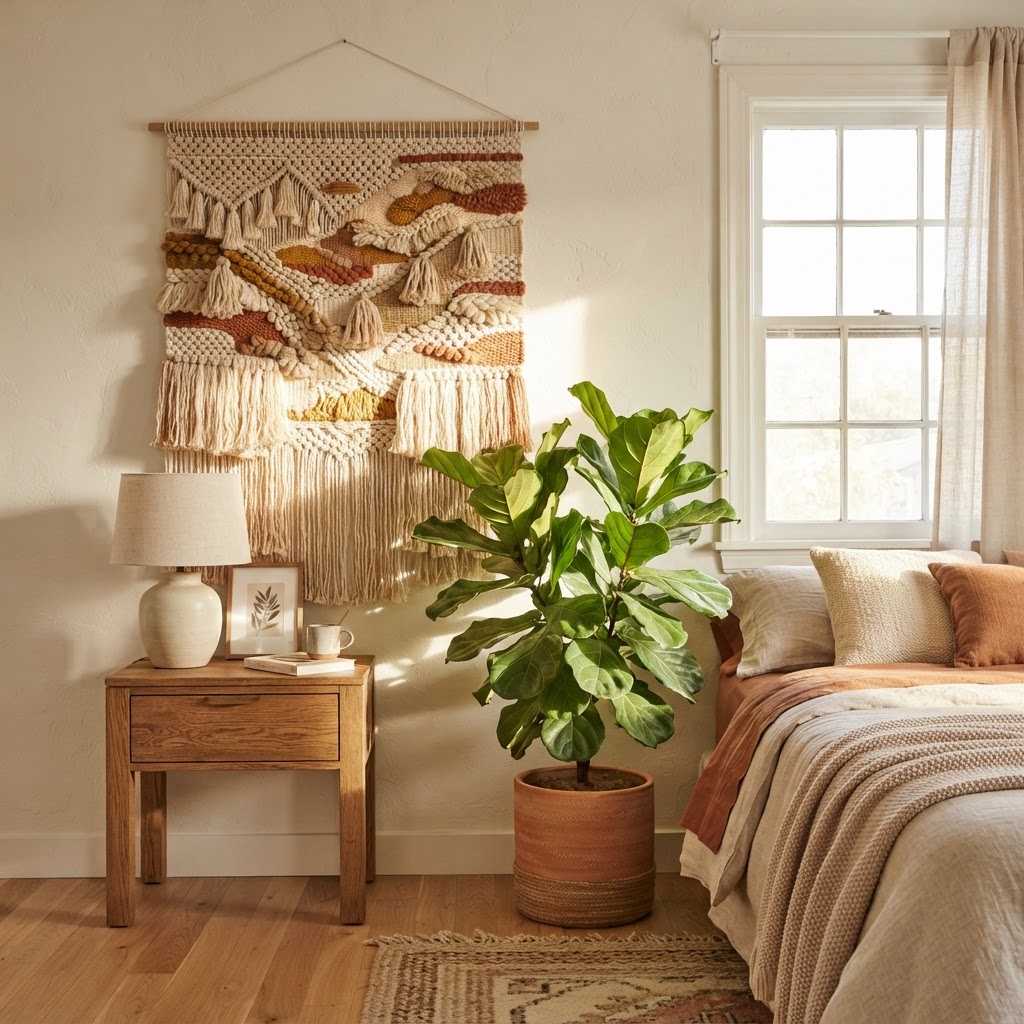
Wall hangings are perfect for covering blank walls.

Rental blinds are notoriously cold and institutional, but you can effectively mask these eyesores using non-damaging window treatments to improve both the aesthetic and thermal efficiency of your apartment. Standard vinyl or plastic blinds serve a functional purpose for privacy but often trap air or create a “blocky” look that lacks elegance. By installing a tension rod inside the window frame—or using command-hook curtain brackets if you want to hang rods above the frame—you can introduce floor-to-ceiling drapes that instantly soften the architecture. Choosing heavy fabrics like blackout-lined cotton, thick linen, or velvet serves a dual purpose: it frames the view while providing an additional layer of insulation against drafts. If you prefer a lighter look, consider “layering” by keeping your blinds pulled up halfway and hanging sheer, linen-look curtains over them. This filters harsh daylight into a soft, diffused glow, which is particularly effective in North-facing apartments that lack natural golden-hour warmth. For a professional look, ensure your curtains are at least 1.5 times the width of the window to allow for proper “fullness” when closed.

Choose Floor-to-Ceiling Drapes

For the ultimate cozy factor, choose heavy, floor-to-ceiling drapes. Fabrics like velvet, thick linen, or blackout-lined cotton add insulation against cold windows while adding a touch of luxury. Aim for drapes that are wider than your window to ensure they frame the view beautifully, making the room feel taller and more substantial.

Layering Window Treatments

If you want to keep the light filter of the existing blinds, layer them with sheer curtains. This combination allows you to maintain privacy while softening the harsh glare of direct sunlight. The movement of fabric curtains as a breeze passes through adds a dynamic element that makes a space feel alive rather than static.

Use Large-Scale Wall Decor

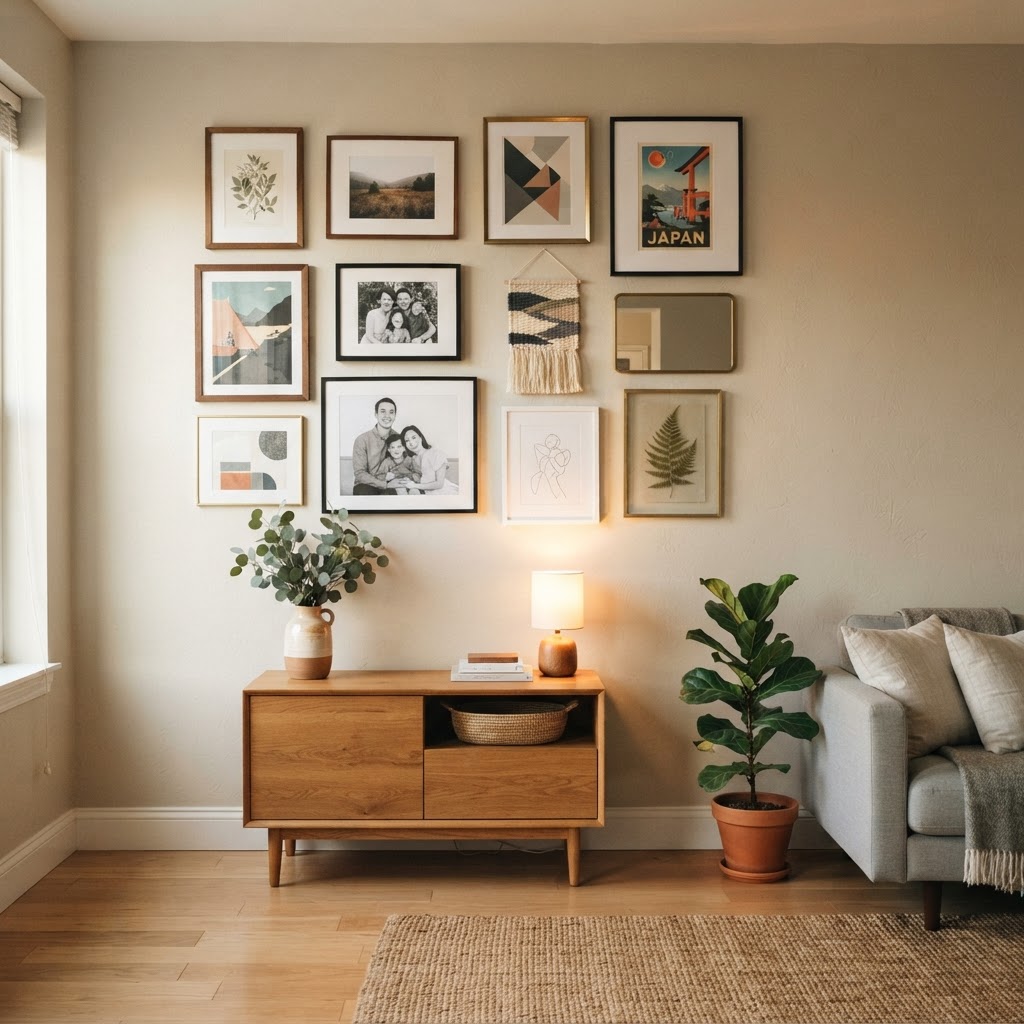
Gallery walls add life and personality to your rental.

Large-scale wall decor is the secret weapon for hiding sterile, landlord-provided white walls, allowing you to reintroduce personality without violating your lease terms. Blank, empty walls are the primary contributor to a “cold” rental aesthetic, as they reflect sound and light in a way that feels uninviting. Instead of small, scattered pieces that make a room look cluttered, commit to one or two large-scale items, such as an oversized tapestry, a woven wall basket arrangement, or a set of peel-and-stick wallpaper panels. For gallery walls, use high-strength adhesive mounting strips, which are rated to hold up to 16 pounds, ensuring you can hang heavy frames safely. Incorporating warm-toned artwork—think amber, burnt orange, or muted wood tones—distracts from the starkness of the wall paint. Research suggests that filling vertical space with texture reduces sound echo, making the room feel physically “quieter” and more intimate. If you are on a budget, consider printing vintage botanical illustrations in large frames; this adds natural, organic life to the room while keeping the cost below $50 for a full installation.

Introduce Natural Elements

Incorporating living, natural elements into your apartment is the most effective way to break up boxy, modern architecture and inject organic warmth into your space. Plants act as living sculptures, providing varying heights and vibrant, deep green colors that contrast against sterile white walls. Beyond their aesthetic value, plants like the snake plant (Sansevieria) or ZZ plant (Zamioculcas zamiifolia) thrive in low-light rental conditions while actively purifying the air. To maximize impact, focus on grouping plants of different sizes rather than scattering them sporadically; this creates a “jungle corner” effect that draws the eye toward a focal point. Additionally, consider the vessel you use; swapping standard plastic nursery pots for woven baskets, ceramic crocks, or terracotta pots introduces natural earth tones that harmonize with the environment. If space is tight, utilize ceiling-mounted macramé hangers or tall plant stands to maximize floor space while still introducing life. Studies have indicated that living plants in a room increase perceived happiness and relaxation, helping you bridge the gap between a temporary rental and a home that feels like a sanctuary.

Displaying Plants for Impact

Don’t just place a few pots on the windowsill. Group plants of varying heights together in the corner of a room, or use hanging planters to draw the eye upward. If you have low light, look for ‘hard-to-kill’ varieties like snake plants or ZZ plants. The natural aesthetic of a ceramic pot or a woven basket planter further reinforces the cozy, earthy theme you are trying to cultivate.

The Power of Area Rugs

An area rug is an essential tool for anchoring furniture and adding physical comfort in a space where you cannot change the flooring. Many rentals feature low-grade, thin carpeting or cold, hard tile, both of which can make a room feel unfinished; a high-pile, plush area rug creates an immediate “zone” for your furniture, visually separating living areas from hallways or kitchens. For maximum warmth, choose rugs made of natural fibers like wool or a synthetic blend with a thick, shaggy texture that retains heat. Always place a high-density felt rug pad underneath; this costs approximately $30-$60 but significantly increases the perceived luxury and cushion of the rug. When selecting colors, lean into warm palettes like terracotta, deep wine, mustard, or cognac to counteract the coolness of a typical white or grey apartment. Defining your floor space with a rug larger than your sofa width will make the room appear larger, while providing a soft surface underfoot that changes the acoustics of the room, muffling footsteps and reducing echo.

Personalize with Sentimental Decor

A rental feels like a cold showroom when it lacks personal markers, so filling your space with sentimental items is the ultimate way to convert a temporary unit into a permanent-feeling home. Displaying items such as travel souvenirs, heirloom books, or art you’ve collected over time provides a layer of “history” that generic mass-produced decor cannot replicate. Use non-damaging adhesive shelving to create “memory walls” or place decorative trays on your coffee table to corral your favorite candles and magazines. Engaging the senses is a subtle but powerful tactic for warmth; integrate a reed diffuser or a wax warmer with scents like sandalwood, cedar, or vanilla, which are perceived as warmer than floral or citrus scents. By curating your shelves with items that tell a story, you divert attention away from the structural limitations of the apartment. A room that feels intentionally designed with items you love will always feel warmer, regardless of the paint color on the walls. Focus on the ’80/20 rule’: 80% of your items should be neutral and calming, while 20% should be bold, sentimental, or brightly colored pieces that reflect your unique personality.

FAQ

How can I make a room look warmer without spending a lot of money?

You can immediately warm up a room by swapping standard light bulbs for 2700K “soft white” LEDs and using a high-pile area rug to cover cold floors. These two changes together often cost less than $75 and significantly alter the perceived temperature and comfort of your living space.

Are command strips really safe for all rental walls?

Most command-style adhesive strips are safe for primed, high-quality drywall, but you should always test a small, hidden spot first. Avoid using them on loose wallpaper or fresh, uncured paint to prevent tearing or surface damage during removal.

What are the best fabrics to make a rental look cozy?

Velvet, chunky-knit wool, and thick linen are the best fabrics for creating a cozy atmosphere in a rental. These materials add “visual weight” and tactile softness that distract from hard surfaces like tile or laminate flooring.

Does adding plants really help the room feel warmer?

Yes, plants introduce natural organic shapes and deep green colors that break up the clinical, boxy lines of modern rental apartments. The living element creates a more relaxed, inviting environment that reduces the harshness of sterile walls.

How do I define a living area in an open-concept rental?

Use a large area rug to anchor your furniture, creating a clear “island” that feels like a distinct room. Positioning your sofa away from the wall to create a floating layout also helps define the space and makes the floor plan feel more intentional.

Aesthetic Small Bedroom Ideas: Pastels & Space-Saving Tips

Aesthetic Small Bedroom Ideas: Pastels & Space-Saving Tips

To create an aesthetic small bedroom, use a light pastel color palette like blush or mint to reflect natural light and combine it with multi-functional furniture, such as storage beds and wall-mounted shelving. This dual approach maximizes square footage while creating a serene, visually expansive retreat that prioritizes both beauty and utility.

The Power of a Pastel Palette

Soft pastels are the most effective interior design tool for visually expanding a cramped bedroom because they reflect light rather than absorbing it. By choosing a cohesive pastel base like powder blue, lavender, or soft sage, you create an airy foundation that eliminates visual clutter. Experts recommend a 60-30-10 color rule: 60% as your primary wall color, 30% for furniture or bedding, and 10% for accent decor, which ensures the room feels intentional rather than chaotic.

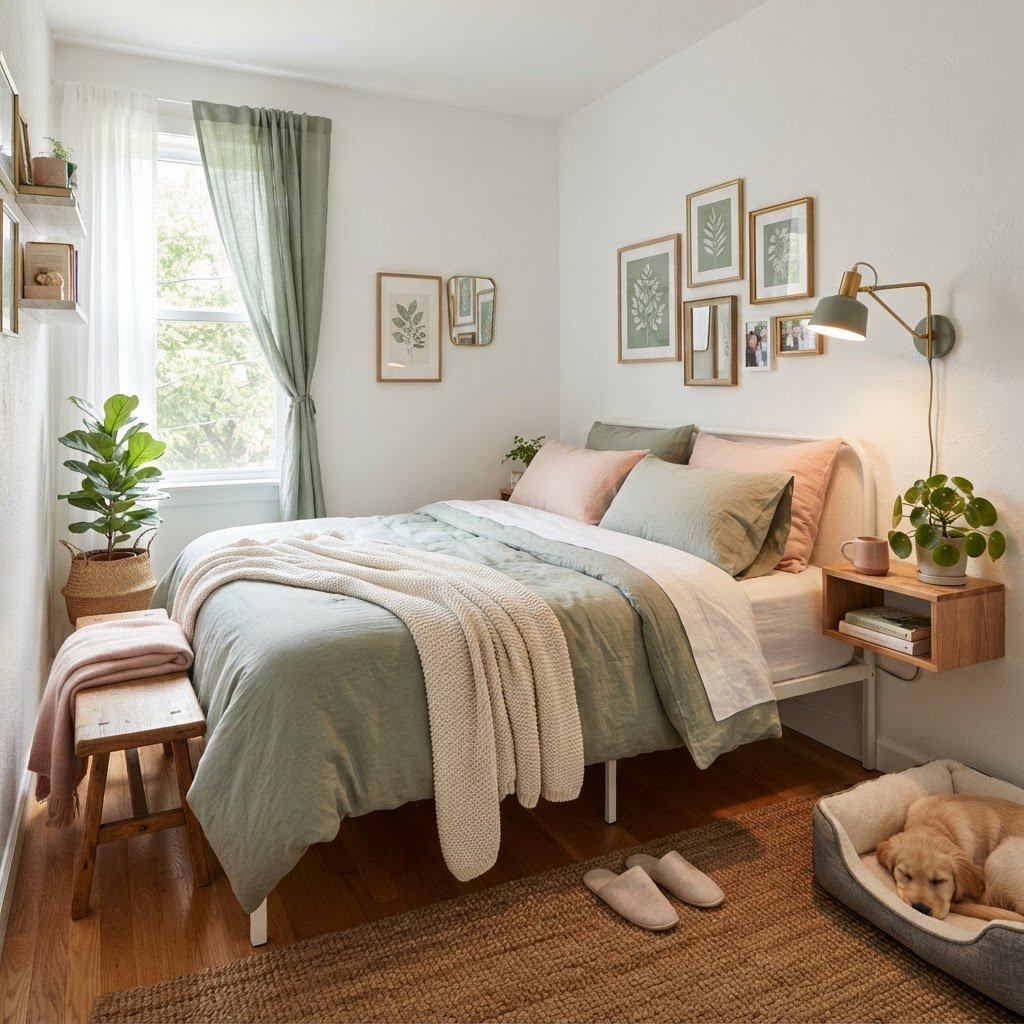
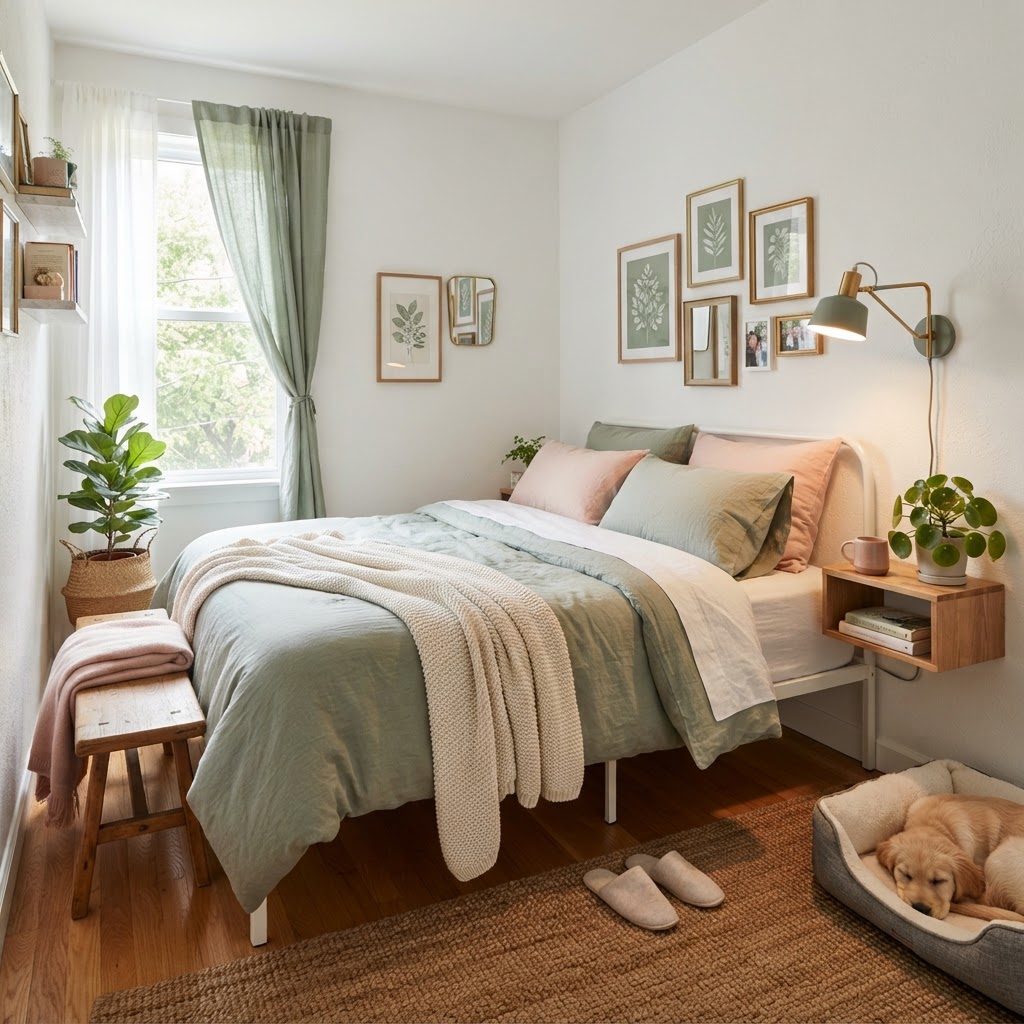
A serene bedroom retreat using a soft blush and sage pastel palette.

Choosing Your Base Tone

When selecting your primary shade, consider the existing lighting in your room. If your bedroom faces north and receives little direct sun, opt for warmer pastels like buttery yellow or peach to counteract the natural chill. Conversely, if your room gets ample sunlight, cooler tones like sage or periwinkle will maintain a crisp, serene vibe that keeps the heat at bay.

Layering Textures and Tones

Monochromatic pastel schemes can sometimes feel flat, so the key is to incorporate a variety of textures. Mix linen bedding with chunky knit throws or velvet accent pillows to add depth to your aesthetic small bedroom ideas. By maintaining a cohesive color family but varying the materials, you create visual interest without overwhelming the eyes or shrinking the perceived space.

Pastel Color Best For Emotional Impact
Blush Pink North-facing rooms Warm & Welcoming
Sage Green South-facing rooms Calm & Grounding
Powder Blue Compact bedrooms Airy & Expansive

Maximizing Utility with Space-Saving Furniture

Furniture selection in a small bedroom must prioritize multi-functionality to reclaim valuable floor area and reduce the mental stress associated with cramped living conditions. By choosing pieces that serve at least two purposes, such as an ottoman that acts as a storage chest or a desk that folds into the wall, you can regain up to 40% of usable floor space. Reducing the footprint of furniture creates better traffic flow, allowing the eye to travel across the floor, which makes the room feel significantly larger than its actual dimensions.

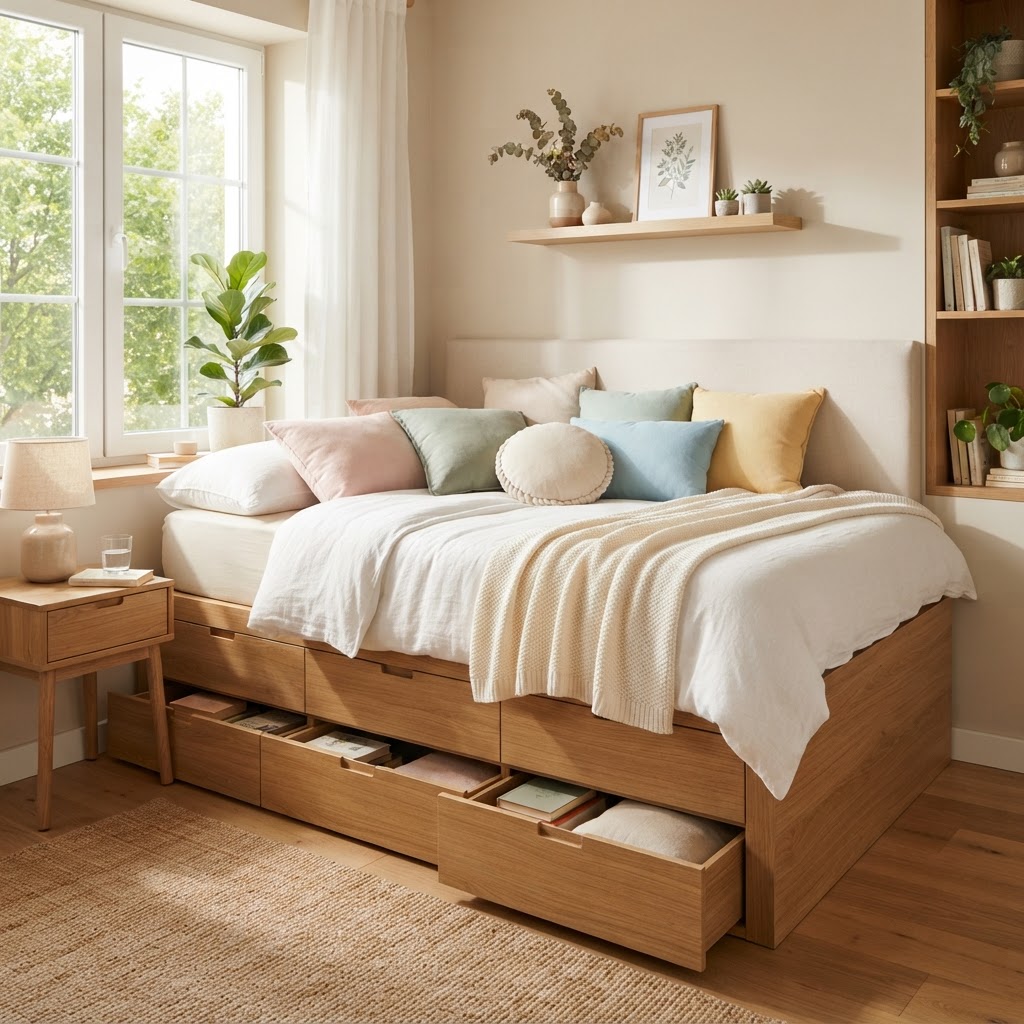
Multifunctional bed frame with built-in storage to maximize floor space.

The Versatility of Storage Beds

If there is one piece of furniture that defines the modern small room, it is the storage bed. Hydraulic lift-up bases or drawers integrated into the frame allow you to stow off-season clothing, extra linens, and shoes completely out of sight. This keeps your visual lines clean and prevents the “closed-in” feeling that often plagues smaller bedrooms.

Wall-Mounted Solutions

Flooring space is the most valuable commodity in your home, so try to lift as much as possible off the ground. Floating nightstands, wall-mounted desks, and shelving units create the illusion of more space by keeping the floor visible. This approach to interior design keeps the room feeling light and airy while still providing the surface area you need for daily essentials.

Lighting Strategies for Small Spaces

Lighting strategy is critical because bright, ambient light pushes walls outward, whereas shadows in dim corners make rooms feel claustrophobic. For maximum effect, layer three types of lighting: overhead ambient light for general visibility, wall-mounted task lighting for reading, and decorative accent lighting to highlight the pastel textures. Avoiding large floor lamps is essential, as they consume up to 2 square feet of floor space that could otherwise be used for storage or movement.

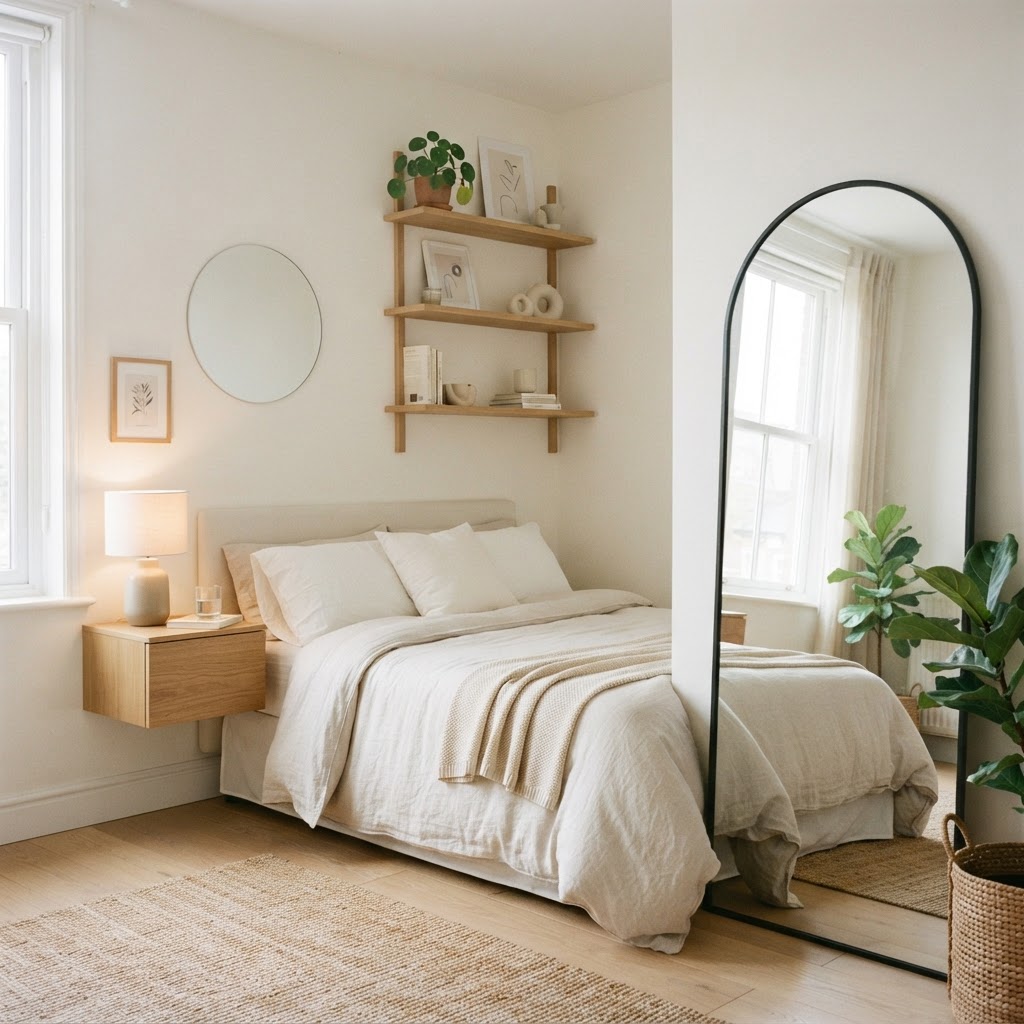
Floating furniture creates a sense of airiness in this compact bedroom.

Utilizing Vertical Space with Wall Sconces

Table lamps take up precious nightstand real estate, making wall sconces a superior choice for small bedrooms. Look for adjustable arms or sleek, minimalist designs that can be hardwired into your electrical system. This keeps your side tables clear for decorative items, books, or a small glass of water, enhancing the overall functionality.

The Role of Mirrors

Mirrors are perhaps the most famous trick in the interior design playbook for small spaces. Place a large, floor-length mirror opposite a window to bounce natural light deep into the room. If possible, consider mirrored closet doors, which can effectively double the visual depth of your bedroom in an instant.

Creating Flow and Organization

Maintaining a sense of flow is the difference between a cozy sanctuary and a cluttered closet, necessitating strict organization habits. By keeping all items behind closed doors or in designated containers, you maintain a clean “visual baseline” that makes the room appear finished. Experts suggest auditing your belongings every 6 months, as removing just 15% of non-essential items can lead to a measurable improvement in the perceived spaciousness of the room.

Curated textures and pastel decor items create a cohesive aesthetic.

Vertical Storage and Shelving

Take advantage of the height of your room by installing shelves above your door frames or near the ceiling. This draws the eye upward, highlighting the vertical dimension of the space. Use these shelves for items you don’t need daily, such as decorative baskets holding seasonal items or personal collections that add personality to your aesthetic small bedroom ideas.

Decluttering Habits

In a small space, you must be ruthless with your belongings. Regularly audit your closet and nightstand surfaces to ensure that every object serves a purpose or brings genuine joy. Adopting a “one in, one out” rule for accessories and clothing is a great way to prevent the space from becoming overwhelmed over time.

Strategic Layout Ideas

How you orient your bed can drastically change the feeling of your bedroom. Many people automatically push their bed against the wall, but sometimes floating the bed slightly, or centering it on a wall, can create a more balanced aesthetic. Experiment with your furniture layout to find the configuration that allows for the most natural movement through the space.

Zoning Your Room

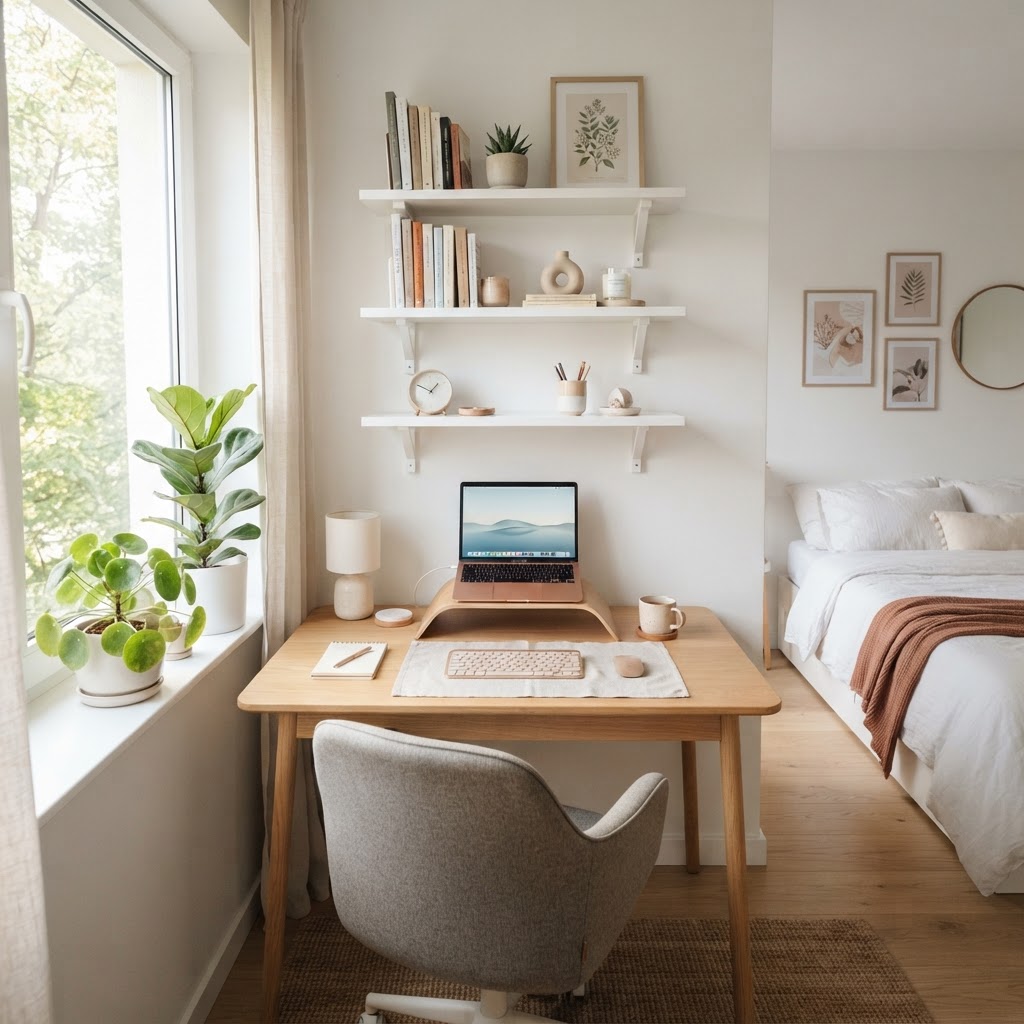
If your bedroom is also your workspace, use area rugs or lighting to create distinct zones. A soft pastel rug beneath your bed separates the “rest” area from the “work” area, helping your brain transition between different modes. This psychological zoning is vital when your physical space is restricted.

The Illusion of Depth

Consider painting your baseboards and window frames the same color as the walls. This eliminates contrast, creating seamless surfaces that appear to extend further than they actually do. This subtle technique helps blur the edges of the room, contributing to that desired expansive, airy aesthetic.

Selecting Aesthetic Textiles and Decor

While the furniture and layout form the skeleton of your room, textiles provide the soul. Since you are working with a pastel palette, you have the freedom to play with soft, inviting patterns without them feeling chaotic. Choose light, breezy curtains that let in diffused light, and layer rugs to add warmth to your flooring.

Choosing the Right Textiles

Avoid heavy, dark fabrics that can weigh down the look of the room. Opt for sheer, gauzy curtains or soft cotton window treatments that allow sunlight to filter through. For your bedding, go for high-quality, breathable fabrics in solid pastels or subtle, tonal patterns that maintain a sophisticated, clean look.

Curating Small Accents

Because you are working in a tight space, focus on quality over quantity. Instead of cluttering your shelves with small knick-knacks, choose a few statement art pieces or sculptures that reflect your personal style. A single piece of artwork featuring complementary pastel hues can tie the entire room together, serving as a focal point that anchors your design scheme.

FAQ

Q: What is the best color for a small bedroom to make it look bigger?

Light pastels like blush pink, soft sage, or powder blue are the best choices for small bedrooms. These colors reflect natural light, which effectively pushes the walls outward and makes the room feel significantly more spacious and airy compared to dark or high-contrast tones.

Q: How can I fit a desk in a very small bedroom?

Install a wall-mounted floating desk to save floor space while providing a dedicated workspace. This solution allows you to tuck away a chair underneath when not in use, keeping your traffic path clear and maintaining the aesthetic of the room.

Q: Does putting a bed against the wall save space?

Yes, placing a bed against the wall or in a corner is a classic space-saving technique that opens up the center of the room. This layout is ideal for square footage under 80 square feet as it maximizes usable floor space for other furniture like storage or desks.

Q: How often should I declutter a small bedroom?

Perform a deep declutter every 6 months to maintain a balanced living environment. In small spaces, adopting a “one in, one out” rule—where you remove an old item whenever you bring a new one home—is the most effective way to prevent permanent clutter buildup.

Smart Lighting Ideas: Create a Cozy Atmosphere with Govee & Hue

Smart Lighting Ideas: Create a Cozy Atmosphere with Govee & Hue

You can create a cozy atmosphere by using Govee or Philips Hue smart lighting to shift color temperatures between 2000K and 3000K, implement indirect bounce lighting, and automate “Relaxation Scenes.” These systems allow for precise control over brightness and mood, turning sterile living spaces into immersive, warm sanctuaries without manual light switches.

The Power of Smart Lighting in Interior Design

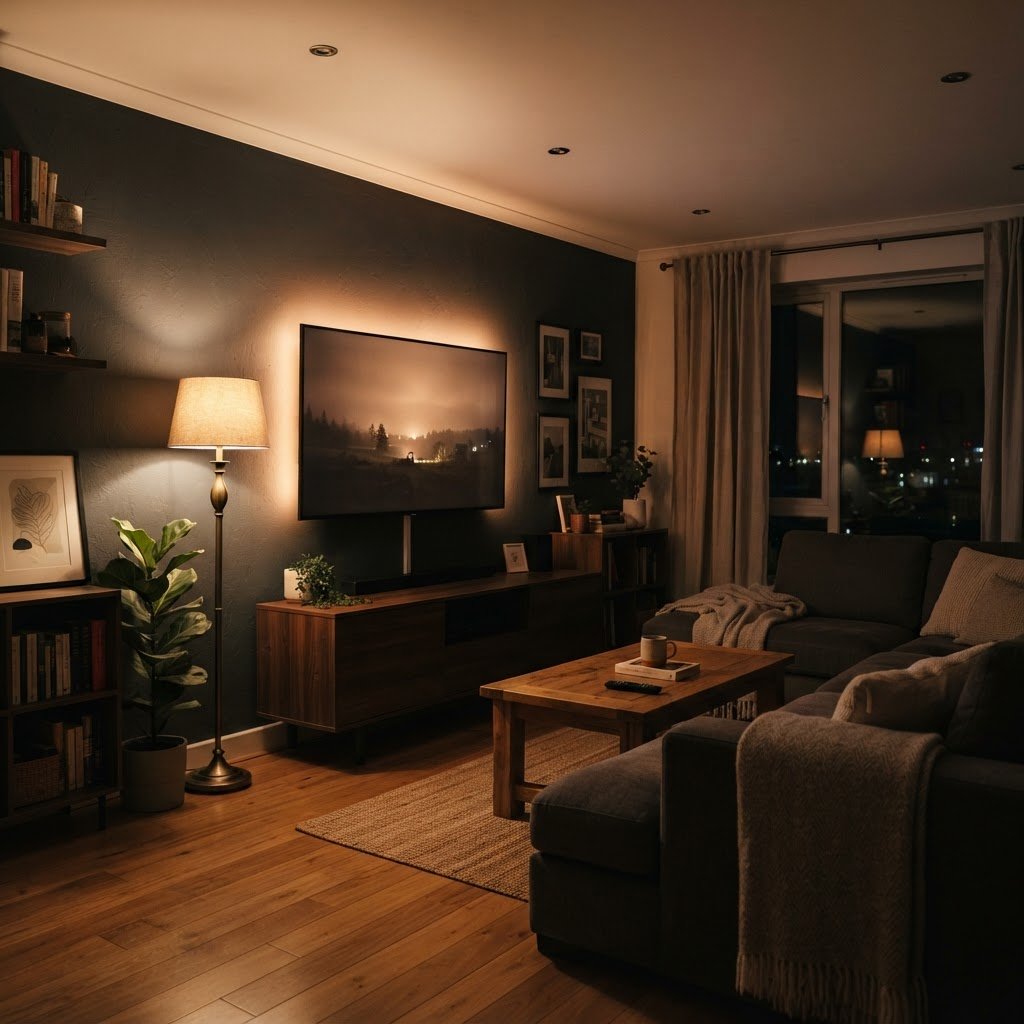
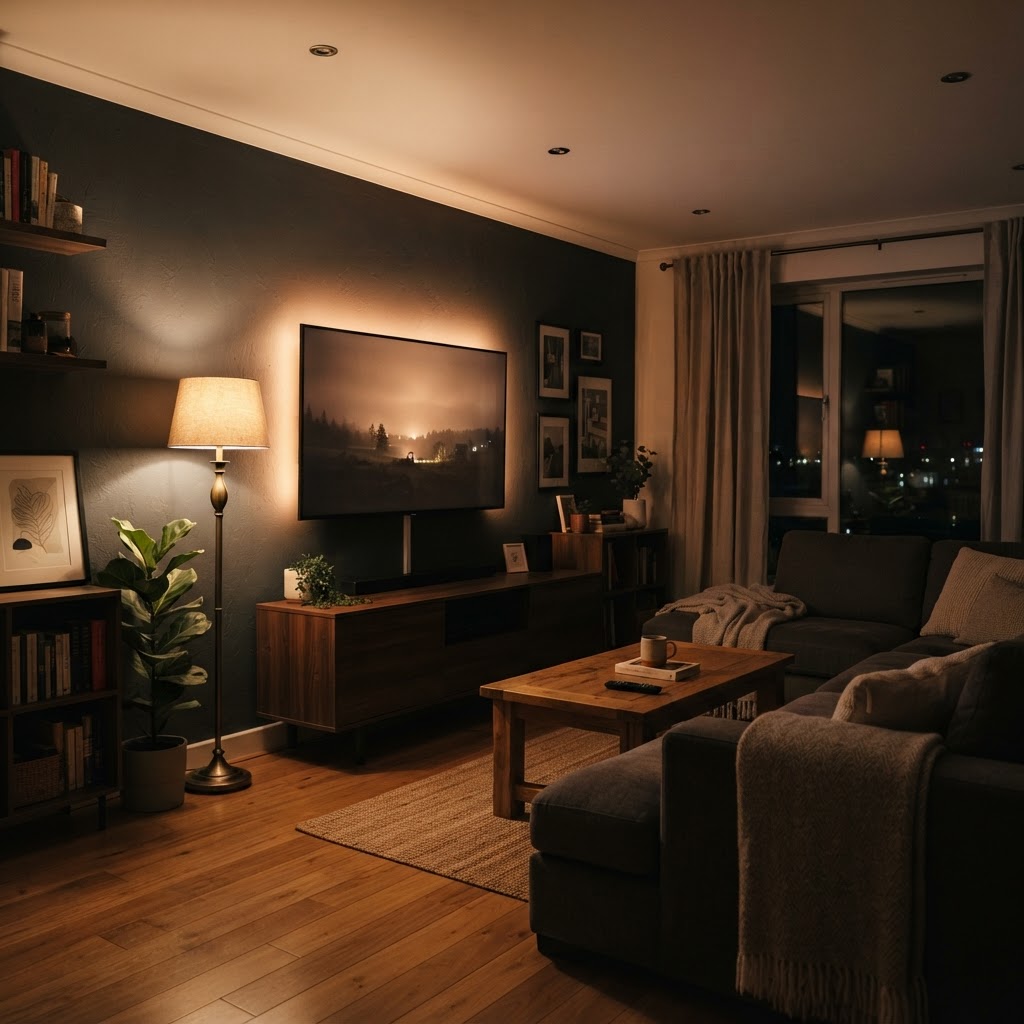
Smart backlighting creates a theater-like atmosphere in your living room.

Modern smart lighting orchestrates light to influence human emotion by providing precise control over the ambient, task, and accent layers of a room. By using Govee or Philips Hue systems, homeowners can manipulate color temperature, which is the foundational element of “cozy” design. Warm light, measured between 2000K and 3000K, mimics the natural glow of a sunset or candlelight, signaling to the brain that it is time to decompress.

Smart lighting technology effectively bridges the gap between functional illumination and psychological comfort. These systems are not merely color-changing bulbs; they are sophisticated controllers that allow for granular adjustments via smartphone or voice commands. For instance, you can set an automation where your home transitions from cool 5000K daylight for productivity during the morning to a relaxing 2700K amber glow by 7:00 PM. This schedule-based approach ensures your home environment adapts to your circadian needs automatically. Furthermore, integrating smart lighting into your existing decor adds a high-end, “layered” aesthetic that is typically only seen in professional interior design projects, giving you control over shadows and highlights with a single touch.

Feature Benefit for Cozy Home Recommended Range
Color Temperature Affects mood and alertness 2000K – 3000K (Warm)
Dimming Levels Reduces eye strain and harshness 10% – 20% (Evening)
Automation Simplifies daily transitions Sunset to Sunrise

Designing the Perfect Living Room Sanctuary

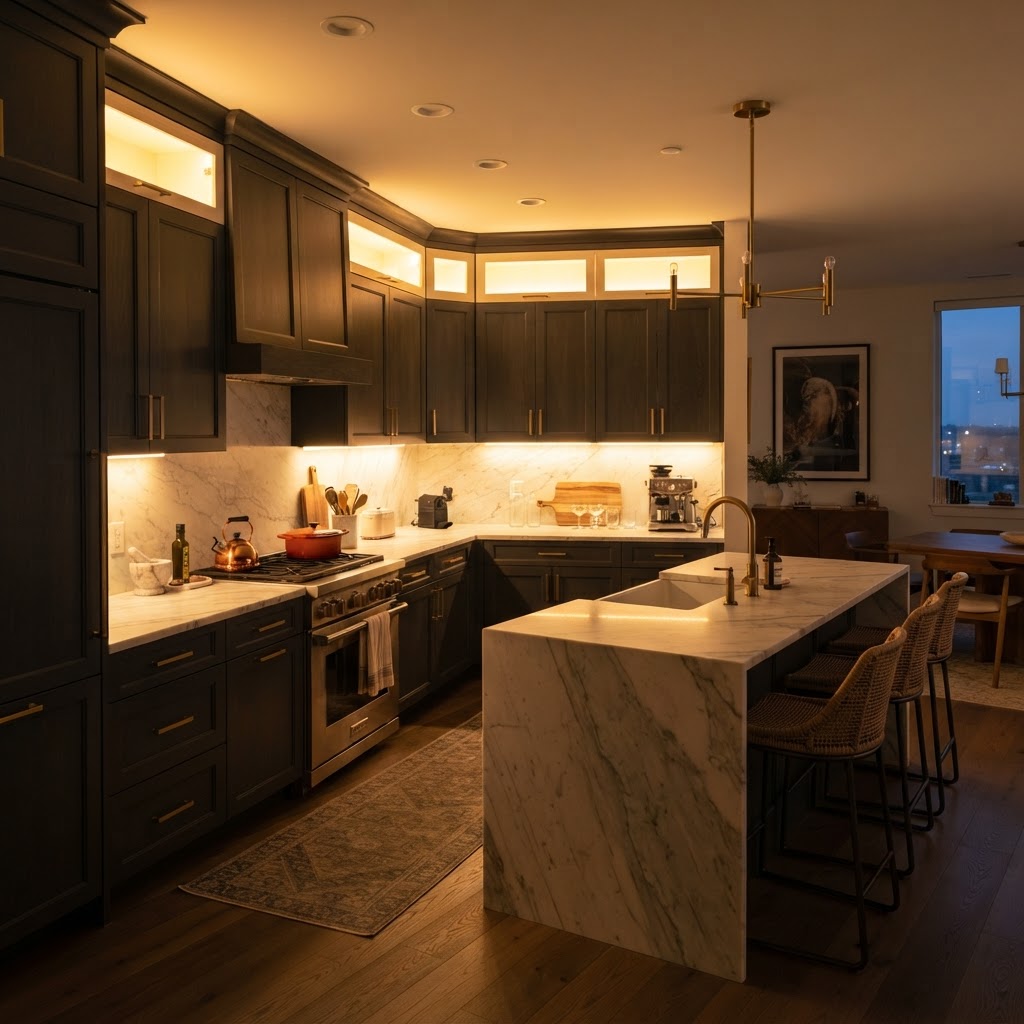
Under-cabinet lighting provides a soft glow for a modern, functional kitchen.

Transforming a living room into a sanctuary requires focusing on indirect backlighting and grouped lighting zones to eliminate harsh, singular light sources. By installing Philips Hue Play bars or Govee immersion strips behind your television, you create a bias light that reduces eye fatigue while extending the screen’s color palette into the room, creating an immersive, theater-like environment. This backlighting technique acts as a gentle border that makes the screen feel less stark against a dark wall.

Beyond the TV, the secret to a professional-looking space lies in “grouping” your smart bulbs within the app to create a unified “Relaxation Scene.” Instead of having one bright overhead light, you can group a floor lamp, two table lamps, and your backlighting into a single scene. When triggered, the overhead light might dim to a soft 20%, while the accent lamps shift to a warm 2500K amber. This layering technique creates “pockets of warmth” throughout the room, which is the hallmark of a high-end interior. Avoid pointing light sources directly at seating areas; instead, direct them toward walls or corners to maximize reflection and softness. By avoiding a flat, uniform flood of light, you allow the room to maintain depth and intimacy, making it the perfect setting for relaxing after a demanding day at work.

Layering for Depth and Comfort

Creating depth involves using multiple heights of light. Floor lamps provide base ambient light, table lamps offer mid-level warmth, and accent strips provide detail lighting. Smart grouping ensures these disparate devices function as a singular, cohesive “vibe” whenever you need to shift the room’s mood.

Bedroom Lighting for Better Sleep Hygiene

Use warm, sunset tones in the bedroom to encourage better sleep.

Smart lighting in the bedroom serves as a biological tool to regulate sleep hygiene by mimicking the natural progression of the sun’s cycle. By programming your Govee or Philips Hue bulbs to gradually shift from bright white to a deep “sunset” orange over a 60-minute window before bed, you can naturally encourage your body to increase melatonin production. This prevents the physiological shock of bright blue-toned artificial light, which is scientifically proven to suppress sleep-inducing hormones.

Features to Prioritize:

  • Circadian Lighting: Automatically adjust color temperature throughout the day.
  • Gradual Wake-Up: Simulate a sunrise to wake up refreshed rather than startled.
  • Nightlight Scenes: Set extremely dim red or orange hues for late-night bathroom trips that won’t fully wake you up.

Beyond basic scheduling, utilize “Gradual Wake-Up” features. Instead of an abrasive alarm clock, set your bedroom lights to slowly brighten from 0% to 50% over 20 minutes before your alarm goes off. This gentle light exposure helps suppress melatonin and prepares your body for consciousness, making waking up significantly more pleasant. For late-night trips, smart motion sensors combined with low-intensity, deep-red light strips are highly recommended. Red light has a minimal impact on your circadian clock, ensuring you can return to sleep quickly after a late-night bathroom trip without experiencing full alertness.

Kitchen and Dining Room Ambiance

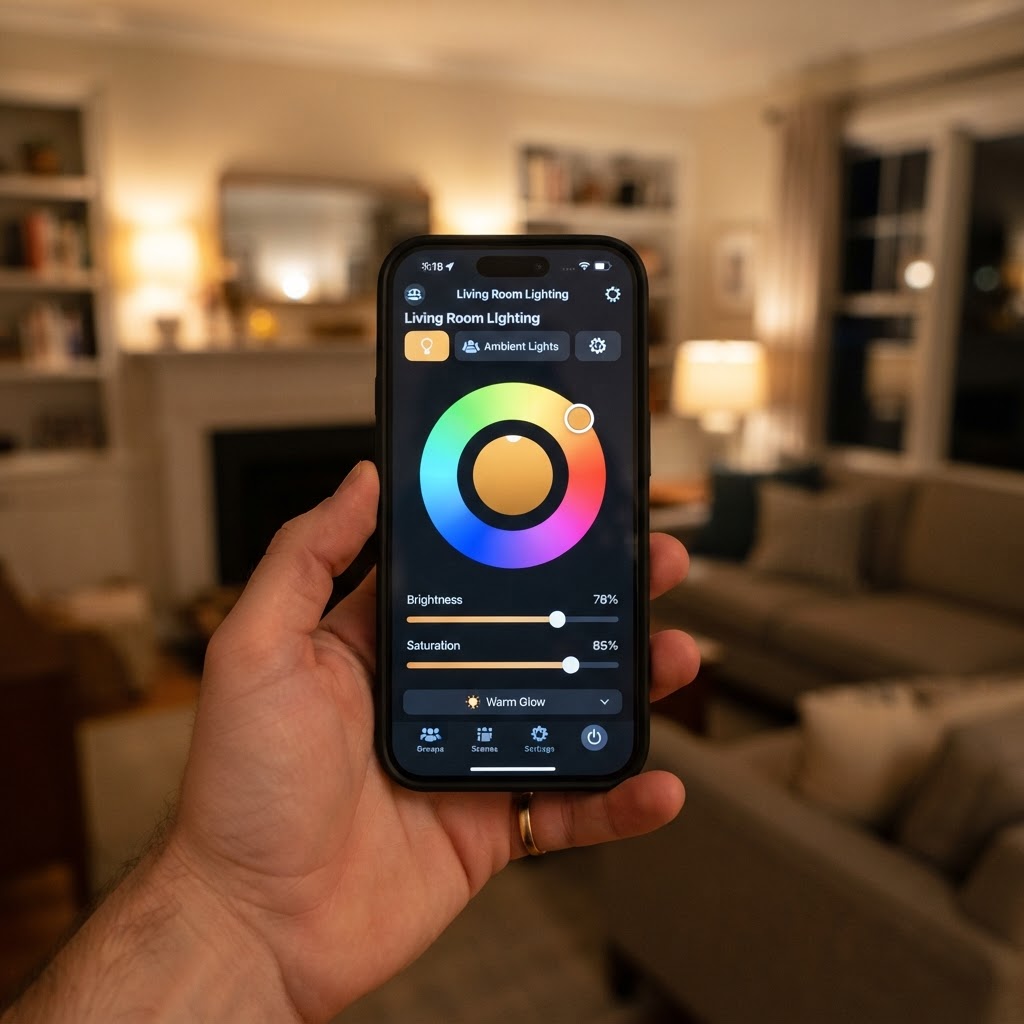
Take control of your home's ambiance with intuitive smartphone apps.

Kitchen and dining room lighting can be transformed from purely utilitarian to socially inviting by using focused under-cabinet lighting and dimmable pendant accents. Installing Govee LED strips beneath cabinetry provides targeted task lighting for countertops, which is significantly more atmospheric than harsh, high-output ceiling fixtures. This creates a low-profile glow that makes the kitchen feel integrated and cozy, rather than clinical.

In the dining area, the goal is to create an intimate “cafe” feel that encourages lingering conversation. If your dining table features a pendant light, a dimmable smart bulb is essential to allow for quick transitions between a bright environment for homework or tasks and a dimmed setting for romantic or social dinners. When hosting guests, dimming the overhead light to roughly 30% and supplementing with accent lamps or wall-washed lighting helps draw focus to the people around the table rather than the room itself. This technique of highlighting the dining area while softening the surrounding perimeter makes the space feel safe, private, and exceptionally welcoming. Remember to use warm tones for these spaces to ensure that food looks natural and appetizing, avoiding cool or bluish tints which can make meals appear unappealing.

Automating the Vibe with Smart Scenes

Automating your lighting via “Scenes” allows you to maintain a perfectly cozy environment without having to manually adjust multiple devices every evening. Philips Hue and Govee provide preset profiles like “Cozy Rain” or “Autumn Evening,” but the real power lies in creating custom combinations that trigger based on your lifestyle routines.

By leveraging automation tools like motion sensors, you can maintain this atmosphere even in transient spaces like hallways. For instance, setting a hallway motion sensor to trigger lights at 10% brightness and 2200K temperature between 11:00 PM and 6:00 AM ensures that you are never blinded by full-spectrum light during the night. This level of “invisible automation” is essential for a truly cozy home, as it removes the friction of manual operation. You can also integrate your lighting with voice assistants to change the atmosphere with simple phrases like “Hey Google, movie mode,” which instantly dims the overheads and turns on the TV backlighting. These automations keep the home feeling “curated” and intentional, regardless of whether you are home or away. Setting up these triggers once in the respective apps provides years of convenience and comfort, ensuring your home is always optimized for your preferred level of warmth and relaxation.

6 simple lighting tips to create a cozy atmosphere (on a budget)

Choosing Between Govee and Philips Hue

Choosing between Govee and Philips Hue involves weighing the trade-offs between premium system reliability and creative, budget-friendly lighting forms. Philips Hue remains the gold standard for high-end home automation, offering Zigbee support which provides a more robust, low-latency connection for complex ecosystems involving Apple HomeKit or Amazon Alexa. Their color accuracy, particularly in the white spectrum, is unmatched, making them the superior choice for users who demand professional-grade lighting consistency.

Conversely, Govee is the market leader for innovative, creative light form factors that don’t break the bank. Their extensive catalog includes unique products such as hex wall panels, neon rope lights, and high-quality light strips that offer vibrant effects that Hue simply does not provide. For users who prioritize aesthetic “wow” factors and want to experiment with dynamic color scenes on a tighter budget, Govee offers better value. If you are building a smart home from scratch, you might consider using Philips Hue for your primary functional lighting (ceiling, lamp, kitchen) and Govee for secondary, high-impact decorative accents.

Feature Philips Hue Govee
Connection Type Zigbee / Bluetooth / Hub Wi-Fi / Bluetooth
Entry Cost High Low to Moderate
Best Used For Reliable, Long-term Living Decorative, Trendy Accents
Integration Deep HomeKit/System Support App-based Creative Scenes

Practical Tips for Implementation

Implementing smart lighting successfully requires hiding the source of the light to create an intentional, high-end atmosphere. Never let the bare LED diodes face your seating area, as the glare will ruin the “cozy” vibe you are trying to cultivate. Instead, use “bounce lighting” techniques, such as mounting strips behind crown molding, under furniture edges, or behind mirrors, so the light reflects off a surface before it reaches your eyes.

Grouping and zoning are equally important for a professional finish. Avoid the “stadium effect” where every light in the room is set to the same brightness. Instead, define zones: a “reading zone” with a floor lamp set to 40% brightness, an “accent zone” with wall-washers at 10%, and a “task zone” for the kitchen. This layered approach adds depth, prevents the space from feeling flat, and allows you to adapt the room to specific tasks without turning on bright, central lighting. Finally, always start by updating your “warmest” rooms first, ensuring that your most frequently used relaxation spaces utilize the best bulbs you can afford.

FAQ

Q: What is the best color temperature for a cozy home?

A: The ideal color temperature for a cozy home is between 2000K and 3000K. This range produces a warm, amber glow that mimics sunset and candle lighting, promoting relaxation and comfort.

Q: Can Govee and Philips Hue be used together?

A: Yes, you can use both brands in the same home by integrating them into a third-party platform like Google Home, Amazon Alexa, or Apple HomeKit. These platforms allow you to create unified scenes that control devices from both manufacturers simultaneously.

Q: Why should I hide my smart light strips?

A: You should hide light strips to prevent glare from exposed LED diodes, which can be harsh and uninviting. Indirect or “bounce” lighting creates a softer, diffused glow that makes architectural features pop and increases room depth.

Q: Do I need a bridge for smart lighting?

A: It depends on the system; Philips Hue typically requires a bridge (Hub) for optimal performance and integration, whereas most Govee products connect directly to your home Wi-Fi or Bluetooth without extra hardware.

Q: How does smart lighting help with sleep?

A: Smart lighting helps by allowing you to automate a gradual transition to warmer, dimmer tones in the evening. This shift helps the body naturally increase melatonin production, preparing you for better sleep hygiene compared to exposure to bright, blue-enriched light.

Small Bedroom Storage Hacks: Beds, Niches & Built-Ins

Small bedroom storage is best maximized by utilizing vertical space, opting for multi-functional furniture like platform storage beds, and installing recessed wall niches. These strategies clear floor space by keeping essential items organized within the structural footprint of the room, effectively turning a cramped area into a serene, functional oasis.

The Magic of Platform Beds with Storage

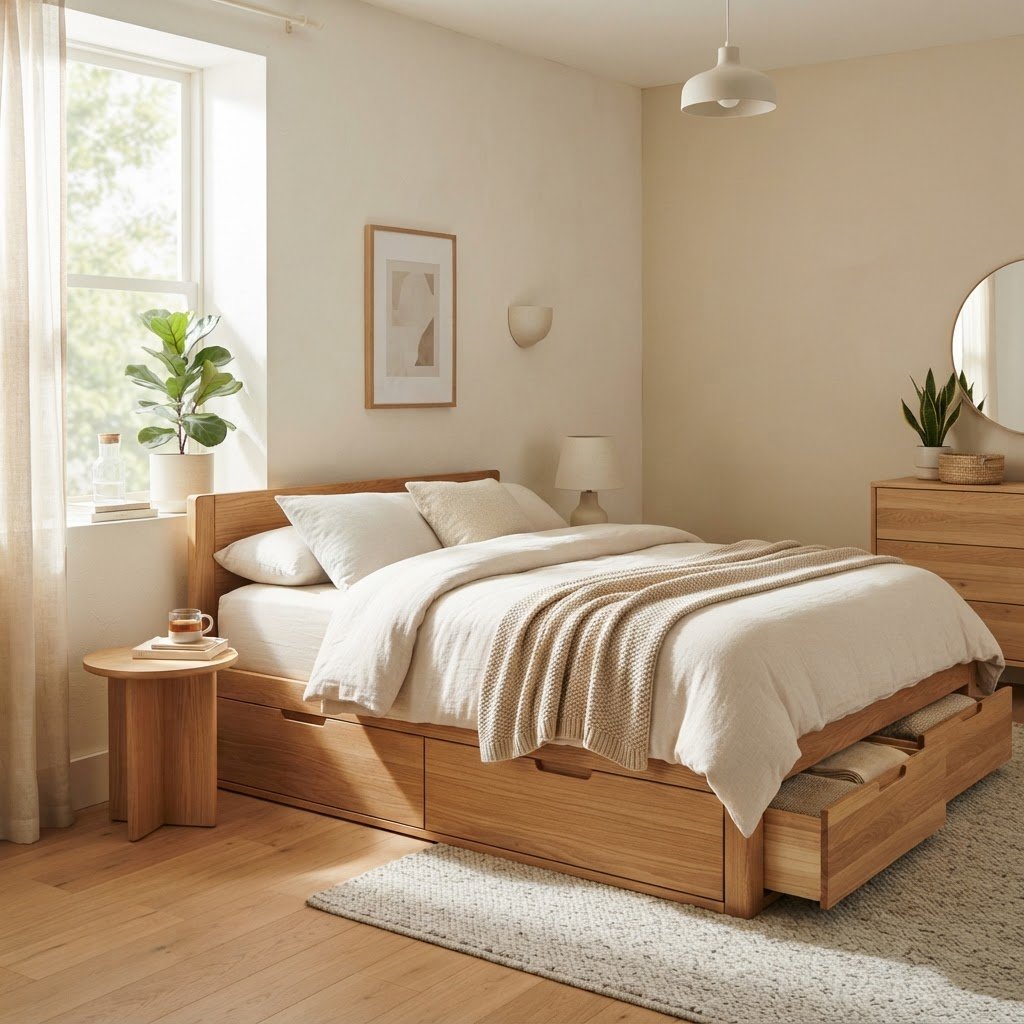
A platform bed maximizes storage without adding bulky furniture.

Platform beds with integrated storage are the gold standard for reclaiming lost floor space in rooms under 120 square feet. A traditional bed frame often leaves 10-15 cubic feet of dead air beneath the mattress; replacing this with drawer-based systems provides a dedicated home for bulky items like linens, seasonal sweaters, and spare pillows. Quality models utilize high-tensile drawer glides that can support up to 50 pounds per drawer, ensuring durability even with daily access.

Beyond simple utility, platform beds offer a minimalist, clean aesthetic that reduces visual noise. By removing the need for a separate box spring, you lower the mattress profile, which makes ceilings appear higher and the room more expansive. Models featuring integrated headboard shelving or foot-side cubbies provide an additional 3-5 linear feet of surface area, perfect for small apartments where standard bedside tables would obstruct pathways.

Feature Traditional Bed + Box Spring Platform Storage Bed
Storage Capacity Minimal (Requires risers) High (Integrated drawers)
Visual Weight Heavy/Bulky Light/Streamlined
Maintenance Difficult to clean under Easy access to contents
Space Efficiency Poor Excellent

Utilizing Architectural Wall Niches

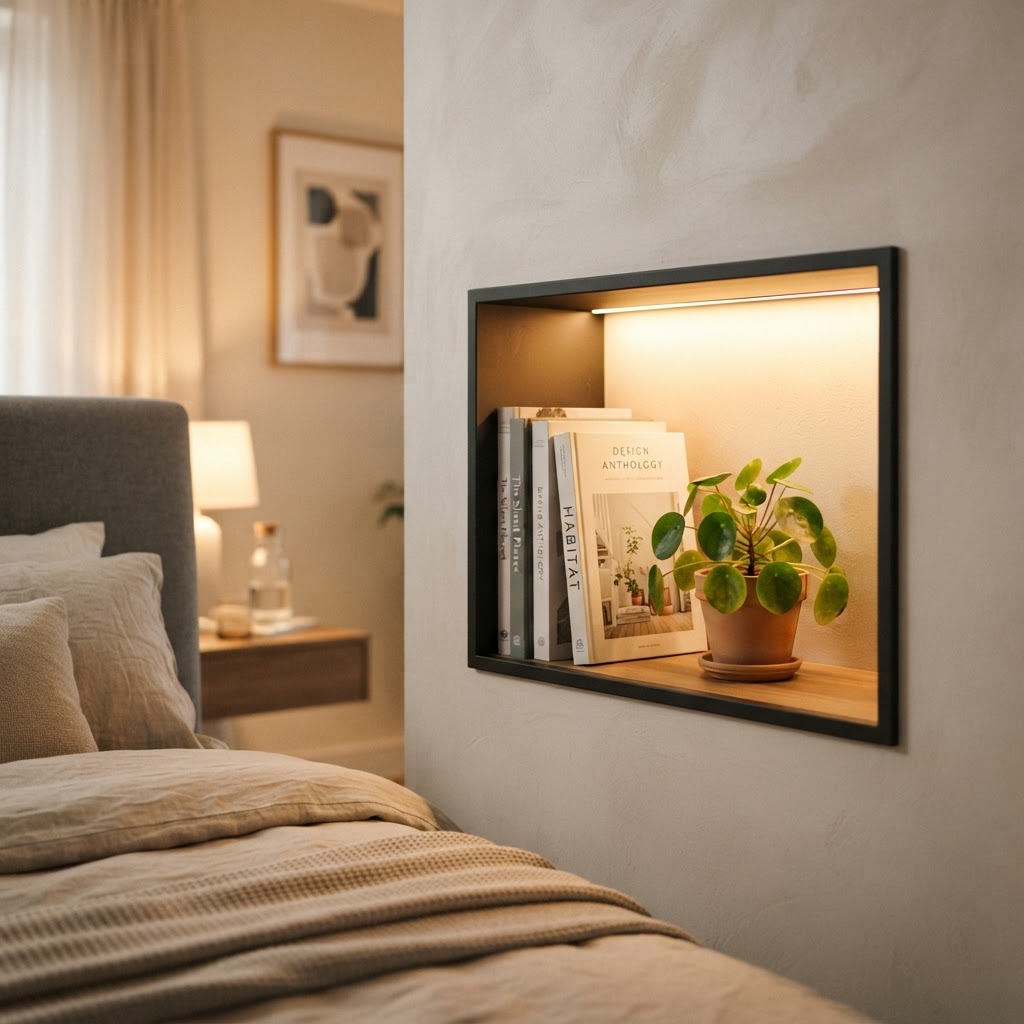
Recessed niches save space while providing elegant storage.

Wall niches are the most effective way to gain storage without protruding into precious circulation paths. By utilizing the 3.5-inch to 5.5-inch void between standard wall studs, you create flush shelving that keeps the bedroom layout open and airy. For rooms smaller than 10×10 feet, replacing bulky nightstands with recessed niches can save roughly 4 square feet of floor space per side of the bed.

Designing the perfect niche requires professional planning to ensure structural integrity. When carving out space between studs, incorporate integrated LED strip lighting—which typically consumes less than 5 watts of power—to serve as task lighting for reading. This design strategy keeps smartphones, glasses, and books off the floor, effectively creating a “floating” nightstand effect that feels high-end and intentional. A typical 16-inch wide niche can hold up to 20 pounds of weight if properly reinforced, providing more than enough capacity for personal essentials. If you are renovating, prioritize placing these at eye level while seated in bed to ensure the most ergonomic access to your items.

Maximizing Potential with Built-Ins

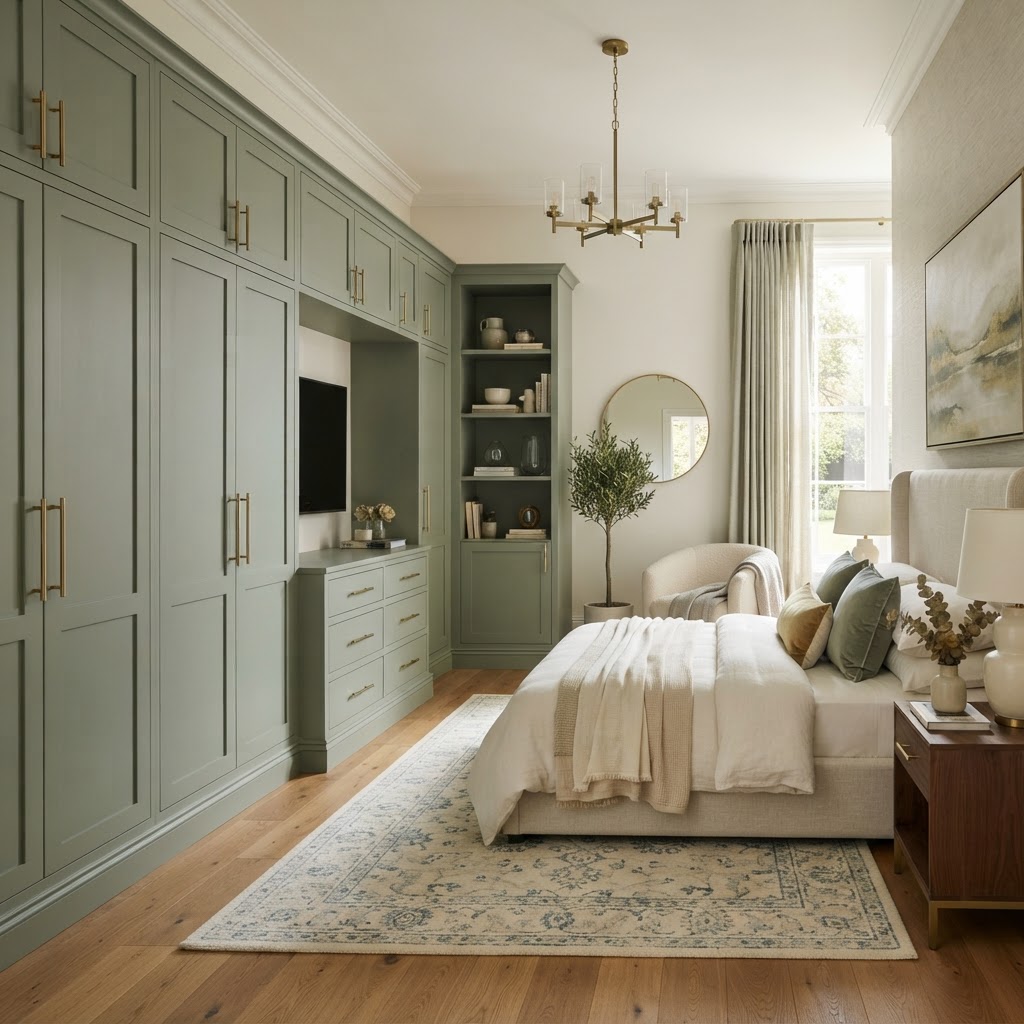
Custom built-ins utilize vertical space for a clean, cohesive look.

Custom floor-to-ceiling built-ins serve as the ultimate investment for long-term dwellers looking to utilize every inch of vertical capacity. While custom cabinetry requires a higher upfront cost (typically $2,000 to $5,000 depending on complexity), it increases the long-term organization potential by up to 300% compared to standalone furniture. Tailoring units to fit around window frames or challenging corner angles allows you to reclaim “dead” corners that would otherwise be unusable.

Mixing closed cabinetry with open cubbies creates a balanced visual environment where clutter is hidden behind smooth-finish doors while personality-defining items are displayed. For rooms lacking closets, wall-to-wall joinery that includes double-hanging clothing rods and deep drawers can effectively act as a self-contained wardrobe system. Painting these built-ins the exact color and finish as your walls makes the furniture “disappear” into the background, preventing the room from feeling claustrophobic.

Vertical Thinking and Wall-Mounted Solutions

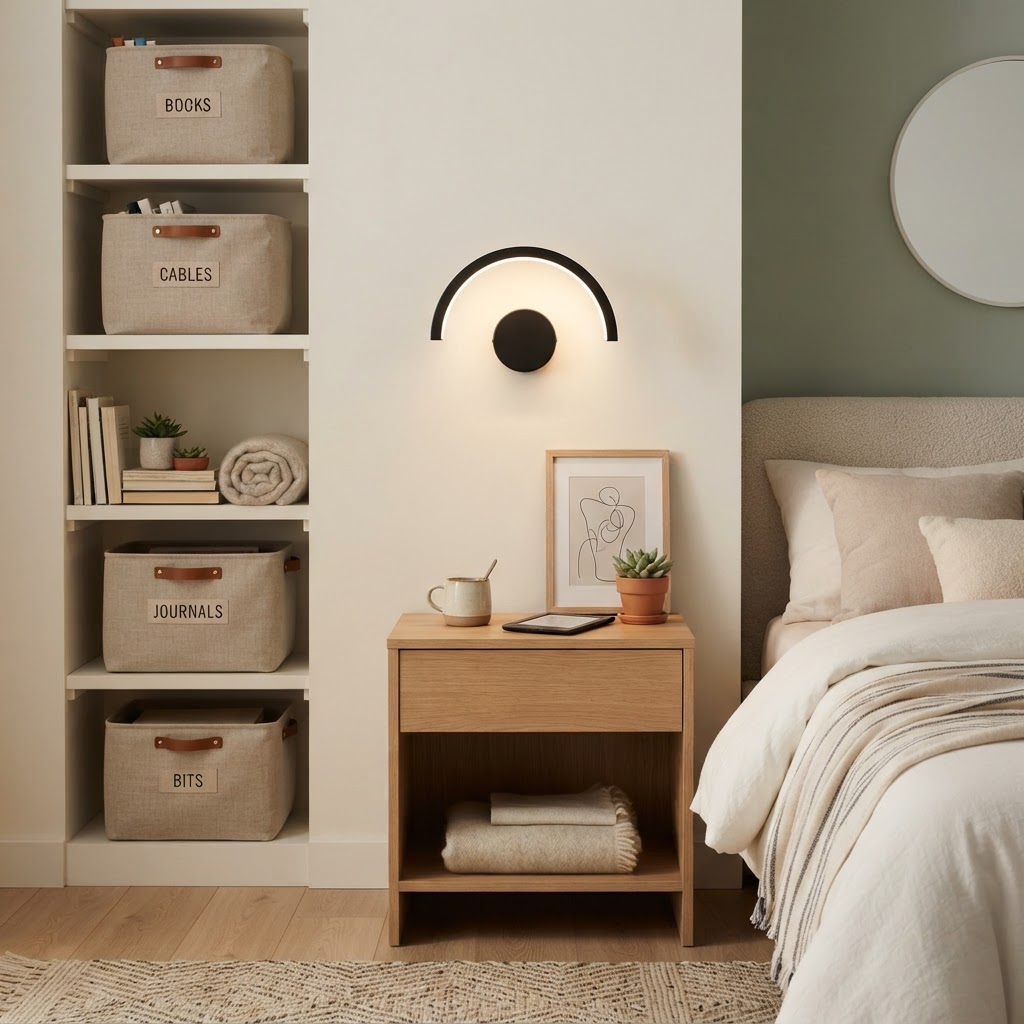
Wall-mounted shelves keep the floor clear and the room open.

Vertical storage solutions become essential once the room reaches maximum floor capacity. Installing high-level shelving around the perimeter of the room creates a “halo” effect, providing ample space for infrequently used items like seasonal luggage or keepsakes without compromising the bedroom’s primary living zone. To avoid a cluttered look, these shelves should be mounted 12-18 inches from the ceiling line to maintain a sense of height.

Choosing the right hardware is non-negotiable for safety and stability; opt for heavy-duty metal brackets capable of supporting at least 50 pounds per shelf. Pair these with uniform decorative bins to maintain a cohesive interior design scheme. This approach ensures the storage remains orderly and aesthetically pleasing. If you are a renter, tension-rod shelving or adhesive-backed systems can offer similar vertical utility without the need for drilling into walls or damaging drywall.

Smart Organization for Small Drawers

Small drawers lose 20-30% of their utility without a rigid organizational system in place. Even the most efficient storage solution becomes chaotic if the interior volume is not compartmentalized using drawer dividers. By grouping items like socks, undergarments, and accessories into specific modular bins, you can increase the amount of clothing stored in a single drawer by roughly 25% through improved folding techniques like the file-fold method.

Maintenance is the backbone of small-space living; conduct a seasonal audit every 90 days. During these audits, rotate your wardrobe to ensure only current-season items occupy your most accessible storage zones. Vacuum-sealed storage bags are particularly effective for bulky off-season items, reducing their volume by up to 75%.

Item Type Storage Solution Best Location Efficiency Gain
Seasonal Linens Under-bed drawers Beneath the frame High
Reading Materials Wall-mounted niches Beside headboard Moderate
Daily Accessories Vertical pegboard Behind the door High
Bulky Winter Wear Vacuum-sealed bags Top of built-ins Very High

FAQ

How can I make a small bedroom look bigger with storage?

To make a small bedroom look larger, use light-colored, floor-to-ceiling built-ins that match your wall color to create a seamless, recessed look. Incorporating mirrors on cabinet doors or using glass-fronted storage also helps by reflecting light and adding a sense of depth to the room.

Are platform beds better than box springs for small rooms?

Yes, platform beds are superior for small rooms because they provide integrated, hidden storage capacity and eliminate the need for a bulky box spring. This design choice reduces visual clutter and provides 10-20 cubic feet of extra storage space that is otherwise wasted beneath a traditional frame.

What is the most space-efficient way to store clothing in a tiny room?

Use a combination of double-hanging rods within built-in closets and vacuum-sealed bags for off-season items to maximize volume. Implementing a strict seasonal audit system ensures that only the clothing you currently need occupies your primary storage space, keeping the room lean and functional.

Can I install wall niches if I am renting?

Most wall niches require structural modifications to the wall studs, which are generally not permitted in rental properties. As an alternative, renters can use tension-mounted shelves or adhesive-backed wall storage units to mimic the look and utility of a niche without making permanent changes to the building’s architecture.

15+ Renter-Friendly Amazon Home Finds for Easy Upgrades

15+ Renter-Friendly Amazon Home Finds for Easy Upgrades

Renter-friendly Amazon home finds allow you to personalize your living space using non-permanent, damage-free solutions like peel-and-stick wallpaper, battery-operated lighting, and tension-based storage. These products prioritize security deposit safety while enabling high-end aesthetic changes, such as upgrading hardware, covering dated flooring, and installing professional-grade gallery walls without drilling holes.

Transforming Walls with Peel-and-Stick Magic

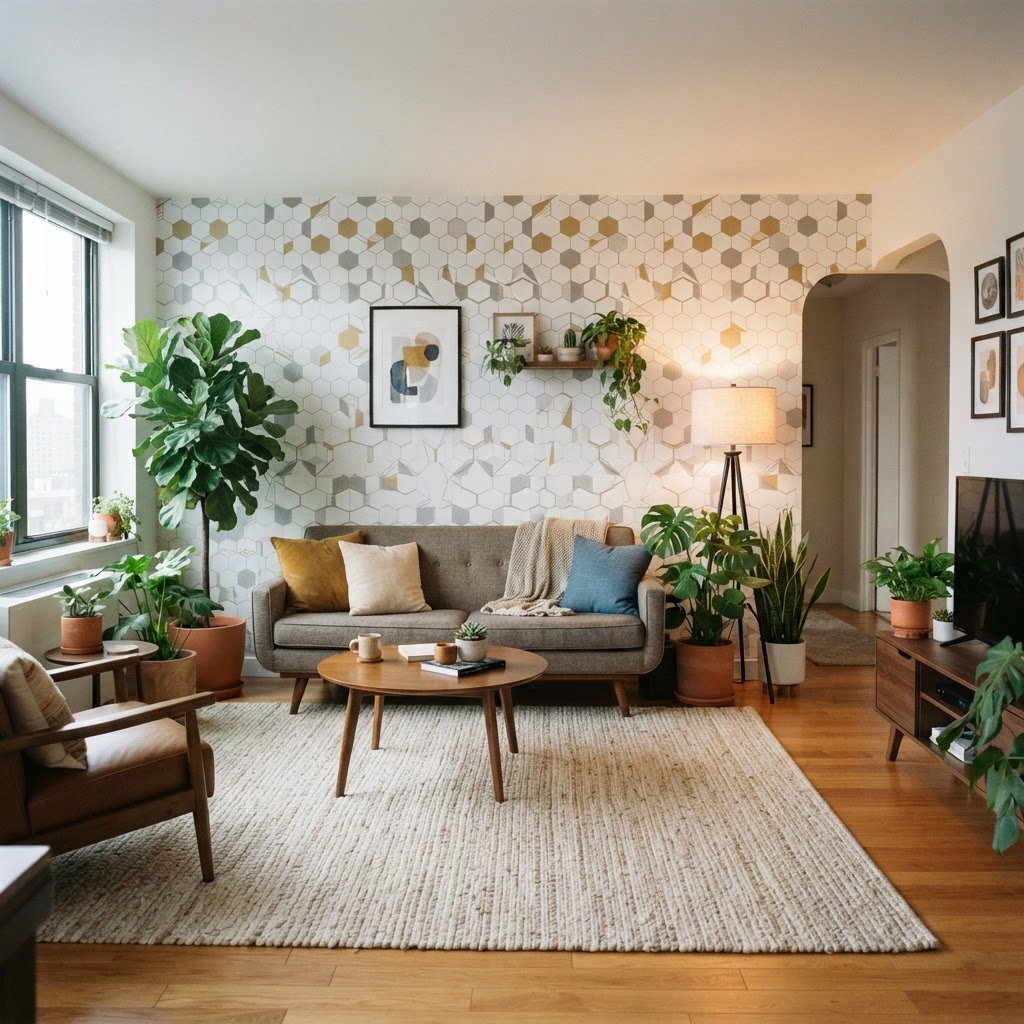
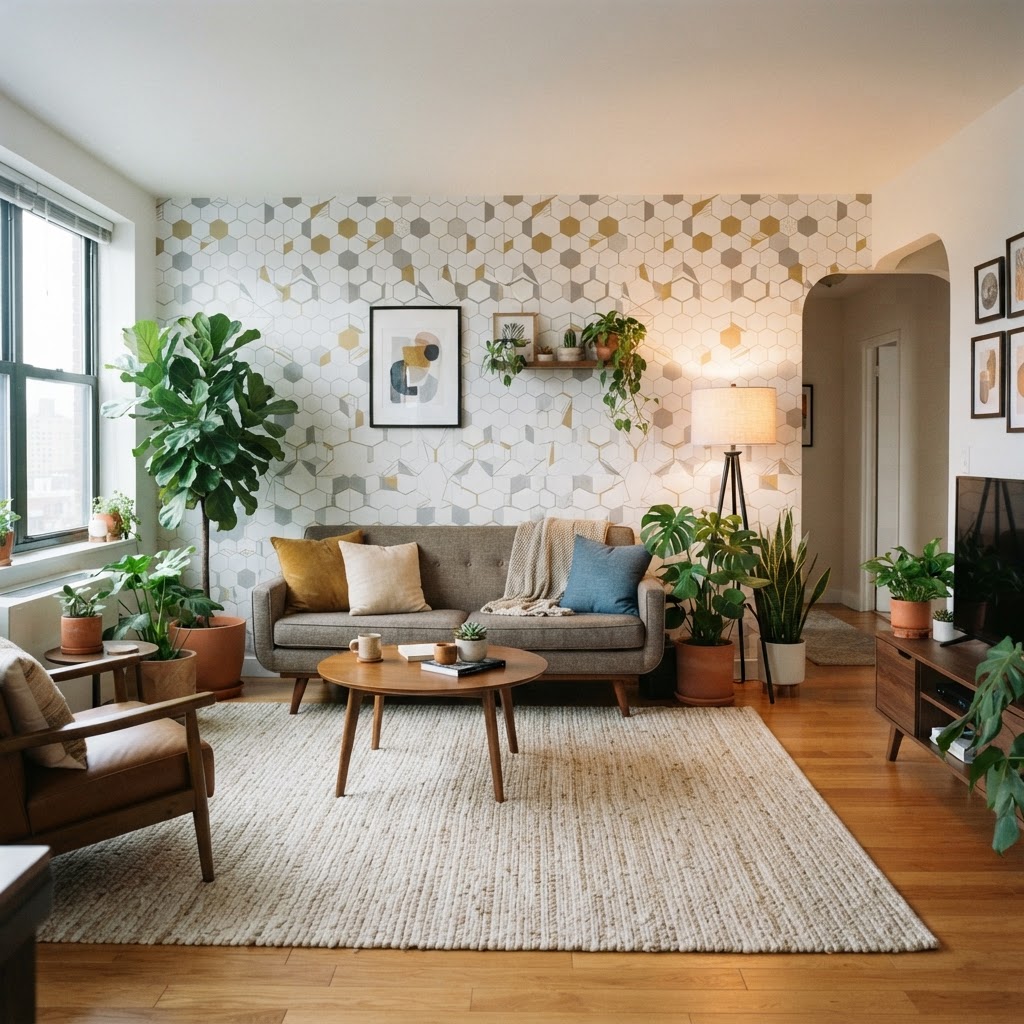
Transform dated walls with easily removable peel-and-stick wallpaper.

One of the most impactful ways to change the vibe of a rental is by addressing the walls with peel-and-stick solutions that eliminate the need for painting. These temporary wallpapers come in hundreds of patterns, from modern geometric prints to classic botanical motifs, and can be applied in under two hours for an average 10×10 wall. Beyond wallpaper, you should look into adhesive wall decals and hanging systems. If you want to create a gallery wall, opt for heavy-duty adhesive strips that hold frames securely but peel off cleanly when you move out. This allows you to display art, photos, and memories without leaving a single nail hole behind. According to product testing, high-quality adhesive strips can support up to 16 pounds, making them suitable for most standard gallery wall frames and mirrors.

Choosing the Right Adhesives

Not all adhesive products are created equal. When browsing for renter-friendly Amazon home finds, always check the reviews for mentions of paint damage. High-quality brands offer specialized backings that ensure the wallpaper or hook releases smoothly when pulled at a specific angle, preserving the integrity of the drywall. When selecting materials, prioritize options labeled “surface safe” to avoid peeling off original paint layers during the transition process.

Adhesive Type Best Use Case Removal Method
Command Strips Wall Art & Decor Pull tab slowly
Peel-and-Stick Vinyl Accent Walls Heat with hair dryer
Nano-Tape Small accessories Isopropyl alcohol

Lighting Solutions That Don’t Require Electricians

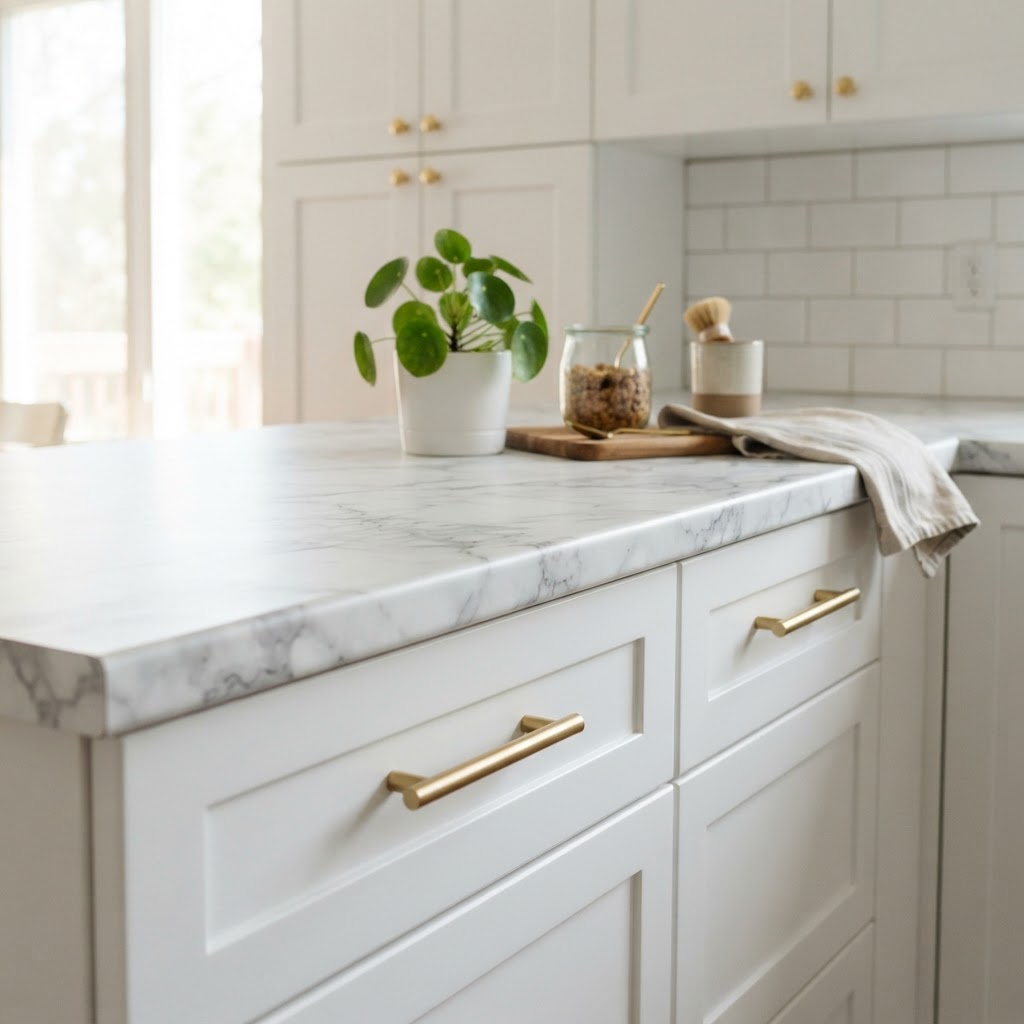
Upgrade kitchen cabinets with simple hardware swaps and contact paper.

Most rental apartments suffer from the ‘builder-grade’ lighting curse, but you can easily overcome this by focusing on task lighting and warm-toned LED upgrades that don’t require an electrician. Floor lamps and table lamps are obvious choices, but the real magic happens with clever hacks like battery-operated wall sconces that don’t require any hardwiring. These fixtures attach to the wall via adhesive mounts or simple hooks, allowing you to add sophisticated ambient lighting to a bedroom or living area. When shopping, look for “puck light” style LEDs with remote dimming capabilities; these typically run for 50-100 hours on a single charge and provide 3000K warm white light, which is standard for residential comfort. Paired with ‘smart’ bulbs that allow you to dim or change the temperature, you can create a custom lighting environment that feels incredibly high-end. Upgrading to smart bulbs can also save up to 75% on energy usage compared to traditional incandescent rental fixtures while lasting up to 25,000 hours, making them a cost-effective long-term investment for any tenant.

Kitchen Upgrades Without the Renovation

Use battery-operated sconces for instant, drill-free ambient lighting.

Kitchens are often the most difficult part of an apartment to love, but renter-friendly Amazon home finds can help you mask eyesores like dated cabinets or cheap countertops for under $100. Peel-and-stick vinyl contact paper is perfect for covering laminate countertops, providing a heat-resistant surface that cleans easily with a damp cloth. Temporary cabinet hardware upgrades can make a world of difference in your kitchen’s overall aesthetic; simply unscrew the original pulls and store them in a Ziploc bag until your lease ends. Replace them with sleek matte black or brushed gold handles found on Amazon. Just remember to keep the original hardware in a safe place so you can swap them back before you move out, ensuring your deposit remains safe. For an even quicker refresh, consider adding a magnetic backsplash or adhesive subway tiles, which can transform a kitchen wall in an afternoon without leaving residue on the substrate.

Maximizing Small Spaces with Smart Organization

Storage is the universal challenge of apartment living, and vertical space is your best friend when maximizing limited square footage. Look for over-the-door organizers, tiered rolling carts, and under-bed storage bins, which are functional, inexpensive, and easily portable for your next move. For closet organization, consider tension rod systems; these allow you to add extra shelving or hanging bars without putting a single hole in the wall. You can also utilize magnetic strips in the kitchen or bathroom to hold small metal items, keeping your counters clear and decluttered. Studies show that decluttered horizontal surfaces increase perceived room size by up to 20%, making organizational tools a primary aesthetic investment. When purchasing, look for high-tensile steel tension rods, which can support up to 30 pounds of clothing, allowing you to double your closet storage capacity in minutes.

Bathroom Refresh Hacks

Bathrooms in rentals are notorious for being sterile and uninspiring, but you can fix this by introducing textures and colors that feel elevated. Start by swapping out the standard, plastic shower curtain rod for a high-quality tension rod with a stylish finish, then add a floor-to-ceiling shower curtain to make your ceilings appear taller. Consider adding a bamboo bath mat or a teak shower bench for a spa-like feel; these items are durable, moisture-resistant, and can be easily moved to your next home. Don’t forget to organize your toiletries with sleek acrylic trays or hanging caddies that can suction to the shower wall without needing drilling. Acrylic organizers are especially effective because they create a clean, minimalist visual flow that prevents the bathroom from feeling cluttered. Most high-quality suction caddies can hold up to 10 pounds of products, ensuring your skincare and hygiene essentials are always within reach.

Incorporating Greenery and Texture

Plants breathe life into a rental apartment, and since many apartments lack natural light, you can look for low-light friendly species or realistic faux greenery on Amazon. Pair these with ceramic planters or woven baskets to add texture and depth to your living space. Layering rugs is another professional design tip for renters. If your apartment has ugly carpet or damaged hardwood, a large, 8×10 neutral area rug serves as a solid foundation. Then, layer a smaller, patterned rug on top to add personality and define your living space. This is a cost-effective way to hide flooring imperfections while making a room feel more intentional. Rug layering can improve acoustic insulation by up to 30%, which is particularly beneficial in older apartment buildings with thin floorboards.

Tips for a Stress-Free Move Out

To ensure all your efforts remain truly renter-friendly, always keep your original hardware and fixtures in a designated ‘move-out’ box. Before removing any adhesive products, use a hairdryer on a low, warm setting to loosen the adhesive backing; this reduces the risk of peeling the paint or damaging the wall surface during removal. Keep a small container of white spackle and touch-up paint handy for any minor dings that might occur during furniture assembly. By maintaining your space with care, you can enjoy all the benefits of a personalized home without the stress of losing your security deposit when it’s time to head to your next adventure.

FAQ

Q: How can I hang pictures without damaging walls?

Use heavy-duty adhesive strips or picture hanging hooks specifically designed for rentals to avoid nail holes. These products use specialized adhesives that can be stretched to release cleanly from drywall without pulling off the paint, provided you follow the weight capacity instructions on the packaging.

Q: Is peel-and-stick wallpaper safe for all walls?

Most peel-and-stick wallpapers are safe for smooth, painted, or primed drywall, but they may not adhere well to textured surfaces. Always perform a patch test in an inconspicuous area for 24 hours to ensure the material does not lift paint or leave residue when removed.

Q: Can I change my kitchen cabinets without replacing them?

Yes, you can refresh cabinets by using removable vinyl contact paper to change their color or by simply swapping the hardware. Ensure you store the original handles in a labeled bag so you can reinstall them before your move-out inspection to avoid any deposit deductions.

Q: What is the best way to remove adhesive residue?

To remove stubborn adhesive residue, use a hair dryer on a low heat setting to soften the glue before gently wiping it away with a cloth dipped in rubbing alcohol. This method effectively breaks down the bonding agent without the need for harsh chemicals that could damage your rental’s paint.

Q: Do tension rods actually hold enough weight?

High-quality, heavy-duty tension rods are capable of holding between 20 to 50 pounds depending on the width of the opening and the rod’s construction. Ensure the rod is properly tightened against a solid surface, such as the studs or a window frame, to maximize its load-bearing capacity.

Cozy Living Room Ideas: Warm Lights and Lush Plants

Cozy Living Room Ideas: Warm Lights and Lush Plants

To create a cozy living room, use layered warm lighting (2,700K–3,000K) combined with biophilic plant arrangements to transform your space into a peaceful, stress-reducing sanctuary. By balancing soft, golden hues with organic textures, you can achieve a high-end, comfortable aesthetic that supports both relaxation and mental well-being.

The Psychology of Cozy Design

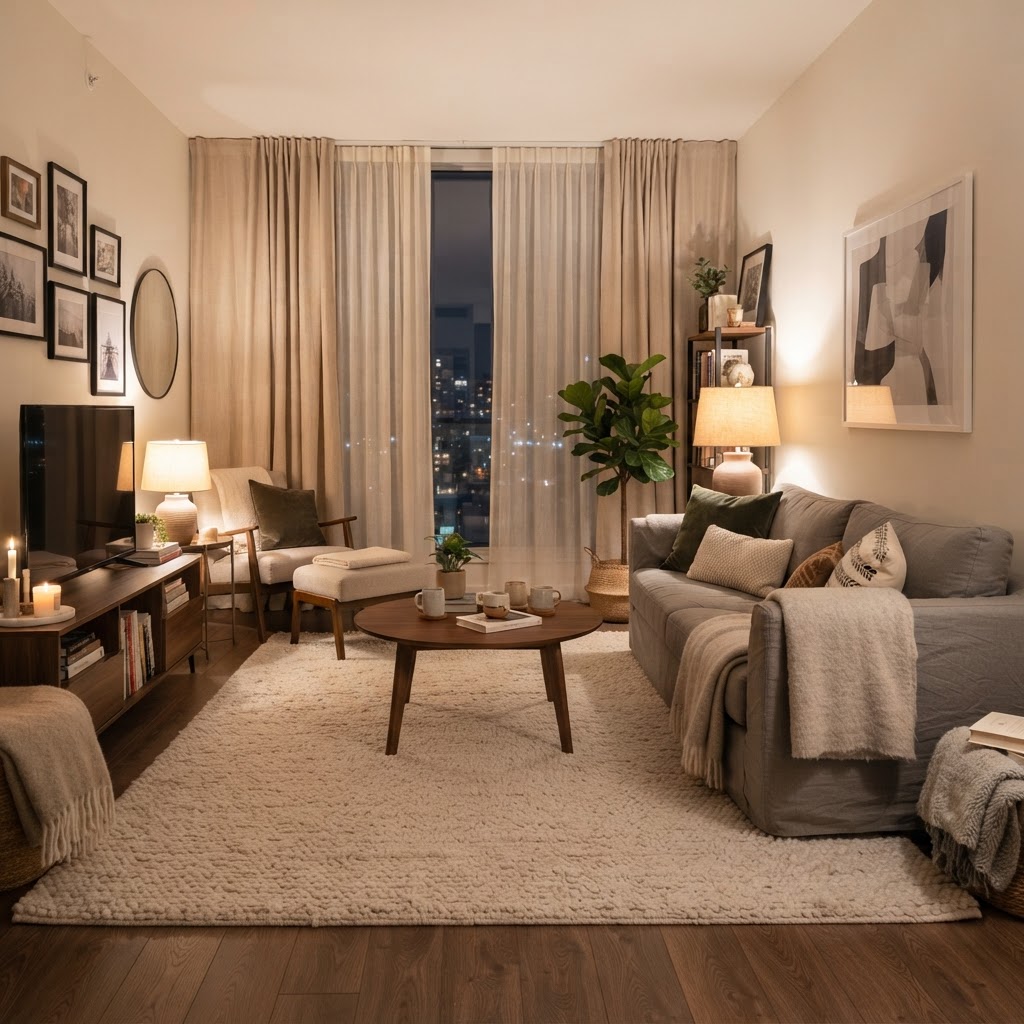
A harmonious blend of warm lights and greenery in a modern cozy living room.

Design choices directly influence human physiology, with warm lighting and indoor greenery acting as primary drivers for home-based stress relief. Research indicates that warm-toned light (under 3,000K) promotes melatonin production, which is essential for evening relaxation, while biophilic design—the integration of plants—can lower cortisol levels by as much as 15% in home environments. Modern minimalist homes often lack these sensory inputs, leading to a sterile environment that can heighten anxiety. By intentionally layering these elements, you shift a room from a cold, functional box into a “soft” environment that signals safety to the brain. This design strategy utilizes the concept of Prospect and Refuge: providing an open space (prospect) while using lamps and foliage to create enclosed, comfortable nooks (refuge). This approach is not merely aesthetic; it is a calculated effort to optimize your living space for psychological recovery, ensuring that your home acts as a buffer against the daily stressors of the outside world. When you combine these two pillars, you create an environment that supports your mental well-being while looking effortlessly stylish.

Why Lighting Matters

Lighting dictates the perceived temperature and mood of an interior, with harsh overhead fixtures often triggering alertness rather than comfort. To maximize coziness, you must move away from a single, centralized light source toward a multi-layer lighting scheme that illuminates a room at various eye levels. This “layering” technique prevents the shadows that make rooms feel smaller and colder. By utilizing floor lamps, table lamps, and hidden LED strips, you create pockets of light that add depth and dimension to the architecture of the room.
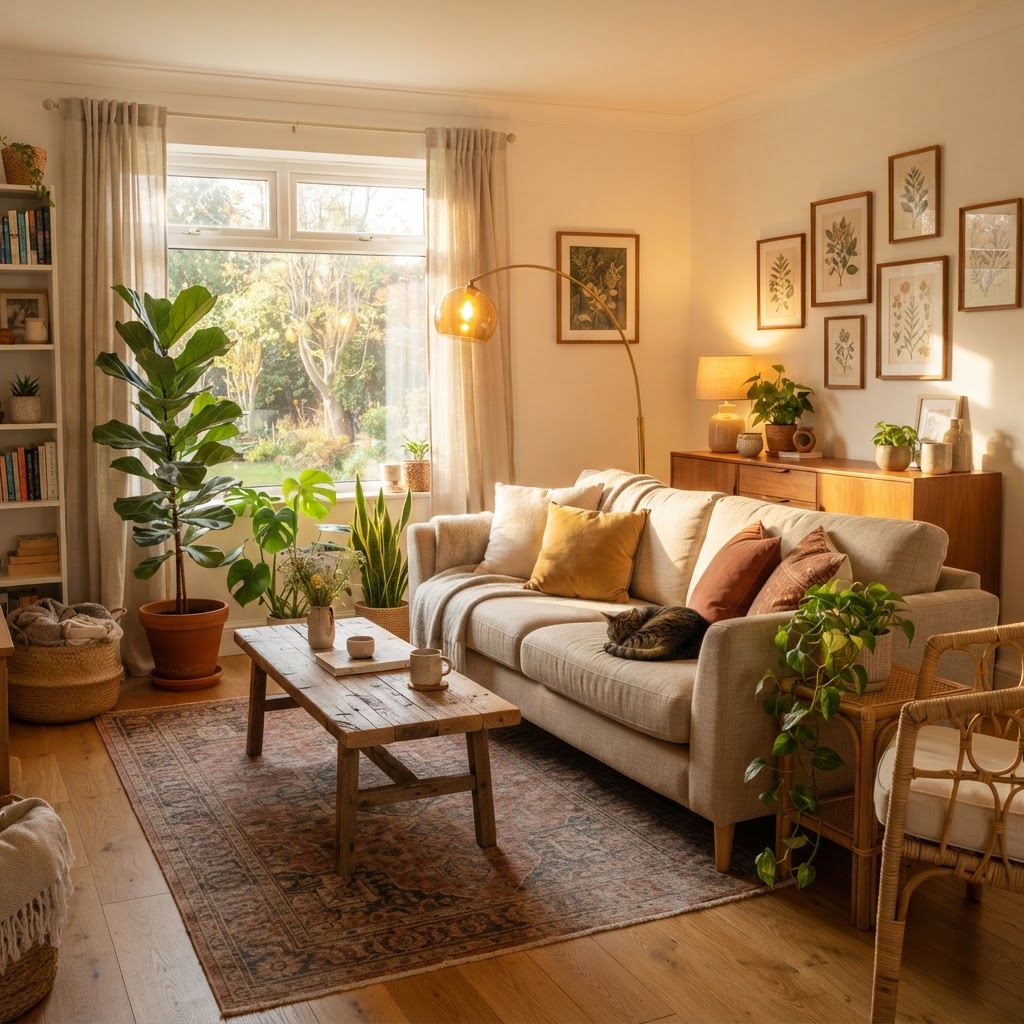
Lighting Type Color Temperature Best Use Case
Warm White 2,700K – 3,000K Living Rooms, Bedrooms
Cool White 3,500K – 4,500K Kitchens, Bathrooms
Daylight 5,000K+ Offices, Garages

Choosing the Right Warm Lighting

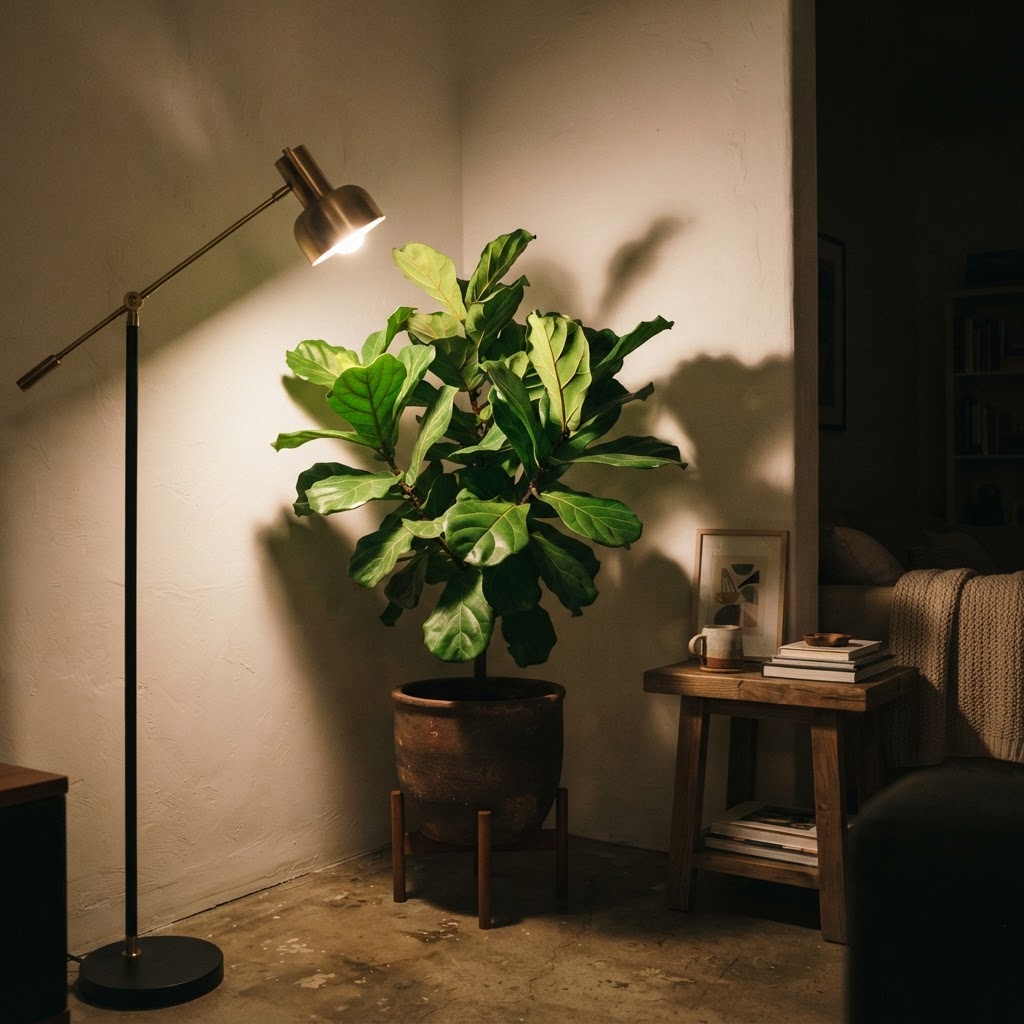
Using warm lighting to highlight indoor plants creates depth and drama.

Mastering lighting aesthetics requires strict adherence to color temperature, specifically targeting the “warm white” range of 2,700K to 3,000K to mimic the soothing quality of sunset light. Bulbs labeled as ‘daylight’ or ‘cool white’ (above 4,000K) contain high levels of blue light, which suppresses melatonin and creates a sterile, institutional feel that is the antithesis of a cozy atmosphere. When shopping for bulbs, always check the Kelvin (K) rating on the packaging; a 2,700K bulb provides the classic, yellow-amber glow of an incandescent bulb while still offering the efficiency of modern LED technology. To further enhance this, consider the Color Rendering Index (CRI); a CRI of 90 or higher will ensure that your plants’ green hues look vibrant and natural under your chosen light, rather than washed out or gray. By replacing all primary bulbs in your living space with these specific parameters, you instantly reset the mood of the room without needing to move a single piece of furniture.

Essential Lighting Layers

  • Ambient Lighting: The base layer, usually provided by chandeliers or ceiling lights, set to a low, dimmable level.
  • Task Lighting: Focused lights for reading or working, such as an adjustable brass floor lamp placed next to your favorite armchair.
  • Accent Lighting: Subtle strips or wall sconces used to highlight artwork, bookshelves, or your favorite plant displays.

Integrating Plants for Organic Texture

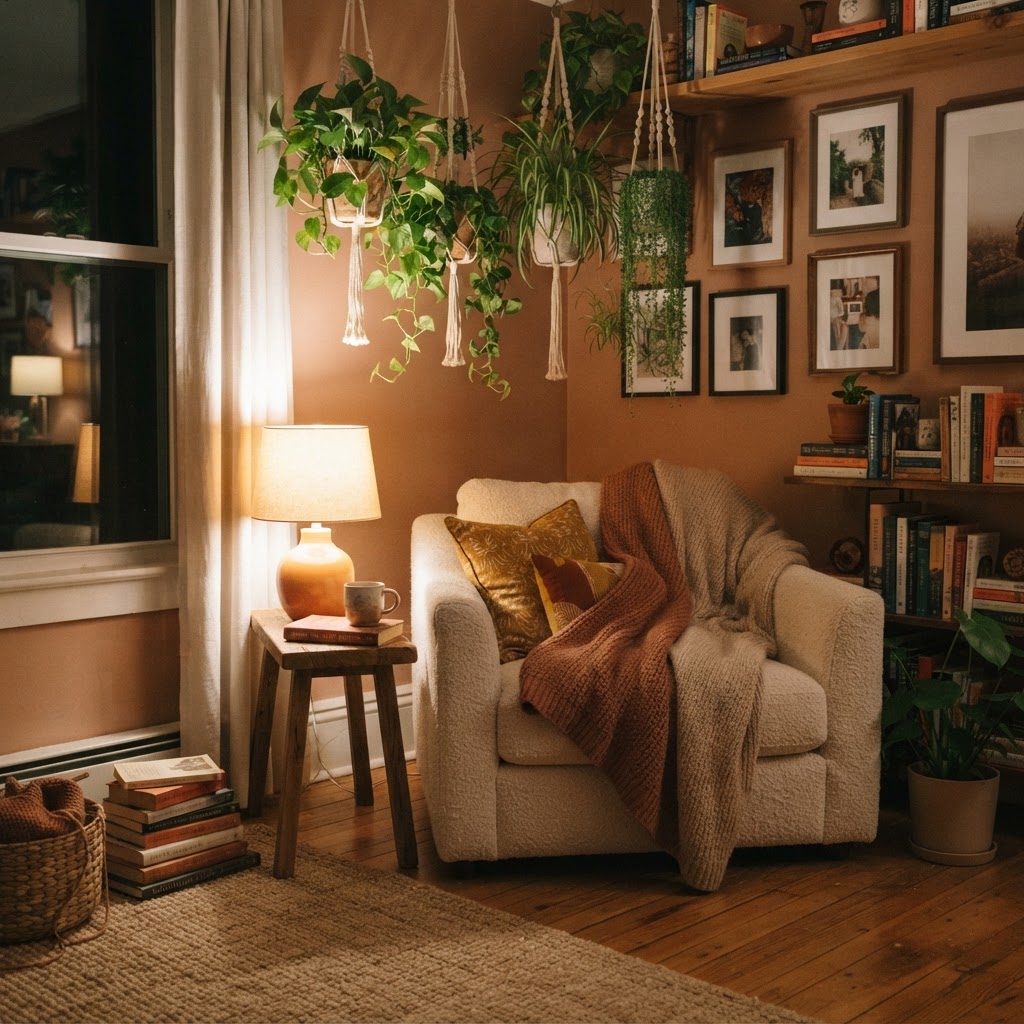
A serene reading corner defined by soft ambient lighting and lush foliage.

Integrating indoor plants is the most effective way to introduce organic, non-linear shapes that break up the rigidity of modern furniture and add a vital, living element to your decor. Selection should be based on your home’s specific micro-climate; for example, a Snake Plant (Sansevieria) is an ideal low-light choice that survives in corners receiving as little as 100-200 foot-candles of light, whereas a Fiddle Leaf Fig requires 600-1,000 foot-candles to thrive. By categorizing your plants based on maintenance levels—such as ‘low-maintenance succulents’ versus ‘high-attention tropicals’—you prevent the stress of plant death which would defeat the purpose of a relaxing room. Large statement plants, like the Monstera Deliciosa, serve as living sculptures, while smaller hanging plants add vertical interest, drawing the eye upward and creating a sense of volume in smaller rooms. Always ensure your pots have proper drainage to prevent root rot, as healthy plants are essential for maintaining the “fresh” quality of a cozy, air-purified space.

Creating Plant Clusters

Don’t be afraid to group plants together. Clustering different sizes, leaf shapes, and textures creates visual depth and interest. Place a tall plant on the floor, a medium-sized trailing plant on a side table, and a small succulent on a coffee table. This ‘plant pyramid’ technique ensures your greenery feels intentional rather than scattered.

Harmonizing Light and Greenery

Cohesion between your light sources and plants is achieved by using accent lighting to highlight the architectural silhouette of your foliage after dark. When you place a directional spotlight or an uplight behind a large plant like a Bird of Paradise or a Fiddle Leaf Fig, the light casts large, complex shadows on the wall, adding a dynamic, dramatic texture that shifts with the light. For optimal results, ensure the light source is LED-based to prevent heat-stress on leaves; an incandescent bulb placed within 12 inches of a leaf can cause browning or dehydration. Aim for a 45-degree angle when pointing your accent lights at your plants to maximize the texture of the leaves and minimize glare on the foliage. By treating your plants as “living art,” you justify their placement throughout the living area, turning dark corners into cozy, illuminated galleries. This technique creates a focal point that is both visually engaging and deeply grounded in nature, effectively bridging the gap between your interior design and the outdoor world.

Positioning for Growth and Glow

Ensure that the lights you use for ambiance are not too close to heat-sensitive leaves. While warmth is beneficial, excessive heat from incandescent bulbs can dry out delicate foliage. Opt for LED bulbs, which provide the desired color temperature without the intense heat output, ensuring your plants stay healthy while your room stays cozy.

Selecting Furniture and Textures

Furniture selection serves as the physical foundation of your cozy design, requiring a focus on tactile surfaces that encourage physical comfort and relaxation. To create a balanced room, mix “soft” textiles like velvet, wool, or boucle with “hard” elements like rustic wood or stone to prevent a sense of monotony. Research shows that natural wood surfaces can reduce blood pressure and heart rate when compared to synthetic plastic or glass surfaces. A plush, high-pile rug is non-negotiable for a cozy room; it provides sound dampening, which creates a quieter, more intimate acoustic environment. When selecting seating, look for rounded edges and deep cushions, which promote a “nesting” behavior that is psychologically associated with comfort. Use these textures in a cohesive color palette—usually neutrals like cream, sage, or soft terracotta—to maintain visual harmony while letting the textures do the work of adding interest to the space.

Material Type Tactile Feel Best Application
Velvet Soft / Luxurious Accent Chairs / Pillows
Boucle Textured / Warm Sofas / Throws
Rattan Organic / Hard Plant Baskets / Trays

Balancing Hard and Soft Elements

To keep the space from feeling cluttered, contrast your soft textiles with some hard, natural surfaces. A rustic wooden coffee table or a woven rattan basket for your plants can ground the space. The juxtaposition of smooth ceramic pots, soft cushions, and rough wood creates a sensory experience that feels natural and lived-in.

Maintenance Tips for a Sustained Oasis

Longevity in design is achieved through a consistent maintenance routine that preserves the clarity of your lighting and the health of your plants. Clean glass light shades at least once a month; a thin layer of dust can reduce light output by up to 20%, significantly dulling the warmth you worked to achieve. Similarly, cleaning plant leaves with a damp microfiber cloth is not just for aesthetic appeal; dust buildup blocks stomata, the small pores used for gas exchange, which can reduce a plant’s ability to photosynthesize by nearly 30% in dusty environments. For lighting control, prioritize dimmers or smart-bulb systems that allow for automated scheduling. Being able to program your lights to gradually dim as the sun sets helps regulate your body’s circadian rhythm, further cementing your living room as a space for genuine restoration rather than just storage.

The Importance of Dimmers

Installing dimmer switches is a game changer for living room lighting. It allows you to transition your space from a bright, functional area during the afternoon to a dim, intimate lounge for the evening. If you cannot install hardwired dimmers, smart bulbs are an affordable and effective alternative that can be controlled via your smartphone or voice assistant.

FAQ

Q: What is the best color temperature for a cozy living room?

Directly use light bulbs labeled as ‘warm white’ ranging from 2,700K to 3,000K to achieve a soft, amber glow. This color temperature mimics the natural warmth of sunset and is proven to signal the body to relax.

Q: Which plants are best for low-light living rooms?

Choose resilient, low-light plants such as Snake Plants, ZZ Plants, or Pothos, which require minimal direct sunlight. These varieties are highly adaptable and thrive in environments with as little as 100 foot-candles of ambient light.

Q: How do I make a small living room feel cozier?

Use layered lighting at varying heights and incorporate vertical plant displays to draw the eye upward and increase the perceived sense of volume. Avoid bulky furniture and instead opt for pieces with legs that reveal the floor to prevent the space from feeling cramped.

Q: Can I use LED lights with plants?

Yes, LED lights are the preferred choice for plant owners because they provide the necessary light spectrum without emitting excessive heat. Incandescent bulbs can damage foliage if placed too close, but cool-running LEDs can safely illuminate your greenery all evening.

Q: How often should I clean my plants to keep them healthy?

Dust your plant leaves every two to four weeks using a damp cloth to ensure they can photosynthesize efficiently. Healthy, dust-free leaves are brighter, more vibrant, and perform better at air purification than plants left to accumulate dirt.

5 Quick Ways to Make Your Rental Feel Less Temporary

5 Quick Ways to Make Your Rental Feel Less Temporary

To make your rental feel less temporary, focus on “softening” clinical architectural features through layered warm lighting, peel-and-stick wall treatments, and textiles that anchor your furniture. By prioritizing high-impact, non-permanent upgrades like floor-to-ceiling drapes and curated gallery walls, you can effectively mask generic finishes and personalize your living space regardless of your lease length.

Lighting Adjustments for Instant Ambiance

Warm, layered lighting and soft textiles can turn any room into a cozy retreat.

Most rental units come with standard, clinical overhead lighting that can make any room feel harsh and impersonal. The first step to making your rental feel less temporary is to layer your lighting by swapping out standard builder-grade fixtures for warm LED bulbs in the 2700K to 3000K color temperature range. This Kelvin range mimics natural sunlight and instantly creates a cozy, welcoming atmosphere that feels high-end rather than temporary.

Incorporating Floor and Table Lamps

Beyond just changing bulbs, adding a variety of floor and table lamps will allow you to control the mood of each room. Instead of relying on a single overhead light, use lamps to create “zones” of warmth and task lighting. This trick not only elevates the design aesthetic but also hides the starkness of a rental interior. For maximum versatility, consider installing smart bulbs or dimmable plugs; these allow you to adjust the lighting temperature and intensity from your smartphone, mimicking a custom, high-end living environment for an average investment of just $30-$50.

Lighting Type Best For Typical Kelvin Range
Overhead General visibility 3000K – 4000K
Table Lamp Reading/Focus 2700K – 3000K
Floor Lamp Ambiance/Mood 2200K – 2700K

Introduce Removable Wallpaper and Decals

A gallery wall adds personality and makes a room feel permanent and curated.

One of the biggest hurdles to personalization is the sea of white walls found in most rental properties. Fortunately, high-quality, peel-and-stick wallpaper has revolutionized the industry, offering a way to add color, pattern, and texture without violating your lease agreement. Applying a bold wallpaper to a single accent wall can completely transform the look and feel of a bedroom or living area in under four hours.

Choosing the Right Adhesive

When selecting removable wallpaper, always look for high-quality, “renter-friendly” brands that explicitly guarantee residue-free removal. Before committing to a full wall, order a sample swatch for approximately $5-$8 to test the material against your specific wall texture. This ensures that you can safely apply and remove the paper when you eventually move out without damaging the underlying paint. If wallpaper feels like too large a commitment, consider vinyl decals. These small, intricate shapes can be arranged in a geometric design or mimic architectural details like crown molding for a fraction of the cost of real wood trim.
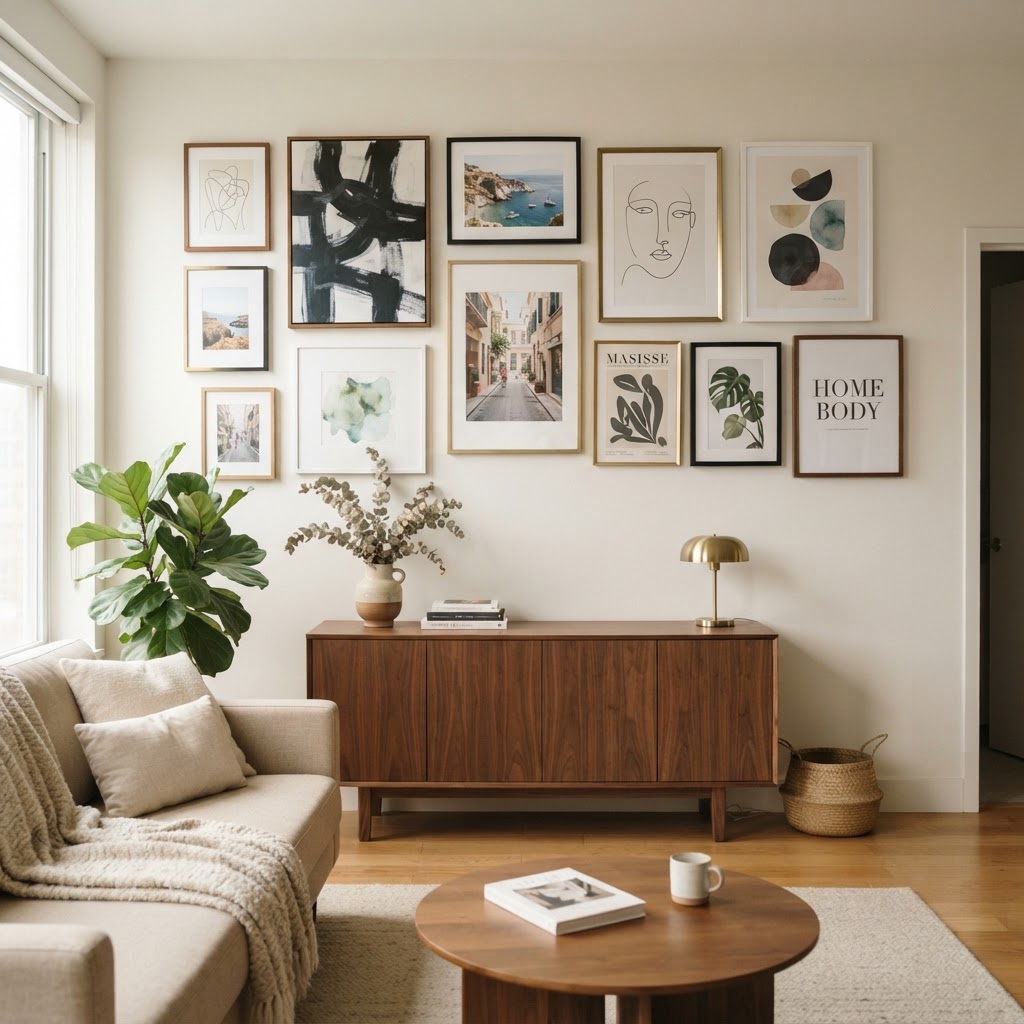
Textiles that Add Layers and Texture

Indoor plants add life and vibrant energy to any rental apartment.

Hardwood floors and plain curtains are common rental features that can make a space feel cold. To make your rental feel less temporary, focus on introducing soft textures through rugs, throws, and heavy curtains. A large, high-quality area rug—ideally at least an 8×10 for a living room—can cover unsightly or worn carpeting while anchoring your furniture in a way that feels intentional and cozy.
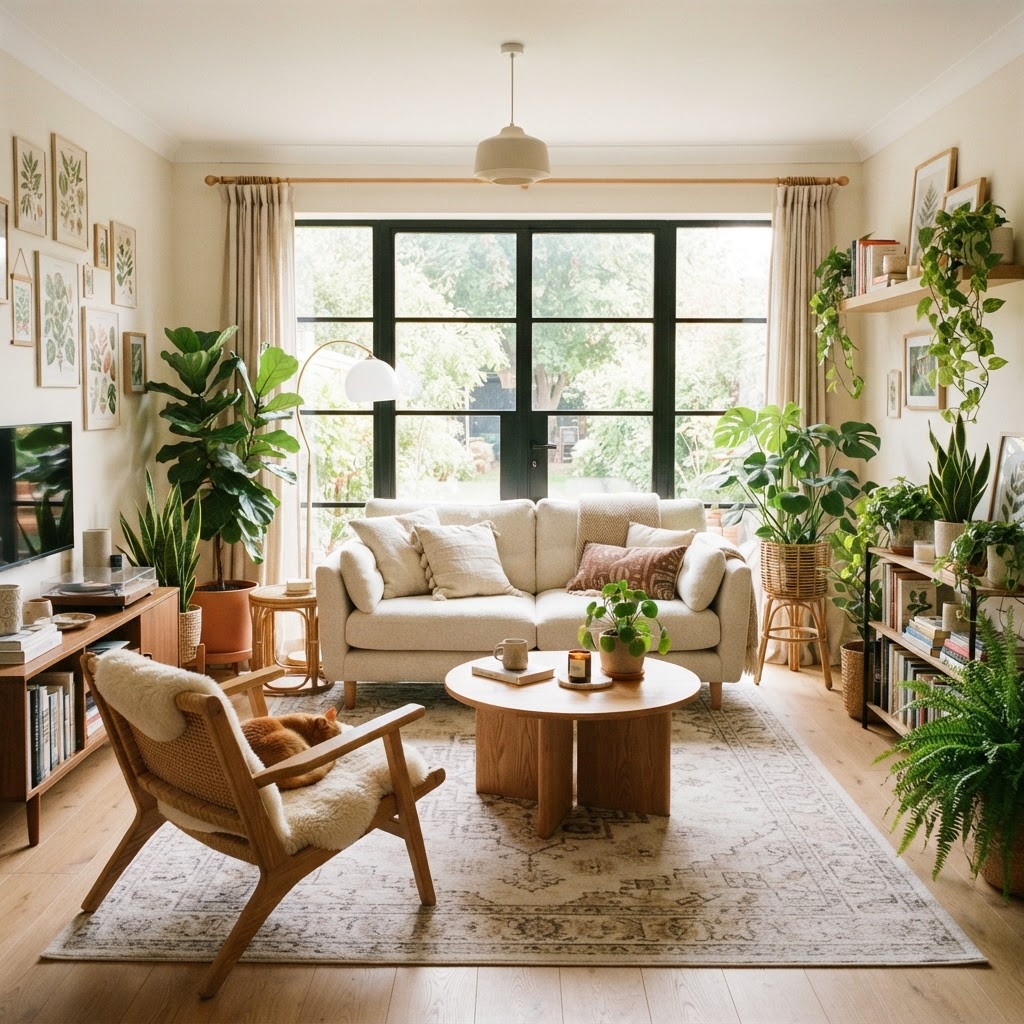
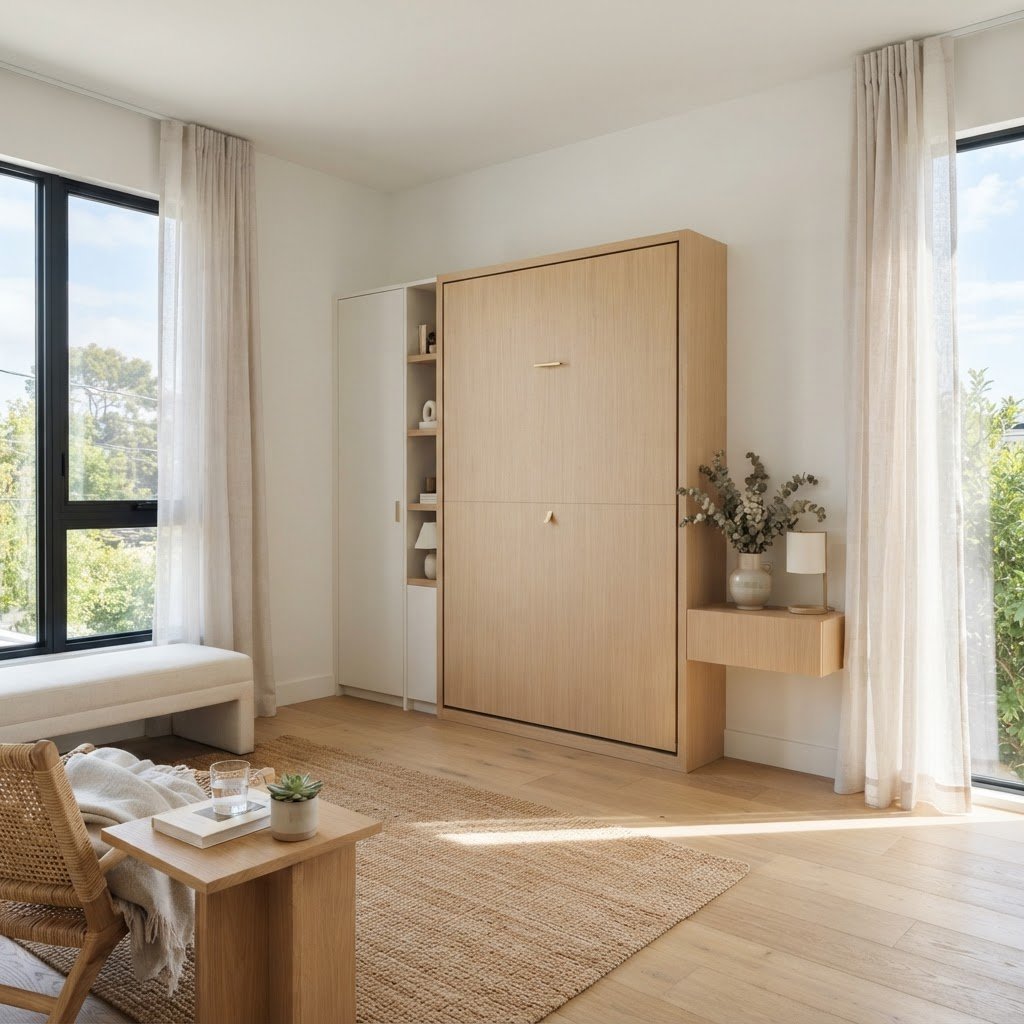
Don’t be afraid to double up on curtains. Use tension rods to install curtain panels in front of existing plastic blinds; adding high-quality, floor-to-ceiling drapes makes the windows look larger and adds a layer of sophistication. Combine these with various throw pillows and blankets in different fabrics—like velvet, wool, or linen—to add depth to your seating areas. Mixing these tactile elements creates a layered look that distracts from the “temporary” nature of the rental structure.

Personalize with Gallery Walls and Art

Blank walls are the biggest contributors to a sterile, temporary feel. Gallery walls are the perfect solution because they allow you to display a collection of personal memories, art prints, and photos that make the space feel deeply connected to your history. Using adhesive command strips or damage-free hanging hardware ensures that you keep your security deposit intact while creating a personalized focal point.

Curating Your Collection

Start by gathering art pieces that share a similar color palette or theme. Arrange them on the floor first to test your layout before moving to the walls. By placing items at eye level—typically 57 inches from the center of the frame to the floor—and creating a cohesive display, you signal that this room has been thoughtfully curated by someone who lives there, not just someone passing through. Consider mixing in mirrors; they do more than reflect light, as they make small rental rooms feel significantly larger and more permanent by adding physical depth to the space.

Bring Nature Indoors

Plants are one of the most effective tools for making a space feel grounded and alive. A few well-placed indoor plants can bridge the gap between sterile architecture and a vibrant, inviting home. Whether you opt for a tall fiddle leaf fig in a corner or a cluster of smaller succulents on a windowsill, greenery adds a natural element that softens the edges of a temporary living space.

To keep the look clean and consistent, choose planters that match your decor style, such as terracotta for a rustic look or sleek ceramic for a modern touch. If you are worried about maintenance, start with hardy options like snake plants or pothos, which can survive in low-light conditions with as little as one watering every two weeks.

Functional Organization that Looks Permanent

Often, the feeling of a temporary space comes from clutter and the lack of proper storage. Built-in cabinetry is rarely found in rentals, so you must create your own solutions. Invest in furniture that serves a double purpose, such as an ottoman with hidden internal storage or a bookshelf that doubles as a room divider.

Creative Storage Solutions

By keeping your belongings organized, you reduce visual noise. Using matching bins, baskets, and decorative boxes makes storage look like a planned design element rather than just a pile of boxes. When everything has a dedicated place, the home functions better, and you stop feeling like you are living out of a suitcase. Grouping similar items in uniform containers can increase your usable storage capacity by up to 30% in small closets.

FAQ

Q: How can I hang wall decor without damaging paint?

Use adhesive strips or removable hooks like Command strips to hang art without nails. These products are designed to hold significant weight while coming off cleanly when you move, provided you follow the manufacturer’s weight limit and surface preparation instructions.

Q: What is the cheapest way to make a rental look better?

Swapping out standard lightbulbs for warm-toned LEDs and adding a large, affordable area rug are the cheapest, highest-impact changes. These two updates immediately eliminate the “clinical” feeling of a rental and help anchor the room in under an hour for less than $100.

Q: Is peel-and-stick wallpaper safe for all walls?

Most high-quality, renter-friendly wallpaper is safe for smooth, primed, and painted drywall. However, you should always test a small swatch in an inconspicuous area for 48 hours to ensure no damage occurs upon removal, especially if your walls have textured plaster or old, loose paint.

Q: How do I hide ugly rental flooring?

Large area rugs are the most effective way to cover damaged or unattractive flooring. For a more cohesive look, layer smaller rugs or use heavy-duty carpet tiles that can be installed without adhesive, providing a custom look that covers 90% of the existing floor surface.

Q: Can I change light fixtures in a rental?

Yes, you can often change light fixtures if you save the originals to reinstall before you move out. Always turn off the circuit breaker, consult your lease agreement for permission, and consider hiring a professional if you are not comfortable handling basic electrical wiring.

Cozy Modern Guest Bedroom Ideas for Small Spaces: 2026 Trends

Cozy modern guest bedroom ideas for small spaces in 2026 center on maximizing functionality through multi-purpose furniture, layered ambient lighting, and high-quality organic textiles. By prioritizing vertical storage and eliminating visual clutter, you can create a luxurious, hotel-inspired retreat in as little as 80-100 square feet without sacrificing comfort or style.

The Philosophy of Compact Luxury

A versatile room design using a Murphy bed to save space.

The essence of a modern guest room today is ‘less but better,’ focusing on high-quality, multi-functional pieces that prioritize the guest experience. In 2026, designers are shifting away from filling small rooms with bulky furniture, opting instead for items that serve dual purposes to maintain minimalist elegance. A cozy atmosphere is achieved by layering textures—think soft velvet throws, tactile linen bedding, and warm ambient lighting.

When working in a small space, visual clutter is your greatest enemy. By choosing a neutral palette punctuated with deep, grounding tones like charcoal or terracotta, you create a sophisticated backdrop that makes the room feel larger while remaining warm. The modern aesthetic in 2026 favors organic shapes over rigid lines, which helps soften the edges of a small room. To maintain this, ensure that at least 40% of your floor space remains visible, as this “negative space” is a proven tactic to reduce the psychological feeling of confinement.

Feature Traditional Small Bedroom 2026 Modern Guest Room
Furniture Large Dressers Wall-mounted shelves/storage
Lighting Central Overhead Layered Sconces/Smart LEDs
Bedding Standard synthetics Organic linen/heavy-weight cotton
Decor Cluttered surfaces Curated, functional items

Essential Layout Strategies for Tight Quarters

Layered lighting and textures add warmth to a small footprint.

The layout of your room determines how the space feels upon entry, with effective bed placement serving as the foundation for flow. Avoid pushing the bed directly into a corner unless absolutely necessary, as this blocks one side and creates a claustrophobic effect; instead, aim to center the bed on the longest wall to establish symmetry and provide 18-24 inches of clearance on either side for bedside access.

If you are struggling with a truly tiny footprint, consider a Murphy bed or a daybed with a trundle. These pieces are staples in modern design because they disappear when not in use, allowing the room to serve as a library or meditation corner during the week. Use floating nightstands instead of floor-based units to keep the floor surface visible, which tricks the eye into perceiving more square footage. For ultra-small rooms under 70 square feet, prioritize verticality: mount your mirrors horizontally to widen the wall and draw the eye upward.

Lighting Techniques to Expand the Room

A well-planned layout maximizes every inch of a small guest room.

Proper lighting is the secret ingredient to making small guest rooms feel airy, and the 2026 trend of ‘layered lighting’ is the most effective way to define different zones within the space. Avoid relying on a single overhead light, which casts harsh shadows and shrinks a room’s perceived volume; instead, utilize a combination of ambient, task, and accent lighting.

Incorporating Warm Ambient Sources

Install dimmable wall sconces on either side of the bed to free up valuable surface area on nightstands. Incorporating floor lamps with slender profiles can add height and draw the eye upward, making the ceiling seem higher. Don’t forget to leverage natural light by using sheer, floor-to-ceiling curtains that emphasize height rather than width. Smart lighting solutions have become essential in 2026. Installing motion-sensor baseboard lights provides a gentle glow for late-night navigation without jarring your guests with a bright overhead switch. This detail adds a high-end, thoughtful touch that guests will appreciate. Aim for a color temperature between 2700K and 3000K to ensure the light feels warm and inviting rather than sterile.

Selecting Furniture That Works Harder

Thoughtful amenities make guests feel welcome in a modern space.

In a small space, every piece of furniture must earn its keep, and modern design heavily prioritizes dual-purpose items. Think ottomans that offer hidden storage for guest linens, or benches at the end of the bed that act as luggage racks. If you cannot fit a traditional dresser, utilize vertical space with high-reaching shelves or a closet organizer system, ensuring you utilize at least 80% of the vertical wall space to maximize storage without encroaching on floor space.

Wall-mounted desks are another brilliant addition for guest rooms. If your guest works remotely, providing a dedicated space to answer emails is a sign of a truly considerate host. When the guest leaves, the desk acts as a perfect spot for a minimalist plant or a piece of art, keeping the room tidy. Incorporating modular furniture that can be collapsed or wall-mounted saves roughly 30% more floor space than standard freestanding alternatives.

Textile Layers and Cozy Accents

Even in a minimalist aesthetic, comfort is non-negotiable. To achieve a cozy modern guest bedroom, focus on high-quality textiles. In 2026, we are seeing a return to natural fibers like organic cotton, wool, and heavy-weight linen. These materials are breathable, durable, and look better as they age.

  • Invest in a weighted blanket (typically 15-20 lbs) for a premium, sleep-focused experience.
  • Use a high-loft duvet insert (at least 500-600 fill power) for that “hotel bed” look.
  • Incorporate decorative pillows with varied textures like bouclé or velvet.
  • Add a plush area rug (at least 5×7 feet) to ground the space and add warmth underfoot.

By layering these items, you add physical warmth to the room without adding visual bulk. Keep your color palette focused—using three variations of the same hue creates a monochromatic look that feels calm and expansive.

Tech-Forward Guest Experience

Modern guests expect modern amenities. If you want your guest room to stand out in 2026, integration of technology is key. Hide power strips or replace traditional outlets with USB-C integrated wall plates so guests can easily charge their devices. Ensure your power solutions provide at least 20W of charging speed for modern mobile devices.

Include a small digital frame or a printed card with the Wi-Fi credentials prominently displayed. Another thoughtful touch is providing a small, portable sound machine. This simple device is a game-changer for guests staying in a new home, as it masks ambient household noise and helps them achieve a deeper sleep. Testing shows that white noise machines can help guests fall asleep up to 20% faster in unfamiliar environments.

Minimalism vs. Personalization

It is common to worry that a minimalist room will feel cold or clinical, but the trick is to infuse personality through carefully curated accessories. A single, large-scale piece of artwork on the main wall makes a bolder impact than several small frames that clutter the visual field. Choose items that reflect your personal style but keep them functional.

Item Decorative Role Functional Role
Ceramic Tray Adds texture Organizes toiletries
Glass Carafe Adds elegance Bedside water access
Statement Mirror Reflects light Makes room appear larger
Wall Art Personalizes space Focal point for design

Avoid over-decorating; the beauty of a guest room is that it acts as a peaceful pause from the rest of the busy house. By keeping the surfaces mostly clear, you allow your guests to relax without feeling like they are encroaching on your personal belongings.

FAQ

Q: How do I make a tiny guest room feel bigger?

Maximize perceived space by using light, neutral colors on walls and choosing furniture with exposed legs to maintain floor visibility. Incorporating floor-to-ceiling mirrors or sheer, ceiling-mounted curtains also creates an illusion of height and depth, tricking the eye into seeing more room than actually exists.

Q: What is the best bed choice for a small guest room?

A Murphy bed is the top choice for small spaces because it provides a full-sized sleeping surface that folds away into the wall. If a Murphy bed isn’t possible, a high-quality daybed with a trundle offers the same versatility for two guests without permanently occupying floor space.

Q: How can I make my guest room feel like a hotel?

Focus on sensory details: provide high-thread-count organic linens, a variety of pillow densities, and integrated tech like fast-charging USB ports. Adding simple luxuries such as a bedside carafe, a white noise machine, and a designated luggage rack makes the room feel intentionally curated for professional hospitality.

Q: Is minimalist design too cold for a guest room?

Minimalism feels inviting rather than cold when you prioritize natural, tactile materials like bouclé, linen, and wool. By keeping the color palette monochromatic and limiting decor to a few high-impact, personal items, you create a calm sanctuary that allows guests to decompress without sensory overload.