5 Quick Ways to Make Your Rental Feel Less Temporary
To make your rental feel less temporary, focus on “softening” clinical architectural features through layered warm lighting, peel-and-stick wall treatments, and textiles that anchor your furniture. By prioritizing high-impact, non-permanent upgrades like floor-to-ceiling drapes and curated gallery walls, you can effectively mask generic finishes and personalize your living space regardless of your lease length.
Lighting Adjustments for Instant Ambiance
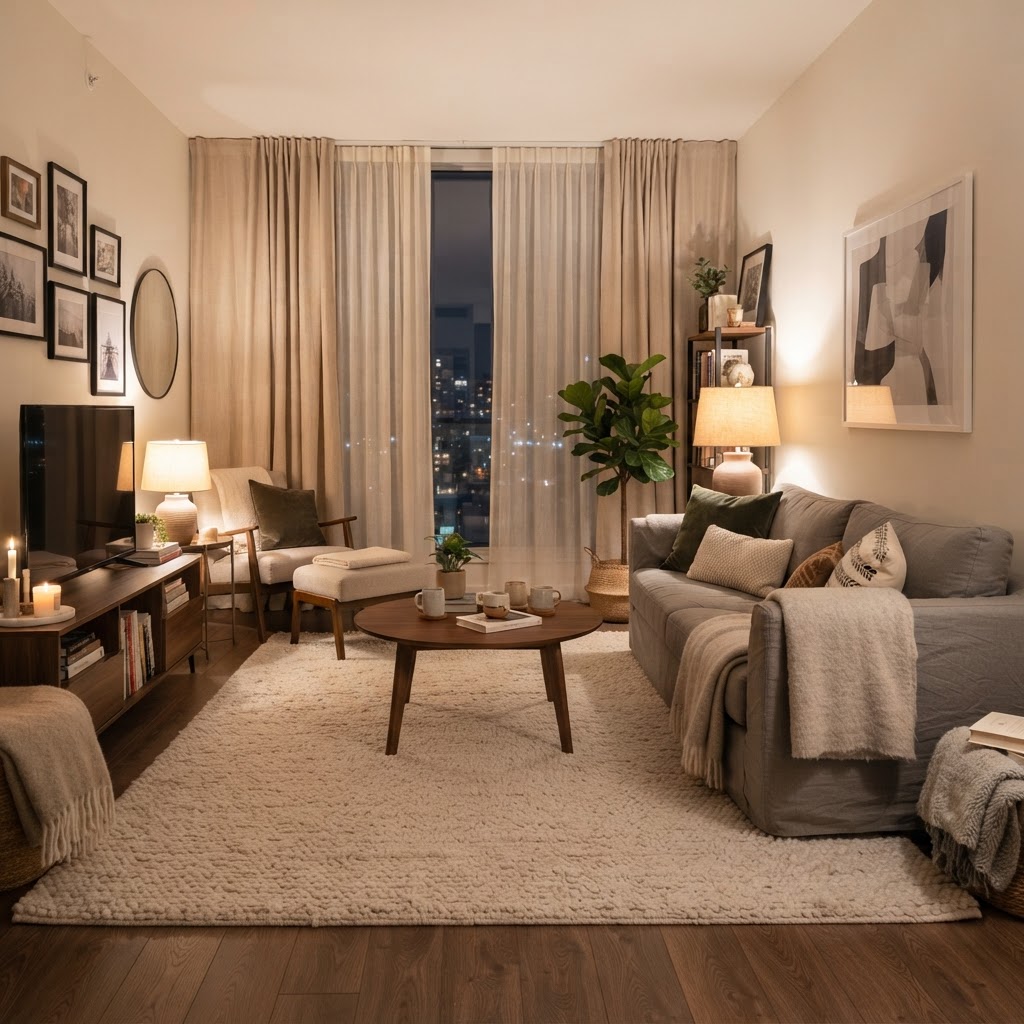
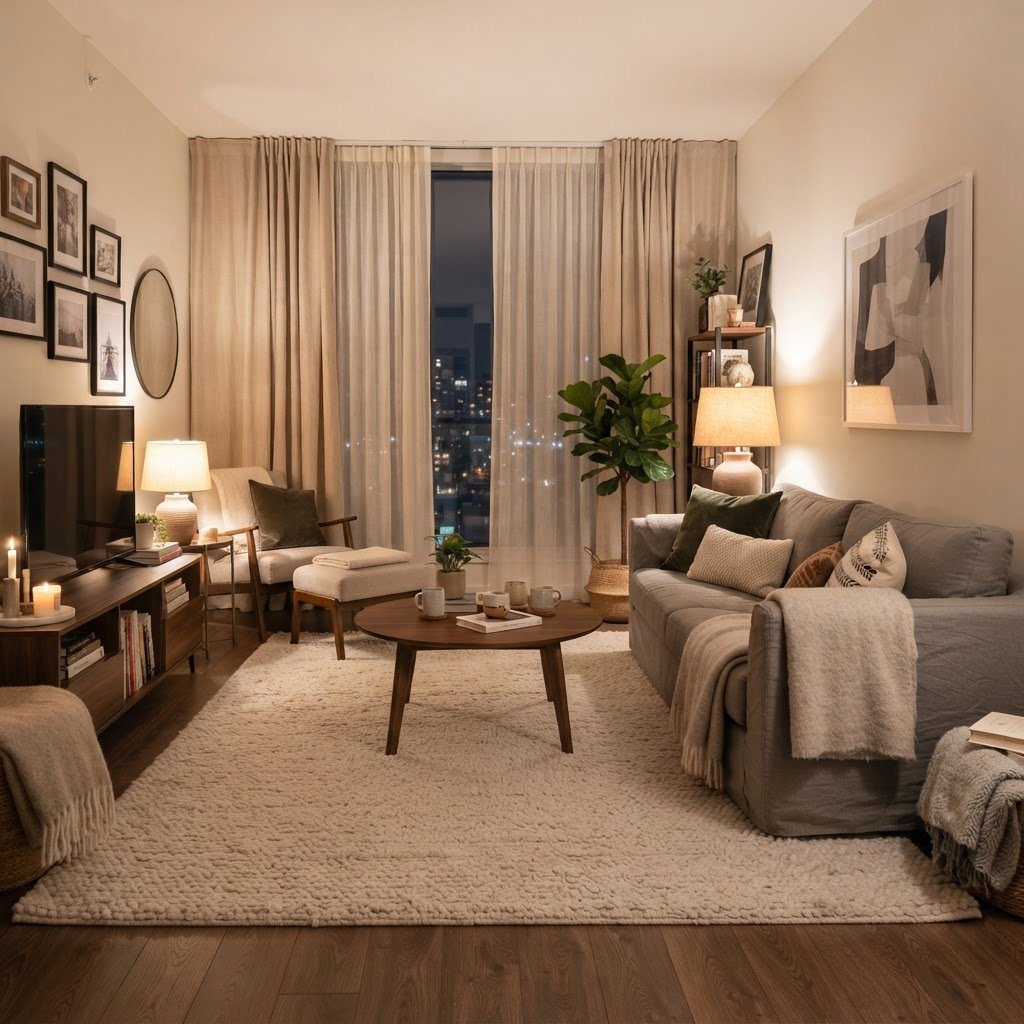
Most rental units come with standard, clinical overhead lighting that can make any room feel harsh and impersonal. The first step to making your rental feel less temporary is to layer your lighting by swapping out standard builder-grade fixtures for warm LED bulbs in the 2700K to 3000K color temperature range. This Kelvin range mimics natural sunlight and instantly creates a cozy, welcoming atmosphere that feels high-end rather than temporary.
Incorporating Floor and Table Lamps
Beyond just changing bulbs, adding a variety of floor and table lamps will allow you to control the mood of each room. Instead of relying on a single overhead light, use lamps to create “zones” of warmth and task lighting. This trick not only elevates the design aesthetic but also hides the starkness of a rental interior. For maximum versatility, consider installing smart bulbs or dimmable plugs; these allow you to adjust the lighting temperature and intensity from your smartphone, mimicking a custom, high-end living environment for an average investment of just $30-$50.
Introduce Removable Wallpaper and Decals
One of the biggest hurdles to personalization is the sea of white walls found in most rental properties. Fortunately, high-quality, peel-and-stick wallpaper has revolutionized the industry, offering a way to add color, pattern, and texture without violating your lease agreement. Applying a bold wallpaper to a single accent wall can completely transform the look and feel of a bedroom or living area in under four hours.
Choosing the Right Adhesive
When selecting removable wallpaper, always look for high-quality, “renter-friendly” brands that explicitly guarantee residue-free removal. Before committing to a full wall, order a sample swatch for approximately $5-$8 to test the material against your specific wall texture. This ensures that you can safely apply and remove the paper when you eventually move out without damaging the underlying paint. If wallpaper feels like too large a commitment, consider vinyl decals. These small, intricate shapes can be arranged in a geometric design or mimic architectural details like crown molding for a fraction of the cost of real wood trim.
Textiles that Add Layers and Texture
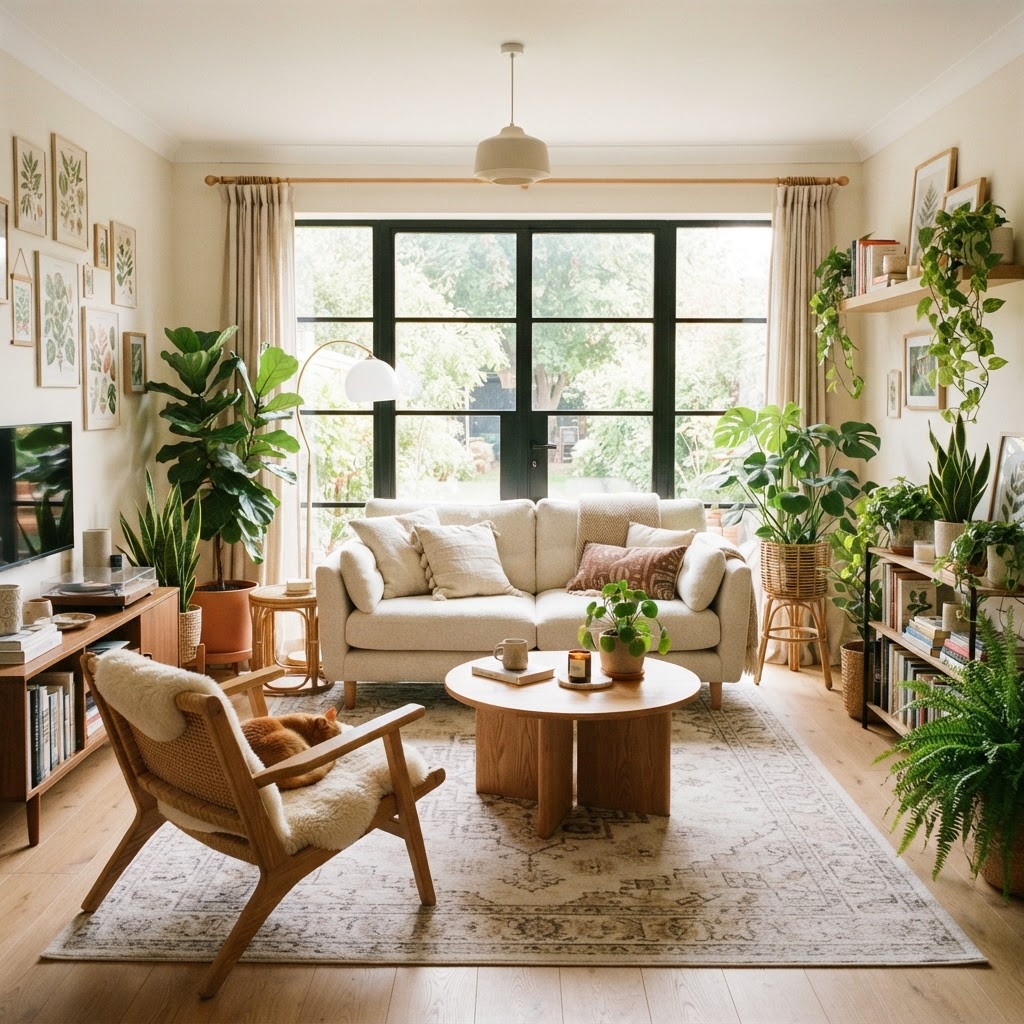
Hardwood floors and plain curtains are common rental features that can make a space feel cold. To make your rental feel less temporary, focus on introducing soft textures through rugs, throws, and heavy curtains. A large, high-quality area rug—ideally at least an 8×10 for a living room—can cover unsightly or worn carpeting while anchoring your furniture in a way that feels intentional and cozy.
Don’t be afraid to double up on curtains. Use tension rods to install curtain panels in front of existing plastic blinds; adding high-quality, floor-to-ceiling drapes makes the windows look larger and adds a layer of sophistication. Combine these with various throw pillows and blankets in different fabrics—like velvet, wool, or linen—to add depth to your seating areas. Mixing these tactile elements creates a layered look that distracts from the “temporary” nature of the rental structure.
Personalize with Gallery Walls and Art
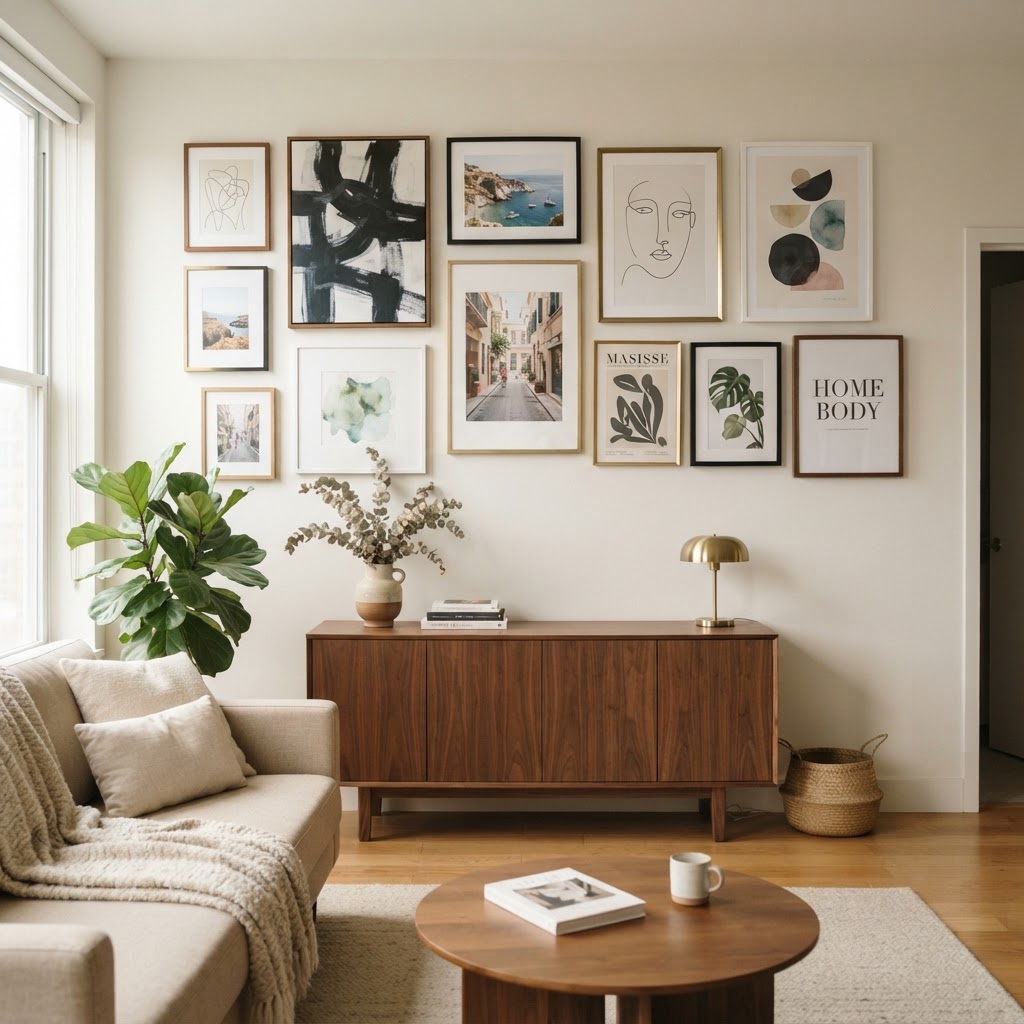
Blank walls are the biggest contributors to a sterile, temporary feel. Gallery walls are the perfect solution because they allow you to display a collection of personal memories, art prints, and photos that make the space feel deeply connected to your history. Using adhesive command strips or damage-free hanging hardware ensures that you keep your security deposit intact while creating a personalized focal point.
Curating Your Collection
Start by gathering art pieces that share a similar color palette or theme. Arrange them on the floor first to test your layout before moving to the walls. By placing items at eye level—typically 57 inches from the center of the frame to the floor—and creating a cohesive display, you signal that this room has been thoughtfully curated by someone who lives there, not just someone passing through. Consider mixing in mirrors; they do more than reflect light, as they make small rental rooms feel significantly larger and more permanent by adding physical depth to the space.
Bring Nature Indoors
Plants are one of the most effective tools for making a space feel grounded and alive. A few well-placed indoor plants can bridge the gap between sterile architecture and a vibrant, inviting home. Whether you opt for a tall fiddle leaf fig in a corner or a cluster of smaller succulents on a windowsill, greenery adds a natural element that softens the edges of a temporary living space.
To keep the look clean and consistent, choose planters that match your decor style, such as terracotta for a rustic look or sleek ceramic for a modern touch. If you are worried about maintenance, start with hardy options like snake plants or pothos, which can survive in low-light conditions with as little as one watering every two weeks.
Functional Organization that Looks Permanent
Often, the feeling of a temporary space comes from clutter and the lack of proper storage. Built-in cabinetry is rarely found in rentals, so you must create your own solutions. Invest in furniture that serves a double purpose, such as an ottoman with hidden internal storage or a bookshelf that doubles as a room divider.
Creative Storage Solutions
By keeping your belongings organized, you reduce visual noise. Using matching bins, baskets, and decorative boxes makes storage look like a planned design element rather than just a pile of boxes. When everything has a dedicated place, the home functions better, and you stop feeling like you are living out of a suitcase. Grouping similar items in uniform containers can increase your usable storage capacity by up to 30% in small closets.
FAQ
Q: How can I hang wall decor without damaging paint?
Use adhesive strips or removable hooks like Command strips to hang art without nails. These products are designed to hold significant weight while coming off cleanly when you move, provided you follow the manufacturer’s weight limit and surface preparation instructions.
Q: What is the cheapest way to make a rental look better?
Swapping out standard lightbulbs for warm-toned LEDs and adding a large, affordable area rug are the cheapest, highest-impact changes. These two updates immediately eliminate the “clinical” feeling of a rental and help anchor the room in under an hour for less than $100.
Q: Is peel-and-stick wallpaper safe for all walls?
Most high-quality, renter-friendly wallpaper is safe for smooth, primed, and painted drywall. However, you should always test a small swatch in an inconspicuous area for 48 hours to ensure no damage occurs upon removal, especially if your walls have textured plaster or old, loose paint.
Q: How do I hide ugly rental flooring?
Large area rugs are the most effective way to cover damaged or unattractive flooring. For a more cohesive look, layer smaller rugs or use heavy-duty carpet tiles that can be installed without adhesive, providing a custom look that covers 90% of the existing floor surface.
Q: Can I change light fixtures in a rental?
Yes, you can often change light fixtures if you save the originals to reinstall before you move out. Always turn off the circuit breaker, consult your lease agreement for permission, and consider hiring a professional if you are not comfortable handling basic electrical wiring.

Leave a Reply