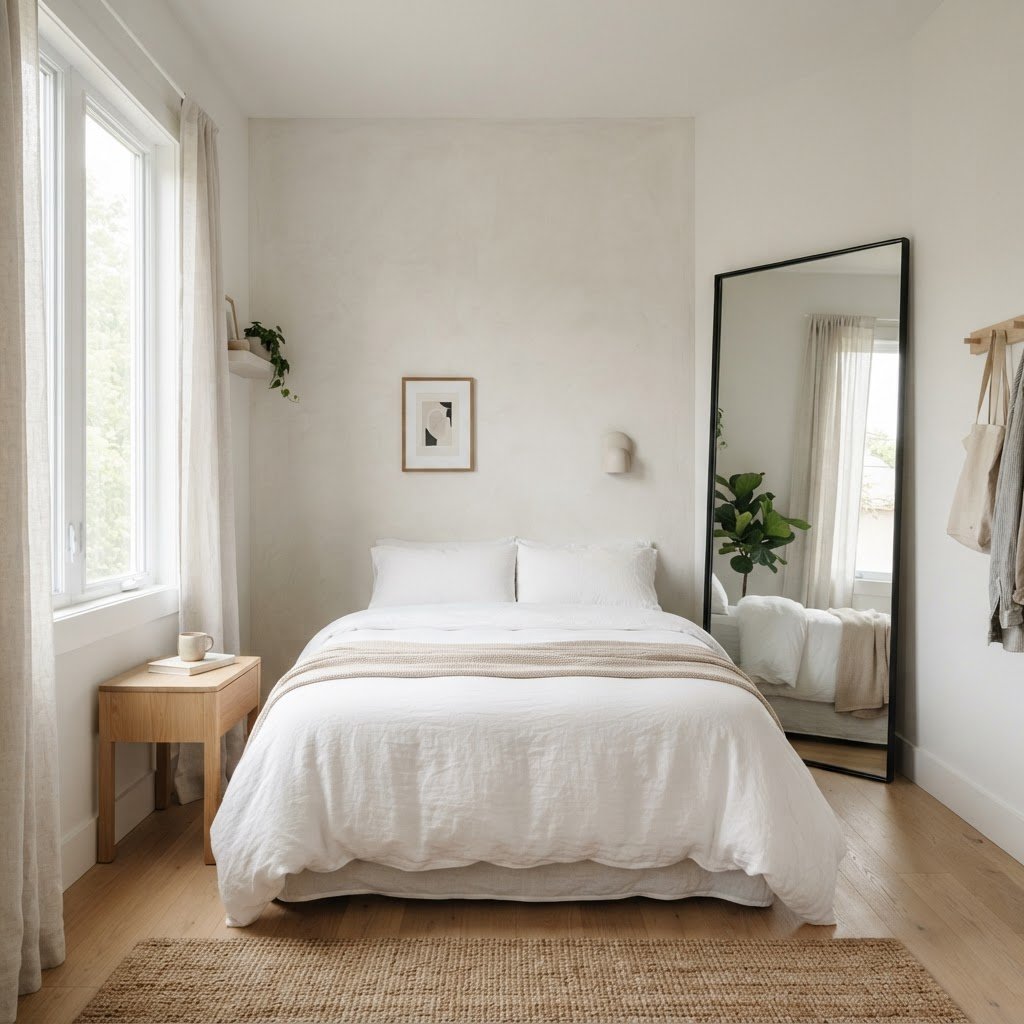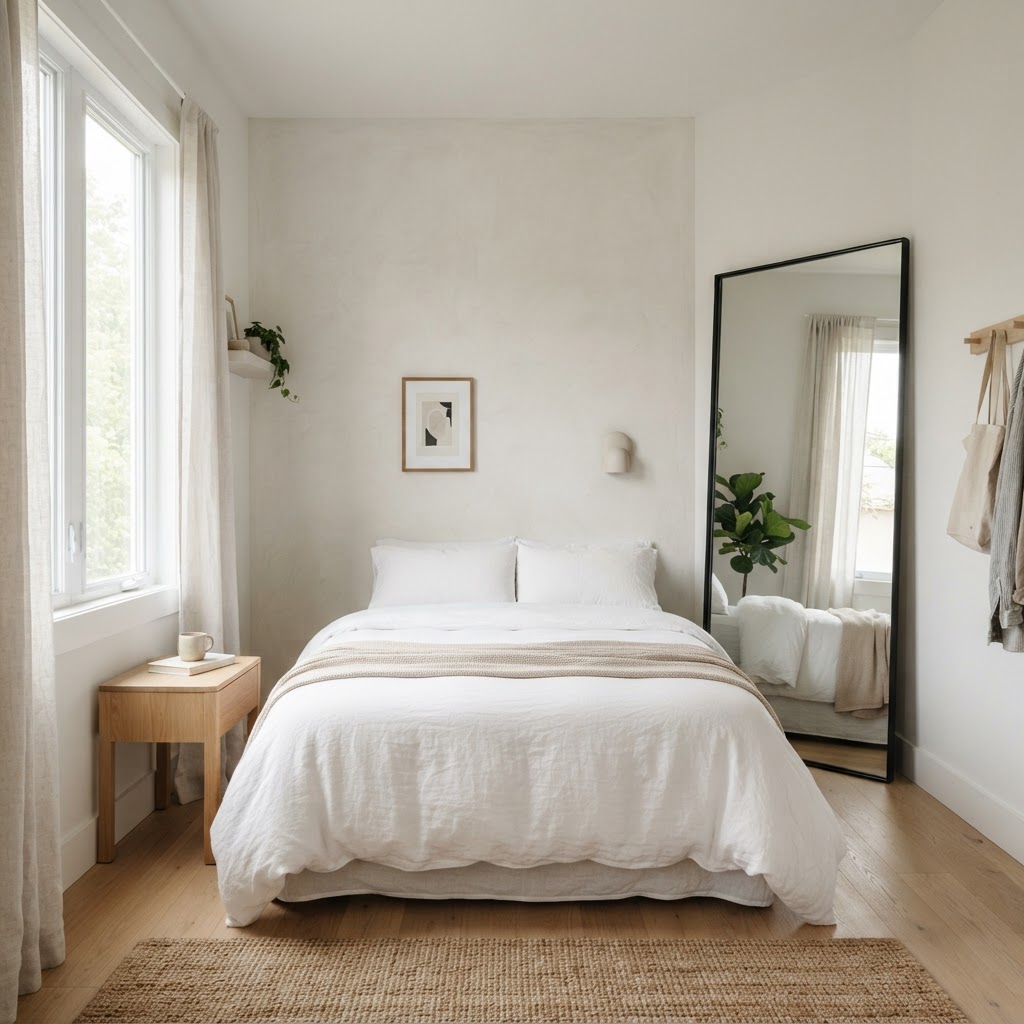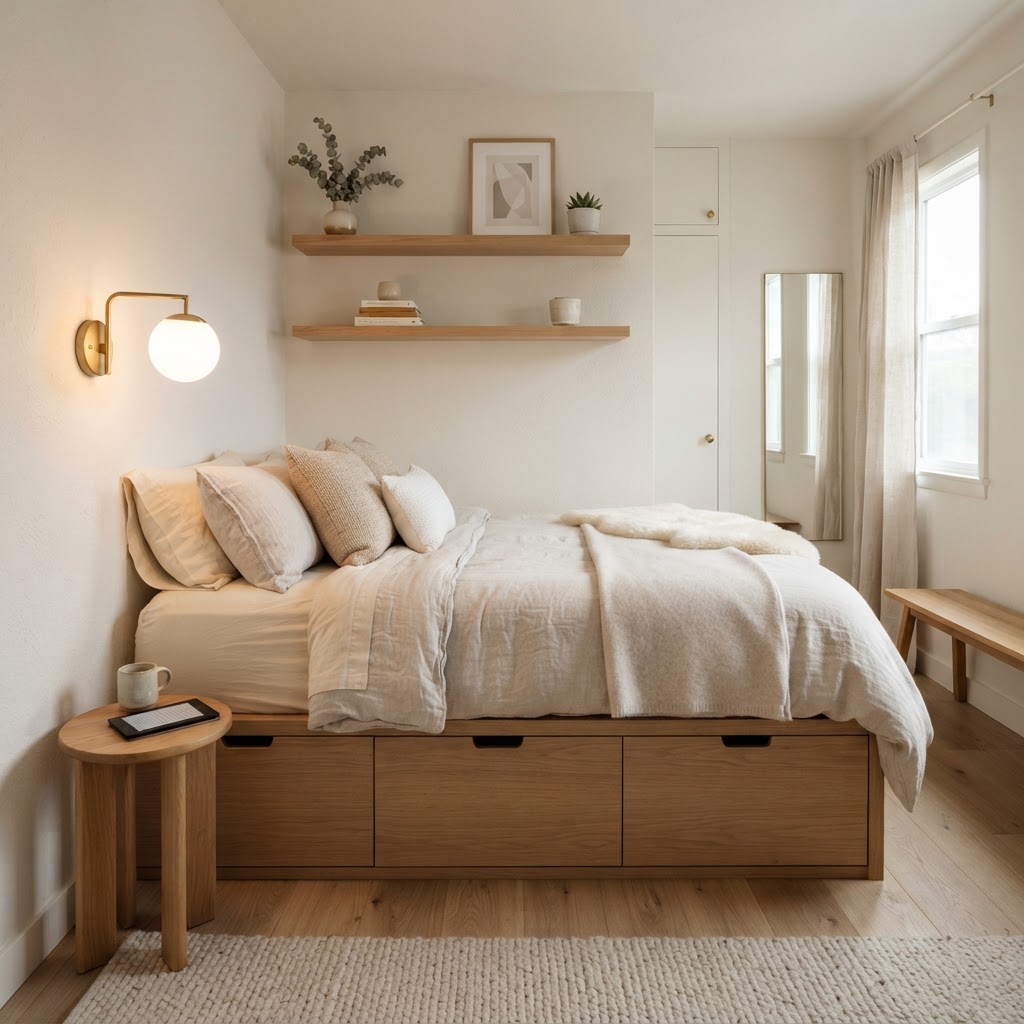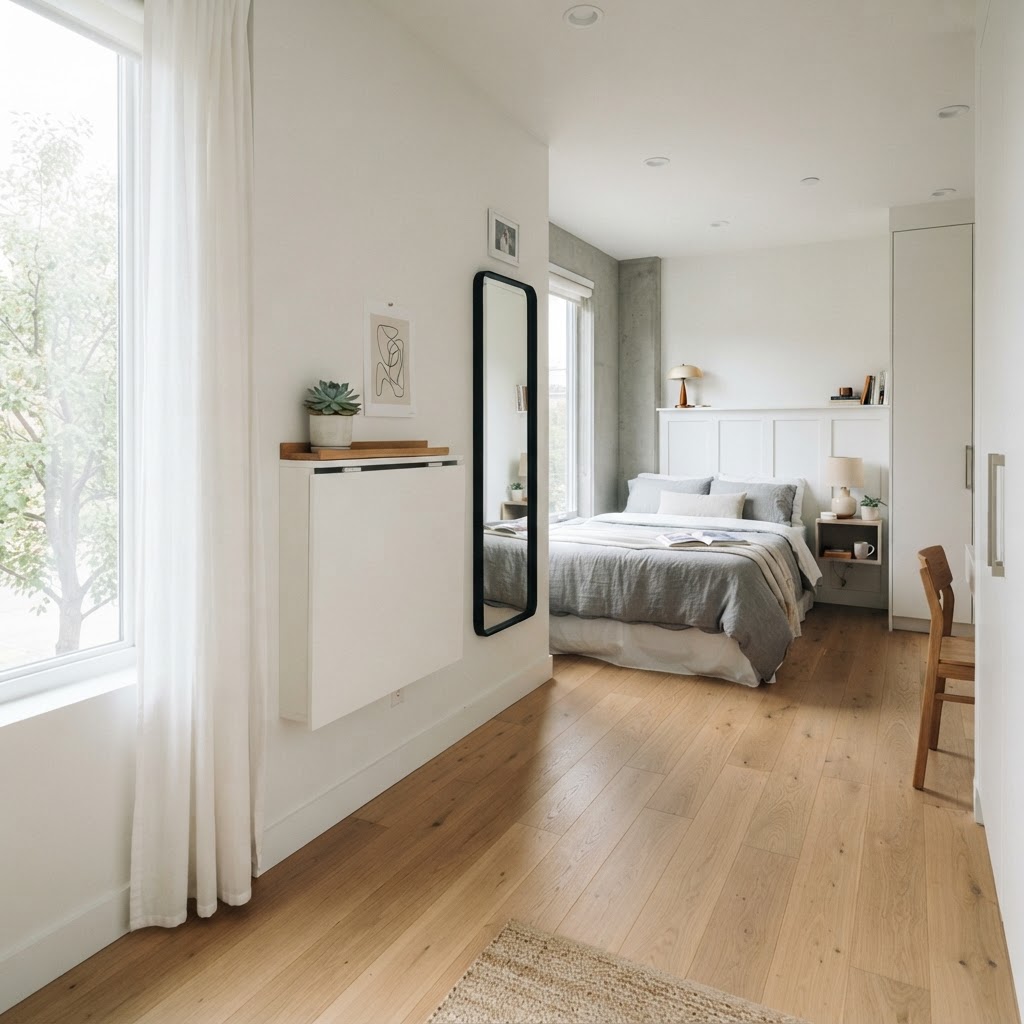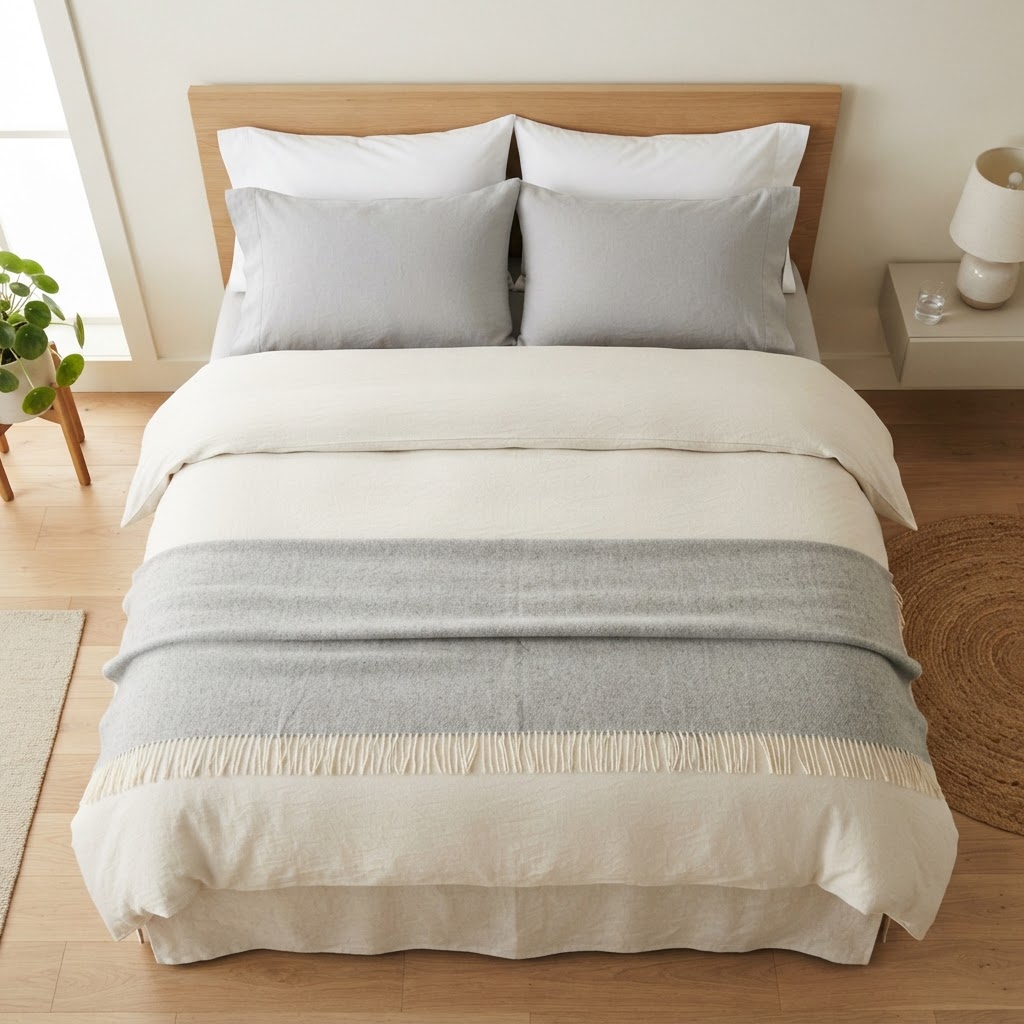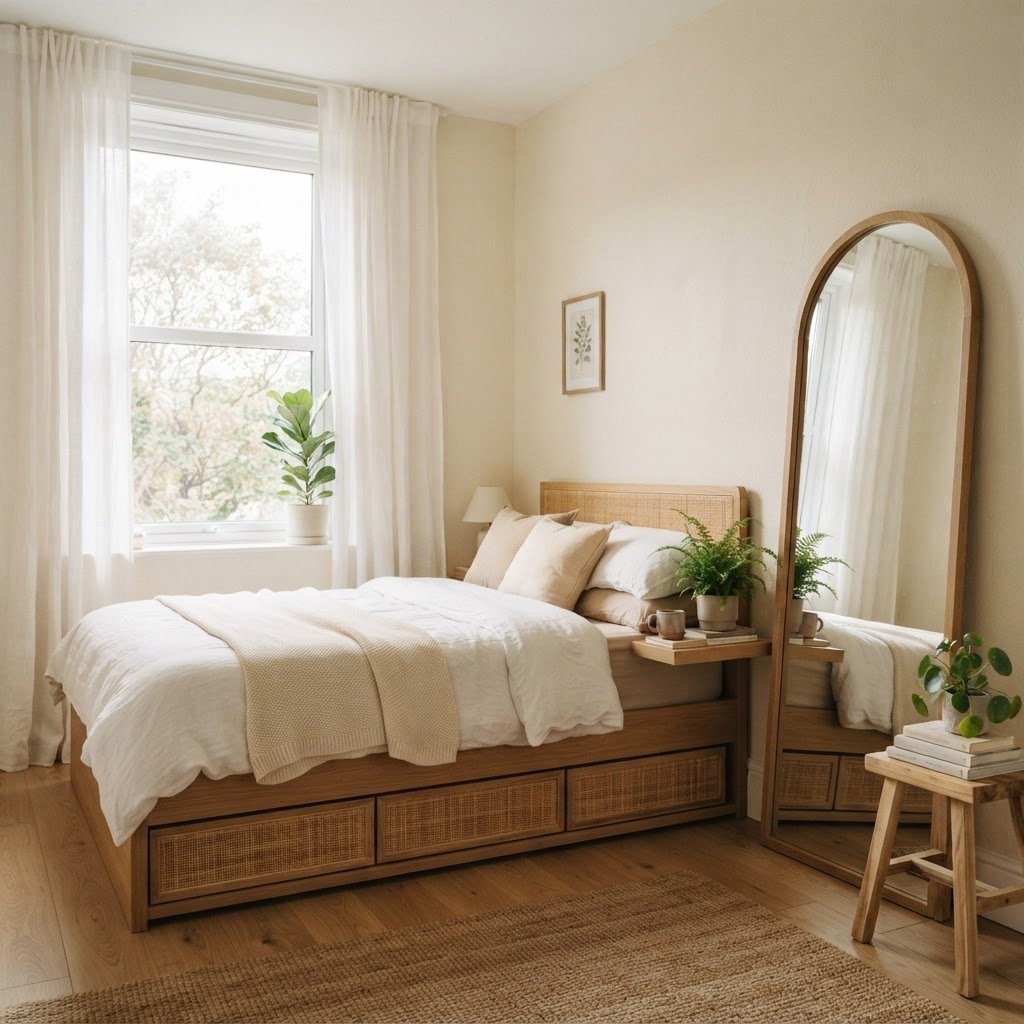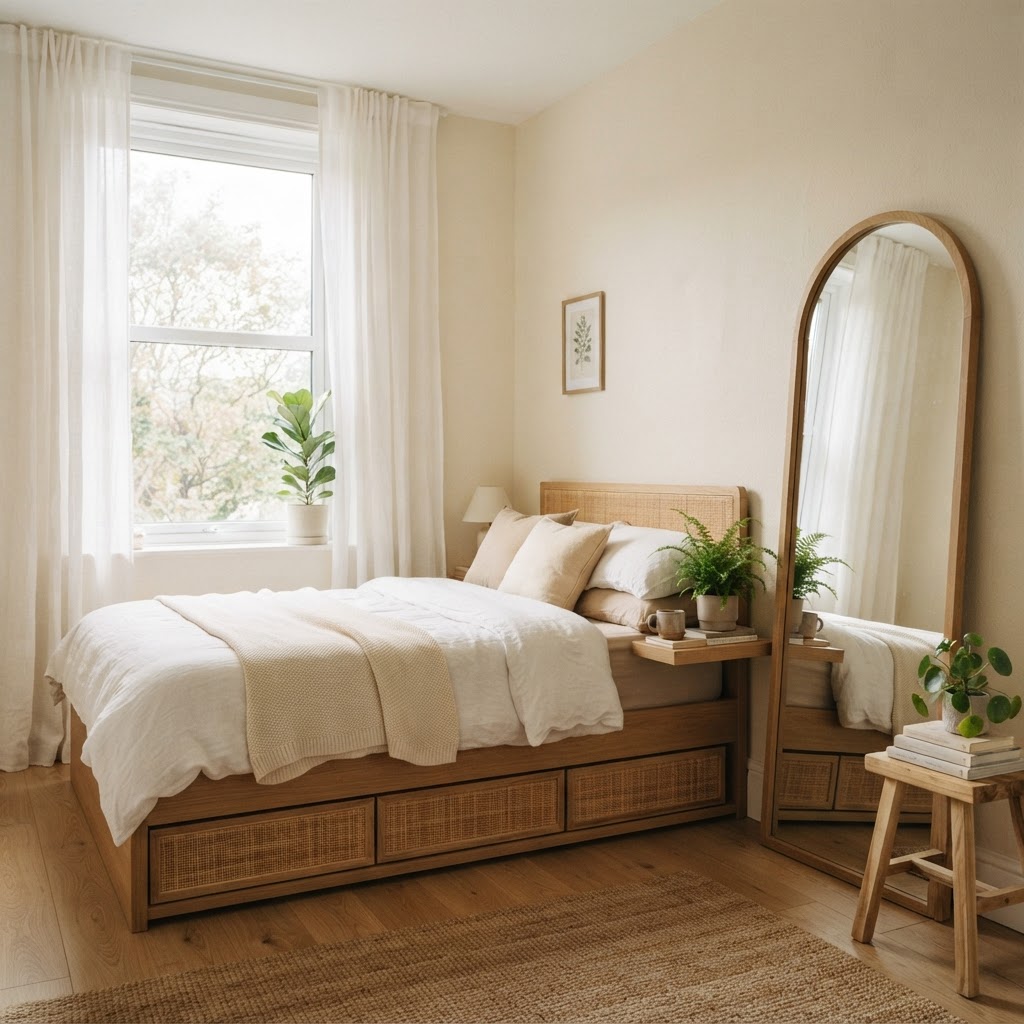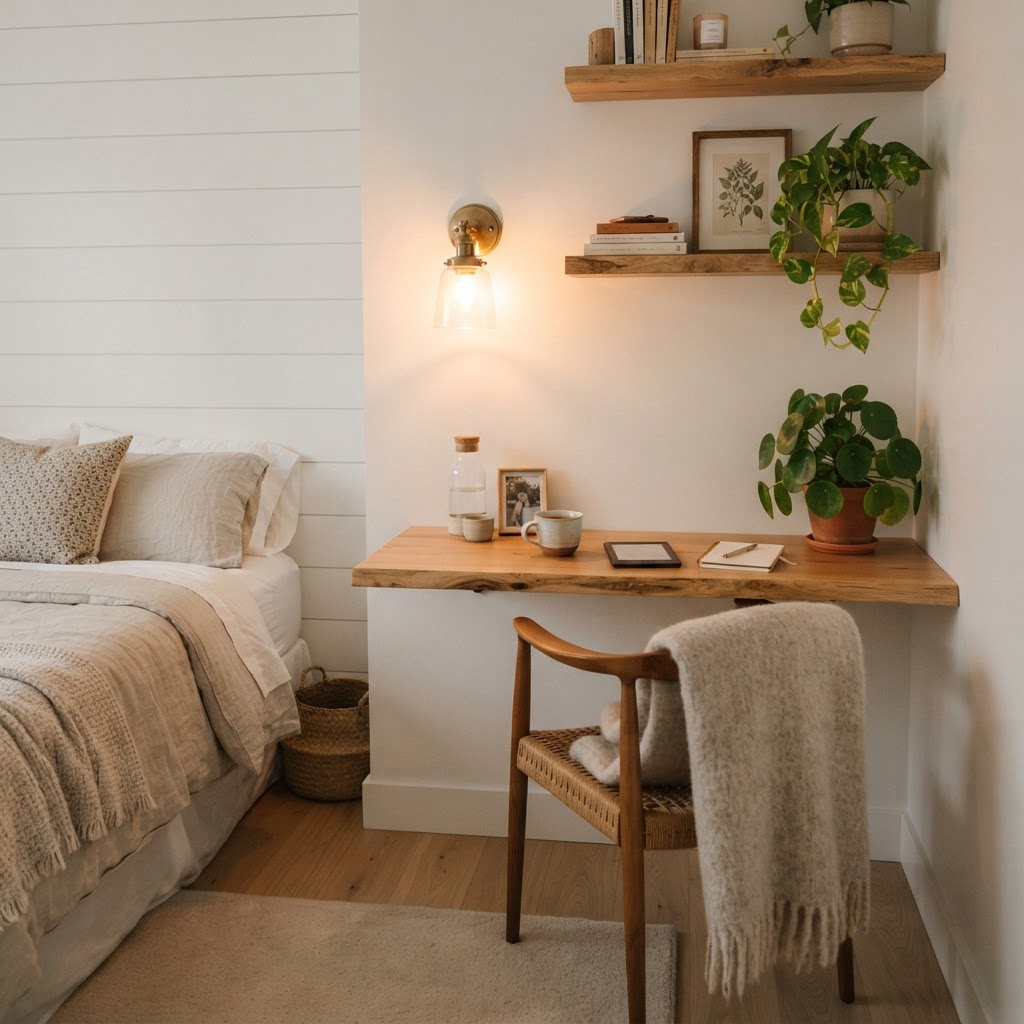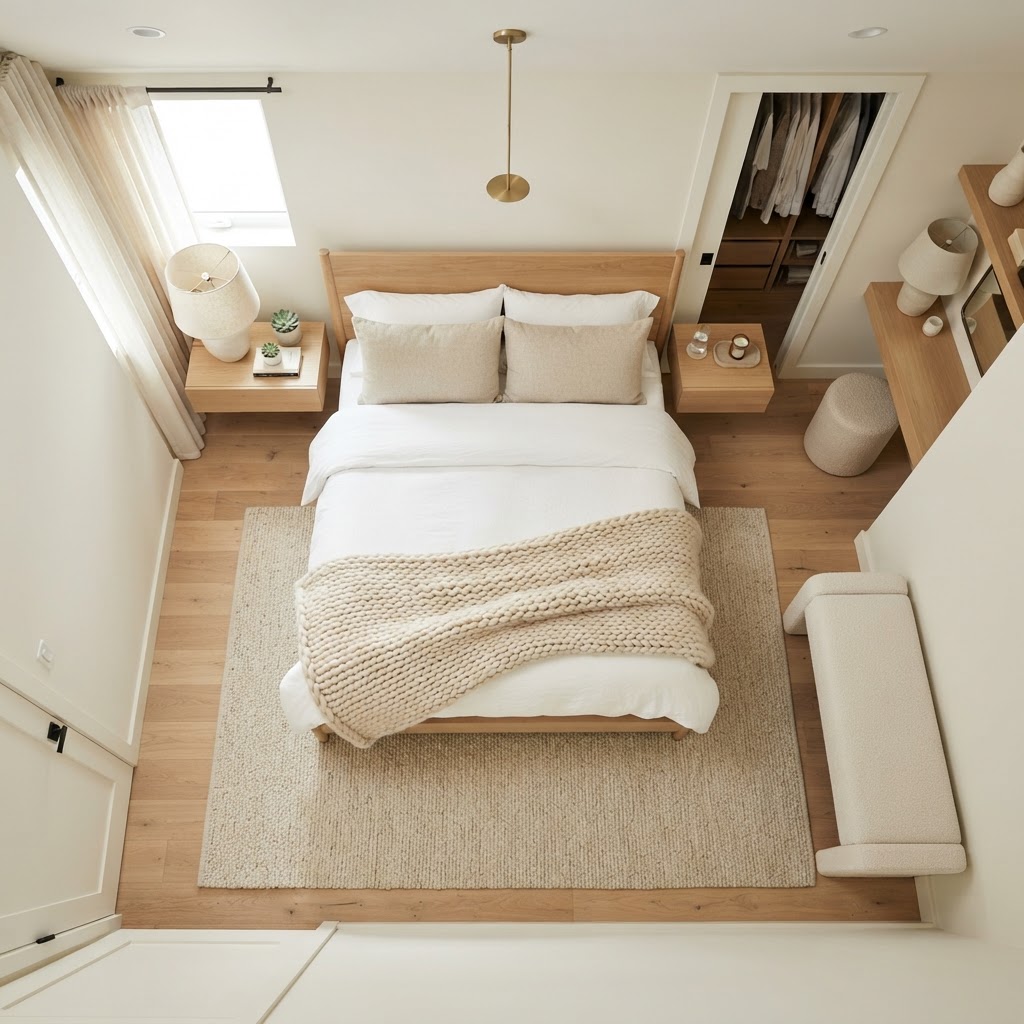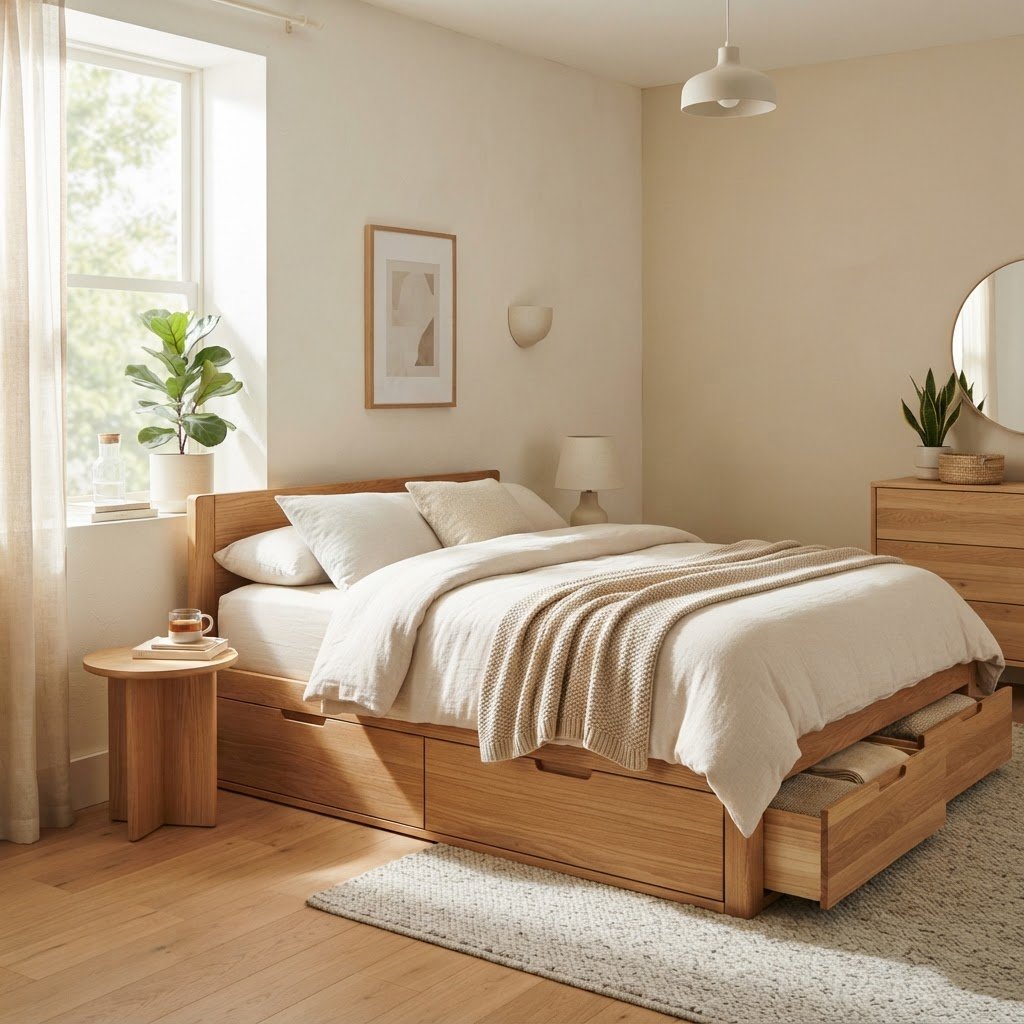
Category Small Apartment Bedroom Ideas

Small Bedroom Storage Hacks: Beds, Niches & Built-Ins

Small bedroom storage is best maximized by utilizing vertical space, opting for multi-functional furniture like platform storage beds, and installing recessed wall niches. These strategies clear floor space by keeping essential items organized within the structural footprint of the room, effectively turning a cramped area into a serene, functional oasis.

The Magic of Platform Beds with Storage
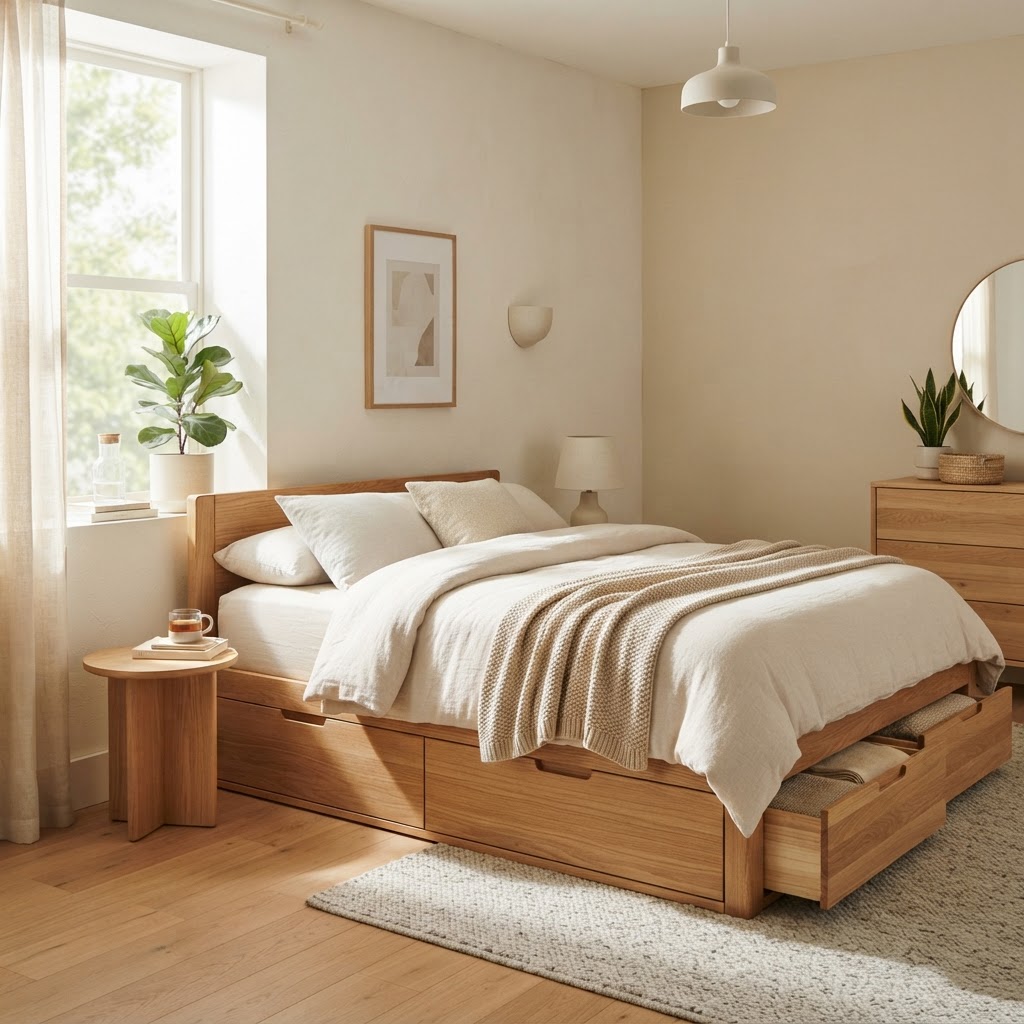
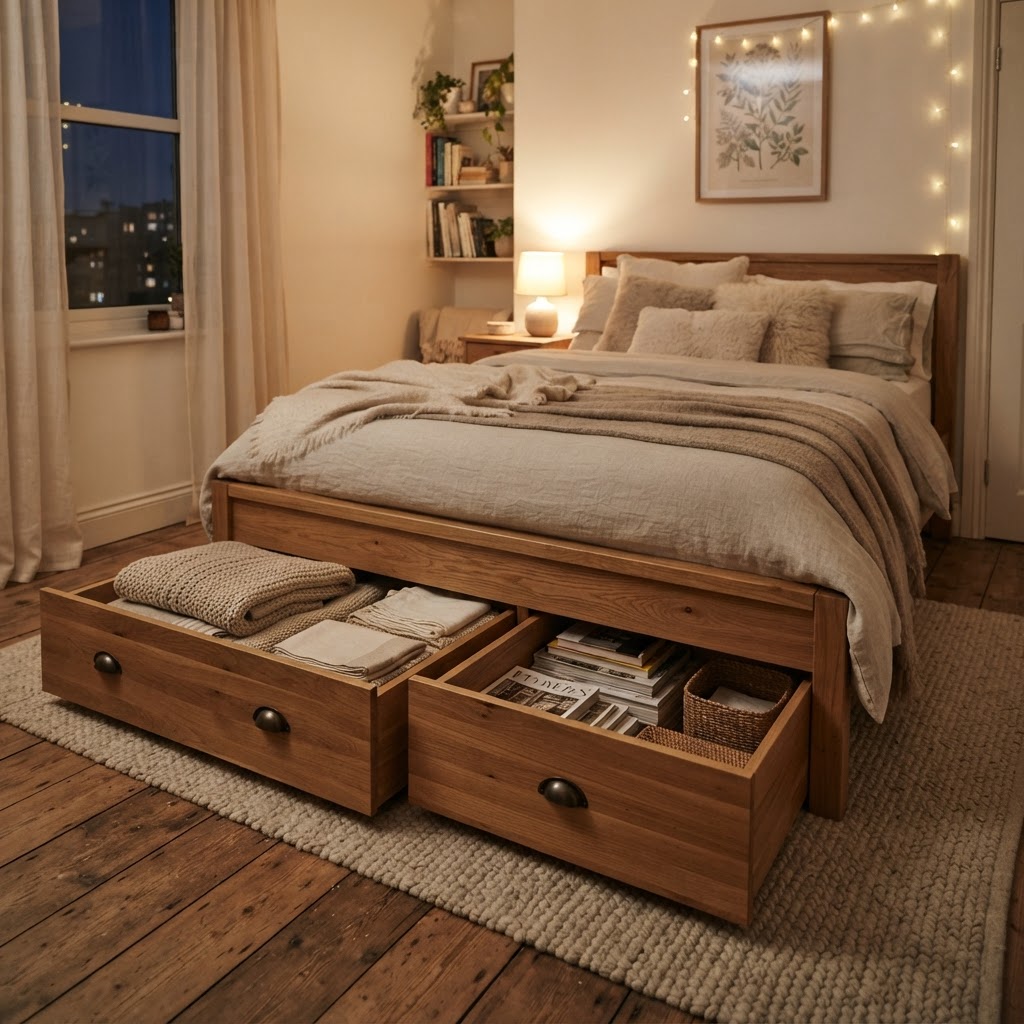
A platform bed maximizes storage without adding bulky furniture.

Platform beds with integrated storage are the gold standard for reclaiming lost floor space in rooms under 120 square feet. A traditional bed frame often leaves 10-15 cubic feet of dead air beneath the mattress; replacing this with drawer-based systems provides a dedicated home for bulky items like linens, seasonal sweaters, and spare pillows. Quality models utilize high-tensile drawer glides that can support up to 50 pounds per drawer, ensuring durability even with daily access.

Beyond simple utility, platform beds offer a minimalist, clean aesthetic that reduces visual noise. By removing the need for a separate box spring, you lower the mattress profile, which makes ceilings appear higher and the room more expansive. Models featuring integrated headboard shelving or foot-side cubbies provide an additional 3-5 linear feet of surface area, perfect for small apartments where standard bedside tables would obstruct pathways.

Feature Traditional Bed + Box Spring Platform Storage Bed
Storage Capacity Minimal (Requires risers) High (Integrated drawers)
Visual Weight Heavy/Bulky Light/Streamlined
Maintenance Difficult to clean under Easy access to contents
Space Efficiency Poor Excellent

Utilizing Architectural Wall Niches

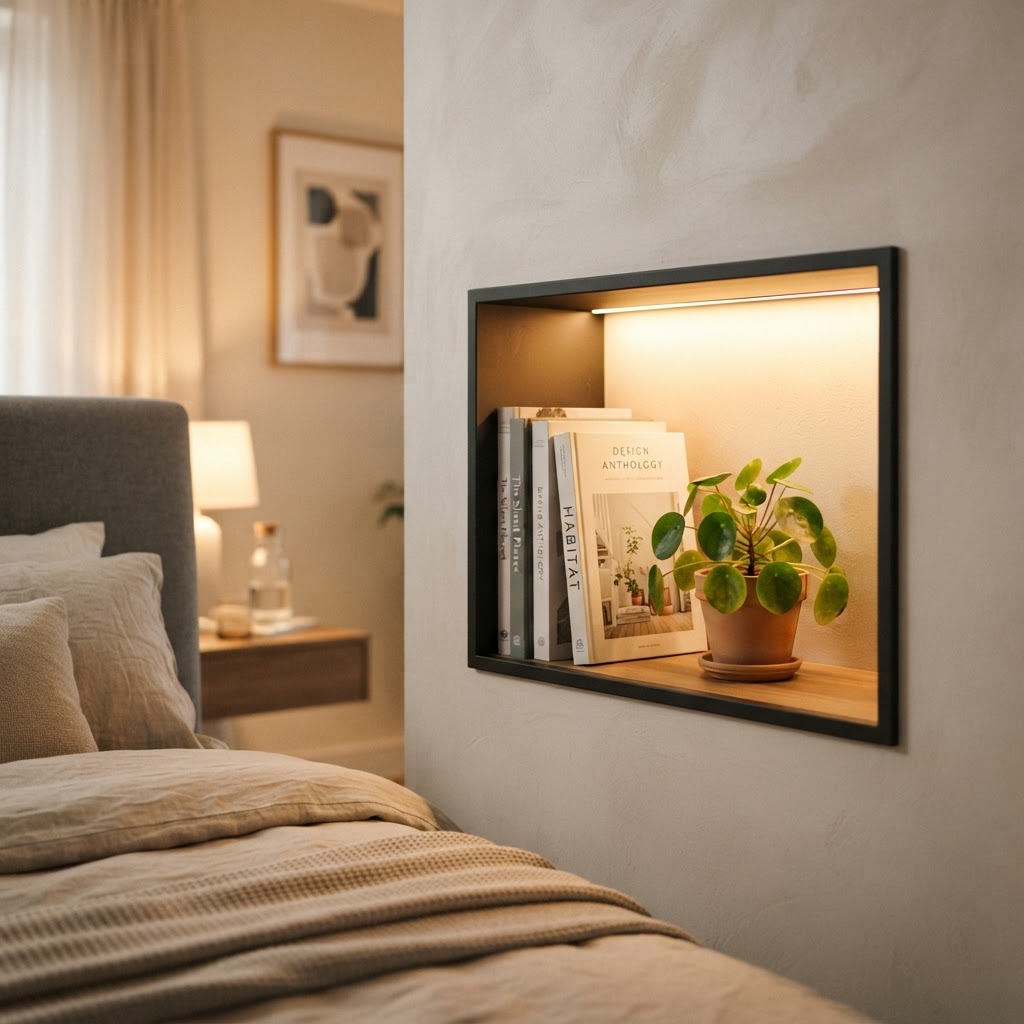
Recessed niches save space while providing elegant storage.

Wall niches are the most effective way to gain storage without protruding into precious circulation paths. By utilizing the 3.5-inch to 5.5-inch void between standard wall studs, you create flush shelving that keeps the bedroom layout open and airy. For rooms smaller than 10×10 feet, replacing bulky nightstands with recessed niches can save roughly 4 square feet of floor space per side of the bed.

Designing the perfect niche requires professional planning to ensure structural integrity. When carving out space between studs, incorporate integrated LED strip lighting—which typically consumes less than 5 watts of power—to serve as task lighting for reading. This design strategy keeps smartphones, glasses, and books off the floor, effectively creating a “floating” nightstand effect that feels high-end and intentional. A typical 16-inch wide niche can hold up to 20 pounds of weight if properly reinforced, providing more than enough capacity for personal essentials. If you are renovating, prioritize placing these at eye level while seated in bed to ensure the most ergonomic access to your items.

Maximizing Potential with Built-Ins
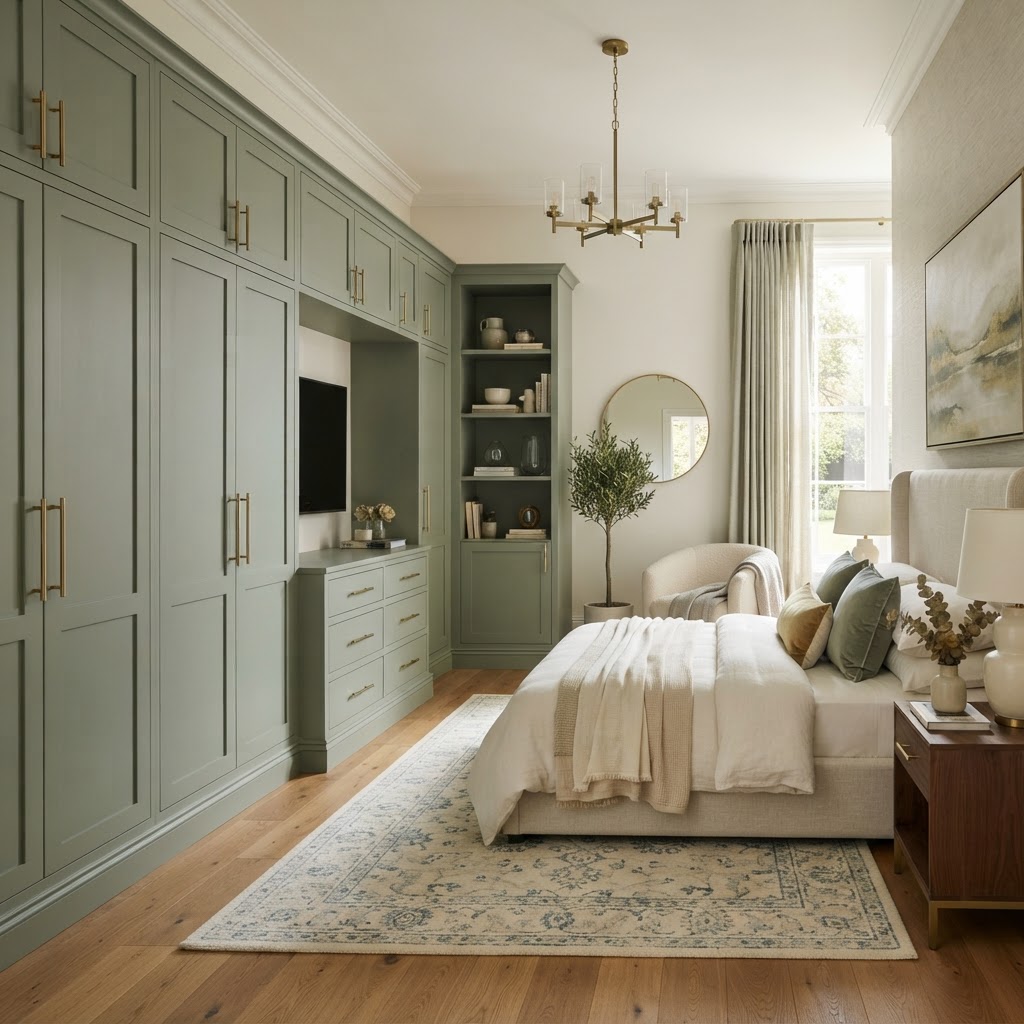
Custom built-ins utilize vertical space for a clean, cohesive look.

Custom floor-to-ceiling built-ins serve as the ultimate investment for long-term dwellers looking to utilize every inch of vertical capacity. While custom cabinetry requires a higher upfront cost (typically $2,000 to $5,000 depending on complexity), it increases the long-term organization potential by up to 300% compared to standalone furniture. Tailoring units to fit around window frames or challenging corner angles allows you to reclaim “dead” corners that would otherwise be unusable.

Mixing closed cabinetry with open cubbies creates a balanced visual environment where clutter is hidden behind smooth-finish doors while personality-defining items are displayed. For rooms lacking closets, wall-to-wall joinery that includes double-hanging clothing rods and deep drawers can effectively act as a self-contained wardrobe system. Painting these built-ins the exact color and finish as your walls makes the furniture “disappear” into the background, preventing the room from feeling claustrophobic.

Vertical Thinking and Wall-Mounted Solutions
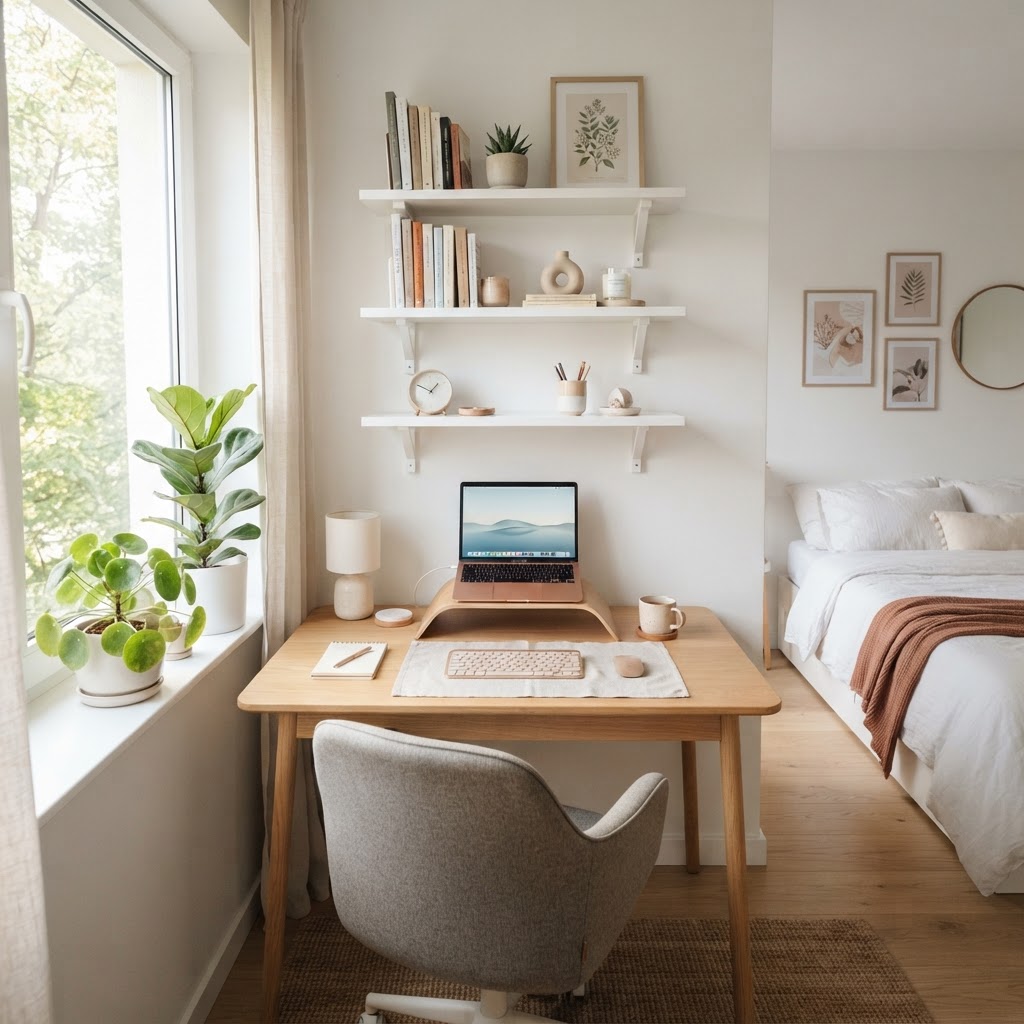
Wall-mounted shelves keep the floor clear and the room open.

Vertical storage solutions become essential once the room reaches maximum floor capacity. Installing high-level shelving around the perimeter of the room creates a “halo” effect, providing ample space for infrequently used items like seasonal luggage or keepsakes without compromising the bedroom’s primary living zone. To avoid a cluttered look, these shelves should be mounted 12-18 inches from the ceiling line to maintain a sense of height.

Choosing the right hardware is non-negotiable for safety and stability; opt for heavy-duty metal brackets capable of supporting at least 50 pounds per shelf. Pair these with uniform decorative bins to maintain a cohesive interior design scheme. This approach ensures the storage remains orderly and aesthetically pleasing. If you are a renter, tension-rod shelving or adhesive-backed systems can offer similar vertical utility without the need for drilling into walls or damaging drywall.

Smart Organization for Small Drawers

Small drawers lose 20-30% of their utility without a rigid organizational system in place. Even the most efficient storage solution becomes chaotic if the interior volume is not compartmentalized using drawer dividers. By grouping items like socks, undergarments, and accessories into specific modular bins, you can increase the amount of clothing stored in a single drawer by roughly 25% through improved folding techniques like the file-fold method.

Maintenance is the backbone of small-space living; conduct a seasonal audit every 90 days. During these audits, rotate your wardrobe to ensure only current-season items occupy your most accessible storage zones. Vacuum-sealed storage bags are particularly effective for bulky off-season items, reducing their volume by up to 75%.

Item Type Storage Solution Best Location Efficiency Gain
Seasonal Linens Under-bed drawers Beneath the frame High
Reading Materials Wall-mounted niches Beside headboard Moderate
Daily Accessories Vertical pegboard Behind the door High
Bulky Winter Wear Vacuum-sealed bags Top of built-ins Very High

FAQ

How can I make a small bedroom look bigger with storage?

To make a small bedroom look larger, use light-colored, floor-to-ceiling built-ins that match your wall color to create a seamless, recessed look. Incorporating mirrors on cabinet doors or using glass-fronted storage also helps by reflecting light and adding a sense of depth to the room.

Are platform beds better than box springs for small rooms?

Yes, platform beds are superior for small rooms because they provide integrated, hidden storage capacity and eliminate the need for a bulky box spring. This design choice reduces visual clutter and provides 10-20 cubic feet of extra storage space that is otherwise wasted beneath a traditional frame.

What is the most space-efficient way to store clothing in a tiny room?

Use a combination of double-hanging rods within built-in closets and vacuum-sealed bags for off-season items to maximize volume. Implementing a strict seasonal audit system ensures that only the clothing you currently need occupies your primary storage space, keeping the room lean and functional.

Can I install wall niches if I am renting?

Most wall niches require structural modifications to the wall studs, which are generally not permitted in rental properties. As an alternative, renters can use tension-mounted shelves or adhesive-backed wall storage units to mimic the look and utility of a niche without making permanent changes to the building’s architecture.
Cozy Modern Guest Bedroom Ideas for Small Spaces: 2026 Trends

Cozy modern guest bedroom ideas for small spaces in 2026 center on maximizing functionality through multi-purpose furniture, layered ambient lighting, and high-quality organic textiles. By prioritizing vertical storage and eliminating visual clutter, you can create a luxurious, hotel-inspired retreat in as little as 80-100 square feet without sacrificing comfort or style.

The Philosophy of Compact Luxury

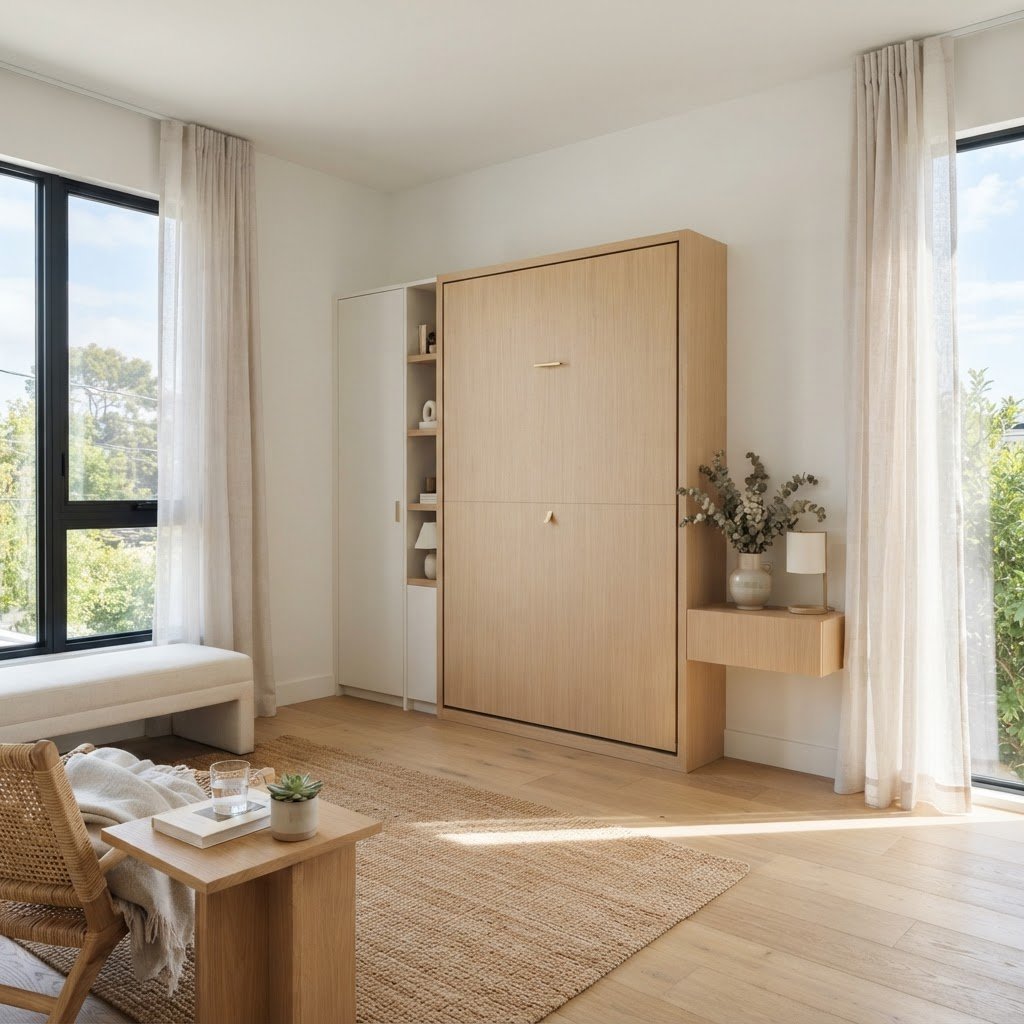
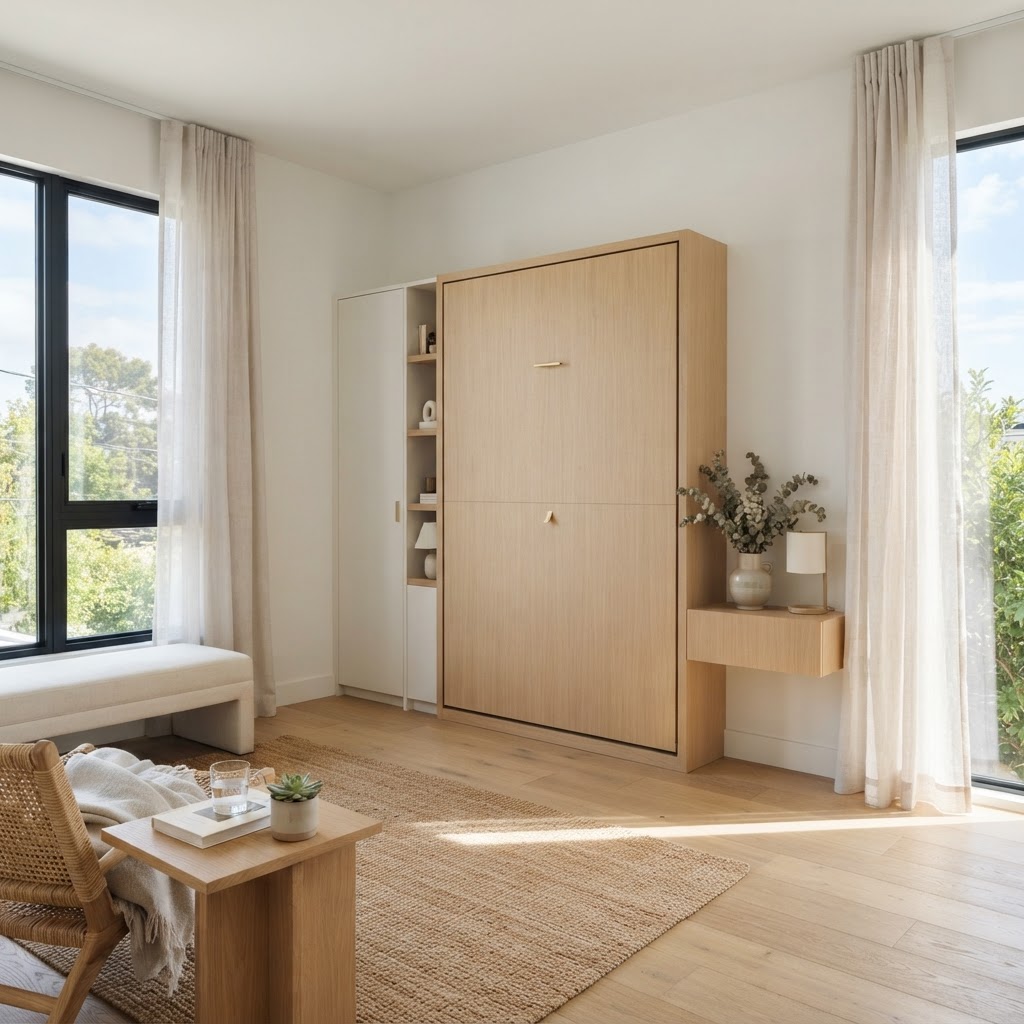
A versatile room design using a Murphy bed to save space.

The essence of a modern guest room today is ‘less but better,’ focusing on high-quality, multi-functional pieces that prioritize the guest experience. In 2026, designers are shifting away from filling small rooms with bulky furniture, opting instead for items that serve dual purposes to maintain minimalist elegance. A cozy atmosphere is achieved by layering textures—think soft velvet throws, tactile linen bedding, and warm ambient lighting.

When working in a small space, visual clutter is your greatest enemy. By choosing a neutral palette punctuated with deep, grounding tones like charcoal or terracotta, you create a sophisticated backdrop that makes the room feel larger while remaining warm. The modern aesthetic in 2026 favors organic shapes over rigid lines, which helps soften the edges of a small room. To maintain this, ensure that at least 40% of your floor space remains visible, as this “negative space” is a proven tactic to reduce the psychological feeling of confinement.

Feature Traditional Small Bedroom 2026 Modern Guest Room
Furniture Large Dressers Wall-mounted shelves/storage
Lighting Central Overhead Layered Sconces/Smart LEDs
Bedding Standard synthetics Organic linen/heavy-weight cotton
Decor Cluttered surfaces Curated, functional items

Essential Layout Strategies for Tight Quarters

Layered lighting and textures add warmth to a small footprint.

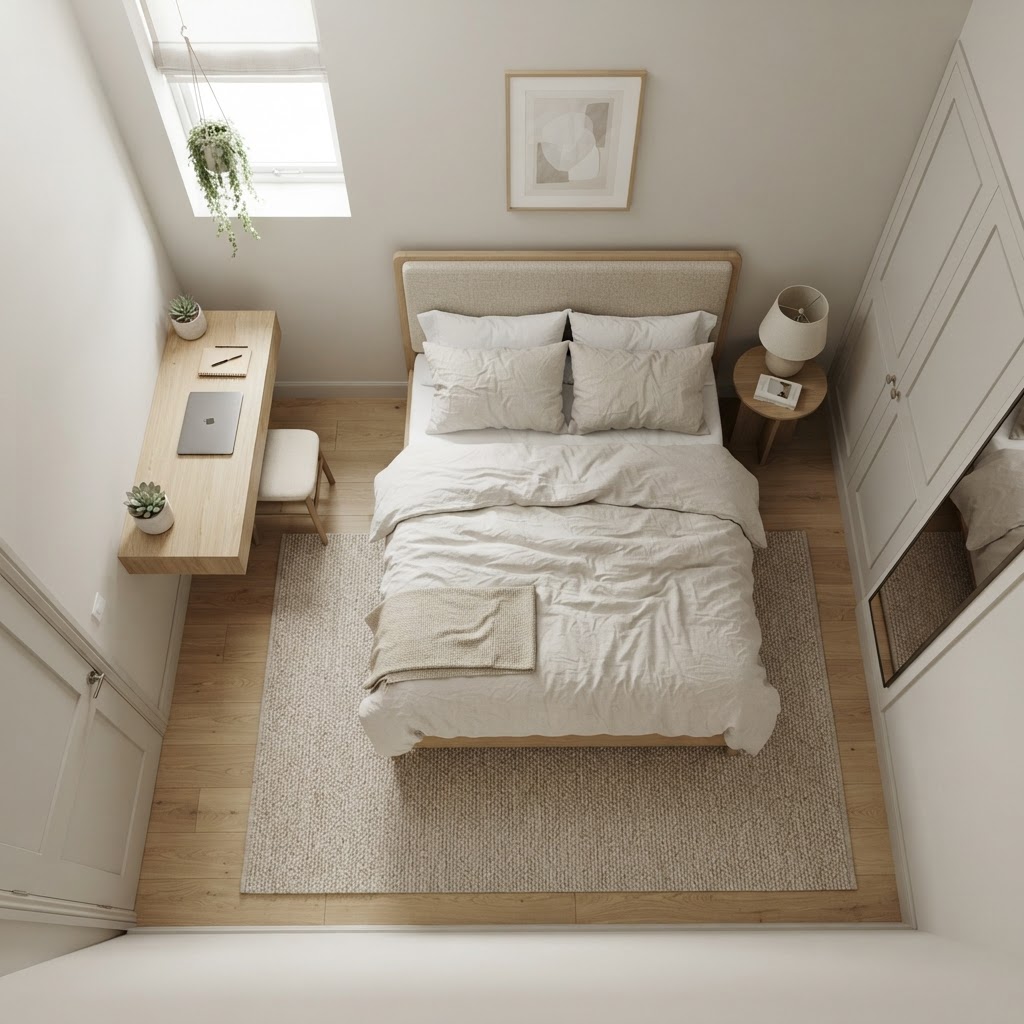
The layout of your room determines how the space feels upon entry, with effective bed placement serving as the foundation for flow. Avoid pushing the bed directly into a corner unless absolutely necessary, as this blocks one side and creates a claustrophobic effect; instead, aim to center the bed on the longest wall to establish symmetry and provide 18-24 inches of clearance on either side for bedside access.

If you are struggling with a truly tiny footprint, consider a Murphy bed or a daybed with a trundle. These pieces are staples in modern design because they disappear when not in use, allowing the room to serve as a library or meditation corner during the week. Use floating nightstands instead of floor-based units to keep the floor surface visible, which tricks the eye into perceiving more square footage. For ultra-small rooms under 70 square feet, prioritize verticality: mount your mirrors horizontally to widen the wall and draw the eye upward.

Lighting Techniques to Expand the Room

A well-planned layout maximizes every inch of a small guest room.

Proper lighting is the secret ingredient to making small guest rooms feel airy, and the 2026 trend of ‘layered lighting’ is the most effective way to define different zones within the space. Avoid relying on a single overhead light, which casts harsh shadows and shrinks a room’s perceived volume; instead, utilize a combination of ambient, task, and accent lighting.

Incorporating Warm Ambient Sources

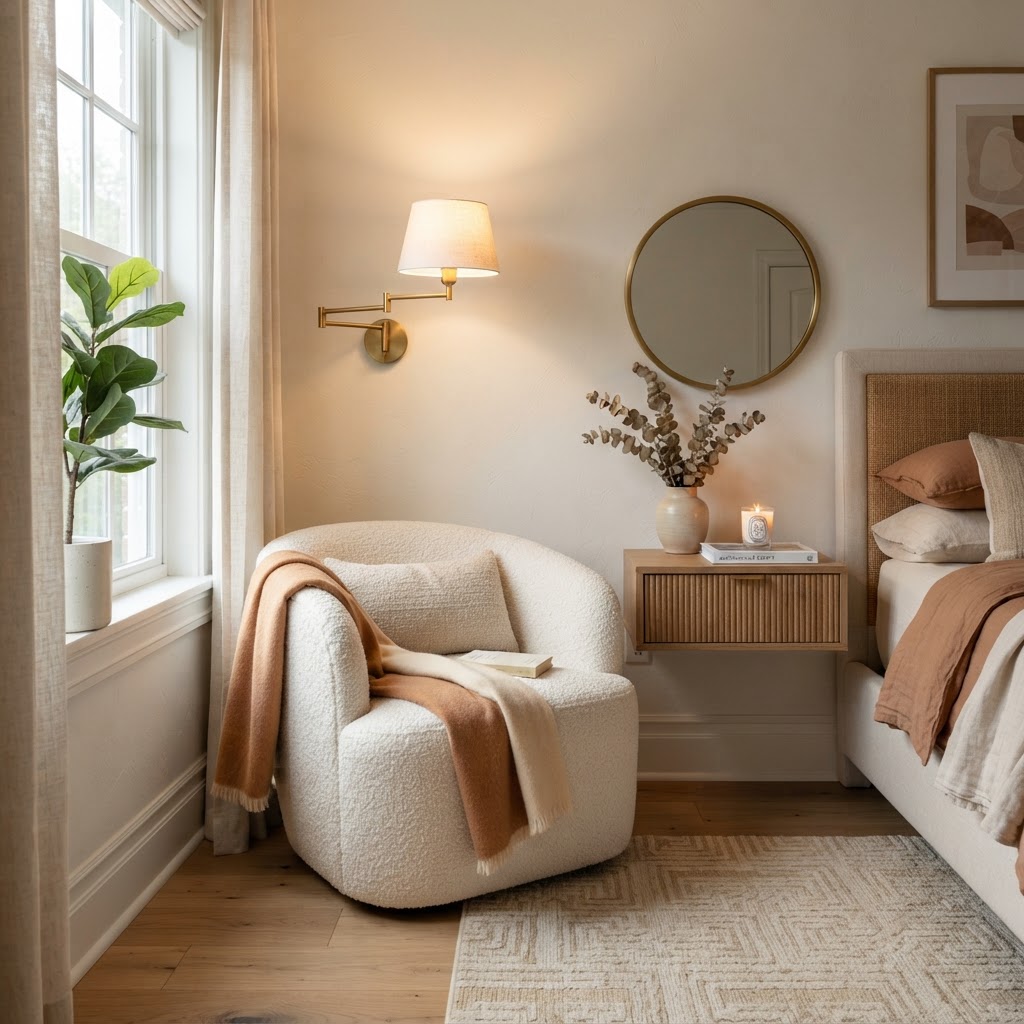
Install dimmable wall sconces on either side of the bed to free up valuable surface area on nightstands. Incorporating floor lamps with slender profiles can add height and draw the eye upward, making the ceiling seem higher. Don’t forget to leverage natural light by using sheer, floor-to-ceiling curtains that emphasize height rather than width. Smart lighting solutions have become essential in 2026. Installing motion-sensor baseboard lights provides a gentle glow for late-night navigation without jarring your guests with a bright overhead switch. This detail adds a high-end, thoughtful touch that guests will appreciate. Aim for a color temperature between 2700K and 3000K to ensure the light feels warm and inviting rather than sterile.

Selecting Furniture That Works Harder

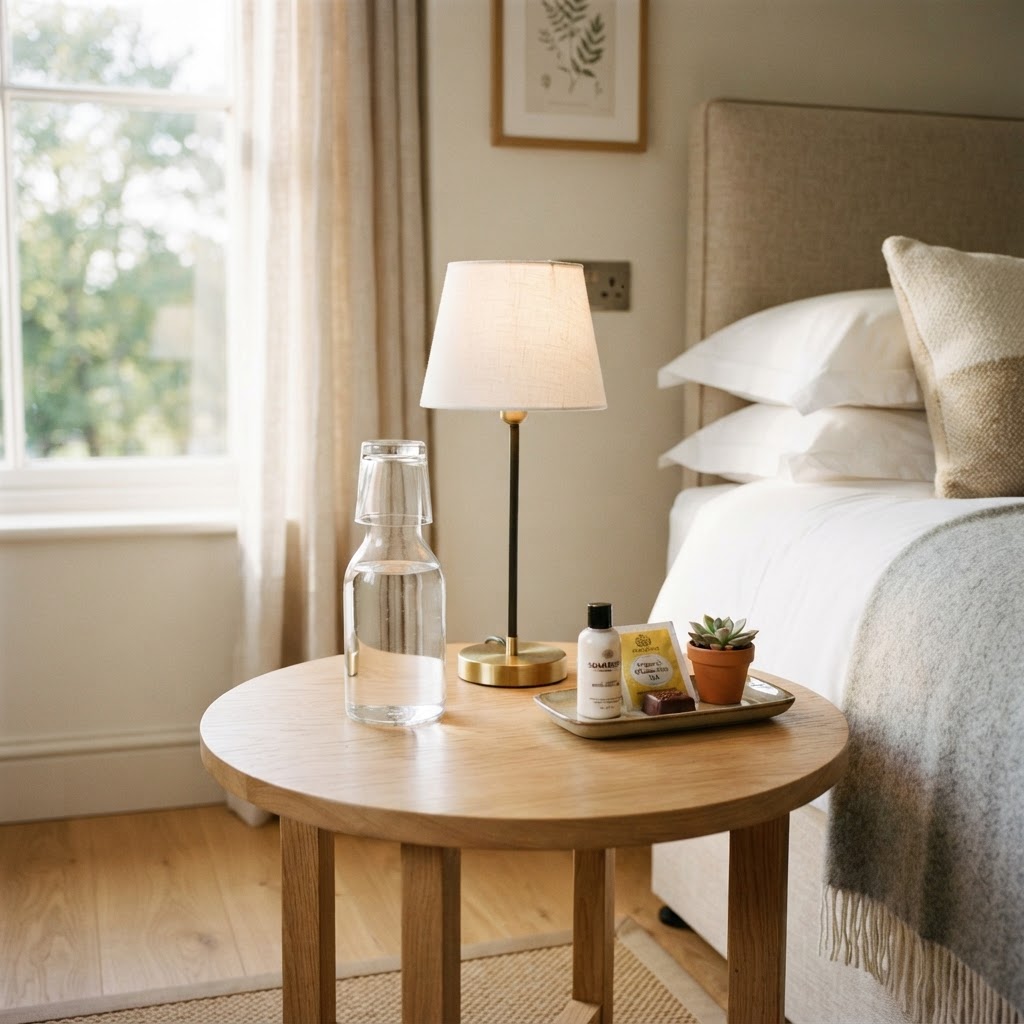
Thoughtful amenities make guests feel welcome in a modern space.

In a small space, every piece of furniture must earn its keep, and modern design heavily prioritizes dual-purpose items. Think ottomans that offer hidden storage for guest linens, or benches at the end of the bed that act as luggage racks. If you cannot fit a traditional dresser, utilize vertical space with high-reaching shelves or a closet organizer system, ensuring you utilize at least 80% of the vertical wall space to maximize storage without encroaching on floor space.

Wall-mounted desks are another brilliant addition for guest rooms. If your guest works remotely, providing a dedicated space to answer emails is a sign of a truly considerate host. When the guest leaves, the desk acts as a perfect spot for a minimalist plant or a piece of art, keeping the room tidy. Incorporating modular furniture that can be collapsed or wall-mounted saves roughly 30% more floor space than standard freestanding alternatives.

Textile Layers and Cozy Accents

Even in a minimalist aesthetic, comfort is non-negotiable. To achieve a cozy modern guest bedroom, focus on high-quality textiles. In 2026, we are seeing a return to natural fibers like organic cotton, wool, and heavy-weight linen. These materials are breathable, durable, and look better as they age.

  • Invest in a weighted blanket (typically 15-20 lbs) for a premium, sleep-focused experience.
  • Use a high-loft duvet insert (at least 500-600 fill power) for that “hotel bed” look.
  • Incorporate decorative pillows with varied textures like bouclé or velvet.
  • Add a plush area rug (at least 5×7 feet) to ground the space and add warmth underfoot.

By layering these items, you add physical warmth to the room without adding visual bulk. Keep your color palette focused—using three variations of the same hue creates a monochromatic look that feels calm and expansive.

Tech-Forward Guest Experience

Modern guests expect modern amenities. If you want your guest room to stand out in 2026, integration of technology is key. Hide power strips or replace traditional outlets with USB-C integrated wall plates so guests can easily charge their devices. Ensure your power solutions provide at least 20W of charging speed for modern mobile devices.

Include a small digital frame or a printed card with the Wi-Fi credentials prominently displayed. Another thoughtful touch is providing a small, portable sound machine. This simple device is a game-changer for guests staying in a new home, as it masks ambient household noise and helps them achieve a deeper sleep. Testing shows that white noise machines can help guests fall asleep up to 20% faster in unfamiliar environments.

Minimalism vs. Personalization

It is common to worry that a minimalist room will feel cold or clinical, but the trick is to infuse personality through carefully curated accessories. A single, large-scale piece of artwork on the main wall makes a bolder impact than several small frames that clutter the visual field. Choose items that reflect your personal style but keep them functional.

Item Decorative Role Functional Role
Ceramic Tray Adds texture Organizes toiletries
Glass Carafe Adds elegance Bedside water access
Statement Mirror Reflects light Makes room appear larger
Wall Art Personalizes space Focal point for design

Avoid over-decorating; the beauty of a guest room is that it acts as a peaceful pause from the rest of the busy house. By keeping the surfaces mostly clear, you allow your guests to relax without feeling like they are encroaching on your personal belongings.

FAQ

Q: How do I make a tiny guest room feel bigger?

Maximize perceived space by using light, neutral colors on walls and choosing furniture with exposed legs to maintain floor visibility. Incorporating floor-to-ceiling mirrors or sheer, ceiling-mounted curtains also creates an illusion of height and depth, tricking the eye into seeing more room than actually exists.

Q: What is the best bed choice for a small guest room?

A Murphy bed is the top choice for small spaces because it provides a full-sized sleeping surface that folds away into the wall. If a Murphy bed isn’t possible, a high-quality daybed with a trundle offers the same versatility for two guests without permanently occupying floor space.

Q: How can I make my guest room feel like a hotel?

Focus on sensory details: provide high-thread-count organic linens, a variety of pillow densities, and integrated tech like fast-charging USB ports. Adding simple luxuries such as a bedside carafe, a white noise machine, and a designated luggage rack makes the room feel intentionally curated for professional hospitality.

Q: Is minimalist design too cold for a guest room?

Minimalism feels inviting rather than cold when you prioritize natural, tactile materials like bouclé, linen, and wool. By keeping the color palette monochromatic and limiting decor to a few high-impact, personal items, you create a calm sanctuary that allows guests to decompress without sensory overload.

Tiny Bedroom Layout Ideas That Maximize Floor Space

To maximize a tiny bedroom layout and increase usable floor space, prioritize vertical storage solutions, utilize multi-functional furniture like bed frames with built-in drawers, and implement optical illusions such as strategic mirror placement. These targeted adjustments transform cramped quarters into organized, airy sanctuaries by optimizing every square inch of available surface area.

Rethink Your Bed Placement

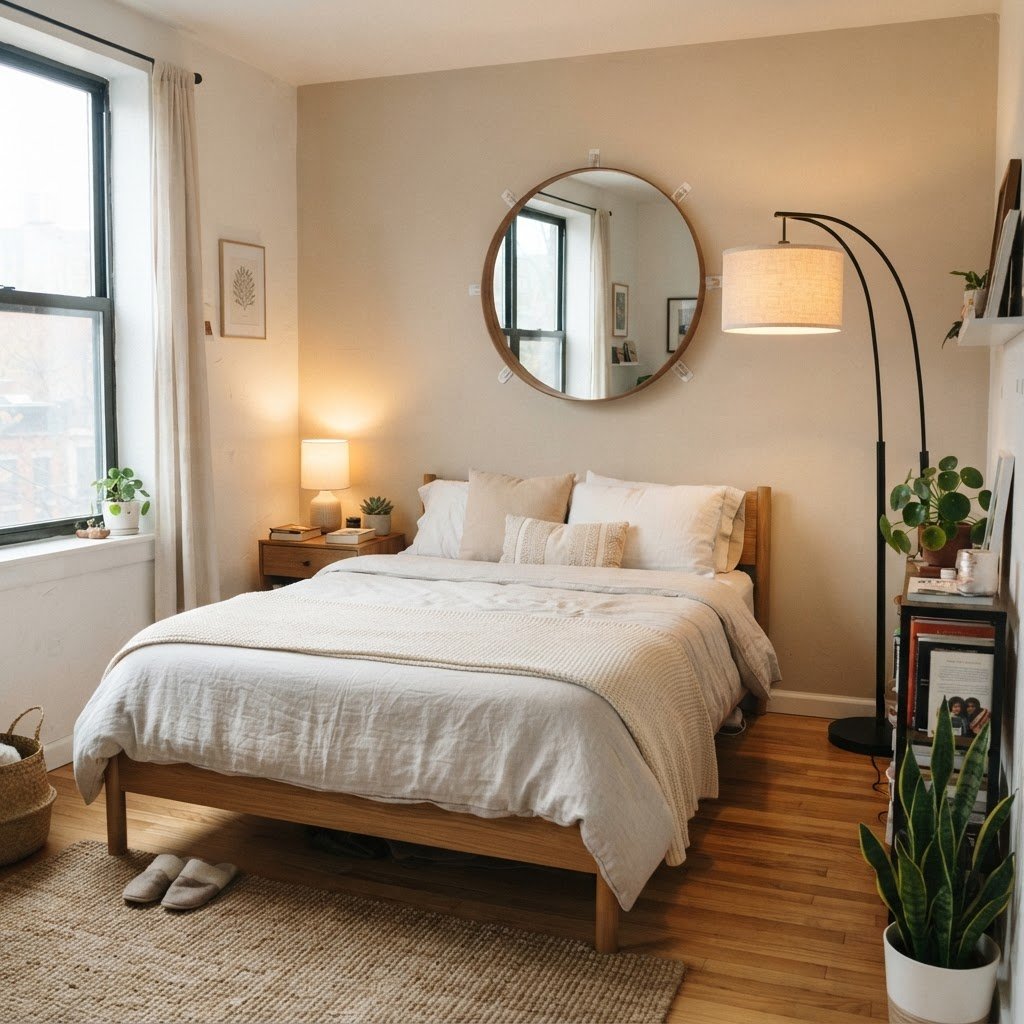
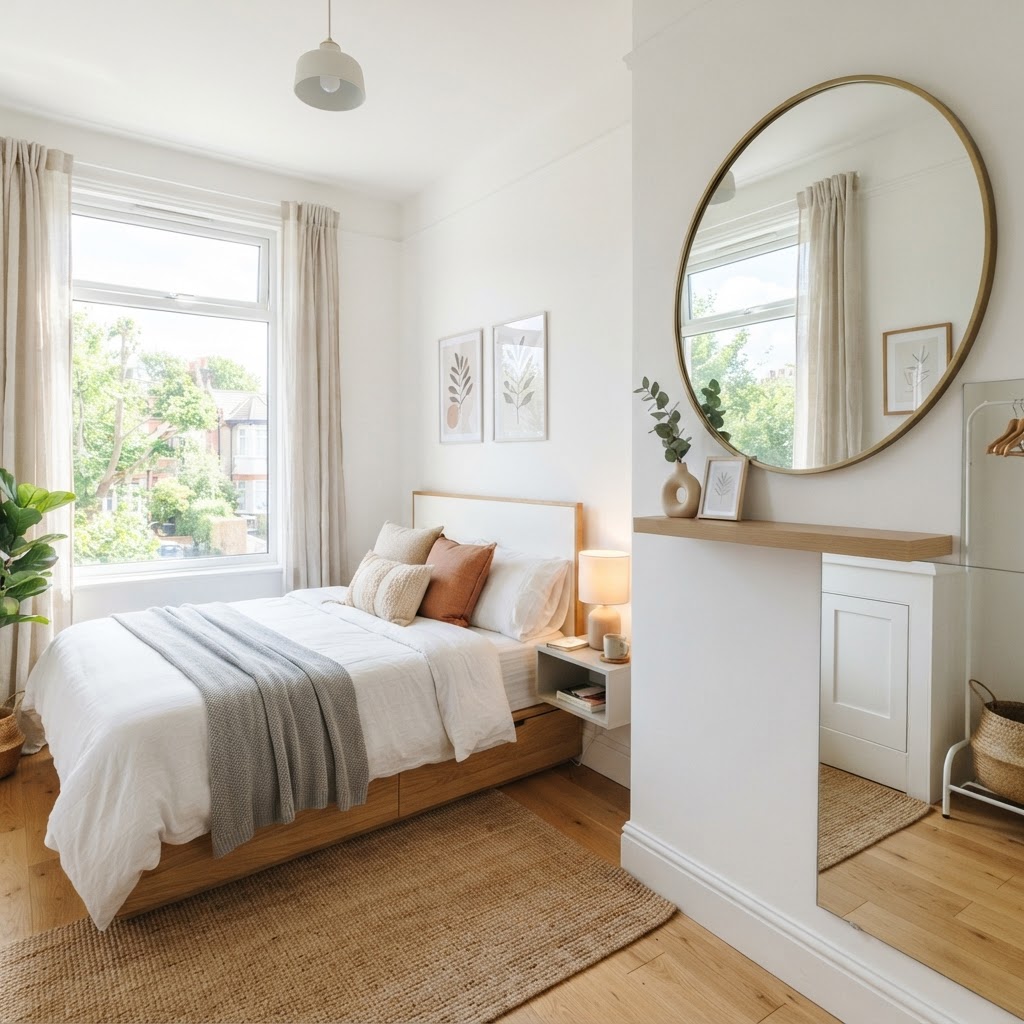
A mirror placed strategically creates the illusion of more space.

The bed is the largest piece of furniture in your room, and its position dictates the entire flow of your space. Most people default to pushing the bed against a wall to save room, but this isn’t always the most efficient choice for visual flow. To determine the best layout, compare the two primary approaches:

Layout Strategy Best For Benefit
Corner Placement Rooms under 80 sq ft Frees up floor space for a desk or chair
Centering Bed Rooms 100+ sq ft Improves traffic flow and allows dual nightstands

The Corner Approach

For extremely tight spaces, tucking the bed into a corner can free up a significant amount of floor area. This layout works best for single beds or daybeds, creating a cozy nook that leaves the rest of the room open for a desk or a small chair. By moving the bed away from the center, you can potentially reclaim 10 to 15 square feet of usable floor area.

Centering for Symmetry

If you have enough room to walk around both sides of the bed, centering it on the main wall can make a tiny room feel like a hotel suite. This layout allows for small nightstands on either side, which improves functionality without sacrificing style. This symmetrical approach anchors the room, making it appear more intentional rather than crowded.

Utilize Vertical Storage Solutions

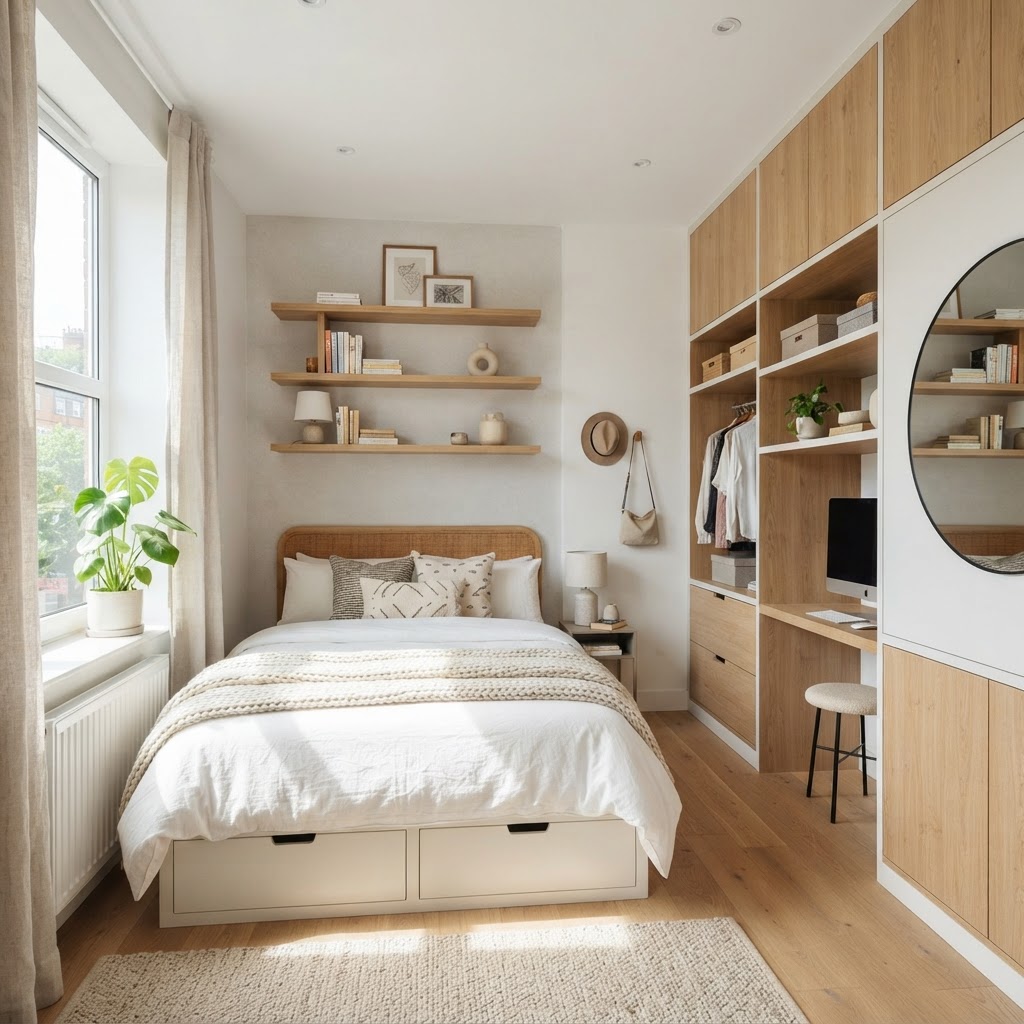
Built-in under-bed storage is essential for tiny rooms.

When your floor space is at a premium, look up because walls are your best friend for maximizing small areas. Installing shelving units that go from the floor to the ceiling draws the eye upward, making the room feel taller. By using vertical space, you can effectively triple the storage capacity of a single wall without reducing your walking path.

Floating Shelves

Floating shelves are ideal for small rooms because they lack the bulky frame of traditional bookshelves. They provide a place to store books, plants, and decor items without eating up valuable square footage on the floor. Install these 60 to 72 inches above the floor to ensure they don’t impede movement while keeping items accessible.

Over-the-Door Organizers

Don’t let the back of your bedroom door go to waste. Use over-the-door organizers to store shoes, accessories, or even rolled-up clothing. This is one of the easiest ways to keep small items off the floor, instantly making the room feel more organized. A standard 12-pocket organizer can typically hold up to 20 pounds of accessories, effectively acting as an invisible closet extension.

Invest in Multi-Functional Furniture

Multi-functional furniture keeps floor space clear and tidy.

In a tiny bedroom, every item you own needs to earn its keep. Opting for multi-functional furniture is a game-changer for anyone trying to maximize their living space. Look for pieces that offer hidden storage or double as different types of furniture to reduce the count of standalone items required.

Bed Frames with Built-in Drawers

If you are in the market for a new bed, skip the traditional frame and choose one with built-in storage drawers beneath the mattress. This allows you to tuck away seasonal clothes, extra bedding, or shoes without the need for an additional dresser. Using under-bed storage can reclaim an average of 12 square feet of floor space that would otherwise be wasted.

Convertible Desks

If you work from home, a dedicated desk might feel like a luxury you can’t afford. Consider a wall-mounted fold-down desk that disappears into the wall when you are done with your work. This creates a clean look and keeps your floor clear. Most wall-mounted units protrude only 4 to 6 inches when folded, offering a massive advantage over standard desks that require at least 20 inches of depth.

Create the Illusion of More Space

Sometimes, making your room feel bigger is all about optical illusions. Using the right design techniques can trick the eye into thinking the room is much larger than it actually is. Implementing these techniques, such as proper color selection, can increase the perceived volume of a room by up to 20%.

Strategic Mirror Placement

Mirrors are the oldest trick in the designer’s handbook for expanding space. A large, floor-length mirror or a gallery wall of smaller mirrors reflects light and creates depth, effectively doubling the perceived size of your room. Position your mirrors opposite a window to amplify natural light and brighten dark corners.

Light and Neutral Color Palettes

Dark colors can make small spaces feel cave-like, so you should stick to light, neutral tones like whites, soft creams, or pale grays on your walls and bedding. These colors reflect light and soften the edges of the room, making it feel more expansive and inviting. Studies show that white-walled rooms with high-gloss trim can appear brighter and larger than those with matte, dark finishes.

Declutter for a Better Layout

The best furniture arrangement in the world won’t save a room that is overcrowded with “stuff.” Before you move a single piece of furniture, take an honest inventory of your belongings and declutter ruthlessly. A clear space reduces cortisol levels, directly impacting your sleep quality and relaxation in a small room.

The One-In-One-Out Rule

Adopt the one-in-one-out rule to keep your space from becoming overwhelmed. If you buy a new pair of shoes, consider donating or selling an old pair. Keeping your wardrobe and accessories in check is essential for maintaining the layout you’ve worked hard to create. This rule keeps your clutter baseline at zero growth.

Capsule Wardrobe Approach

Consider adopting a capsule wardrobe to reduce the number of items requiring closet space. By focusing on quality over quantity, you create more room in your closet, which might allow you to remove a bulky dresser entirely. A typical capsule wardrobe consists of 30 to 40 essential items, potentially freeing up 50% of your current closet storage requirements.

Lighting Techniques for Small Rooms

Poor lighting can make a small room feel dingy and cramped, so avoid relying on a single, harsh overhead light. Instead, layer your lighting to create a warm and cozy atmosphere that defines different zones. Proper lighting design adds texture and depth, preventing a small room from feeling flat.

Wall-Mounted Sconces

Free up space on your nightstands by installing wall-mounted sconces. This gives you high-quality task lighting for reading without cluttering your surfaces. Choose models that swing on an arm to add an extra layer of functionality, allowing you to direct light exactly where you need it for reading or working.

Smart Ambient Lighting

LED strips behind headboards or under low-profile furniture can add a modern, soft glow to the room. This type of lighting adds depth to your room, making it feel more high-end and spacious simultaneously. Installing LED strips under a bed frame can create a “floating” effect, which adds a sense of lightness to the design.

FAQ

Q: How can I make a 100-square-foot bedroom feel larger?

Using light, neutral color palettes and floor-to-ceiling mirrors is the most effective way to expand a 100-square-foot bedroom. These elements maximize light reflection and minimize visual clutter, tricking the eye into perceiving a more expansive space.

Q: What is the best furniture for a very small bedroom?

Multi-functional furniture, specifically bed frames with integrated storage drawers and fold-down wall-mounted desks, is best for small bedrooms. These items minimize the need for additional storage furniture, effectively keeping your floor space clear and open.

Q: Should I push my bed against the wall in a tiny room?

Pushing a bed into a corner is recommended for rooms under 80 square feet to maximize open floor space. However, if your room is larger, centering the bed on a wall improves symmetry and traffic flow, which makes the layout feel more intentional and luxurious.

Q: How do I store items in a small bedroom without a closet?

Utilize vertical space by installing floor-to-ceiling shelving and using over-the-door organizers for accessories. Additionally, invest in under-bed storage bins or a storage-optimized bed frame to keep essentials out of sight while maintaining a clean, clutter-free environment.

Q: Does painting a small bedroom white really make it bigger?

Yes, painting a small bedroom white or in soft neutral tones helps reflect natural light and obscures wall edges. This creates a cohesive, airy look that makes the room feel significantly larger and less claustrophobic compared to using dark or busy wallpaper patterns.

10 Clever Small Bedroom Ideas for Renters

10 Clever Small Bedroom Ideas for Renters

To transform a small rental bedroom, focus on maximizing vertical storage with tension rods and adhesive hooks, selecting multi-functional furniture, and implementing layered lighting to create an illusion of space. These non-permanent, damage-free strategies allow renters to personalize and declutter their rooms without violating lease agreements or risking security deposits.

Maximizing Vertical Space Without Damage

Maximize space with clever wall decor and layered lighting.

When floor space is at a premium, looking upward is the best strategy for expanding your usable living area. Most renters shy away from drilling holes, but you can achieve high-impact organization using clever, non-permanent alternatives that bypass landlord restrictions entirely. Think of your walls as a canvas for storage that does not require a power drill, allowing you to reclaim square footage that is often ignored in traditional layouts.

Utilizing Over-the-Door Solutions

One of the most underutilized areas in any bedroom is the back of the door. Over-the-door organizers are lifesavers for small bedrooms; they can store up to 24 pairs of shoes or double as an accessory station. If you want a more aesthetic look, choose tiered racks or decorative hooks that sit securely over the top edge of the door without needing hardware. This method is 100% reversible and requires zero installation time, making it ideal for temporary residents.

Command Hooks and Tension Rods

Adhesive hooks have revolutionized the world of rental living by allowing users to hang items up to 15 pounds without damaging drywall. Use them to hang lightweight artwork, mirrors, or fabric wall hangings. Tension rods are another secret weapon; they can be placed inside closets to create double-hanging space or even mounted between window frames to create a makeshift curtain partition or display rack for clothing. By moving items off the floor and onto the walls, you can increase your effective storage capacity by up to 40%.

Solution Best For Installation Type
Tension Rods Closets/Windows Pressure-mounted
Adhesive Hooks Decor/Accessories Peel-and-stick
Over-the-door Rack Shoes/Bulky Items Gravity-hung

Smart Furniture Choices for Tiny Rooms

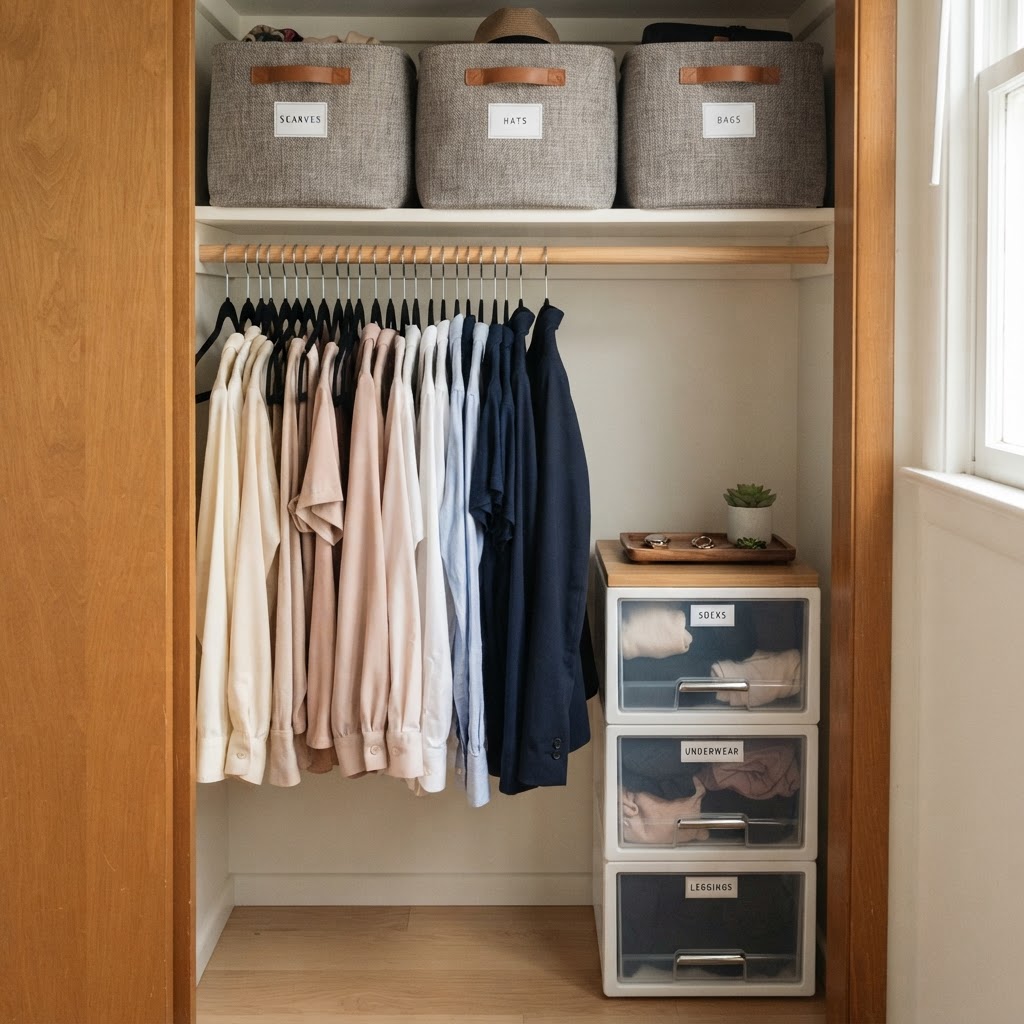
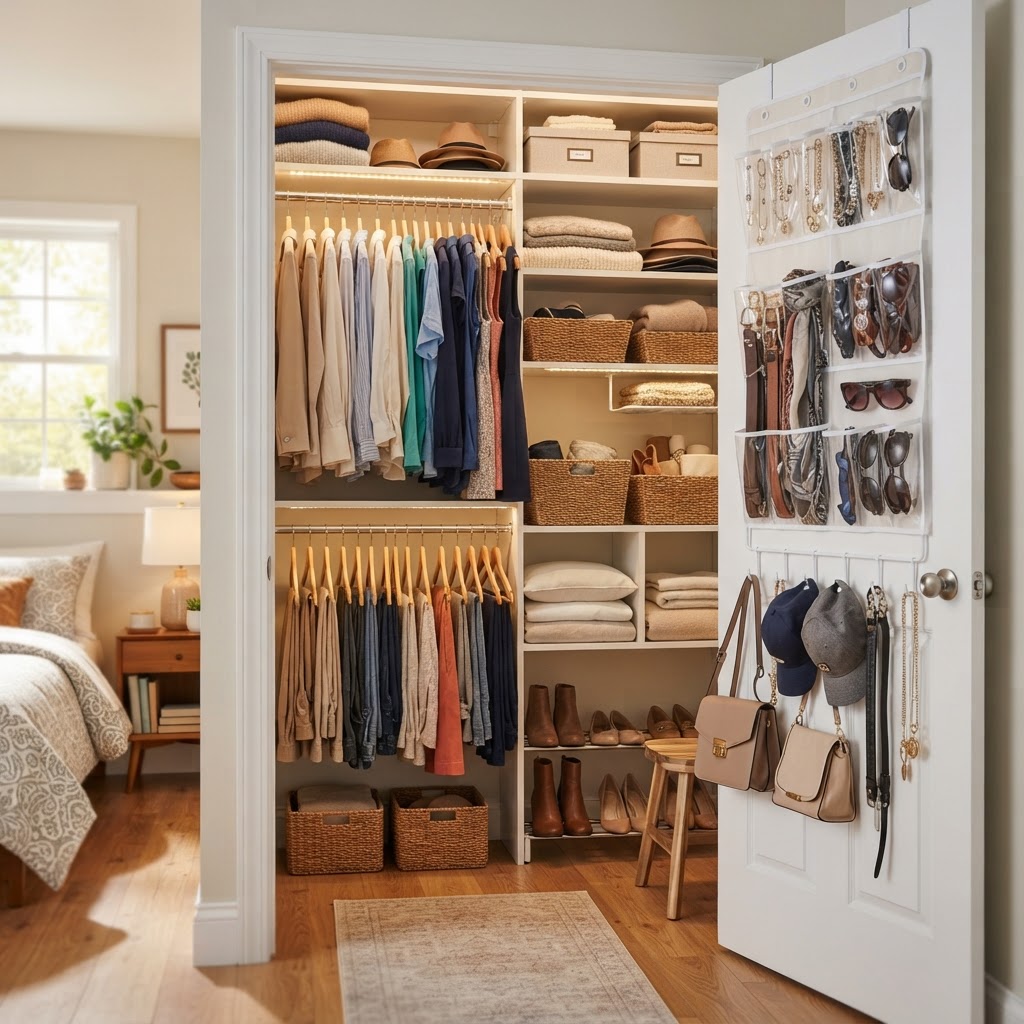
Organize your small closet like a pro with slim hangers and storage bins.

Selecting the right furniture is critical when you have limited space, as you want pieces that serve multiple purposes while maintaining a light visual profile. Avoid clunky, oversized dressers that swallow up your floor space; instead, look for furniture that “floats” on legs, as seeing more of the floor makes a room feel instantly larger. A general rule of thumb for small bedrooms is to ensure that at least 30% of your floor remains visible to maintain a sense of airiness.

The Power of Multi-Functional Pieces

Invest in items like storage ottomans, bed frames with built-in drawers, or nightstands with shelving. A storage ottoman can provide approximately 3 to 5 cubic feet of hidden storage for linens or off-season clothing while serving as extra seating. By choosing furniture that hides your clutter, you keep the visual chaos to a minimum, which is essential for a relaxing bedroom environment. When purchasing, prioritize pieces under 30 inches in height to prevent the room from feeling closed in.

Lighting Techniques to Open Up the Room

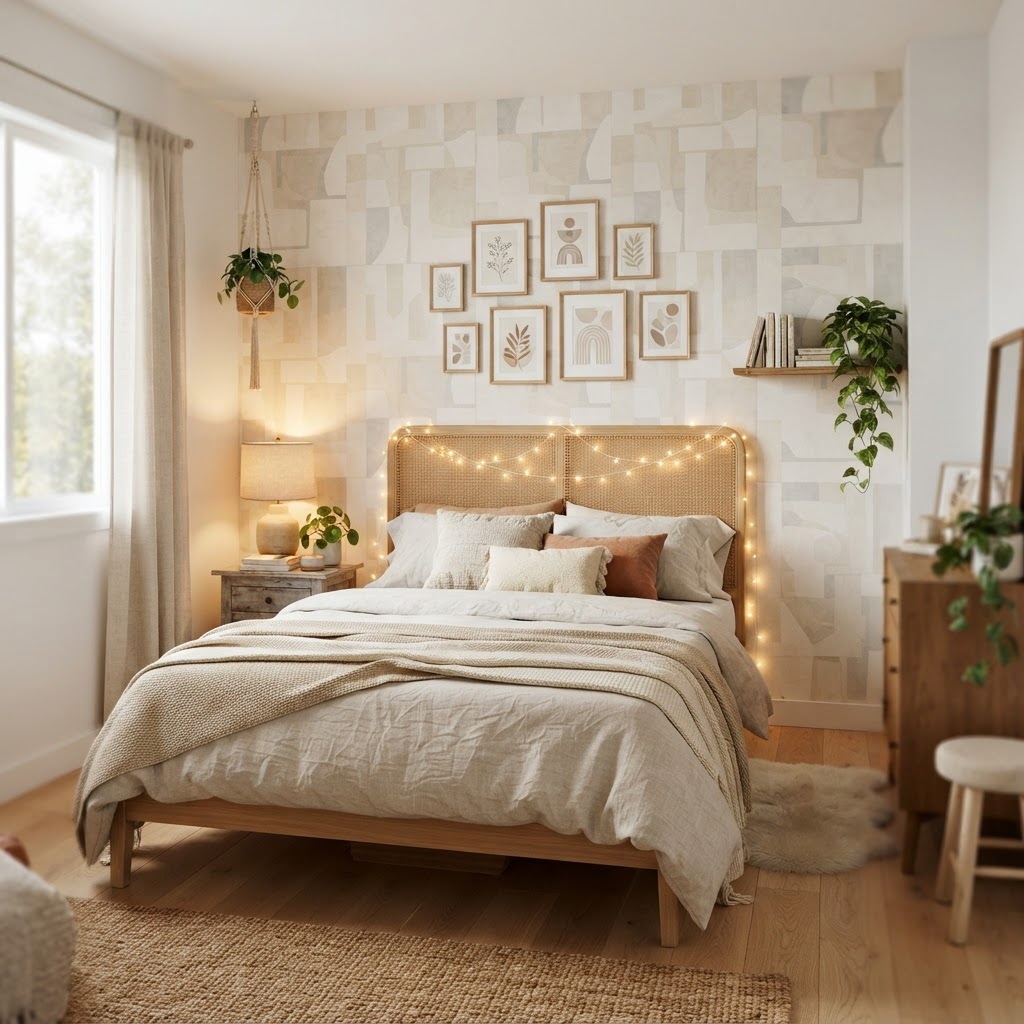
Transform your walls with damage-free removable wallpaper.

Lighting is often overlooked in rental units, but it is one of the most effective ways to change the mood of a space and visually expand the room. Standard “boob lights” are usually unflattering and harsh; since you likely cannot rewire the ceiling, focus on layered lighting using floor lamps and table lamps to create a warm, inviting glow that mimics natural light.

Layering for Atmosphere

Create depth by placing lamps at different heights. Use a tall floor lamp in one corner to draw the eye upward, and place a task lamp on your nightstand for reading. String lights or LED strips tucked behind the headboard or under furniture can create a soft glow that makes the room feel cozy rather than cramped. Research shows that layering three distinct light sources—ambient, task, and accent—can make a small room appear 20% larger than one lit by a single overhead fixture.
Textiles and Color Palettes

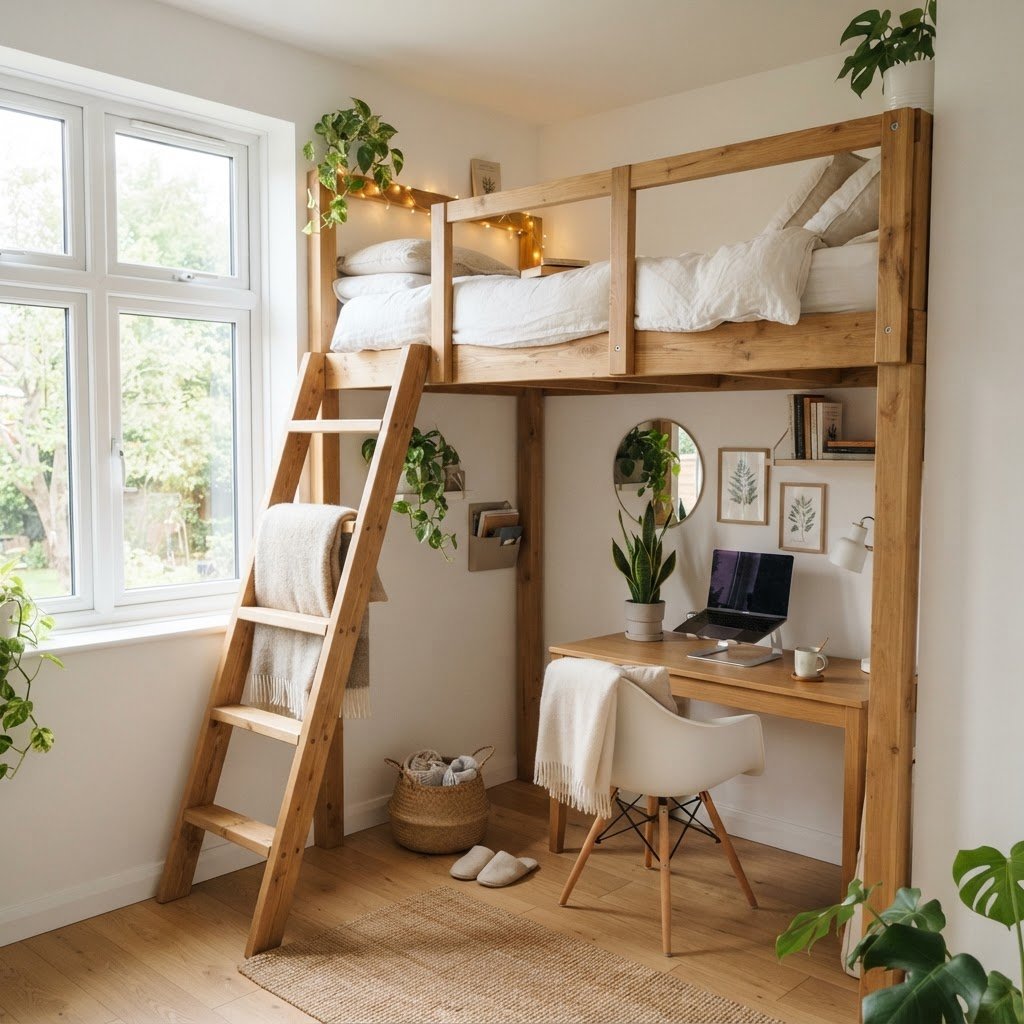
Create a functional, airy sanctuary with smart furniture choices.

Your choice of bedding and window treatments defines the room’s aesthetic, with lighter tones often expanding the visual boundaries of a tight space. In small rooms, it is usually better to opt for light, neutral colors like off-white, light gray, or beige to reflect natural light. However, you can add personality through texture, such as chunky knit throws, velvet pillows, and linen curtains, which add dimension without the visual weight of dark colors.

The Importance of Window Treatments

Rental apartments often come with cheap, plastic blinds that can make a room feel boxy. Replace them with curtains hung from a tension rod or a removable adhesive bracket to elevate the room instantly. Floor-to-ceiling curtains draw the eye up and can make a window appear significantly larger than it actually is. By placing the rod as close to the ceiling as possible, you create an illusion of added height, which is a classic designer trick that is completely reversible.

Creative Storage for Small Closets

If your closet is tiny, it is time to optimize every inch by utilizing vertical volume rather than just floor space. Do not let the “dead space” at the top of the closet go to waste; add a stackable shelf unit or use storage bins to hold items you don’t reach for daily. Slim velvet hangers are another game-changer, as they allow you to fit approximately 30% more garments into the same amount of rod space compared to traditional plastic ones.

Organizing Like a Professional

Sort your clothes by category and color to create a sense of order that makes your space look intentional. If you have extra floor space under your hanging clothes, add a small stackable drawer unit. Keep your most-worn items at eye level to streamline your morning routine, and keep off-season clothes in vacuum-seal bags—which can reduce clothing volume by up to 75%—tucked under the bed.

Personalizing Walls Without Paint

Many leases strictly forbid painting, which can leave a room feeling sterile, but there are many ways to add color and pattern without touching the walls. Removable wallpaper is the gold standard for renters who want a bold look; it can be purchased in various patterns and is designed to peel off without leaving residue. This single change can shift a room’s entire energy for a cost of roughly $50–$100 per feature wall.

Removable Solutions for Personality

If wallpaper feels like too much work, consider large-scale peel-and-stick decals or gallery walls using adhesive strips. You can also use temporary tapestries to cover an entire wall, which has the added benefit of softening the acoustics of the room. This makes your bedroom feel much more intimate and personalized, providing a high-impact transformation that takes less than an hour to complete.

Keeping It Organized and Decluttered

Even the most well-designed room will feel small if it is messy, making decluttering an essential part of the design process. The most important of our small bedroom ideas for renters is maintaining a strict “one in, one out” policy. Because you have less storage space, you must be intentional about what stays in your home; regularly purge items you no longer use or need to keep your bedroom feeling peaceful.

Maintaining the Vibe

Dedicate five minutes each night to tidying up your surfaces. When surfaces are clear and clothes are put away, the room will naturally feel more expansive. Focus on keeping your nightstand clear of anything that isn’t essential for your sleep, which creates a better environment for relaxation. A clutter-free surface area is proven to lower cortisol levels and improve sleep quality in compact living environments.

FAQ

Q: What is the best way to add storage to a rental bedroom without drilling holes?

Utilize tension rods inside closets, over-the-door hanging organizers for shoes, and adhesive hooks for wall decor. These solutions provide significant storage utility while being completely removable, ensuring you can restore the room to its original condition before you move out.

Q: Can I paint my walls if I am renting?

Most leases prohibit permanent paint, but you can use high-quality peel-and-stick removable wallpaper to add color and texture. This allows for total customization of your bedroom aesthetic while remaining 100% compliant with standard rental agreements.
Q: How do I make a tiny bedroom look bigger?

Maximize floor visibility by choosing furniture on legs and use floor-to-ceiling curtains to draw the eye upward. Additionally, incorporating a large mirror can reflect light and create a sense of depth, effectively doubling the visual space of a cramped room.

Q: Are tension rods strong enough to hold heavy curtains?

Yes, provided you purchase high-tension spring-loaded rods designed for heavy fabric. Ensure the tension is tightened correctly against the door or window frame, and consider lightweight linen or cotton curtain panels to minimize the overall weight load on the rod.

How to Make a Tiny Bedroom Feel Twice as Big

How to Make a Tiny Bedroom Feel Twice as Big

To make a tiny bedroom feel twice as big, prioritize a monochromatic light color palette, incorporate floor-to-ceiling mirrors, and utilize “leggy” furniture that exposes the floor. These strategic design choices trick the human brain into perceiving greater depth and vertical height, effectively expanding the visual footprint of a cramped space.

The Power of a Strategic Color Palette

Strategic use of mirrors and light creates an expansive feel.

Color serves as the most effective tool for expanding a room visually by blurring boundaries and minimizing harsh transitions that highlight small dimensions. When you select colors for a small bedroom, aim for high-light-reflective values (LRV) above 60 to bounce natural light across the space. Pale blues, cool greys, and crisp off-whites are industry-standard choices because they appear to recede, effectively pushing walls outward.

Paint Technique Effect on Space Best For
Monochromatic Creates seamless flow Narrow rooms
Same-color Trim Hides wall boundaries Low-ceiling rooms
Dark Accent Ceiling Adds visual “height” Boxy spaces

Painting baseboards, door frames, and even ceilings the exact same shade as the walls creates a continuous “envelope” effect. This eliminates the sharp visual breaks usually caused by contrasting trim. Without these defining lines, the brain struggles to accurately measure the room’s limits, perceiving the area as significantly larger. If you prefer depth, restrict darker hues to the ceiling or a single accent wall, as painting all four walls in a dark color will contract the room by absorbing light rather than reflecting it. For optimal results, use a matte finish on walls to hide surface imperfections and a satin finish on trim for a subtle light-catching contrast.

Using Mirrors to Create Depth

Choosing furniture with legs makes the floor space look bigger.

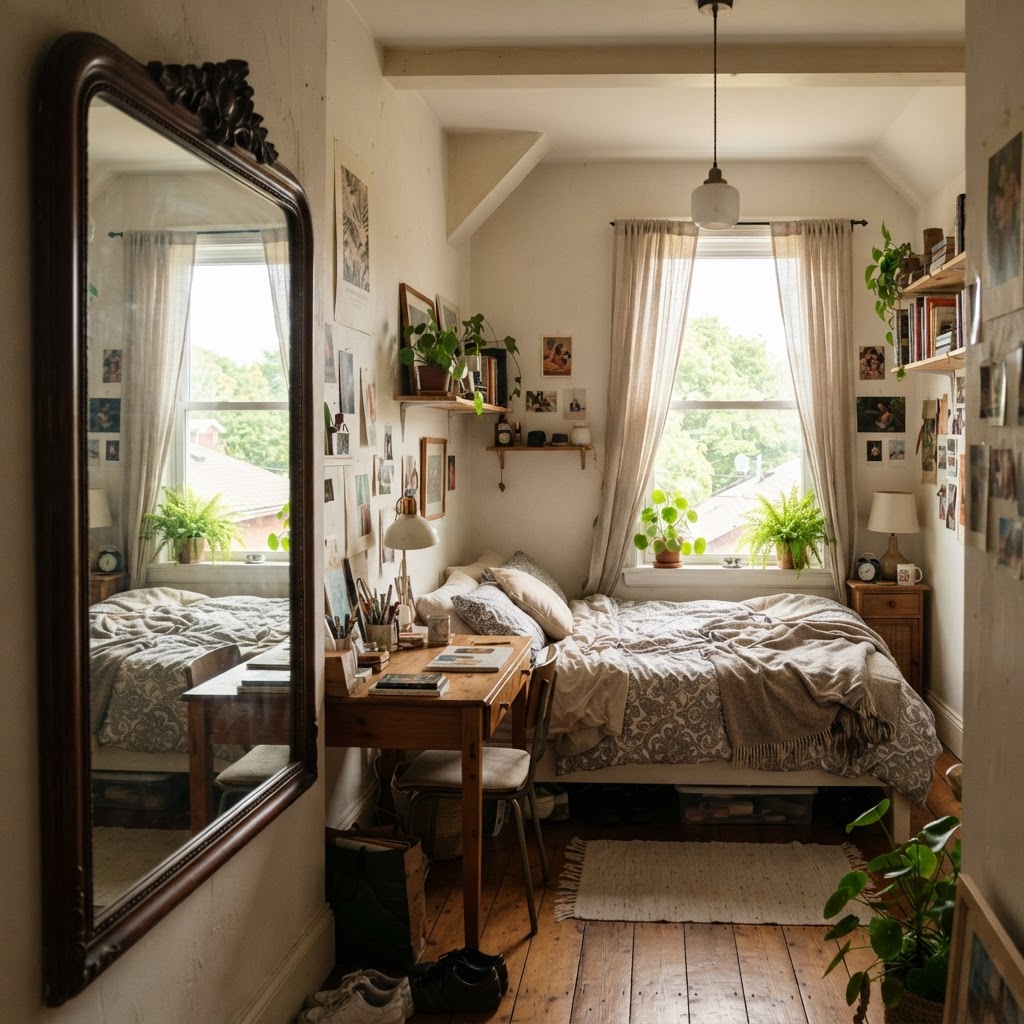
Mirrors are the single most powerful tool for doubling the perceived size of a room because they reflect both light and space, creating a “window” effect where none exists. A well-placed mirror does more than just decorate; it creates an optical illusion that tricks the depth perception of anyone entering the room. For maximum impact, install a floor-to-ceiling mirror opposite a window. This captures outdoor light and green space, effectively importing the outdoors inside and removing the feeling of a “boxed-in” wall.

Beyond traditional wall-mounted mirrors, integrate reflection into your functional furniture. Mirrored closet doors are a classic design hack that turns a heavy, obstructive storage unit into a light-reflecting plane. By camouflaging the closet, you remove its visual weight from the room. Consider the following comparison to maximize mirror placement:
Mirror Placement Impact on Perception Installation Tip
Opposite Window Maximizes light & nature Align at eye level
Closet Doors Removes “bulky” furniture Use custom panels
Behind Lamps Doubles light output Angle toward center

When choosing mirrored pieces, avoid placing them directly across from your bed if you prefer a calming sleep environment, as excessive reflection can feel overstimulating. Instead, focus on reflective surfaces on nightstands or dresser fronts to maintain a cohesive, airy, and sophisticated aesthetic that keeps the eye moving throughout the space.

Mastering Light for Spatial Illusion

Layered lighting via wall sconces saves space and adds depth.

A layered lighting strategy is essential because a single overhead fixture casts harsh shadows in the corners of a room, which makes it feel smaller and more enclosed. To expand the space, you must eliminate these dark pockets by distributing light at multiple heights—ambient, task, and accent. Installing wall-mounted sconces on either side of the bed is a pro move that frees up surface area on nightstands while creating a balanced, high-end look.

Incorporate hidden LED strips behind your headboard or underneath floating shelves to cast a “halo” glow on the walls. This creates a floating effect for furniture, which makes the floor area appear larger by suggesting more negative space. Furthermore, always prioritize natural light by using sheer fabrics like linen or light-filtering cotton instead of heavy, room-darkening velvet. If you require privacy, install roller shades that roll completely into the header to expose the entire window frame. Drawing the eye to the window, rather than the wall, significantly increases the perceived size of the room.

Furniture Choices That Save Space

Vertical decor tricks draw the eye up to increase height perception.

Furniture selection for a small bedroom must prioritize visual “lift” and multi-functionality to avoid overwhelming the limited floor area. Choose pieces with slender, tapered legs—often called “leggy” furniture—to expose more of the floor. When the eye can track the floor continuously beneath a dresser or bed frame, the brain registers the room as having a larger footprint. Solid, floor-sitting furniture blocks the view of the floor, creating a visual “stop” that makes a room feel compressed.

Invest in multi-purpose items that hide your clutter, as a messy room will always feel smaller than it actually is. Look for beds with integrated hydraulic lift storage or ottomans that provide deep compartments for linens and out-of-season clothing. By concealing your belongings inside the furniture, you maintain a minimalist aesthetic that keeps the room open and breathable. A clutter-free space is not just organized; it is a design feature that allows the architecture of the room to shine through.

Maximizing Vertical Real Estate

Look up to maximize your square footage, as walls offer the most underutilized storage and aesthetic potential in any compact bedroom. By mounting items high on the wall, you force the eye to travel upward, creating an artificial sense of height. Install floating shelves near the ceiling to display decor, or use floor-to-ceiling curtains that skim the floor to elongate the windows.

Mounting curtain rods flush with the ceiling is a high-impact, low-cost trick. By hiding the wall space above the window, you create a seamless vertical line that makes windows look significantly larger. Ensure your shelves are not overloaded; a light, curated display of books or small art pieces is much better than a wall crammed with items. This strategy balances out a narrow floor plan by adding a third dimension of space.

Maintaining Minimalism to Prevent Clutter

Minimalism is the maintenance strategy required to keep a small bedroom from feeling claustrophobic. It is not about living with nothing; it is about keeping surfaces clear of the visual noise that makes a room feel cramped. The “one in, one out” rule is an effective system: for every new item you bring into your bedroom, you must donate or discard an old one.

Daily habits are crucial for success in small spaces. Make your bed every morning to immediately set an organized tone. Utilize under-bed storage containers to manage seasonal items so they do not take up closet or floor space. Keep bedside tables restricted to three items maximum (e.g., a lamp, one book, and a small plant). By keeping the horizontal surfaces clear, you prevent the feeling of “stuff” creeping into your personal sanctuary and overwhelming your space.

FAQ

What are the best colors to make a small room feel bigger?

Light, cool-toned colors like soft whites, pale blues, and light greys are the best for expanding a space. These colors reflect light effectively and make walls appear to recede. Using a monochromatic palette with matching trim further eliminates visual breaks that shrink a room.

Do mirrors actually make a room look bigger?

Yes, mirrors make a room feel larger by reflecting light and creating the illusion of a “window” or extra space. For the best result, place a large mirror directly across from a light source or a doorway to maximize the sense of depth in the room.

How high should I hang my curtain rods?

Always hang your curtain rods as close to the ceiling as possible, rather than right above the window frame. This vertical extension draws the eye upward, creates a sense of taller ceilings, and makes the windows appear significantly more dramatic and larger than they are.

What is “leggy” furniture and why does it help?

“Leggy” furniture refers to pieces with slim, elevated legs that reveal the floor underneath. Being able to see the floor continuously beneath a bed or dresser prevents the room from feeling crowded or heavy, which is essential for maintaining an airy and open atmosphere.

How can I declutter a very small bedroom?

Implement the “one in, one out” rule and prioritize multi-functional storage like under-bed drawers or wall-mounted floating shelves. Keeping horizontal surfaces clear of personal items and knick-knacks will instantly make your bedroom feel more spacious and serene.

Small Bedroom Ideas: Clever Storage & Vertical Solutions

Small bedroom storage is best maximized by utilizing vertical wall space, choosing multi-functional furniture, and implementing a strict decluttering strategy to maintain a clear floor plan. By shifting storage from the floor to walls and selecting pieces like under-bed drawers or wall-mounted desks, you can increase your usable bedroom capacity by up to 40% while maintaining an airy, open aesthetic.

The Philosophy of Vertical Design

Floating furniture helps create an airy, open feel in small bedrooms.

When floor space is scarce, your walls become your most valuable real estate for storage and visual expansion. Many people overlook the 6 to 8 feet of vertical space above their dressers, desks, and headboards, leaving a significant amount of potential storage unused. Vertical design is not just about mounting shelves; it is about drawing the eye upward, which naturally makes a room feel taller and more spacious. By installing shelving that reaches within 12 inches of your ceiling, you force the eye to travel upward, creating the illusion of height. This strategy is particularly effective in rooms with ceilings lower than 8 feet, as it prevents the furniture from feeling “stuck” to the floor. Furthermore, utilizing high-level shelves keeps rarely used items—like off-season bedding or sentimental keepsakes—out of your daily visual path, which reduces the psychological feeling of clutter in a confined space.

Utilizing Wall-Mounted Furniture

Floating nightstands and wall-mounted desks are game-changers for small rooms because they provide essential surfaces without creating floor-level obstructions. By removing the legs of traditional furniture, you clear the floor space underneath, which creates a sense of openness and makes the room significantly easier to clean. Consider installing long, floating shelves above your bed to serve as a modern headboard substitute that doubles as a bookshelf or display area. When you reclaim the 2 to 4 square feet typically occupied by nightstand legs, you improve traffic flow around the bed.

Feature Traditional Furniture Wall-Mounted Furniture
Floor Space Used High Zero
Visual Weight Heavy Light/Airy
Installation Simple Requires Stud Mounting
Cleaning Access Difficult Easy

Choosing the Right Shelving Systems

Modular shelving units are highly versatile because they allow you to customize your storage based on your specific needs. Use adjustable brackets so you can move shelves as your storage requirements evolve over time. For a cohesive look, paint your shelves the same color as your walls so they appear to blend into the architecture rather than protruding into the room, reducing visual noise. When installing, always use a level and ensure hardware is rated for your wall type (e.g., toggle bolts for drywall, masonry anchors for brick) to safely support items weighing over 20 lbs.

Unlocking Hidden Storage Potential

Integrated under-bed storage is perfect for hiding away extra bedding and seasonal items.

The most effective small bedroom ideas involve pieces of furniture that work double duty, ensuring that every square inch of the room justifies its existence. If a piece of furniture doesn’t provide storage, it is likely taking up floor space you cannot afford to waste. Look for beds with built-in drawers, ottomans with removable tops, and dressers that can serve as vanity tables. Professional organizers often suggest the “Rule of Two,” which mandates that every furniture piece must fulfill two functions—aesthetic presence and utility. By replacing a standard bed frame with a storage-integrated platform, you can gain between 10 to 15 cubic feet of hidden storage capacity. This is ideal for seasonal clothing, extra linens, or bulkier items that do not fit in your primary closet. Prioritize modular storage solutions that allow for future flexibility, such as changing drawer configurations or adding secondary shelves as your organizational needs shift throughout the year.

Choosing Multi-Functional Furniture

Platform beds with deep drawers underneath are arguably the best investment for a compact bedroom. These drawers can hold an entire season’s worth of clothing, extra bedding, or even bulky winter coats. If you cannot afford a new bed frame, consider using aesthetic fabric bins or rolling crates that fit perfectly underneath your existing bed frame to achieve a similar result. When choosing under-bed bins, aim for a height of 6 to 8 inches to ensure they slide freely without scratching your floor. Opt for opaque fabric bins to maintain a tidy look, or clear plastic if you need to quickly locate items.

The Power of Under-Bed Organization

To make under-bed storage work, prioritize bins that slide easily on smooth surfaces using casters or felt pads. Invest in clear containers if you have a wide variety of items so you can see exactly what is inside without needing to pull every bin out. Always measure the height from the floor to your bed frame before purchasing containers to ensure a perfect fit that doesn’t look messy or disorganized. Leaving even a 1-inch gap between the top of the bin and the frame bottom will prevent jamming.

Mastering Closet Optimization

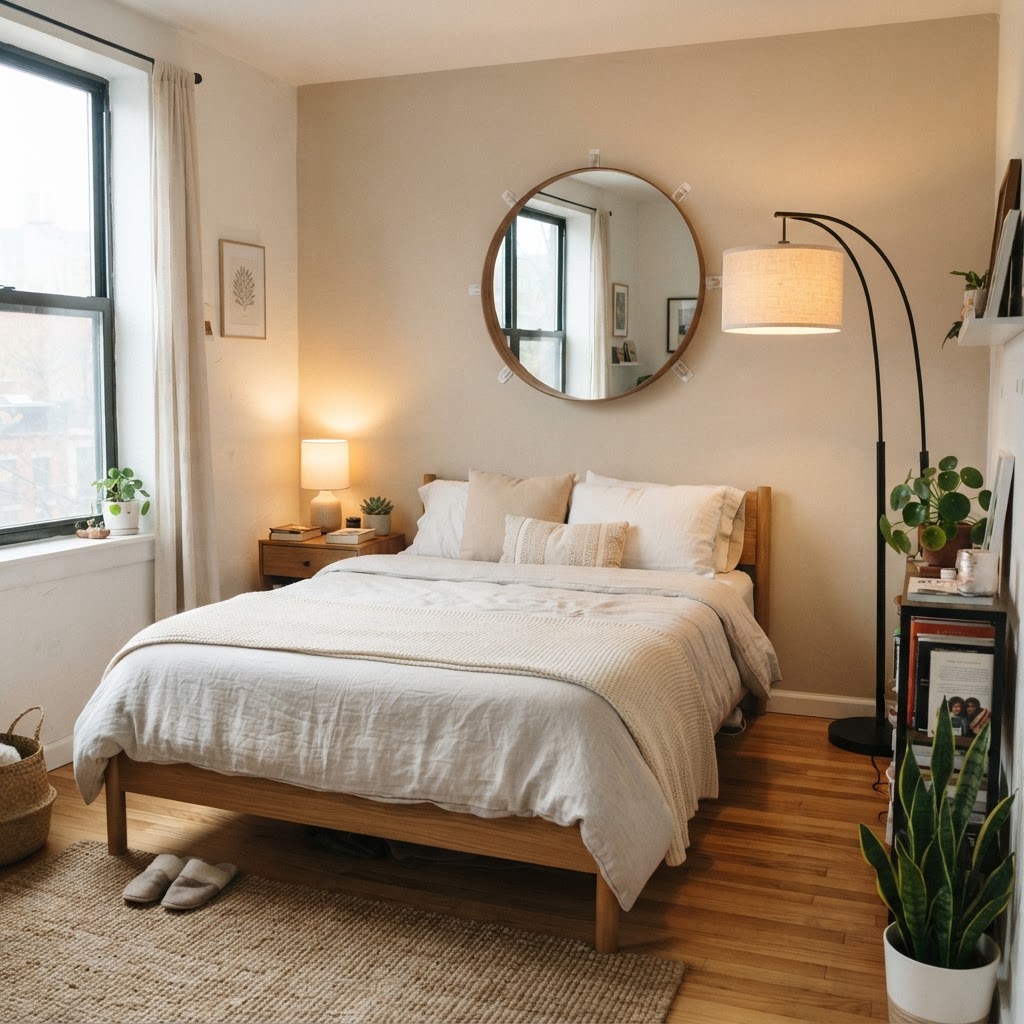
Large mirrors are essential for reflecting light and making a small room look larger.

Most reach-in closets are underutilized due to inefficient rod placement, but you can increase your capacity by up to 50% by maximizing vertical and door-back areas. By installing a double-hanging rod system, you effectively double the amount of clothing you store in your closet. Adding shelves 12 inches above the top rod also creates a perfect spot for seasonal items like hats, bags, or extra linens. Many homeowners ignore the “dead space” at the bottom of the closet; placing a stack of modular drawers or a shoe rack here keeps the floor clear while organizing smaller accessories. When updating your closet, prioritize a modular system with adjustable tracks, which allows you to change the shelf heights as your wardrobe changes. For example, moving shelves closer together can accommodate more folded sweaters, while removing them creates room for longer dresses or coats.

Closet Tip Benefit Efficiency Gain
Double Rods Vertical layering High
Door Hooks Access to accessories Medium
Shelf Dividers Prevents toppling stacks High
Clear Bins Visual inventory Medium

Implementing Door-Back Organizers

Don’t forget about the back of your closet door, which acts as a secondary storage wall. Install an over-the-door shoe organizer or a series of hooks to hold scarves, belts, jewelry, or robes. Keeping these small items off your dressers will instantly make your room feel more organized and less chaotic. Using an organizer with clear pockets allows you to see small accessories instantly, saving you time during your morning routine. Ensure the organizer is securely fastened to prevent it from swinging or banging against the door when closed.

Decluttering Strategy for Small Spaces

The most important rule for small spaces is a strict “one in, one out” policy. Every item you bring into your bedroom should serve a purpose or bring you joy. Regularly audit your closet to remove items you haven’t worn in over a year. A minimalist approach is naturally the best friend of a small room. Perform a seasonal “reset” every 90 days to ensure your closet is not storing dormant items that occupy valuable cubic footage.

Creative Lighting for an Airy Feel

Don't overlook the back of your doors for essential storage opportunities.

Lighting plays a significant role in how big or small a room feels because shadows in the corners of a room create a “shrinking” effect. Natural light is your best friend, but if your room lacks windows, artificial light must be used strategically to illuminate dark corners. Avoid bulky floor lamps that take up valuable floor space; instead, opt for wall-mounted sconces or pendant lights that hang from the ceiling. A layered lighting approach—using a combination of warm ambient lighting and focused task lighting—can make a room feel expansive. Install LED strips under floating shelves or behind the headboard to provide a soft glow that eliminates harsh shadows. When selecting bulbs, aim for 2700K to 3000K (warm white) for a cozy bedroom feel. Proper illumination can make a room feel up to 20% larger by removing dark visual boundaries, effectively “pushing” the walls outward.

Using Mirrors to Expand Depth

Mirrors are a classic design trick that never fails to double the perceived depth of a room. By placing a large mirror directly across from a window, you reflect natural light deeper into the space. A full-length mirror leaning against a wall or mounted on the back of a door not only helps you get dressed but also tricks the eye into thinking the room is twice its actual size. If you have a small window, placing a mirror adjacent to it can create the illusion of a second, larger window, further brightening the interior.

Maximizing Corner Real Estate

Corners are often dead zones in bedroom design, but they offer excellent potential for vertical storage when approached with the right geometry. Corner shelving units are specifically designed to fit into 90-degree angles, turning unused wall space into a functional display or storage area. This is a perfect place for plants, books, or small decorative items that add personality to your room without consuming the center floor space. By installing corner-specific shelves, you can utilize approximately 3 to 5 square feet of otherwise wasted air. Consider using tension-rod corner shelves if you are a renter and cannot drill into the walls. These allow you to maximize vertical storage for small objects like alarm clocks, charging stations, or books. When filling these corners, balance the weight; place heavier books at the bottom shelf and lighter, more decorative items toward the top to maintain visual balance and structural stability.

Corner Desks and Vanities

If you need a workspace or a vanity, look for pieces designed for corners. These pieces occupy space that would otherwise be empty while providing a dedicated area for activities. Keeping your work surface in a corner helps create a mental boundary between sleep and productivity, which is crucial in a multifunctional small bedroom. Choose corner units that feature rounded edges to avoid sharp, intrusive corners that can make a tight space feel dangerous or cramped.

Smart Textile and Color Choices

The color palette you choose for your small bedroom can influence your perception of space by creating a sense of continuity. Light, neutral tones such as off-white, soft gray, or pastel blue help reflect light and push walls away visually. This does not mean you cannot use color, but consider keeping your largest surfaces light and adding pops of color through bedding, rugs, or artwork to maintain depth. Avoid high-contrast patterns on large surfaces like curtains or wall-to-wall carpets, as these can make the space feel cluttered. Instead, focus on textures like linen, wool, or cotton in neutral shades, which add visual interest without overwhelming the eyes. A monochromatic color scheme, where the walls, trim, and large furniture pieces share similar light tones, is the most effective way to eliminate visual “stops” that make a room look broken up.

Maintaining a Clutter-Free Aesthetic

Clutter is the enemy of a small bedroom, as it draws the eye to chaos rather than the room’s design. Use decorative baskets and boxes to hide away the small items that inevitably accumulate on nightstands. By keeping surfaces clear, you create a sense of calm and order that makes a small room feel intentional rather than cramped. Consider the following checklist for keeping your room organized:

  • Clear off nightstand surfaces daily.
  • Use labels for hidden storage bins.
  • Purge non-essential items every three months.
  • Keep the floor clear of stray clothing or bags.
  • Utilize vertical wall hooks for jackets.

FAQ

Q: How can I make a small bedroom look bigger?

Use light, neutral wall colors and large mirrors to reflect light and expand the visual depth of the room. Keeping the floor visible by using wall-mounted furniture and high-legged pieces significantly increases the perceived square footage of the bedroom.

Q: What is the best way to store clothes in a small room?

Install a double-hanging rod system in your closet and utilize the space under your bed for long-term storage using flat, rolling bins. This combination clears floor space while effectively doubling your available hanging and seasonal storage capacity.

Q: How do I choose the right storage furniture?

Prioritize pieces that serve dual purposes, such as an ottoman with internal storage or a bed frame with integrated drawers. Look for modular, wall-mounted items like floating nightstands to ensure floor space remains open and easy to clean.

Q: Should I use open or closed shelving?

Use closed storage for messy items to keep the room looking clean, and save open shelving for a limited selection of decorative items. Too much open storage in a small room can quickly lead to a cluttered appearance, so keep it sparse and organized.

Studio Apartment Bedroom Ideas to Zone Your Space

Living in a studio apartment offers a unique challenge: balancing your sleeping, working, and relaxing areas without feeling overwhelmed by a single room. Finding the right studio apartment bedroom ideas is essential to making your home feel curated rather than crowded. When every square inch counts, the key is defining clear boundaries so that your bed isn’t the focal point of your entire living room. By thoughtfully layering furniture, lighting, and textures, you can create a sanctuary that functions as a multi-room home within a single footprint.

The Art of Zoning Your Studio

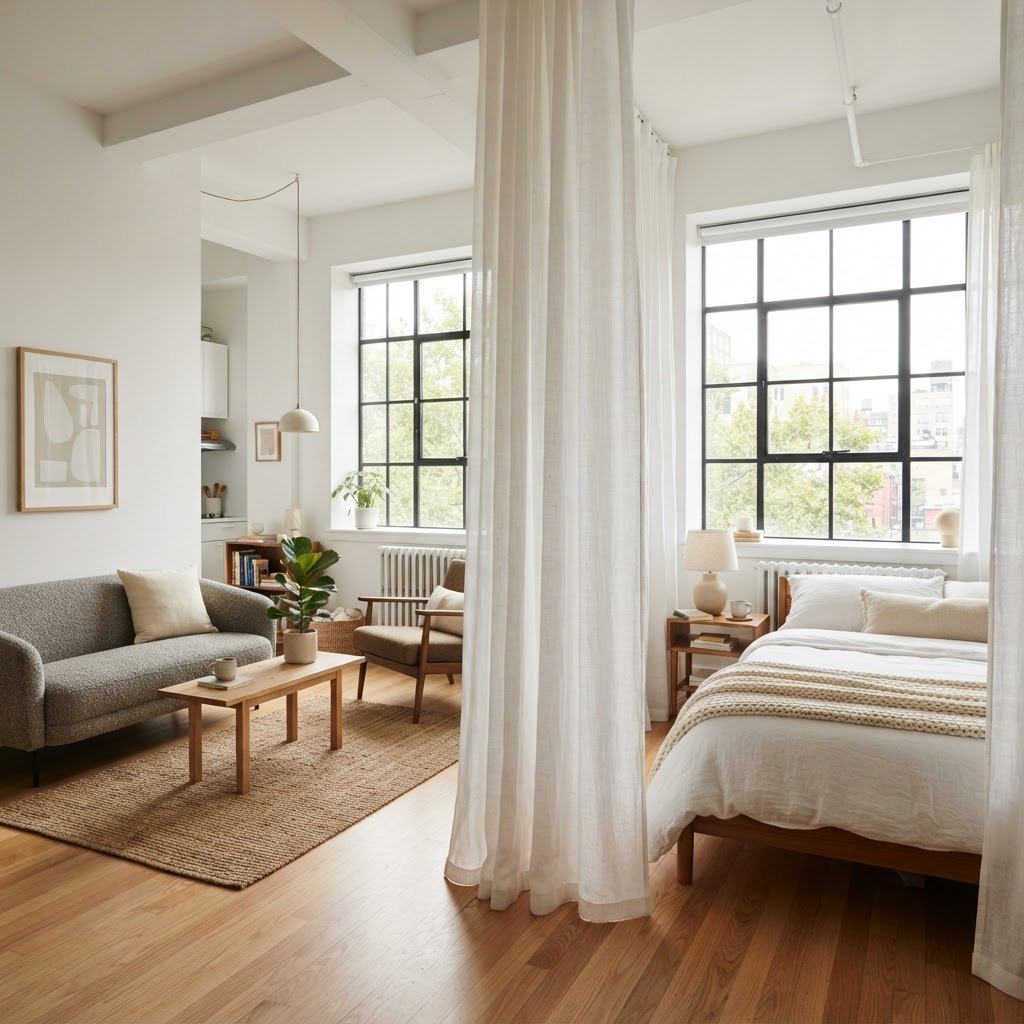
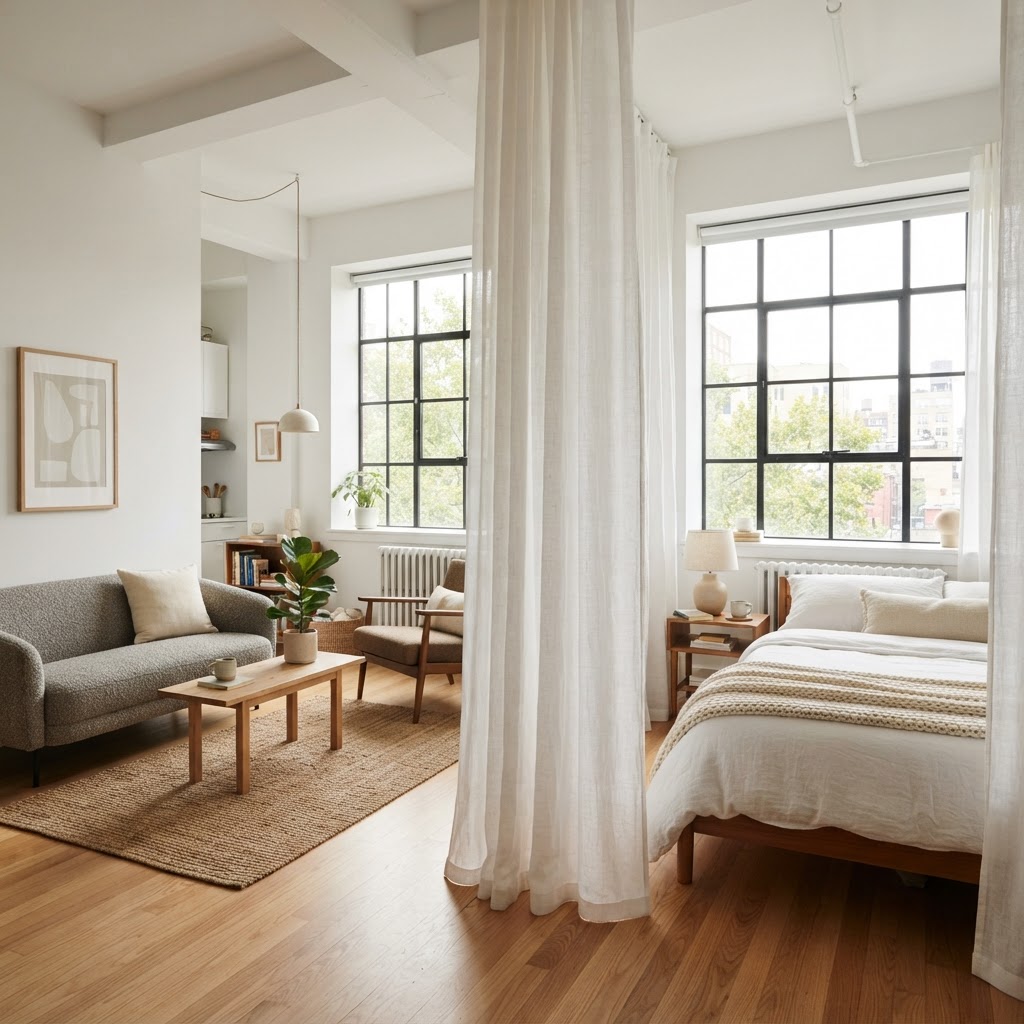
Using curtains provides an elegant way to hide the bed when not in use.

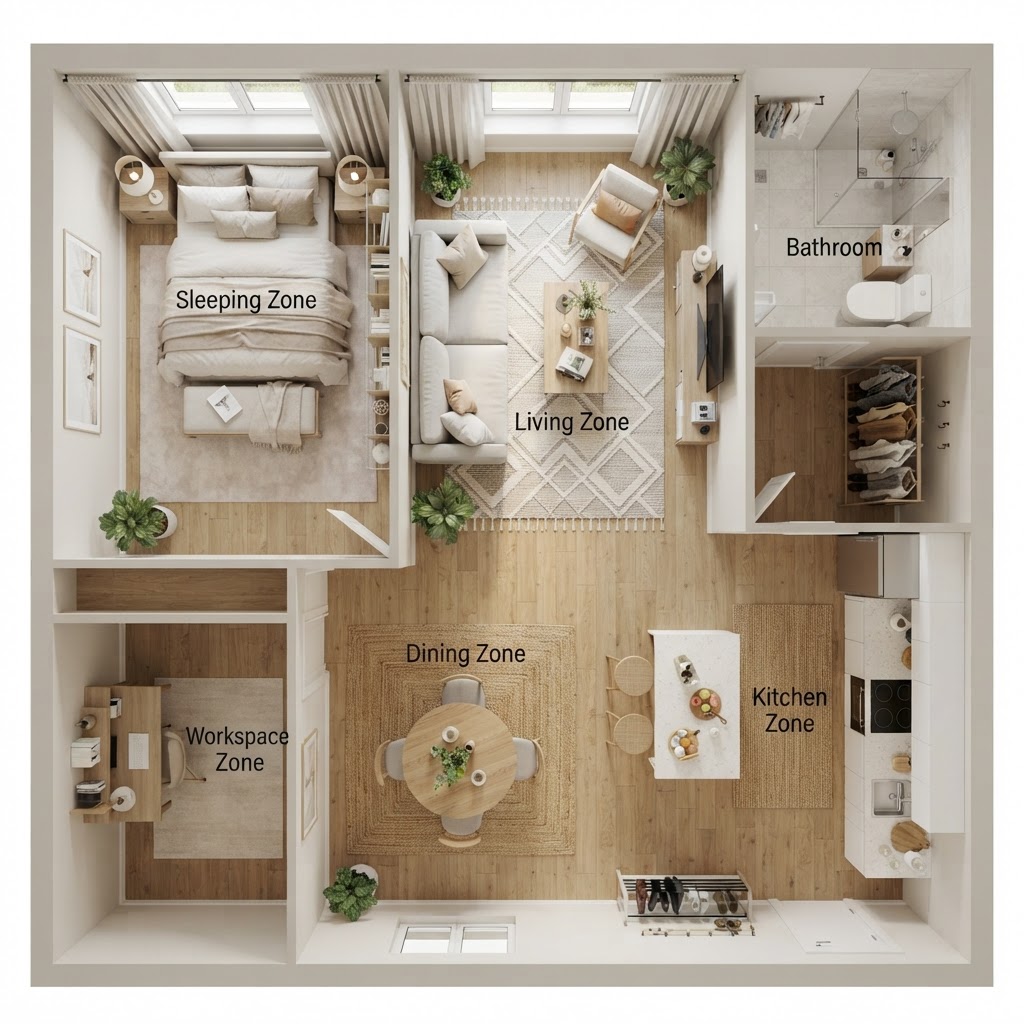
Zoning is the secret weapon of professional interior designers working with micro-apartments. It involves creating invisible walls or physical dividers that signal to your brain that you have transitioned from a workspace to a sleep zone. Without these delineations, your apartment can feel like a chaotic blur of clutter.

Using Vertical Space for Privacy

Vertical space is often overlooked, yet it is one of the most effective tools for creating bedroom separation. Think about floor-to-ceiling curtains or open shelving units that allow light to pass through while still providing a visual break.

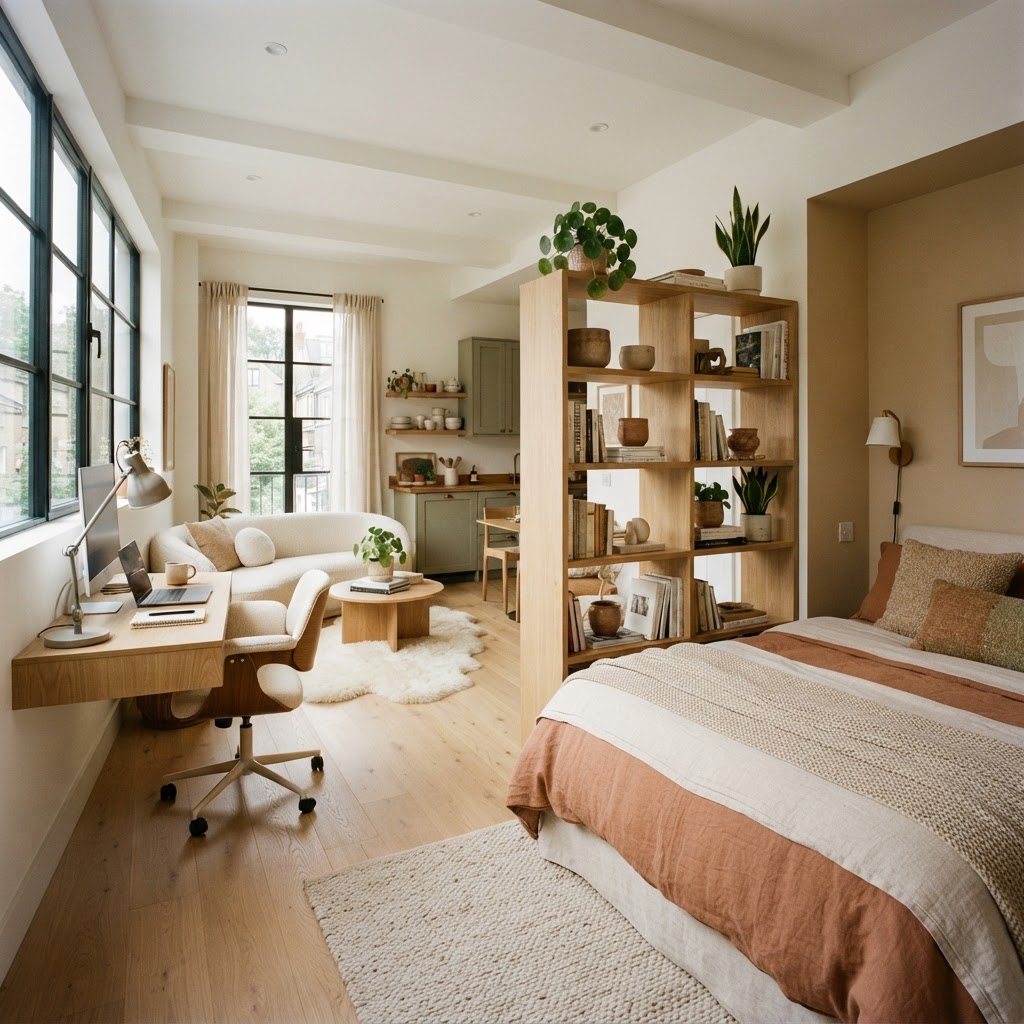
By drawing the eye upward, you create an illusion of height and depth. A tall bookcase placed perpendicular to the wall can house your books and decor while acting as a structural barrier between your mattress and the rest of the apartment.

Furniture Placement Strategies

Open shelving creates a visual divider without sacrificing natural light.

Where you place your bed defines the flow of the entire apartment. If you have a square layout, consider pulling your bed slightly away from the wall to create a walk-around effect, which feels more luxurious and intentional. If you are working with a long, narrow space, anchoring the bed at one end of the room is usually the most logical choice.

Multifunctional Pieces That Work Hard

Investing in dual-purpose furniture is non-negotiable for studio living. A daybed with integrated storage underneath, or an ottoman that doubles as a coffee table, helps reduce visual noise. When your furniture pulls double duty, you free up floor space, allowing for wider walkways and a less cramped atmosphere.

Creative Room Dividers for Small Spaces

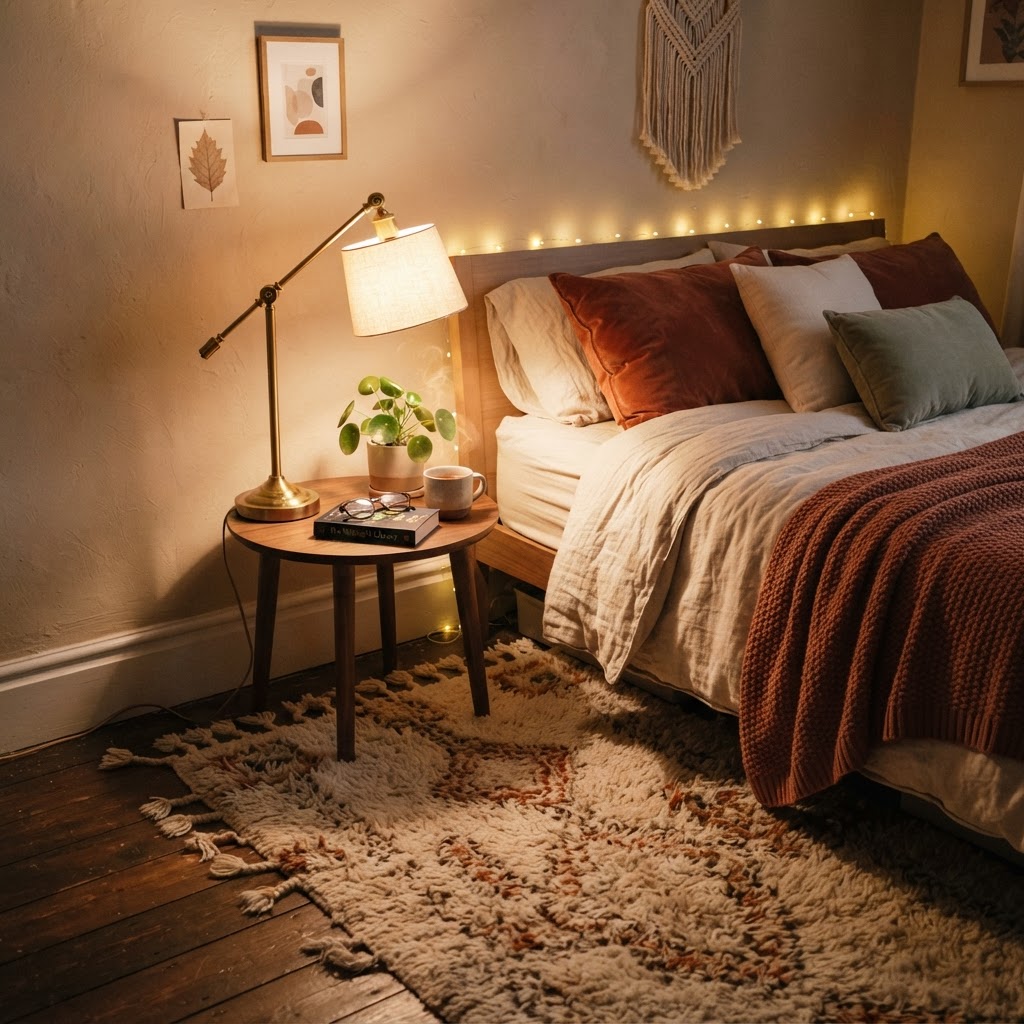
Layered lighting helps define the mood and separates sleeping zones from living zones.

When you need physical separation, you don’t necessarily need construction or permanent walls. Tension rod curtains are a popular and affordable way to hide your sleeping area entirely. When guests come over, you can simply pull the curtain closed, instantly making your bedroom disappear.

Folding screens, often called shoji screens, provide a more architectural look. They can be moved easily and offer a sense of intimacy that is difficult to achieve in an open floor plan. Choose materials that complement your decor style—bamboo for a zen vibe or metal for an industrial aesthetic.

Illuminating Your Different Zones

Area rugs are a simple, effective tool for defining different functions in an open layout.

Lighting is perhaps the most underutilized tool for defining zones. In a studio apartment, you shouldn’t rely on a single overhead light. Instead, use a combination of floor lamps near your reading chair, task lighting at your desk, and warm, low-level lamps near your bed.

Layering Light for Ambience

Creating specific ‘light pockets’ allows you to dim certain areas while keeping others bright. For example, keeping the living room lights bright while you have a soft, golden bedside lamp on creates a clear psychological separation between the active living zone and the restful sleep zone.

Selecting a Cohesive Color Palette

While you want to differentiate your zones, the space should still feel unified. A common mistake is painting walls different colors to signify different zones, which can actually make a small space feel even smaller. Instead, choose a monochromatic or neutral base for your walls.

Then, use rugs to anchor each zone. A large area rug under your bed and a different, complementary rug under your sofa will visually mark the space without physically blocking light or airflow. This is one of the most effective studio apartment bedroom ideas because it is both aesthetic and functional.

Adding Personality Without Clutter

Small spaces can easily become cluttered, but that doesn’t mean they have to be boring. Use wall art to define the personality of each zone. Your bedroom area might benefit from calming, abstract art, while your workspace could feature a gallery wall of inspiring photographs.

Focus on large-scale art pieces rather than dozens of small items. A single, dramatic canvas above your bed can serve as an anchor and provide a sophisticated focal point, preventing the room from feeling like a storage unit.

Practical Maintenance for Studio Living

Living in a single room requires strict organizational discipline. Since everything is in view, you must have a “home” for every object. Utilize under-bed storage bins, closet organizers, and floating shelves to keep your surfaces clear.

The ‘Reset’ Habit

Make it a daily habit to reset your apartment before going to bed. This means folding throws, putting away laptops, and clearing off the dining table. Starting your day in a tidy, zoned space sets a positive tone for your entire schedule.

Conclusion

Mastering studio apartment bedroom ideas is about balancing form and function. By using strategic furniture placement, clever lighting, and soft dividers, you can turn a challenging small footprint into a highly organized and beautiful home. Start by evaluating your most important zones and implement one change at a time to see how it transforms your daily flow. Which of these techniques will you try first? Share your favorite small-space hacks in the comments below or subscribe to our newsletter for more interior design inspiration!

20 Cozy Home Bedroom Refresh Ideas: Minimalist Style on a Budget

Creating a sanctuary that feels both tranquil and stylish doesn’t require a massive bank account. If you are looking for cozy home bedroom refresh ideas that emphasize minimalist style on a real budget, you are in the right place. Minimalist design is not about having nothing; it is about having exactly what you need to create a sense of calm and clarity. By focusing on intentional choices and simple aesthetic shifts, you can turn a cluttered space into a peaceful retreat.

The Philosophy of Minimalist Design

Minimalist bedrooms thrive on neutral tones and intentional plant placements.

Minimalism is often misunderstood as being cold or stark, but when applied correctly, it can be incredibly cozy and inviting. The core goal is to reduce visual noise, allowing the elements that remain to stand out and feel intentional. In the bedroom, this means prioritizing comfort, light, and texture over excessive ornamentation.

By decluttering your surfaces and selecting a neutral color palette, you establish a foundation of peace. The key to a minimalist bedroom on a budget is working with what you have while strategically adding pieces that serve both a functional and aesthetic purpose. When every item has a “home,” the room naturally feels more spacious and serene.

Decluttering as the First Step

Keep nightstands clear and functional with only essential, aesthetic items.

Before you buy anything new, you must clear the slate. A bedroom refresh should always start with a deep decluttering session to remove items that disrupt your rest. If an item doesn’t serve a purpose or bring you genuine joy, it shouldn’t be in your sanctuary.

Consider the “one-in, one-out” rule moving forward. Clear your nightstands and dresser tops of anything that isn’t essential. This simple act of clearing visual clutter can immediately make a room feel larger, cleaner, and significantly more “minimalist” without costing a single penny.

Softening Your Space with Textiles

Soft, layered textures and natural light create an inviting, cozy sanctuary.

One of the best cozy home bedroom refresh ideas involves upgrading your textiles. Because a minimalist space has fewer decorative items, your bedding, rugs, and curtains become the focal points. Opt for high-quality, natural materials like cotton or linen in soft, neutral tones to maximize the “cozy” factor.

Layering for Depth and Texture

Don’t be afraid to layer different shades of white, cream, or beige to create interest without using bright colors. A chunky knit throw draped over the foot of the bed adds immediate texture and comfort. Consider swapping your heavy, outdated duvet cover for something lightweight and textured.

Investing in a quality, neutral rug can also ground the entire room. A soft, high-pile rug provides warmth underfoot, which is essential for that cozy morning feeling. Keep the pattern minimal or non-existent to stay true to your budget-friendly minimalist style.

Lighting to Set the Mood

A clean, well-made bed is the centerpiece of a serene minimalist room.

Lighting is perhaps the most underrated aspect of interior design. In a bedroom, you want to avoid harsh overhead lights whenever possible. Instead, focus on creating multiple points of soft, warm light that can be adjusted based on the time of day.

  1. Use warm-toned LED bulbs in all existing lamps.
  2. Add a small floor lamp with a linen shade for reading.
  3. Utilize plug-in wall sconces if you have limited nightstand space.
  4. Incorporate fairy lights inside a clear glass jar for a subtle, budget-friendly glow.

Incorporating Nature and Greenery

Minimalist design often draws inspiration from nature, so adding a touch of greenery is a perfect way to refresh your room. Plants not only improve air quality but also bring life and organic shape to a room that might otherwise feel too geometric.

Choose plants that are easy to care for, such as snake plants or pothos, which can thrive in various light conditions. Place a single, large plant in a corner or a smaller succulent on your dresser. The pot itself can serve as a decorative element—think natural terracotta or simple woven baskets.

Strategic Wall Decor Choices

In a minimalist home, walls should not be busy. Avoid cluttering your wall space with too many photos or mismatched art. Instead, choose one large-scale piece that anchors the room, or keep the walls clean and simple for a truly airy feel.

If you want to add art, select prints with simple lines or abstract shapes in a muted color palette. Often, a single, high-quality photograph or a simple DIY canvas painting is more impactful than a dozen small, disjointed frames. Remember, empty space on a wall is a design choice in itself.

The Power of a Uniform Color Palette

Color consistency is the secret sauce for a cohesive look. When searching for cozy home bedroom refresh ideas, focus on a “monochromatic” approach. By choosing a primary color—usually a neutral like white, grey, or soft earth tones—and using different shades and textures of that color, you create a sense of harmony.

This makes the room feel much larger and more relaxing. When everything matches or coordinates, the eye isn’t drawn to “visual noise,” allowing your brain to enter a state of rest more easily. This is a highly effective way to achieve a high-end look without needing expensive furniture.

Furniture Placement and Functional Flow

Sometimes, a room feels cramped not because you have too much furniture, but because it is arranged incorrectly. Try moving your bed to a different wall to see if it opens up the floor plan. In a minimalist bedroom, maximizing empty floor space is key.

Consider if any furniture can be removed entirely. Do you really need that extra chair that just collects clothes, or the bulky dresser that takes up too much space? If you need storage, look for “hidden” options like under-bed storage bins that are tucked out of sight.

Conclusion

Achieving a minimalist bedroom on a budget is entirely about making intentional, thoughtful decisions. By focusing on decluttering, layering soft textiles, prioritizing warm lighting, and maintaining a cohesive color palette, you can transform your sleeping space into a true sanctuary. Remember, the goal is not perfection, but rather a space that supports your rest and happiness. Start with one of these 20 cozy home bedroom refresh ideas today and watch your room transform. Which change are you going to implement first? Share your progress or ask questions in the comments below!

Space-Saving Furniture Placement Tricks for Tiny Bedrooms

Living in a small apartment or a home with a compact floor plan often presents a unique challenge when it comes to interior design. One of the most common obstacles is discovering effective space-saving furniture placement tricks for tiny bedrooms that do not compromise on style or comfort. Whether you are dealing with a cramped studio or a secondary room that serves as a multi-purpose zone, the way you position your furniture can make or break the functionality of the environment. By rethinking traditional layouts and embracing unconventional storage solutions, you can turn your cramped sleeping area into a spacious-feeling sanctuary.

The Psychology of Small Space Design

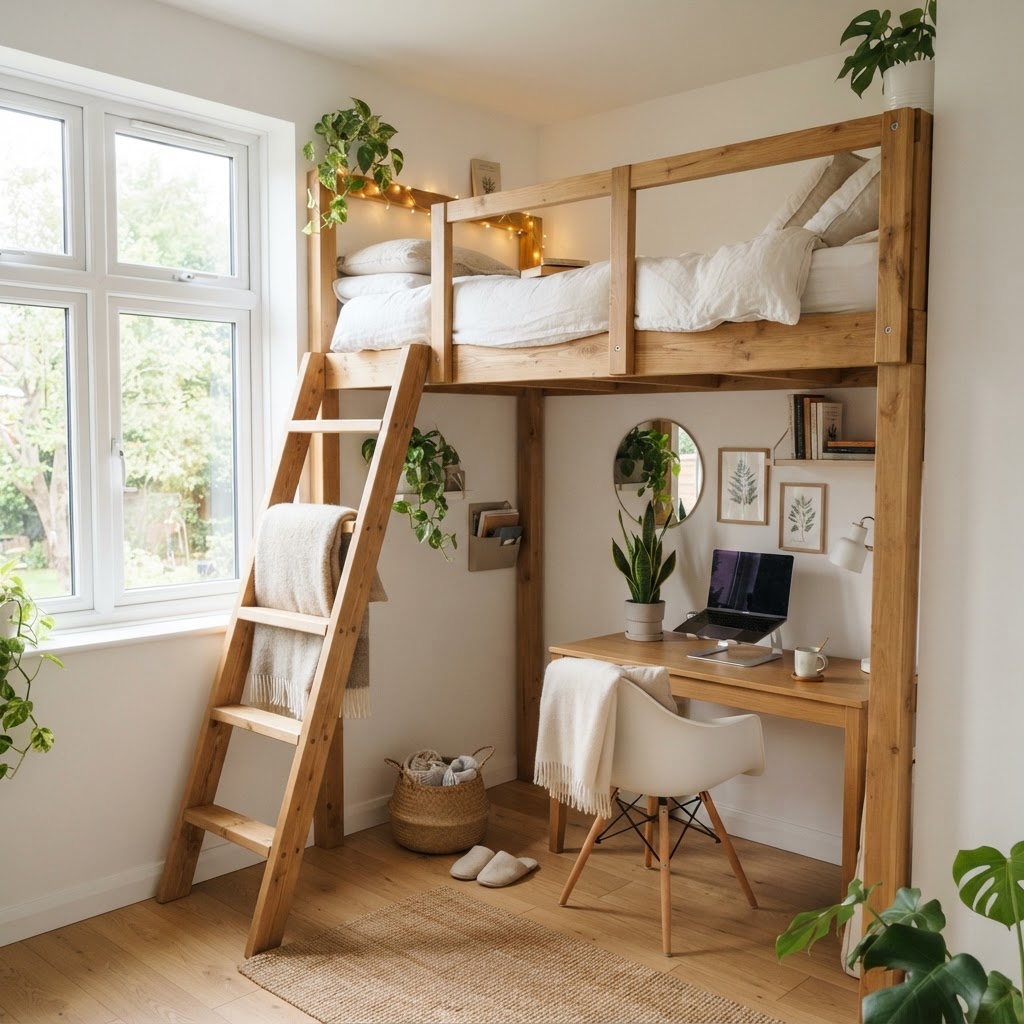
Maximize vertical space with a lofted bed design.

When you are working with limited square footage, the psychological impact of your layout is just as important as the physical dimensions of your furniture. A cluttered room often leads to a cluttered mind, which is the last thing you want in your personal space. The primary goal of any small bedroom design strategy is to create a visual flow that allows your eyes to travel across the room without being interrupted by large, bulky pieces of decor.

Prioritizing Traffic Flow

One of the most essential space-saving furniture placement tricks for tiny bedrooms involves prioritizing the path of movement. You should avoid placing furniture in a way that obstructs the natural walkways from the door to the bed or the closet. Keeping the center of the room as open as possible can provide an immediate sense of relief, making the bedroom feel much airier than it actually is.

The Importance of Floor Visibility

If your flooring is visible, your brain perceives the room as larger. Consider choosing bed frames with legs rather than box-style platform beds that sit flush against the floor. By seeing the expanse of the floor underneath the furniture, you effectively extend the visual boundaries of the room, which is a classic design trick used by professionals.

Maximizing Vertical Storage Potential

Use floor-to-ceiling shelving to keep the room organized.

When the floor space is at a premium, the only direction you can move is up. Installing floor-to-ceiling shelving or utilizing high-wall real estate for storage units allows you to clear the floor of smaller, unnecessary items that otherwise accumulate. This approach ensures that your floor remains clear, which is the cornerstone of effective small bedroom layout ideas.

Choosing Multi-Functional Furniture

Investing in pieces that serve two purposes is a game changer. Think about ottomans that double as storage chests, or bedside tables that contain deep drawers for linens and books. By consolidating your furniture needs, you reduce the overall count of items in the room, which directly contributes to a cleaner, more organized aesthetic.

Strategic Bed Placement Techniques

Mirrors can make a small room feel twice as large.

The bed is almost always the largest piece of furniture in the bedroom. In a tiny space, placing it correctly can feel like a game of Tetris. While many people believe the bed must be centered on the main wall, this isn’t always the most efficient choice for cramped rooms.

The Corner Bed Approach

In extremely tight rooms, pushing your bed into a corner can liberate a significant amount of floor space. While it might seem less conventional, this layout creates a cozy, nest-like atmosphere that works perfectly for tiny bedrooms. You can use large, plush pillows to turn the headboard and side wall into a comfortable backrest for reading or lounging during the day.

Lighting and Mirror Illusions

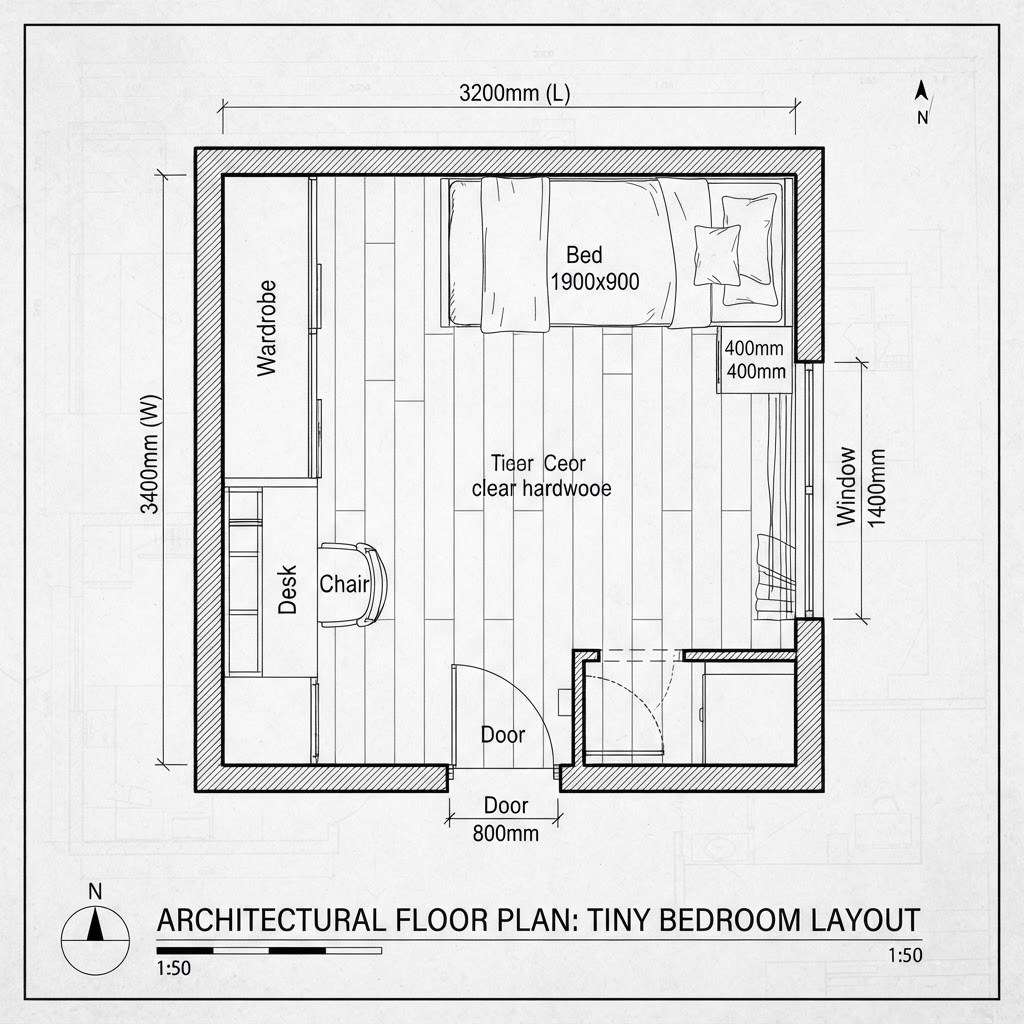
Strategic layout planning is the key to small room success.

How you illuminate your space can change your perception of size. Using floor lamps instead of table lamps can free up precious surface area on your nightstands. Furthermore, installing wall-mounted sconces can provide focused light for reading while eliminating the need for bulky side tables entirely.

Using Mirrors to Expand Depth

Mirrors are among the best tools for anyone trying to maximize space in small bedrooms. By placing a large, full-length mirror opposite a window, you can double the amount of natural light that flows into the room. This bounce effect tricks the human eye into perceiving a much larger expanse, adding depth to areas that would otherwise feel claustrophobic.

Dealing with Clutter and Hidden Storage

Clutter is the enemy of the tiny bedroom. Without a strict organization system, even the best-laid furniture plan will eventually fail. The key is to find hidden storage opportunities where you least expect them.

Utilizing Under-Bed Real Estate

If your bed does not have built-in drawers, you can easily purchase risers to increase the clearance beneath the frame. Using slim, rolling containers, you can store seasonal clothing, extra bedding, or travel gear out of sight. This hidden storage is one of the most effective ways to maintain a minimalist look while retaining your essential items.

Selecting the Right Furniture Scale

One of the most frequent mistakes people make is choosing oversized furniture that overwhelms the room. Even if you love a massive, ornate headboard, it may not be appropriate for a small bedroom. Always measure your space carefully and opt for slim-profile designs that are proportionate to the dimensions of the room.

The Benefits of Transparent Pieces

Acrylic or glass furniture—such as side tables or desk chairs—can be invisible to the eye. They provide necessary utility without adding visual weight to the room. This is a subtle way to include everything you need while keeping the room feeling light and airy.

Maintaining Flexibility in Your Layout

Life changes, and your room layout should be able to adapt. If you have a small space, prioritize modular furniture that can be easily rearranged. If you decide to host a guest or need to clear space for a workout, having furniture on casters or modular shelves can make the transition quick and painless.

Conclusion

Mastering space-saving furniture placement tricks for tiny bedrooms is an ongoing process of refining, editing, and optimizing your environment. By focusing on vertical storage, multi-functional pieces, and clever lighting, you can create a beautiful room that serves all your needs without feeling cramped. Remember that the goal is not to fill every inch, but to create a space that breathes and promotes rest. If you are ready to transform your living situation, start by clearing the clutter and reassessing your furniture layout today. You will be amazed at how much potential your small bedroom truly holds when you approach it with a strategic, creative mindset.

Small Cozy Bedroom Ideas for Brighter, Bigger Spaces

Living in a compact home doesn’t mean you have to sacrifice style or comfort. Implementing the right small cozy bedroom ideas can turn a cramped, dark corner into a serene sanctuary that feels both airy and incredibly inviting. By leveraging light, multi-functional furniture, and smart organizational habits, you can easily trick the eye into perceiving a more expansive space while maintaining that coveted intimate vibe.

The Power of Color and Lighting

Use mirrors and sheer curtains to maximize light and space.

One of the most effective strategies for opening up a room is a thoughtful approach to color. Light, neutral colors are essential for reflecting natural light, making the walls appear as if they are receding. Think beyond stark white; soft creams, pale grays, and warm pastels can add character without darkening the room.

Lighting is equally critical. In a small bedroom, a single central overhead light often creates harsh shadows that shrink the room. Instead, layer your lighting. Combine a bedside lamp, an adjustable wall sconce, and perhaps a small floor lamp to eliminate dark corners and create a warm, layered glow.

Maximize Natural Light

If you have a window, don’t hide it behind heavy, dark drapery. Opt for sheer curtains that offer privacy while allowing sunlight to stream inside. If you need room-darkening shades for sleeping, consider sleek roller blinds that disappear entirely when rolled up, keeping the window frame clean and unobstructed.

Multi-Functional Furniture Solutions

Floating shelves save floor space while adding personal charm.

In a restricted footprint, every piece of furniture must earn its keep. Investing in items that serve double duty is a hallmark of intelligent small space interior design. A bed frame with built-in drawers underneath is a game-changer for storing seasonal clothing or extra linens.

Consider replacing a bulky vanity with a wall-mounted floating desk. It provides a dedicated surface for work or makeup without occupying precious floor space. When selecting nightstands, look for pieces with open shelving or a single slim drawer to keep the floor visible, which helps the eye perceive more square footage.

Strategic Use of Mirrors

A clear, monochromatic color palette keeps small rooms looking peaceful and large.

Mirrors are the oldest trick in the designer’s handbook, but they remain the most effective for a reason. By placing a large mirror opposite a window, you instantly double the amount of natural light flooding the room. A floor-length leaning mirror or a custom mirrored closet door can add significant depth to the walls.

Choosing the Right Frame

When choosing mirrors, consider the frame style carefully. A thin, metallic frame adds a touch of modern luxury, while a frameless mirror keeps the look seamless and minimalist. For a more traditional “cozy” feel, a wooden frame can add warmth. Always ensure the mirror reflects an attractive area of the room to avoid cluttering the visual space.

Vertical Storage and Organization

When you run out of floor space, the only way to go is up. Vertical storage is vital for keeping surfaces clear and preventing that claustrophobic feeling that comes from clutter. Install floating shelves above the bed or along an empty wall to store books, plants, and decor items.

Consider tall, narrow bookshelves that draw the eye upward, making the ceilings feel higher than they actually are. By keeping the floor clear of stray items, you ensure that the room feels intentional rather than crowded. Remember, the goal is to keep as much “negative space” as possible.

Decluttering for Maximum Impact

Physical clutter is the enemy of a peaceful, small bedroom. Perform an honest audit of your belongings. If an item doesn’t serve a clear purpose or spark genuine joy, it is likely taking up space that could be used for something you truly value. Use decorative boxes that match your decor to hide small items on shelves.

Textiles and Textures for Comfort

Just because a space is small doesn’t mean it shouldn’t feel luxurious. In fact, compact spaces are the perfect environment for tactile, cozy textures. Use high-quality bedding, chunky knit blankets, and plush rugs to create a sense of deep comfort.

However, avoid overdoing it with bold, chaotic patterns that can make the room feel busy. Stick to a monochromatic palette and introduce interest through varied textures—such as a linen duvet paired with a velvet throw pillow or a shaggy faux-fur rug. This adds depth without the visual noise that makes a room feel smaller.

The Minimalism Approach

Adopting a minimalist mindset is perhaps the most liberating choice you can make for a compact bedroom. Minimalism isn’t just about white walls; it is about intentionality. By choosing fewer, better-quality pieces, you allow the room to breathe.

Focus on one “hero” piece of furniture, like a beautiful bed frame, and keep everything else secondary. When every object in the room has a reason for being there, you transform a cramped space into a curated, boutique-style retreat.

Creating Visual Flow

Finally, ensure that there is a clear path of movement through the room. If you have to navigate around obstacles to get to your bed, the room will immediately feel smaller. Keep walkways clear and use furniture with rounded edges to make the room feel softer and more accessible. By creating a smooth transition from the door to the bed, you enhance the overall feeling of spaciousness.

Conclusion

Creating a sanctuary in a limited area is entirely possible when you prioritize light, verticality, and organization. Whether you choose to add a statement mirror, invest in multifunctional storage, or simply declutter your bedside table, these small cozy bedroom ideas provide the blueprint for a home that feels open, airy, and uniquely yours. Start by making one or two of these changes today—you will be surprised at how quickly your room transforms into the peaceful escape you deserve. What project will you tackle first? Share your progress or questions in the comments below!