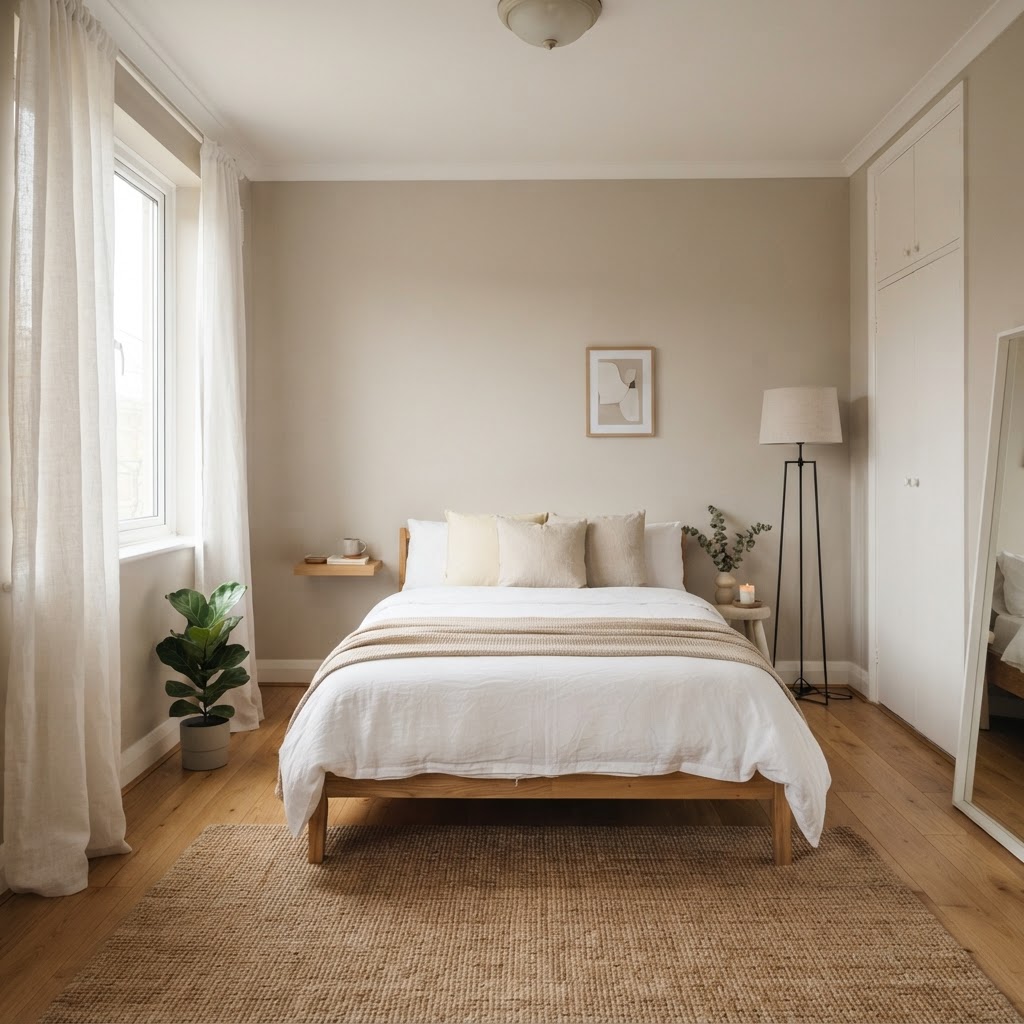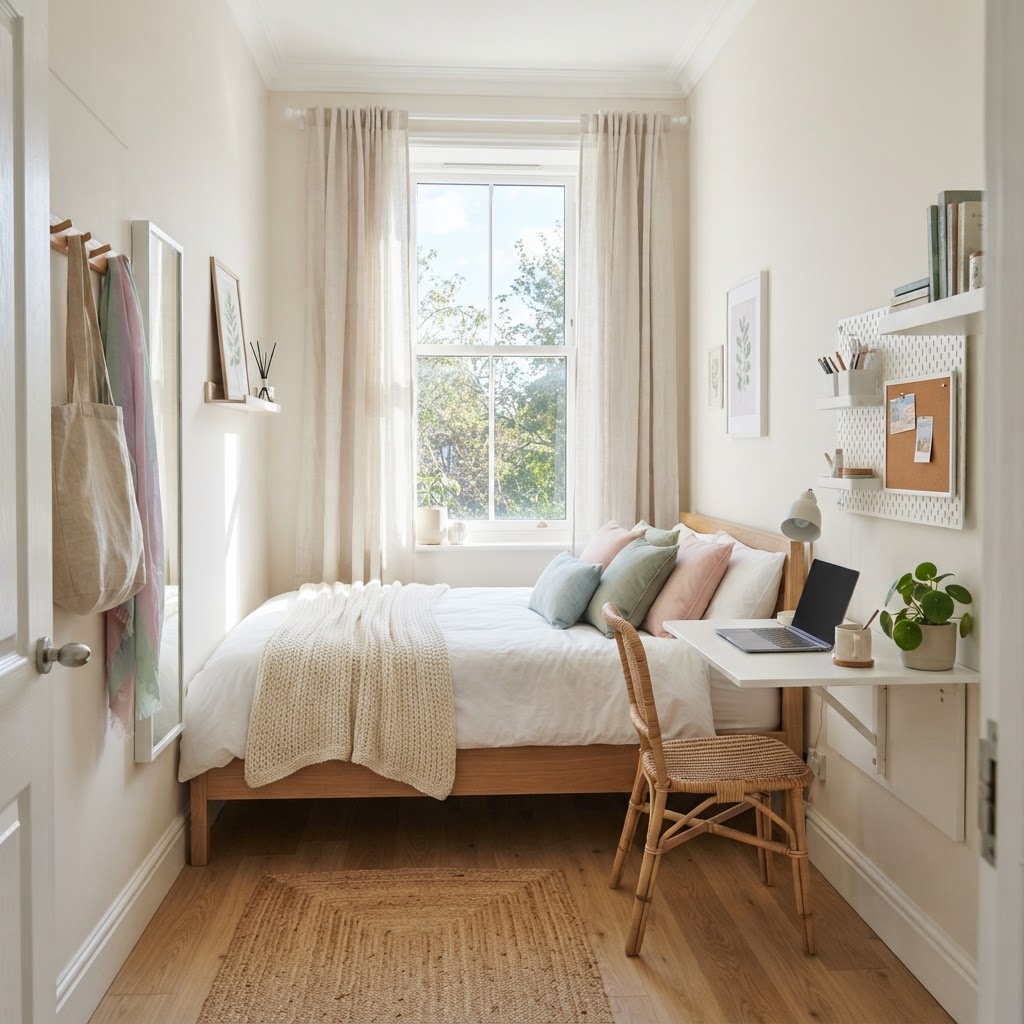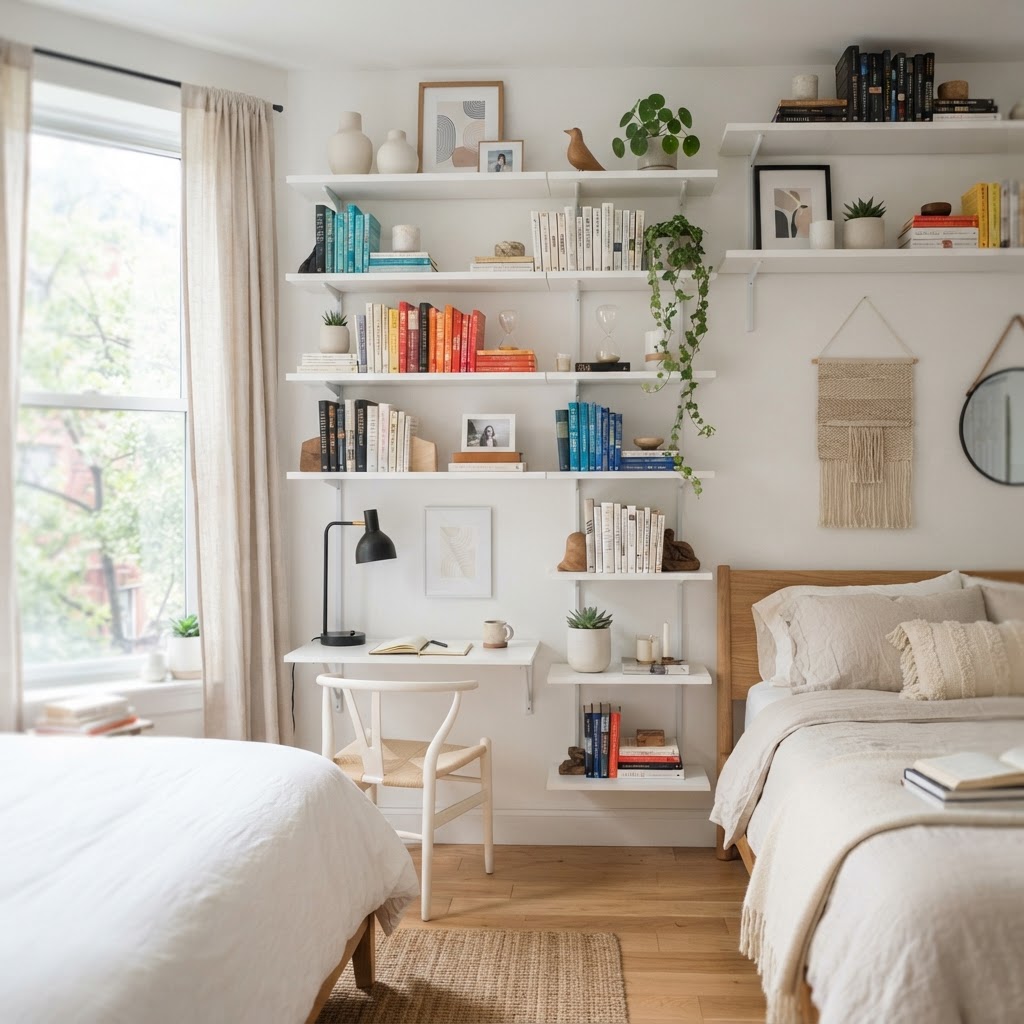
Category Small Apartment Bedroom Ideas

Tiny Bedroom Aesthetic: Creating a Luxe Minimalist Haven

Designing a tiny bedroom aesthetic that feels both spacious and luxurious requires a departure from traditional clutter-filled decor. By focusing on intentional choices, you can transform a cramped footprint into a serene retreat that emphasizes quality over quantity. Whether you are working with a small apartment or a nook in a larger home, the right design principles can make any room feel like a high-end sanctuary.

The Power of a Monochrome Palette
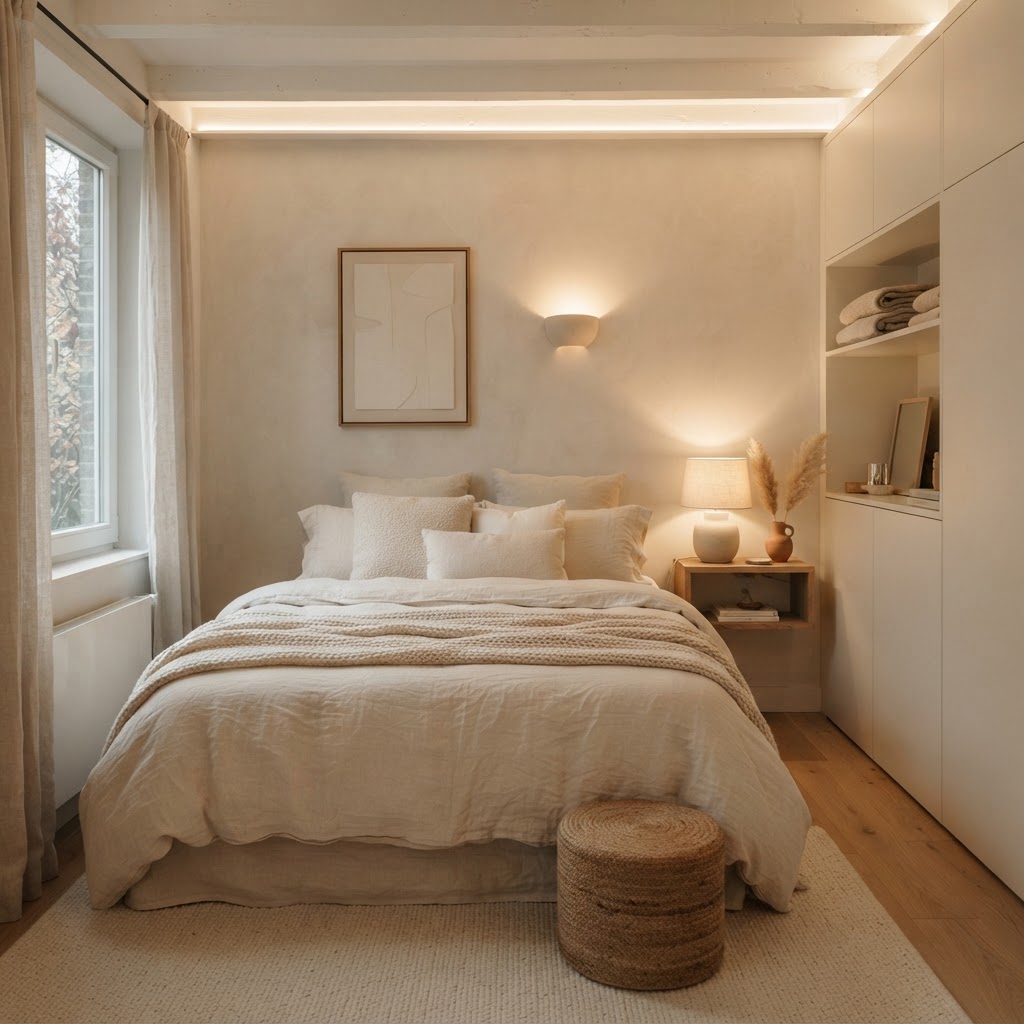
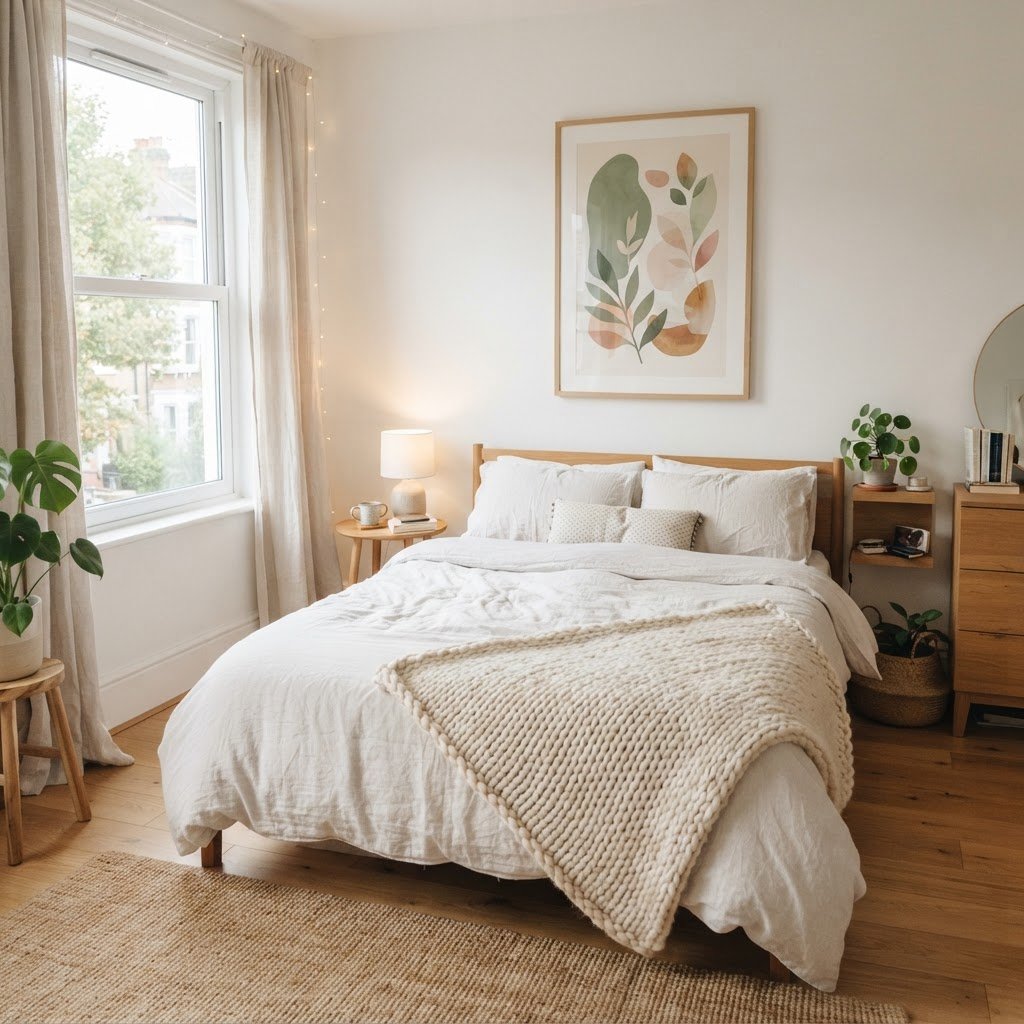
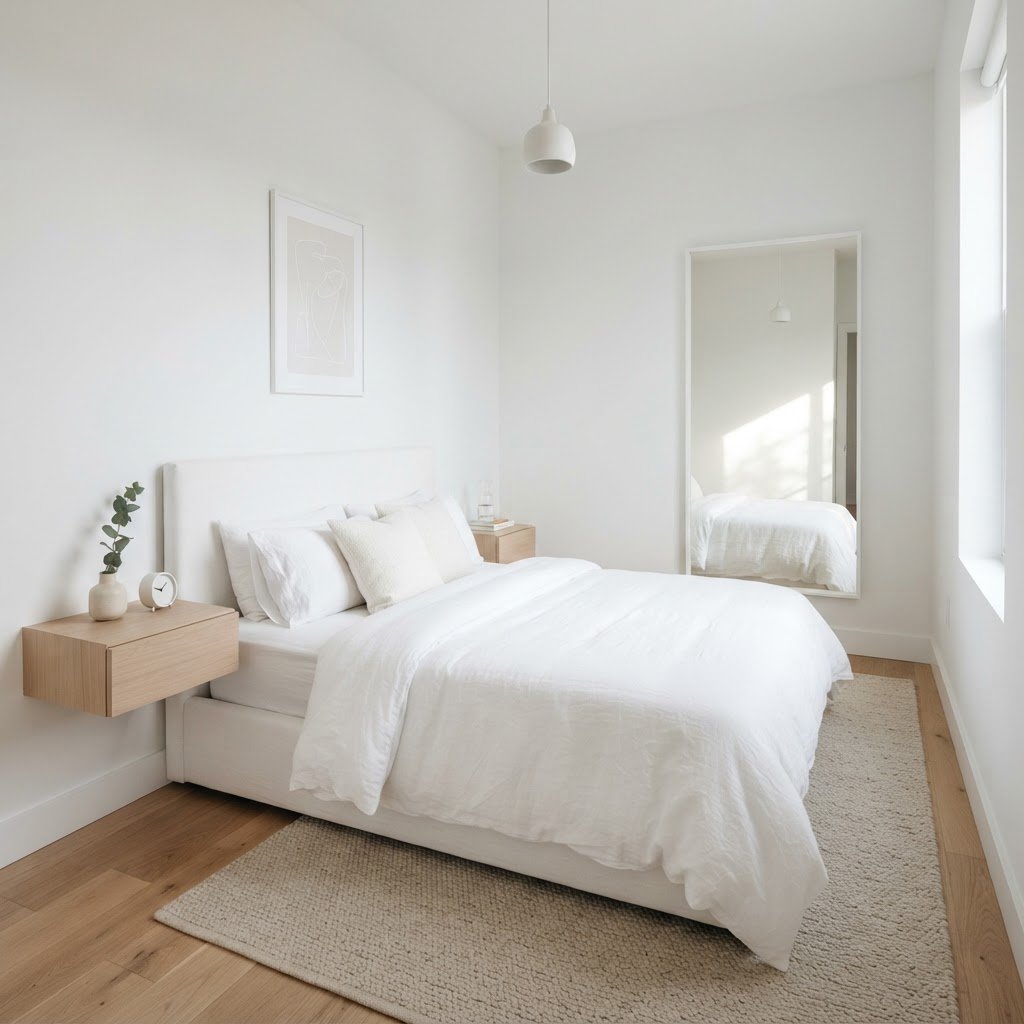
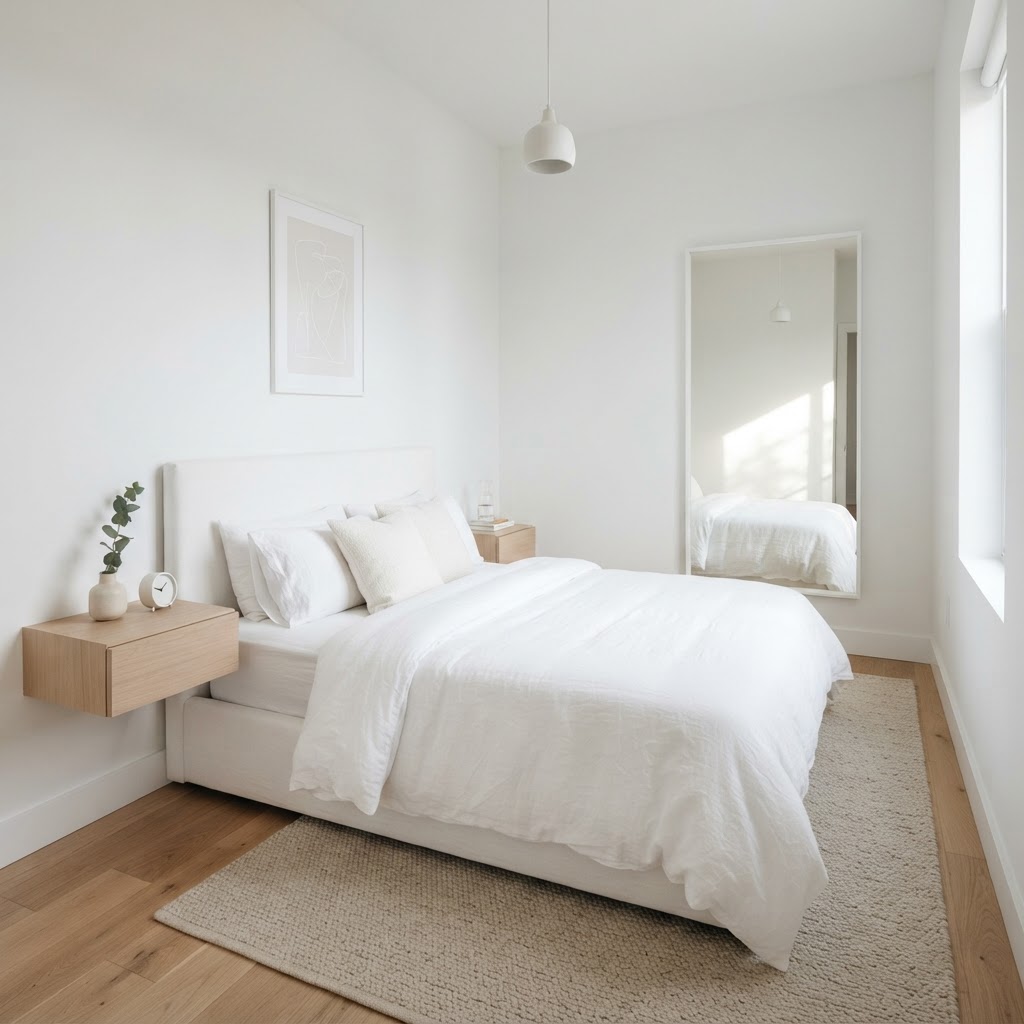
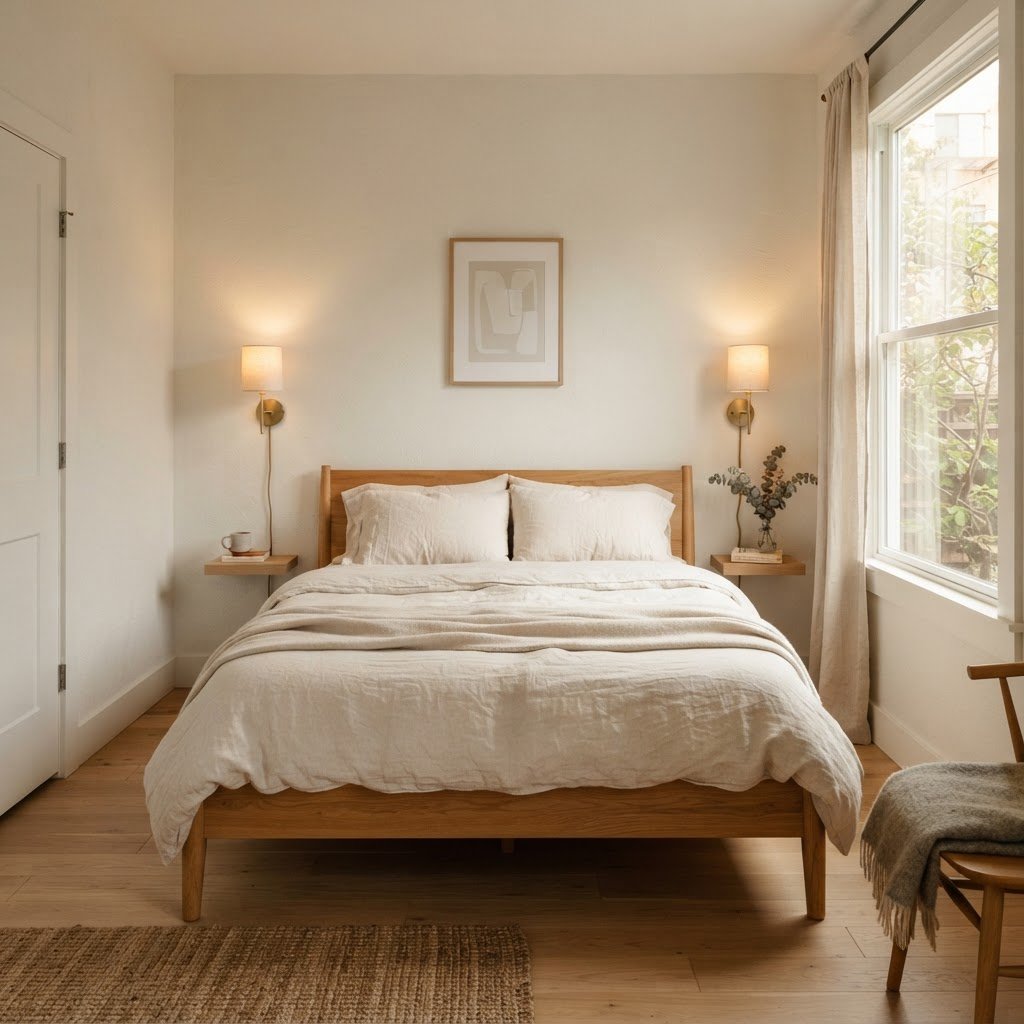
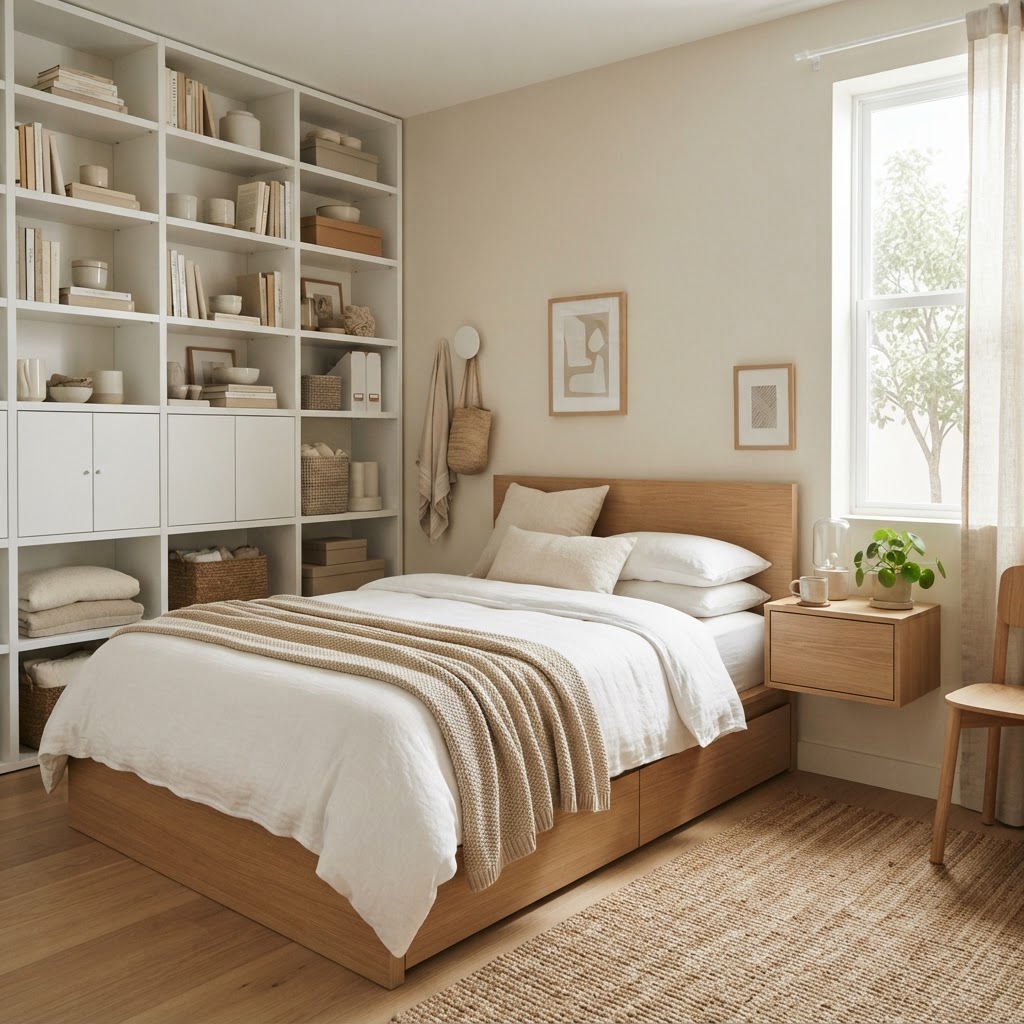
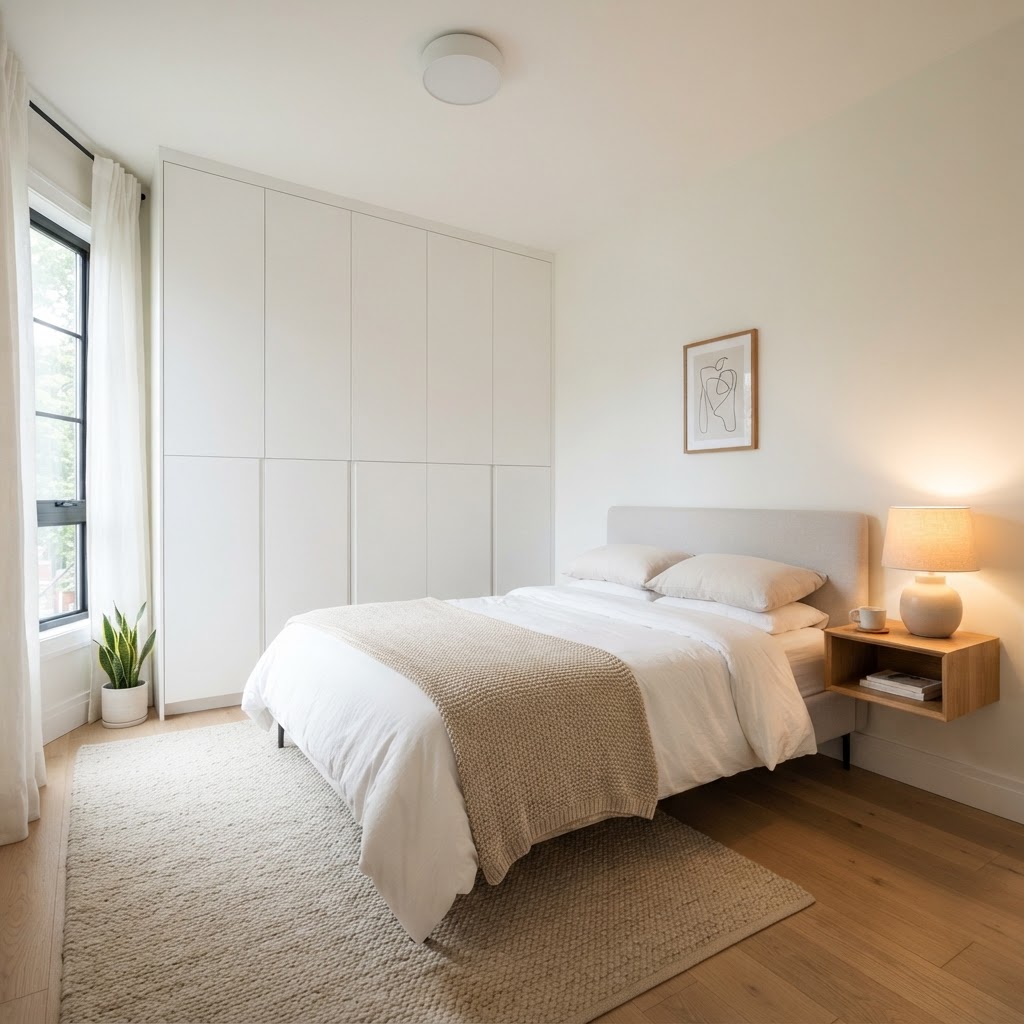
A bright and airy monochromatic bedroom design.

One of the most effective ways to master a tiny bedroom aesthetic is to embrace a monochromatic color scheme. By sticking to a single color family—whether it is crisp whites, soft greys, or moody charcoal tones—you effectively blur the boundaries of your walls. This creates a seamless visual flow that tricks the eye into perceiving more depth and space than is actually present.

To keep a monochromatic room from feeling sterile or flat, you must introduce a variety of textures. Incorporate chunky knit throws, linen bedding, velvet cushions, or even matte and glossy surfaces in the same hue. This tactile variety adds dimension and warmth, ensuring that your space feels cozy rather than clinical.

Luxe Minimalist Design Principles
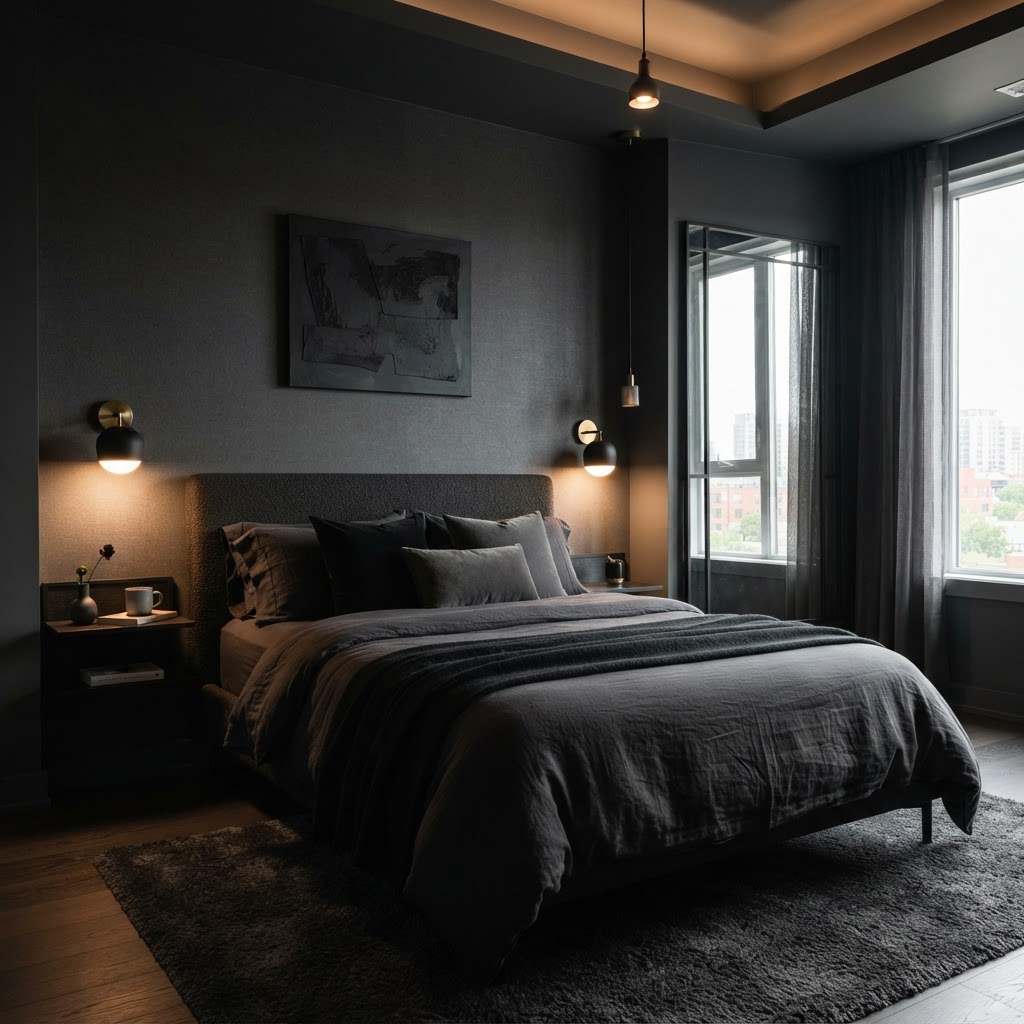
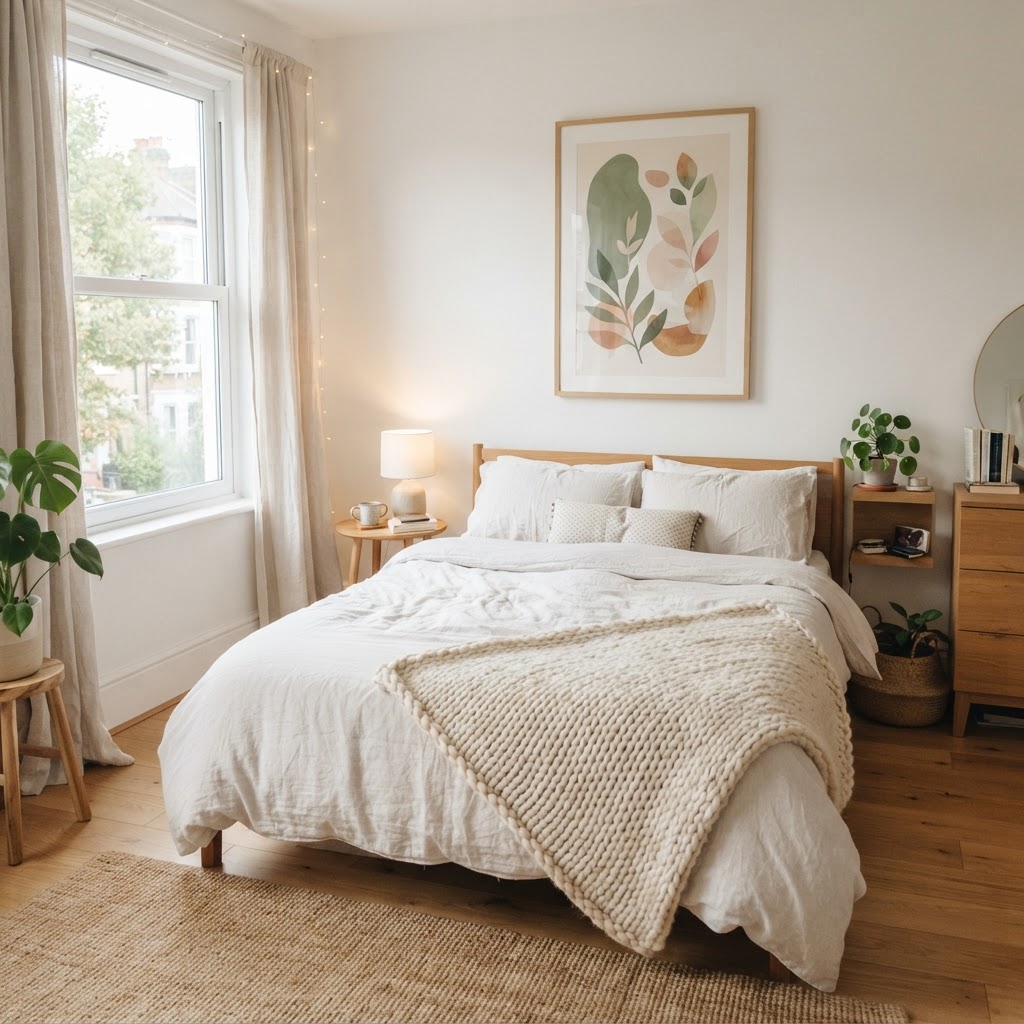
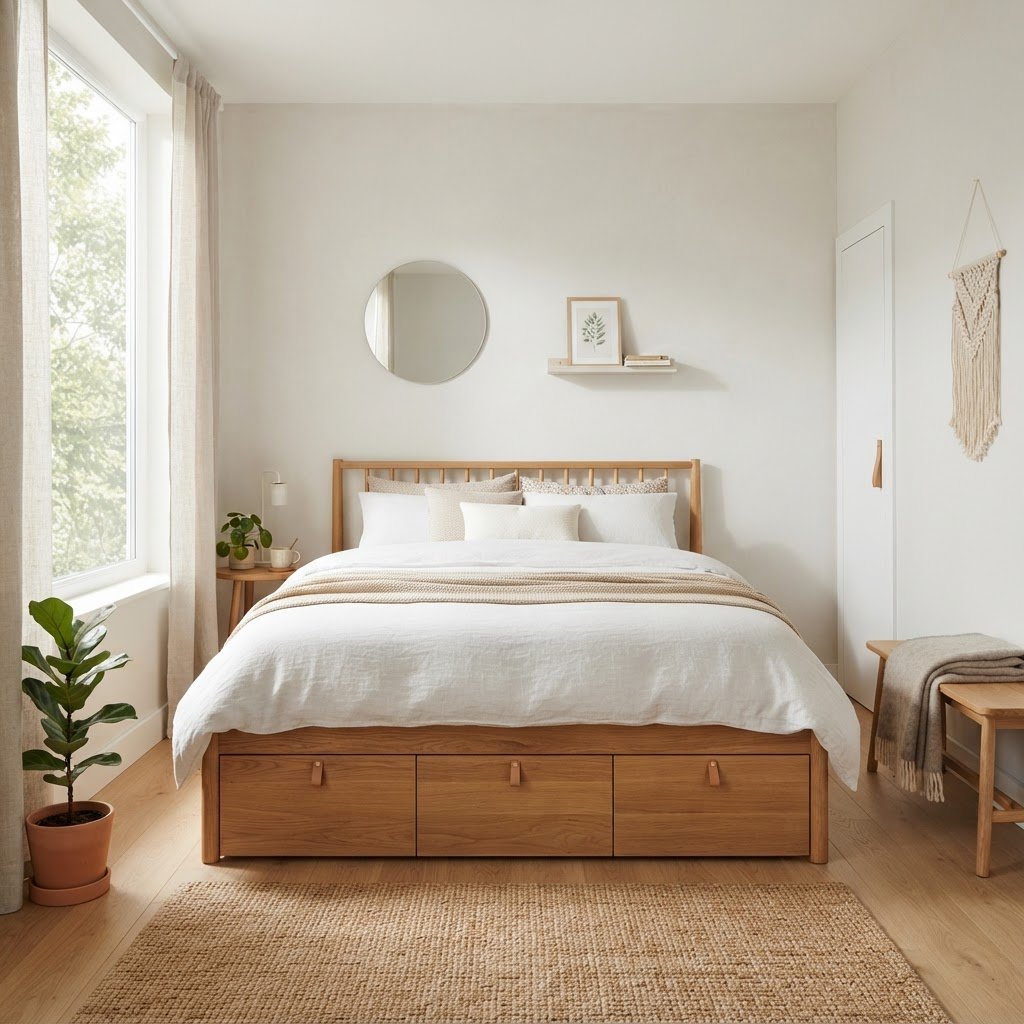
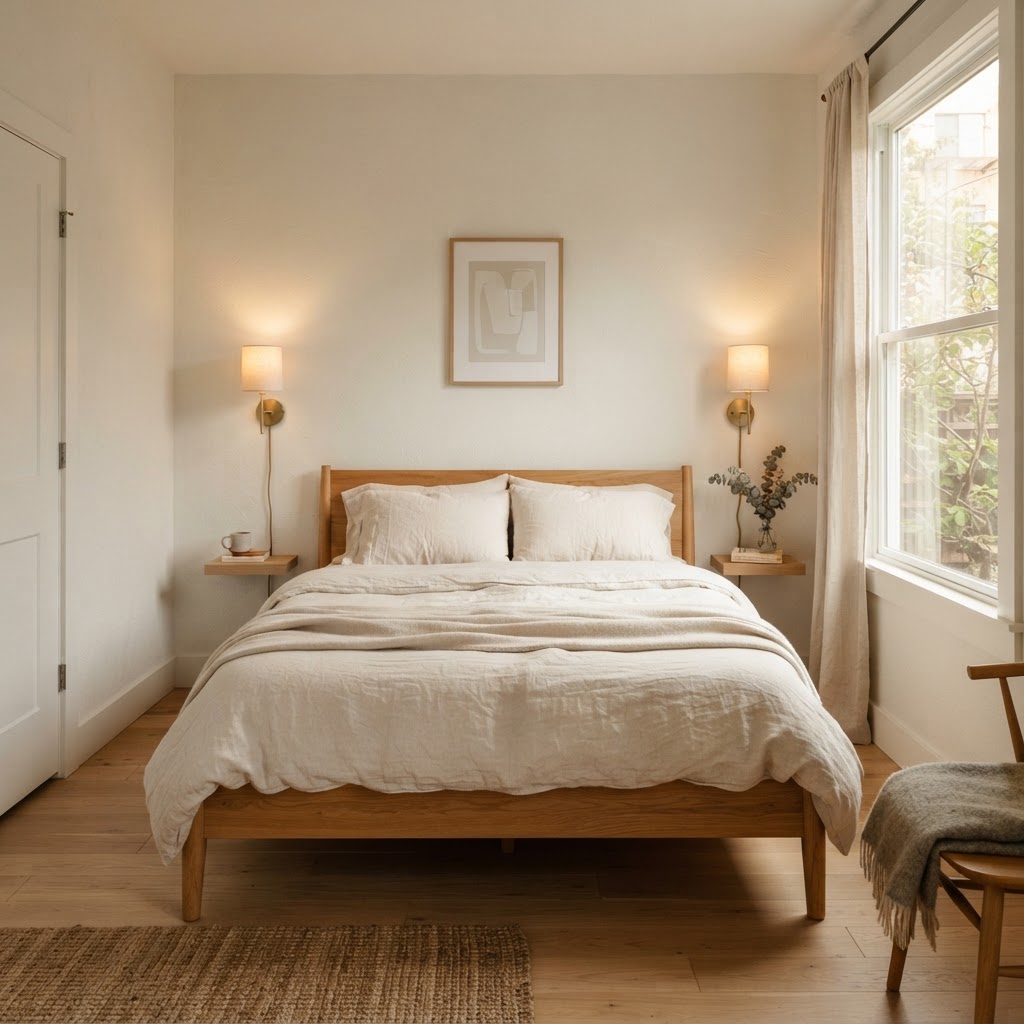
Moody charcoal tones creating a luxurious minimalist retreat.

Transitioning to a luxe minimalist bedroom does not mean stripping your room of personality; it means choosing pieces that serve both a functional and aesthetic purpose. In a small space, every item must earn its place. Look for furniture with clean lines, hidden storage compartments, and elevated materials like brushed brass, marble, or high-quality wood.

Prioritizing Quality Over Quantity

When your square footage is limited, the items you choose become the focal point of the entire room. Invest in one high-quality piece of art or a statement pendant light rather than filling your walls with multiple small frames or cluttered surfaces. A single, well-chosen item draws the eye and anchors the space, creating an intentional look that feels curated.

The Role of Hidden Storage

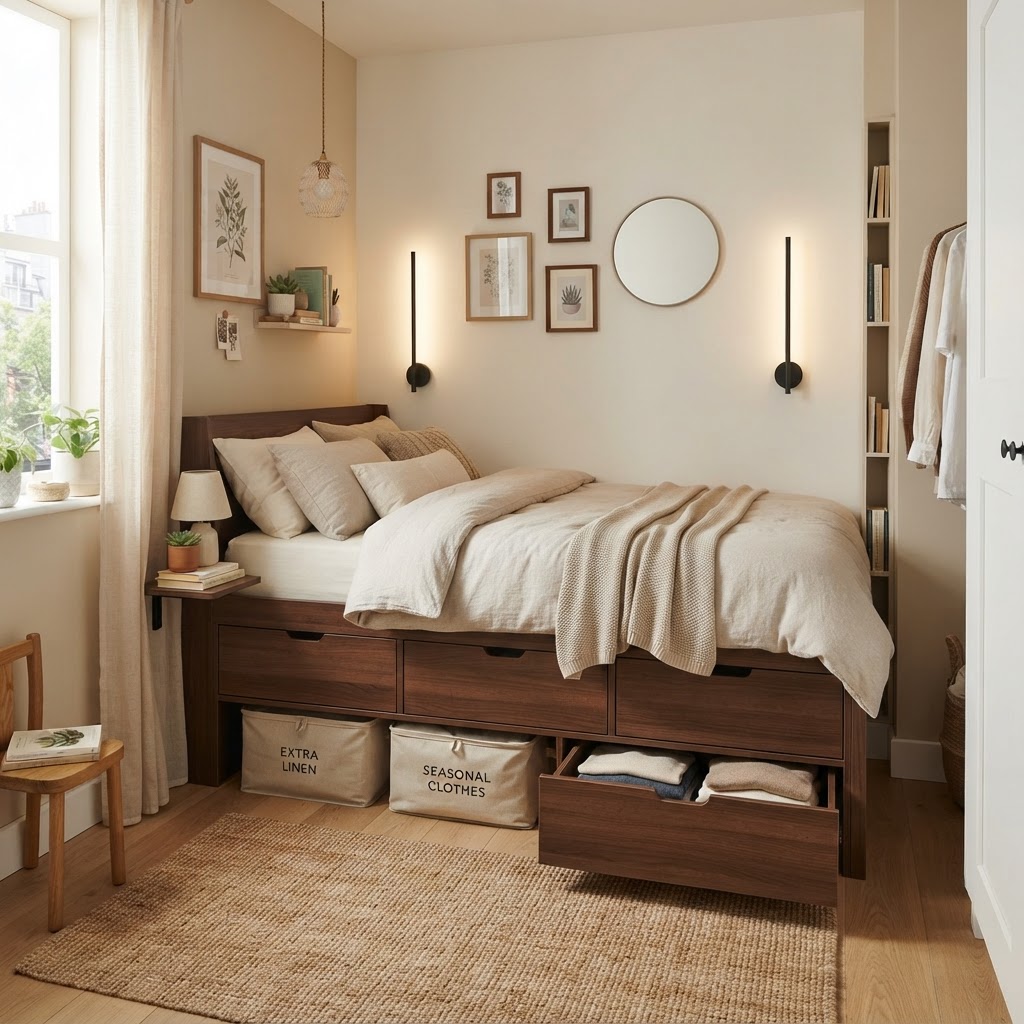
Clutter is the primary enemy of the minimalist small bedroom. To maintain your aesthetic, invest in under-bed storage bins, floating wall shelves that keep the floor clear, and bedside tables that incorporate drawers. By tucking away your daily necessities, you preserve the calm, open atmosphere essential to the minimalist look.

Creating Atmosphere Through Soft Lighting
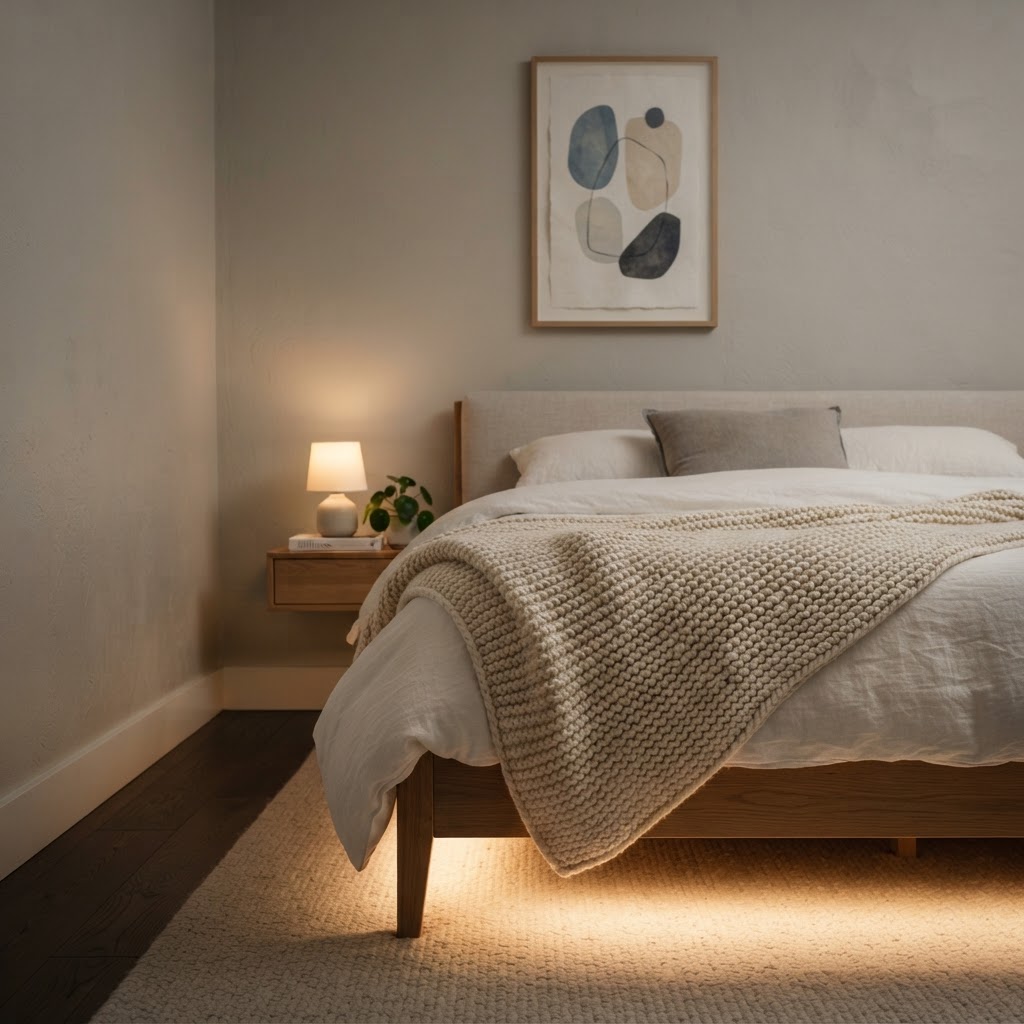
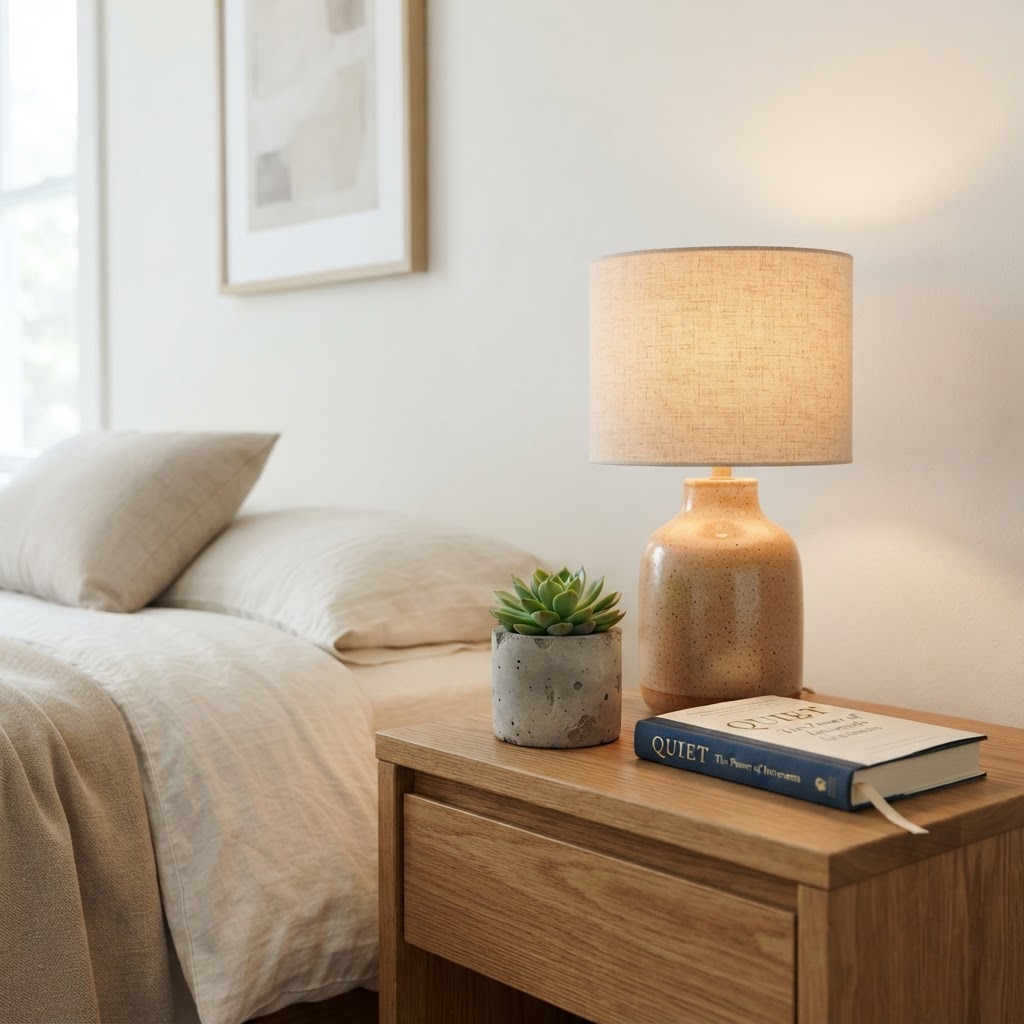
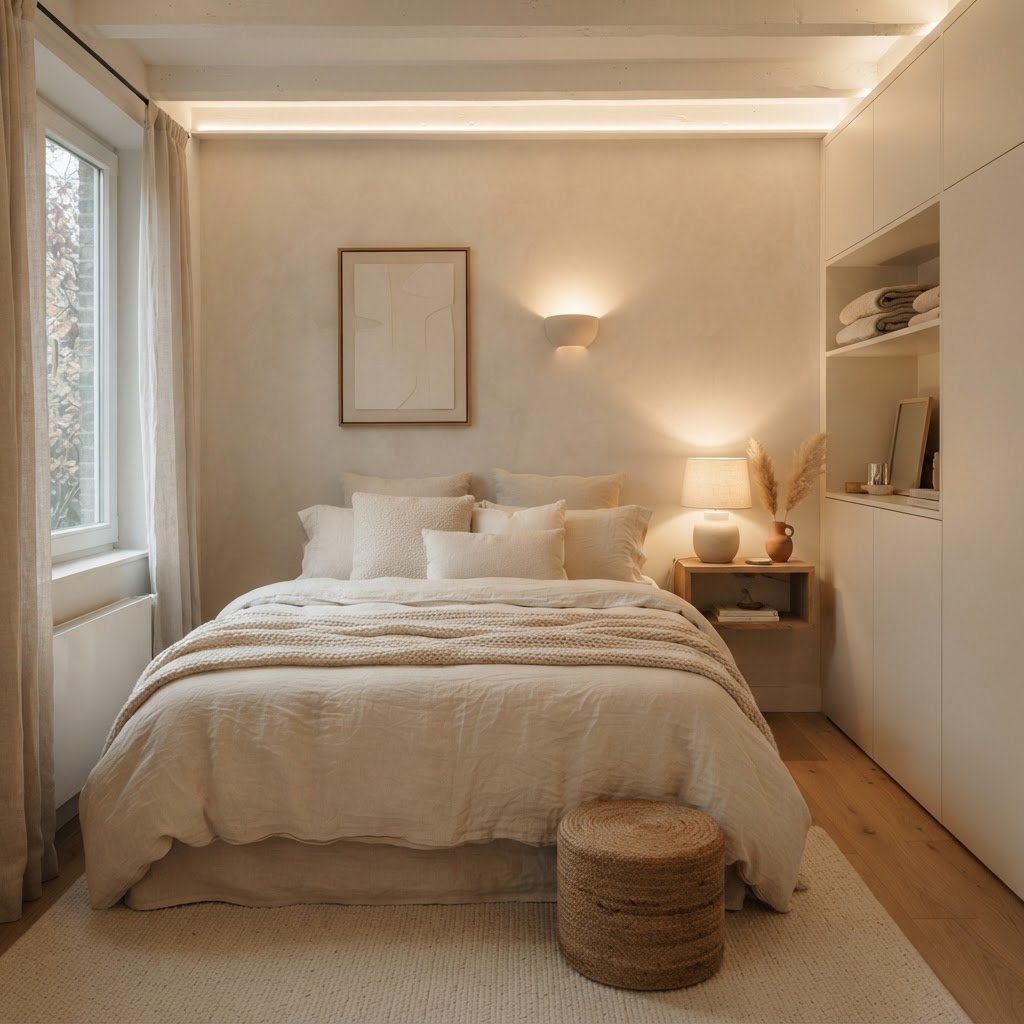
Carefully curated textures and lighting for a small space.

Lighting is perhaps the most important element in your tiny bedroom aesthetic, yet it is often the most overlooked. Harsh overhead lighting can make a small room feel boxed in, whereas layered, soft lighting adds warmth and luxury. To achieve this, aim to incorporate at least three different sources of light at varying heights.

Key Lighting Strategies:

  • Ambient lighting: A dimmable overhead fixture or flush mount to set the base tone.
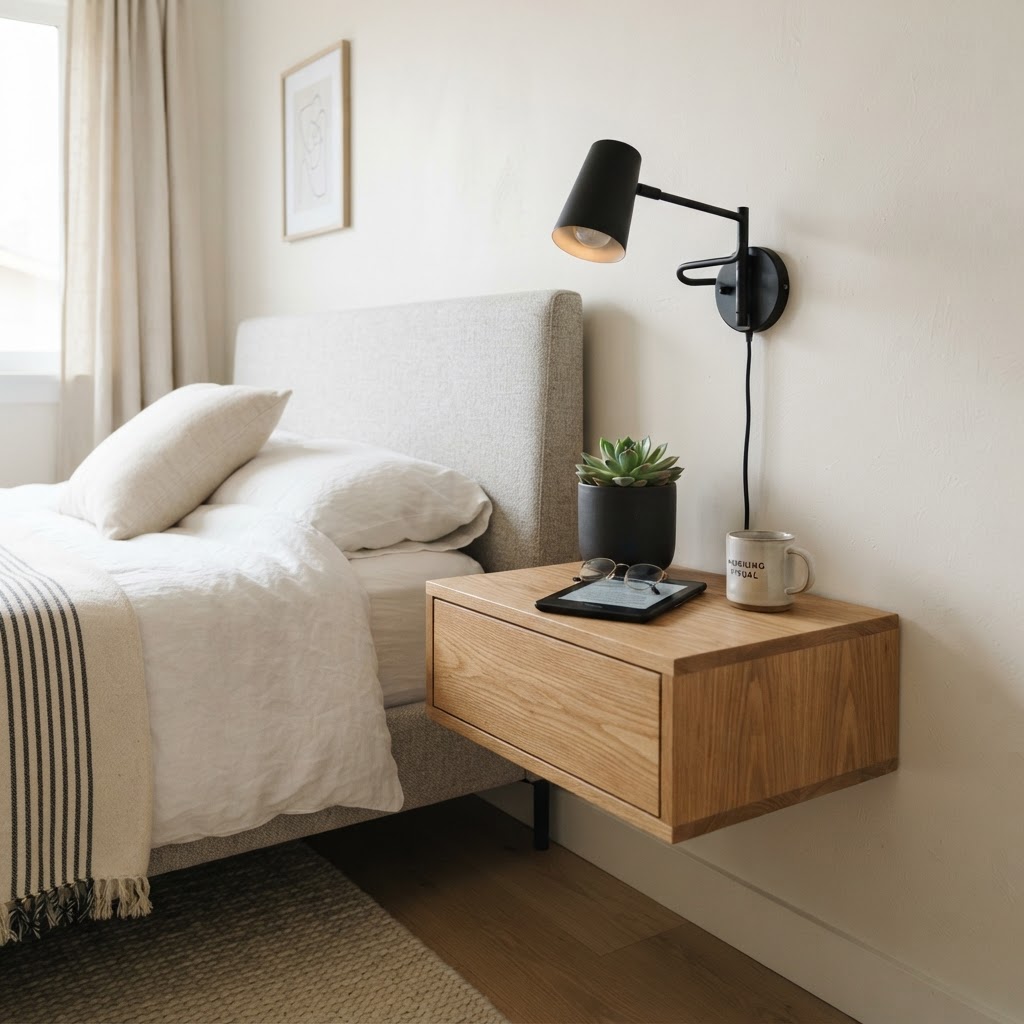
  • Task lighting: Wall-mounted sconces on either side of the bed to free up surface space.
  • Accent lighting: LED strips under the bed frame or behind a headboard for a floating, high-end effect.

Maximizing Verticality and Mirrors

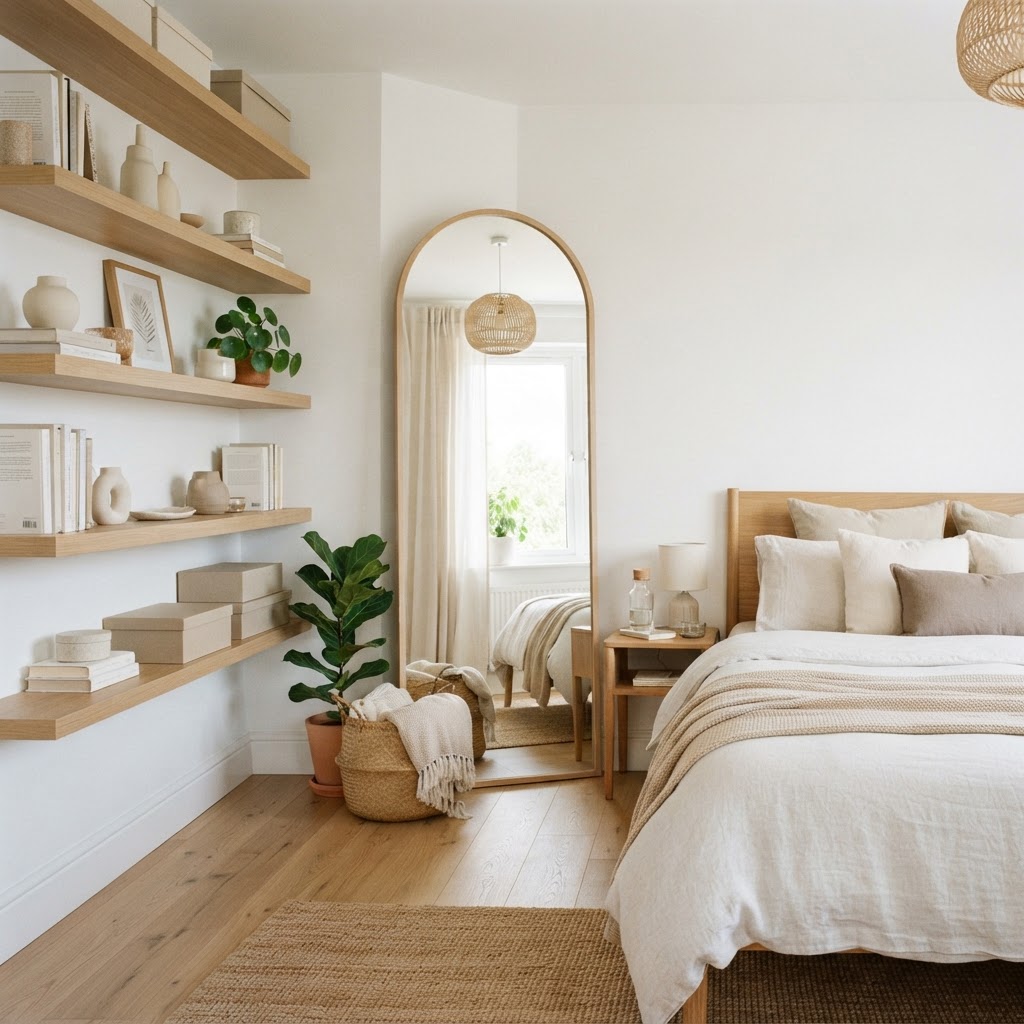
When horizontal floor space is at a premium, look up. Utilizing your walls is a foundational strategy for a luxe minimalist bedroom. Floor-to-ceiling curtains, for instance, draw the eye upward and make the ceiling feel higher, while tall, narrow shelving units add storage without eating into your floor footprint.

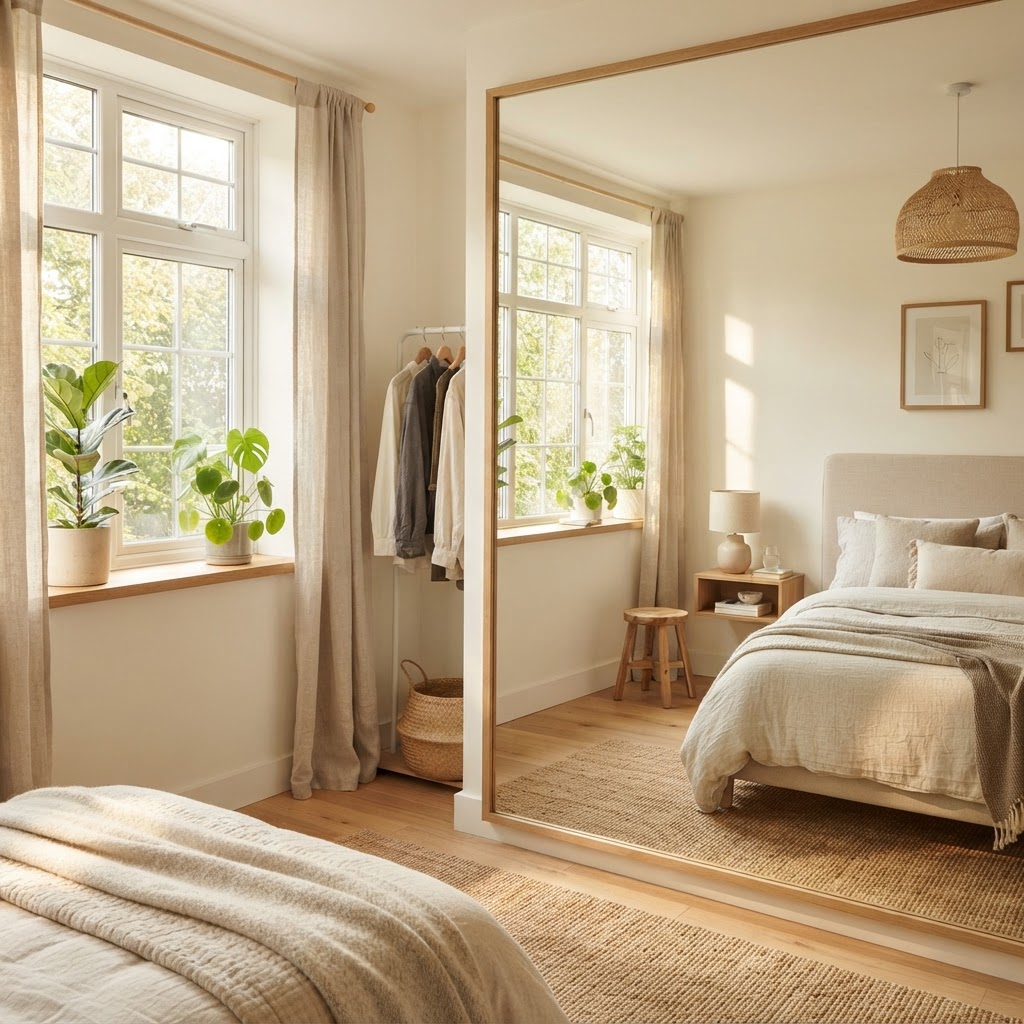
Mirrors are another essential tool in your design arsenal. Placing a large, floor-length mirror opposite a window reflects natural light back into the room, creating an illusion of doubling the space. Choose frames that match your monochromatic theme—like a slim black metal or a seamless glass edge—to keep the look sophisticated and modern.

Curating the Luxe Minimalist Bedding

Since the bed is the centerpiece of any bedroom, your bedding choices will either make or break your aesthetic. For a luxe feel, lean into high-thread-count cotton or silk blends in neutral tones. Keeping the bedding simple ensures that your small space feels restful rather than overwhelming.

Avoid busy patterns or loud colors. Instead, focus on layering pillows of different sizes and textures. A monochromatic base with subtle variations in fabric will make your bed look like it belongs in a boutique hotel, providing a visual anchor that is both inviting and incredibly chic.

Maintaining the Vision Over Time

Even the most carefully designed space can succumb to clutter. To maintain your tiny bedroom aesthetic, implement a ‘one-in, one-out’ rule for accessories and textiles. Because the aesthetic relies on minimalism, any new addition should be carefully considered to ensure it aligns with your established color palette and material choices.

Regularly dusting and cleaning surfaces is also vital. In a minimalist room, dust and smudges become more apparent, and keeping surfaces clear and polished is essential to sustaining the ‘luxe’ portion of your design. By viewing your room as a living, breathing design project rather than a static space, you ensure it remains your favorite part of the home.

Conclusion

Transforming your small bedroom into a luxe sanctuary is entirely achievable with the right strategy. By committing to a monochromatic color palette, prioritizing soft lighting, and embracing minimalist principles, you can create a room that feels spacious, sophisticated, and deeply personal. Start by decluttering your surfaces today and notice the immediate difference in the mood of your home. If you are ready to elevate your living space, choose one of these tips to implement this weekend and watch your tiny room transform.
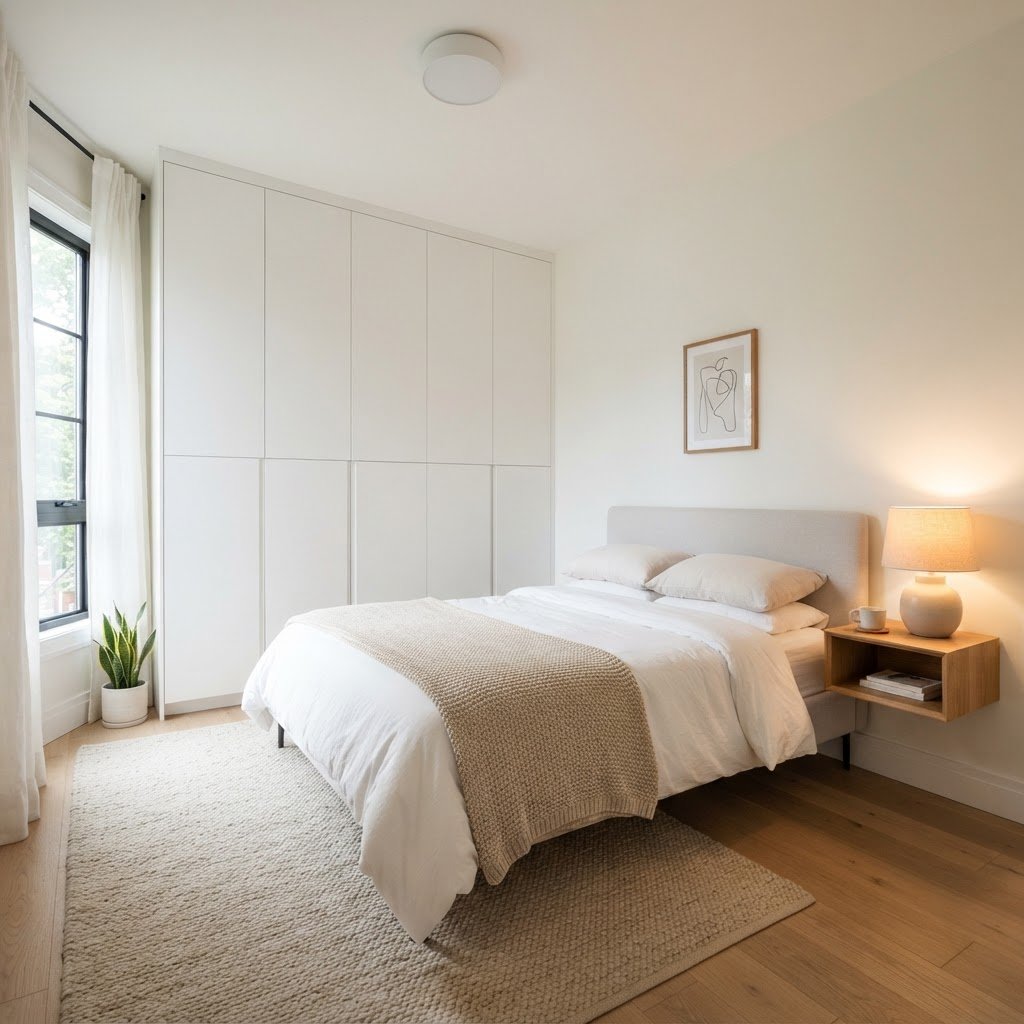
Modern Small Bedroom Ideas With Smart Wardrobe Storage

Designing a cozy, functional, and aesthetic room is a challenge when you are working with limited square footage, but modern small bedroom ideas with smart wardrobe storage can turn any cramped corner into a peaceful retreat. Many homeowners struggle with the balance between needing storage and wanting a spacious, airy atmosphere. By focusing on verticality, multifunctional furniture, and hidden organizational systems, you can create a room that feels twice as large as it actually is.

Rethinking Small Space Constraints

Floor-to-ceiling wardrobes maximize vertical space.

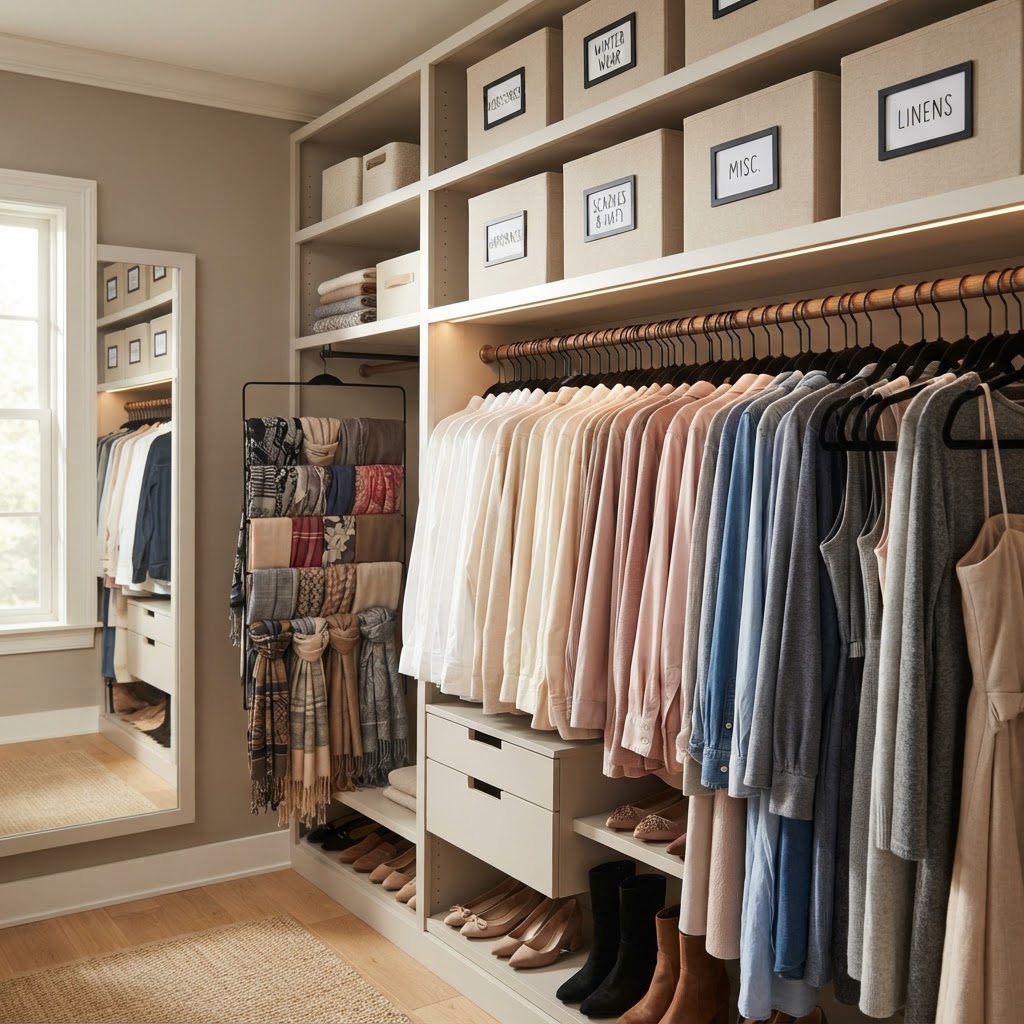
When your floor plan is limited, the primary culprit for clutter is usually inefficient storage. Most traditional closets are underutilized, often featuring a single rod and a shelf that leaves too much empty, wasted space. To master small space living, you must treat every square inch of your bedroom as an opportunity for organization.

Smart wardrobe storage isn’t just about adding more cabinets; it’s about choosing the right type of storage that integrates seamlessly into the architecture of the room. Consider wall-to-wall installations or floor-to-ceiling units that blend into the wall color, reducing visual noise. By minimizing visual clutter, you trick the eye into perceiving the room as larger, creating a more cohesive modern look.

The Psychology of Minimalist Storage

Clutter creates stress, especially in a place where you are supposed to rest. Adopting a minimalist approach to your wardrobe doesn’t mean you have to discard all your belongings; it means being intentional about how you display or hide them. Utilizing modular systems allows you to change your configuration as your needs evolve.

Vertical Solutions: Maximizing Wall Height

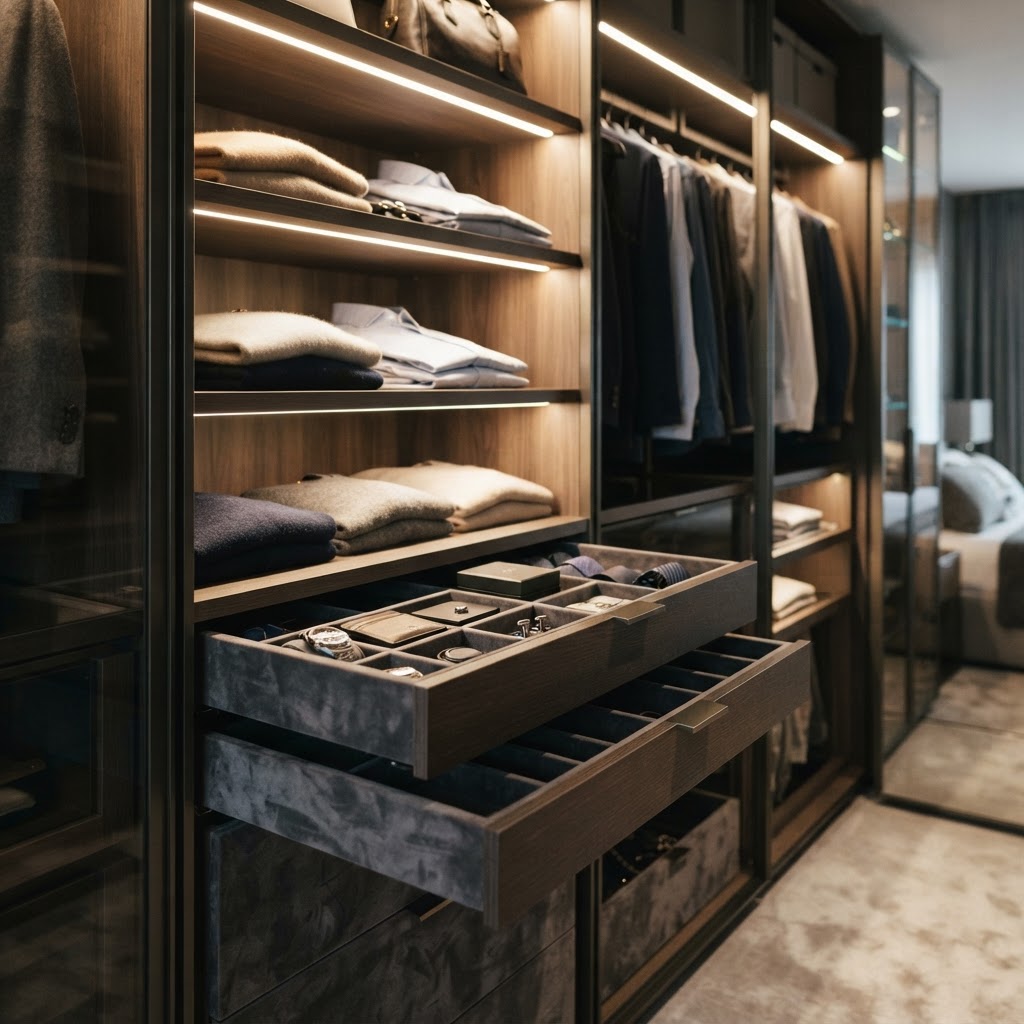
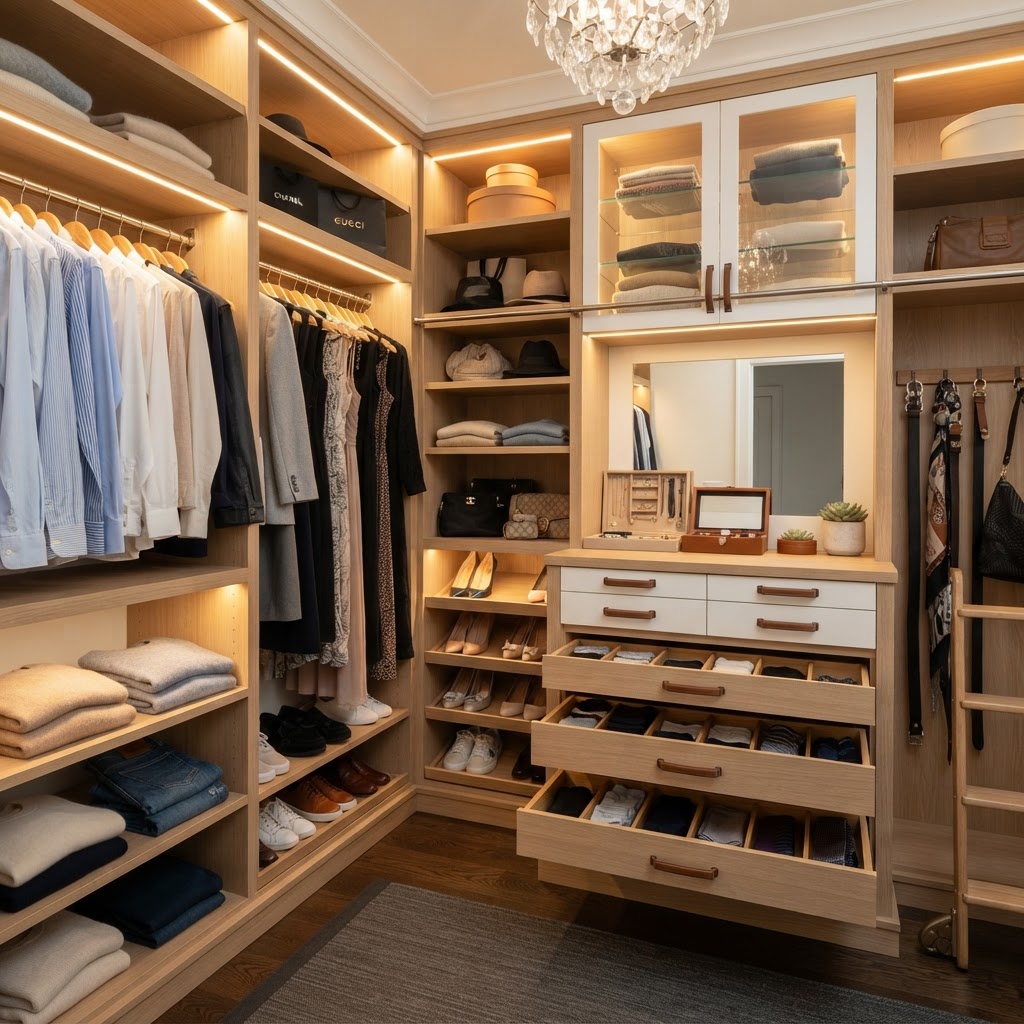
Smart lighting improves visibility in closet interiors.

One of the most effective modern small bedroom ideas involves looking upward. In many older homes, the area above the closet door or the top shelves of a wardrobe are rarely utilized. By installing floor-to-ceiling wardrobes, you capture that vertical space that usually sits gathering dust.

Why High Storage Works

Using the full height of your walls draws the eye upward, which adds a sense of vertical volume to the bedroom. It creates a seamless look, especially when using recessed cabinetry that matches your wall color. This is essentially creating a “hidden” wall of storage that keeps the rest of the bedroom floor clear and accessible.

When designing these units, prioritize adjustable shelving. You might need high shelves for seasonal items like winter blankets or suitcases, while lower drawers provide easy access to daily necessities. This flexibility is the hallmark of truly smart wardrobe storage.

Multifunctional Furniture and Hidden Compartments

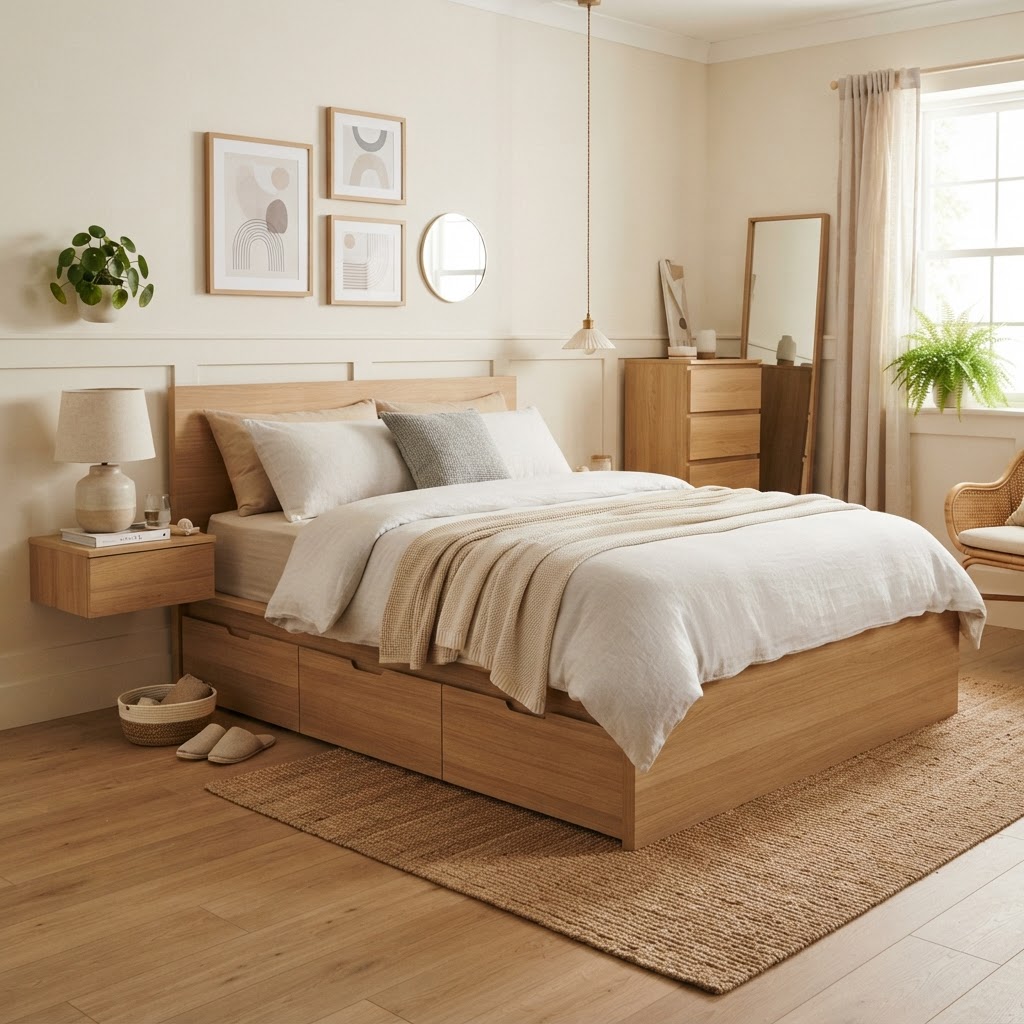
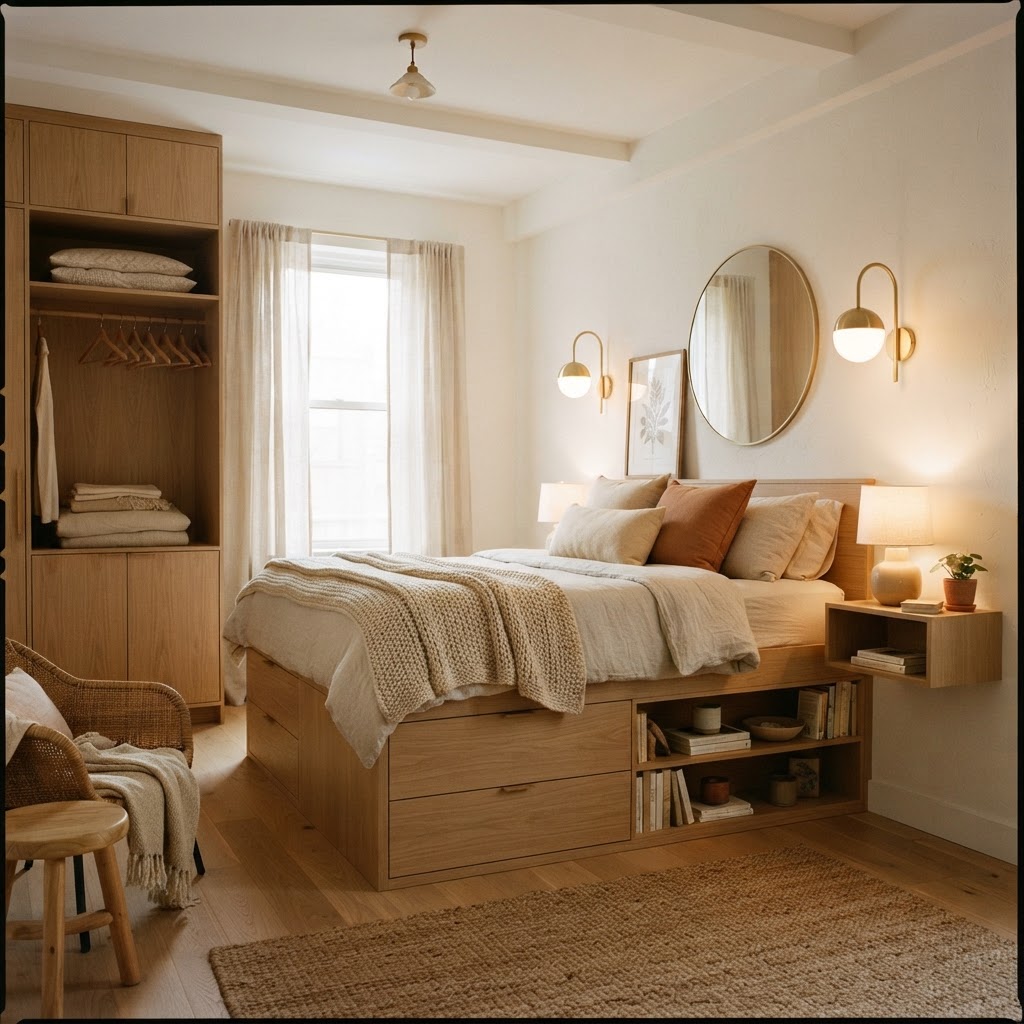
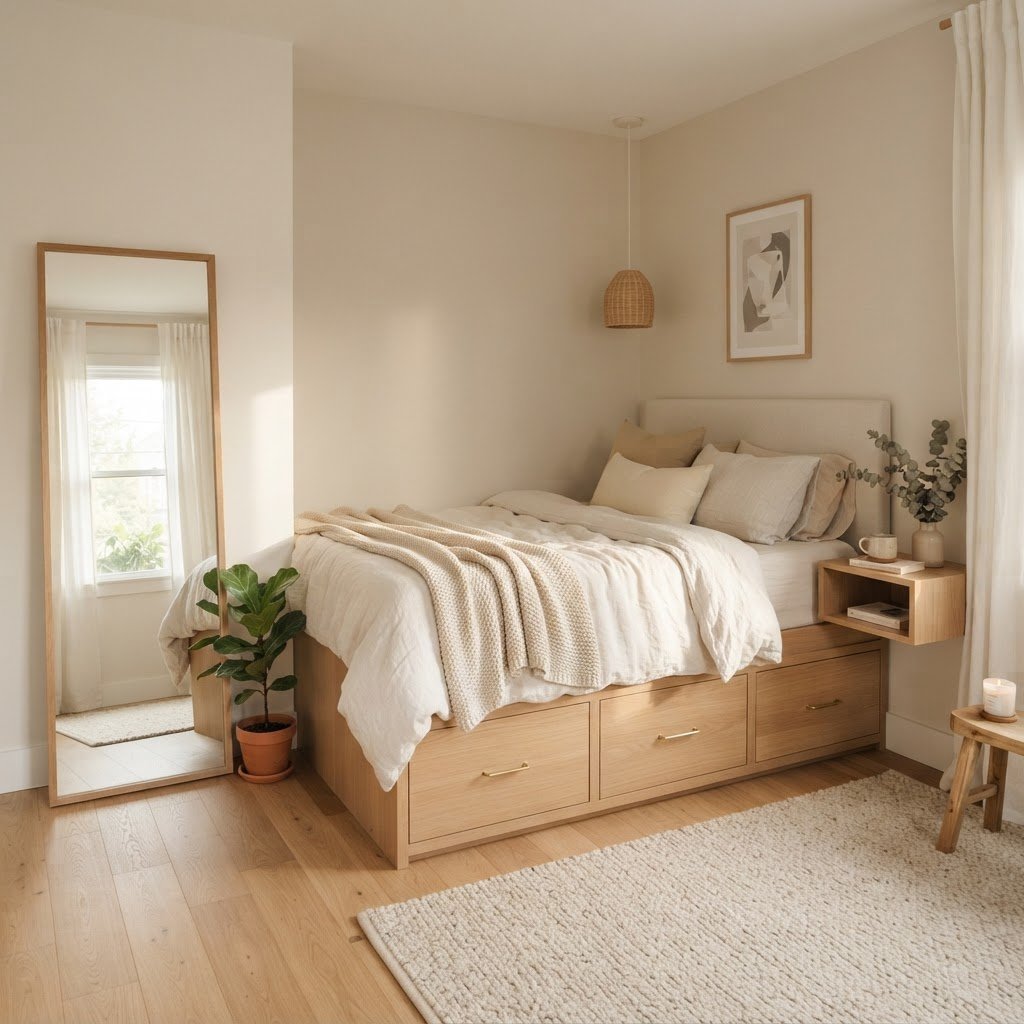
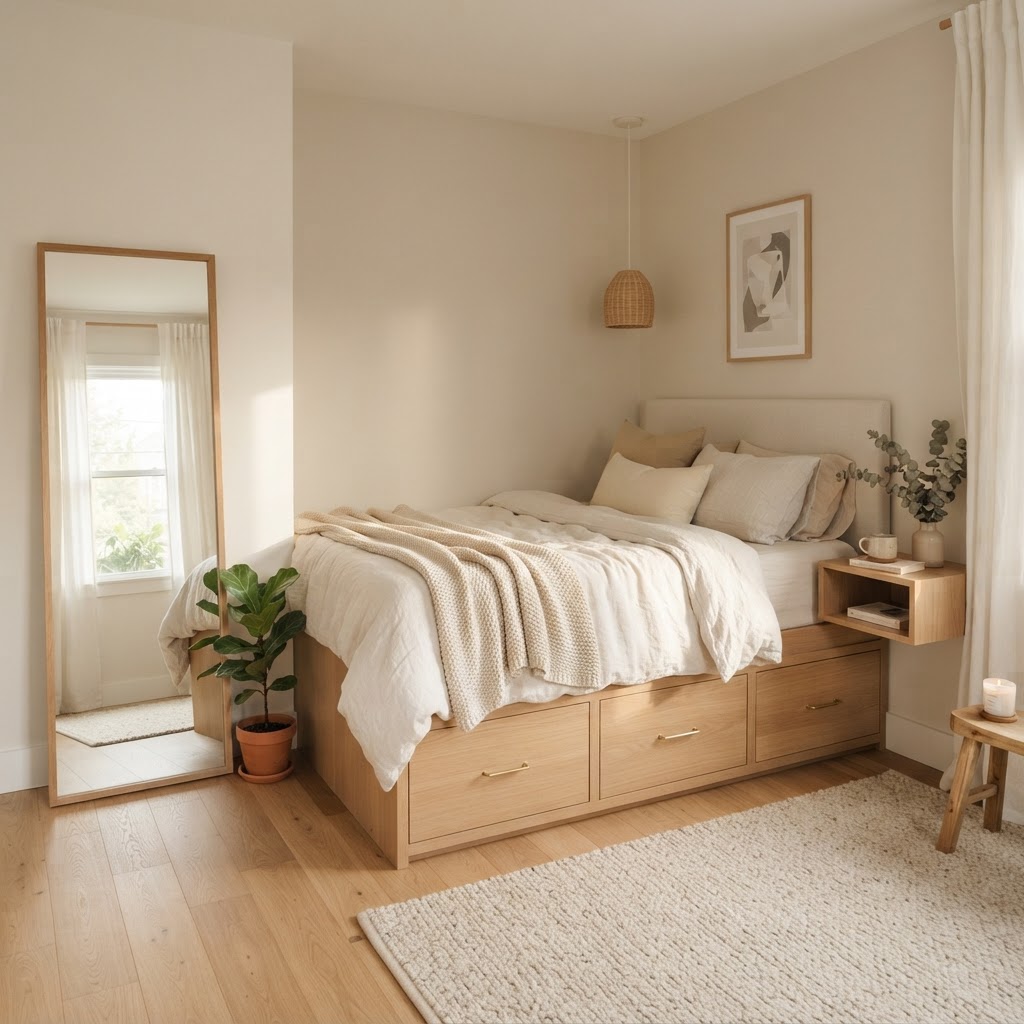
Platform beds with drawers optimize small room layouts.

If you don’t have the space for a massive wardrobe unit, you need to rely on furniture that performs double duty. Your bed is usually the largest piece of furniture in the room, so it should be the hardest working piece of furniture in the room as well. Choosing a bed frame with integrated drawers is a classic storage hack, but you can go further.

Modern Bed Base Storage Ideas

  • Hydraulic lift-up bases that provide full under-mattress storage.
  • Platform beds with drawers on three sides for easy access.
  • Custom built-in headboards with integrated shelving and charging ports.
  • Slim benches at the foot of the bed that double as blanket chests.

By keeping your bed elevated and storage-centric, you eliminate the need for bulky dressers that take up precious floor space. This is a core component of modern small bedroom ideas that emphasize clean lines and unobstructed walking paths, which are vital for a sense of comfort.

Customizing Your Closet Interior

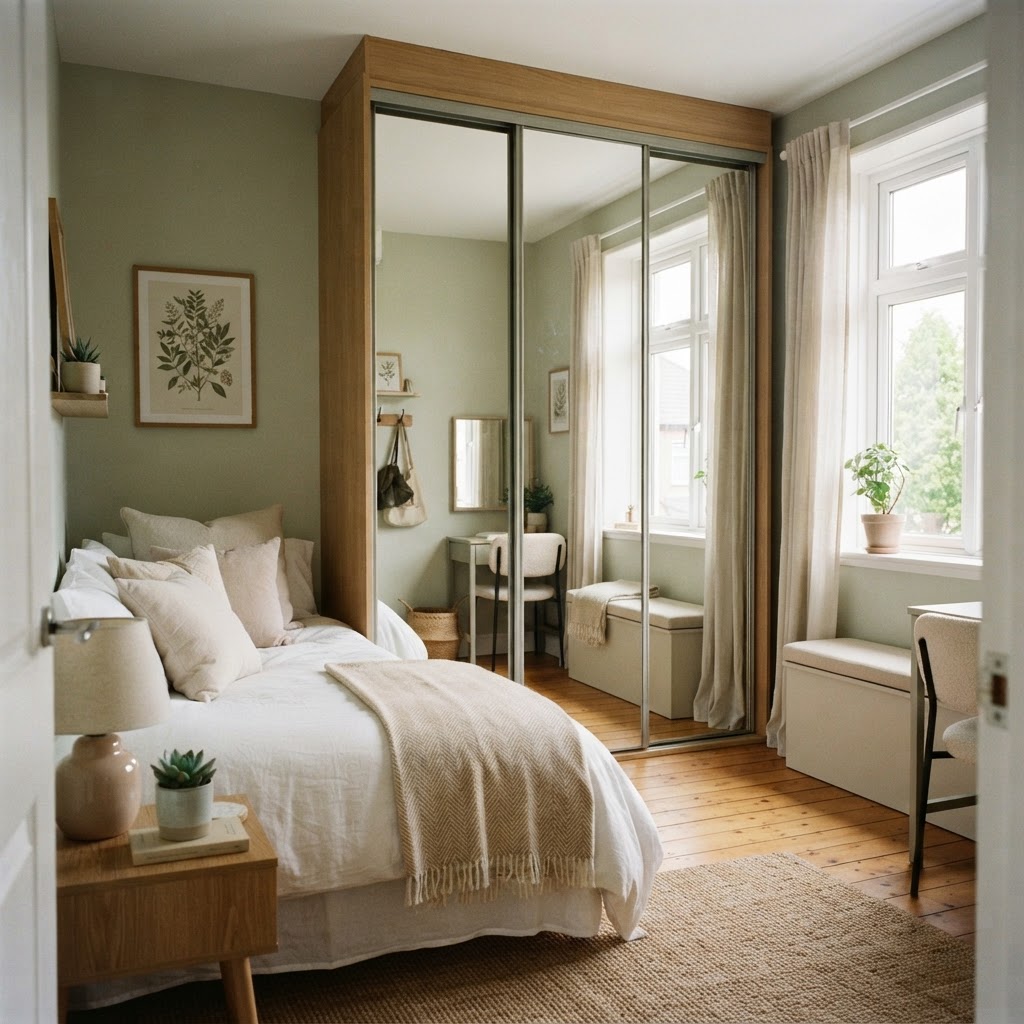
Mirrored wardrobe doors make small bedrooms appear larger.

Even a small closet can feel like a boutique walk-in if you optimize the interior design. The key is to stop relying on generic rods and start investing in modular organizers. Smart wardrobe storage is characterized by its adaptability, meaning you should be able to swap out drawers for pull-out racks based on your current wardrobe.

Key Organizational Components

  1. Double hanging rods: Instantly double your hanging capacity.
  2. Slim velvet hangers: They take up half the space of wooden hangers.
  3. Pull-out velvet jewelry trays: Keep accessories organized without a dresser.
  4. Over-the-door organizers: Use these for shoes, scarves, or belts.

These additions don’t cost a fortune, yet they significantly improve your daily workflow. The more efficient your closet system is, the less likely you are to let your clothes overflow onto the bedroom chairs or floor.

Mirror Magic and Visual Deception

Incorporating mirrors into your wardrobe design is a classic trick, but modern interpretations elevate it to an art form. Using smoked, bronze, or antique mirror finishes on wardrobe doors adds depth to a room without the harshness of a plain silver mirror. This creates the illusion of a deeper, more expansive space.
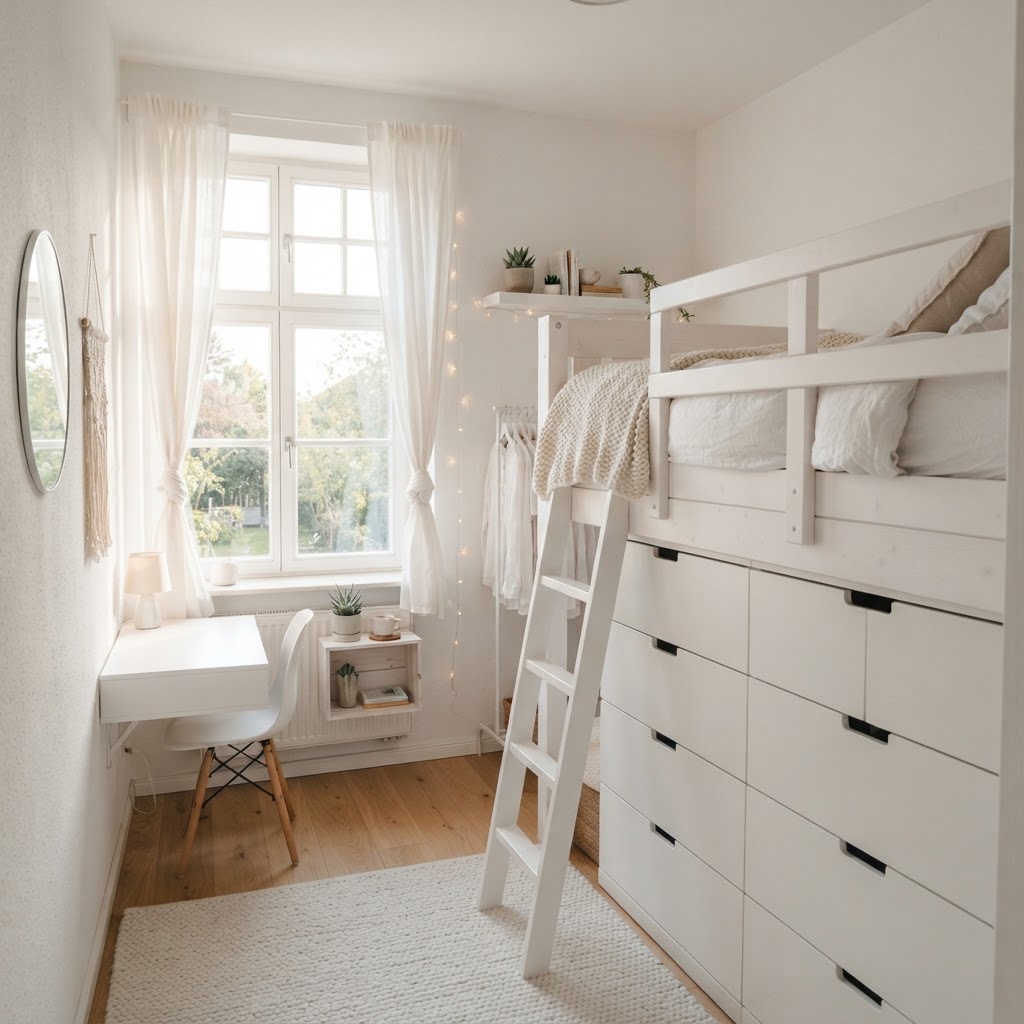
The Role of Lighting in Storage Design

Lighting is often an afterthought in bedroom design, but it is critical when you have small, dark storage areas. LED strip lights are a game-changer for modern small bedroom ideas. By installing motion-activated sensors inside your wardrobe or under your shelves, you ensure that you can find what you need without turning on harsh overhead lights.

Why Lighting Matters

  • It reduces the time spent searching for items in the morning.
  • It highlights your personal style and makes the wardrobe feel high-end.
  • It creates a warm ambiance that avoids the “dark cave” effect often found in deep closets.

Maintaining Order With Smart Systems

Design is only half the battle; maintaining your organized space is the other half. Even the most advanced smart wardrobe storage system will fail if it’s overstuffed. Implement a “one-in, one-out” policy to keep your space under control. Spend five minutes each week decluttering to ensure your smart storage is doing its job correctly.

Conclusion

Achieving a beautiful, modern bedroom in a small footprint is entirely possible with the right mindset and strategic planning. By utilizing these modern small bedroom ideas with smart wardrobe storage, you can transform your environment into a functional sanctuary. Remember to prioritize vertical space, invest in modular organizers, and use lighting to your advantage. Start with one area of your bedroom today—perhaps that overflowing closet—and watch how quickly your space improves. Which of these storage hacks will you implement first in your bedroom redesign?

Built-In Storage Ideas for Small Bedrooms & Attic Rooms

Living in a home with limited square footage often feels like a constant battle against clutter. When your sleeping quarters are extremely small or located in the tight confines of an attic, finding effective built-in storage ideas becomes essential rather than just a luxury. A well-organized room isn’t just about aesthetics; it is about reclaiming your peace of mind and creating a functional environment where you can truly rest. By thinking vertically and utilizing custom cabinetry, you can turn even the most challenging architectural oddities into assets that serve your lifestyle.

The Philosophy of Custom Built-In Storage

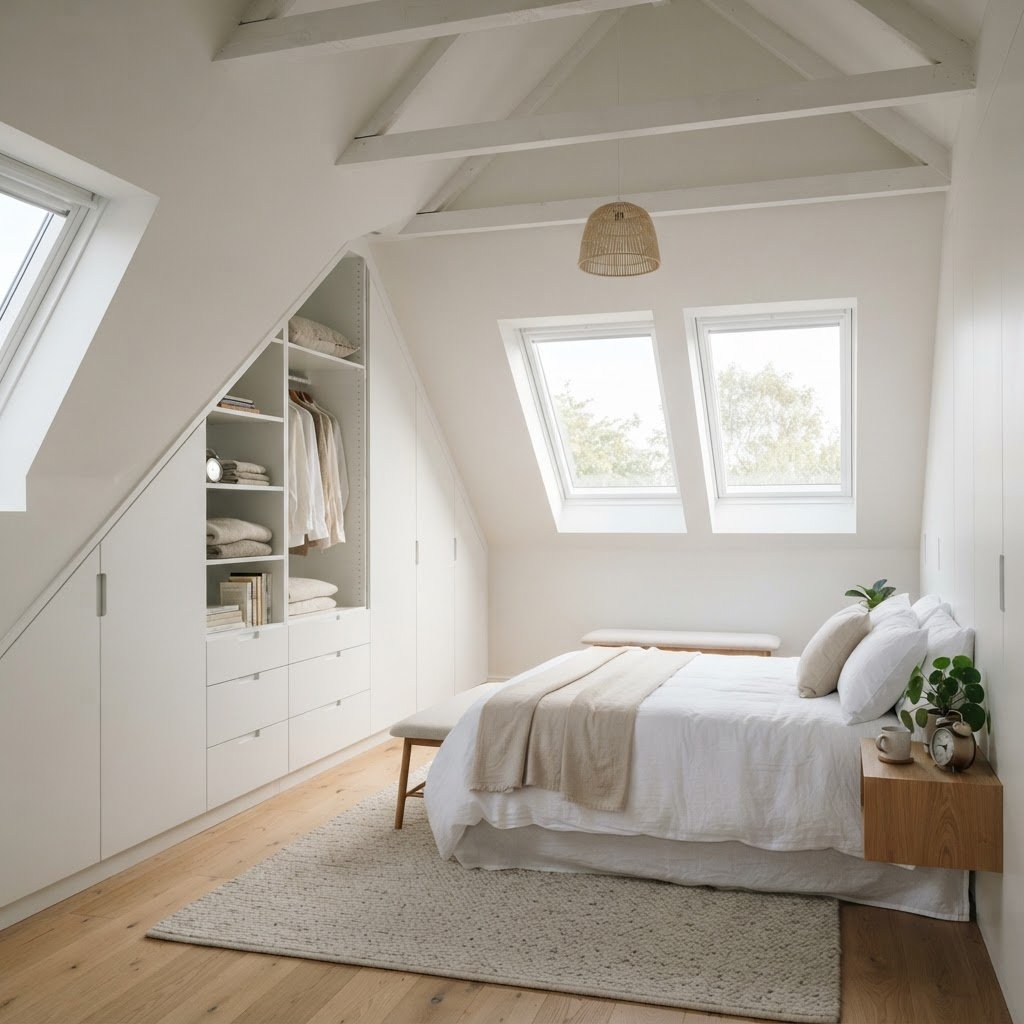
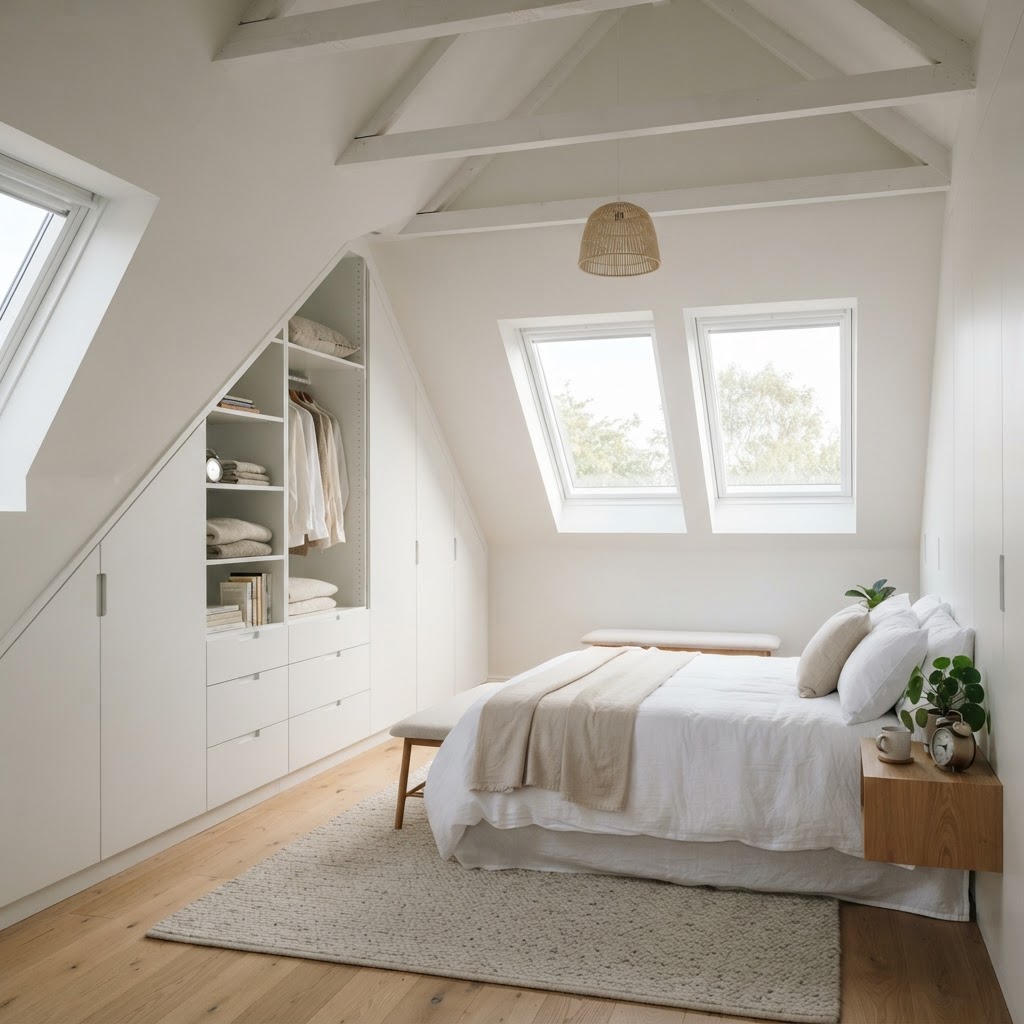
Custom built-in storage under the eaves maximizes attic floor space.

When standard furniture fails to fit the unique geometry of your home, custom built-in storage solutions become the ultimate hero. Unlike freestanding wardrobes or chests of drawers that eat up precious floor space, built-ins are designed to blend seamlessly into the walls. This creates a cohesive look that makes small rooms feel significantly larger by removing visual noise. Whether you are dealing with sloped ceilings in an attic or narrow walls in a box bedroom, custom carpentry allows you to capture every square inch of usable volume that would otherwise be lost to “dead space.”

Why Built-Ins Outperform Freestanding Furniture

Freestanding furniture creates gaps between pieces and walls, which inevitably turn into dust traps or useless voids. In contrast, built-ins provide a continuous, clean appearance that visually expands the room. By extending cabinetry from floor to ceiling, you draw the eye upward, making the ceiling feel higher. This is particularly vital in attic rooms where the height is often compromised by rafters and angles. Furthermore, built-ins offer superior stability and are tailored to hold exactly what you need, from hanging space for long coats to shallow drawers for accessories.

Maximizing Attic Slopes with Clever Cabinetry

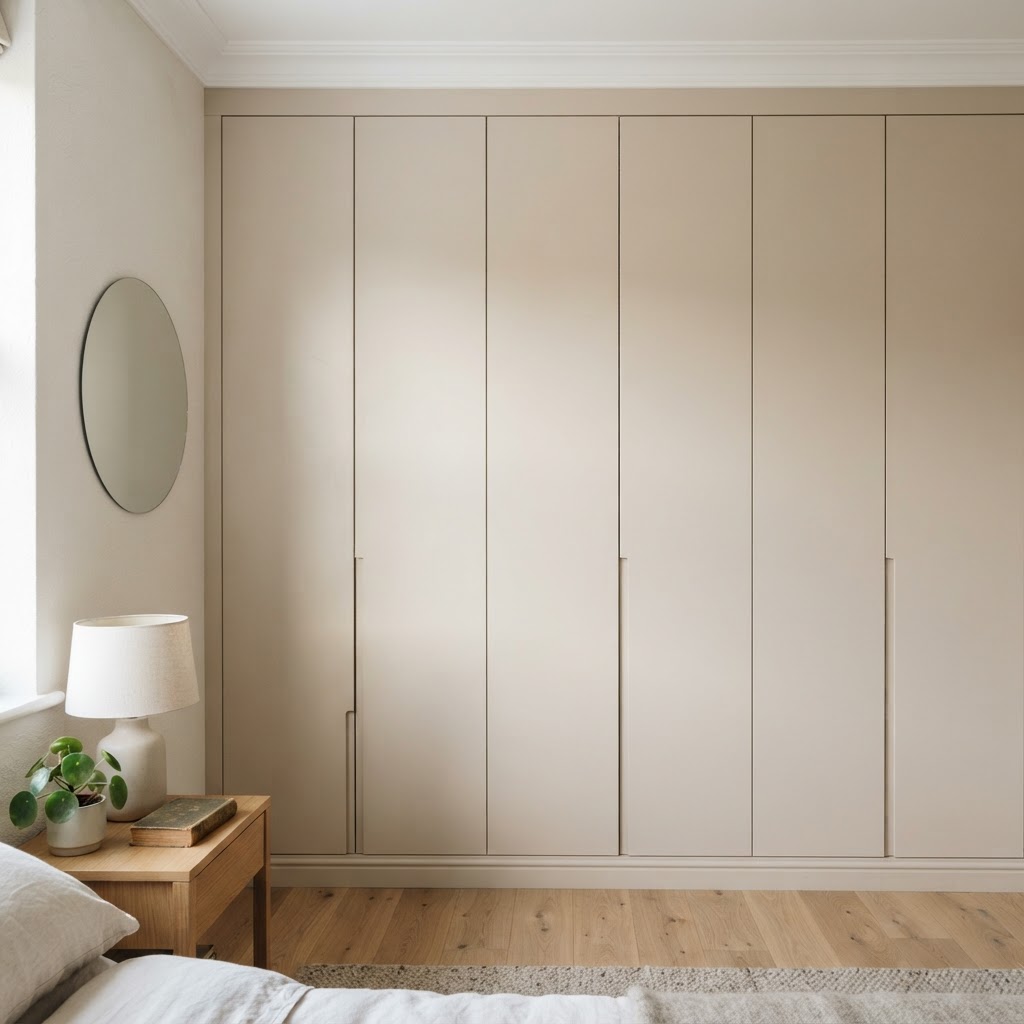
Sleek, handle-free floor-to-ceiling wardrobes minimize visual clutter.

Attic rooms are notorious for their awkward angles and knee walls. These spaces are often left empty because people struggle to find furniture that fits underneath the incline. However, these low-height areas are perfect for shallow cupboards or deep drawers. By installing custom joinery that follows the pitch of the roof, you transform an inaccessible corner into an ideal storage hub for seasonal clothing, bedding, or hobby supplies.

Creating Integrated Drawer Systems

Deep drawers are far more efficient than shelves when placed under a low slope. You don’t have to crawl into the back of a cabinet to see what you have; instead, the entire contents of the drawer slide out to greet you. Consider installing a “push-to-open” mechanism to maintain a sleek, handle-free facade that keeps the room feeling minimal. This approach effectively hides your belongings while keeping the visual profile of the room as clean as possible.

Vertical Thinking for Small Bedrooms

Multi-functional bed frames with storage help declutter tiny bedrooms.

If you lack floor space, the only way is up. The walls of your small bedroom are your most valuable real estate. Floor-to-ceiling closets are the gold standard for small bedroom organization because they maximize the storage capacity of a single footprint. By treating the entire wall as a storage unit, you eliminate the need for secondary storage pieces like nightstands or tallboys, which can clutter up the narrow walking paths around your bed.

Utilizing Recessed Shelving and Nooks

Sometimes, structural elements like chimney breasts or awkward corners provide an opportunity to create recessed shelving. Instead of building out into the room, you build into the wall itself. This is a brilliant way to incorporate open storage for books, decorative items, or daily essentials. Using light colors inside these recesses can add depth to the room, preventing the storage from feeling like a heavy, encroaching block.

Multi-Functional Furniture Design

Proper internal organization is key to small bedroom efficiency.

In a tiny bedroom, every piece of furniture must work twice as hard. Built-in storage should ideally be integrated with other functions, such as your bed frame or vanity. For example, a captain’s bed with deep, built-in under-bed drawers eliminates the need for a separate dresser. By combining your bed frame with storage, you essentially “delete” a large piece of furniture from the room’s layout, making it feel airy and spacious.

Assessing Your Storage Needs

Before you start designing your built-ins, you must perform a strict audit of what you actually own. Small bedrooms cannot afford to house clutter. Follow this hierarchy of organization:

  1. Active Storage: Items you use daily (hangers for current season clothes, nightstand essentials).
  2. Passive Storage: Items used weekly (bedding, towels, gym gear).
  3. Long-term Storage: Items used annually (winter coats, holiday décor, keepsakes).

Focus your built-in storage ideas on the active and passive categories, and utilize the “hard-to-reach” areas of the attic for long-term items. This ensures your most accessible cabinet space is dedicated to the items that improve your day-to-day efficiency.

Choosing the Right Materials and Finishes

For small, tight spaces, the finish of your cabinets is just as important as the design. High-gloss finishes are excellent for reflecting light, which helps bounce natural rays around a small room and makes it feel brighter. Conversely, matching the paint color of the cabinetry exactly to the wall color creates a “monochromatic” effect. This tricks the eye into thinking the cabinets are part of the wall architecture, making them effectively disappear.

Lighting and Internal Organization

Storage is only useful if it is accessible. In deep or dark built-in wardrobes, consider installing motion-activated LED strips. These are inexpensive, battery-operated, and make a massive difference in attic spaces where natural light might be limited. Inside your cabinets, use drawer dividers and specialized pull-out racks. The more organized the interior, the less likely you are to over-buy and accumulate extra “stuff” that your small room simply cannot accommodate.

Practical Organization Tips for Tiny Rooms

  • Use double hanging rails to double your clothing capacity.
  • Install pull-out mirrors behind cabinet doors to save wall space.
  • Use vertical dividers for scarves, belts, or ties inside shallow drawers.
  • Keep floor space clear of boxes; if it can’t go on a shelf or in a drawer, it shouldn’t be there.

Conclusion

Mastering built-in storage in an extremely small bedroom or attic space requires a shift in perspective. You are not losing space; you are simply refining how you use it. By opting for custom solutions, embracing vertical storage, and keeping your design clean and monochromatic, you can create a bedroom that feels like a peaceful retreat rather than a cramped box. Don’t let your room size dictate your comfort. Start planning your custom storage project today, and watch as your small space transforms into an organized, beautiful, and highly functional sanctuary. Ready to take the next step? Start by measuring your available wall space and sketching out your dream storage layout this weekend!

Cozy Minimalist Bedroom Ideas on a Budget for First Apartments

Moving into your first apartment is an exciting milestone, but furnishing a new space can quickly become an overwhelming financial drain. If you love the look of a serene, clutter-free sanctuary, you are in the right place. Creating cozy minimalist bedroom ideas on a budget is not about living in a stark or empty room; it is about intentionally curating a space that fosters peace and restoration without spending a fortune.

Minimalism is often misunderstood as being cold or sterile, but when combined with a ‘cozy’ aesthetic, it creates the perfect retreat from the outside world. By focusing on quality over quantity and using texture to add warmth, you can transform any cramped or dated rental bedroom into a high-end oasis. In this guide, we will break down the essential steps to achieve a stylish look while keeping your bank account intact.

Define Your Minimalist Vision

Layering textures like linen and chunky knits creates a cozy, high-end feel.

Before you buy a single item, you must define what minimalist means to you. For some, it is a monochromatic palette of whites and grays. For others, it is a warm, earthy selection of tones that incorporate wood and soft fabrics. Identifying your color story is the first step in avoiding impulse buys that do not fit the cohesive look you are aiming for.

The Power of a Limited Color Palette

One of the most effective ways to make a room look expensive on a budget is to stick to a strict color scheme. When the eye does not have to process dozens of competing colors, the room feels larger and more orderly. Stick to three primary colors—perhaps a base neutral, a secondary shade for furniture, and one accent tone for decor.

Master the Art of Bedding

Keep your nightstand clear to maintain a minimalist and calming aesthetic.

Since the bed is the focal point of the bedroom, it deserves the most attention. You do not need expensive designer linens to achieve a cozy, inviting look. Instead, focus on the layering effect that gives high-end hotels their signature appeal. Start with a neutral duvet cover and add textures through throw blankets and pillows.

Texture is the Secret Ingredient

In a minimalist room, texture replaces the need for extra clutter. Incorporate a chunky knit throw, a linen duvet cover, or a faux fur pillow to add depth. These tactile elements make the space feel inviting and soft, which is essential when your furniture choices are simple and clean-lined.

Rethink Your Furniture Strategy

Proper lighting and a neutral palette make even small rooms feel spacious and cozy.

First apartments often come with limited space, making smart furniture choices vital. You do not need a matching bedroom set from a big-box store. In fact, a curated, mismatched look often feels more intentional and stylish. Look for pieces that serve a dual purpose to maximize your footprint.

Investing in Versatility

Think about pieces like a bench with storage or a nightstand that includes drawers rather than an open shelf. If you are truly on a budget, consider upcycling existing furniture or checking local marketplaces for high-quality vintage wood pieces. A simple coat of matte paint or changing out hardware can turn a dated thrift-store find into a sleek minimalist statement piece.

Lighting Sets the Mood

Lighting is perhaps the most underrated aspect of design, yet it can completely change the atmosphere of your bedroom. Harsh, central overhead lighting is the enemy of a cozy environment. Instead, focus on layering your light with different sources that can be adjusted based on the time of day.

Warm Lighting Over Cool

Always opt for ‘warm white’ or ‘soft white’ bulbs. These mimic the glow of sunset and create an immediate sense of calm. A bedside lamp with a fabric shade, a small floor lamp tucked into a corner, or even simple LED strips behind the headboard can provide enough illumination to read by without creating the sterile feeling of a hospital room.

Decluttering as a Design Tool

Minimalism is fundamentally about removing the unnecessary. If you want to master cozy minimalist bedroom ideas on a budget, you must be ruthless about what stays and what goes. Every item in your room should either serve a specific function or bring you genuine joy. Start by clearing all surfaces, including nightstands and dressers.

The 20-Minute Declutter Challenge

If you are overwhelmed, set a timer for 20 minutes and tackle one zone at a time. Remove everything from your nightstand. Wipe it down. Only put back the essential items, like your lamp, a small book, and perhaps one small plant. You will be amazed at how quickly the mental load lifts when your physical space is clear.

Wall Decor and Personal Touches

Empty walls are fine in minimalism, but they can feel a bit hollow if you have nothing to focus on. Instead of buying cheap, mass-produced art, look for meaningful pieces that elevate your walls without costing a lot. One large piece of art is almost always better than ten small, scattered frames.

Affordable Art Ideas

Consider framing a large-scale botanical print, your own photography, or even a piece of textile wall hanging. Using a single, large frame creates a sense of sophistication and anchors the wall, while keeping the visual ‘noise’ to a minimum. This is an excellent way to express your personality without overcrowding your space.

Maintenance and Daily Habits

Maintaining the minimalist aesthetic is just as important as creating it. A minimalist room that is messy loses all of its charm. Establish a simple daily routine, such as making your bed immediately upon waking and putting your clothes away before bed. These small actions preserve the calm you have worked so hard to create.

Table: Quick Daily Habits for a Serene Space

| Task | Impact on Room | Time Required |

|—|—|—|

| Make the bed | Instantly anchors the room | 1 minute |

| Put away laundry | Eliminates visual clutter | 2 minutes |

| Clear nightstand | Creates a clean surface | 30 seconds |

| Open the curtains | Introduces natural light | 10 seconds |

Conclusion

Achieving your dream bedroom does not require a massive renovation or an interior design budget. By applying these cozy minimalist bedroom ideas on a budget, you can create a space that is not only beautiful but also deeply restorative. Remember, the goal is not perfection, but rather creating a sanctuary that works for your lifestyle. Start small, focus on the essentials, and watch as your first apartment transforms into the perfect reflection of your personal style. Which of these changes are you most excited to implement this weekend? Let us know in the comments below!

Small Bedroom Layout Ideas: Expert Tips for Awkward Spaces

Designing a sanctuary in a limited square footage can feel like solving a complex puzzle, especially when you are working with unconventional dimensions. Implementing the right small bedroom layout ideas is the key to balancing aesthetics with everyday functionality. Whether you are dealing with a long, thin corridor or a boxy, cramped square, there are proven strategies to make your room feel larger, more organized, and infinitely more comfortable.

Understanding Your Room’s Geometry

Using a large mirror in a narrow room can help double the perceived light and space.

Before you drag your heavy furniture across the floorboards, you must first assess the geometry of your space. Most rooms fall into one of three categories: the narrow rectangle, the rigid square, or the truly awkward space with strange nooks or angled walls. Identifying your room’s specific challenge is the first step toward effective interior design.

The Narrow Bedroom Challenge

Narrow bedrooms often feel like hallways, making it difficult to position a bed without blocking entryways. The trick here is to embrace the length while creating distinct zones. Avoid pushing all your furniture against one wall, as this only accentuates the tunnel-like feel of the space.

Instead, consider placing the bed in the center of one of the longer walls if width permits. If the room is too thin for that, tuck the bed into a corner to save floor space, using a corner headboard or an L-shaped arrangement to add visual interest. Always prioritize walking paths over symmetry to ensure the room remains livable.

Maximizing Efficiency in Square Bedrooms

Floating furniture keeps the floor visible, creating an airy and open atmosphere.

Square rooms are notoriously difficult because their rigid, equal dimensions often leave dead space in the middle. The goal here is to anchor your furniture to improve flow. A popular tactic is to float the bed on the central wall, leaving enough room for nightstands on either side, which creates a sense of balance.

To break up the boxy shape, use circular elements like round mirrors or curved lighting fixtures. These soft shapes contrast with the square footprint, tricking the eye into perceiving more depth. Additionally, utilizing the vertical space for open shelving can draw the gaze upward and distract from the limited floor area.

Strategic Furniture Placement Techniques

Transforming awkward alcoves into functional nooks adds character and storage.

When you are tight on square footage, every inch counts. One of the most effective small bedroom layout ideas involves opting for multi-functional furniture. A bed with built-in storage drawers or a headboard that incorporates hidden cabinets can eliminate the need for bulky dressers.

Scaling Down Your Furniture

Scale is everything in a compact room. Avoid “over-furnishing” by choosing pieces that feel light and airy. Look for items with exposed legs, such as a mid-century modern bed frame, which allows light to pass underneath and creates the illusion of more space. Avoiding heavy, dark wood finishes also helps prevent the room from feeling weighed down.

Another pro-tip is to swap out traditional floor lamps for wall-mounted sconces. By eliminating the footprint of a lamp base on your nightstand, you free up surface area for essentials, making the room feel less cluttered. Consistency in style is also key to preventing visual overwhelm.

Solving for Awkward Nooks and Alcoves

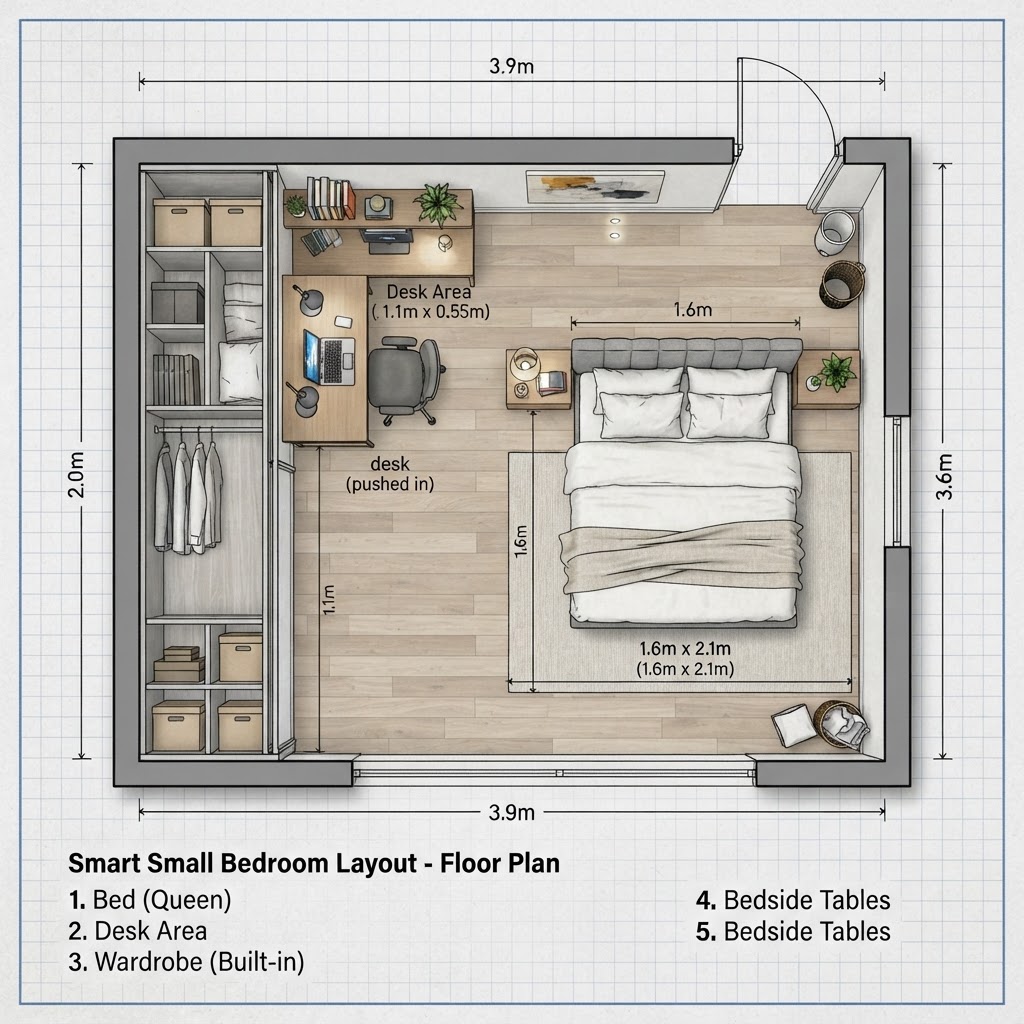
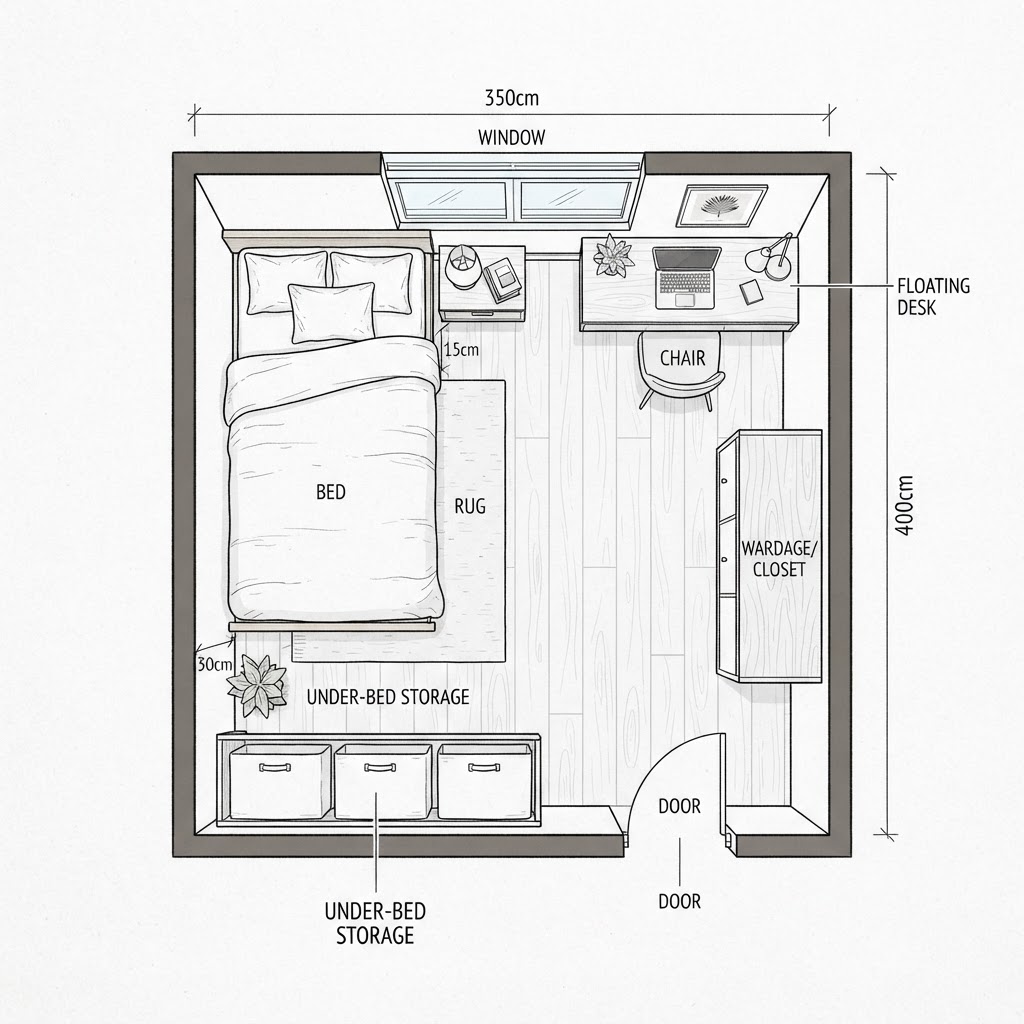
A well-planned floor plan is essential for maximizing every inch of a small bedroom.

Awkward spaces often have architectural quirks like chimney breasts, slanted ceilings, or irregular alcoves. Instead of fighting these features, turn them into highlights. A recessed alcove can serve as the perfect spot for a custom desk, a built-in bookshelf, or even a cozy reading nook.

If you have a particularly strange corner, custom millwork is often the best investment. A bespoke built-in wardrobe that follows the contour of an angled wall will look intentional rather than haphazard. Using the same color paint on your furniture as the surrounding walls can also help these pieces “disappear” into the background, streamlining the room’s overall aesthetic.

The Power of Light and Mirror Placement

Lighting and mirrors are your best friends when trying to expand a room visually. Large, floor-to-ceiling mirrors can effectively double the perception of space in a narrow bedroom. Position your mirrors opposite a window to capture and reflect natural light, instantly brightening the darkest corners of your room.

When it comes to artificial lighting, avoid relying solely on a central overhead light, which can create harsh shadows in the corners. Layer your lighting with task lamps, ambient floor lamps, and even LED strips tucked behind the headboard for a soft, cinematic glow. This multi-layered approach adds warmth and luxury, regardless of the size of the room.

Creative Storage Solutions for Tiny Spaces

Clutter is the enemy of any small bedroom layout. If you want to keep your space feeling serene, you must have a “home” for every object. Utilize the space under your bed for long-term storage of seasonal clothing or linens by using slim, rolling bins.

If you lack closet space, consider installing a floor-to-ceiling wardrobe system on one wall. By incorporating hanging rods, shelves, and drawers into one cohesive unit, you maximize every inch of vertical volume. Don’t forget the back of your doors; installing a hook rack or an over-the-door organizer can store accessories like scarves, handbags, or belts without taking up a single inch of floor space.

Designing for Comfort and Flow

Ultimately, a bedroom should feel like an escape. Do not get so caught up in the math of the floor plan that you lose sight of comfort. Ensure there is enough clearance to walk around the bed comfortably, ideally at least 24 inches on all sides if possible. If you must prioritize, ensure one side is completely accessible and the other side provides enough space for your nightstand essentials.

Consider the texture of your bedding and curtains to add comfort. High-quality linens or a plush rug can elevate the room’s mood, making it feel intentional rather than cramped. A well-designed room should feel curated, with every element serving a purpose or adding a touch of personality.

Conclusion

Mastering small bedroom layout ideas requires a mix of creativity and disciplined planning. By identifying your room’s specific challenges—whether it is narrow, square, or awkwardly shaped—you can select the right furniture and design tactics to transform the space into a functional sanctuary. Remember that color, light, and smart storage are your biggest assets in making a small space feel expansive and inviting.

Start your bedroom transformation today by decluttering your current layout and assessing your furniture’s scale. Are you ready to redesign your space? Try moving one piece of furniture this weekend to improve your flow and watch how it changes the entire atmosphere of your bedroom.

Aesthetic Ideas for Small Bedrooms: Cute & Functional Designs

Living in a cramped room does not mean you have to sacrifice your personal style or comfort. If you are struggling to make your space feel like a sanctuary, incorporating clever aesthetic ideas for small bedrooms can completely shift the energy of your living environment. Whether you are dealing with a tiny studio apartment or a cozy spare room, the goal is to balance visual appeal with absolute functionality. By selecting furniture that earns its keep and utilizing vertical space effectively, you can turn even the smallest room into a retreat.

Rethinking Your Floor Plan for Maximum Utility

A well-organized, light-filled bedroom using mirrors and hidden storage.

The foundation of any successful small room design is the floor plan. Before you buy new furniture, look at the flow of your room. Many people make the mistake of pushing all their furniture against the walls, which can actually make a small room feel boxed in. Instead, try pulling your bed slightly away from the wall to create a more sophisticated, hotel-like feel.

The Power of Multi-Functional Furniture

When square footage is a luxury, every piece of furniture must serve more than one purpose. Think about your bed frame: is it just a place to sleep, or could it be a storage unit? Bed frames with built-in drawers are a game-changer for those who need to store seasonal clothing or extra linens without cluttering the closet.

  • Ottoman storage: Use a stylish velvet ottoman at the foot of your bed to store blankets.
  • Wall-mounted desks: A folding desk keeps floor space clear when you are not working.
  • Nightstand shelves: Floating nightstands free up the floor, making the room appear larger.

Light and Color: The Visual Expansion Trick

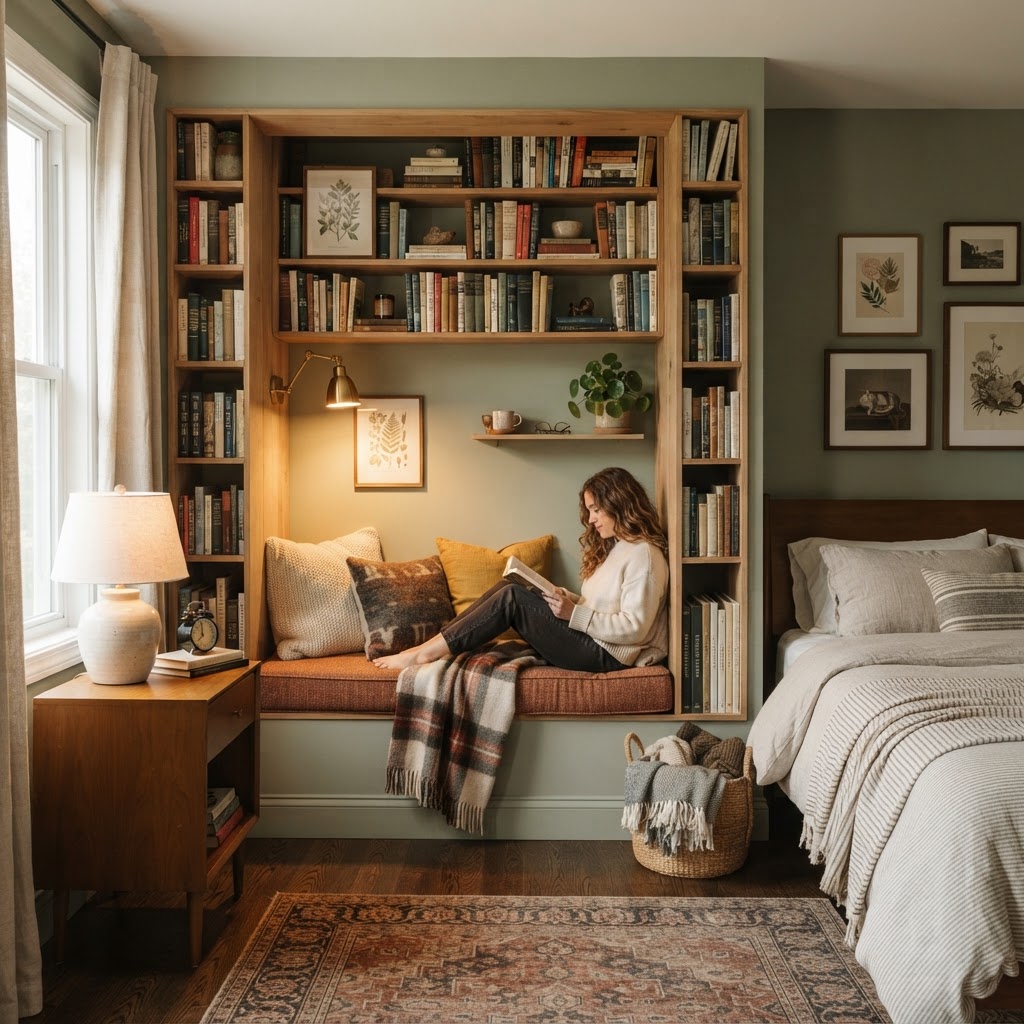
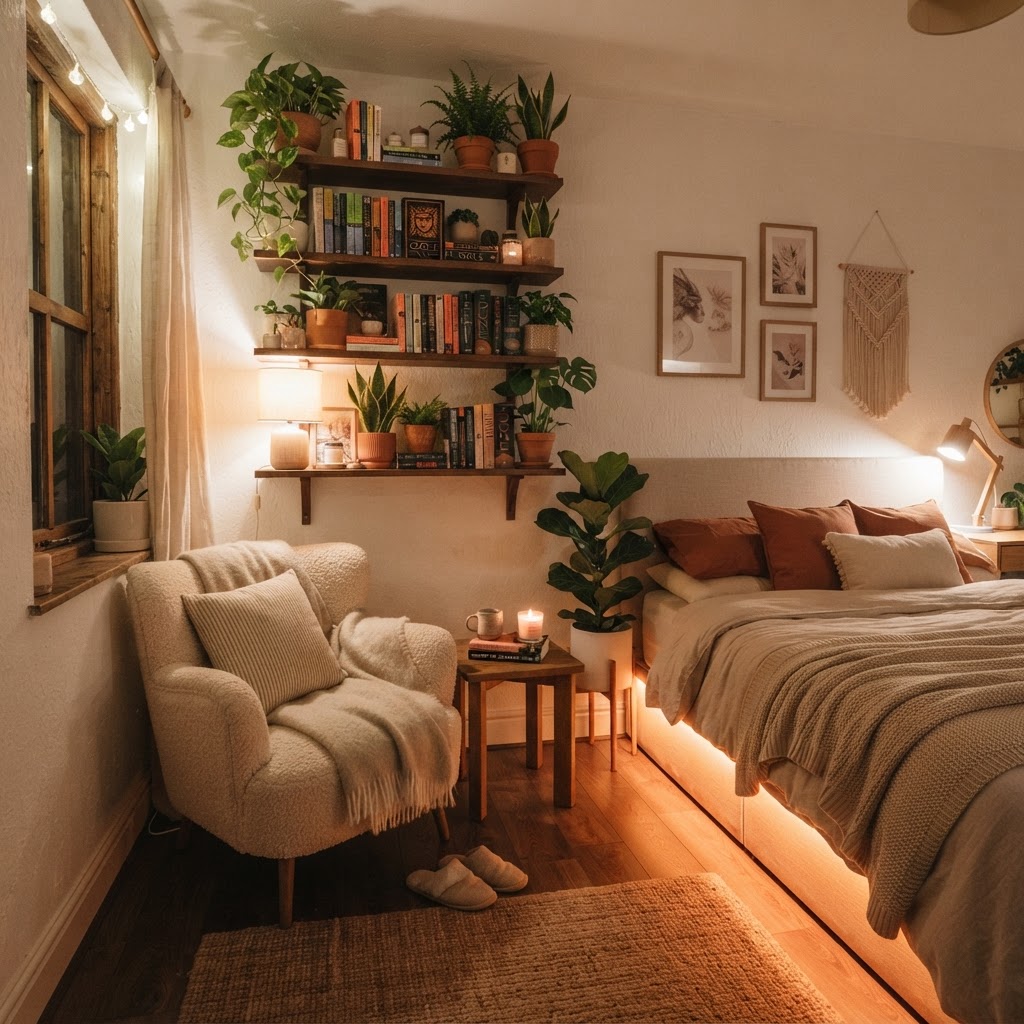
Maximize your space by utilizing walls for storage and creating a cozy reading nook.

Color psychology plays a massive role in how we perceive the size of a room. To make a small bedroom feel open and airy, lean into a lighter color palette. Whites, soft creams, and pale grays reflect natural light better than dark colors, essentially tricking the eye into believing the walls are further apart than they actually are.

Creating Depth with Texture

While a light color scheme is a standard recommendation, avoid making the room feel like a cold hospital ward. You can maintain a cozy aesthetic by layering textures. A chunky knit throw, a linen duvet cover, or a sisal rug can add personality and depth. These elements contribute to the overall vibe of aesthetic ideas for small bedrooms without adding visual weight to the room.

Maximizing Vertical Space Through Creative Storage

Tall curtains and a floating desk create a sophisticated and spacious feel.

When your floor is full, look up. Walls are your best friend when it comes to organizing a tiny space. Installing shelves above your door frame or using wall-mounted garment racks can free up valuable closet space and floor room. This approach turns your storage into part of your decor, allowing your favorite bags or books to double as styling pieces.

Vertical Gallery Walls

Art is not just for large homes. By grouping smaller frames vertically, you draw the eye upward, highlighting the ceiling height rather than the lack of floor width. This simple design technique makes the room feel taller and more curated, adding to the overall aesthetic appeal of your personal sanctuary.

The Art of Minimalist Decorating

Minimalism is often misunderstood as having nothing, but in the context of small rooms, it is really about intentionality. Only keep items that serve a purpose or bring you genuine joy. Clutter is the enemy of a small bedroom, so prioritize hidden storage solutions that keep surfaces clean and clear.

Selecting the Right Lighting

Lighting can transform a room from a storage closet into an aesthetic oasis. Instead of a single, harsh overhead light, layer your lighting. Use a floor lamp for height, a small table lamp for task lighting, and LED strips behind your headboard for a dreamy, ambient effect. Dimmable lights are particularly effective, allowing you to change the mood of the room instantly.

Cozy Nooks and Window Treatments

Never underestimate the power of window treatments. Hanging your curtain rods closer to the ceiling rather than just above the window frame can make your windows look larger and your ceilings appear higher. Use light, translucent fabrics to allow sunlight to stream in while still providing necessary privacy.

Creating a Reading Corner

Even in a tiny room, you can carve out a dedicated space for relaxation. A small armchair tucked into a corner with a floor lamp creates a micro-environment for reading or meditation. This small addition makes the bedroom feel more like a multi-purpose suite rather than just a place to lay your head.

Mirrors as Architectural Tools

Mirrors are the oldest trick in the interior designer’s playbook, yet they remain one of the most effective aesthetic ideas for small bedrooms. A large floor-length mirror leaning against a wall or a series of smaller mirrors arranged as an art piece will bounce light throughout the room. This makes the space look nearly twice its actual size and adds a touch of glamour to your decor.

The Placement Matters

Position your mirror opposite a window whenever possible. By capturing the natural light and reflecting it back into the room, you brighten dark corners and create a beautiful view that extends the visual boundaries of your space. It is a simple, cost-effective upgrade that requires no construction.

Essential Habits for Maintaining Your Small Space

Even the best design will fail if you do not keep up with maintenance. A small room gathers clutter significantly faster than a large home. Adopt a ‘one in, one out’ policy for decor items and clothing to ensure your space stays curated. Regularly evaluate what you own to keep your environment peaceful and conducive to rest.

Conclusion

Designing a small room does not mean you have to settle for basic or boring interiors. By utilizing these aesthetic ideas for small bedrooms, you can create a space that feels expansive, stylish, and perfectly tailored to your needs. Start by decluttering, invest in multi-functional furniture, and don’t be afraid to experiment with lighting and mirrors to find what works best for your layout. Your bedroom should be your happy place, no matter how many square feet it covers. Which of these design tips are you going to try first? Share your favorite transformations in the comments below!

30 Clever Bedroom Storage Solutions for Small Spaces

30 Clever Bedroom Storage Solutions for Small Spaces

To maximize a small bedroom, prioritize vertical shelving, under-bed storage, and multi-functional furniture like ottomans or headboards with built-in compartments. By editing your belongings seasonally and utilizing neglected corners, you can create a clutter-free, functional sanctuary that makes a compact space feel significantly larger and more organized.

The Art of Vertical Storage

Utilizing under-bed drawers is an excellent way to reclaim hidden floor space.

When your floor is covered in furniture, look up to the walls to solve your storage woes. Vertical space is frequently ignored in small bedroom design, yet it offers massive potential for keeping items off the ground and accessible. By installing shelving that stretches toward the ceiling, you draw the eye upward, which not only provides storage but also makes the ceilings appear higher.

Installing Floating Shelves

Floating shelves are a game-changer for small rooms because they provide surface area without the bulk of traditional bookcases. You can mount them above your desk, your dresser, or even your bed to store books, plants, or decorative items. This keeps your nightstand clear for just the essentials. Aim for a shelf depth of 8 to 10 inches to maximize storage without encroaching on walking space.

Creative Wall Hooks

Don’t underestimate the power of wall hooks. They are perfect for hanging robes, bags, hats, or even jewelry displays. By utilizing the back of your bedroom door or empty wall spaces, you clear out valuable drawer and closet space. Use stylish, matching hooks to create a cohesive look that doubles as decor. Installing a row of hooks at eye level allows for quick access to daily items, while higher hooks can be used for out-of-season bags or accessories.

Storage Method Best For Benefit Estimated Cost
Floating Shelves Books, Decor Vertical gain $20-$60
Heavy Duty Hooks Bags, Robes Door utility $5-$15
Ladder Shelves Plants, Misc Aesthetic storage $40-$120

Maximizing Under-Bed Potential

Floating shelves make great use of vertical space without cluttering the room.

One of the most overlooked areas in any home is the dark, dusty void beneath the bed. However, if you are looking for effective bedroom storage solutions, this is real estate you cannot afford to waste. Investing in a bed frame with built-in drawers or using rolling bins can effectively double your storage capacity in rooms under 100 square feet.

Choosing the Right Containers

Not all under-bed storage is created equal. Look for low-profile, lidded bins to protect your off-season clothing and extra linens from dust. Clear plastic containers allow you to see exactly what you have without rummaging, while fabric bins look more polished if they happen to peek out from beneath the bed skirt. For optimal organization, use labels on the front of every bin. A standard under-bed height of 6 to 10 inches is usually sufficient for shoe boxes or flat-pack clothing organizers. Always measure your floor-to-frame clearance before purchasing, ensuring at least one inch of breathing room to avoid scratching your flooring. For heavy items like winter sweaters, choose rolling bins with high-quality caster wheels to protect your hardwood or carpet from damage during frequent access.

Clever Closet Hacks

A well-organized closet is the foundation of a clutter-free small bedroom.

Closets are often the first casualty of poor space management. To truly maximize a small room, you must audit your closet and find ways to expand its functional capacity. Start by replacing bulky, mismatched hangers with slim-profile velvet ones, which instantly create up to 30% more hanging space.

Tiered Hangers and Organizers

Use multi-tiered hangers for pants and scarves to condense your wardrobe. If your closet has high ceilings, install a second rod lower down to double your hanging potential. For smaller items like socks, ties, or jewelry, consider hanging organizers that attach to the back of the closet door. By dedicating 20% of your closet to specialized organizers, you can reduce visual clutter significantly. Additionally, implementing a “one-in, one-out” policy ensures that your wardrobe remains within the capacity of your closet, preventing the common overflow that leads to pile-ups on chairs or floors. Using clear acrylic dividers on shelves can also keep folded piles of sweaters or jeans neat, ensuring your closet remains a functional, high-efficiency zone rather than a storage “junk drawer.”

Multi-Functional Furniture Choices

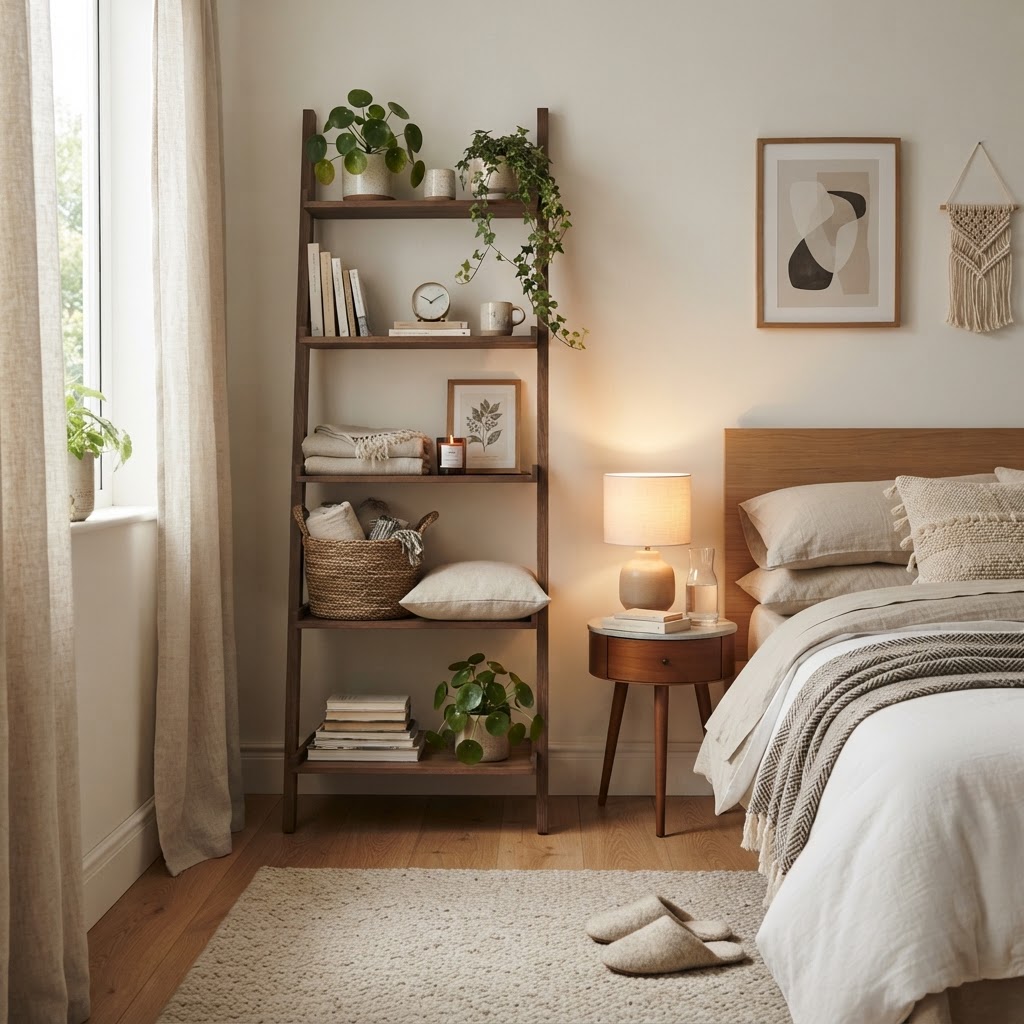
Ladder shelves are a stylish, space-saving storage solution for tight corners.

In a small bedroom, every piece of furniture must work hard to earn its place. Forget decorative pieces that serve only one function; instead, opt for multi-functional items. A storage ottoman at the foot of your bed can hold spare blankets and provide seating, while a nightstand with deep drawers is infinitely more useful than an open-shelf side table.

Mirrors with Hidden Storage

A full-length mirror that opens to reveal a jewelry cabinet is an ingenious piece of design. It serves the practical purpose of helping you get dressed while simultaneously hiding your accessories. By choosing furniture that hides clutter, you maintain a cleaner aesthetic in your room. Multi-functional furniture pieces often serve as the “anchor” of a small room. Look for pieces with concealed hinges and handle-less designs to minimize visual noise. When choosing a storage ottoman, opt for a lift-top mechanism that supports at least 200 lbs if you intend to use it as a bench. This selection process ensures that you aren’t just adding storage, but also improving the quality of life within your bedroom by removing the friction of retrieving daily items from deep closets or hard-to-reach shelves.

The Power of Bedside Organization

The area immediately surrounding your bed is a common catch-all for clutter. If you find your nightstand overflowing, it is time to rethink your approach. Consider wall-mounted bedside tables that free up the floor, or look for headboards that feature built-in shelving and hidden compartments.

Keeping Surfaces Clear

To maintain a peaceful vibe, aim for a clear surface. Use a small tray to contain small items like glasses, remotes, and charging cables. This simple habit keeps your bedroom looking intentional rather than cluttered, contributing to better sleep quality. A study suggests that keeping surfaces clear can reduce cortisol levels, making your bedroom a more restful environment. By using a wall-mounted sconce instead of a table lamp, you further free up surface area for only the most essential items, like a book and a glass of water. If you lack a traditional nightstand, consider a “bedside caddy” that hangs off the mattress frame, which provides essential storage without occupying any valuable floor real estate near your headboard.

Decluttering Your Small Space

No amount of storage hardware can compensate for having too much “stuff.” The most effective way to organize a small bedroom is to edit your belongings regularly. If you haven’t used an item in a year, it is likely taking up space that could be better used for items you actually enjoy.

The Seasonal Rotation Method

Implement a seasonal rotation system for your clothing. Store winter items in vacuum-sealed bags during the summer, and vice-versa. This ensures your closet is never overcrowded and makes it much easier to find the clothes you need. Vacuum bags can reduce storage volume by up to 75%, allowing you to store bulky comforters or coats in the smallest of spaces. Schedule your rotation twice a year, specifically around April and October, to align with major temperature shifts. This process also serves as a “reset” button, giving you a chance to donate items you no longer wear or need, ultimately keeping your footprint small and your environment manageable.

Maximizing Small Nooks and Corners

Even the smallest bedroom usually has awkward corners that go unused. Turn these into mini-storage stations. A corner shelf can become a display for books, or a small narrow cabinet can fit into a tight gap to hold items that don’t fit anywhere else. Be creative about these “dead” zones.

Repurposing Common Items

Consider using a vintage ladder as a towel rack or a hanging clothing rack for your daily outfit. Repurposing items not only provides practical storage but adds unique personality to your bedroom decor. A ladder leaning against a wall uses very little floor space but provides 4-5 rungs for storage, effectively acting as an open wardrobe. Don’t be afraid to utilize the vertical space above windows; a single rod can serve as a display for hats or a hanging system for seasonal decorations that you want to see but don’t need daily access to. These creative solutions turn “dead” space into functional zones that reflect your personal style.

FAQ

Q: What is the best way to store clothes in a small bedroom?

A: Use slim-profile velvet hangers to maximize hanging capacity and utilize vacuum-sealed bags for seasonal clothing to reduce bulk by up to 75%. This combination keeps your closet organized and prevents the common issue of overcrowded hanging space.

Q: Can under-bed storage actually work in small rooms?

A: Yes, under-bed storage is highly effective if you use low-profile, rolling bins that provide easy access while protecting items from dust. Always measure your bed clearance to ensure bins glide smoothly without damaging the floor.

Q: How do I choose between floating shelves and bookcases?

A: Choose floating shelves for small rooms because they provide essential storage without the bulky footprint of traditional bookcases. They keep floor space open, which creates a more airy, spacious feeling in cramped quarters.

Q: Are wall hooks effective for storage?

A: Wall hooks are extremely effective for maximizing storage because they utilize empty wall and door space for items like robes, bags, and jewelry. They clear out valuable drawer and closet space while keeping daily essentials within easy reach.

Q: How often should I declutter a small bedroom?

A: You should aim to declutter your bedroom at least twice a year during seasonal clothing rotations. This regular “reset” prevents the accumulation of unnecessary items and keeps your limited storage space focused on what you actually use and love.

How to Arrange a Bed in a Small Room for Maximum Space

How to Arrange a Bed in a Small Room for Maximum Space

To arrange a bed in a small room for maximum space, center it on the most prominent wall to balance the layout, utilize under-bed storage containers for bulky items, and install wall-mounted lighting to free up surface area. Prioritizing these vertical and floor-level optimizations creates flow and minimizes the feeling of confinement.

The Psychology of Furniture Placement in Small Spaces

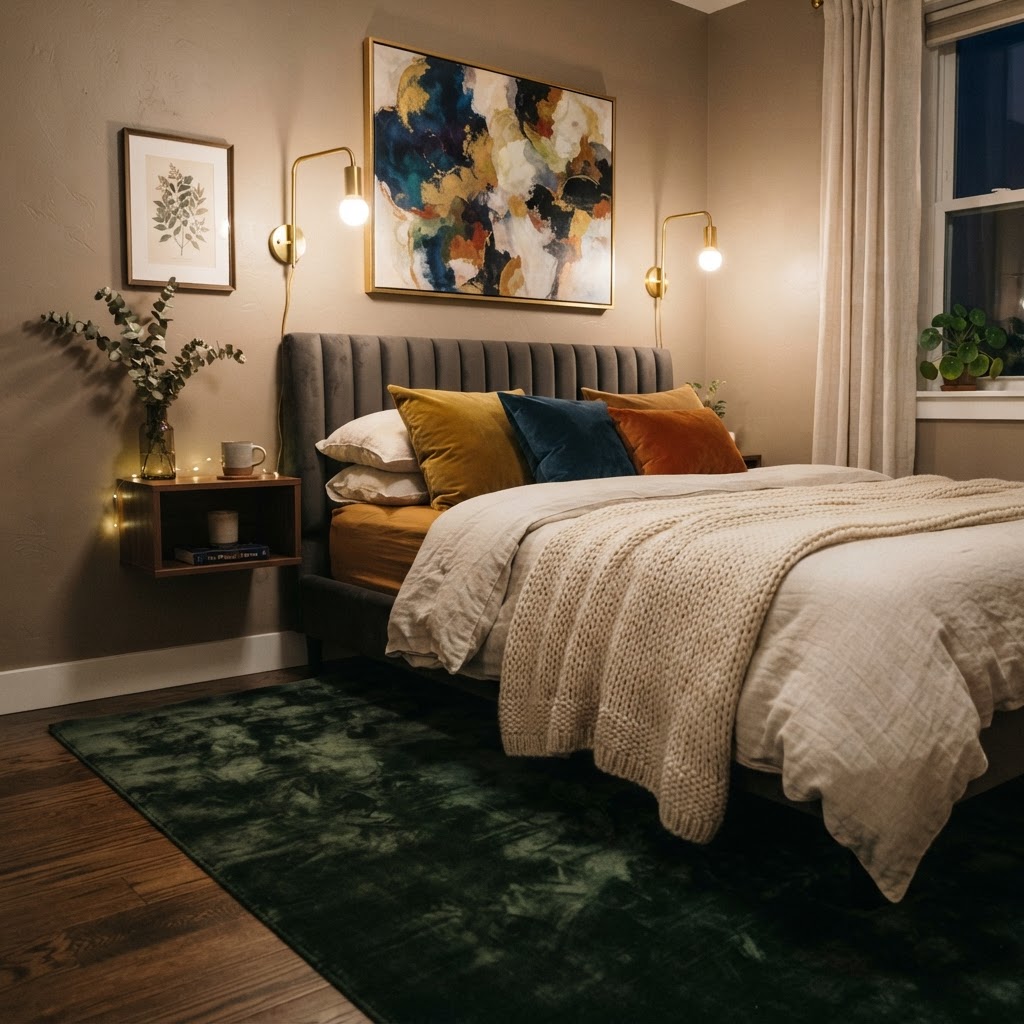
A perfectly centered bed layout maximizes space and creates a balanced look.

Understanding the psychology of furniture placement helps transform a cramped bedroom into an open, inviting sanctuary. The core principle is maintaining “flow,” which refers to the ease of movement and visual paths within a room. When you walk into your bedroom, your eyes should be able to travel around the space without hitting a ‘dead end’ created by a bulky headboard or an awkwardly placed footboard. Proper furniture arrangement is not just about fitting pieces into a grid; it is about creating a sense of psychological openness.

One common mistake is pushing the bed into a corner to save floor area, which often makes a room feel like a college dorm. To achieve a more grown-up, balanced look, pull the bed away from the walls by at least 6 to 12 inches. If you can maintain even a few inches of clearance on either side, it makes the room feel intentional and well-designed rather than haphazard. By leaving space to navigate, you reduce the visual weight of the bed and allow the eye to perceive more floor surface area, which is the key factor in how we psychologically measure the size of a room.
Center Stage: Floating the Bed

Planning your layout with a floor plan can help identify hidden opportunities.
“Floating” the bed—placing it against a wall but centered—often provides the most symmetrical and aesthetically pleasing results in a small room. By centering the bed, you create two distinct, equal-sized areas on either side, which serve as perfect symmetrical points for lighting or small nightstands. This layout creates a natural focal point, drawing the eye toward the headboard and bedding while shifting focus away from the limited floor dimensions.

This technique is particularly effective if you have an off-center window. You can use floor-to-ceiling curtains spanning the width of the wall behind the bed to trick the eye into thinking the window is centered, creating a luxury hotel vibe. Below is a comparison of common bed placement strategies:

Placement Strategy Pros Cons
Corner Placement Maximizes floor space Creates an unbalanced, dorm-like aesthetic
Centered (Floating) Improves flow and symmetry Slightly limits bedroom floor area
Against Long Wall Allows for better walking paths May restrict other furniture placement

Utilizing the Space Underneath the Bed

If you want to know how to arrange a bed in a small room effectively, you must master the art of under-bed storage. In small bedrooms, the area underneath the bed is prime real estate that is often wasted. Instead of leaving this space empty or letting it become a graveyard for dust bunnies, use it as a hidden, functional closet.

Look for bed frames with built-in drawers. These provide a clean, integrated look that keeps your belongings organized and out of sight. If your current frame doesn’t have built-in storage, invest in slim rolling bins that measure approximately 6 to 8 inches in height to slide easily under standard frames. Use this space for seasonal clothes, extra linens, or items you don’t need to access on a daily basis. By maximizing this hidden volume, you can potentially remove a bulky dresser from your room, opening up 4 to 6 square feet of floor space. This “hidden storage” method is the single most effective way to declutter a bedroom without sacrificing the items you need for your daily lifestyle.

Vertical Thinking and Wall-Mounted Solutions

Mirrors are essential tools for expanding the visual space of a tiny room.

When floor space is at an absolute premium, look up because walls are your best friend for creating “visual breathing room.” By moving items off the floor and onto the walls, you trick the brain into perceiving a larger room dimension. Start with your lighting; instead of bulky table lamps that consume the entirety of your nightstand surface, install wall-mounted sconces on either side of the bed. This simple change is one of the most effective ways to maximize bedroom space without sacrificing the utility of your bedside lighting.

Floating Shelves vs. Traditional Nightstands

Another way to manipulate your layout is by replacing traditional nightstands with floating shelves. A floating shelf mounted at the same height as a standard nightstand provides necessary utility without the visual weight of legs or bulky cabinets. By keeping the floor beneath the table visible, the room feels more expansive. To choose between these options, consider that floating shelves provide a modern, minimalist look that is ideal for rooms under 100 square feet, whereas traditional nightstands are better if you require closed storage like drawers for personal items.

The Power of Mirrors and Reflective Surfaces

Floating fixtures free up valuable floor space for a clean, open feel.

Mirrors are a classic interior designer trick, but they are particularly powerful in a small bedroom for bouncing natural light throughout the room. If you place a large mirror on the wall opposite a window, it creates the illusion of a second window, which can make even a dark, cave-like room feel bright and airy. The goal is to maximize the “bounce factor” of the light within your available square footage.

Consider adding a floor mirror in a corner, or hanging a decorative mirror above the headboard. When using mirrors, always ensure they are reflecting something beautiful, such as a light fixture, a piece of art, or a clear view of the outdoors. You should avoid placing a mirror where it reflects a cluttered closet or a pile of laundry, as this will simply double the visual mess. High-quality silver-backed mirrors are best for brightness, providing approximately 20-30% more reflectivity than lower-cost alternatives, effectively brightening corners that overhead lighting often misses.

Multifunctional Furniture for Tiny Bedrooms

When learning how to arrange a bed in a small room, you need to be ruthless about the furniture you choose. Every single item in your bedroom should ideally serve more than one purpose to optimize your limited square footage. If you have a small space, a chair should be more than just a place to sit; it could double as a storage bin or a fold-up desk.

Look for ottomans that open to reveal storage, or a bench at the foot of the bed that keeps extra blankets tucked away. If you have enough room for a desk, look for a wall-mounted drop-leaf desk that can be folded down when you are finished working. The key to successful small-room design is ensuring that your furniture is working as hard as you are. By swapping one single-purpose piece, such as a traditional ottoman, for a storage-enabled piece, you can reclaim up to 2 cubic feet of internal storage space.

Lighting and Color Palette Secrets

Sometimes, the best way to handle a small room is through visual trickery rather than physical reconfiguration. A light and cohesive color palette can make a tiny space feel endless. If you paint your walls, baseboards, and ceiling in the same light tone (such as off-white, light gray, or soft beige), you blur the lines where the wall ends and the ceiling begins. This removes the ‘box’ feeling that often plagues small bedrooms.

In addition to paint, lighting plays a crucial role in how we perceive volume. A single overhead light will create harsh shadows, making the corners look smaller and darker. Instead, use a layered lighting approach. Incorporate wall sconces, a small bedside lamp, and even a strip of warm-spectrum (2700K to 3000K) LED lighting behind the headboard to create a soft, ambient glow. This multi-source lighting makes the room feel cozy, intimate, and warm, rather than tiny and claustrophobic. By layering light, you essentially “push” the walls outward visually, making the room feel larger than it actually is.

FAQ

Q: What is the best position for a bed in a small bedroom?

A: The best position is centering the bed on the most prominent wall, ideally opposite the door. This creates a balanced focal point and improves room flow, making the space feel more intentional and larger.

Q: How much space should I leave between the bed and the wall?

A: Aim for at least 18 to 24 inches of clearance on either side of the bed if possible. If space is severely limited, even a gap of 6 to 12 inches helps the room feel less cramped and improves accessibility.

Q: Are floating shelves better than nightstands in small rooms?

A: Yes, floating shelves are generally better because they leave the floor space visible. This clear floor area tricks the brain into perceiving a larger room dimension while providing the necessary surface for a lamp or phone.

Q: Can a large bed fit in a small room?

A: You can fit a large bed if you prioritize storage-integrated frames and vertical wall space. By removing other bulky items like dressers and using wall-mounted lighting, you can keep the bed as the centerpiece without sacrificing functionality.

Q: What colors make a small bedroom look bigger?

A: Light, neutral colors such as white, cream, or light grey make a small bedroom look bigger. Painting your walls, baseboards, and ceiling the same color blurs the edges of the room, effectively eliminating the “box” feeling.

29 Tiny Bedroom Ideas That Feel Big on Style

29 Tiny Bedroom Ideas That Feel Big on Style

To make a tiny bedroom feel larger and more stylish, prioritize multifunctional furniture, maximize vertical storage, and utilize reflective surfaces like mirrors to double perceived light. By clearing floor space and layering ambient lighting, you can transform a cramped, 80-to-100-square-foot nook into a luxurious, airy sanctuary.

Rethinking Your Layout for Maximum Flow

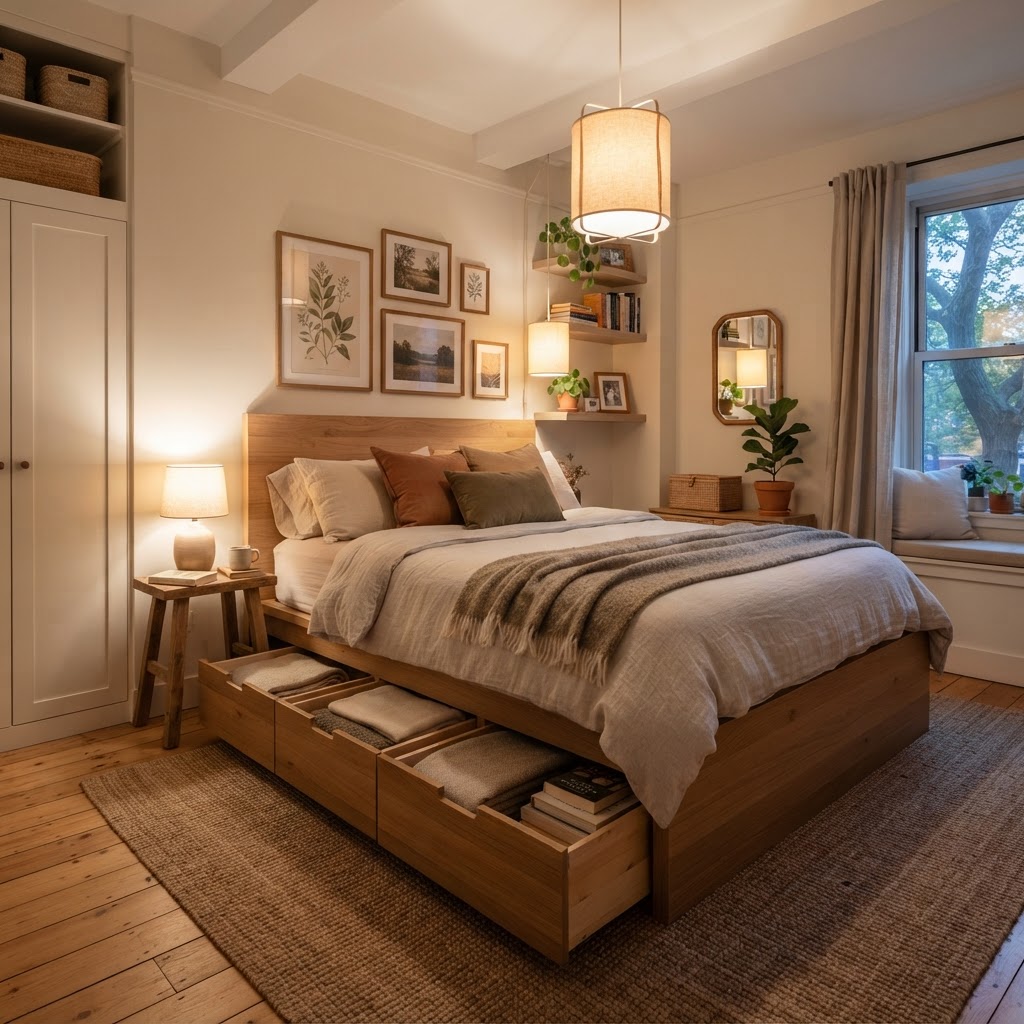
Maximize your footprint by choosing furniture with hidden storage, like this platform bed with deep drawers.

Optimizing your bedroom floor plan requires strategic placement to ensure the flow of the room remains unhindered. In rooms under 120 square feet, every square inch represents an opportunity to improve movement; pushing your bed into a corner or against a feature wall is often the most effective layout for gaining usable floor area. By placing the bed strategically, you eliminate awkward, unusable gaps that serve no purpose, effectively turning a cramped walking path into a dedicated dressing or reading zone.

The Art of Multipurpose Furniture

When floor space is at a premium, every piece of furniture must earn its keep by providing at least two distinct functions. You should prioritize investment pieces such as hydraulic-lift storage beds that provide 20+ cubic feet of concealed storage, or drop-leaf desks that remain flush against the wall when not in use. By selecting pieces that perform double duty, you eliminate the need for extra bulky items, keeping the room feeling airy and uncluttered.

Furniture Type Space-Saving Benefit Ideal Usage
Platform Storage Bed Replaces bulky dressers Seasonal items/Linens
Floating Nightstand Frees floor area Bedside essentials
Murphy/Foldable Desk Retractable workspace Remote work setups

Choosing Vertical Over Horizontal

If you cannot spread out, go up to redirect the viewer’s gaze toward your ceiling height. Tall shelving units draw the eye upward, emphasizing verticality rather than narrow floor width. Installing floor-to-ceiling curtains also adds height and creates a sense of drama that makes the room feel grander. Avoid low, chunky furniture that cuts through the visual line of the room; instead, opt for leggy pieces that allow you to see the floor underneath, which creates an illusion of more open space.

Lighting Strategies to Expand Your Space

Layered lighting and a single large piece of art make a small room feel curated and intentional.

Layered lighting is the most effective method for eradicating shadows that make a small room feel boxed in or dark. A single overhead light source creates harsh contrast; instead, use a combination of warm-toned wall-mounted sconces, task-oriented reading lamps, and dimmable LEDs to create soft, ambient depth. By placing floor lamps in corners to brighten dark spots, you push back the visual boundaries of the room, creating an expansive effect that standard overhead bulbs fail to achieve.

Natural light is your greatest asset in small bedroom design. Keep window treatments light and breezy to allow sunlight to pour in, effectively connecting the room to the outside world. If your room lacks sufficient windows, strategically place mirrors to reflect existing light and visually double the perceived square footage of the space. Reflective glass surfaces on closet doors can serve the same purpose while keeping bulky wardrobes hidden.

The Power of Color and Texture

Go vertical with floor-to-ceiling shelving to keep your surfaces clear and your room feeling airy.

A cohesive, monochromatic color palette is the most efficient way to make a room feel expansive and serene. By painting walls, trim, and ceilings the same shade, you eliminate visual breaks, which causes the wall boundaries to recede from the eye. If you prefer color, use a darker, moody hue on a single accent wall to add depth and sophistication; this can actually make that specific wall appear to move further away, effectively lengthening the room’s footprint.

Playing with Mirrors and Reflection

Mirrors are a critical tool in small bedroom design for creating an optical illusion of depth. Placing a large mirror on a closet door or a floor-to-ceiling feature wall effectively mirrors the room, creating an impression of double the space. This trick is especially effective when placed opposite a window to catch and distribute natural light throughout the room, eliminating dark, cramped pockets.

Embracing Minimalism for Comfort

Minimalism is about intentionality—keeping only what you love—rather than having nothing at all. In a tiny bedroom, excess trinkets lead to visual noise, which can make the space feel stressful and claustrophobic. Decluttering is the fastest way to make a room feel larger. Keep your surfaces clear, utilize under-bed storage bins for seasonal items, and choose a few high-quality decor pieces rather than a dozen small, busy items that compete for attention.

Innovative Storage Solutions

Storage is the ultimate challenge in small spaces, requiring a transition from surface-level clutter to concealed, vertical organization. The goal is to keep as much as possible out of sight while ensuring that the items you need remain accessible. Consider installing floating shelves above your headboard or using the space under your bed for long-term storage needs. Vertical storage is your best friend; floor-to-ceiling closets or open shelving units can hold clothes, books, and decor without sacrificing footprint.

Storage Solution Capacity Gain Space Impact
Floating Shelves High Minimal floor space
Behind-Door Hooks Medium Uses otherwise dead space
Under-Bed Drawers Very High Zero additional footprint

Consider installing hooks on the back of doors for robes or accessories to free up your primary wardrobe space for larger items. By moving items off the floor, you create a sense of order that makes a room feel larger and more intentional. Use clear bins within closets to track inventory, ensuring that you are only storing what you actually need to keep your bedroom organized.

Creating Visual Interest Without Clutter

Just because a room is small doesn’t mean it should be boring or devoid of personality. You can introduce personality through textiles, artwork, and unique textures while maintaining an airy feel. A bold rug can define the space and ground the room, while a single, large-scale piece of art on the wall makes a more significant, curated impact than a cluster of smaller, busy frames that visually clutter a wall.

The Importance of Scale

Scale is everything in compact design; an oversized, massive bed will naturally overpower the room, leaving no space for movement. Choosing furniture that is appropriately scaled to your specific room size ensures the space feels curated rather than crowded. Always measure your dimensions before purchasing, and consider the “sightlines”—ensure there is a clear path to the window or primary entrance so the room feels accessible and inviting.

Utilizing Hidden Nooks

Every room possesses ‘dead space’—the corners, the area behind a door, or even the space above a window. Look for ways to turn these neglected areas into functional storage or display zones. Custom built-ins are a worthwhile investment in small spaces because they are the most effective way to utilize every square inch of a challenging floor plan without creating visual clutter.

Essential Checklist for Small Bedroom Success

To help you organize your renovation, here is a quick summary of the most impactful changes you can make today:

  1. Declutter relentlessly: If it hasn’t been used in a year, get rid of it.
  2. Use mirrors: Reflective surfaces are the best visual trick.
  3. Choose multi-functional furniture: Think storage beds and desks.
  4. Prioritize lighting: Use layers, not just one overhead fixture.
  5. Keep wall art simple: Go for one large statement piece over many small ones.
  6. Use vertical space: Install shelves all the way to the ceiling.

FAQ

Q: What is the best way to make a tiny bedroom look bigger?

A: You can make a small bedroom look bigger by using a light, monochromatic color palette and incorporating large-scale mirrors. Painting walls and ceilings in similar tones eliminates harsh visual lines, while mirrors reflect light to create the illusion of extra depth.

Q: Should I put a bed in the corner of a small room?

A: Placing a bed in the corner is highly effective for maximizing floor space in rooms under 100 square feet. This layout frees up the center of the room, creating a larger walkway and allowing for additional furniture like a desk or storage unit.

Q: How can I add storage to a room with no closet?

A: If your room lacks a closet, utilize vertical wall space with floor-to-ceiling shelving or install a high-capacity platform storage bed. Additionally, use the space behind doors with over-the-door hooks for robes, bags, and accessories to keep the floor clear.

Q: Does dark paint make a small room look smaller?

A: Contrary to popular belief, dark paint can make a room feel larger by blurring the boundaries of the walls. When walls and corners are bathed in a deep, moody hue, the lack of defined edges causes the walls to recede, adding depth and sophistication.

26 Space-Saving Small Bedroom Ideas for a Cozy & Organized Look

26 Space-Saving Small Bedroom Ideas for a Cozy & Organized Look

To maximize a small bedroom, prioritize multi-functional furniture, utilize vertical wall storage, and incorporate reflective surfaces like mirrors to create an illusion of space. By replacing bulky items with slim-profile pieces and clearing floor clutter, you can transform a cramped bedroom into an airy, organized, and highly functional sanctuary.

Rethink Your Furniture Choices

The most effective way to reclaim square footage is to replace bulky furniture with pieces that provide dual utility or a minimal footprint. In rooms under 100 square feet, opting for a bed frame with integrated drawers or a slim-profile headboard can increase usable floor space by up to 20% compared to traditional suites. When selecting furniture, calculate the “visual weight” of items; pieces raised on tapered legs, rather than solid blocks, allow light to travel underneath, which tricks the brain into perceiving more open floor space. Replacing a traditional oversized dresser with a sleek, vertical chest or a wall-mounted floating vanity maintains essential storage while removing obstructive bulk from high-traffic areas. By selecting items that serve two functions, such as an ottoman that acts as both seating and blanket storage, you eliminate the need for redundant furniture that contributes to room crowding.

Furniture Type Benefit Space-Saving Tip
Storage Bed Eliminates dressers Use drawers for off-season clothes
Floating Vanity Frees floor space Wall-mount to keep area clear
Nesting Tables Flexible surface Stack them when not in use

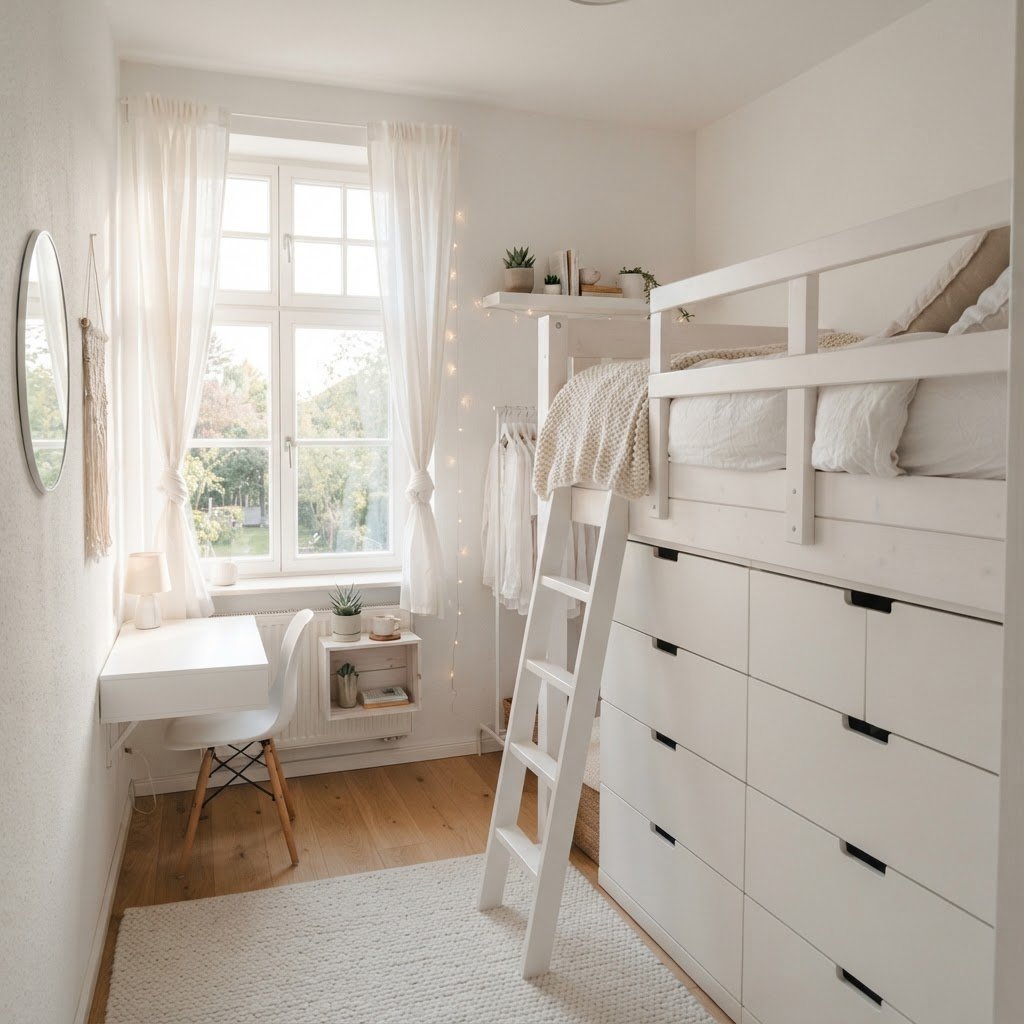
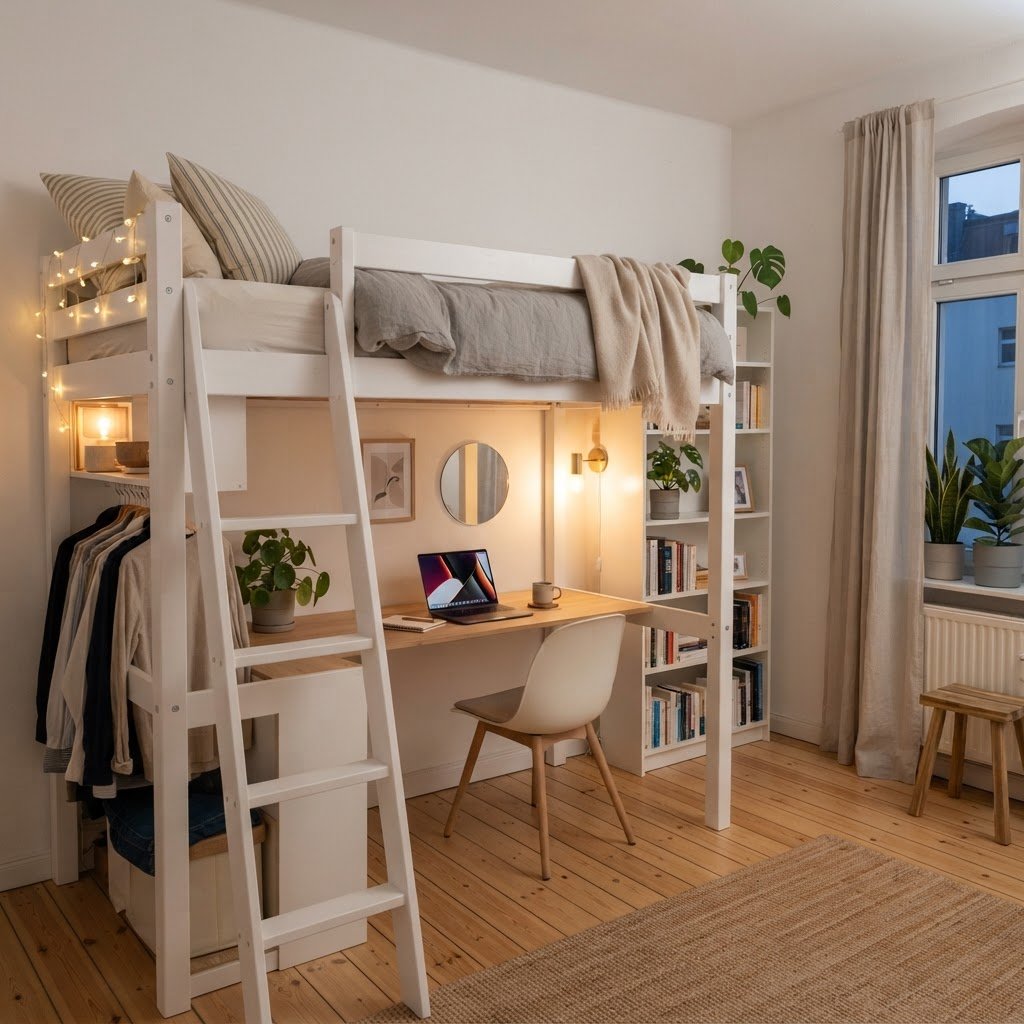
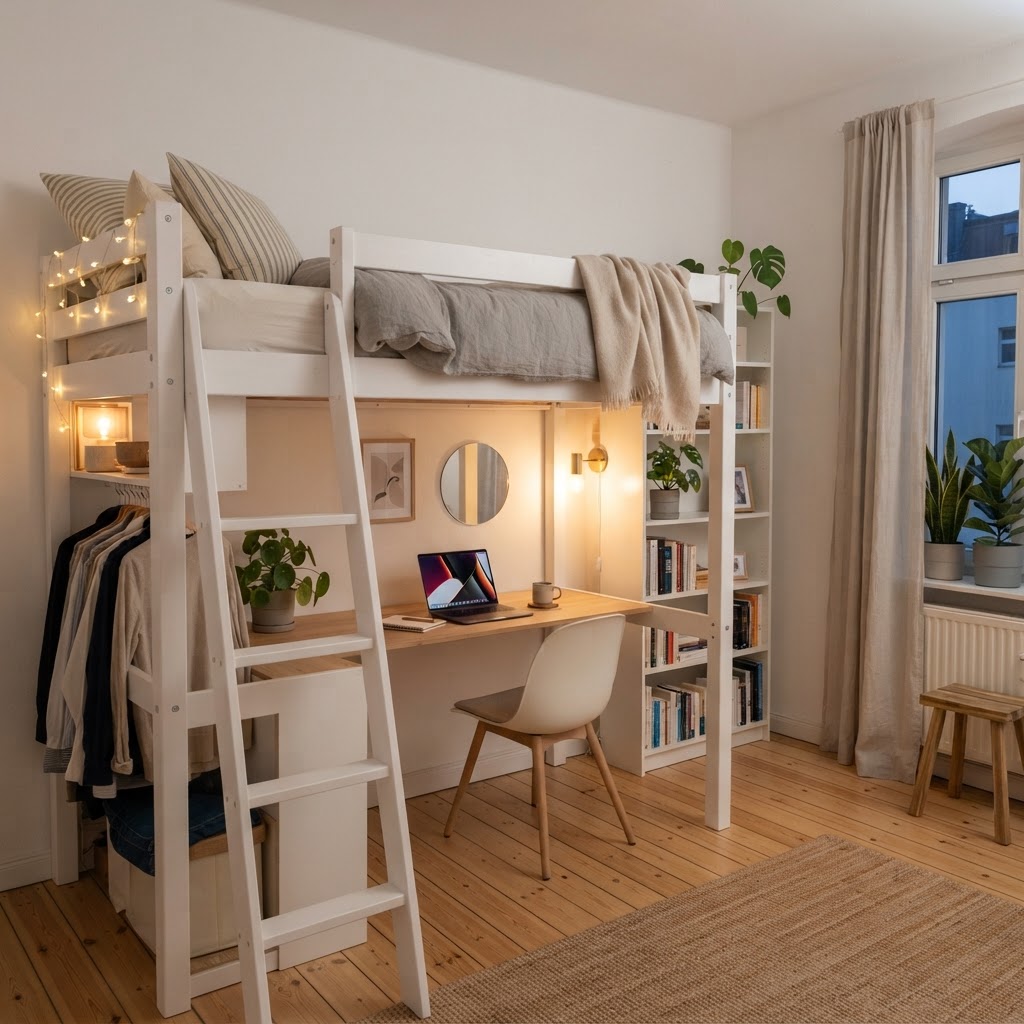
Maximize floor space with a lofted bed design.

Prioritize Multi-Functional Pieces

Think beyond the traditional nightstand. Consider using a small chest of drawers or a wall-mounted shelf instead to free up floor space. When you minimize the “visual weight” of your furniture, the entire room feels larger.

Look for ottomans that open up for hidden storage or vanity desks that double as bedside tables. These small adjustments prevent clutter from accumulating on visible surfaces, keeping the room looking clean and inviting.

Utilize Vertical Space Effectively

When your floor footprint is restricted, the only way to expand storage capacity is to move upward toward the ceiling. Walls are your best friend when looking for smart space-saving small bedroom ideas. By installing floating shelves 6 to 12 inches below the ceiling line, you draw the eye upward, which increases the perceived height of the room. Full-height bookshelves or floor-to-ceiling cabinetry effectively turn a single wall into a command center for books, seasonal decor, and personal items without consuming precious walking space. Consider using over-the-door hanging systems or vertical wall tracks to hold electronics and lamps. To maintain a cohesive aesthetic, align shelf depths to be no more than 10 inches; this ensures the room remains uncluttered while providing enough surface area to store 90% of standard bedroom essentials. Utilizing the space above your bedroom door or headboard for decorative shelving is a pro-level technique that utilizes “dead” wall zones often ignored in interior design.

Use vertical shelving and mirrors to make your room feel larger.

Optimize Under-Bed Storage

Your bed is likely the largest piece of furniture in the room, so it should be the hardest working. If your bed frame is low, consider using bed risers to gain valuable clearance underneath. Once elevated, you can utilize rolling bins or vacuum-sealed bags for out-of-season clothing and linens. To maximize efficiency, choose storage containers that are exactly 1 to 2 inches shorter than the clearance height of the frame. This prevents friction against the underside of the bed while allowing for a smooth sliding motion. For those with under-bed clearance of at least 8 inches, specialized modular rolling bins are significantly more ergonomic than standard plastic tubs. Research indicates that utilizing under-bed storage can free up enough closet space to eliminate the need for one full-sized standalone dresser, dramatically opening up the visual flow of a room. Always ensure your chosen containers are breathable, especially when storing textiles like wool or cotton, to prevent moisture buildup in areas with limited airflow.

Choosing the Right Containers

Invest in uniform storage bins that slide easily under the frame. This keeps the look cohesive and prevents a “junk drawer” aesthetic from forming under your bed. If you have an adjustable base, explore specialized under-bed organizers designed to accommodate the unique mechanics of your mattress frame.

Under-bed storage and wall-mounted lighting keep surfaces clutter-free.

Master the Art of Lighting

Lighting plays a critical role in how a room’s size is perceived, with effective illumination capable of expanding the feeling of a space by 10 to 15%. In a small bedroom, bulky floor lamps are often impractical because they take up vital corner space. Instead, install wall sconces near your headboard to free up space on your nightstands. Alternatively, pendant lights can hang from the ceiling, adding a touch of elegance while keeping surfaces completely clear. Layering your light is key to removing shadows that make rooms feel claustrophobic. By using a combination of a central ambient ceiling light (providing 3000K warm white output), task-oriented sconces for reading, and LED strip lighting behind the headboard or under furniture, you create depth. Bright, well-lit spaces always feel larger, while dim corners can make a room feel closed in. LED strips, which cost under $30 and are easy to install, can transform the atmosphere of a room instantly.

Keep Your Closet Organized

A disorganized closet can make a small bedroom feel chaotic, making the room seem smaller than its actual physical dimensions. To optimize your storage, implement a “one-in, one-out” policy for your wardrobe, which keeps total inventory stable and prevents over-stuffing. Use vertical organizers, double-hanging rods, or door-mounted racks to increase your usable shelf and hanging space by up to 50%. A closet system with adjustable shelving is the gold standard for versatility, as it allows you to adapt the storage layout for seasonal changes. Using slim velvet hangers can save approximately 30% more space compared to traditional plastic or wood hangers, effectively allowing you to fit more garments into the same linear space. Additionally, utilize the “dead” space at the bottom of the closet for a small shoe rack or a rolling bin for seasonal sports gear.

Organization Method Space Gain Best For
Velvet Hangers 30% Maximizing rod capacity
Double Rods 50% Shirts and skirts
Over-door Hook 100% Bags, belts, scarves

Consider these essential organization tips:

  • Install a closet system with adjustable shelves to fit your specific needs.
  • Use slim velvet hangers to save up to 30% more space in your wardrobe.
  • Use baskets on high shelves to store accessories, hats, or scarves.
  • Install hooks on the inside of the closet door for belts, bags, or bathrobes.

Declutter and Simplify Your Decor

Minimalism is a powerful tool when you are short on space, as a room cluttered with too many knick-knacks will inevitably feel confined. Stick to a curated selection of decor items that bring you joy, and avoid overcrowding your walls or dresser tops, as surface area is precious. A room with clear, flat surfaces feels naturally more organized and calm. Mirrors are the oldest trick in the designer’s book for a reason; placing a large floor-length mirror across from a window can reflect light and create the visual depth of an extra room. By placing a mirror strategically, you can double the light output in the room, making it feel significantly brighter. A leaning floor mirror, which typically measures about 60-70 inches in height, adds a focal point that draws the eye vertically without requiring permanent hardware or complex wall installation.

Strategic Color Palettes

While white is a classic choice for small bedrooms because it reflects light, you don’t have to be limited to stark, sterile tones. Soft neutrals like light greys, muted blues, or warm beiges can create a soothing atmosphere while keeping the space feeling open. If you crave bold colors, try using them on a single accent wall or through soft textiles like curtains and rugs rather than painting the entire room a dark hue. Dark colors have a tendency to absorb light, which can visually bring walls “inward” and make a room feel smaller; conversely, painting your trim and ceiling the same color as the walls creates a seamless line that masks the actual room boundaries. To maximize the sense of airiness, prioritize paints with a satin or eggshell finish, which reflect slightly more light than flat or matte paints, adding a subtle glow to the surface of the walls.

FAQ

How can I make a tiny bedroom look bigger?

To make a tiny bedroom appear larger, use light color palettes, incorporate large floor-to-ceiling mirrors, and keep floor space clear of clutter. Maximizing natural light and using multi-functional furniture with exposed legs can help reduce the ‘visual weight’ of the room, creating an airy, open feel.

What furniture is best for a small bedroom?

Opt for multi-functional pieces such as bed frames with integrated storage, wall-mounted floating nightstands, and nesting tables. These pieces reduce physical footprint while providing the same utility as larger, traditional furniture items, keeping the floor area open and easy to navigate.

Where should I store things in a small bedroom?

Utilize vertical wall space with floating shelves, install closet organizers for double-hanging storage, and maximize the area under your bed with rolling bins. By keeping items off the floor and surfaces, you maintain a cleaner, more organized look in limited square footage.

Does painting a small bedroom white make it bigger?

Painting a small bedroom in white or soft, cool-toned neutrals helps reflect light and creates an illusion of openness. While white is highly effective, using a monochromatic color scheme—painting walls, trim, and ceilings the same color—can blur corners and make the room appear more expansive.