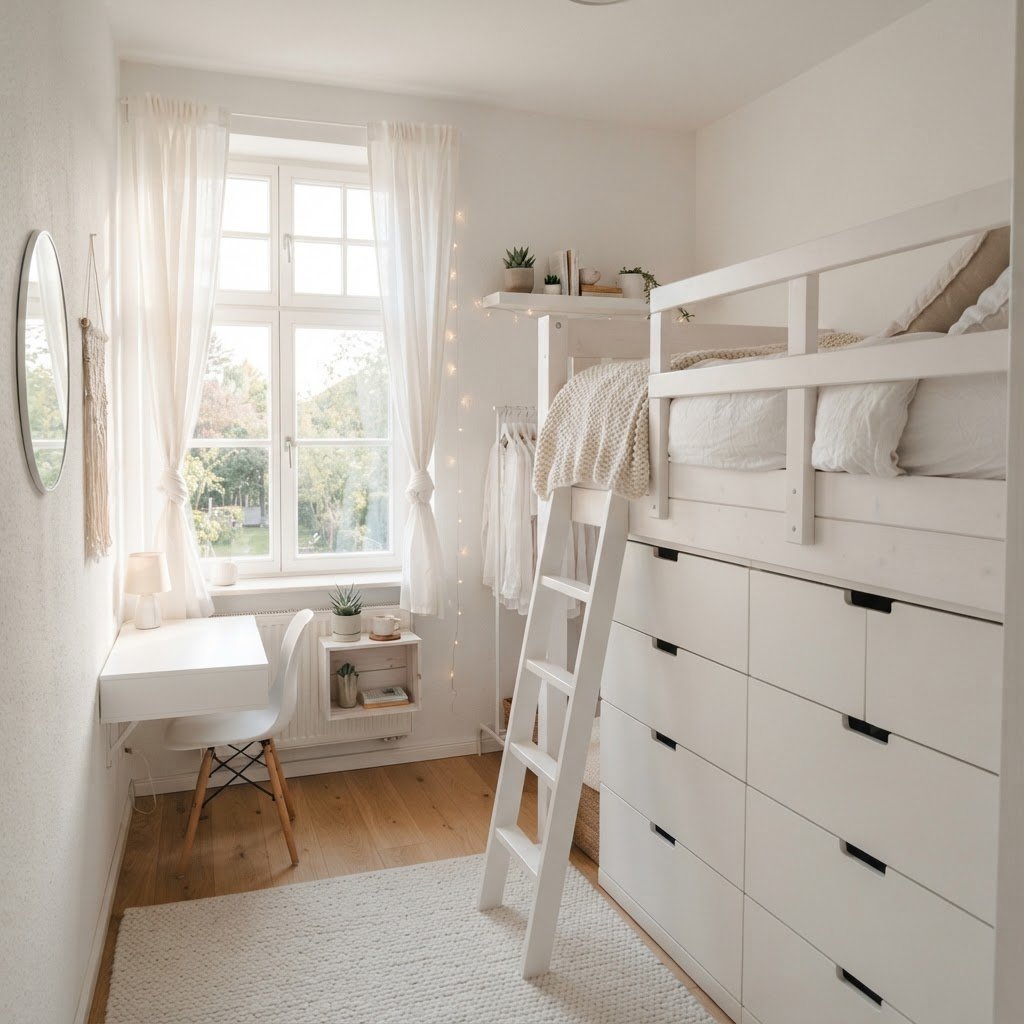
29 Tiny Bedroom Ideas That Feel Big on Style
To make a tiny bedroom feel larger and more stylish, prioritize multifunctional furniture, maximize vertical storage, and utilize reflective surfaces like mirrors to double perceived light. By clearing floor space and layering ambient lighting, you can transform a cramped, 80-to-100-square-foot nook into a luxurious, airy sanctuary.
Rethinking Your Layout for Maximum Flow
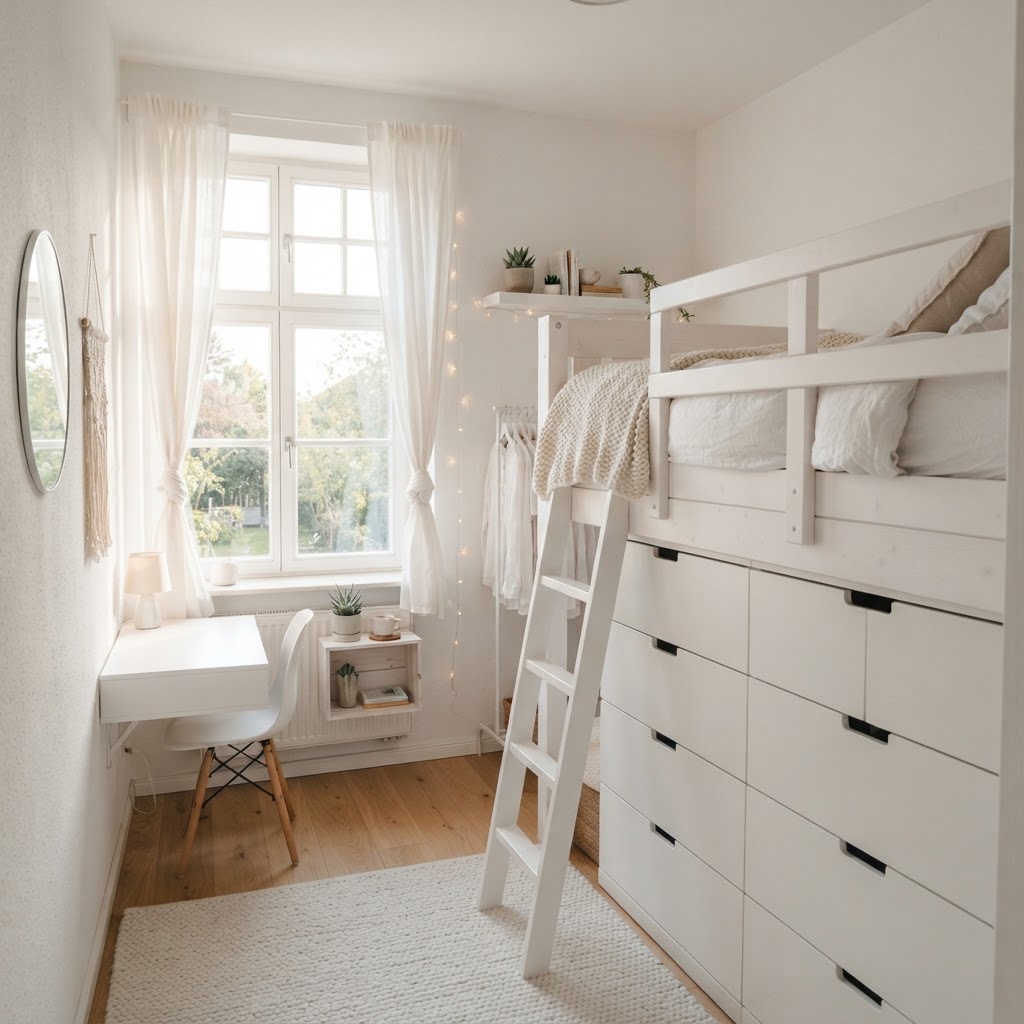
Optimizing your bedroom floor plan requires strategic placement to ensure the flow of the room remains unhindered. In rooms under 120 square feet, every square inch represents an opportunity to improve movement; pushing your bed into a corner or against a feature wall is often the most effective layout for gaining usable floor area. By placing the bed strategically, you eliminate awkward, unusable gaps that serve no purpose, effectively turning a cramped walking path into a dedicated dressing or reading zone.
The Art of Multipurpose Furniture
When floor space is at a premium, every piece of furniture must earn its keep by providing at least two distinct functions. You should prioritize investment pieces such as hydraulic-lift storage beds that provide 20+ cubic feet of concealed storage, or drop-leaf desks that remain flush against the wall when not in use. By selecting pieces that perform double duty, you eliminate the need for extra bulky items, keeping the room feeling airy and uncluttered.
Choosing Vertical Over Horizontal
If you cannot spread out, go up to redirect the viewer’s gaze toward your ceiling height. Tall shelving units draw the eye upward, emphasizing verticality rather than narrow floor width. Installing floor-to-ceiling curtains also adds height and creates a sense of drama that makes the room feel grander. Avoid low, chunky furniture that cuts through the visual line of the room; instead, opt for leggy pieces that allow you to see the floor underneath, which creates an illusion of more open space.
Lighting Strategies to Expand Your Space
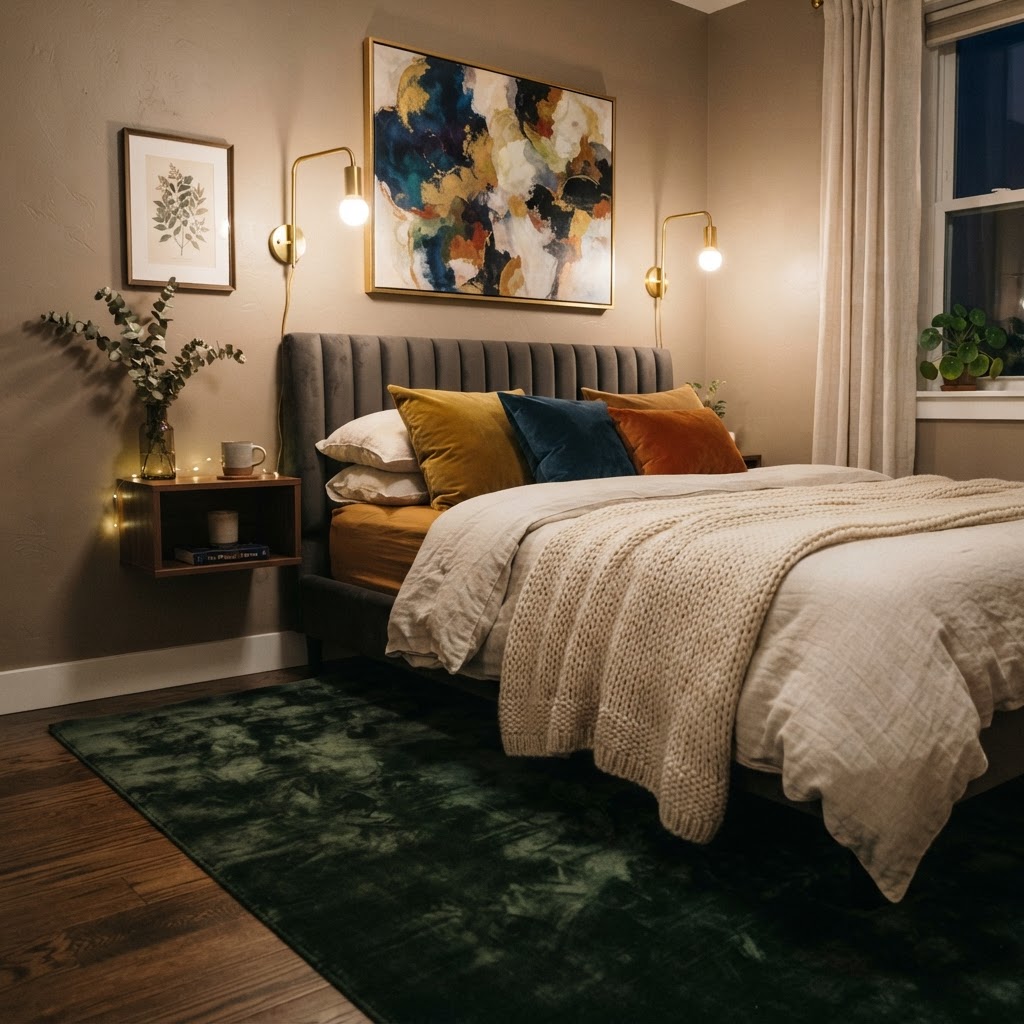
Layered lighting is the most effective method for eradicating shadows that make a small room feel boxed in or dark. A single overhead light source creates harsh contrast; instead, use a combination of warm-toned wall-mounted sconces, task-oriented reading lamps, and dimmable LEDs to create soft, ambient depth. By placing floor lamps in corners to brighten dark spots, you push back the visual boundaries of the room, creating an expansive effect that standard overhead bulbs fail to achieve.
Natural light is your greatest asset in small bedroom design. Keep window treatments light and breezy to allow sunlight to pour in, effectively connecting the room to the outside world. If your room lacks sufficient windows, strategically place mirrors to reflect existing light and visually double the perceived square footage of the space. Reflective glass surfaces on closet doors can serve the same purpose while keeping bulky wardrobes hidden.
The Power of Color and Texture
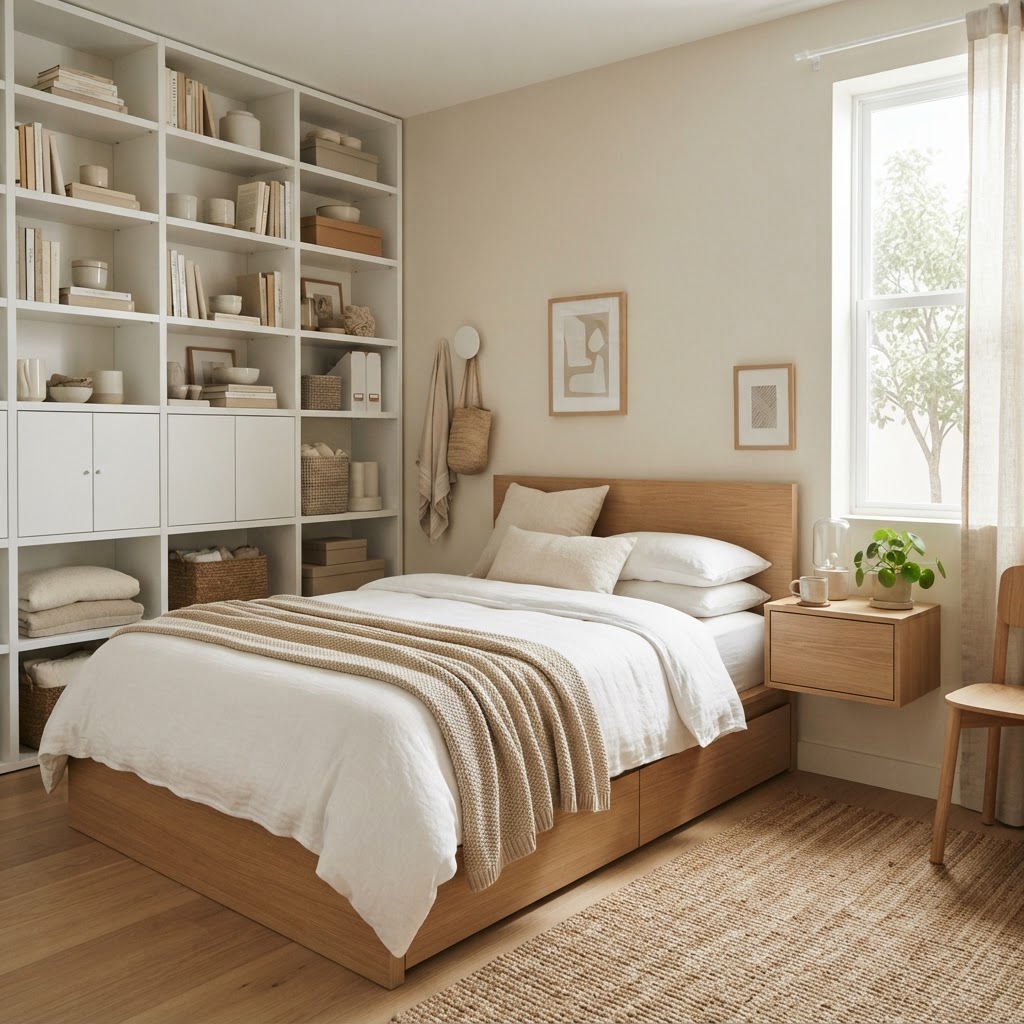
A cohesive, monochromatic color palette is the most efficient way to make a room feel expansive and serene. By painting walls, trim, and ceilings the same shade, you eliminate visual breaks, which causes the wall boundaries to recede from the eye. If you prefer color, use a darker, moody hue on a single accent wall to add depth and sophistication; this can actually make that specific wall appear to move further away, effectively lengthening the room’s footprint.
Playing with Mirrors and Reflection
Mirrors are a critical tool in small bedroom design for creating an optical illusion of depth. Placing a large mirror on a closet door or a floor-to-ceiling feature wall effectively mirrors the room, creating an impression of double the space. This trick is especially effective when placed opposite a window to catch and distribute natural light throughout the room, eliminating dark, cramped pockets.
Embracing Minimalism for Comfort
Minimalism is about intentionality—keeping only what you love—rather than having nothing at all. In a tiny bedroom, excess trinkets lead to visual noise, which can make the space feel stressful and claustrophobic. Decluttering is the fastest way to make a room feel larger. Keep your surfaces clear, utilize under-bed storage bins for seasonal items, and choose a few high-quality decor pieces rather than a dozen small, busy items that compete for attention.
Innovative Storage Solutions
Storage is the ultimate challenge in small spaces, requiring a transition from surface-level clutter to concealed, vertical organization. The goal is to keep as much as possible out of sight while ensuring that the items you need remain accessible. Consider installing floating shelves above your headboard or using the space under your bed for long-term storage needs. Vertical storage is your best friend; floor-to-ceiling closets or open shelving units can hold clothes, books, and decor without sacrificing footprint.
Consider installing hooks on the back of doors for robes or accessories to free up your primary wardrobe space for larger items. By moving items off the floor, you create a sense of order that makes a room feel larger and more intentional. Use clear bins within closets to track inventory, ensuring that you are only storing what you actually need to keep your bedroom organized.
Creating Visual Interest Without Clutter
Just because a room is small doesn’t mean it should be boring or devoid of personality. You can introduce personality through textiles, artwork, and unique textures while maintaining an airy feel. A bold rug can define the space and ground the room, while a single, large-scale piece of art on the wall makes a more significant, curated impact than a cluster of smaller, busy frames that visually clutter a wall.
The Importance of Scale
Scale is everything in compact design; an oversized, massive bed will naturally overpower the room, leaving no space for movement. Choosing furniture that is appropriately scaled to your specific room size ensures the space feels curated rather than crowded. Always measure your dimensions before purchasing, and consider the “sightlines”—ensure there is a clear path to the window or primary entrance so the room feels accessible and inviting.
Utilizing Hidden Nooks
Every room possesses ‘dead space’—the corners, the area behind a door, or even the space above a window. Look for ways to turn these neglected areas into functional storage or display zones. Custom built-ins are a worthwhile investment in small spaces because they are the most effective way to utilize every square inch of a challenging floor plan without creating visual clutter.
Essential Checklist for Small Bedroom Success
To help you organize your renovation, here is a quick summary of the most impactful changes you can make today:
- Declutter relentlessly: If it hasn’t been used in a year, get rid of it.
- Use mirrors: Reflective surfaces are the best visual trick.
- Choose multi-functional furniture: Think storage beds and desks.
- Prioritize lighting: Use layers, not just one overhead fixture.
- Keep wall art simple: Go for one large statement piece over many small ones.
- Use vertical space: Install shelves all the way to the ceiling.
FAQ
Q: What is the best way to make a tiny bedroom look bigger?
A: You can make a small bedroom look bigger by using a light, monochromatic color palette and incorporating large-scale mirrors. Painting walls and ceilings in similar tones eliminates harsh visual lines, while mirrors reflect light to create the illusion of extra depth.
Q: Should I put a bed in the corner of a small room?
A: Placing a bed in the corner is highly effective for maximizing floor space in rooms under 100 square feet. This layout frees up the center of the room, creating a larger walkway and allowing for additional furniture like a desk or storage unit.
Q: How can I add storage to a room with no closet?
A: If your room lacks a closet, utilize vertical wall space with floor-to-ceiling shelving or install a high-capacity platform storage bed. Additionally, use the space behind doors with over-the-door hooks for robes, bags, and accessories to keep the floor clear.
Q: Does dark paint make a small room look smaller?
A: Contrary to popular belief, dark paint can make a room feel larger by blurring the boundaries of the walls. When walls and corners are bathed in a deep, moody hue, the lack of defined edges causes the walls to recede, adding depth and sophistication.

Leave a Reply