10 Vertical Shoe Storage Ideas to Reclaim Floor Space
To maximize floor space using vertical shoe storage, focus on utilizing wall height through slim cabinetry, over-the-door organizers, and wall-mounted shelving systems. By shifting storage from floor level to the vertical plane, you can increase your shoe capacity by up to 200% while keeping entryways clutter-free and highly functional.
Understanding the Potential of Vertical Space
Most people view storage only in terms of what fits on the floor, but your walls offer a massive, untapped resource. When you look at an empty wall, you should see potential shelving, hanging systems, or modular units that can accommodate your entire collection. Using vertical shoe storage ideas allows you to elevate your footwear, keeping it off the ground and making it easier to clean your floors. By mounting storage at eye level or above, you reclaim approximately 4 to 6 square feet of floor space in a typical apartment entryway, providing a cleaner aesthetic and better flow.
The Psychology of Clutter
Cluttered floors often translate to a cluttered mind. When your entryway is filled with shoes, it creates a sense of chaos before you even settle into your home. By organizing vertically, you create a visual sense of order that makes your space feel larger and more intentional. Studies in environmental psychology suggest that maintaining a clear floor path reduces morning stress and “decision fatigue” as you prepare for the day.
Over-the-Door Solutions for Immediate Relief
Over-the-door organizers are the most efficient entry-level solution for small-space living, costing between $15 and $30 on average. These units utilize the “dead space” behind doors that would otherwise remain unused, effectively holding 12 to 24 pairs of shoes depending on the model. They are perfect for flats, sneakers, and sandals, keeping them neatly tucked away while remaining easily accessible without requiring any permanent wall damage.
Types of Hanging Organizers
Installing Wall-Mounted Shelving Units
Wall-mounted shelves provide a permanent, structural solution that elevates footwear into a design feature. You can install floating shelves at various heights to create a custom display for your favorite sneakers or heels, often turning a collection into a focal point of your interior design. For optimal results, space shelves 7 to 9 inches apart, which accommodates most standard footwear profiles while minimizing wasted vertical gaps.
Customizing Your Shelving Height
When planning your shelving, consider the height of your different types of footwear. Boots generally require 15 to 18 inches of vertical clearance, while gym shoes can be stored closer together at 6-inch intervals. By measuring your footwear collection beforehand, you can ensure your wall-mounted system is optimized for every pair you own, potentially fitting 30% more shoes than generic pre-set systems.
Utilizing Slim Cabinetry for Entryways
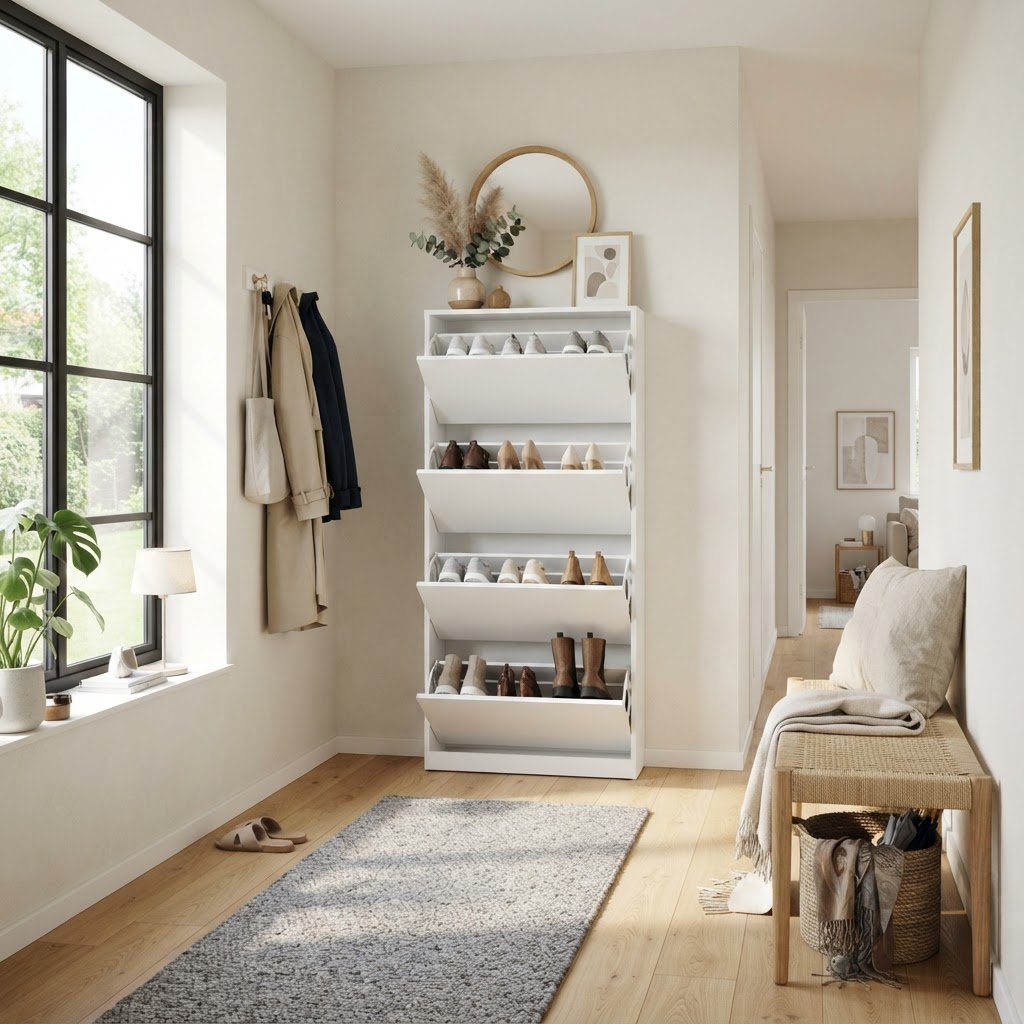
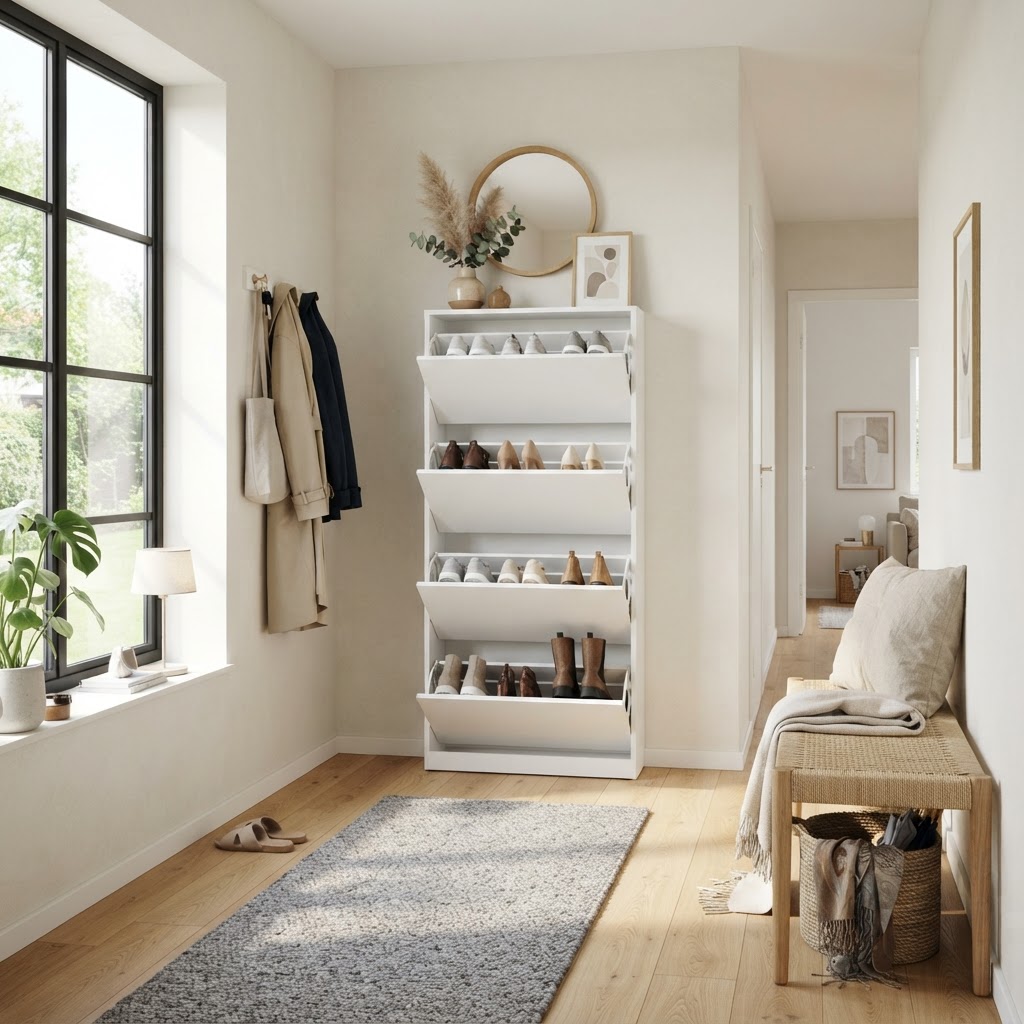
For those who prefer a hidden storage solution, slim, wall-mounted shoe cabinets are a game-changer. These units are designed to be shallow, often measuring between 6 to 10 inches in depth, meaning they don’t protrude far into your walkway, yet they store shoes vertically on tilting tracks. They are elegant, modern, and keep your footwear completely out of sight while you aren’t using it.
Benefits of Hidden Storage
Closed storage protects your shoes from dust, UV light damage, and pet interference, extending the lifespan of leather and fabric materials. By choosing a cabinet that matches your home’s decor, you turn a storage necessity into a piece of functional furniture. This is an ideal strategy for small apartments or narrow hallways where every inch matters, as it eliminates visual noise entirely.
Incorporating Industrial Pipe Racks
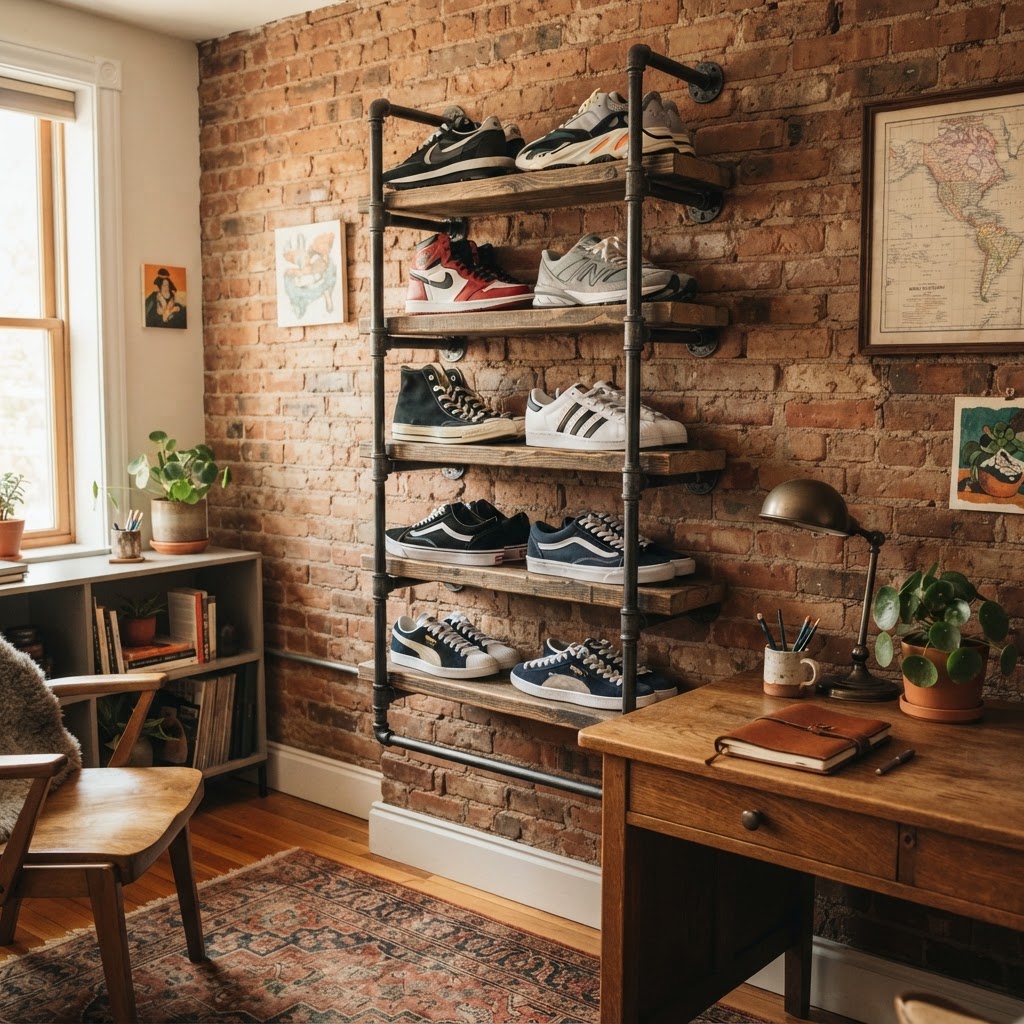
If your home has a rustic or industrial aesthetic, consider using metal piping to build custom vertical racks. You can mount these pipes into the wall at various intervals, creating a tiered system that is both sturdy and stylish. It is a fantastic DIY project that allows you to tailor the height and width to your specific wall dimensions, typically costing under $50 in materials from local hardware stores compared to $200+ for designer retail racks.
The Versatility of Pegboards
Pegboards are not just for tools; they are incredibly flexible for home organization. By mounting a large pegboard in a mudroom or closet, you can use specialized hooks and shelves to hang your shoes, allowing for a fully modular layout. This method is highly modular, meaning you can rearrange your storage as your collection changes over the seasons, making it one of the most future-proof systems available.
Creative Ways to Use Pegboards
Use your pegboard to hang boots by the heels or loop sneakers over customized pegs for a secure hold. It is a highly visual way to store shoes, making it easy to grab exactly what you need in the morning rush. Plus, it adds a unique textural element to the wall that feels very modern and intentional, serving as both a functional utility and a creative gallery wall.
Maximizing Closet Height with Vertical Hanging Units
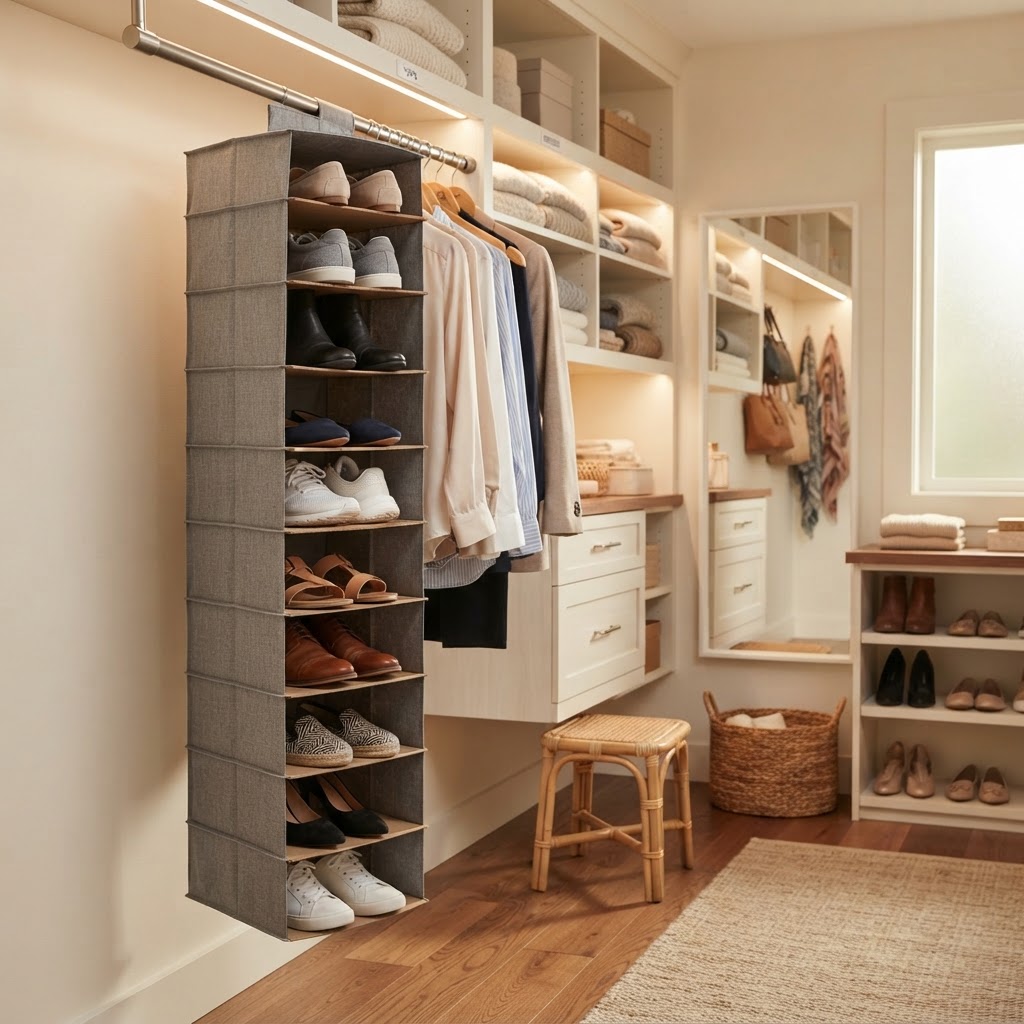
Don’t forget that your existing closet is likely full of wasted vertical space. Adding a hanging closet organizer that attaches to the rod allows you to stack your shoes from eye level down to the base of the closet. This is one of the most effective vertical shoe storage ideas because it keeps your shoes hidden behind closed doors while organizing them by frequency of use.
Maintenance and Organization Tips
Once you have installed your vertical system, the key to success is maintenance and a disciplined organization strategy. Periodically declutter your collection to ensure you aren’t storing shoes you no longer wear; a good rule of thumb is to discard or donate pairs that have not been worn in 12 consecutive months. Using vertical space can encourage a larger collection, so perform a “one-in, one-out” audit every six months to keep your new system functioning perfectly.
Seasonal Rotation
Take advantage of your vertical space by rotating your shoes seasonally to optimize accessibility. Move your off-season footwear to higher, less accessible shelves, while keeping your current daily drivers at the most convenient height (between 30 and 50 inches from the floor). This simple shift ensures your storage remains efficient and focused on your current needs while preventing overcrowding in primary reach zones.
FAQ
Q: What is the best type of vertical shoe storage for small entryways?
Slim, wall-mounted tilting shoe cabinets are the best choice for small entryways because their shallow profile prevents them from blocking narrow walkways. These units provide a polished, hidden look while using vertical, space-saving technology to store shoes securely behind a closed front.
Q: How much weight can wall-mounted shoe shelves typically hold?
Most standard wall-mounted shelving systems can hold 20 to 40 pounds per shelf, provided they are anchored correctly into wall studs or using heavy-duty toggle bolts. Always check the manufacturer’s weight limit before storing heavy items like winter boots or work shoes to avoid structural failure.
Q: Are over-the-door organizers bad for shoes?
Over-the-door organizers are generally safe for lightweight shoes like flats and sneakers, but they can cause structural deformation in heavy leather shoes or boots if left for too long. If you use these, ensure they are made of breathable fabric to prevent moisture buildup and mold.
Q: How can I store tall boots vertically without damaging them?
Use boot trees or boot hangers that grasp the heel or top cuff to keep them upright and avoid creasing the leather. By hanging boots from a closet rod or pegboard, you preserve their shape significantly better than if they were left flopped over on a shelf or floor.

Leave a Reply