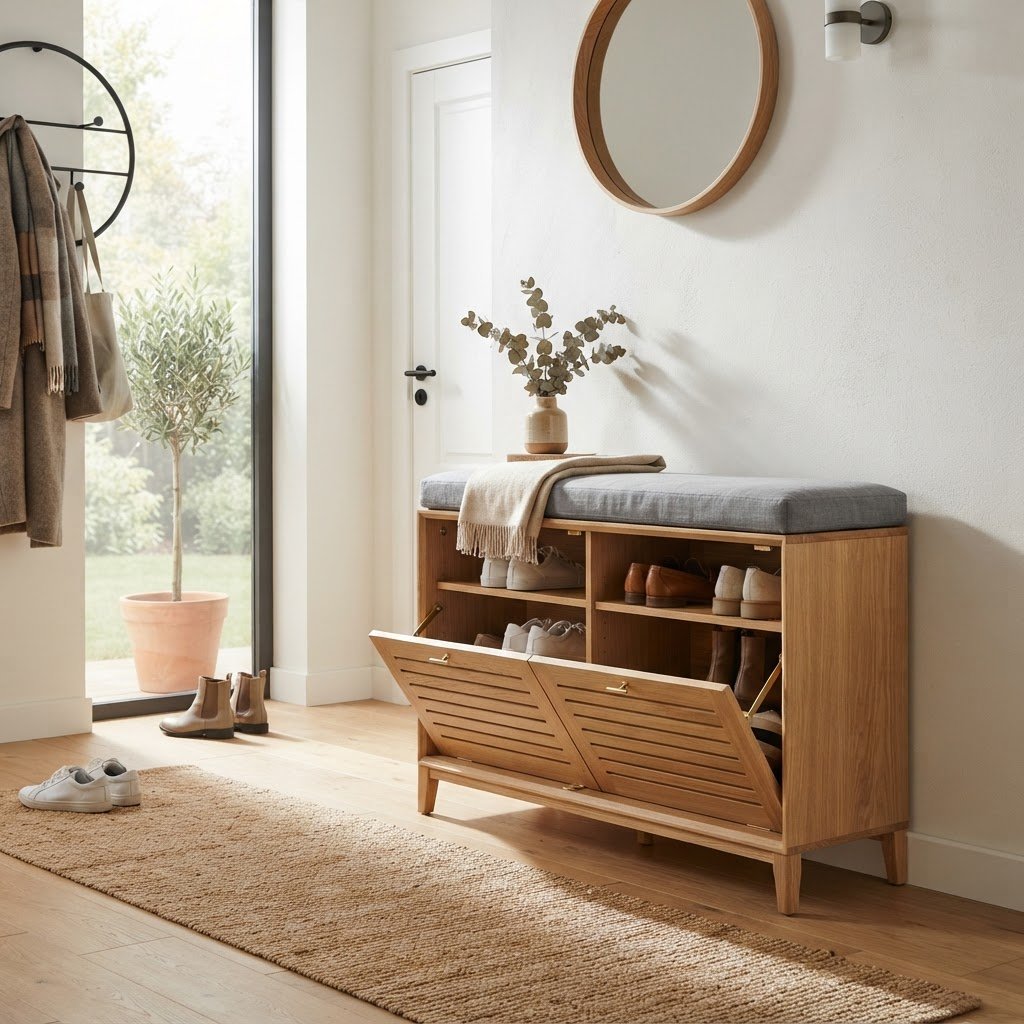
Slim Shoe Cabinet Ideas That Double as Entryway Benches
A slim shoe cabinet that doubles as an entryway bench is the ultimate space-saving solution for small foyers, combining hidden vertical shoe storage with a functional seating area. By choosing a unit with a 10-14 inch depth, homeowners can eliminate hallway clutter and create a dedicated, comfortable space for putting on shoes without sacrificing valuable floor space.
The Benefits of Dual-Purpose Entryway Furniture
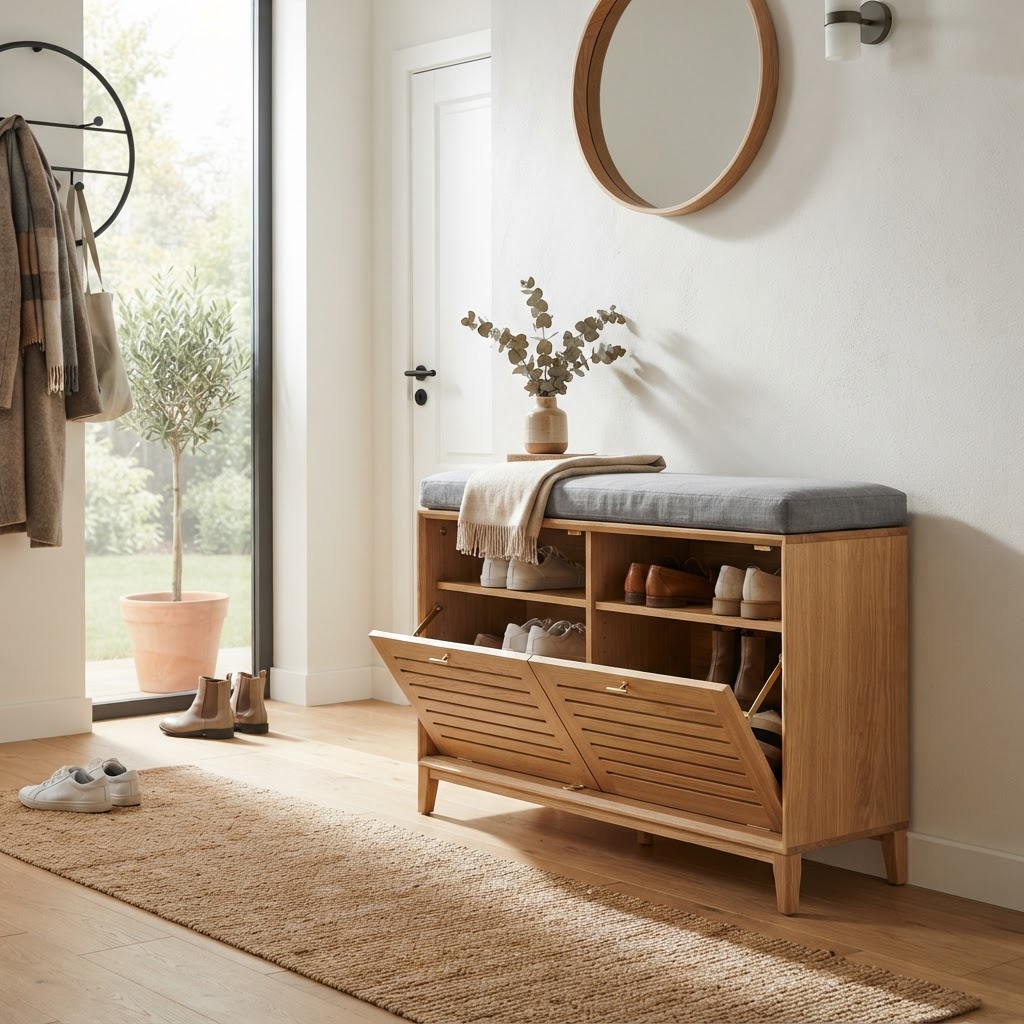
Dual-purpose entryway furniture offers an immediate upgrade to home organization by optimizing limited square footage in narrow hallways and apartments. Traditional open shoe racks often lead to visual chaos, whereas enclosed cabinet-bench hybrids keep footwear hidden, maintaining a polished and minimalist aesthetic. Beyond the visual appeal, these units provide a “landing zone” essential for home transitions. Research indicates that having a dedicated seating area at the correct height—ideally 18 inches—significantly reduces fall risks for elderly residents and makes daily routines easier for families with young children. By integrating storage directly beneath the seat, you reclaim floor space that would otherwise be lost to scattered boots and sneakers. Furthermore, these units add architectural interest to entryways, transforming a transition space into a functional piece of furniture that serves multiple household members simultaneously.
Maximizing Vertical Space
When floor space is at a premium, vertical storage is the most efficient design strategy to employ. Rather than opting for wide, bulky racks, slim shoe cabinets leverage height, often reaching 30 to 40 inches tall while remaining shallow enough to keep hallways clear for traffic. By choosing a model that incorporates a bench top, you effectively turn a storage necessity into a multi-functional piece of seating furniture. This vertical approach ensures that your hallway remains open and airy rather than cluttered with piles of shoes. The following table highlights the efficiency gains of vertical vs. horizontal storage styles.
Selecting the Right Dimensions for Your Space
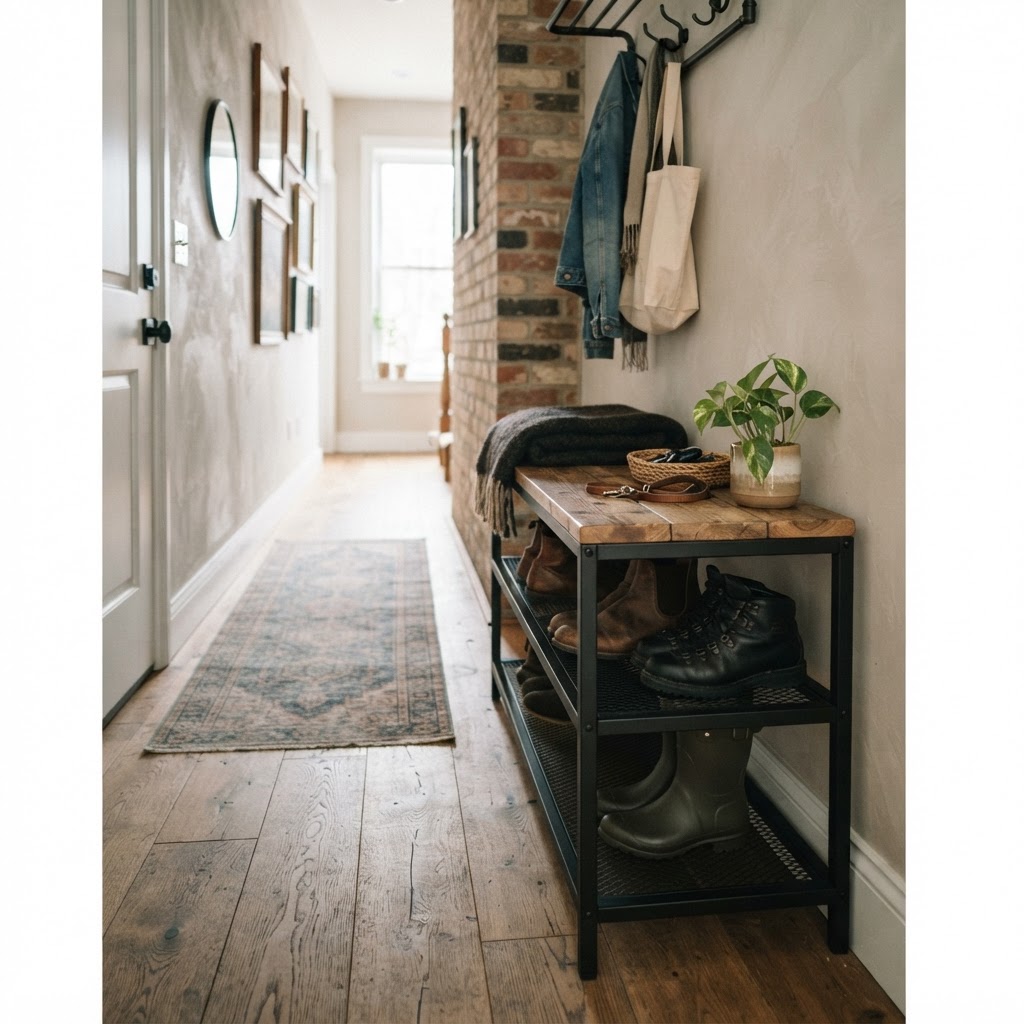
Accurate measurement is the most critical step before purchasing, as even a one-inch discrepancy can obstruct a door swing or walking path. A standard slim shoe cabinet typically ranges between 10 to 14 inches in depth, making it the gold standard for narrow urban entryways. When planning your layout, always account for human ergonomics; a person requires roughly 30 inches of width to sit comfortably and maneuver while putting on footwear. If your foyer is exceptionally tight, avoid bulky pedestals and opt for wall-mounted designs or cantilevered benches, which create a “floating” effect that makes floors appear larger by exposing the baseboard area. Before you buy, use painter’s tape on your floor to outline the cabinet’s footprint, allowing you to test the door swing clearance and traffic flow over a 24-hour period before committing to the purchase. This simple step prevents the regret of choosing a piece that interferes with your home’s natural circulation.
Material Choices and Interior Design Styles
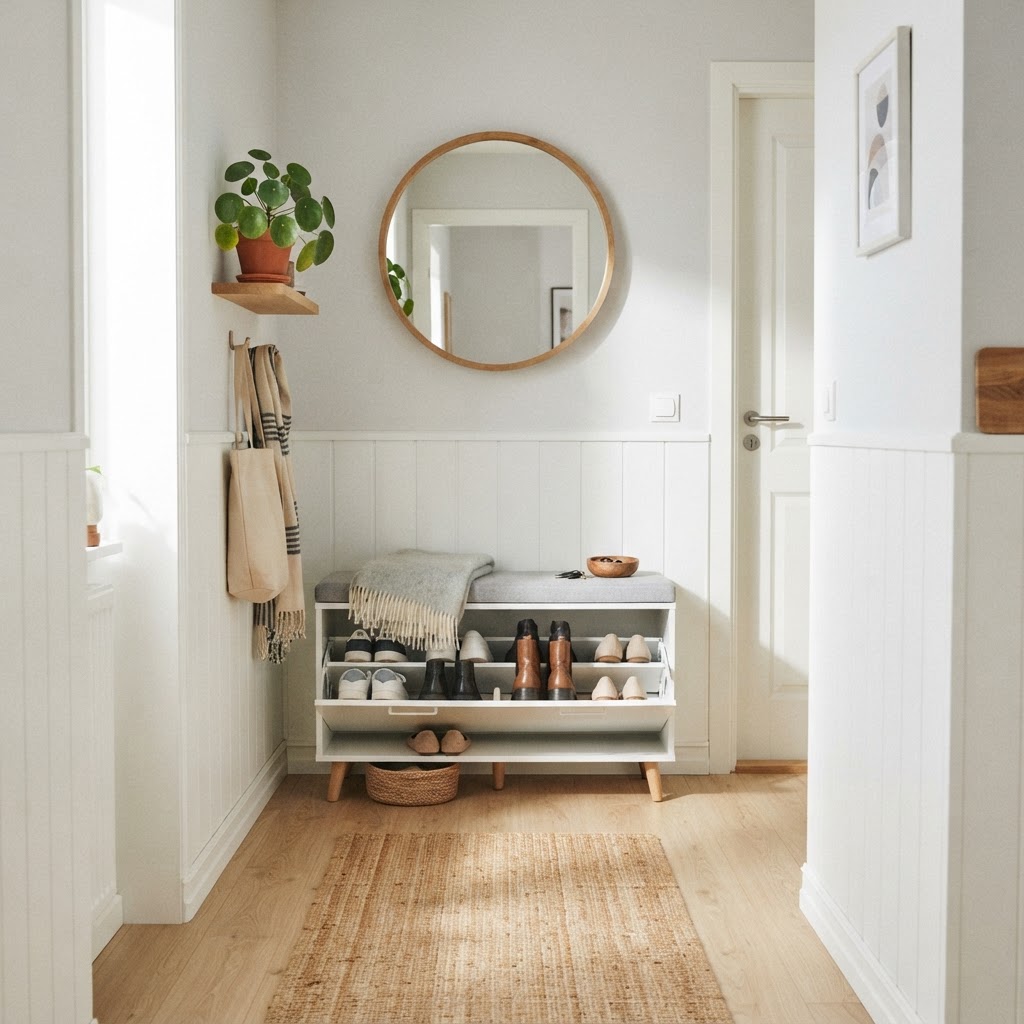
Entryway furniture sets the visual tone for your entire home, requiring a careful balance between aesthetic appeal and high-traffic durability. For a Scandinavian-inspired home, prioritize light oak or birch finishes paired with neutral-toned performance fabrics like linen blends that resist pilling. If your interior follows an industrial design trend, select units constructed from powder-coated matte black steel and reclaimed wood planks, which offer high resistance to moisture and scratches common in high-traffic entryways. Regardless of style, always verify that the bench upholstery is rated for high-frequency use, preferably with a Martindale rub count of at least 20,000 to ensure longevity. Avoid delicate silks or light-colored velvets that will quickly show grime from shoe soles or wet rain boots. Creating a cohesive look involves matching hardware; updating stock drawer pulls to brass or brushed nickel to match existing door handles or mirror frames creates a custom, high-end appearance on a budget.
Matching Your Existing Decor
Don’t treat your shoe bench as a standalone island. Try to coordinate the hardware, such as knobs or drawer pulls, with the lighting fixtures or mirrors already present in your foyer. A cohesive look makes even the smallest entryways feel intentional and well-designed.
Clever Storage Features to Look For
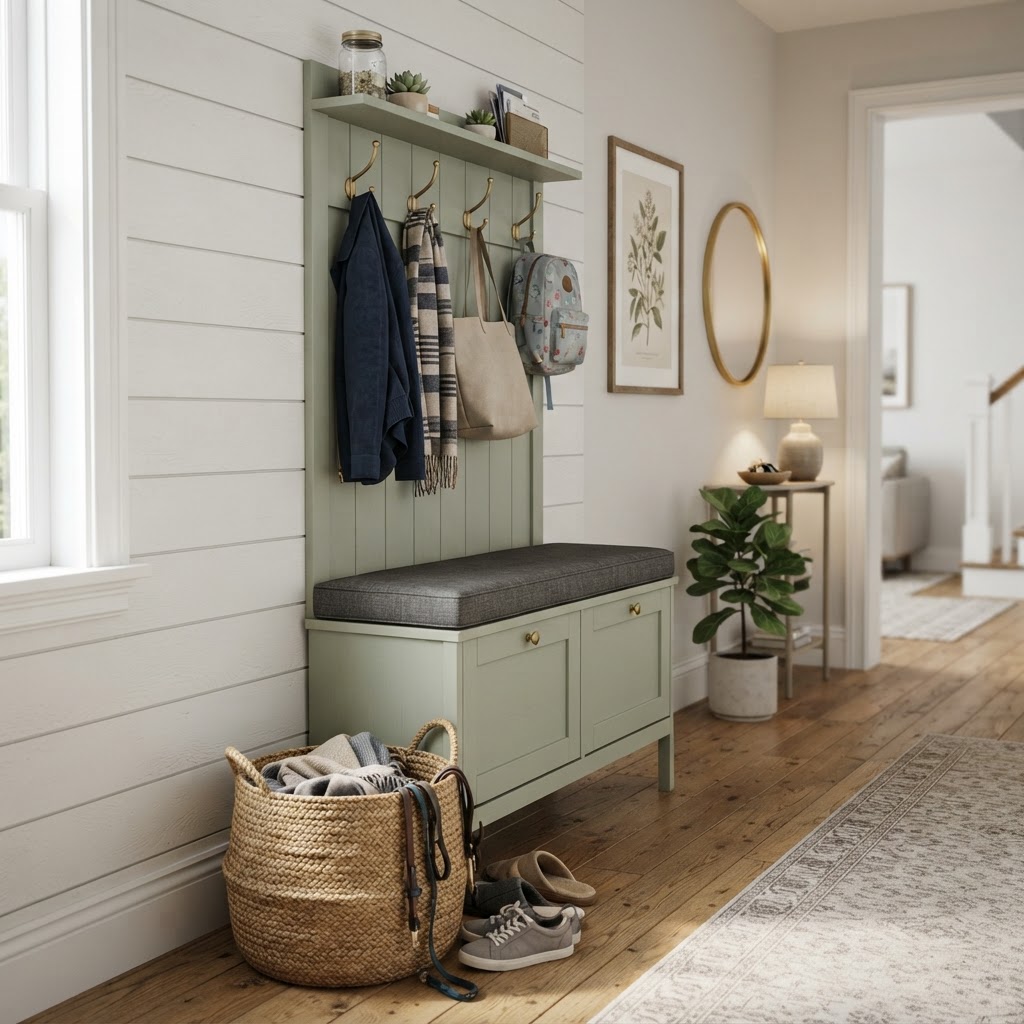
Maximizing internal capacity requires selecting units with smart organizational features, such as adjustable dividers and tilt-out drawers. Adjustable shelves allow you to customize the internal height, accommodating everything from flat ballet slippers to bulky winter boots without wasting vertical inches. Tilt-out drawers are arguably the best feature for slim cabinets, as they utilize a rotating mechanism that stores shoes at an angle, significantly reducing the required depth of the unit. Look for models that incorporate a “hidden” upper drawer or a small cubby under the seat for utility items—this prevents the dreaded entryway “junk pile” of keys, wallets, and mail. When comparing units, also prioritize models with integrated ventilation, such as rear-panel slats or perforated base boards. Proper airflow is non-negotiable for longevity; it prevents the buildup of bacteria and odors inside an enclosed storage space, ensuring your entryway stays fresh throughout the changing seasons.
DIY Customizations and Upgrades
When retail options fail to meet your exact space requirements, a semi-custom DIY approach allows you to achieve a bespoke look while perfectly fitting your available square footage. Many homeowners start with a high-quality stock slim cabinet and attach a custom-cut solid wood top, finished with a stain that matches their home’s flooring or trim. This simple upgrade adds a professional, built-in appearance that far exceeds the look of standard particleboard furniture. Furthermore, installing wall-mounted hooks or a floating shelf directly above your bench creates a comprehensive “mudroom station.” By adding vertical storage for bags and coats, you leverage the space you have without performing expensive wall-knockout renovations. Whether you are adding custom upholstery to the bench seat or installing modern, ergonomic hardware, these modifications ensure that your entry storage is uniquely tailored to your lifestyle needs.
Maintaining Order in Your Entryway
Even the highest-quality furniture cannot combat clutter without a disciplined organization system. To keep your slim shoe cabinet functioning effectively, adopt a strict “one-in, one-out” policy, which prevents the internal shelves from becoming overcrowded with shoes you rarely wear. Every season, conduct a 15-minute audit of the cabinet; move out-of-season footwear—such as heavy winter boots in the summer or strappy sandals in the winter—to secondary storage bins kept in a closet or under the bed. This keeps the primary entryway storage dedicated solely to daily-use items, ensuring the mechanism remains easy to operate. When cleaning, use a damp cloth for wood surfaces and a vacuum attachment for the interior compartments to prevent debris buildup. Consistent maintenance ensures that your entryway remains a welcoming, clutter-free space that functions perfectly for every member of the household.
Common Mistakes to Avoid
One common error is purchasing a unit that is too long, which can overwhelm a small entryway and make the space feel cramped. Another mistake is ignoring the importance of ventilation. Since the cabinet is enclosed, ensure the design includes slats, vents, or gaps to allow airflow, which prevents odors from building up. Finally, avoid using the bench surface as a permanent storage shelf for miscellaneous items. The surface should remain clear to invite seating; if it becomes a “drop zone” for grocery bags or heavy boxes, you lose the primary benefit of the bench.
FAQ
How deep should a slim shoe cabinet be?
A slim shoe cabinet should ideally measure between 10 to 14 inches deep. This profile is narrow enough to keep hallways clear while providing sufficient depth to store standard-sized footwear using tilt-out drawer mechanisms or slanted shelving.
What is the ideal height for an entryway bench?
The ideal height for an entryway bench is between 17 and 19 inches. This range is considered ergonomically standard, allowing most adults to sit down and stand up comfortably when putting on or taking off shoes.
How do I prevent odors in an enclosed shoe cabinet?
You can prevent odors by ensuring your chosen cabinet has integrated ventilation, such as slats, louvers, or perforated back panels. Additionally, placing small activated charcoal bags or cedar wood blocks inside the cabinet helps absorb moisture and neutralize smells naturally.
Can a shoe cabinet be used in a very narrow hallway?
Yes, shoe cabinets can be used in narrow hallways if you select a wall-mounted or floating design. These models eliminate legs, making the floor space appear larger and maintaining a lightweight, unobtrusive look that prevents the area from feeling claustrophobic.
How do I organize shoes in a small cabinet?
Organize shoes by frequency of use, keeping your daily footwear on the most accessible shelves or drawers. For limited space, utilize vertical dividers and store pairs tip-to-heel to maximize shelf capacity without overcrowding the interior of the cabinet.

Leave a Reply