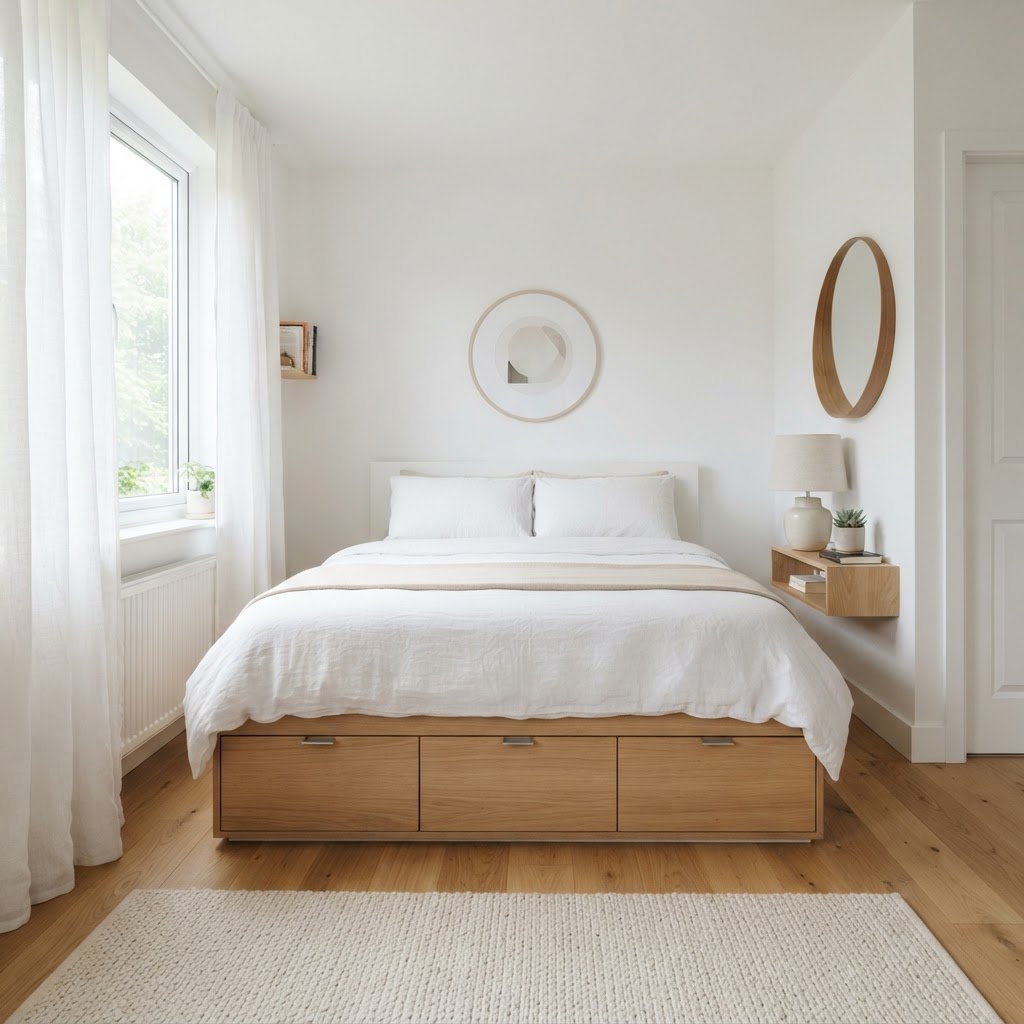
Living in a home with limited square footage often leaves homeowners feeling like they have to sacrifice style for functionality, especially when it comes to the master suite or guest room. Implementing smart small bedroom ideas can turn a cramped, chaotic space into a peaceful sanctuary that feels significantly larger than it actually is. By rethinking how you approach your furniture, lighting, and vertical storage, you can solve common clutter issues and improve your room’s flow at the same time.
The Psychology of Space and Visual Clutter
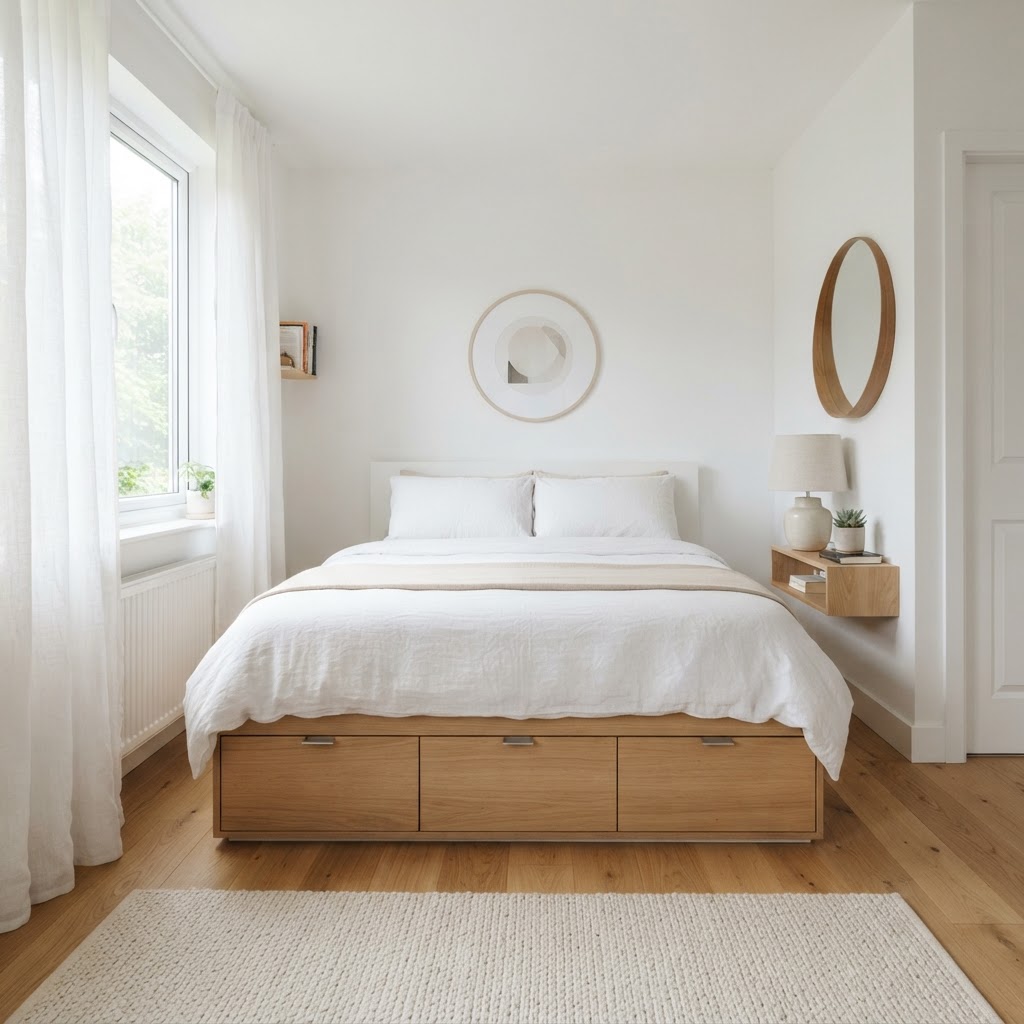
One of the biggest hurdles in small room design is the psychological impact of visual clutter. When every surface is covered with items, your brain constantly processes that information, preventing you from truly relaxing before bed. The goal is to create a sense of ‘visual rest’ by hiding the items you don’t use daily and keeping the surfaces as clear as possible.
The Rule of Three for Surfaces
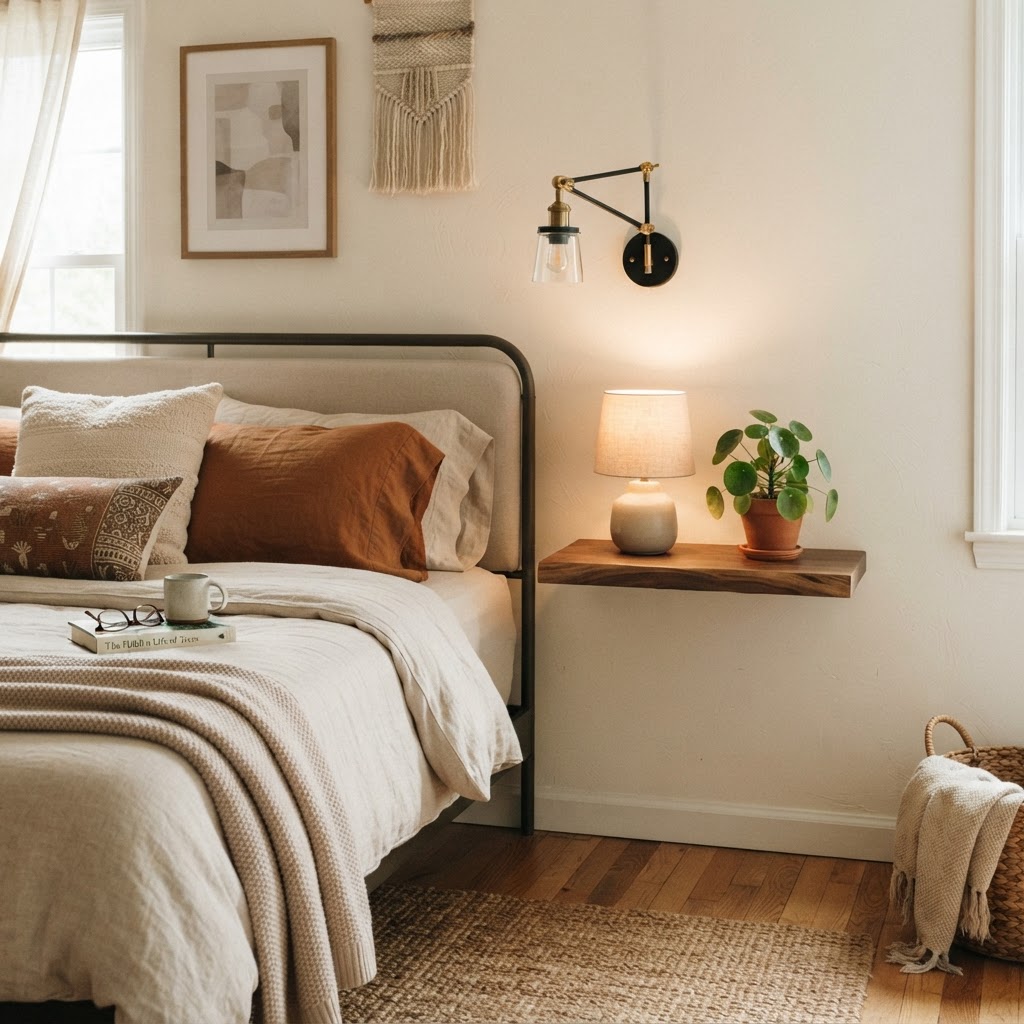
A simple way to manage your nightstand and dresser is to apply the rule of three. Keep only three items on any flat surface—perhaps a lamp, a book, and a small plant. Everything else belongs in a designated drawer or bin. This intentional restriction automatically makes the room feel less busy and more curated.
Rethinking Your Furniture Layout
When working with a tight footprint, your furniture placement dictates the success of the entire room. Many people instinctively push all their furniture against the walls, thinking this creates the most open space. In reality, this can make the room look like a box. Sometimes, pulling the bed just a few inches away from the wall or angling a dresser can create a more dynamic and usable layout.
Maximizing Under-Bed Real Estate
Your bed is likely the largest object in your room, and it is usually a wasted storage opportunity. By using bed risers or upgrading to a frame with built-in drawers, you can reclaim several cubic feet of storage. This is the perfect home for seasonal clothing, extra bedding, or travel luggage that would otherwise end up cluttering your closet.
Vertical Storage Solutions for Small Rooms
If you cannot build out, you must build up. Walls are your best friend when your floor is covered. Installing floating shelves above your headboard or using tall, narrow bookcases can draw the eye upward. This technique makes the ceiling feel higher and provides ample space for personal decor without sacrificing precious floor space.
Strategic Shelving Placement
Avoid heavy, dark shelves that make a room feel closed in. Instead, use light-colored or glass shelving to keep the aesthetic feeling airy and open. Place these shelves high enough so that they don’t interfere with your movement, but keep them accessible enough to hold your most-used books or evening essentials.
Lighting Techniques to Expand Your Room
Lighting is perhaps the most underrated tool for designers working with small bedroom ideas. Poorly lit corners make a room look like a dark, shrinking cave. Instead of relying on one central overhead fixture, use layers of light to wash the walls and brighten the corners.
The Benefits of Sconces
Wall-mounted sconces are a game-changer because they eliminate the need for nightstands if space is at a premium. Even if you do have nightstands, removing the lamp from the tabletop surface instantly provides more space for your bedtime essentials, reducing that ‘too small’ feeling immediately.
Curating Your Closet for Efficiency
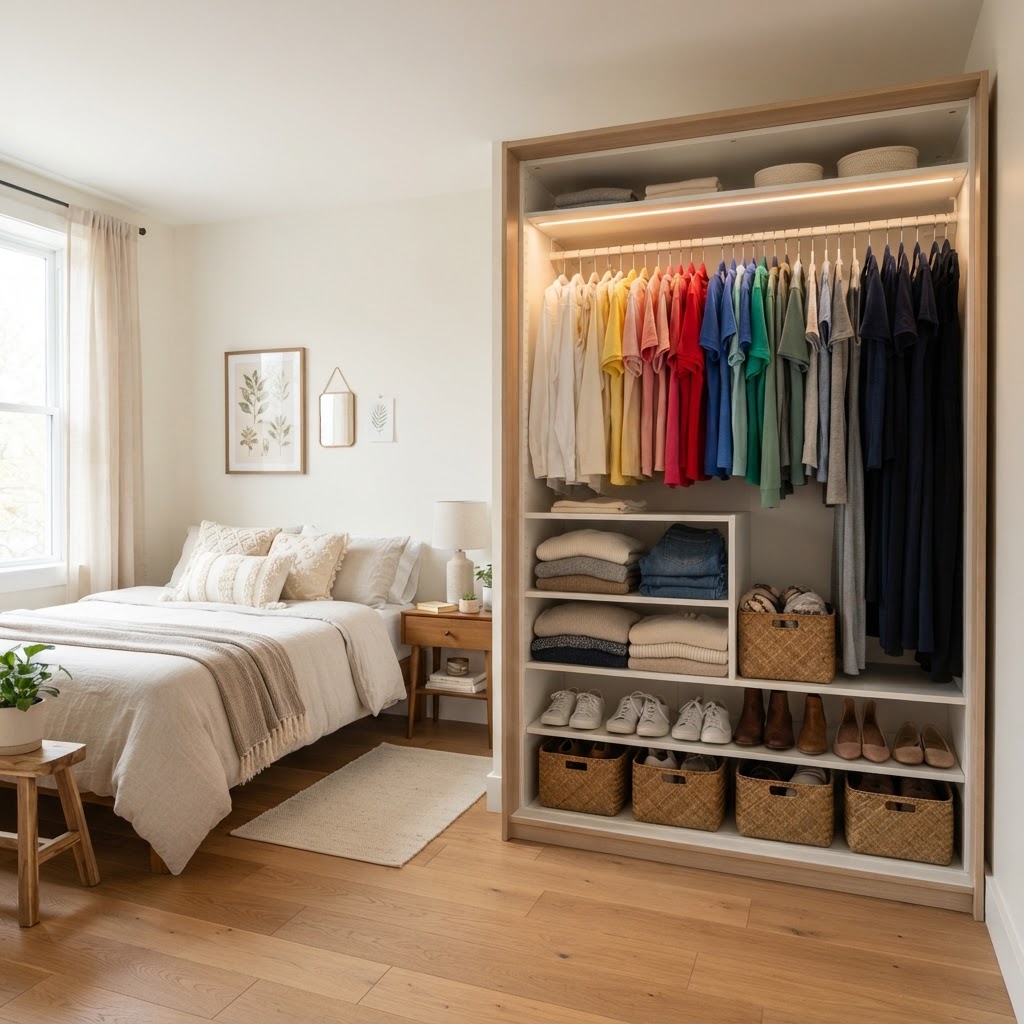
If your closet is packed to the brim, your bedroom will inevitably feel cluttered. The secret to a tidy room starts with a tidy closet. Invest in matching hangers to reduce visual noise and use slim, velvet-covered options to save space. You should also consider implementing a ‘one-in, one-out’ policy to keep your inventory manageable.
Organizing by Color and Category
Take the time to group items by color or category. This isn’t just for aesthetics; it helps you see exactly what you own, preventing you from overbuying and keeping the storage zones organized. A clean, organized closet allows you to keep other furniture pieces in your room much simpler.
Textiles and Colors That Create Illusion
Color theory plays a massive role in how we perceive the size of a room. Lighter, cooler tones—like soft grays, whites, or pale blues—help walls recede, making the space feel more expansive. Conversely, bold, dark colors can add depth if used correctly, but if you are looking to create a sense of maximum space, stick to a monochromatic color palette.
Playing with Mirrors
Mirrors are a classic trick for a reason: they double the visual depth of a room. A floor-length mirror or a large mirror placed across from a window can reflect light and greenery, effectively ‘adding’ a window to a room that may have poor natural light. This is one of the easiest, most affordable ways to make a bedroom feel larger instantly.
Common Pitfalls to Avoid
Many people make the mistake of choosing furniture that is simply too large. A king-sized bed in a tiny room leaves no space for flow. If you live in a small space, prioritize proportions. Choose a queen or double bed if it allows for actual walking space around the perimeter. Another common trap is excessive decor; keep accessories minimal to avoid making the room look like it is bursting at the seams.
Conclusion
Transforming your bedroom doesn’t require a major renovation or a massive budget. By focusing on smart, vertical storage, optimizing your furniture layout, and using light to your advantage, you can create a space that feels like a serene sanctuary. Small bedroom ideas are really about editing; it is about choosing only what you love and finding clever homes for everything else. Take one of these tips—perhaps clearing off your nightstand or rearranging your bed—and try it today to start reclaiming your space. Your peaceful, organized room is closer than you think.

Leave a Reply