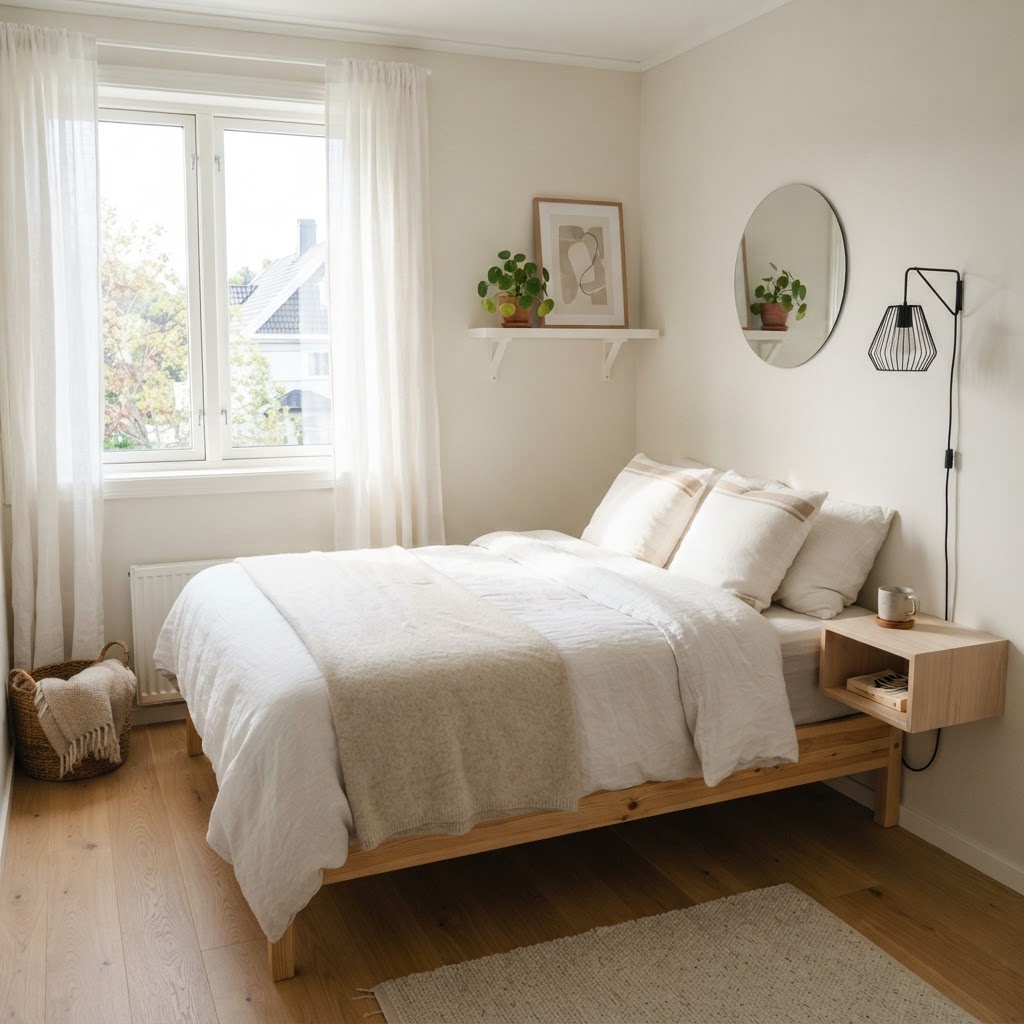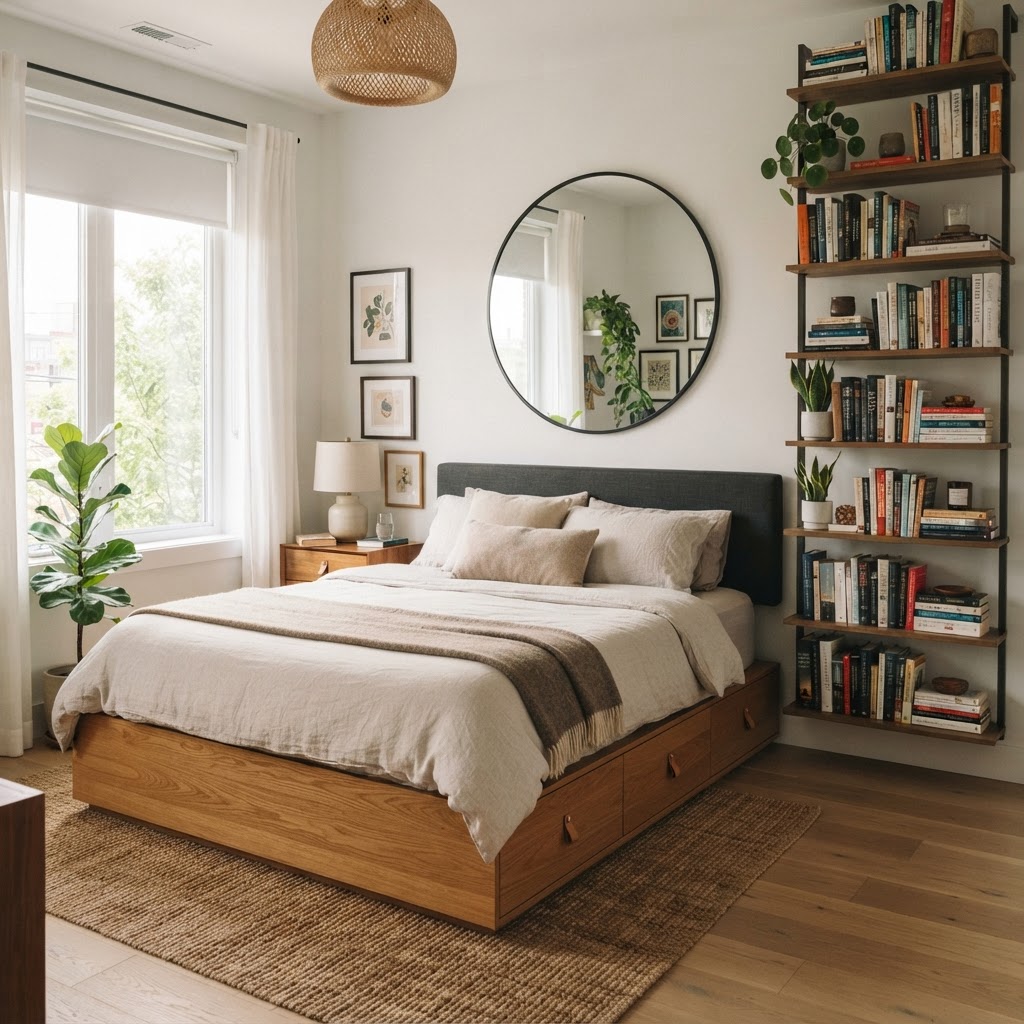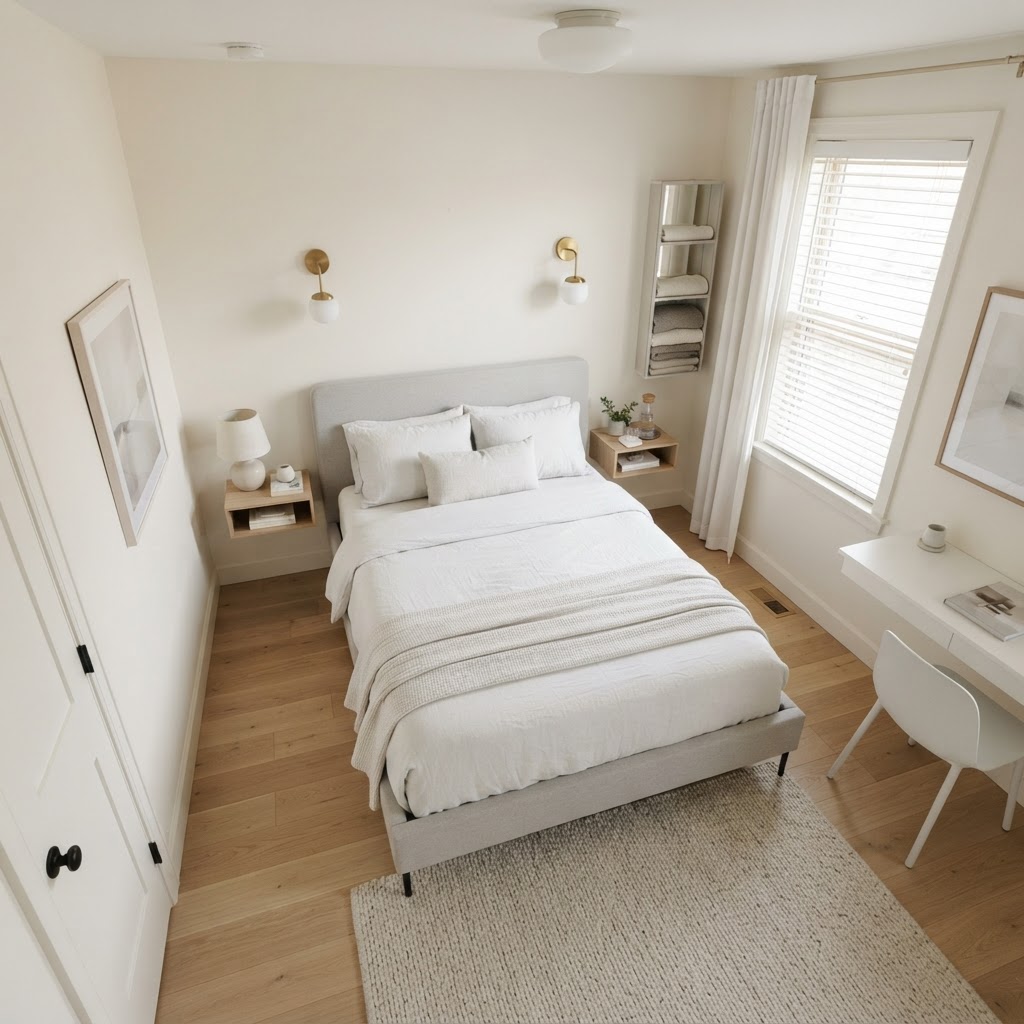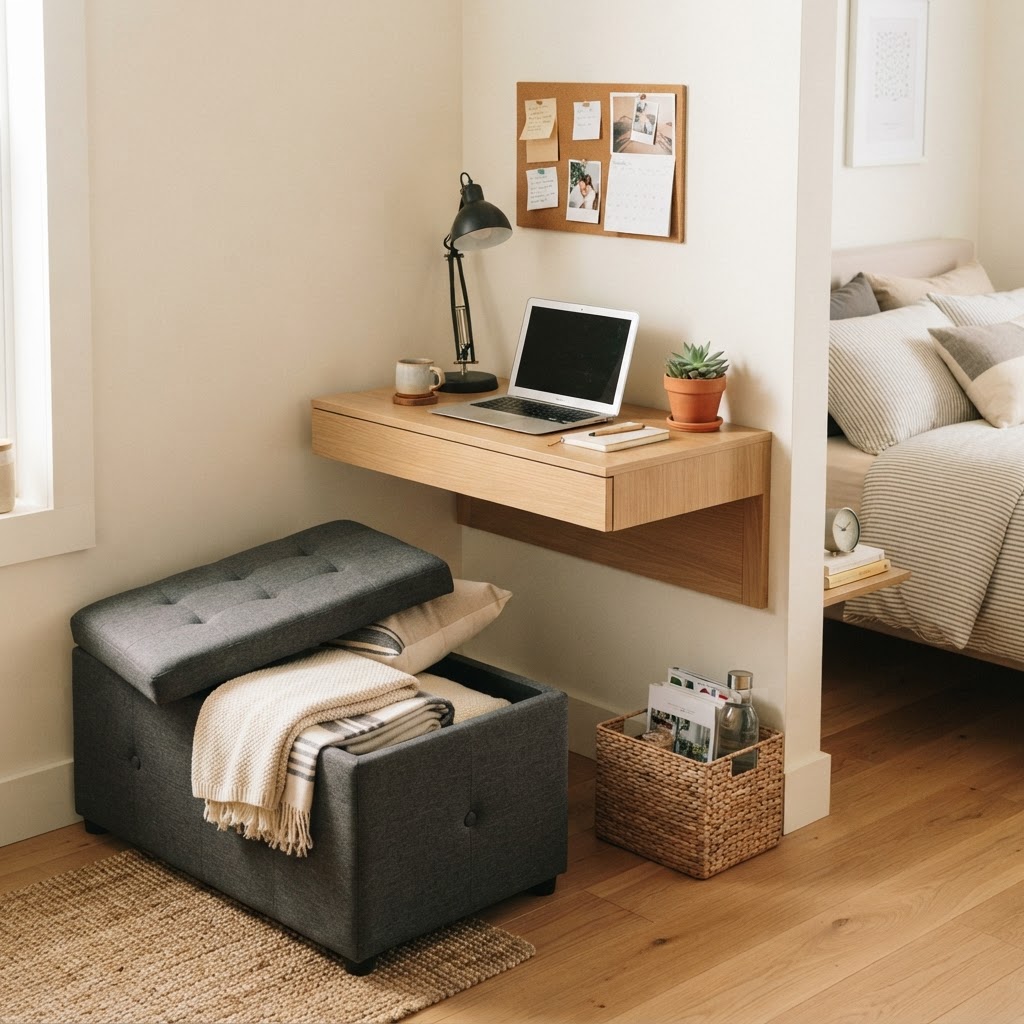
Archives August 2026

Neo-Soul and Eclectic Lighting Ideas for Cozy Homes

Neo-Soul interior design creates a cozy home sanctuary by combining earthy, tactile textures—like velvet, reclaimed wood, and terracotta—with layered, eclectic lighting that mimics the warm, intimate glow of a jazz lounge. This design aesthetic prioritizes authenticity and maximalist comfort over clinical minimalism, using diverse light fixtures to define mood and function.

The Essence of Neo-Soul Aesthetic in Home Decor
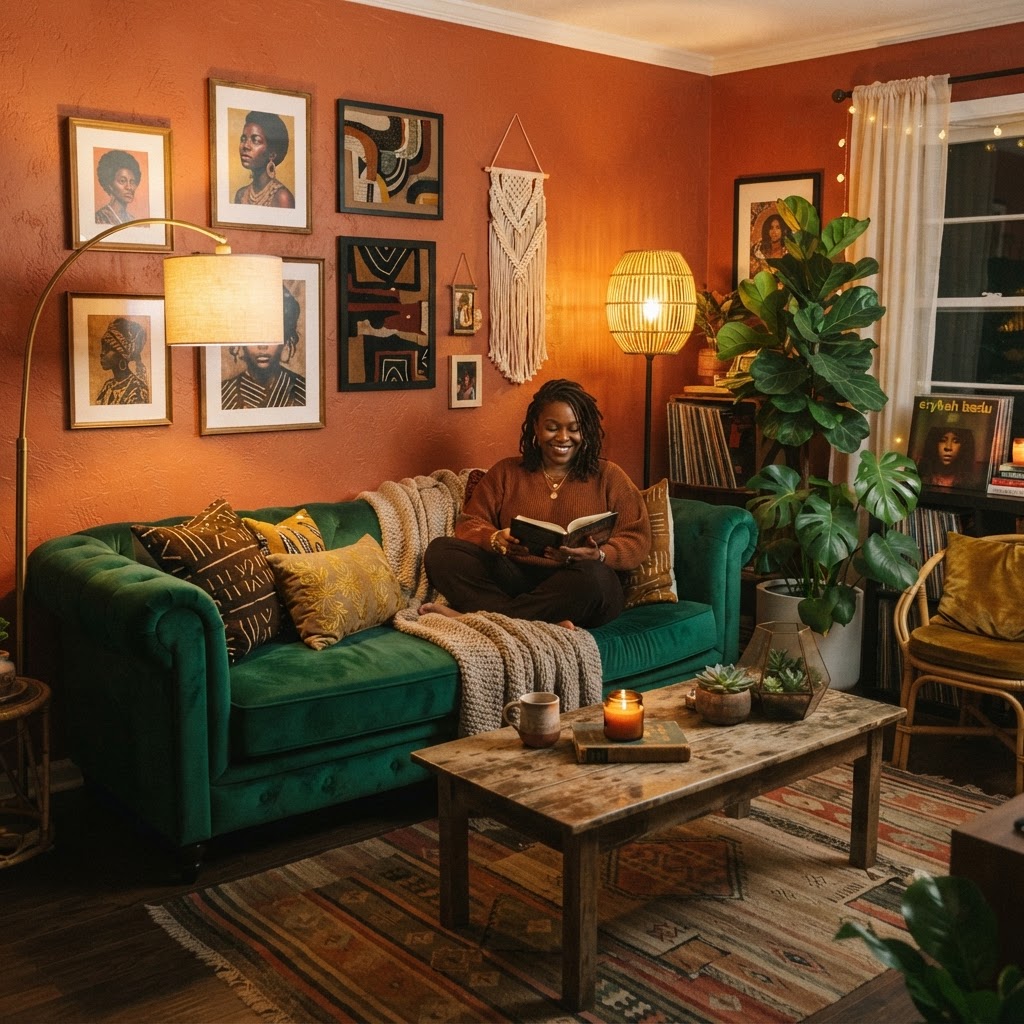
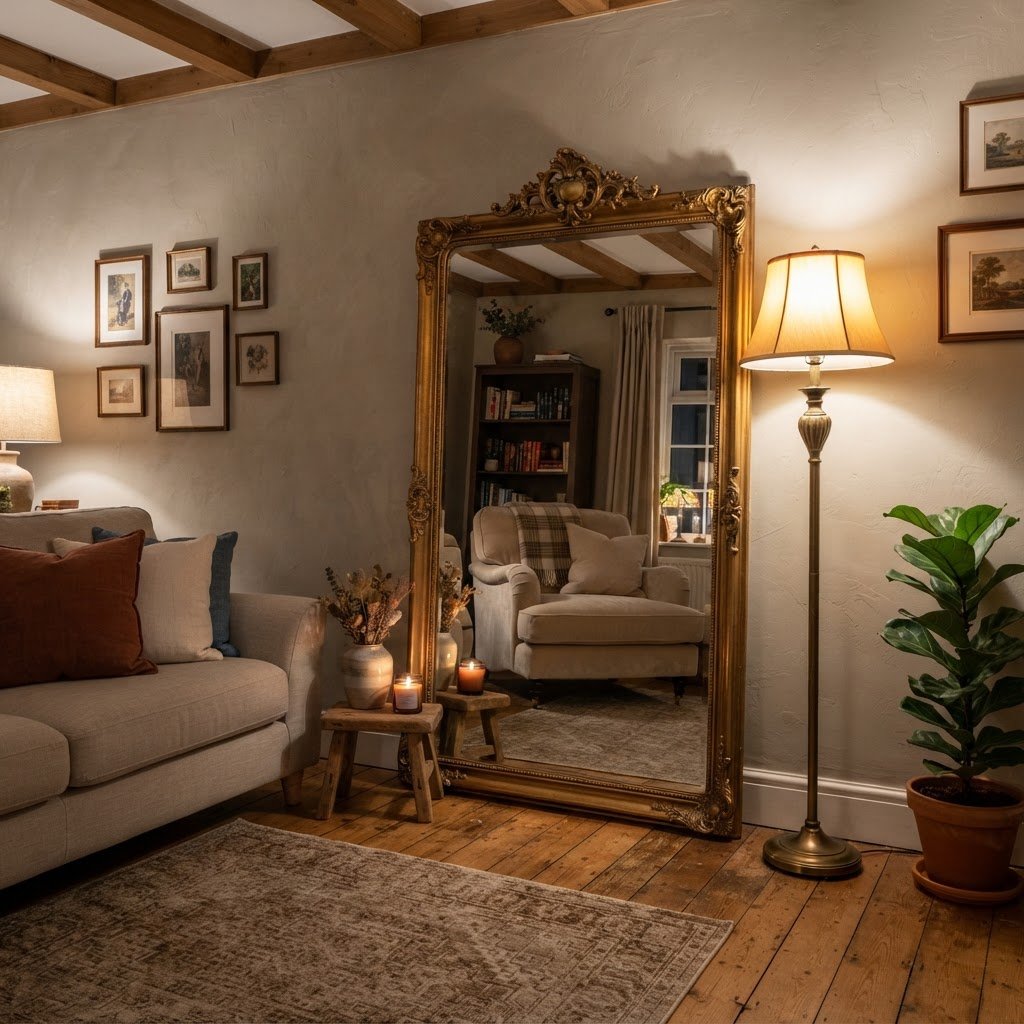
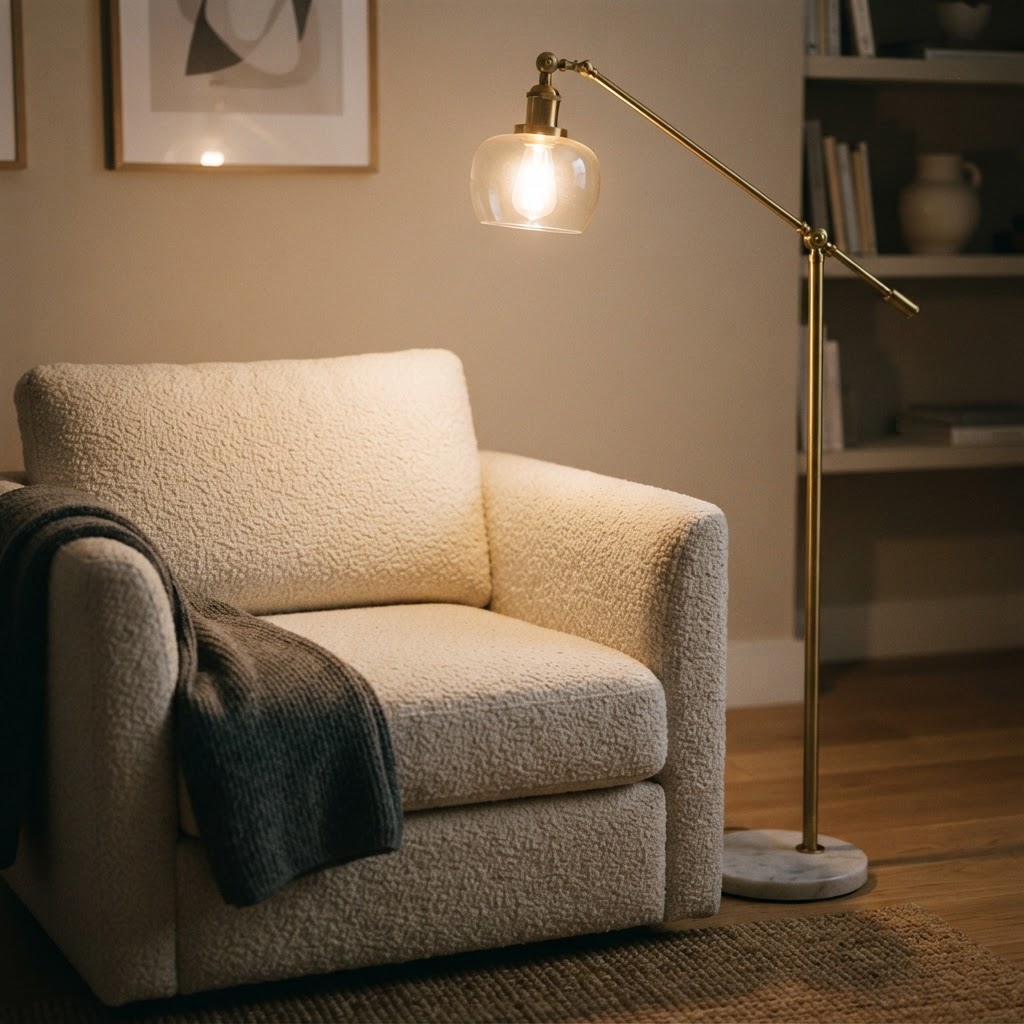
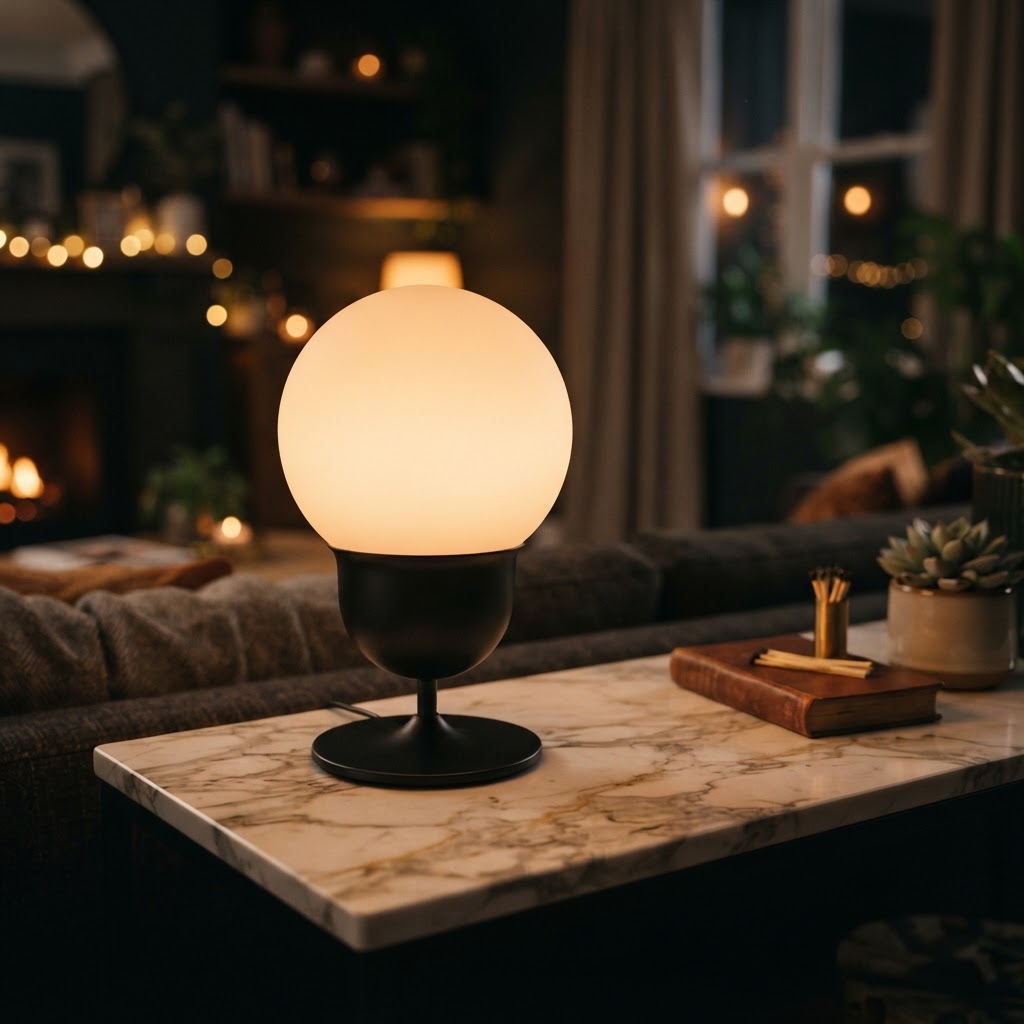
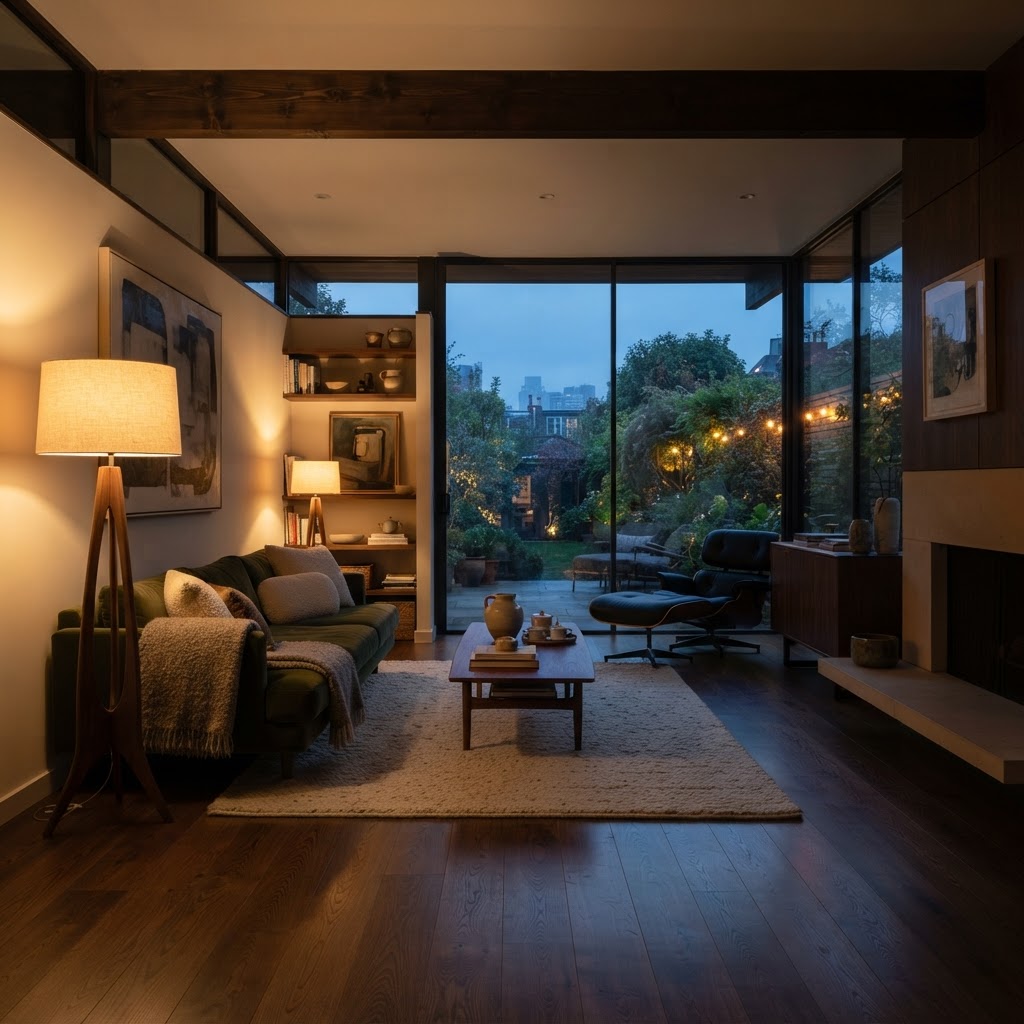
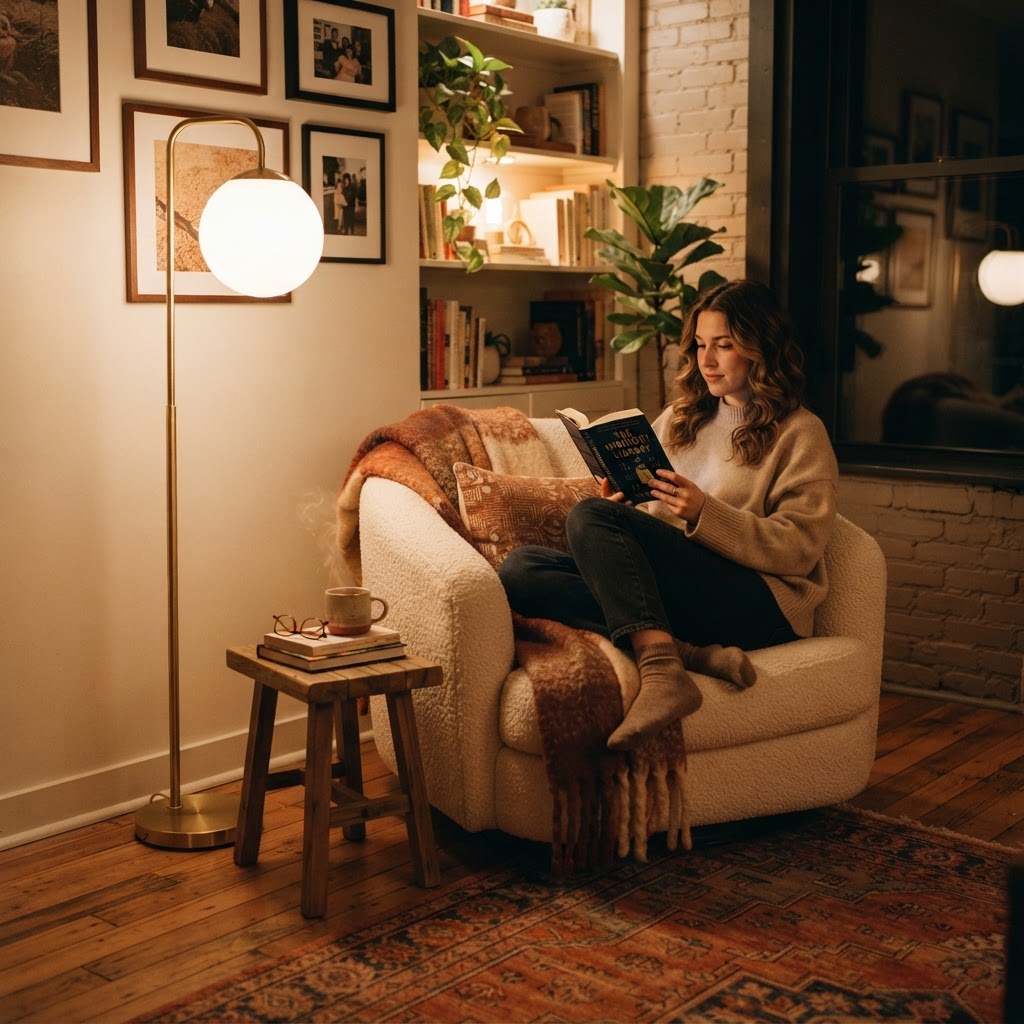
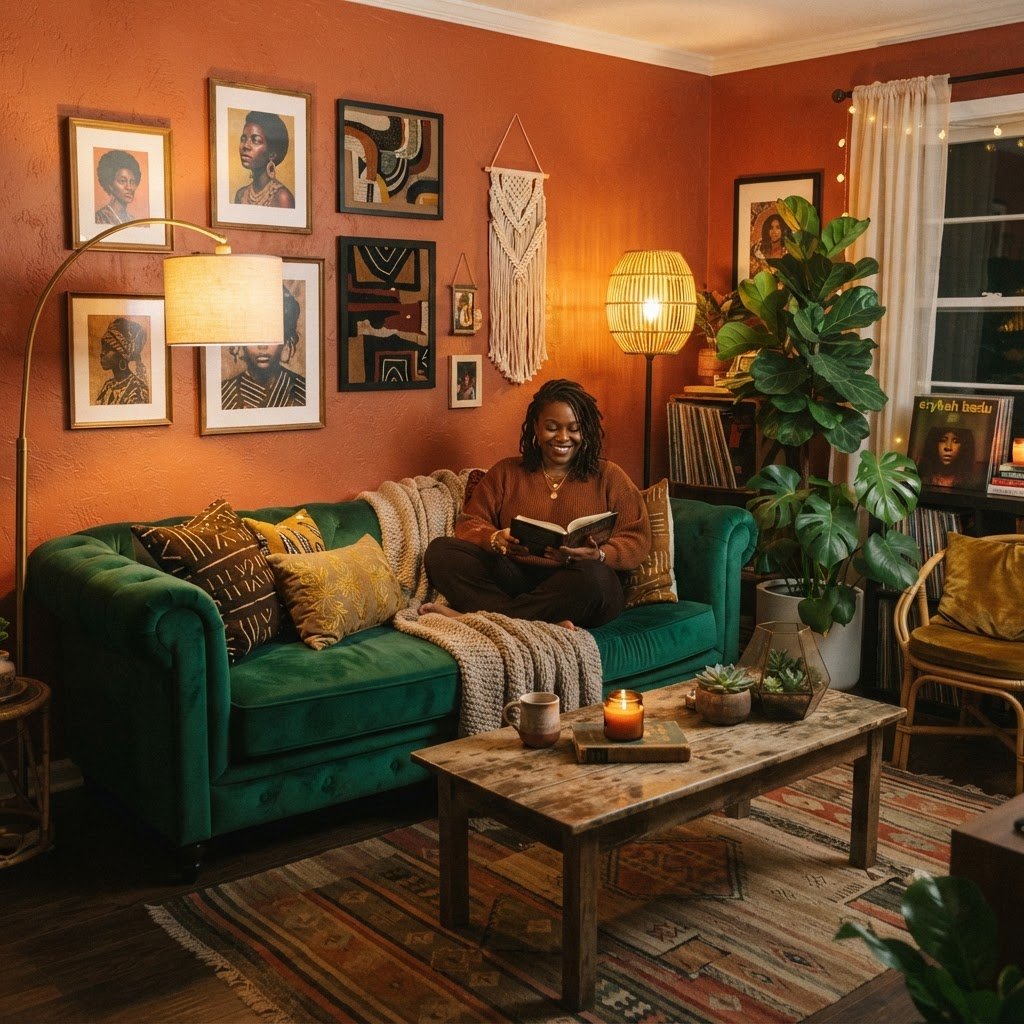
Warm, layered lighting enhances the cozy, neo-soul vibe of this living space.

Neo-Soul is a design movement that elevates authenticity, craftsmanship, and relaxed, soulful elegance within the home. To achieve this look, focus on high-touch surfaces and grounding colors that evoke warmth; common choices include deep plum, warm ochre, and earthy terracotta. By prioritizing furniture that tells a story, such as vintage velvet armchairs or reclaimed wood accents, you shift away from sterile, mass-produced minimalism toward a style that feels intentionally lived-in.

The goal is to create a maximalist, cozy environment that feels timeless rather than trendy. Statistics from recent interior design trends show that homes incorporating warmer, earthy color palettes and tactile materials report higher occupant satisfaction regarding comfort levels. By layering vintage treasures with modern, functional furniture, you cultivate a space that encourages genuine conversation and personal connection, serving as a restorative retreat from the fast-paced modern world.

Why Lighting is the Heart of a Cozy Home
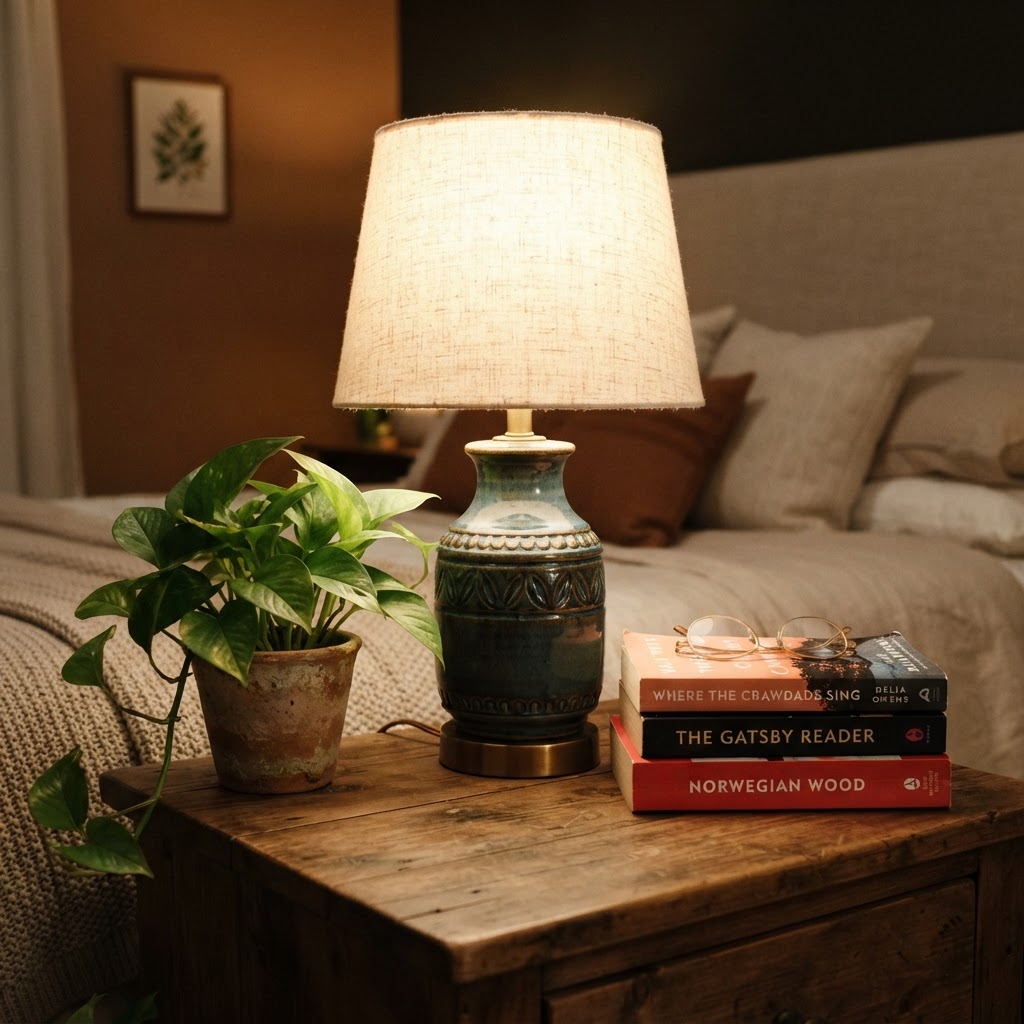
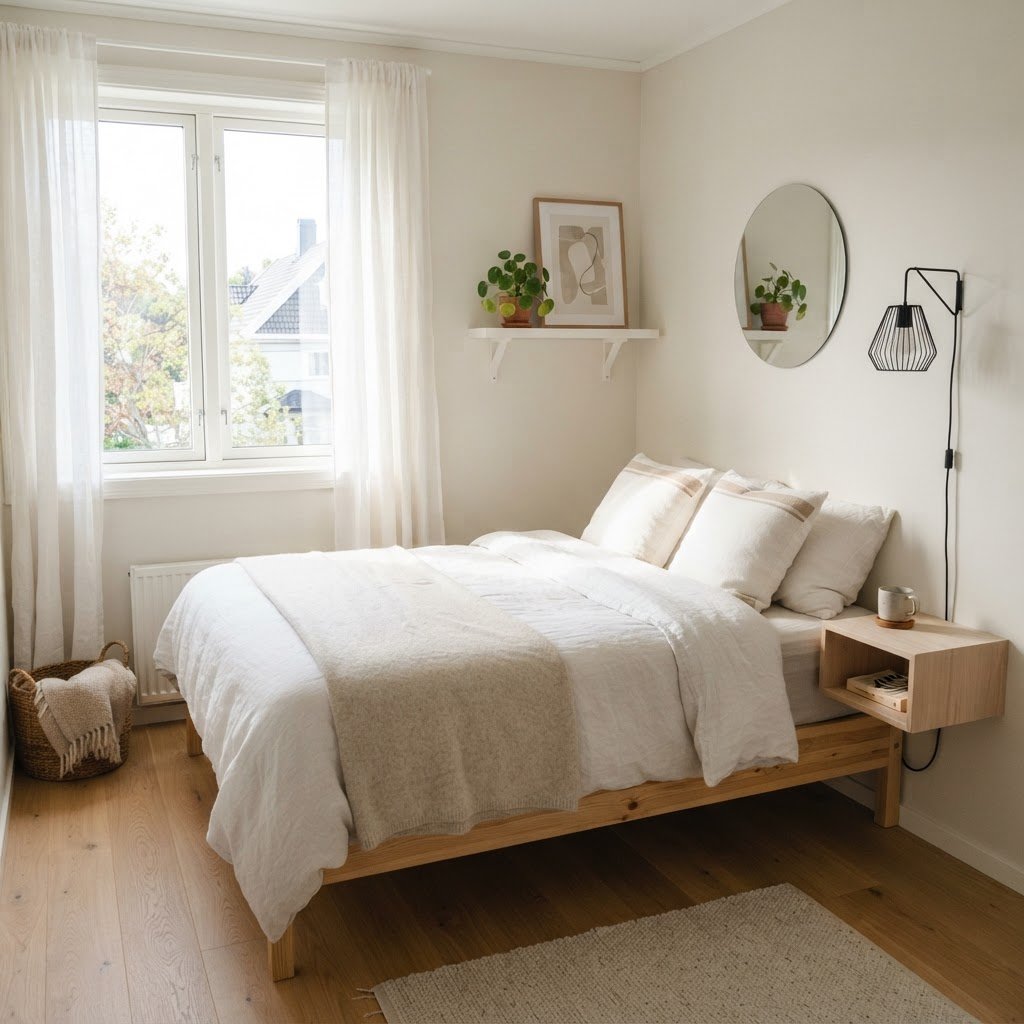
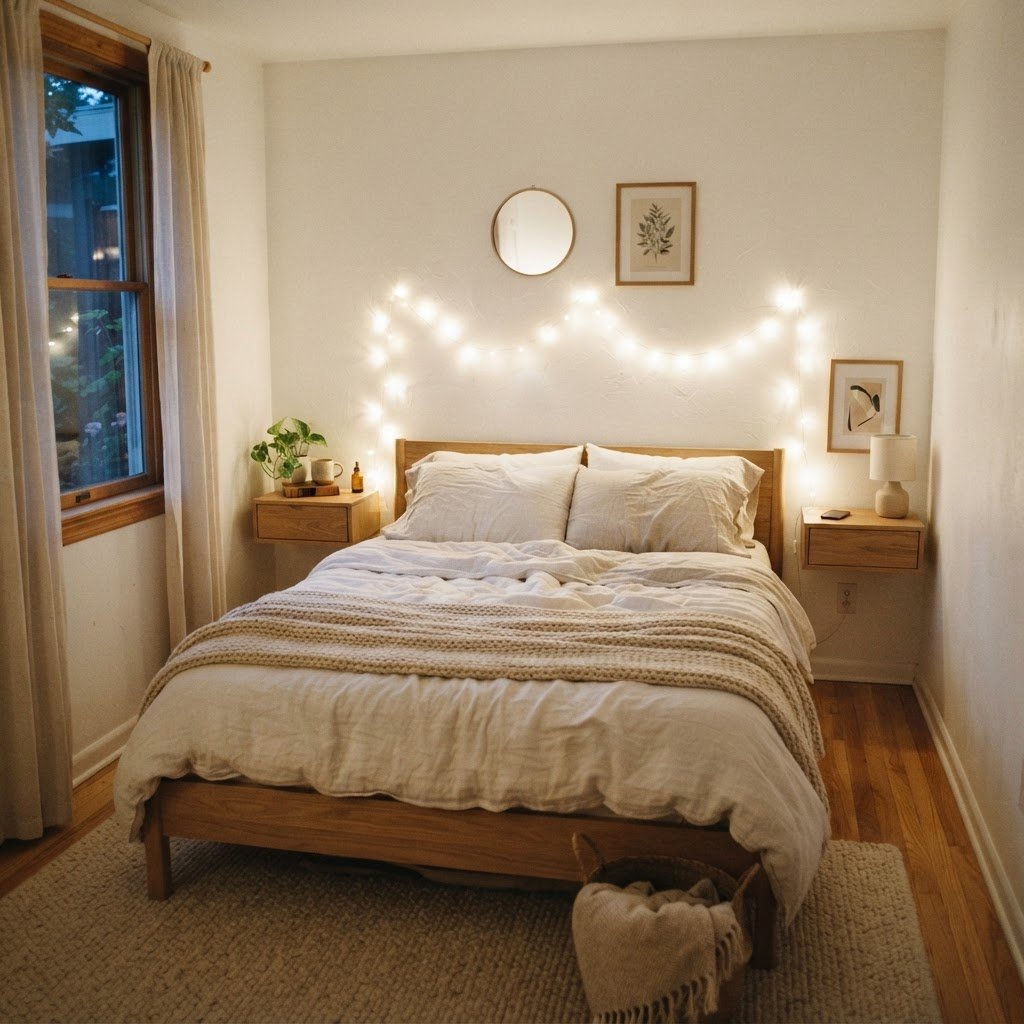
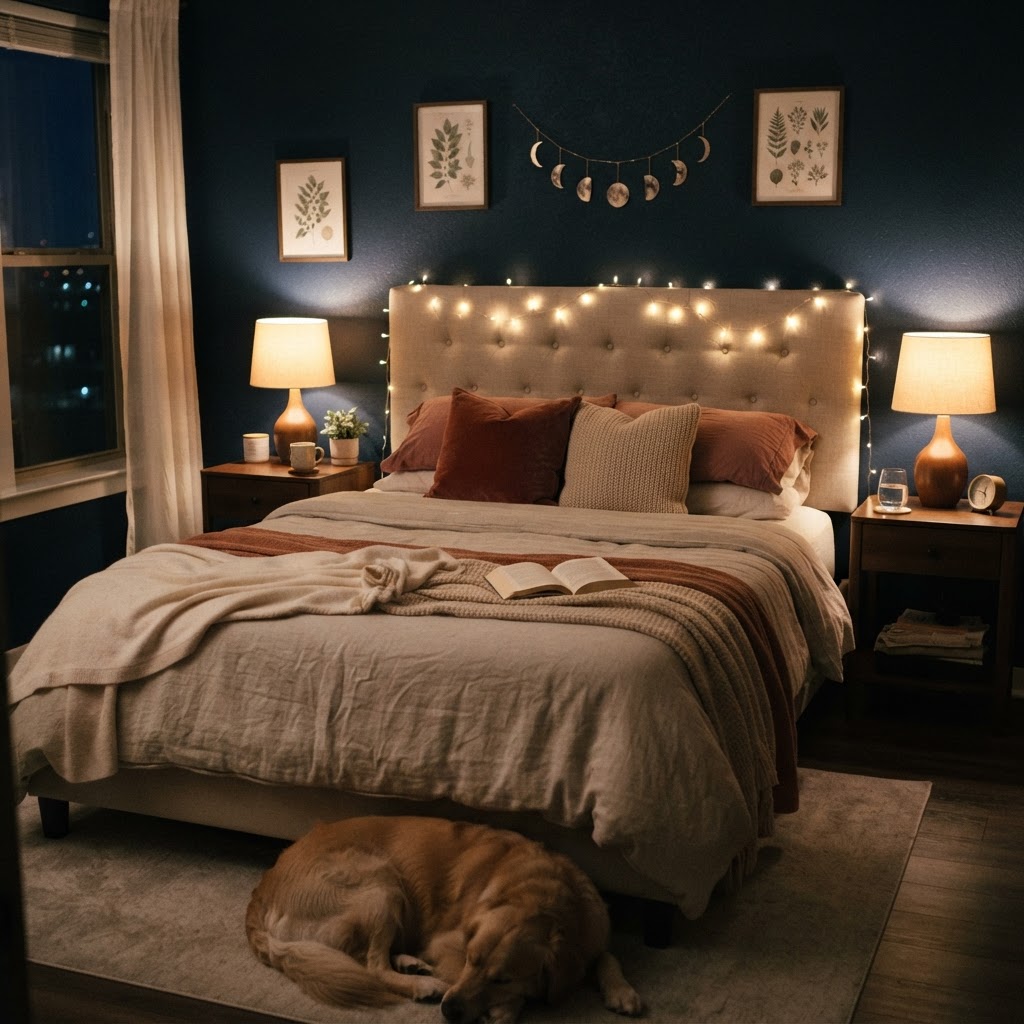
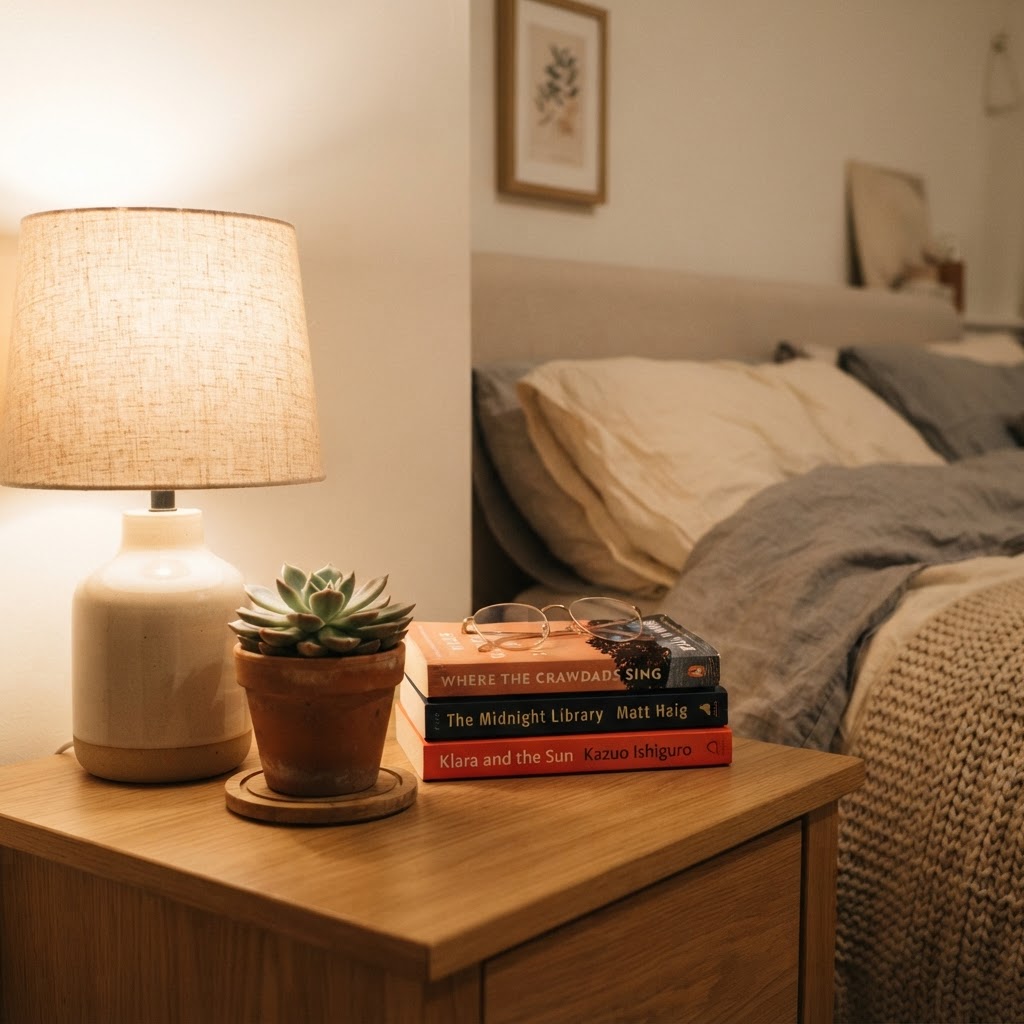
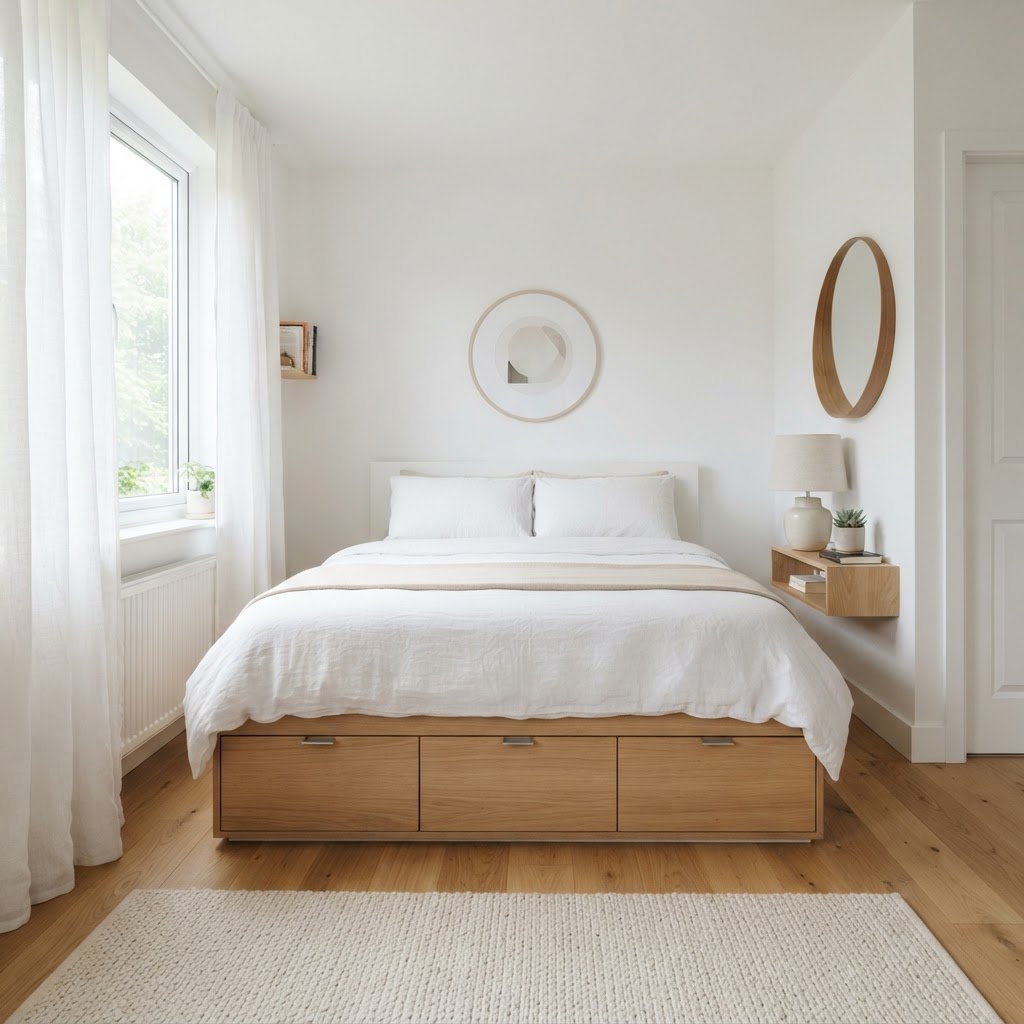
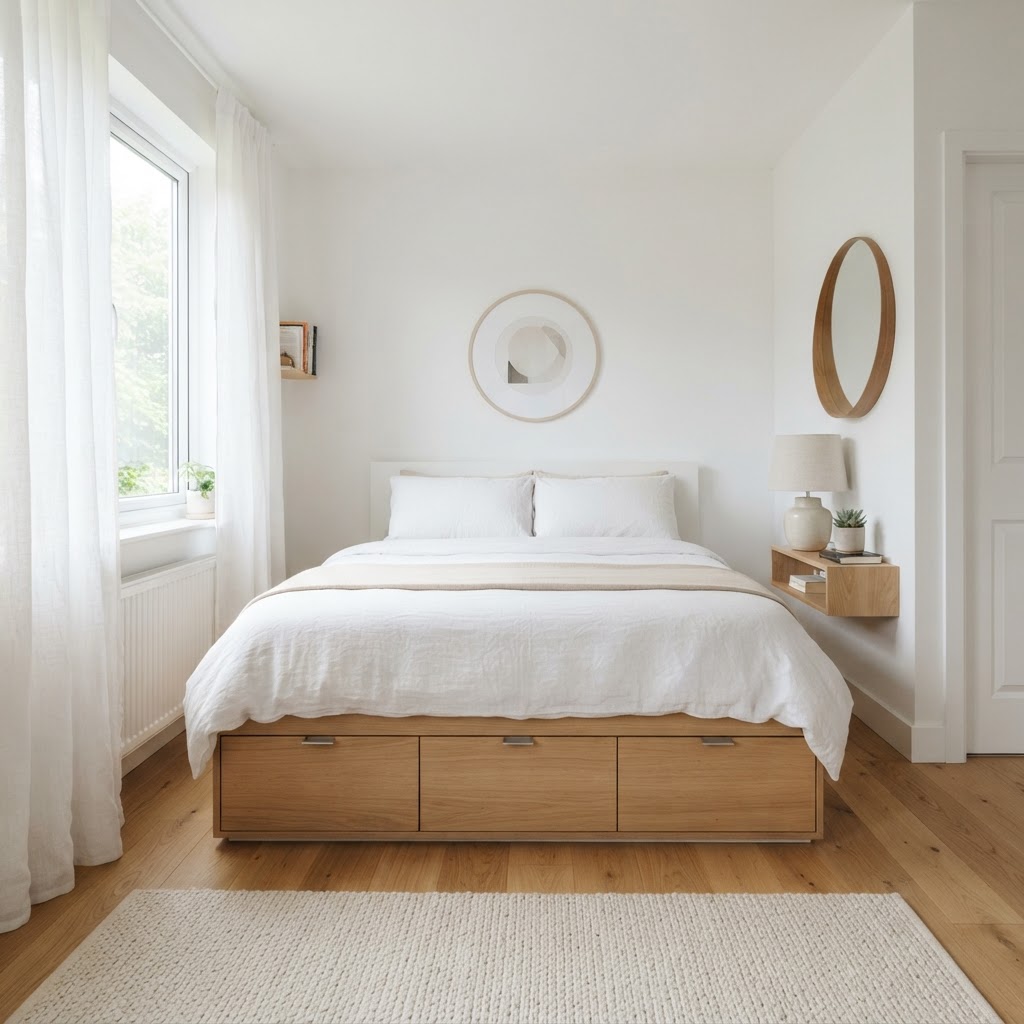
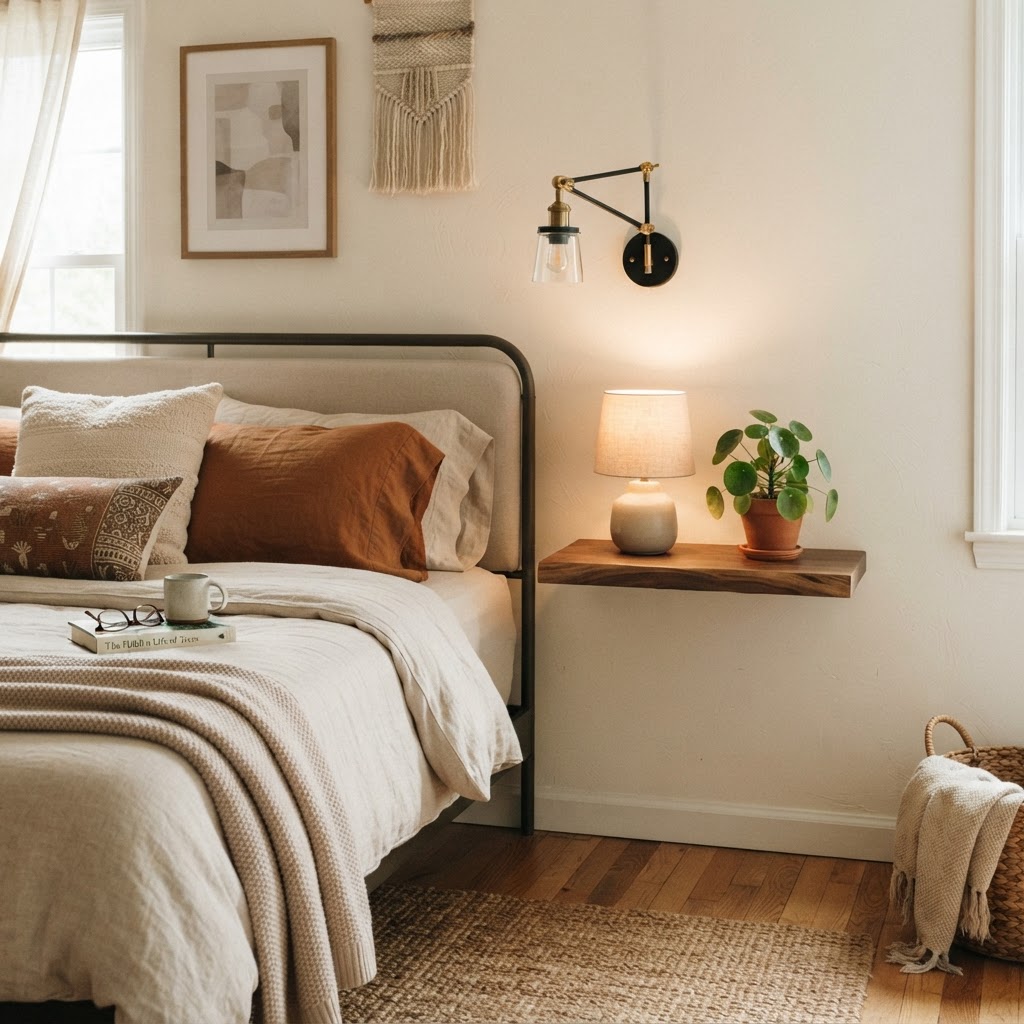
Simple, curated lighting choices create the perfect bedroom sanctuary.

Lighting serves as the primary atmospheric anchor in a Neo-Soul home, requiring a strategic shift away from harsh, overhead clinical brightness toward layered, ambient sources. To replicate the intimate atmosphere of a jazz lounge, aim for low-Kelvin light sources that mimic the soft, golden hues of late-afternoon sun.

Lighting Type Best Use Case Ambiance Created
Floor Lamps Reading Nooks Targeted, cozy warmth
Pendant Lights Dining Areas Focused, intimate drama
Table Lamps Side Tables Soft, layered texture
Smart Bulbs Entire Rooms Adaptive, circadian-friendly

Layering your light is essential for versatility, allowing you to transition your space from productive, bright settings for reading to soft, dim configurations for evening relaxation. By diversifying your fixture types, you create a dynamic room that adapts to your daily rhythms. Utilizing a mix of at least three light sources per room—such as a floor lamp, a pendant, and a dimmable table lamp—is the standard for eliminating “dead zones” and achieving a truly cohesive, soulful glow.

Curating Eclectic Lighting Fixtures
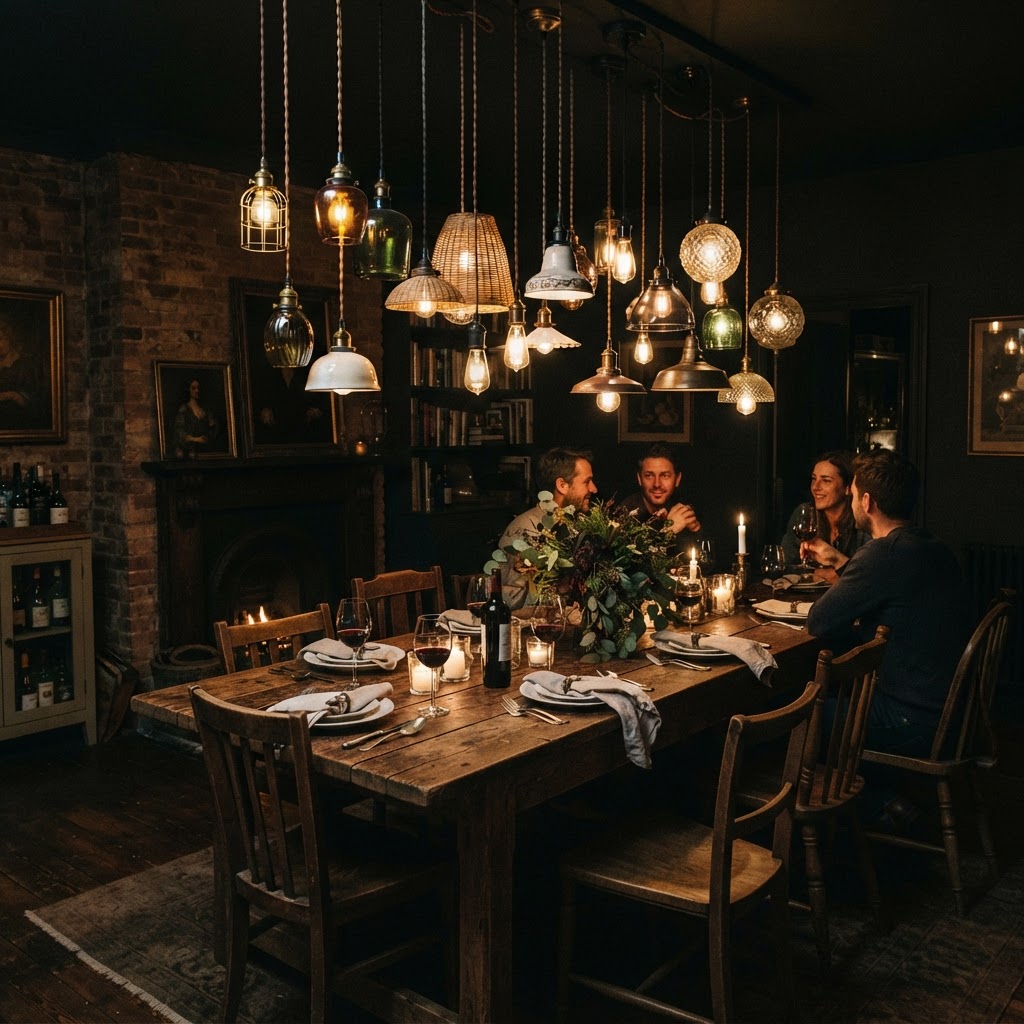
Varying the heights of pendant lights adds character and depth to a dining area.

Eclectic lighting is defined by the intentional juxtaposition of conflicting styles, eras, and materials to build a curated, rather than catalog-ordered, interior. You can achieve this by pairing an ultra-modern, geometric brass floor lamp with a classic Victorian tufted sofa, or by centering a rustic, organic-shaped beaded chandelier over a sleek, contemporary dining table. This tension creates visual interest and sophistication.

Mixing Materials and Eras

When selecting fixtures, prioritize a diverse material palette to control how light interacts with your room’s surfaces. Fabric shades offer a diffused, gentle light output, while glass pendants provide sparkle and reflection that can add the illusion of depth to a small space. Don’t be afraid to mix hardware finishes; a blend of matte black, polished brass, and warm copper metals adds a layer of depth that feels professionally styled. Aim for a 60-30-10 rule: 60% of fixtures in a primary metal, 30% in a secondary finish, and 10% in an accent or “wildcard” material.

The Power of Dimmers and Smart Bulbs

Regardless of the fixture’s aesthetic appeal, the bulb’s color temperature is the most critical technical factor for comfort. For a Neo-Soul vibe, prioritize warm-toned LEDs between 2200K and 2700K. Installing dimmer switches is the most cost-effective upgrade for any home, typically costing under $30 per switch, and they provide the ultimate control over your room’s mood, allowing you to instantly shift the intensity to suit the time of day.

Integrating Neo-Soul Vibes with Warm Textures
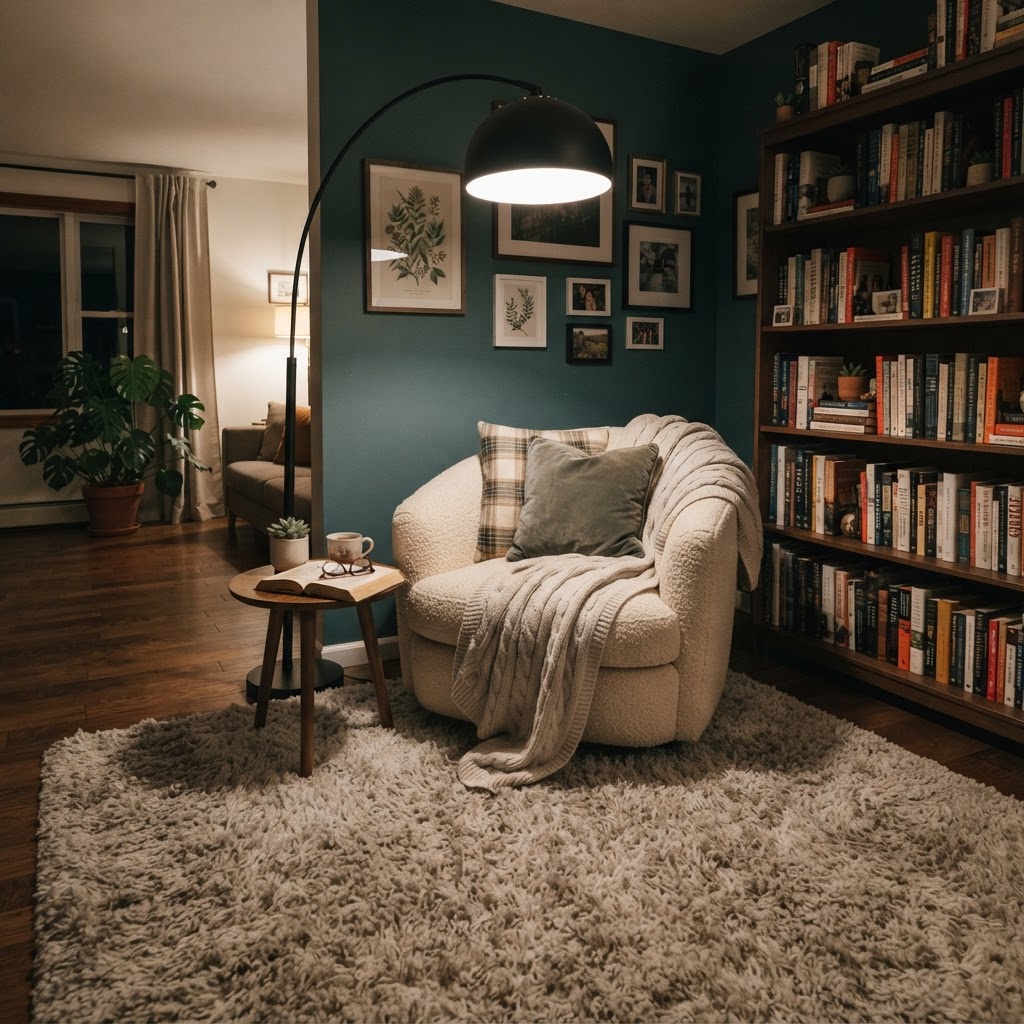
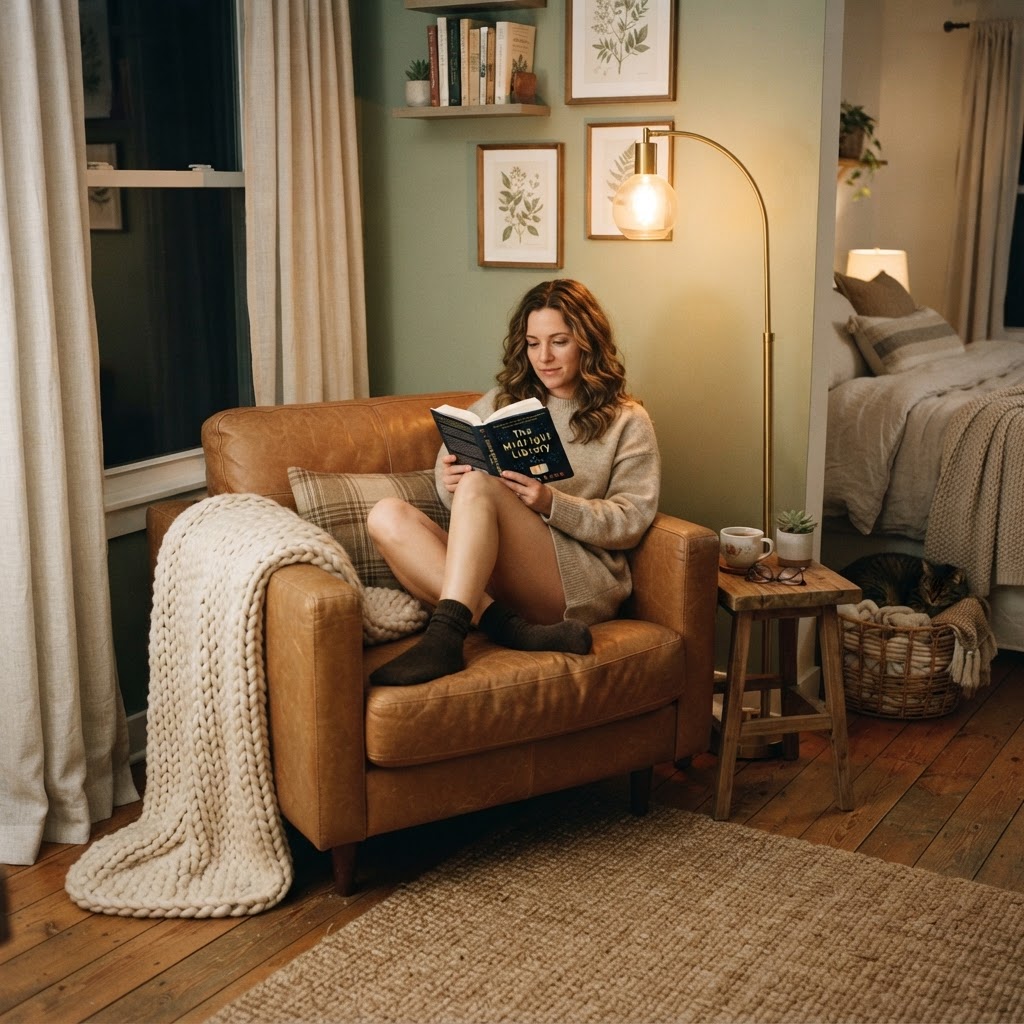
The right lighting fixture transforms a corner into a cozy, inviting reading nook.

Neo-Soul decor relies on the synergy between tactile comfort and ambient lighting to ground a room’s energy. If your space features thick, shaggy rugs or heavy linen curtains, integrate lighting fixtures made from natural materials like woven jute, rattan, or wood. These materials filter light in ways that cast intricate shadows, adding an extra layer of organic texture to your walls.

Material Effect on Light Recommended Room
Rattan Intricate, dappled shadows Living Room
Frosted Glass Soft, diffused glow Bedroom
Unpolished Brass Warm, reflective shimmer Home Office

This approach turns utilitarian objects like lamps into art pieces that dictate the room’s mood. The marriage of light and texture is where your interior design truly becomes a sanctuary, as these natural materials soften the harshness of artificial light, making the entire environment feel warmer and more inviting to the touch.

Creating Cozy Lighting Zones

Defining your rooms into lighting zones creates both improved functionality and aesthetic depth. Instead of relying on a single central light, assign specific zones: use a dedicated floor lamp for a reading nook to provide targeted, warm light, while a lower-hanging pendant in the dining area anchors the space, focusing attention on the table and the company gathered around it.

The Bedroom Sanctuary

Bedroom lighting should be ethereal and soothing, prioritizing low-glare options that promote rest. Incorporate wall sconces on either side of the bed to save nightstand space while adding a touch of hotel-luxe style. Utilizing smart lighting to schedule a gradual dimming process—dimming lights by 10% every 10 minutes starting at 9:00 PM—can help regulate your circadian rhythm and signal to your brain that it is time to sleep.

Practical Tips for Achieving the Look

Achieving the perfect balance between Neo-Soul aesthetics and eclectic lighting requires a strategic approach to curation. The golden rule is to avoid buying matching sets; purchasing a coordinated floor, table, and ceiling kit often kills a room’s personality. Instead, collect pieces gradually, ensuring each item has a unique history or specific design element—such as a shared color palette—that connects it to your home’s overall aesthetic.

Another crucial tip is to manipulate lighting height. By placing sources at varying levels—floor lamps at eye level, table lamps on surfaces, and pendants hanging at different lengths—you draw the eye upward and create movement. This vertical variance makes smaller rooms feel significantly more expansive and curated.

FAQ

Q: What is the best color temperature for a cozy Neo-Soul home?

Warm-toned LED bulbs between 2200K and 2700K are the best choice for achieving a cozy, Neo-Soul atmosphere. These temperatures mimic the soft, golden light of sunset, creating a relaxing and inviting environment that is ideal for winding down.

Q: How can I mix lighting styles without the room looking messy?

To mix eclectic lighting successfully, ensure all your fixtures share at least one common thread, such as a consistent metal finish or a specific design shape. This creates a cohesive, intentional look that prevents the space from appearing disorganized.

Q: Are dimmer switches compatible with all light fixtures?

Most modern LED bulbs are dimmable, but you must ensure your specific bulbs are labeled as “dimmable” before installing a dimmer switch. Using a non-dimmable bulb with a dimmer switch can cause flickering or damage to the hardware.

Q: How many light sources should I have in a medium-sized living room?

For a medium-sized living room, aim for at least three to five distinct light sources to effectively layer the space. This combination should include a mix of ambient, task, and accent lighting to eliminate dark corners and maximize comfort.

Q: What materials work best for Neo-Soul lighting fixtures?

Natural materials like rattan, wood, jute, and brass are the best choices for Neo-Soul lighting. These materials emphasize tactile warmth and organic textures, which are central to the movement’s focus on authentic, handcrafted decor.
7 Renter-Friendly Ways to Hide Ugly Apartment Features

7 Renter-Friendly Ways to Hide Ugly Apartment Features

You can hide ugly apartment features using non-permanent solutions like peel-and-stick wallpaper, large area rugs, removable vinyl cabinet wraps, and strategic lighting. These methods allow you to disguise dated finishes, mask floor imperfections, and draw attention away from architectural eyesores without violating your lease or losing your security deposit.

Use Peel-and-Stick Wallpaper for Dated Walls

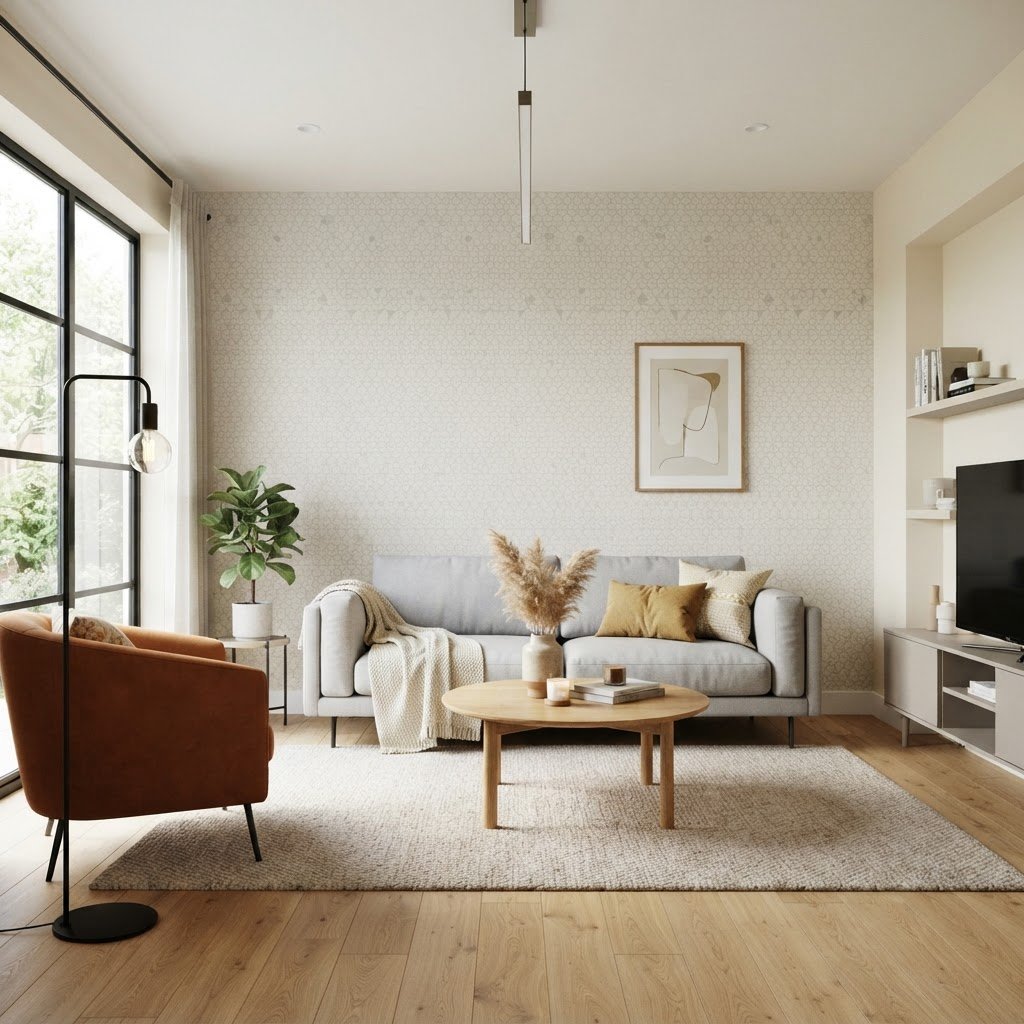
Peel-and-stick wallpaper can completely refresh a dull, textured wall.

One of the most effective renter-friendly ways to hide ugly apartment features is the use of removable peel-and-stick wallpaper, which effectively conceals textured, damaged, or discolored walls. High-quality vinyl wallpaper typically costs between $30 and $60 per roll, offering a significantly cheaper alternative to professional painting while remaining 100% reversible.

Choosing the Right Pattern

When selecting a pattern, consider the scale of your room. If you are dealing with a cramped bedroom, lighter colors and subtle geometric patterns can make the space feel larger. For a bold statement, try a botanical print in a hallway or a small accent wall behind your bed. The key is to ensure the surface is clean and dry before application to avoid air bubbles or peeling. When applying, use a plastic smoother to remove trapped air, working from the center toward the edges to ensure a flat, professional-looking bond that leaves no residue upon removal.

Comparison: Wallpaper Options

Feature Peel-and-Stick Vinyl Traditional Wallpaper Contact Paper
Installation Easy (DIY) Difficult (Professional) Moderate
Removal Damage-free Potential wall damage Easy
Cost Moderate High Low

Cover Unsightly Flooring with Area Rugs

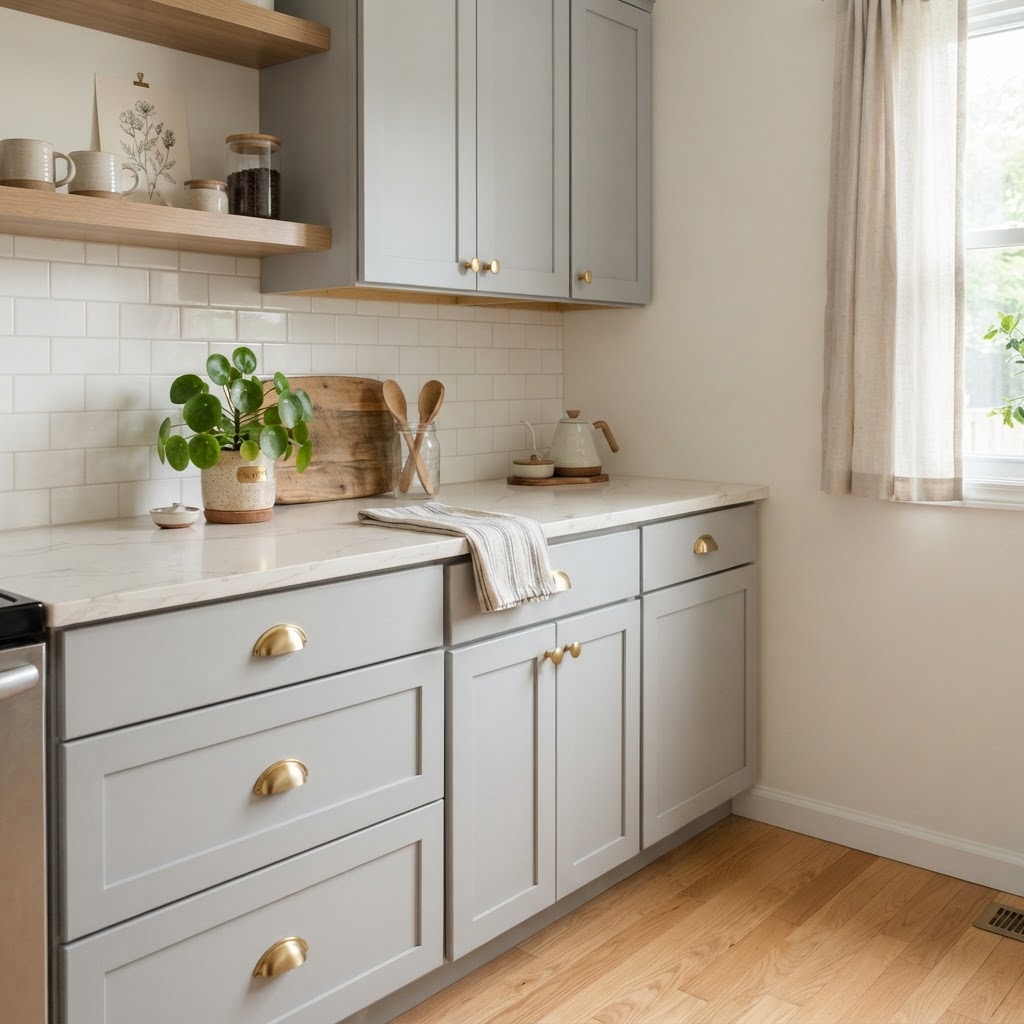
Removable vinyl wrap gives outdated kitchen cabinets a modern, high-end look.

Rental apartments often come with worn-out carpet or mismatched vinyl flooring that detracts from your furniture, but large area rugs can cover these eyesores while protecting the base flooring. A standard 8×10 foot area rug can completely obscure a stained carpet or cracked linoleum, shifting the visual focus toward your furniture and decor rather than the foundation of the room.

Layering for Depth

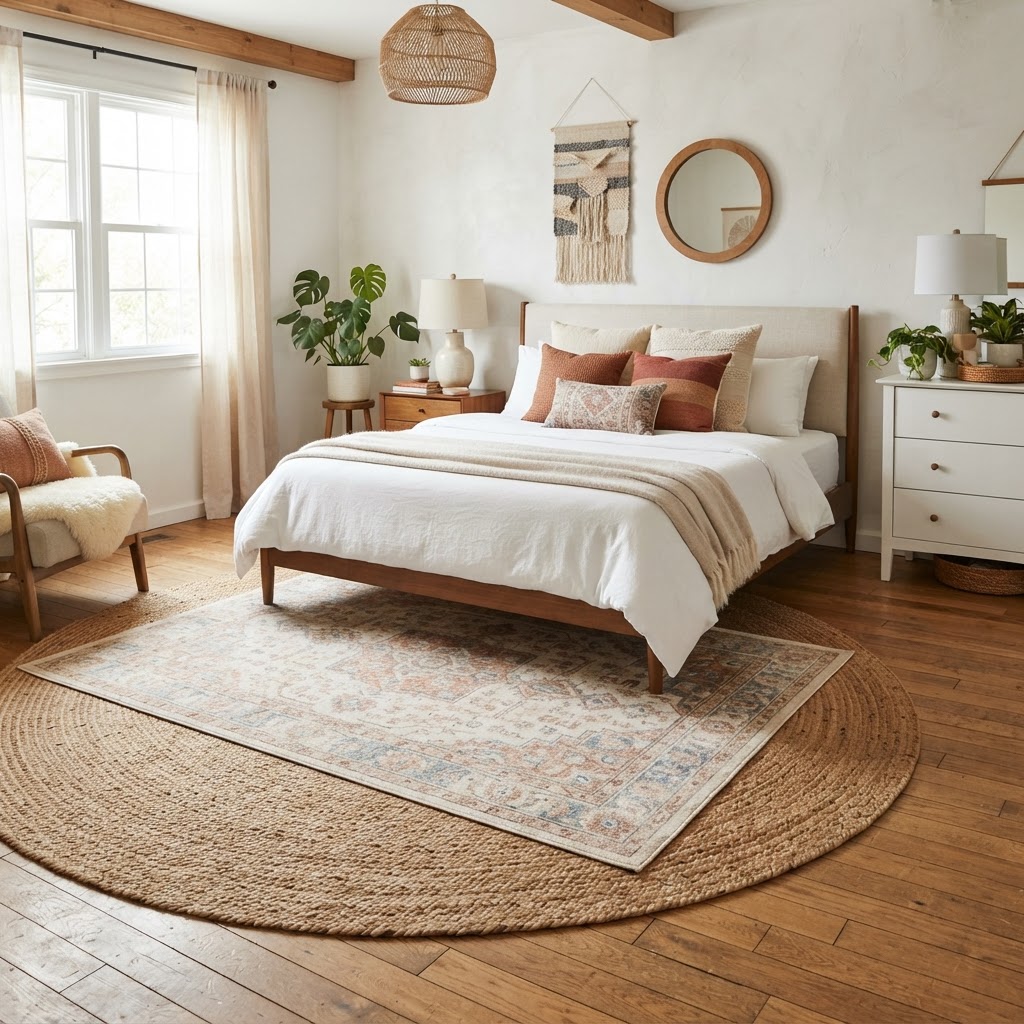
If one rug is not enough, try layering. Placing a natural fiber rug like jute underneath a colorful patterned rug can add texture and dimension to a boring floor. This technique is particularly effective in high-traffic areas like entryways or dining rooms where you want to protect the existing flooring while adding personality to your space. By using a rug pad underneath, you increase the lifespan of your rug by 30-50% and provide additional cushioning that makes dated floors feel softer and more luxurious underfoot.

Mask Old Cabinets with Removable Vinyl

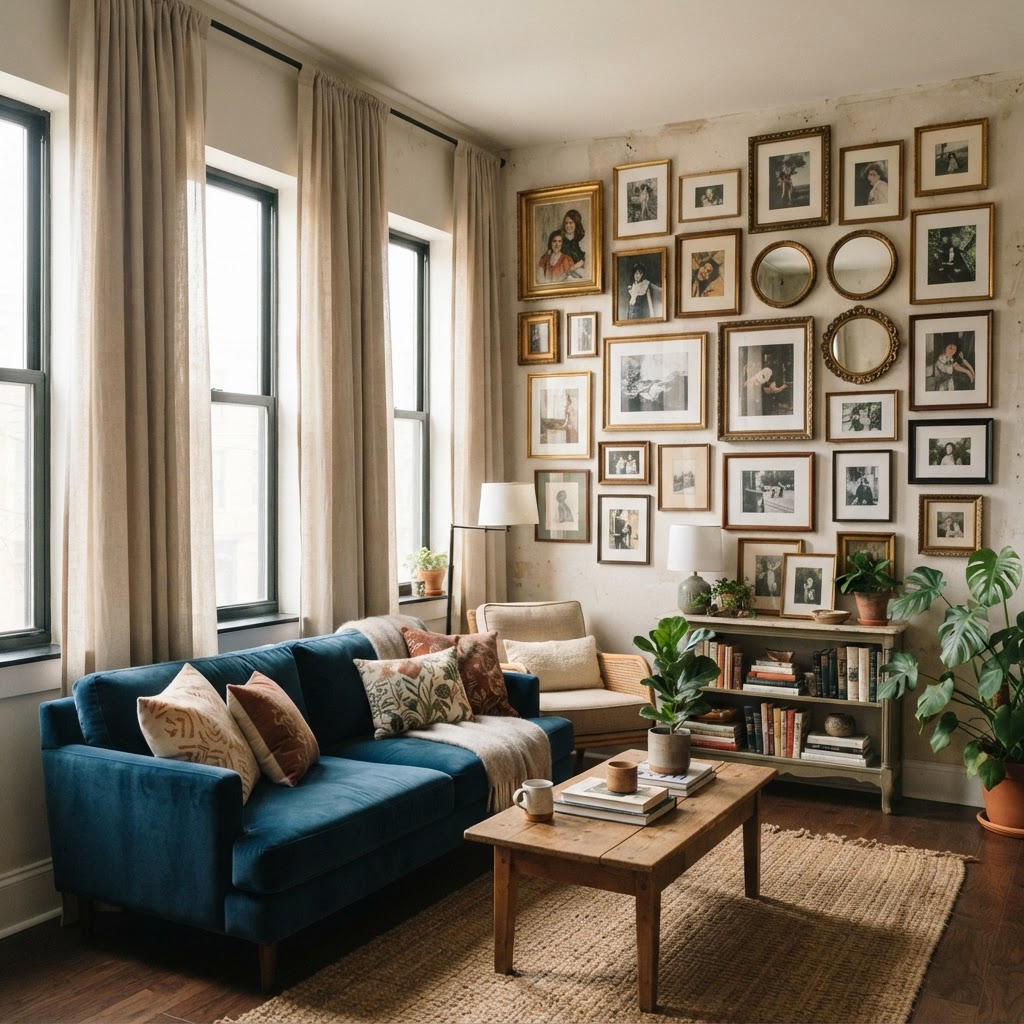
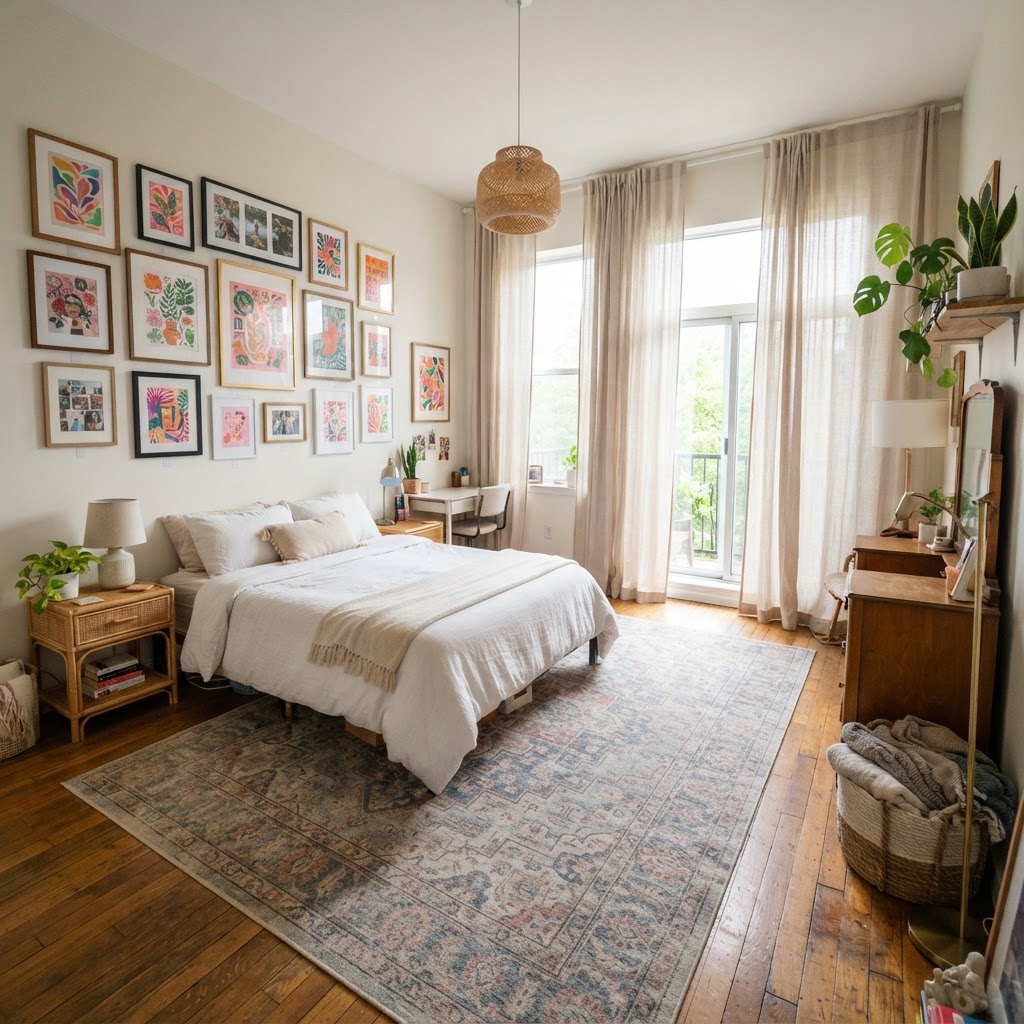
Floor-to-ceiling curtains and gallery walls are perfect for masking wall flaws.

Kitchens are notorious for being the least customizable room in an apartment, but you can transform stained or cheap-looking cabinets using removable contact paper or architectural vinyl. This is one of the most popular renter-friendly ways to hide ugly apartment features because it provides a polished, high-end look without requiring any permanent paint or hardware changes, often costing less than $100 for a standard kitchen upgrade.

Tips for a Seamless Finish

Take your time measuring each cabinet door precisely. Use a sharp utility knife to trim excess material, and a hair dryer to help the vinyl wrap tightly around the edges. If your cabinets have outdated hardware, simply unscrew the knobs and replace them with stylish modern pulls; just be sure to keep the original hardware in a plastic bag so you can swap them back when you move out. For the best results, wipe cabinets down with isopropyl alcohol to remove all grease before applying the vinyl, ensuring a long-lasting adhesive bond.

Upgrade Ugly Lighting with Plug-in Fixtures

Layering area rugs adds warmth and covers unattractive flooring effortlessly.

Fluorescent “boob lights” and dated brass chandeliers are common in many rentals, but you can neutralize these eyesores by using plug-in pendant lights or floor lamps to dictate the room’s atmosphere. Electrical work can be risky and may violate your lease agreement, so creating layers of light is a safer, more effective strategy to redirect attention away from ceiling fixtures.

Creating Ambient Lighting

By adding floor lamps, table lamps, and LED strip lights behind furniture, you create layers of light that make the room feel cozy. When the main, ugly ceiling light is turned off, the ambient lighting becomes the focal point. This creates a warm, welcoming environment that completely hides the visual clutter of dated light fixtures. Aim for at least three light sources per room—a general overhead, a task lamp, and an accent lamp—to achieve professional-level lighting design that diminishes the impact of unwanted architectural features.

Use Window Treatments to Camouflage Walls

Sometimes, the issue isn’t just the walls, but the windows themselves, where cheap plastic blinds can make an entire room feel sterile or office-like. Floor-to-ceiling curtains are a game-changer because they draw the eye upward and cover not only the blinds but also the surrounding wall space, creating an illusion of grandeur in even the smallest of apartments.

Choosing the Right Rod

If you cannot drill holes, look for tension rods designed for heavy curtains. By installing the rod closer to the ceiling rather than just above the window frame, you create the illusion of taller ceilings and larger windows. This adds elegance to your space and effectively hides unattractive window casings or mismatched trim. When shopping for curtains, look for thermal-lined options, which can help regulate room temperature and reduce energy costs by up to 10% in older apartment buildings.

Create a Gallery Wall to Hide Wall Imperfections

If your apartment has ugly wall patches, nail holes, or textured plaster, a gallery wall is your best friend for obscuring damage without needing to patch or repaint the surface. Instead of trying to fix the wall, decorate it with a collection of framed art, photos, and mirrors. You can use command strips to hang items, which prevents damage to the drywall and allows you to customize the arrangement as much as you like.

Mixing Mediums

Do not feel limited to just photos. Incorporate mirrors to bounce light, woven wall hangings for texture, or empty frames for a modern, minimalist vibe. A well-curated gallery wall acts as a massive focal point, drawing the attention of guests to your carefully curated collection rather than the underlying wall surface. If you want a symmetrical look, use a paper template for each frame before sticking it to the wall to ensure even spacing, ideally keeping frames at least 2-3 inches apart for a cohesive display.

Use Furniture to Obscure Bad Layouts

Sometimes, the problem is not a specific finish but a bad architectural choice, such as a radiator or a low-quality closet door, which can be easily hidden with clever furniture placement. A decorative room divider or screen is often enough to mask a radiator, while a tall bookshelf can completely block a closet door that you rarely use, turning a negative feature into a functional storage solution.

Strategic Placement

Before you commit to a layout, walk through your apartment and identify the areas that consistently draw your attention for the wrong reasons. Can you place a piece of accent furniture, such as a console table or a tall plant, in front of that area? By using your furniture to create paths and block views, you can effectively manage the flow and aesthetic of your apartment. Ensure that any large furniture pieces are placed at least 12 inches away from radiators or heaters to prevent fire hazards and ensure proper airflow, which is critical for apartment safety.

FAQ

Q: Can I use peel-and-stick wallpaper on textured walls?

Peel-and-stick wallpaper typically adheres best to smooth surfaces, but you can use it on light texture if you apply a strong adhesive primer or ensure the wall is meticulously cleaned first. For heavy popcorn or orange-peel textures, the adhesive may fail or show bumps.

Q: Will command strips really hold up a heavy gallery wall?

Yes, if you follow the weight rating guidelines specified on the packaging for each strip, command strips are highly reliable. Always clean the wall surface with rubbing alcohol before applying the strip to ensure a secure bond that can hold frames weighing up to 15 pounds.

Q: Are there ways to cover carpet without buying a giant rug?

If you cannot afford a large area rug, you can use carpet tiles which are modular and often cheaper than one large piece. Carpet tiles are easy to install, can be cut to fit odd-shaped rooms, and are easily removable when your lease ends.

Q: Can I paint my apartment cabinets if I have a landlord’s permission?

If you have written permission, painting is an option, but you may be required to restore them to the original color upon moving out. To avoid this burden, most renters prefer using removable vinyl contact paper, which offers a similar aesthetic without the need for restoration labor.

Q: How do I hide an ugly radiator without causing a fire hazard?

To hide a radiator safely, use a metal or wooden radiator cover that allows for proper airflow and heat distribution. Never place flammable furniture, curtains, or contact paper directly against a radiator, as the intense heat can cause damage or ignite nearby materials.

Small Bedroom Furniture Arrangement: Maximize Flow & Style

Small Bedroom Furniture Arrangement: Maximize Flow & Style

To maximize a small bedroom, center your bed against the longest wall to anchor the space, maintain 24 to 30 inches of walking clearance around furniture, and prioritize multi-functional pieces like storage ottomans or wall-mounted shelving to keep floor area clear. These strategies create a balanced, functional, and visually expansive sanctuary.

The Foundation of Your Small Bedroom Layout

Using a corner layout and floating shelves helps maximize floor space.

Assessing the bed as the primary focal point is the most critical step in professional interior space planning. Because the bed is typically the largest item, positioning it against the longest wall creates a sense of architectural symmetry and psychological grounding. In rooms under 100 square feet, this placement is essential for maintaining natural “flow” or traffic patterns. If your space is restricted, utilizing a corner arrangement can reclaim up to 15 square feet of floor space, though it requires specific styling—such as layering textiles and installing dimmable wall-mounted lighting—to ensure the corner feels intentional rather than neglected. Professional designers recommend keeping heavy furniture at least 24 inches away from door swings and closet paths to prevent “bottlenecking,” which makes small rooms feel claustrophobic. By securing a clear 30-inch clearance on primary walking paths, you ensure that the room remains navigable even when storage solutions are in use. Remember that while symmetry provides balance, asymmetry can sometimes be the only solution for tight, awkward, or non-rectangular footprints; in these instances, prioritize accessibility over visual perfection to improve daily quality of life.

Prioritizing Walkways and Accessibility

When planning your furniture arrangement, you must account for traffic patterns. Aim for at least 24 to 30 inches of space around the sides of the bed if possible. If your room is too narrow, consider pushing the bed into a corner, which can actually feel quite cozy and intentional if styled correctly with layered textiles and ambient lighting.

Choosing Multi-Functional Furniture Pieces

Built-in storage beneath the bed is a secret weapon for small rooms.

Multi-functional furniture is the most effective way to eliminate clutter in bedrooms under 120 square feet, effectively doubling your usable storage without adding a single square foot of footprint. By choosing pieces that serve dual roles—such as a storage ottoman that functions as both a bench and a dresser substitute, or a bed frame with built-in hydraulics—you can hide up to 20 cubic feet of seasonal bedding or rarely used items. Modern interior design standards suggest that for every 10 square feet of floor space, you should have no more than three primary furniture pieces to maintain an “open” feel. When evaluating furniture, apply the “70% Rule”: ensure that no more than 70% of the room’s floor is covered by furniture to keep the pathways visually clear. Investing in high-quality, dual-purpose items often pays for itself by removing the need for a separate bulky dresser, which can cost $300-$800 and occupy significant floor real estate. For optimal flow, select low-profile furniture with tapered legs; this “floating” look exposes more of the floor, creating a cognitive illusion that the room is larger than its physical dimensions. Always verify that your multi-functional items feature quiet-close hardware to prevent noise issues in intimate spaces.

Investing in Vertical Storage

When floor space is at a premium, look toward the ceiling. Tall bookshelves or wall-mounted floating shelves draw the eye upward, making the room feel significantly taller than it actually is. By moving items off the floor, you create the illusion of a larger, more airy environment while keeping your essentials within arm’s reach.

Visual Tricks to Increase Space

Strategic furniture placement ensures clear pathways and better flow.

Color, light, and reflective surfaces are the fundamental tools for manipulating depth perception in restricted bedroom layouts. A monochromatic color palette—specifically using shades of off-white, light gray, or soft beige—reduces the visual contrast between the walls and furniture, making the boundaries of the room seem to recede. Scientific studies on space perception indicate that placing a mirror directly across from a light source, such as a window, can increase the perceived ambient brightness of a room by up to 30%, which physically alters how we measure the room’s “openness.” To maximize this effect, ensure the mirror surface area covers at least 20% of the primary wall. Additionally, using sheer window treatments instead of heavy blackout curtains allows natural light to permeate the space, effectively connecting the room to the outdoors. Beyond mirrors, the strategic use of glass or acrylic furniture (such as a ghost chair or glass-topped side table) can provide functional surfaces that are “invisible” to the eye, preventing the heavy, cluttered look that solid wood furniture often introduces in tight quarters. Aim for a unified color scheme where at least 80% of the decor shares the same undertone to prevent a “choppy” visual experience.

The Power of Negative Space

One common mistake in design is trying to fill every nook and cranny. Sometimes, the most stylish choice is to leave a corner empty or keep a wall clear of art. This allows the room to ‘breathe.’ Practice editing your belongings regularly; if a piece of furniture doesn’t contribute to either function or joy, it might be time to remove it to reclaim your floor space.

Vertical Design and Wall Treatments

Multi-functional furniture allows for a streamlined, clutter-free look.

Maximizing vertical design is the gold standard for small-scale interior architecture, focusing on the “unused” wall space that extends from waist height to the ceiling. Installing wall-mounted sconces instead of traditional table lamps is a high-impact renovation that saves approximately 1.5 square feet of surface area per side of the bed. When mounting shelves, aim for an eye-level or higher installation; this forces the eye to scan vertically rather than horizontally, which enhances the perception of ceiling height. Furthermore, using floor-to-ceiling drapery panels rather than window-frame-length curtains makes the room appear significantly taller by creating uninterrupted vertical lines. If your budget allows, built-in cabinetry that spans from wall-to-wall and floor-to-ceiling is the ultimate space-saving hack, as it removes visual “gaps” where dust accumulates and keeps the room looking clean. Avoid small, fragmented wall art; instead, use one large piece of art centered at 57 inches from the floor, which is the professional standard for gallery placement. This minimizes visual noise and prevents the walls from feeling crowded, allowing the space to remain serene and sophisticated regardless of its total square footage.

Feature Small Bedroom Strategy Traditional Approach Result
Nightstand Wall-mounted shelf Bulky floor-based table Saves 2 sq ft floor
Bed Frame Storage-integrated base Standard wooden frame Adds storage capacity
Lighting Wall-mounted sconces Floor or table lamps Reduces visual clutter
Shelving Ceiling-height units Eye-level bookcases Maximizes vertical space

Curating Your Wall Decor

When hanging art, avoid cluttering walls with many small, mismatched frames. Instead, opt for one large, impactful piece of artwork or a coordinated gallery arrangement that keeps the eye moving vertically. This technique keeps the room feeling structured and intentional rather than chaotic and busy.

Common Mistakes to Avoid

Avoiding common proportion errors is essential for ensuring your bedroom doesn’t feel cramped or dysfunctional. The most frequent mistake is buying furniture based on online aesthetics rather than room dimensions; an oversized bed with a massive headboard will suffocate a room under 120 square feet, leaving zero space for nightstands or walking lanes. Always measure your space using a laser tool and create a 2D floor plan before purchasing. Another critical error is improper lighting distribution; relying on a single overhead light creates harsh shadows in corners, which visually shrinks the room. Instead, use a “layered” lighting approach, incorporating ambient, task, and accent lighting at different heights. Furthermore, avoid “under-bed” chaos; if you use the space under your bed for storage, ensure it is organized in uniform, lidded bins rather than loose items, which look disorganized and trap dust. Finally, avoid over-decorating; too many pillows, throws, and decorative objects consume physical space and create a “busy” aesthetic. If you have to move items to walk through your room, your furniture layout is failing. Reduce, consolidate, and prioritize only those items that serve a clear daily function or provide significant emotional value to keep your sanctuary peaceful.

Table: Quick Small Space Fixes

Item Traditional Method Small Space Solution
Nightstand Bulky bedside table Wall-mounted shelf
Bedding Oversized comforter Low-profile frame with storage
Lighting Floor lamp Dimmable wall sconce
Storage Floor-based dresser Vertical shelving units

Maintaining Flow and Organization

Arrangement is only half the battle; maintenance is the other. A room can look perfectly designed on paper, but if there is clutter on every surface, the flow will be broken. Use storage bins under the bed to hide items that aren’t used daily. Keeping the floors as clear as possible is the single most effective way to ensure the room feels open.

The Importance of Lighting Design

Layered lighting is essential for making a small room feel cozy rather than dark. Incorporate a mix of overhead lighting, task lighting for reading, and soft accent lighting to create depth. By highlighting specific areas like a corner chair or a piece of wall art, you create ‘pockets’ of interest that make the space feel multifaceted and well-designed.

FAQ

Q: What is the ideal clearance around a bed in a small room?

You should aim for at least 24 to 30 inches of clearance on all sides of the bed to ensure easy movement. If your room dimensions prevent this, consider placing the bed against a wall to optimize traffic flow while keeping one side accessible.

Q: Can a large bed fit in a small room?

A large bed can fit, but you must sacrifice other furniture to maintain balance. If you choose a king or queen bed, use slim wall-mounted nightstands and vertical shelving to prevent the room from feeling completely overwhelmed by furniture.

Q: How do I make a tiny bedroom look bigger?

Use a monochromatic color palette, incorporate large mirrors to bounce natural light, and maximize vertical storage to keep floor surfaces clear. These steps reduce visual clutter and draw the eye upward, creating the illusion of more space than exists.

Q: Should I use rugs in a small bedroom?

Yes, using a large area rug can actually anchor the room and make it feel more cohesive. Avoid small rugs, which can visually “cut up” the floor; instead, choose one large rug that fits at least two-thirds of the bed to create a unified foundation.

Projector + Warm Lights: Perfect Small-Space Movie Night

Projector + Warm Lights: Perfect Small-Space Movie Night

To create a professional cinematic experience in a small space, use a short-throw projector placed inches from the wall and ambient warm lighting (2000K–3000K) to reduce eye strain. This combination transforms tight apartments into immersive theaters by maximizing limited square footage without requiring bulky equipment or dedicated media rooms.

Choosing the Right Projector for Small Rooms

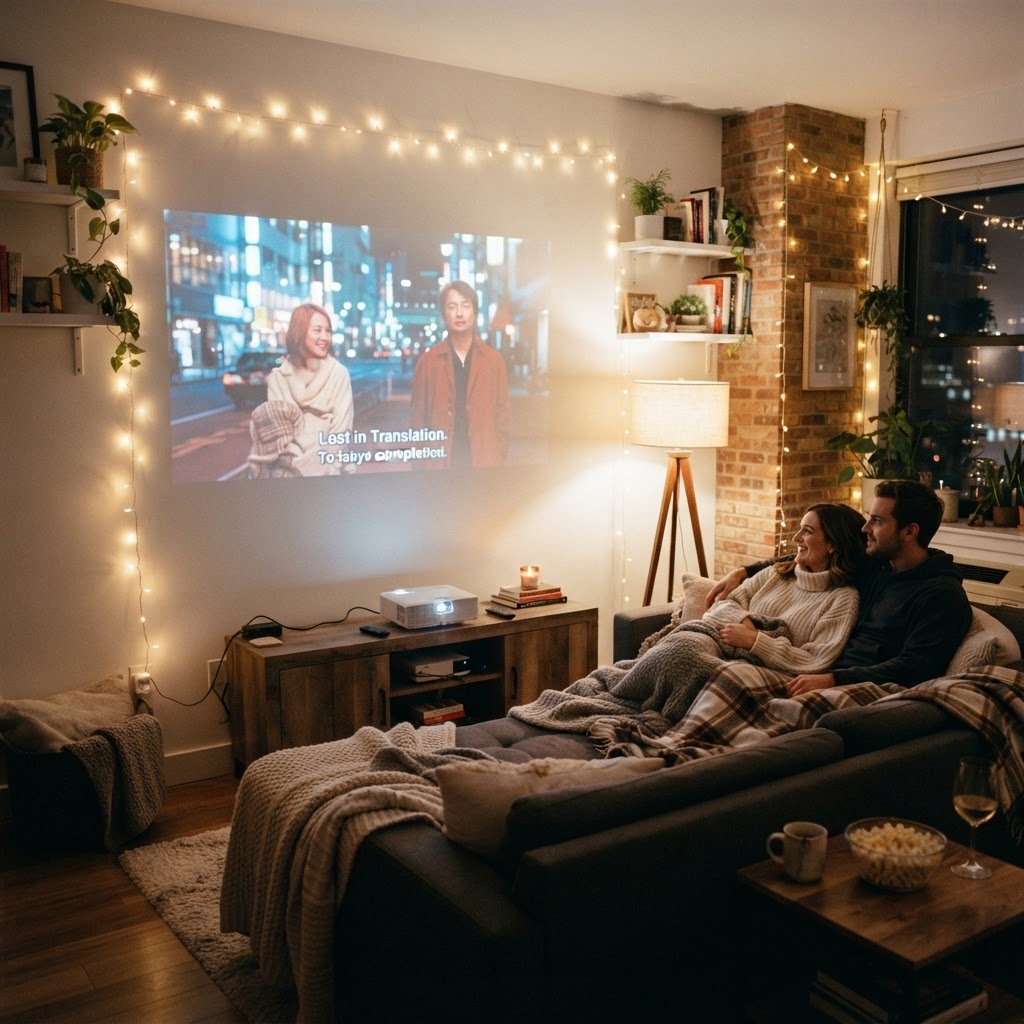
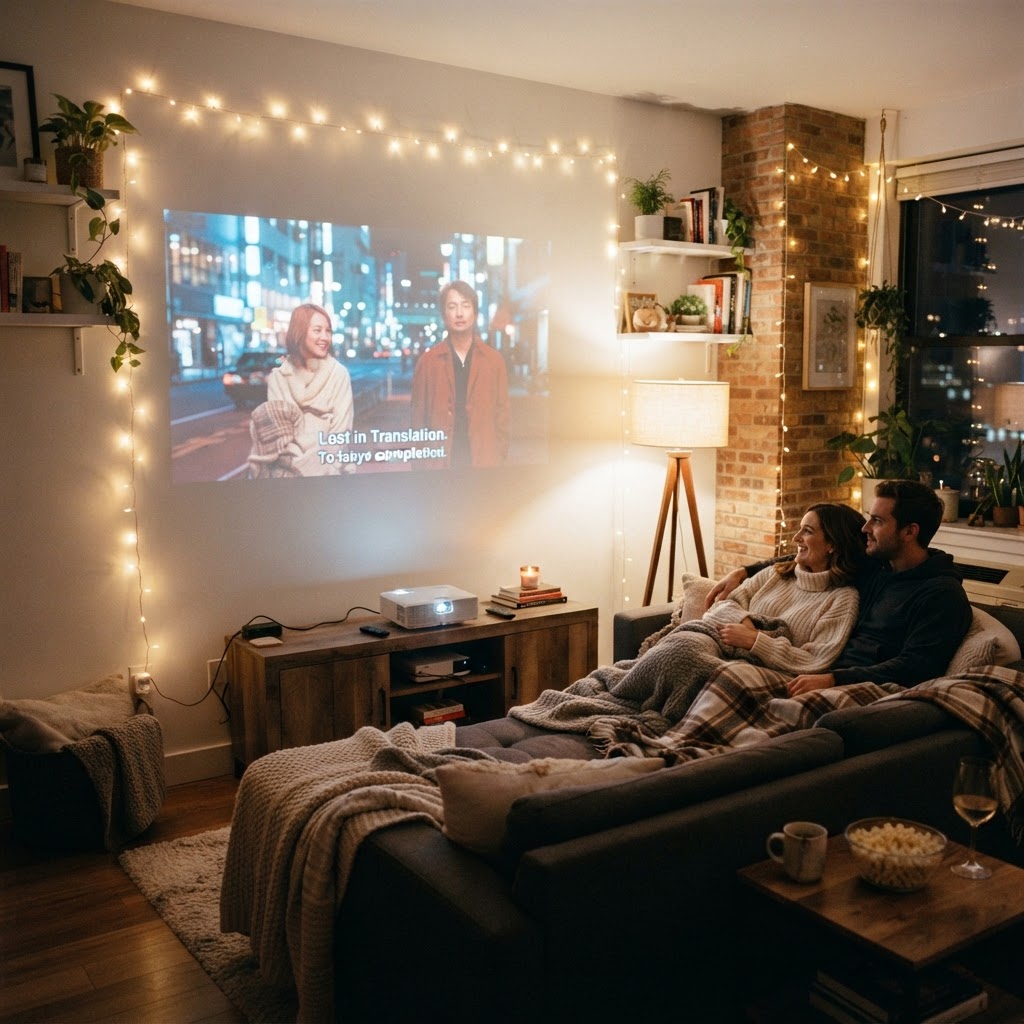
A beautifully lit small-space movie setup with a projector.

Selecting the correct projector is the most critical step for small-room cinema, as traditional devices struggle with tight throw distances. A short-throw projector is essential; these units cast a 100-inch image from as little as 1.5 feet away, making them ideal for studio apartments. When shopping, prioritize high contrast ratios and at least 2,500 ANSI lumens to combat ambient light interference common in multi-use living spaces. Full HD 1080p resolution is the standard baseline, but if you have a budget over $800, upgrading to a 4K laser projector significantly improves pixel density for closer viewing distances.

Feature Standard Projector Short-Throw Projector Ultra Short-Throw
Throw Ratio 1.5:1+ 0.4:1 – 0.9:1 Under 0.4:1
Ideal Distance 8-12 feet 2-4 feet 0-1.5 feet
Best For Large basements Small bedrooms Tight apartments

Beyond the lens, verify the presence of built-in vertical and horizontal keystone correction. This technical feature allows you to distort the image into a perfect rectangle even if your projector must sit on an off-center side table. Finally, ensure the device supports modern streaming standards like HDR10 or HLG, which enhance the color depth of your favorite films. Always measure your available wall space before purchasing to ensure the projection size matches your room’s scale.

The Role of Warm Lighting in Atmosphere

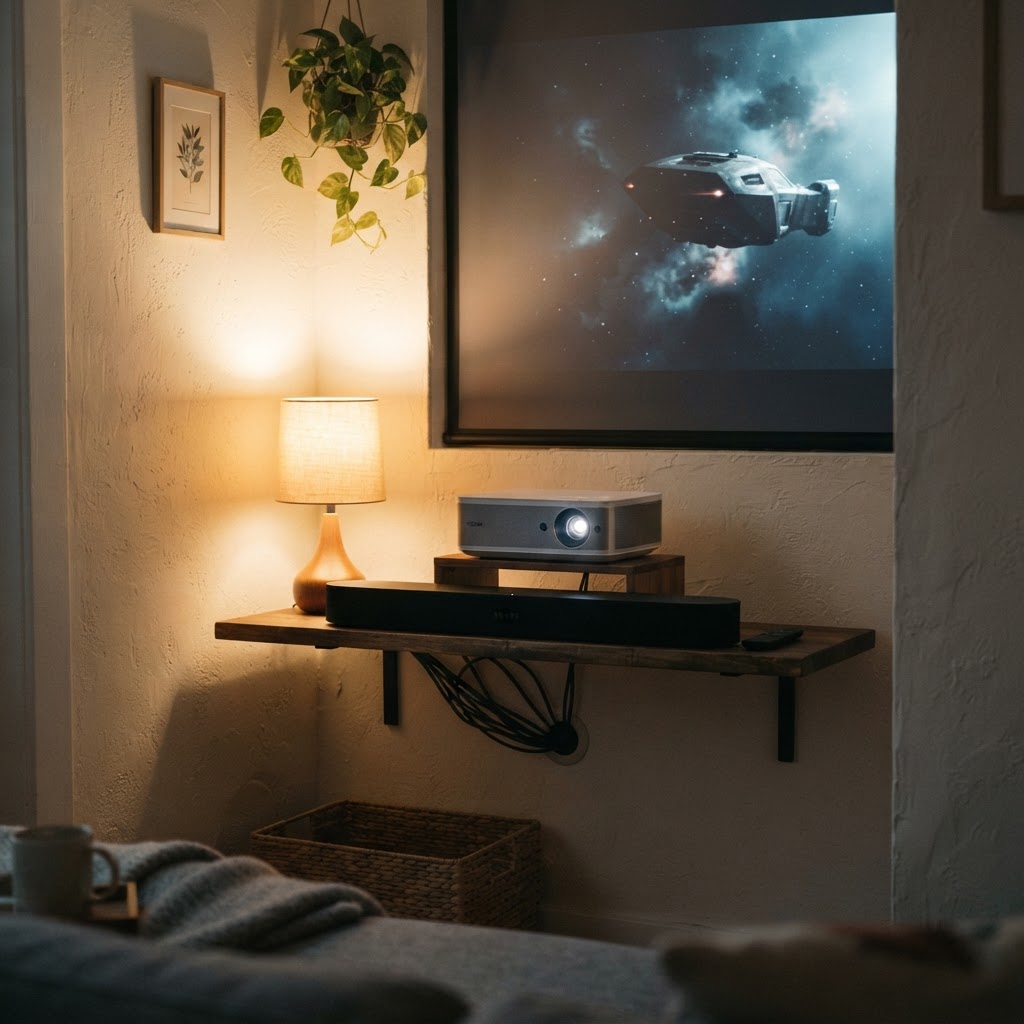
Detailing the clean look of a compact home theater setup.

Warm lighting effectively converts a utilitarian bedroom or living room into a cozy theater by introducing soft, diffused glow that minimizes the harsh contrast of a bright screen. For optimal results, aim for a color temperature between 2000K and 3000K, which provides the inviting amber tones necessary for a cinematic feel. Avoid harsh overhead lighting at all costs, as it washes out the projection and contributes to mental fatigue. Instead, prioritize “bias lighting” by placing LED strips behind your screen or display surface; this specific technique illuminates the wall behind the image, reducing pupil dilation strain and making the picture appear significantly sharper to the human eye.

Strategically layering your light sources allows for a transition from functional task lighting to immersive mood lighting. Use dimmable floor lamps or smart bulbs connected to a centralized hub to create custom scenes. By keeping your lighting at roughly 10% brightness during the feature presentation, you maintain enough visibility to move safely without disrupting the deep blacks on your screen. When choosing hardware, look for CRI (Color Rendering Index) ratings above 90 to ensure the warm light doesn’t skew the colors of your furniture or textiles. This approach balances aesthetic luxury with practical viewing comfort, ensuring your small space feels like a boutique screening lounge rather than a makeshift tech hub.

Designing Your Cozy Seating Nook

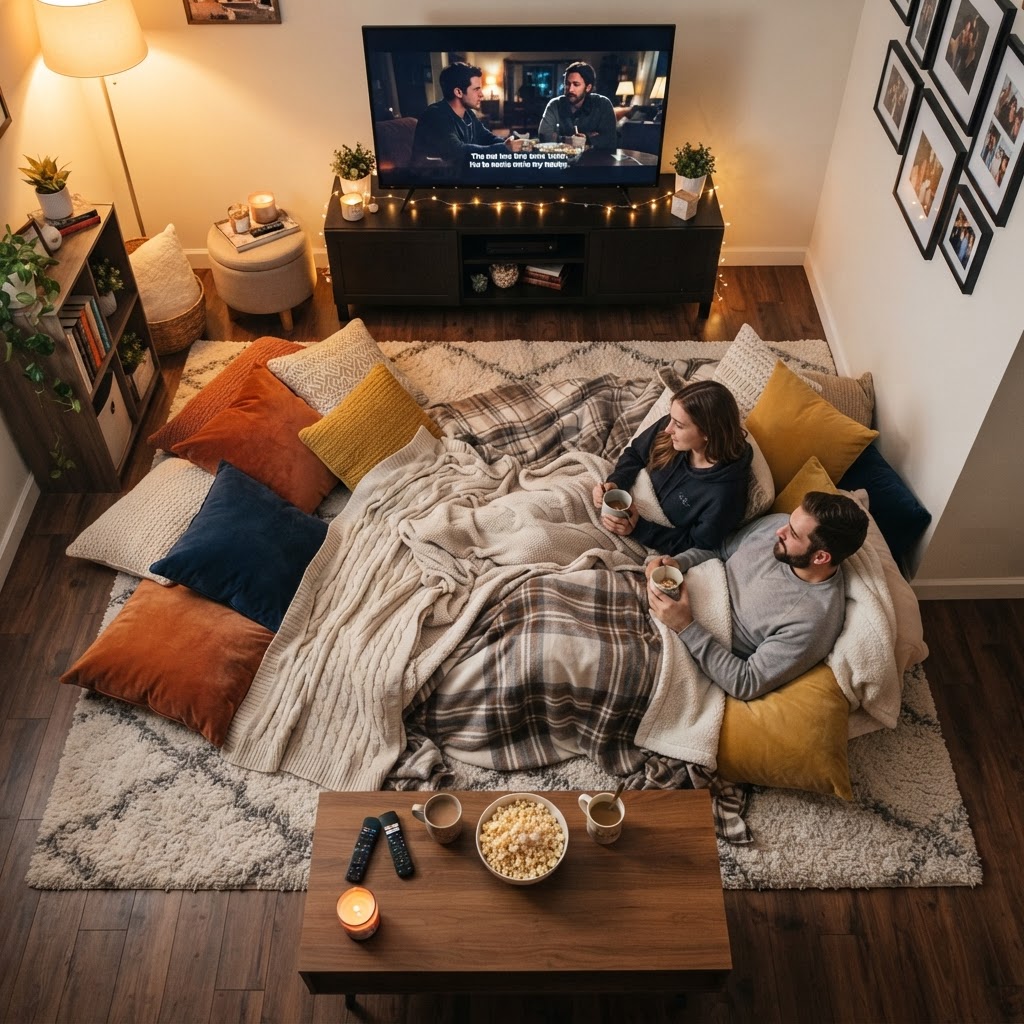
A cozy, inviting seating arrangement for small rooms.

Maximizing comfort in a tight footprint requires dual-purpose, low-profile furniture that anchors your viewing area without obstructing the projector’s beam path. For small rooms, a sectional with hidden storage or a floor-level modular sofa is superior to traditional upright armchairs, as it lowers your eyeline to be more in tune with the projected image. Incorporate textiles like faux fur or weighted blankets, which do more than just provide warmth—they absorb excess sound reflections, effectively improving the room’s acoustics. Focus on “nesting” arrangements where seating pieces can be pushed against walls or tucked under bed frames when the movie ends to restore your living area’s functionality.

Maximize Comfort in Tight Quarters

  • Utilize modular furniture that can be pushed against walls when not in use.
  • Use floor cushions that can be tucked under the bed during the day.
  • Incorporate soft, weighted blankets to enhance the cozy atmosphere.
  • Use a low ottoman as a central coffee table that won’t obstruct the projector beam.

Cable Management for a Clean Look

Effective cable management is non-negotiable in small spaces because clutter accumulates visually, making a 200-square-foot room feel significantly smaller than it is. To achieve a professional, “invisible” setup, utilize self-adhesive cable raceways that match your wall color to route HDMI and power cords directly to the projector. If your device sits centrally, use decorative braided sleeves to bundle multiple wires into a single clean line. For a truly seamless look, install a power strip hidden inside a fabric storage bin or a dedicated media console drawer; this ensures your projector, soundbar, and streaming stick all draw power from a single, organized focal point, effectively eliminating the “spaghetti wire” aesthetic that ruins immersion.

Enhancing Sound Quality Without Bulk

Achieving cinematic audio in a small apartment requires moving away from traditional floor-standing speakers toward high-performance, compact audio solutions. A 2.1-channel soundbar with a wireless subwoofer is the gold standard for small spaces, as the sub can be hidden in a corner or under a couch to provide deep bass without occupying visible floor real estate. If you live in a building with thin walls, consider using high-end wireless headphones with Dolby Atmos support; these offer a private, immersive experience that delivers theater-grade detail without disturbing neighbors. When mounting, keep speakers at ear level to ensure audio clarity, utilizing small wall brackets to free up your remaining surface space.

Integrating Smart Home Controls

Integrating your projector and lights into a smart home ecosystem elevates a casual movie night into an automated, high-end experience that requires zero manual adjustments. By using platforms like HomeKit, Alexa, or Google Home, you can create a “Movie Time” macro that performs three critical tasks simultaneously: lowering your smart shades, dimming your 2500K warm lights to 5%, and powering on your projector system. This automation removes the friction of fumbling for remotes in the dark, allowing you to trigger the entire atmosphere via a single voice command. This setup is particularly effective for small spaces where hardware is often hidden away, as your smartphone essentially becomes the universal controller for every piece of cinema gear in the room.

Curating the Perfect Viewing Experience

Beyond hardware, the secret to a high-end cinematic experience is the ritual of the environment, which is easily managed through clever storage. Use a small, rolling bar cart to house your snacks and drinks; this allows you to “bring the theater” to your seating area only when needed, keeping the rest of the room clutter-free. Dedicate a specific drawer in your media console for movie night essentials, like blue-light blocking glasses or throw blankets. By keeping your “movie kit” organized in a specific zone, you reinforce the mental transition from a work or living area to a dedicated, cozy screening sanctuary, making the ritual feel intentional and luxurious.

FAQ

Q: Can a projector be used in a room with windows?

Yes, you can use a projector in a room with windows if you use a high-lumen device and blackout curtains. Look for a projector with at least 3,000 ANSI lumens and install thick, light-blocking curtains to prevent exterior daylight from washing out the contrast of your image.

Q: How close can I sit to a projector screen?

Ideally, you should sit at a distance that is 1.2 to 1.5 times the width of the projected image. For a 100-inch screen, sitting approximately 8 to 10 feet away is usually the sweet spot for maximum immersion without seeing individual pixels.

Q: What is bias lighting and why do I need it?

Bias lighting is the practice of placing light behind your display screen to reduce eye strain. By illuminating the wall behind your projector image, the light creates a softer transition between the bright screen and the dark room, significantly increasing perceived contrast and comfort.

Q: Do I need a special screen or can I project onto a wall?

While projecting on a white wall works in a pinch, a specialized projector screen is significantly better for image quality. Walls often contain texture or imperfections that distort light; a screen uses a reflective coating to enhance brightness, color accuracy, and overall sharpness.

Q: How do I manage cables in a rental apartment?

For rentals where you cannot drill holes, use adhesive cable management clips and white plastic cable raceways. These are damage-free and paintable, allowing you to route cords along baseboards or wall corners so they disappear into the background without violating your lease terms.

The No-Drill Trick That Makes Any Living Room Feel Inviting

Creating an inviting living room often feels like a daunting task that requires hardware, tools, and potentially damaging your walls. Many homeowners and renters alike assume that high-end design is only possible through permanent installations, but the truth is that the most impactful changes are often the ones that require no tools at all. By mastering the simple no-drill trick that makes any living room feel inviting—the strategic layering of textiles and vertical floor-standing elements—you can completely overhaul your space without leaving a single hole behind. This approach focuses on softening hard edges and creating depth, which are the fundamental pillars of a truly cozy environment. Whether you are in a temporary rental or a forever home, these non-invasive design strategies will help you achieve a high-end look with minimal effort. In this guide, we will explore how to reclaim your space using clever placement, light management, and texture rather than relying on mounting hardware. Let us dive into the art of transforming your living area into a sanctuary of comfort and style.

The Power of Vertical Floor Decor

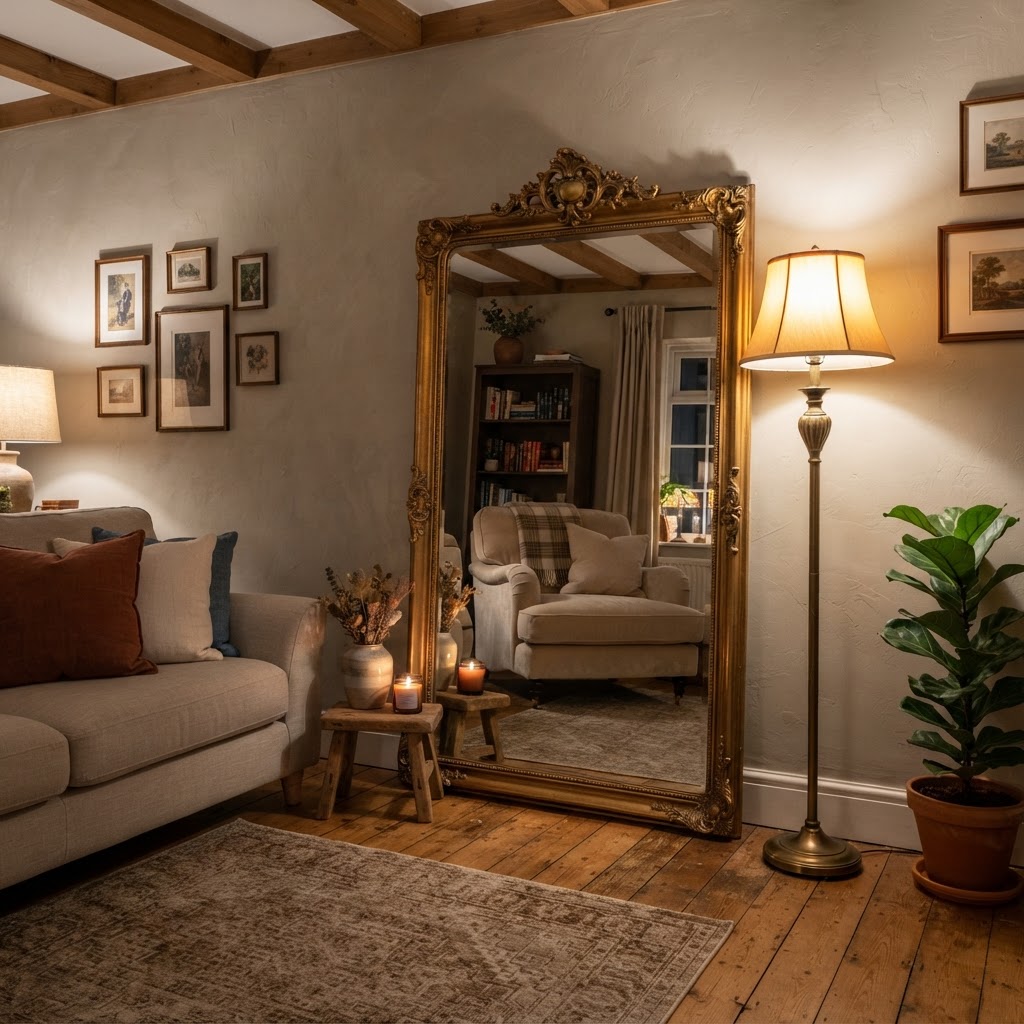
A leaning floor mirror adds depth and height without damaging your walls.

The most common mistake people make when trying to decorate a large wall is thinking that art must be hung. This mindset leads to a “wall-hugging” aesthetic that can feel sterile or unfinished. Instead, consider using floor-standing leaning decor as the primary no-drill trick that makes any living room feel inviting. Large, heavy-duty floor mirrors or oversized leaning art pieces create a sense of architectural interest without requiring a single nail. When you lean a piece against a wall, it creates a subtle shadow line that adds depth, making the room feel larger and more intentional.

Why Leaning Works Better Than Hanging

When you hang art, it sits flush against the wall, which can sometimes make the space feel flat. Leaning an object, such as a large wooden-framed mirror, introduces a slight angle that interacts with your living room lighting in dynamic ways. It also allows you to swap out decor pieces seasonally without the need to fill holes or repaint. This versatility is essential for maintaining a fresh look that evolves with your lifestyle.

Softening the Geometry of Your Space

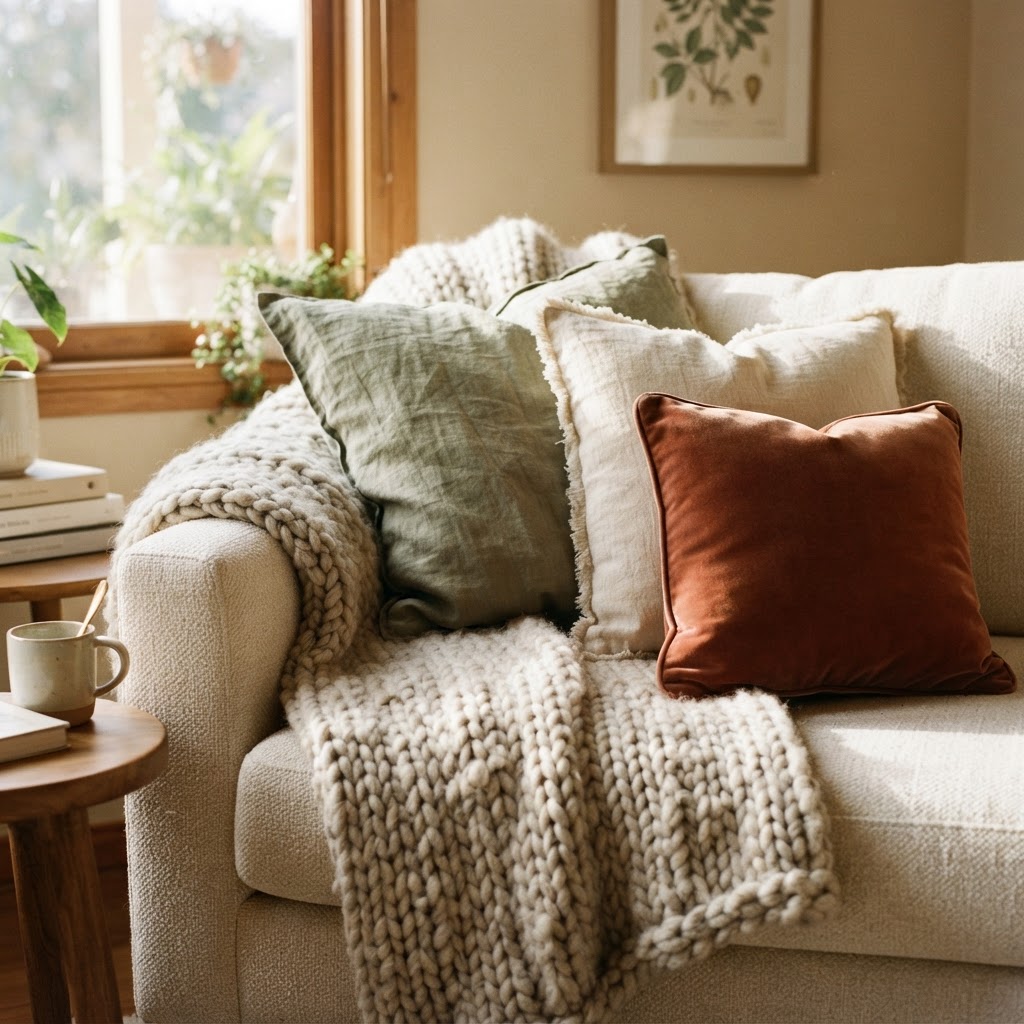
Layering different fabrics and textures instantly makes a space feel more comfortable.

Living rooms are naturally filled with rigid, boxy shapes—your sofa, your coffee table, and your television are all rectangles. To make a space feel truly inviting, you must introduce curves and soft edges to counteract these harsh lines. This is a crucial element of the no-drill trick that makes any living room feel inviting, as it humanizes the architecture of the house. You can achieve this easily by incorporating oversized floor poufs, rounded side tables, or even large, trailing house plants that soften the corners of the room.

The Importance of Organic Shapes

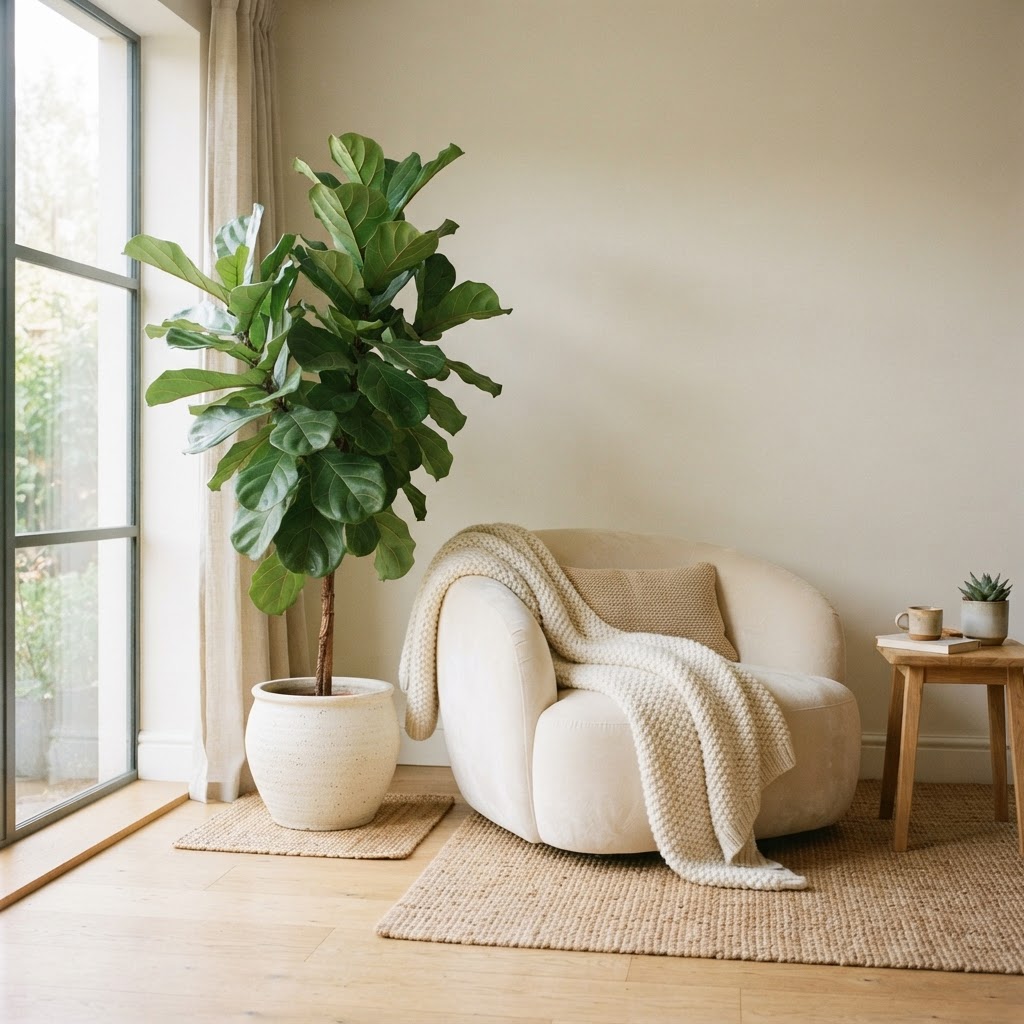
By placing an organic, shapeless object like a large fern or a woven basket in a sharp corner, you break the line of sight. This subtle visual break tells your brain to relax, signaling that the space is a place for rest rather than rigid productivity. Layering these items in clusters creates a focal point that draws the eye away from blank wall space and toward natural elements.

Mastering Light Without Installation

Use organic shapes like plants to soften the hard, boxy angles of a room.

Lighting is often the biggest culprit behind a sterile living room. Harsh, overhead lighting rarely creates an inviting atmosphere, yet many people feel stuck with their room’s existing fixtures because they cannot afford to rewire or install new wall sconces. However, you do not need an electrician to fix your lighting. The strategic use of floor lamps and battery-operated “puck” lights can recreate the look of custom hardwired sconces.

The “Lamp Layering” Method

To maximize the warmth of your room, you should have at least three light sources at varying heights. A floor lamp, a table lamp, and a subtle accent light in a bookcase create a triangle of illumination. When you place a battery-operated sconce above a piece of art or a floating shelf, you get the sophisticated look of a custom design with zero wiring.

Texture as a Design Foundation

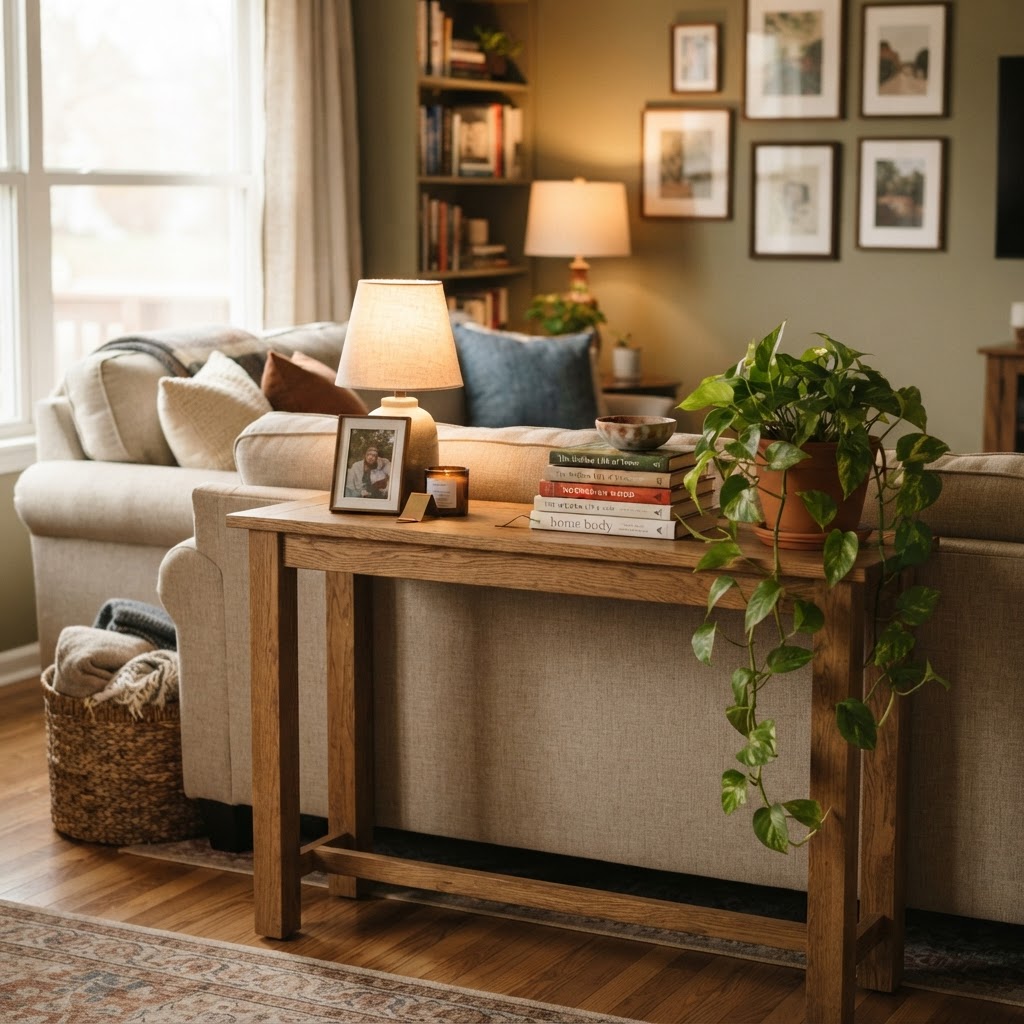
A console table behind the sofa creates a cozy, functional nook for lighting and decor.
If you want an inviting living room, you must think about how the room feels, not just how it looks. Texture is the secret weapon that makes a space feel lived-in and comfortable. Without texture, a room feels like a hotel lobby; with it, a room feels like a home. Focus on layering materials that contrast with your main furniture items.

Checklist for Texture Layering

  • Add a chunky knit throw blanket to the back of your sofa.
  • Mix leather, velvet, and linen pillows on your seating areas.
  • Introduce a jute or sisal rug underneath a softer, plush area rug for added depth.
  • Use wooden decorative bowls to ground your coffee table arrangement.

The Psychology of Negative Space

One of the most overlooked aspects of design is the deliberate use of negative space. An inviting room should not feel cluttered; it should feel curated. When you avoid drilling holes to hang excessive wall art, you naturally open up more negative space. This “breathing room” allows the focal points of your room to stand out more clearly. Instead of filling every wall, choose one or two areas to anchor with your no-drill techniques.

Creating Cozy Nooks with Existing Furniture

Often, the way our furniture is arranged works against the feeling of comfort. If your sofa is pushed entirely against a wall, you might be losing an opportunity to create a cozy nook behind it. By pulling furniture slightly away from the walls, you create a sense of intimacy and flow. This simple shift, combined with a floor-standing lamp placed in the newly created space behind the sofa, adds an immediate layer of warmth and sophistication without any hardware required.

How to Arrange for Flow

If you have a small room, floating your furniture toward the center can actually make the space feel larger by exposing the baseboards and creating a path for traffic. Use a console table behind the sofa to anchor the space and provide a surface for candles or books, further enhancing the cozy factor without needing to touch the walls.

Common Myths About Wall Decor

Many people believe that without wall art, a room looks “cheap.” This is a myth. A room that has been thoughtfully styled with textiles, lighting, and floor decor will always look more expensive than a room filled with poorly hung, mass-produced wall art that has left dozens of holes in the drywall. Choosing quality over quantity—and choosing placement methods that don’t damage your surfaces—is a hallmark of professional interior design.

Maintenance and Seasonal Updates

Because your new no-drill setup is non-permanent, you are in a unique position to change your decor as the seasons shift. In the autumn, swap your linen throws for heavier wool options. In the spring, switch your lamp shades to lighter fabrics or add fresh botanical elements. Because you haven’t relied on nails or screws, your walls remain in pristine condition, allowing you to reconfigure the layout whenever the inspiration strikes.

Conclusion

Achieving an inviting living room doesn’t require a toolbox or professional help. By leaning into the power of vertical floor decor, layering textures, and mastering the art of non-invasive lighting, you can create a space that feels personal and professional. Remember that the goal of a great living room is to foster comfort and connection. By focusing on these simple, no-drill techniques, you aren’t just decorating—you are cultivating an atmosphere that welcomes you home every single day. Start by moving one piece of furniture or adding a lamp to a corner, and watch how quickly your room transforms. Which area of your living room are you going to tackle first?

10 Aesthetic Tiny Bedroom Ideas for Small Apartments

Living in a small apartment or your first home often means working with limited square footage, but that does not mean you have to sacrifice style. Discovering the right aesthetic tiny bedroom ideas can help you transform a cramped, dull room into a sanctuary that feels both open and uniquely yours. Whether you are dealing with a studio apartment or a cozy nook, creative design choices can maximize every inch of your space effectively. Achieving a functional yet beautiful room is entirely possible with the right approach to lighting, furniture, and storage.

The Philosophy of Small Space Living

Minimalist decor with soft lighting makes this tiny bedroom feel tranquil.

Designing for a small room starts with changing how you view your floor plan. The goal is to prioritize utility while maintaining a cohesive visual theme that keeps the room from feeling cluttered. When you embrace the limitations of your room, you can actually design a more intentional, high-quality environment. It is about choosing pieces that serve a purpose while looking beautiful, effectively doubling your efficiency.

Instead of viewing small dimensions as a burden, consider them an opportunity for intimate design. A tiny bedroom should be your escape, a place where every item is curated and purposeful. By keeping your surfaces clear and choosing a consistent color palette, you can create the illusion of a larger, more airy space. This approach is fundamental to mastering any aesthetic tiny bedroom ideas.

Maximizing Vertical Space and Storage

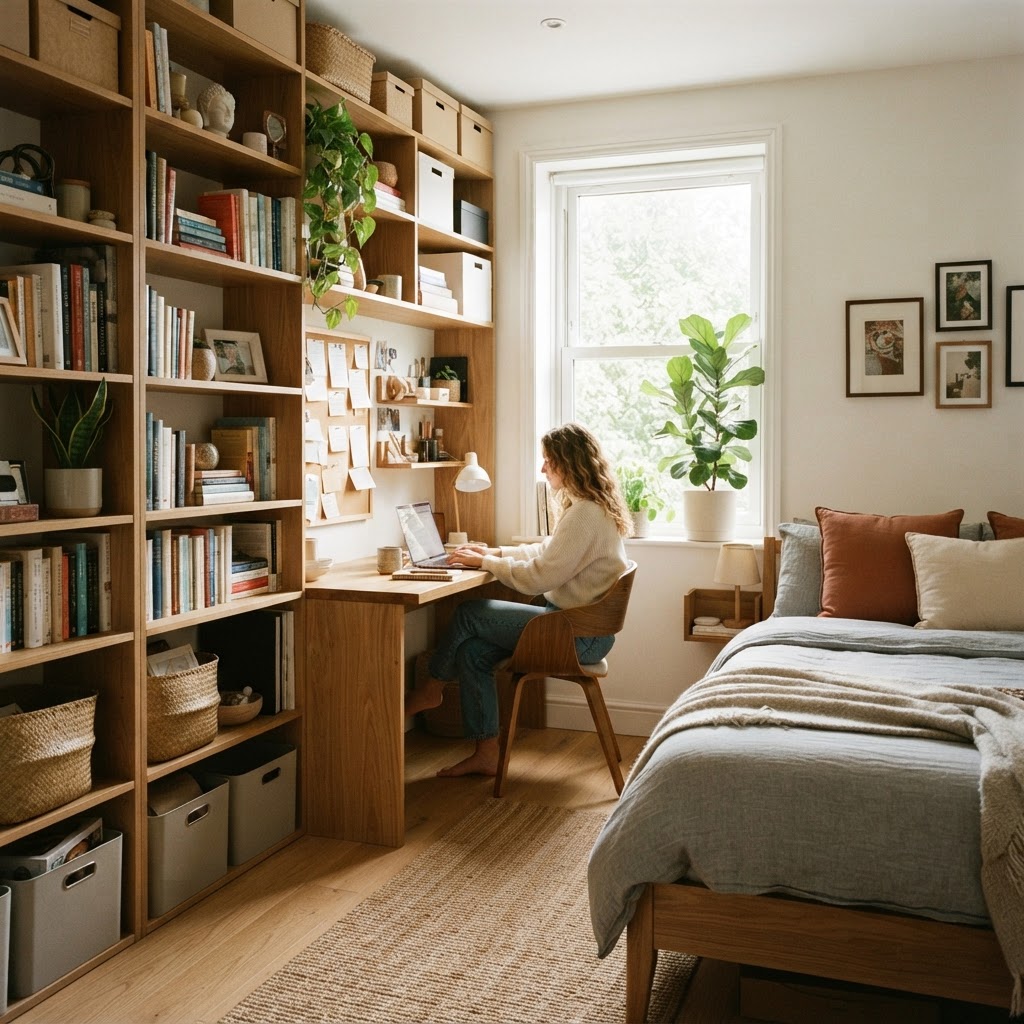
Utilizing wall space for shelving is key for small apartment storage.

When your floor space is limited, your walls become your best friend. Vertical storage is a game-changer, as it draws the eye upward and frees up valuable walking paths. Think about installing floor-to-ceiling shelving units, wall-mounted bedside tables, or hanging organizers to keep your essentials off the ground.

Creative Storage Solutions

  • Floating Nightstands: These save floor space and make the room feel larger.
  • Under-bed Storage: Utilize bins or built-in drawers to tuck away out-of-season clothing.
  • Wall Hooks and Pegboards: Great for hanging bags, accessories, or even a small mirror.
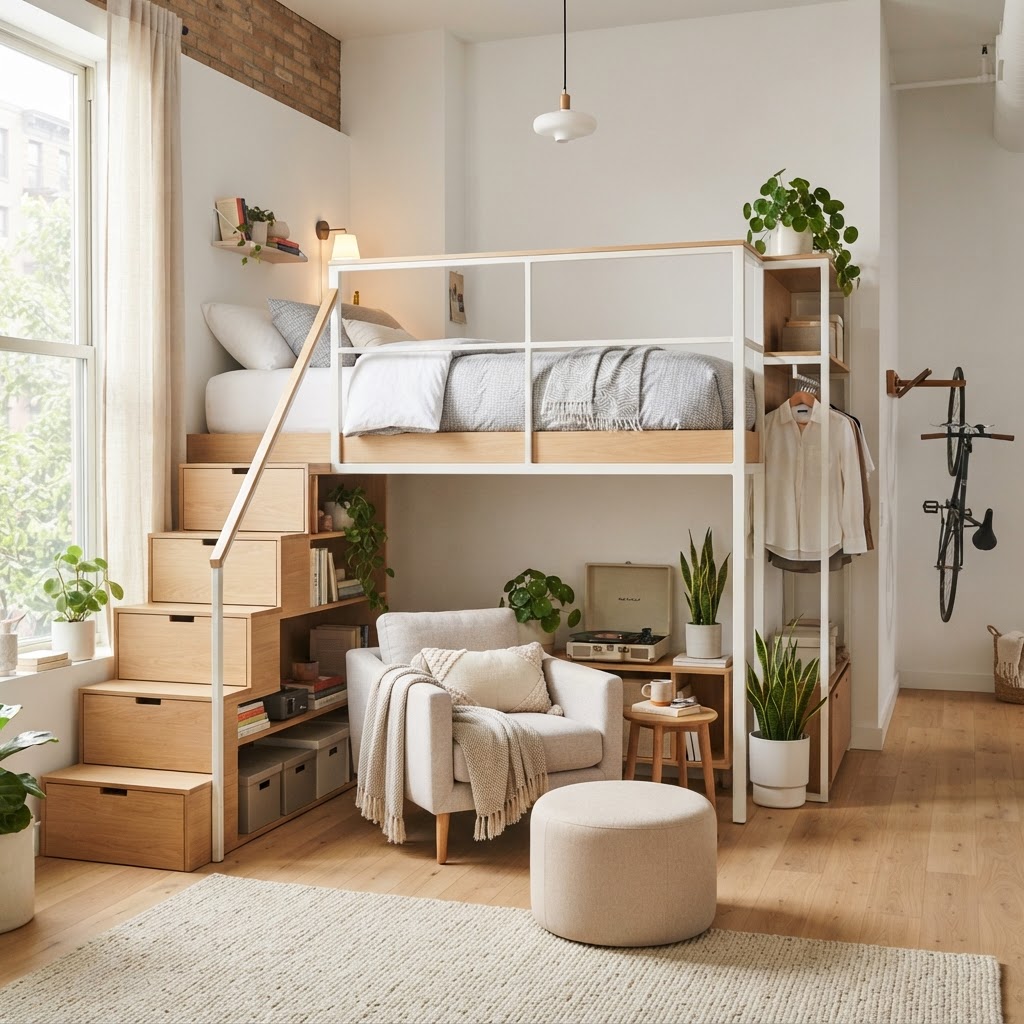
  • Lofting Your Bed: If ceiling height permits, a loft bed creates an entire room underneath for a desk or reading nook.

Maximizing these hidden areas allows you to maintain a clean aesthetic. When items have a designated home, your bedroom stays organized, contributing to a calmer environment. A clutter-free space is the cornerstone of a successful small-bedroom design.

Lighting Techniques for Small Rooms

A bold accent wall adds character to a small sleeping nook.

Proper lighting is one of the most effective aesthetic tiny bedroom ideas available. Good lighting can completely change the mood of a room and make it feel significantly larger than it actually is. Avoid using only a single harsh overhead light; instead, layer your light sources to add depth and warmth.

In a tiny bedroom, focus on installing sconces or pendant lights rather than bulky table lamps. These options keep your nightstand clear while providing targeted task lighting for reading or getting ready. Mirror placement is also crucial; by positioning a mirror across from a window, you can bounce natural light into the darker corners of your room.

Warm-toned bulbs generally create a more inviting and cozy atmosphere. Combine this with sheer curtains that allow natural light to filter in while maintaining your privacy. The balance of soft, diffused light and focused lamps is what gives professional designers their edge.

Choosing the Right Color Palette

Loft beds are a perfect solution for maximizing square footage in studios.

Color is the primary tool for manipulating visual perception in interior design. Lighter colors, such as soft whites, creams, light greys, or muted pastels, are generally best for small rooms. They reflect light and make walls feel as though they are receding, providing the illusion of more space.

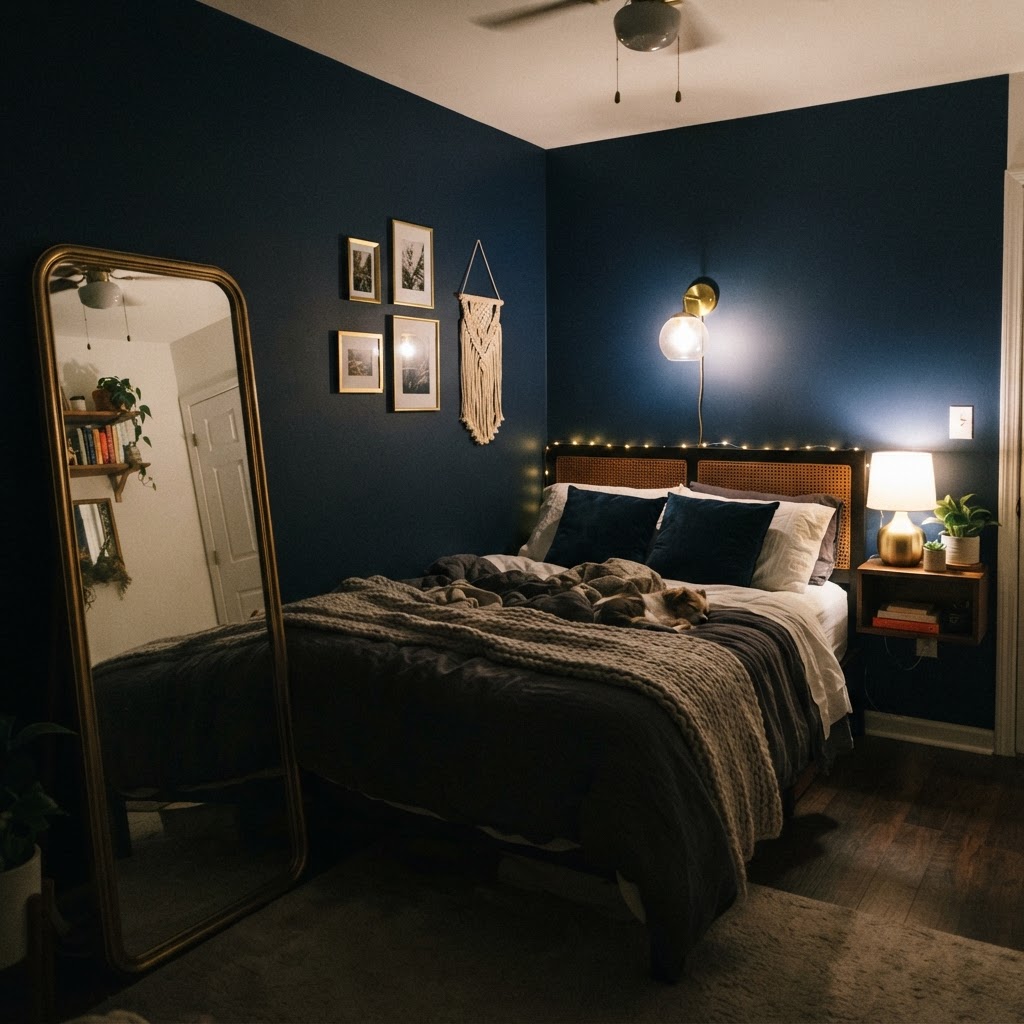
However, do not be afraid of moodiness if you prefer a darker aesthetic. A deep navy or forest green accent wall can add incredible character to an aesthetic tiny bedroom. The trick is to pair these darker shades with light-colored bedding and bright metallic accents to keep the space from feeling like a cave. Cohesion is the most important factor when selecting your color scheme.

Selecting Furniture for Small Layouts

When you are shopping for furniture, think in terms of scale. A massive bed frame will overwhelm a tiny bedroom, making the room feel like it consists of nothing but a mattress. Instead, opt for low-profile beds or headboards that don’t take up visual bulk. If you love the idea of a statement headboard, choose one that is sleek and minimalist.

Consider furniture with dual purposes. A storage ottoman can act as a seat and a place to hide blankets, while a desk can double as a bedside table if space is at an absolute premium. Choosing pieces with exposed legs also helps, as seeing more of the floor beneath a piece of furniture tricks the eye into thinking the room is bigger.

Creating Zones in a Tiny Bedroom

Even in a tiny room, you can create distinct zones for different activities. This adds functionality and makes the bedroom feel more like a multi-purpose living area. You might have a sleeping zone, a small vanity area, and a tiny reading corner.

Use rugs to visually define these areas. A rug underneath your bed clearly separates the sleeping space from the rest of the room. If you need a workspace, place a slim desk against a wall with a task chair that can be tucked underneath when not in use. This level of zoning keeps your tiny apartment from feeling like one big, confusing pile of furniture.

Personal Touches and Decor

Your bedroom should feel personal, even if it is small. Decor is what makes your space feel like home. Choose a few meaningful pieces of art, a plant that thrives in your lighting conditions, or a textured throw blanket to add personality.

Avoid over-decorating with too many knick-knacks, as this leads to visual fatigue. Instead, select a few large pieces that make an impact rather than a dozen small ones that create clutter. A gallery wall of carefully spaced prints can be a beautiful focal point that doesn’t sacrifice any functional floor space.

Conclusion

Mastering the art of small-space living is all about being selective and creative. By utilizing vertical storage, layering your lighting, and choosing multi-functional furniture, you can easily implement these aesthetic tiny bedroom ideas to transform your home. Your bedroom, no matter how small, can be a stylish and serene oasis that supports your lifestyle. Start with one area, declutter, and let your personal style shine through. Ready to give your room a refresh? Choose one tip from this guide and start your bedroom transformation today!

Soft Warm Lighting Ideas for a Calm, Cozy Apartment

Creating a sanctuary within your home often starts with the way you illuminate your space, as soft warm lighting ideas for a calm, cozy apartment play a pivotal role in setting the mood. Harsh, overhead lights can often make a room feel sterile or clinical, which is the antithesis of a relaxing environment. By shifting your focus toward softer, warmer tones, you can immediately transform any standard living area into a warm, inviting retreat that feels like an extension of your personality. Whether you are trying to wind down after a long workday or hosting a quiet evening with friends, the right light quality changes everything.

Understanding Color Temperature for Coziness

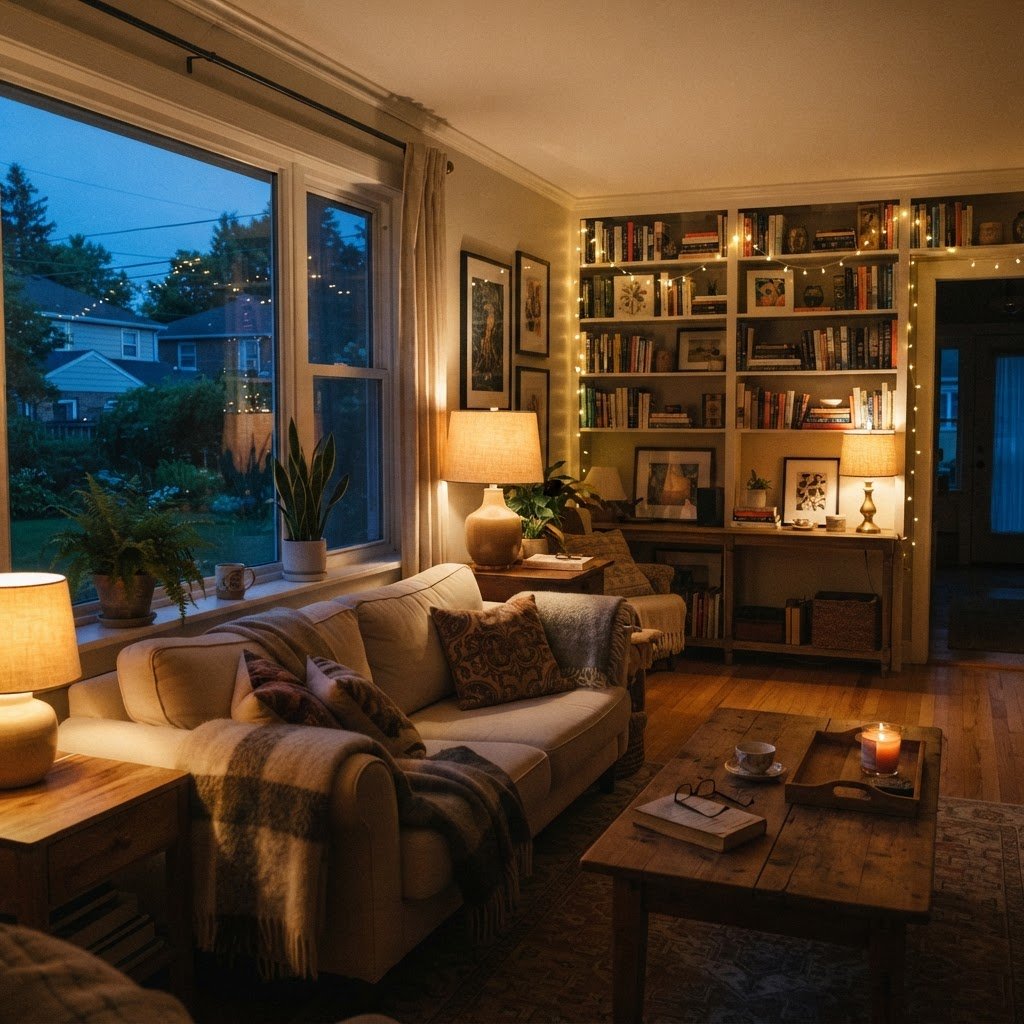
Layered lighting creates depth in a cozy living space.

To achieve the perfect atmosphere, you must first understand the concept of Kelvin (K) ratings. For a calm, cozy apartment, you want to avoid cool, bluish light that sits above 4000K. Instead, look for bulbs in the 2200K to 2700K range. This spectrum provides a golden, sun-like glow that naturally signals to your brain that it is time to relax.

The Importance of Warm White Bulbs

When shopping for replacements, always check the packaging for labels like ‘Warm White’ or ‘Soft White.’ These bulbs mimic the intimacy of candlelight or late afternoon sunlight. By consistently using this color temperature throughout your home, you create a cohesive, soothing visual flow that prevents jarring transitions as you move from the kitchen to the bedroom.

Layering Light for Maximum Depth

Brass fixtures paired with warm bulbs enhance home coziness.

Lighting should never be treated as a one-dimensional element. Designers often speak about the ‘layered approach,’ which involves combining different types of illumination to create texture and depth. Relying solely on a central ceiling light is a common mistake that can make a room feel flat and uninviting.

Combining Ambient and Accent Lighting

Ambient lighting provides the base glow, but it is the addition of accent and task lighting that truly adds character. By utilizing floor lamps, wall sconces, and table lamps at different heights, you draw the eye around the room. This technique hides harsh shadows and highlights architectural details or personal decor pieces, contributing to a more layered, sophisticated environment.

The Magic of Dimmer Switches

Soft ambient lights are perfect for a calm bedroom retreat.

If you want the ultimate control over your space, installing dimmer switches is the most effective investment you can make. Dimming the light not only saves energy but also allows you to adjust the intensity of your warm glow based on the time of day. Having the ability to drop the brightness levels during the evening hours can immediately shift the energy of a room from productive to peaceful.

Why Dimmers Are Essential

  1. They allow for instant mood transitions without moving furniture.
  2. They help extend the lifespan of your light bulbs.
  3. They provide a “candle-lit” effect that feels luxurious and intimate.
  4. They give you the flexibility to increase light when you need to read or work.

Incorporating Portable Table Lamps

For apartment dwellers who cannot change hardwired fixtures, portable table lamps are your best friend. These versatile pieces can be placed on bookshelves, side tables, or windowsills to create pockets of light. Choosing lamps with fabric shades, particularly those in cream, beige, or warm linen textures, acts as a filter that softens the output even further.

Playing with Shadow and Highlight

Don’t be afraid to place a lamp behind an armchair or nestled within a bookshelf. When light hits an object from the side or behind, it creates a subtle glow that feels much more natural than direct overhead light. This ‘bouncing’ of light off surfaces creates a diffused effect that is extremely flattering and contributes to the feeling of a calm, cozy apartment.

Using String Lights and Fairy Lights

String lights are not just for the holidays; they are an excellent, low-cost way to add whimsy and warmth to your decor. Drape them along curtain rods, around mirrors, or inside glass vases to create magical, tiny points of light that soften the room’s edges. Because these lights are typically very low voltage and warm in color, they are perfect for creating a relaxing, dreamy aesthetic.
Selecting the Right Fixtures

When choosing your lighting fixtures, consider the material and shape. Metal finishes like brushed brass or antique copper naturally reflect light with a warmer tone, whereas chrome or silver can feel cooler. Look for fixtures with woven, paper, or frosted glass shades, as these materials are designed to disperse light evenly and reduce glare.

Essential Lighting Fixtures for Cozy Living

| Fixture Type | Best Room | Function |

| :— | :— | :— |

| Floor Lamp | Living Room | Adds height and depth |

| Table Lamp | Bedroom | Creates intimate task areas |

| String Lights | Balcony/Reading Nook | Adds decorative, ambient glow |

| Sconces | Hallways | Provides wall-washing warmth |

Choosing Warm-Tone Decor to Enhance Light

Your lighting choices should work in harmony with your home’s color palette. Warm lighting shines brightest when reflected off of warm-toned walls or textiles. Incorporating throw blankets in shades of mustard, terracotta, or soft cream helps catch the golden light, making the room feel enveloped in warmth. When your decor supports your lighting strategy, the entire space feels more cohesive.

Conclusion

Transforming your living space into a haven does not require a complete renovation. By focusing on soft warm lighting ideas, you can easily cultivate a calm, cozy apartment that welcomes you the moment you walk through the door. Start by swapping your cool-toned bulbs, introducing layered lamps, and embracing the power of dimmers. These small changes will have a profound impact on your daily well-being. Start your journey toward a more peaceful home today—try replacing one room’s lighting this weekend and see the difference!
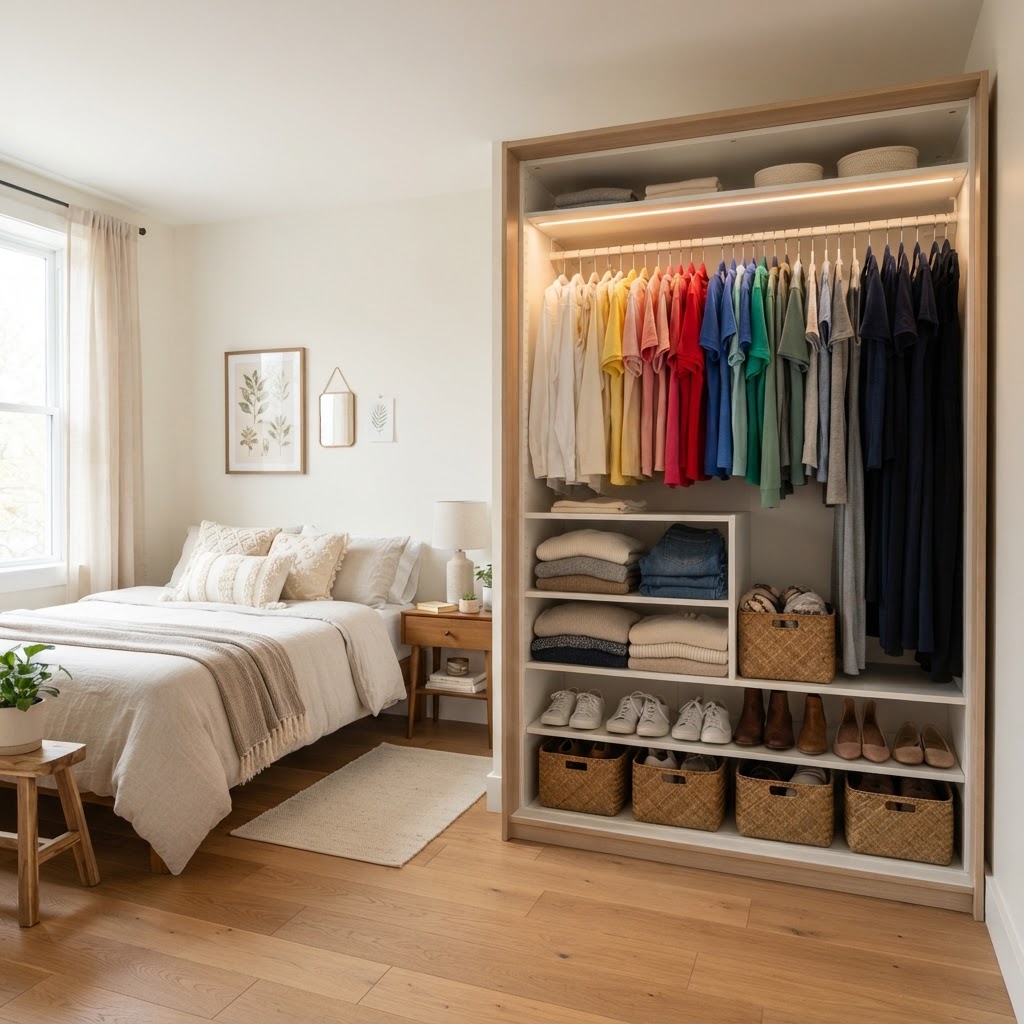
10 Cozy Bedroom Decor Ideas for First-Time Renters

Moving into your first apartment is an exciting milestone, but it often comes with a blank, uninspiring canvas that feels more like a temporary box than a sanctuary. Finding the right cozy bedroom decor ideas for first-time renters is essential because your bedroom is the one place where you can truly unwind after a long day. Even with strict landlord rules and limited budgets, you can transform a sterile rental room into a personalized haven that reflects your unique style and provides ultimate comfort.

The Power of Layered Lighting

Layering textures and warm lighting creates an inviting retreat.

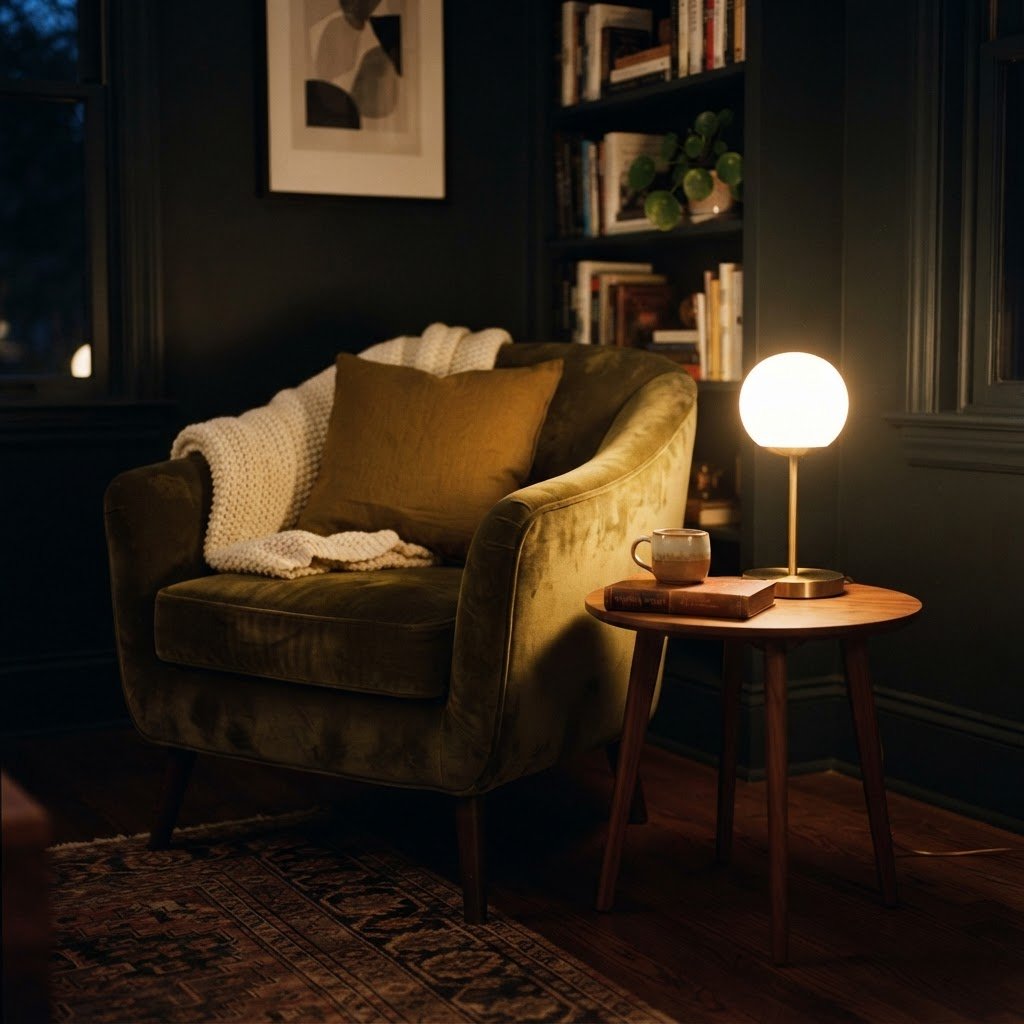
Lighting is the secret ingredient to turning any space into a cozy retreat, yet it is often the most overlooked element in rental units. Most apartments come with harsh overhead “boob lights” that do little to set a relaxing mood. Instead of relying on a single source of light, focus on layering to create depth and warmth in your room.

Types of Renter-Friendly Lighting

Warm-Toned Lamps

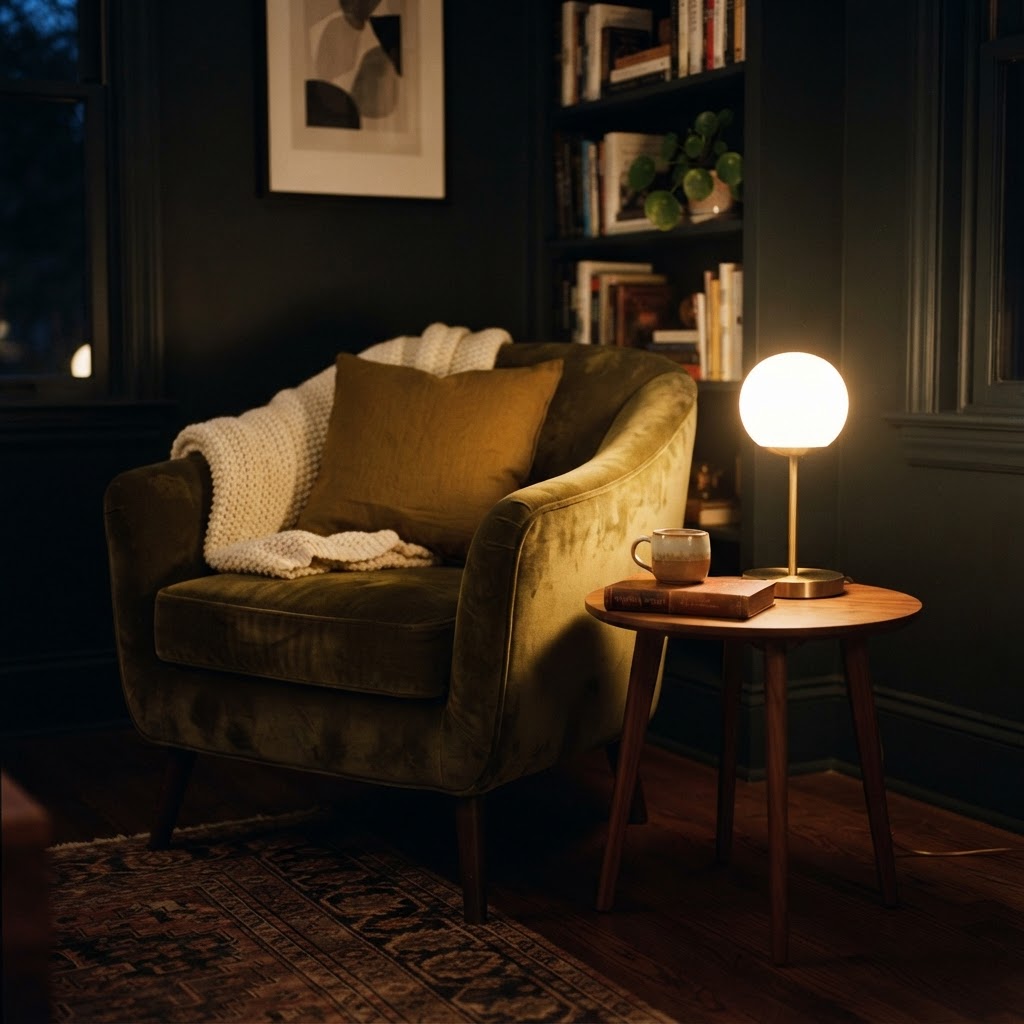
Switching to warm-toned bulbs can immediately change the vibe of your bedroom. Consider adding a bedside lamp with a fabric shade or a floor lamp tucked into a corner to provide a soft, ambient glow that is much gentler on the eyes than overhead fixtures.

String Lights and LEDs

For a touch of whimsy, string lights are the gold standard for renters. Use command hooks to drape them behind your headboard or along the ceiling perimeter. They provide a magical, soft atmosphere that makes any space feel infinitely more inviting and intimate.
Textiles: The Softness Factor

Thoughtful bedside styling makes a space feel personalized.

Nothing says “cozy” quite like layers of soft textures. When you are decorating as a first-time renter, prioritize high-quality bedding and plush accessories that you can easily take with you when you eventually move out. A thick duvet, a chunky knit throw, and an abundance of decorative pillows will instantly make your bed look like a high-end retreat.

Mixing Patterns and Materials

Don’t be afraid to mix and match materials to add visual interest. Combining velvet throw pillows with a cotton duvet and a faux fur rug creates a tactile experience that makes the room feel expensive and curated. Focus on a cohesive color palette, even if you are mixing different fabrics, to ensure the room feels balanced rather than cluttered.

Incorporating Personal Art Without Damage

Use temporary decor to add personality to rental walls.

Blank white walls are the hallmark of a rental, but they don’t have to stay that way. Adding personal artwork is one of the most effective cozy bedroom decor ideas for first-time renters because it immediately stamps your personality onto the room. Since you likely cannot hammer nails into the walls, command strips and adhesive putty are your best friends.

Gallery Wall Strategies

Create a gallery wall using lightweight frames or unframed prints. You can group photos, postcards, and illustrations together to create a focal point above your bed or across from it. If you are worried about the weight, consider leaning larger frames against the wall on top of a dresser or even on the floor for a more relaxed, bohemian aesthetic.

Bringing Nature Indoors with Plants

A cozy reading nook adds function and style to a small bedroom.

Plants are not just for aesthetics; they breathe life into a space and improve air quality, making your bedroom feel fresh and alive. Even if you don’t have a green thumb, there are plenty of low-maintenance varieties that thrive in apartment settings. Snake plants, pothos, and ZZ plants are notoriously difficult to kill and look beautiful on windowsills or bookshelves.

Rethinking Window Treatments

Many rentals come with standard, builder-grade plastic blinds that are functional but far from beautiful. Swapping these out for floor-to-ceiling curtains can completely transform the scale of your room and add a layer of luxury. You can use a tension rod to install curtains inside the window frame without ever needing to drill a hole in the wall.

Personalizing Floors with Area Rugs

If your apartment has cold, institutional-looking carpet or worn-out wood floors, a stylish area rug is the perfect solution. A large rug grounds the furniture and adds an immediate layer of warmth to the space. Choose a rug that extends at least halfway under your bed to anchor the furniture and create a cozy frame around your sleeping area.

Choosing the Right Size

A common mistake first-time renters make is buying a rug that is too small, which can make the room feel disjointed. Opt for an 8×10 rug if possible, or use a runner on the side of the bed if your space is particularly tight. Always use a rug pad underneath to prevent slipping and add extra cushion for your feet in the morning.

Utilizing Multi-Functional Furniture

Space is often at a premium in your first apartment. To maintain a cozy environment, avoid clutter at all costs. Invest in furniture pieces that pull double duty, such as an ottoman with storage inside or a bed frame with built-in drawers. Keeping your surfaces clear of miscellaneous items allows the “cozy” elements—like your lamps and plants—to take center stage.

The Art of Scent and Sound

Cozy decor is not just about what you see; it is about how the room feels and smells. Establish a sensory routine by using an essential oil diffuser or high-quality soy candles to create a calming atmosphere. A white noise machine can also be a game-changer if you are living in an apartment building with thin walls, helping you achieve a restful night of sleep regardless of the environment outside your door.

Conclusion

Creating a sanctuary as a first-time renter is entirely possible with a bit of creativity and strategic planning. By focusing on lighting, textures, non-damaging wall decor, and greenery, you can easily turn a temporary space into a home that feels uniquely yours. Remember, the best cozy bedroom decor ideas are the ones that make you feel relaxed, comfortable, and truly at peace the moment you walk through the door. Start with one or two of these tips today, and watch as your room begins to transform into the retreat you deserve. What project will you tackle this weekend to make your space feel more like home?

Small Bedroom Ideas: Solve Clutter and Layout Problems

Living in a home with limited square footage often leaves homeowners feeling like they have to sacrifice style for functionality, especially when it comes to the master suite or guest room. Implementing smart small bedroom ideas can turn a cramped, chaotic space into a peaceful sanctuary that feels significantly larger than it actually is. By rethinking how you approach your furniture, lighting, and vertical storage, you can solve common clutter issues and improve your room’s flow at the same time.

The Psychology of Space and Visual Clutter

Maximize your footprint by utilizing the space beneath your bed for hidden storage.

One of the biggest hurdles in small room design is the psychological impact of visual clutter. When every surface is covered with items, your brain constantly processes that information, preventing you from truly relaxing before bed. The goal is to create a sense of ‘visual rest’ by hiding the items you don’t use daily and keeping the surfaces as clear as possible.

The Rule of Three for Surfaces

A simple way to manage your nightstand and dresser is to apply the rule of three. Keep only three items on any flat surface—perhaps a lamp, a book, and a small plant. Everything else belongs in a designated drawer or bin. This intentional restriction automatically makes the room feel less busy and more curated.

Rethinking Your Furniture Layout

Wall-mounted lighting keeps surfaces clear and makes small rooms feel open.

When working with a tight footprint, your furniture placement dictates the success of the entire room. Many people instinctively push all their furniture against the walls, thinking this creates the most open space. In reality, this can make the room look like a box. Sometimes, pulling the bed just a few inches away from the wall or angling a dresser can create a more dynamic and usable layout.

Maximizing Under-Bed Real Estate

Your bed is likely the largest object in your room, and it is usually a wasted storage opportunity. By using bed risers or upgrading to a frame with built-in drawers, you can reclaim several cubic feet of storage. This is the perfect home for seasonal clothing, extra bedding, or travel luggage that would otherwise end up cluttering your closet.

Vertical Storage Solutions for Small Rooms

A color-coordinated closet helps reduce visual clutter in tight spaces.

If you cannot build out, you must build up. Walls are your best friend when your floor is covered. Installing floating shelves above your headboard or using tall, narrow bookcases can draw the eye upward. This technique makes the ceiling feel higher and provides ample space for personal decor without sacrificing precious floor space.

Strategic Shelving Placement

Avoid heavy, dark shelves that make a room feel closed in. Instead, use light-colored or glass shelving to keep the aesthetic feeling airy and open. Place these shelves high enough so that they don’t interfere with your movement, but keep them accessible enough to hold your most-used books or evening essentials.

Lighting Techniques to Expand Your Room

Lighting is perhaps the most underrated tool for designers working with small bedroom ideas. Poorly lit corners make a room look like a dark, shrinking cave. Instead of relying on one central overhead fixture, use layers of light to wash the walls and brighten the corners.

The Benefits of Sconces

Wall-mounted sconces are a game-changer because they eliminate the need for nightstands if space is at a premium. Even if you do have nightstands, removing the lamp from the tabletop surface instantly provides more space for your bedtime essentials, reducing that ‘too small’ feeling immediately.

Curating Your Closet for Efficiency

If your closet is packed to the brim, your bedroom will inevitably feel cluttered. The secret to a tidy room starts with a tidy closet. Invest in matching hangers to reduce visual noise and use slim, velvet-covered options to save space. You should also consider implementing a ‘one-in, one-out’ policy to keep your inventory manageable.

Organizing by Color and Category

Take the time to group items by color or category. This isn’t just for aesthetics; it helps you see exactly what you own, preventing you from overbuying and keeping the storage zones organized. A clean, organized closet allows you to keep other furniture pieces in your room much simpler.

Textiles and Colors That Create Illusion

Color theory plays a massive role in how we perceive the size of a room. Lighter, cooler tones—like soft grays, whites, or pale blues—help walls recede, making the space feel more expansive. Conversely, bold, dark colors can add depth if used correctly, but if you are looking to create a sense of maximum space, stick to a monochromatic color palette.

Playing with Mirrors

Mirrors are a classic trick for a reason: they double the visual depth of a room. A floor-length mirror or a large mirror placed across from a window can reflect light and greenery, effectively ‘adding’ a window to a room that may have poor natural light. This is one of the easiest, most affordable ways to make a bedroom feel larger instantly.

Common Pitfalls to Avoid

Many people make the mistake of choosing furniture that is simply too large. A king-sized bed in a tiny room leaves no space for flow. If you live in a small space, prioritize proportions. Choose a queen or double bed if it allows for actual walking space around the perimeter. Another common trap is excessive decor; keep accessories minimal to avoid making the room look like it is bursting at the seams.

Conclusion

Transforming your bedroom doesn’t require a major renovation or a massive budget. By focusing on smart, vertical storage, optimizing your furniture layout, and using light to your advantage, you can create a space that feels like a serene sanctuary. Small bedroom ideas are really about editing; it is about choosing only what you love and finding clever homes for everything else. Take one of these tips—perhaps clearing off your nightstand or rearranging your bed—and try it today to start reclaiming your space. Your peaceful, organized room is closer than you think.

How One Glow Lamp Can Transform Your Entire Living Room

Have you ever walked into a room that felt beautiful but somehow empty, as if something fundamental was missing from its soul? Often, the missing ingredient isn’t a new piece of furniture or a fresh coat of paint, but rather the way light interacts with your space. Learning how one glow lamp can transform your entire living room is the secret to mastering interior design without breaking the bank or undergoing a total renovation. This simple addition can shift the entire mood from stark and clinical to warm, inviting, and sophisticated.

Understanding the Power of Ambient Lighting

A single glow lamp creates a cozy reading nook.

Ambient lighting is the foundation of any well-designed room. It provides the overall illumination that allows us to function safely and comfortably. However, too much overhead lighting can result in a flat, uninviting environment that lacks depth. A glow lamp introduces a layer of softness that overhead fixtures simply cannot replicate.

By adding a glow lamp, you are essentially introducing a “light accent” that functions much like a piece of art. It creates a focal point that draws the eye, providing contrast and shadow. This interplay of light and dark is what creates that high-end, designer look you see in magazines.

Why One Lamp Makes a Difference

When you integrate a single high-quality glow lamp, you create a dedicated “zone” of comfort. Whether it is placed on an end table, a bookshelf, or a floating wall ledge, that one light source defines a space where you can relax, read, or host intimate conversations. It breaks the monotony of uniform brightness.

Choosing the Right Glow Lamp for Your Decor

Soft lighting transforms the mood of your living space.

Not all lamps are created equal, and finding the perfect match for your home is crucial. The style of the glow lamp—whether it be minimalist glass, warm wood, or industrial metal—should complement your existing furniture. The goal is to choose a piece that feels like it has always belonged in the room.

If your living room features mid-century modern furniture, look for a glow lamp with sleek lines and a warm, diffused shade. For those with a more bohemian or eclectic style, a lamp featuring textured materials or artisan-crafted elements can serve as a stunning conversation piece.

The Strategic Placement Technique

Strategic placement maximizes the visual impact of your lamp.

Where you place your glow lamp is just as important as the lamp itself. To truly harness the power of your lighting, consider the concept of “triangulation.” By placing a lamp in a corner or near a reflective surface, you can bounce light back into the room, effectively expanding the visual space.

Creating a Cozy Reading Nook

Positioning a lamp next to a comfortable armchair instantly creates a dedicated nook. This small change makes a large living room feel more intimate. It also encourages better posture and focus during your leisure time, as the light is localized right where you need it.

Enhancing Mood with Color Temperature

Elevate your home decor with the perfect glow.

One of the most common mistakes in home lighting is choosing bulbs that are too bright or too blue. For a glow lamp, always opt for “warm white” or “soft white” bulbs with a color temperature between 2700K and 3000K. This range mimics the golden hour of the sun, which is naturally pleasing to the human eye.

| Bulb Type | Ideal Temperature | Best Use Case |

| :— | :— | :— |

| Warm White | 2700K – 3000K | Living Rooms & Bedrooms |

| Neutral White | 3500K – 4000K | Kitchens & Workspaces |

| Cool White | 5000K+ | Garages & Utility Rooms |

Using the right bulb transforms the glow lamp from a mere object into a functional mood setter. You will notice that as the evening settles, switching off the harsh ceiling lights and leaving only the glow lamp active will make your living room feel significantly more premium and peaceful.

Integrating Smart Lighting Solutions

Modern technology allows you to take your glow lamp to the next level. By using smart bulbs, you can adjust the brightness and even the hue of the light directly from your smartphone or through voice commands. Imagine dimming the lights for a movie night without ever getting off the sofa.

Smart bulbs can also be scheduled to turn on exactly when the sun goes down. This consistency helps maintain the atmosphere of your home automatically. You can choose to slowly increase the brightness as the evening progresses, creating a dynamic environment that evolves with your needs.

Common Mistakes to Avoid

Even with the best lamp, placement errors can diminish its effect. One common mistake is “glare.” If you can see the bulb directly, the lighting will feel harsh rather than glowing. Ensure your lamp has a proper shade, diffuser, or frosted glass housing to soften the output.

Another error is clutter. A lamp should have room to breathe on a side table. Avoid crowding it with too many decorative objects, which might cast distracting shadows or block the light distribution. Keep the area around the lamp clean to allow the soft, ambient glow to spread evenly.

Maintenance and Care Tips

To ensure your glow lamp continues to transform your living room for years to come, regular maintenance is key. Dusting the lampshade and the bulb base ensures the light remains crisp and clear. A buildup of dust can actually dim the light and create a dull aesthetic.

If you have a decorative glass globe, use a microfiber cloth to prevent streaks. If your lamp uses wood or metal components, check the base periodically to ensure it is stable and that the cord is safely tucked away. Safety and style should always go hand-in-hand in your living space.

Maximizing the Impact

To truly maximize the impact of one glow lamp, think about how it interacts with other elements in the room. Mirrors are a fantastic way to double the effect of your light. Placing your glow lamp on a console table near a mirror will reflect the warm light back into the room, creating an illusion of depth and added luxury.

You can also experiment with different heights. A floor-standing glow lamp provides a different visual weight compared to a small table lamp. By varying the height of your light sources, you create a more visually interesting room that guides the eye naturally around the space. This is a foundational trick used by professional interior designers to create balance in larger rooms.

Conclusion

Learning how one glow lamp can transform your entire living room is an empowering step toward creating a home you love coming back to. By focusing on warm color temperatures, strategic placement, and selecting a design that speaks to your personal style, you can elevate your space from ordinary to extraordinary. Start small, experiment with the placement of your lamp this evening, and experience the immediate shift in ambiance. Ready to upgrade your home? Pick up a glow lamp today and witness the change for yourself!