12 Smart Ways to Organize a Small Bedroom Without a Dresser
You can organize a small bedroom without a dresser by maximizing vertical wall space, utilizing under-bed storage, installing over-the-door organizers, and using multi-functional furniture. These strategies replace traditional bulky storage with streamlined, space-efficient alternatives that keep your belongings accessible while maintaining a clutter-free environment in compact living spaces.
Rethink Your Vertical Wall Space
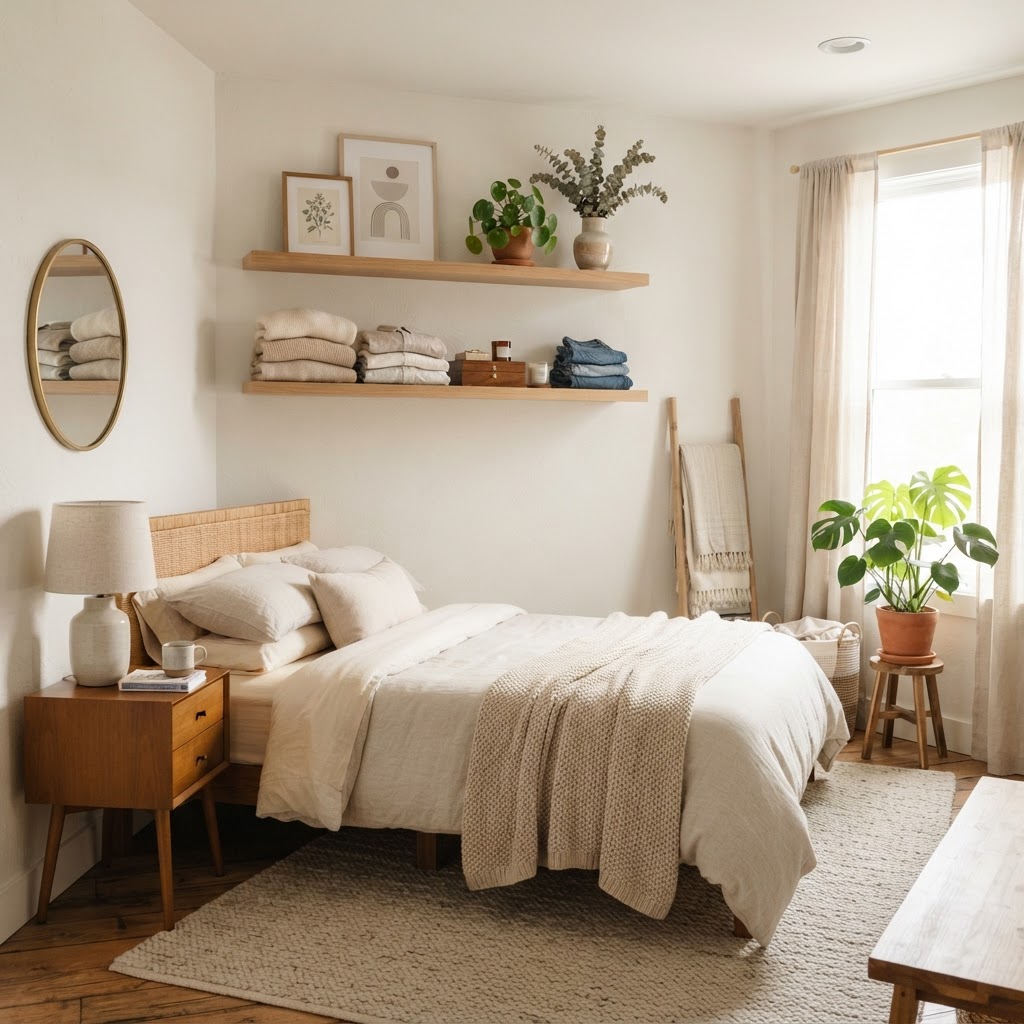
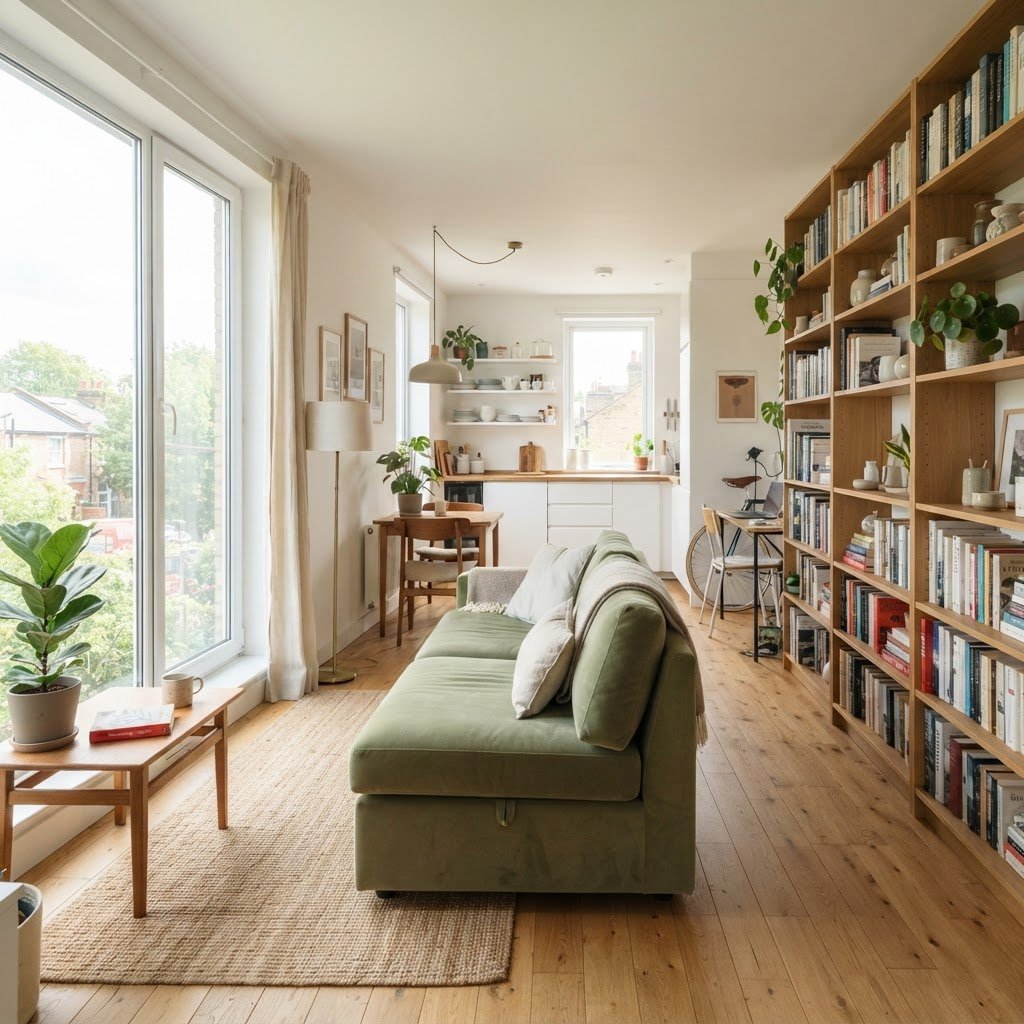
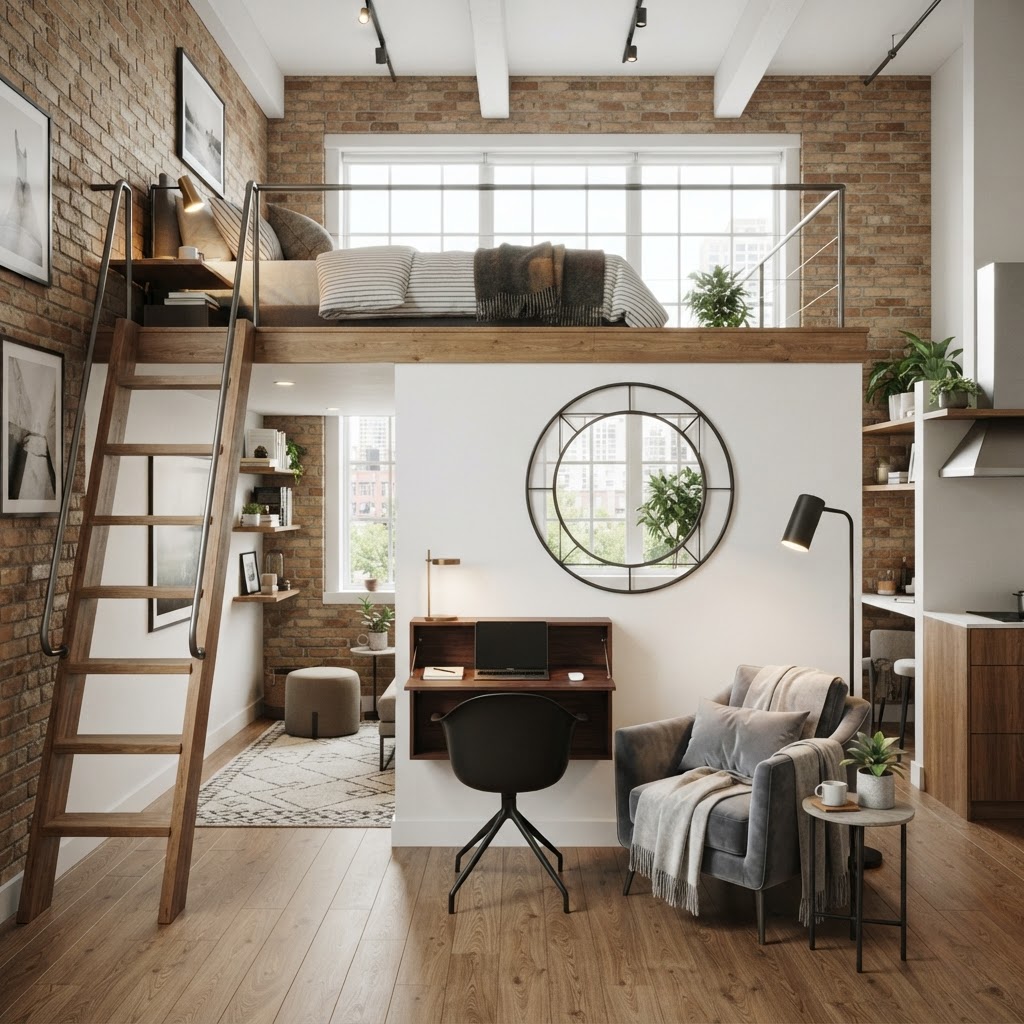
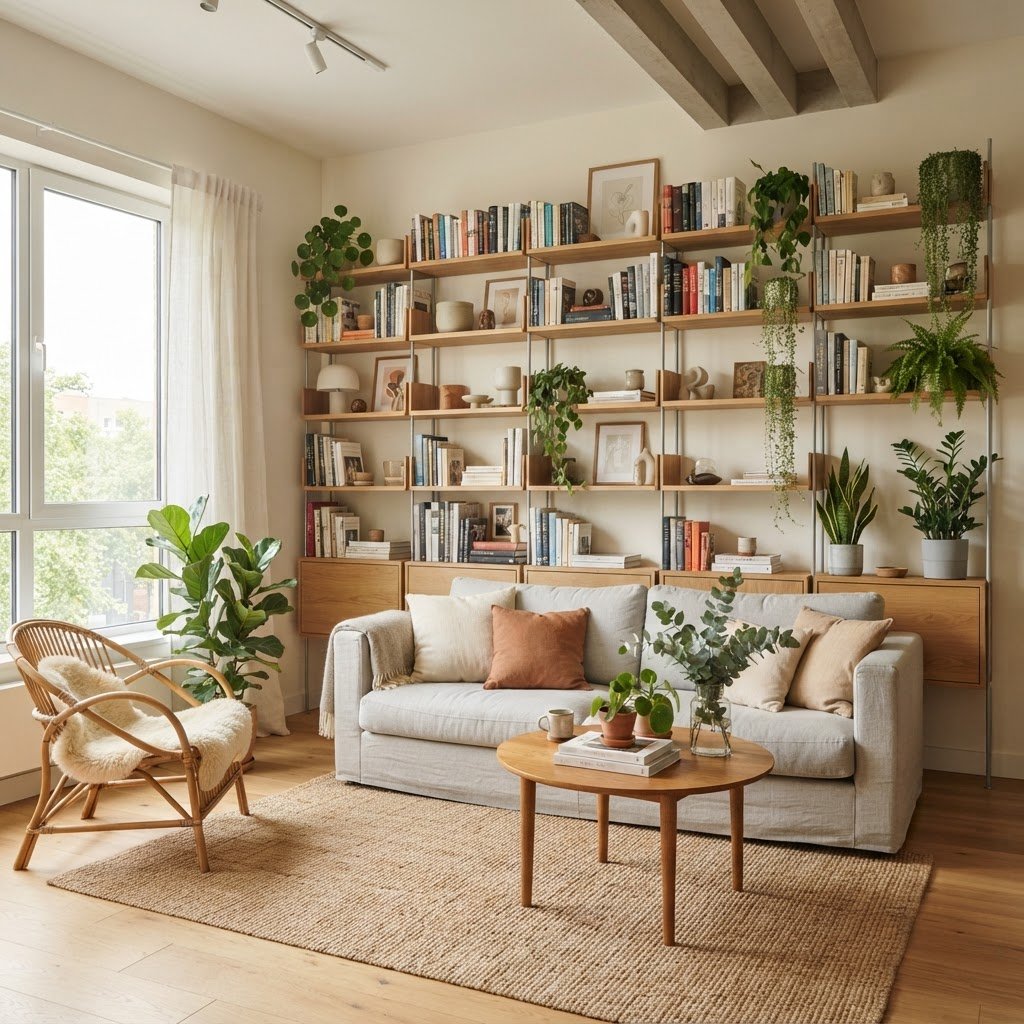
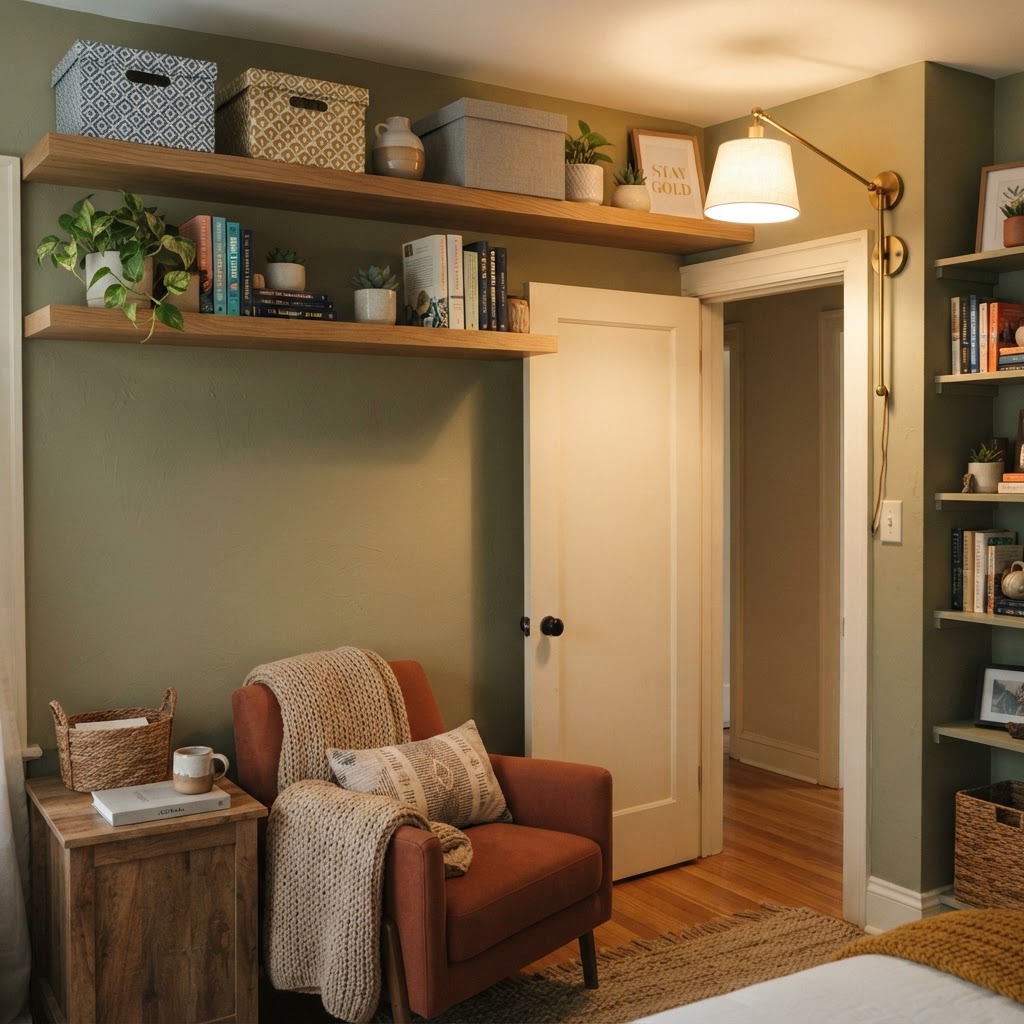
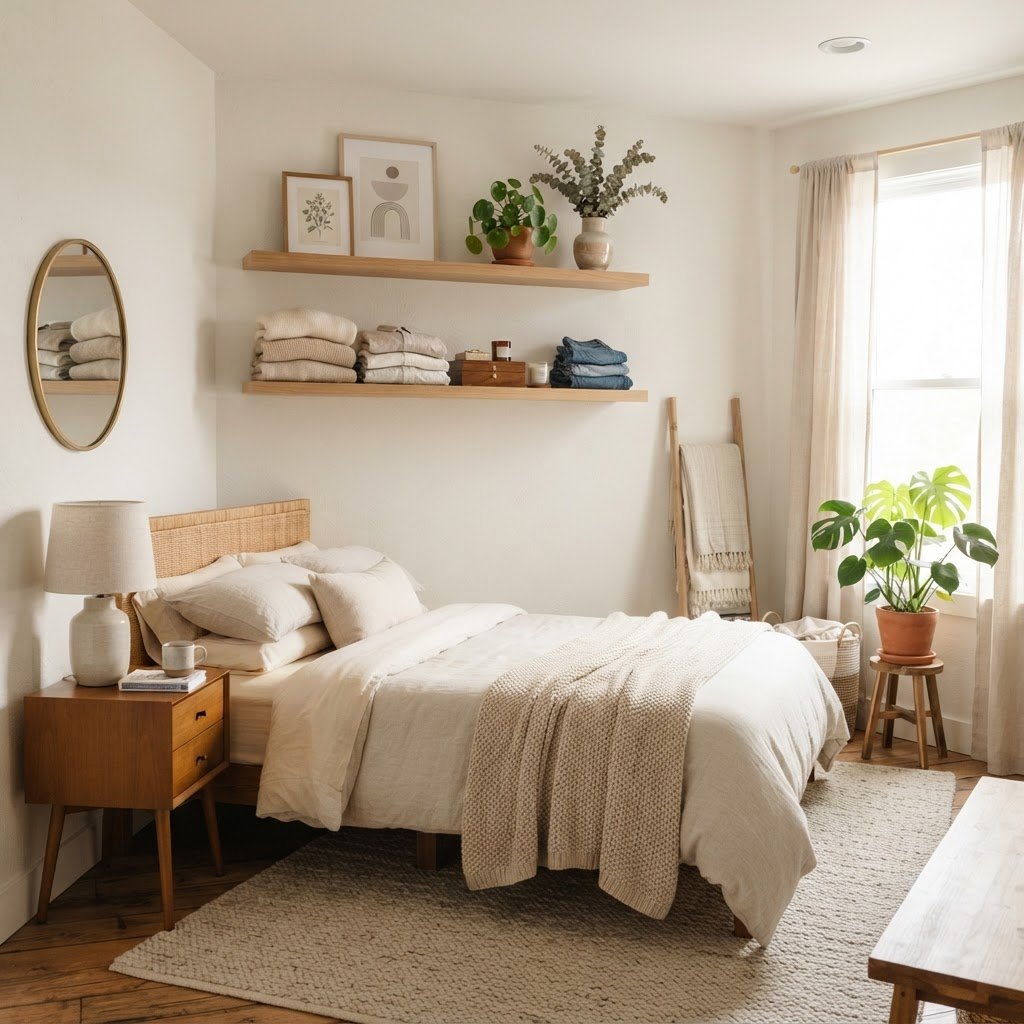
When floor space is non-existent, vertical space becomes your most valuable storage asset, turning empty walls into functional organization hubs. By installing floating shelves, pegboards, or wall-mounted cabinets, you effectively clear the floor while keeping essentials within arm’s reach. This approach ensures your bedroom feels airy and intentional rather than cramped. Research shows that utilizing at least 50% of your wall height can increase overall storage capacity by up to 30% in rooms under 100 square feet.
Installing Floating Shelves
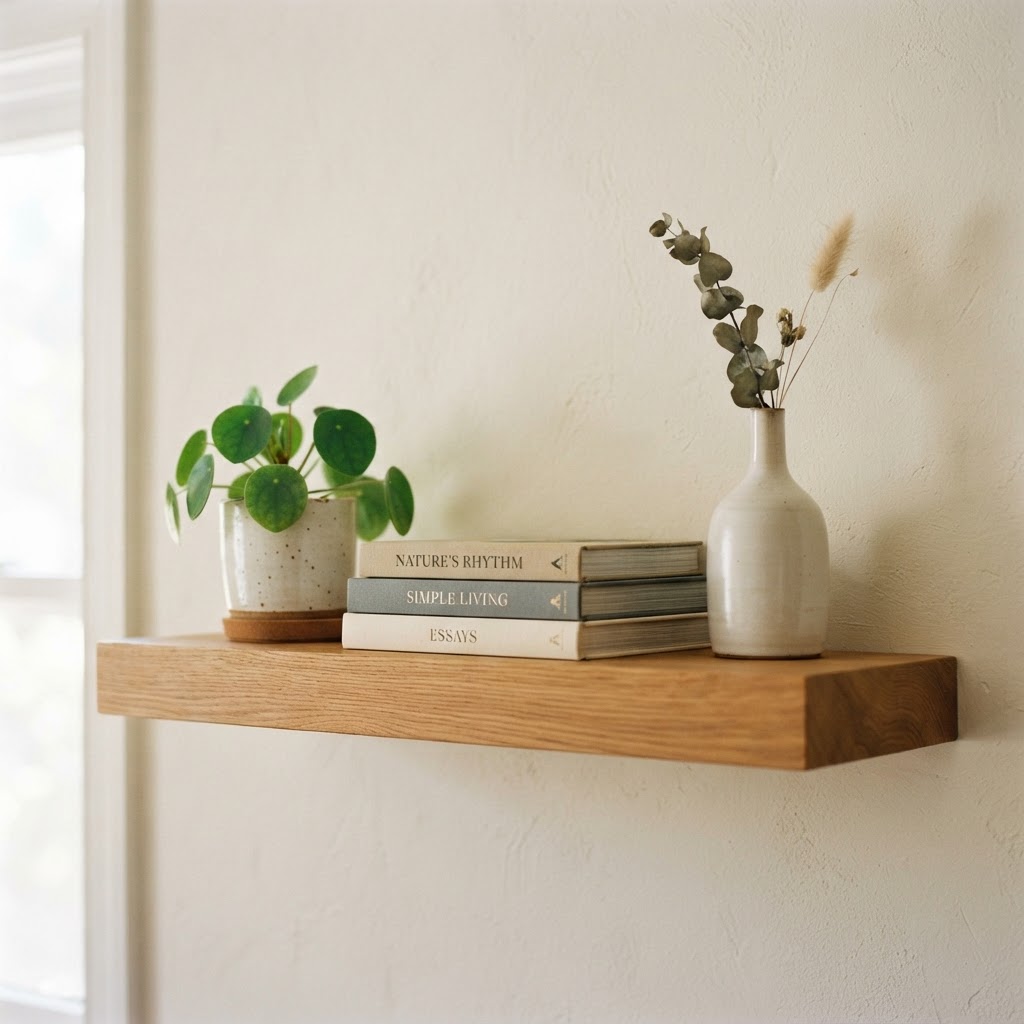
Floating shelves provide a sleek, minimalist alternative to dressers, acting as nightstands or open-display areas for folded items. When installed, ensure they are secured into wall studs to hold weights of up to 25 pounds safely. Align them linearly to create a cohesive “storage wall” that mimics the depth of a dresser drawer while freeing up all the floor space below.
The Versatility of Pegboards
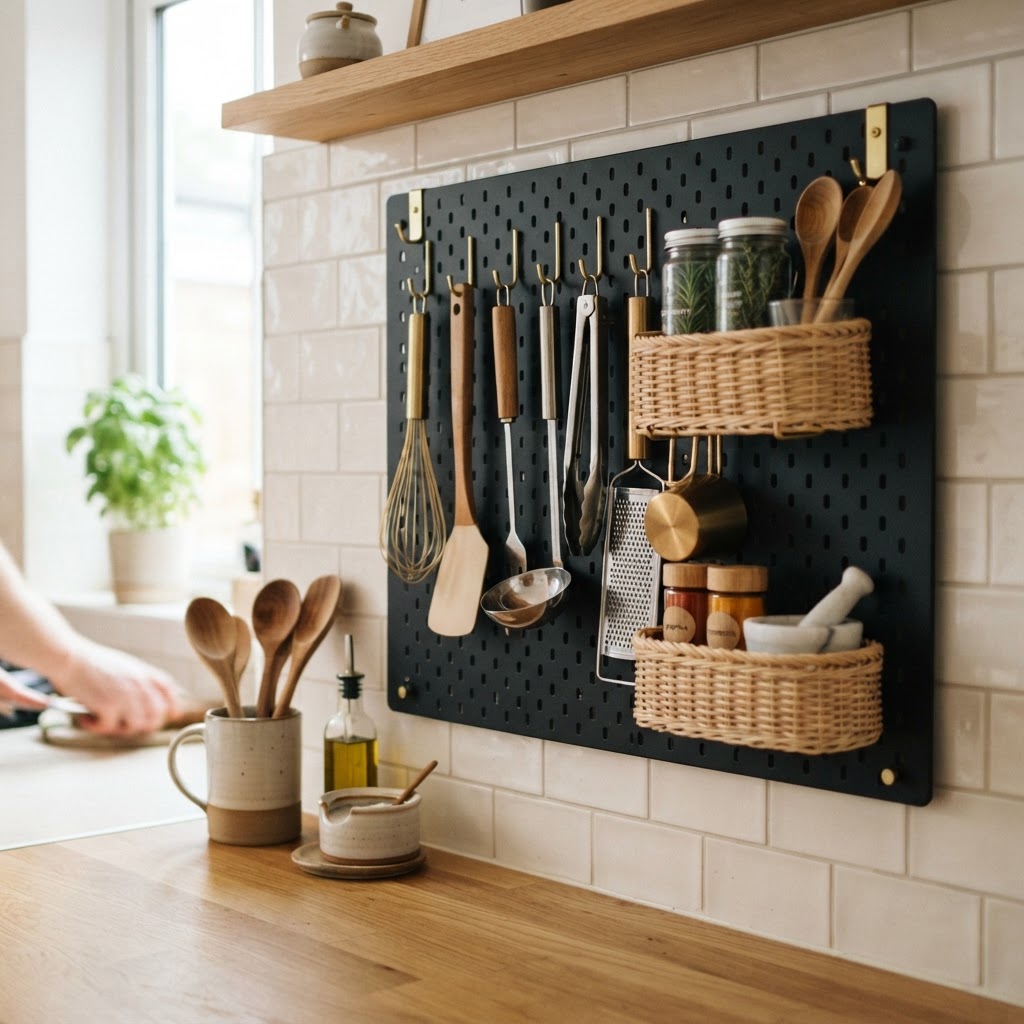
Pegboards are highly efficient for small-item organization, allowing for a fully customizable layout that evolves with your wardrobe. By painting the board the same color as your wall, you create an “invisible” storage system perfect for jewelry, hats, or headphones. Pegboards are inexpensive, typically costing under $30, and offer the flexibility to change hooks and baskets in seconds.
Master the Art of Under-Bed Storage
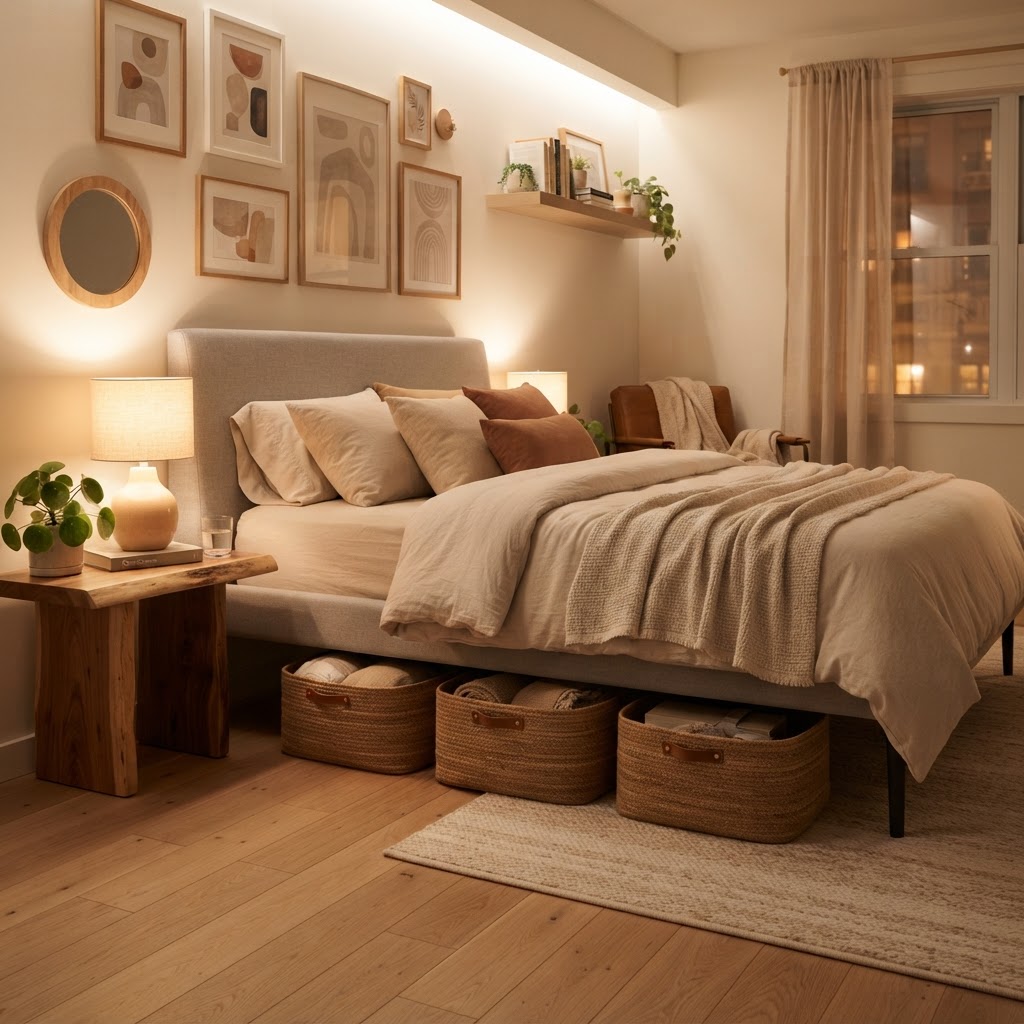
Your bed frame occupies the largest footprint in your room, making the area beneath it the primary “hidden” storage zone for off-season items. If your bed doesn’t have built-in drawers, use steel bed risers to elevate the frame by 6 to 8 inches, creating enough clearance for rolling storage bins. This method is ideal for storing heavy winter sweaters, blankets, or formal shoes that you don’t need daily. Using clear, airtight bins with labels also prevents dust buildup and ensures you can locate specific items within seconds, making this a superior alternative to drawer storage for seasonal rotation.
Utilize Your Closet Door
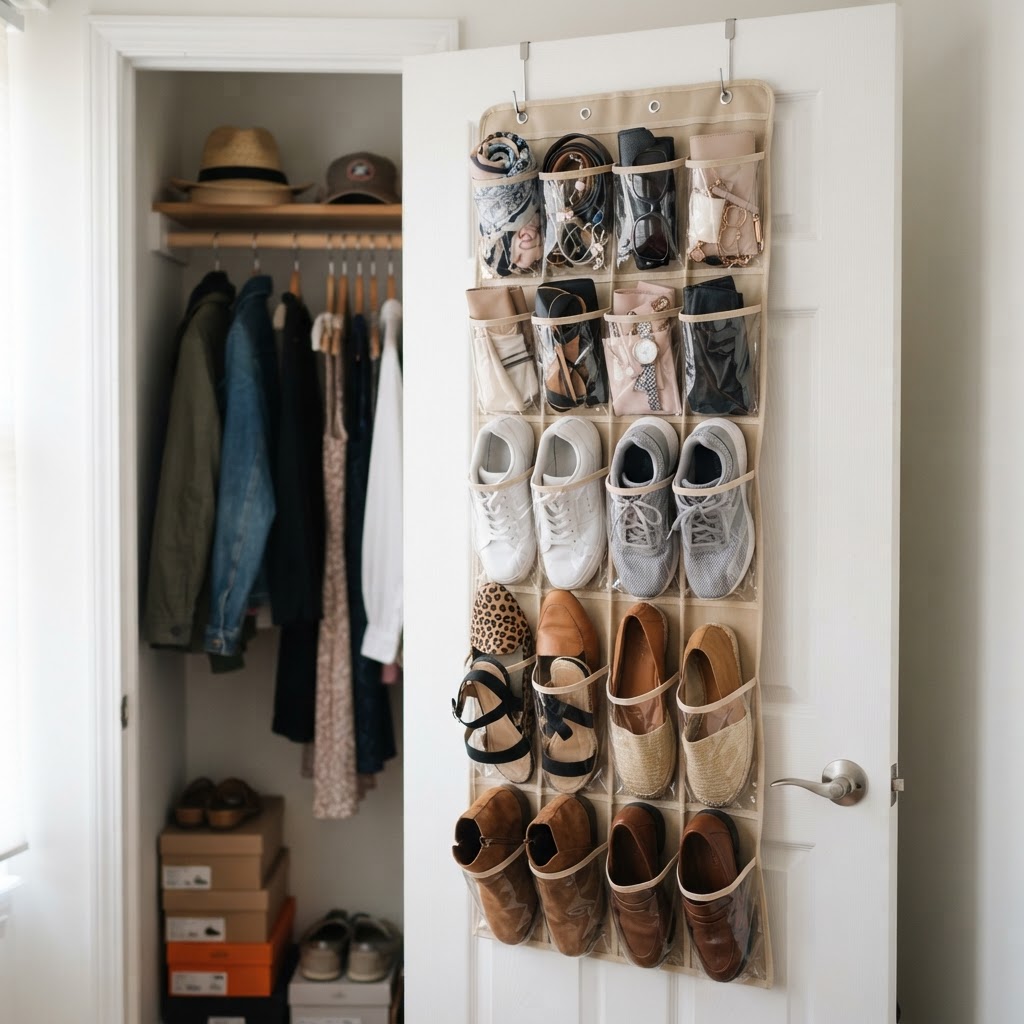
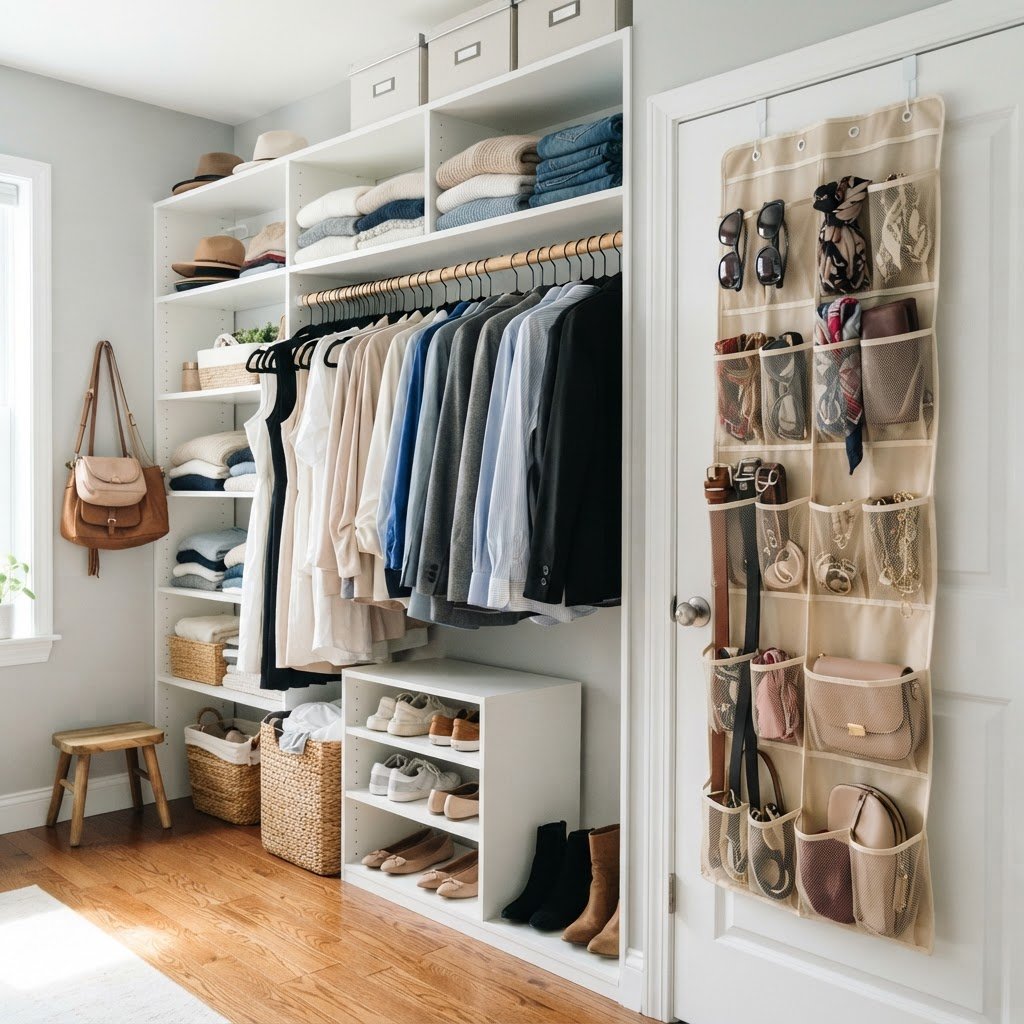
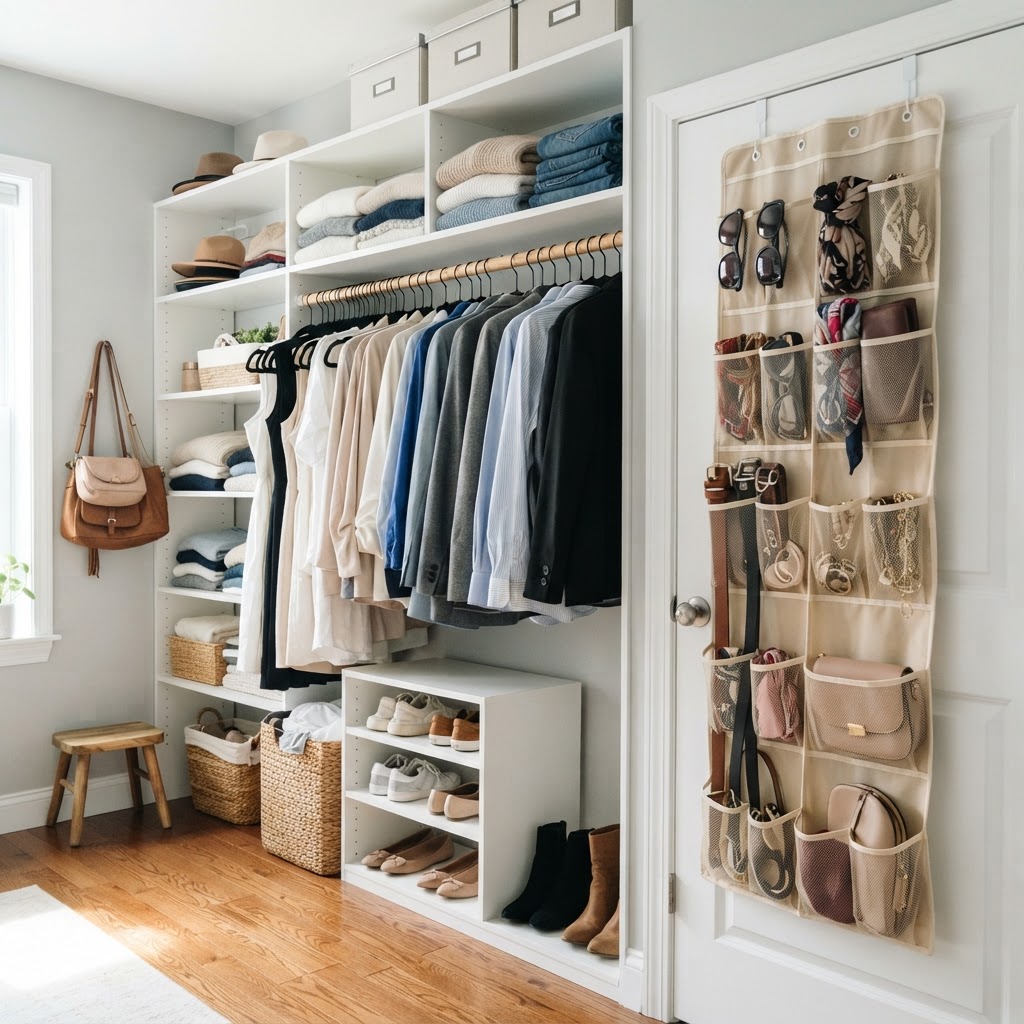
Over-the-door organizers turn an underused door surface into a high-capacity storage rack for items that otherwise consume valuable drawer space. Instead of using these exclusively for shoes, fill the pockets with rolled t-shirts, belts, scarves, or denim. A standard 24-pocket over-the-door organizer can hold up to 48 pieces of clothing if you roll items tightly. By maximizing the vertical plane of your doors, you free up interior closet space for larger hanging items, effectively doubling your closet’s utility without adding a single piece of furniture.
Invest in Hanging Storage Solutions
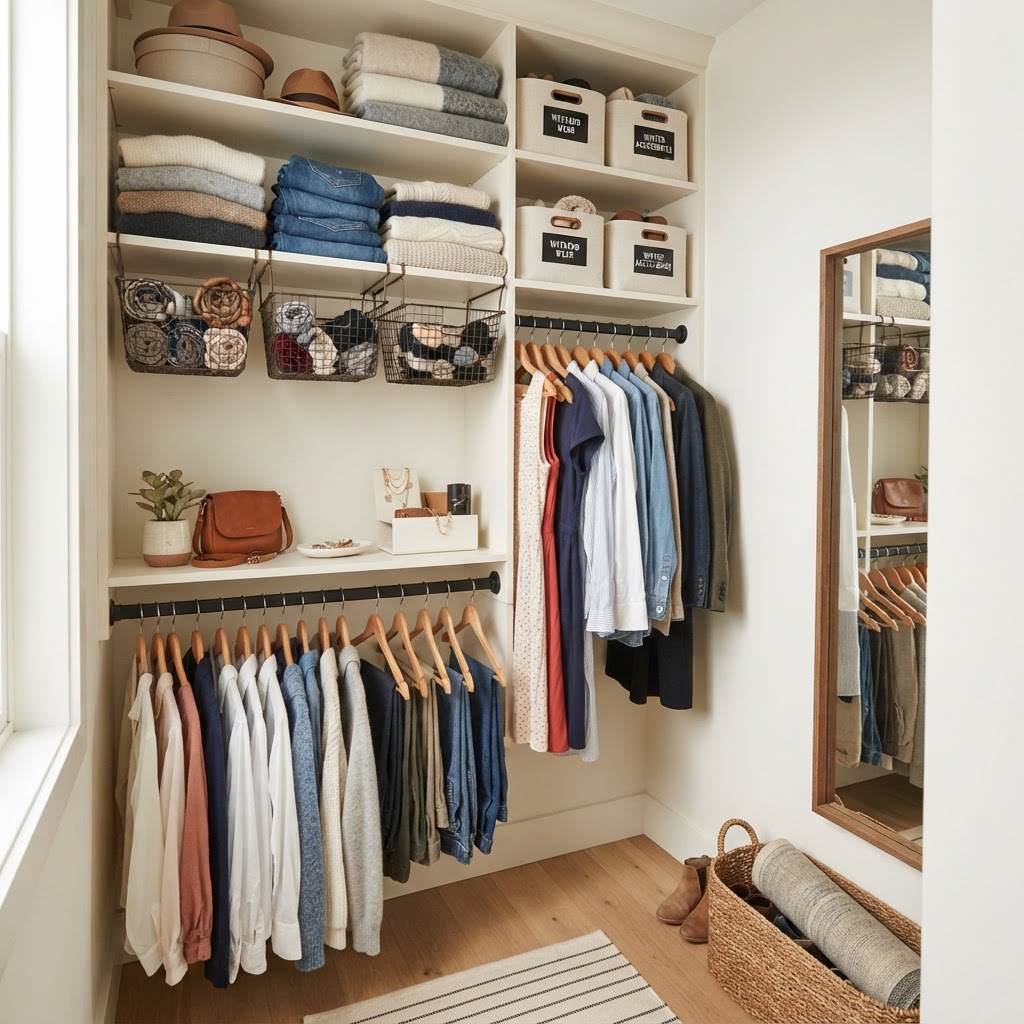
To maximize your storage, you can explore these space-saving ideas for tiny closets to ensure every inch is used effectively. When dressers are removed, your closet becomes the primary storage hub, necessitating smart upgrades like double rods and cascading hangers. Cascading hangers allow you to hang 5 garments in the space of one, which can increase total hanging capacity by approximately 400%. Installing a second rod below your existing one allows you to separate shirts and trousers, utilizing the “dead” space that often sits beneath shorter hanging items.
Transform Your Closet into a Mini-Dresser
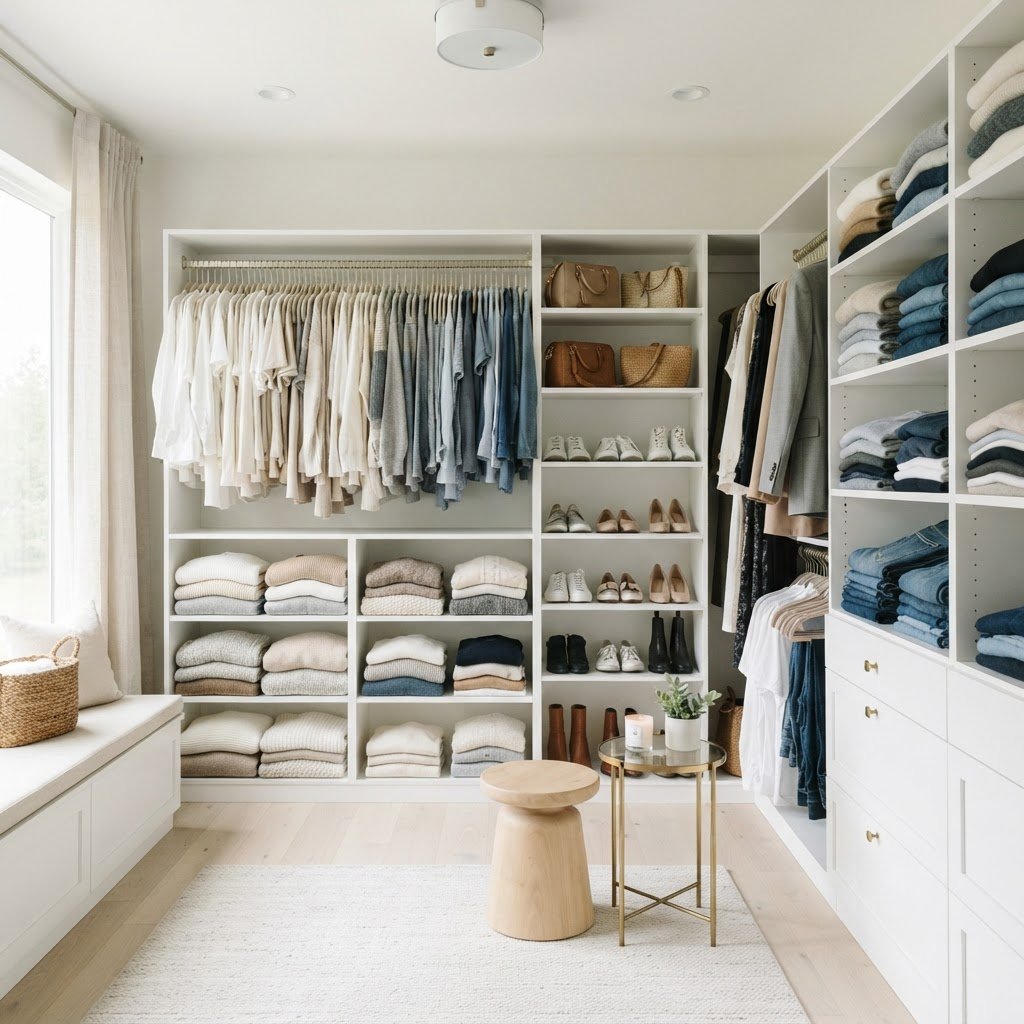
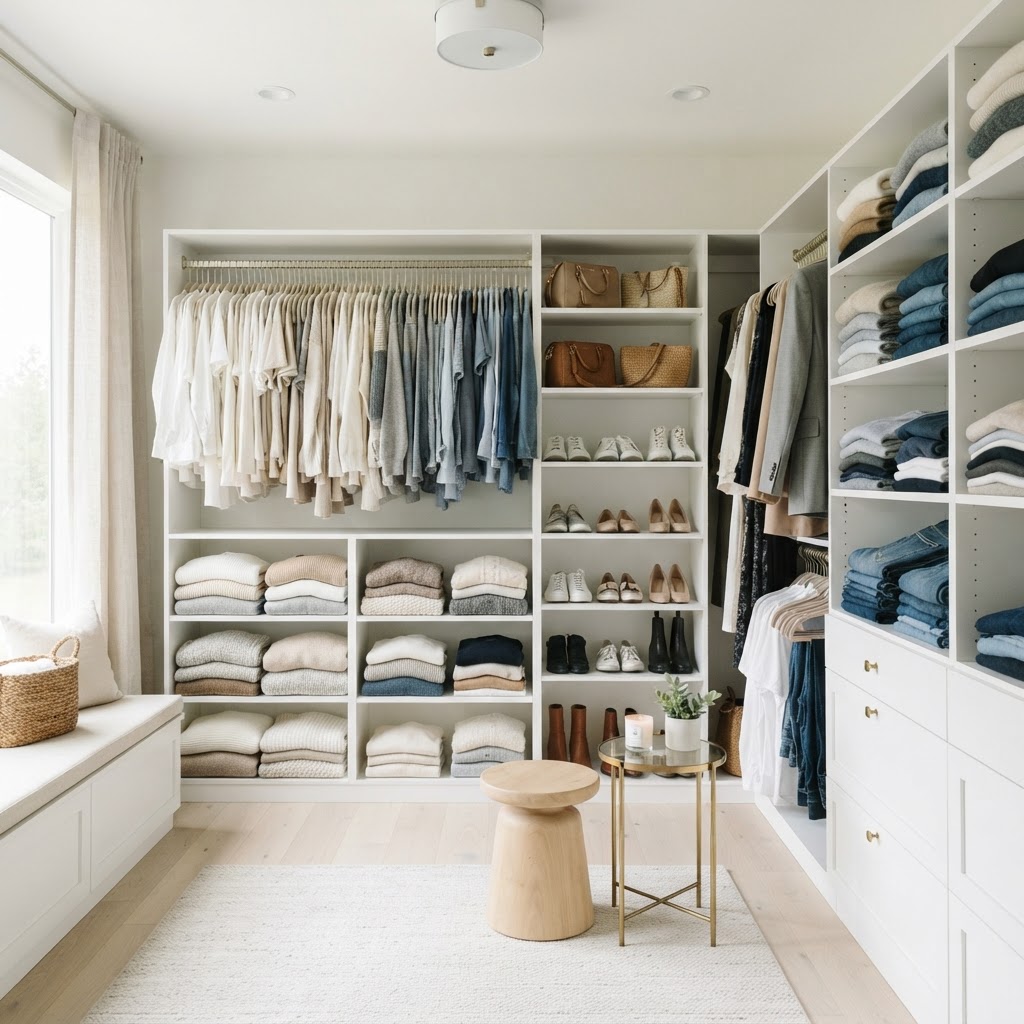
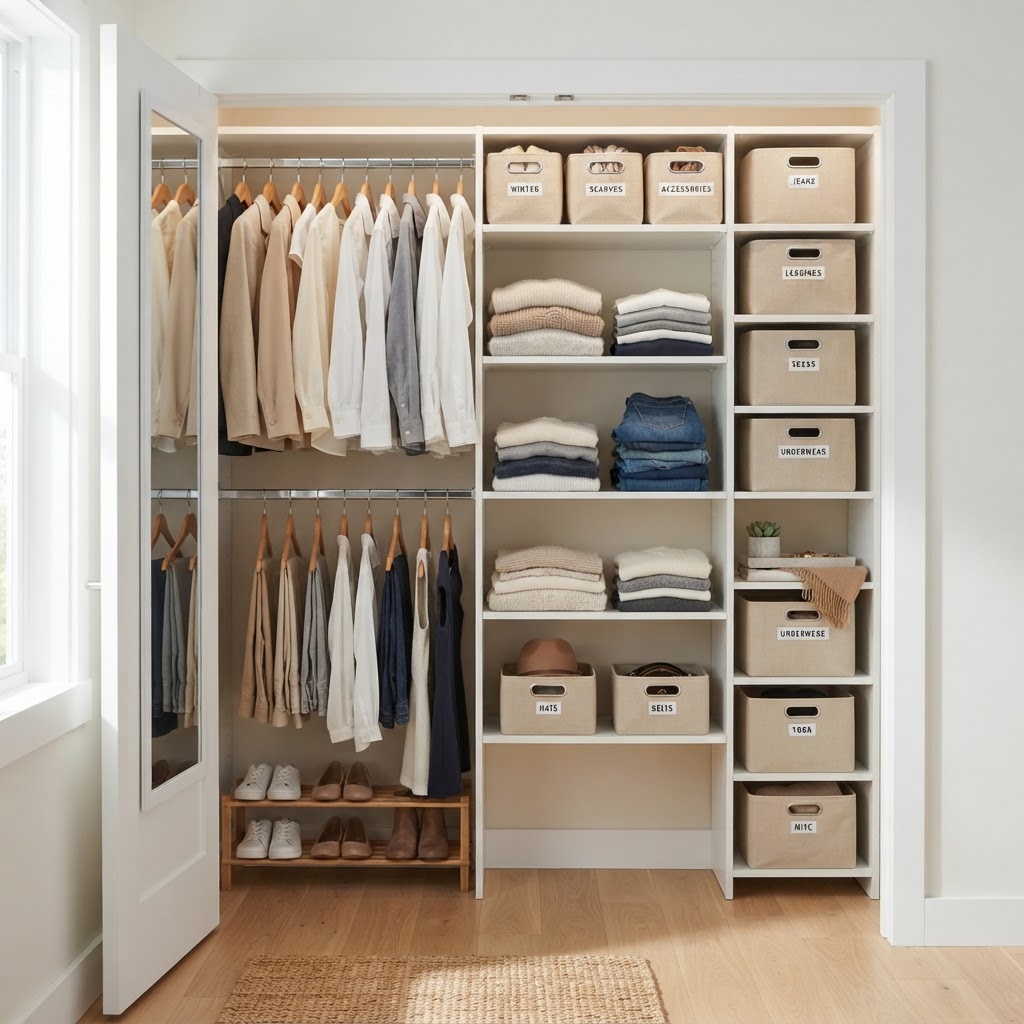
If you have a reach-in closet, installing a modular shelving unit inside creates a built-in dresser that keeps your room looking clean and clutter-free. By using modular cubes or tension-mounted shelves, you can categorize clothing by type, such as activewear or sleepwear, without the visual weight of a piece of furniture in the room. This “closet-dresser” method is a proven strategy for visual clarity, as it keeps your personal items concealed behind closed doors, which can make a small 10×10 foot room feel significantly larger and more serene.
Use Multi-Functional Furniture
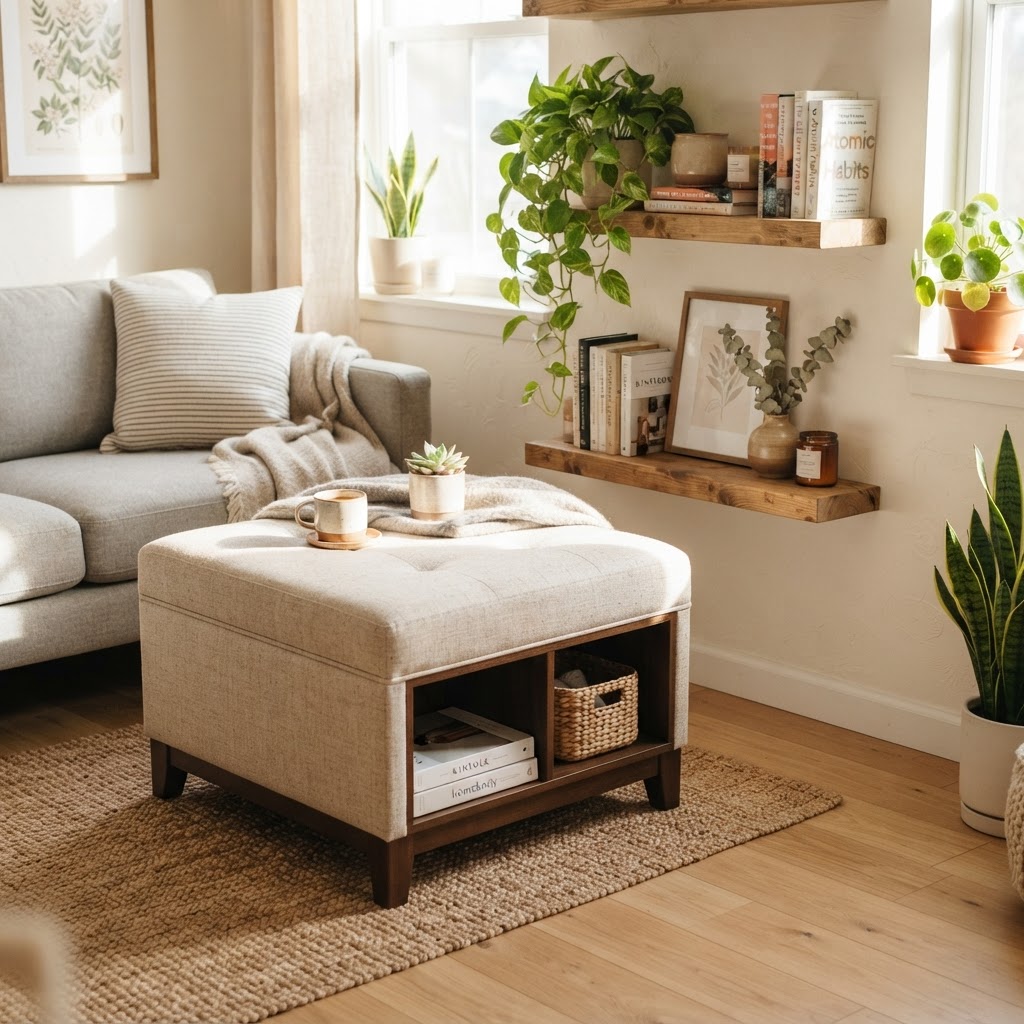
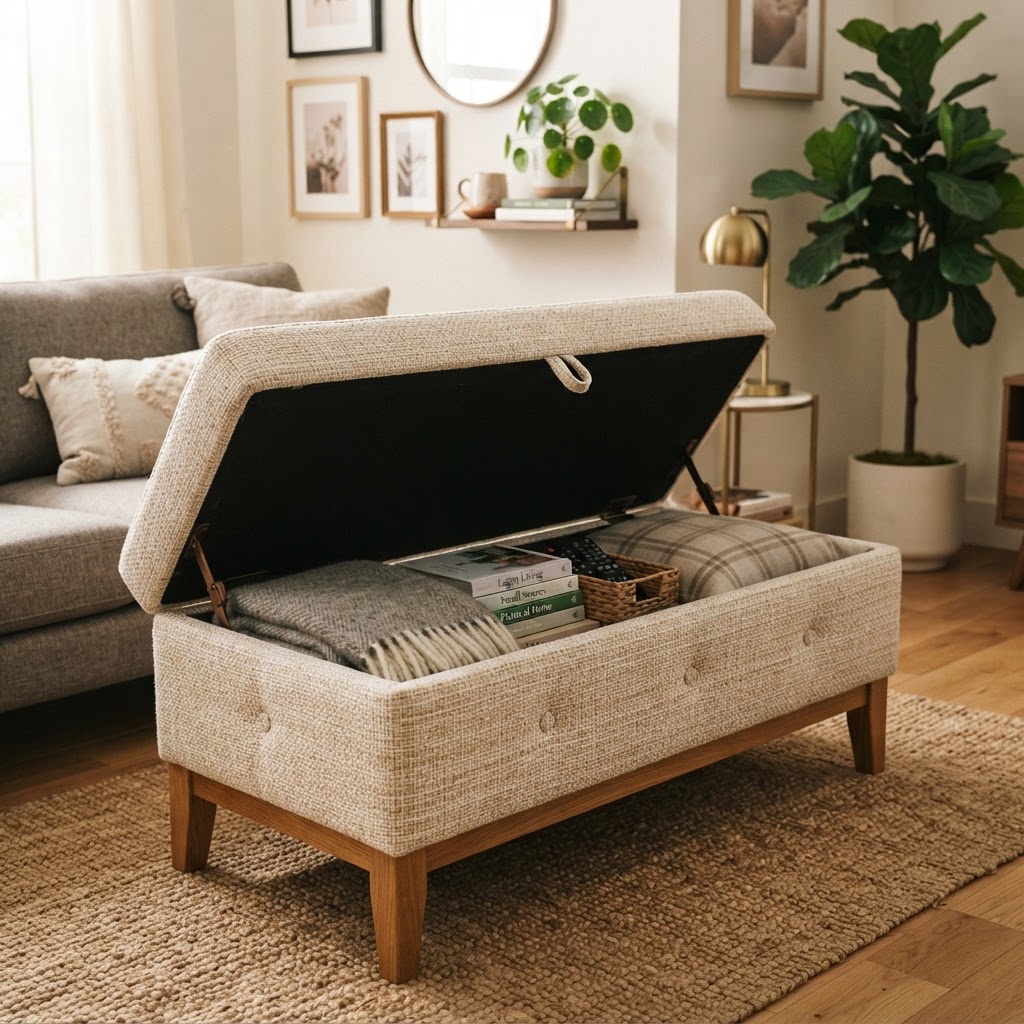
Choose furniture that serves two purposes to replace the storage a dresser provides. An upholstered storage ottoman at the foot of the bed hides blankets or bulky sweaters while providing extra seating. Alternatively, a bedside table with three deep drawers offers roughly 3 to 4 cubic feet of storage, which is often sufficient for daily undergarments and socks. Beyond just storage, you can also learn how to decorate a small apartment on a budget using simple DIY projects to tie the whole room together. Prioritizing “double-duty” pieces ensures every item you buy actively contributes to your organization goals rather than just taking up space.
Incorporate Decorative Storage Baskets
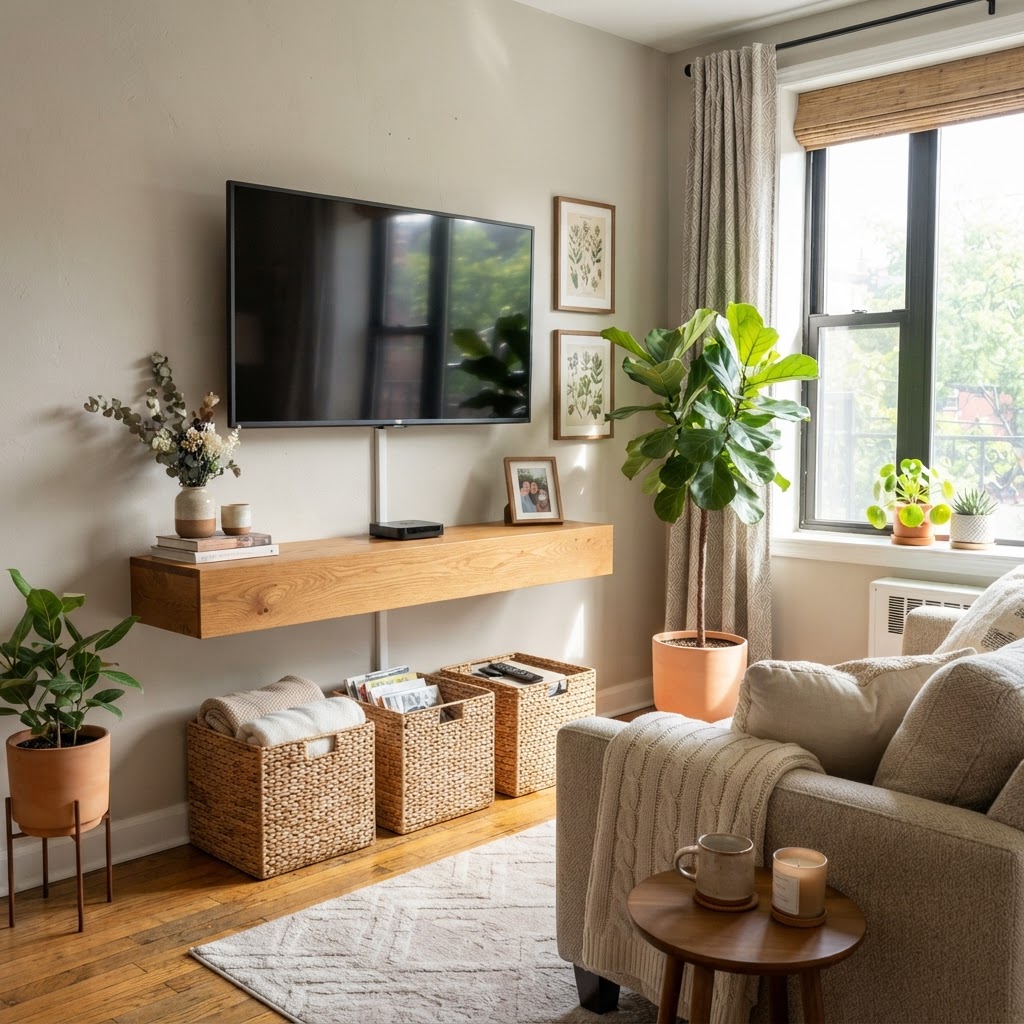
Decorative baskets offer a flexible storage solution that can be placed under nightstands, in corners, or on top of shelves to hide clutter. Using materials like seagrass or heavy-duty fabric adds warmth and texture to the room’s design while concealing items that lack a home. When utilizing baskets, group them by category; for example, designate one specifically for pajamas and another for gym gear. This segmentation makes finding items simple and prevents the “toss everything in” habit that often leads to a messy room.
The Power of Hooks and Rails
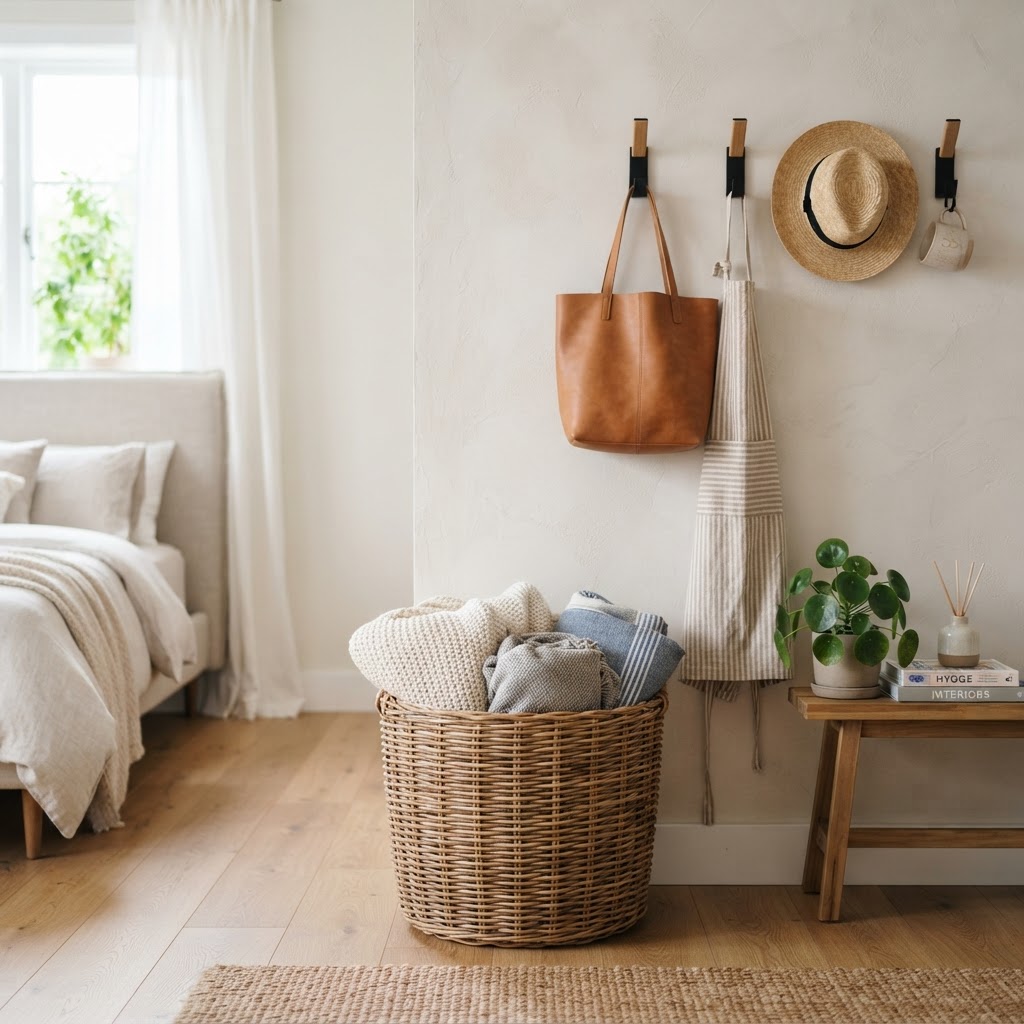
Install wall rails or heavy-duty hooks to handle items that don’t fold well, such as oversized hoodies, jackets, or long dresses. Using adhesive hooks on the side of a bed frame or inside a closet wall is an excellent way to prevent “chair-drobe” clutter, where clothes pile up on furniture. For optimal results, position hooks at varying heights to maximize the density of items without them overlapping or looking disorganized.
Optimize Your Drawerless Lifestyle
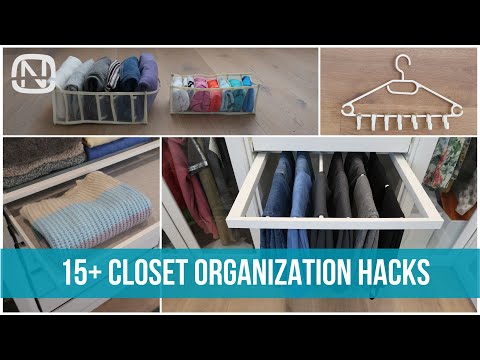
Living without a dresser requires a disciplined approach to folding, specifically the vertical folding method (often called the KonMari method). Vertical folding allows you to fit 2 to 3 times more items in a single bin compared to stacking. When you fold shirts and pants to stand upright, you gain instant visibility of your entire inventory, meaning you never have to rummage through stacks to find a specific shirt. This method turns your storage bins into high-efficiency “drawers” that function just as well as traditional wooden furniture.
Seasonal Rotation Strategy
In a small space, a seasonal rotation strategy is mandatory to keep your storage volume manageable. Pack away off-season clothing in vacuum-sealed bags, which can reduce the volume of bulky items like winter coats and comforters by up to 75%. Keep your “in-season” items in your primary closet or bins, and store the vacuum-sealed bags in under-bed storage or high closet shelves. This keeps your available storage space dedicated only to what you are currently using, preventing overcrowding and keeping your room functional year-round.
FAQ
How do I store clothes without a dresser?
You can store clothes using hanging organizers, under-bed storage bins, or modular shelving units installed inside your closet. By combining these methods, you effectively replace the storage volume of a dresser without requiring any additional floor space in your bedroom.
Is it possible to organize a small bedroom cheaply?
Yes, you can organize a small bedroom for under $50 by using over-the-door hooks, inexpensive plastic bins, and vertical tension rods. These budget-friendly solutions maximize existing architectural features like doors and closet interiors, eliminating the need to purchase expensive furniture.
How does vertical folding save space?
Vertical folding allows you to store items upright like files in a cabinet rather than stacking them horizontally. This maximizes the depth of drawers or bins, allowing you to see every item at once and fitting up to 300% more clothing in the same storage footprint.
Where should I store bulky winter items?
Store bulky winter items in vacuum-sealed bags under your bed or on the highest, least-accessible shelf in your closet. Vacuum-sealing removes excess air, drastically reducing the size of sweaters and blankets so they take up minimal space during the off-season.
What furniture replaces a dresser in a small room?
A storage ottoman, a nightstand with deep drawers, or a bench with built-in cubbies serve as excellent replacements for a traditional dresser. These multi-functional pieces provide the necessary storage for clothes while offering secondary utility as seating or bedside tables.
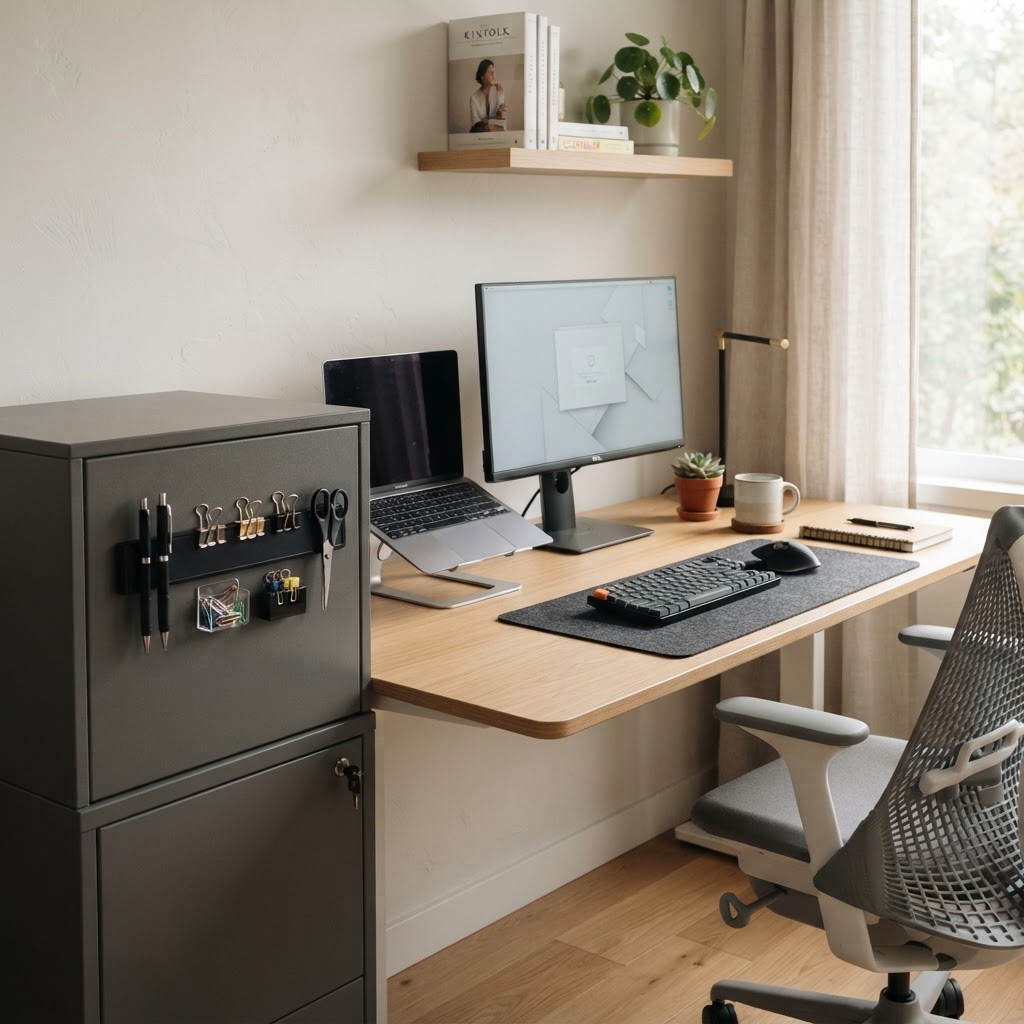
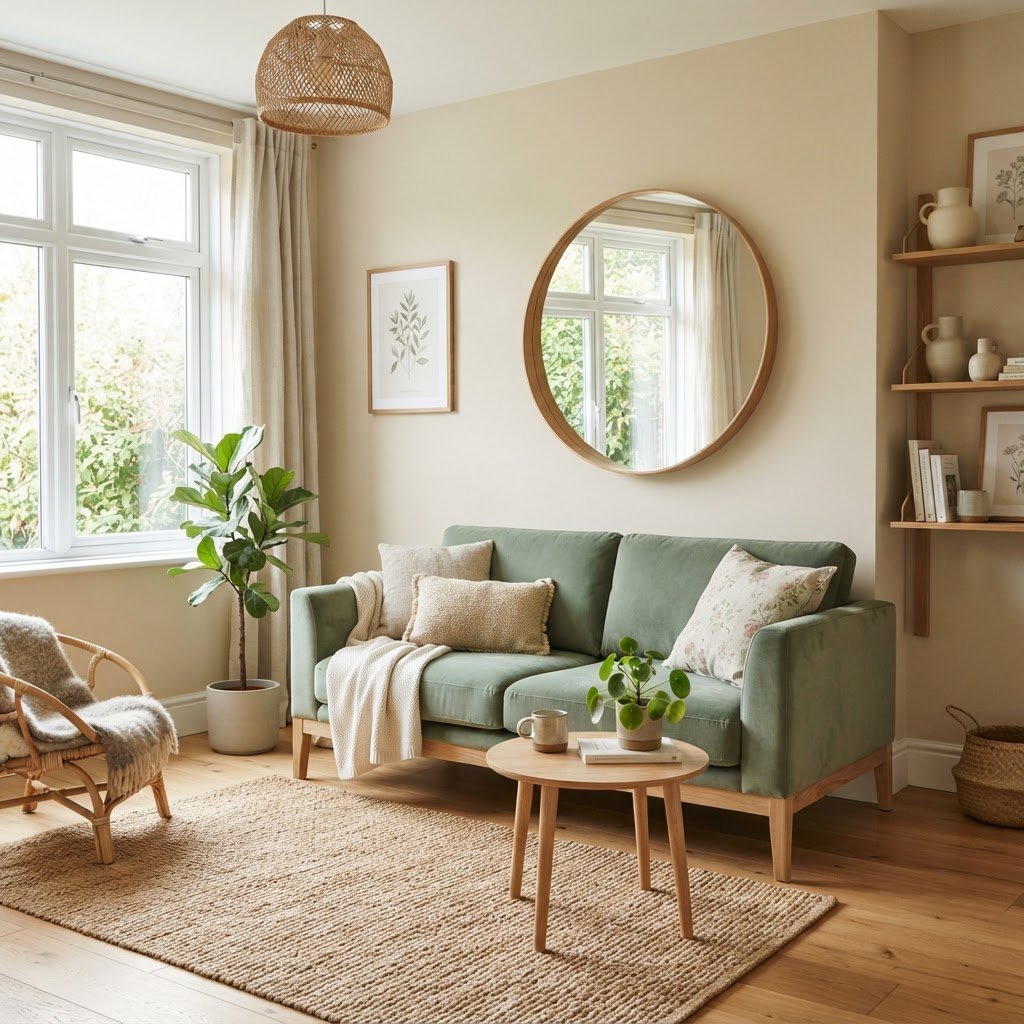
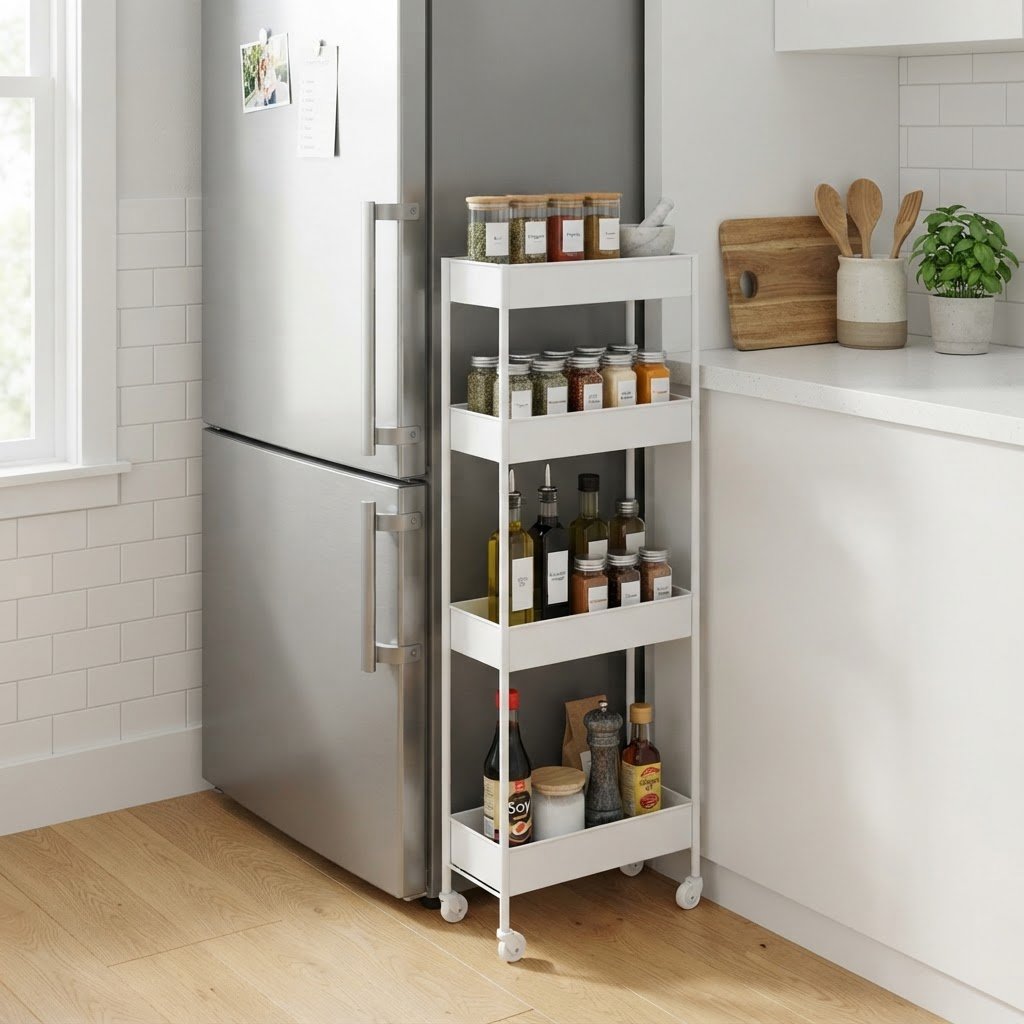
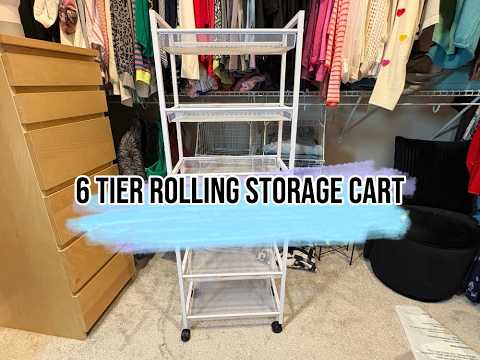
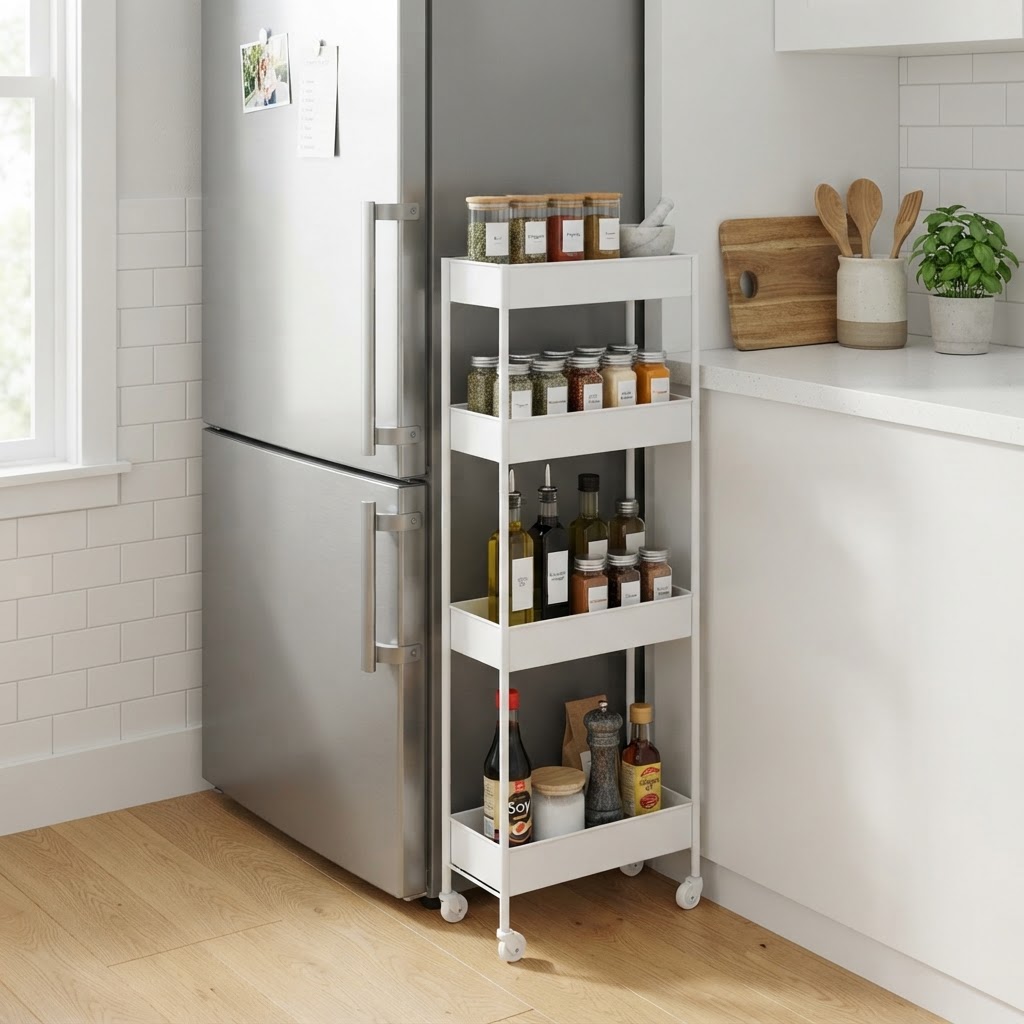 The fundamental problem in compact living is not a lack of items, but a lack of dedicated storage zones. Slim storage carts bridge this gap by turning dead space into highly efficient utility zones. Unlike bulky shelving units that require significant floor depth, these carts typically measure between five to ten inches in width, allowing them to tuck neatly beside refrigerators, between laundry machines, or in narrow entryway nooks.### Maximizing Vertical UtilityOne of the primary benefits of these carts is their multi-tier design. By stacking items vertically, you remove clutter from your countertops and floors, drawing the eye upward and creating the illusion of more space. Most high-quality carts also feature heavy-duty casters, meaning you can easily roll them out for cleaning or access, providing a level of versatility that fixed cabinets simply cannot offer.## 1. The Multi-Tier Rolling Kitchen Pantry
 If you have a gap between your oven and the wall, you are sitting on prime real estate for a pull-out pantry, which is just one of many ways to
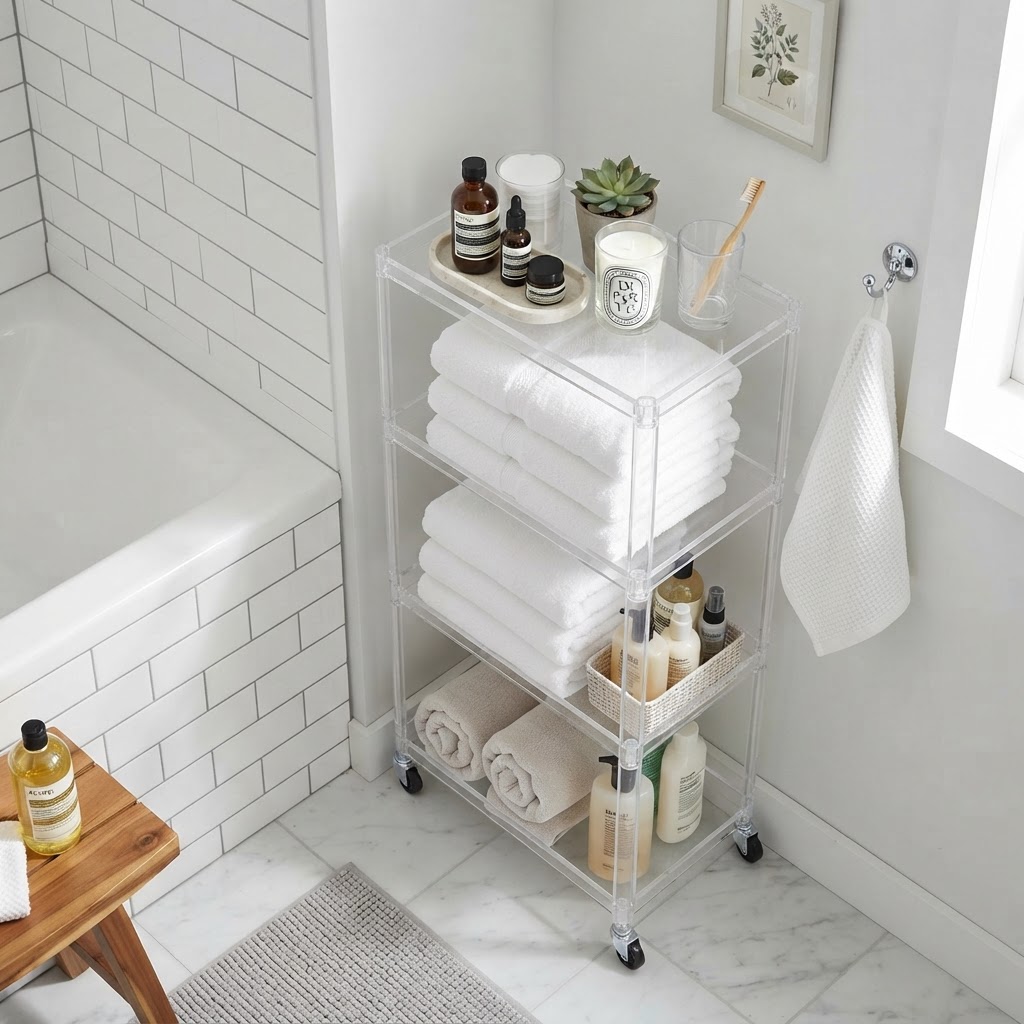 Bathrooms in small apartments are notoriously cramped. A slim bathroom cart can slide between the vanity and the toilet, or tuck into the corner of the shower area if it is made of water-resistant material. These units are ideal for stowing away extra towels, toilet paper, shampoo bottles, and skincare collections.### Choosing the Right MaterialsWhen shopping for a bathroom unit, prioritize rust-resistant materials such as powder-coated steel or high-density polypropylene plastic. Moisture can quickly destroy cheap wood or inferior metal finishes, so investing in a durable, sleek plastic model is often the smarter long-term choice for damp environments.## 3. The Entryway Command Center
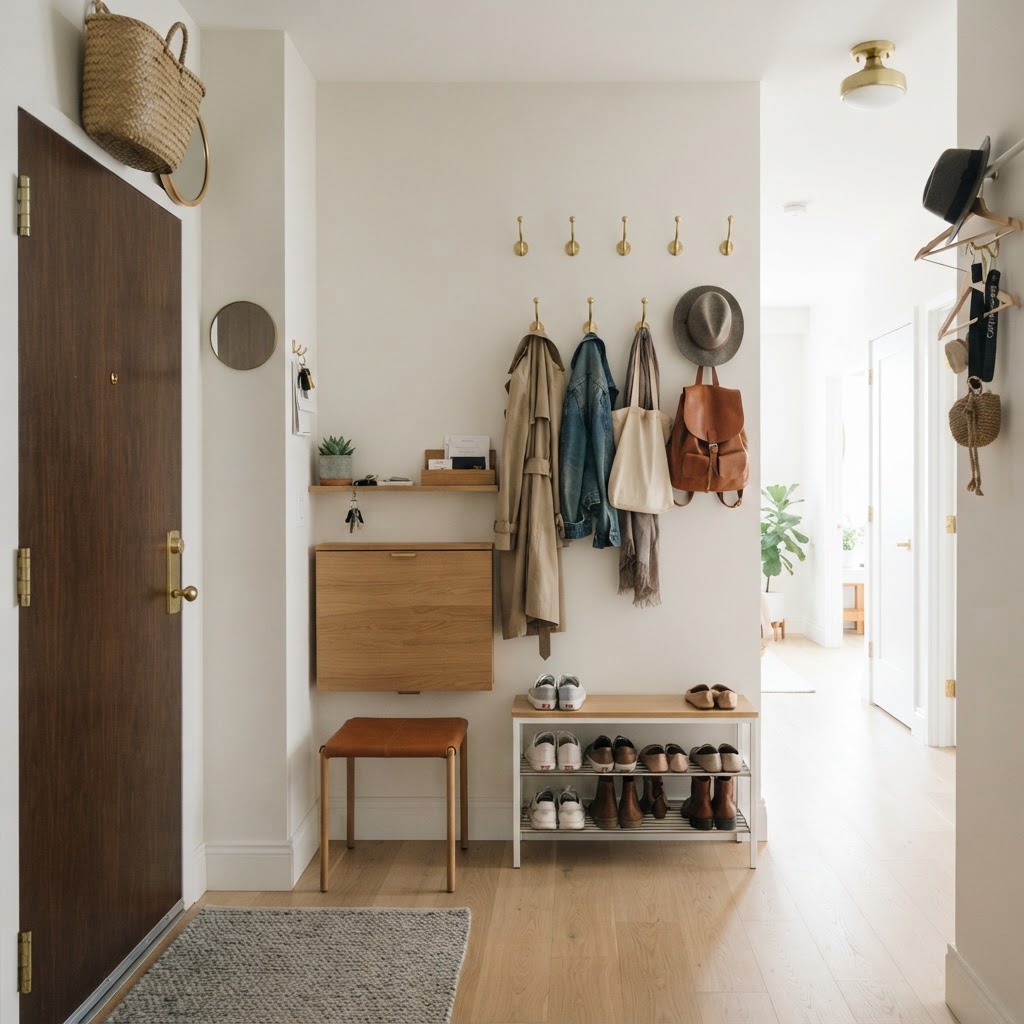
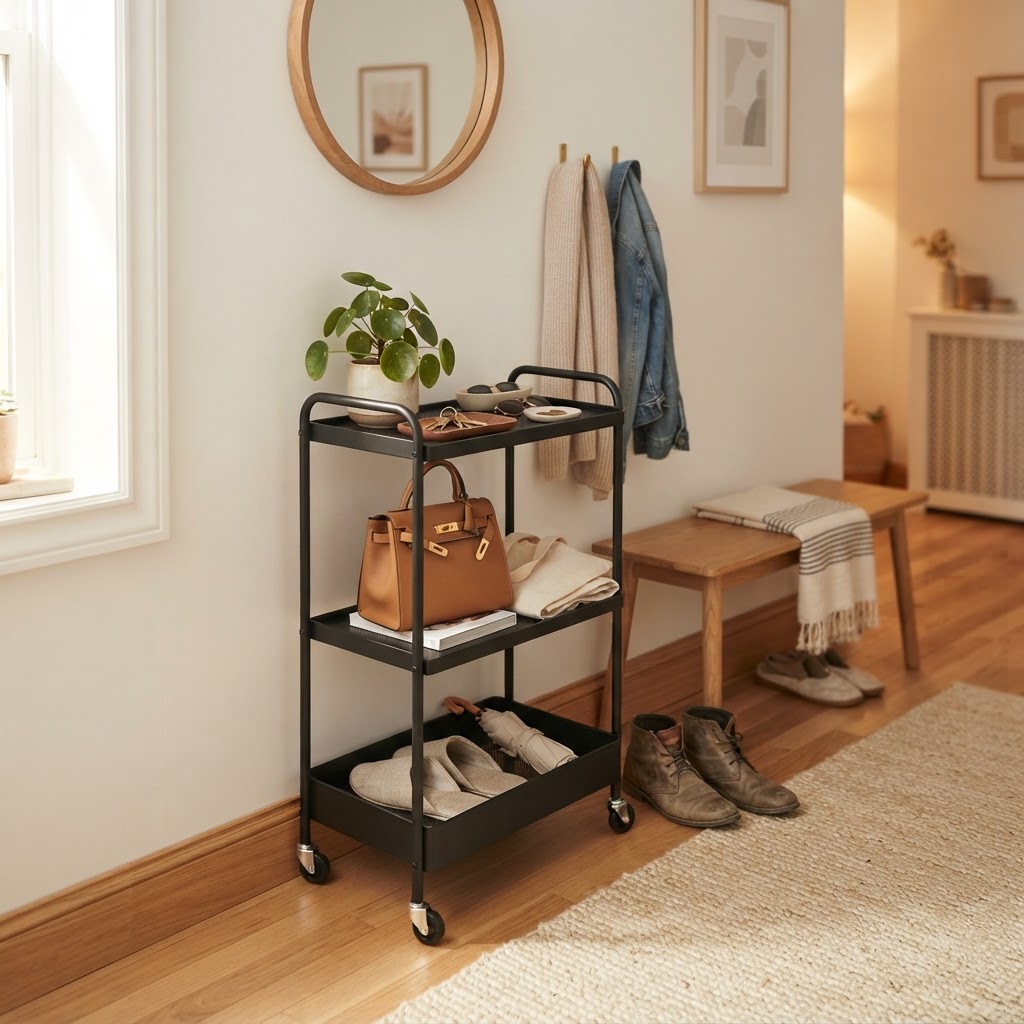
 Your entryway is the first thing you see, and it is frequently the first place to become a dumping ground for keys, mail, and umbrellas. A slim, stylish storage cart can serve as a miniature console table if your hallway is too narrow for traditional furniture. Use the top surface for a catch-all tray, and the lower shelves for seasonal items like gloves or scarves.