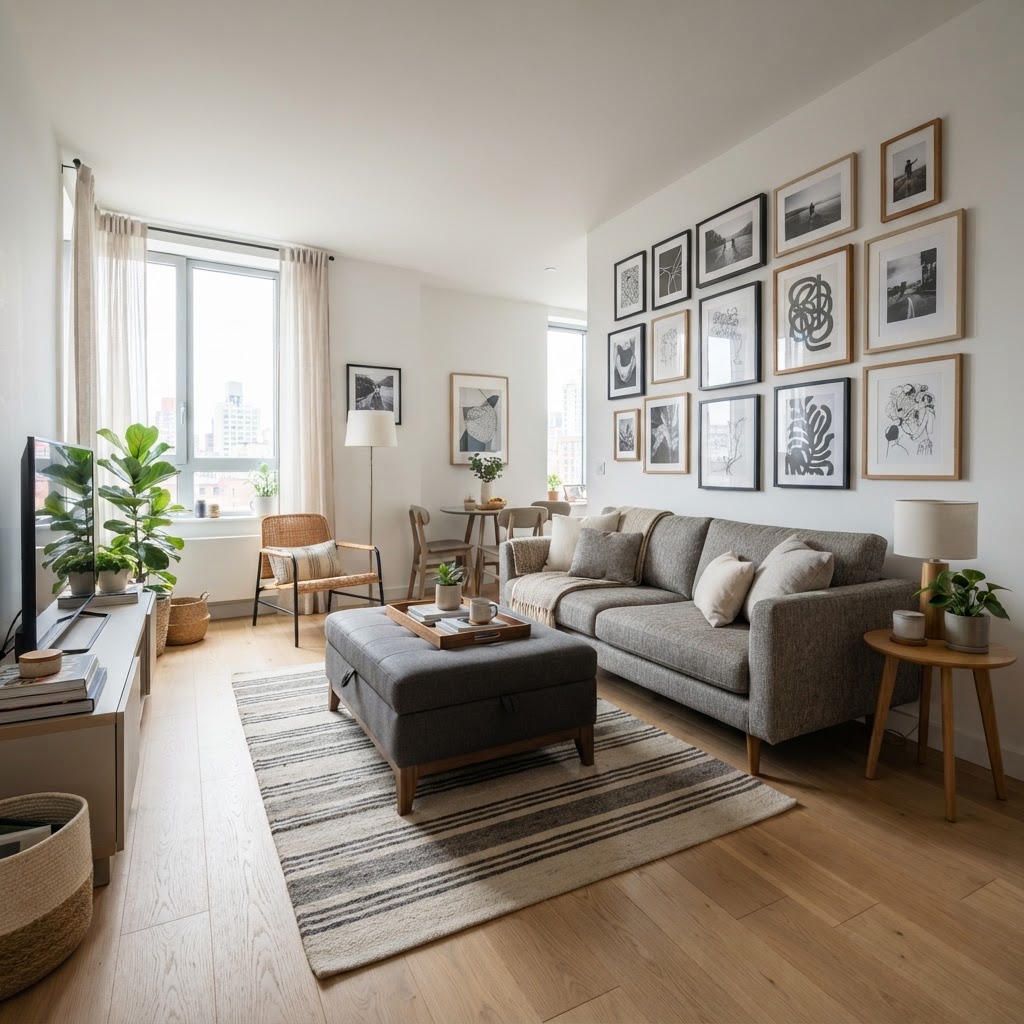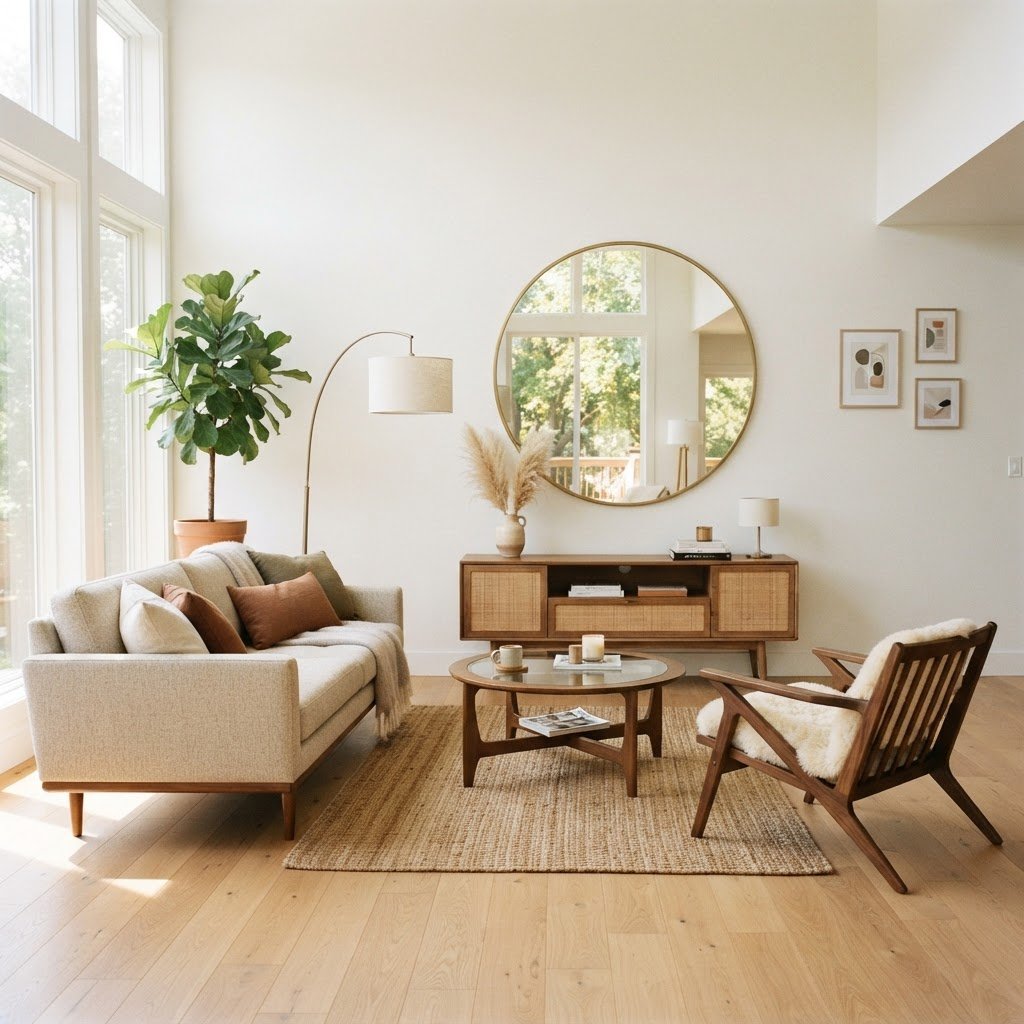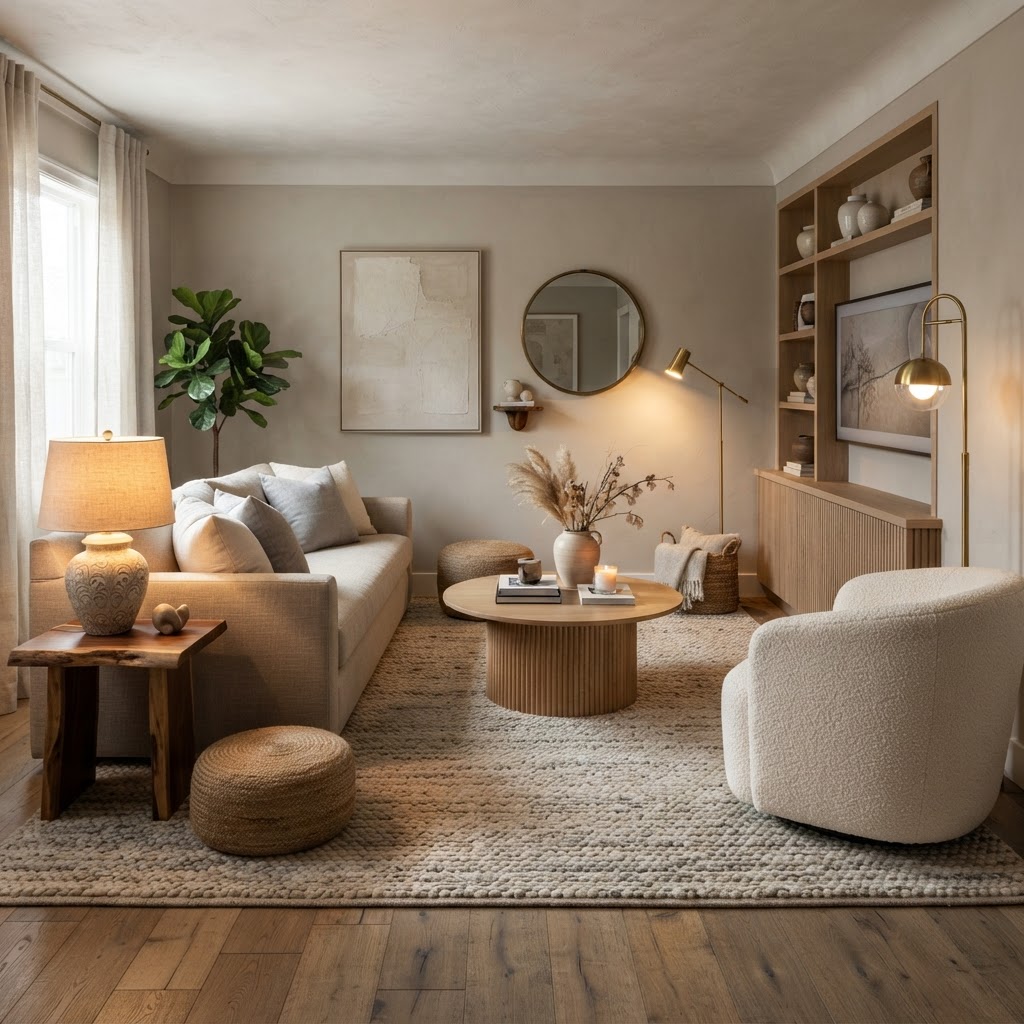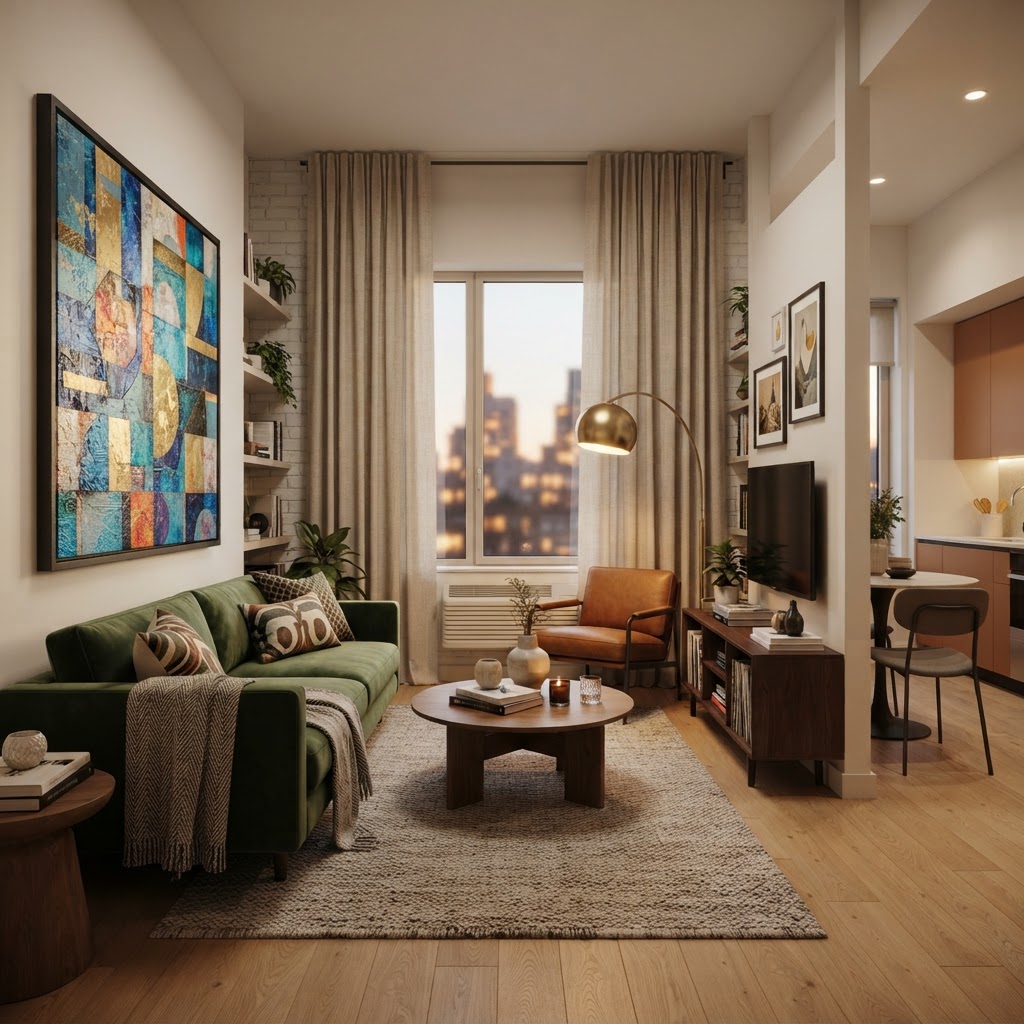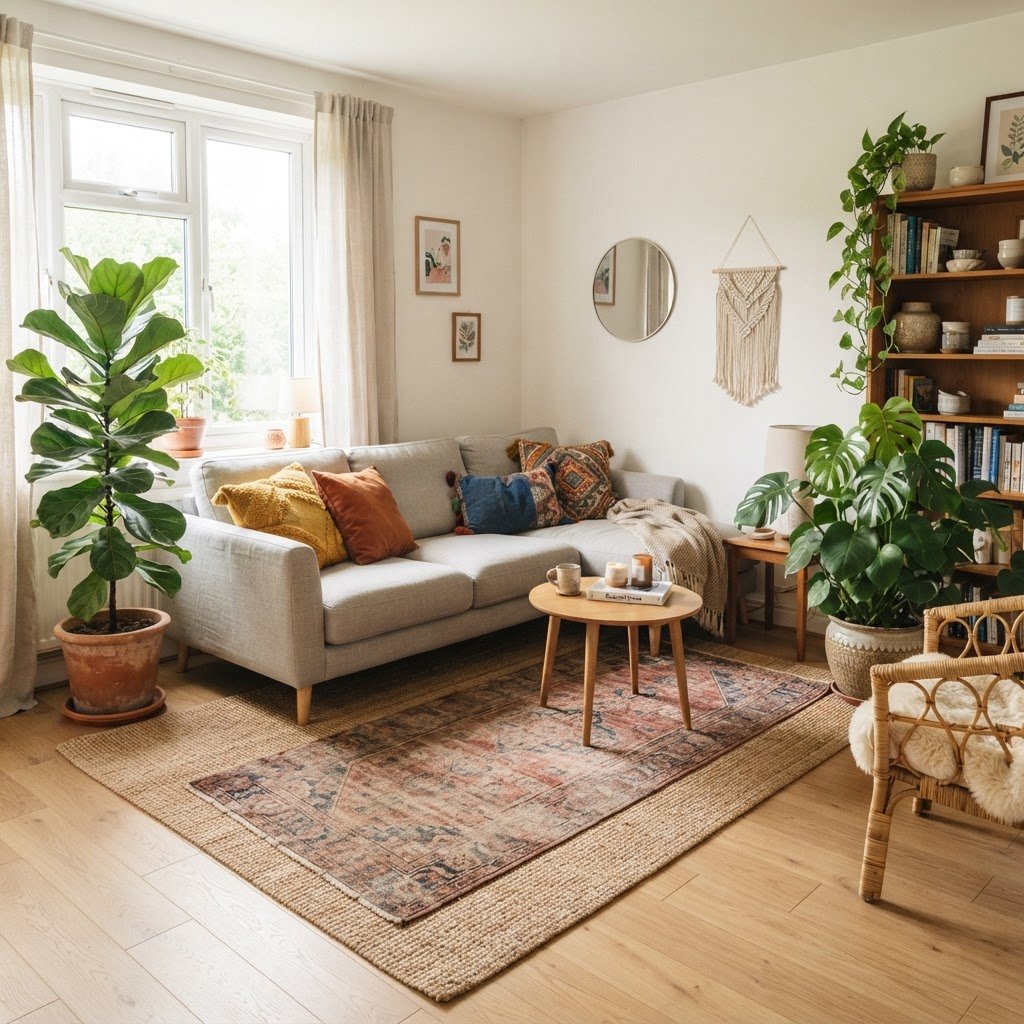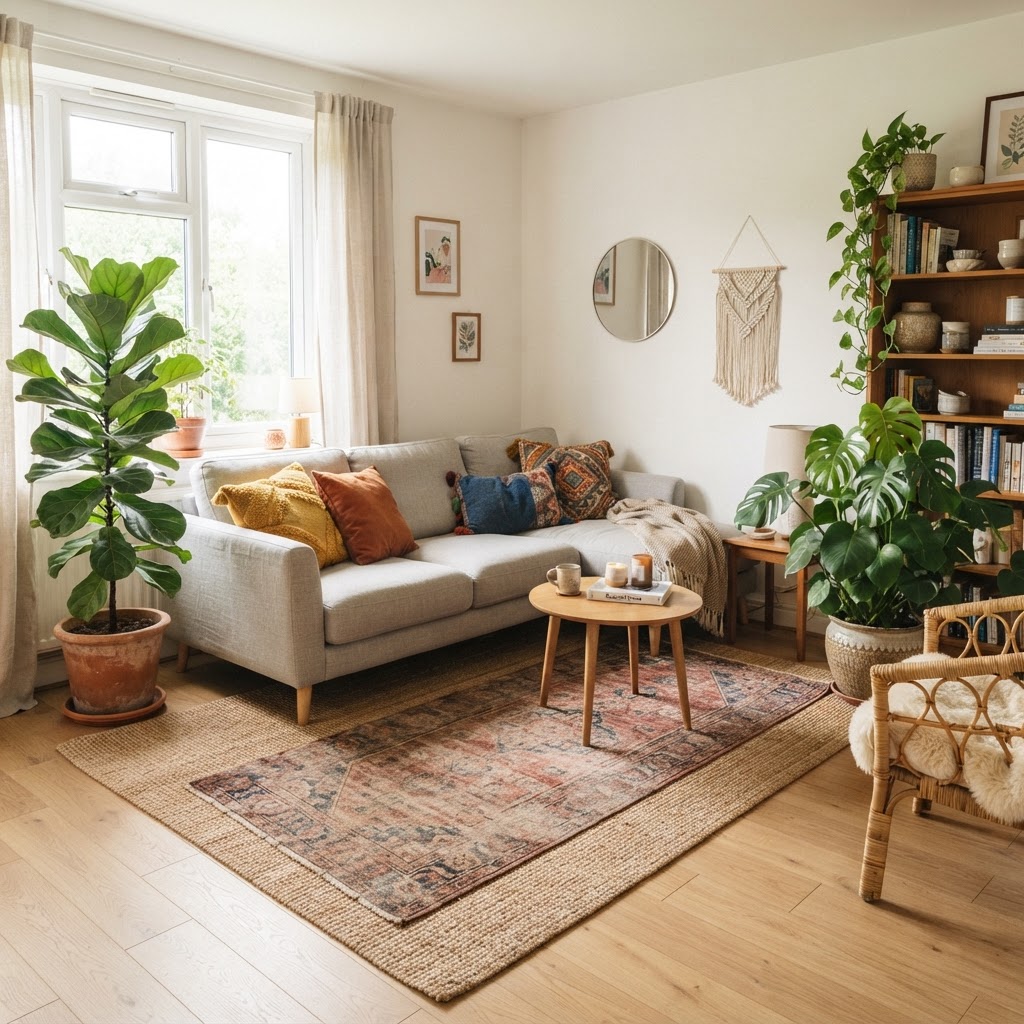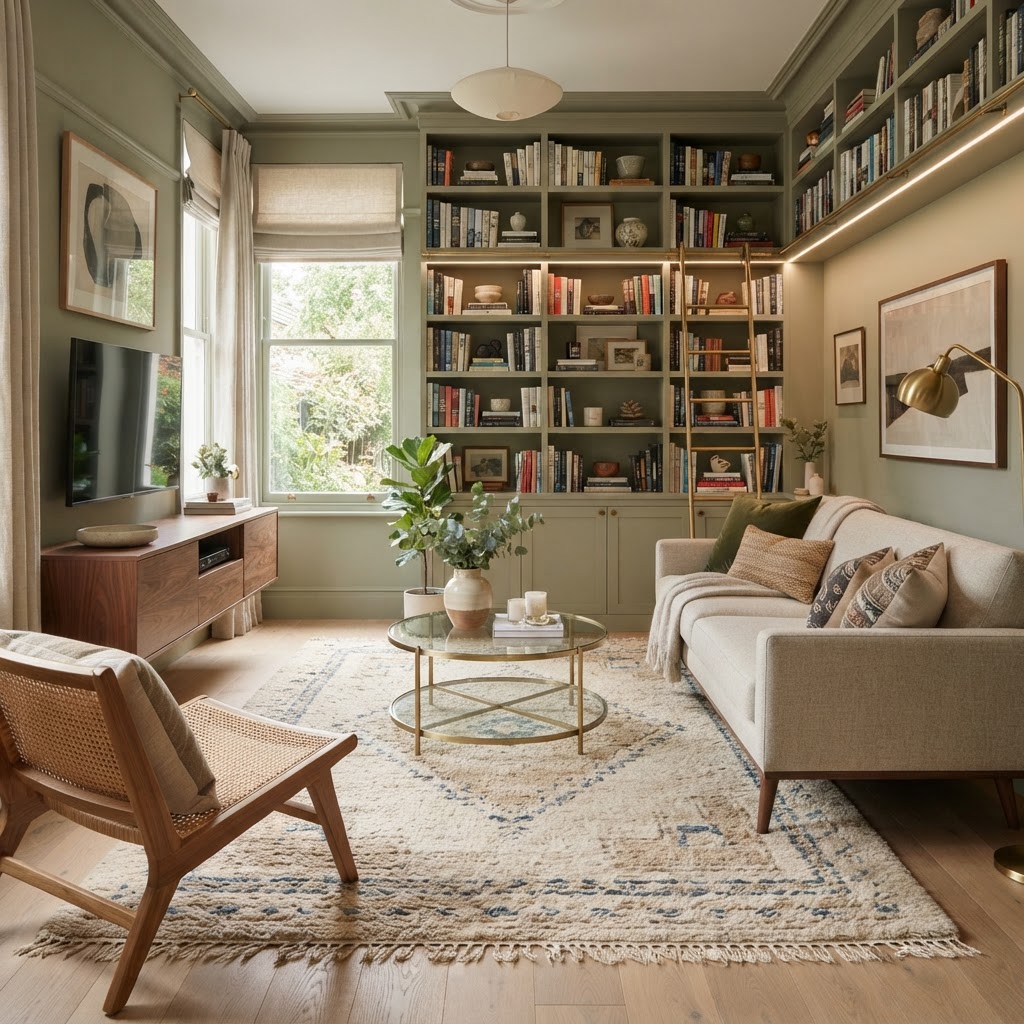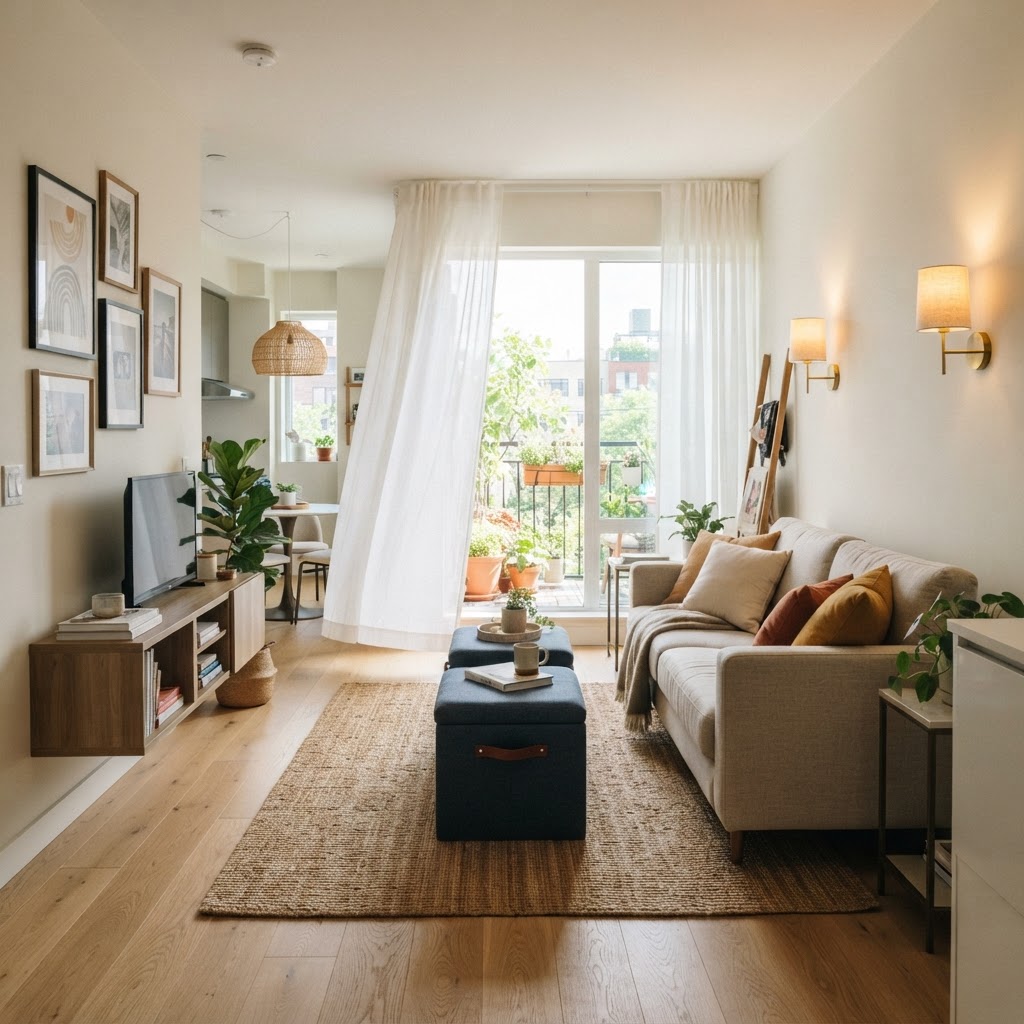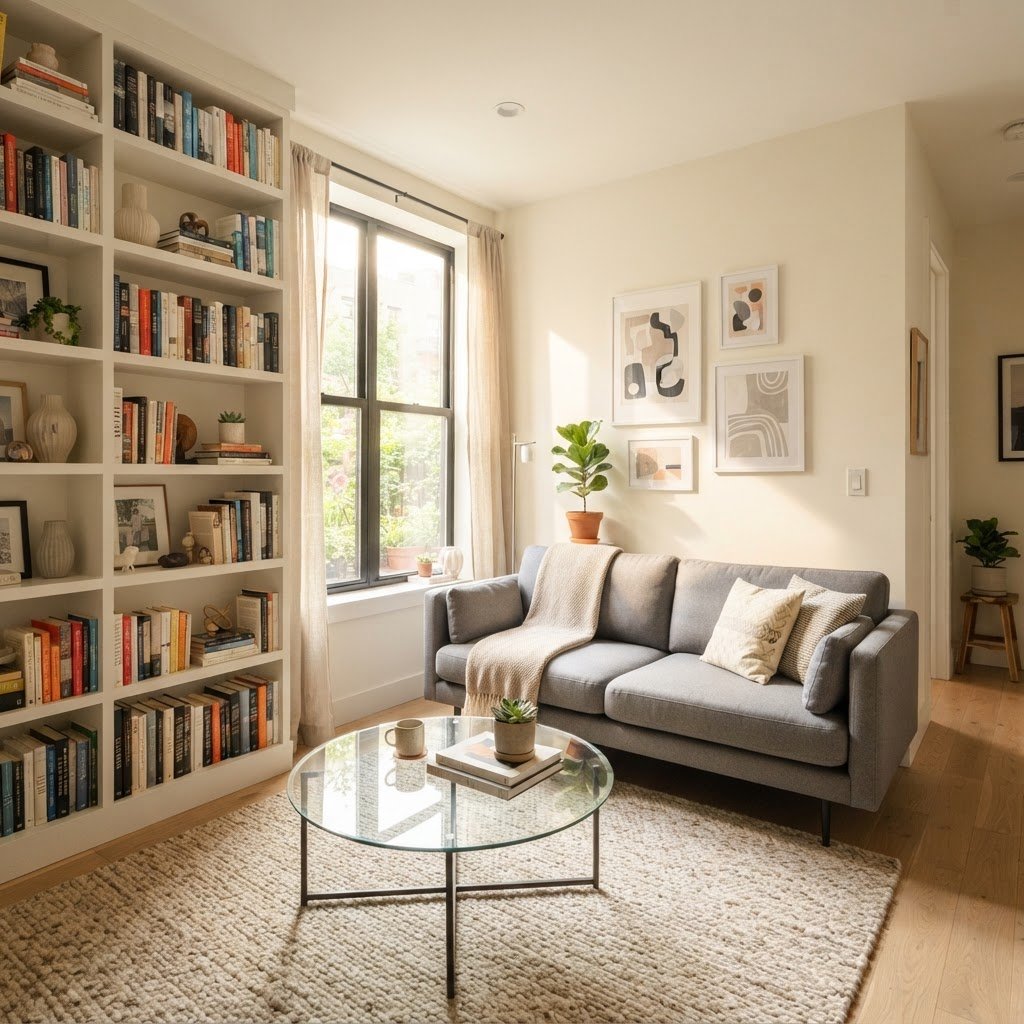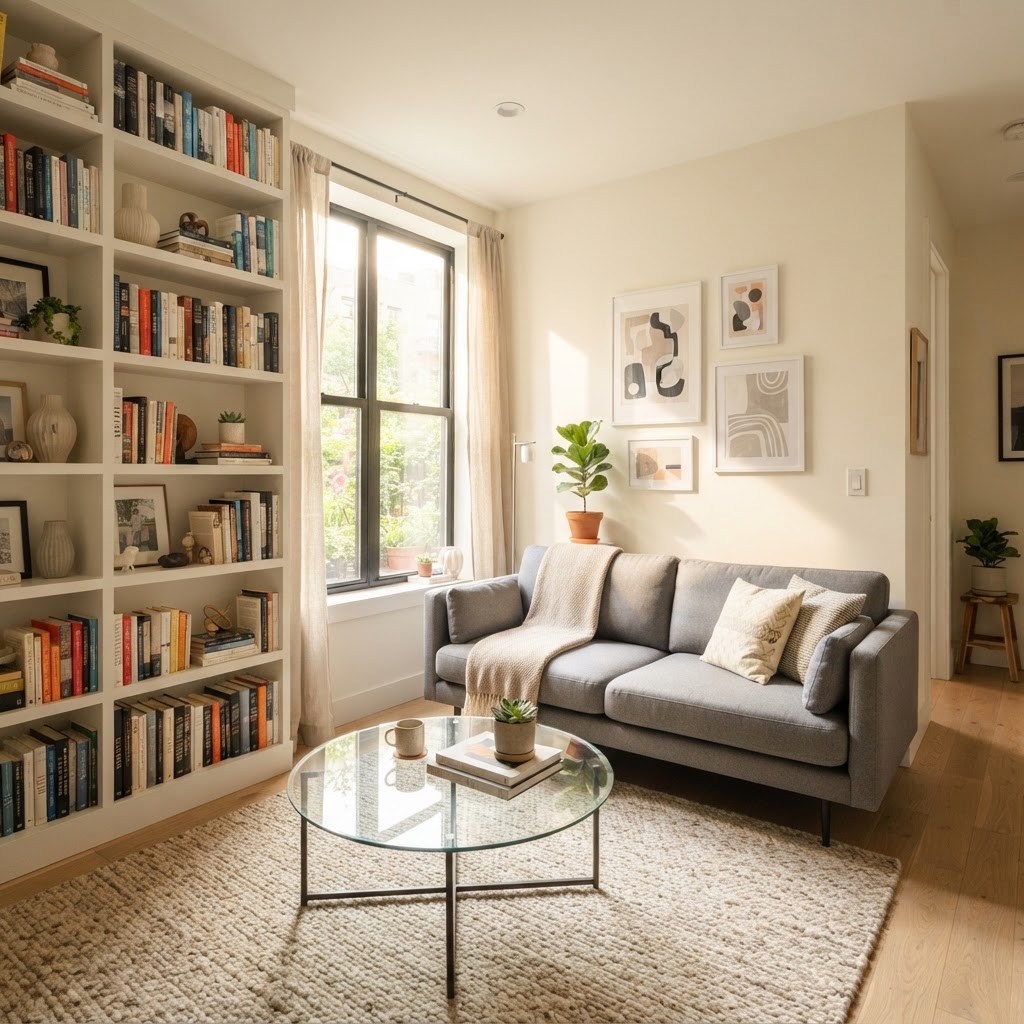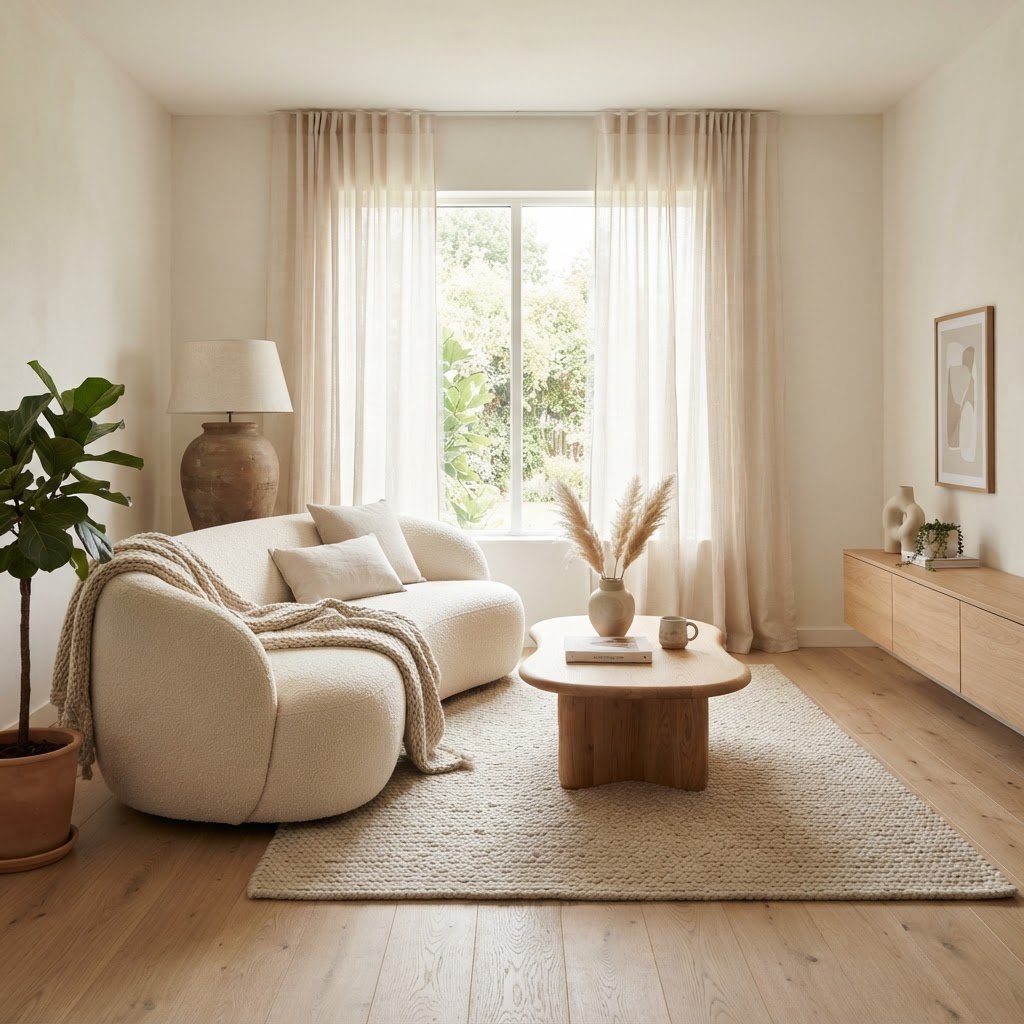
Creating a sanctuary within a compact home is an art form, and soft minimalist living room ideas for small spaces offer the perfect blend of serenity and functionality. Unlike traditional minimalism, which can sometimes feel cold or clinical, the soft minimalist approach emphasizes warmth, organic textures, and a cozy atmosphere that invites you to linger. By carefully selecting each piece in your living area, you can maximize your square footage while maintaining a clean, breathable aesthetic that promotes relaxation and mental clarity.
## Understanding the Soft Minimalist Aesthetic
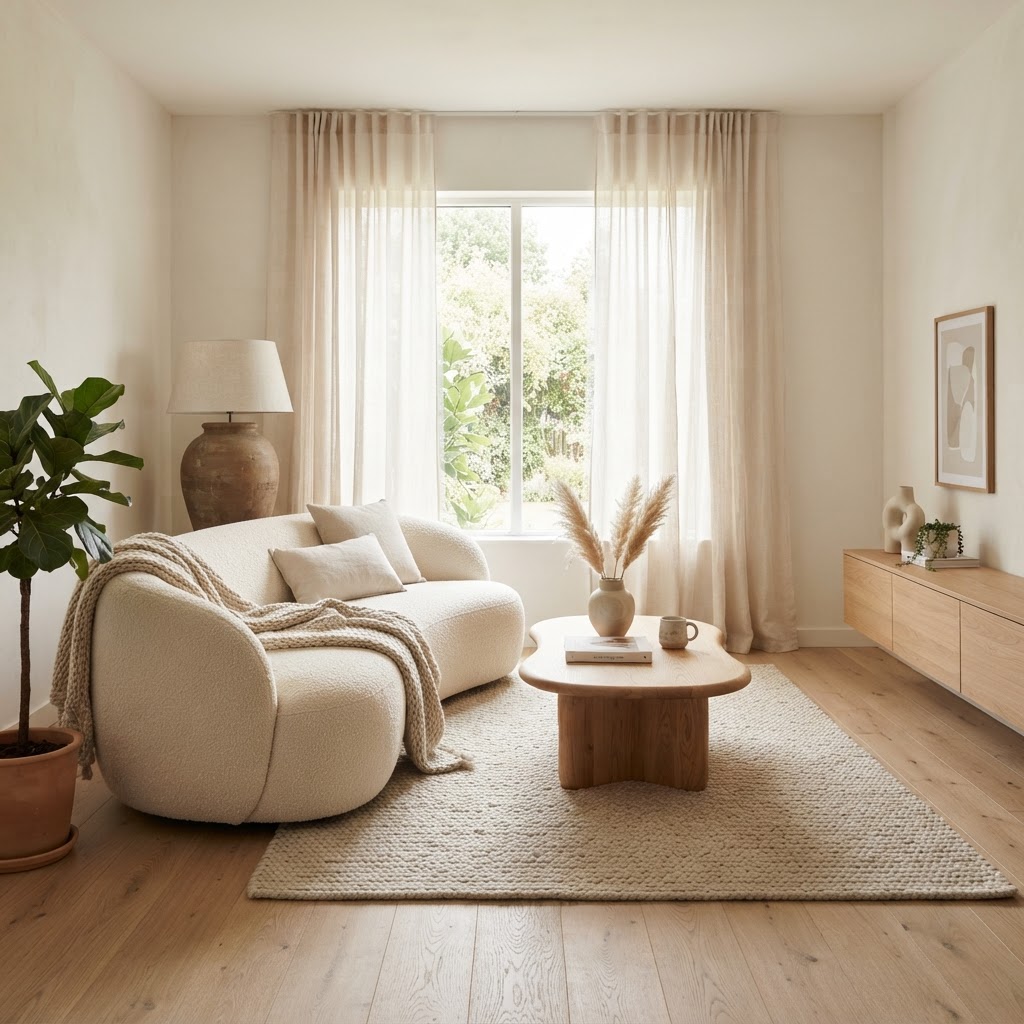
At its core, soft minimalism is about intentionality. It is the practice of curating a space that feels uncluttered without sacrificing the warmth that makes a house a home. In small spaces, this style is particularly effective because it relies on a neutral color palette, natural light, and high-quality materials to make a room feel significantly larger than it actually is. It moves away from the stark white walls of early 2000s minimalism, favoring muted earth tones like cream, soft beige, sage green, and warm gray.
### Why It Works for Small Spaces
When your floor plan is limited, every item you bring into the room needs to earn its place. Soft minimalism acts as a visual filter, encouraging you to remove unnecessary decor that causes visual noise. By focusing on a few impactful pieces rather than a collection of small trinkets, you allow the eye to travel freely, which creates the illusion of openness. This aesthetic thrives on the “less is more” philosophy, ensuring that your living room serves as a peaceful retreat from the outside world.

## Choosing the Right Color Palette
Color is the most powerful tool in your design kit when working with limited square footage. To achieve the soft minimalist look, aim for a monochromatic or tone-on-tone color scheme. Using varying shades of the same color creates depth without overwhelming the senses. A light, airy foundation reflects natural light, which is essential for making a small living room feel spacious and welcoming. To keep your surfaces clear, consider incorporating these clever living room storage ideas for small apartments to hide away items that would otherwise clutter your minimalist sanctuary.
#### Incorporating Warm Undertones
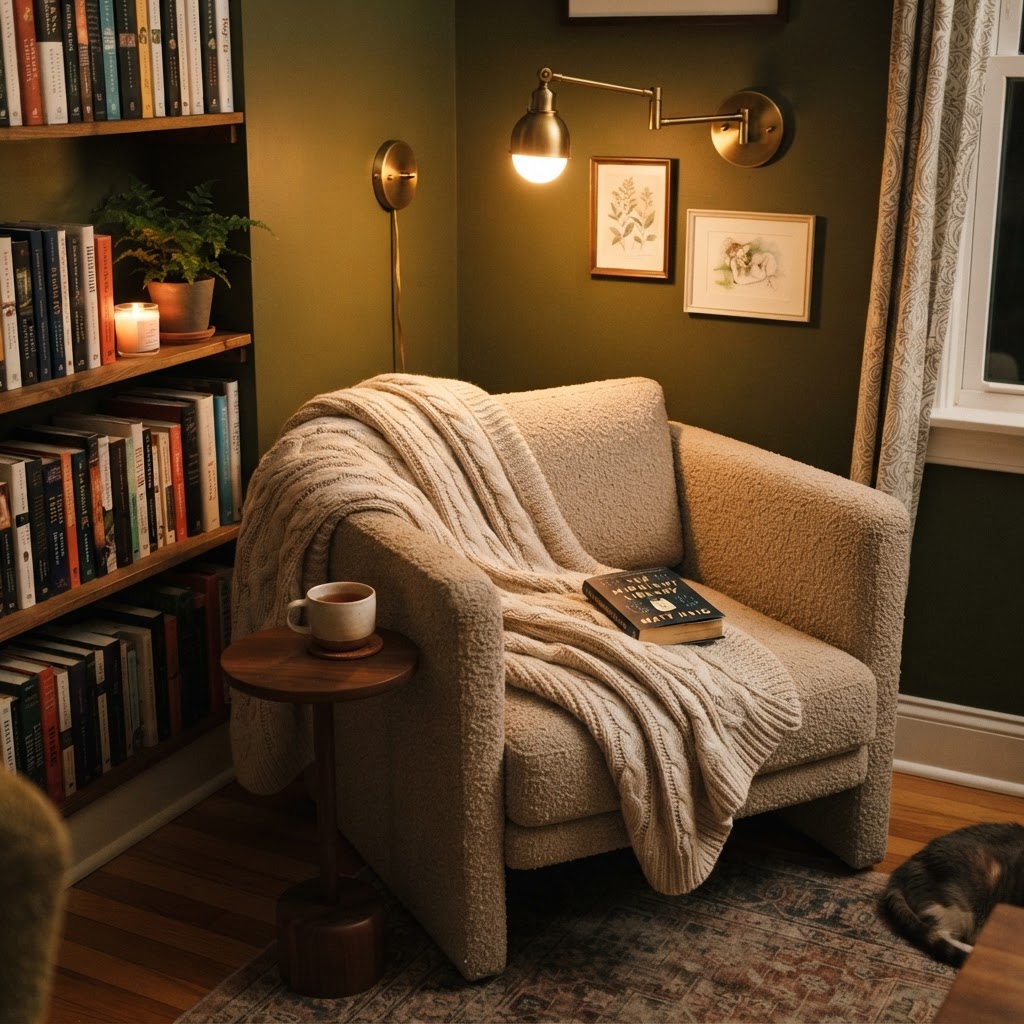
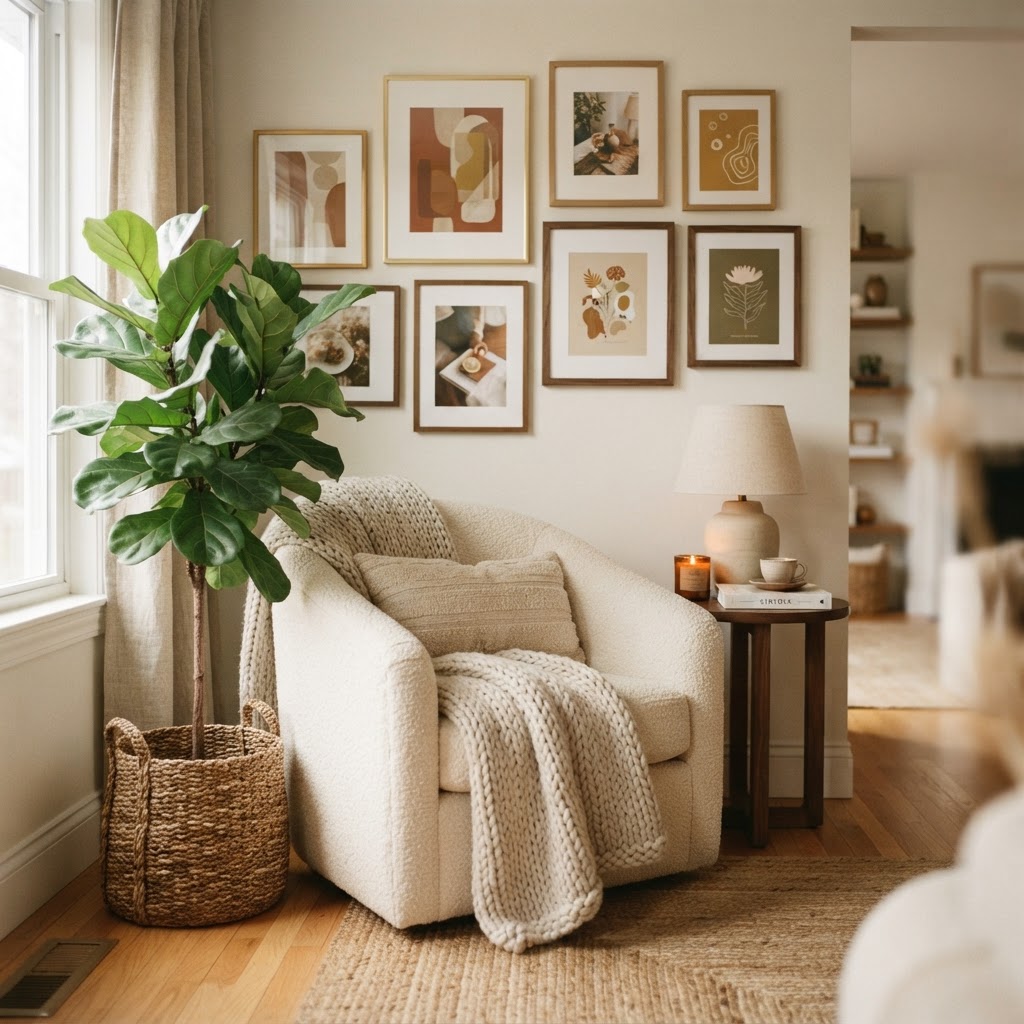
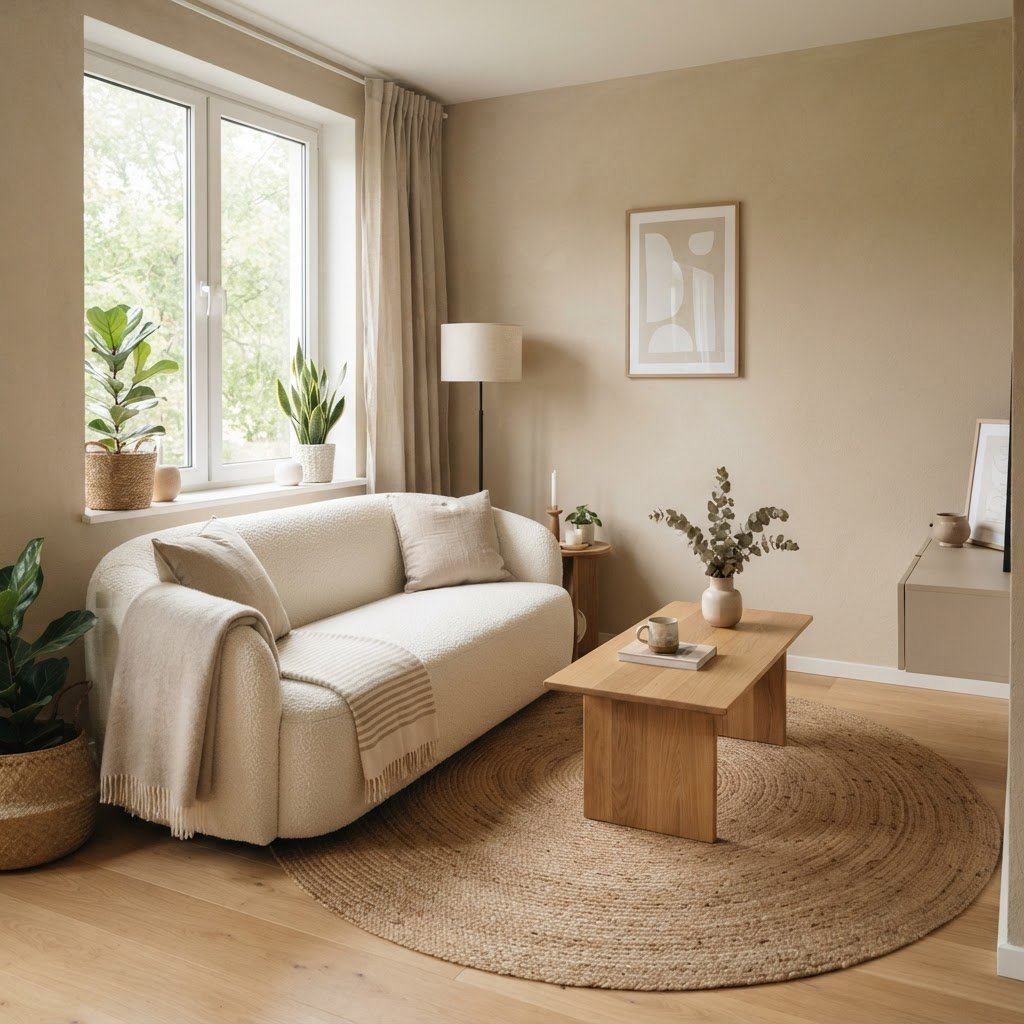
Avoid cool, sterile whites. Instead, opt for “greige,” warm ivory, or soft terracotta. These colors add an inherent layer of comfort to the room. When you keep your walls and large furniture pieces in this palette, you create a seamless background that allows the texture of your textiles—like a bouclé armchair or a linen rug—to take center stage. This strategy provides visual interest without the need for busy patterns or clashing colors.
## Selecting Furniture for Small Layouts
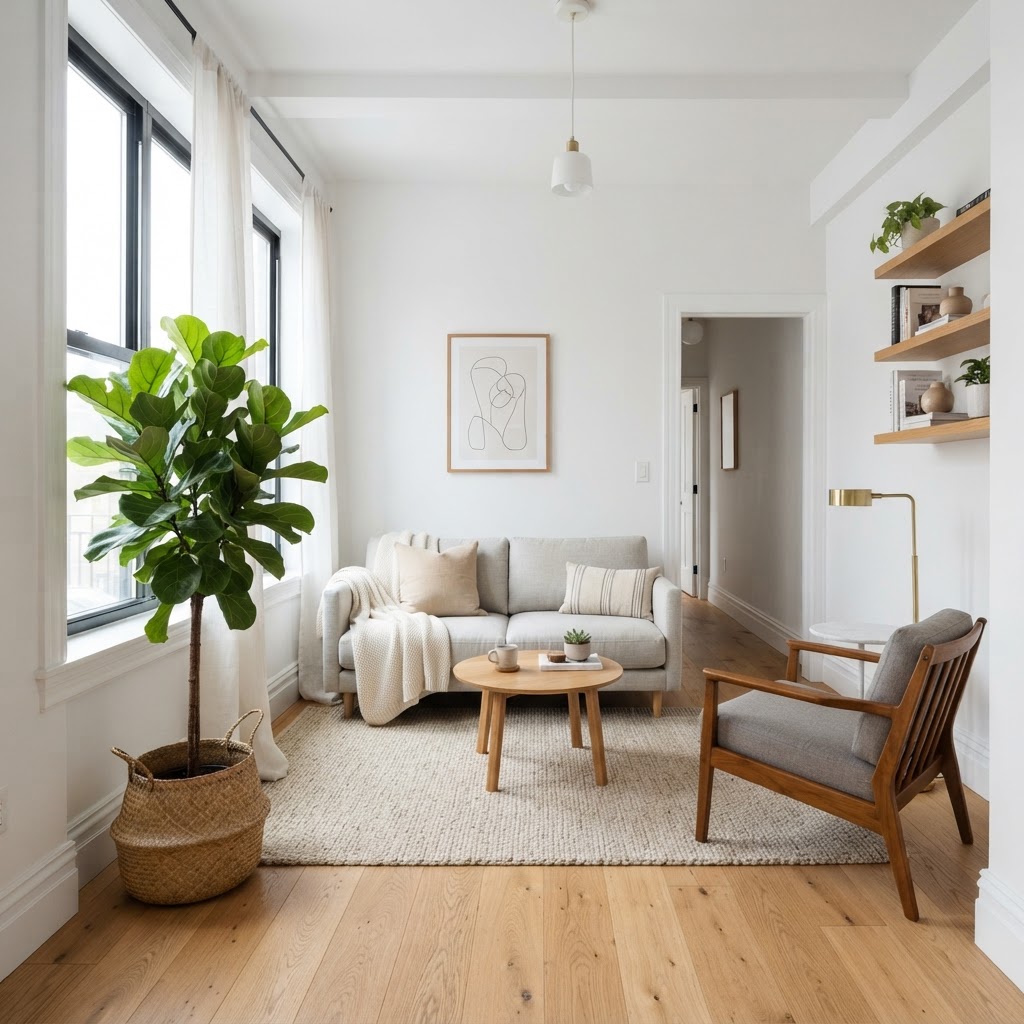
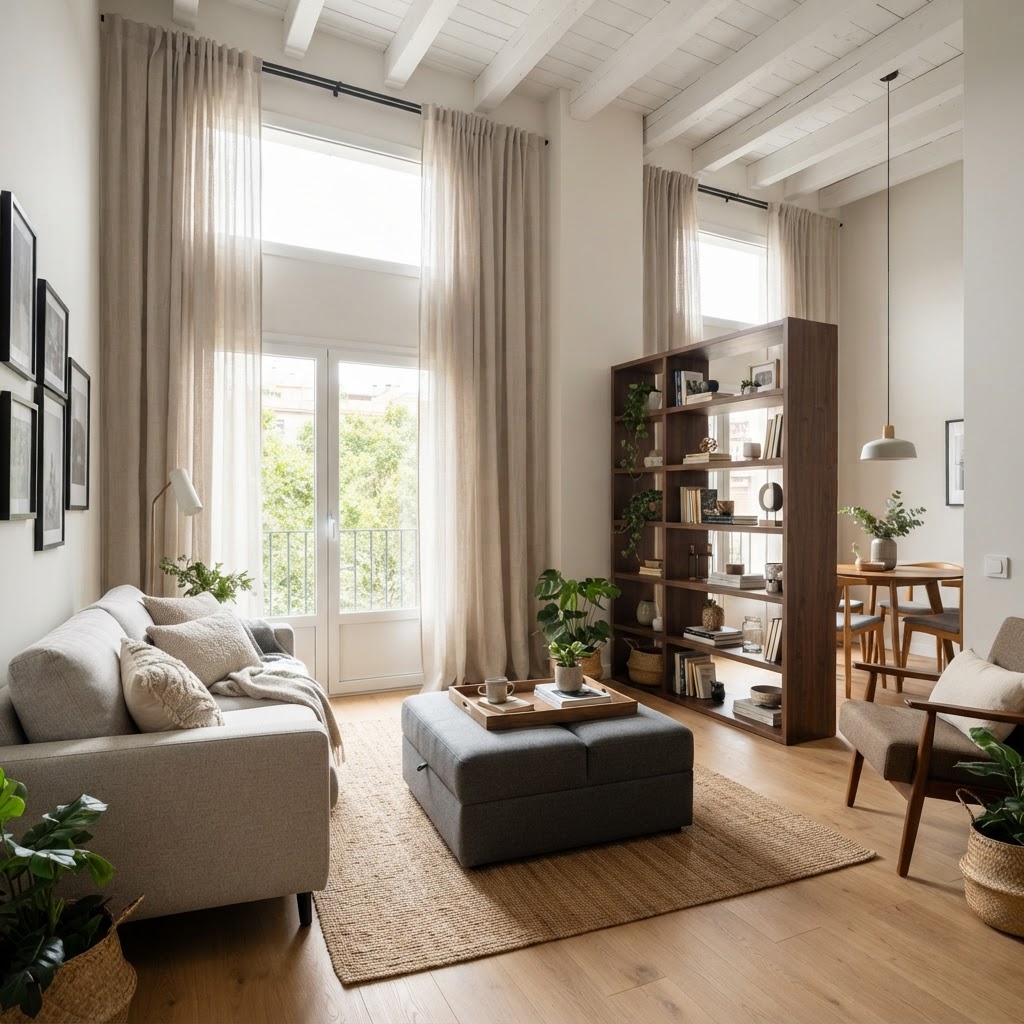
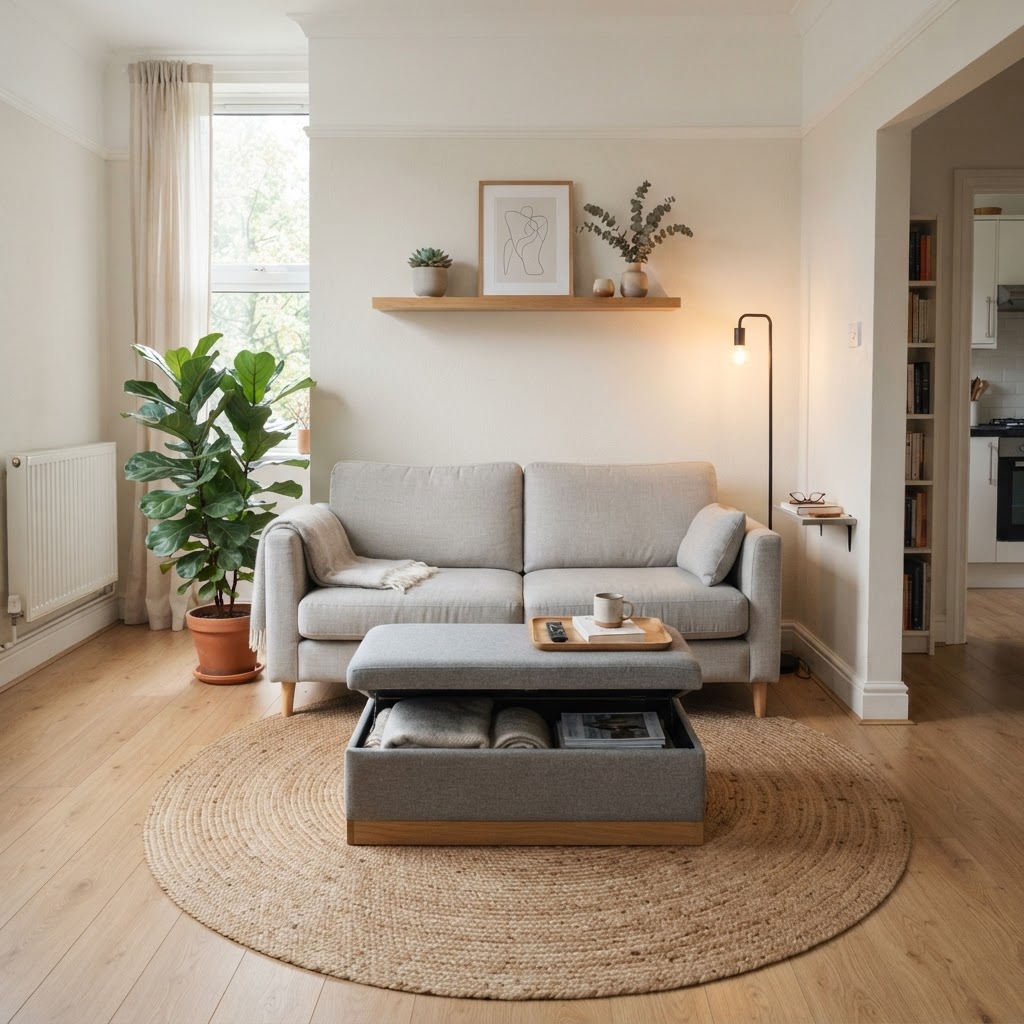
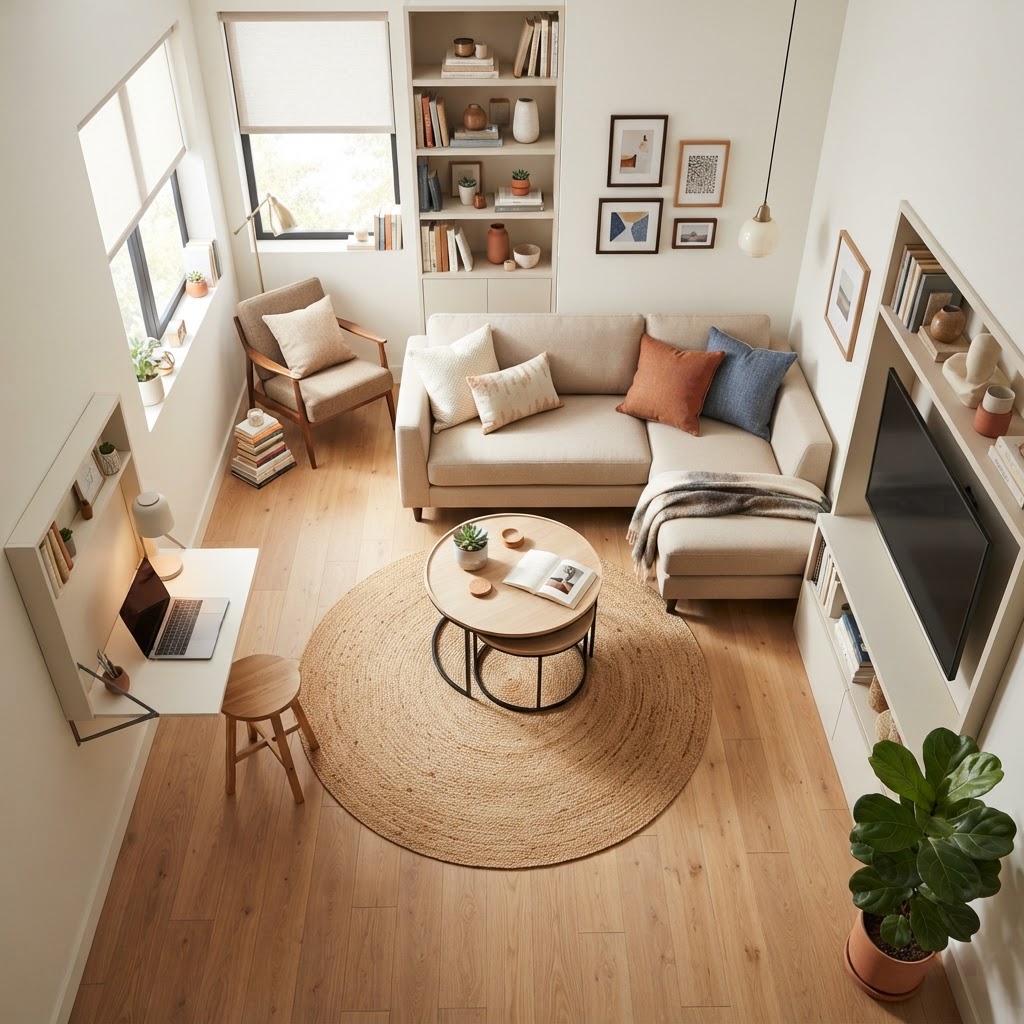
In a small living room, furniture selection is critical. The soft minimalist philosophy favors low-profile furniture that keeps the sightlines clear. Choose sofas and armchairs with rounded edges; organic shapes feel softer and less imposing than boxy, angular designs. Furthermore, pieces that feature exposed legs help to create the impression of more floor space by allowing light to pass underneath the furniture.
### Multi-Functional Design Pieces
In tiny homes, every object must be highly functional. Consider these essential pieces for a space-conscious home:
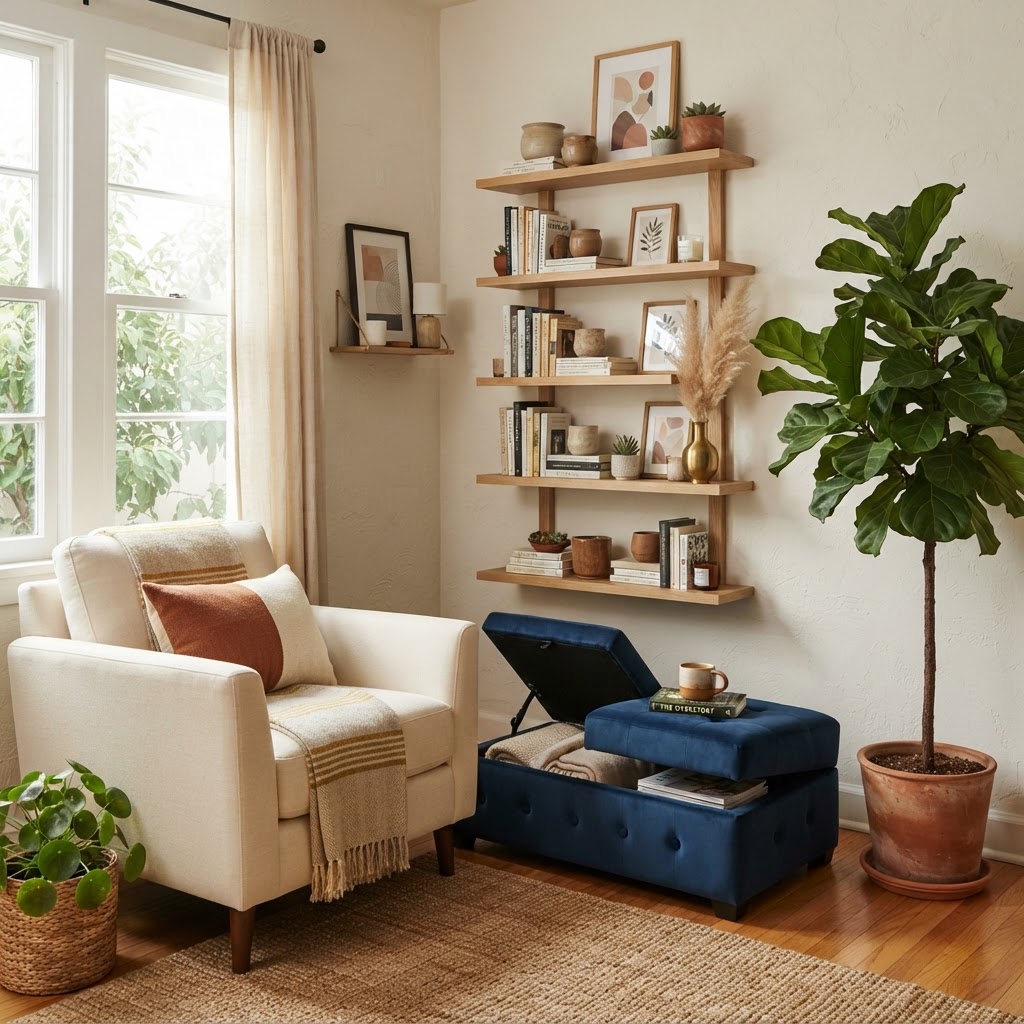
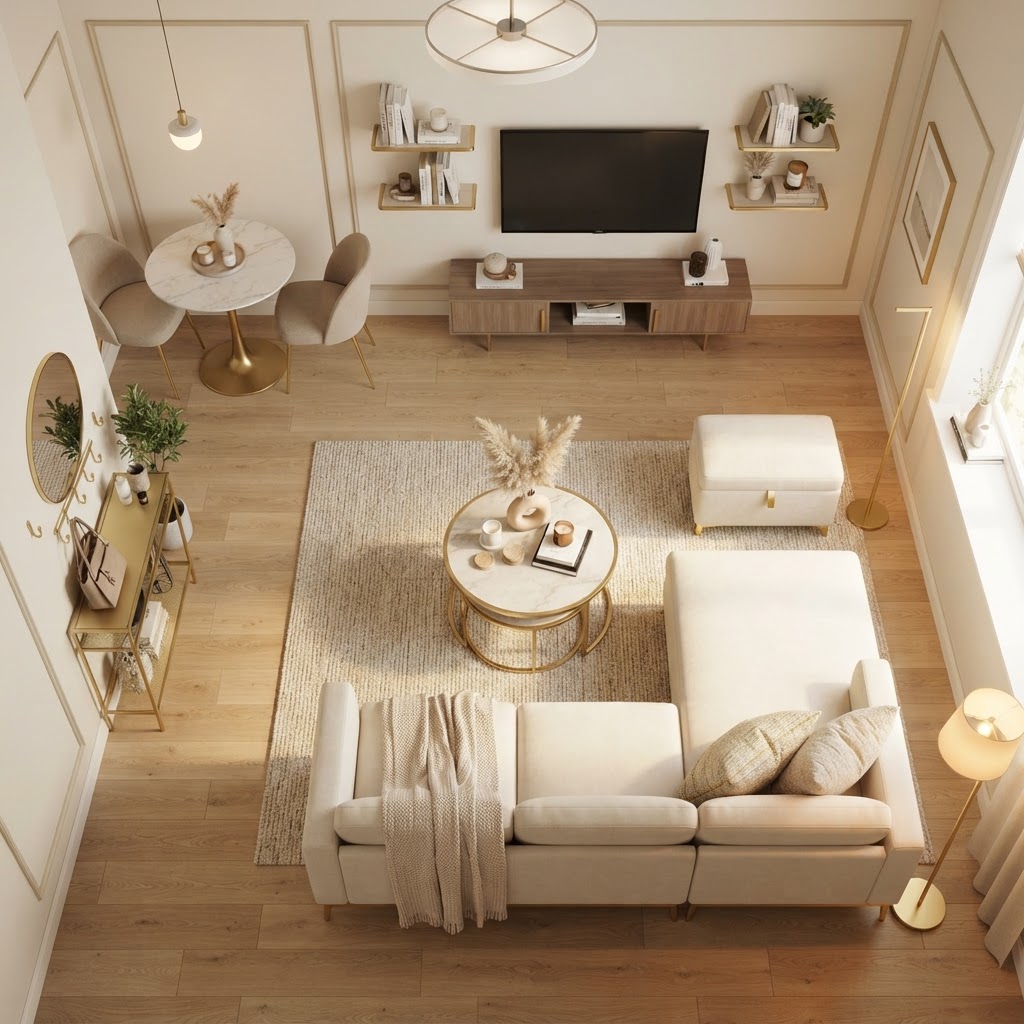
Ottomans with hidden storage for blankets and books.
Nesting side tables that can be tucked away when not in use.
Wall-mounted shelves that keep the floor clear while providing display space.
Sleeper sofas that transition seamlessly from a daytime lounge to a guest bed.

## The Role of Texture and Textiles
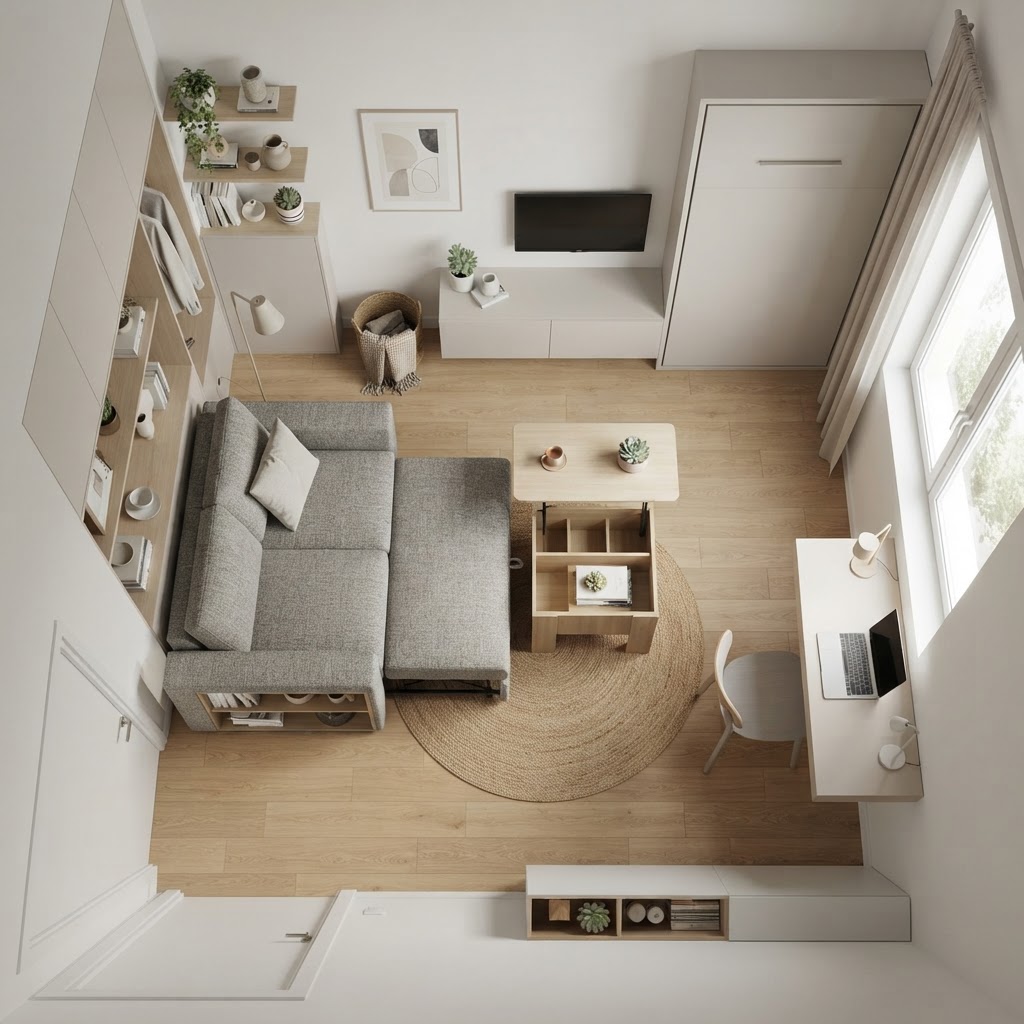
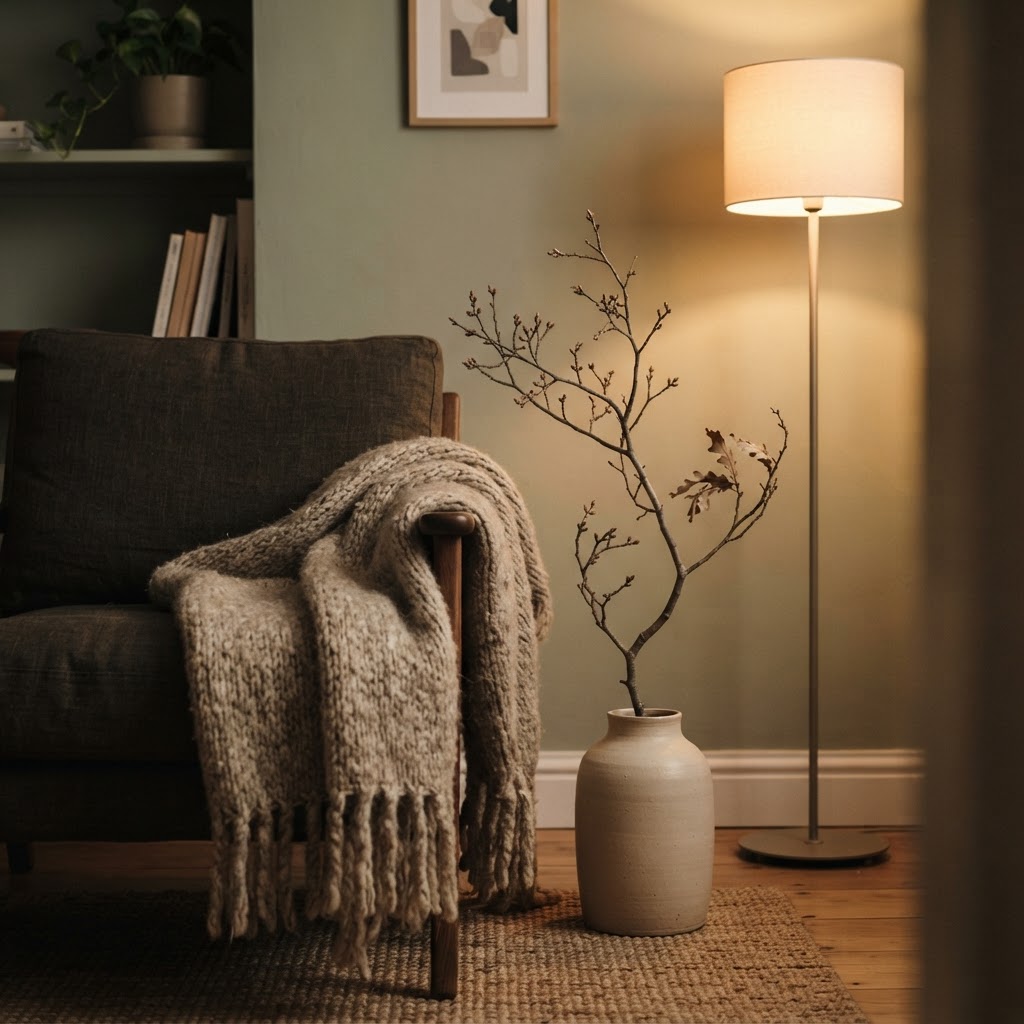
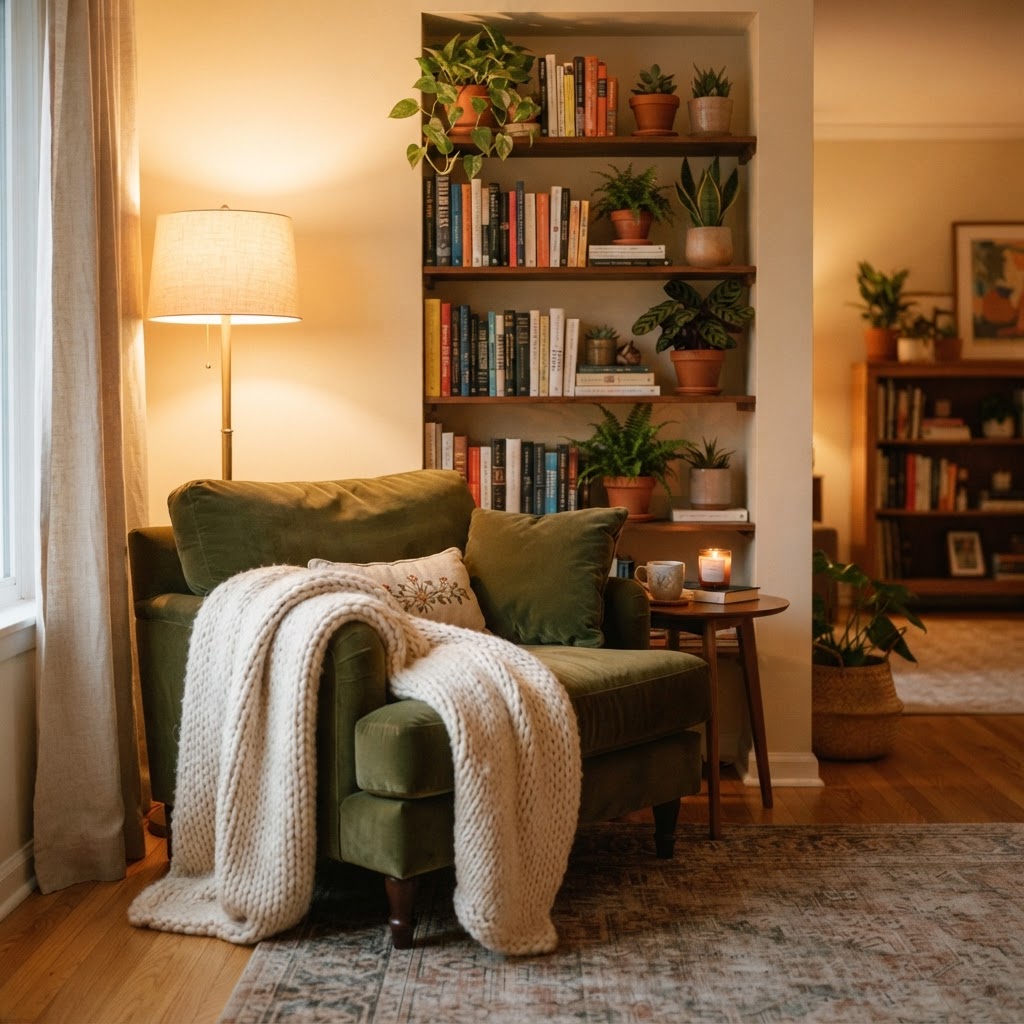
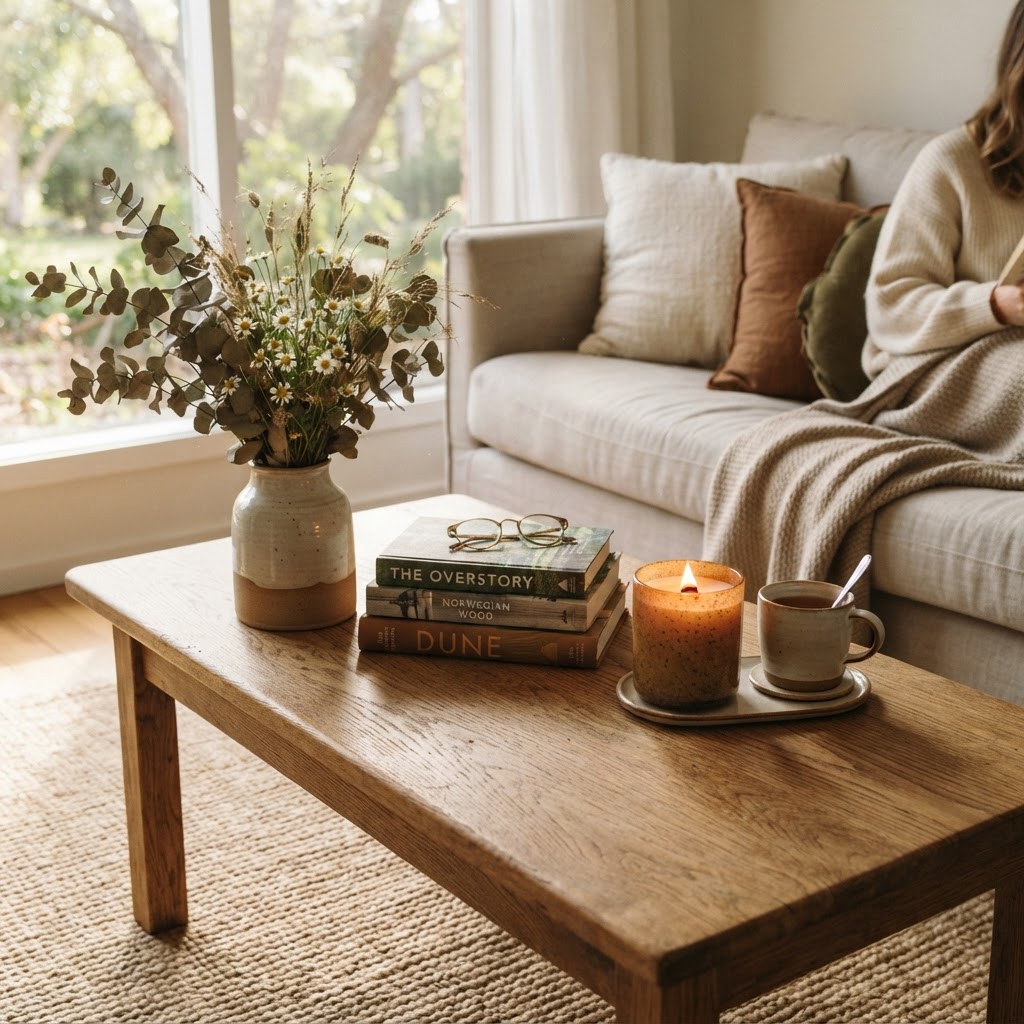
Without patterns to draw the eye, texture becomes the star of the show. To prevent a soft minimalist living room from feeling flat, you must layer materials. Think about the tactile experience of the room: the roughness of a jute rug, the softness of a wool throw, and the smooth grain of natural wood. These contrasts create a cozy, layered feel that is essential for achieving a homey atmosphere in a minimalist setting.
#### Curating Your Textiles
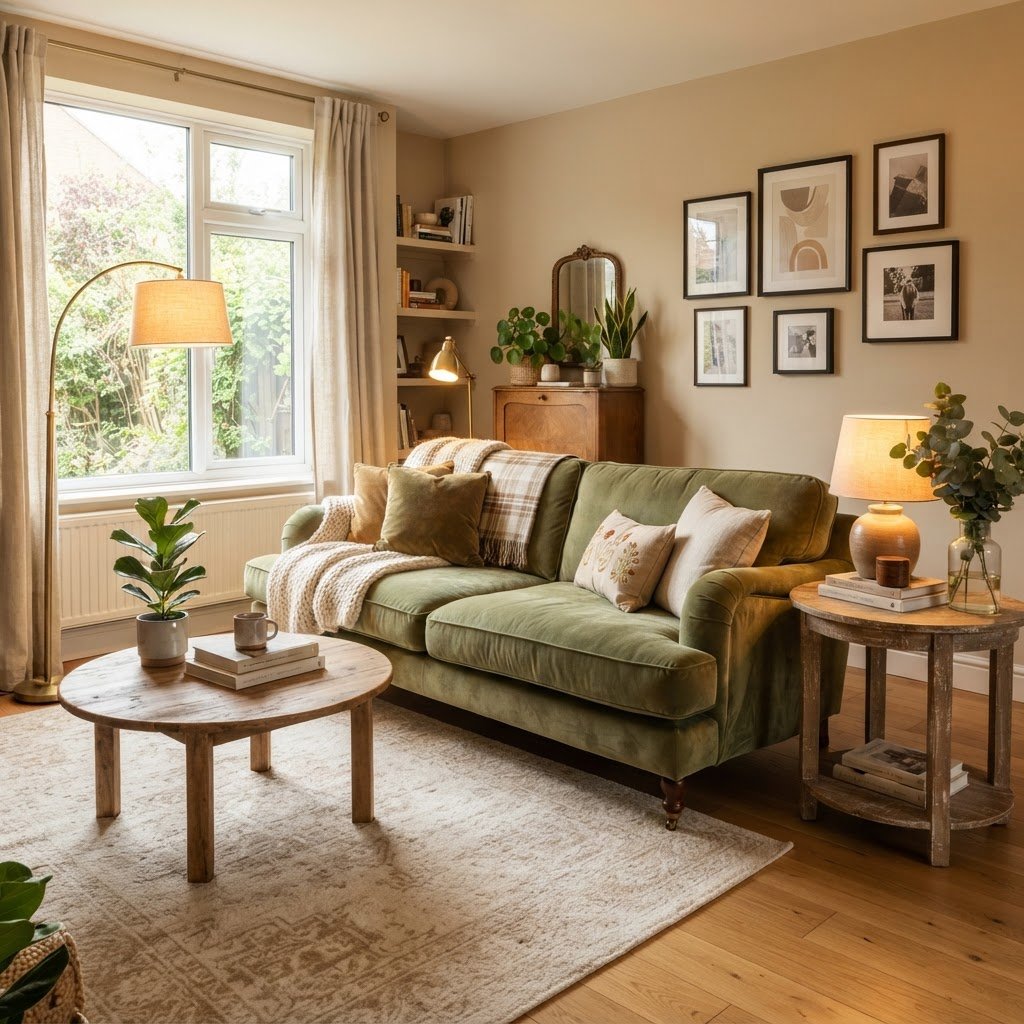
Select high-quality natural fibers like cotton, linen, silk, and wool. These materials breathe well and age gracefully, contributing to a sustainable and serene home environment. Draping a throw blanket over the arm of a sofa or placing a linen cushion on a wooden chair introduces warmth immediately. Ensure that your textiles share the same color family as your walls to maintain that signature, cohesive look.
## Maximizing Natural Light and Lighting
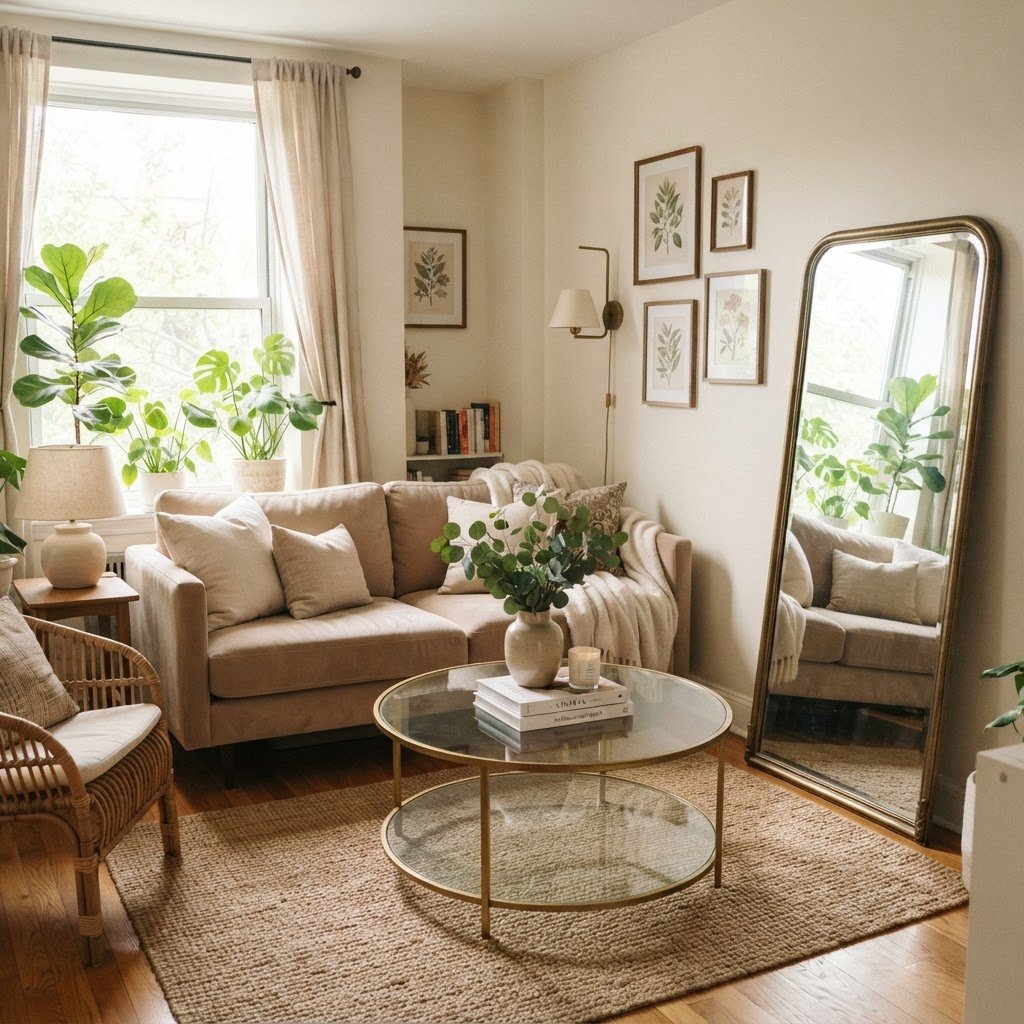
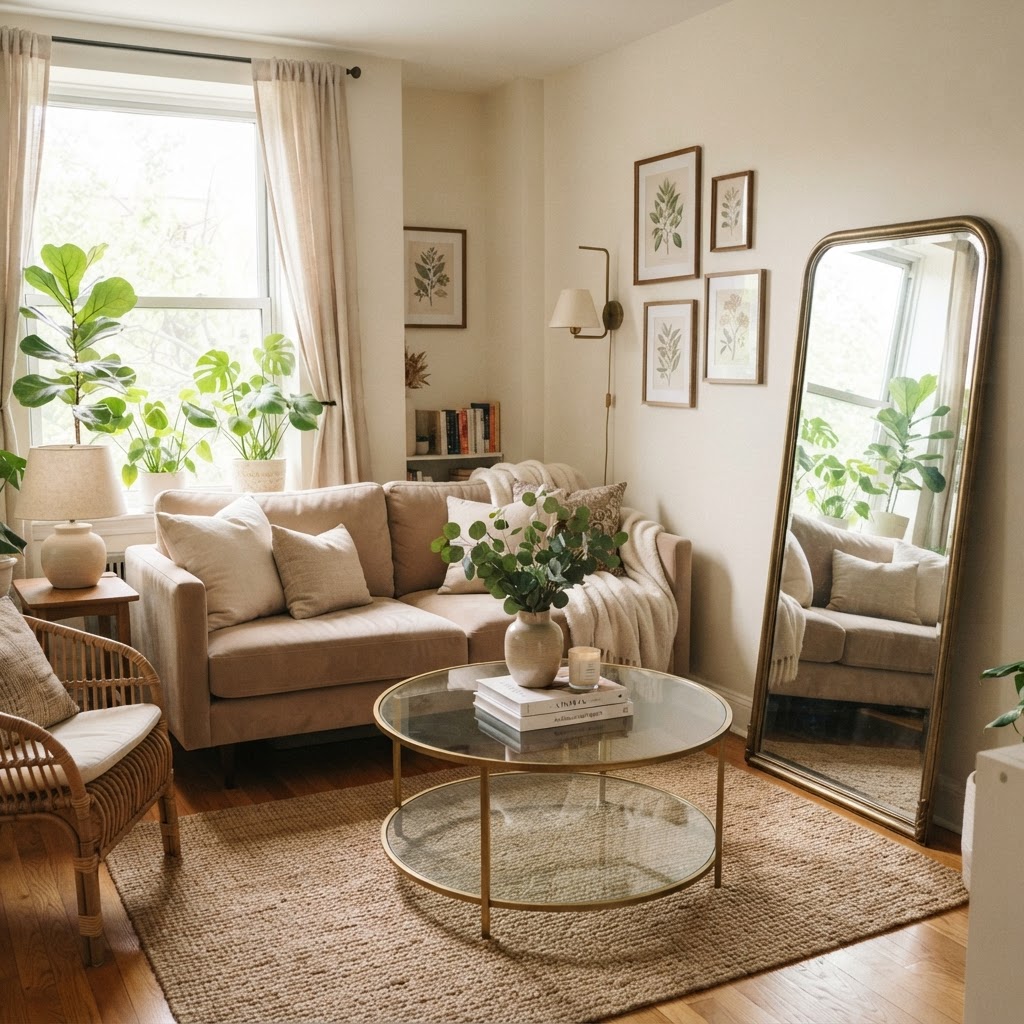
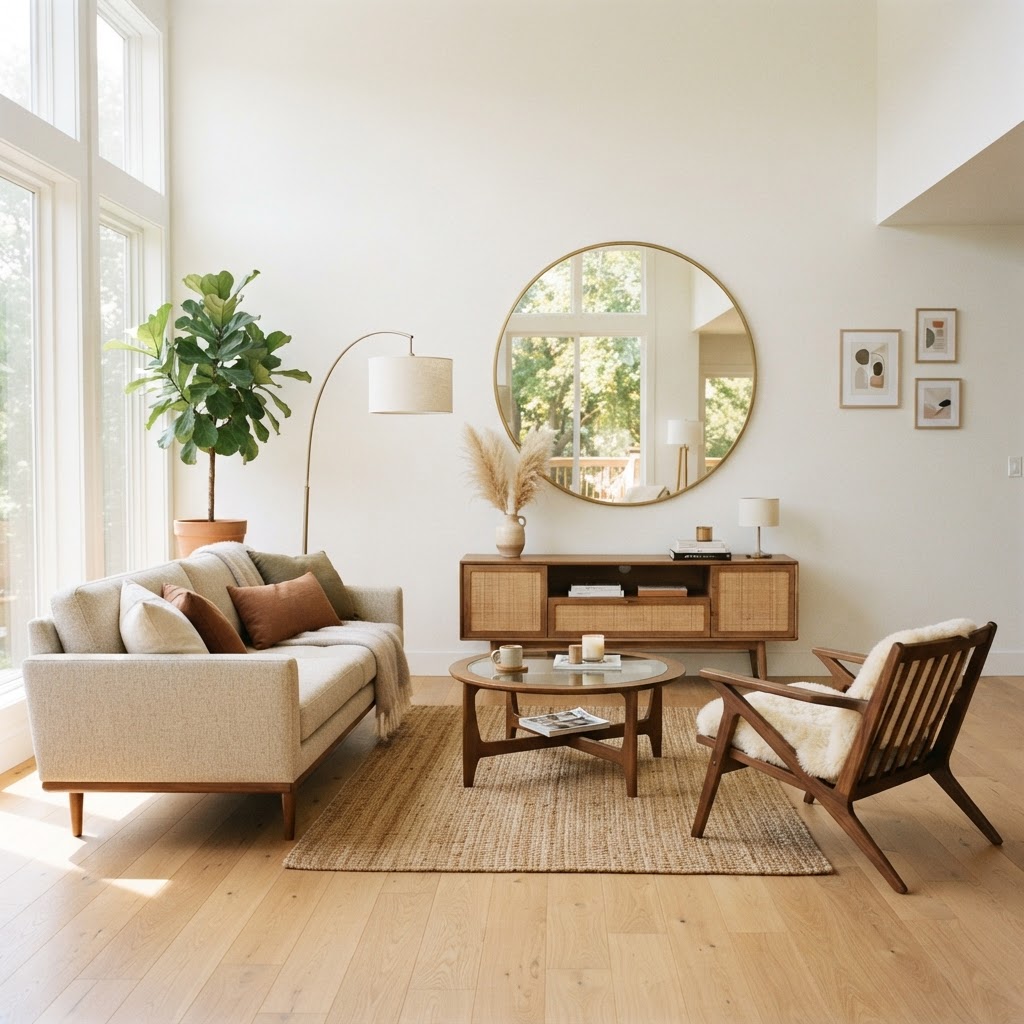
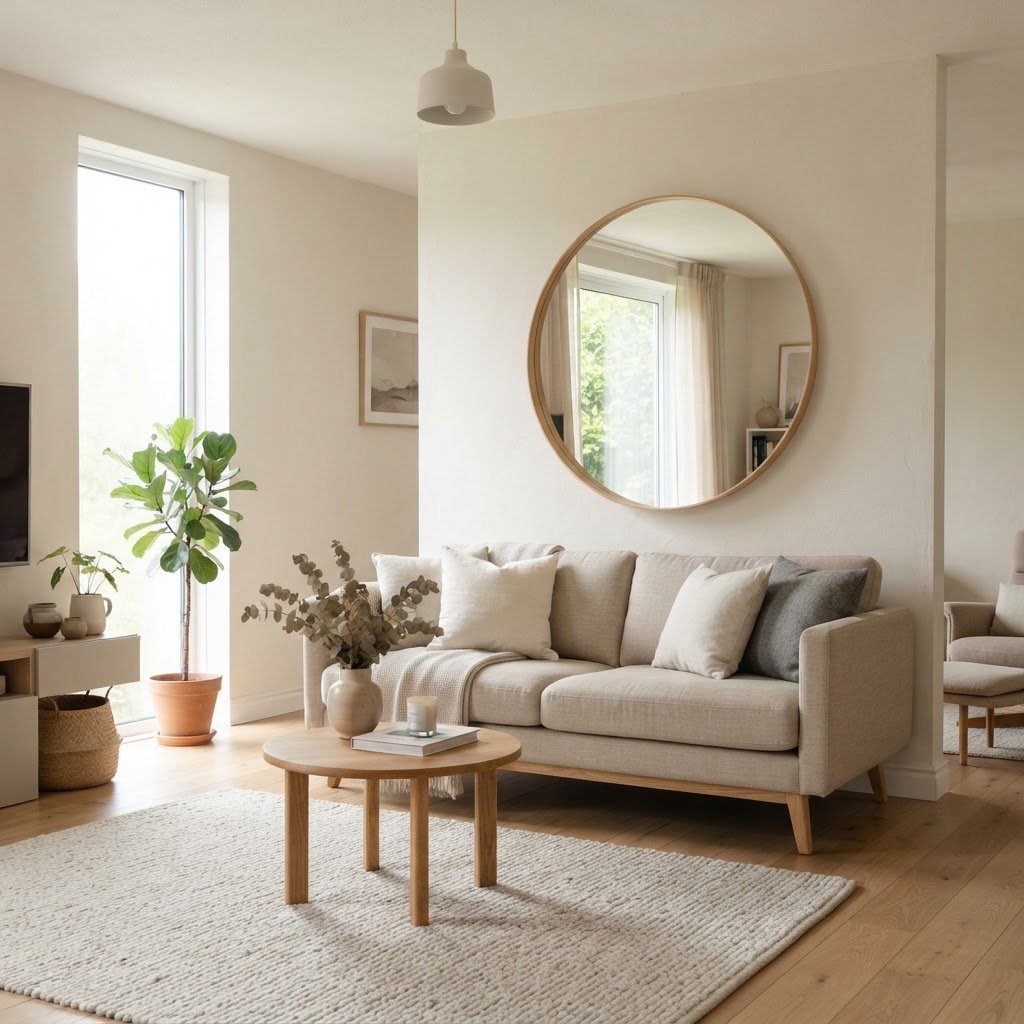
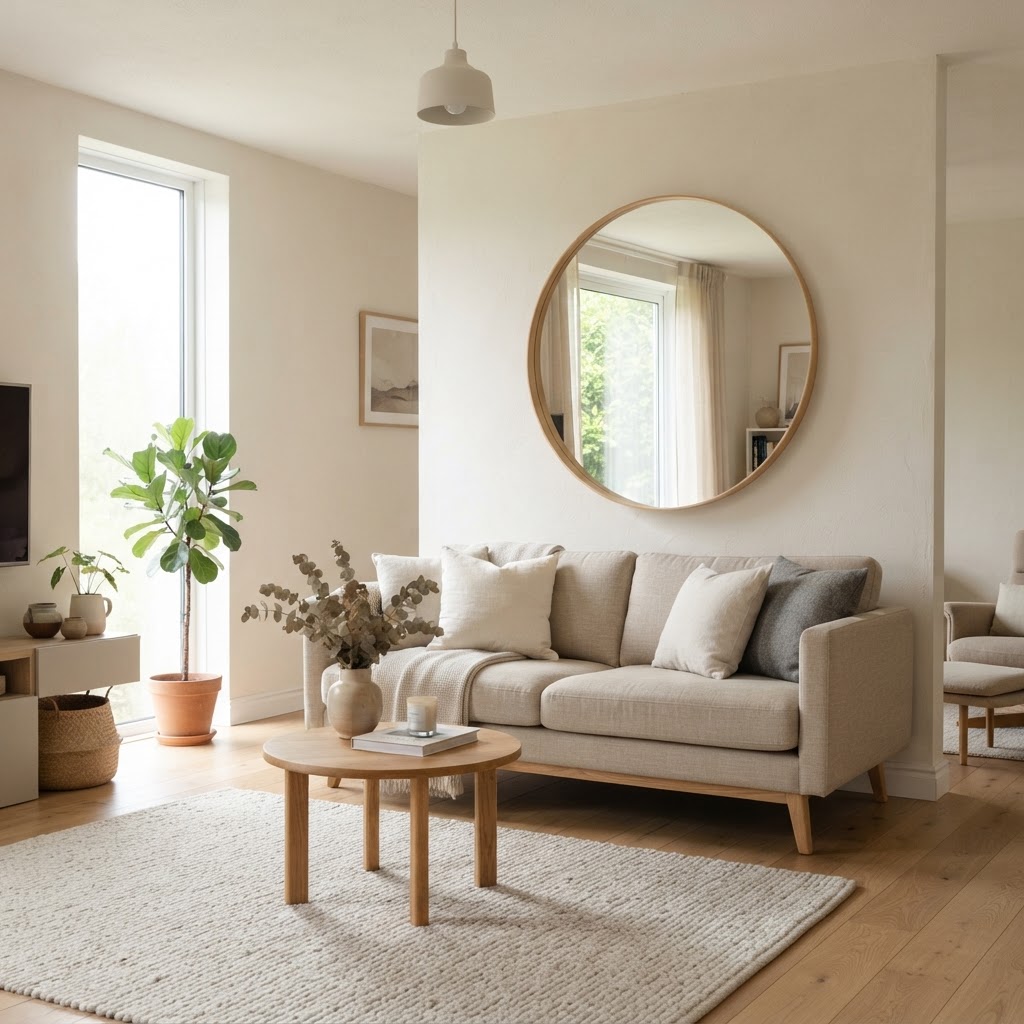
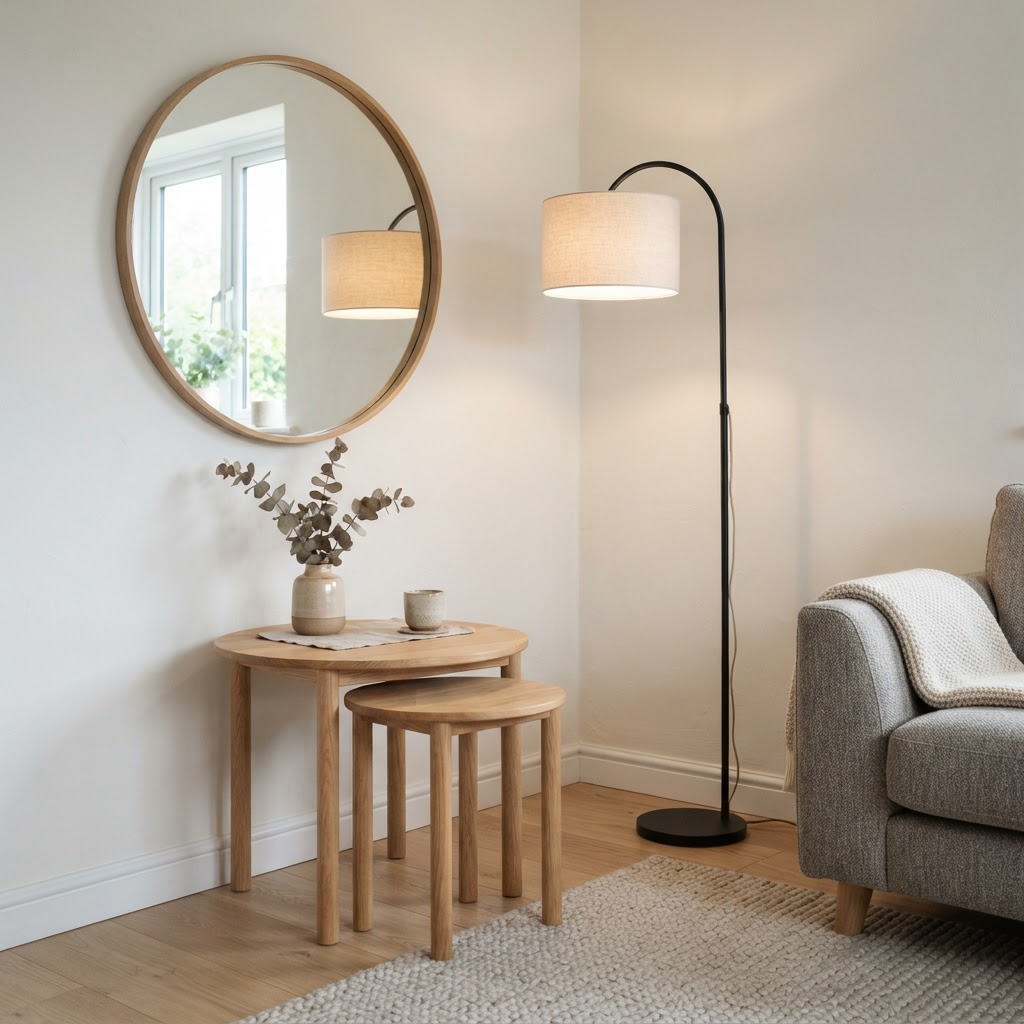
Lighting can transform a cramped room into an airy studio. If possible, keep windows free of heavy drapery. If you need privacy, use sheer linen curtains that diffuse sunlight rather than blocking it entirely. Reflecting light is another secret weapon; a strategically placed mirror on the wall opposite a window will double the perceived light and depth of your small living room.
### Choosing Ambient Light Sources
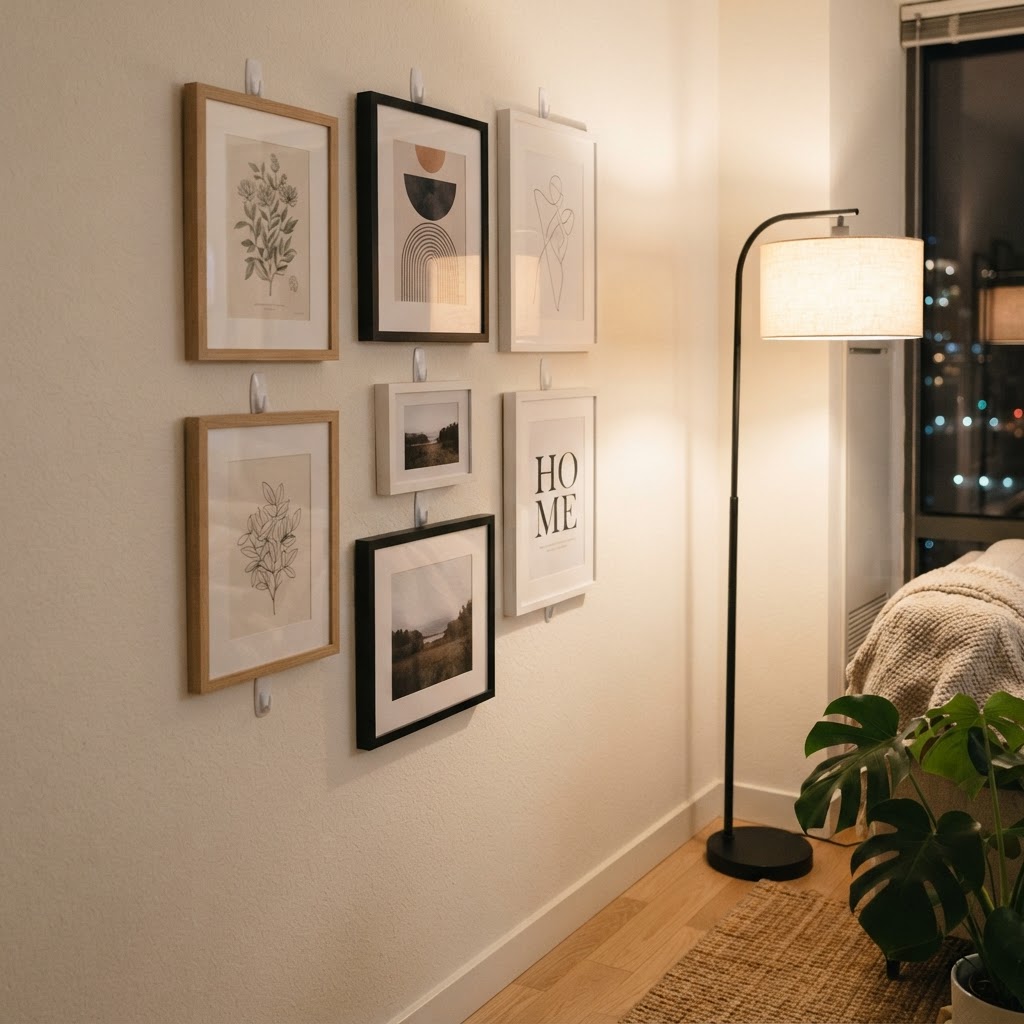
Avoid relying solely on overhead “big light,” which can be harsh and unforgiving in a small space. Instead, use a combination of task lighting and ambient lighting to create pools of warmth. Floor lamps with paper shades or sculptural table lamps with warm-toned bulbs can create a soft, inviting glow that makes the room feel intimate rather than small.
## Organizing and Decluttering for Success
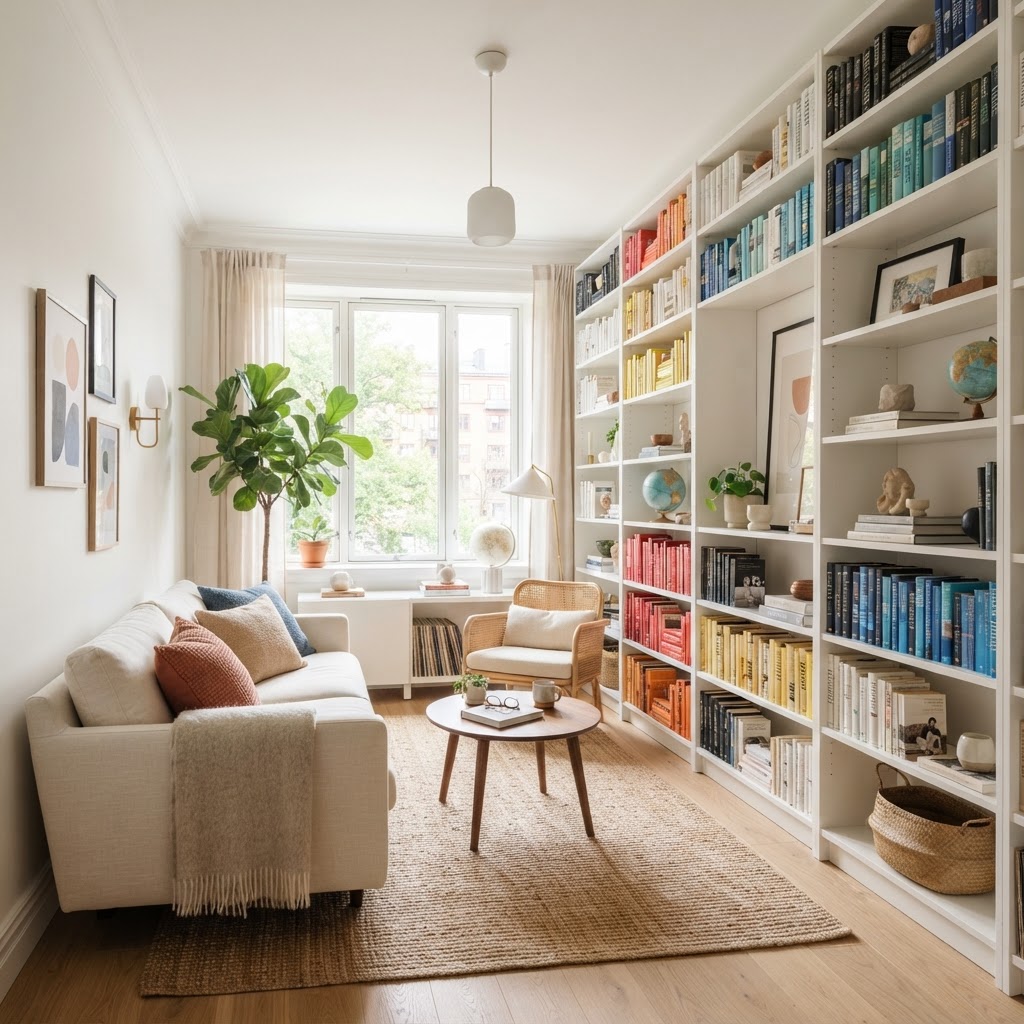
Minimalism dies in the presence of clutter. To maintain a soft minimalist living room, you must have a “home” for every item. Utilize vertical space to keep your surfaces clear. High shelves or floor-to-ceiling bookcases can draw the eye upward, emphasizing the height of your room rather than its narrow width. When surfaces are kept mostly empty, the room feels intentionally designed rather than merely crowded.
#### The Rule of One-In-One-Out
To prevent clutter from creeping back into your life, adopt a strict one-in-one-out policy. For every new book, candle, or piece of decor you bring into your living room, one must be donated or moved to another room. This simple habit preserves the integrity of your soft minimalist space and ensures that your environment remains a source of calm rather than a cause of stress.

## Enhancing the Atmosphere with Nature
Bringing the outdoors inside is a hallmark of the soft minimalist aesthetic. A single, well-placed plant can act as a natural focal point, adding life and color to an otherwise neutral room. Choose plants with elegant leaves, such as a tall fiddle leaf fig, a trailing pothos, or a sculptural snake plant, to complement the minimalist lines of your furniture. Keep the containers simple—think ceramic, terracotta, or woven baskets.
## Conclusion
Adopting soft minimalist living room ideas for small spaces is about more than just aesthetics; it is about creating a environment that nurtures your well-being. By focusing on light, texture, and intentional design, you can transform even the smallest corner of your home into a sophisticated retreat. Remember that the beauty of this style lies in the restraint you exercise; let your furniture breathe, keep your surfaces clear, and prioritize materials that feel good to the touch. Start small—perhaps by swapping out your curtains or decluttering your coffee table—and watch as your living space begins to feel more spacious and serene. Embrace the quiet confidence of minimalism today and enjoy the peaceful lifestyle that comes with a well-curated home.
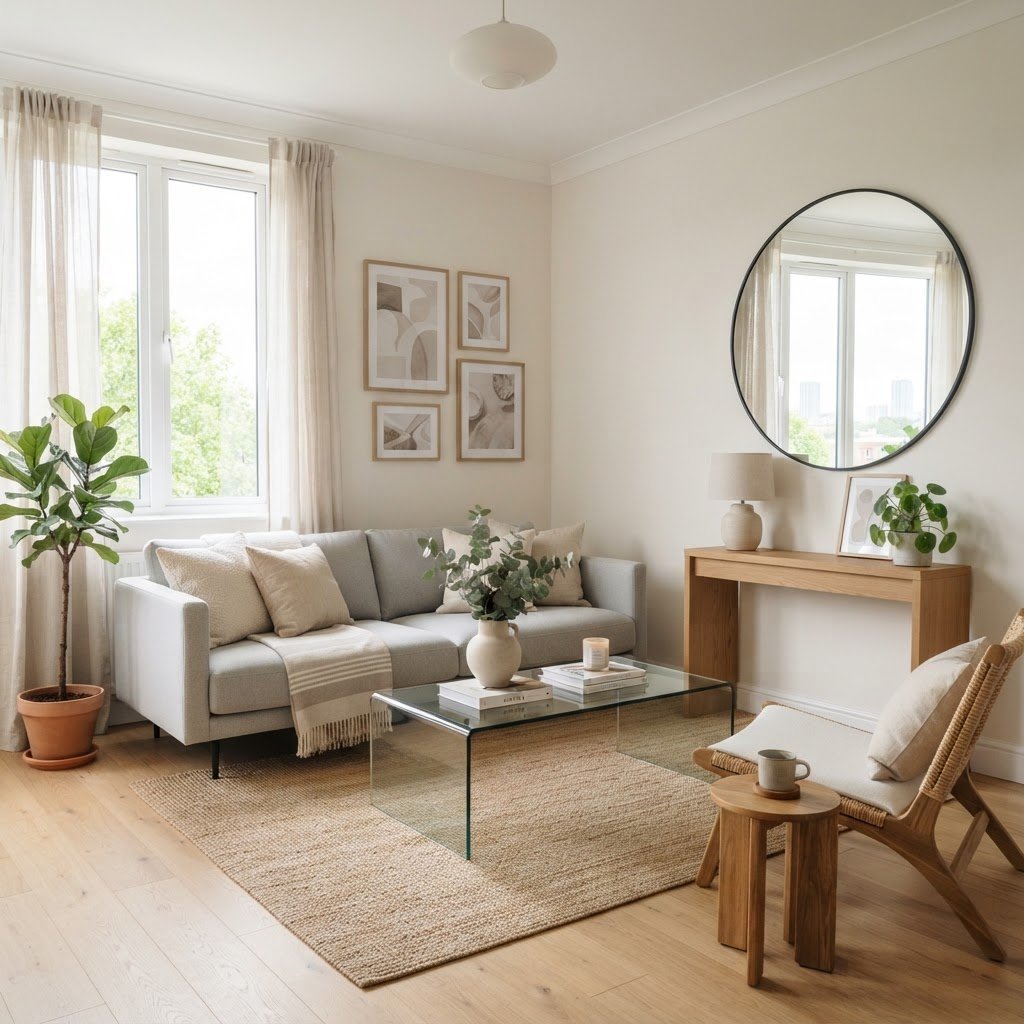
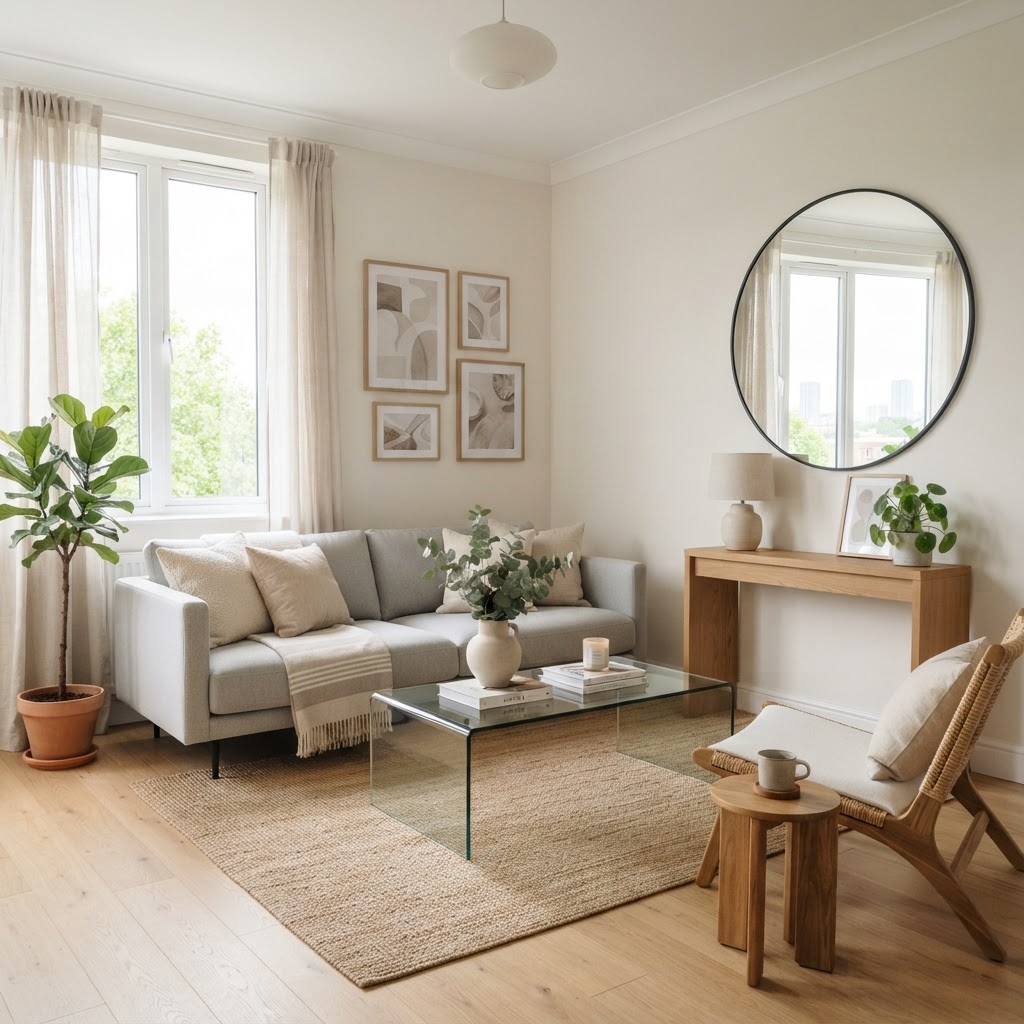
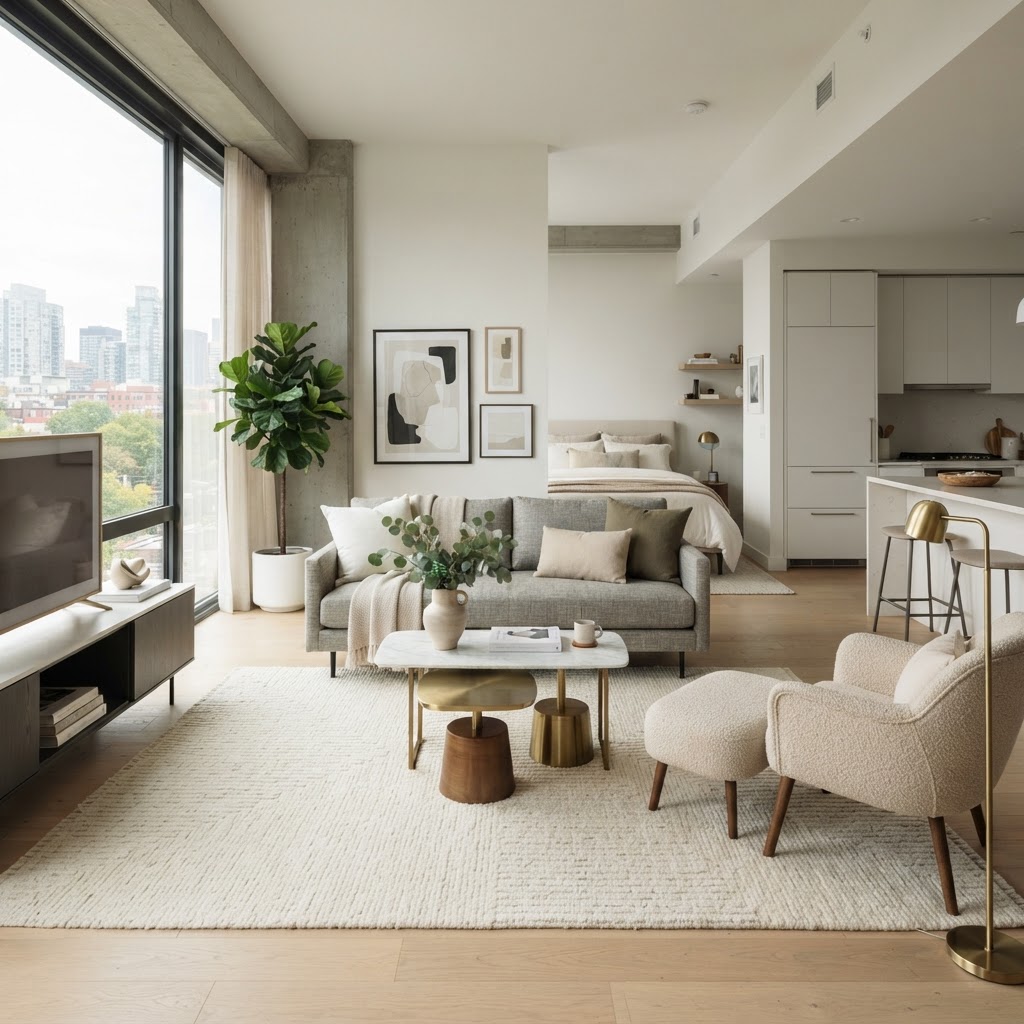

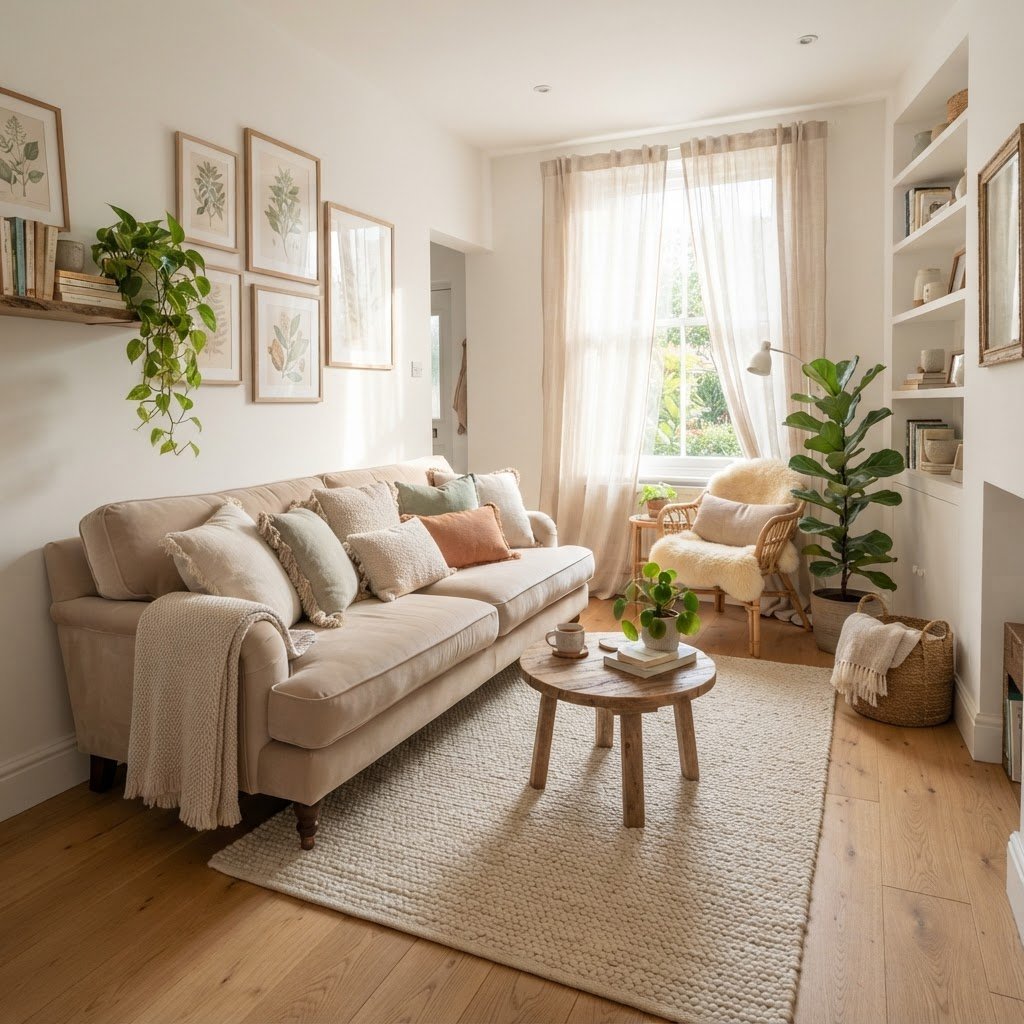
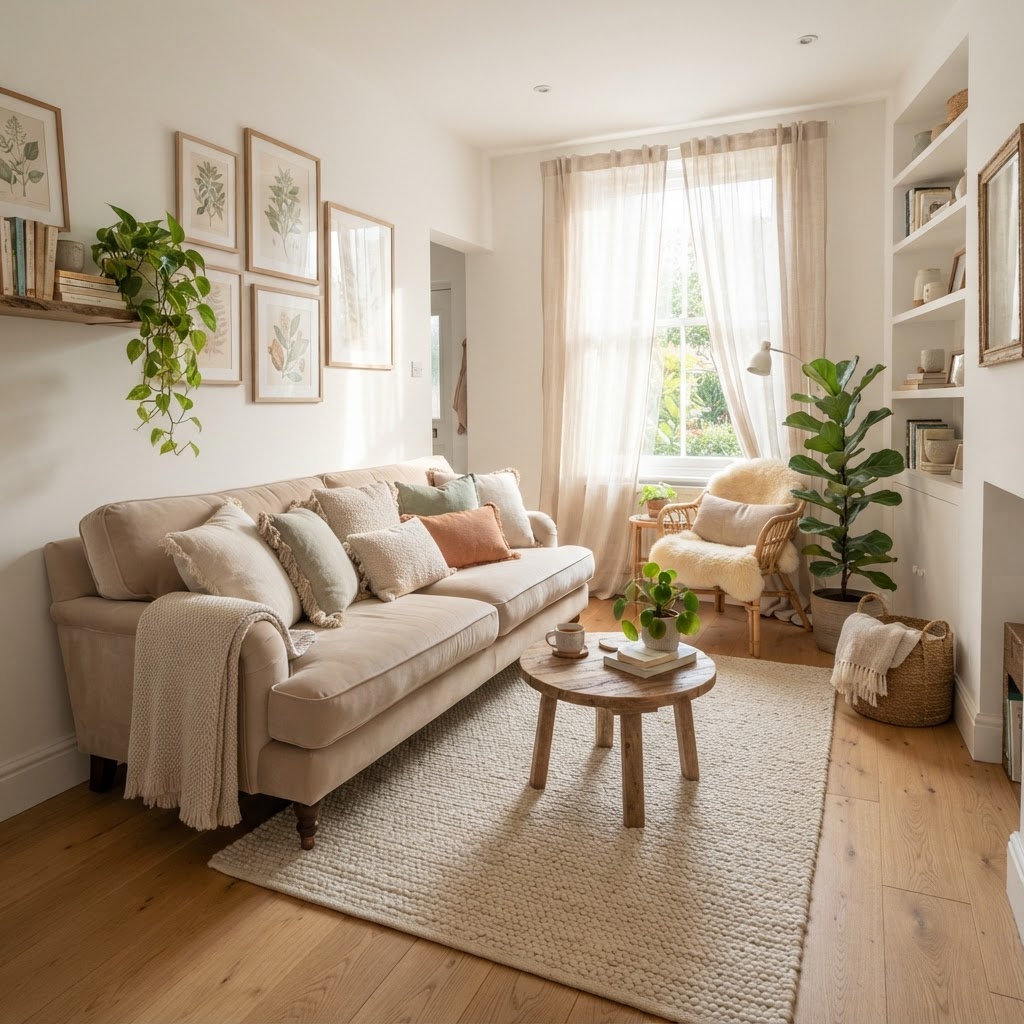





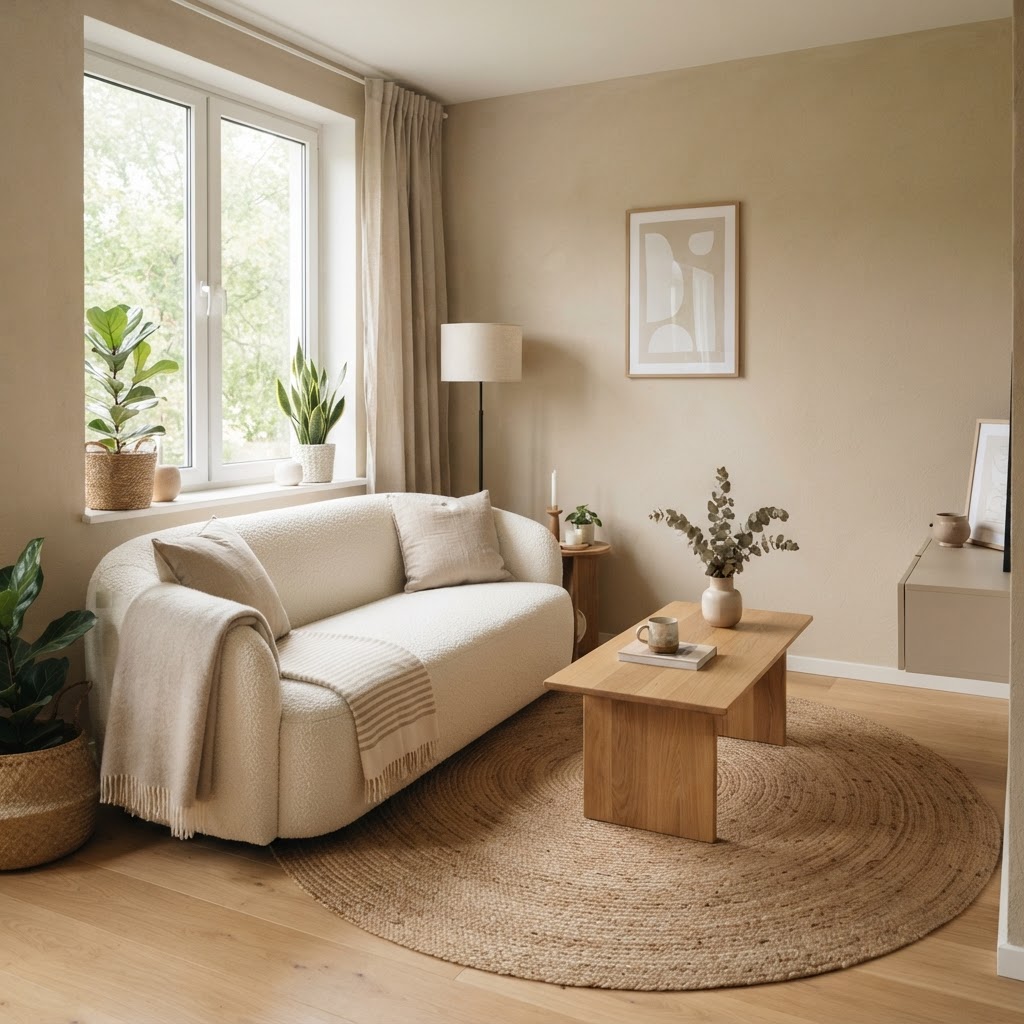 Why do designers consistently turn to beige when tackling small areas? It boils down to the way light interacts with neutral surfaces. Unlike darker tones that absorb light and make walls feel closer, beige reflects light, effectively pushing the boundaries of your room and making it appear larger. Beyond its light-reflecting properties, beige offers an unparalleled sense of calm. In a world of constant stimulation, a neutral living space provides a much-needed visual reprieve. It serves as the perfect backdrop for personal expression, whether you lean toward Scandinavian minimalism or modern organic farmhouse styles. ### Creating Depth Through Texture One of the most important aspects of using a single color family is avoiding flatness. To keep your living room from feeling sterile, you must incorporate a variety of textures. Think chunky knit throw blankets, velvet accent pillows, bouclé armchairs, and natural fiber rugs like jute or sisal. Mixing these materials adds sensory interest without needing to introduce bold, distracting colors. A smooth leather sofa paired with a soft sheepskin rug instantly elevates the tactile experience of the room, creating that essential cozy factor that everyone craves.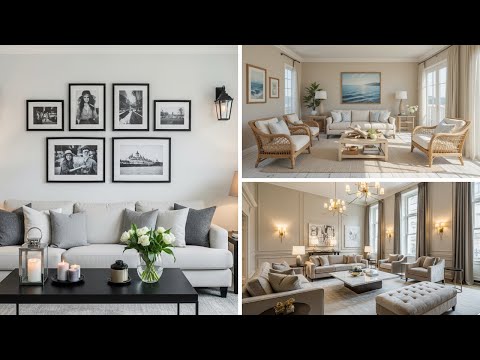
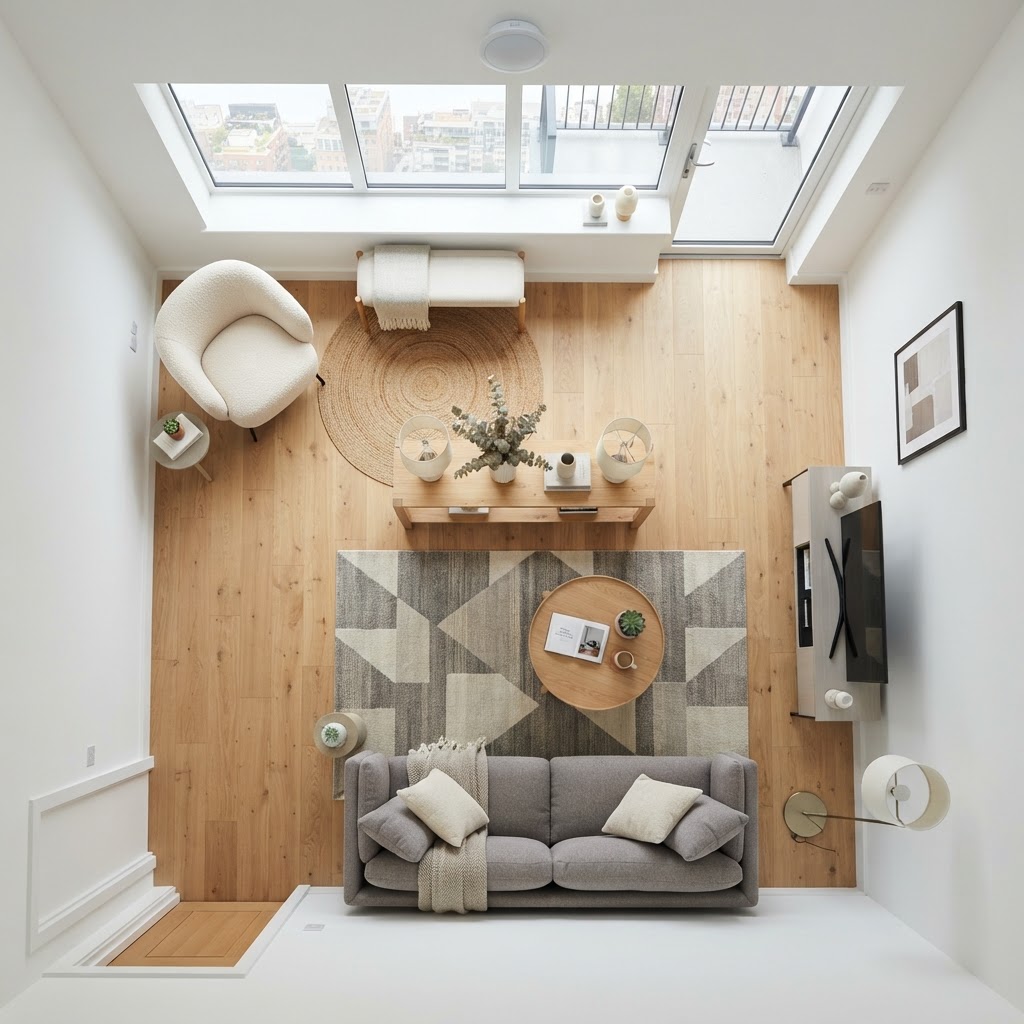
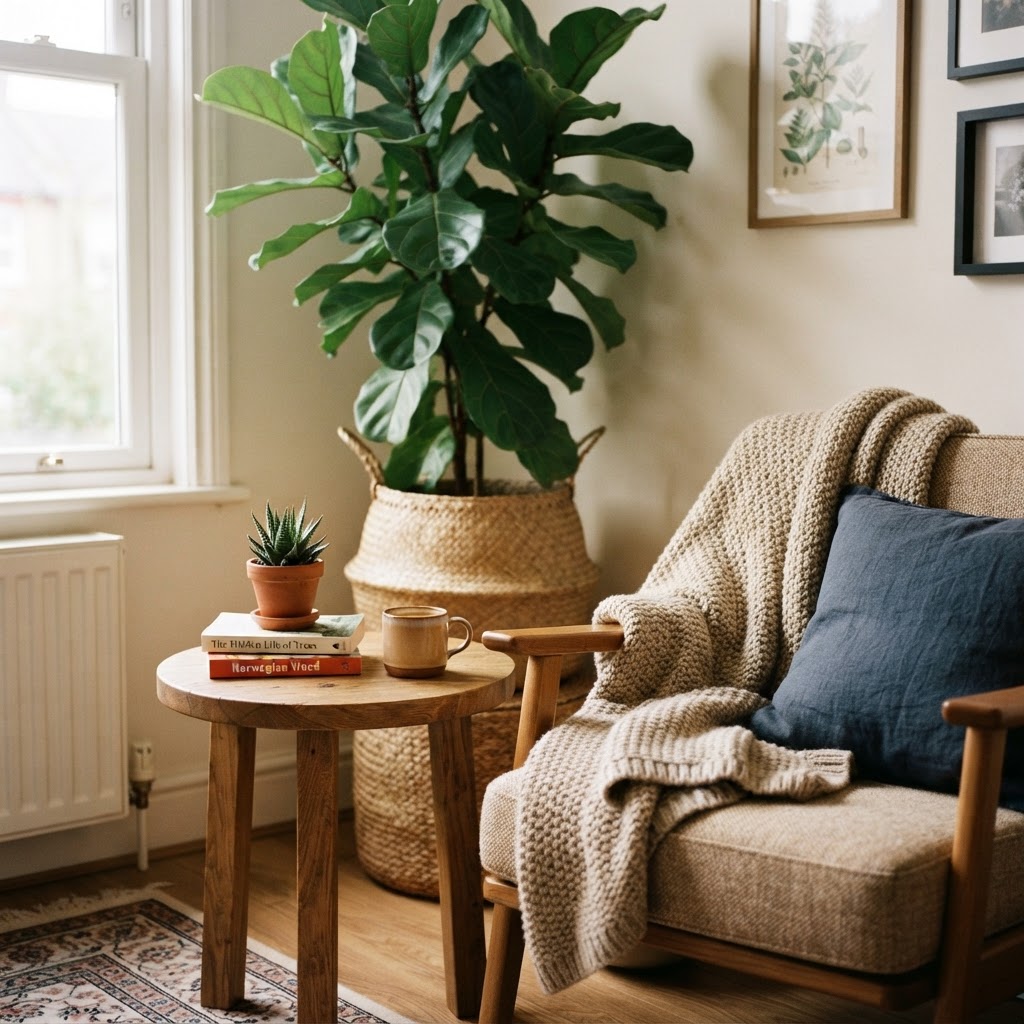 When choosing furniture for a small space, scale is everything. Avoid oversized, bulky sofas that take up the entire footprint of the room. Instead, look for pieces with “legs” or lifted bases, as seeing the floor underneath the furniture tricks the eye into perceiving more available space. To keep these spaces functional, explore these
 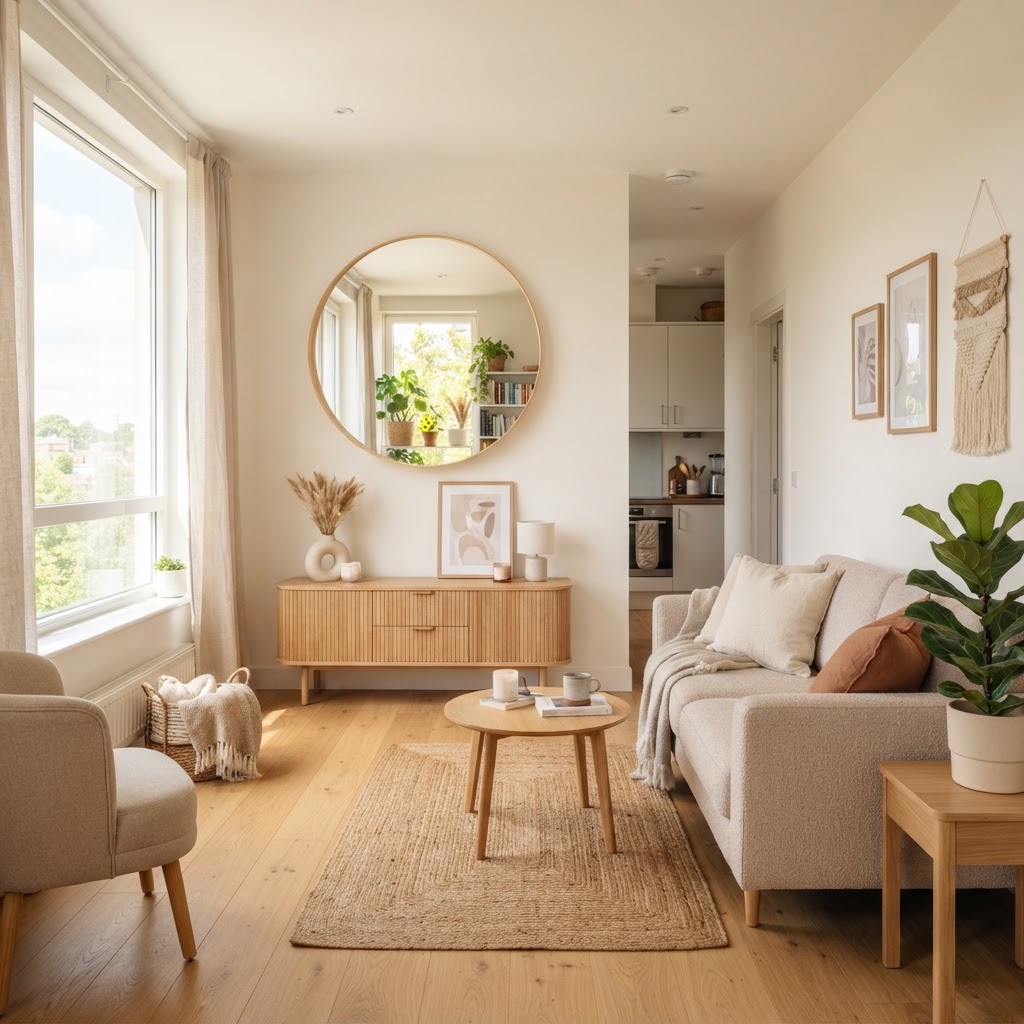 Lighting is the secret weapon of any successful interior design project. In small rooms, rely on a layered lighting approach rather than a single harsh overhead light. Use floor lamps, table lamps, and wall sconces to create pools of light that brighten dark corners and define different zones within your living area. Vertical space is often an overlooked asset. By mounting curtains high above the window frame and choosing tall, slim bookshelves, you draw the eye upward. This simple trick adds height to the room and makes the ceiling feel significantly higher than it actually is. ### Mirrors as Design Tools Never underestimate the transformative power of a well-placed mirror. A large floor mirror or a collection of smaller wall mirrors can amplify natural light, effectively doubling the visual depth of your living room. Position them opposite a window to capture the view and push it back into the heart of the home.