Archives August 2026

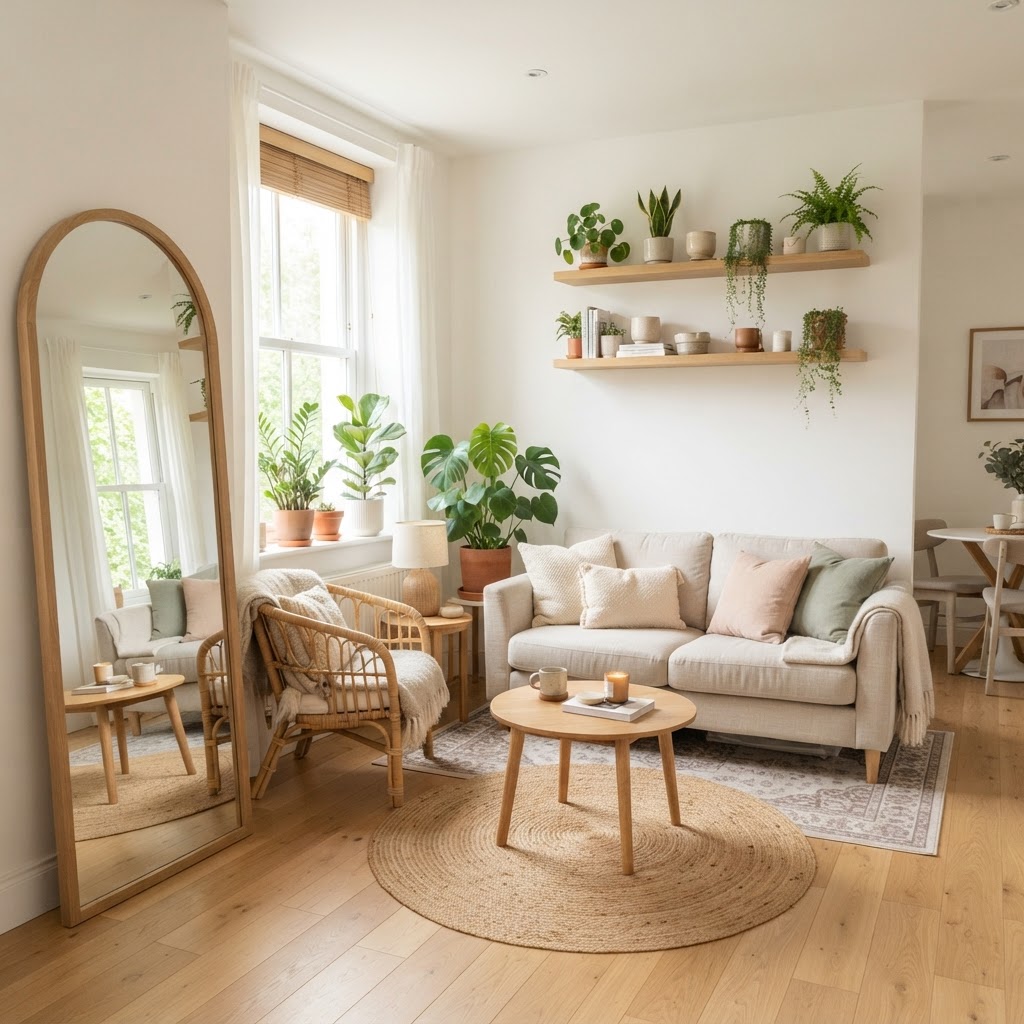
8 Budget Cozy Living Room Ideas for Small Apartments

To create a cozy living room in a small apartment on a budget, prioritize multi-functional furniture, utilize vertical storage, and layer warm textures to maximize comfort without crowding your floor space. Focus on lighting, mirrors, and a cohesive neutral color palette to make compact areas feel significantly more intentional, spacious, and inviting.

Rethink Your Furniture Layout for Maximum Flow
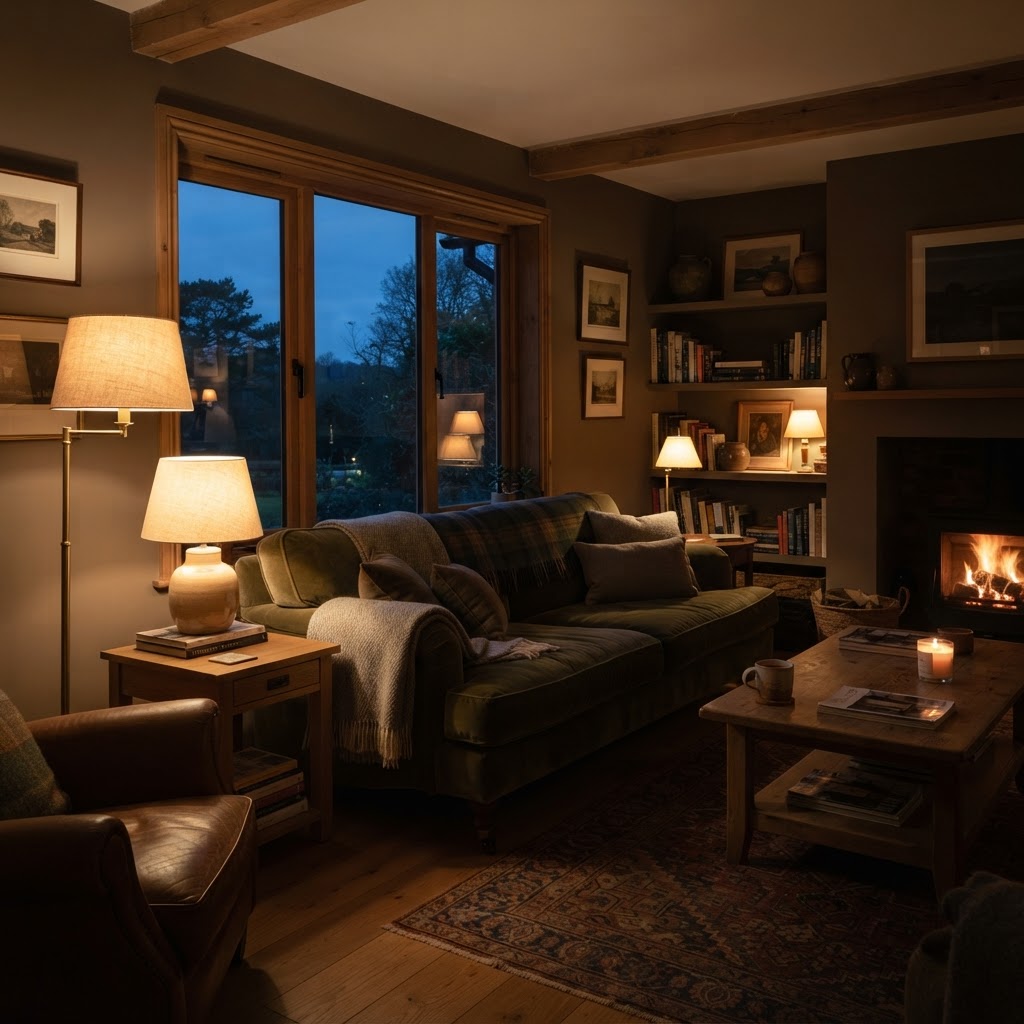
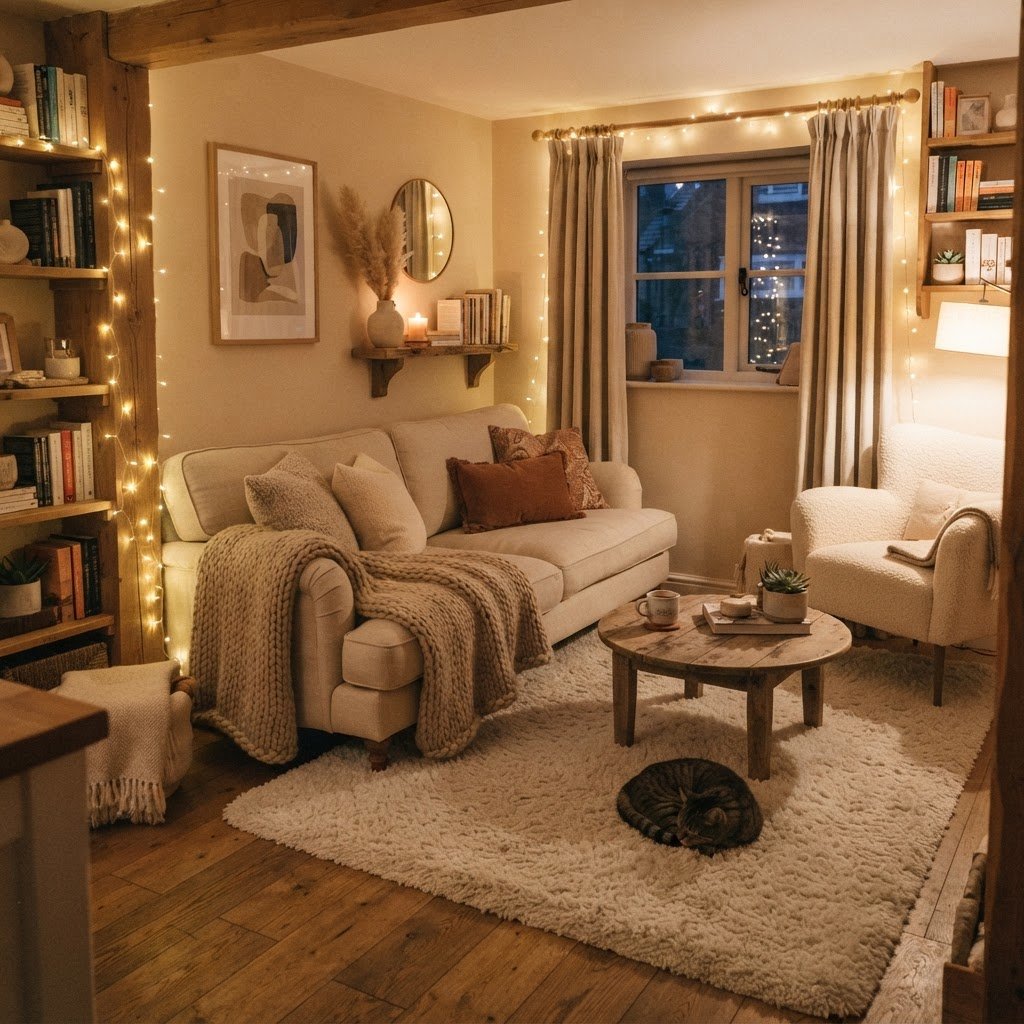
Layering textures is key to a cozy atmosphere.

Strategic furniture placement is the foundation of a functional room, and pulling your sofa even 3 to 5 inches away from the wall immediately improves air circulation and creates a more professional design flow. Many renters default to pushing furniture flush against walls, which creates a ‘boxed-in’ feeling and wastes perimeter space. Instead, floating your seating group toward the center of the room encourages conversation and makes the floor plan feel curated rather than accidental. When planning your layout, aim to keep major traffic pathways at least 30 inches wide to ensure the room remains accessible. If your footprint is exceptionally small, consider swapping a bulky coffee table for two smaller nesting tables, which provide the same surface area while offering the flexibility to be tucked away when hosting guests. This approach prevents visual stagnation and ensures your living room remains a comfortable sanctuary rather than a cramped storage unit.

Prioritize Multi-Functional Pieces

When you are operating on a budget, you cannot afford to buy furniture that serves only one purpose. Look for ottomans that include hidden storage for blankets or magazines, or invest in a coffee table that features a lifting top to serve as a makeshift desk. These items reduce clutter, which is the number one enemy of a cozy living room, while providing practical solutions for everyday living.

Feature Benefit for Small Spaces Budget Estimate
Storage Ottoman Hides clutter/extra seating $50 – $120
Lift-Top Table Desk/dining conversion $100 – $250
Nesting Tables Space-saving flexibility $40 – $100
Sleeper Sofa Guest bed functionality $300 – $600

Master the Art of Lighting for Warmth

Mirrors help brighten up small, tight spaces.

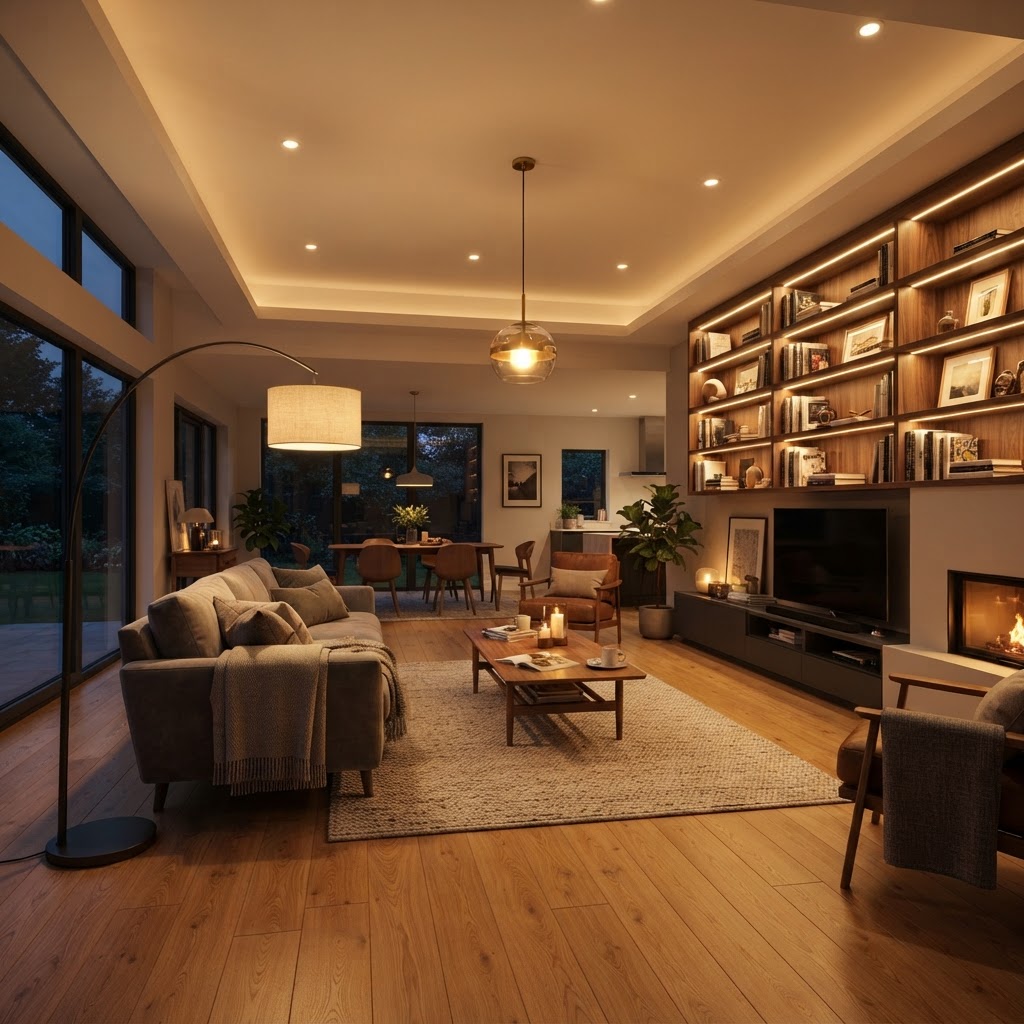
Lighting is perhaps the most underrated aspect of interior design, and layering multiple sources is the fastest way to eliminate the “sterile” look common in small apartments. Instead of relying on a single overhead light, which casts harsh shadows and flattens a room, aim for three distinct light sources at different heights: floor lamps, task lamps, and accent lighting like fairy lights. By using warm-toned LED bulbs (2700K to 3000K), you mimic the soft glow of sunset, which psychologically signals the brain to relax. A well-lit room feels larger because light pushes back the corners of the space, effectively increasing the perceived square footage. Incorporating a smart bulb or a plug-in dimmer switch, which typically costs less than $20, provides the ability to adjust ambiance instantly. This shift from bright, clinical overhead lighting to targeted, warm accent illumination allows you to manipulate the mood of your living area without needing a single renovation project.

Incorporate Textiles for Tactile Comfort
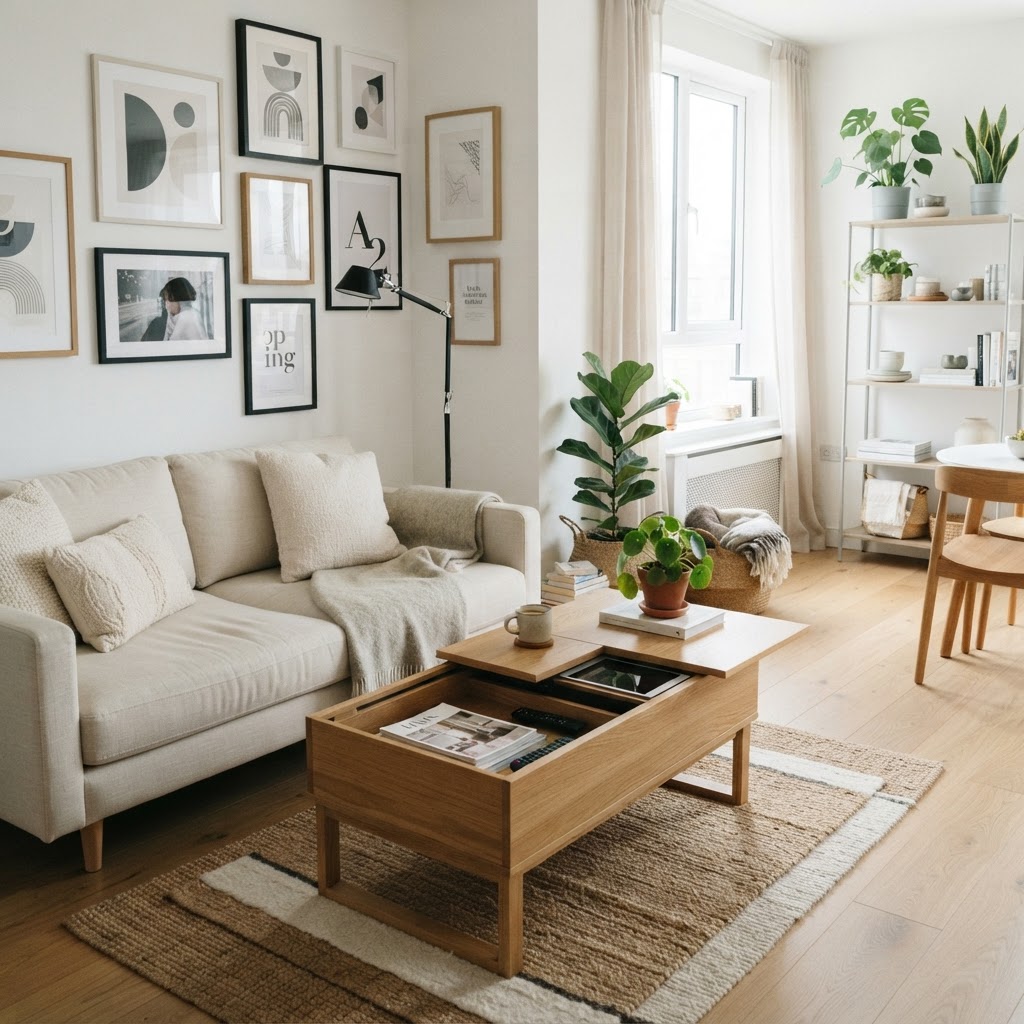
Multi-functional furniture is a must for small homes.

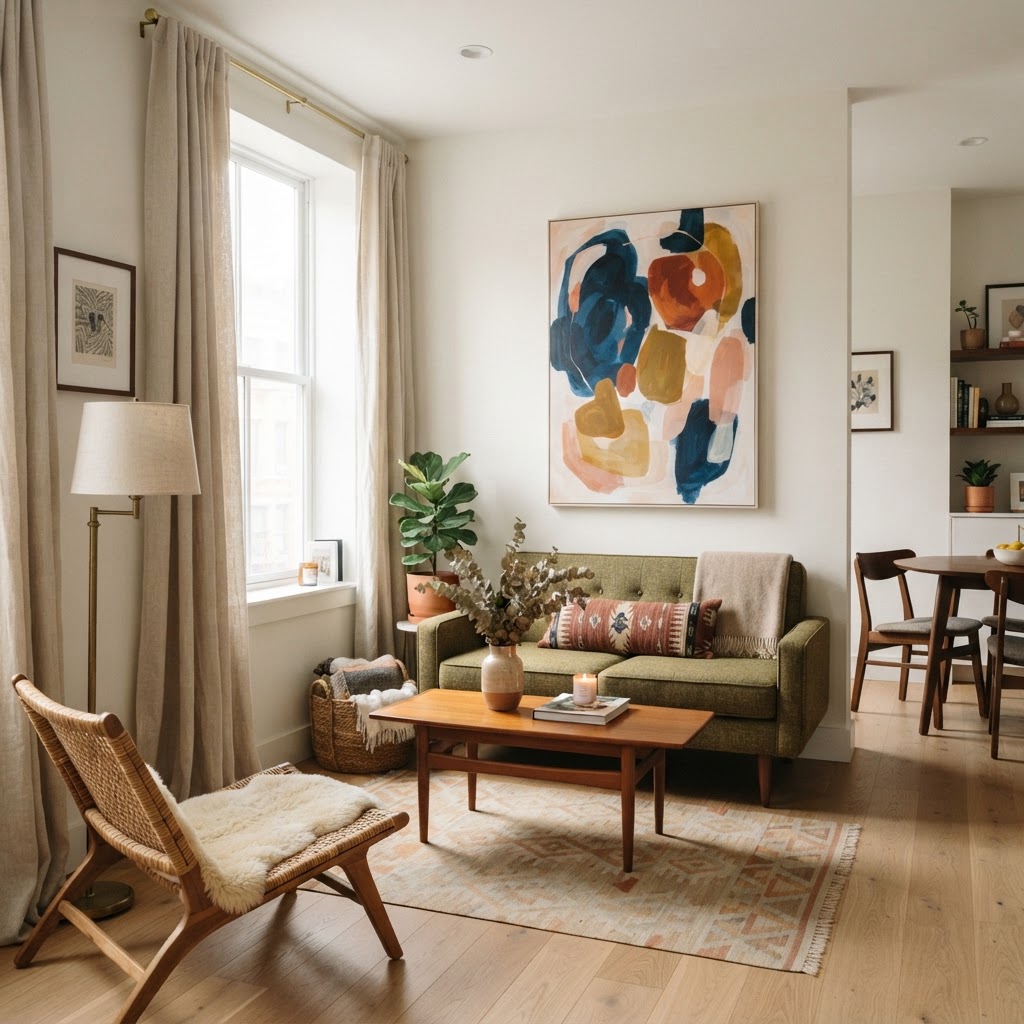
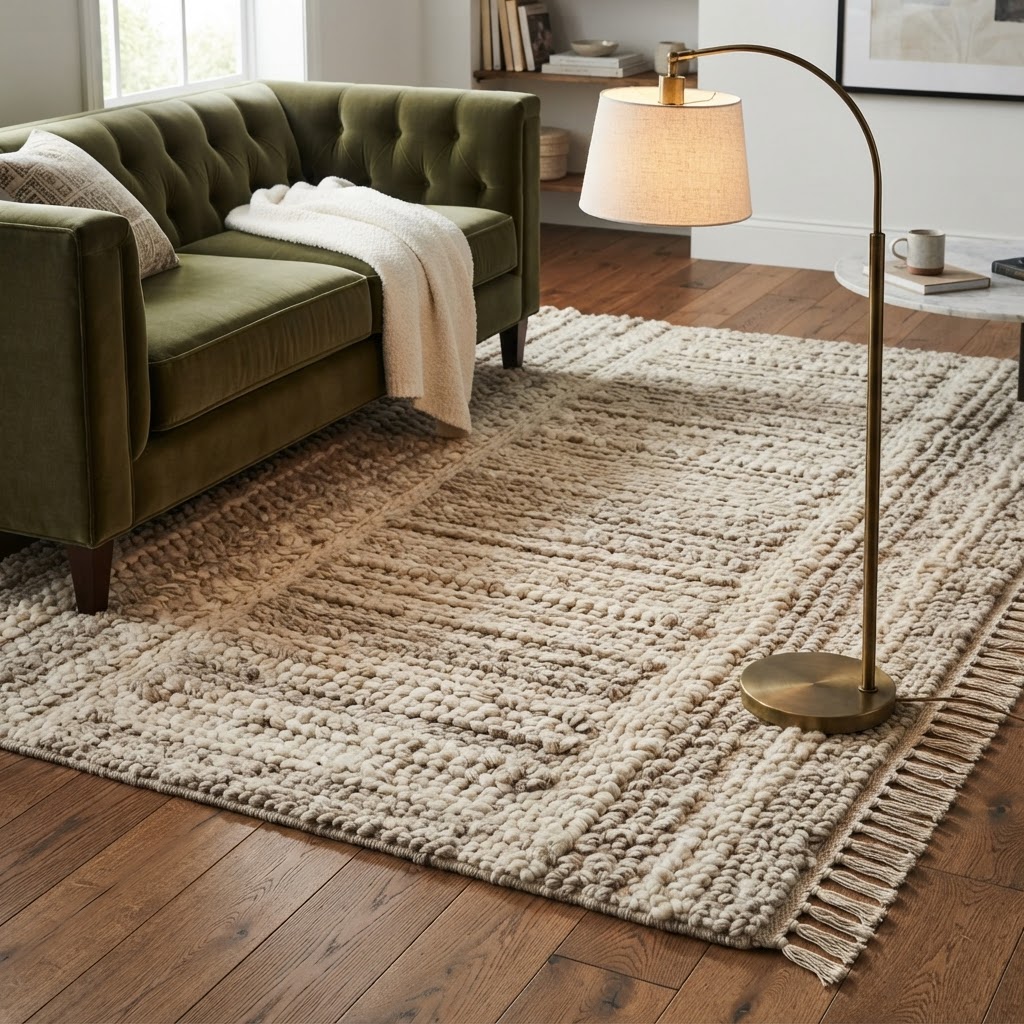
Texture is the secret ingredient for turning a house into a home, acting as a budget-friendly way to introduce depth without needing expensive furniture upgrades. A neutral, budget-friendly sofa can be transformed into a high-end centerpiece by layering textiles that invite physical interaction. Start with a plush area rug—ideally a 5×7 or 6×9 size depending on your seating area—to define your conversation zone and anchor the room visually. When choosing soft goods, look for contrasting materials such as velvet pillow covers paired with chunky knit wool blankets or faux-fur accents. By mixing these high-tactile materials, you prevent a neutral room from appearing one-dimensional or boring. According to recent interior design trends, spending 10-15% of your total room budget on quality textiles provides the highest “visual return on investment” for creating a cozy aesthetic. These items are easily swappable by season, allowing you to refresh the entire look of your apartment for under $50 during sales events.

Utilize Vertical Space to Reduce Floor Clutter
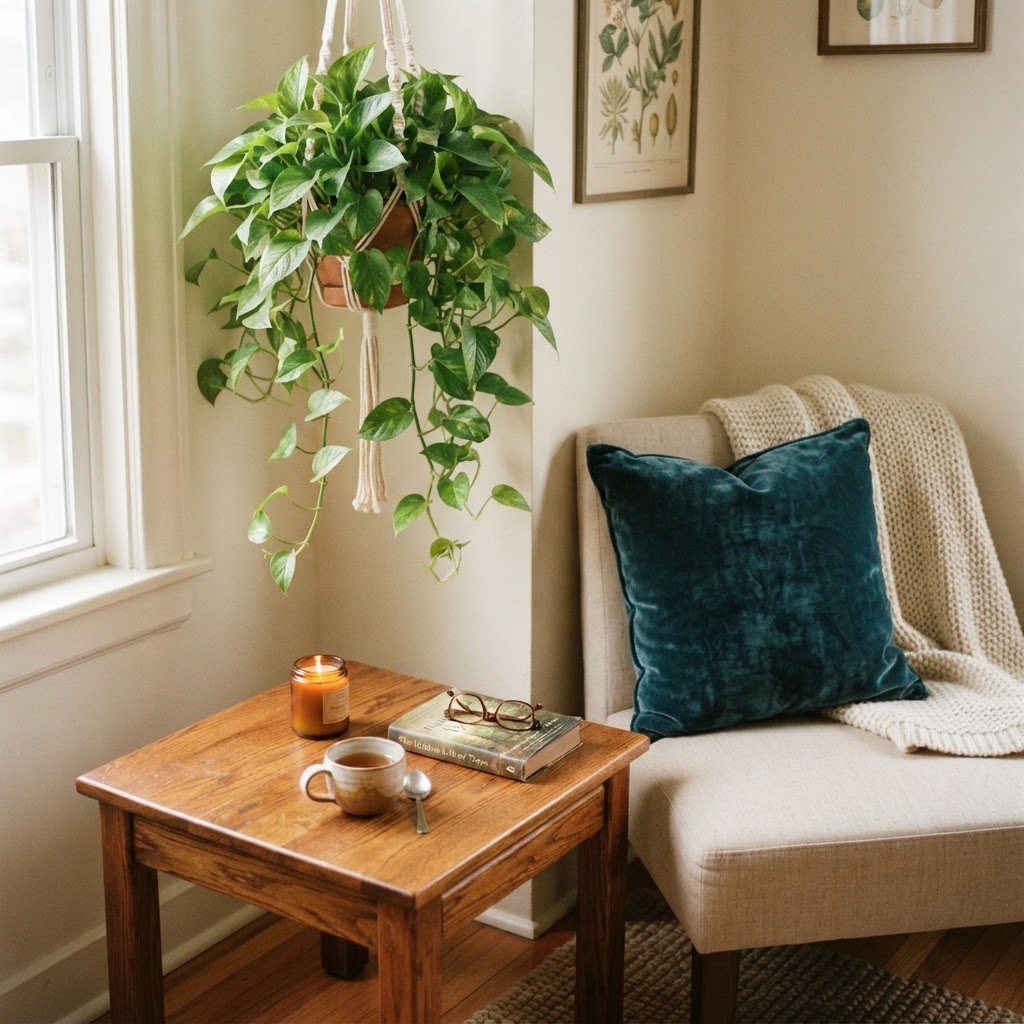
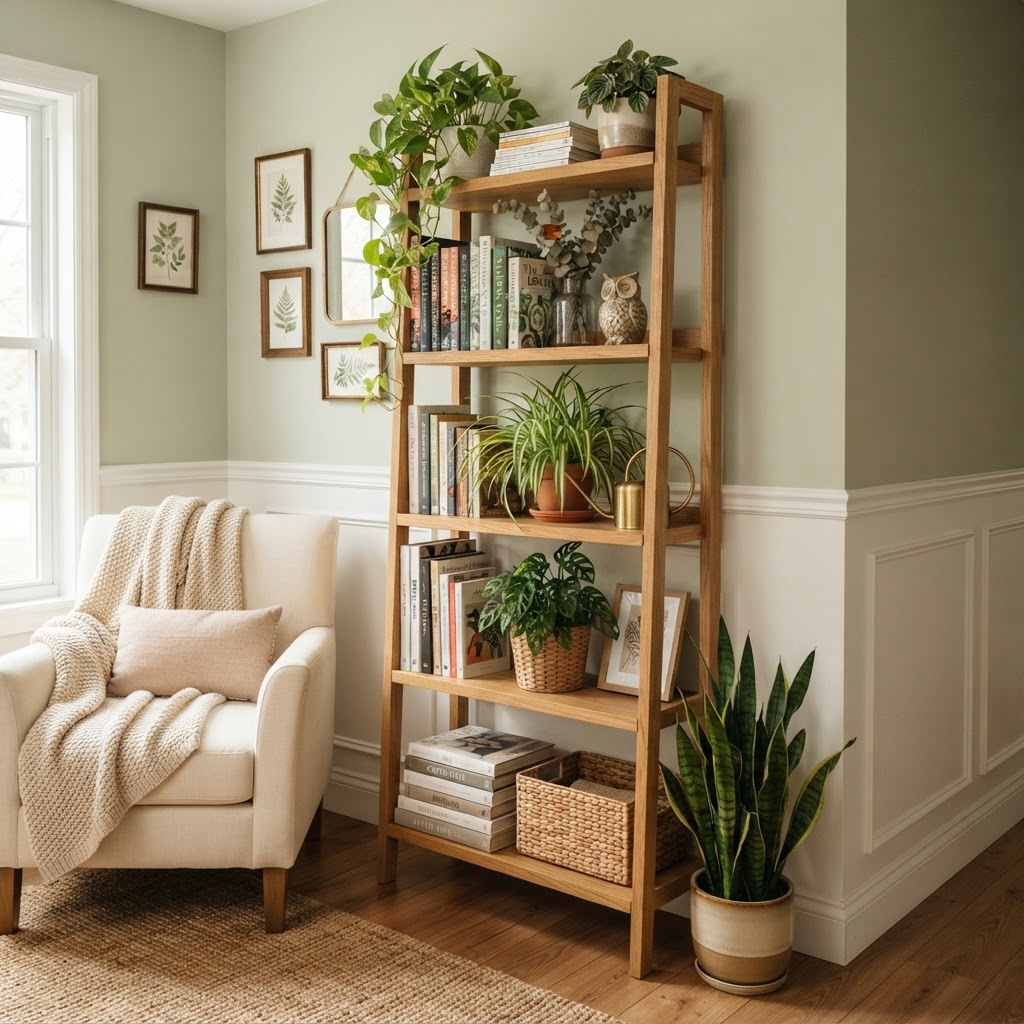
Plants bring life and softness to any apartment.

One of the most effective budget cozy living room ideas for small apartments involves looking up and treating your walls as functional square footage. If your floor space is limited, wall-mounted floating shelves serve as the perfect low-cost storage solution to elevate decor and books off of high-traffic surfaces. By installing shelves at varying heights, you draw the eye toward the ceiling, which creates the optical illusion that your walls are taller and your room is more spacious. A simple set of three floating shelves can often be sourced for under $30, offering an immediate home for plants, photographs, and personal artifacts that would otherwise create surface clutter. This “vertical strategy” keeps the floor clear, making the room feel organized, expansive, and intentionally curated.

Creative Wall Storage

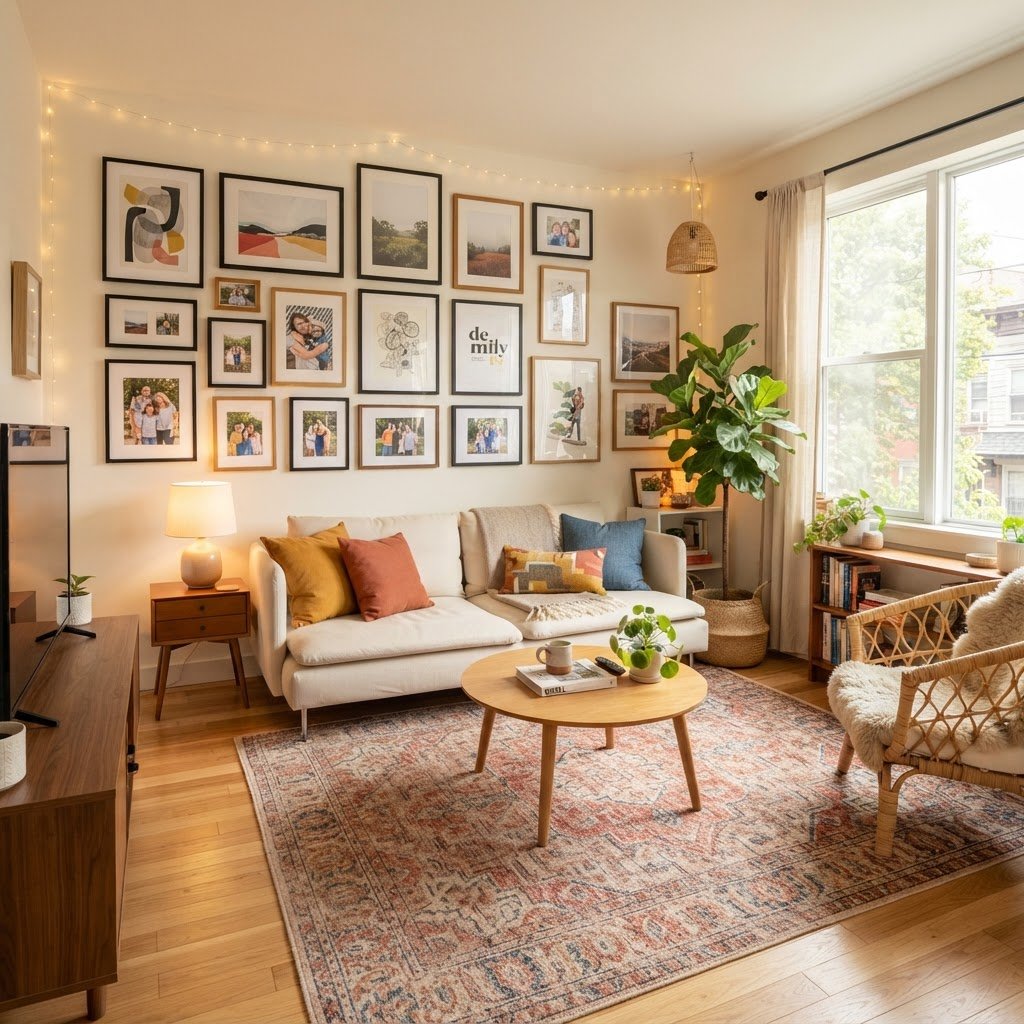
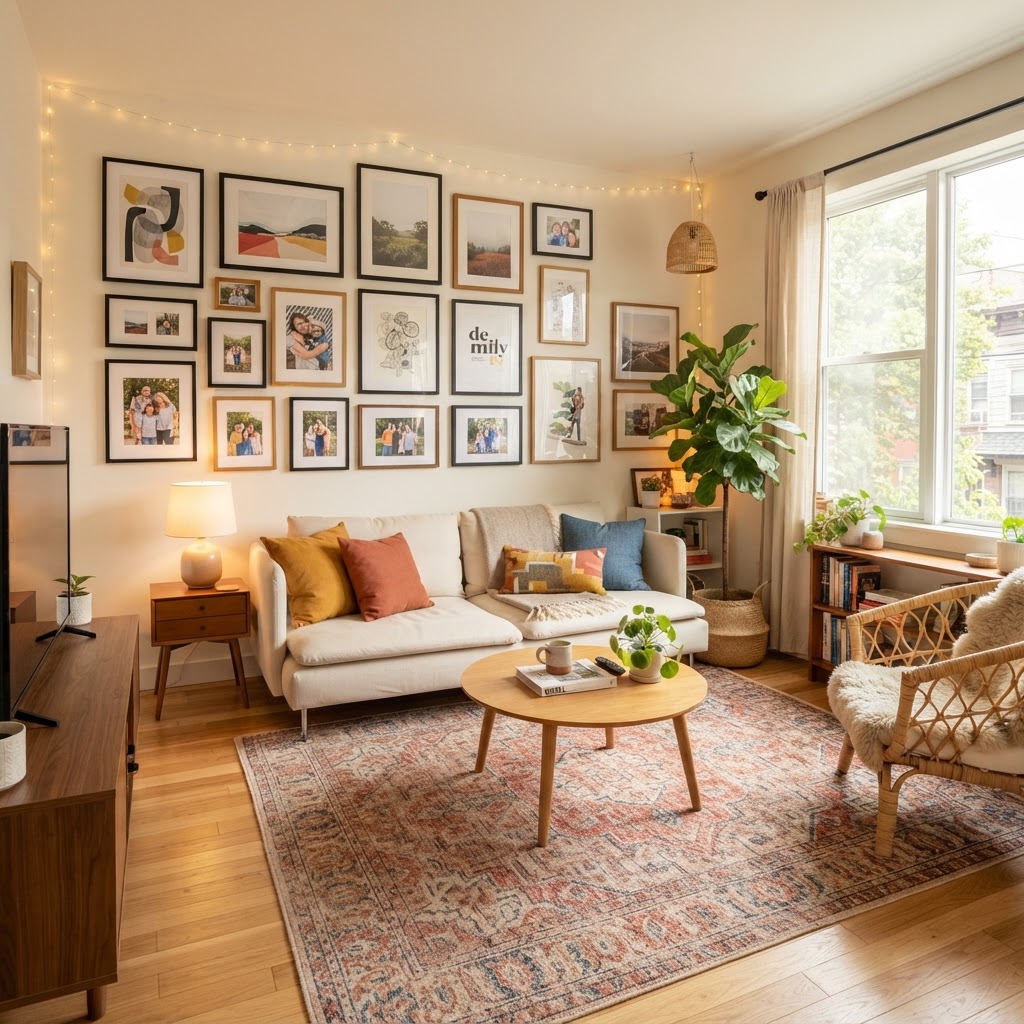
Consider using wall-mounted racks for hats or scarves if you have an open floor plan, or add a gallery wall to draw the eye upward. Drawing the gaze toward the ceiling makes a room feel taller. You can create a gallery wall using budget frames from thrift stores or local craft shops, filling them with personal photos or printed botanical art to inject character.

Introduce Indoor Greenery

Plants are a game-changer for small apartments, providing a natural, inexpensive way to soften sharp architectural lines and improve air quality. Incorporating greenery is essential in small spaces, where the natural contrast of organic shapes against linear furniture adds a layer of depth that artificial decor cannot replicate. For low-light apartments, resilient varieties like the Snake Plant (Sansevieria) or Pothos (Epipremnum aureum) are ideal, as they require minimal care and thrive in typical indoor conditions. To maximize space, utilize vertical planters or ceiling hooks to hang trailing plants, which adds visual interest without sacrificing your limited end-table surface area. Studies have shown that adding indoor plants can improve mood and productivity, making them a high-value, low-cost investment for your apartment sanctuary. Start by propagating cuttings from friends or purchasing small ‘starter’ pots at local big-box retailers to keep your initial investment under $15 per plant while allowing your collection to grow organically over time.

Mirror Magic and Visual Deception

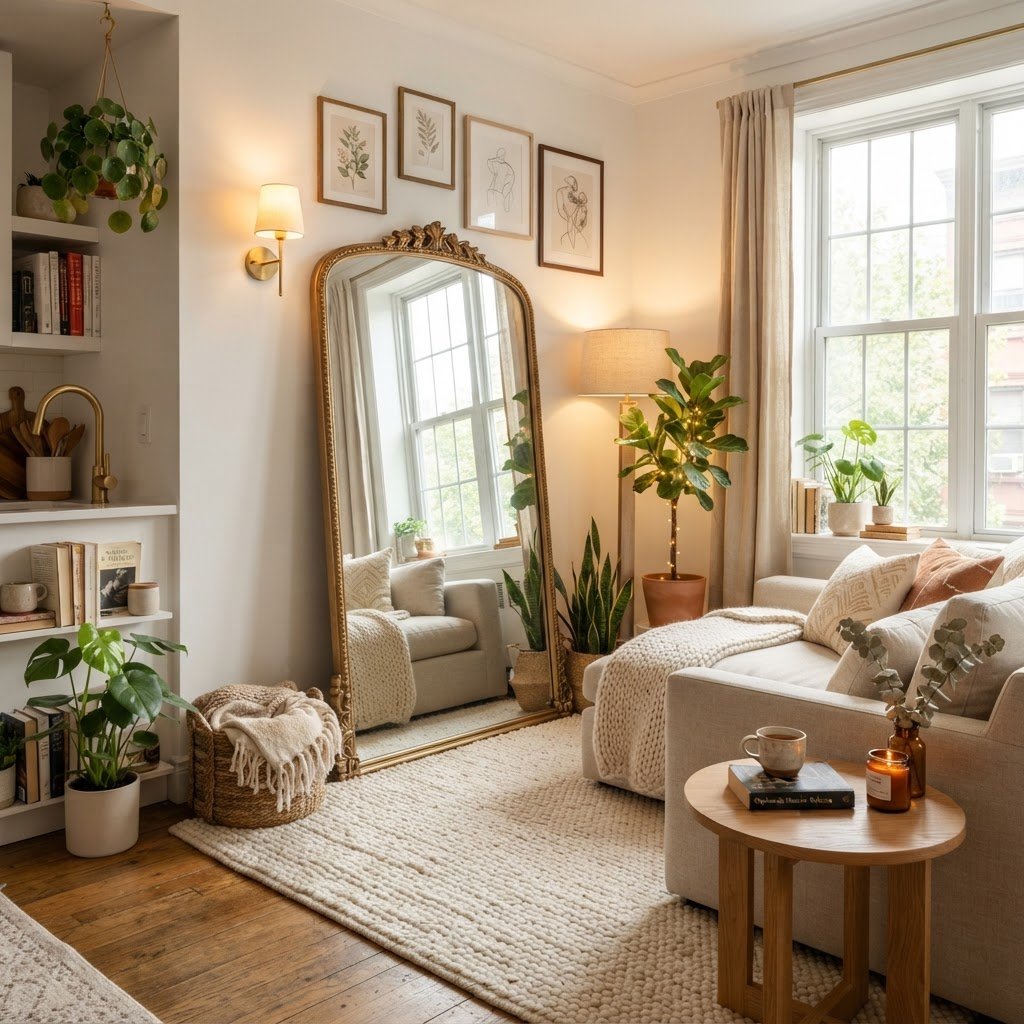
Mirrors are the oldest trick in the design book, but they remain one of the most effective tools for small apartment living to amplify natural light. Placing a large, full-length mirror directly opposite a window will bounce sunlight into the deepest corners of your room, effectively doubling the brightness without increasing your energy costs. For maximum impact, aim for a mirror that occupies at least 25% of the wall surface it is placed on, creating a significant focal point that breaks up solid wall space. If a large floor mirror exceeds your budget, create a “mirror gallery” using smaller thrifted frames to achieve a similar reflective effect while adding vintage charm. This technique creates a sense of openness and airy flow, preventing smaller living rooms from feeling trapped or heavy, and serves as an excellent “visual hack” to make a studio or one-bedroom apartment feel like a more spacious home.

Maintain a Consistent Color Palette

When trying to keep your space feeling cozy rather than chaotic, color discipline is essential, as too many clashing hues can make a small room feel claustrophobic. A monochromatic or neutral palette creates a seamless visual flow, which allows the eye to travel across the room without hitting sharp visual stops. You can achieve this by choosing a primary base color—such as cream, warm grey, or beige—and layering various tones and textures of that same shade throughout your curtains, rug, and furniture. This method, often called “tonal layering,” provides depth and sophistication while maintaining the peaceful, airy atmosphere necessary for small-space living. If you desire a pop of color, stick to a 60-30-10 rule: 60% of the room as your neutral base, 30% as a secondary color, and 10% as an accent shade. This prevents the room from feeling busy and keeps the focus on the cohesive, cozy aesthetic rather than the individual, disjointed pieces of furniture.

Personalize with Meaningful Decor

Finally, the most important part of any cozy home is that it reflects your personal history, as a space filled with meaningful items will always feel warmer than one decorated strictly following trends. Display your favorite travel souvenirs, your book collection, or family heirlooms on your shelves to infuse your living area with “soul.” Do not feel pressured to achieve a “perfect” interior design look; the goal of a cozy apartment is to create a personal refuge where you feel comfortable to kick back after a long day. If that means a stack of books on the floor or a framed drawing from a friend, embrace it. These unique elements act as conversation starters and create a genuine connection to your space, transforming a generic rental into a personalized home. Remember that budget-friendly design is about quality of life, not spending money, so prioritize items that spark joy and comfort above expensive retail pieces.

FAQ

How can I make a small living room look cozy on a budget?

Focus on layering soft textures, using warm-toned lighting, and introducing indoor plants to create a welcoming atmosphere. Keeping a tight, neutral color palette and using multi-functional furniture will also prevent clutter, which is essential for making a tiny space feel like a comfortable sanctuary.

What is the best furniture layout for a tiny apartment?

Pulling furniture away from the walls by a few inches improves air flow and makes the room feel intentionally designed rather than cramped. Avoid blocking traffic paths by keeping major walkways clear and using multifunctional pieces like lift-top coffee tables to save floor space.

How does lighting affect small room perception?

Layering soft, warm-toned light sources rather than using a single overhead bulb makes a small room feel larger and more intimate. Placing lights at different heights helps illuminate hidden corners, which physically and visually expands the space while eliminating harsh, sterile shadows.

How can mirrors make my apartment look bigger?

Positioning a mirror opposite a window allows it to reflect natural light, effectively doubling the brightness and opening up the visual depth of the room. This “trick of the eye” makes cramped areas feel significantly more expansive without requiring any structural changes or expensive renovations.

Why should I prioritize vertical space in a small living room?

Utilizing wall space for shelving and decor keeps surfaces clear, which reduces visual clutter and prevents a room from feeling crowded. By drawing the eye upward toward the ceiling, you create an optical illusion that the room has more height, making the total footprint feel larger.
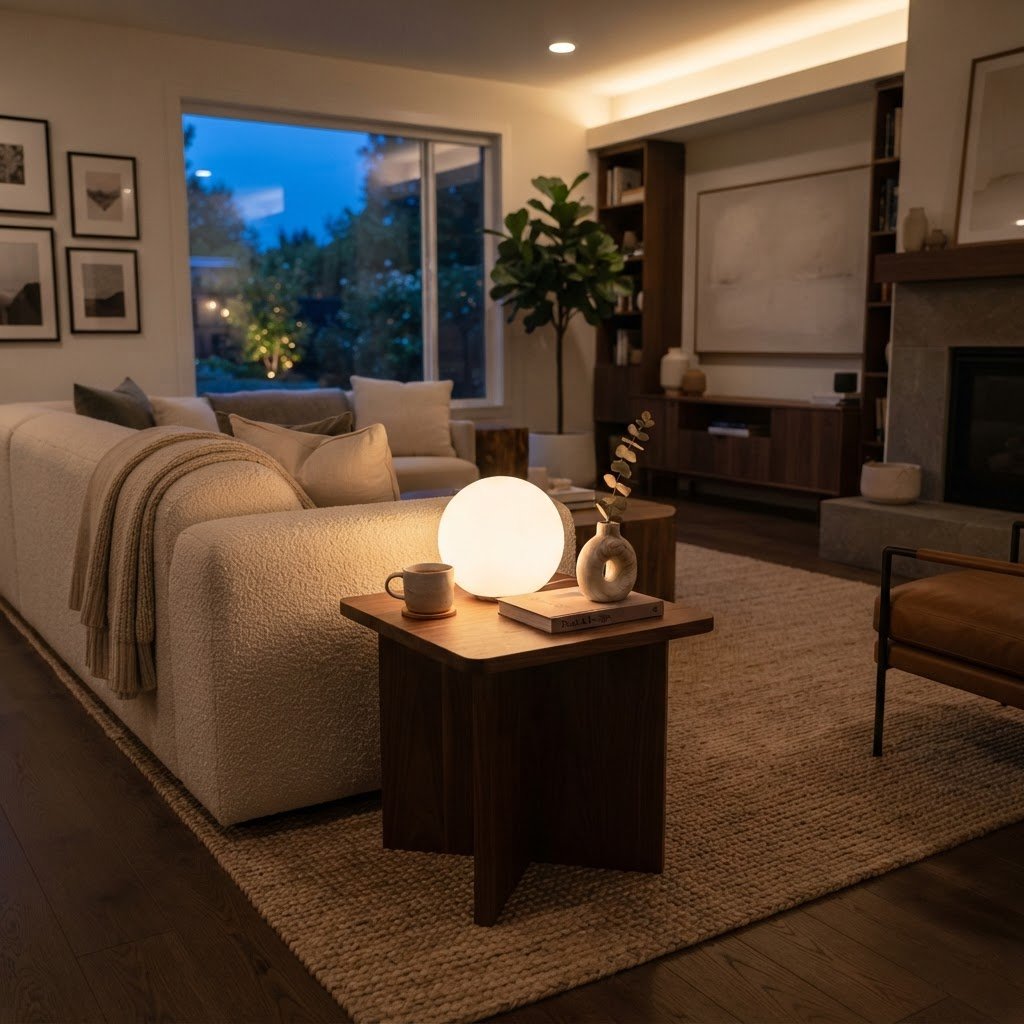
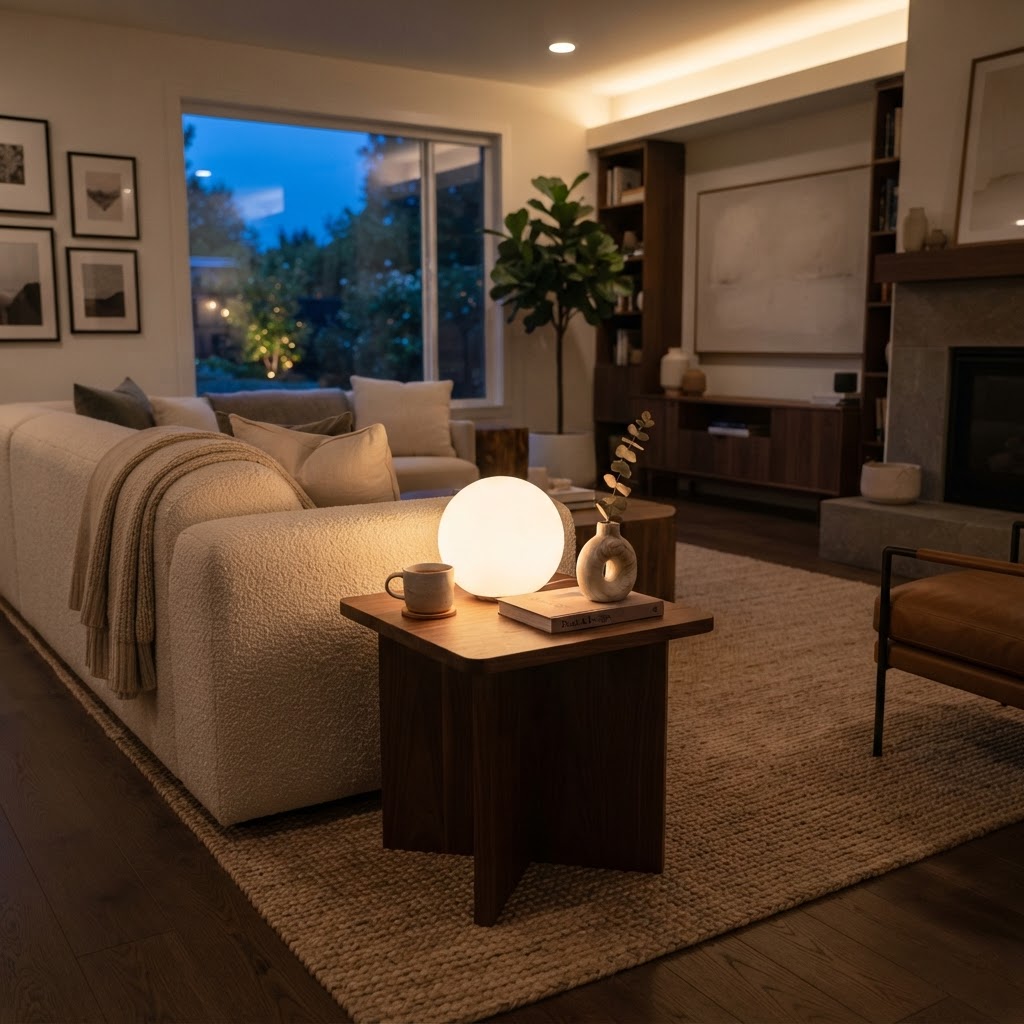
Aesthetic Glow Lamps: Designer Living Room Decor Ideas

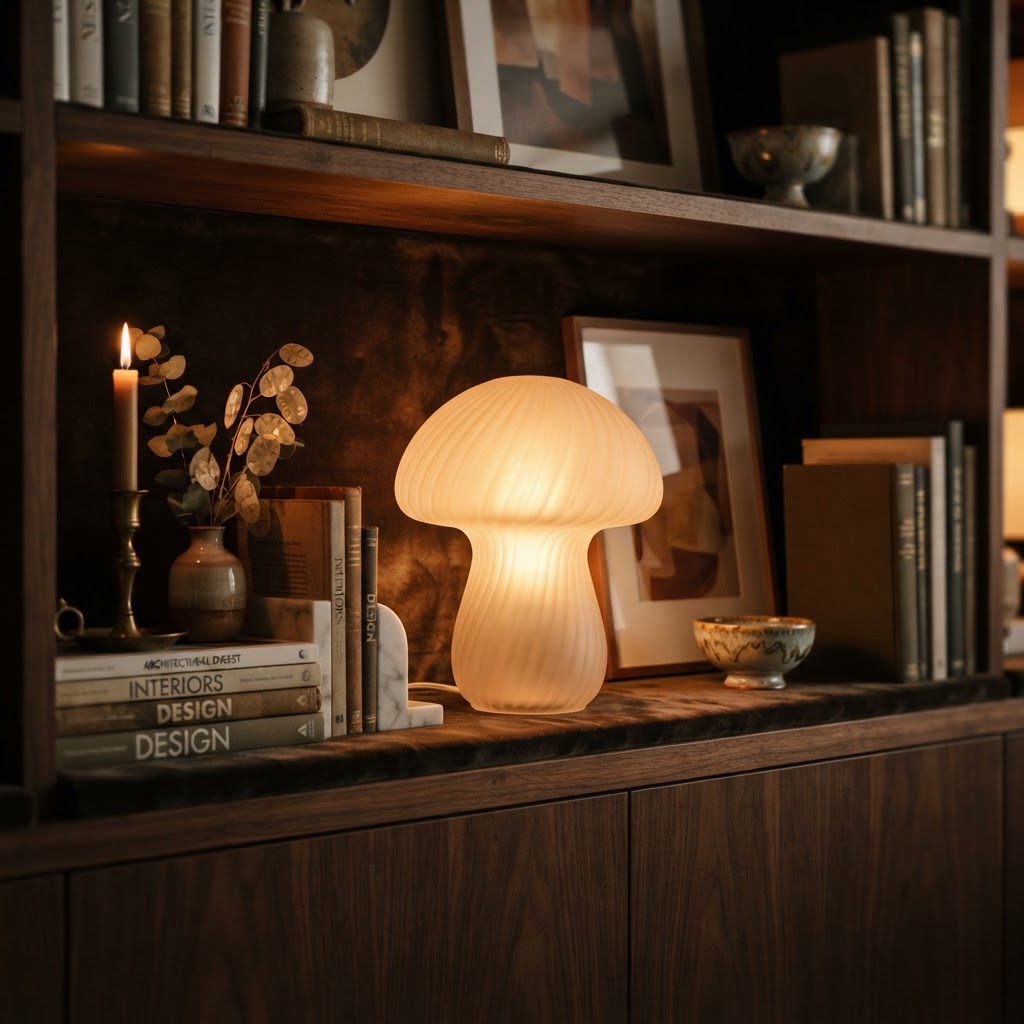
Aesthetic glow lamps transform living rooms into designer-inspired retreats by providing soft, warm-spectrum ambient lighting that reduces cortisol levels and enhances spatial depth. These sculptural fixtures act as both functional light sources and artistic focal points, allowing homeowners to curate high-end, magazine-quality interiors through strategic layering and intentional, bio-inspired design choices.

The Psychology of Warm Ambient Lighting

A minimalist glow lamp creates an inviting focal point.

Ambient lighting profoundly influences human behavior by signaling the nervous system to transition from high-alert, productive states to restorative relaxation. Research indicates that low-color-temperature lighting, specifically within the 2700K to 3000K range, mimics the natural sunset spectrum, which helps lower cortisol levels by up to 15% after a stressful day. By replacing harsh, overhead “institutional” lighting with aesthetic glow lamps, you create “light pockets” that foster intimacy and focus. These concentrated zones of illumination encourage conversation and comfort, effectively softening the sharp edges of a room. When the brain perceives a space as warm and dimly lit, it triggers the release of melatonin, making glow lamps an essential component for any home intended to serve as a genuine sanctuary. Beyond comfort, these lamps define the emotional boundaries of a room, transforming a sterile living area into a sophisticated retreat where occupants feel inherently more at ease.

Why Soft Light Matters

Scientific studies suggest that low-color-temperature lighting helps lower cortisol levels after a long day. When you use aesthetic glow lamps, you are creating ‘light pockets’ that define zones of comfort. This creates an inviting atmosphere that encourages conversation and rest, effectively turning your living room into a designer-inspired retreat.

Choosing the Right Aesthetic Glow Lamp for Your Space

Frosted glass lamps add a touch of designer elegance.

Selecting the perfect glow lamp requires balancing the geometric silhouette of your furniture with the material properties of the light fixture to ensure a cohesive designer aesthetic. If your living room features sharp, modern, and angular furniture, a spherical or orb-shaped glow lamp introduces a necessary organic contrast that softens the overall visual weight. Conversely, spaces dominated by plush textures and rounded curves benefit from architectural lamps with clean, linear silhouettes that provide a grounded, modern edge. Beyond shape, the material choice dictates how light diffuses; frosted glass provides a uniform, diffused glow, while Japanese rice paper creates a warmer, more ethereal light dispersion. Consider the following comparison when selecting your next fixture:

Material Type Diffusion Style Ideal Design Vibe Durability
Frosted Glass Even & Soft Modern/Luxurious High
Japanese Paper Ethereal & Warm Zen/Minimalist Low
Biodegradable Resin Geometric/Defined Eclectic/Modern Medium
Sustainable Wood Filtered/Directional Scandinavian High

Factors to Consider

  • Material Texture: Opt for materials like frosted glass, Japanese paper, or sustainable wood.
  • Color Temperature: Stick to ‘warm white’ (2700K-3000K) for that cozy, designer feel.
  • Dimmability: Always check for a dimmable function to control the mood throughout the day.
  • Placement: Elevate lamps on side tables or place them at floor level to create depth.

Sculptural Lamps as Functional Art

Sculptural floor lamps add height and character to corners.

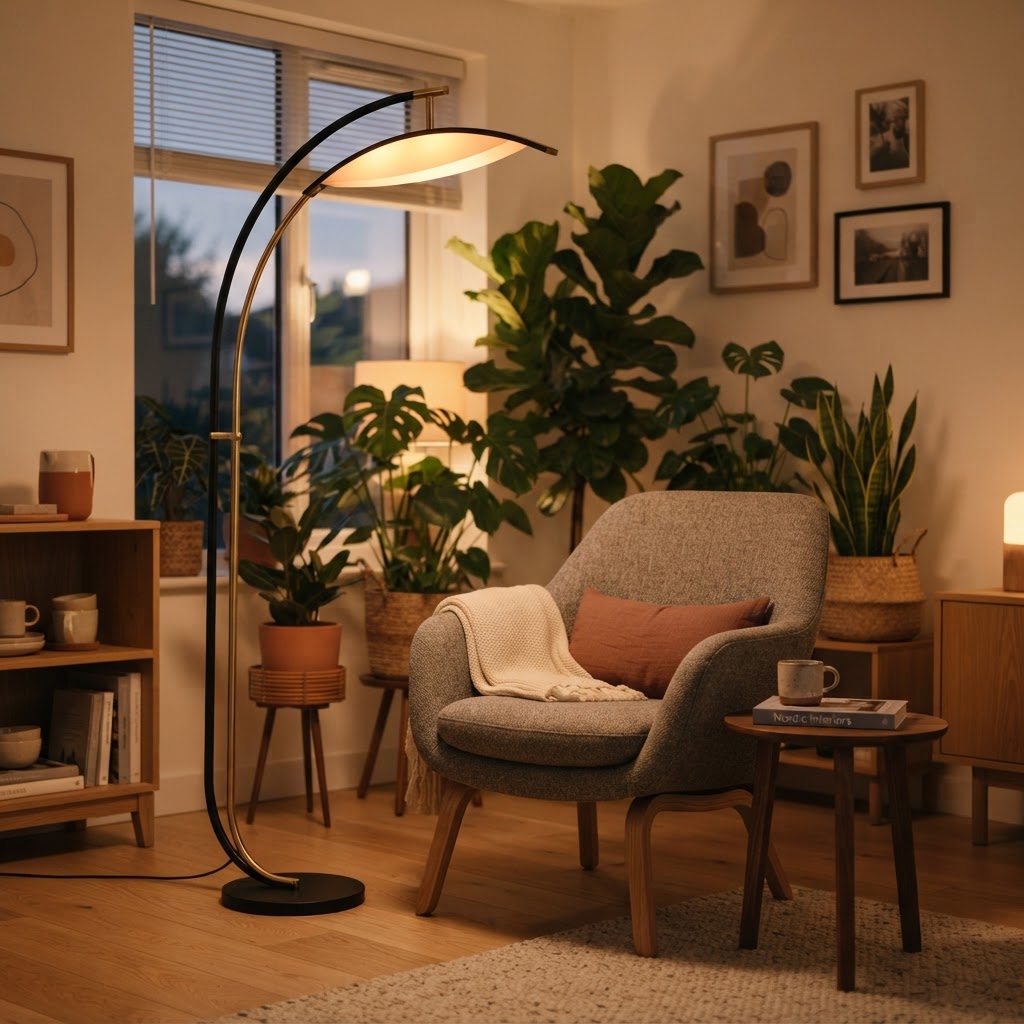
Designer living rooms leverage objects that transcend mere utility, and sculptural glow lamps serve this purpose by functioning as high-end art pieces even when powered off. When illuminated, these lamps redefine the silhouette of a room, manipulating shadows to create dramatic depth within the negative space. By selecting pieces with unique geometric cutouts, matte ceramic finishes, or hand-blown glass domes, you occupy empty corners with intentionality. Designers suggest using lamps as “height anchors”; a tall floor lamp in a barren corner prevents the room from feeling cluttered while simultaneously filling the space with soft, multidimensional light. When choosing these pieces, look for 360-degree craftsmanship—a true designer sculptural lamp should look beautiful from every angle in the room, not just from the front. This dual-purpose strategy reduces the number of decorative knick-knacks required, allowing the lighting fixture itself to act as the primary statement piece in your home.

The Impact of Silhouette

Designers often talk about the ‘negative space’ in a room. A sculptural lamp occupies this space with intention, preventing your living room from feeling cluttered while simultaneously filling it with light. Look for designs that feature geometric cutouts, matte ceramic finishes, or blown-glass domes.

Layering Lighting Like a Professional Designer

Layering different lamp sizes creates professional lighting depth.

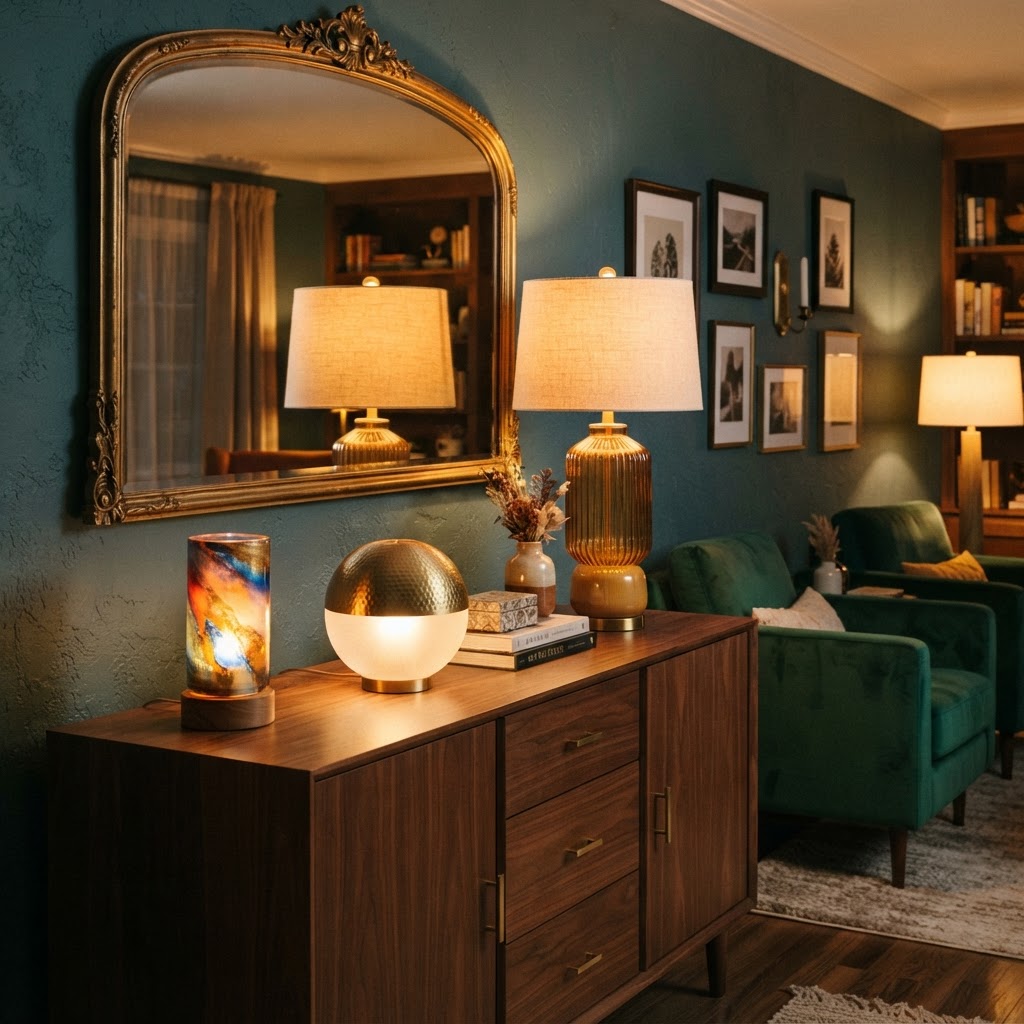
Professional interior designers achieve a “layered” effect by utilizing a minimum of three distinct light sources per room to create visual balance and depth. This technique involves distributing light across various elevations—low, medium, and high—to ensure no single area feels dark or disconnected. Ambient lighting provides the base, while task lighting assists with reading or productivity, and accent lighting (the primary role of glow lamps) draws attention to architectural details or textured wall treatments. By placing glow lamps at varying heights, such as one on a low floor base and another on an elevated sideboard, you create a complex interplay of light and shadow that makes a living room feel larger and more expensive. Aim for a ratio of 60% ambient, 30% task, and 10% accent light for the most professional result in any standard living room configuration.

Building Your Lighting Layers

  1. Ambient Layer: General lighting that provides overall illumination.
  2. Task Layer: Focused lighting for reading or work, often found in floor lamps.
  3. Accent Layer: This is where your aesthetic glow lamps shine. Use these to highlight textures on walls, art, or shelving units.

Sustainable and Modern Material Trends

Contemporary luxury design is trending toward sustainable, bio-inspired materials that offer both aesthetic warmth and long-term environmental benefits. Recycled glass and biodegradable resins are currently dominating the high-end market, as they allow for intricate, nature-mimicking shapes that were previously impossible with traditional manufacturing methods. These biophilic designs—often modeled after mushrooms, teardrops, or celestial orbs—provide an organic harmony that softens the harsh, linear nature of modern furniture. By opting for ethically sourced timber or 100% recycled glass, you are not only elevating the visual quality of your living room but also contributing to a more sustainable home ecosystem. These trends prove that luxury and eco-consciousness are no longer mutually exclusive, and integrating these sustainable pieces will keep your home decor aligned with the latest international interior design standards for years to come.

The Rise of Bio-Inspired Shapes

Design trends are currently leaning toward ‘biophilic’ shapes—forms that mimic nature, such as mushrooms, water droplets, or moon-like orbs. Incorporating these natural shapes into your living room adds a sense of organic harmony that is a hallmark of high-end design.

Maintenance and Styling Tips for Longevity

Proper maintenance of your aesthetic glow lamps is essential to preserving their light-diffusion properties and structural integrity over time. Delicate materials like rice paper or hand-blown glass act as dust magnets; use a clean, dry microfiber cloth weekly to prevent buildup that can yellow the surface or reduce light output by up to 20%. For deeper cleaning on ceramic or resin surfaces, avoid all harsh chemical cleaners, as these can strip the matte finish or cause micro-cracking in the glaze. Instead, opt for a solution of distilled water and a tiny drop of pH-neutral soap. Styling secrets for optimal placement include the “Rule of Three,” which suggests grouping lamps of different heights on a sideboard for a balanced, curated look. Additionally, placing a glow lamp near a mirror creates a “doubling effect,” effectively expanding the sense of space in small living rooms while amplifying the warm, ambient glow across multiple surfaces.

Stylist Secrets for Placement

  • Grouping: Place three lamps of varying heights on a sideboard for a curated, designer look.
  • Corner Illumination: Tucking a floor-based glow lamp in a dark corner can make a room feel significantly larger.
  • Reflection: Position your lamps near mirrors to amplify the soft glow and double the visual impact.

FAQ

Q: What is the ideal color temperature for an aesthetic glow lamp?

The ideal color temperature for glow lamps is between 2700K and 3000K, which provides a “warm white” light. This specific range promotes relaxation and is scientifically proven to lower stress levels compared to cooler, blue-toned LED lighting.

Q: How many glow lamps should I use in a standard living room?

For a balanced look, designers recommend using at least three light sources of varying heights to create a “layered” effect. Start with one floor lamp and two accent glow lamps placed on side tables to achieve optimal depth and professional lighting balance.

Q: Do glow lamps work in small living spaces?

Yes, glow lamps are excellent for small spaces because they can make a room appear larger through corner illumination. By placing a lamp in a dark corner, you draw the eye outward, effectively expanding the perceived boundaries of the room.

Q: How do I clean delicate materials like rice paper or glass lamps?

Use a soft, dry microfiber cloth for regular dusting to prevent light output degradation. For delicate paper lamps, avoid all liquid cleaners and instead use a compressed air canister to gently blow away stubborn debris from hard-to-reach crevices.

Q: Why is ‘lighting layering’ important for designer decor?

Lighting layering is critical because it prevents the flat, institutional look created by single-source overhead lighting. By combining ambient, task, and accent lighting, you create shadows and highlights that add three-dimensional complexity to your interior design.

Budget-Friendly Overnight Ideas to Upgrade Small Rentals

Budget-Friendly Overnight Ideas to Upgrade Small Rentals

To transform a small rental overnight without permanent changes, prioritize high-impact, temporary upgrades such as installing peel-and-stick wallpaper, swapping cabinet hardware, and layering lighting sources. These budget-conscious modifications instantly elevate a rental’s aesthetic, providing a sophisticated, personalized atmosphere while ensuring full security deposit protection upon your eventual move-out.

Assess Your Space and Define Your Vision

Transforming a rental with layered lighting and art.

Conducting a systematic audit of your floor plan and lighting conditions is the most effective way to prioritize high-impact projects that yield the greatest visual return on your investment. Most small apartments suffer from “dead zones” where poor lighting or inefficient furniture placement restricts movement and makes rooms feel cramped. By measuring your floor area and noting where natural light hits, you can determine exactly where to place mirrors or rugs to maximize space. Spending two hours mapping out your vision ensures you stay within your budget, which typically averages $200–$500 for a full room transformation, rather than purchasing unnecessary decor that creates clutter.

Why Planning Matters

Starting with a clear, room-by-room plan prevents the “scattered” aesthetic common in rental living. Categorize your needs into two lists: functional requirements (e.g., storage, lighting) and decorative goals (e.g., color, texture). This ensures that every item purchased serves a purpose, preventing impulse buys that inflate costs. Aligning your layout with daily habits, such as ensuring a dedicated reading nook exists if you prioritize relaxation, makes the home feel intentional rather than temporary. By focusing on a single room at a time, you can maintain quality control and manage your finances more effectively, avoiding the overwhelming nature of whole-apartment overhauls.

Upgrade Strategy Cost Range Impact Level Difficulty
Peel-and-Stick Wallpaper $30–$100 High Easy
Cabinet Hardware Swap $20–$50 Medium Easy
Lighting Layering $50–$150 High Beginner
Large Area Rug $80–$250 High Very Easy

Lighting Tweaks for Instant Ambiance

Simple hardware updates can modernize any kitchen.

Optimizing your lighting setup is the single fastest way to neutralize the harsh, sterile aesthetic of standard-issue rental fixtures without requiring an electrician. Most builders install high-Kelvin fluorescent or cool-toned LED bulbs that cast an unflattering glare, making rooms feel like institutional offices. Replacing every bulb in your unit with 2700K (warm white) LEDs will instantly soften the room and make wood tones and fabrics appear richer. This is a cost-effective project, usually totaling less than $40 for a standard one-bedroom apartment, and can be completed in under 30 minutes.

The Layering Strategy

Achieve a professional interior design look by incorporating at least three light sources per room to eliminate shadows. Use a “triangle of light” approach: a floor lamp for general ambient light, a task lamp for productivity, and accent lighting (like smart LED strips behind a TV or under cabinets) for depth. If you cannot hardwire permanent fixtures, plug-in wall sconces with cord covers offer an elegant solution that mimics custom electrical work. By keeping your lighting at eye level or below, you soften the room’s “harshness,” making the environment feel intimate and sophisticated, which effectively masks low-quality rental materials like cheap linoleum or generic baseboards.

Textile Upgrades for Softness and Color

Mirrors and floor-to-ceiling curtains expand a room.

Strategic use of textiles acts as a high-impact disguise for unsightly rental features like scuffed hardwood or worn carpeting. An oversized area rug—ideally one that covers 70–80% of the floor space—acts as a visual foundation that anchors your furniture and distracts from aging flooring. Choose high-durability, low-pile materials for high-traffic areas to ensure they stay looking clean longer. Layering a secondary, smaller textured rug on top can introduce color and personality while remaining budget-friendly. These additions also improve acoustic quality in empty, echoing rooms, adding a layer of “heaviness” and luxury to otherwise cold environments.

Choosing the Right Curtains

Mounting curtains at the ceiling line, rather than directly above the window frame, creates an illusion of architectural height that makes standard 8-foot ceilings feel significantly loftier. Use a rod that extends at least 6–10 inches beyond the window frame on each side to ensure the drapes don’t block sunlight when pulled open. This technique allows for a full view of the glass while making the window appear larger. Opt for sheer, light-filtering fabrics if privacy is a concern, as they maintain a bright, airy feeling while preventing neighbors from seeing into your space during the day.

Removable Wall Treatments

Use vertical space to keep floors clear.

Temporary wall treatments, specifically peel-and-stick wallpaper, allow you to inject personality into a rental without violating lease agreements. These products have evolved significantly, now offering textured finishes like grasscloth or vinyl-protected patterns suitable for high-humidity areas like kitchens or bathrooms. A single accent wall can dramatically shift the mood of a room, creating a custom focal point that draws attention away from dated paint colors. Always test a small corner with a sample piece first to ensure the adhesive does not lift existing paint, though most premium brands are engineered to be safe for standard wall finishes.

Art and Gallery Walls

Gallery walls are the most effective way to fill large, empty wall spaces without permanently damaging surfaces. Use damage-free adhesive strips or specialized mounting putty that can hold frames up to 5–10 pounds securely. For a curated look, limit your color palette to two or three cohesive shades, or mix media like photographs, dried pressed flowers, and fabric art to create texture. You can source budget-friendly art through public domain digital archives, printing them at local office supply stores for as little as $2 per print, then placing them in thrifted, matching frames for a high-end, gallery-style aesthetic.

Furniture Placement and Functionality

Effective furniture placement is essential in small rentals because it defines the “flow” of your home without the need for structural changes. Avoid the “perimeter trap”—pushing all your furniture against the walls—which creates a dead zone in the center of the room. Instead, “float” your furniture to create distinct zones, such as a dedicated living area and a separate reading corner. Use area rugs to further delineate these zones. This arrangement encourages better traffic flow and makes the apartment feel intentionally designed. Always leave at least 30 inches of space for major walkways to prevent the room from feeling claustrophobic or cluttered.

Utilizing Vertical Space

When floor square footage is at a premium, utilize the walls for storage to keep the floor clear and the room looking open. Tall, narrow shelving units draw the eye upward, reinforcing the sense of height and providing massive storage capacity for books, plants, and decorative storage bins. When selecting shelving, opt for open-backed styles if you want to keep the space feeling light, or enclosed cabinets if you need to hide clutter. Mounted floating shelves are perfect for small kitchens to display glassware, freeing up essential cupboard space for less attractive pantry items, thereby optimizing your kitchen’s overall function.

Enhancing the Kitchen and Bath

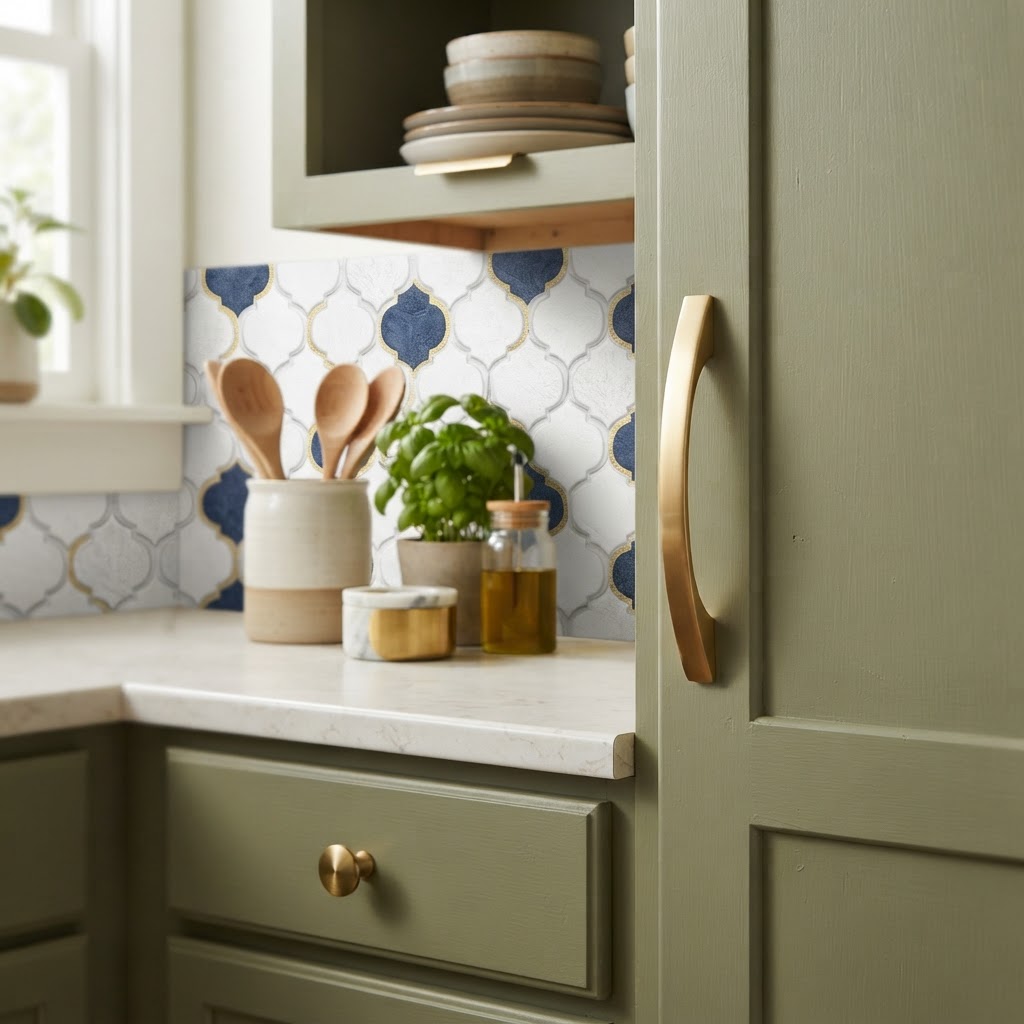
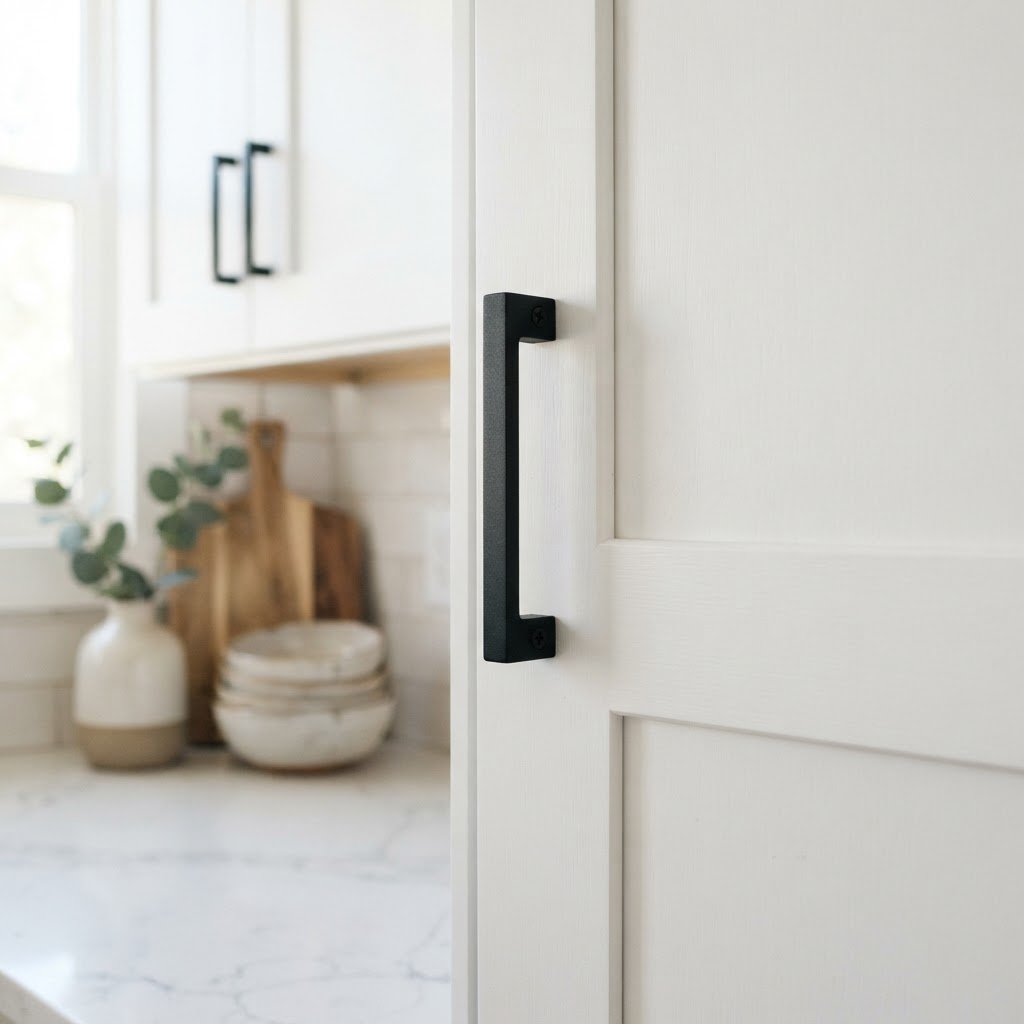
Kitchen and bath upgrades can be executed for under $100 by focusing on modular hardware and surface enhancements. Cabinet pulls and knobs are the most frequent offenders for making a kitchen look dated; swapping these out for matte black or brushed gold hardware creates an immediate modern feel. Keep the original hardware in a labeled plastic bag to swap back before moving out. For bathrooms, focus on upgrading the shower curtain to a high-quality fabric liner rather than a plastic one, as this covers a large percentage of the room’s visual surface area and sets the tone for the entire space.

Simple Bathroom Updates

Transform your bathroom into a spa-like environment by introducing organic elements and high-quality textiles. Replace standard-issue towel bars with adhesive command hooks if you need more hanging space, and invest in a thick, high-density bath mat to cover outdated floor tile. Adding a touch of greenery, such as a moisture-loving pothos or a realistic faux plant, provides a necessary organic pop of color against cold, tiled surfaces. Matching dispensers for soap and lotion, rather than using plastic store-bought bottles, remove visual clutter and create a clean, consistent look that mimics luxury hotel amenities.

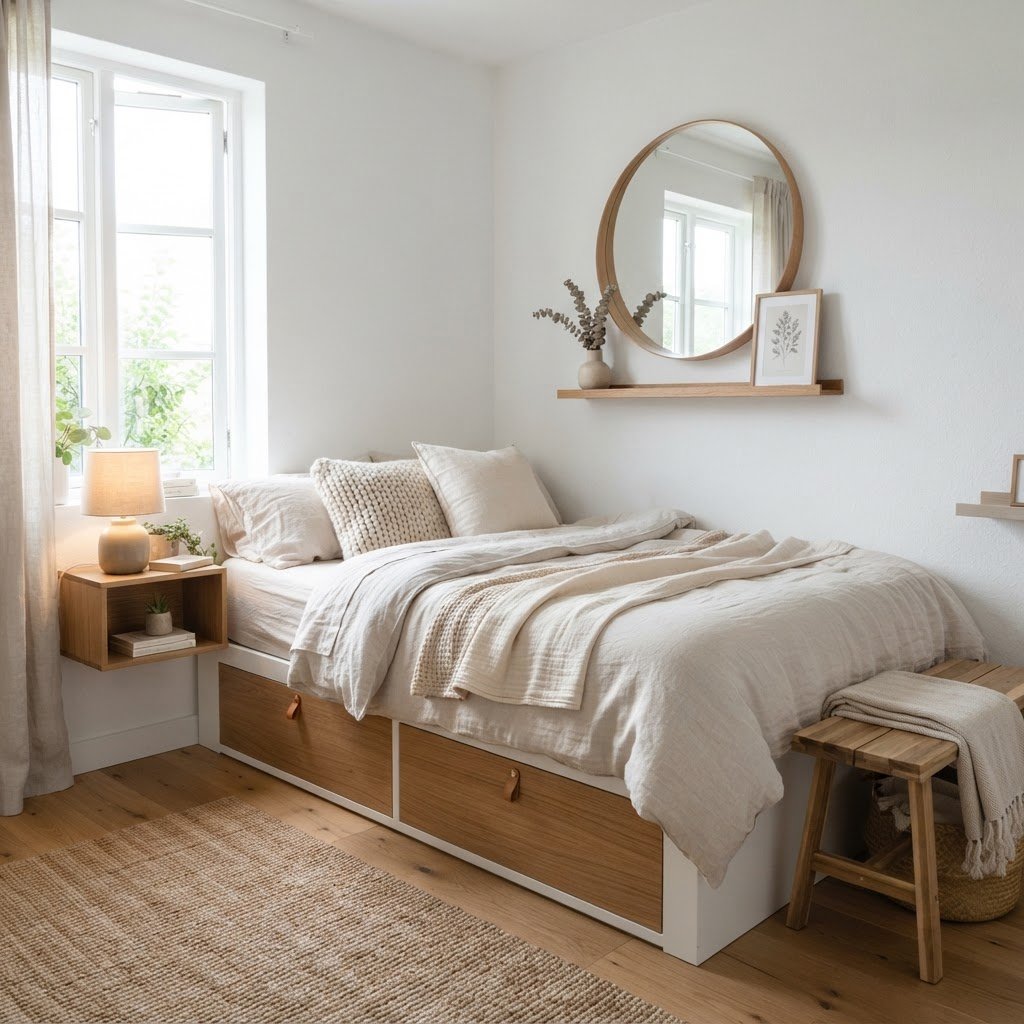
Look for ottomans that open up for hidden storage or vanity desks that double as bedside tables. These small adjustments prevent clutter from accumulating on visible surfaces, keeping the room looking clean and inviting.

Utilize Vertical Space Effectively

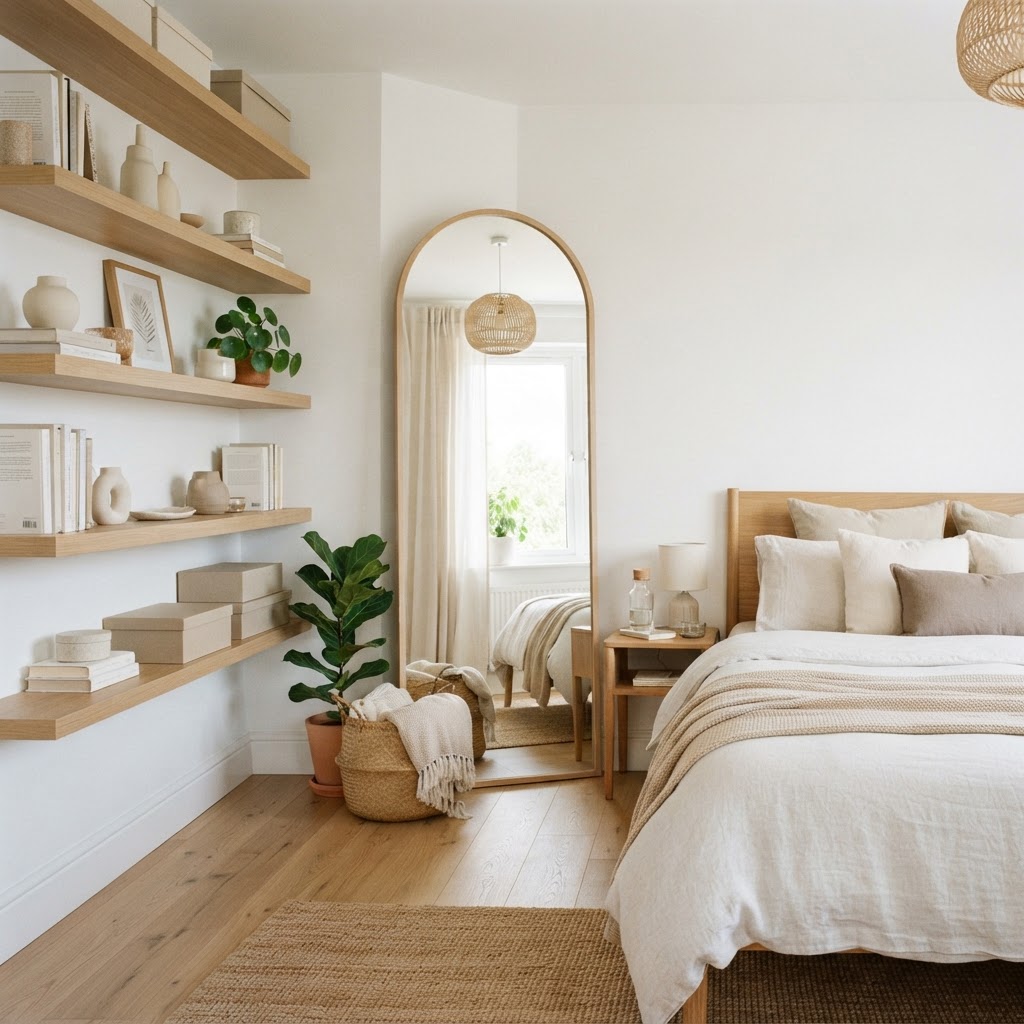
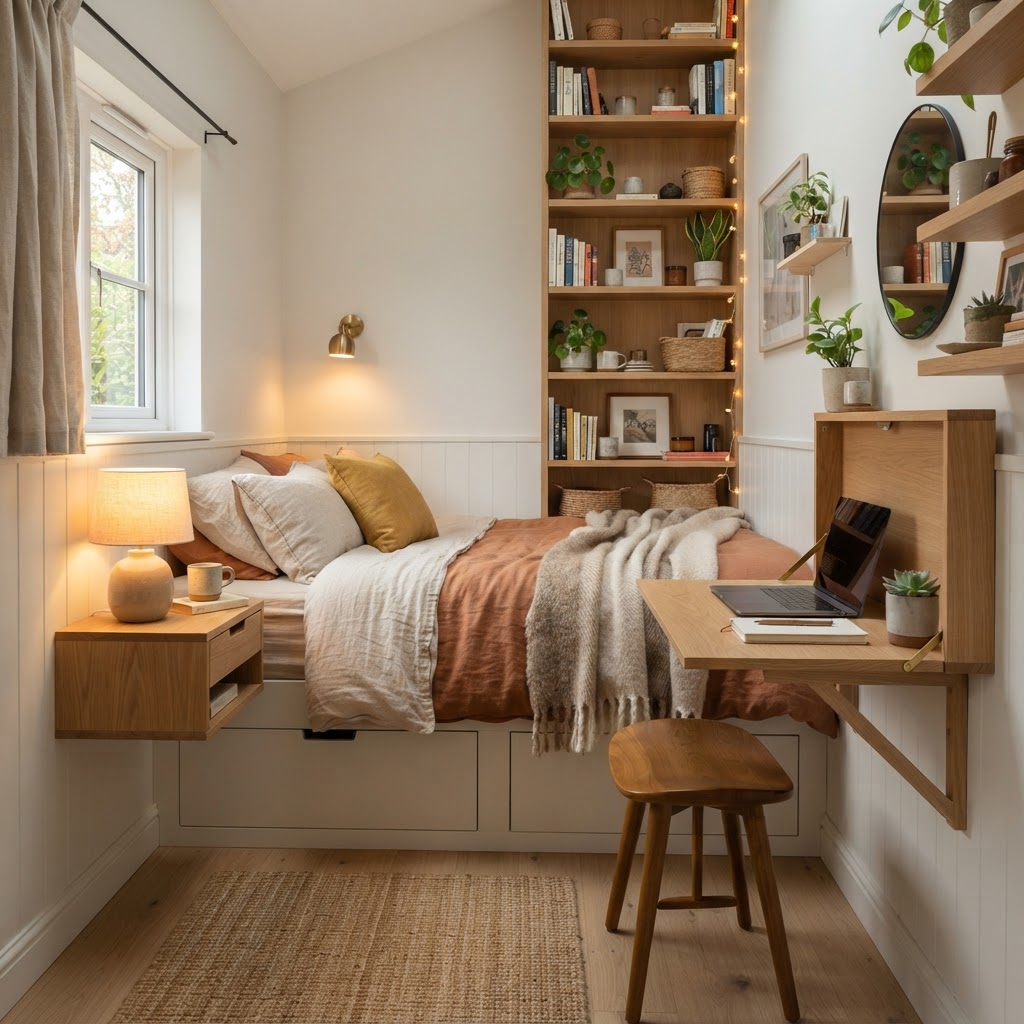
When your floor footprint is restricted, the only way to expand storage capacity is to move upward toward the ceiling. Walls are your best friend when looking for smart space-saving small bedroom ideas. By installing floating shelves 6 to 12 inches below the ceiling line, you draw the eye upward, which increases the perceived height of the room. Full-height bookshelves or floor-to-ceiling cabinetry effectively turn a single wall into a command center for books, seasonal decor, and personal items without consuming precious walking space. Consider using over-the-door hanging systems or vertical wall tracks to hold electronics and lamps. To maintain a cohesive aesthetic, align shelf depths to be no more than 10 inches; this ensures the room remains uncluttered while providing enough surface area to store 90% of standard bedroom essentials. Utilizing the space above your bedroom door or headboard for decorative shelving is a pro-level technique that utilizes “dead” wall zones often ignored in interior design.

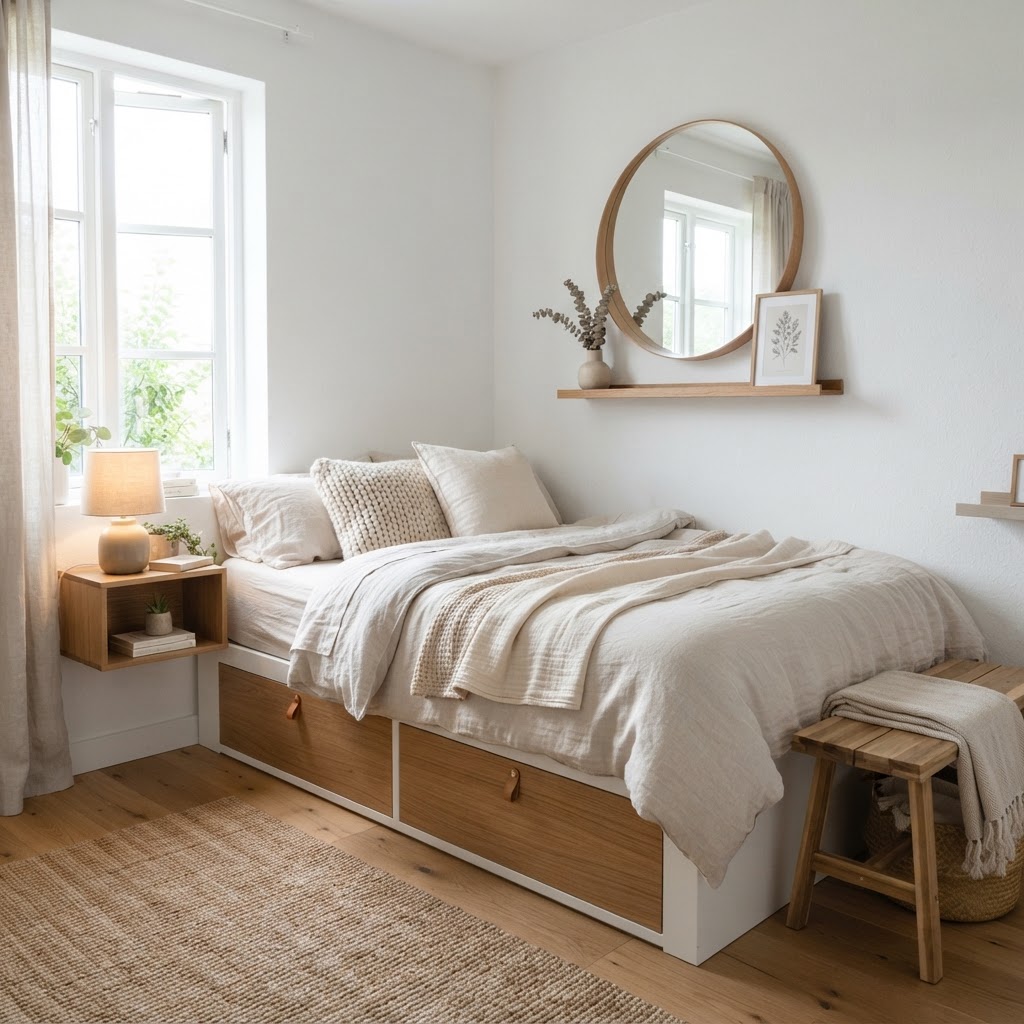
Use vertical shelving and mirrors to make your room feel larger.
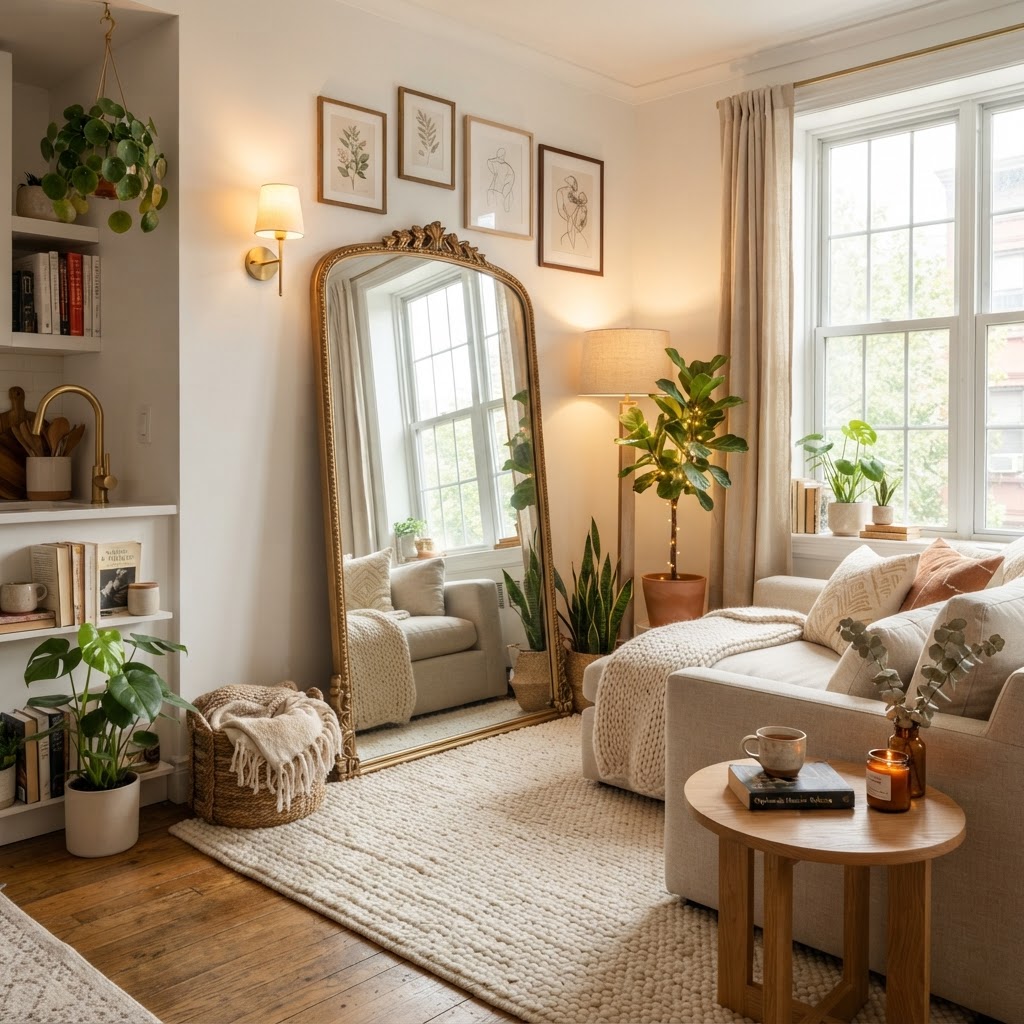
Optimize Under-Bed Storage

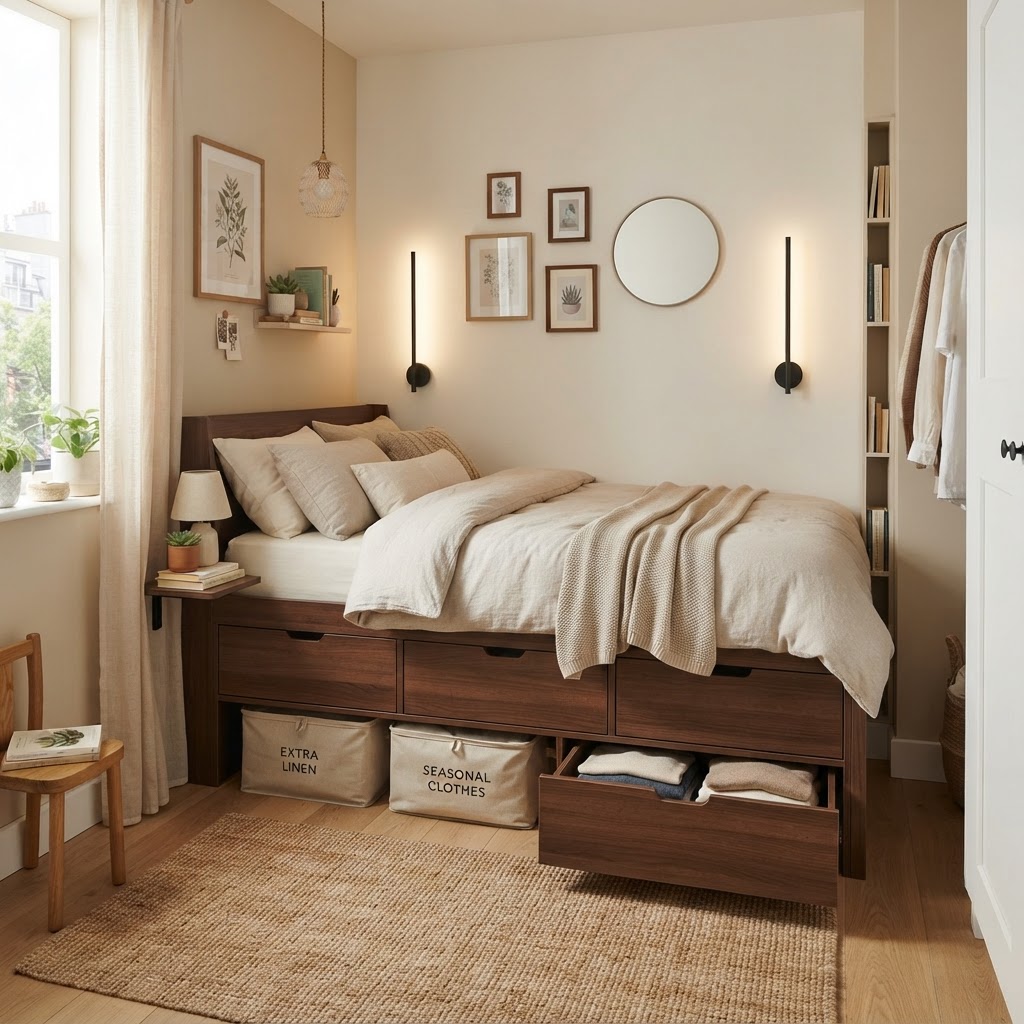
Your bed is likely the largest piece of furniture in the room, so it should be the hardest working. If your bed frame is low, consider using bed risers to gain valuable clearance underneath. Once elevated, you can utilize rolling bins or vacuum-sealed bags for out-of-season clothing and linens. To maximize efficiency, choose storage containers that are exactly 1 to 2 inches shorter than the clearance height of the frame. This prevents friction against the underside of the bed while allowing for a smooth sliding motion. For those with under-bed clearance of at least 8 inches, specialized modular rolling bins are significantly more ergonomic than standard plastic tubs. Research indicates that utilizing under-bed storage can free up enough closet space to eliminate the need for one full-sized standalone dresser, dramatically opening up the visual flow of a room. Always ensure your chosen containers are breathable, especially when storing textiles like wool or cotton, to prevent moisture buildup in areas with limited airflow.

Choosing the Right Containers

Invest in uniform storage bins that slide easily under the frame. This keeps the look cohesive and prevents a “junk drawer” aesthetic from forming under your bed. If you have an adjustable base, explore specialized under-bed organizers designed to accommodate the unique mechanics of your mattress frame.

Under-bed storage and wall-mounted lighting keep surfaces clutter-free.

Master the Art of Lighting

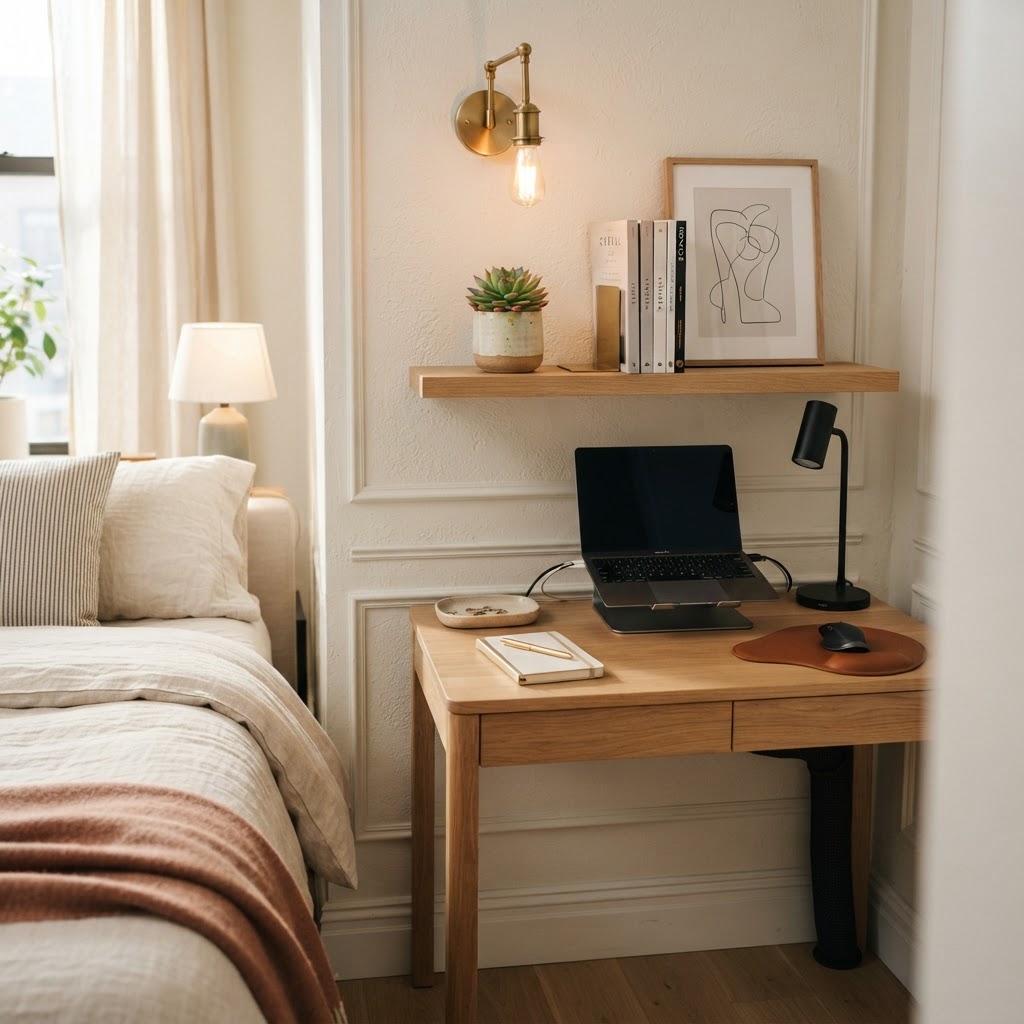
Lighting plays a critical role in how a room’s size is perceived, with effective illumination capable of expanding the feeling of a space by 10 to 15%. In a small bedroom, bulky floor lamps are often impractical because they take up vital corner space. Instead, install wall sconces near your headboard to free up space on your nightstands. Alternatively, pendant lights can hang from the ceiling, adding a touch of elegance while keeping surfaces completely clear. Layering your light is key to removing shadows that make rooms feel claustrophobic. By using a combination of a central ambient ceiling light (providing 3000K warm white output), task-oriented sconces for reading, and LED strip lighting behind the headboard or under furniture, you create depth. Bright, well-lit spaces always feel larger, while dim corners can make a room feel closed in. LED strips, which cost under $30 and are easy to install, can transform the atmosphere of a room instantly.

Keep Your Closet Organized

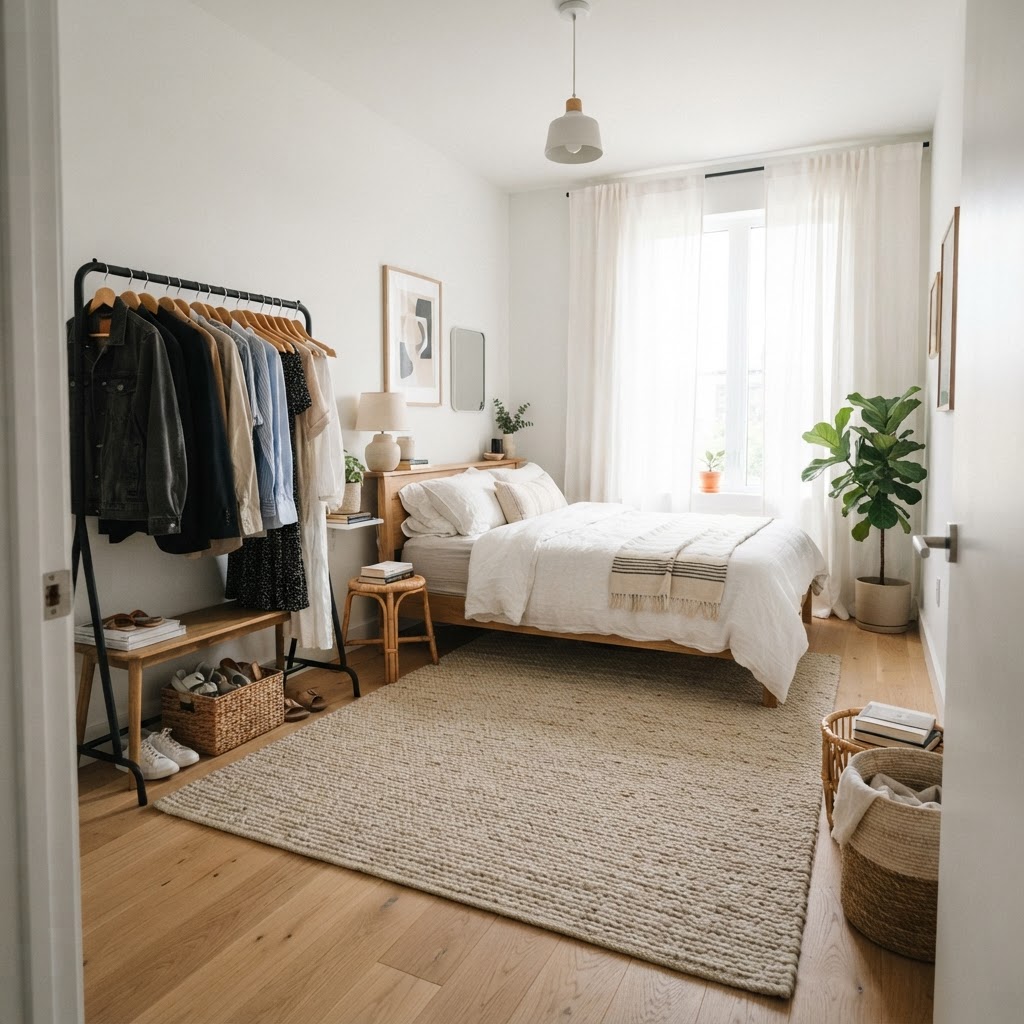
A disorganized closet can make a small bedroom feel chaotic, making the room seem smaller than its actual physical dimensions. To optimize your storage, implement a “one-in, one-out” policy for your wardrobe, which keeps total inventory stable and prevents over-stuffing. Use vertical organizers, double-hanging rods, or door-mounted racks to increase your usable shelf and hanging space by up to 50%. A closet system with adjustable shelving is the gold standard for versatility, as it allows you to adapt the storage layout for seasonal changes. Using slim velvet hangers can save approximately 30% more space compared to traditional plastic or wood hangers, effectively allowing you to fit more garments into the same linear space. Additionally, utilize the “dead” space at the bottom of the closet for a small shoe rack or a rolling bin for seasonal sports gear.

Organization Method Space Gain Best For
Velvet Hangers 30% Maximizing rod capacity
Double Rods 50% Shirts and skirts
Over-door Hook 100% Bags, belts, scarves

Consider these essential organization tips:

  • Install a closet system with adjustable shelves to fit your specific needs.
  • Use slim velvet hangers to save up to 30% more space in your wardrobe.
  • Use baskets on high shelves to store accessories, hats, or scarves.
  • Install hooks on the inside of the closet door for belts, bags, or bathrobes.

Declutter and Simplify Your Decor

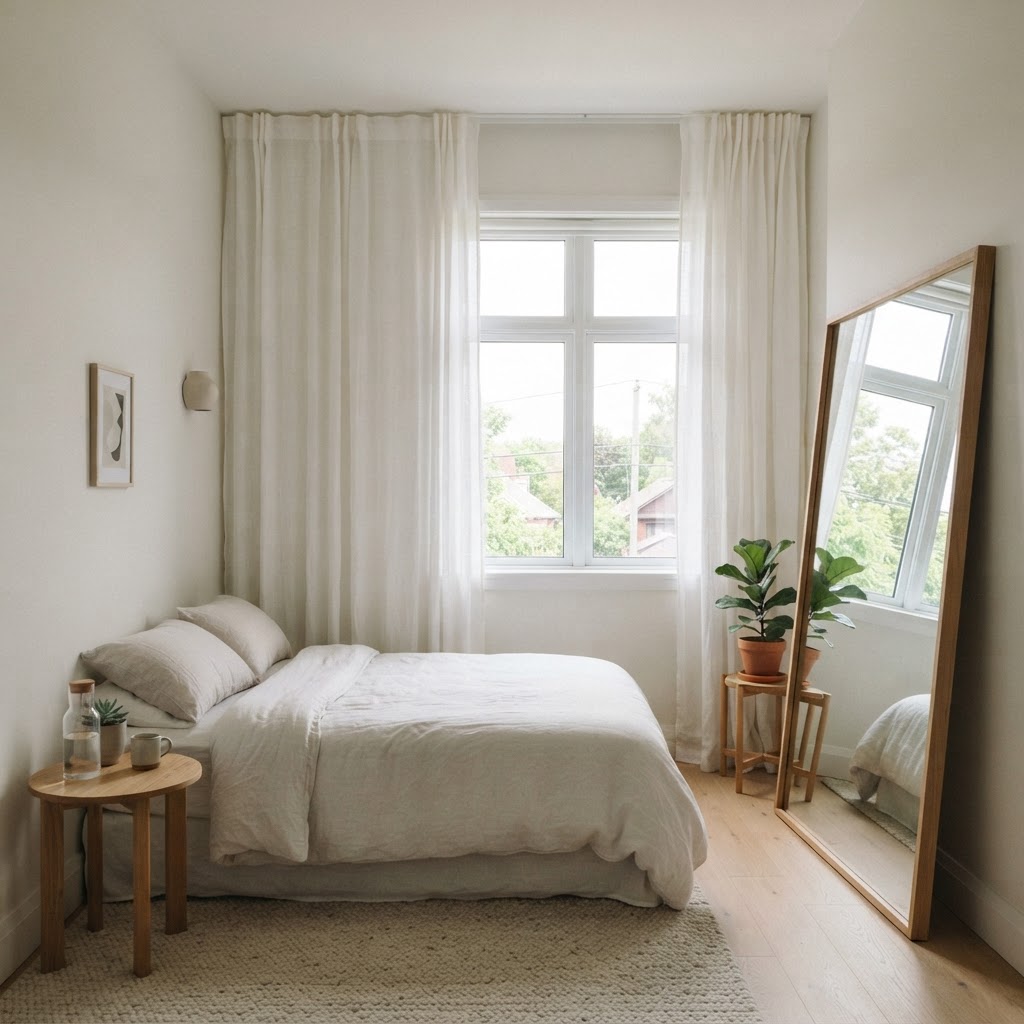
Minimalism is a powerful tool when you are short on space, as a room cluttered with too many knick-knacks will inevitably feel confined. Stick to a curated selection of decor items that bring you joy, and avoid overcrowding your walls or dresser tops, as surface area is precious. A room with clear, flat surfaces feels naturally more organized and calm. Mirrors are the oldest trick in the designer’s book for a reason; placing a large floor-length mirror across from a window can reflect light and create the visual depth of an extra room. By placing a mirror strategically, you can double the light output in the room, making it feel significantly brighter. A leaning floor mirror, which typically measures about 60-70 inches in height, adds a focal point that draws the eye vertically without requiring permanent hardware or complex wall installation.

Strategic Color Palettes

While white is a classic choice for small bedrooms because it reflects light, you don’t have to be limited to stark, sterile tones. Soft neutrals like light greys, muted blues, or warm beiges can create a soothing atmosphere while keeping the space feeling open. If you crave bold colors, try using them on a single accent wall or through soft textiles like curtains and rugs rather than painting the entire room a dark hue. Dark colors have a tendency to absorb light, which can visually bring walls “inward” and make a room feel smaller; conversely, painting your trim and ceiling the same color as the walls creates a seamless line that masks the actual room boundaries. To maximize the sense of airiness, prioritize paints with a satin or eggshell finish, which reflect slightly more light than flat or matte paints, adding a subtle glow to the surface of the walls.

FAQ

How can I make a tiny bedroom look bigger?

To make a tiny bedroom appear larger, use light color palettes, incorporate large floor-to-ceiling mirrors, and keep floor space clear of clutter. Maximizing natural light and using multi-functional furniture with exposed legs can help reduce the ‘visual weight’ of the room, creating an airy, open feel.

What furniture is best for a small bedroom?

Opt for multi-functional pieces such as bed frames with integrated storage, wall-mounted floating nightstands, and nesting tables. These pieces reduce physical footprint while providing the same utility as larger, traditional furniture items, keeping the floor area open and easy to navigate.

Where should I store things in a small bedroom?

Utilize vertical wall space with floating shelves, install closet organizers for double-hanging storage, and maximize the area under your bed with rolling bins. By keeping items off the floor and surfaces, you maintain a cleaner, more organized look in limited square footage.

Does painting a small bedroom white make it bigger?

Painting a small bedroom in white or soft, cool-toned neutrals helps reflect light and creates an illusion of openness. While white is highly effective, using a monochromatic color scheme—painting walls, trim, and ceilings the same color—can blur corners and make the room appear more expansive.

11 Modern Entryway Decor Ideas for Very Small Spaces

11 Modern Entryway Decor Ideas for Very Small Spaces

To decorate a very small entryway effectively, prioritize vertical storage, multifunctional furniture like floating consoles, and light-reflecting mirrors to maximize square footage. Implementing a “drop zone” routine with wall-mounted hooks and slim, tilt-out shoe cabinets allows you to maintain a clutter-free, functional, and stylish transition space between the outdoors and your home.

Rethink the Layout with Vertical Storage

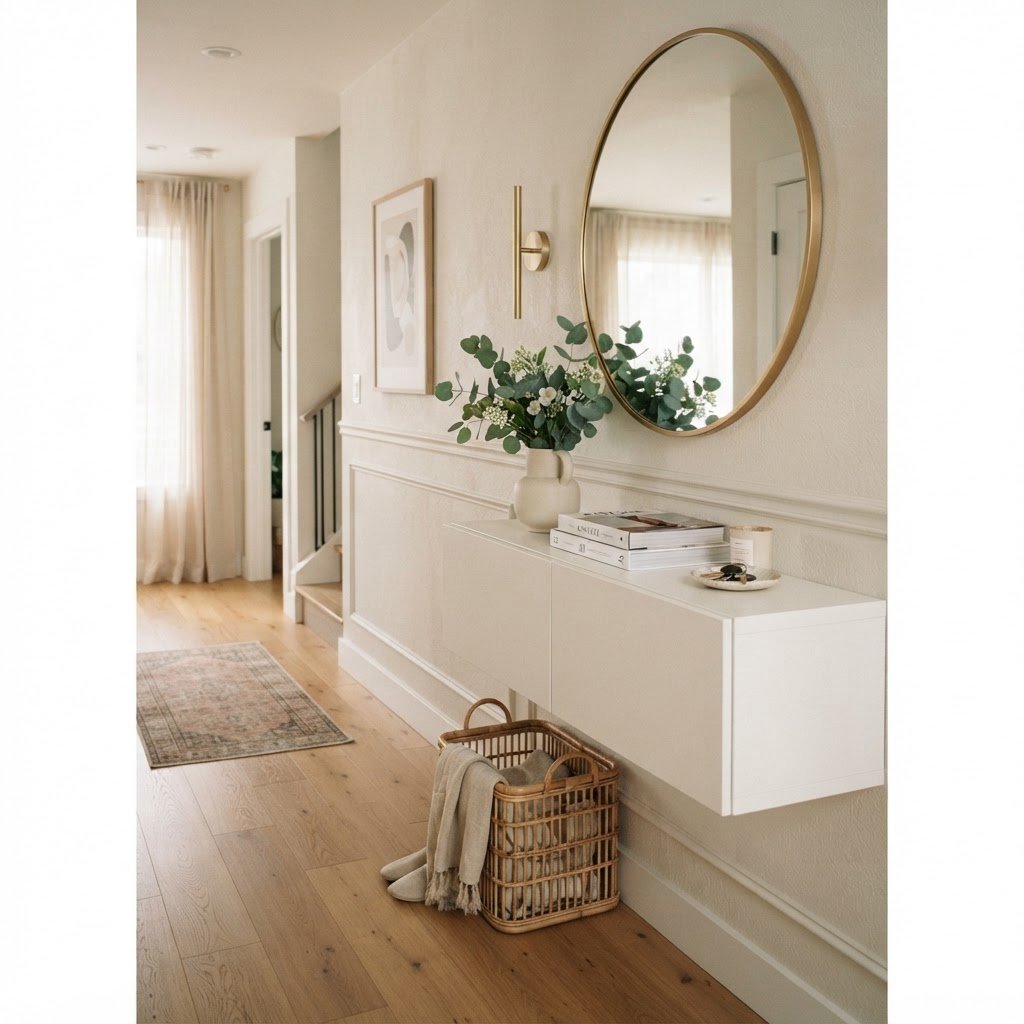
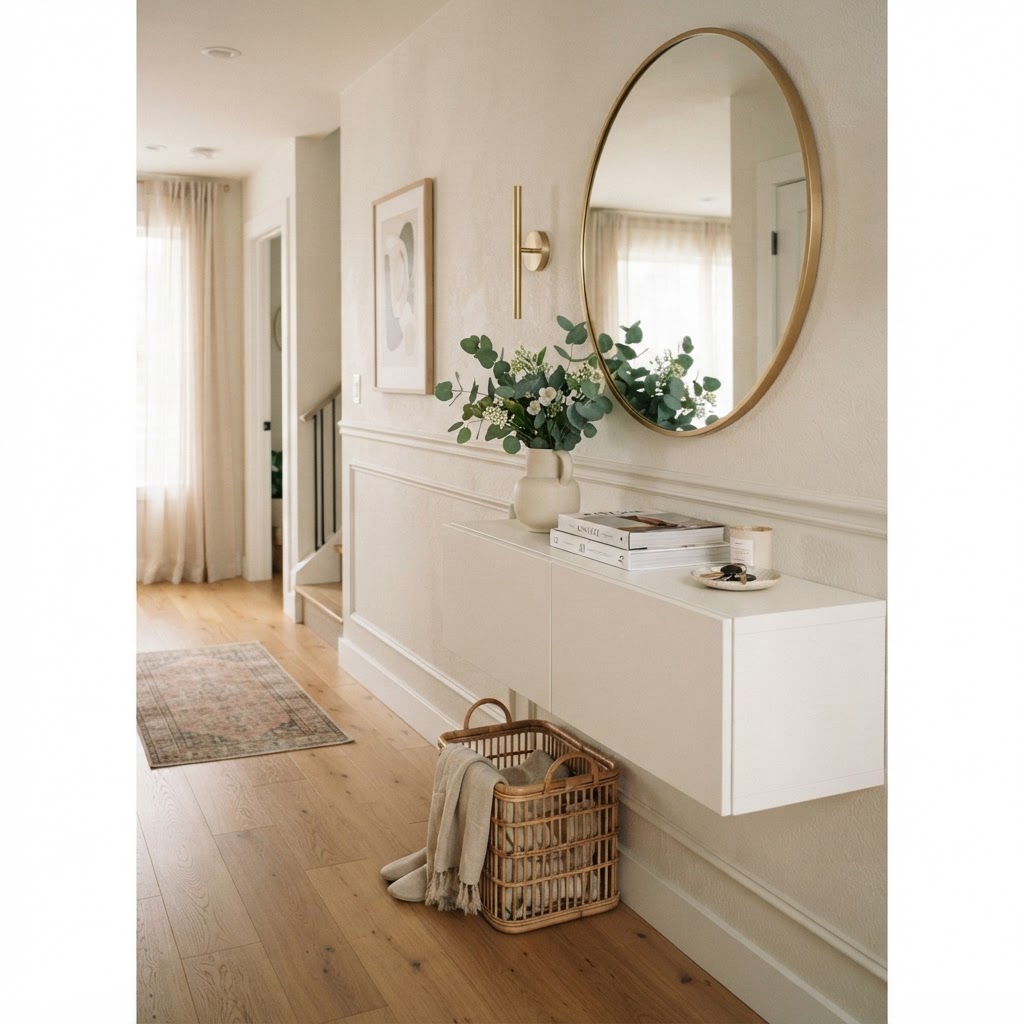
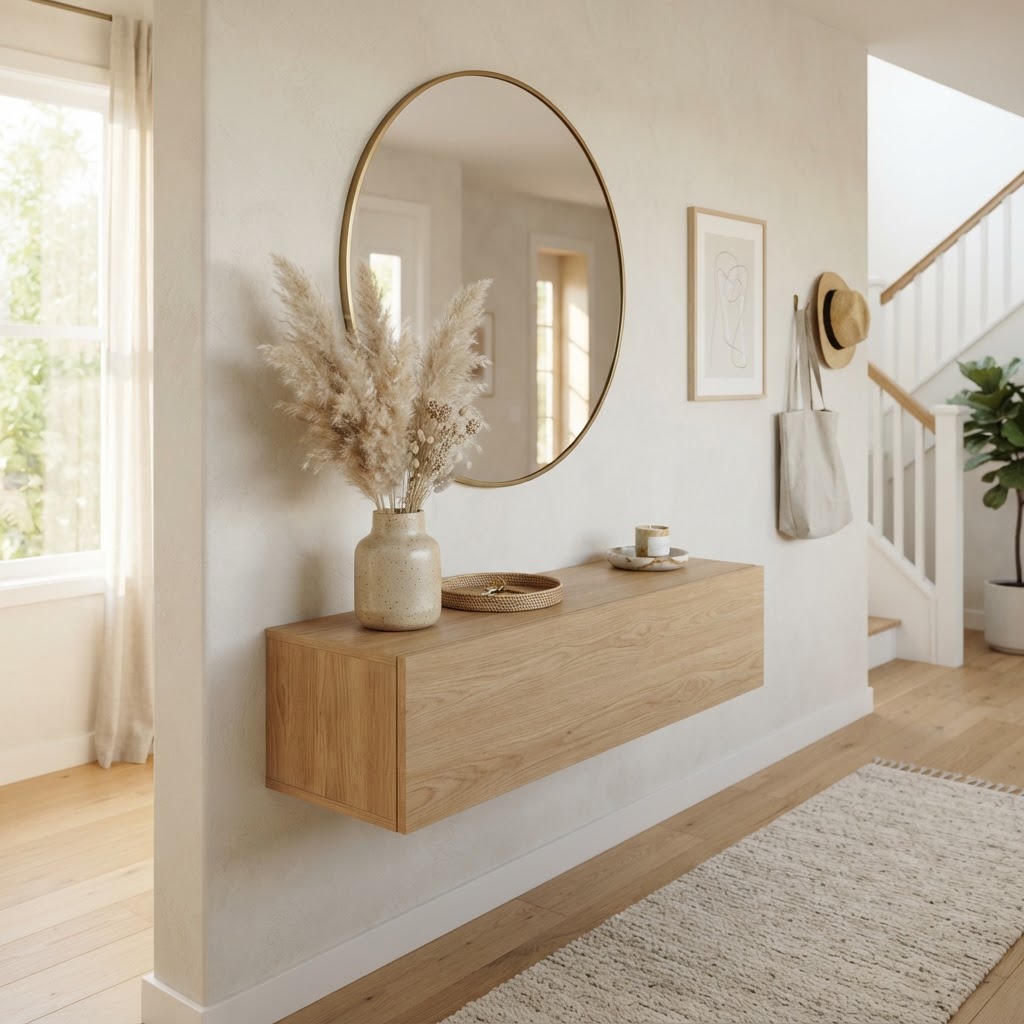
A floating console keeps the floor clear while providing essential surface space.

When floor space is limited, the only way to effectively increase capacity is to utilize your vertical wall surfaces. Wall-mounted systems and overhead storage prevent floor clutter, which is the primary factor in making a small room feel cramped. By moving storage from the ground to eye level or above, you create the illusion of a larger footprint while keeping essential items like keys, mail, and umbrellas within arm’s reach.

The Power of Floating Consoles

A floating console is a game-changer for narrow entries because it removes bulky floor-based legs that interrupt visual flow. For the best results, select a console depth of 10 to 12 inches to ensure it doesn’t impede traffic. Pro-tip: Match the finish of your console to your wall color to create a “disappearing” effect that makes the piece look like it is built into the architecture.

Why Hooks Beat Closets

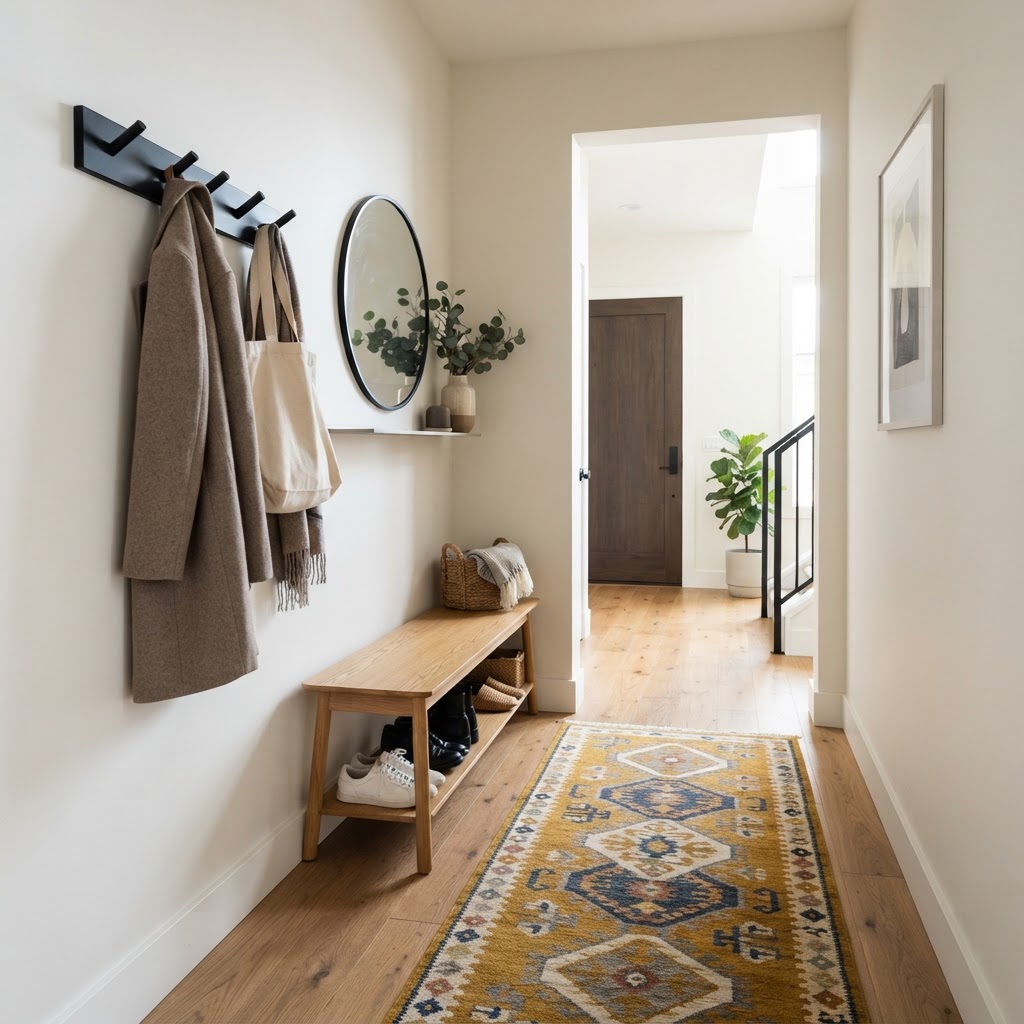
If you lack a dedicated coat closet, open wall hooks are superior to bulky coat racks because they offer a 0-inch depth profile when not in use. Installing a row of hooks at approximately 60 inches from the floor keeps coats accessible but tidy. Consider matte black or brushed brass finishes for a modern aesthetic that doubles as wall art.

Storage Type Floor Footprint Capacity Best For
Floating Console 0 sq. ft. Moderate Keys, Mail, Decor
Standing Rack 2-3 sq. ft. High Heavy Coats, Umbrellas
Wall Hooks 0 sq. ft. Variable Everyday Jackets, Bags

Brighten and Expand with Strategic Lighting and Mirrors

Minimalist furniture and a bold rug can define a small entry area perfectly.

Strategic lighting and reflective surfaces are the most cost-effective methods for doubling the perceived size of a tiny entryway. Mirrors are essential in modern entryway design because they bounce natural light into windowless corners and create a focal point that adds depth. A large, oversized floor mirror leaning against a wall or a decorative circular mirror hung above a console can instantly transform a dim, claustrophobic hallway into a bright, inviting foyer.

Pair your mirror with a statement light fixture to enhance the atmosphere. A flush-mount pendant is ideal for standard 8-foot ceilings, as it avoids encroaching on head space while providing 360-degree illumination. For a luxury feel, install LED strips hidden under a console table or behind a mirror frame. These hidden lights provide a soft, ambient glow that highlights floor space and adds a high-end, professional design touch. When choosing your lighting, aim for a warm color temperature (around 2700K to 3000K) to ensure the space feels welcoming rather than clinical or harsh.

The Functional Minimalism Approach

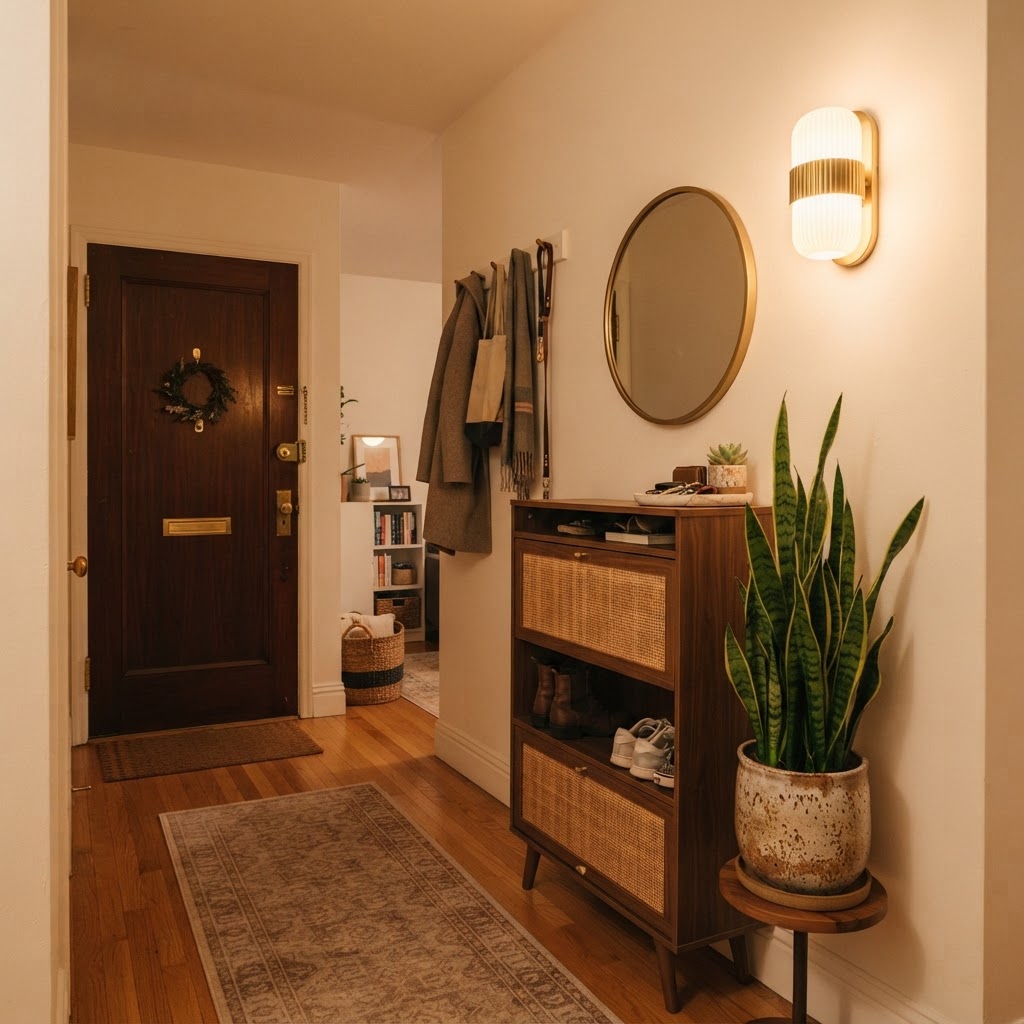
Tilt-out cabinets provide maximum storage in the narrowest of hallways.

Minimalism in a small entryway focuses on dual-purpose furniture where every item serves at least two specific functions. A piece of furniture that cannot justify its presence through both utility and aesthetic contribution is typically unnecessary in a compact home. For instance, a wooden storage stool provides a place to sit while putting on shoes and acts as a pedestal for a plant or a seasonal decorative object.

Choose pieces with clean lines and a monochromatic palette to reduce visual “chatter.” When the furniture matches the tone of your walls, the entire entry feels like a cohesive, intentional design nook rather than a collection of scattered objects. This approach effectively lowers the psychological weight of the area, making your home entrance feel like a serene transition zone rather than a cluttered storage spot.

Creative Shoe Storage Solutions

Shoes are the primary culprits of entryway clutter and require specific, slim-profile storage solutions. To maintain a clean look, hide them away in slim, tilt-out shoe cabinets that feature depths as shallow as 6 to 9 inches. These specialized units fit perfectly behind doors or against narrow hallway walls where standard furniture would block the path.

  • Utilize tilt-out cabinets to store 6-12 pairs of shoes in a 10-inch deep space.
  • Incorporate a bench with integrated open-cubby shoe storage for easy access.
  • Use woven baskets on low shelves to manage items like umbrellas and scarves.
  • Rotate footwear seasonally; store off-season shoes in closets to clear entry floor space.

Incorporating Personal Style with Decor Accents

Small spaces should prioritize quality over quantity, especially when it comes to decorative accents. Injecting personality into a cramped entryway is best achieved by selecting one or two “hero” pieces rather than scattering small knick-knacks that create visual noise. A single oversized piece of abstract wall art or a sculptural, high-design table lamp can serve as a stunning focal point without making the area look busy or disorganized.

Integrate greenery to breathe life into the transition area; a low-maintenance plant like a Pothos or a Snake Plant can thrive in the typical lighting conditions of a hallway. A vibrant runner rug is another essential; choose a long, narrow carpet that directs the eye into the home, effectively elongating the space and making the entryway feel like an invitation rather than a sudden halt at the doorway.

The Role of Color and Texture

Color choices dictate the mood of your home from the moment the door opens, so pick shades that align with your desired aesthetic. Light, airy colors—such as soft whites, light greys, or muted sage greens—are proven to reflect more light, making a cramped hallway feel physically larger and more open. If you prefer a bolder aesthetic, apply a moody wallpaper to one accent wall; this adds high-end character and turns a “problem” area into an intentional design feature.

Texture acts as the bridge between modern minimalism and comfort. Even in a sleek, modern setup, incorporating natural materials like a rattan storage basket, a jute rug, or a live-edge wood shelf grounds the space. These tactile elements prevent a small, modern entry from feeling sterile or cold, ensuring that the space remains a cozy, lived-in part of the home.

Establishing a Drop Zone Routine

Efficiency in a small space relies on a strict organizational routine centered around your new storage solutions. Once you have installed hooks and shelves, create a daily habit of using them immediately upon entry. Dedicate a specific tray on your console solely for keys, wallets, and sunglasses to ensure these items never migrate to your kitchen counter or living room table.

Maintaining a “clear surface” policy is critical to preserving the serene aesthetic you have worked to build. Remember, the primary goal of these modern designs is to provide a smooth, stress-free transition between the chaotic outside world and the sanctuary of your home. By keeping the drop zone orderly, you reduce visual stress every time you walk through the door.

FAQ

How do you organize a very small entryway with no closet?

Use vertical wall space by installing a row of decorative hooks for coats and a slim, wall-mounted floating console for keys. Add a narrow, tilt-out shoe cabinet to hide footwear, which keeps the floor clear and prevents the visual clutter that makes small spaces feel smaller.

What is the best color for a small entryway?

Light and neutral colors like off-white, light gray, or soft beige are best because they reflect natural light and make a small space feel open. If you want a bold look, consider a dark, moody wallpaper on a single accent wall to create a sophisticated, high-end focal point.

How deep should an entryway console be for a small space?

For a very small entryway, choose a console that is between 8 and 12 inches deep to ensure it does not block the walking path. Floating consoles are specifically recommended because they occupy zero floor space, which keeps the area feeling light and uncluttered.

How can I make my narrow entryway look bigger?

Install a large mirror to reflect light and create the illusion of additional depth in the room. Pair this with bright, consistent lighting and keep the floor as clear as possible by using wall-mounted storage to draw the eye upward instead of toward the cramped floor area.

Warm Mood Lighting: Transform Your Room into a Cozy Escape

Warm Mood Lighting: Transform Your Room into a Cozy Escape

To transform your home into a cozy escape using warm mood lighting, prioritize bulbs with a color temperature between 2200K and 3000K while layering light sources to eliminate harsh overhead glare. This approach mimics natural sunset cycles, signaling your nervous system to release melatonin and shift into a restorative, relaxed state.

The Science Behind Warm Lighting and Relaxation

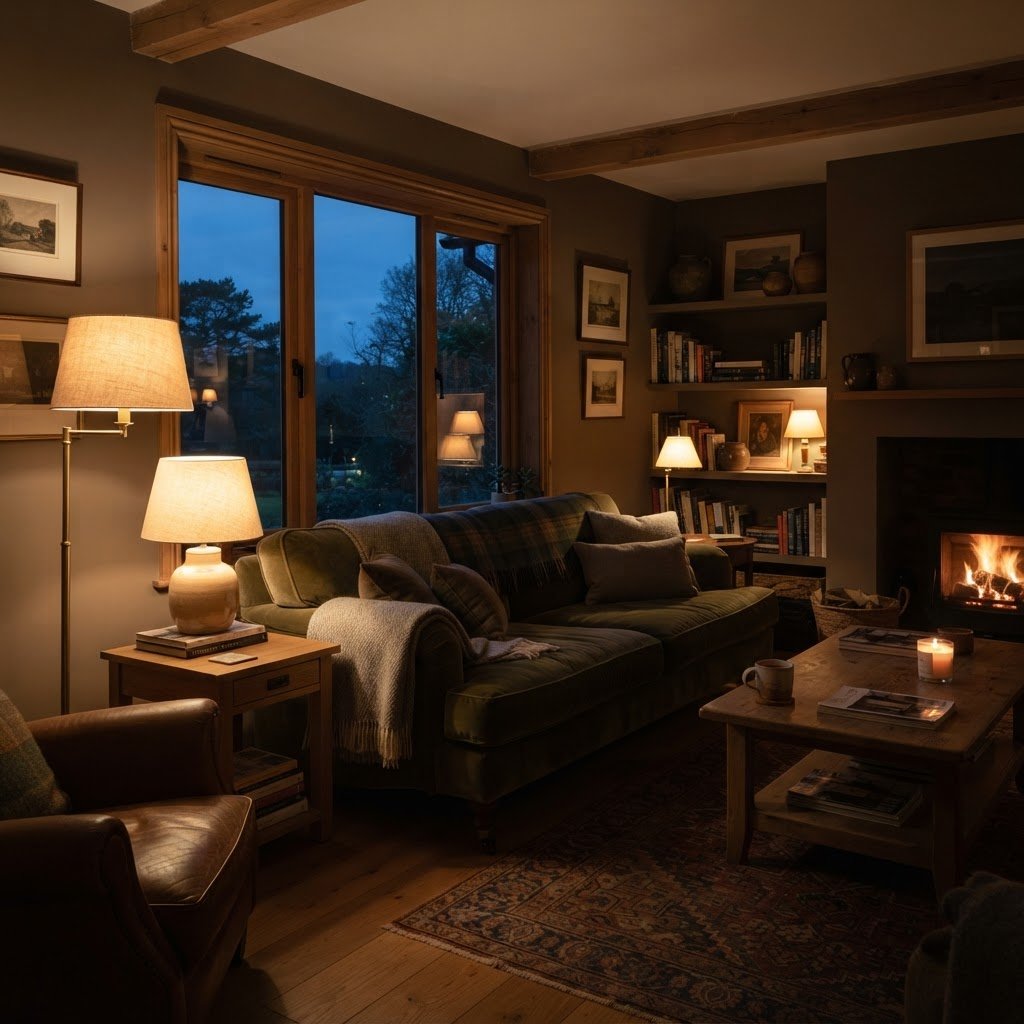
Layered lighting creates a cozy living room atmosphere.

Human biology is intricately linked to the light spectrum, as our circadian rhythms are dictated by the transition from high-intensity daylight to the warm hues of sunset. Research shows that exposure to light above 4000K suppresses melatonin, whereas light between 2200K and 3000K promotes relaxation by mirroring firelight. When you swap clinical overhead lighting for warmer alternatives, you move from a state of alertness to one of decompression. This “invisible architecture” of lighting is scientifically proven to reduce cortisol levels, allowing the brain to prepare for restorative sleep. Rather than investing in expensive furniture, simply adjusting your light source creates a more immediate, measurable shift in your physiological comfort. By curating a home environment that respects your internal clock, you foster a space that actively improves sleep hygiene and daily mood regulation.

Understanding Color Temperature and Kelvins

Small bedside lamps are perfect for a relaxing bedroom.

Mastering home lighting requires navigating the Kelvin (K) scale, which measures the color appearance of light rather than brightness. For a cozy atmosphere, select bulbs within the 2200K to 3000K range, as anything exceeding 4000K introduces blue light that disrupts circadian cycles.

Temperature Feel Best Use Case
2200K-2400K Candlelight Bedrooms, Nightstands
2700K Warm White Living Rooms, Dining Areas
3000K Crisp Warm Kitchens, Home Offices

Using 2700K is the industry gold standard for general living areas because it provides enough visibility for social interaction without feeling sterile. In contrast, 3000K is ideal for workspaces where focus is required, as it provides slightly more blue-spectrum light to boost clarity while still avoiding the harshness of daylight bulbs. Consistency is key; by sticking to a single Kelvin range within an open-concept room, you avoid visual dissonance that occurs when different light temperatures clash. Aim for 2200K-2400K for supplemental accent lighting to add depth and create an intimate, cave-like feel during evening hours.

The Art of Layering Your Light

Use different types of lighting for depth and warmth.

Professional lighting designers utilize the “three-layer” rule to eliminate flat, clinical shadows and create a multi-dimensional, cozy environment. The mistake of relying solely on a center-ceiling light creates high-contrast glare that stresses the eyes; instead, you should distribute light across different heights and intensities.

Ambient, Task, and Accent Lighting

  1. Ambient Lighting: Provides the base level of illumination for safe movement, typically through soft overhead fixtures or large, shaded floor lamps.
  1. Task Lighting: Delivers focused illumination for specific jobs, such as a 3000K desk lamp for work or an under-cabinet light for food preparation.
  1. Accent Lighting: Acts as the “jewelry” of a room, highlighting art, architectural nooks, or bookshelves to draw the eye toward decorative features.

To achieve the perfect balance, incorporate at least two of these layers into every room. By placing light sources at varying heights—floor, table, and eye-level—you break up the space into intimate “pockets” of light. This technique reduces the intensity of any single beam, creating gentle shadows that add texture and warmth to your home’s interior design.

Choosing the Right Fixtures for Your Vibe

Choosing the correct fixture is as critical as the bulb itself because the housing determines how light is diffused across a room. For maximum comfort, avoid bare bulbs or clear glass fixtures, which produce harsh glare that can cause visual fatigue. Instead, utilize fixtures crafted from fabric, frosted glass, or paper, as these materials act as filters that turn harsh beams into a soft, diffused glow.

Fixture Type Diffusion Quality Ideal Placement
Fabric Shades High/Soft Living Room, Bedroom
Frosted Glass Medium/Even Hallways, Kitchens
Paper Lanterns Very High/Ambient Reading Nooks, Corners

Orientation also plays a significant role in atmosphere. Upward-facing floor lamps are particularly effective because they bounce light off the ceiling, creating an indirect glow that fills the room without direct ocular irritation. Downward-facing pendants, conversely, are perfect for creating focal points; use these over dining tables or dedicated reading chairs to define specific zones. By mixing these fixture styles, you create a dynamic, multi-layered environment that feels intentional rather than static. Aim to balance the structural geometry of the fixtures—such as combining a round frosted globe with a tapered fabric shade—to add visual interest while maintaining the primary goal of soft, warm distribution throughout the living space.

Smart Lighting: The Ultimate Control

Smart lighting systems provide the ultimate mechanism for home ambiance by offering granular control over intensity and warmth. With smart bulbs or plug-in dimmers, you can easily transition a room from a productive workspace at 2:00 PM to a dim, intimate lounge at 8:00 PM. Many modern smart systems allow for automation, where lights automatically shift to a 20% brightness and 2200K temperature as the evening progresses, mirroring the natural descent of the sun.

This level of control addresses the fundamental need for adaptability in a multi-use space. If you cannot hardwire a dimmer switch, smart bulbs function as a drop-in replacement that gives you full control via voice assistants or mobile apps. Beyond just convenience, these systems improve sleep hygiene by reducing blue light exposure during your wind-down period. Research indicates that users who automate their lighting to shift colors throughout the day report significantly higher levels of subjective home satisfaction. Start by integrating smart switches or bulbs in high-traffic areas like the living room to experience the immediate impact of dynamic brightness control on your nightly routine.

Common Lighting Pitfalls to Avoid

Avoiding common lighting errors is essential for maintaining a cohesive and relaxing atmosphere. The most frequent mistake is the use of mismatched bulb temperatures in the same space, such as a cool 4000K task lamp sitting beside a warm 2700K floor lamp, which causes the eye to strain and the room to feel disjointed.

Another significant oversight is the failure to utilize dimmers; without them, you are limited to binary on/off settings, which rarely capture the nuance required for a “cozy” mood. If installing a hardwired dimmer is not feasible, budget-friendly plug-in dimmers or smart bulbs provide the same utility. Furthermore, ensure that light sources are not positioned to create direct glare on screens or reflective surfaces, as this forces the eyes to constantly adjust and disrupts the feeling of relaxation. By auditing your current setup for these specific pitfalls, you can immediately elevate your home’s comfort. Prioritize consistent temperatures, prioritize dimmability, and verify that your fixture placements aren’t creating unwanted, distracting reflections.

Transforming Specific Rooms

Designing specific rooms for coziness requires understanding their primary function and tailoring light intensity accordingly. In the bedroom, the goal is to induce sleepiness; therefore, favor extremely low-level lighting and avoid central ceiling fixtures that can feel overwhelming. Utilize bedside lamps with warm, fabric-covered bulbs to create a gentle halo effect, and consider placing hidden LED strips behind a headboard to add depth to the room without increasing raw brightness.

In the living room, focus on zones rather than a uniform glow. Place floor lamps in dark corners to expand the perceived size of the room and use smaller table lamps to anchor your seating areas. Adding battery-operated LED puck lights inside bookshelves or cabinets can highlight decor while adding a secondary source of warmth. When evaluating each room, ask yourself if the lighting is serving the intended function. If you are reading, do you have adequate task light? If you are hosting, is there enough ambient glow to see guests without feeling like you are in a spotlight? By addressing the unique needs of each space, you move beyond generic lighting and create a home environment that is both functional and emotionally supportive.

FAQ

Q: What is the best Kelvin temperature for a cozy room?

For a cozy, relaxing atmosphere, the best Kelvin temperature is between 2200K and 3000K. This range mimics the warm, comforting glow of firelight and sunset, which encourages the body to release melatonin and relax after a busy day.

Q: Can I mix different light bulb temperatures in one room?

It is generally recommended to avoid mixing different Kelvin temperatures in the same room. Mismatched lights create visual dissonance and can feel unsettling; choose one primary temperature (ideally 2700K) for a cohesive and soothing visual flow.

Q: How do I make a room feel cozy without changing the light fixtures?

If you cannot change your fixtures, simply swap your existing bulbs for dimmable 2700K LED warm bulbs and add a plug-in dimmer switch. These two inexpensive changes allow you to adjust the light intensity to your preference, immediately creating a warmer, more inviting ambiance.

Q: What is the main difference between ambient and task lighting?

Ambient lighting acts as the room’s base layer to ensure general visibility, while task lighting provides focused illumination for specific activities like reading or cooking. Combining both creates a layered lighting scheme that eliminates harsh shadows and improves visual comfort.

Q: Are smart bulbs worth it for mood lighting?

Smart bulbs are highly recommended for mood lighting because they allow for both dimming and color temperature adjustments via apps or voice. This flexibility enables you to automate your lighting to match your natural circadian rhythm, helping you wind down for sleep in the evening.

7 Damage-Free Ways to Add Personality to Blank White Walls

7 Damage-Free Ways to Add Personality to Blank White Walls

You can add personality to blank white walls without damaging them by using removable peel-and-stick wallpaper, adhesive-backed hooks, large-scale fabric tapestries, leaning floor mirrors, washi tape wall murals, tension-mounted shelves, and string light photo displays. These methods protect your security deposit while allowing for complete creative freedom in rental spaces.

Using Removable Peel-and-Stick Wallpaper

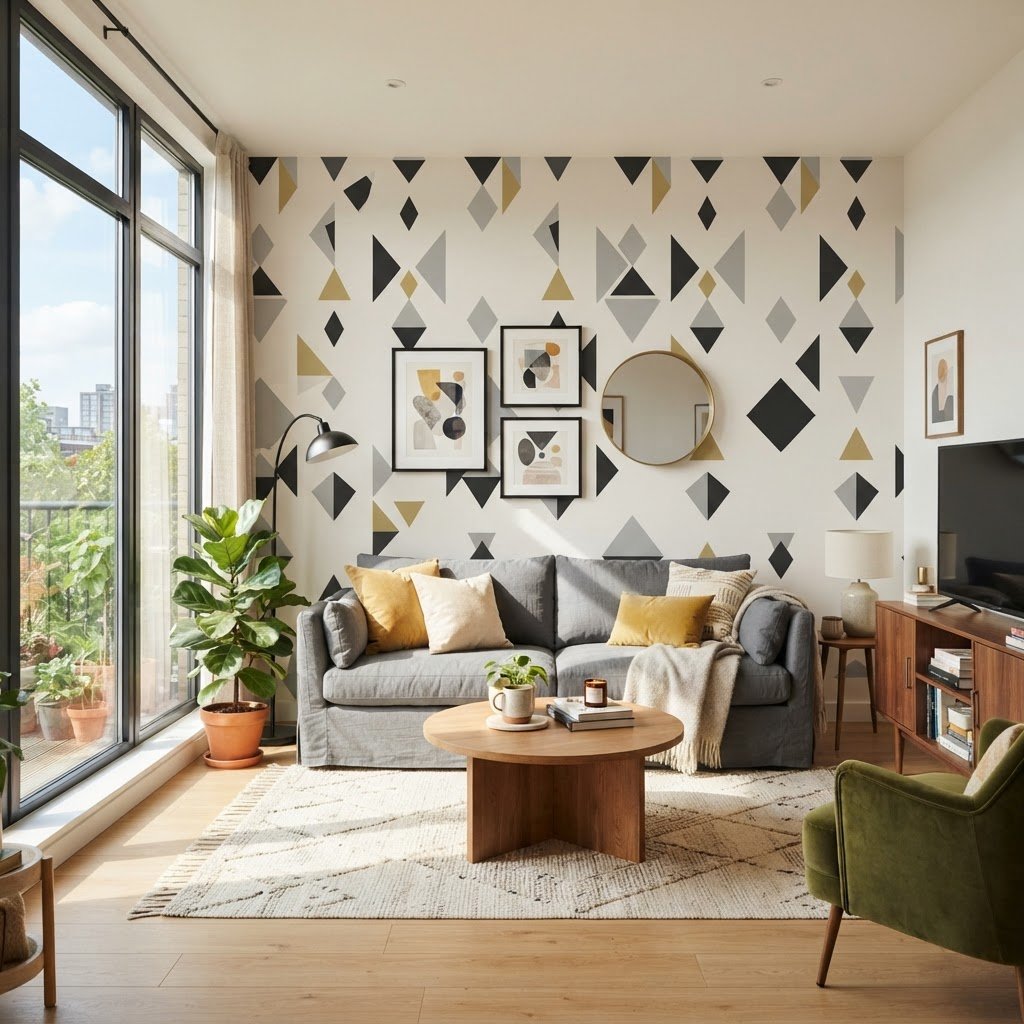
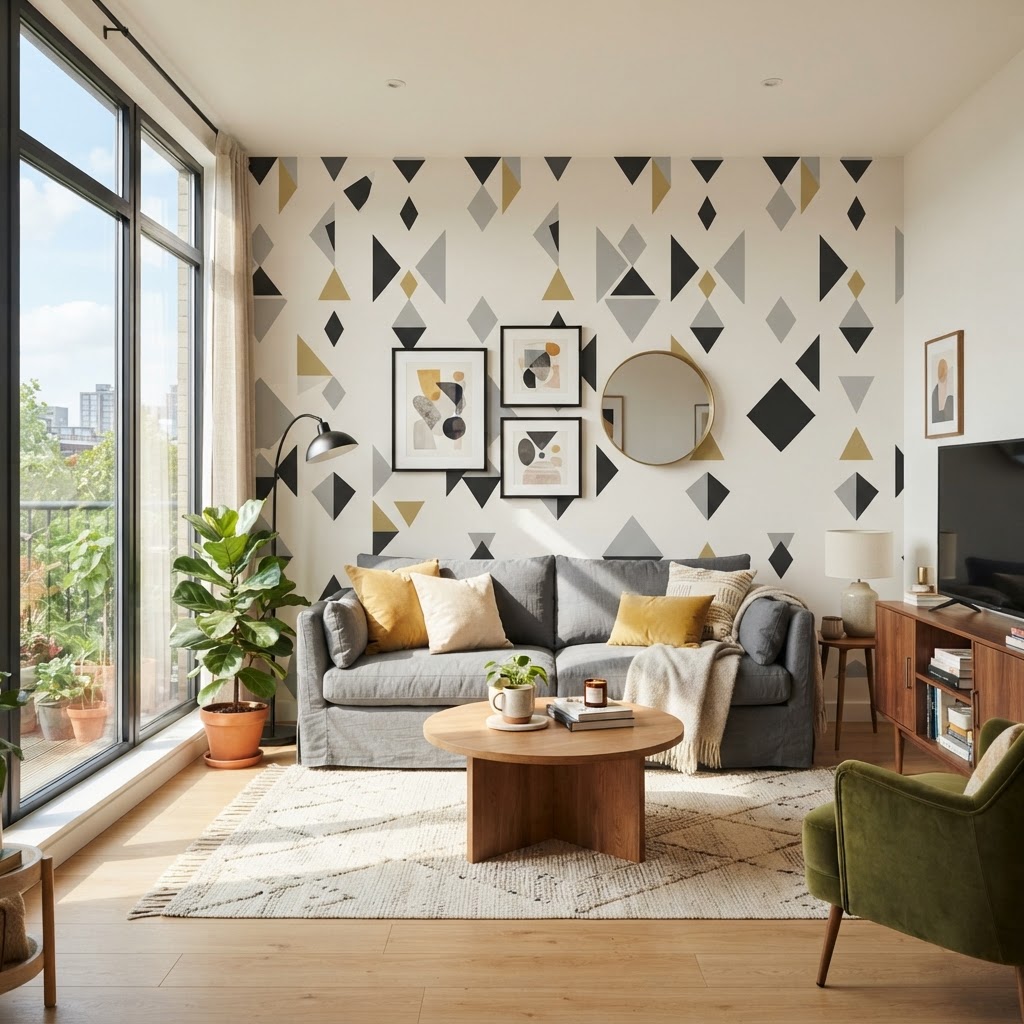
Geometric peel-and-stick wallpaper creates an instant focal point.

Peel-and-stick wallpaper is the premier choice for renters because it offers the aesthetic impact of traditional paper with a non-permanent, vinyl-based adhesive backing that leaves no residue behind. Unlike paste-applied options that require professional installation and can strip paint upon removal, high-quality peel-and-stick products are designed to last for three to five years before they require replacement or removal. They serve as a durable focal point in living rooms or bedrooms, effectively transforming a sterile white wall into a bold statement piece.

Feature Peel-and-Stick Wallpaper Traditional Wallpaper
Installation DIY Friendly Professional Recommended
Adhesive Pressure-Sensitive Water-Based Paste
Removal Residue-Free Often Requires Steaming
Durability 3-5 Years 10+ Years

To ensure success, clean your wall thoroughly before application with a mixture of mild soap and water to remove dust and oils, as even minor particles can compromise the bond. Always order 10% to 15% more material than your wall dimensions suggest to account for pattern matching. Use a plastic smoothing tool to press firmly from the center outward, eliminating air bubbles immediately to ensure a professional-grade finish.

Elevating Style with Command Strips and Adhesive Hooks

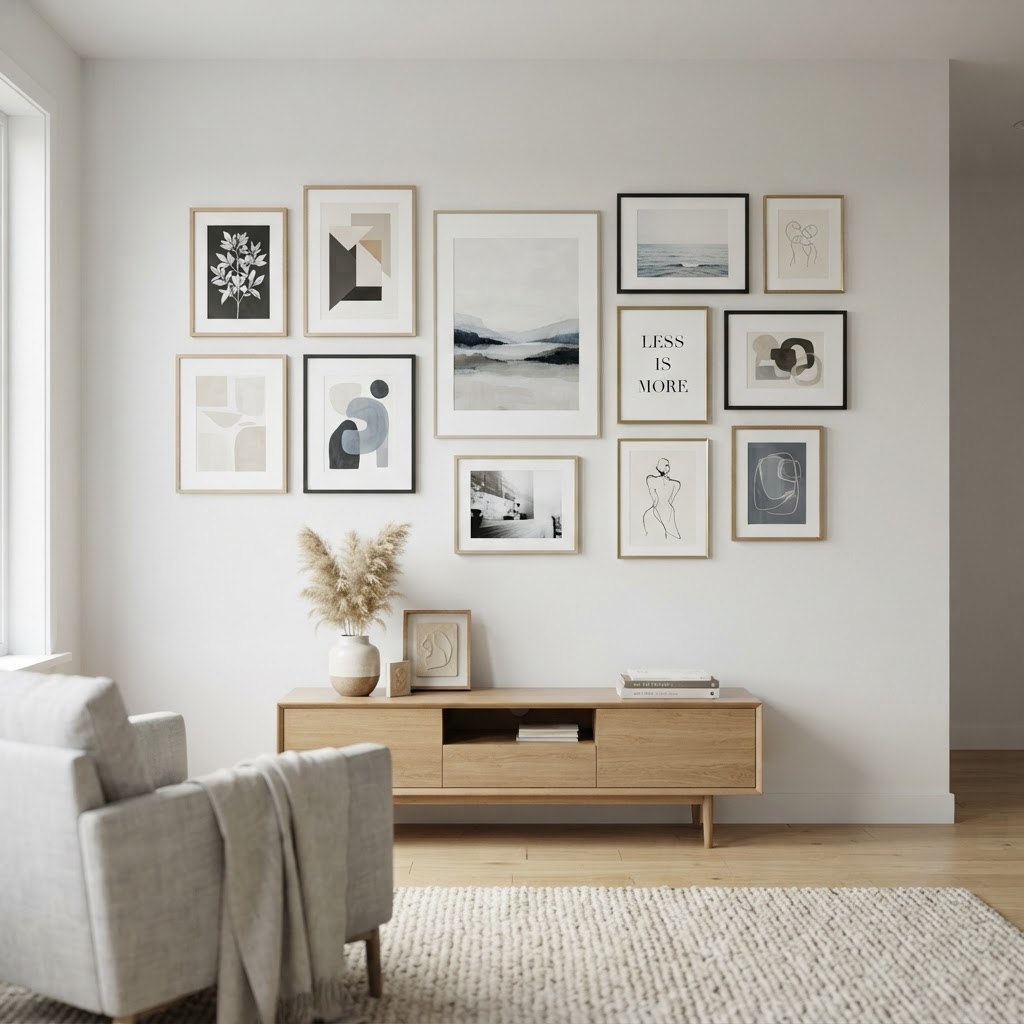
A gallery wall held up entirely by adhesive strips.

Adhesive hooks and heavy-duty picture-hanging strips are the most reliable, damage-free ways to add personality to blank white walls, allowing you to build gallery walls that support up to 16 pounds per pair of large strips. The modern development of high-performance polymer adhesives means you no longer have to fear holes or paint chips. By utilizing a mix of small and large adhesive strips, you can arrange mirrors, art prints, and decorative plates in dynamic layouts that fill large gaps in your decor scheme.

It is essential to strictly follow the weight limits specified on the manufacturer’s packaging to avoid accidental detachment. For a gallery wall, lay your arrangement out on the floor first to test the visual balance and spacing before moving to the wall. This trial run ensures you avoid the frustration of repetitive peeling and sticking, which can eventually weaken the adhesive. Swapping out decor seasonally is simple: pull the adhesive tab slowly downward—parallel to the wall—to release the tension and remove the strip without leaving a single trace behind.

Making a Statement with Large Scale Tapestries

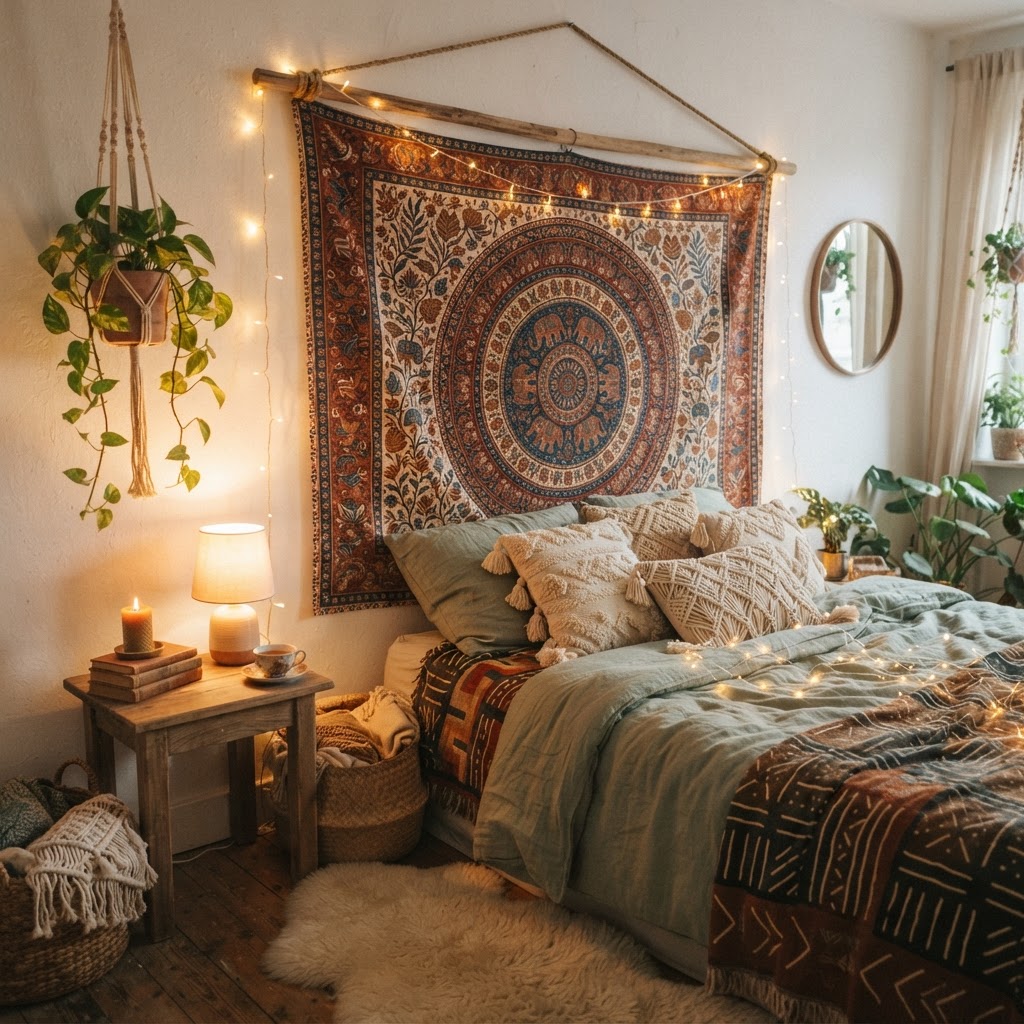
Fabric tapestries add instant warmth and texture to a room.

Wall tapestries provide a soft, textural alternative to rigid framed art, making them ideal for renters who want to add warmth or dampen acoustics in echoey rooms. Because they are typically made of lightweight cotton or polyester blends, they can be hung easily using adhesive-backed decorative clips, tension rods, or a simple wooden dowel pinned to the wall with clear thumbtacks. Tapestries effectively fill large, empty spaces, providing a substantial visual impact without the heavy mounting hardware required for framed canvases.

Using a tapestry is one of the most effective damage-free ways to add personality to blank white walls when you want to absorb sound or soften the acoustics of an echoey space. Consider choosing a design that complements your existing textiles, such as your rugs or curtains, to create a cohesive and curated look. When it is time to move, simply fold the fabric; this makes them highly portable, unlike fragile glass frames that can shatter during a transition. A standard tapestry is often the most cost-effective way to cover a large square-footage area, usually costing significantly less than multiple pieces of framed wall art.

Incorporating Leaner Mirrors and Art

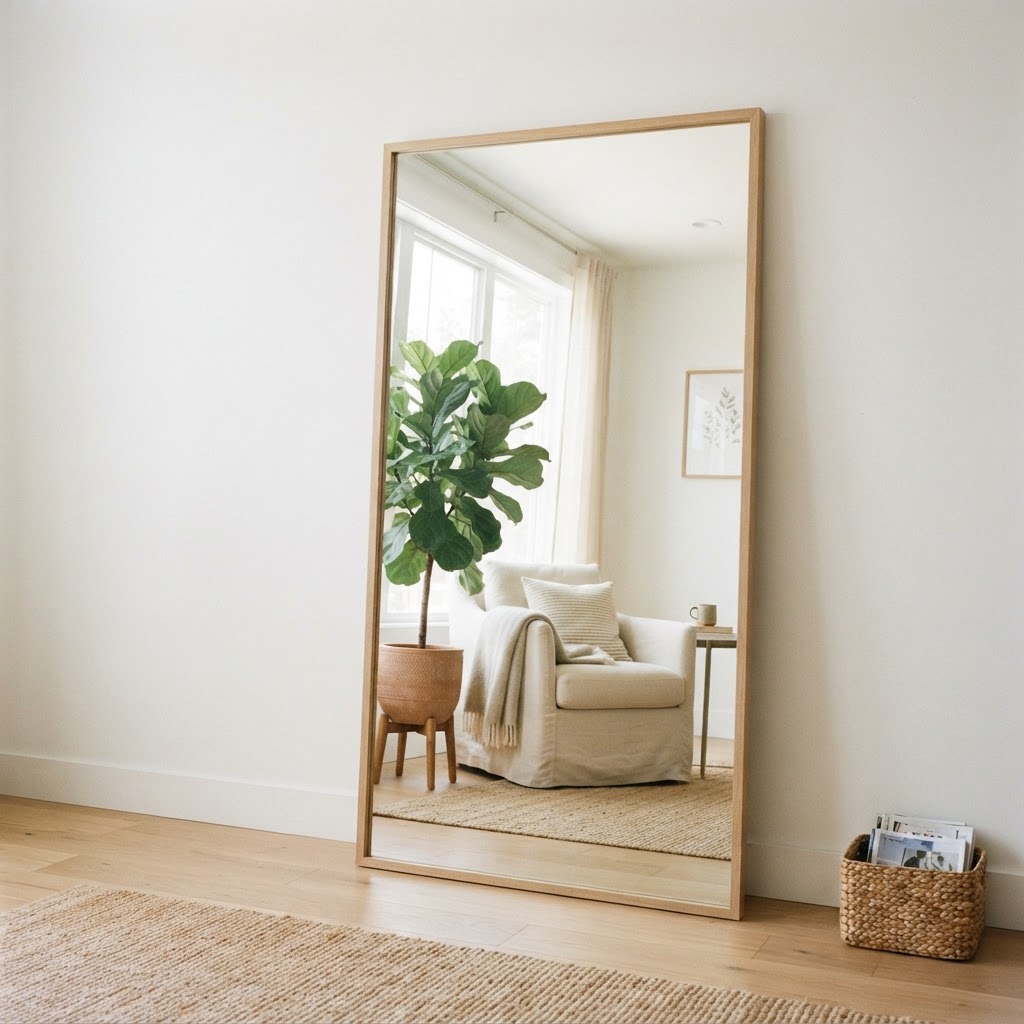
Leaning a floor mirror creates a chic, non-permanent style.

Sometimes the most effective way to address a blank wall is to avoid hanging anything at all by opting for floor-based decorative elements. Large floor mirrors or oversized canvas art leaned against a wall create a relaxed, curated vibe that defines a space while keeping your security deposit entirely safe. This design technique works exceptionally well in dining areas or bedrooms, where an oversized mirror can increase the perceived depth of a room by reflecting natural light and architectural details.

By leaning a floor mirror, you avoid the need for wall anchors, though safety remains paramount. Always ensure the item is placed on a level surface and consider using anti-tip furniture straps if you have children or pets to prevent accidental falls. This “undecorated” look is a staple of modern Scandinavian and industrial design styles, emphasizing minimalism while making the room appear significantly larger. It allows for effortless rearranging; you can move a large floor mirror to a different corner of the house in seconds without any tools or repair work.
Creative Use of Washi Tape Designs

For those who love DIY customization, washi tape acts as a versatile, low-tack, and repositionable medium for creating geometric murals or custom frames. This decorative paper tape comes in an infinite array of colors and patterns, allowing you to create complex grid patterns, mountains, or architectural borders at a very low price point—usually between $2 and $5 per roll. Because the adhesive is lightweight, you can modify your wall design as frequently as your mood changes without leaving any sticky residue on the wall surface.

It is particularly popular in home offices or children’s rooms, where whimsy and frequent updates are encouraged. You can use it to create faux-frames around your favorite photographs or create constellations that span the entire room. Because washi tape is slightly transparent, you can layer colors to create depth and custom gradients. This method offers the most flexibility of any on this list, requiring only a pair of scissors and a steady hand to elevate a plain white wall into a piece of custom interactive art.

Displaying Shelving Without Drills

While traditional floating shelves require aggressive drilling into drywall studs, tension-based systems and high-strength adhesive shelves offer a damage-free way to incorporate vertical storage. These specialized shelves are designed to hold small potted plants, succulents, or decorative knick-knacks, generally supporting weights between 2 to 5 pounds. They provide the depth and layering that flat wall art simply cannot replicate, adding both functionality and personality to small, cramped quarters.

When choosing these items, stick to lightweight materials like hollow-core wood or clear acrylic to ensure they remain secure. These functional pieces add both personality and storage to small spaces, making them a dual-purpose solution for your decor needs. For maximum stability, ensure you are mounting these shelves on a smooth, flat surface. Avoid textured or porous walls, as these surfaces significantly reduce the efficacy of adhesive-mounted systems.

Layering with String Lights and Photo Displays

Lighting is often the final piece of a well-designed room, and string lights or LED photo clips can transform a cold, white wall into a warm, inviting sanctuary. You can drape these lights in a zig-zag pattern, outline a specific area of the room, or hang them in a soft cascading wave to create a focal point. Many of these lighting solutions come with integrated, damage-free clip-on holders, allowing you to showcase your favorite memories and polaroids without needing expensive custom framing.

This is a highly personal approach that feels intimate and inviting, making it perfect for dorms or temporary living situations where you want to highlight personal history. Because these systems are extremely lightweight, they can be held up with basic command clips or small clear adhesive hooks. LED options are preferred, as they generate minimal heat and consume significantly less energy than traditional incandescent strings, allowing you to leave your display lit for hours without concern.

FAQ

Can peel-and-stick wallpaper damage drywall?

No, high-quality peel-and-stick wallpaper is designed for easy, residue-free removal on properly primed and painted drywall. However, you should always test a small corner of your wall first to ensure the adhesive does not lift any existing loose paint or top layers.

What is the weight limit for adhesive hooks?

Most standard adhesive hooks support between 1 and 16 pounds depending on the size and type of the adhesive strip. Always check the specific packaging, as weight capacities vary significantly between light-duty utility hooks and heavy-duty picture-hanging strips.

How do I remove residue from walls?

If any adhesive residue remains after removing wall decor, gently rub the area with a small amount of rubbing alcohol or a mild adhesive remover. Always wipe the wall down with a damp cloth afterward to ensure no chemicals are left on the surface.

Are tension-mounted shelves stable?

Yes, tension-mounted shelves are stable provided they are used on flat, solid walls and not overloaded beyond their specified weight limit. These systems work by exerting pressure against a surface and are ideal for lightweight decor like small plants, books, or trinkets.

Simple No-Damage Changes That Make Tiny Apartments Feel Designer

Simple No-Damage Changes That Make Tiny Apartments Feel Designer

You can make a tiny apartment feel designer by replacing builder-grade light fixtures, swapping cabinet hardware, and utilizing floor-to-ceiling decor like leaning mirrors and high-hung curtains. These non-permanent modifications enhance the visual aesthetics and perceived volume of your space without violating lease agreements or risking your security deposit.

Master the Art of Lighting Layers

A large leaning mirror instantly makes small rooms feel more spacious.

One of the most effective ways to upgrade a rental is by replacing generic overhead “boob lights” with stylish fixtures that match your personal aesthetic. Most landlords allow these swaps provided you retain the original fixtures to reinstall upon move-out. If electrical work is prohibited or intimidating, focus on a layered lighting scheme using floor lamps and table lamps to eliminate dark corners. Incorporating at least three sources of light—ambient, task, and accent—at different heights is a professional design trick that adds depth to a cramped room. A statement floor lamp or a structural wall sconce acts as a piece of functional sculpture, elevating the room’s sophistication level instantly. Harsh, clinical overhead light often exposes imperfections and makes small rooms feel cramped, whereas layered, dimmable lighting creates an atmosphere of intimacy and luxury. When selecting bulbs, always opt for warm-toned light (2700K–3000K) to create a cozy, premium feel, as cooler daylight bulbs (4000K+) can wash out colors and make furniture look significantly cheaper than it truly is.

Lighting Type Benefit for Small Spaces Best Room Use
Floor Lamps Adds height and architectural focus Living Room
Table Lamps Creates task zones and warmth Bedroom/Office
LED Strips Highlights cabinets/hidden areas Kitchen/Shelving

Why Lighting Changes Everything

Harsh, singular overhead light sources tend to make tiny apartments feel cold and clinical. By using warm-toned bulbs and multiple light sources at varying heights, you draw the eye around the room, which creates the illusion of more space. A high-end floor lamp or a sleek sconce can act as a piece of sculpture, adding character that makes the room feel curated rather than temporary.

Choosing the Right Bulbs

Always opt for soft white (2700K to 3000K) bulbs to add instant coziness to your space. Avoid daylight bulbs unless you have a workspace that requires sharp visibility, as they often wash out colors and make furniture look cheaper than it actually is.

Upgrade Hardware Without Damage

Swapping cabinet hardware is a high-impact, damage-free DIY.

Standard builder-grade kitchen and bathroom hardware is the fastest way to make a space feel dated. Replacing knobs and pulls is one of the most impactful no-damage changes you can make, typically costing under $100 for an entire kitchen. Keep all the original hardware in a clearly labeled Ziploc bag so you can switch them back quickly when your lease ends. High-quality hardware—like solid brass or matte black zinc-alloy—adds a tactile, “weighty” feel that signals luxury to the user. When shopping, prioritize standard center-to-center measurements (usually 3 or 3.75 inches) to ensure a perfect fit with existing pre-drilled holes. This subtle modification changes the entire aesthetic of your kitchen or bathroom, transforming basic white cabinetry into a bespoke, high-end feature. While it is a relatively small investment in terms of time and money, the visual payoff is immense, turning a generic rental kitchen into a space that feels personal and curated. For the best result, stick to a cohesive finish that matches your light fixtures or plumbing hardware to create a professional, designer-led flow throughout the entire apartment.

The Impact of High-End Finishes

Updating cabinet pulls to matte black, brushed brass, or polished nickel changes the entire aesthetic of your kitchen. It provides a “designer” finish that makes basic white cabinets look like custom cabinetry. While it is a small investment, the visual payoff is immense, turning a generic kitchen into a space that feels personal and high-end.

Incorporate Large-Scale Art and Mirrors

Hanging curtains high creates the illusion of taller ceilings.

Blank white walls are the hallmark of an uninspired rental that makes an apartment feel closed in. Instead of cluttering walls with tiny frames that create visual noise, focus on one large-scale piece of art or a floor-to-ceiling mirror. These items anchor a room and serve as a focal point that distracts from the limited square footage. A mirror measuring at least 60 inches tall placed near a natural light source acts as a “second window,” effectively doubling the perceived depth of the room. When hanging art, use heavy-duty adhesive strips or small finishing nails which leave only pin-sized holes that are easily filled with toothpaste or spackle upon move-out. The goal is to create a “gallery” effect rather than a “dorm room” effect; one oversized piece will always feel more expensive than a collection of smaller, mismatched frames. Strategically placing these items creates an immediate sense of intention and scale, making the apartment feel like a deliberate, designed home rather than a temporary living situation. Always ensure the mirror reflects an organized, clean corner of the home to maximize the sense of openness and tranquility.

Strategic Mirror Placement

Mirrors are the oldest trick in the small-space handbook for a reason: they bounce light and reflect the depth of the room. A large leaning mirror propped against a wall—secured with furniture anchors that require minimal patching—doubles the visual square footage. Ensure the mirror reflects a window or a clean, organized corner of the room to maximize the sense of openness.

The Power of Textiles and Area Rugs

Layered textiles and rugs add warmth and a designer touch.

In tiny apartments, flooring is often the most unattractive, “builder-grade” element that dictates a rental’s cheap appearance. If you are stuck with scratched linoleum or worn carpet, cover it completely with large-scale area rugs. A common mistake is buying a rug that is too small, which makes the room feel cramped; instead, ensure your rug is large enough that at least the front legs of all furniture sit on it, which helps define zones and makes the space feel expansive. Layering rugs—perhaps a natural jute base with a softer wool or synthetic blend on top—adds necessary texture, which is a hallmark of professional, designer interiors. Complement this with high-hanging linen or velvet curtains. By mounting your curtain rod as high as possible—closer to the ceiling than the window frame—you effectively draw the eye upward, tricking the brain into perceiving higher ceilings. Utilizing high-quality textiles like heavy velvet pillows or chunky knit throws provides a tactile sense of luxury, softening the hard, sterile edges of modern rental construction and adding a layer of comfort that defines a home.

Textures That Add Luxury

Add depth to your apartment by incorporating different textiles like velvet throw pillows, wool blankets, and linen curtains. Curtains are particularly important; hang them as high as possible—closer to the ceiling than the window frame—to trick the eye into thinking the ceilings are higher than they actually are.

Utilize Renter-Friendly Wall Treatments

If you have a strict “no paint” policy, high-quality peel-and-stick wallpaper is your best tool for a high-impact renovation. Modern adhesive wallpapers are designed for easy, residue-free removal, allowing you to add pattern, color, or texture to an accent wall in a bedroom or entryway. Before applying, always order a sample, as the texture of your wall (e.g., orange-peel vs. smooth) can impact how the adhesive bonds. Clean the surface thoroughly with a mild soap solution and ensure it is bone-dry before beginning. Use a felt-edge squeegee to eliminate air bubbles as you work, and always leave a slight overlap between strips to account for minor wall shifting or expansion. This simple change allows you to inject your personality into a space that feels otherwise stagnant, providing a custom designer look without touching a drop of permanent paint. When it comes time to move, use a hair dryer to slightly warm the adhesive, which makes the removal process clean and entirely damage-free for the drywall beneath.

Best Practices for Peel-and-Stick

  1. Always buy a sample first to test if your wall texture is compatible.
  2. Clean the surface thoroughly with mild soap and water before application.
  3. Use a plastic smoothing tool to remove air bubbles as you go.
  4. Take your time during removal to avoid any adhesive residue.

Vertical Storage and Floating Furniture

Tiny apartments often suffer from a lack of floor space, requiring you to think vertically. Look for storage solutions that maximize height, such as floor-to-ceiling bookshelves or modular wall-mounted units that use tension rather than screws. “Leggy” furniture—pieces with tapered wooden or metal legs—is essential for small-space design because it allows the floor to remain visible underneath, which makes the room feel significantly larger and less congested. Decluttering is the final step in a designer-led transformation. No amount of decor can hide a messy home; invest in decorative woven baskets or lidded ottomans to house daily clutter, keeping your horizontal surfaces clear. An organized, minimalist home naturally feels more sophisticated and expensive. Furthermore, try to create functional zones by using area rugs or furniture placement to divide your studio space into specific activity areas, such as a “living” zone and a “sleeping” zone. By giving every item a home and every activity a defined space, you eliminate visual noise, creating a polished, intentional look that belies the limited square footage of your apartment.

FAQ

Can I paint my apartment walls if I am a renter?

Most leases prohibit painting, but you can use peel-and-stick wallpaper to create the same impact. Always check your specific lease terms, and if you do paint, ensure you have written permission and agree to paint the walls back to their original neutral color before move-out.

How do I hang curtains without putting holes in the wall?

You can use heavy-duty tension rods for inside mounts or adhesive command-hook curtain rod brackets for outside mounts. These solutions are renter-friendly, require no drilling, and can easily support the weight of most standard-weight fabric curtains.

What is the best way to make a small kitchen look expensive?

Replace the existing builder-grade cabinet pulls and knobs with high-quality metal hardware in a consistent finish like brass or matte black. This quick swap provides a professional, custom-designed appearance without needing to replace any permanent fixtures or cabinets.

Do area rugs really make a small room look bigger?

Yes, provided you choose the right size; a large area rug anchors the furniture and defines the space, preventing it from feeling like a random collection of items. A rug that is too small makes the room look fragmented and tiny, while a large rug adds cohesion and depth.

How can I add luxury to a rental without damaging it?

Incorporate high-texture fabrics like velvet, linen, and faux fur to add warmth and tactile luxury to your space. Combining these with soft, warm-toned ambient lighting creates an elevated, boutique-hotel feeling that makes a rental feel like a permanent, custom-designed home.

30 Genius Tiny Bedroom Apartment Ideas to Maximize Space

Living in a city apartment often means compromising on square footage, but your sleep sanctuary does not have to feel like a broom closet. Implementing the right tiny bedroom apartment ideas can turn even the smallest nook into an airy, organized, and stylish retreat. By rethinking how you use vertical space, multi-functional furniture, and clever lighting, you can create a room that feels twice its actual size. The key to successful small-room design lies in intentionality, where every single piece serves a dual purpose and clutter is strictly prohibited. Let us dive into thirty actionable strategies to help you maximize every inch of your space.

Rethink Your Furniture Layout

Maximize storage with platform beds that feature integrated drawers.

When working with limited floor space, the standard placement of a bed in the middle of the wall might not be your best bet. Consider pushing your bed into a corner to create an L-shaped sleeping zone, which frees up valuable central floor area for movement. Another genius move is using wall-mounted nightstands or floating shelves instead of traditional bedside tables, as these create an illusion of more floor space by showing more of the ground beneath them.

The Power of Multi-Functional Pieces

In a tiny bedroom, if a piece of furniture does not have a hidden secret, it probably shouldn’t be there. Invest in a bed frame with built-in drawers or one that lifts via hydraulics to provide deep, hidden storage for out-of-season clothing and bedding. Furthermore, opt for ottomans that double as storage chests or vanity stools that hide makeup organizers inside. These items keep your living area clear of visual clutter, which is the primary enemy of small bedroom aesthetics.

Mastering Vertical Storage Solutions

Utilize floating furniture to create the illusion of more floor space.

Walls are your best friends when floor space is non-existent. You should aim to bring your storage all the way to the ceiling, as this draws the eye upward and makes the room feel significantly taller. Install open shelving above your door frame or along the upper perimeter of the wall to store books, plants, or decorative boxes. This keeps high-traffic areas clear and utilizes the often-wasted space above eye level.

Creative Wall Hacks

Beyond shelving, consider using pegboards for jewelry, scarves, and accessories, which keeps them organized and accessible without needing a bulky dresser. You can also utilize wall-mounted coat racks for hoodies or bags that would otherwise end up in a heap on your chair. By treating your walls as vertical storage units, you keep the floor footprint as minimal as possible.

Lighting Techniques for Room Expansion

Open wardrobe systems keep small rooms feeling light and organized.

Dark corners make a room feel cramped and claustrophobic. You want to layer your lighting to ensure every corner is illuminated, which creates a sense of depth. Instead of relying on a single bulky floor lamp, utilize wall sconces that free up surface space. If you are renting, look for plug-in sconces that do not require any hardwiring but offer the same high-end, space-saving aesthetic.

Additionally, mirrors are an essential component of tiny bedroom apartment ideas because they bounce light around the room. A large floor mirror or a wall covered in mirror tiles can trick the brain into perceiving more depth. Placing a mirror opposite a window will reflect the outdoor light, brightening up the room significantly during the day.

Streamlining Your Color Palette

Layered lighting and wall-mounted elements help declutter small surfaces.

While personal style is important, color choice plays a massive role in how spacious a room feels. Lighter, neutral colors such as soft whites, creams, light grays, and pale pastels reflect light and make walls feel like they are receding. If you love color, try keeping the walls neutral and incorporating your personality through bedding, art, and curtains. This maintains a clean base while preventing the room from feeling closed in.

Curating Your Closet and Essentials

Sometimes, the problem isn’t the room size, but the volume of items we keep. To maximize a small space, you must be ruthless with decluttering. Utilize vacuum-seal bags to condense winter duvets and thick coats, which significantly reduces the space they take up in your closet. Use tiered hangers to double your hanging capacity and consider an over-the-door shoe organizer for items beyond just footwear, such as electronics or toiletries.

Open Closet Systems

If your apartment lacks a proper closet, create a minimalist open-wardrobe setup with a chic rolling rack and a few matching baskets. This forces you to stay organized and curate a capsule wardrobe, which prevents the “messy bedroom” vibe that occurs when you have too much clothing packed into an overflowing, hidden closet space.

Smart Textiles and Decor Choices

Heavy, dark drapes can make a tiny bedroom feel like a bunker. Opt for light, breezy fabrics like linen or sheer cotton that allow natural light to filter through while still providing necessary privacy. When it comes to bedding, avoid patterns that are too busy or chaotic. Simple textures and solid colors tend to create a more harmonious, airy environment that feels larger and more peaceful.

The Area Rug Trick

Do not be afraid of using a rug in a small room. While it seems counterintuitive, a large rug can actually anchor the room and make it feel more cohesive than several tiny mats scattered about. Just ensure the rug extends slightly under the bed to define the sleeping zone without creating a choppy look that breaks up the floor continuity.

Designing for Daily Functionality

Every day, you should assess how your room serves you. If you work from home, look for a drop-leaf desk that folds flat against the wall when you are not working. This is a game-changer for tiny apartments. Additionally, ensure that your power cables and chargers are managed with cord organizers. Visible tangled cords are one of the fastest ways to make a room feel small, chaotic, and stressful.

Conclusion

Maximizing a tiny space is truly an art form that balances aesthetics with extreme utility. By incorporating these 30 genius tiny bedroom apartment ideas—from utilizing vertical wall space to choosing multi-functional furniture and using light effectively—you can transform your sleeping quarters into a functional, beautiful retreat. Start small by decluttering your surfaces or adding one mirror to test the difference it makes. Remember, the goal is to create a space that breathes and supports your lifestyle rather than feeling confined by your walls. Which of these ideas will you implement this weekend to refresh your space?

20 Small Entryway Ideas: Maximizing Tiny Spaces

To maximize a small entryway, prioritize vertical storage, multifunctional furniture, and light-reflecting surfaces to create an illusion of space. Effective strategies include installing floating consoles, utilizing peg rails for outerwear, incorporating wall-mounted fold-down seating, and placing mirrors strategically to bounce natural light into windowless corners.

The Psychology of a Well-Designed Entryway

Floating consoles save floor space while adding style.

Your entryway acts as the psychological “decompression zone” that separates the external world from your private sanctuary. By keeping the floor clear, you reduce visual noise and prevent the cognitive overload associated with cluttered living spaces. A study by the National Association of Professional Organizers suggests that homeowners with organized entryways reduce daily stress by approximately 20% by eliminating “clutter-induced anxiety” before entering main living areas. When every item has a specific home—keys on a hook, shoes in a bin—the brain stops processing the space as a task list and starts viewing it as a landing pad.

Why First Impressions Matter

The goal of a well-planned foyer is to provide a mental “decompression” zone between the outside world and your sanctuary. Even if you only have a sliver of wall space, vertical orientation becomes your best friend. Creating a designated spot for keys, mail, and outerwear prevents clutter from migrating into your living room or kitchen.

Vertical Storage Solutions for Tiny Footprints

Peg rails keep outerwear organized in narrow halls.

Wall space is the most valuable real estate in a small home, and maximizing it is the most effective way to eliminate floor-level chaos. Installing storage systems that utilize the full height of your wall—often up to 8 or 9 feet—transforms dead space into high-capacity utility areas. For example, a ceiling-height built-in cabinet provides nearly 50% more storage volume than a standard 30-inch console table. If custom cabinetry is out of budget, modular shelving units can be easily scaled to fit narrow hallways, typically costing under $150 compared to professional millwork that can exceed $1,000.

The Power of Wall-Mounted Consoles

A floating console table is a staple for a reason. By removing the legs of a traditional piece of furniture, you instantly create an illusion of more floor space. This visual “lightness” makes a narrow hallway feel wider and more accessible. Pair your floating console with a strategic wall mirror to reflect light and double the sense of depth in the room.

Utilizing Vertical Hooks and Peg Rails

Installing a long peg rail at eye level allows you to hang bags, hats, and jackets without needing a bulky coat closet. For a cleaner look, choose a rail that matches your wall color, letting the items themselves provide the decorative flair. This technique keeps things organized while preventing the “cluttered wall” aesthetic.

Feature Floor-Standing Console Floating Console
Floor Space Used High None
Storage Capacity Moderate Low to Moderate
Visual “Lightness” Low High
Installation Difficulty Easy Moderate

Rethinking Seating in Cramped Quarters

Multifunctional furniture is key for tiny spaces.

Multifunctional furniture allows you to incorporate essential seating without encroaching on vital circulation paths. When choosing furniture for a foyer under 20 square feet, prioritize pieces that pull double duty, such as ottomans with storage or slim benches that feature internal shoe racks. A wall-mounted fold-down seat is perhaps the most efficient solution, as it projects less than 3 inches from the wall when collapsed. This allows a clearance of 36 inches for walking through the hallway, which meets standard accessibility guidelines while still offering a place to put on shoes comfortably. Investing in a dual-purpose piece typically saves about 4-6 square feet of floor space compared to having separate furniture for seating and shoe storage.

Choosing Furniture That Pulls Double Duty

  • Storage benches with flip-top lids for shoes.
  • Ottomans that hide internal compartments for umbrellas and accessories.
  • Slim entry cabinets that feature both drawers for keys and hidden shoe racks.
  • Convertible furniture that folds flat against the wall.

The Role of Lighting and Color

Lighting is the most effective tool to manipulate the perception of space in an otherwise cramped, windowless entry. By using a layered lighting approach—combining 3000K warm-white ambient ceiling lights with a 2700K accent sconce—you can create an inviting atmosphere that makes the space feel larger than its physical boundaries. Mirrors are the oldest trick in the book: placing a mirror directly across from a front door can effectively double the perceived depth of the room by reflecting the light and the view from adjacent rooms. Painting a small entryway in high-gloss white or light gray further amplifies this effect, as light-colored surfaces reflect up to 80% of visible light, whereas dark colors absorb it and make walls feel closer.

Reflective Surfaces to Create Space

Mirrors are the oldest trick in the interior designer’s handbook, and for good reason. They act as windows where there are none, catching and bouncing light around the space. For the best result, place your mirror directly across from a doorway or an existing window to maximize the intake of natural light.

Minimalist Organization Hacks

Clutter is the primary adversary of a small entryway, and adopting a strict “one-in, one-out” policy is essential for maintaining order. Use decorative baskets to corral loose items like dog leashes or scarves, ensuring these items stay contained within specific zones rather than scattering across flat surfaces. For households with multiple people, assigning a dedicated bin or hook to each family member prevents the “pile-up” effect that often occurs on console tables. If a piece of decor or gear doesn’t serve an everyday purpose or rotate seasonally (e.g., winter boots swapped for summer sandals), it shouldn’t occupy your precious entryway square footage. Rotating your inventory every six months can free up to 30% of your available storage space.

Digital and Physical Integration

Consider adding a small magnetic board or a cork strip to your wall for keeping track of appointments or mail. Keeping these items vertically organized ensures they don’t end up piling up on the console table, which is the fastest way to make a space look messy.

Creative Flooring and Decor Ideas

Flooring choices in a small entryway should aim to create a visual bridge between your home’s entrance and the main living area. Using a high-traffic-rated, low-pile runner rug not only protects your primary flooring from dirt but also draws the eye forward, making a hallway appear longer. If your goal is to make the space feel continuous, matching the foyer flooring material to your living room floor is the most effective design choice, as it removes the “visual break” that signals a change in room size. Conversely, if you want the entryway to feel like a distinct, purposeful room, a bold, high-contrast patterned tile can act as a statement piece that distracts from the narrowness of the area, making the tight dimensions feel like a deliberate stylistic choice rather than a lack of space.
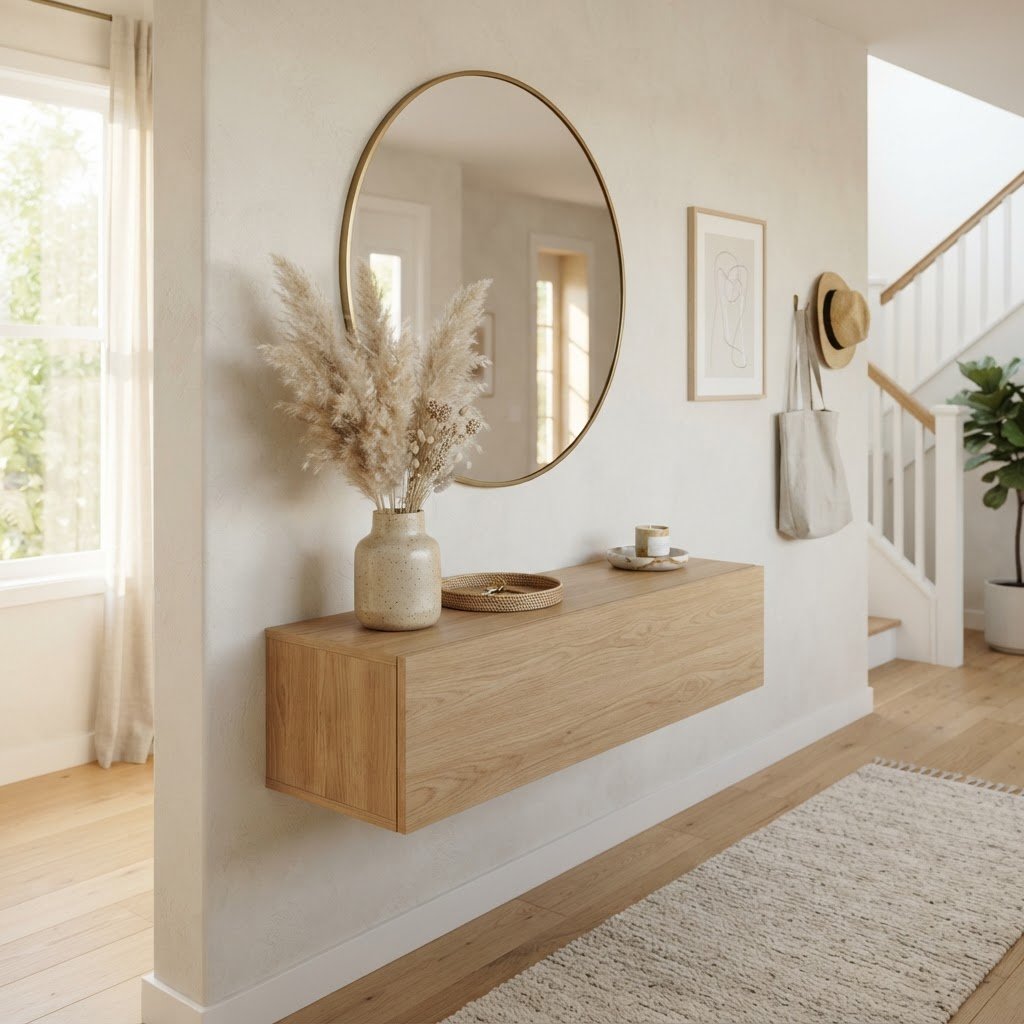
Personal Touches for a Welcoming Vibe

Art and decor should not be ignored simply because the space is small. A single, large-scale piece of artwork creates a stronger impact than a gallery of small, cluttered frames. A small potted plant or a vase with fresh greenery adds a touch of life and movement, essential for making any small nook feel like an intentional part of your home design.

FAQ

How do you organize a tiny entryway without a closet?

Use vertical wall storage like mounted peg rails, floating shelves, and slim shoe cabinets to get items off the floor. Installing a mirror above a thin console table adds depth, while wall-mounted baskets can hold mail, keys, and accessories without using any floor footprint.
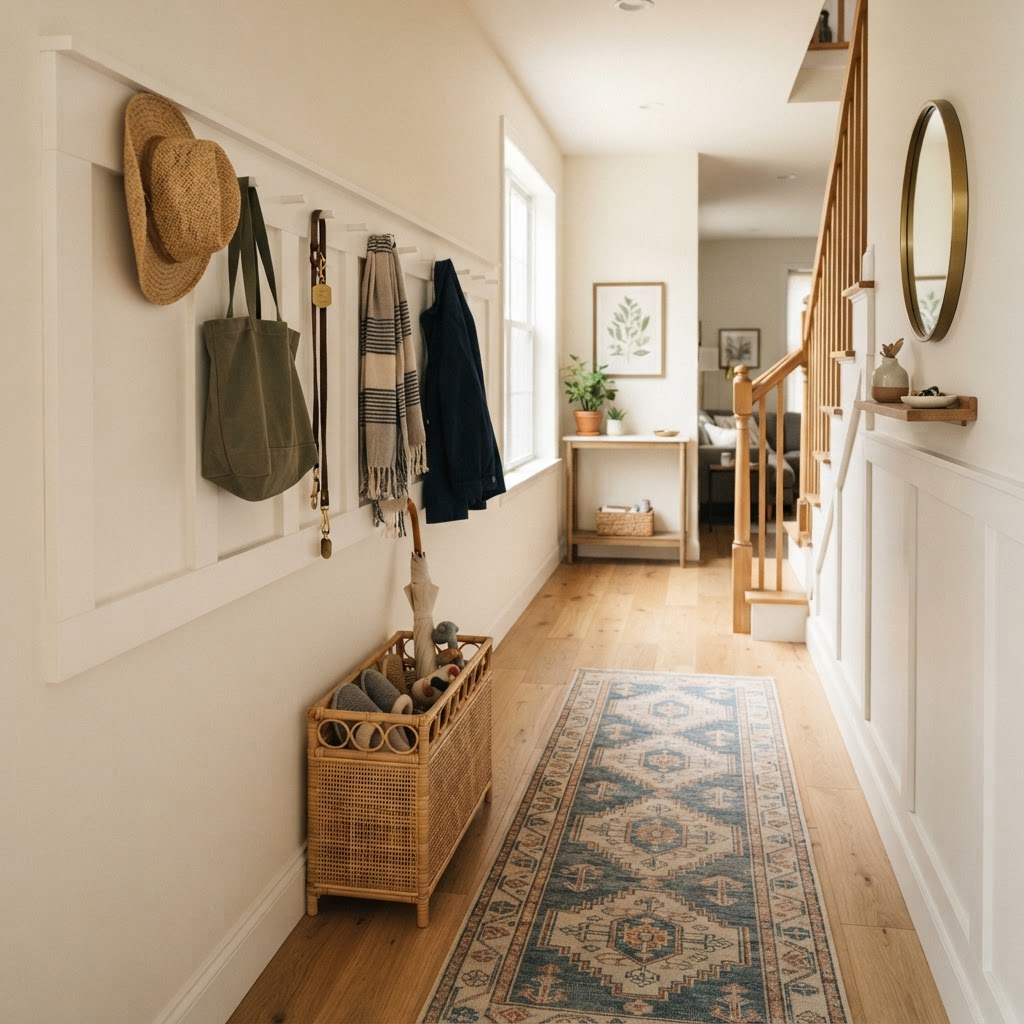
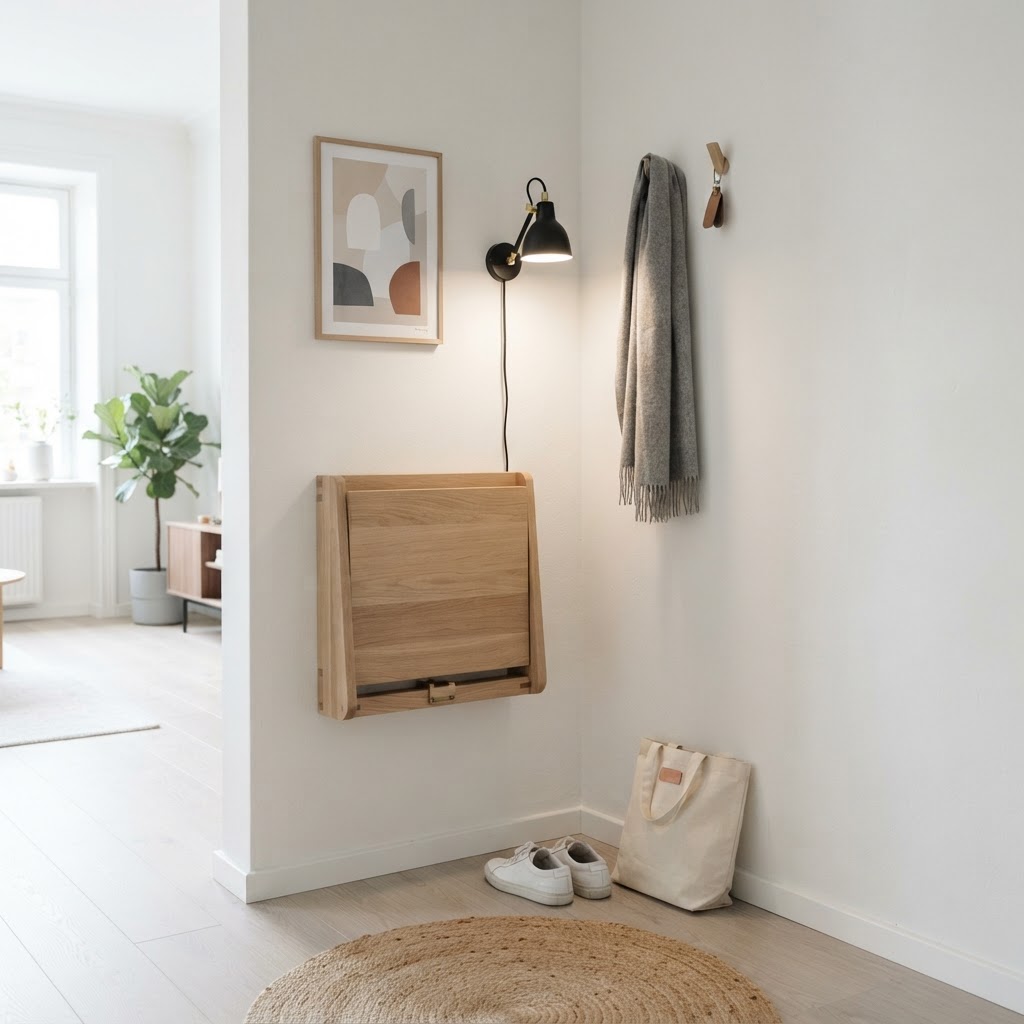
What colors make a small entryway look bigger?

Light, airy colors like crisp white, soft beige, or pale greys make a small entryway look larger by reflecting light and blurring corner shadows. High-gloss finishes on doors or walls can further increase light reflection, creating an illusion of additional volume in narrow or windowless spaces.

How wide should an entryway be for comfort?

Ideally, an entryway should be at least 36 to 42 inches wide to allow for comfortable movement and the ability to carry bags or groceries. If your space is narrower, use furniture with a depth of 12 inches or less to maintain a clear walking path.

What is the best lighting for a small foyer?

A combination of layered lighting, such as a bright ceiling-mounted flush light and a task-focused wall sconce, works best for small foyers. Using bulbs with a 3000K color temperature creates a warm, inviting glow that makes the space feel welcoming and helps avoid the feeling of a “dark cave.”