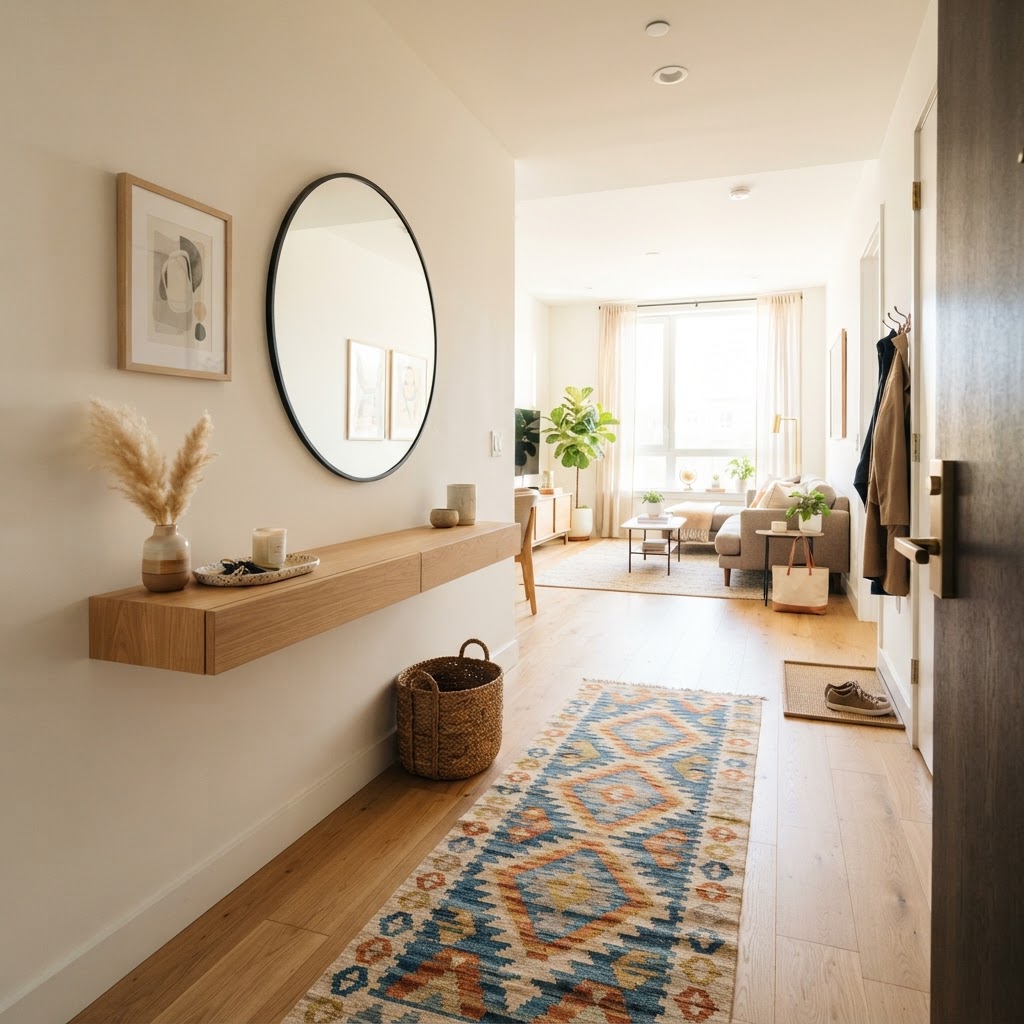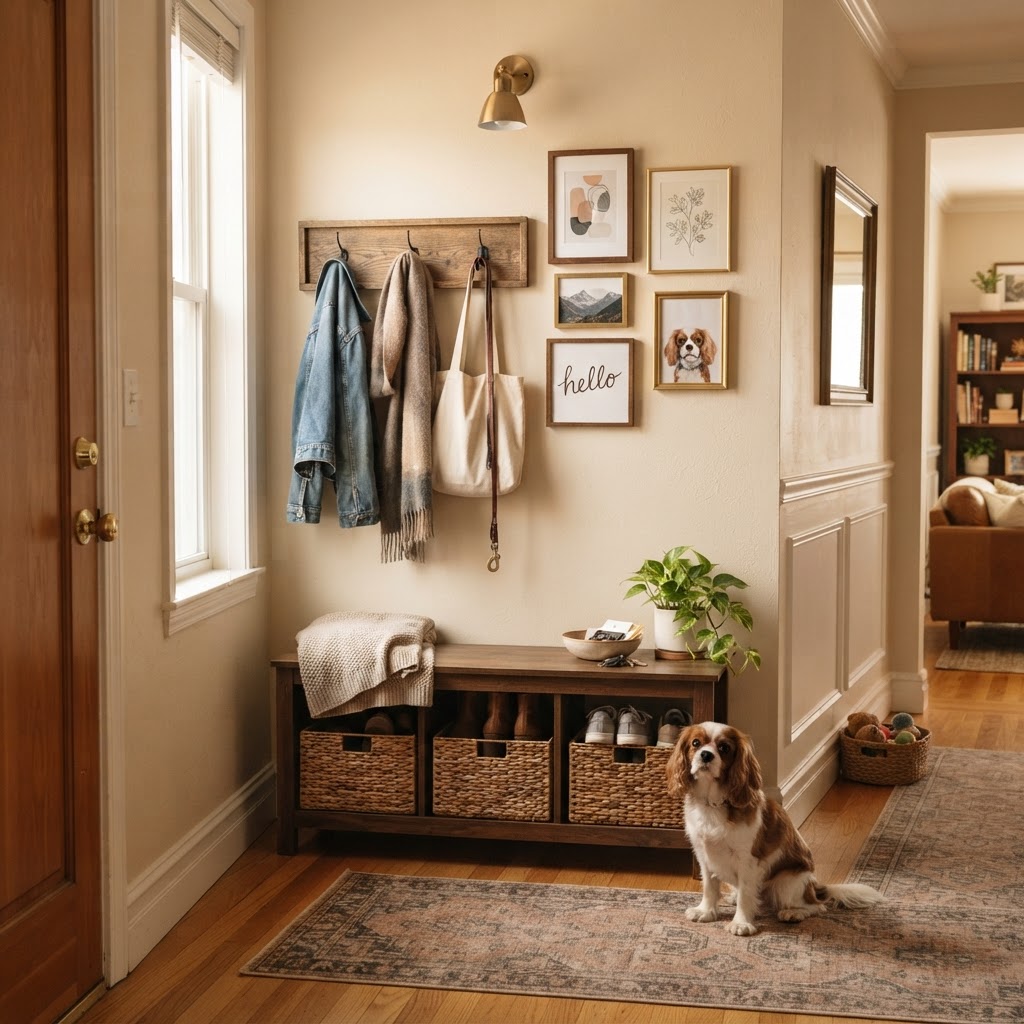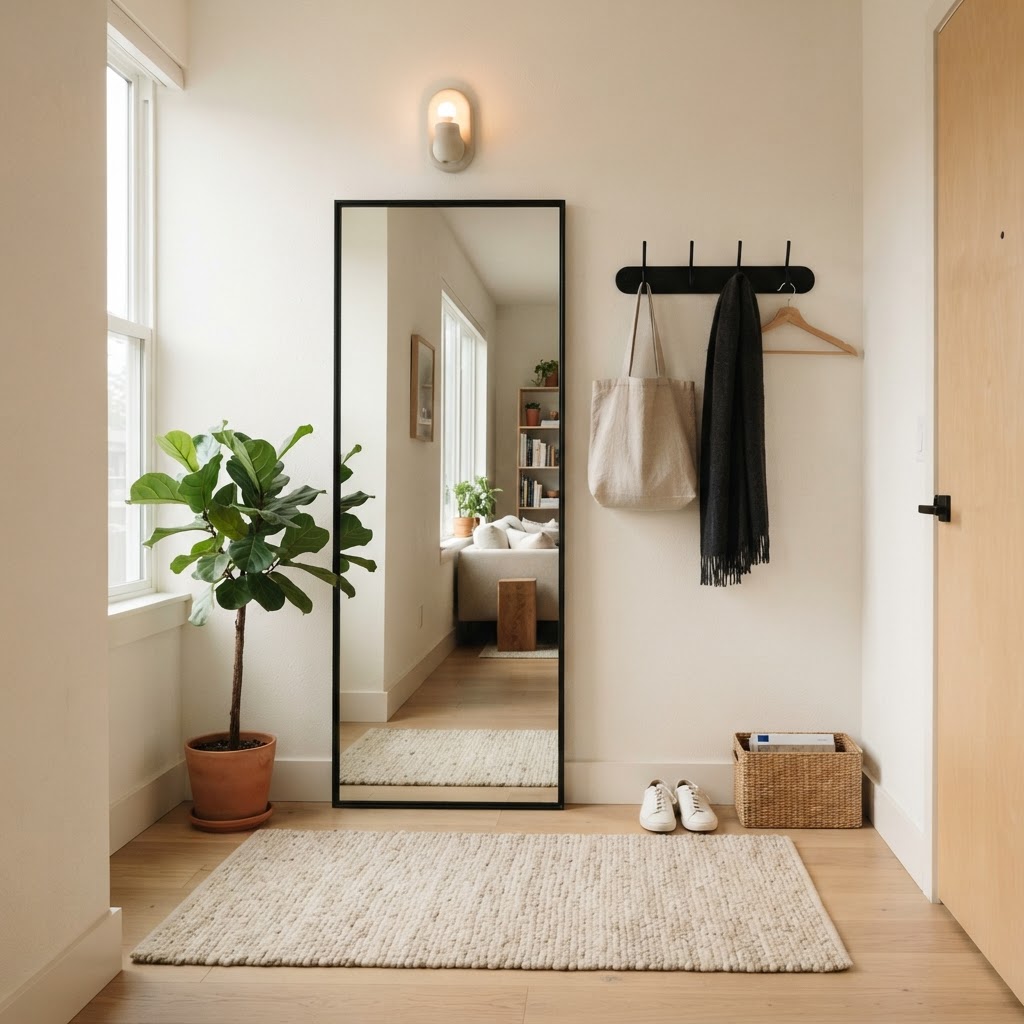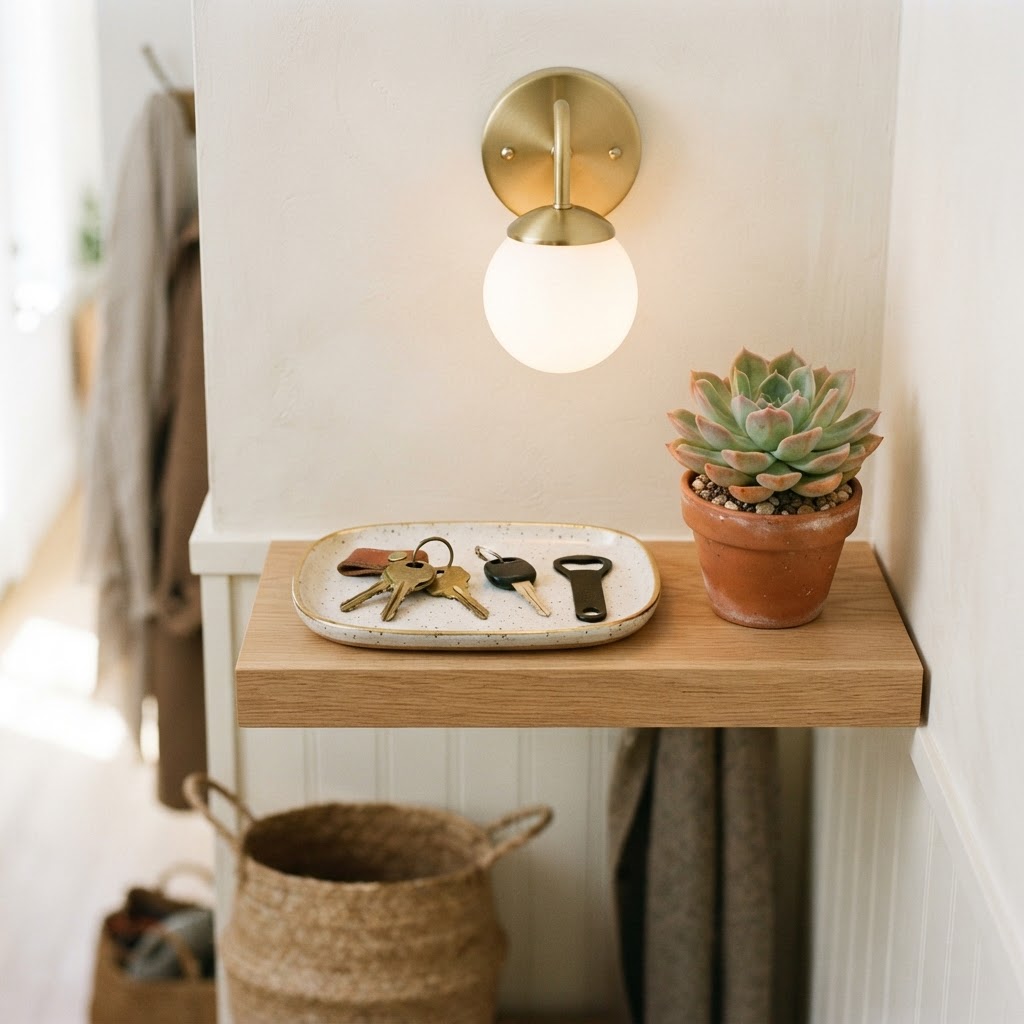
Category Entryway & Small Space Solutions

15 Slim Shoe Cabinet Ideas for Narrow Entryways

15 Slim Shoe Cabinet Ideas for Narrow Entryways

The best slim shoe cabinets for narrow entryways are wall-mounted floating units or tipping-door cabinets with a depth of 6 to 12 inches. These designs maximize floor space by storing shoes vertically, allowing you to organize dozens of pairs in a compact footprint without obstructing your hallway walking path.

The Art of Maximizing Tight Spaces
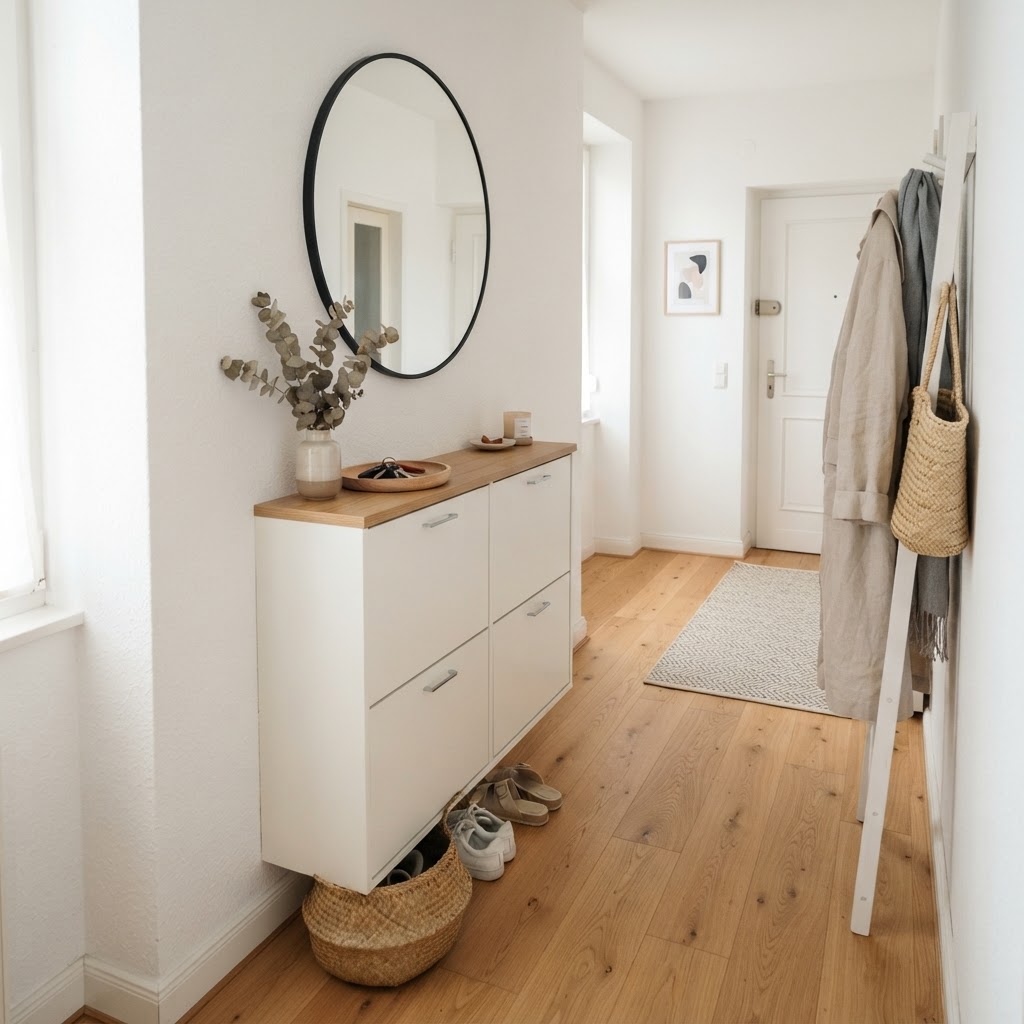
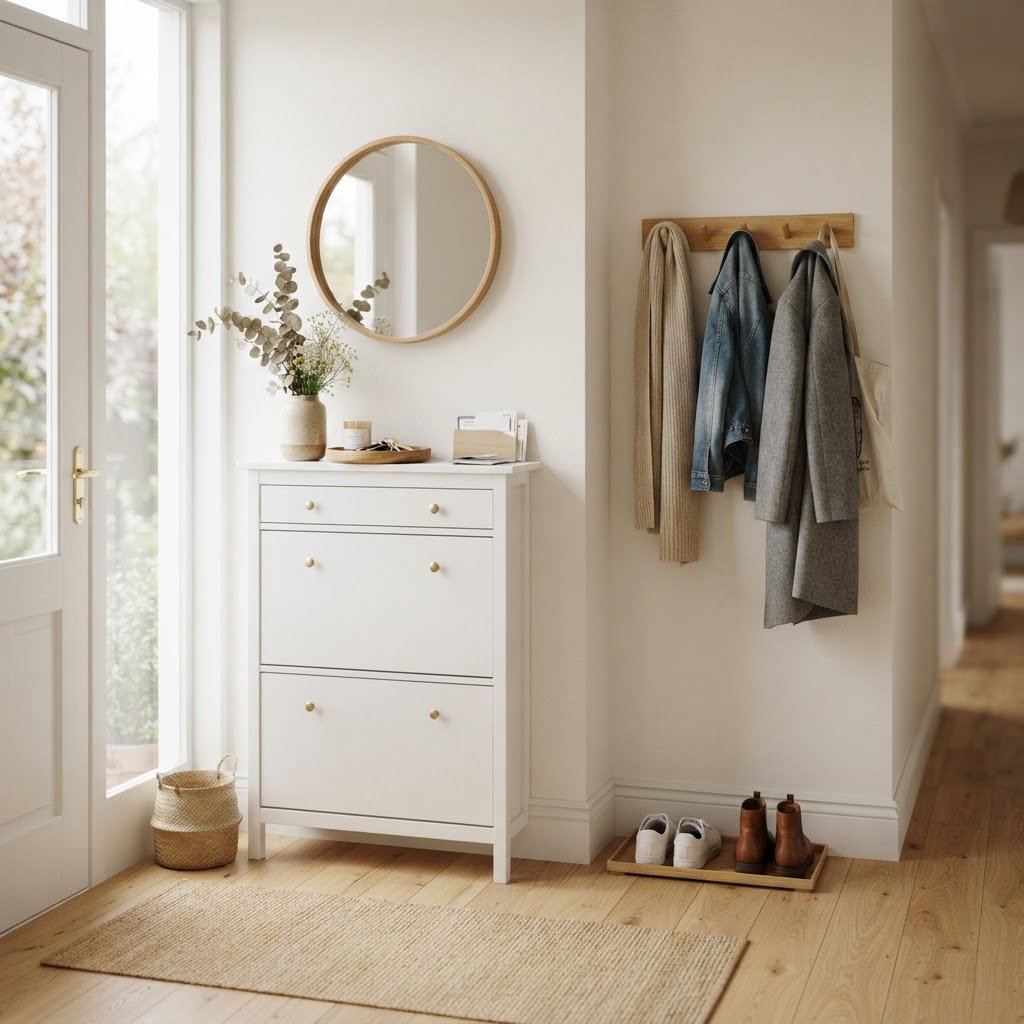
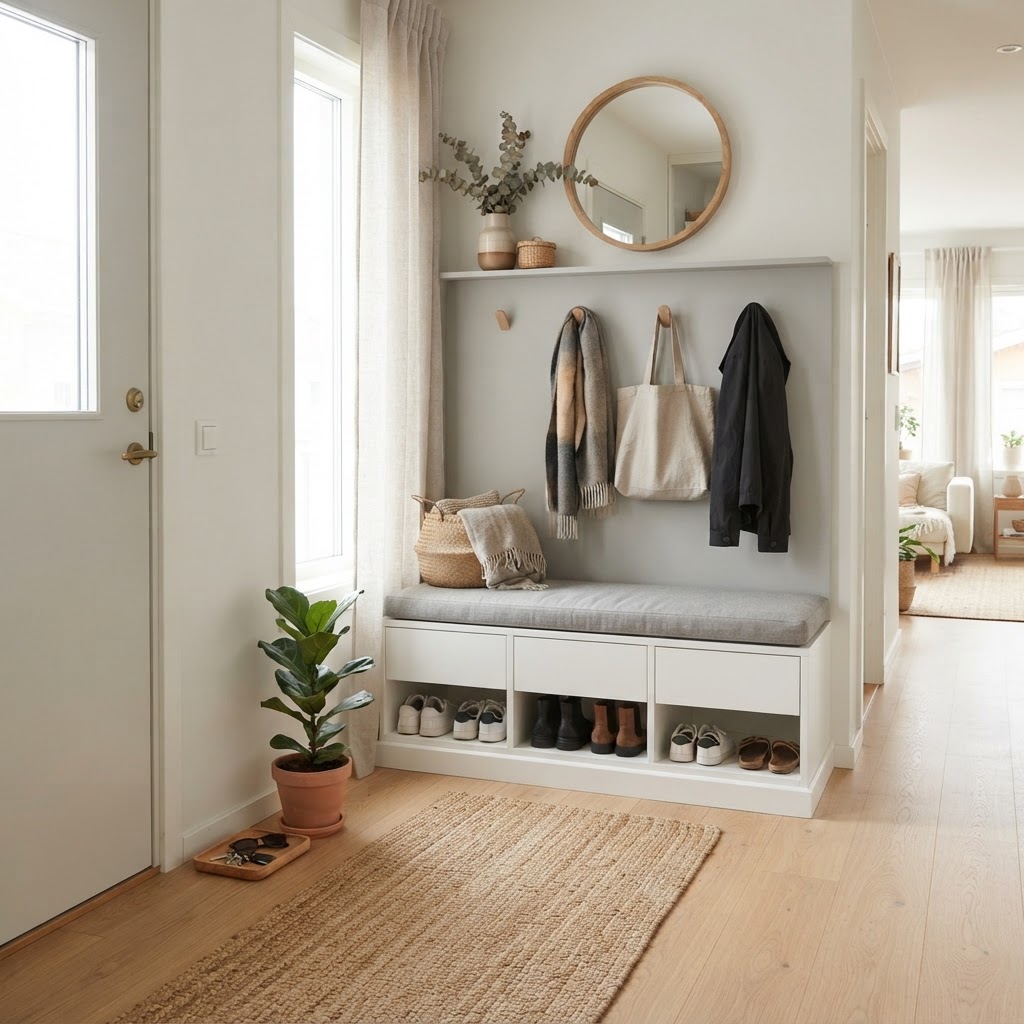
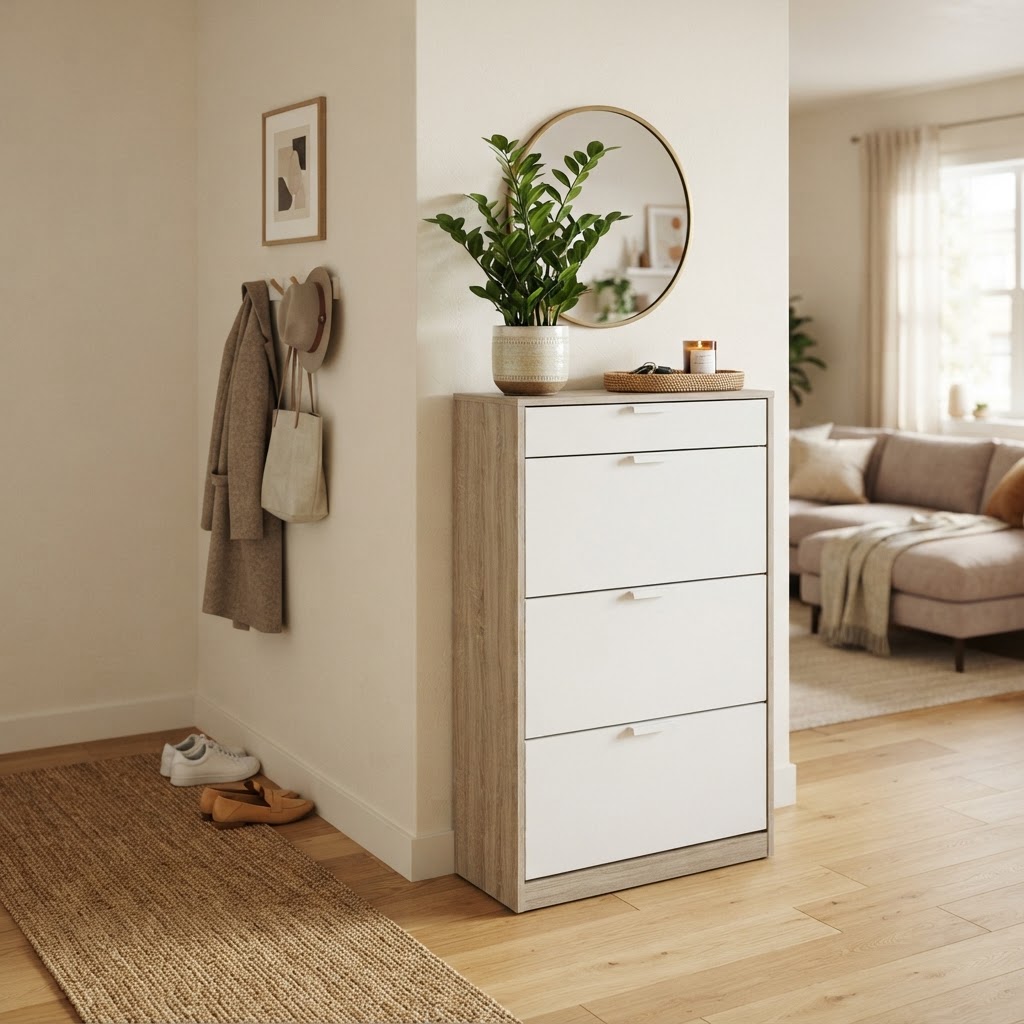
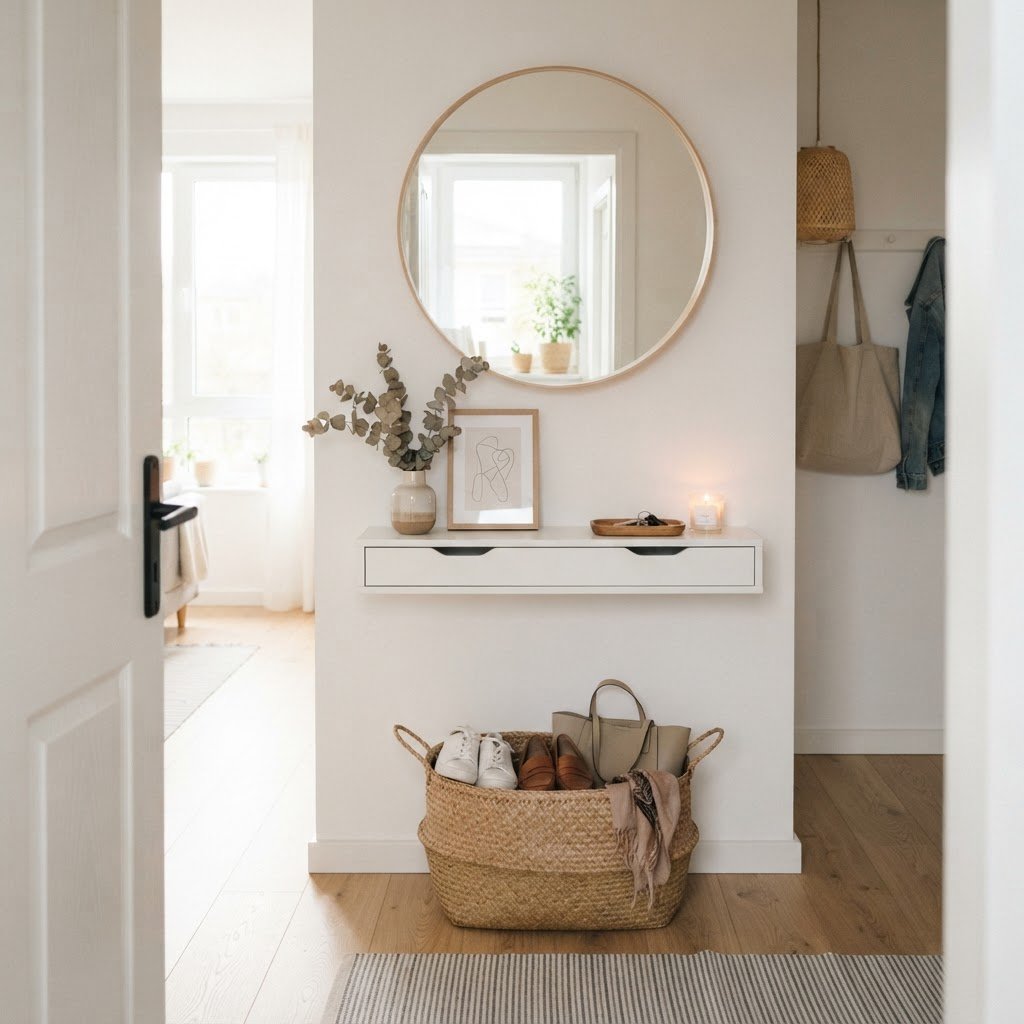
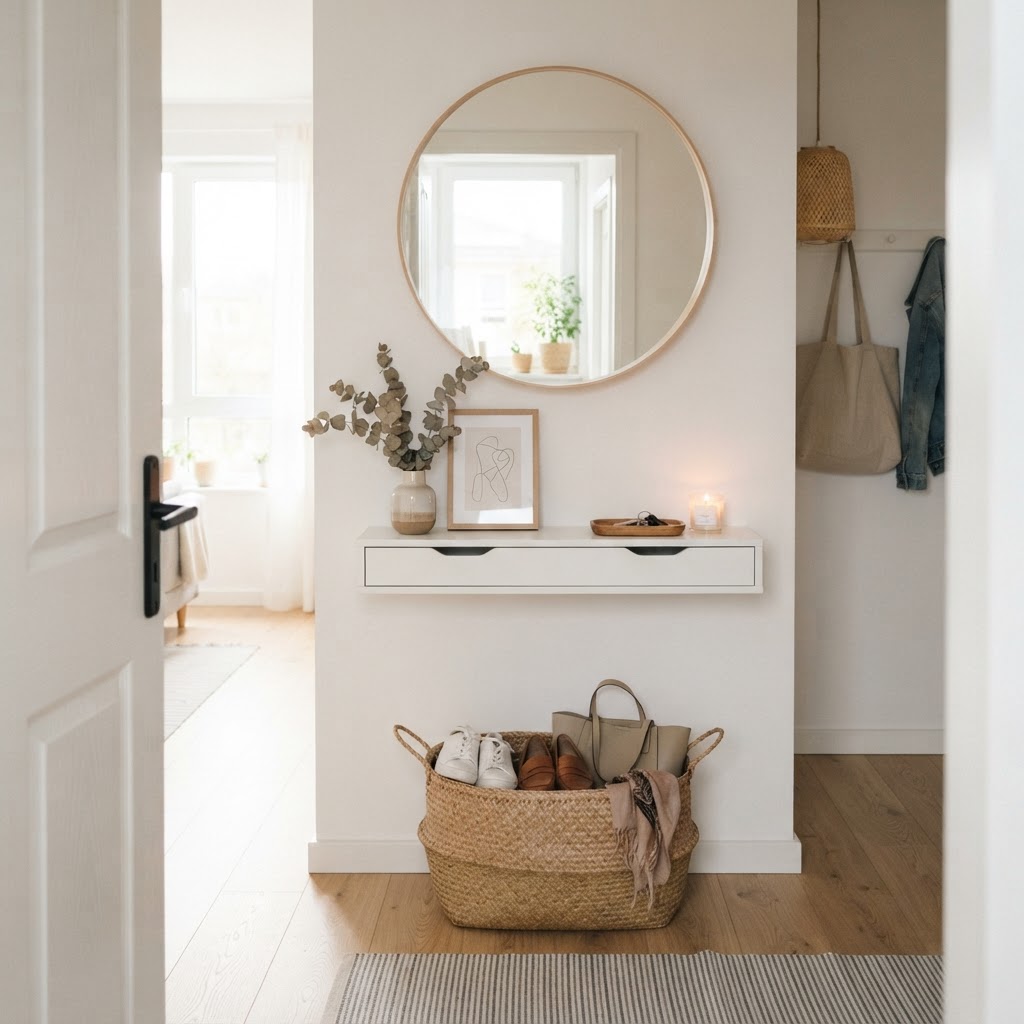
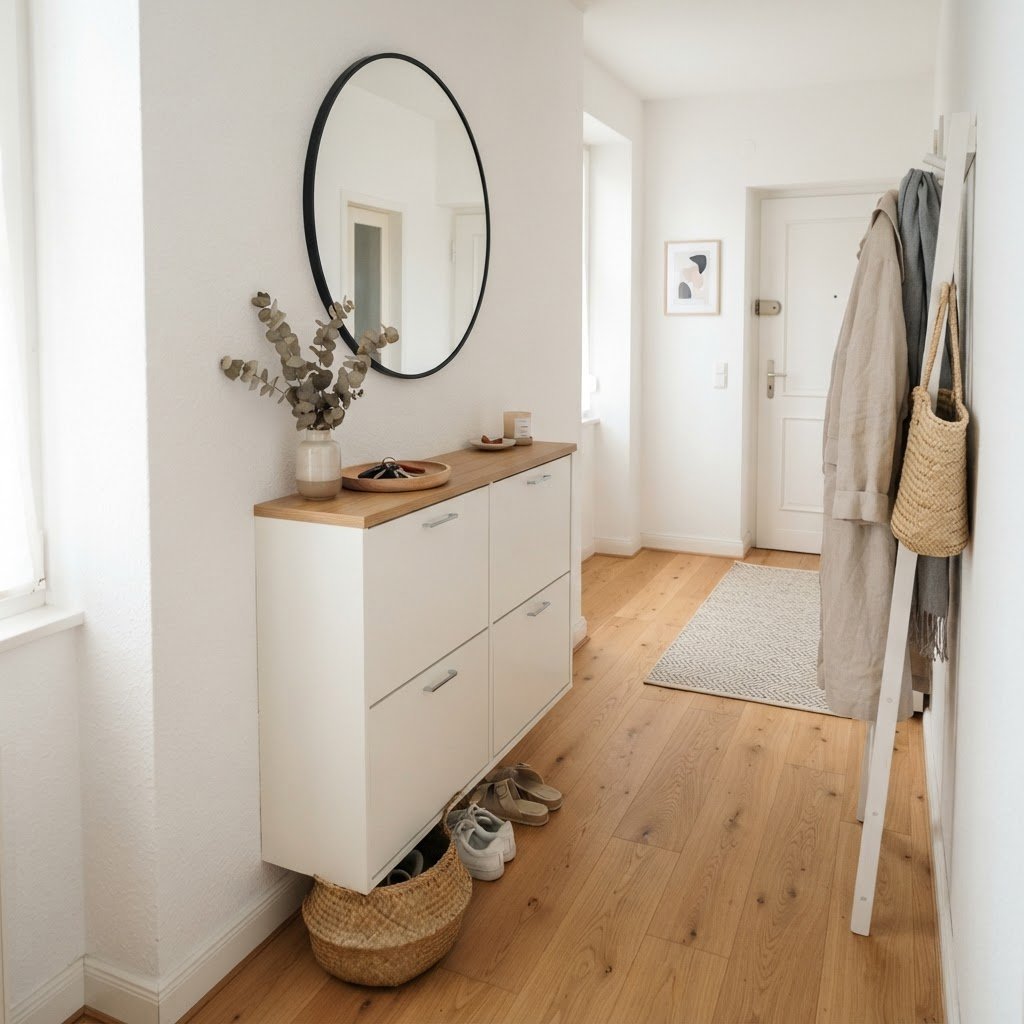
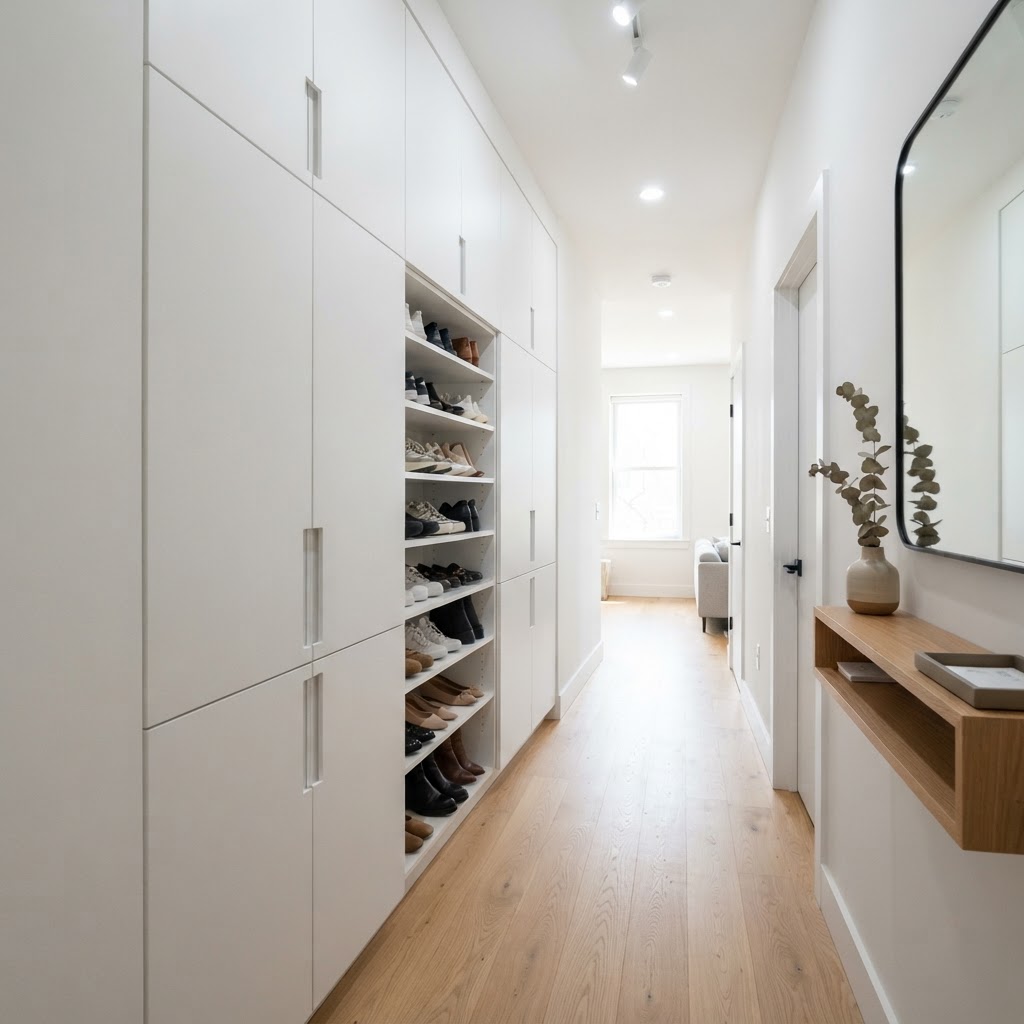
A sleek white slim shoe cabinet perfectly fits this small entryway.

When working with a narrow entryway, every inch counts, and traditional shoe storage often fails due to excessive depth. The primary goal of a slim shoe cabinet is to provide maximum storage capacity with a depth profile that typically ranges from six to twelve inches. By choosing furniture designed specifically for thin hallways, you keep your walkways clear and safe while ensuring your footwear remains tucked away and out of sight. A standard hallway is often 36 to 48 inches wide; installing a 10-inch deep cabinet leaves enough clearance for easy movement.

Feature Traditional Shoe Rack Slim Shoe Cabinet
Typical Depth 14–20 inches 6–12 inches
Storage Style Horizontal/Flat Vertical/Tipping
Space Impact High (Obstructive) Minimal (Space-saving)
Visual Appeal Often Cluttered Minimalist/Hidden

Why Depth Matters in Your Hallway

Standard furniture is often designed for wide living areas, but a hallway requires a specific type of precision. A slim shoe cabinet operates on a tipping-door mechanism, which allows shoes to sit at an angle, effectively tripling storage density compared to flat shelving. This clever orientation means you can house up to 24 pairs in a unit that would normally only hold a small decorative plant. Selecting the right size starts with measuring your clearance zone, ensuring that the cabinet doors do not interfere with your front door opening or closing by leaving at least 30 inches of space for door swing.

Choosing the Right Slim Shoe Cabinet Material
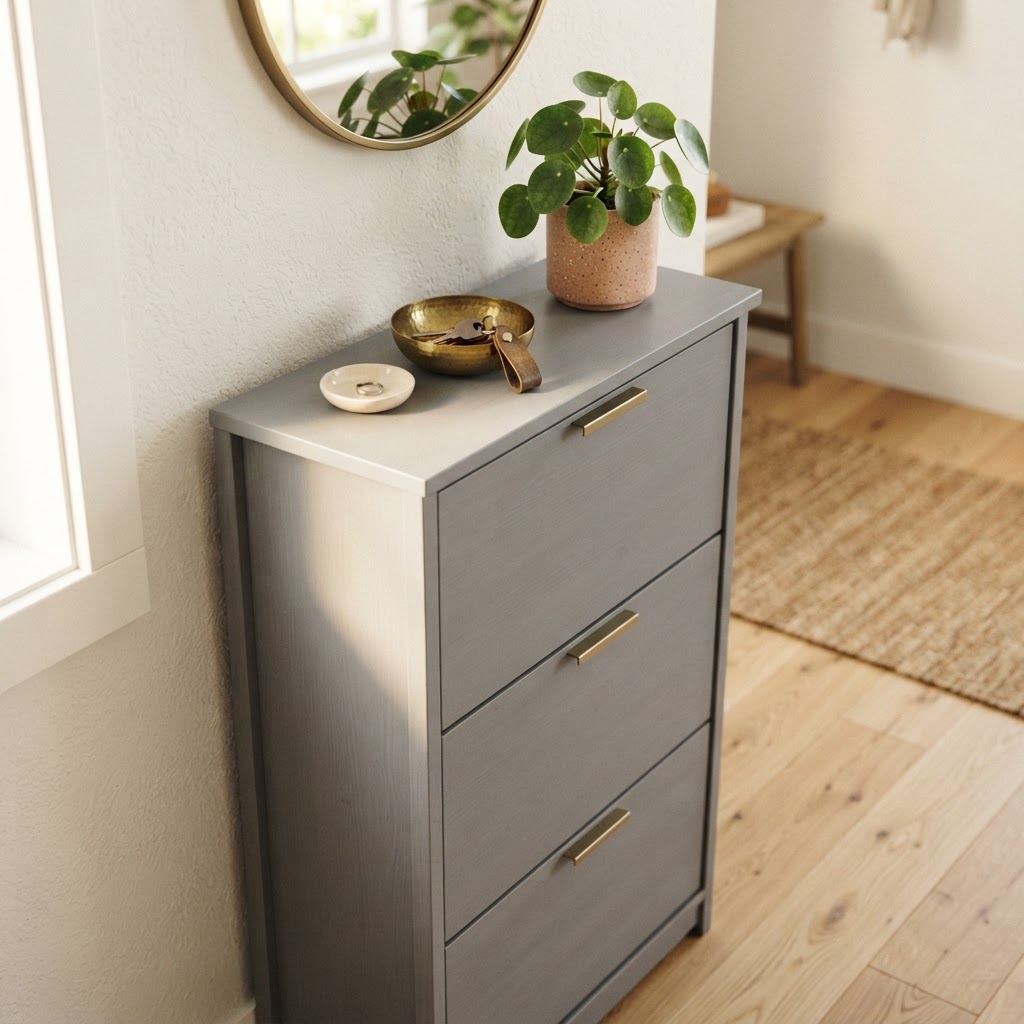
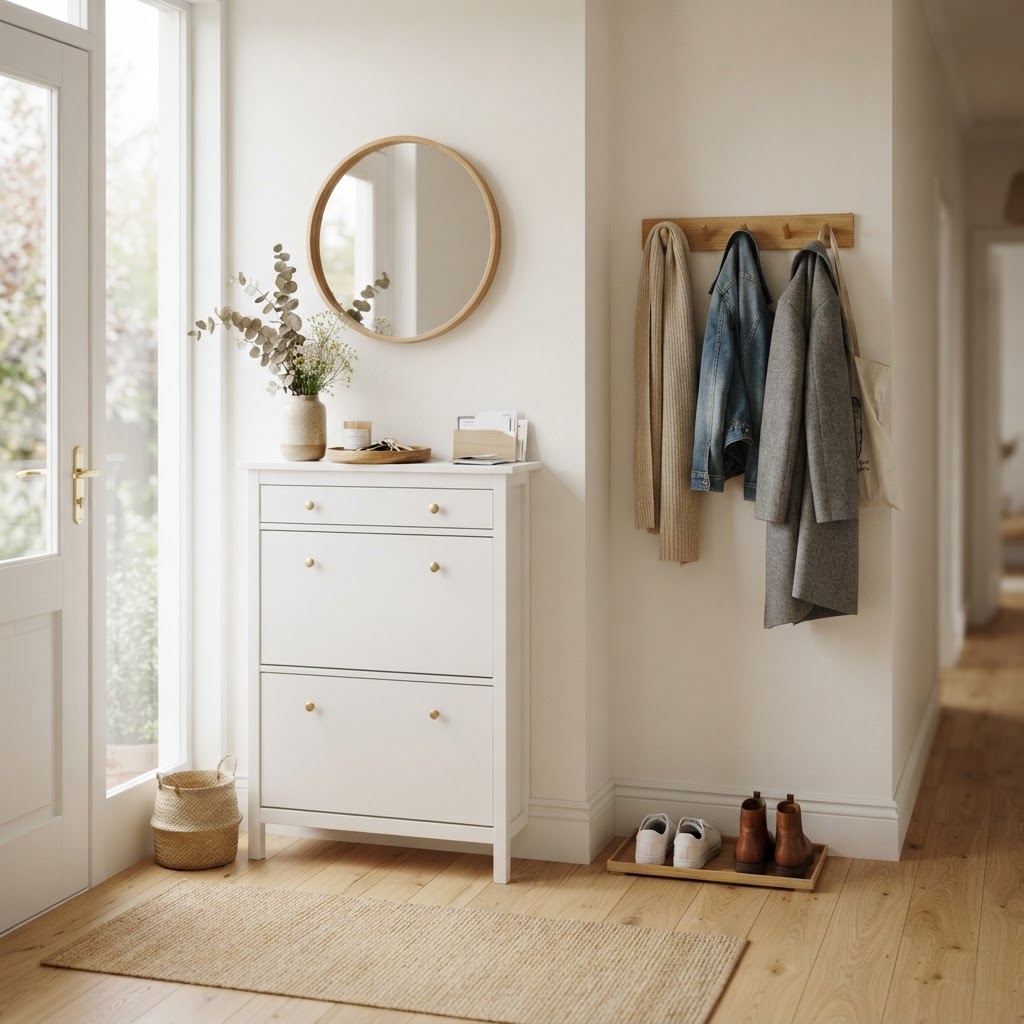
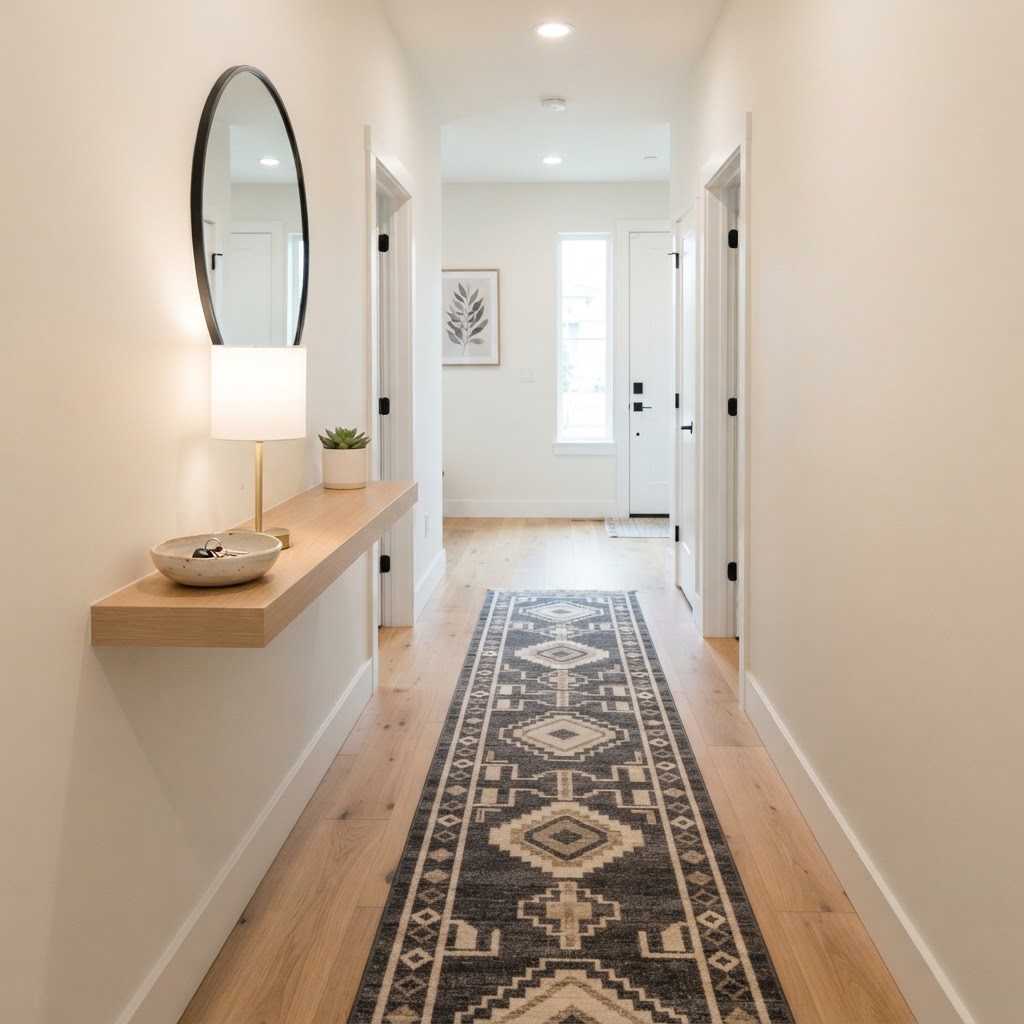
Small details like plants and trays elevate your shoe storage.

Material choice impacts both the durability and the visual weight of your entryway furniture, with lighter materials generally outperforming dark, heavy finishes in small spaces. For small areas, you generally want to avoid heavy, dark woods that can make a cramped hallway feel even smaller. Instead, consider lighter woods like oak, high-gloss whites, or mirrored finishes that reflect light and create the illusion of extra space. If your home features an industrial theme, metallic or matte black finishes can provide a sharp, clean look that grounds the space without being overwhelming. High-gloss finishes are particularly effective in windowless hallways because they bounce ambient light around the room, reducing the “tunnel” effect.

Benefits of Mirrored Fronts

One of the most effective tricks in interior design is using mirrors to expand a room, especially in hallways under 5 feet wide. A slim shoe cabinet with mirrored drawer fronts acts as a functional piece of art while making your hallway appear twice as long. This dual-purpose design is perfect for those who want to check their outfit before heading out the door while keeping their shoe collection perfectly hidden. By reflecting your lighting and artwork, the mirror also helps brighten up windowless entryways, increasing the perceived brightness of the area by up to 20%.

15 Innovative Slim Shoe Cabinet Concepts
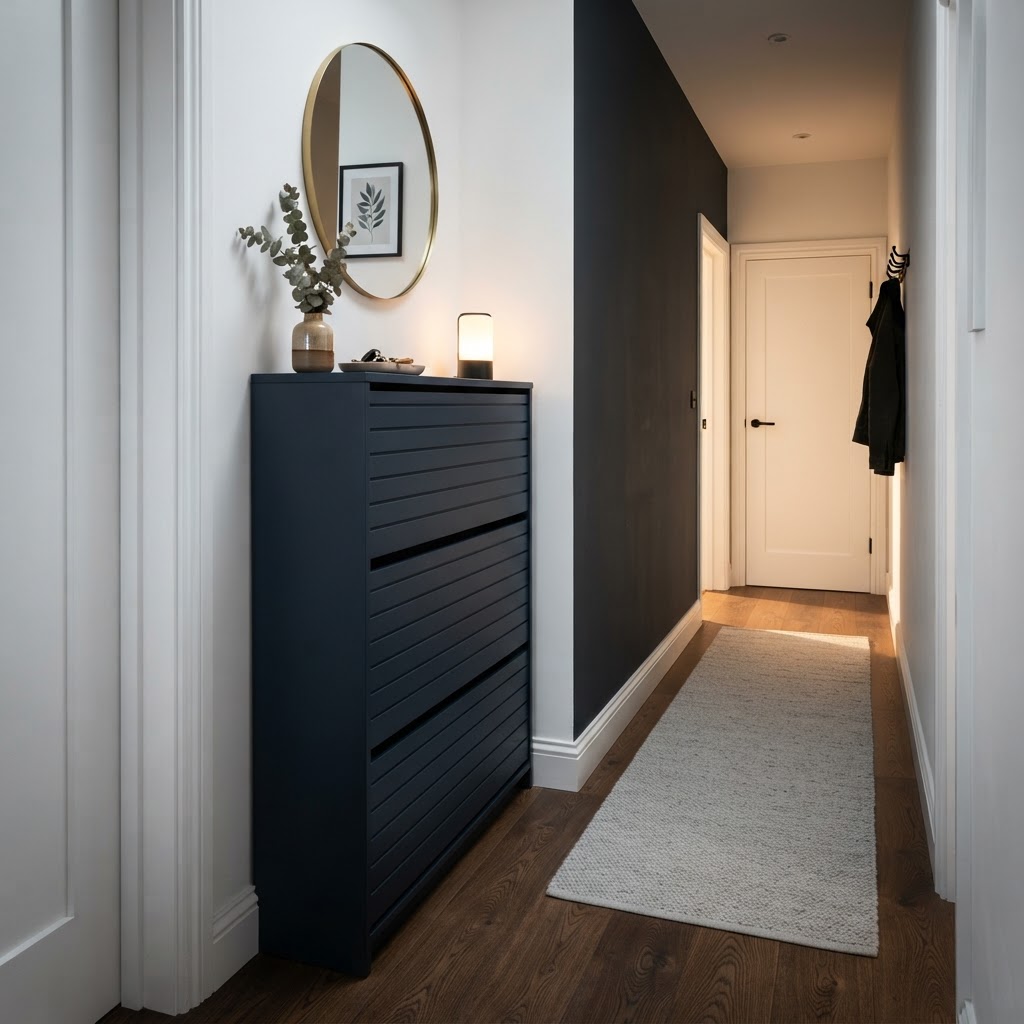
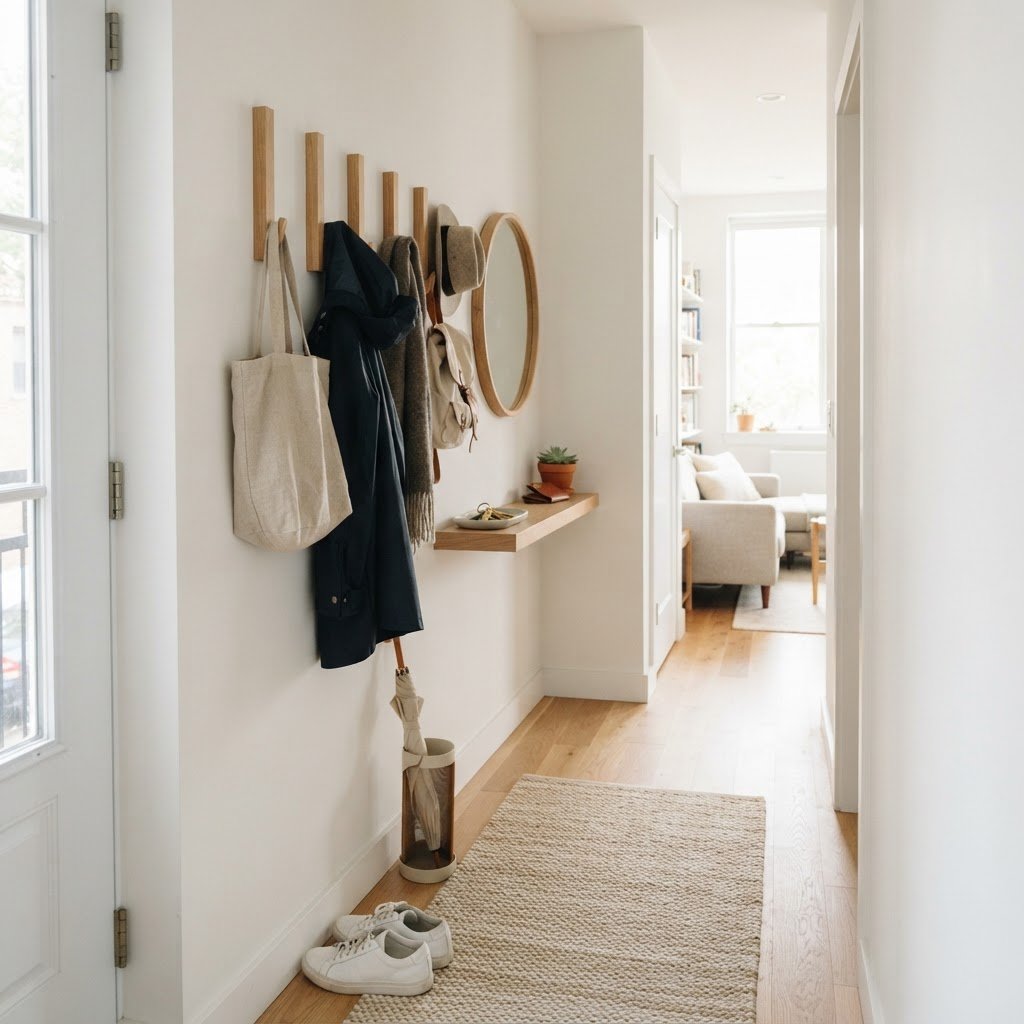
Vertical storage is essential for maximizing narrow hallway space.

Finding the perfect fit involves looking at a variety of styles that prioritize function without sacrificing aesthetic. First, consider the wall-mounted floating cabinet, which keeps the floor visible and makes the room feel airier. Second, look for dual-row tipping bins, which double your capacity in the same footprint. Third, opt for a cabinet with an integrated bench top, providing a place to sit while you lace up. Fourth, utilize a tall vertical column style that stretches to the ceiling. Fifth, choose a modular system that allows you to add units as your collection grows. Sixth, try a rattan-faced cabinet to add texture. Seventh, select a design with a hidden top drawer for keys and mail. Eighth, utilize a bench with tilt-down compartments. Ninth, explore minimalist metal wire designs for an industrial look. Tenth, consider a cabinet with open shelving for daily-wear shoes and closed storage for seasonal items. Eleventh, look for rotating shoe columns. Twelfth, implement a slim console-style cabinet with patterned doors. Thirteenth, choose a unit with a built-in mirror. Fourteenth, try a corner-fit slim unit to maximize dead space. Finally, the fifteenth idea is a custom built-in unit that mimics your wall color to blend in seamlessly.

Implementing Vertical Storage Solutions
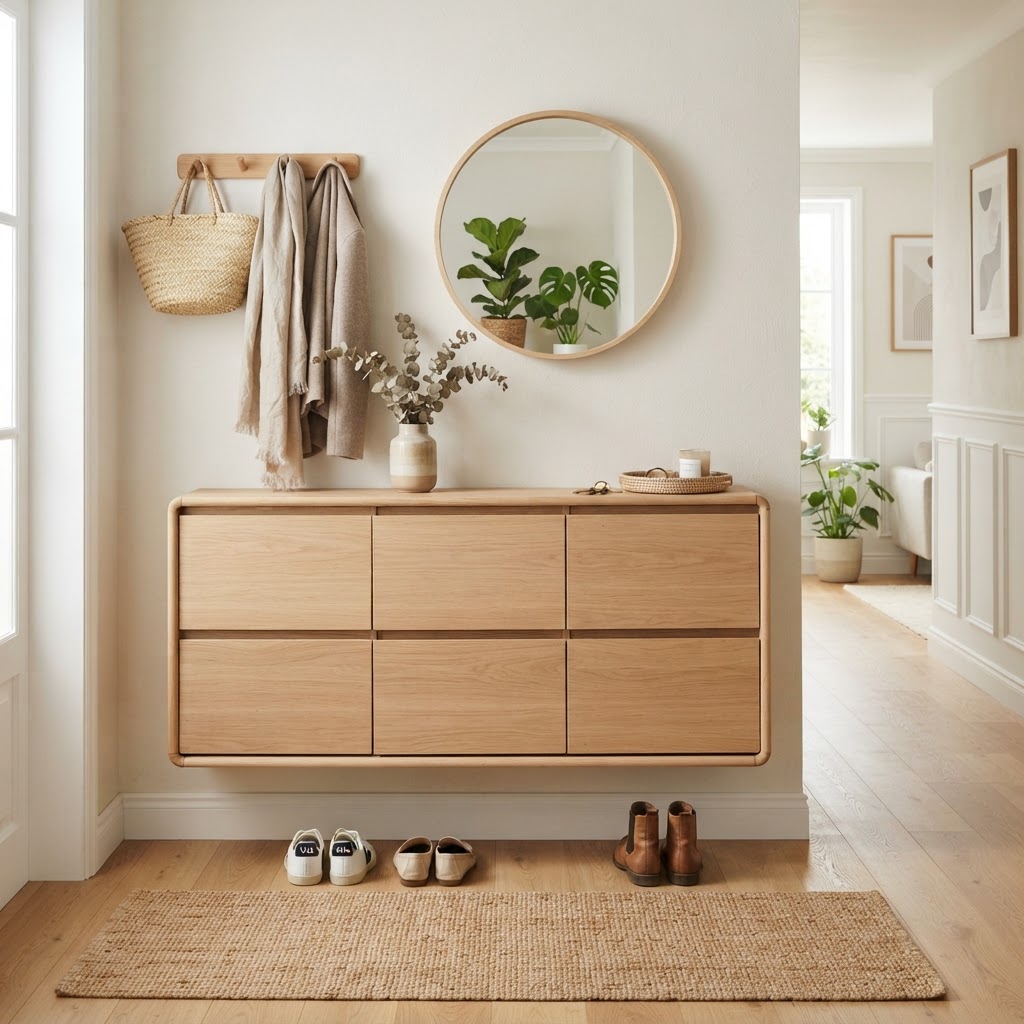
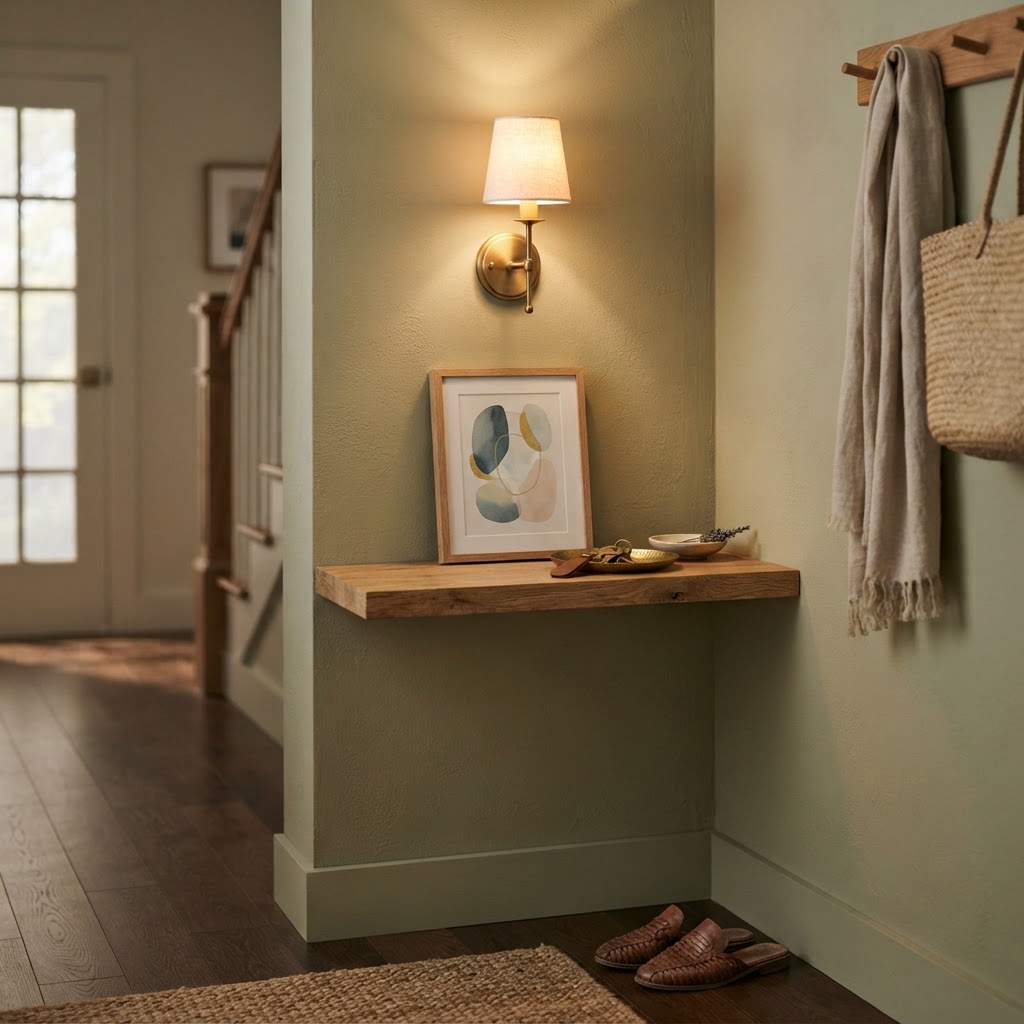
Floating cabinets keep the floor clear and the room feeling large.

When floor space is non-existent, look toward the walls, as vertical storage is the secret weapon of professional organizers. By installing a slim cabinet that reaches higher up your wall, you free up the floor beneath it for umbrellas or decorative floor baskets. This “stretching” of the furniture helps draw the eye upward, making your ceilings appear higher and the overall entryway feel more expansive. Professional interior designers recommend leaving at least 6-8 inches of clearance from the floor for floating units, which creates the visual “weightlessness” that makes tight hallways feel larger.

Aesthetic Integration and Decor Tips

Your shoe storage should look like a planned part of your interior design, rather than a bulky afterthought. Treat the top surface of your slim shoe cabinet as a display area by incorporating a consistent decor theme. Use a small tray for keys, a decorative bowl, a table lamp, or a vase of fresh flowers to make the piece feel intentional. By adding a piece of art above the cabinet, you shift the focus from the utility of the object to the style of your home, effectively camouflaging its primary purpose.

Balancing Function and Style

To ensure your entryway remains welcoming, maintain a consistent color palette between the cabinet and the wall. If your walls are neutral, a cabinet in a matching tone will help it disappear into the background. Conversely, if you want your shoe storage to be a statement piece, choose a bold color or a unique hardware finish that complements your hallway rug or lighting fixtures. The balance between function and style is what defines a truly organized home, and opting for brass or matte gold hardware can elevate a standard white cabinet to a high-end look.

Maintenance and Organization Hacks

Once you have your new cabinet, keeping it organized is the next step in long-term success through a strict rotation system. Use the “one-in, one-out” rule to prevent clutter from overwhelming your new system, meaning for every new pair you buy, an old pair must be donated or moved to a closet. Periodically rotate your footwear based on the season—storing winter boots in the bottom compartments during summer and swapping them once the temperature drops. This ensures your most frequently used shoes are always at the easiest height for access, typically between 30 and 45 inches from the floor.

Customization vs. Pre-made Units

Deciding between pre-made furniture and custom cabinetry often comes down to budget and specific architectural constraints. Pre-made units are excellent for quick fixes, typically costing between $150 and $400, and offer a wide variety of styles at affordable price points. However, if your hallway has architectural quirks like floor vents, electrical outlets, or unusual angles, custom carpentry might be the best investment. A custom-built unit can ensure that every inch of your wall is utilized, providing a bespoke look that perfectly fits your home, though this typically ranges from $1,000 to $3,000+ depending on the materials used.

FAQ

What is the ideal depth for a slim shoe cabinet?

The ideal depth for a slim shoe cabinet in a narrow entryway is between 6 and 12 inches. This range is sufficient to accommodate most shoe sizes using a tipping-door mechanism without obstructing the walking path of your hallway.

How do you organize shoes in a narrow hallway?

Organize shoes by prioritizing the most frequently worn items in the easiest-to-reach cabinet tiers. Use the “one-in, one-out” rule to keep the total volume of shoes manageable and swap seasonal footwear into different storage locations when not in use.

Do floating shoe cabinets save more space?

Yes, floating shoe cabinets save more space by keeping the floor clear, which visually expands the footprint of a narrow hallway. By removing legs or bases, you create a sense of openness and make cleaning the floor underneath much easier.

Can I fit boots in a slim shoe cabinet?

Yes, you can fit boots in a slim cabinet by selecting a model with removable dividers or adjustable shelves to accommodate varying shaft heights. Ensure the internal height of the compartment is at least 15 inches if you plan to store tall riding or rain boots.

How much clearance should I have for a slim shoe cabinet?

Aim for at least 30 to 36 inches of clearance in front of your cabinet to allow for comfortable operation and room to maneuver while putting on shoes. Always measure your front door swing radius to ensure the cabinet does not block entry.
Tiny Entryway Makeovers That Transform Your Apartment

Tiny Entryway Makeovers That Transform Your Apartment

To transform a tiny entryway, prioritize vertical storage, wall-mounted surfaces, and high-impact lighting to eliminate clutter while maximizing floor space. By replacing floor-standing furniture with floating consoles and using mirrors to reflect light, you create a functional, organized transition zone that makes small apartments feel significantly larger and more inviting.

The Psychology of the Entryway

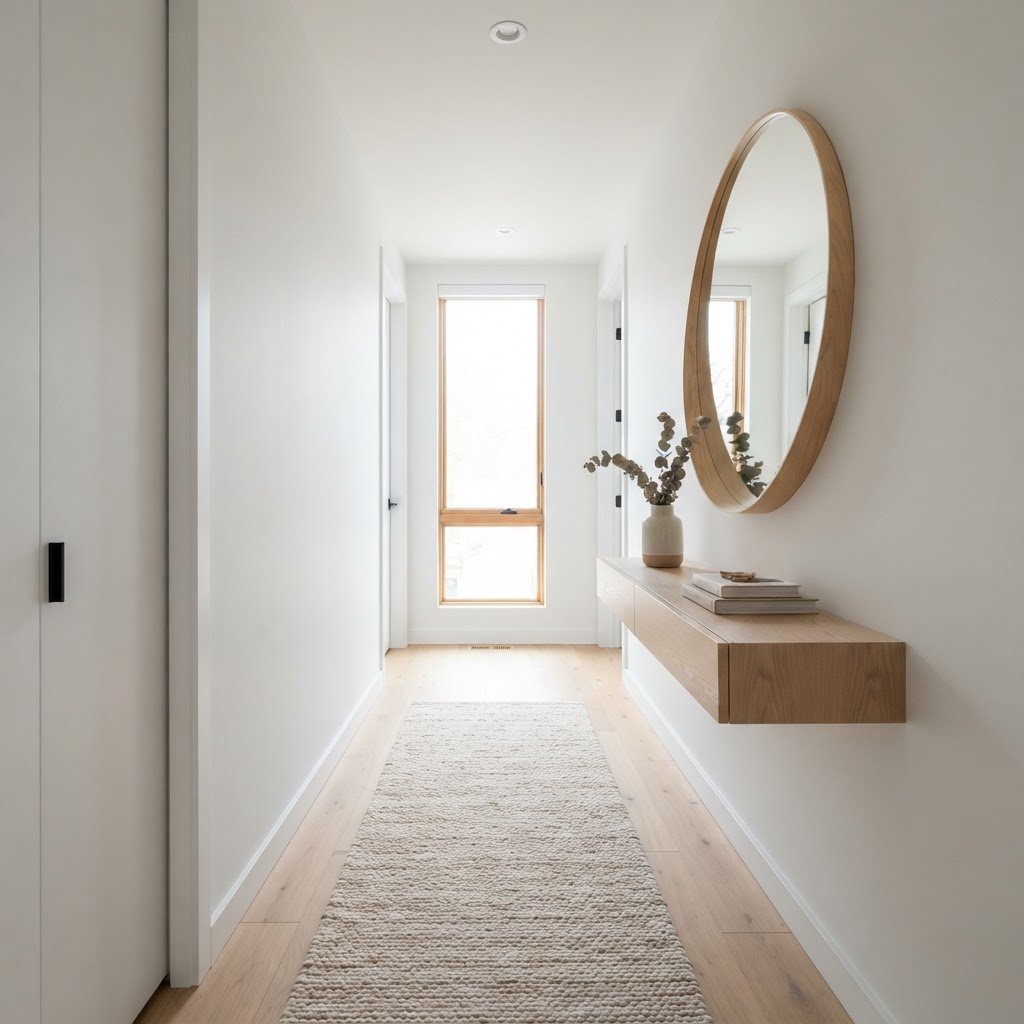
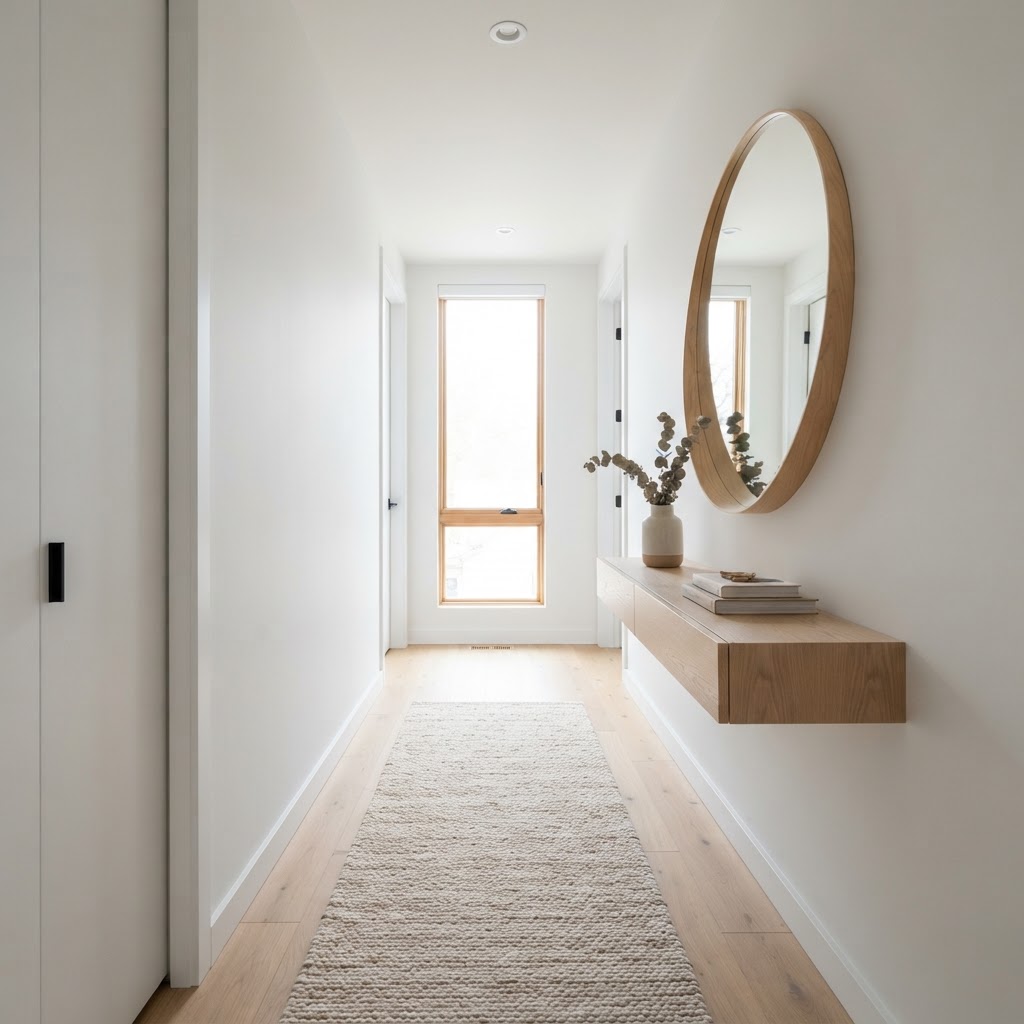
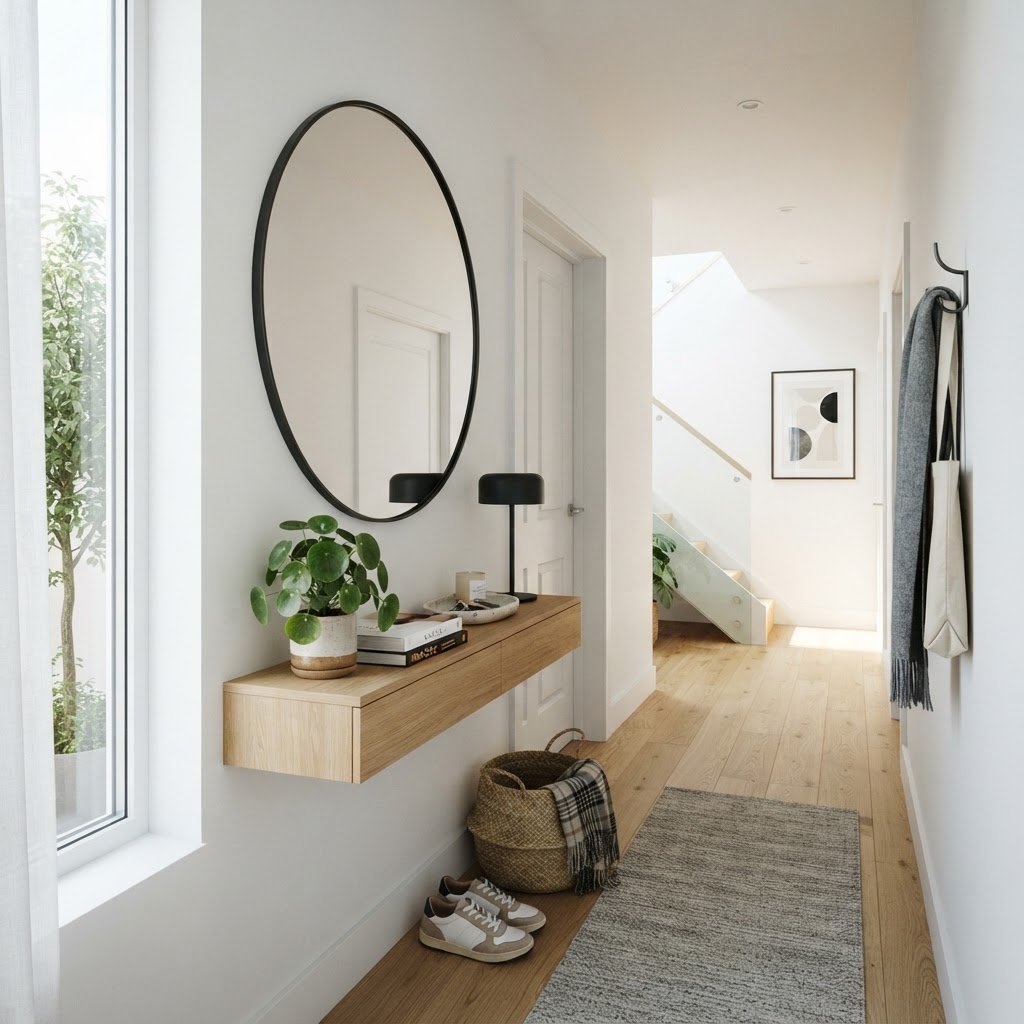
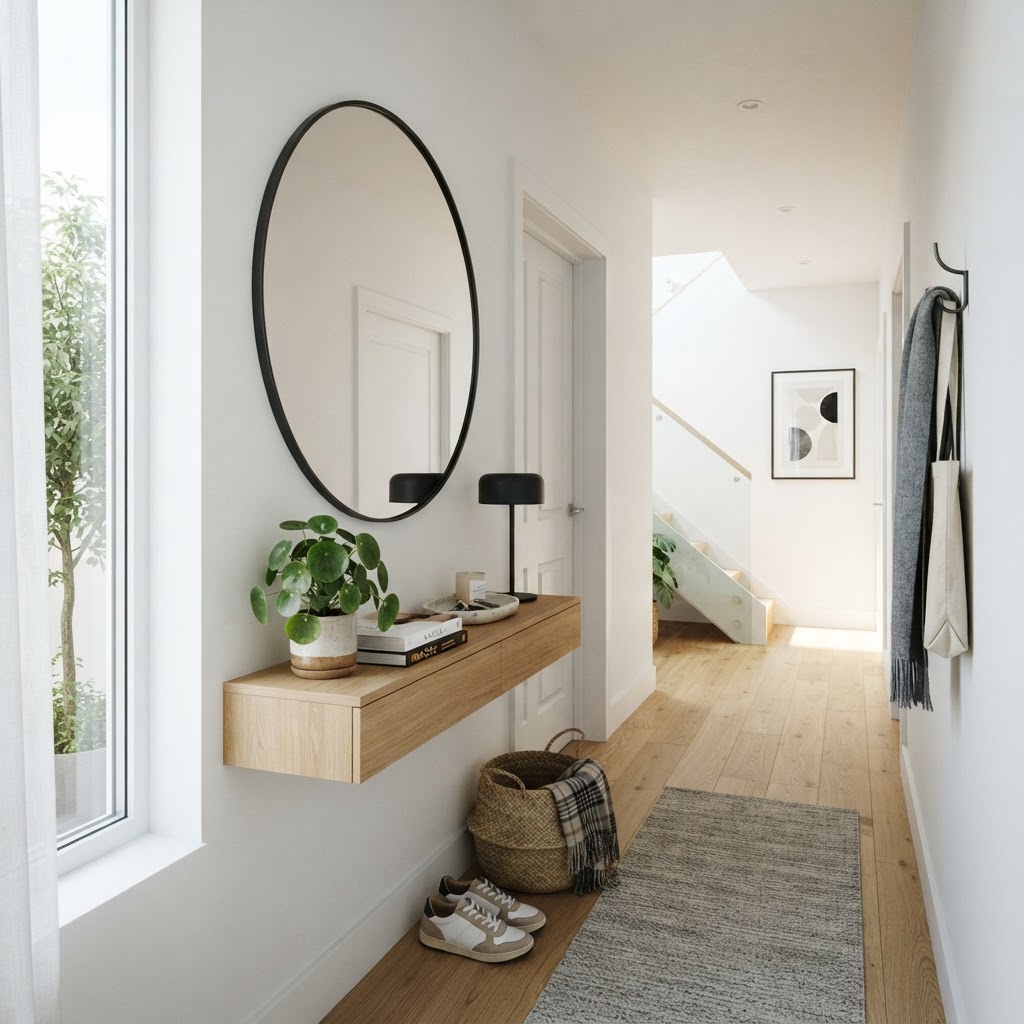
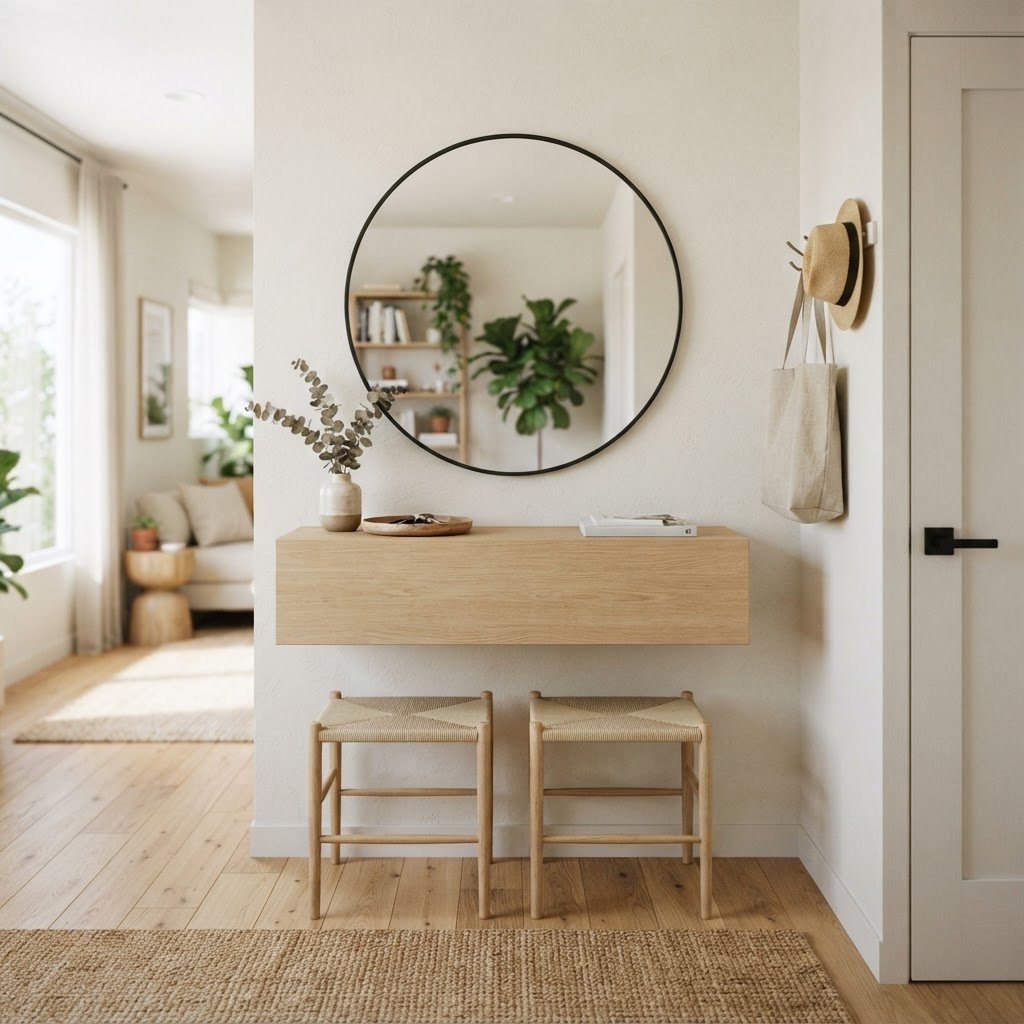
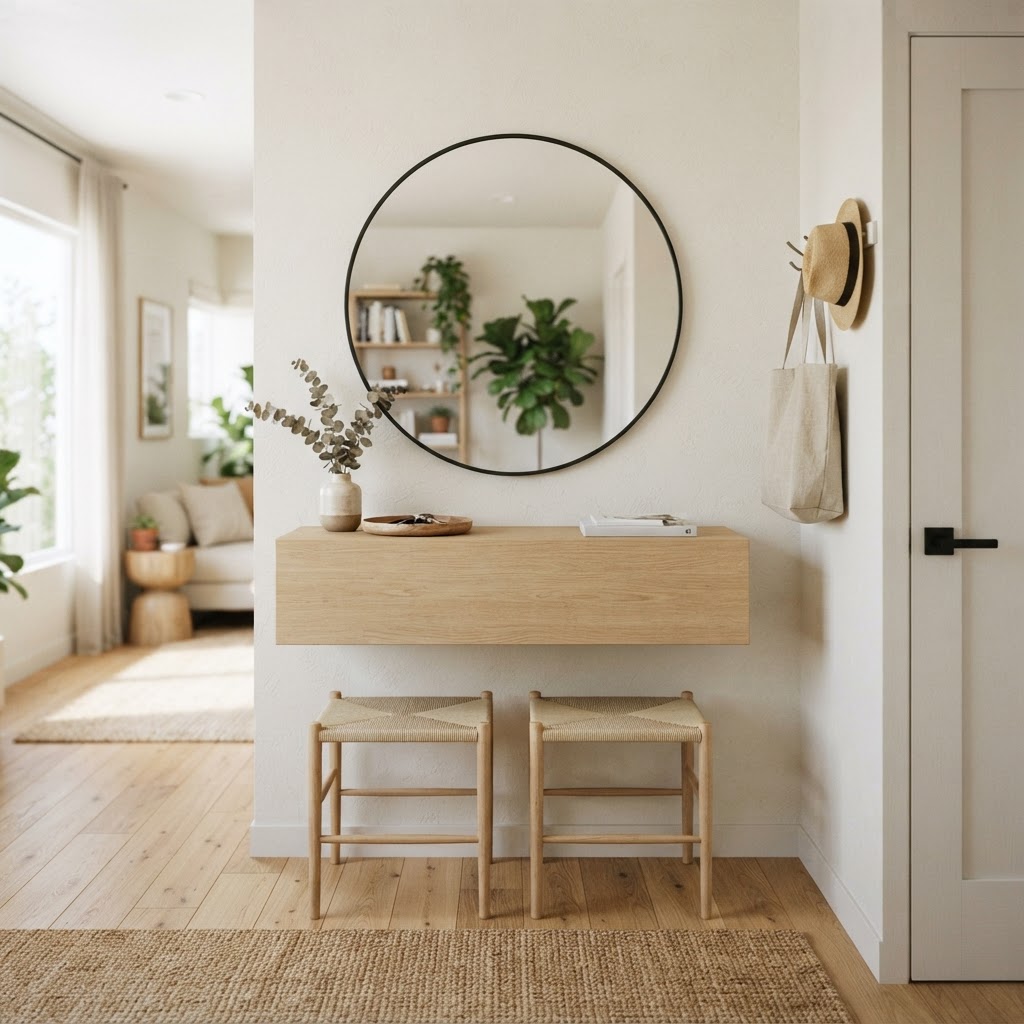
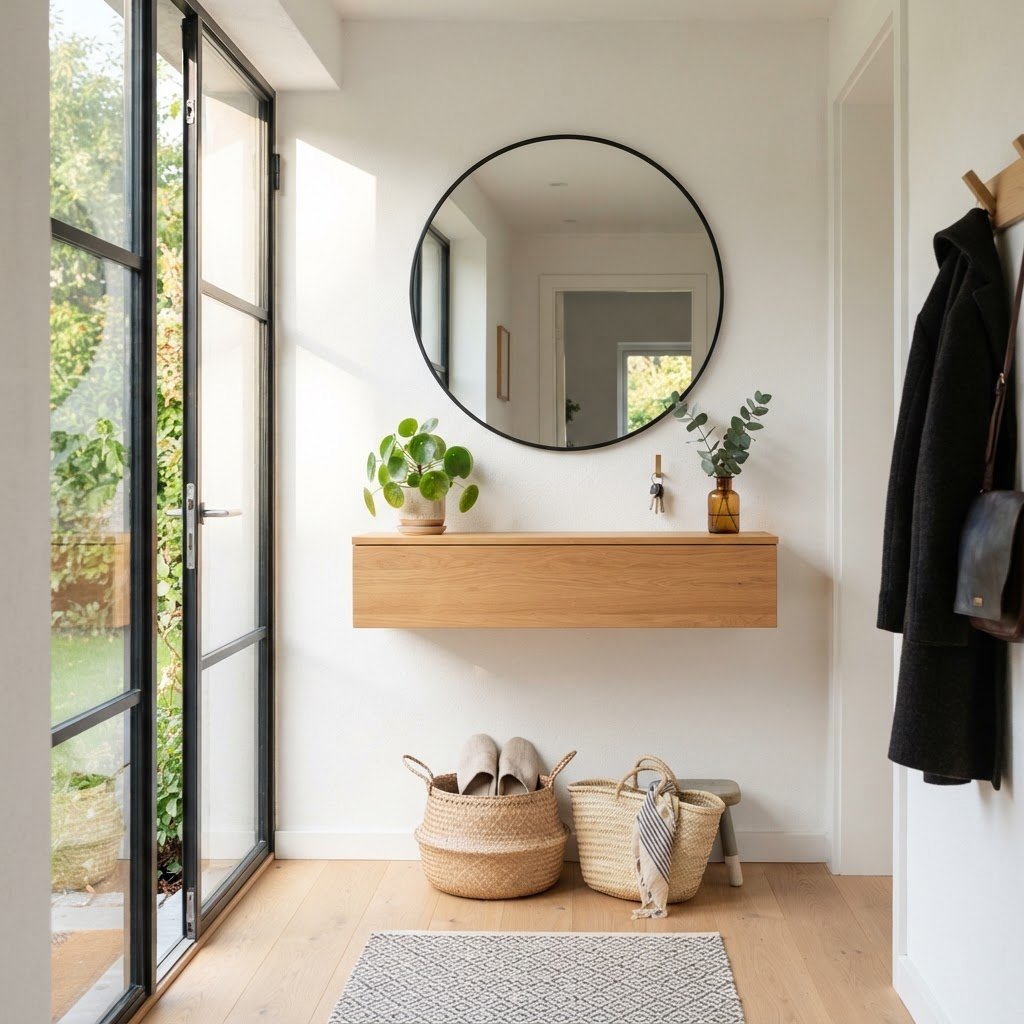
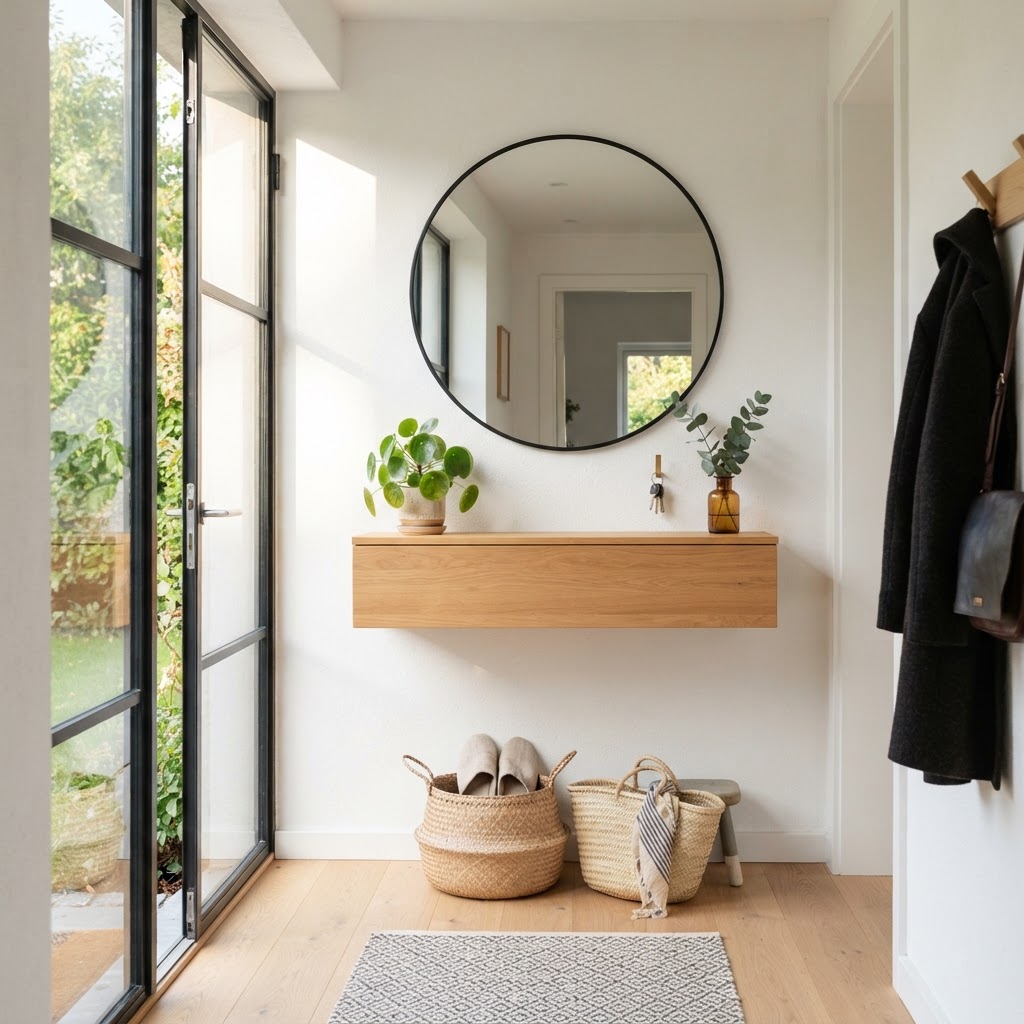
A floating console and mirror can make even the smallest entryway feel spacious and bright.

The entryway serves as a psychological airlock between the chaos of the outside world and the sanctuary of your home. When this space is clogged with shoes, bags, and mail, it subconsciously raises your stress levels; studies suggest that clear visual pathways reduce cortisol levels by creating a sense of immediate order upon arrival. Tiny entryway makeovers focus on reducing this visual noise so your brain can instantly relax. By curating what is visible, you create a sense of calm that ripples throughout your entire apartment.

Start by assessing the “landing zone” needs of your household. Do you need a place for keys, a drop-off spot for mail, or a bench for putting on shoes? Identifying these requirements allows you to prioritize functionality over purely decorative items. Remember, in apartments where every square inch counts, nothing should exist in a small entryway without a specific purpose or a significant aesthetic contribution. Aim to keep surfaces at least 70% clear to maintain that airy, organized feeling.

Entryway Problem Immediate Solution Impact Score (1-10)
Cluttered Floor Wall-mounted hooks 9
Dark/Cramped Hallway Large statement mirror 10
Lack of Surface Space Floating console table 8
Visual Noise Decorative storage bins 7

Essential Storage Solutions for Small Spaces

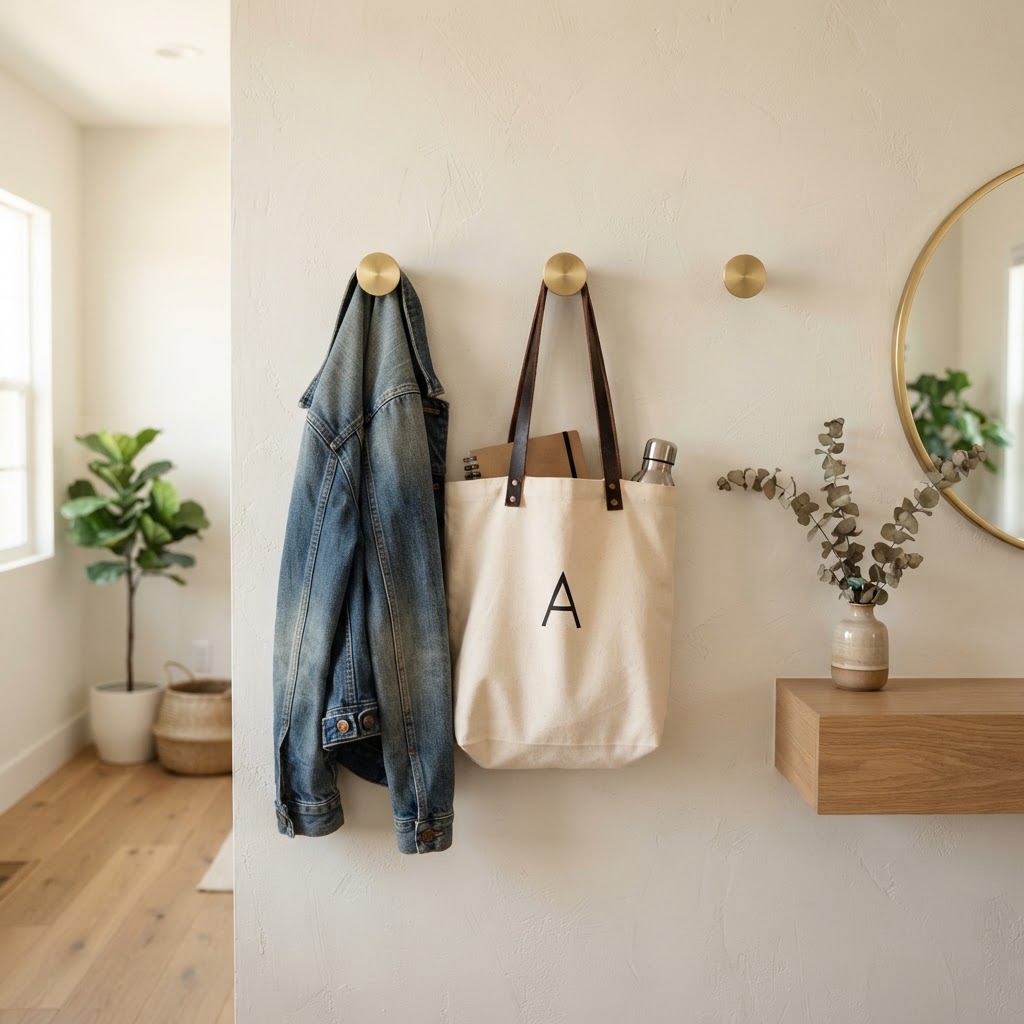
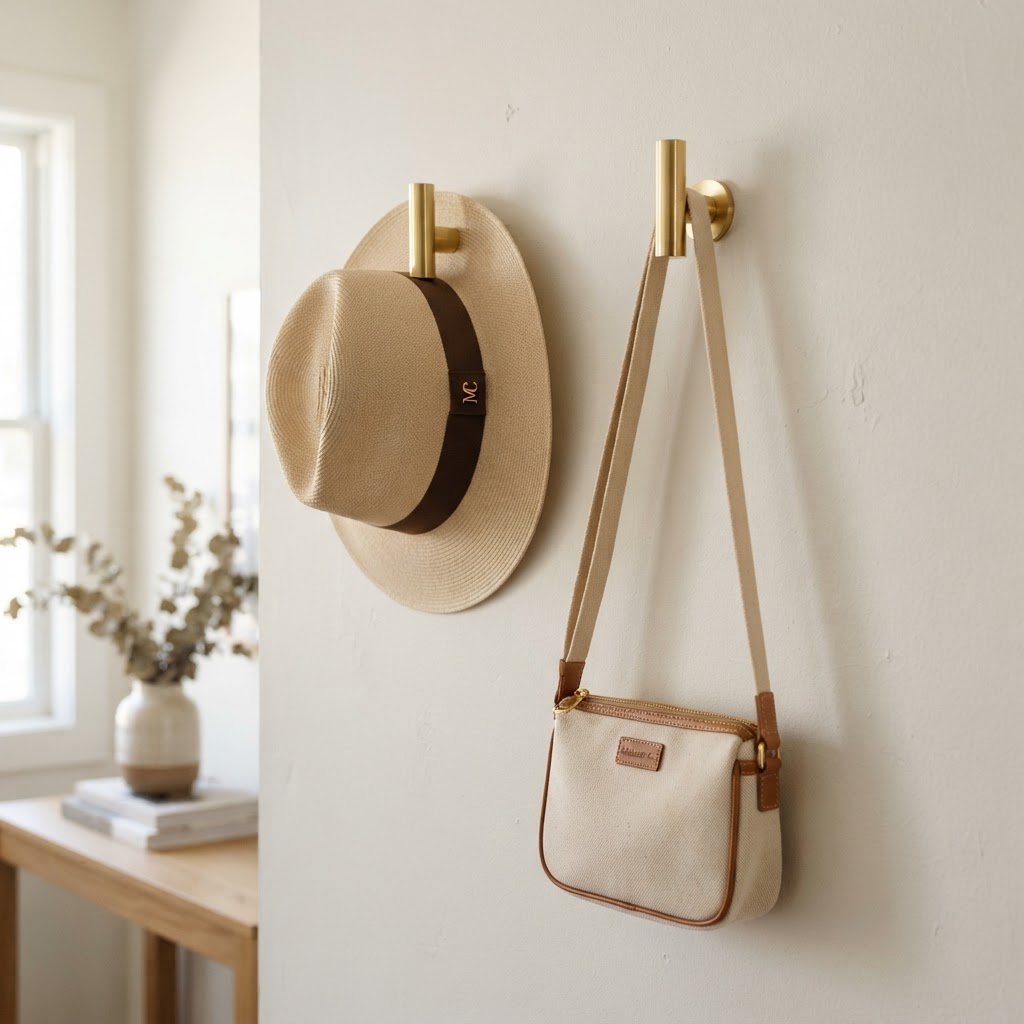
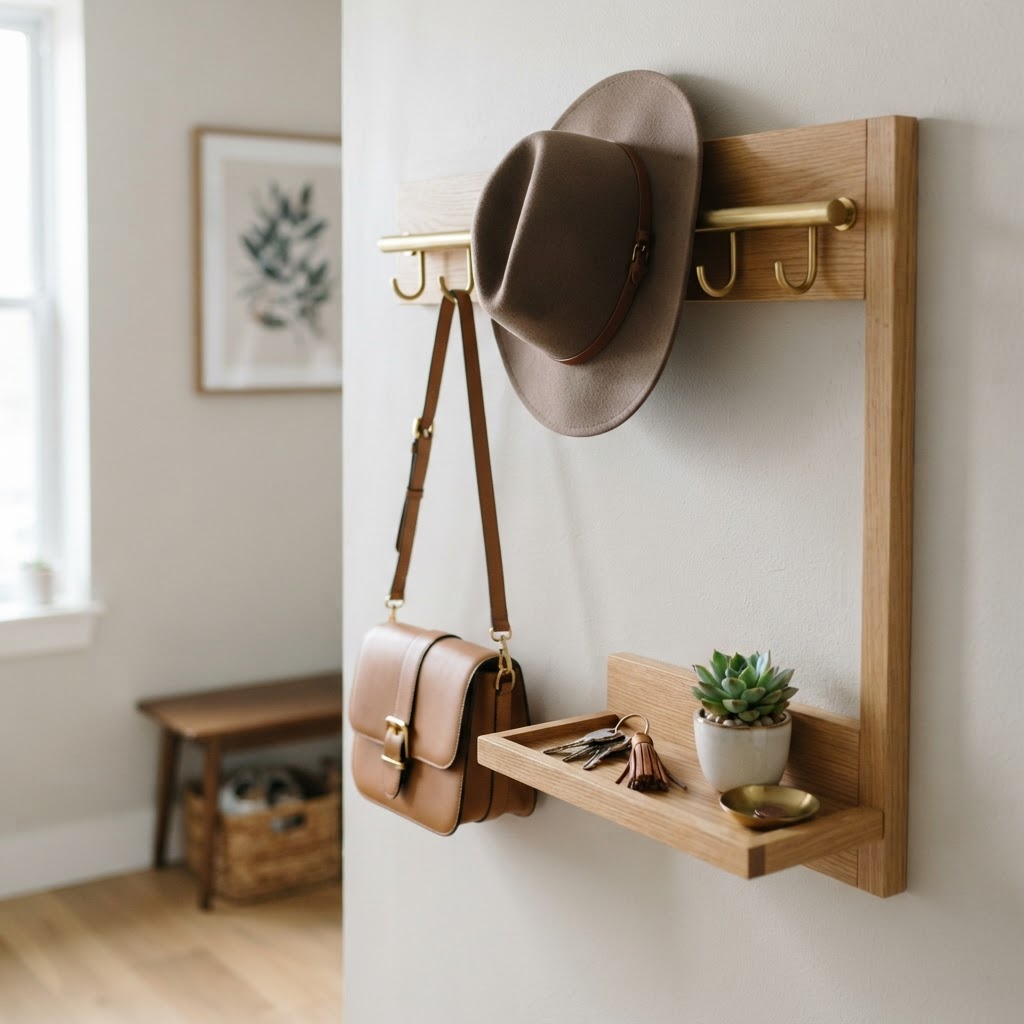
Minimalist brass hooks are a perfect space-saving solution for coats and bags.

Verticality is your best friend when space is at a premium, requiring you to look upward rather than outward to solve storage deficits. If you cannot expand your entryway outwards, you must expand it upwards by utilizing wall-mounted coat hooks, floating shelves, or tall, narrow cabinets that reclaim floor space while providing ample storage for daily essentials. Efficient storage design ensures that your belongings are off the ground, which makes cleaning easier and the room look larger.

Choose a frame that complements your apartment’s overall style, whether that is modern, rustic, or industrial. For a more dramatic effect, consider a floor-to-ceiling mirror or a cluster of smaller decorative mirrors that create a gallery-style feature wall. This approach turns a utilitarian item into a bold focal point, reinforcing the theme of your tiny entryway makeovers. When mounting, ensure the center of the mirror is at 57 inches from the floor, which is the industry standard for optimal viewing height.

Organization Hacks for the Entryway

Maintaining your new entryway requires a strict “one in, one out” policy, especially when dealing with limited storage. Utilize decorative baskets or bins to corral smaller items like sunglasses, gloves, and pet leashes, which tend to create visual clutter when left loose on surfaces. By assigning every item a permanent home, you ensure that the entryway does not revert to a junk drawer.

Item Storage Solution Benefit
Shoes Tiered wall-mounted racks Saves floor space
Keys/Mail Wall-mounted organizers Eliminates surface clutter
Coats/Bags Sturdy wall hooks Keeps floor clear
Accessories Decorative baskets Hides small items

Implement a “drop zone” tray on your console or shelf specifically for keys, mail, and other pocket clutter. By keeping these items contained, you ensure that they never migrate to other areas of your home, keeping your apartment feeling organized and purposeful from the moment you step through the door. Keeping surfaces clean of “paper creep” is vital for maintaining a modern aesthetic in tight spaces.

Incorporating Personal Touches and Decor

A small entryway does not have to be clinical or strictly functional; it is the perfect place to make a big impact with limited decor. Since the space is small, you can afford to use bolder colors, patterns, or artwork that might feel overwhelming in a larger living area without breaking your budget.

Consider adding a small, durable rug or runner to define the space and add texture. A patterned runner can also draw the eye through the hallway, making the area feel longer and more intentional. Add a small plant or a piece of framed artwork to inject life and color into the space, reinforcing the idea that your entryway is a welcoming transition zone.

Ensure that the colors you choose harmonize with the rest of your apartment. Using a consistent color palette between the entryway and the main living space creates a cohesive flow, making the transition feel seamless rather than abrupt. Using a high-gloss finish on a small console or door frame can also help bounce light, adding to the illusion of extra space.

FAQ

Q: How do I make a tiny entryway look bigger?

Using a large mirror, light-reflecting paint, and keeping the floor clear of items are the fastest ways to expand a small entryway. By mounting storage to the walls and utilizing glass or acrylic furniture, you remove visual barriers that make the space feel cramped.

Q: What is the best storage for small entryways?

Wall-mounted hooks and floating shelves are the best storage solutions for tiny entryways. They move your daily essentials off the floor, which creates an open, clean look while maintaining full functionality for your keys, coats, and mail.

Q: How can I brighten a dark apartment entryway without electricity?

Use a large mirror opposite an existing light source to reflect brightness into the dark corners of the hall. You can also add battery-operated motion-sensor LED strips or lamps, which are inexpensive, wire-free, and provide immediate, welcoming light when you arrive home.

Q: Should I use a rug in a small entryway?

A runner rug is ideal for a small entryway because it defines the space as a distinct zone and adds texture to the room. Opt for a low-pile, washable rug to ensure it fits under the door and remains easy to clean as people walk in and out.

Q: What is the “one in, one out” rule?

The “one in, one out” rule means that for every new item you bring into your entryway, such as a new pair of shoes or a bag, you must remove or store an old item elsewhere. This prevents clutter buildup and maintains the minimalist aesthetic of your home.

Small Space Entryway Organization Hacks for a Tidy Home

Small Space Entryway Organization Hacks for a Tidy Home

To organize a small entryway, prioritize vertical storage by installing wall-mounted hooks, utilize slim profile shoe cabinets under 10 inches deep, and implement a dedicated ‘landing zone’ for daily essentials. These strategies clear floor traffic and prevent clutter accumulation by maximizing unused wall real estate and hidden storage compartments.

The Psychology of an Organized Entryway

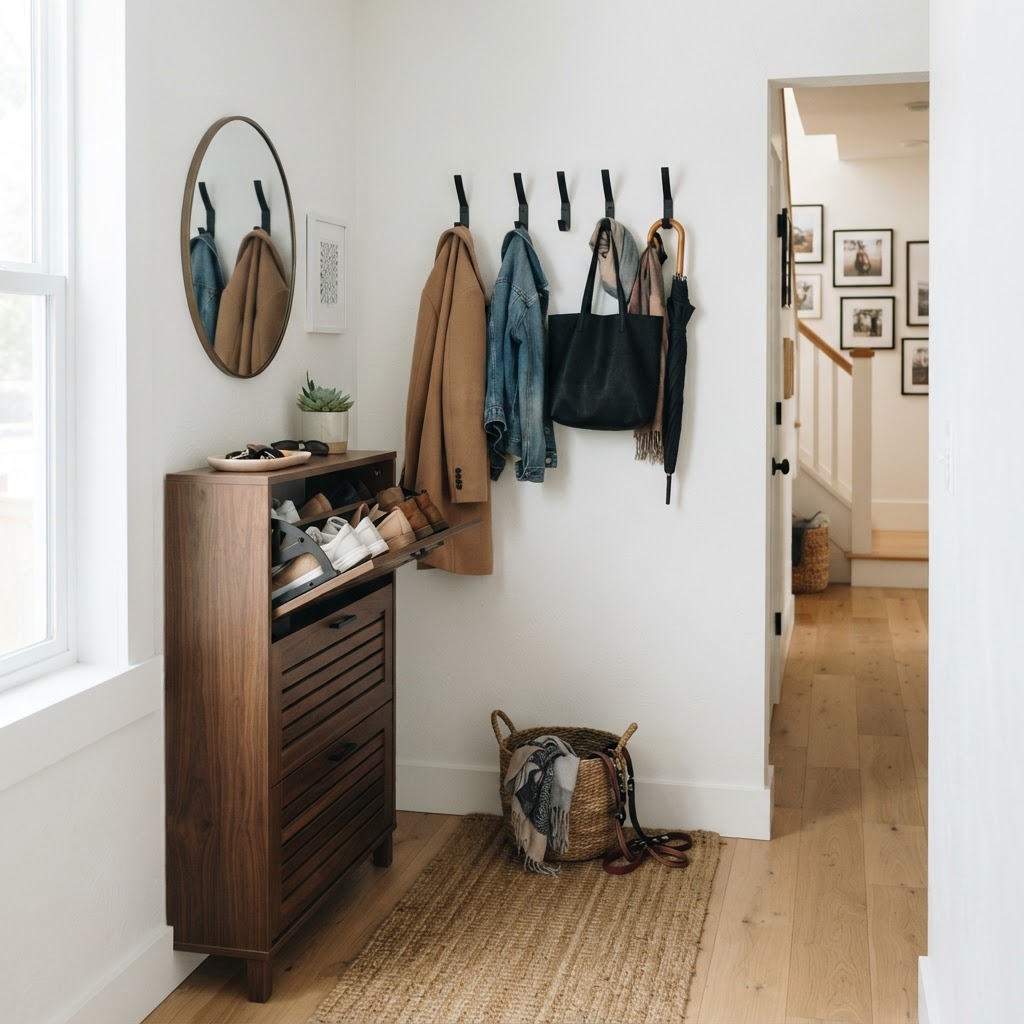
Slim furniture choices keep floor traffic clear.

Your entryway acts as a critical transition zone between the hectic outside world and the peace of your living space. When this area is cluttered, it signals to your brain that the day’s chaos has followed you inside, which can increase cortisol levels. By shifting the focus to smart, low-maintenance storage routines, you actively lower the visual noise of your home entrance.

Why Floor Space Matters

Visual weight is a key concept in interior design that dictates how “cramped” a room feels. When floors are covered in footwear and bags, the brain perceives less usable square footage, making a room feel claustrophobic. Research shows that reducing floor-level items by 70% creates a psychological sense of expanded space. By utilizing small space entryway organization hacks that prioritize vertical storage, you clear the floor plane, which creates the physical and visual illusion of a larger, more breathable hallway. Implementing this transition requires a disciplined approach to furniture selection, choosing items that have a “leggy” aesthetic to reveal more flooring rather than solid blocks that consume visual space.

Utilize Vertical Wall Storage Effectively

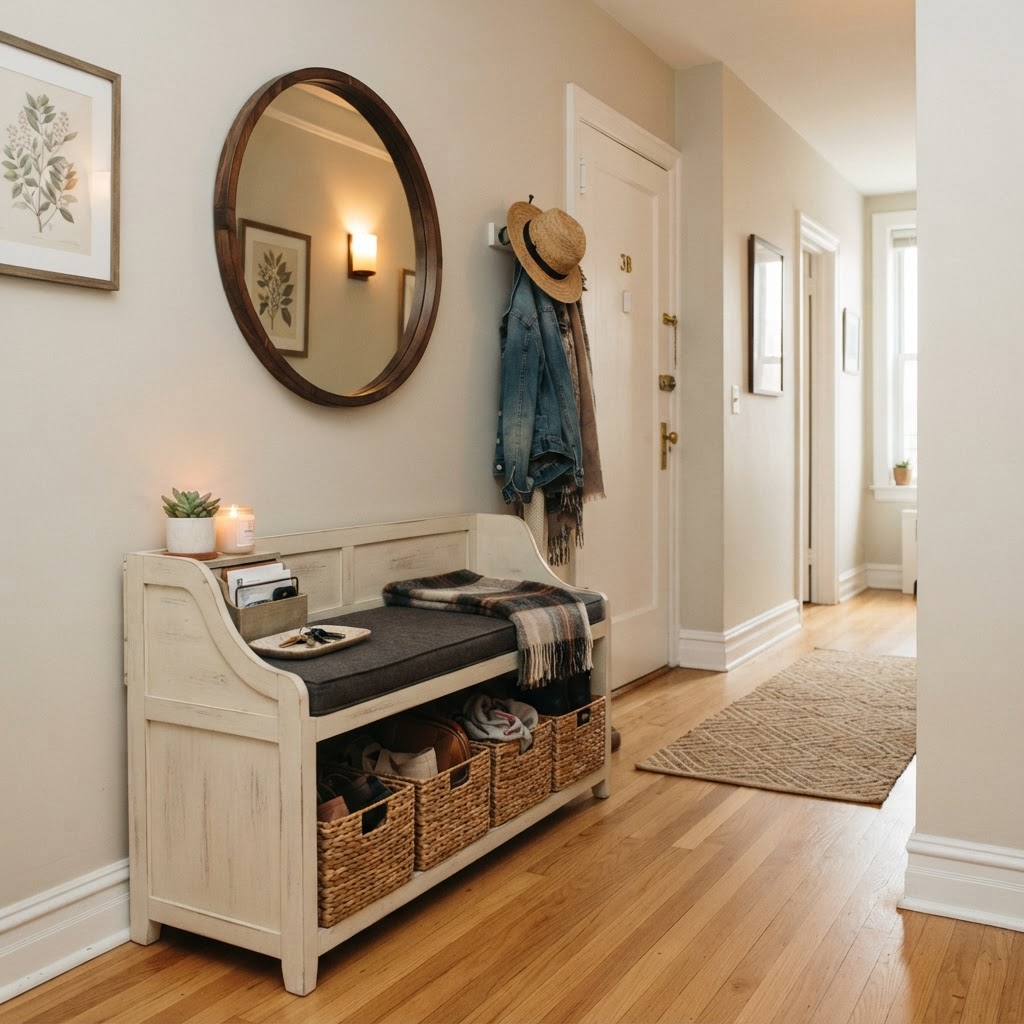
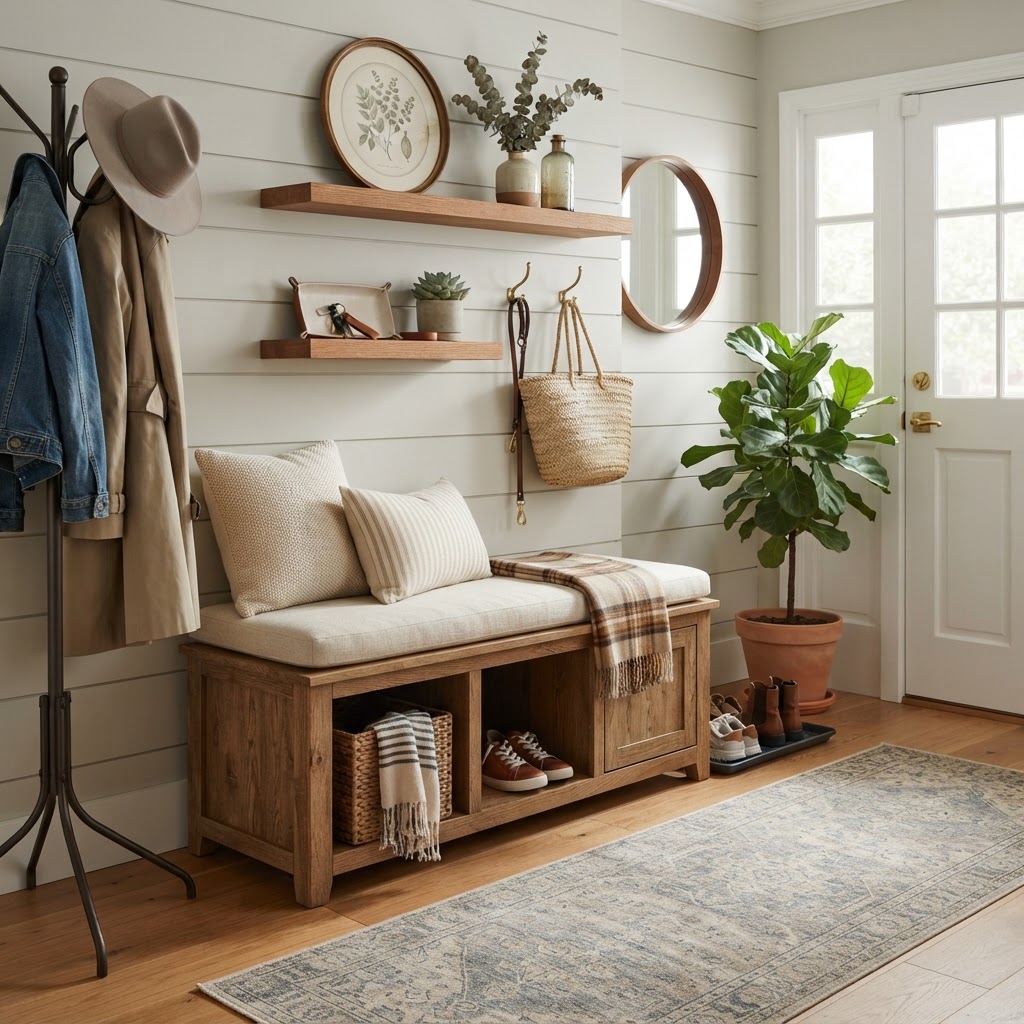
Storage benches provide seating and hidden capacity.

Walls represent the most underutilized real estate in any small home, and maximizing them is the most effective way to clear the floor immediately. When you cannot expand your footprint outward, you must leverage the vertical axis to host high-frequency items like coats, hats, and umbrellas.

Pegboards and Floating Shelves

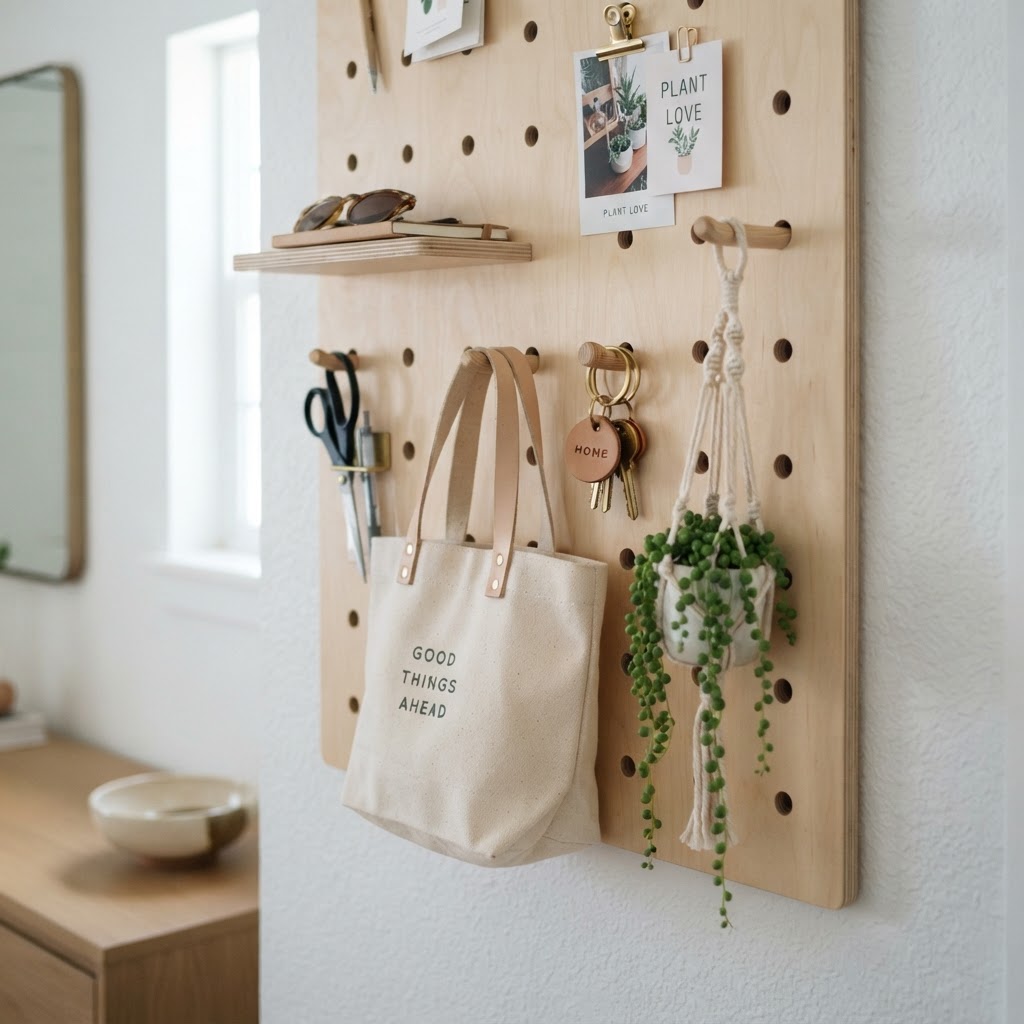
Pegboards are incredibly versatile for small entryways, offering a customizable grid that supports up to 20 pounds per square foot depending on the mounting hardware. You can adjust the pegs to accommodate bulky winter gear or light summer accessories as the seasons shift. Unlike bulky cabinets, floating shelves add storage depth of only 6 to 8 inches, providing a “display” area for keys and mail without encroaching on walking paths. This modularity allows your storage to evolve alongside your lifestyle requirements.

Over-the-Door Solutions

Never overlook the space behind your entry door, which often accounts for 6 to 10 square feet of ignored storage potential. Over-the-door hooks or pocket organizers are perfect for items that you reach for daily, such as scarves or reusable shopping bags. By utilizing this hidden vertical space, you ensure that bulky items are tucked away from view when the door is open, keeping the transition area looking clean and professional for guests.

Storage Method Space Efficiency Installation Difficulty Capacity
Wall Hooks Very High Low Low
Pegboards High Medium Medium
Floating Shelves Medium Medium Medium
Over-Door Rack Very High Very Low Low

Clever Shoe Storage Techniques

Pegboards offer flexible vertical storage for daily items.

Shoes are usually the primary culprits behind floor clutter, often creating a tripping hazard that occupies 3 to 4 square feet of premium floor space. The secret to a clean entryway is selecting storage that hides footwear while maintaining a slim, unobtrusive profile.

Slim Shoe Cabinets

Many modern shoe cabinets are designed to be less than 10 inches deep, fitting perfectly behind doors or in narrow hallway gaps. These “tilt-out” mechanisms allow you to store 12 to 18 pairs of shoes vertically, consuming significantly less floor footprint than a traditional tiered rack. By keeping shoes behind a solid door, you eliminate visual chaos entirely.

Under-Bench Drawers

If you have room for a small bench, ensure it offers dedicated storage underneath, such as pull-out baskets or drawers. These storage units allow you to quickly toss shoes into a concealed spot, keeping the floor clear while providing a convenient place to sit. A standard 36-inch wide bench can house up to 6 pairs of shoes comfortably when organized with interior dividers, preventing the dreaded “pile-up” effect.

The Power of Multi-Functional Furniture

Console tables create a landing zone for small essentials.

In tiny spaces, every piece of furniture must work twice as hard by providing storage alongside utility. Investing in dual-purpose items ensures that your entryway remains functional without the need for additional shelving that consumes valuable circulation space.

Storage Ottomans and Benches

A storage ottoman is a life-saver in a cramped hallway because it acts as a seat, a footrest, and a hidden container for items that lack a permanent home. Look for models with a sturdy hinged lid, as these can store up to 2 cubic feet of miscellaneous items like umbrellas, pet supplies, or cleaning gear. By opting for a fabric-covered ottoman, you also soften the visual lines of the room, making it feel warmer and more inviting.

Console Tables with Baskets

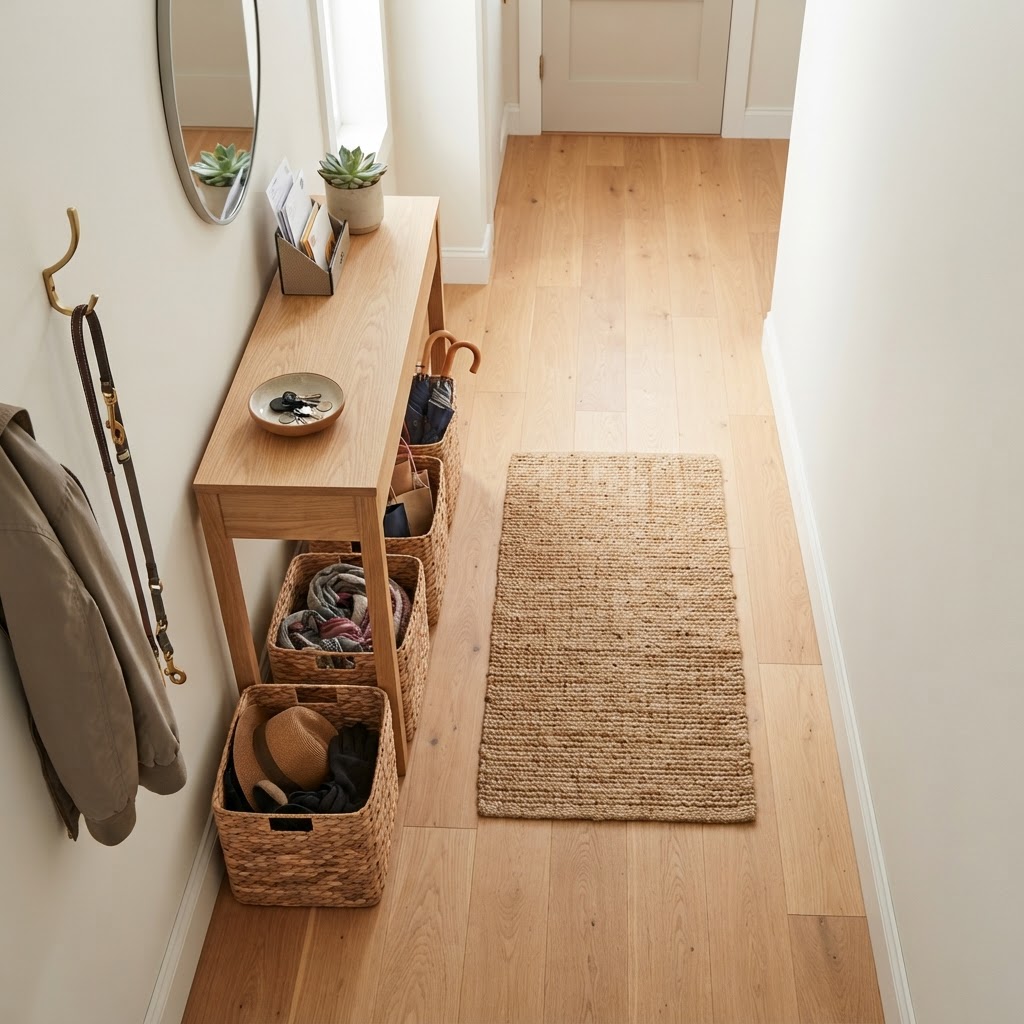
A narrow console table is ideal for slim hallways, providing a surface for essential daily items while leaving the wall clear above. By placing decorative bins or woven baskets on the lower shelf, you create organized “landing zones” for mail, keys, and accessories. This two-tier system separates items by frequency of use: high-use items go on top, while low-frequency items remain tucked in lower storage baskets. Maintaining this organization ensures that surfaces stay clear, preventing the “clutter creep” that happens when loose paper and keys accumulate.

Implementing Drop-Zone Habits

Storage hardware is only 50% of the equation; the remaining 50% depends on building daily maintenance habits. A successful drop zone must be intentional, requiring you to establish a designated ‘landing strip’ for mail and keys the very second you enter your home.

The One-In, One-Out Rule

For every new pair of shoes or winter coat you acquire, one item must be donated or moved to a secondary storage location like a bedroom closet. This prevents your entryway from becoming a museum of everything you have ever owned. Keeping a “donations bin” in your closet can make this process seamless, allowing you to cycle items out as soon as they are no longer in active use.

Weekly Reset Rituals

Dedicate exactly five minutes every Sunday evening to a full entryway reset. Move shoes back into their cabinets, empty the mail tray into a shredder or filing system, and hang up coats that have migrated to other rooms. This small investment of time ensures that your Monday morning starts without the frustration of searching for lost items, significantly reducing your morning stress levels.

Customizing Your Space for Seasonal Needs

Small space entryway organization hacks must be inherently adaptable to handle shifting gear requirements throughout the year. Your needs in winter, when you deal with heavy coats and boots, differ drastically from your summer needs, requiring a rotating storage system to stay organized.

The Rotating Storage System

Invest in a vacuum-seal storage bin kept in an off-season closet to manage your seasonal overflow. Swap out the contents of your entryway hooks and shelves every 6 months to ensure that only the items you currently use are present. During summer, store your heavy winter boots in that bin and replace them with lighter essentials like flip-flops, sun hats, or rain gear, ensuring you never waste space on dormant items.

Magnetic Boards for Small Items

Loose items like keys, receipts, and appointment reminders often land on the floor or a table, creating visual clutter that is difficult to manage. A small magnetic board or corkboard near the door keeps these items contained on the wall, removing them from flat surfaces. This technique is particularly effective for households with multiple people, as it centralizes information in a single, high-traffic location where it cannot be ignored.

Feature Winter Setup Summer Setup
Primary Gear Heavy Coats, Boots Light Jackets, Sneakers
Storage Needs High Capacity Low Capacity
Floor Space Boot Tray Required Clear Floor
Secondary Gear Gloves, Scarves Sunglasses, Umbrellas

Decorative Elements That Add Utility

Just because your space is small doesn’t mean it has to be purely utilitarian; you can incorporate decor that doubles as an organizer to maximize aesthetic appeal. These elements bridge the gap between form and function, ensuring your home feels designed rather than cramped.

Mirrors and Hooks

Mounting a mirror with integrated hooks creates a visual focal point that reflects light and makes your entry appear up to 20% larger. It also provides a final spot to check your appearance before leaving while giving you an immediate, designated place to hang your bag or keys.

Using Vertical Planters

If you want to add greenery, utilize wall-mounted planters to introduce life into your entryway without taking up any floor space. A touch of nature can make even the smallest space feel like an intentional design choice. Select low-maintenance indoor plants like Pothos or Snake plants, which thrive in low-light entryway conditions and help clean the indoor air as you enter from the outside.

FAQ

What is the best way to hide shoes in a tiny entryway?

Use a tilt-out shoe cabinet that is less than 10 inches deep to store shoes vertically against a wall. This method hides the mess behind a panel and saves valuable square footage compared to traditional horizontal racks.

How often should I reorganize my entryway?

A weekly five-minute reset is the most effective frequency to keep your entryway organized. Dedicate time each Sunday to clear mail, put shoes away, and rotate out any items that have drifted into the wrong room.

Are pegboards actually effective for small homes?

Yes, pegboards are highly effective because they allow for modular, customizable storage that can hold a variety of items including backpacks, umbrellas, and coats. They occupy zero floor space and can be adjusted as your organizational needs change.

How can I make a small entryway look larger?

Incorporate large mirrors, light-colored paint, and “leggy” furniture that shows floor underneath. By reducing visual clutter and reflecting light, you can create the illusion of a larger, more breathable entrance area.

Apartment Entryway Ideas for Homes With No Real Foyer

Apartment Entryway Ideas for Homes With No Real Foyer

To create an entryway in an apartment with no foyer, use a rug to define the floor space, mount floating storage on walls to maximize vertical height, and place a narrow console or bench for a landing zone. These tactical additions create a physical transition between your front door and your living area.

The Psychology of the Transitional Space

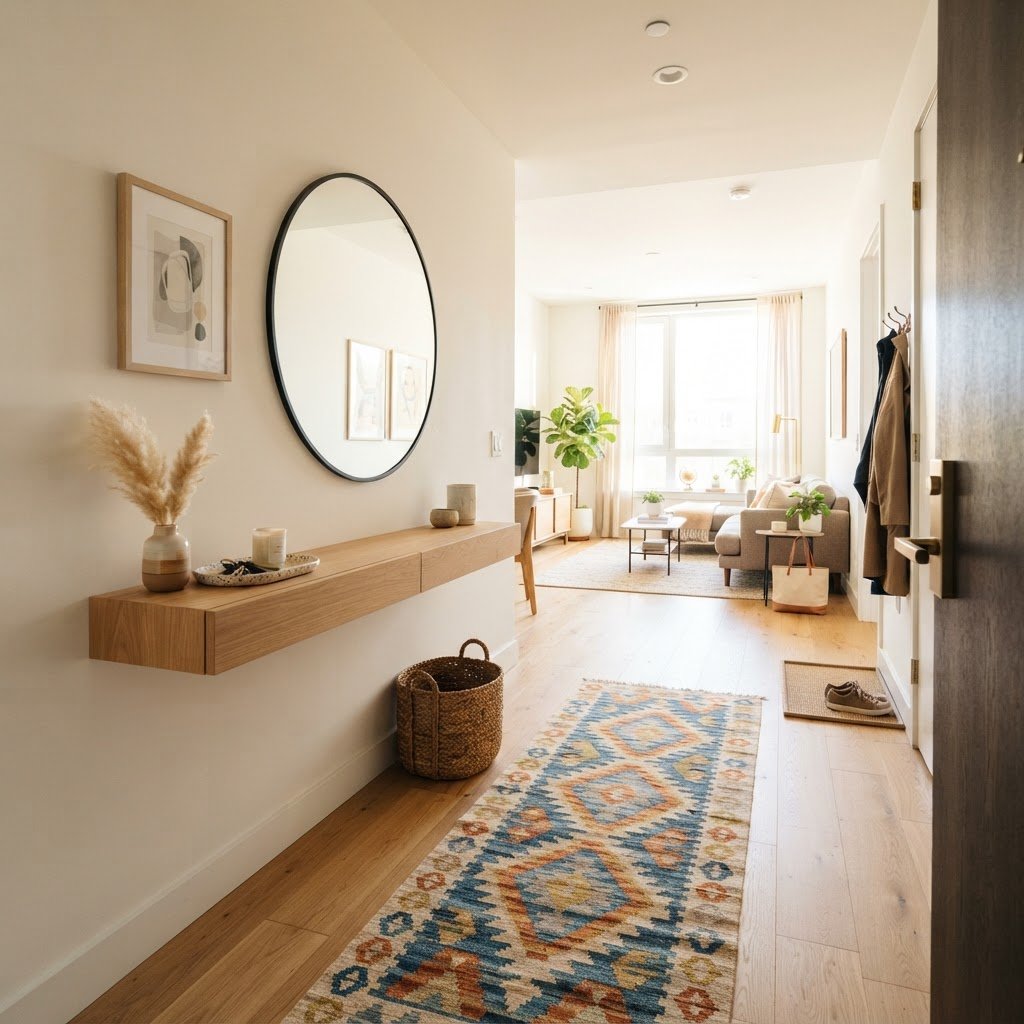
Use a runner rug and a console table to define your entrance area.

Designers often talk about the importance of a ‘landing strip’ to act as a psychological buffer between the chaotic outside world and your private sanctuary. This dedicated area allows you to shed the day’s burdens—dropping your keys, hanging your coat, and kicking off your shoes—before entering your living space. By creating a visual boundary, you prevent clutter from spilling into your dining or kitchen areas, which is vital in apartments under 700 square feet where every square inch serves multiple purposes. When your keys have a permanent home and your coat isn’t draped over a dining chair, the entire apartment feels more spacious and intentional. The goal is to maximize every vertical inch to create a high-functioning ‘micro-foyer’ that serves your daily needs without encroaching on your living room floor plan. Establishing this zone reduces daily stress by creating a repeatable habit for your incoming items, turning a transition point into a functional asset.
Feature Entryway Strategy Best For
Floor Rug Visual Zoning Open floor plans
Wall Hooks Vertical Storage Narrow hallways
Console Table Surface Area Storing keys/mail
Bench Seating/Hidden Storage Tight door clearances

Establishing a Visual Boundary

Maximize vertical space with wall-mounted storage to keep floors clear.

One of the most effective ways to designate a foyer where one does not exist is by using floor coverings to establish a clear “landing zone.” A durable, low-pile area rug acts as a physical ‘floor mat’ that signals to guests—and yourself—that you have arrived at your destination. By choosing a rug with a bold pattern or a different texture than your living room flooring, you create a psychological and visual separation that anchors the space. If your door opens into a narrow stretch of wall, use a 2×6 foot runner to guide traffic, while a 3-foot circular rug works best in corner entries to soften sharp edges. This simple switch changes the flow of the room instantly, preventing the “living room spillover” effect. Additionally, painting the wall immediately surrounding your door a contrasting shade—such as a deep charcoal or navy—creates a ‘color-blocking’ effect that acts as a formal architectural frame, effectively carving out a distinct foyer through paint alone.

Vertical Storage Solutions

Large mirrors help expand the visual size of a small entryway.
When you lack floor space, the only way to go is up, making wall-mounted storage the cornerstone of successful apartment entryway design. Instead of bulky furniture that blocks walking paths, opt for sleek hooks, floating shelves, or wall-mounted cabinets that sit at least 32 inches off the ground to keep sightlines open. Install a series of uniform wall hooks at varying heights (standard spacing is 6 inches apart) to accommodate jackets, bags, and umbrellas while adding a decorative, rhythmic element to your wall. If you prefer a cleaner look, use a wall-mounted console table with a hidden drawer. These slim pieces, often only 8 to 10 inches deep, provide a surface for keys and mail without the footprint of traditional furniture. To keep your entrance functional, use a ‘drop zone’ system: place a 5-inch wide catch-all tray for keys, a dedicated basket for mail, and a small bin for shoes to ensure that clutter doesn’t migrate to other rooms. Keeping these items contained within this vertical ‘entry zone’ is the key to maintaining a peaceful home.
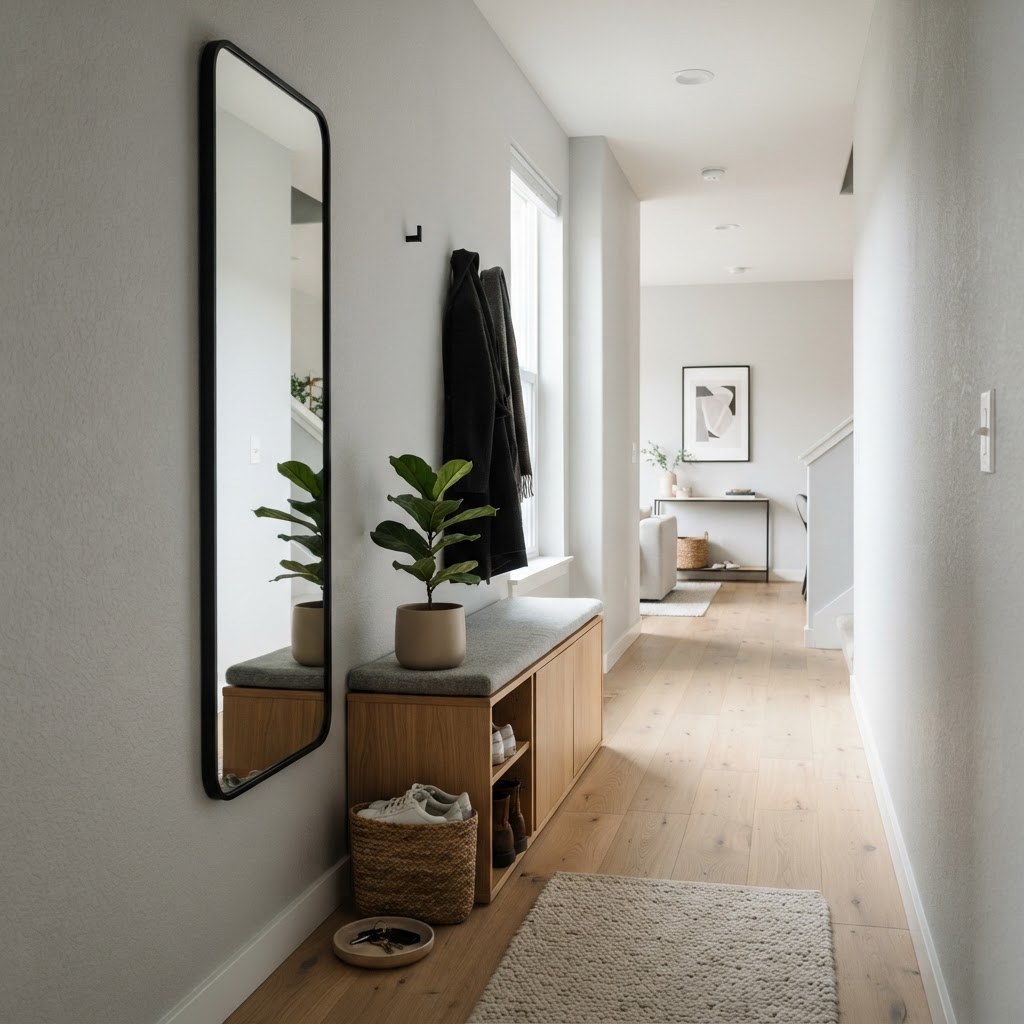
Choosing Multi-Functional Furniture

A designated drop zone keeps your keys and mail organized.

In an apartment, every piece of furniture must earn its keep by serving at least two functions, such as seating and hidden storage. If you have a sliver of wall space near your door, a narrow bench with integrated storage underneath is the gold standard for small-space living, offering a place to sit while putting on shoes and a home for out-of-season accessories. Look for benches with lidded tops or drawers, which are ideal for tucking away bulky items like scarves and gloves. If a bench is too deep for your walkway, a slim, wall-mounted drop-leaf table can serve as a makeshift desk or console, folding away entirely when you need extra floor space for entertaining. Furthermore, mirrors are non-negotiable in small entryways; a large mirror placed near the door not only allows for a final outfit check but also reflects light and depth, making the entire room feel roughly 20-30% larger. Opt for an oversized floor mirror leaning against the wall or a decorative wall-mounted piece to draw the eye upward and brighten dim corners.

Lighting the Way Home

Entryways often suffer from poor lighting in apartments without foyers, making them feel like an afterthought rather than a deliberate space. Since you likely lack a dedicated hallway ceiling fixture, you may be relying on harsh living room lights; instead, try adding a battery-operated wall sconce or a small, plug-in table lamp on your console to create a warm, inviting glow. Soft lighting with a temperature of 2700K to 3000K helps create a welcoming atmosphere the moment you step through the door. It adds a layer of sophistication that makes your small apartment feel like a curated home rather than just a place to store your belongings. For those with absolutely no outlet space, modern motion-sensor LED strips can be mounted under floating shelves to illuminate your “landing strip” the moment you walk inside. This provides both safety for night-time arrivals and an immediate sense of arrival, transforming a utilitarian drop zone into a thoughtful design statement while highlighting your art and greenery.

Common Pitfalls to Avoid

Avoid the urge to clutter your entrance with too many items; the ‘no foyer’ setup is inherently fragile, and over-decorating can quickly result in a cramped, claustrophobic appearance. Stick to a ‘less is more’ approach, keeping your surfaces clear of everything except daily essentials like keys and mail. Always test the path from the door to the living room by ensuring you have at least 30 inches of clearance for comfortable walking; if you find yourself bumping into your new console table, it is likely too deep. Prioritize circulation over extra storage space, as blocking your primary entry path can make a small home feel significantly smaller and less functional. Furthermore, avoid using oversized coat racks that tower over the space, as they can block natural light from the living area. Always double-check your furniture measurements against your entryway clearance before purchasing to ensure your new storage solutions actually enhance, rather than obstruct, the flow of your apartment.

FAQ

Q: How can I define an entryway in an open-concept apartment?

Use a low-pile runner rug and a dedicated wall hook station to create a physical and visual boundary. These two elements act as a “landing zone” that separates your entry from the living room, helping your brain acknowledge the change in space.

Q: What is the best furniture for a narrow entryway?

A narrow, wall-mounted console table or a slim bench with integrated storage is best for narrow entryways. These pieces provide surface space for keys and mail without obstructing walkways, which is essential in apartments with limited square footage.

Q: How do I keep a small entryway from looking cluttered?

Maintain a strict “one-in, one-out” policy for your entryway surfaces and use vertical storage like hooks to keep the floor clear. Only keep daily essentials like keys, wallets, and seasonal coats in the immediate entry area to prevent clutter migration.

Q: Can mirrors really make a small entryway feel bigger?

Yes, large mirrors placed near the entryway reflect light and depth, which can make the area appear 20% to 30% larger. They also serve a functional purpose by allowing for a final outfit check before you head out the door.

Q: What lighting works best in a foyer-less apartment?

Use battery-operated wall sconces or warm-toned (2700K) plug-in table lamps to create a cozy atmosphere. Motion-sensor LED strips are also excellent for small spaces, as they provide instant light when you walk in without needing permanent electrical work.

Narrow Hallway Entryway Ideas That Actually Work

Narrow Hallway Entryway Ideas That Actually Work

To optimize a narrow hallway, prioritize vertical storage solutions, slim-profile furniture under 12 inches deep, and strategic lighting to create the illusion of width. By combining wall-mounted shelving with reflective surfaces like mirrors and maintaining a disciplined “one-in, one-out” clutter policy, you can transform a cramped corridor into a functional, sophisticated transition space.

Assess Your Space and Needs

A clean, bright entryway design.

Before you start shopping for furniture or paint, you must look at your hallway with an analytical eye. Understanding exactly how you use your entrance—do you need a place for dog leashes, mail, heavy winter coats, or simply a spot to drop your keys?—will dictate your design strategy. Measure the width of your hallway at its narrowest point to ensure that any furniture you add leaves at least 30 to 36 inches of clearance for a comfortable walk-through. Anything less than 30 inches can make the space feel like an obstacle course rather than a welcoming home entrance.

Feature Recommended Depth Purpose
Slim Console 10-12 inches Keys, mail, decor
Storage Bench 14-16 inches Shoes, bags, seating
Wall Hooks 3-4 inches Coats, hats, umbrellas

Define Your Goals

Are you looking to hide clutter, or do you want to create a grand first impression? For most, it is a blend of both. Prioritize the items that currently cause the most chaos at your front door, and plan your storage solutions around those specific objects. If you live in a climate with changing seasons, your storage needs will shift throughout the year, so prioritize modular solutions that can adapt to your needs. For instance, install a double-tier hook system where high hooks are for winter coats and low hooks are accessible for children or daily accessories.

Master the Art of Vertical Storage

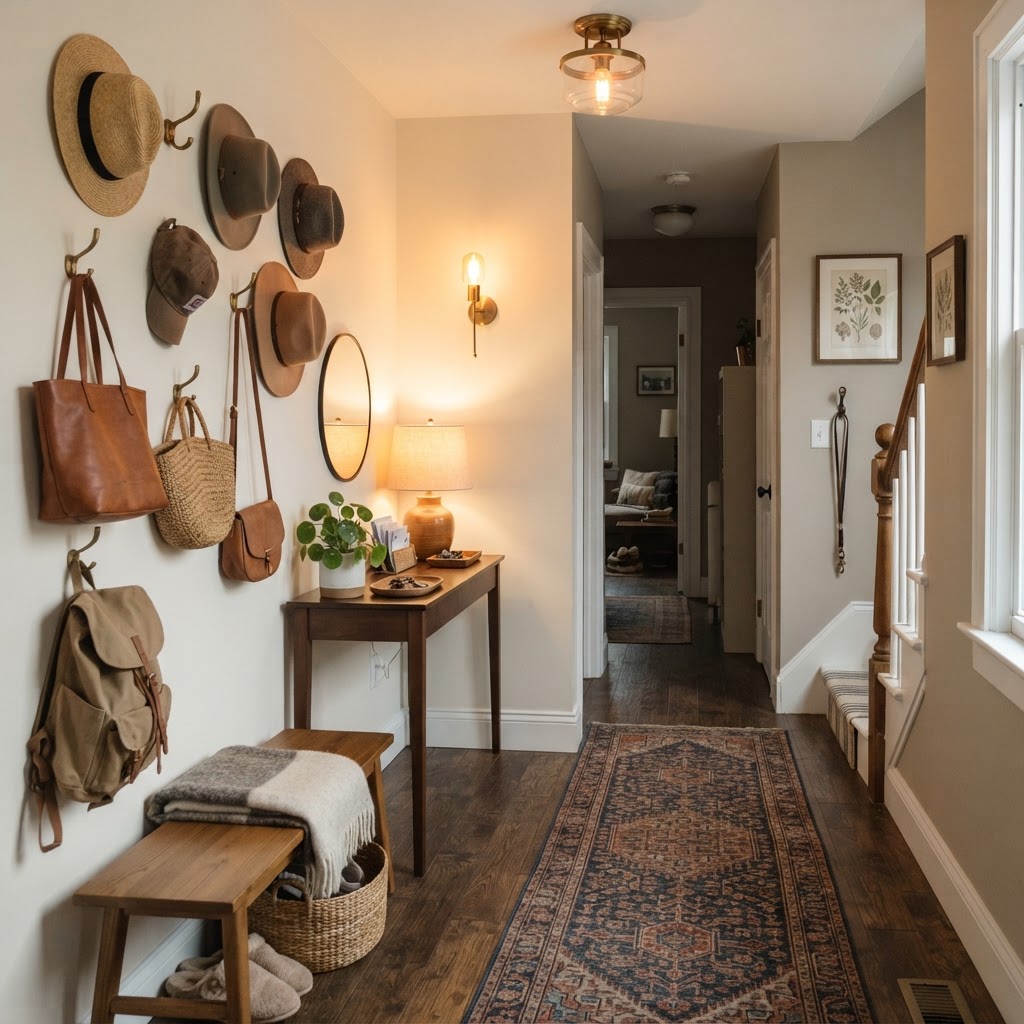
Adding warmth to a narrow space.

When floor space is at a premium, the only way to go is up to maintain a clean aesthetic. Utilizing your wall space is one of the most effective narrow hallway entryway ideas available to modern homeowners, as it keeps the floor clear to prevent a “closed-in” feeling. Wall-mounted consoles, floating shelves, and tall, slim cabinetry can offer significant storage without taking up precious square footage on the floor. Look for units that extend toward the ceiling to draw the eye upward, which paradoxically makes the ceiling feel higher and the room feel more expansive.

Floating Consoles and Shelves

Floating furniture is a game-changer in narrow environments because it preserves floor line continuity. Because the floor remains visible beneath the unit, the visual weight is reduced, making the space feel less cramped. A slim, floating shelf provides a perfect landing strip for mail and keys, while a wall-mounted hook rack underneath keeps coats off the floor. This two-tier approach maximizes the utility of a single wall section without creating a barrier to movement. Aim to mount shelves 30-32 inches from the floor for optimal reach and visual balance.

Incorporate Reflective Surfaces and Lighting

Functional storage with a modern bench.

Lighting and mirrors are the secret weapons of interior design when dealing with tight quarters. A large, well-placed mirror can bounce light around the room and create the illusion of double the space. When you are looking for effective narrow hallway entryway ideas, consider installing a floor-to-ceiling mirror or a wide landscape mirror above a console table to open up the hallway visually. By reflecting light from opposite windows or existing fixtures, you effectively “borrow” light to brighten darker corners.

The Power of Ambient and Task Lighting

In a narrow hallway, lighting is often an afterthought, but it should be a priority to avoid tunnel-vision aesthetics. Avoid large, bulky pendants that dominate the ceiling, as they consume vertical clearance. Instead, opt for flush-mount light fixtures, wall sconces, or LED strip lighting tucked into recessed shelves to create a warm, inviting glow. A well-lit hallway feels wider and more intentional, whereas a dim hallway can feel like a dark, tunnel-like passage that you just want to walk through as quickly as possible. Aim for at least 300-500 lumens in a standard 6-foot hallway for adequate illumination.

Choose Slim-Profile Furniture

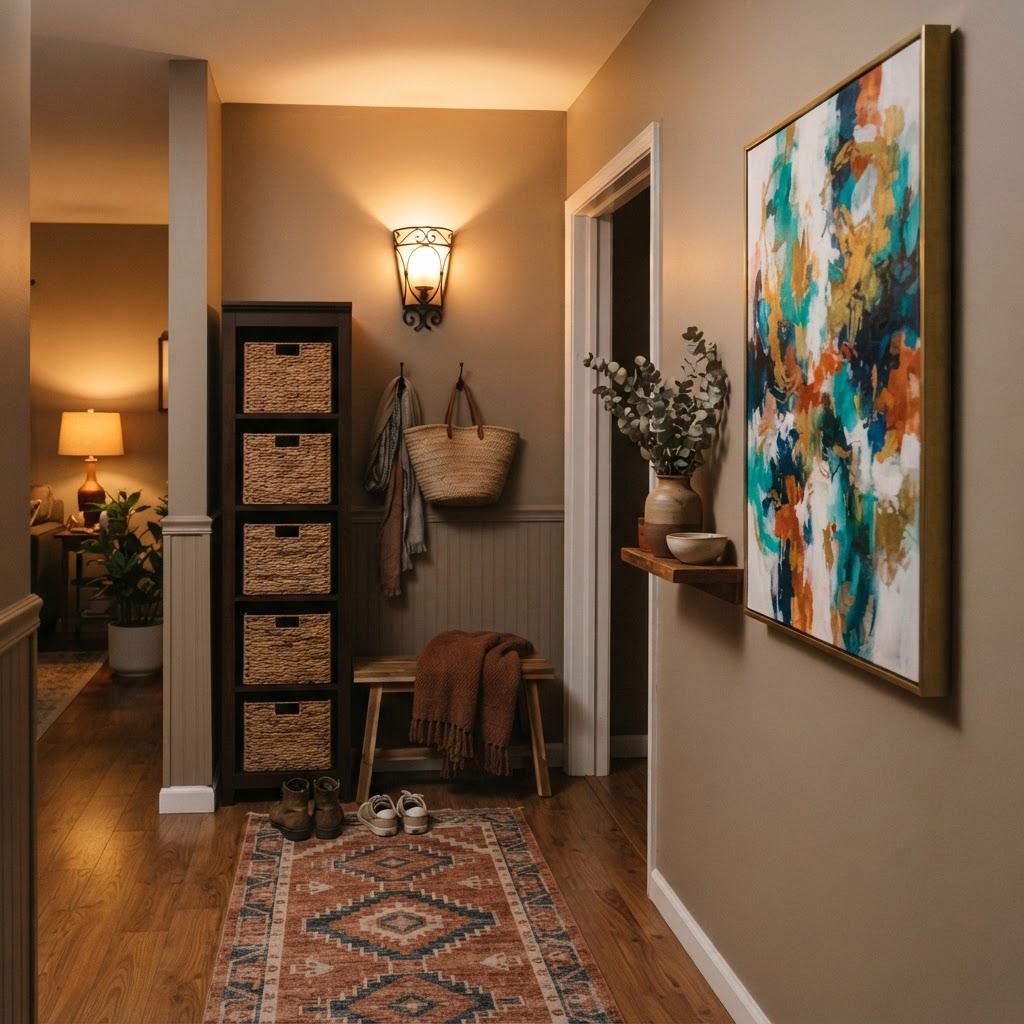
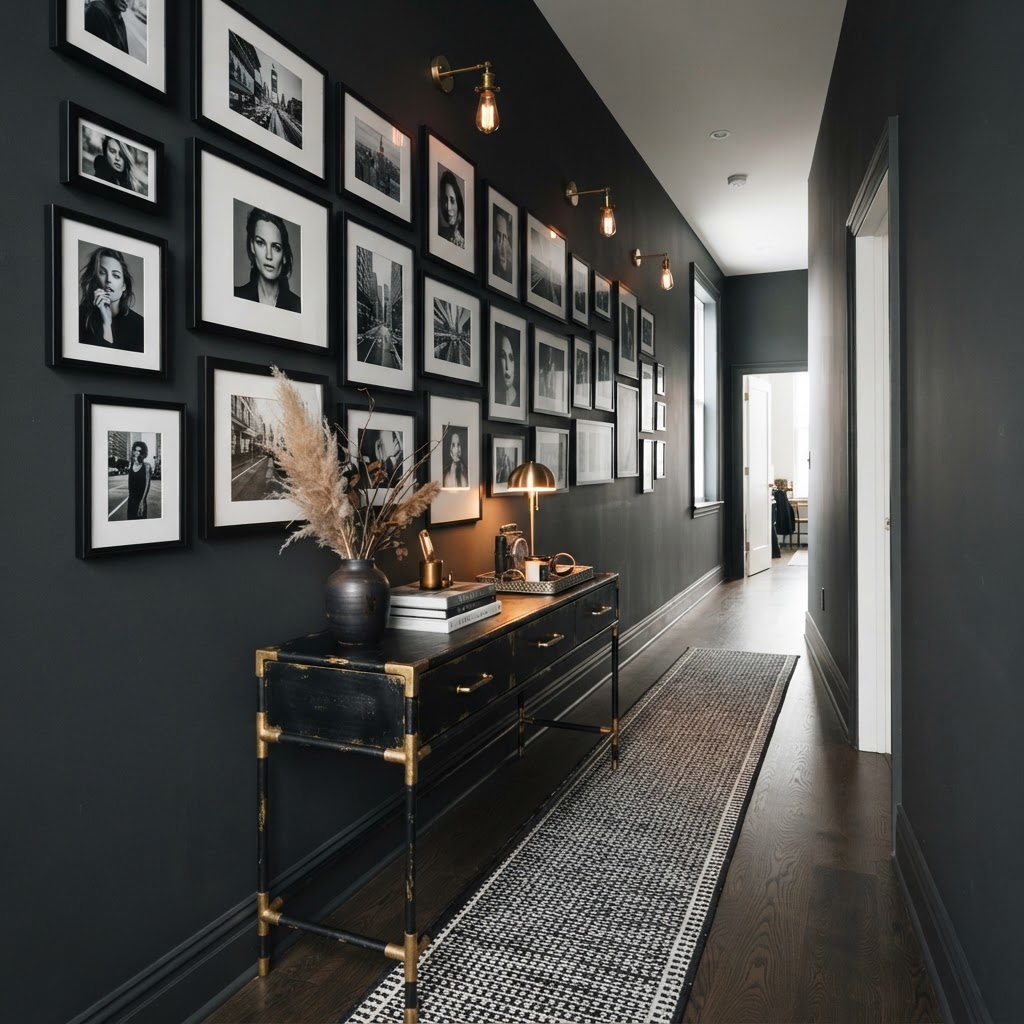
Moody and dramatic entryway styling.

If you simply must have furniture in your hallway, look for pieces specifically designed for small footprints to prevent bottlenecks. Standard console tables are often too deep for narrow entryways, creating an obstruction. Look for “demi-lune” or “slim-profile” consoles that measure 10 to 12 inches in depth. These pieces provide just enough surface area for a small tray and a vase of flowers without impeding your path. Ensure there is at least 30 inches of space remaining for traffic flow after placing your furniture.

Multi-Functional Seating

If you have a small niche or a slightly wider section of the hallway, consider a slim bench with built-in storage. A bench provides a place to put on shoes, while the interior serves as a hidden home for umbrellas, bags, or extra pairs of boots. Look for a bench with a hinged top or open cubbies beneath to keep the area organized. Ensure that the seat is shallow enough that it doesn’t force people to shimmy past it when entering your home, ideally staying within the 14-inch depth range.

Simplify Your Color Palette

Color has a massive impact on the perceived size of a room, directly affecting your psychological comfort in the space. For narrow hallways, light and neutral tones are generally the safest and most effective choice. White, off-white, light gray, or soft beige paint colors reflect light and make walls feel as though they are receding. If you want to add personality, consider a subtle monochromatic scheme where the wall color, baseboards, and door trim are painted in the same hue, which eliminates visual breaks and creates a seamless, streamlined look.

Bold Design Choices

If you are feeling brave, a dark, moody color can also work in a narrow space if applied correctly to create architectural drama. While light colors expand, dark colors can create a sense of cocooning and intimacy, often used in professional interior design to make a small space feel intentional. If you go this route, ensure your lighting is exceptional, as a dark hallway without proper illumination will quickly turn into an uninviting cave. Pairing dark walls with high-contrast metallic accents or bright artwork can elevate the space into a dramatic transition area.

Establish a Minimalist Entry Strategy

Sometimes, the best narrow hallway entryway ideas are about what you don’t include, as clutter is the primary culprit of cramped aesthetics. Implement a “one-in, one-out” policy for your entryway storage to ensure that old coats, broken umbrellas, and unnecessary mail don’t pile up. Use decorative baskets to house items that need to be hidden away, and keep the surface of your console or shelf as clear as possible to maintain a sense of calm and order.

Organizational Habits

  • Assign a dedicated spot for every item, such as a tray for keys and a specific hook for bags.
  • Implement a mail sorter near the door to stop paper clutter before it enters the living room.
  • Use seasonal rotation to store winter accessories during the summer months.
  • Keep floors clear of shoes; use a small hidden bin or a wall-mounted rack to elevate them.

Create Visual Interest Through Texture

While space is limited, personality doesn’t have to be, and texture provides depth without adding bulk. Use texture to add depth to your narrow hallway without taking up physical space. A slim, high-quality runner rug can ground the space, add warmth, and guide guests toward the rest of your home. Choose a durable, low-pile material that can withstand high traffic and is easy to clean. You can also experiment with subtle wallpaper textures, like a grasscloth or a Tone-on-Tone pattern, to add tactile interest that doesn’t overwhelm the visual field.

FAQ

How wide should a narrow hallway console be?

A narrow hallway console should be between 10 and 12 inches deep to ensure it does not obstruct traffic. This depth provides enough surface area for essential items like keys, wallets, and small decor while keeping the walking path clear for guests.

Does painting a narrow hallway white make it look bigger?

Yes, painting a narrow hallway in light, neutral tones like white, soft gray, or off-white reflects more light and makes walls appear to recede. This reduces the “tunnel” effect and creates a brighter, more expansive atmosphere in small corridors.

How can I store shoes in a narrow entryway without clutter?

You can store shoes in a narrow entryway by using wall-mounted flip-down shoe cabinets that are only 6 to 9 inches deep. Alternatively, utilize a slim bench with built-in cubbies or an under-console storage basket to keep the floor surface clear and organized.

What is the best type of lighting for a cramped hallway?

Flush-mount ceiling fixtures, wall sconces, and recessed LED strip lighting are the best options for narrow hallways. These low-profile lighting solutions provide adequate illumination without taking up vertical headroom or making the ceiling feel lower than it actually is.

How do I stop mail clutter in my entryway?

To stop mail clutter, install a wall-mounted mail sorter directly above your console table or near the front door. This gives you an immediate place to sort incoming mail, preventing stacks from building up on flat surfaces and keeping the entryway tidy.

Can dark colors work in a small, narrow hallway?

Yes, dark colors can work in a narrow hallway if you use them to create a “cocooning” effect, provided you have excellent lighting. Pair dark walls with metallic accents or bright artwork to prevent the space from feeling uninviting or cave-like.

21 Small Entryway Ideas That Maximize Every Inch

21 Small Entryway Ideas That Maximize Every Inch

Maximize a small entryway by utilizing vertical wall space for storage, incorporating multifunctional furniture with slim profiles, and using mirrors to create an illusion of depth. Implementing these design strategies can transform a cramped foyer into a highly organized, stylish transition zone while maintaining clear foot traffic flow.

Rethink Your Vertical Storage Potential

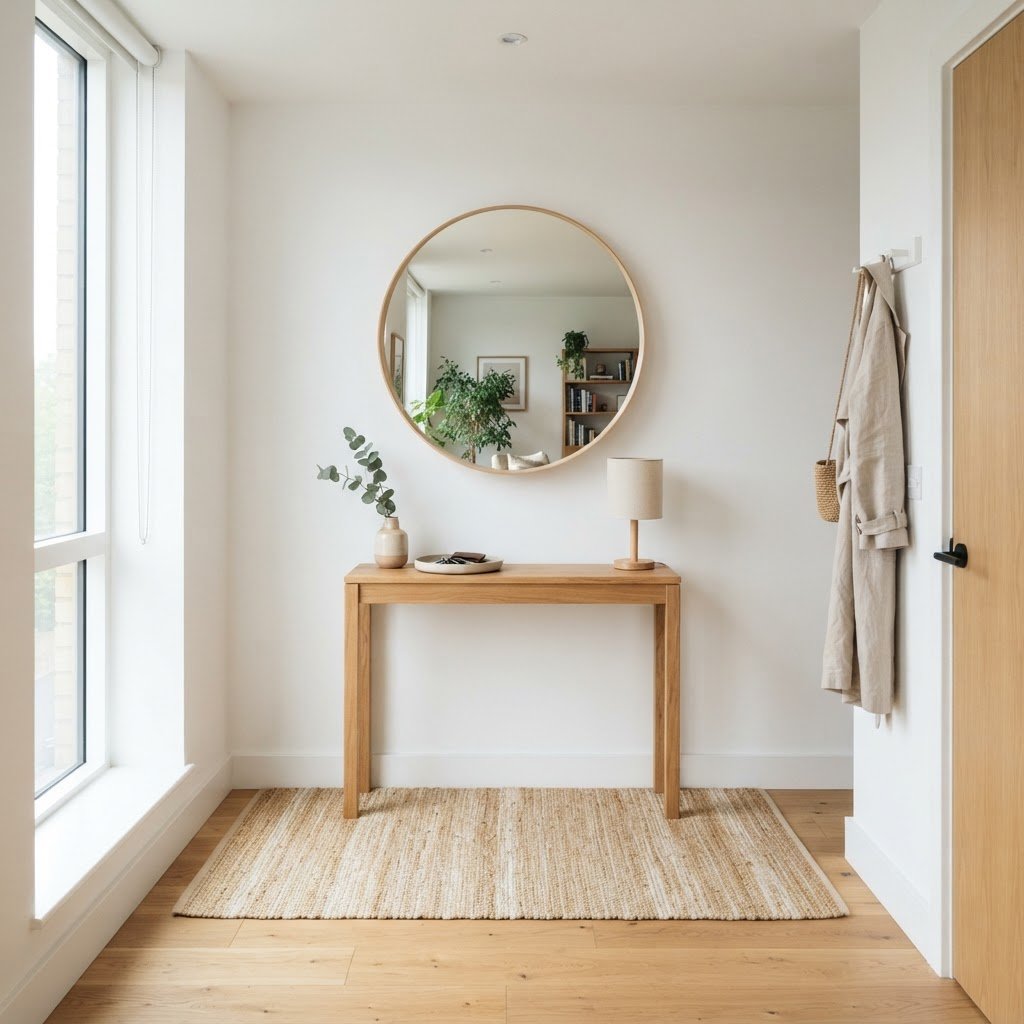
A well-organized narrow entryway uses a mirror to create depth.

When floor space is limited, the most effective strategy is to leverage vertical wall surfaces to keep essential items off the ground. Floor-to-ceiling shelving units, typically ranging from 10 to 14 inches in depth, provide massive storage capacity for seasonal gear while drawing the eye upward, which visually increases ceiling height by 10-15%.

Utilizing Wall Hooks and Peg Rails

Instead of bulky coat racks that consume precious floor footage, opt for sleek wall-mounted hook systems. A continuous peg rail running the length of your wall allows you to hang bags, coats, and hats exactly where you need them. This simple installation is inexpensive—often costing less than $40 for a DIY set—and can be painted to match your walls for a seamless, built-in appearance that blends perfectly into your decor.

Floating Shelves for Decor and Essentials

Floating shelves are life-savers in narrow spaces, offering a place to drop keys and mail without the bulk of a traditional console table. By keeping the floor clear underneath the shelf, you maintain an open, airy feeling that is critical in small-scale interior design. Use these surfaces to display small decorative items or to hold a shallow tray dedicated to the small items that usually cause clutter.

Storage Type Primary Benefit Best For
Peg Rails High capacity, low profile Coats, bags, hats
Floating Shelves Minimalist aesthetic Keys, wallets, decor
Floor-to-Ceiling Maximum volume Seasonal items, shoes

The Power of Multifunctional Furniture

Gold peg hooks provide an elegant, space-saving storage solution.

In a small space, every piece of furniture must earn its keep by providing at least two distinct functions, such as a bench that hides a shoe rack underneath. This approach keeps your hallway tidy while providing a convenient spot to sit while you put on your boots. Selecting a bench with a slim profile—ideally under 15 inches deep—ensures that it doesn’t obstruct the path, maintaining clear traffic flow through your main entrance.

For tight spaces, choose furniture pieces that feature hidden compartments or lift-top lids, which allow you to store umbrellas, dog leashes, or cleaning supplies out of sight. A bench should support at least 250 pounds if intended for seating, and utilizing materials like wood or durable rattan can add texture without visual weight. By consolidating your furniture footprint, you can often save up to 3 square feet of floor space in a standard 4-foot by 4-foot foyer.

Creating Illusions with Mirrors and Lighting

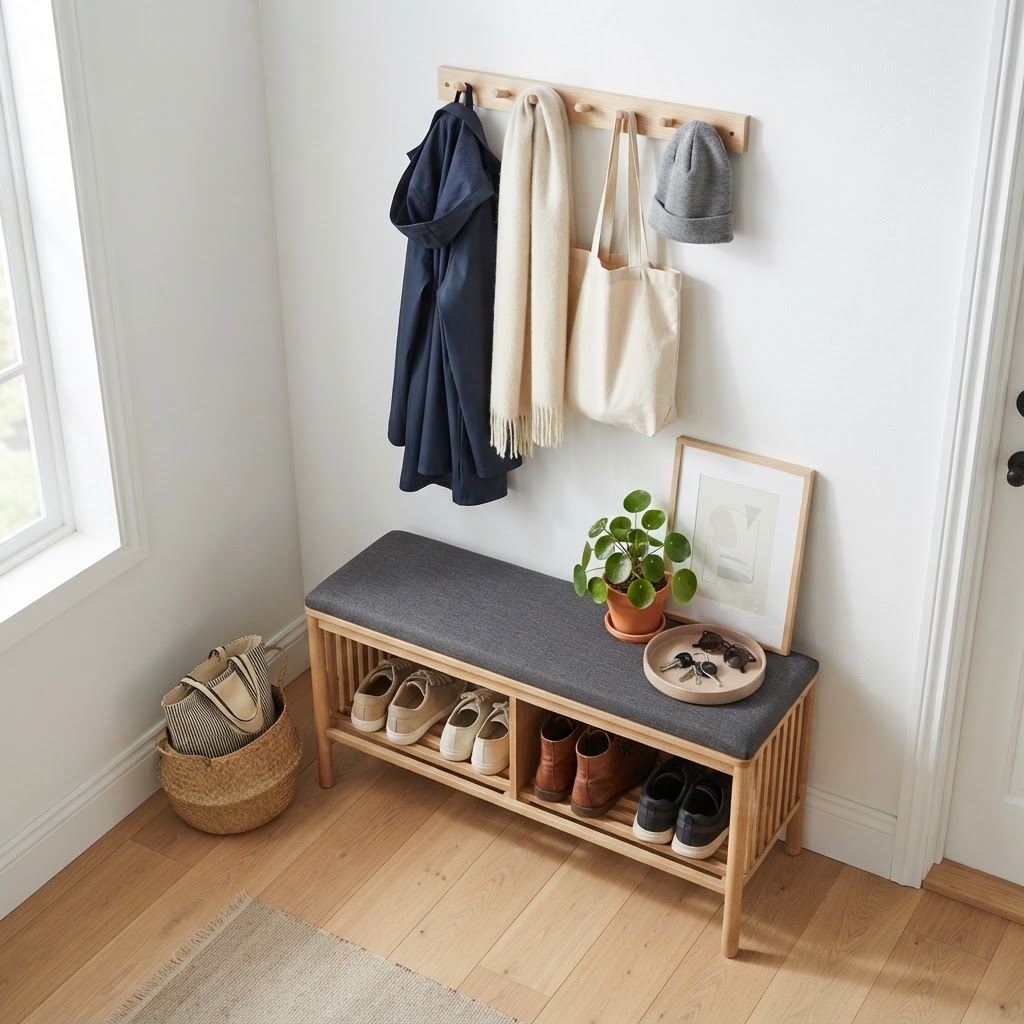
A shoe storage bench keeps footwear hidden and organized.

One of the oldest tricks in the design book is the use of large-scale mirrors to expand a room, as a floor-length mirror can effectively double the perceived depth of a cramped foyer. Furthermore, mirrors reflect natural light, which is essential for creating a bright, welcoming atmosphere in areas that often lack windows.

Choosing the Right Lighting Fixtures

Good lighting is non-negotiable for a functional entryway. If you have a low ceiling, avoid long, hanging chandeliers that make the space feel compressed. Instead, look for flush-mount fixtures or sleek wall sconces that provide ambient light without taking up visual volume. Task lighting near your door can also ensure you never fumble for your keys in the dark.

Lighting Type Installation Depth Best Effect
Flush Mount Under 6 inches Openness, low ceilings
Wall Sconces 4-8 inches Direct task lighting
LED Strips 0.5 inches Hidden ambient glow

Strategic Color Palettes for Expansion

A runner rug and floating shelf define this small entrance area.

Choosing the right paint color can significantly impact how your entryway feels, as light, neutral tones like off-white, soft gray, or pale sage make walls seem to recede. If you prefer bolder designs, consider painting the trim and doors the same color as the walls to minimize visual interruptions and keep the focus on the architecture rather than the size of the room.

Experts often suggest using a monochromatic palette to remove hard visual lines, which can make a small room feel up to 20% larger. For higher-traffic areas, select paint with a semi-gloss or satin finish; these are not only easier to clean but also reflect more light than flat finishes. If you must use dark colors, apply them sparingly to an accent wall or the ceiling to create a “jewel box” effect, which adds personality without making the space feel closed in.

Selecting Slim-Profile Storage Solutions

Standard furniture is often too deep for narrow hallways, so look for consoles specifically designed for tight spaces that are only 10-12 inches deep. These pieces are often sufficient to hold a decorative bowl or a lamp without blocking the walkway. You can also look for “shoe cabinets” which feature tilt-out drawers that hide bulky shoes behind a flat, elegant front, saving you from the “piles of sneakers” syndrome.

Many modern slim cabinets are designed to be wall-mounted, which further increases the “floor clearance” and makes the entire room feel more spacious. A standard tilt-out cabinet can typically store 8-12 pairs of shoes while protruding less than 8 inches from the wall. This is a massive improvement over traditional shoe racks, which often require 15-20 inches of depth and constantly leave footwear exposed to view.

Incorporating Rugs for Zonal Definition

Even in a tiny entrance, a rug can serve an important purpose by defining the entryway as a distinct “room” even when it is physically open to your living area. Choose a durable, low-pile rug that can handle high foot traffic and is easy to clean. A runner with long horizontal stripes can help guide the eye along the length of the hall, making a narrow space feel significantly longer and more inviting.

When choosing a rug, look for materials like wool or high-quality synthetic fibers that have a low pile height (usually under 0.5 inches). This ensures the door can swing freely without catching on the rug edge. A rule of thumb is to allow for 2-3 inches of hardwood floor to show around the edges of the rug; this creates a border that prevents the room from feeling completely carpeted and helps keep the space looking larger.

Keeping It Decluttered with Daily Habits

No matter how brilliant your design, an entryway will fail if you don’t maintain it. The most successful spaces rely on a ‘one-in, one-out’ policy for footwear and outerwear. By keeping only the items you currently use in your entryway, you prevent the accumulation of out-of-season items that create chaos. Consider a secondary storage spot, such as a closet in another room, for items that don’t belong in the immediate entrance.

Establishing a daily 30-second reset habit—where you verify that only active items are present—can prevent the gradual buildup of clutter that plagues 70% of small households. If you do not have a secondary closet, use labeled bins stored under a bench to rotate items seasonally. This systematic approach ensures your entryway stays functional throughout the year, regardless of the weather outside.

Creative Hidden Storage Hacks

Sometimes, the best storage is hidden in plain sight by using the back of your front door as an anchor for an over-the-door organizer. This is perfect for light items like scarves, umbrellas, or dog leashes. You can also install a small basket under a floating console to hold seasonal items, effectively turning a dead space into a functional storage hub without sacrificing style.

Consider utilizing magnetic strips on the inside of cabinet doors to hold keys or small metal tools, or using wall-mounted adhesive hooks that require no drilling. These “hidden” solutions are excellent for renters who need non-permanent upgrades. Adding a small, decorative basket under a console table can hide up to 5 pounds of small accessories, effectively moving visual clutter off the main surface and into a contained, tidy unit.

Incorporating Personalized Decor

Just because a space is small doesn’t mean it should lack personality. Incorporate art, a small indoor plant, or a scented candle to make the entrance feel like a reflection of your home’s style. Small touches act as a signal that you have arrived home, turning a utilitarian storage area into a space that greets you with warmth and character. Remember, the goal of these 21 small entryway ideas is not just organization, but creating an entry experience that you actually enjoy.

Select decor pieces that serve a secondary function, such as a decorative bowl for keys or a piece of wall art that doubles as a hat hook. Keeping the decor minimal—limiting it to 3 main focal items—ensures that the space remains functional while showcasing your personal taste. By curating your items carefully, you avoid visual noise and ensure that every decorative element contributes to a welcoming and efficient atmosphere.

FAQ

Q: How can I make a narrow entryway look bigger?

Make a narrow entryway look bigger by using light, neutral paint colors and placing a large mirror on the wall. These elements reflect light and create a sense of depth, preventing the area from feeling like a claustrophobic hallway.

Q: What is the best way to store shoes in a small entry?

Use a slim-profile, wall-mounted shoe cabinet with tilt-out drawers to store footwear. These units usually protrude less than 8 inches from the wall, keeping the floor clear while hiding messy shoes behind a clean, decorative facade.

Q: Are floating shelves good for small entryways?

Floating shelves are excellent for small entryways because they utilize vertical wall space without the visual bulk of traditional console legs. This keeps the floor area visible, which helps maintain an airy, open feeling in tight transition zones.

Q: How do I organize a tiny apartment entryway?

Organize a tiny entryway by installing a vertical peg rail for bags and a small, multipurpose bench for hidden shoe storage. Focus on wall-mounted solutions to keep the floor clear, as floor space is the most valuable commodity in a compact home.

Q: What colors make a small hallway feel brighter?

Use off-white, light gray, or pale sage paint to make a small hallway feel brighter. Light-reflective colors bounce light around the room, making it appear more spacious and inviting compared to dark, heavy tones that absorb light.

How to Create a Functional Entryway in Just 3 Feet of Space

To create a functional entryway in just 3 feet of space, prioritize wall-mounted, slim-profile storage solutions that keep the floor completely clear. By utilizing vertical height, installing mirrors to reflect light, and incorporating a 4-pillar system—hooks, a key tray, a shoe organizer, and a mirror—you can maximize utility without sacrificing aesthetics.

Rethink the Layout of Your Entryway

Maximize vertical space with wall-mounted storage to keep floors clear.

Successful design in a 3-foot wide area requires avoiding standard furniture, which often creates visual congestion and limits mobility. Instead, focus exclusively on pieces with a depth of 12 inches or less; this “slim-profile” rule is the foundation of a high-functioning landing zone. When you limit furniture depth, you ensure your circulation path remains clear, preventing the “chaotic collision” feel often associated with cramped apartments.

Consider the following comparison of common entryway furniture types for tight footprints:

Furniture Type Depth (Inches) Best Use Case
Standard Console 16″ – 20″ Wide hallways only
Floating Shelf 6″ – 10″ Maximum floor clearance
Slim Shoe Cabinet 5″ – 8″ Hidden shoe storage
Wall-Mounted Hooks 2″ – 4″ Bulk outerwear storage

Start by assessing your wall as a vertical grid rather than floor square footage. If you have 3 feet of horizontal width, install hardware at various levels: high for seasonal coats, mid-level for bags, and low-level for shoe racks. This vertical stratification allows you to store more items while maintaining a curated, minimalist aesthetic that makes the transition from outdoors to indoors feel purposeful rather than cluttered.

The Rule of Verticality

When floor space is at a premium, look up. Walls are your best friend in a narrow entryway. By installing shelves, coat racks, and organizers at varying heights, you draw the eye upward, which gives the illusion of a larger, more airy space. Use the wall behind your door if possible, as it is often a neglected “dead zone” that can handle a full rack of seasonal jackets or bags.

Choosing the Right Storage Solutions

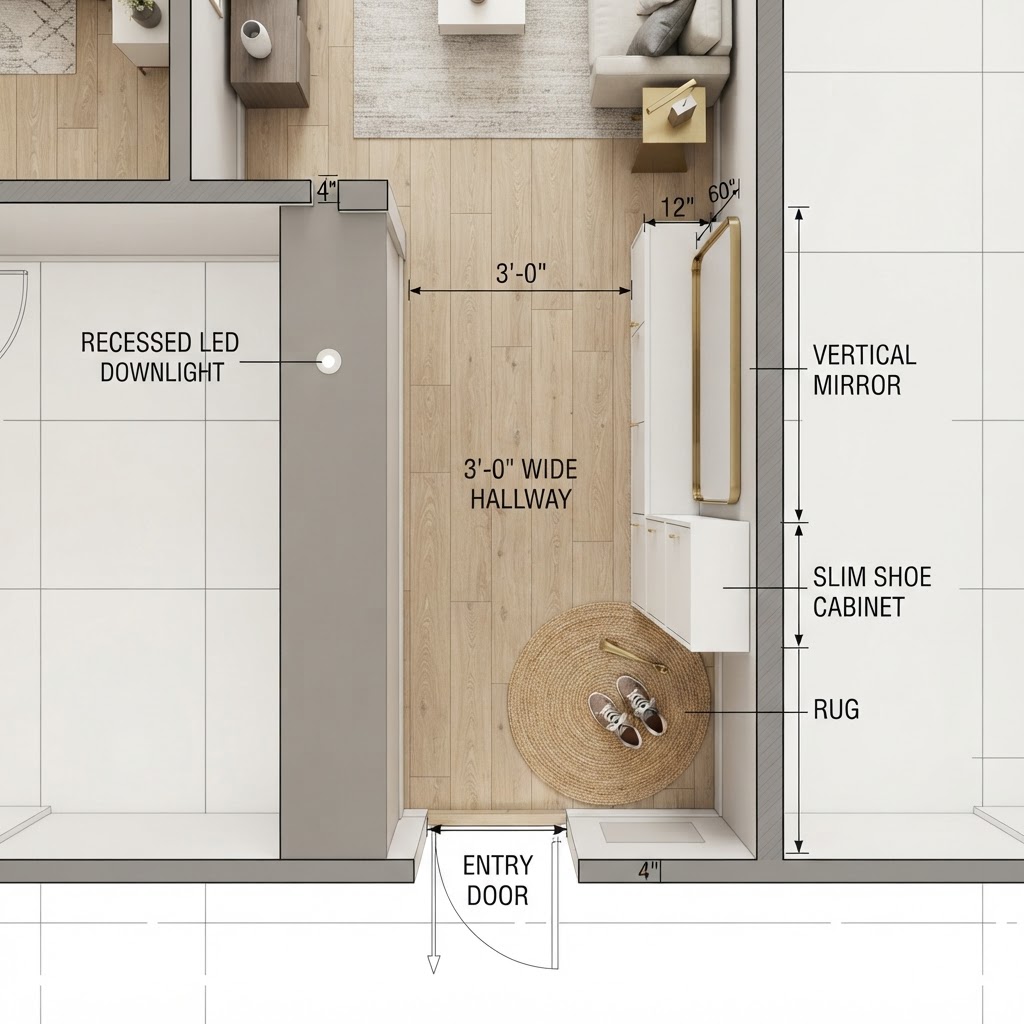
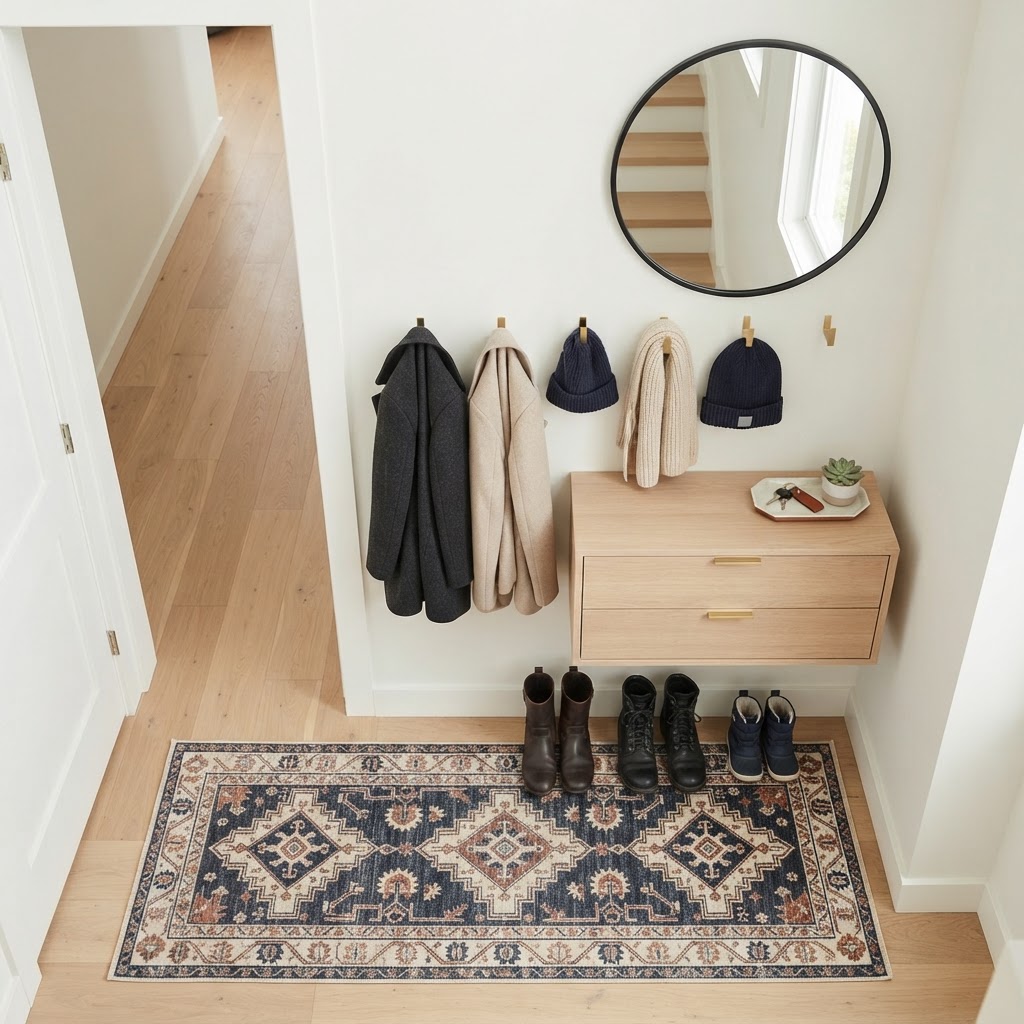
A floor plan view demonstrating how slim furniture fits perfectly in narrow entryways.

Efficiency in a 3-foot entryway is achieved through multi-functional hardware that serves at least two purposes simultaneously. Since every square inch must earn its keep, avoid single-use items like bulky umbrella stands or traditional coat racks that occupy precious floor space. Instead, utilize “drop-zone” integrations such as a mirror with an attached shelf or wall-mounted cubbies that feature integrated hooks underneath.

For footwear, a wall-mounted, pull-out shoe cabinet is the gold standard for small spaces. These units typically range from 5 to 7 inches in depth, allowing you to store 6 to 12 pairs of shoes vertically behind a sleek, closed panel. This eliminates the visual noise of mismatched sneakers and boots cluttering your floor. If you must use baskets, choose wall-mounted wire or wicker wall pockets to keep the floor surface entirely free for easy cleaning. By designating specific homes for mail, keys, and accessories, you prevent the common “catch-all” pile that develops in transition spaces. Maintaining this disciplined organization ensures the entryway remains a high-functioning asset rather than a storage liability. Always prioritize hardware that uses recessed mounting to avoid snagging coats or bags, and stick to a monochromatic palette for your storage units to help them recede into the wall color, further enhancing the feeling of spaciousness.

Maximizing Lighting and Reflection

Create a welcoming and stylish arrival zone with well-placed decor.

Proper lighting and strategic mirror placement can effectively double the perceived size of a 3-foot wide entryway by bouncing light across the surface area. Because floor lamps are unsuitable for narrow corridors, wall-mounted sconces or rechargeable motion-sensor LED puck lights are the optimal lighting choice. Install these lights at eye level or just below shoulder height to provide task lighting for finding keys while creating a warm, ambient glow that feels inviting.

Mirrors should be the primary focal point. A large, frameless mirror measuring at least 24 by 48 inches will provide the best visual expansion. Place the mirror directly across from a natural light source if possible; if no windows exist nearby, pair the mirror with a warm-toned sconce to replicate the effect. In narrow spaces, a “full-length” vertical orientation is superior to horizontal options, as it elongates the wall and provides a functional check-point for your appearance. Consider a mirror with a thin brass or black metal frame to add a touch of sophistication without taking up visual weight. By combining these lighting and reflection tactics, you replace a dark “dead-end” feeling with a bright, open arrival zone that feels integrated into the home rather than an afterthought.

Essential Items for Your Mini Foyer

To ensure your entryway is truly functional, you need a checklist of absolute essentials. You do not need a bench or a closet; you just need these four pillars of organization:

  1. Hooks for outerwear and umbrellas.
  2. A small tray or bowl for keys and wallets.
  3. A vertical shoe organizer or slim cabinet.
  4. A mirror for final adjustments.

By keeping only these four categories of items in your 3-foot space, you prevent the area from becoming a dumping ground for junk mail or random household items. If an object does not serve a purpose in the transition between “outdoors” and “indoors,” it does not belong in your entryway.

Keeping the Space Clutter-Free

Maintaining a functional entryway requires a daily commitment to tidiness, as the proximity of the space means even one rogue item triggers a sense of disarray. Implement a “one-in, one-out” policy for your shoe storage; for every new pair you bring into the hallway, an old pair must be moved to a closet or donated. This prevents the cumulative effect of seasonal gear overrunning your slim-profile cabinets.

Utilize a “staging basket” for outbound items, such as returns or donations, to keep them out of sight until you are ready to leave. This basket should be placed on a low shelf or mounted to the wall to keep the floor clear. Additionally, perform a weekly “entryway audit” to remove any mail, flyers, or trash that has collected on your key tray. Keeping the surface of your entryway free of non-essential items is the most critical habit for ensuring the 3-foot space remains functional rather than becoming a repository for miscellaneous household clutter.

Small Entryway Makeover & Organization

Styling Tips for a Narrow Entryway

Even in a 3-foot space, style should not be sacrificed. You can make a bold statement with a single strip of accent wallpaper, a fun coat of paint, or a unique light fixture. Because the area is small, you can get away with more dramatic choices, like deep navy walls or a patterned tile floor, without overwhelming the entire house.

If you have a bit of floor space, a narrow runner rug can act as a bridge between your entryway and the rest of your living area. Choose a rug that is durable and easy to clean, as it will be the first thing your shoes touch when you walk in the door. A runner also adds a touch of warmth that makes the entryway feel like an intentional part of the home rather than just a hallway.

Creating a Functional Transition Zone

Ultimately, your entryway is a transition zone. It is where you shift from the demands of the world to the comfort of your home. By keeping your 3-foot area focused on function, you are actually creating a mental transition as much as a physical one. When you walk in and find your keys exactly where they belong and your coat hung up neatly, you feel more in control of your environment.

Think about the habits you want to form. If you always leave your bag on the floor, install a hook that is strong enough to hold your bag at shoulder height. If you hate digging for keys, make sure your tray is at eye level right next to the door. Small adjustments to your habits will reinforce the functionality of your design choices.

FAQ

Q: What is the ideal depth for furniture in a 3-foot entryway?

Keep furniture depth to 12 inches or less to maintain a clear walking path. Items like wall-mounted consoles or pull-out shoe cabinets are best, as they provide necessary storage without encroaching on the limited floor space available in narrow hallways.

Q: How do I store shoes without a bulky rack?

Use a wall-mounted pull-out shoe cabinet with a depth of 5 to 7 inches to hide footwear vertically. This keeps floors clear, prevents tripping hazards, and keeps your shoes organized in a sleek, compact, and hidden manner.

Q: Can I use mirrors to make a small entryway feel bigger?

Yes, a large frameless mirror installed on the wall will reflect light and trick the brain into perceiving the space as larger. Position the mirror across from a natural light source to maximize the brightening effect, which instantly makes a narrow area feel more open.

Q: How many hooks do I need for a functional entryway?

Aim for at least one hook per household member, plus two extra for guests. If space is tight, use a vertical coat rack or install multiple hooks at varying heights to stack outerwear efficiently without crowding the wall horizontally.

Q: What is the best way to prevent clutter in a small foyer?

Adopt a strict “one-in, one-out” policy and use a designated tray for small items like keys and mail. By assigning a specific home for every item and clearing non-essential mail immediately, you stop the accumulation of clutter before it overwhelms your 3-foot zone.

10 Small Entryway Storage Ideas for Apartment Renters

10 Small Entryway Storage Ideas for Apartment Renters

To organize a small apartment entryway, prioritize vertical wall-mounted organizers, multi-functional furniture like slim shoe cabinets, and under-console storage bins. These solutions maximize square footage, keep floor space clear, and ensure essential items remain accessible without requiring permanent drilling or structural modifications to your rental unit.

Rethink Your Vertical Space

A slim console table is perfect for small apartment entryways.

When floor space is at a premium, vertical storage is the most effective strategy for apartment dwellers looking to maximize utility. By keeping items off the floor, you create a visual sense of openness, making even narrow entryways feel significantly larger. High-quality adhesive hooks, rated for up to 10-15 pounds, allow you to hang heavy winter coats and bags securely without violating lease agreements by drilling into drywall.

The Power of Wall-Mounted Systems

Floating shelves transform dead wall space into functional storage zones for daily essentials. Installing shelves at heights between 36 and 48 inches ensures that items like keys, wallets, and mail are at natural reach. For maximum efficiency, mount a magnetic strip directly beneath your shelf to organize keys, preventing them from becoming lost in the shuffle of daily life.

Solution Type Best For Renter-Friendly?
Adhesive Hooks Coats/Bags Yes
Floating Shelves Mail/Decor Yes (with light anchors)
Over-the-Door Racks Accessories Yes
Pegboards Custom Layouts Yes

Renter-Friendly Furniture Hacks

Vertical wall storage saves precious floor space.

Selecting furniture designed for compact living is essential for maintaining a clean aesthetic in a rental environment. Slim entryway consoles, typically measuring 8 to 12 inches in depth, provide necessary surface area for decor and mail storage without obstructing narrow hallways. For those with significant footwear collections, a vertical shoe cabinet with a tilting door mechanism is a superior choice; these units generally occupy less than 1 square foot of floor space while holding up to 12-16 pairs of shoes, keeping your entryway free of tripping hazards.

Maximizing Hidden Storage Underfoot

Vertical shoe cabinets hide clutter effectively.

Floor space beneath furniture is an often underutilized asset in small apartment floor plans. By selecting a bench or console with open cubbies or built-in shelving, you create a dedicated “parking spot” for shoes, which prevents them from scattering across the entryway floor. Incorporating storage baskets into these cubbies adds a layer of organization that hides visual clutter, such as umbrellas, spare keys, or pet leashes. Using woven baskets for texture or metal bins for a modern industrial look keeps your space feeling intentional rather than chaotic.

Creating Zones in Small Hallways

A well-defined entryway zone creates a clean welcome.

Defining a functional entryway zone using rugs and lighting helps psychologically separate your living space from the entryway transition zone. A durable runner rug, specifically sized to fit your hallway width, acts as a barrier to catch dirt and debris before it reaches your living area, effectively keeping your floors cleaner for longer. Additionally, incorporating a floor mirror—securely anchored for safety—not only allows for a final appearance check but also bounces natural light around the room, which can double the perceived depth of a cramped hallway by up to 50%.

3 Small ENTRYWAY CHANGES Make a BIG Difference <em>Renter Friendly</em>” src=”https://img.youtube.com/vi/g5R75j4omF8/hqdefault.jpg” style=”display:block; margin:2.5em auto; max-width:100%; height:auto;” /></a></p>
<h2>Smart Hooks and Hanging Solutions</h2>
<p>Optimizing your wall and door space with the right hardware ensures that every square inch is functional. Folding hooks, which sit flush against the wall when not in use, are ideal for narrow hallways where traditional hooks might snag on clothing or bags. Beyond basic hooks, consider modular systems that allow you to swap configurations as your storage needs change, ensuring your hallway remains a high-efficiency transition point.</p>
<div style=

Feature Benefit for Small Spaces
Folding Hooks Prevents snagging in tight areas
Over-Door Organizers Utilizes “dead” space behind doors
Pegboards Infinite modular customization
Tiered Baskets Maximizes height for light items

Managing Seasonal Clutter

Maintaining an organized entryway requires a proactive approach to seasonal transitions that prevents storage overload. By implementing a “one in, one out” rule, you ensure that your storage capacity matches the specific season, such as removing winter boots during the spring or storing summer sandals in the fall. Rotate your seasonal items in labeled bins stored in a bedroom closet or under the bed to ensure the entryway remains clear of bulkier items that aren’t currently necessary for daily use.

DIY Organization and Customization

DIY projects offer the most cost-effective way to tailor storage to your specific apartment constraints without making permanent changes. Tension rods can be installed inside existing coat closets to create double-hanging space for scarves and smaller items. Similarly, utilizing peel-and-stick wallpaper on basic storage furniture allows you to customize the aesthetic of store-bought pieces, making them look high-end while keeping your investment low as you transition between apartments.

FAQ

Q: What is the best way to store shoes in a small entryway?

A: The best way to store shoes is using a vertical, tilt-out shoe cabinet that holds 12-16 pairs while maintaining a shallow depth of less than 10 inches. This keeps floors clear and protects your walking path from clutter.

Q: How do I decorate a tiny entryway without it looking cluttered?

A: Focus on vertical storage and reflective surfaces like mirrors to bounce light throughout the room. Keep the floor clear and limit decorative items to those that provide utility, such as a tray for keys or a slim bench for seating.

Q: Can I hang things in a rental without damaging the walls?

A: Yes, you can use heavy-duty adhesive hooks or over-the-door organizers to hang items securely. These products are designed to hold significant weight and can be removed without leaving residue or requiring holes in the drywall.

Q: How can I create an entryway where there is none?

A: You can create an entryway zone by using a runner rug to define the space and placing a slim console table or wall-mounted shelf near the door. This layout provides a functional drop zone for your everyday essentials.

Tiny Apartment Entryway Ideas: Maximize Style and Space

Tiny Apartment Entryway Ideas: Maximize Style and Space

To maximize a tiny apartment entryway, focus on vertical storage, floating furniture, and strategic mirror placement to create the illusion of space. Implement a dedicated “drop zone” system to eliminate clutter, utilizing wall-mounted hooks and slim, tilt-out shoe cabinets that keep the floor clear and the visual field open.

Rethinking Your Vertical Space

A floating console keeps the floor clear for a spacious look.

When floor space is limited, your walls become your most valuable real estate for storage and visual design. Installing floor-to-ceiling shelving or heavy-duty hooks allows you to utilize the top 7 feet of wall space, which is often neglected in small apartments. By drawing the eye upward, these vertical elements effectively “lift” the room, creating an optical illusion that makes a cramped foyer feel significantly taller and more spacious than its actual square footage suggests.

The Power of Wall-Mounted Furniture

Wall-mounted console tables are a game-changer for those seeking tiny apartment entryway ideas that save floor space. Unlike traditional tables with four legs that create visual clutter, a floating piece keeps the floor clear, allowing the eye to see more surface area and making the entryway feel larger. You can opt for a slim design with a drawer to tuck away keys, wallets, and mail, keeping the surface free of daily debris.

Feature Traditional Table Floating Console
Floor Footprint 12-16 inches 0 inches
Visual Weight Heavy/Cluttered Airy/Minimalist
Storage Capacity High (open) Moderate (concealed)
Ease of Cleaning Difficult Easy (sweep underneath)

Why Floating Solutions Win

Floating shelves or cabinets are superior in small spaces because they avoid the bulky look of traditional furniture. They provide just enough surface area to hold a decorative vase or a bowl for essentials without dominating the room. Furthermore, their minimalist aesthetic complements a modern, airy interior design perfectly, ensuring that your home feels curated and intentionally styled. By keeping the floor clear, you reduce visual noise, which is essential for maintaining a sense of order in homes under 500 square feet.

Mirrors as Architectural Tools

Wall-mounted organizers are perfect for keeping essentials accessible.

Mirrors function as essential architectural tools in small entryways by reflecting light and depth, effectively doubling the visual size of a restricted hallway. A mirror placed strategically opposite your front door or a nearby window captures natural light, bouncing it back into darker corners to eliminate shadows. For the best result, consider an oversized mirror that covers at least 60% of a central wall, as this creates a “portal” effect that makes the space feel like an extension of the living room rather than a closed-off transition area.

Choosing the Right Mirror Shape

For a narrow hallway, a tall, rectangular mirror can emphasize height. If you want to soften the harsh edges of a square or rectangular apartment, choose an oversized circular mirror. The curvature breaks up the monotony of straight, boxy walls and adds a touch of elegance that makes the space feel more luxurious. Integrating a mirror with an integrated shelf can also provide a “two-in-one” benefit for checking your appearance and holding your keys.

Smart Storage for Shoes and Accessories

Floor-to-ceiling storage maximizes every square inch.

Shoes are the primary culprits behind entryway mess, but you do not need a massive closet to keep them under control if you use specialized slim storage furniture. Look for “shoe cabinets” that feature a tilt-out mechanism; these units are often less than 10 inches deep but can hold 12 to 24 pairs of shoes depending on the width. By concealing the clutter behind a clean facade, you maintain a polished entrance that doesn’t scream “messy apartment” to your guests.

Multi-Functional Seating

If you have even a tiny bit of room, a small stool or ottoman can serve a dual purpose. Look for ottomans with removable lids that offer hidden storage space inside. This gives you a place to sit while putting on your shoes while simultaneously housing items like scarves, umbrellas, or reusable shopping bags that often clutter up a small entryway. Choosing furniture on wheels can also offer the flexibility to slide your seat under a console when not in use.

Lighting and Color Schemes

Light walls and mirrors make small spaces feel open and inviting.

Lighting is the most impactful factor in altering the mood and perceived scale of a tiny entrance. Avoid heavy, dark fixtures; instead, aim for layered lighting using 3000K-3500K warm LED bulbs, which provide a welcoming glow without the clinical feel of cooler lights. Installing a sleek wall sconce is a strategic move when ceiling height is limited, as it keeps the visual field clear while providing adequate illumination for finding items in your bag or checking your look before heading out.

The Impact of Paint and Color

When it comes to paint, lighter shades like alabaster, soft gray, or off-white are generally better for small, windowless entryways. These colors reflect light beautifully and prevent the walls from feeling like they are “closing in” on you. However, do not be afraid of a bold wallpaper or a deep accent color if used correctly. Sometimes, adding a vibrant piece of art or a painted archway can create a defined ‘zone’ for your entrance, giving it a personality that makes it feel like its own distinct room.

Organizing the Daily ‘Drop Zone’

One of the most effective tiny apartment entryway ideas involves establishing a strict ‘drop zone’ to prevent clutter migration. Human beings are creatures of habit; by assigning a permanent home for keys, mail, and bags within reach of the door, you create a psychological “off-switch” for the workday. A wall-mounted organizer at a height of 48-52 inches works best for most people, ensuring that items are accessible but tucked away to maintain a clean aesthetic.

The Three-Tiered Approach

  • Upper level (60″+): Hooks for hats, bags, and coats.
  • Mid-level (36″-48″): A small shelf or tray for keys and daily essentials.
  • Lower level (below 24″): A tidy bin or slim rack for footwear.

Keeping it Minimal and Functional

Maintaining a tiny entryway requires a regular maintenance routine rather than just a one-time setup. Perform a monthly 5-minute audit of your space: rotate seasonal footwear to a closet, remove junk mail immediately, and ensure every item currently in your foyer has a functional purpose for your daily routine. Minimalism is about intentionality; if an item doesn’t serve you, it shouldn’t occupy your precious, limited entryway square footage.

The Power of Minimalism

Minimalism is not about having nothing; it is about having items that serve a purpose. In a tiny apartment, every single item in your entryway should have a job. If a piece of decor is just taking up space without adding visual joy, consider moving it or donating it. A clean, uncluttered surface sends a signal of peace to your brain the moment you walk through the door.

FAQ

How do I organize a tiny entryway without a closet?

Use vertical wall space by installing heavy-duty hooks for coats and slim, wall-mounted shoe cabinets that provide hidden storage. These solutions keep floor space clear and use height instead of width to manage your daily essentials effectively.

What are the best colors for a small entryway?

Light, reflective colors like off-white, cream, or light grey are ideal because they maximize natural light and make walls feel more distant. If you prefer color, use a high-gloss finish or bold artwork to create a focused “zone” without shrinking the room.

How can I make a narrow hallway look wider?

Install a large mirror opposite an entryway light source to reflect light and create a sense of depth. Additionally, keep the floor clear by using floating furniture, as seeing the full length of the floor helps the eye perceive the space as larger.

What is a good ‘drop zone’ for a small apartment?

A ‘drop zone’ is a dedicated area, such as a wall-mounted console or a series of hooks, where you place keys, mail, and bags immediately upon entering. By grouping these items in one spot, you prevent clutter from spreading into the rest of your apartment.

27 Genius Small Entryway Ideas That Instantly Hide Clutter

Walking through the front door should feel like a breath of fresh air, not a hurdle race through piles of shoes and scattered mail. If your foyer is constantly overwhelmed by chaos, you are certainly not alone. Finding 27 genius small entryway ideas that instantly hide clutter is the ultimate game-changer for homeowners struggling with limited space. By rethinking how you utilize vertical areas and hidden storage, you can turn a cramped landing into a serene, functional, and organized welcome zone that keeps your daily necessities tucked away but within reach.

The Power of Vertical Storage Solutions

A slim console and mirror open up this small entryway.

When floor space is at a premium, the only way to go is up. Vertical storage is one of the most effective ways to manage mess because it draws the eye upward and keeps essential items off the ground. By installing wall-mounted organizers, you eliminate the “floor pile” phenomenon entirely.

Maximize Wall Space with Hooks and Shelves

Wall hooks are not just for coats; they are a versatile storage tool. Consider installing a row of decorative hooks at different heights to accommodate children’s gear alongside adult coats. Above these, adding a floating shelf provides a dedicated spot for keys, wallets, and sunglasses, preventing the dreaded “junk drawer” effect on your entryway console.

Creating a Command Center

Integrate a small magnetic whiteboard or a corkboard above your console table. This keeps mail, coupons, and reminders off surfaces. When you have a dedicated “landing strip” for paper clutter, it is much easier to maintain a clean aesthetic.

Rethinking Furniture for Tiny Foyers

Bench storage is the perfect way to hide shoes.

Standard entryway furniture is often too bulky for small apartments or narrow hallways. To hide clutter effectively, you need pieces that do double duty or provide concealed storage compartments that keep your life organized.

Choosing Multi-Functional Pieces

A bench with built-in cubbies or drawers is the gold standard for small entryways. It provides a spot to sit while putting on shoes, while the storage beneath holds bins full of umbrellas, seasonal accessories, and stray bags. Look for slim-profile designs that don’t block traffic flow.

The Magic of Slim Consoles

If you lack space for a full bench, a wall-mounted console table with a single drawer can work wonders. Keep the surface clear of everything except a small decorative tray for mail, and use the drawer to house items that would otherwise look like clutter. Opting for pieces with tapered legs makes the area feel larger and more open.

Concealing Footwear Like a Pro

Tilt-out cabinets provide hidden storage for shoes.

Shoes are the primary culprits in most messy entryways. Finding ways to store them discreetly is essential for a clean look. The goal is to move shoes off the floor and into enclosed storage to prevent visual noise.

Using Tilt-Out Shoe Cabinets

Tilt-out cabinets are incredibly narrow, making them perfect for cramped hallways. They house shoes vertically, allowing you to store a significant amount of footwear in a footprint that is often less than a foot deep. By closing the door on your shoes, you instantly hide the clutter that often dominates the entryway floor.

Under-Bench Baskets

If you prefer an open look, use uniform woven baskets or bins beneath a bench. Labeling them ensures that every family member knows exactly where their shoes go. This system makes it easy to “hide” shoes at the end of the day by simply sliding the bin under the seat.

Clever Hidden Storage Hacks

Minimalist wall-mounted furniture maximizes floor space.

Sometimes the best storage is the kind you don’t see at all. By utilizing dead space or installing clever organizers, you can keep your home entrance looking pristine without sacrificing utility.

Utilizing the Door Back

Don’t ignore the space behind your door. Over-the-door organizers can hold everything from dog leashes to lightweight rain gear. By placing items here, they are hidden from view whenever the door is open, effectively clearing your line of sight as soon as you step inside.

Floating Cabinets and Drawers

Wall-mounted drawers create a clean, minimalist look. By floating the unit off the floor, you create a sense of spaciousness, and you can easily tuck floor-cleaning equipment or slippers underneath. It turns a functional storage piece into an architectural feature.

Lighting and Mirrors to Enhance Space

A cramped, dark entryway always feels more cluttered than it actually is. By using design tricks that maximize light, you can make the area appear more airy, which helps hide the feeling of confinement that often accompanies small, messy spaces.

The Strategic Use of Mirrors

Place a large mirror directly across from the entry or on a side wall. This reflects light and creates the illusion of depth, making a small entryway feel twice as big. A clean, mirrored surface also forces you to keep the area tidy, as the reflection will amplify any clutter left behind.

Brightening the Area

Replace dim overhead lighting with something warmer and brighter. A stylish flush-mount fixture or a set of wall sconces can highlight your storage solutions rather than casting shadows that emphasize piles of objects. Proper lighting makes even the smallest space look intentional.

Essential Decluttering Habits for the Foyer

Having the right storage is only half the battle. To keep your entryway clean, you must implement a “one in, one out” policy. Every item that enters the home must have a designated home, or it must be processed immediately.

The Daily Sweep

Make it a habit to clear the entryway every single evening. Take two minutes to return shoes to their bins, hang up coats, and sort the mail. This tiny habit prevents clutter from snowballing into a weekend-long cleanup project.

Seasonal Rotation

Your entryway should only house items you need for the current season. Store winter boots in the summer, and vice-versa, in a dedicated bin in your closet or basement. By rotating your inventory, you free up physical and visual space, ensuring your entryway stays functional throughout the year.

Creating a Welcoming Ambiance

Once the clutter is hidden, focus on the details that make the space inviting. An entryway is the “hello” of your home, and it should reflect your personality. Add a small plant or a piece of art to give the area character.

The Importance of Color and Texture

Choose light colors to paint your walls, which helps open up the visual space. Incorporate natural textures like jute rugs or wood grain storage units to add warmth without adding “visual noise” that makes a space look busy.

Conclusion

Mastering your foyer doesn’t require a renovation; it simply requires the right strategy. By implementing these 27 genius small entryway ideas, you can reclaim your space, hide the clutter, and create an entrance that makes you feel happy to be home. From vertical wall storage and tilt-out cabinets to the simple power of daily habits, you have everything you need to transform your home. Start small, pick one or two of these tips, and watch as your entryway becomes the most organized room in your house! Ready to get started? Pick your first storage project today and reclaim your calm entryway.