8 Clever Ways to Organize Under the Sink in Small Kitchens
To organize under a small kitchen sink effectively, utilize vertical storage solutions like tiered shelving, tension rods, and adhesive door hooks to maximize every square inch. By categorizing items into clear bins and implementing rotating turntables, you can transform a chaotic cabinet into an efficient, accessible cleaning station within minutes.
Assess and Declutter Your Under-Sink Zone
Before purchasing storage, clear the entire cabinet to perform a deep audit of your supplies. Empty everything, wipe down surfaces with a disinfecting cleaner, and discard expired products or items that belong in other rooms. Statistics show that up to 30% of under-sink items are either expired or never used, which directly contributes to unnecessary clutter. This foundational step is crucial because it provides an accurate measurement of your available space, allowing you to plan a custom configuration without interference from unused, heavy-duty chemicals or duplicate sponges. If you are looking to revitalize your living space, learning how to decorate a small apartment on a budget can help you find affordable solutions that make a major impact. If you are trying to stretch your renovation dollars, integrating our budget-friendly small apartment kitchen ideas can help you elevate the entire room while you tackle your under-sink storage project.
Why Decluttering Matters
Removing unnecessary items prevents a domino effect where clutter breeds more clutter. When you limit your inventory to essential daily items, the maintenance phase becomes significantly faster. Take a hard look at those “just in case” cleaners that have been sitting there for years; if they haven’t been used in 12 months, donate or properly dispose of them to reclaim prime real estate. For more specialized strategies, check out our guide on storing cleaning supplies in tiny homes to ensure every bottle has its place.
Utilize Adjustable Tiered Shelving
Installing adjustable tiered shelving units is the single most effective way to navigate around obstructive plumbing pipes. These racks allow you to stack supplies vertically, effectively tripling your usable surface area. Look for units that feature expandable widths between 15 and 25 inches and removable panels to accommodate drain pipes. If vertical space is limited to under 18 inches, a two-tier pull-out drawer is superior, as it allows you to access items at the back of the cabinet without kneeling or digging. Below is a comparison of common under-sink shelving materials to help you decide:
Install Adhesive Hooks on Cabinet Doors
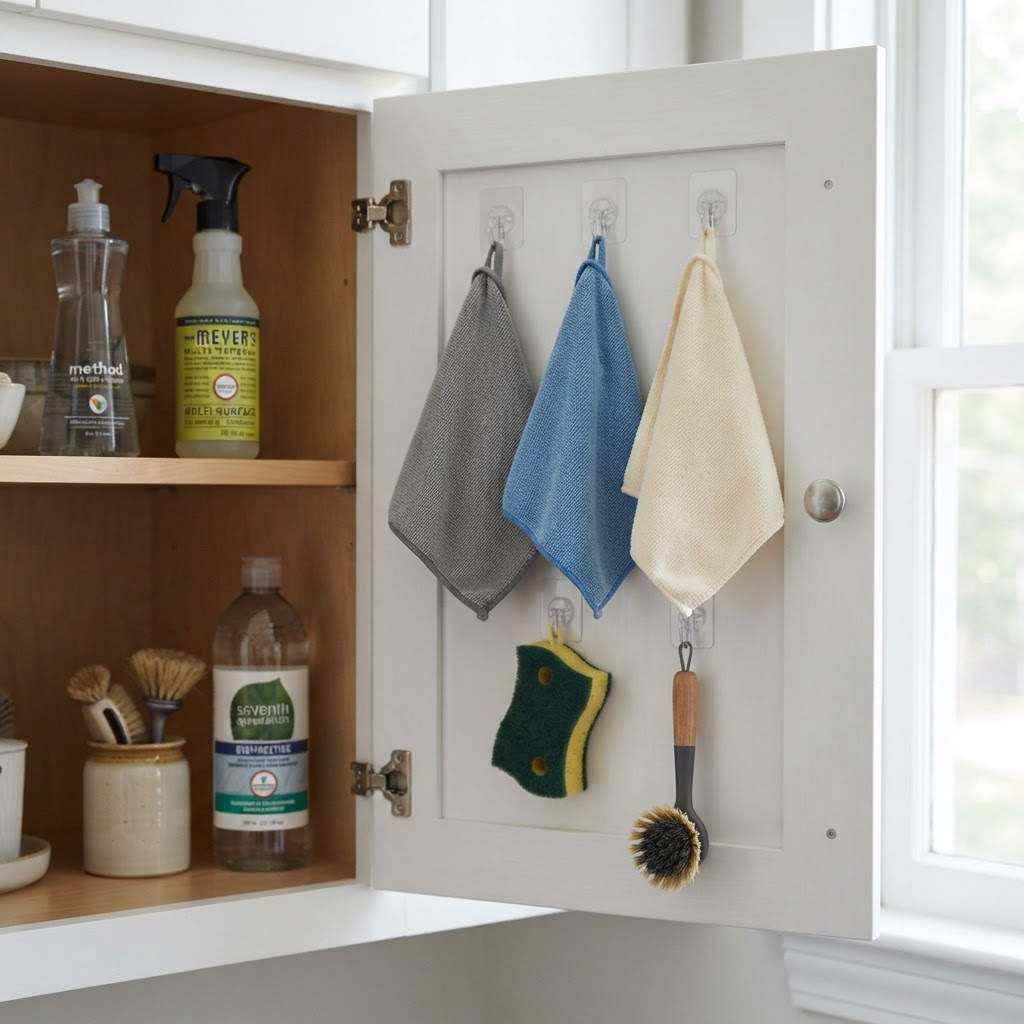
Your cabinet doors are often forgotten, yet they provide the most valuable vertical real estate for small-item storage. By adding water-resistant adhesive hooks or narrow bins to the interior doors, you successfully lift sponges, dish brushes, and microfiber cloths off the floor, which prevents mildew growth. For best results, use heavy-duty command strips rated for at least 3-5 pounds to ensure items do not fall when the door is opened quickly. Utilizing the back of the doors is a classic technique used by professional organizers to clear the “floor” space for heavier bulk items like multi-packs of paper towels or trash bags.
Group Items with Clear Plastic Bins
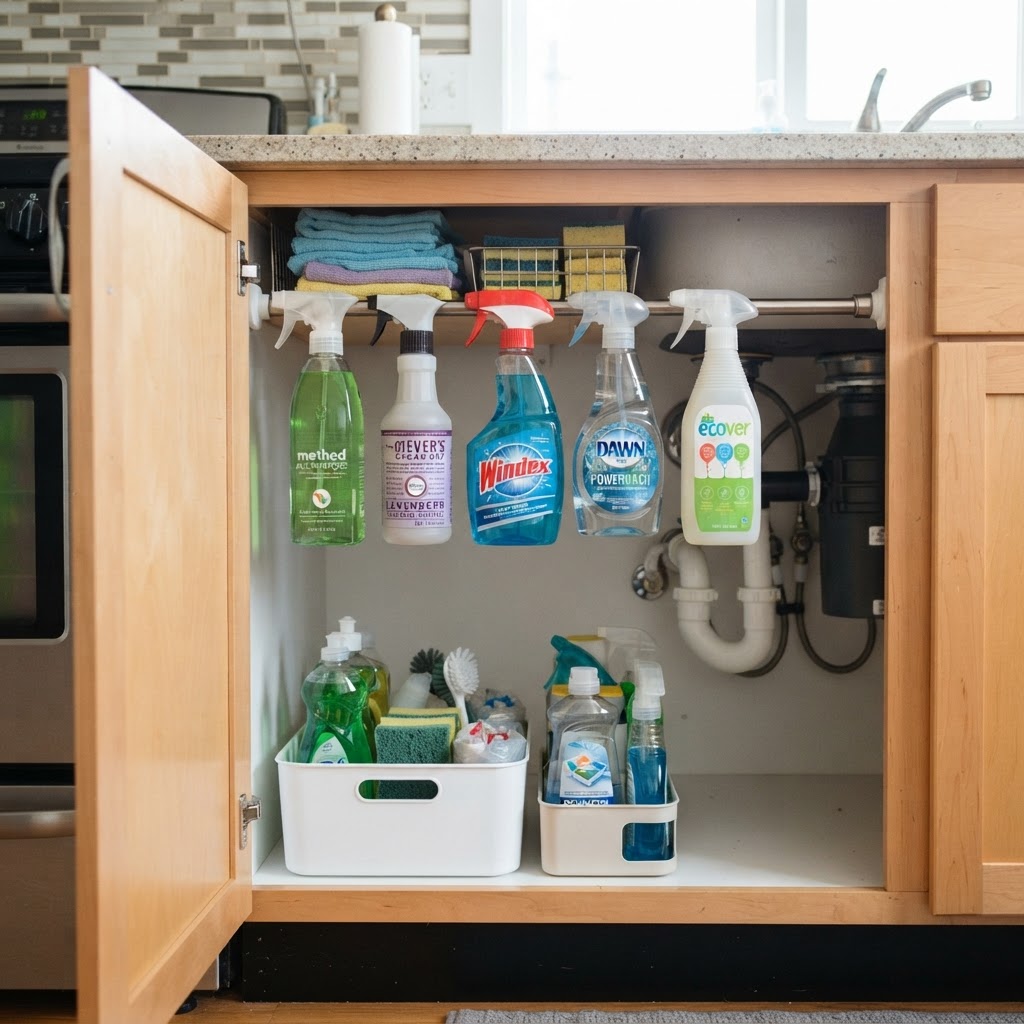
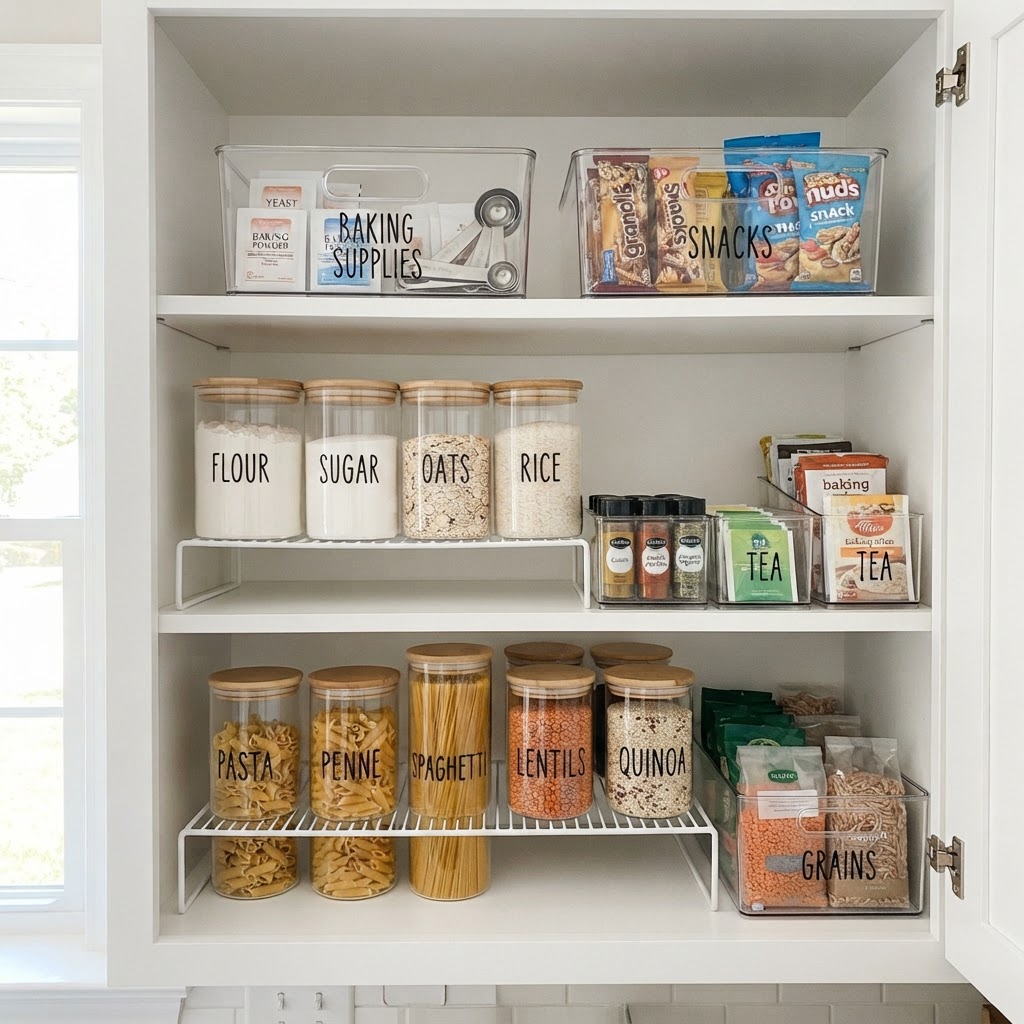
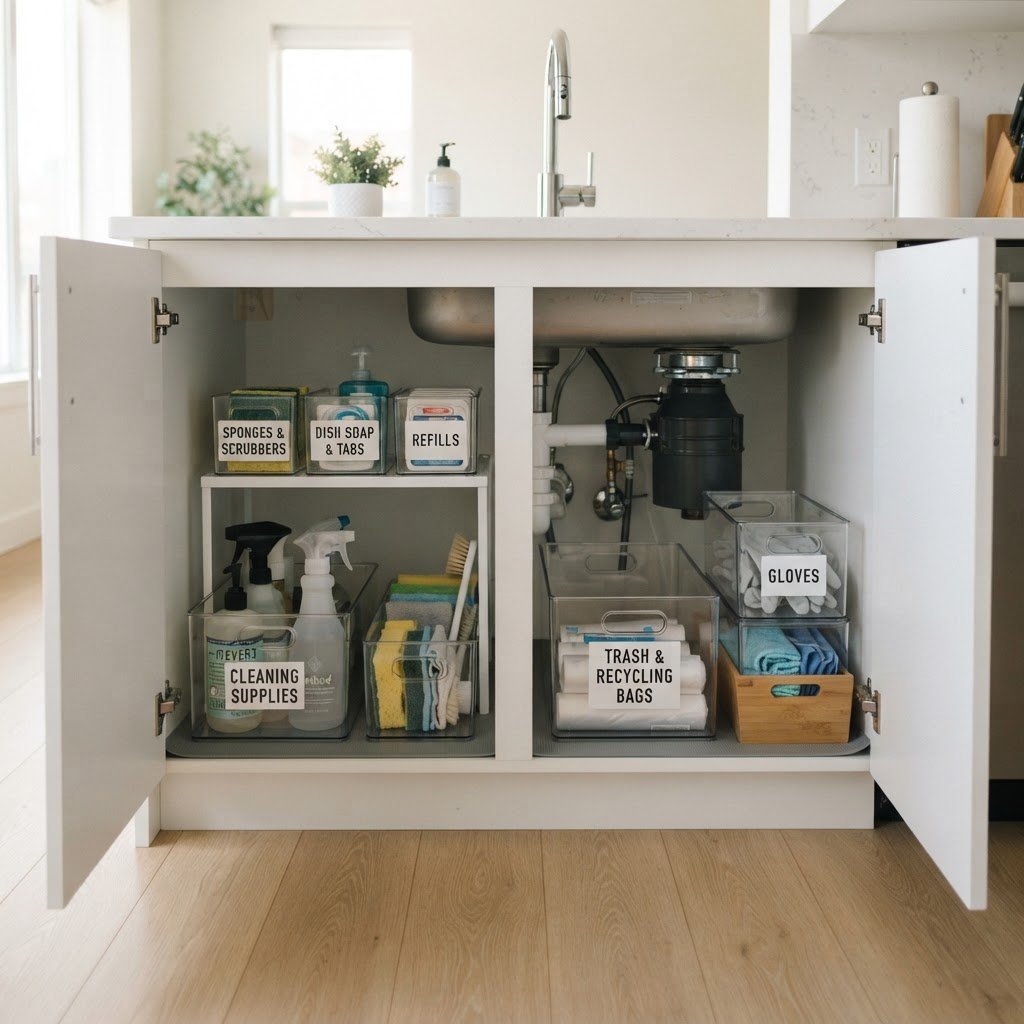
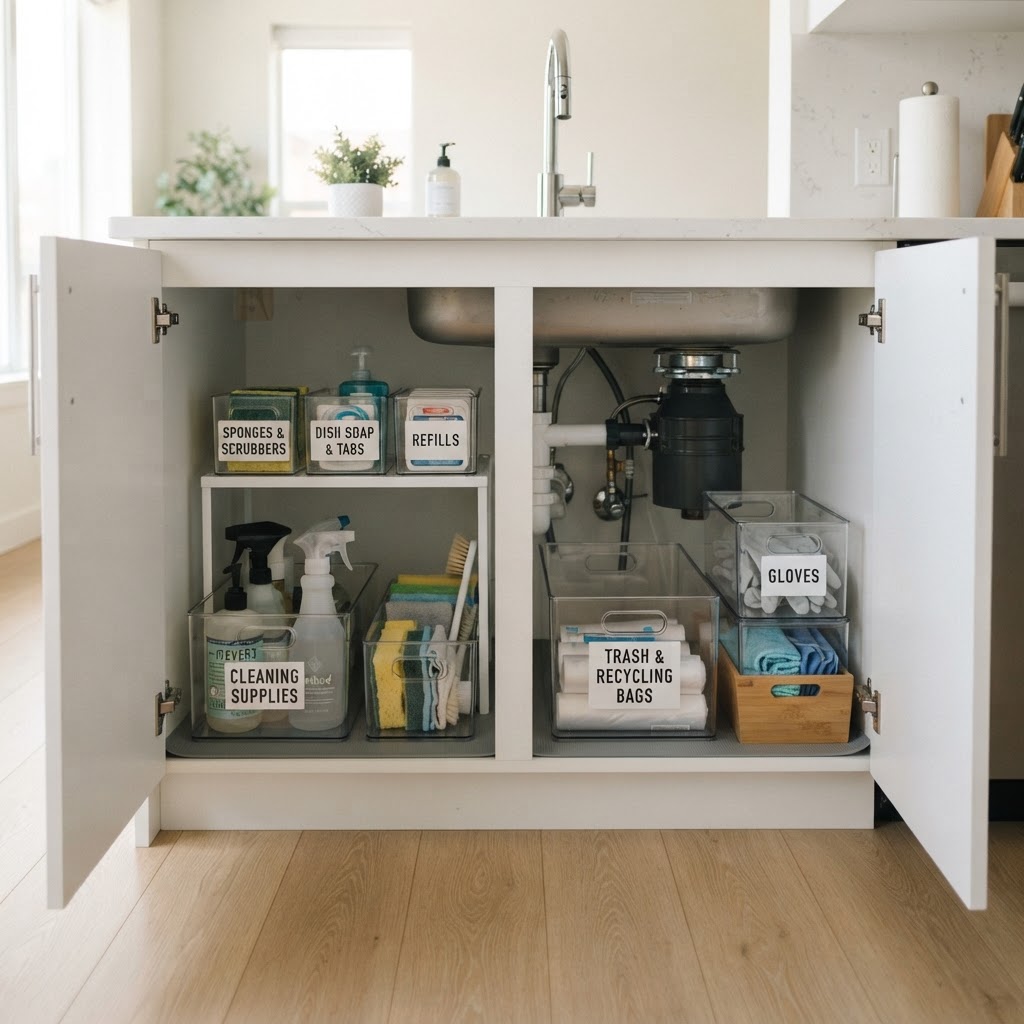
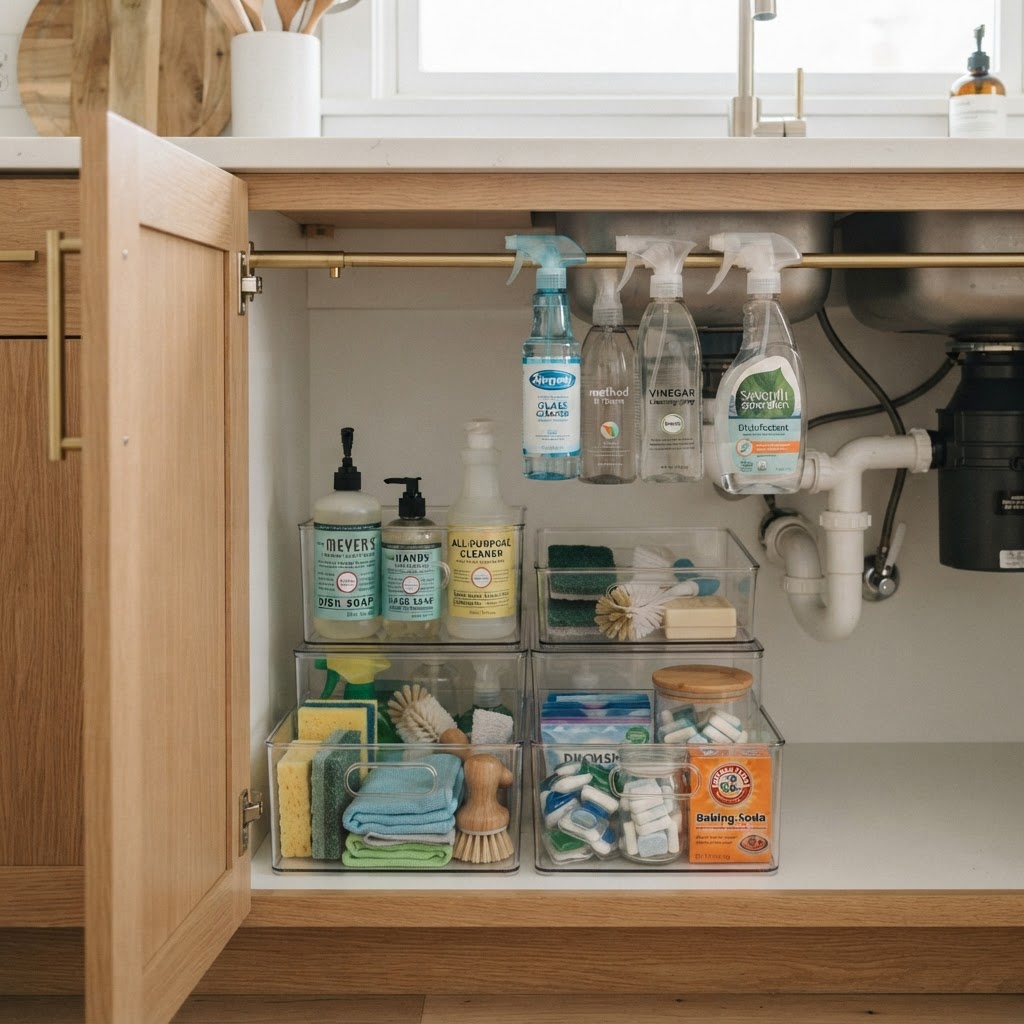
Categorization serves as the secret weapon of any professional organizer, turning a dark, cluttered zone into a visual inventory system. Group like items—such as surface cleaners, dish soap refills, and scrub brushes—into clear, labeled plastic bins to make items easy to find and inventory. Clear bins specifically help you track supply levels, reducing over-purchasing by roughly 20% by making stock visible. Using a label maker creates a permanent “home” for every item, which encourages other household members to return items to their proper location.
Implement Lazy Susans for Easy Reach
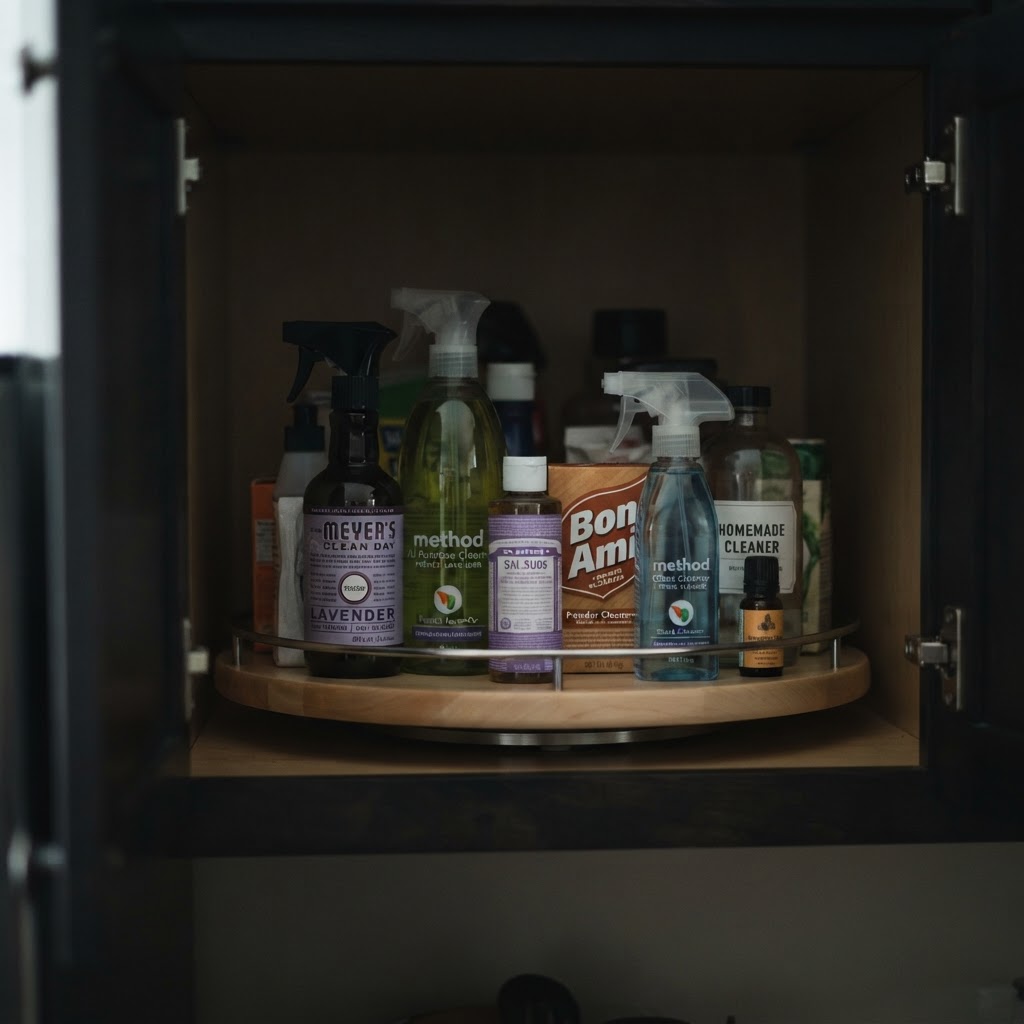
A rotating turntable, or Lazy Susan, provides 360-degree access to deep-cabinet items that would otherwise disappear into dark corners. These units are ideal for taller spray bottles and cleaning solutions, offering immediate access without the need to rearrange items. When choosing a Lazy Susan, opt for models with at least a 1-inch raised edge; this prevents bottles from tipping during rotation, which is vital for taller, thinner containers. For best function, measure your depth and width and choose a turntable that leaves at least 2 inches of clearance on all sides to prevent friction against the cabinet walls.
Maximize Vertical Space with Tension Rods
Installing a tension rod horizontally near the top of the cabinet creates an instant “hanging zone” for spray bottles. This DIY hack is particularly useful for small kitchen cabinets where fixed shelving isn’t possible due to plumbing fixtures. By hanging bottles by their trigger heads, you keep the base of the cabinet completely clear for larger, bulkier storage. Ensure the rod you purchase is made of stainless steel or rust-resistant aluminum, as the area under the sink is frequently exposed to humidity. A standard 15-20 inch tension rod typically supports 3 to 5 full-sized bottles without sagging.
Invest in Modular Stackable Drawers
Modular, stackable plastic drawers offer superior containment for small items like scrubbers, sponges, and small tools that tend to roll around on shelves. These units essentially create a mini-dresser inside your cabinet, allowing you to maximize the full height of the space without requiring complex installation or hardware. When shopping for these units, prioritize those that are stackable and clear; measuring your exact cabinet height is critical here—aim for a set that utilizes at least 90% of the vertical space available between the cabinet floor and the bottom of the sink drain.
Establish a Maintenance Routine
Maintaining an organized under-sink area requires a simple, recurring audit to ensure items don’t accumulate junk over time. Set a calendar reminder to check for leaks and wipe down storage bins every 90 days. During this brief 10-minute check, verify that all products are still relevant and that the system you designed is still functioning for your daily habits. Consistent maintenance prevents the “junk drawer” effect from returning, ensuring that your investment in organization lasts for years rather than months.
FAQ
How do I stop under-sink smells?
To eliminate odors, place a small bowl of activated charcoal or a container of baking soda inside the cabinet to absorb moisture. Regularly cleaning the area and ensuring no damp sponges are left sitting on the floor will also prevent mildew growth.
Can I use wood organizers under the sink?
Yes, but you should apply a water-repellent sealant to protect the wood from leaks and high humidity. Avoid using raw wood, as it is prone to swelling and mold in damp, dark environments like under-sink cabinets.
What is the best way to handle leaking pipes?
Always prioritize plumbing repairs over organization. If you detect a leak, clear the cabinet immediately to prevent water damage to your storage units and cabinetry, and address the pipe seal or connection before reinstalling any items.
How do I measure a small cabinet correctly?
Measure the width, depth, and height of the cabinet interior, specifically noting the position of pipes and the disposal unit. Subtract at least 1-2 inches from these dimensions to ensure your chosen organizers fit comfortably without scratching the cabinet walls.
Where should I store heavy items?
Store heavier items, such as bulk detergent jugs or cleaning buckets, on the base of the cabinet floor. This adds stability to the cabinet and prevents the risk of shelving units tipping over from uneven weight distribution.
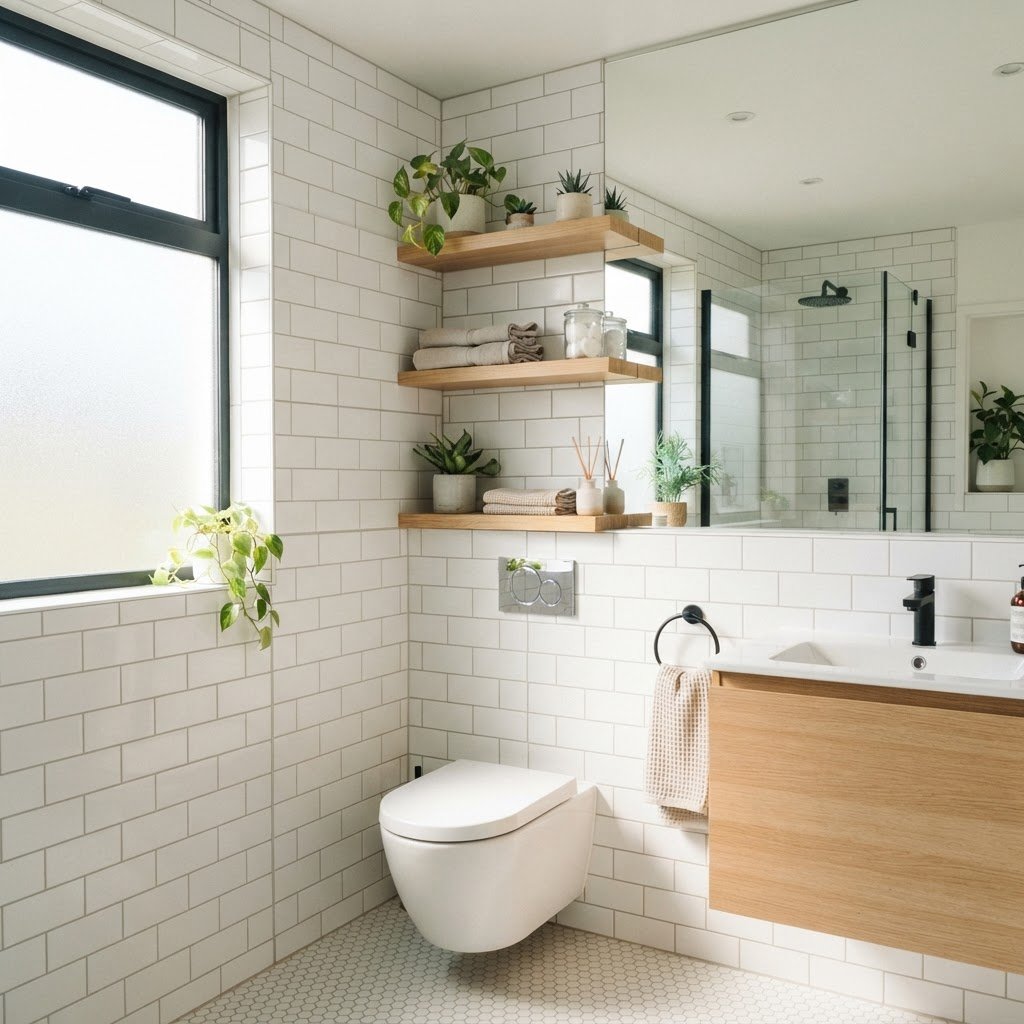
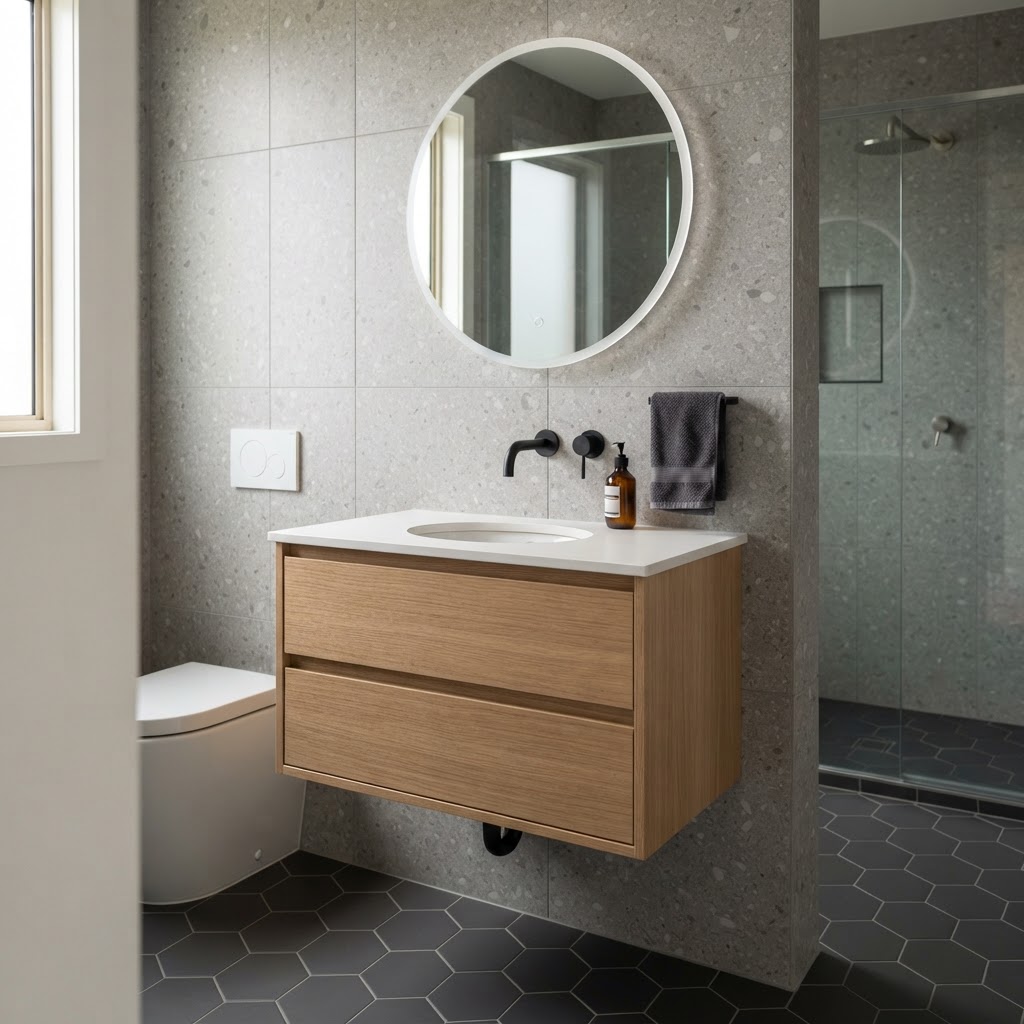
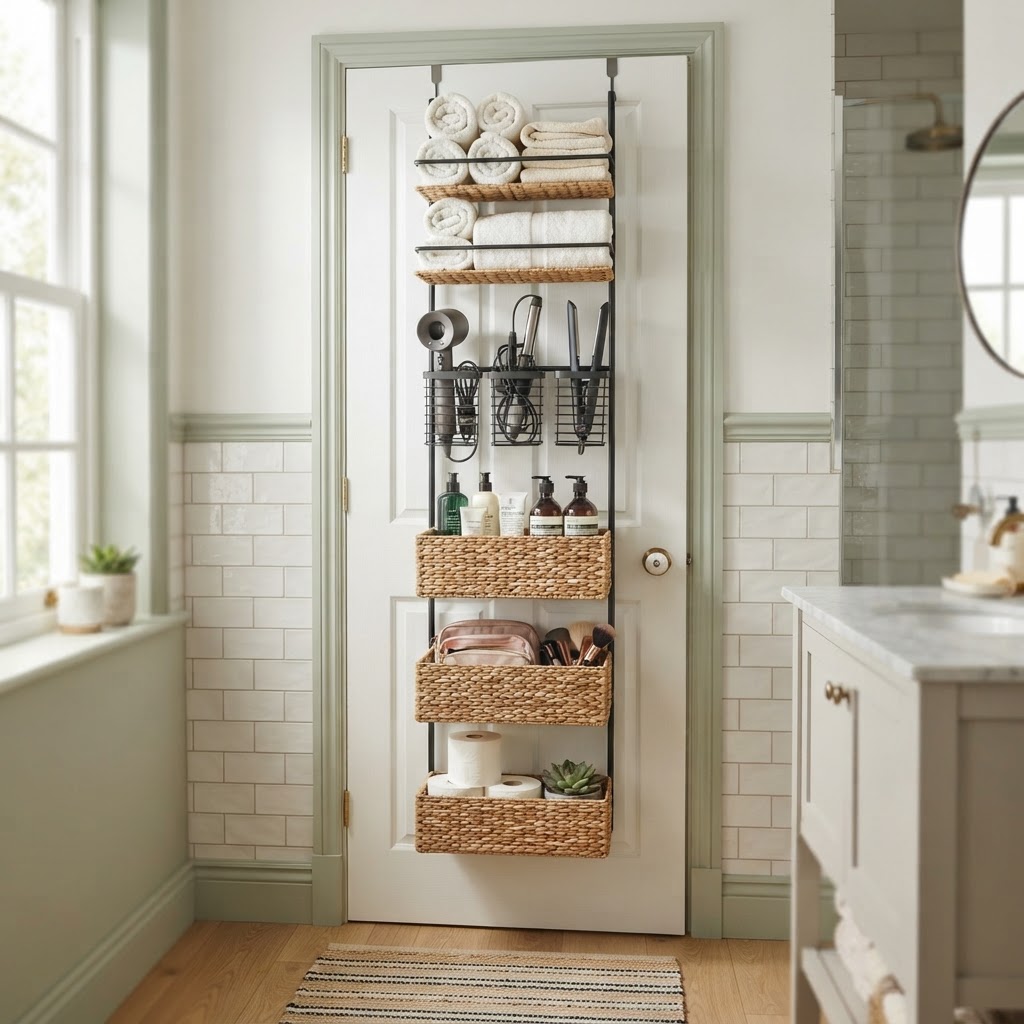
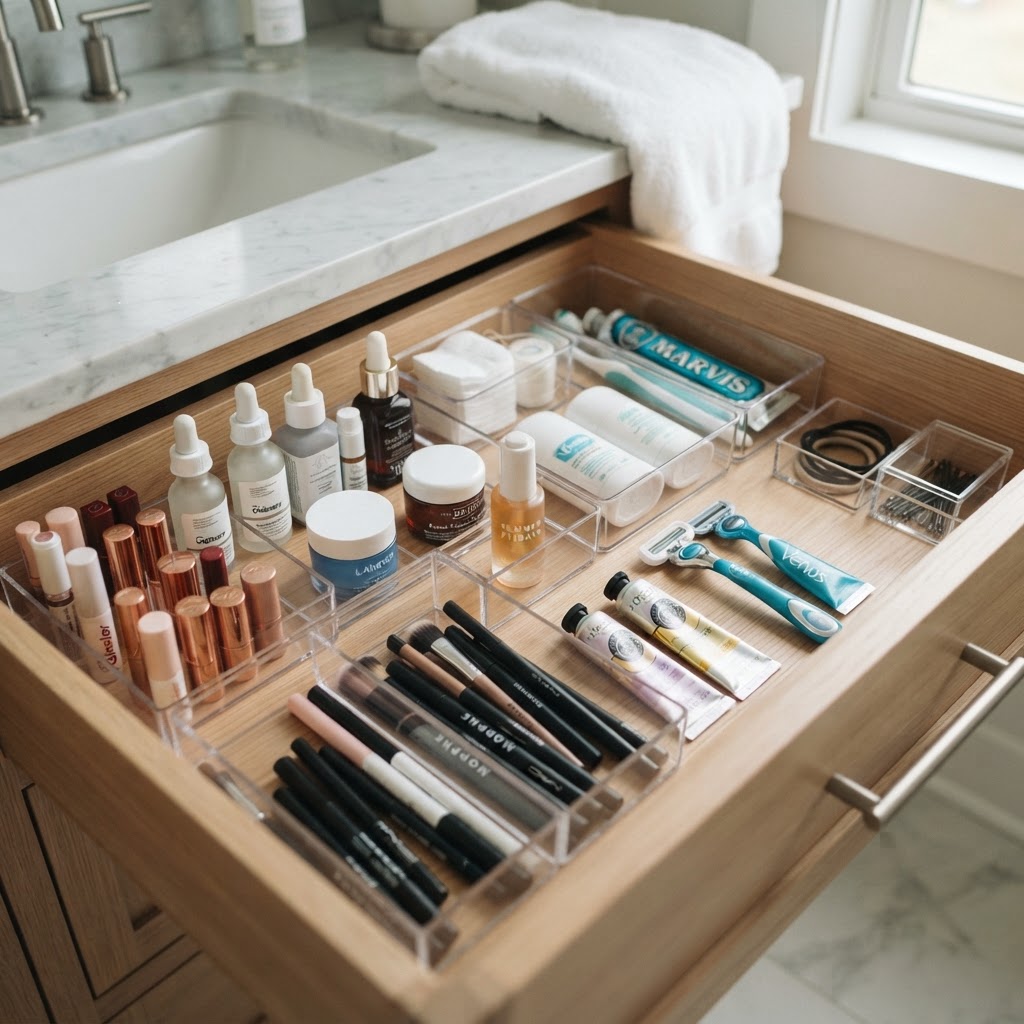
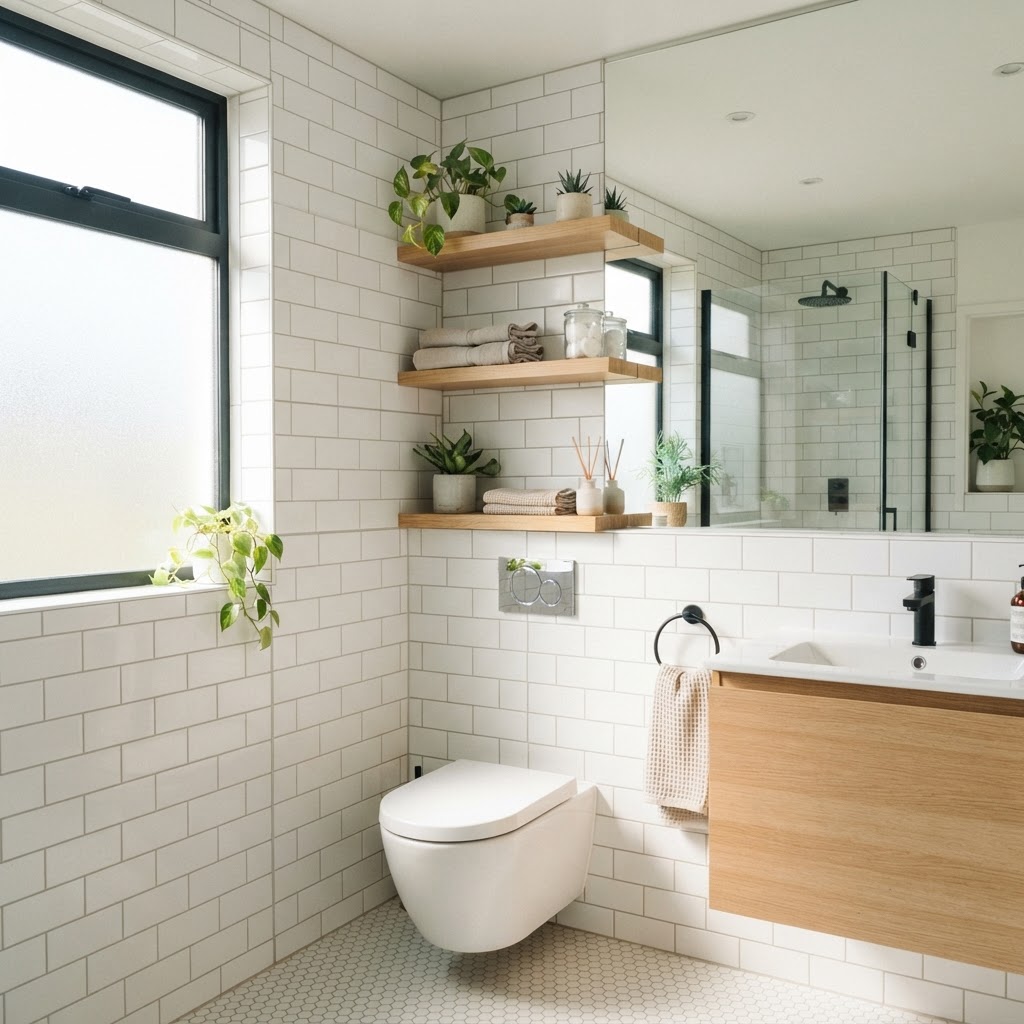




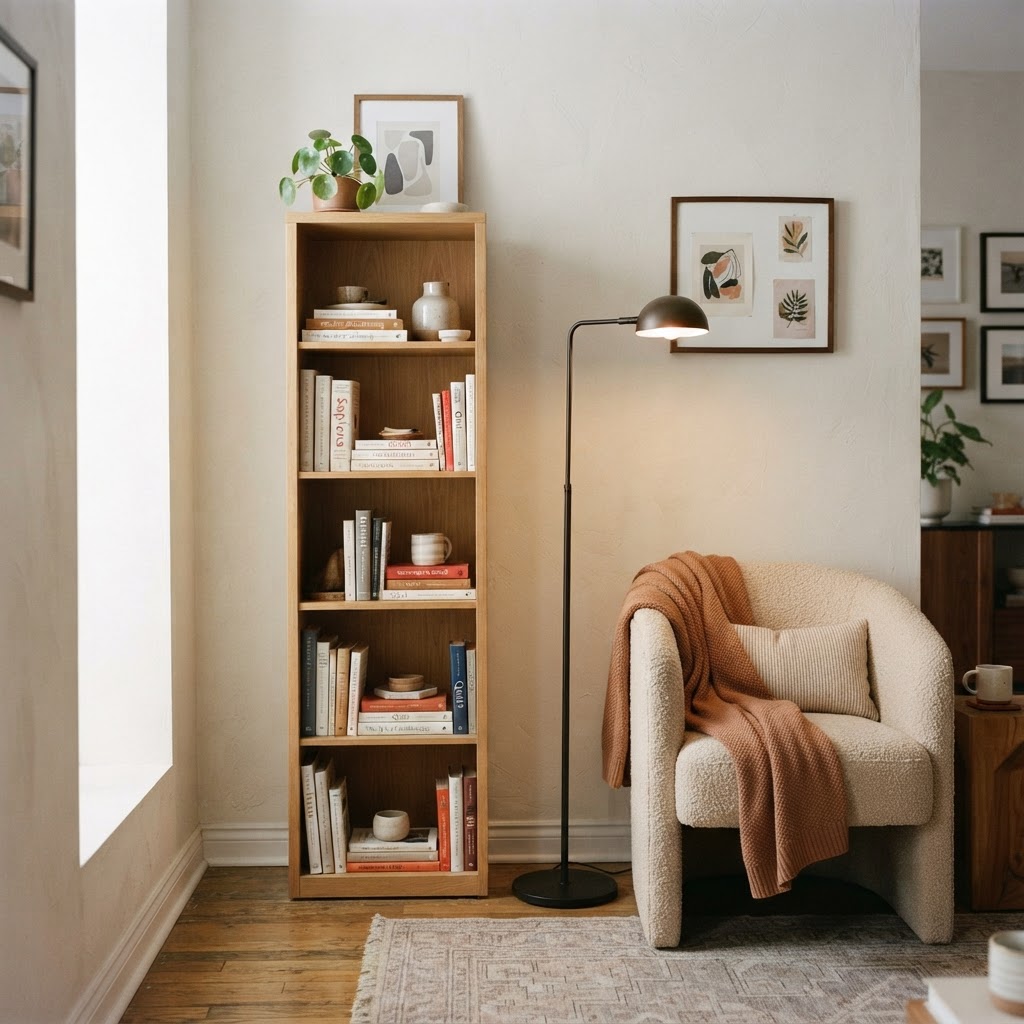
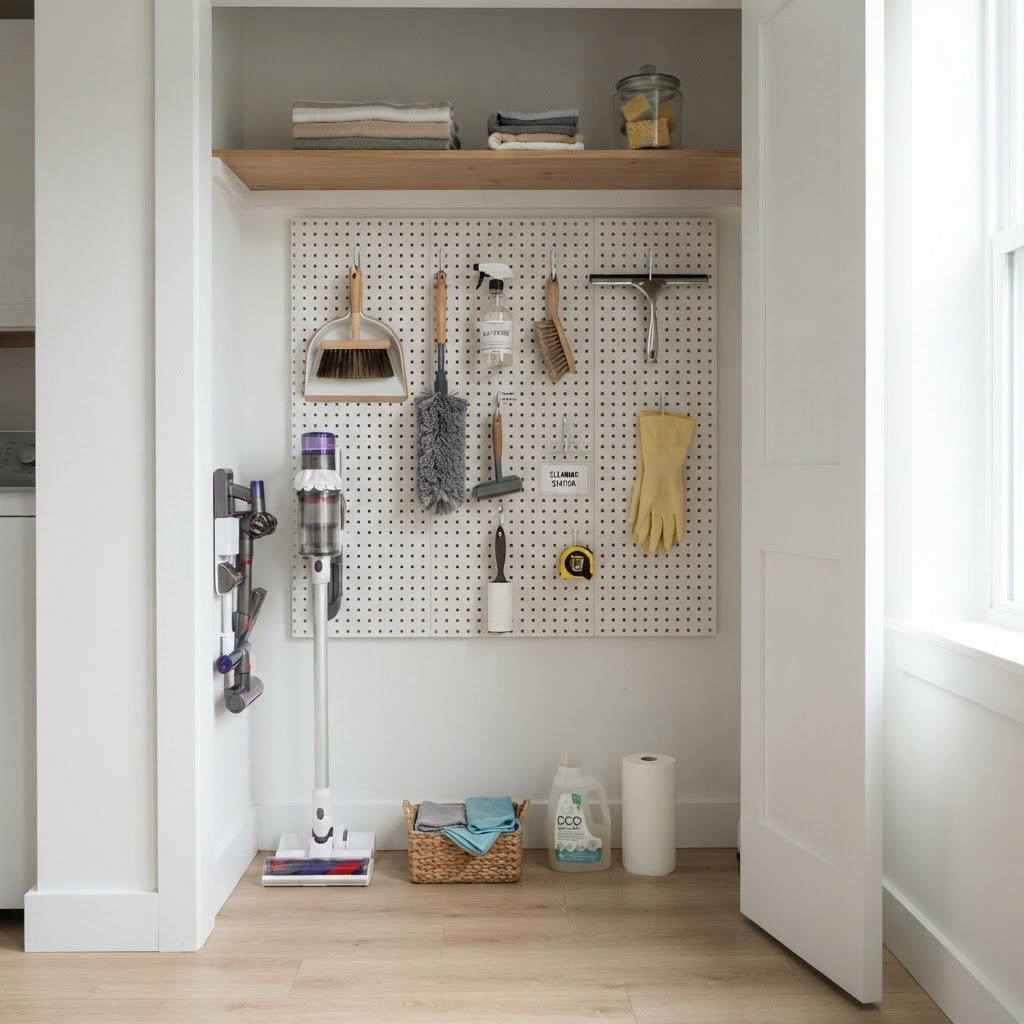
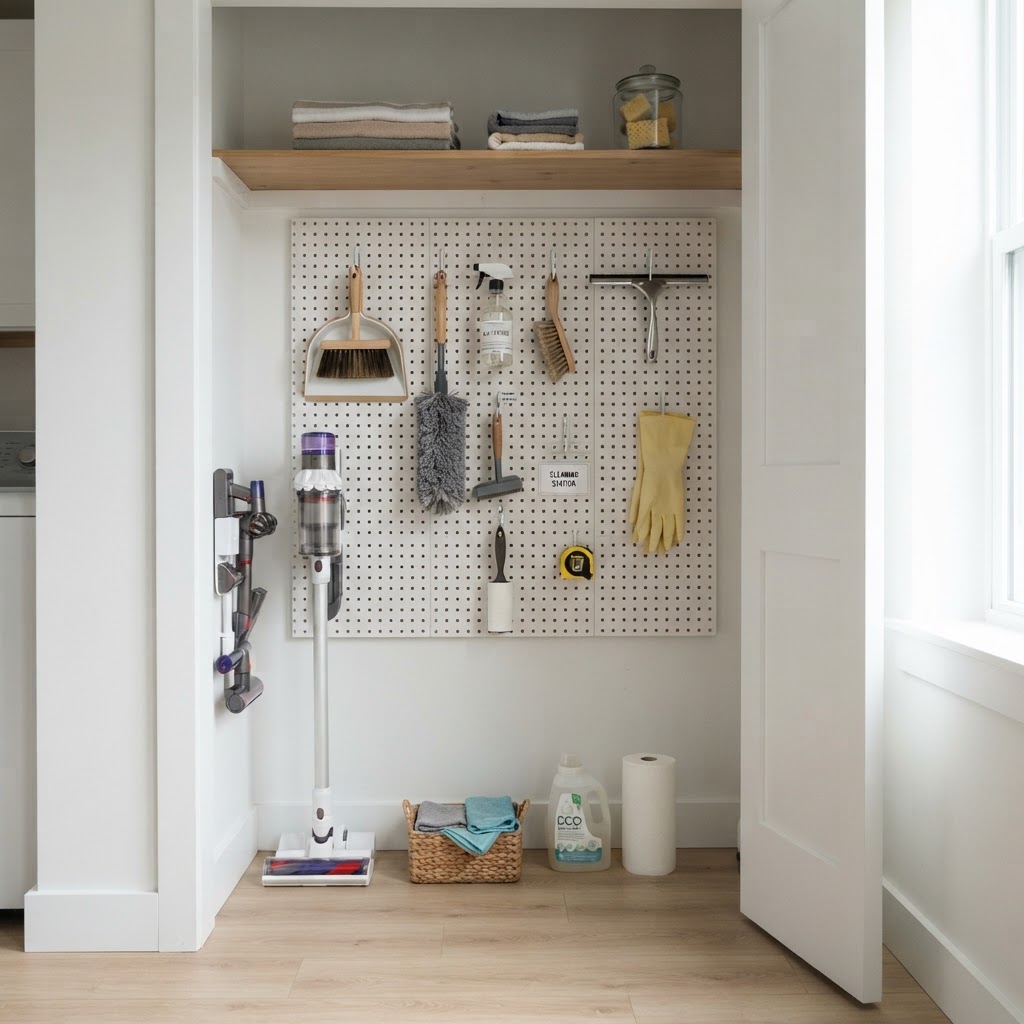



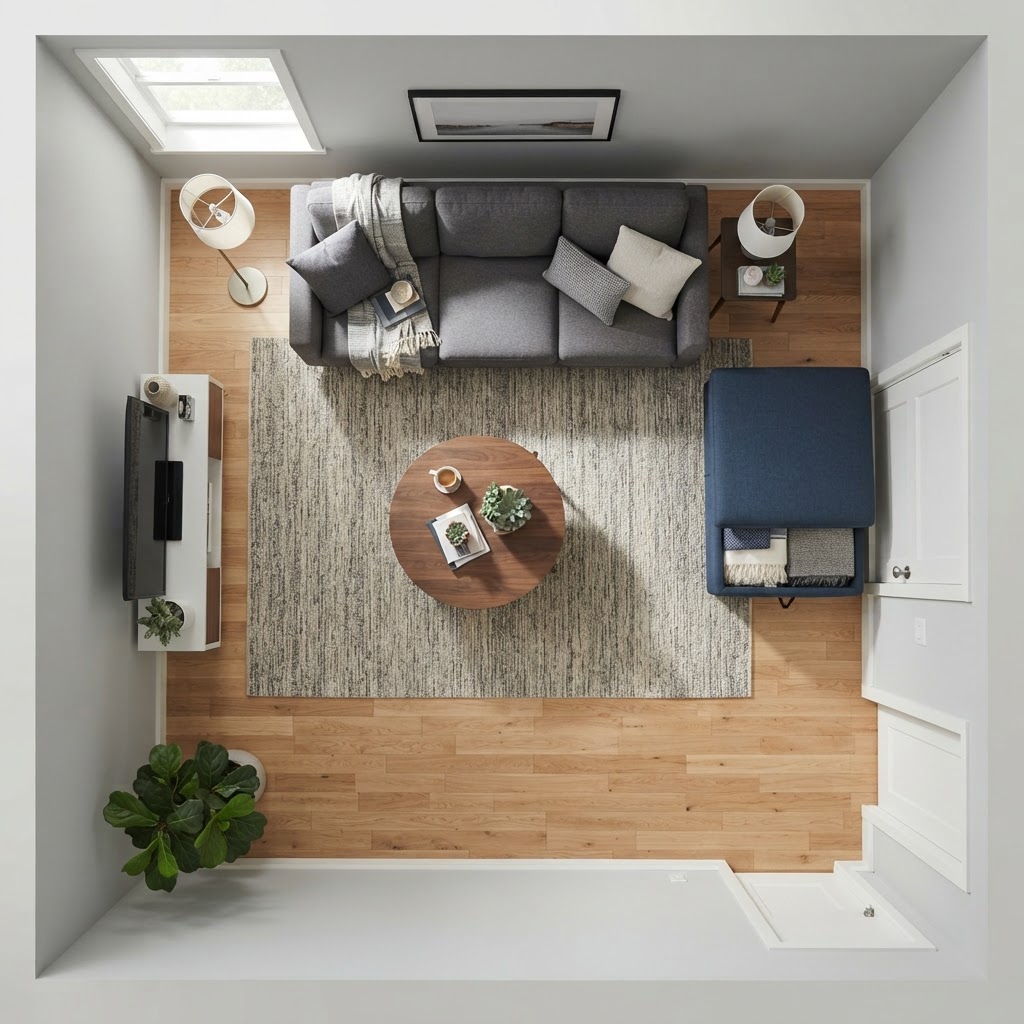
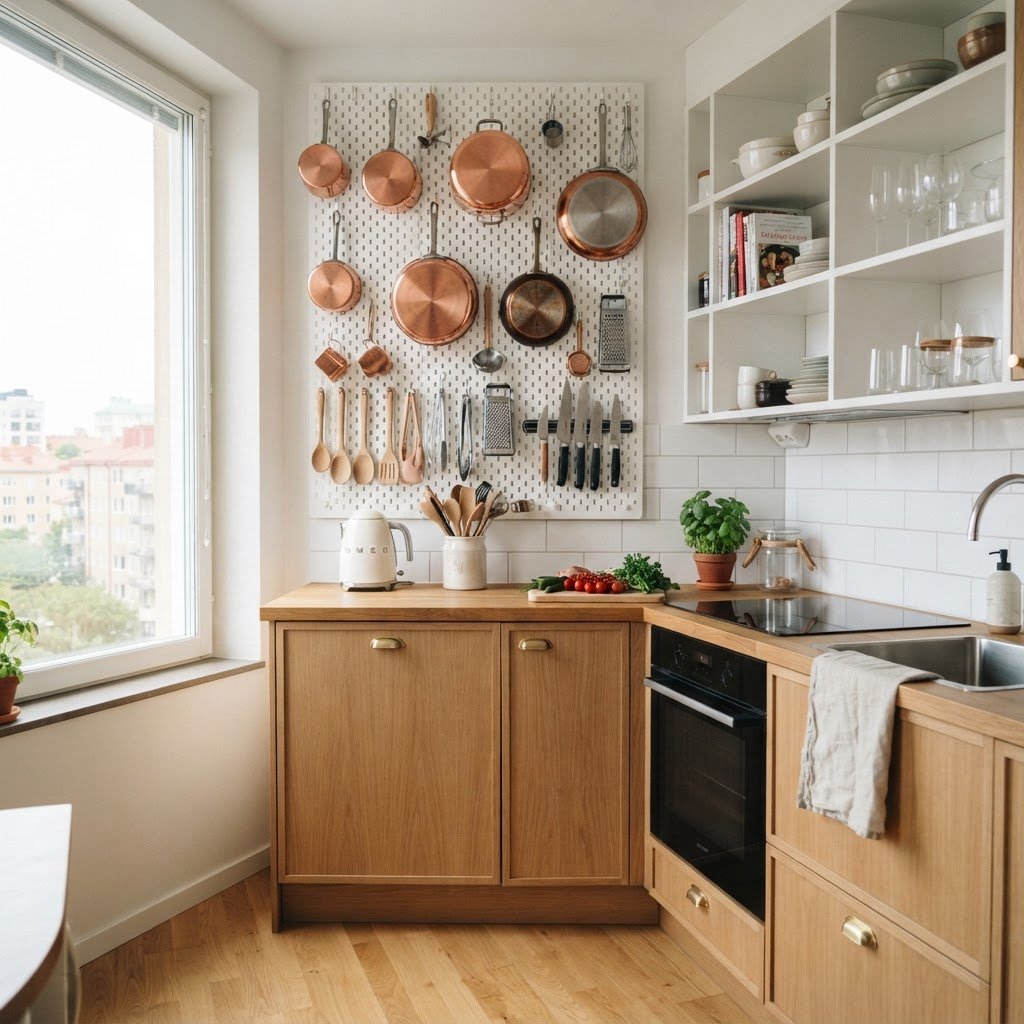
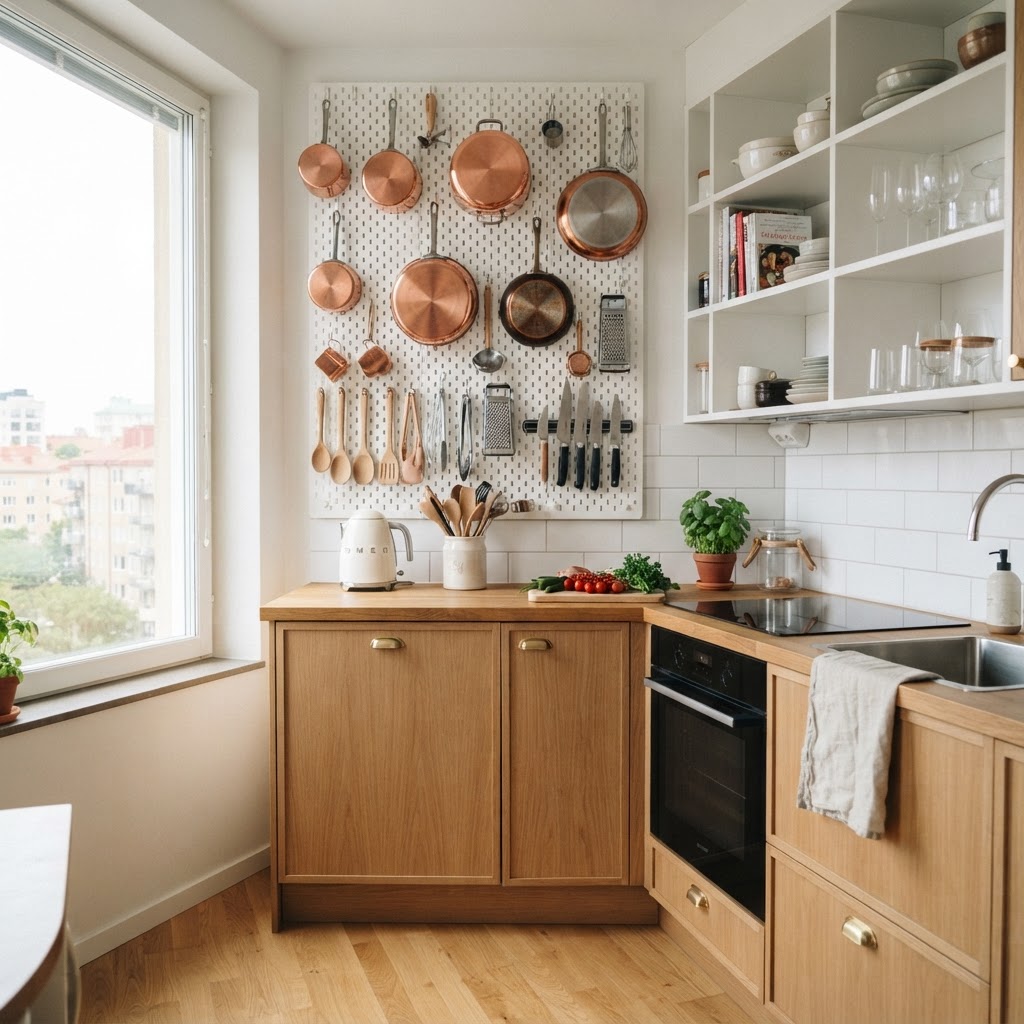 When we think of storage, we often gravitate toward drawers and lower cabinets, which are notoriously difficult to organize. However, empty wall space is perhaps the most underutilized real estate in any home. By moving items off the horizontal surfaces and onto the vertical plane, you create a sense of openness that makes small rooms feel significantly larger. This shift isn’t just about aesthetics; it is about efficiency. When your most-used tools are hung at eye level, your workflow becomes more intuitive, saving you precious minutes during meal prep. ### Why Counter Space Matters Beyond these vertical solutions, there are many additional ways to
  A classic tool used by professional chefs and hobbyists alike, the pegboard is the gold standard for vertical organization. It is incredibly versatile, allowing you to rearrange hooks, baskets, and shelves as your collection of kitchen tools changes. Because you can customize the layout completely, a pegboard ensures that no space is wasted. Instead of a bulky knife block or a crowded utensil jar, install a pegboard behind your stove or near your prep area. You can hang ladles, spatulas, whisking tools, and even small pots directly on the wall. For those who want a minimalist look, choose a white or metallic pegboard that blends into your wall color. This strategy keeps your items clean, accessible, and completely off your counters. ## 2. Magnetic Knife Strips
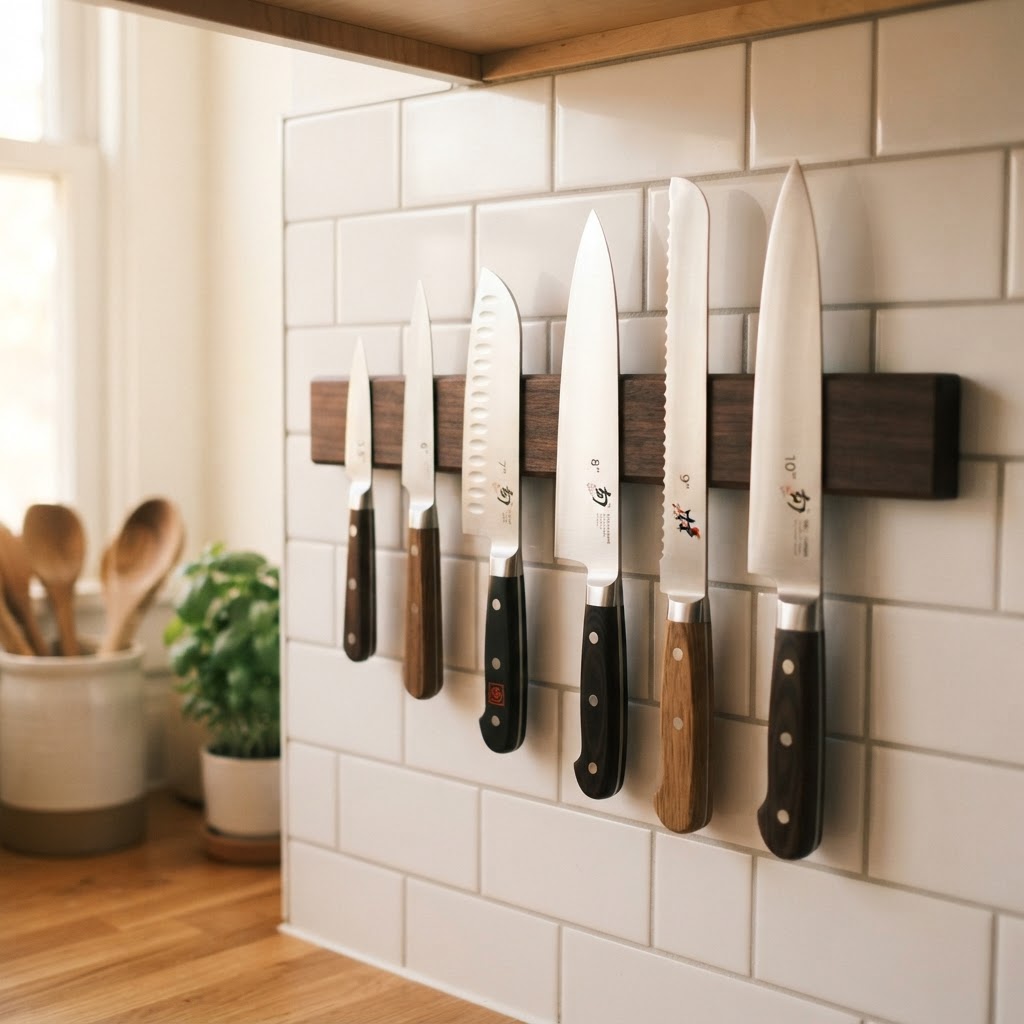
  Knife blocks are notorious counter-space hogs. They are often large, heavy, and difficult to clean, often trapping bacteria in the slots. A magnetic knife strip is the perfect, hygienic alternative that uses zero footprint. By mounting a heavy-duty magnetic bar under your cabinets or directly onto a backsplash, you can keep your blades sharp, organized, and out of reach of children. Choosing the right strip is vital; look for high-strength neodymium magnets that can support the weight of a heavy chef’s knife. Installing this near your primary prep area means your most essential blade is always just a quick grab away. It serves both as a functional tool and a modern piece of wall art that adds character to an otherwise dull kitchen wall. ## 3. Hanging Rails and S-Hooks
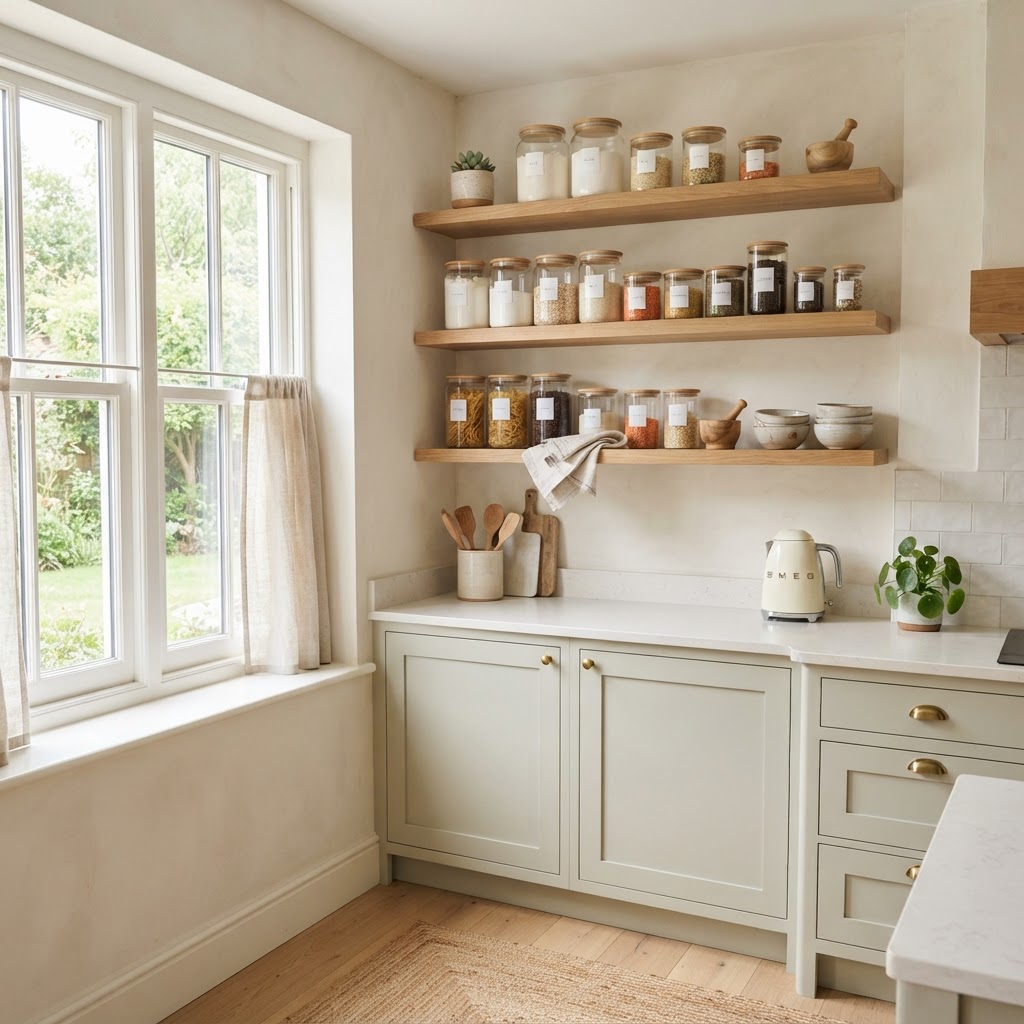
 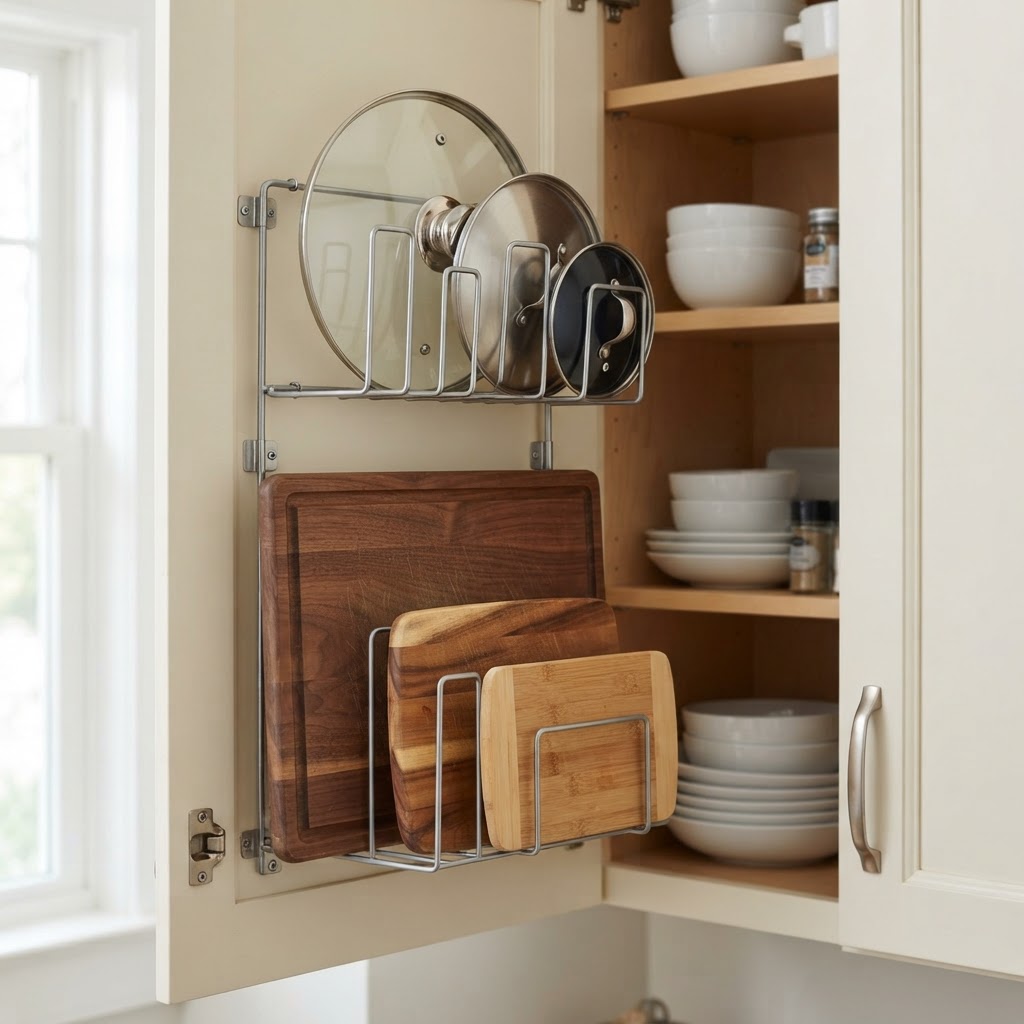 If you have a decorative backsplash or a small strip of wall above your counter, a hanging rail system is an elegant solution. Similar to the professional kitchen aesthetic, these rails allow you to suspend heavy items like copper pots, cast iron pans, or strainers. Using S-hooks, you can easily slide items to the side or remove them when needed. This method is particularly effective for items you use every day, such as your favorite mug or a mesh colander. Because the items are hanging, they air-dry naturally after being washed, which helps prevent moisture buildup inside your cabinets. It turns your cookware into a display piece, saving precious cabinet space for items that are less aesthetically pleasing. ## 4. Under-Cabinet Shelf Baskets Not all vertical storage requires drilling into walls. If you are a renter and cannot make permanent changes, under-cabinet shelves are your best friend. These wire baskets slide onto the shelf of an existing cabinet, utilizing the empty space between your items and the ceiling of the cabinet. They are perfect for storing napkins, sandwich bags, or spice jars that would otherwise be stacked precariously. By adding these baskets, you essentially double the usable space of a single shelf. This keeps your vertical storage organized and accessible, preventing the dreaded “black hole” effect where items get lost at the back of the shelf. It’s a low-cost, high-impact storage hack for any small apartment. ## 5. Over-the-Door Pantry Organizers If you have a closet or a pantry door, you have an incredible amount of untapped storage. An over-the-door rack can hold everything from canned goods and spices to cleaning supplies and food wraps. This removes the need for these items to occupy space in your primary kitchen cabinets, freeing up room for bulky kitchen gadgets. When choosing an over-the-door system, look for one with adjustable baskets. This allows you to fit taller items like vinegar bottles or cereal boxes. Always measure the clearance of your door frame to ensure the unit doesn’t prevent the door from closing properly. This simple addition can feel like adding an entire new pantry to your kitchen. ## 6. Tiered Vertical Racks for Spices Spices are the leading cause of clutter in many small kitchens. Keeping them in a drawer often means you have to dig to find the one you need, while leaving them on the counter results in a crowded, messy look. A tiered wall-mounted spice rack keeps your spices at eye level and arranged alphabetically or by frequency of use. By installing these racks on the side of your cabinets or directly on the wall, you liberate space for cooking. For a cleaner look, use uniform glass jars with clear labels. This not only organizes your ingredients but also adds a professional, designer touch to your kitchen decor. ## 7. Floating Shelves for Dry Goods Floating shelves are a beautiful way to integrate storage into your kitchen’s overall design. By installing a series of shelves above your counter, you can store your everyday items—like glasses, plates, and dry goods in clear canisters—in a way that feels intentional and curated. Unlike bulky upper cabinets, open shelving keeps the room feeling light and airy. Make sure to mount these shelves into studs for maximum support, especially if you plan to store heavy ceramic dishes. Consider adding a small lip or rail to the front of the shelves to keep items secure. This creates a vertical stack of storage that keeps your counters completely clear for your culinary creations. ## 8. Cabinet Door Storage Add-ons The inside of your cabinet doors is a goldmine for storage. You can mount small plastic bins or wire baskets to the interior of the doors to hold pot lids, cutting boards, or cleaning brushes. This “hidden” storage is perfect for items that you use daily but prefer to keep out of sight. Using adhesive-backed hooks or screw-in mounts, you can customize these areas to fit your specific needs. Mounting a small rack to hold your cutting boards keeps them upright, allowing them to dry properly while saving significant space on your work surface. This is one of the most effective ways to maximize small kitchen efficiency without making your home look cluttered. ## 9. Magnetic Canisters and Tins Finally, utilize the often-forgotten space on the sides of your refrigerator. Magnetic canisters are perfect for storing small items like tea bags, packets of herbs, or small snack packs. Because they attach to a magnetic surface, they move around easily and don’t require any permanent installation. This keeps small, easily lost items within reach without them ever touching your counter. It is a quick, inexpensive way to reclaim space in even the smallest kitchenette. Use these magnetic containers to group related items together, such as coffee-making supplies or baking essentials, for a more streamlined morning routine. ## Conclusion Limited counter space doesn’t have to mean a limited kitchen experience. By thinking vertically and utilizing the walls, doors, and sides of your cabinets, you can drastically increase the functionality of your home. Whether you start with a simple magnetic strip or a full-scale pegboard installation, every small change brings you closer to a clutter-free environment. Start small, assess your most frustrating pain points, and begin implementing these vertical kitchen storage ideas today to reclaim your space and your love for cooking. Take action this weekend—choose one of these nine ideas, visit your local hardware store, and watch your kitchen transformation begin!